MENU
Close





The original goth beauty icons emerged from silent cinema and Hollywood horror, turning supernatural fantasy into some of the twentieth century's unforgettable makeup looks.
The original goth beauty icons emerged from silent cinema and Hollywood horror, turning supernatural fantasy into some of the twentieth century's unforgettable makeup looks.
October 12, 2026
Advertisement

Advertisement



The face of goth has a remarkably cinematic history. Between the 1910s and 1960s, these visual experiments developed into a recognizable vocabulary of gothic beauty. Silent-film actresses established the seductive vamp, German Expressionist cinema explored the psychological power of distorted features, and Hollywood horror introduced increasingly elaborate facial transformations. Television eventually brought these aesthetics into ordinary homes through characters whose macabre appearances became cultural icons.
The goth subculture emerged from post-punk music in the late 1970s and early 1980s, drawing on this established visual heritage. Its beauty language had been developing for generations.
The modern history of goth-inspired makeup begins with the vamp, an early cinematic archetype associated with irresistible attraction and dangerous femininity. Its name evolved from the vampire figure, reflecting contemporary fascination with supernatural seduction and the destructive power attributed to certain female characters.
Among the actresses who established this image, Theda Bara became one of cinema's first great beauty provocateurs. Her appearance in A Fool There Was (1915) introduced audiences to a femme fatale whose visual identity revolved around heavily darkened eyes, strongly defined eyebrows, and pronounced lips.
Bara's makeup also answered an important technical requirement of early filmmaking. Orthochromatic film stock responded unevenly to different colors, while intense studio lighting could diminish facial definition. Strong contrasts helped actors communicate emotion through silent images.
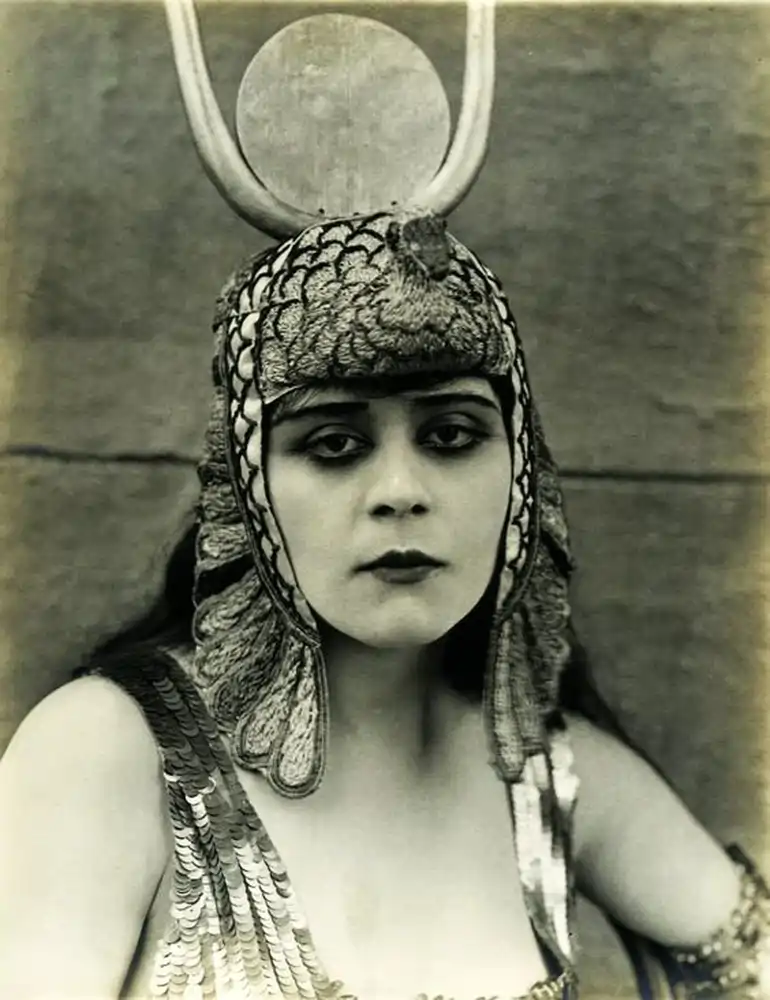
The actress's portrayal of Cleopatra in 1917 developed this aesthetic through Egyptian-inspired eye makeup. Dark pigment extended around the eyelids, creating elongated contours associated with ancient Egyptian cosmetic traditions. The image drew on historical references while reflecting early Hollywood's theatrical interpretation of antiquity.
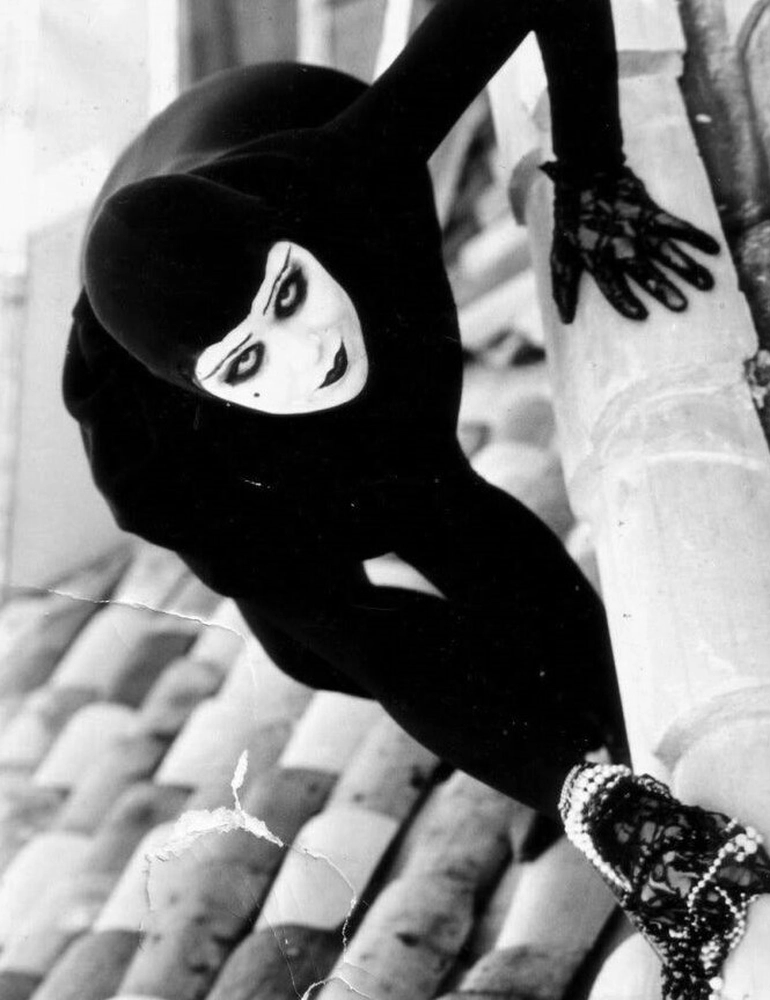
Across the Atlantic, French actress Musidora developed another enduring image of dark femininity through her portrayal of Irma Vep in Louis Feuillade's Les Vampires (1915–1916). Her dramatically outlined eyes, dark lips, and black bodysuit transformed the mysterious criminal into a striking visual icon.
The arrival of German Expressionist cinema introduced a dramatic approach to facial makeup, where appearance became an extension of psychological experience.
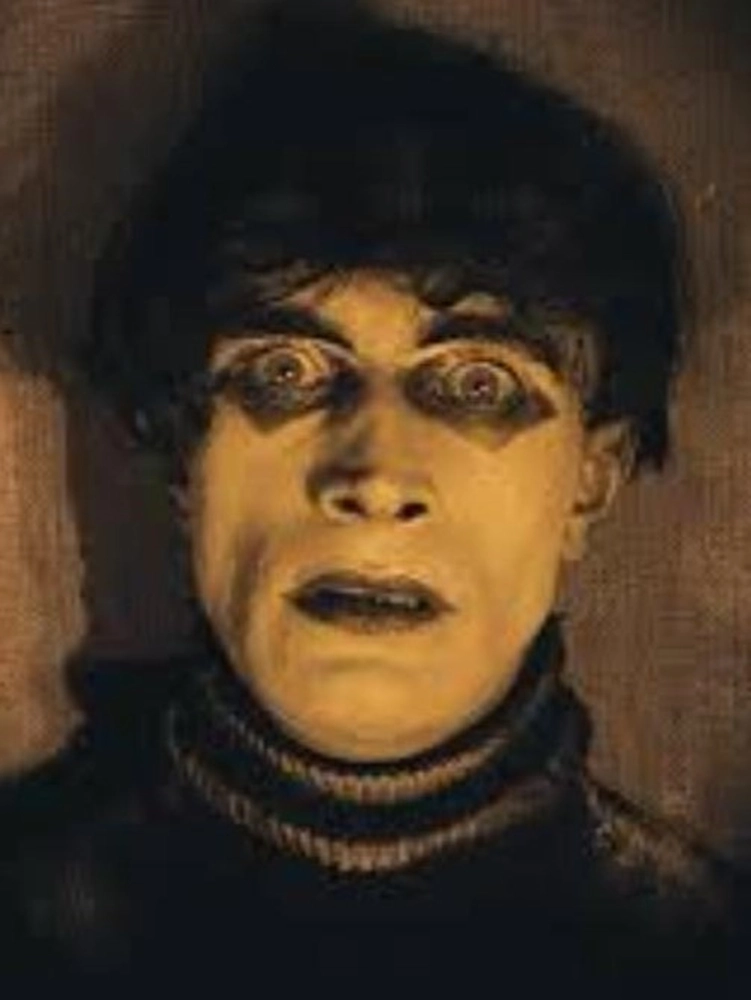
In Robert Wiene's The Cabinet of Dr. Caligari (1920), actor Conrad Veidt portrayed Cesare, a somnambulist whose unsettling appearance became one of early horror cinema's enduring images.
His makeup featured intensely blackened eye sockets, pale facial tones, and exaggerated shadows that transformed his expression into something spectral. These features echoed the film's angular sets, painted scenery, and distorted architecture.
The design reflected the principles of German Expressionism, an artistic movement concerned with communicating internal emotions through deliberate visual distortion. Makeup helped externalize fear, instability, and psychological tension.
The shadowed eyes and ghostly complexion later associated with goth beauty share a recognizable visual relationship with Cesare's theatrical appearance.
During the 1930s, Hollywood horror developed this experimentation through increasingly sophisticated makeup practices.
Universal Pictures established a distinctive monster aesthetic, with makeup artist Jack Pierce creating some of the era's celebrated transformations.
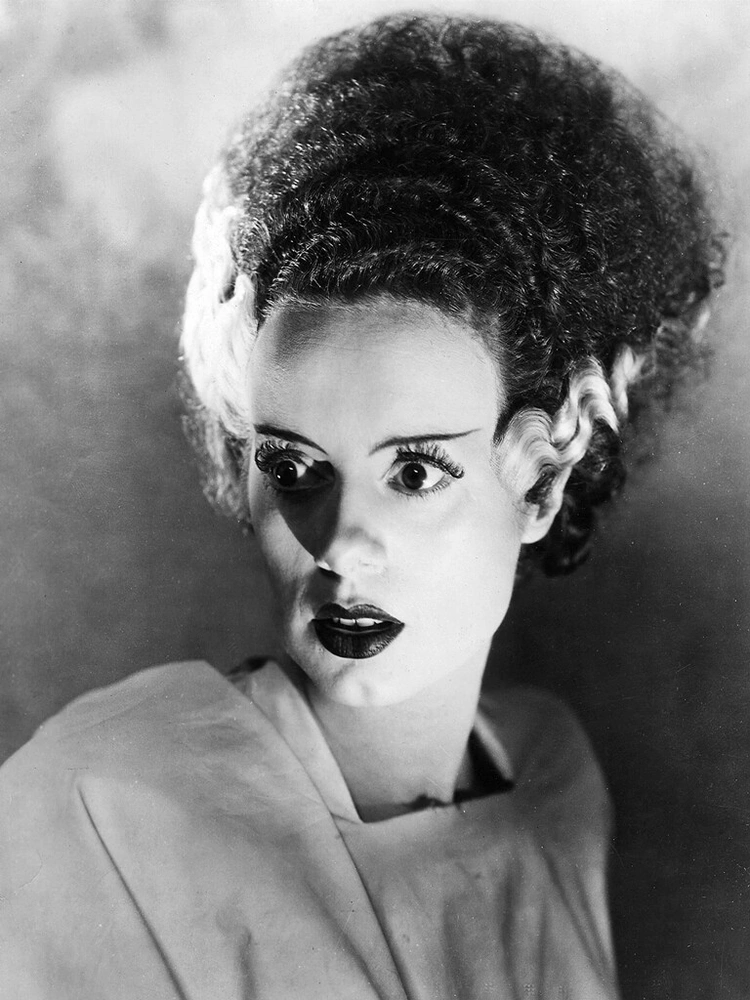
His work on Bride of Frankenstein (1935) helped establish Elsa Lanchester's unforgettable screen appearance. The Bride combined dramatically defined eyes, carefully shaped lips, and a sculptural hairstyle rising around two contrasting white streaks.
Directed by James Whale, the character drew on the visual traditions of horror, theatrical performance, and historical references to Egyptian hairstyles. The elaborate hair construction became central to her identity, framing the face as part of a complete sculptural composition.
Lanchester recalled spending approximately three hours having her facial makeup applied. The painstaking process demonstrated how screen beauty could emerge from specialized technical craftsmanship.
Together, Expressionist cinema and Universal horror contributed an enduring set of aesthetic principles: exaggerated eyes, pale-looking skin, unusual facial proportions, and carefully designed contrasts between light and darkness.
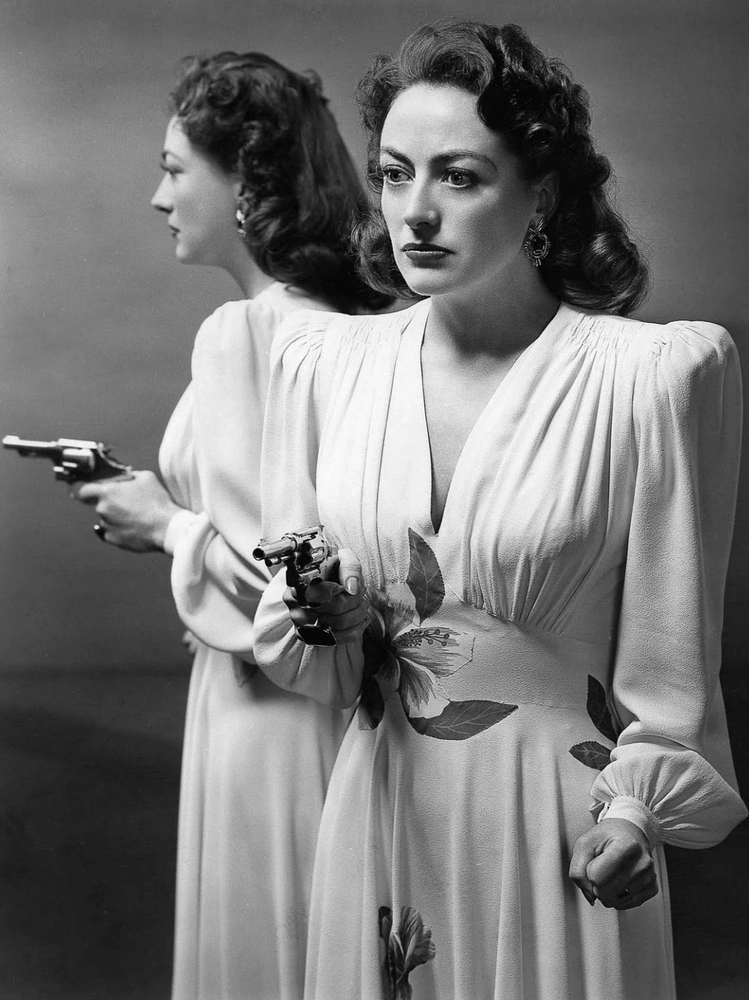
During the 1940s, film noir developed another influential interpretation of dark femininity. Actresses such as Barbara Stanwyck and Joan Crawford appeared with sculpted eyebrows, carefully contoured lips, and expressive eye makeup, their faces shaped by the dramatic lighting associated with noir cinematography.
The style combined established Hollywood starlet glamour with characters defined by ambition, secrecy, and moral complexity. Heavy shadows and sharply illuminated facial features helped create an atmosphere of psychological tension, extending the cinematic relationship between beauty and danger.
By the 1950s, these ideas found a remarkably distinctive expression through Maila Nurmi, whose television persona, Vampira, became an essential predecessor of modern goth makeup.
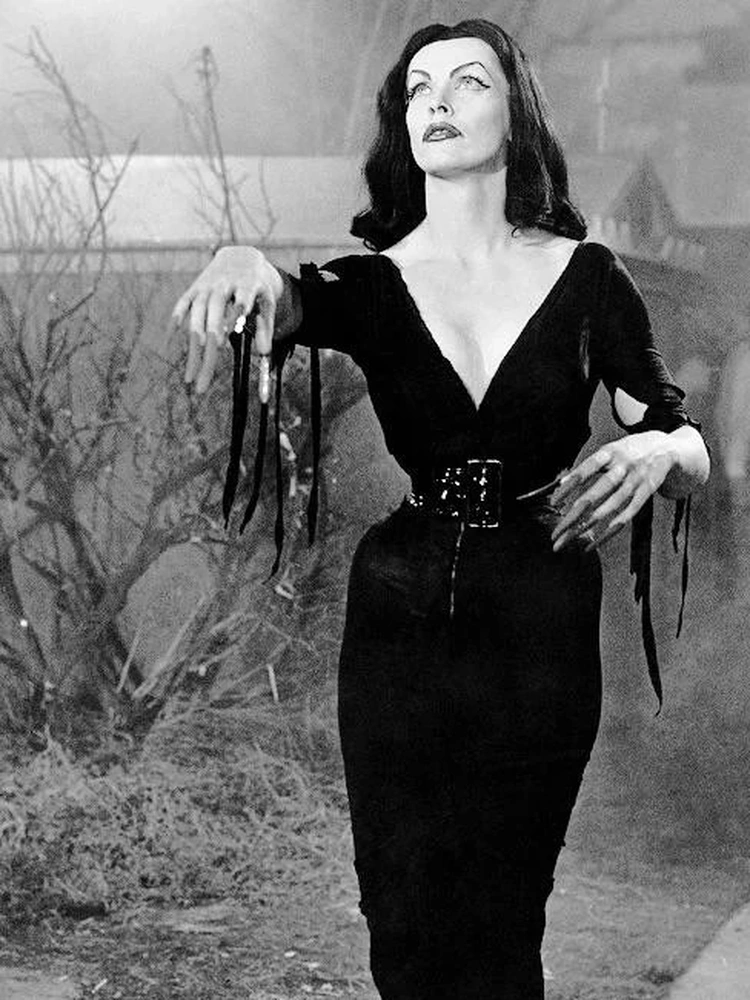
Debuting on Los Angeles television in 1954, The Vampira Show introduced audiences to a mysterious horror hostess with an extraordinarily pale complexion, sharply arched black eyebrows, heavily outlined eyes, and dramatically painted lips.
Nurmi assembled her character from several influences, including Theda Bara's vamp persona, Norma Desmond from Sunset Boulevard, and the macabre matriarch illustrated by Charles Addams in The New Yorker.
Her signature beauty look also incorporated an artificial beauty mark and extraordinarily long, pointed fingernails painted in a blood-red shade. Combined with a plunging hourglass black dress and tightly defined waist, the makeup communicated an identity suspended between Hollywood glamour and supernatural fantasy.
The 1960s introduced gothic beauty to a broad television audience through two enduring characters: Morticia Addams and Lily Munster.
In The Addams Family (1964), Carolyn Jones portrayed Morticia with sharply arched eyebrows, elongated eyeliner, sculpted cheekbones, and carefully defined lips. Her appearance combined mid-century Hollywood beauty techniques with the macabre sensibility of Charles Addams's original illustrations.
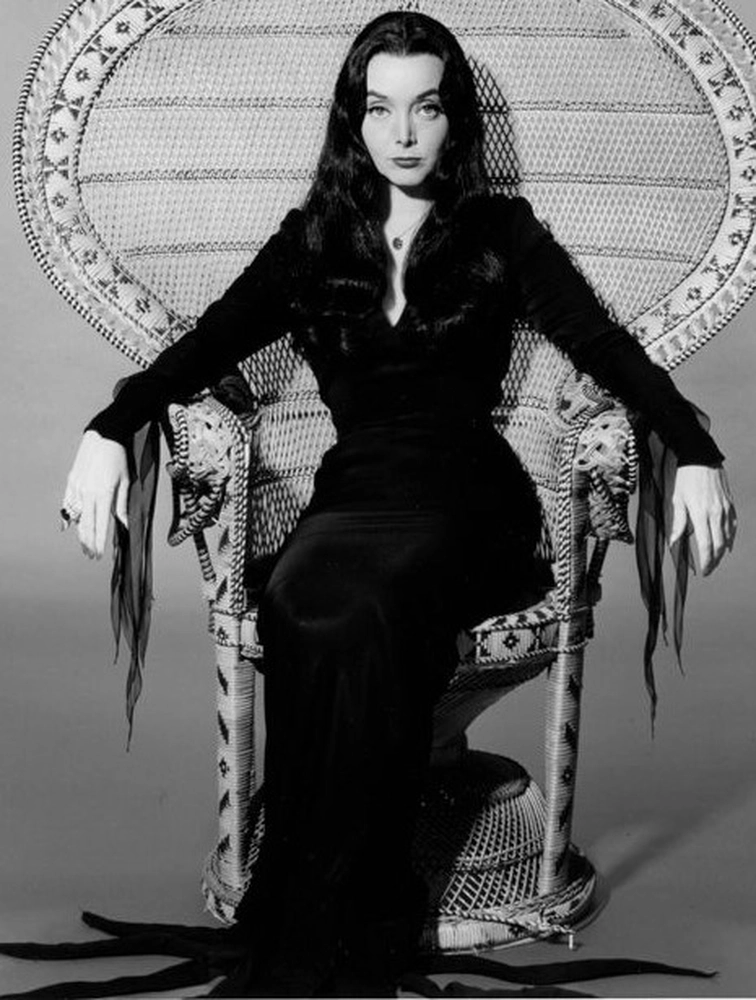
The makeup carried an unexpected detail. Although the series appeared in black and white, Jones reportedly wore light blue eyeshadow to emphasize her eyes. Her facial styling incorporated the cat-eye shapes popular in 1950s and early 1960s cosmetics, adapting familiar beauty techniques to an eccentric fictional character.
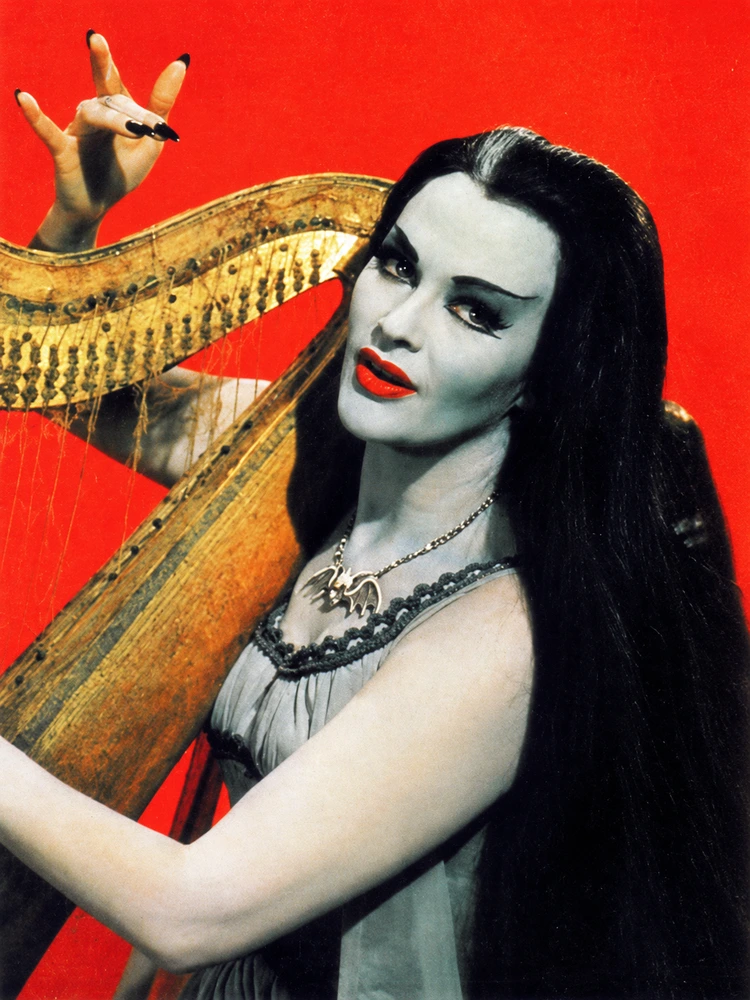
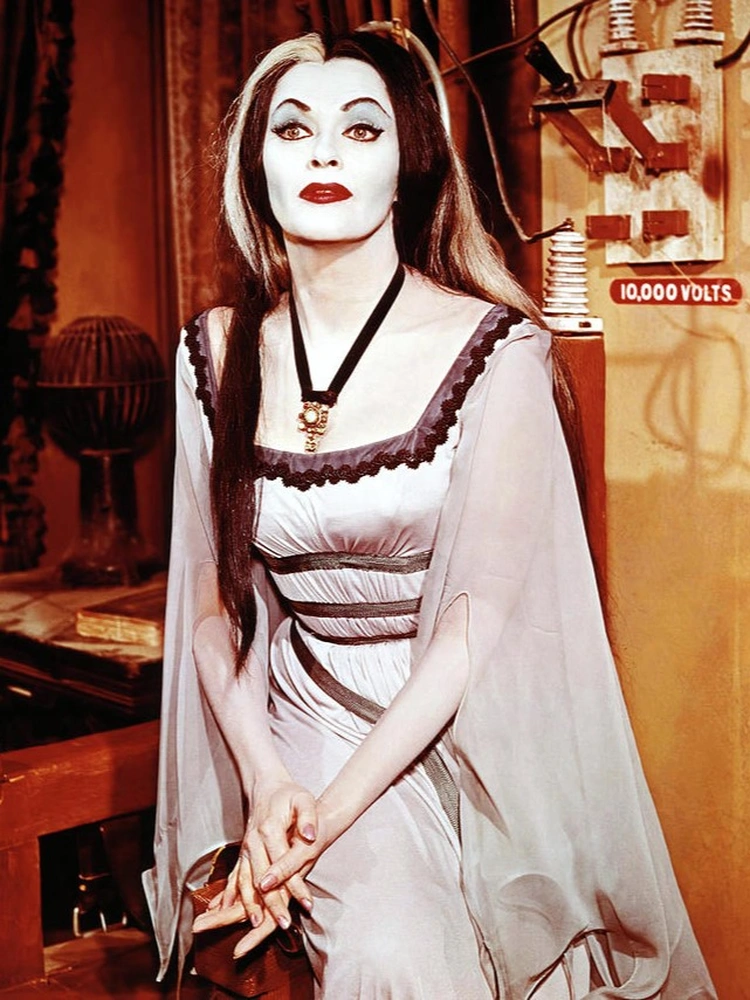
Meanwhile, Yvonne De Carlo portrayed Lily Munster in The Munsters (1964), drawing directly on the imagery of Universal's classic monster films. Her pale gray-blue makeup, dramatically outlined eyes, and black-and-white hairstyle recalled the theatrical techniques established in horror cinema during the 1930s.
Goth beauty carries this legacy through every heavily outlined eye and theatrically pale complexion: a visual language shaped by generations of performers who used makeup to imagine identities beyond the ordinary.
Advertisement