MENU
Close





First came “Ozempic face.” Hair, skin and body changes quickly joined the vocabulary. Now nails have entered the conversation after new research linked GLP-1 use with nail detachment.
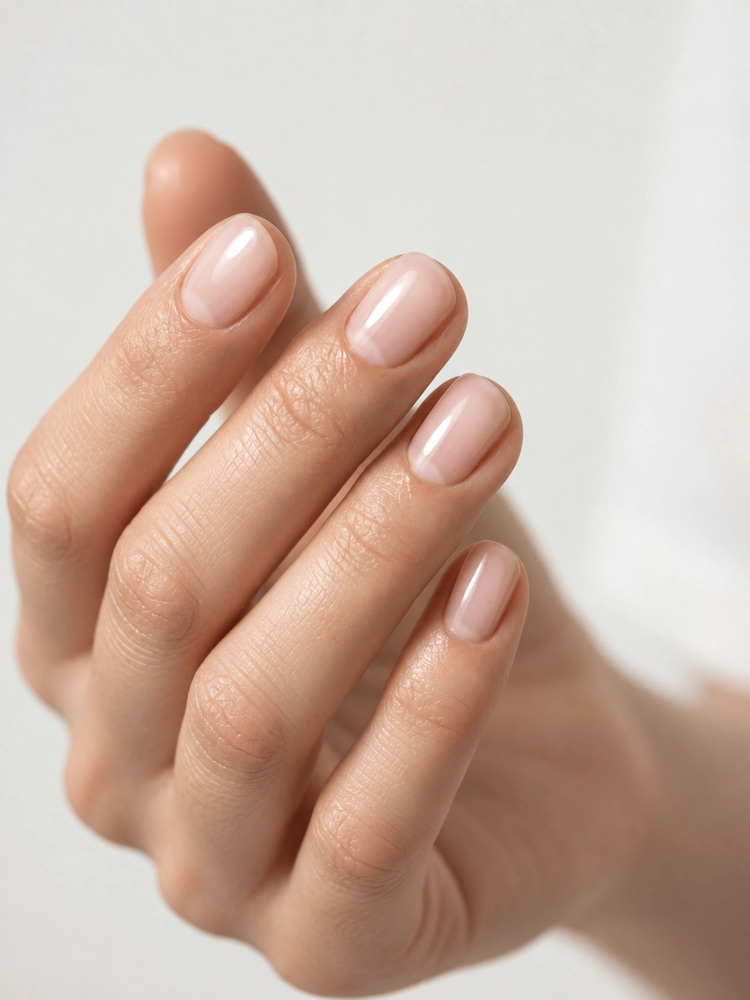
First came “Ozempic face.” Hair, skin and body changes quickly joined the vocabulary. Now nails have entered the conversation after new research linked GLP-1 use with nail detachment.
October 5, 2026
Advertisement

Advertisement



For a pharmaceutical class designed around metabolic health, GLP-1 drugs have acquired an extraordinary second life in beauty language. Facial volume loss became “Ozempic face.” Hair shedding entered beauty conversations around semaglutide and tirzepatide. Loose skin, changing body contours and other visible signs of substantial weight loss received their own social-media vocabulary.
Research presented at the European Academy of Dermatology and Venereology Congress 2026 found an association between GLP-1 receptor agonist use and several nail disorders, including onycholysis, the medical term for separation of the nail plate from the nail bed. Within days, the ingredients for another irresistible beauty headline were assembled.
The sequence sounds wonderfully simple. Human biology rarely is.
Researchers examined 575 people taking GLP-1 receptor agonists and 1,329 participants living with obesity, type 2 diabetes, or both who had never used the medications. Participants came from France, the United States, Brazil and Mexico.
Among GLP-1 users, 66% reported at least one nail disorder. The figure in the control group was 53%. Nail discoloration appeared in 46% of GLP-1 users and 17% of controls. Onycholysis produced the headline-grabbing finding: 39% among users and 9% among controls.
Those figures create a very different thing from a diagnosis called “Ozempic nails.”
The study was cross-sectional and relied on patient-reported symptoms. Researchers captured patterns within a population at a particular period instead of clinically examining the same participants before GLP-1 treatment and following their nails through treatment. Around half of GLP-1 users also reported nail problems that existed before therapy began. Adjustments for dermatological conditions and nutritional deficiencies reduced the strength of several associations, while nail detachment and discoloration continued to appear prominently.
Study author Charles Taïeb summarized the scientific position carefully: the findings establish an association and encourage further investigation into causation.
A lifted nail can look dramatic. Its list of possible causes is equally extensive.
DermNet identifies repetitive physical trauma, manicure practices, prolonged water exposure, nail cosmetics, psoriasis, dermatitis, fungal and yeast infections, thyroid disorders, diabetes, pregnancy and several medications among established causes of onycholysis.
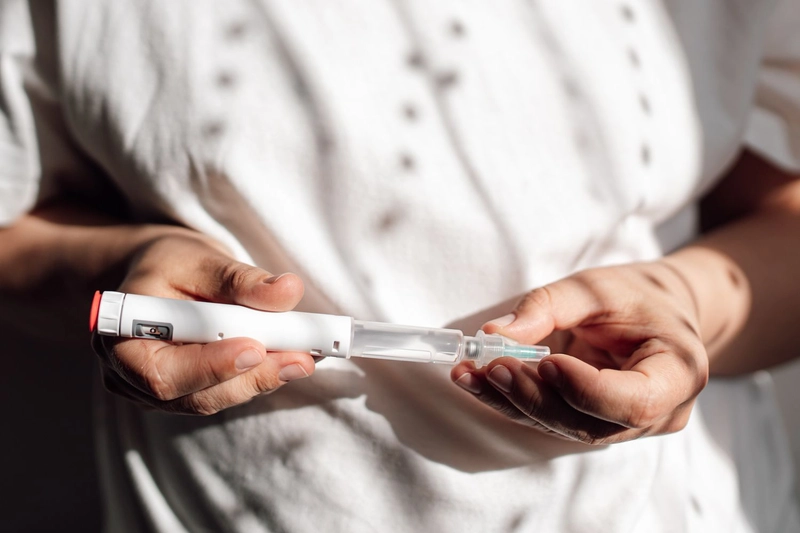
Someone taking a GLP-1 medication may simultaneously live with diabetes, experience major weight reduction, change food intake, receive regular manicures, wear gel extensions, encounter repeated mechanical trauma, develop a fungal infection or use another medication capable of influencing the nail.
A cross-sectional association places GLP-1 therapy somewhere inside that picture. Prospective research can begin identifying its exact position.
The EADV researchers are already planning studies that follow participants from treatment initiation using standardized dermatological examinations and biological monitoring. Such a design could reveal when nail changes begin, which patients develop them, and which clinical factors accompany them.
That next stage matters enormously because “people taking GLP-1 drugs report this symptom” and “GLP-1 pharmacology produces this symptom” are two separate scientific claims.
GLP-1 receptor agonists can reduce appetite and food intake. During substantial weight reduction, protein and micronutrient intake can shift as well. Nails grow through a continuous process of keratin production, making nutritional status relevant to their formation and integrity.
Hair already provides a useful parallel. Rapid weight reduction, metabolic stress and changes in nutritional intake are recognized contributors to telogen effluvium, a form of diffuse hair shedding that may appear following physiological stress.
Yet nutrition alone leaves questions open in the nail study. Researchers analyzed participants who had experienced weight loss and continued to observe the nail association. Adjusting for documented nutritional deficiencies also left an association with detachment and discoloration.
The sensible interpretation therefore stays broad. Nutrition could form part of the pathway for certain patients. GLP-1 pharmacology could contribute through another pathway. Existing metabolic disease may play a role. Several mechanisms could operate simultaneously.
In response to coverage of the study, nail professionals argued that aggressive e-file work and cuticle removal deserve consideration when discussing detached nail beds. Their concern has support within dermatology, although it cannot explain individual cases from the GLP-1 study without specific patient data.
DermNet includes repetitive manicure trauma among recognized causes of onycholysis.
The American Academy of Dermatology has also raised concerns about Russian manicures. The technique commonly uses an electric file around the nail and cuticle, creating an extremely clean, close finish. Dermatologist Dr. Dana Stern Karlin has emphasized the cuticle's role as a protective barrier and linked its removal with increased susceptibility to bacterial and fungal infection and paronychia.
Future GLP-1 nail research could become far richer by documenting nail-service history alongside medical variables: e-file use, cuticle removal, gel systems, extensions, manicure frequency, occupational trauma and chemical exposure.
“Ozempic face” became a widely understood description for facial hollowing, increased visibility of wrinkles and loose skin in people experiencing substantial weight loss while using GLP-1 drugs.
Cleveland Clinic describes the phenomenon through rapid loss of facial fat and changes in soft-tissue volume. Similar facial changes can accompany major weight reduction through bariatric surgery and lifestyle interventions.
It takes a visible physical phenomenon shaped by weight change and attaches it to one recognizable pharmaceutical brand. Calling something “GLP-1 nails” gives readers an immediate mental model: drug goes in, nail separates.
GLP-1 treatment sits alongside changes in appetite, nutritional intake, body weight, metabolic health, existing dermatological conditions, medications and external nail trauma. Researchers have discovered an association within that network. Their next job is locating the mechanism.
Advertisement