




A mysterious grey treasure washes ashore, carrying a scent that captivated kings and perfumers. Ambergris has an origin stranger than its luxurious reputation.

Ambergris: The Ocean's Most Expensive Secret
A mysterious grey treasure washes ashore, carrying a scent that captivated kings and perfumers. Ambergris has an origin stranger than its luxurious reputation.
November 13, 2026


Ambergris has fascinated royalty, merchants and fragrance makers for centuries, inspiring legends that often seemed stranger than its true origin. Formed within a sperm whale and transformed by the ocean, this elusive material embodies a remarkable intersection of biology, chemistry and human imagination.
Ambergris, Born Inside a Sperm Whale
Deep beneath the surface, sperm whales hunt squid, swallowing their soft bodies alongside hard, indigestible beaks. Scientists believe ambergris develops when waxy intestinal secretions surround irritating material and gradually accumulate into a solid mass. Its precise formation remains incompletely understood, and only a small proportion of sperm whales appear to produce it.
The familiar description of ambergris as whale vomit therefore obscures its likely intestinal origin. Once expelled, the substance can drift through seawater for an uncertain period, changing as sunlight, salt and oxygen act upon it.
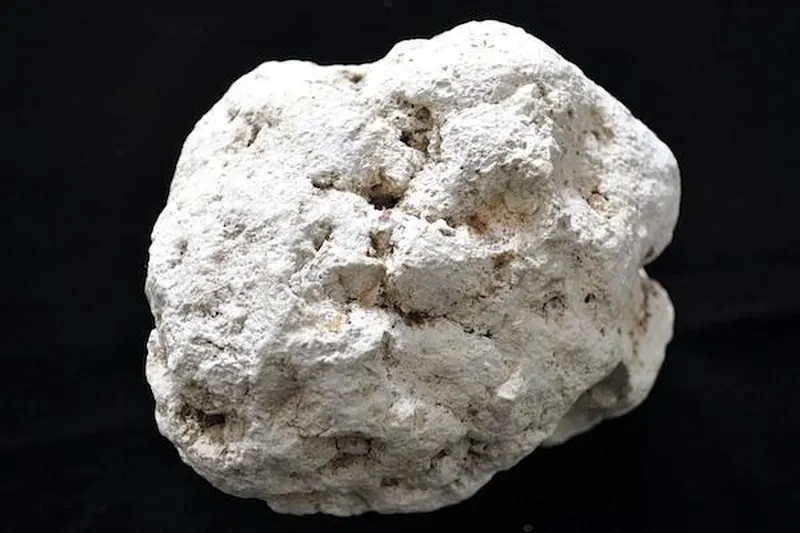
Fresh ambergris tends to be dark and strongly animalic, occasionally carrying a distinctly fecal smell. Weathered specimens may become grey, pale yellow or nearly white, acquiring a firmer consistency and a subtler fragrance. Mature ambergris can suggest sea salt, warm skin, tobacco, dry wood and earthy musk, sometimes accompanied by faint sweetness. Individual pieces vary considerably, making the assessment of quality a specialized skill.
Collectors historically examined its color, texture and scent, sometimes finding precious material among ordinary beach debris, where years of ocean travel had disguised its truly remarkable biological origins.
The transformation is especially intriguing: much of the fragrance that perfumers prize develops after the substance has separated from the whale.
How Ambergris Develops Its Extraordinary Scent
The chemistry of ambergris centers on ambrein, a major constituent with little odor of its own. As the material weathers, oxidation produces fragrant compounds, including ambroxide, which contributes warm, woody and musky impressions. Other compounds create the more elusive marine and animalic nuances of natural ambergris.

Historically, perfumers also valued it as a fixative, contributing persistence and harmony to elaborate compositions. Its quiet presence could enrich floral, woody and musky perfumes without dominating their overall character.
Scientific interest intensified during the twentieth century. In the 1930s, chemists working with valuable ambergris investigated its molecular structure, helping establish the foundation for ambergris-inspired aroma chemicals. That research would eventually allow perfumers to recreate aspects of a substance previously available only through chance discoveries and irregular trade.
Ambergris, the Fragrance of Kings and Emperors
An archaeological study published in March 2026 introduced a striking new dimension to ambergris history. Researchers identified ambergris-associated chemical residues in bronze vessels from the Wuwangdun royal tomb in China's Anhui province, dating to the late third century BCE. The findings offer exceptionally early molecular evidence of the material's use. Its precise function remains uncertain, with ceremonial or aromatic purposes among the proposed interpretations.
Centuries later, ambergris became a prestigious substance in Islamic and Persian societies. Known as anbar, it appeared in incense, fragrant preparations and medicinal traditions. Persian poetry associated its distinctive aroma with luxurious clothing and the hair of a beloved person. Across regional trading networks, its reputation flourished despite persistent uncertainty about its biological source.
Explanations ranged from marine plants and hardened sea foam to the saliva of dragons resting beside the ocean. Even its French name, ambre gris, meaning grey amber, preserves a historical confusion: ambergris has no botanical connection to fossilized tree resin.
European aristocrats embraced ambergris through elaborate scent rituals. Wealthy people carried pomanders containing aromatic materials, believing their fragrance offered protection during epidemics. Perfumed gloves, clothing and personal accessories later became recognizable expressions of courtly refinement.
Ambergris even appeared in extravagant culinary traditions. King Charles II of England was reportedly fond of eggs seasoned with the prized substance. Such anecdotes reveal a commodity whose prestige reached well beyond perfume, into medicine, gastronomy and demonstrations of wealth. Obtaining ambergris suggested access to distant trade routes and the unpredictable generosity of the sea.
Ambergris and the Making of Iconic Perfumes
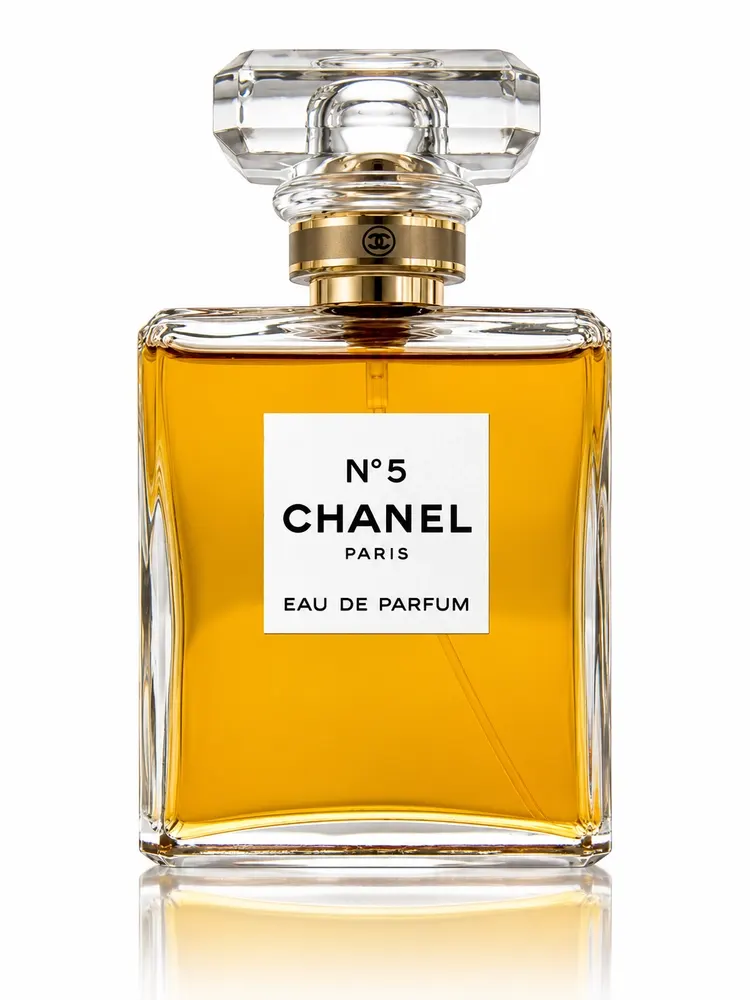
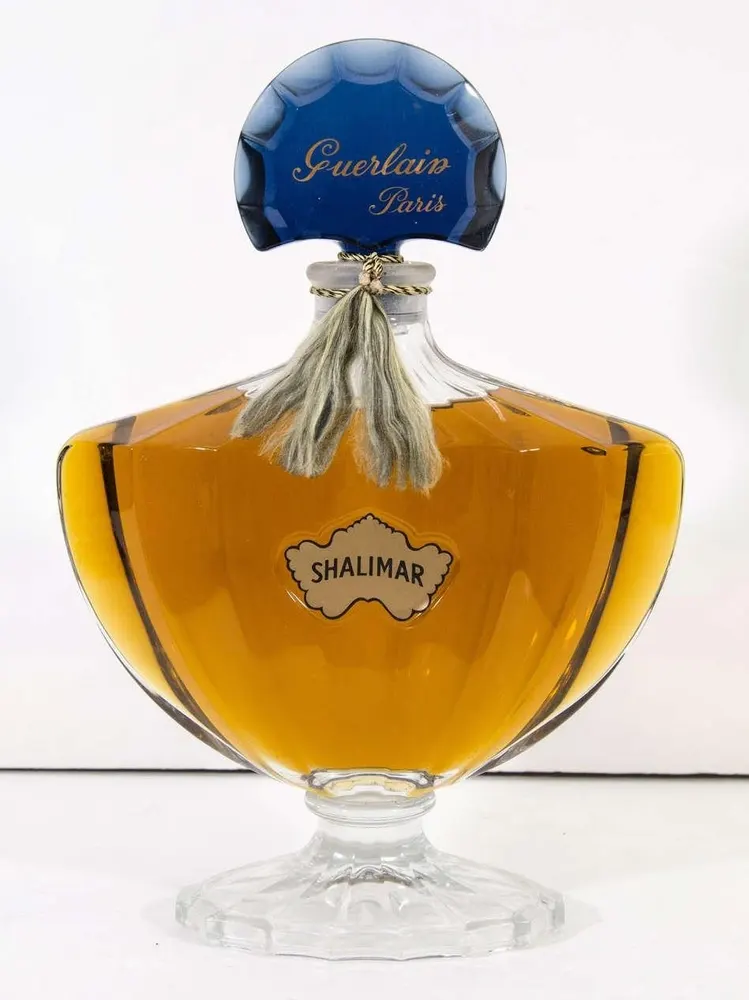
As European fine perfumery evolved, ambergris became celebrated for its subtle diffusion, skin-like warmth and capacity to support complex formulas. Historical discussions frequently connect it with celebrated compositions such as Chanel N°5 and Guerlain Shalimar.
Yet an ambergris note in a fragrance description cannot establish whether genuine animal-derived material appeared in an original formula. Historic recipes, subsequent reformulations and modern marketing require careful distinction.
A clearer contemporary example is Les Indémodables Ambre Suprême, whose maker identifies a ten-percent tincture of genuine ambergris. Its mineral, marine and softly animalic profile allows the natural ingredient to emerge as a defining element of the fragrance. This documented use is unusual in a market increasingly reliant on manufactured substitutes.

Where Did Natural Ambergris Go?
Ambergris has an unusual conservation history. Pieces may wash ashore naturally, so discovery does not inherently require harming a whale. Historically, however, commercial whaling also supplied the material. Today, rarity, wildlife protections and national regulations complicate its trade. In the United States, possession and sale of ambergris are prohibited under protections governing marine mammals; legal treatment varies elsewhere.

Modern perfumers commonly employ ambroxide-based materials, including Ambroxan, to achieve radiant, woody, musky effects associated with ambergris. These molecules provide consistency and control, although natural ambergris contains a broader aromatic mixture. Advances in synthesis and biotechnology continue to expand alternatives to whale-derived substances.
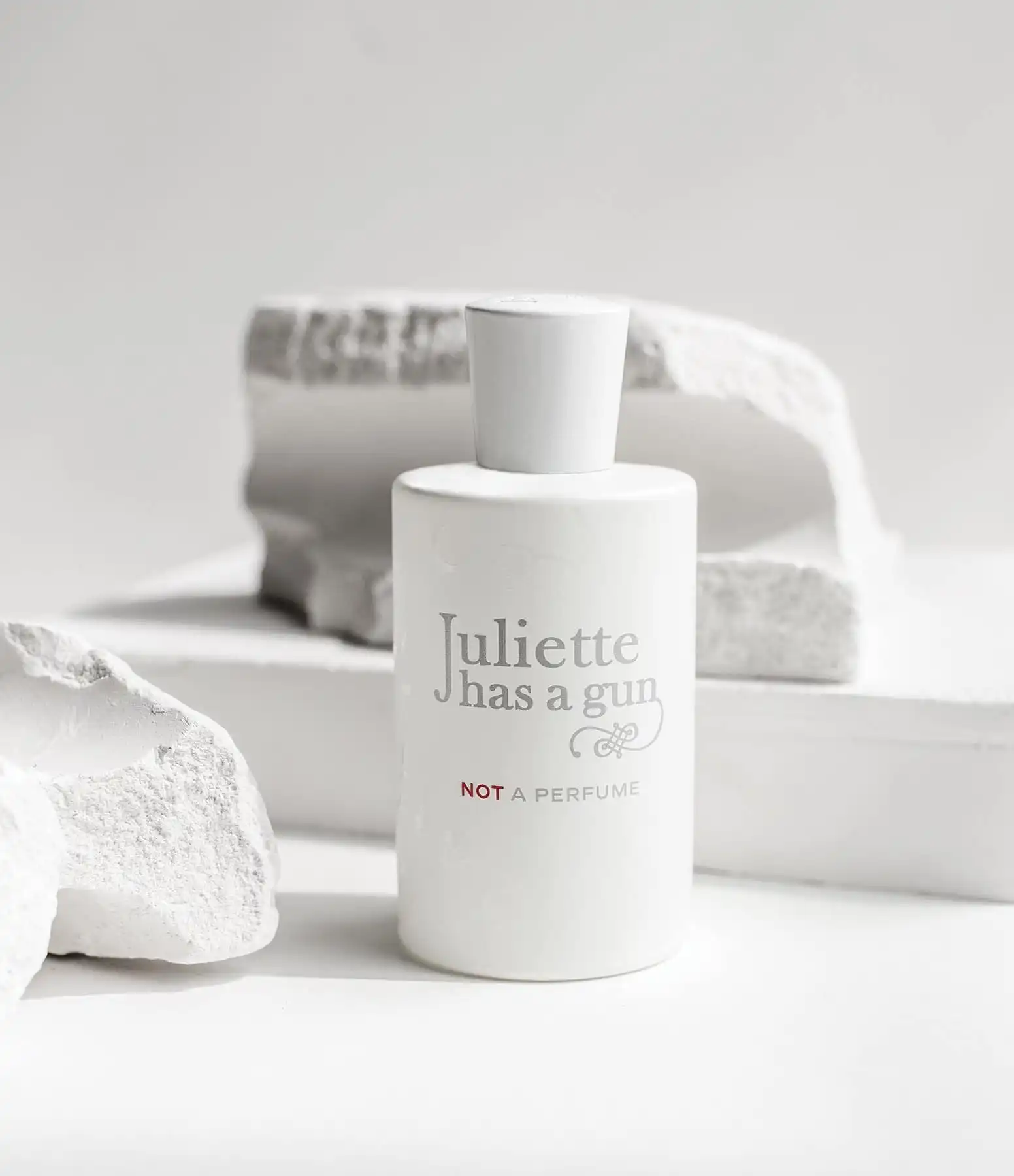
Modern perfumery has embraced synthetic molecules that recreate the distinctive woody, musky and mineral facets of natural ambergris. Created by Geza Schoen, Escentric Molecules Molecule 02 (2008) centers on Ambroxan, delivering a warm, radiant interpretation of the rare marine ingredient. Juliette Has a Gun Not a Perfume (2010), developed by Romano Ricci, uses Cetalox to produce a minimalist, skin-like fragrance. Meanwhile, Le Labo Another 13 (2010), composed by Nathalie Lorson, combines synthetic ambrox with jasmine and moss to create a softly diffusive, musky signature. These three iconic fragrances demonstrate how synthetic ambergris-inspired materials have developed their own place in contemporary perfumery.
Another distinction matters: ambergris differs from the familiar amber accord. Amber is generally constructed from warm materials such as labdanum, benzoin and vanilla, while ambergris carries salty, musky and animalic dimensions. The names sound related, but their aromatic identities arise from very different traditions.
The continuing fascination with ambergris raises a deeper question about what constitutes authenticity in fragrance. A perfumer can reproduce individual molecules with remarkable precision, while a naturally weathered specimen bears the chemical signatures of an unpredictable journey. Future perfumery may increasingly reconstruct that complexity through sophisticated accords, preserving its strange marine character without depending on wildlife-derived supplies.
Ambergris thus remains valuable as an olfactory idea as much as a physical commodity: a reminder that the history of scent is shaped by scientific curiosity, cultural imagination and the changing meaning of luxury.