After almost two centuries of exquisite craftsmanship, Hermès is preparing for haute couture. Can the house deliver the spectacle its reputation now demands?
Why Did Hermès Wait Almost Two Centuries for Couture?
After almost two centuries of exquisite craftsmanship, Hermès is preparing for haute couture. Can the house deliver the spectacle its reputation now demands?
November 12, 2026


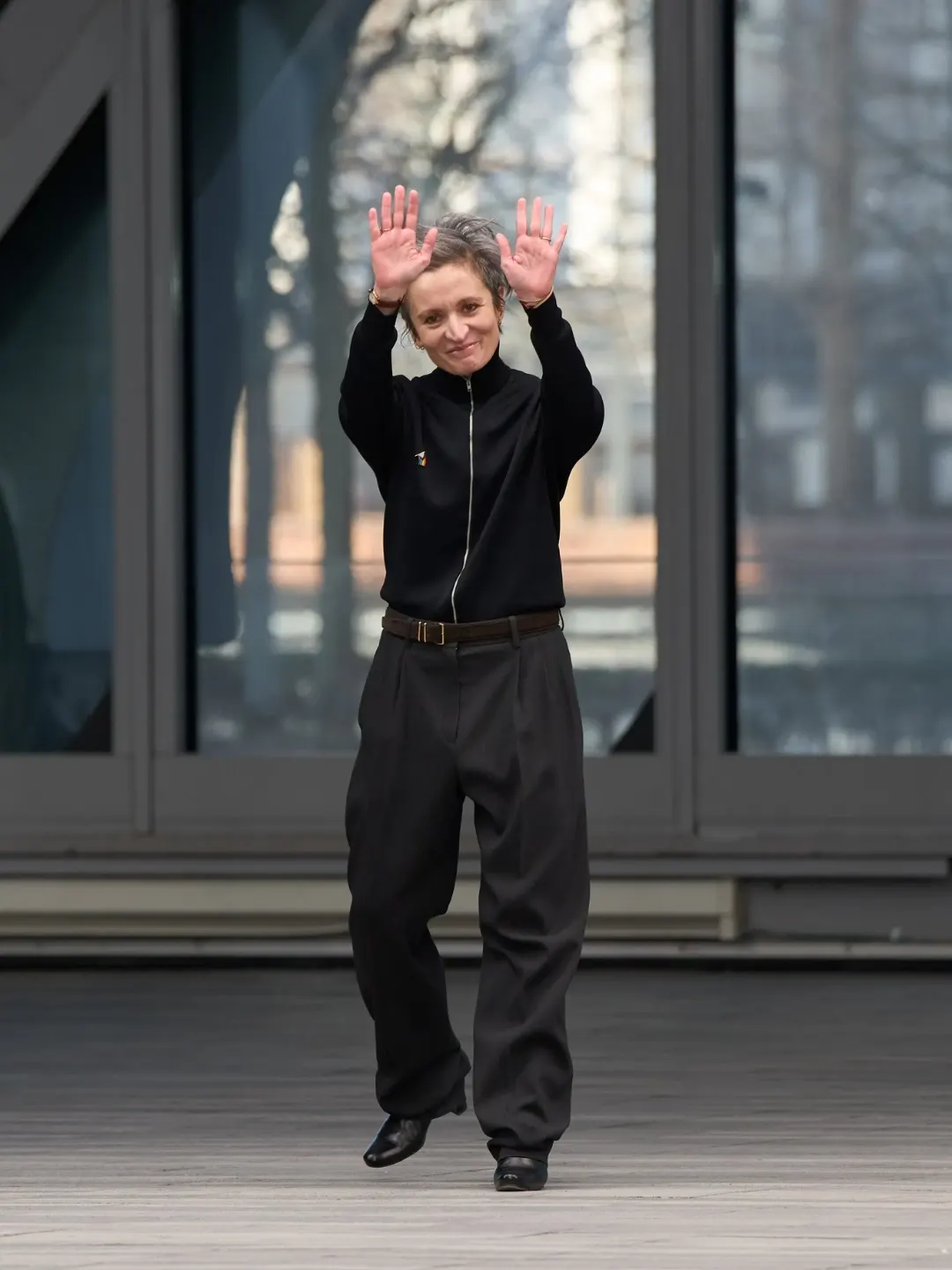
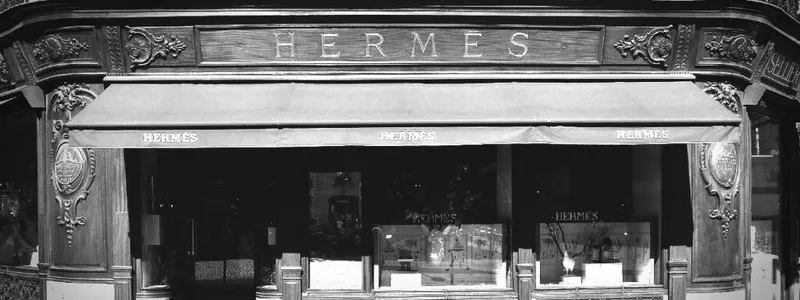
In 1837, Thierry Hermès opened a Paris workshop devoted to equestrian harnesses and saddles. Almost two centuries later, the house is preparing to make its debut on the haute couture calendar. Nadège Vanhée, artistic director of Hermès womenswear since 2014, will present its first made-to-measure collection during Paris Couture Week in January 2027. The announcement creates an unusual dilemma for a company already synonymous with exceptional craftsmanship: how much higher can Hermès possibly climb?
Craftsmanship Before the Couture Label
Hermès began by making equipment that demanded precision. A saddle must accommodate a horse's anatomy and a rider's movements; beautifully worked leather becomes useless when its fit compromises performance. The house built its identity around that marriage of material, anatomy and skilled hands, subsequently extending its knowledge into luggage, handbags, silk and clothing.
The same philosophy continues through Hermès Horizons, its bespoke division for exceptional commissions. Clients can request individualized trunks, specialized objects and elaborate interiors for yachts or private aircraft. Such projects involve design development, technical problem solving and collaboration among artisans whose expertise rarely fits neatly into the vocabulary of seasonal fashion.
In that sense, Hermès has long practiced one principle that couture prizes: creating something exceptional around a particular client's requirements. However, custom saddlery and bespoke interiors remain distinct from the tradition of dressmaking for the human body. Garments introduce movement, drape, intimate fitting and the expressive possibilities of silhouette. That difference gives the new venture its technical purpose.
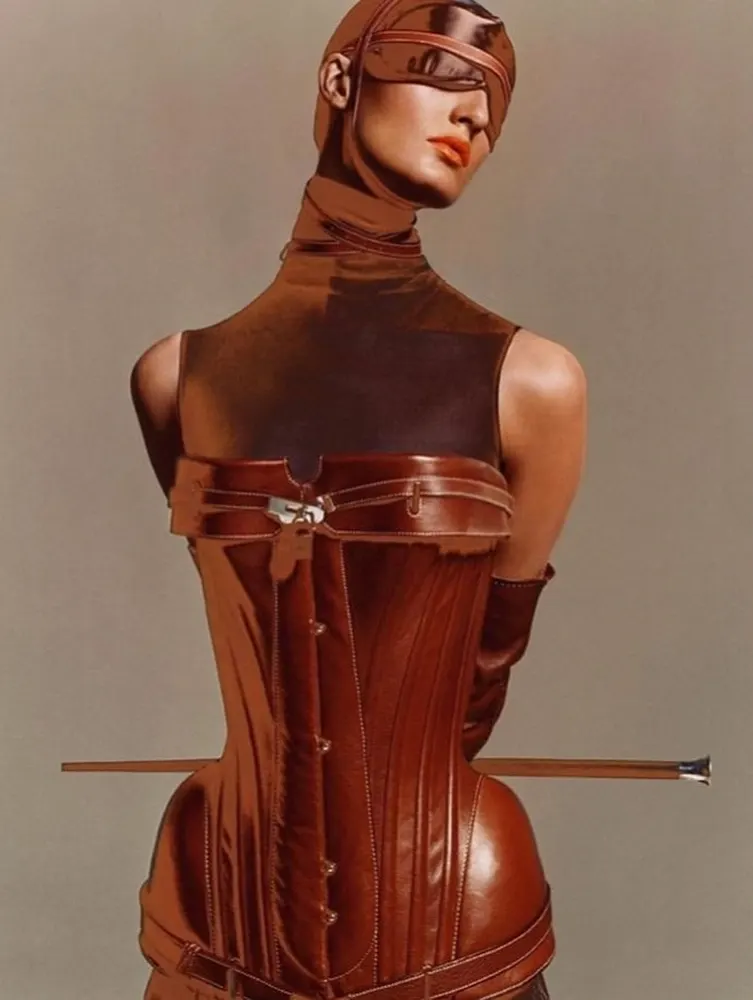
Hermès also approached clothing through an unusual creative hierarchy. Martin Margiela brought quiet experimentation to womenswear, while Jean Paul Gaultier introduced theatrical sensuality, riding references and inventive interpretations of familiar accessories.
Both worked within a house whose name carried more institutional authority than any individual appointment. Hermès established its luxury credentials through continuity of technique, without depending upon couture shows to confer prestige.
The Business Case for a More Personal Luxury
The decision arrives from a position of financial strength. Hermès reported €16 billion in 2025 revenue and €6.57 billion in recurring operating profit, producing a remarkable 41 percent margin. Leather goods and saddlery contributed €7.07 billion, while ready-to-wear and accessories generated €4.53 billion. That second category includes shoes, belts and other accessories alongside clothing, making it substantial but broader than apparel alone.
Couture is unlikely to transform those group figures through dress sales. The category requires skilled workers, extensive fittings and labor that can stretch across hundreds of hours. Its wider commercial purpose lies in relationships with clients already purchasing the house's most exclusive products.
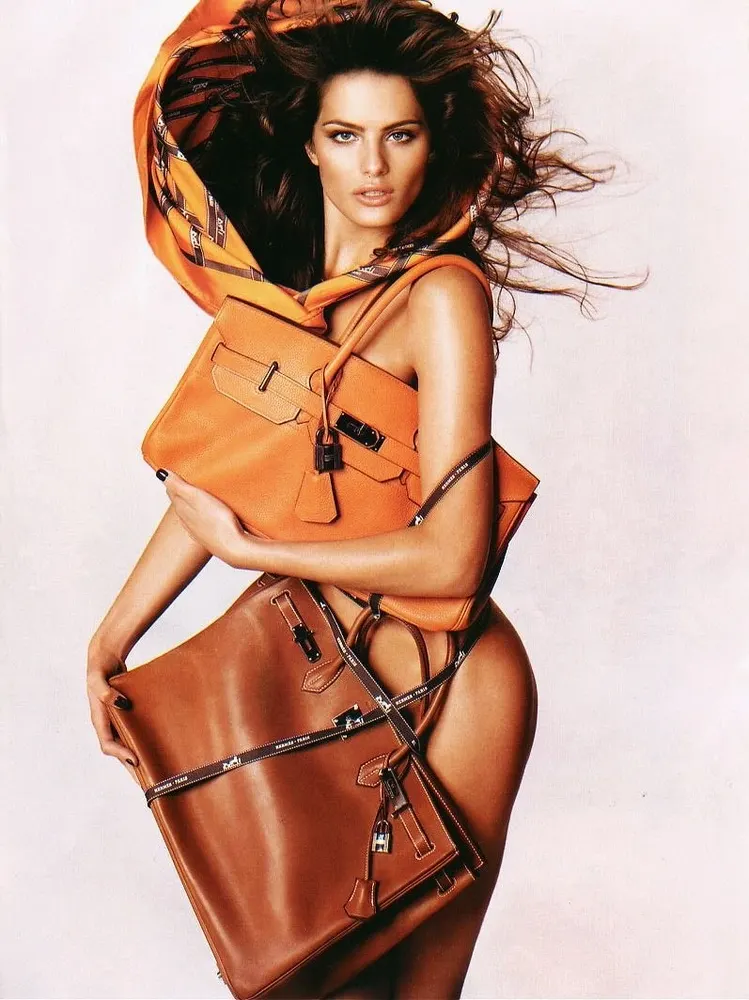
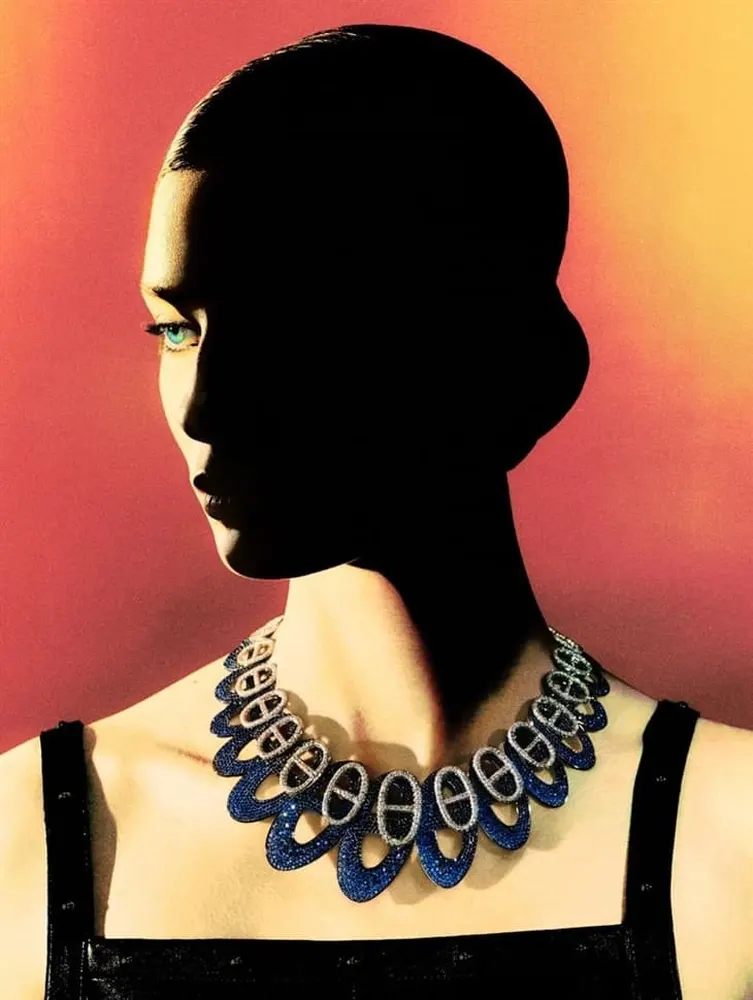
Consider a customer who collects handbags, orders fine jewelry and shops Hermès collections across multiple seasons. A commissioned garment adds private consultations, measurements, fittings and personal dialogue with an atelier. The transaction becomes an ongoing collaboration whose value extends beyond the final invoice. It offers the house a new way to deepen loyalty without dramatically increasing production volumes.
Market conditions make this relationship especially relevant. In the third quarter of 2026, Hermès' leather goods remained resilient while its ready-to-wear and accessories division recorded a modest decline at constant exchange rates. The couture project was underway before those results, so treating the weaker quarter as its cause would distort the timeline. The opportunity is structural: building a highly personalized service within an already successful retail ecosystem.
What It Takes to Build Hermès Haute Couture Atelier
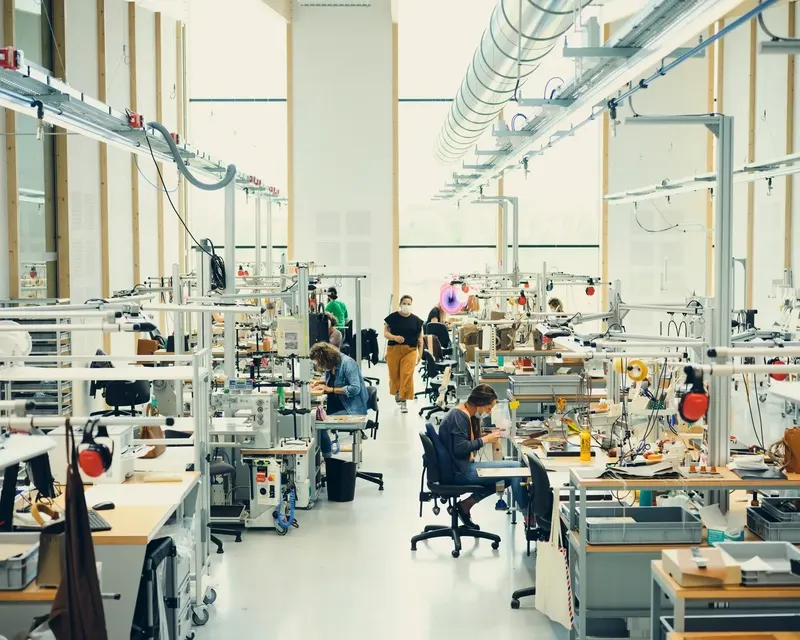
Chief executive Axel Dumas discussed its possibilities before the July 2026 confirmation, and the house has been assembling a dedicated atelier at its Pantin headquarters. The team is expected eventually to include approximately 20 specialist artisans.
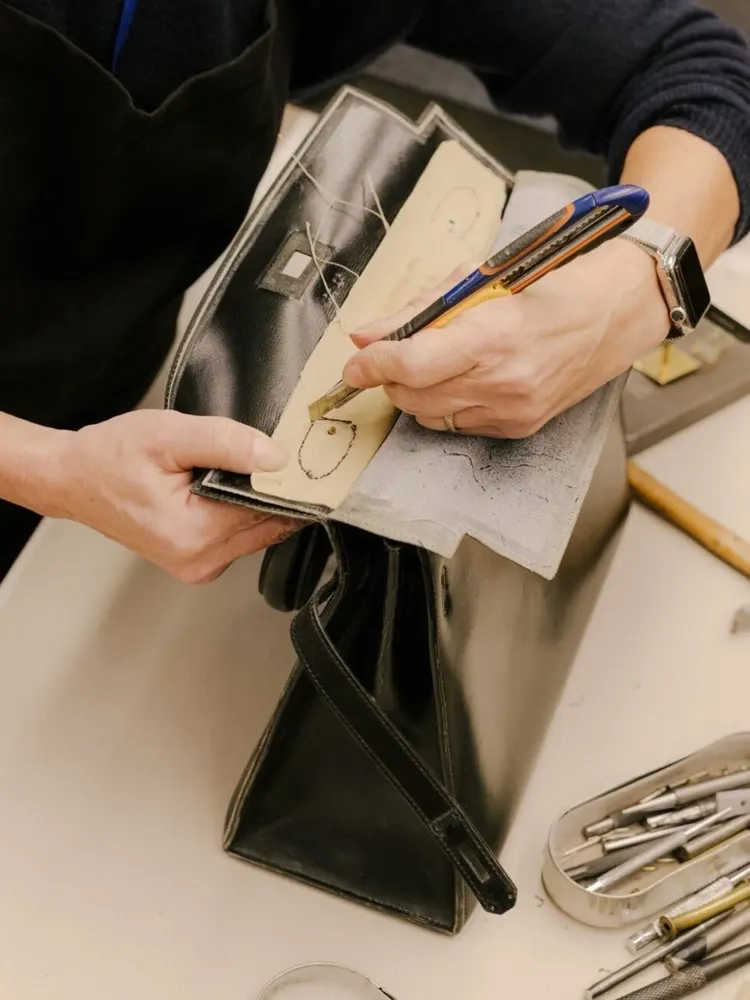
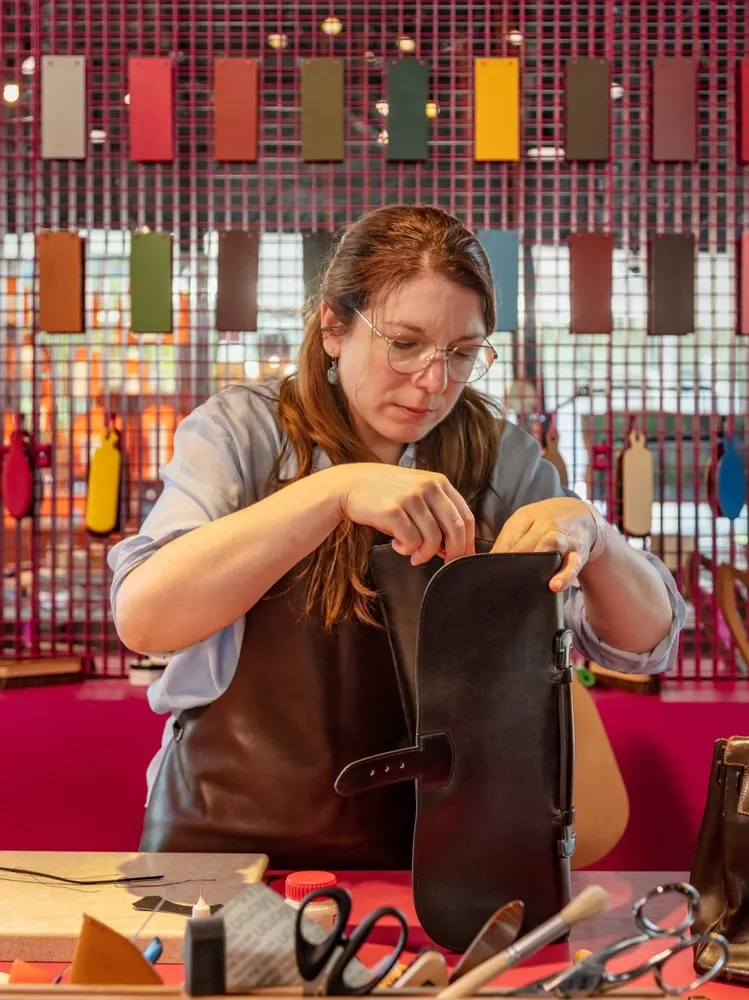
Couture introduces production skills that even an accomplished leather workshop cannot automatically supply. Each client requires individual patterns, repeated fittings and adjustments accounting for posture, movement and the behavior of different fabrics. Draping, embroidery and fine hand finishing can determine how a garment looks and performs. The process creates a different operational rhythm from ready-to-wear, where a design is developed for standardized sizes and repeated manufacture.
Haute couture is a protected French designation, governed through formal recognition and technical obligations. Hermès is entering Paris Couture Week as a guest, which should be distinguished from already holding full accreditation. The debut therefore carries artistic scrutiny alongside the practical challenge of establishing a specialized dressmaking practice.
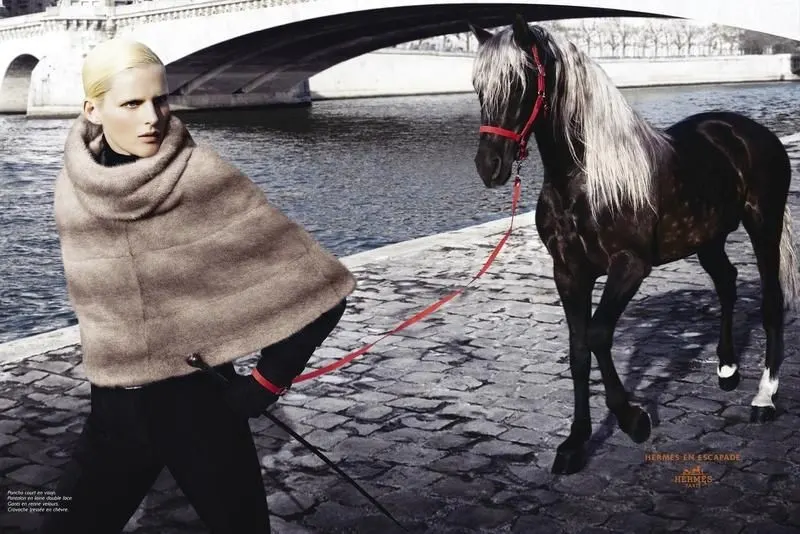
For Nadège Vanhée, the atelier presents an opportunity to push familiar materials into unfamiliar forms. Hermès' expertise in leather, silk, suede, wool and cashmere offers a formidable starting point. Their manipulation at couture level, however, must yield developments in construction, proportion and movement that justify the extraordinary labor involved.
A Spectacle Worthy of the Wait
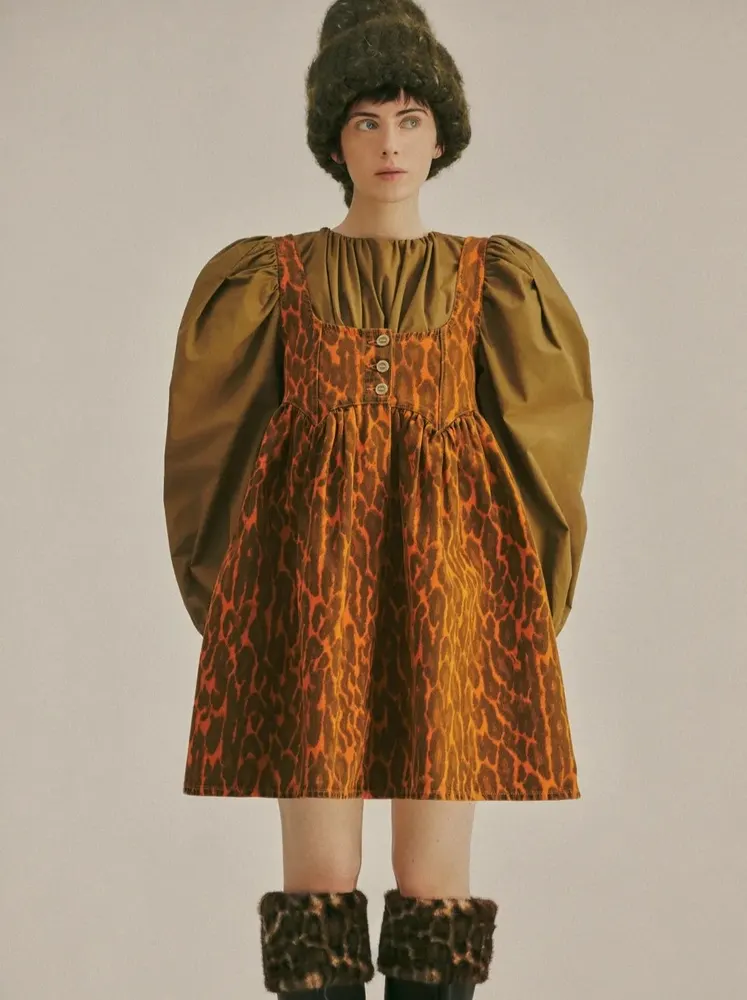
Here the stakes become considerably higher. Vanhée has cultivated a sophisticated ready-to-wear language built on clean lines, supple leather, disciplined sensuality and functional detail. Hermès Spring 2027 collection explored ventilation, transparency and strategically opened surfaces. These are credible foundations for couture, yet an amplified version of existing runway clothes would hardly fulfill the promise of the occasion.
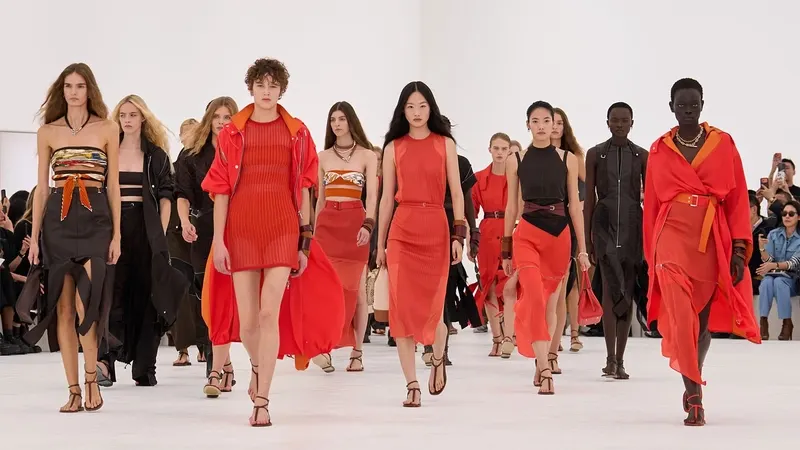
Hermès needs a debut capable of provoking genuine astonishment. Spectacle need not mean indiscriminate embroidery or enormous gowns; it can emerge from startling construction, improbable material transformations or silhouettes that appear physically impossible until a model moves. The challenge is to make technical achievement visible, producing garments that expand the viewer's idea of what leather, silk or cashmere can accomplish.
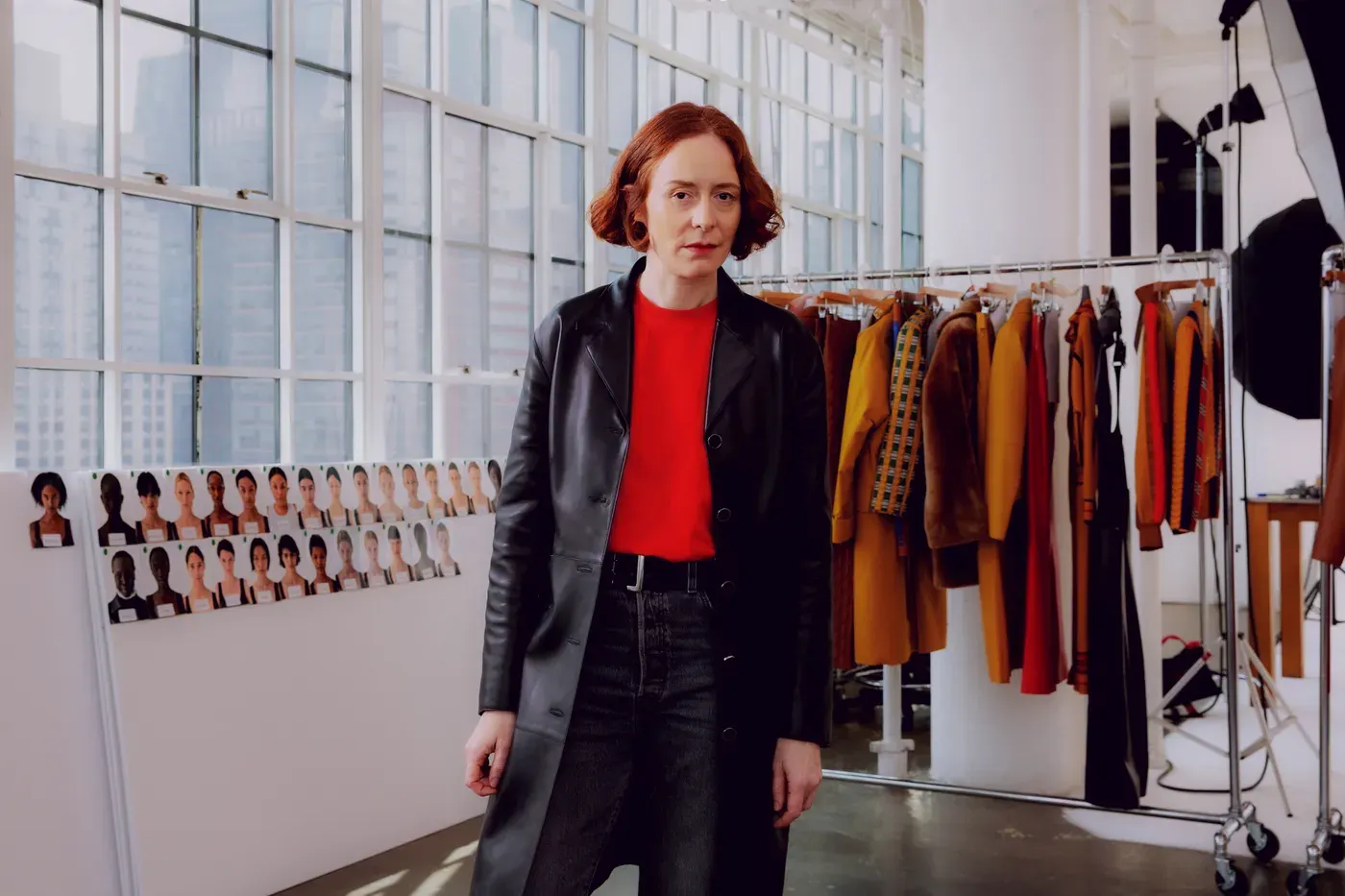
Jean Paul Gaultier provides an especially demanding benchmark. During his years directing Hermès womenswear, he brought irreverence to the house's equestrian codes. His own haute couture work demonstrated how rigorous technique could coexist with surrealism, humor and audacious theatricality.
To reach that creative standard, Vanhée must offer more than flawless finishing. She must make the familiar language of Hermès newly surprising, without merely borrowing Gaultier's vocabulary.
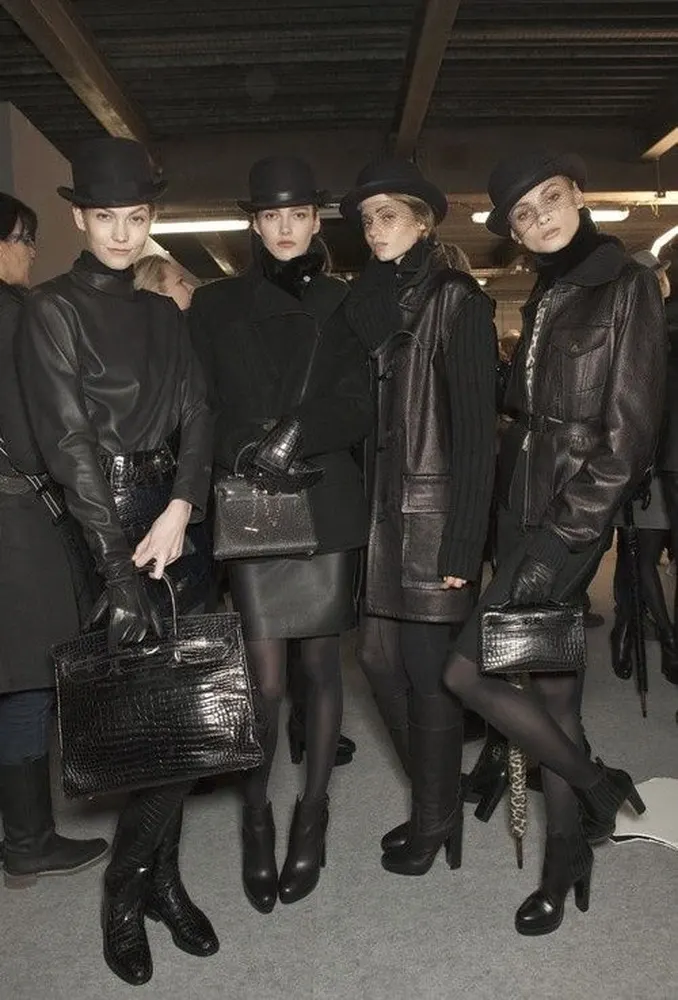
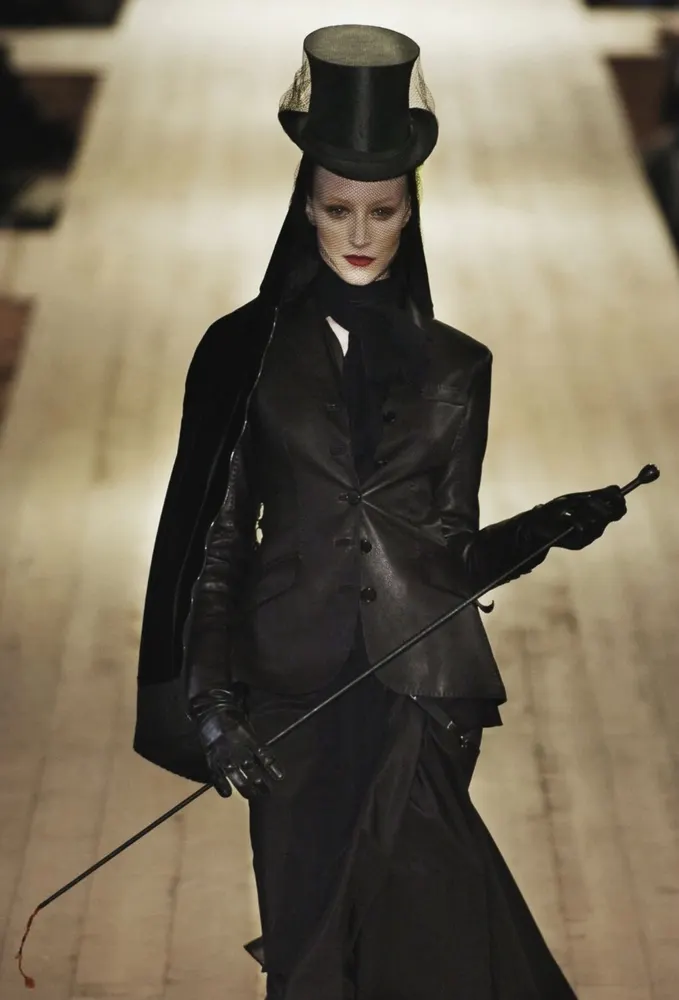
The comparison also exposes a risk particular to Hermès. The house can afford exquisite materials, accomplished artisans and an elegant presentation; those advantages virtually guarantee polish. Originality remains harder to purchase. An important couture debut should introduce an idea that subsequent designers will want to study, reinterpret or argue with for years afterward.
The anticipation is partly a burden of the brand's success. When a label has already perfected the desirability of a handbag and the quiet authority of a leather coat, beautifully made clothing is the minimum expectation. Haute couture demands a stronger proposition, one that clients, collectors and critics can recognize as an advance in fashion itself.
Hermès has spent almost two centuries earning the right to operate according to its own rules. January 2027 will test whether that independence can produce something exhilarating within fashion's most demanding arena. The debut deserves enormous expectations: not another immaculate wardrobe, but a collection with the invention, spectacle and lasting imaginative force to make the wait worthwhile.