MENU
Close





The history of haute couture is often reduced to spectacle: embroidered gowns, exclusive salons and front rows populated by royalty and celebrities. Yet behind the visual drama lies a far more complex narrative — one shaped by institutional regulation, geopolitical pressure and an unrelenting tension between tradition and change. Haute couture, as both a legal designation and a cultural practice, has endured because it adapts, resists external threats and continues to function as fashion’s most advanced creative arena.
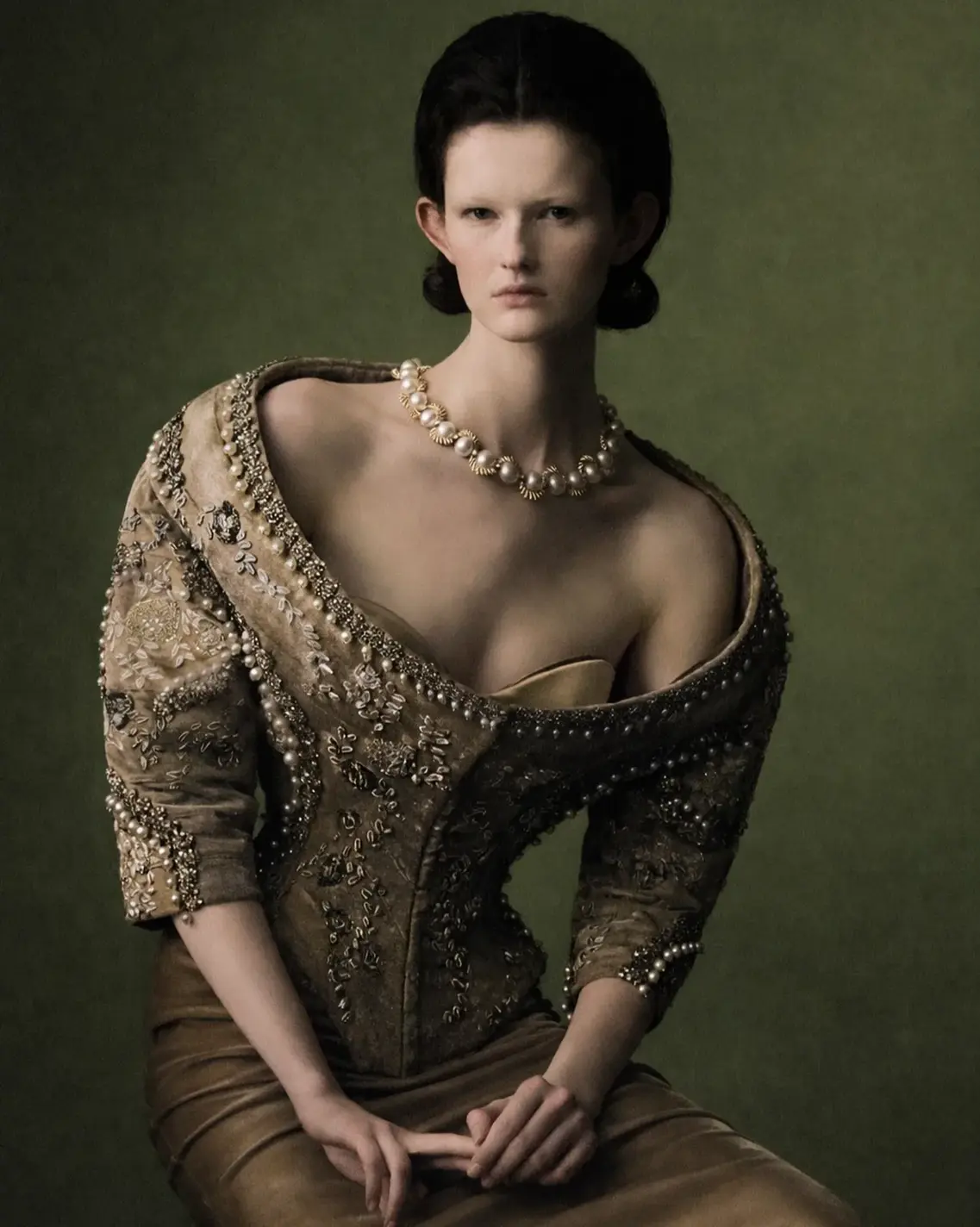
The history of haute couture is often reduced to spectacle: embroidered gowns, exclusive salons and front rows populated by royalty and celebrities. Yet behind the visual drama lies a far more complex narrative — one shaped by institutional regulation, geopolitical pressure and an unrelenting tension between tradition and change. Haute couture, as both a legal designation and a cultural practice, has endured because it adapts, resists external threats and continues to function as fashion’s most advanced creative arena.
January 19, 2026
Advertisement

Advertisement



From its inception in 19th-century Paris to its role as a laboratory of technique and imagination, haute couture remains both a living heritage and a continually evolving frontier in the global fashion system.
Explore the history of haute couture — from its Parisian origins and wartime resilience to its role as a creative laboratory shaping modern fashion.
The conventional starting point of the history of haute couture is 1858, when Charles Frederick Worth established his maison in Paris. Worth’s innovation was not merely aesthetic; it was structural. He reversed the relationship between client and maker, presenting pre-designed collections rather than responding passively to commissions. Garments bore his name, were shown on live models, and followed seasonal rhythms — practices now fundamental to modern fashion.
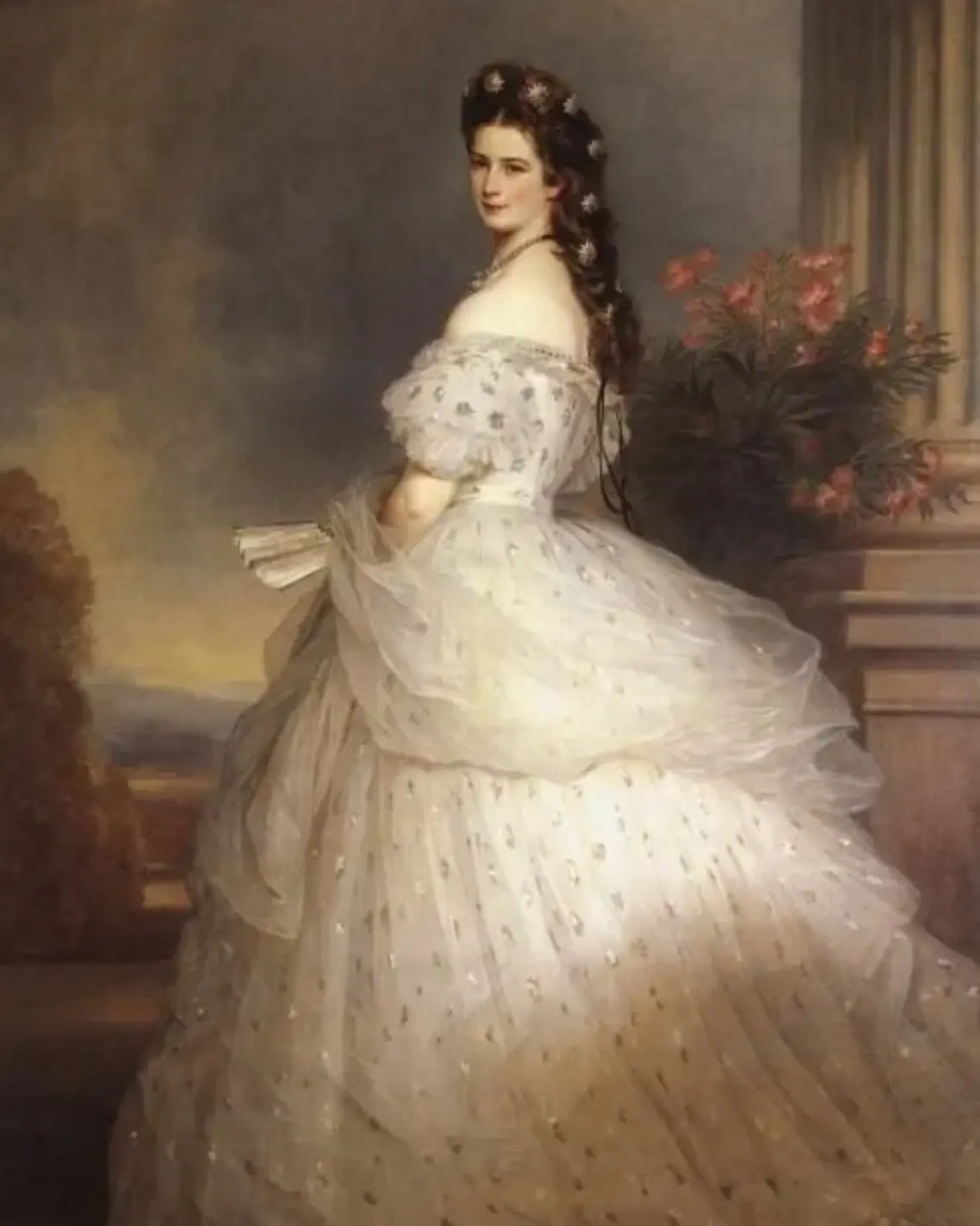
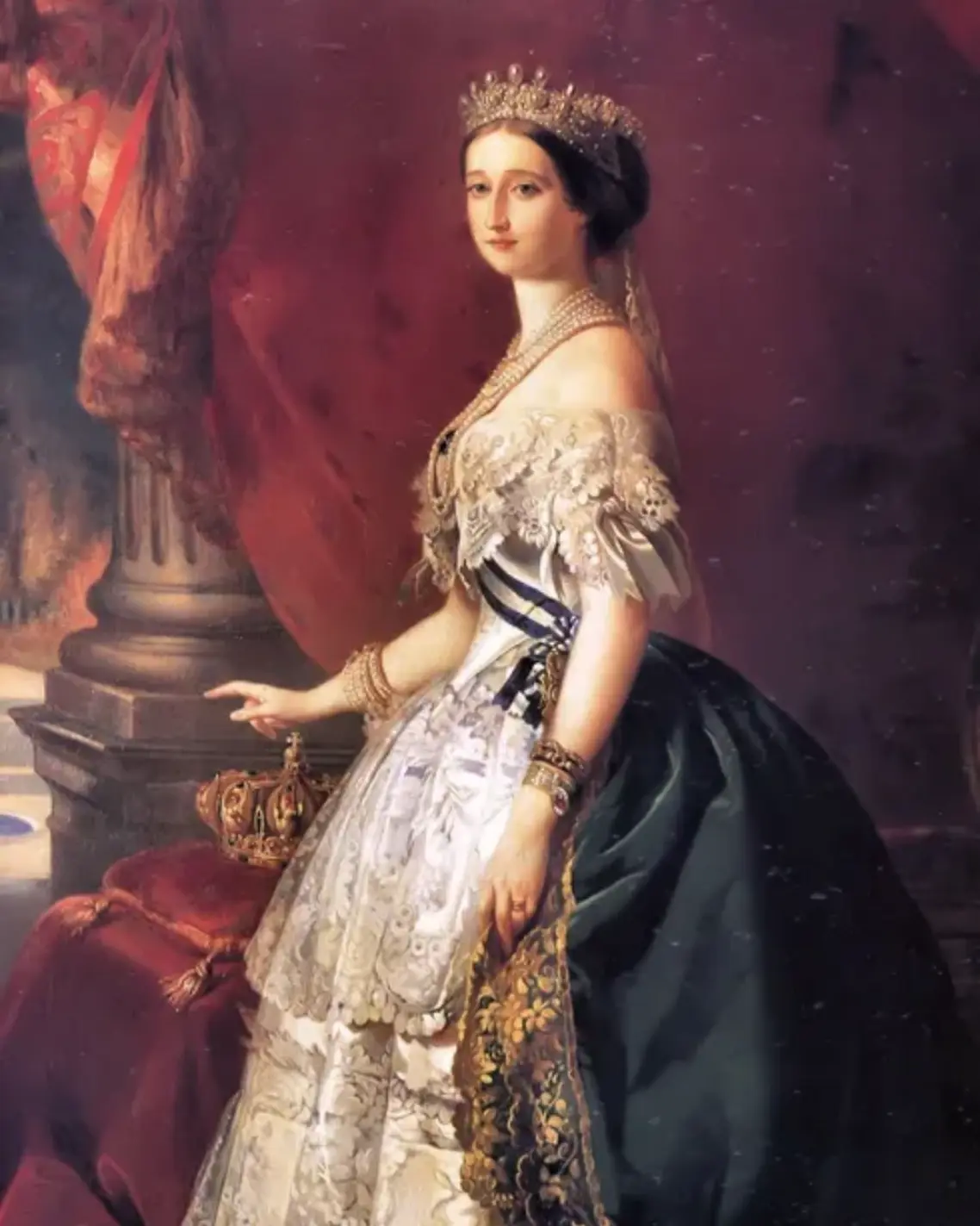
Paris, already a centre of luxury craftsmanship, proved fertile ground. Couture flourished not because of ornament alone, but because it aligned design with authorship, exclusivity and cultural authority. Dressmaking became an intellectual pursuit as much as a technical one.
By the late 19th century, couture houses were shaping not only wardrobes but social codes, dressing aristocracy, performers and the emerging bourgeois elite. Fashion, for the first time, became a system.
As couture matured, it gained institutional definition. The Chambre Syndicale de la Couture was founded in 1868 to regulate practices and protect designers’ interests. Over time, this body evolved into today’s Fédération de la Haute Couture et de la Mode (FHCM), and since 1945 the term haute couture has been legally protected under French law — like champagne — with strict rules governing who may claim the title.
Perhaps the most dramatic episode in the history of haute couture occurred during the German occupation of France in World War II. Nazi authorities hoped to relocate Parisian couture’s creative core to Berlin or Vienna, intending to transfer ateliers and talent as part of a broader plan to diminish France’s cultural dominance.
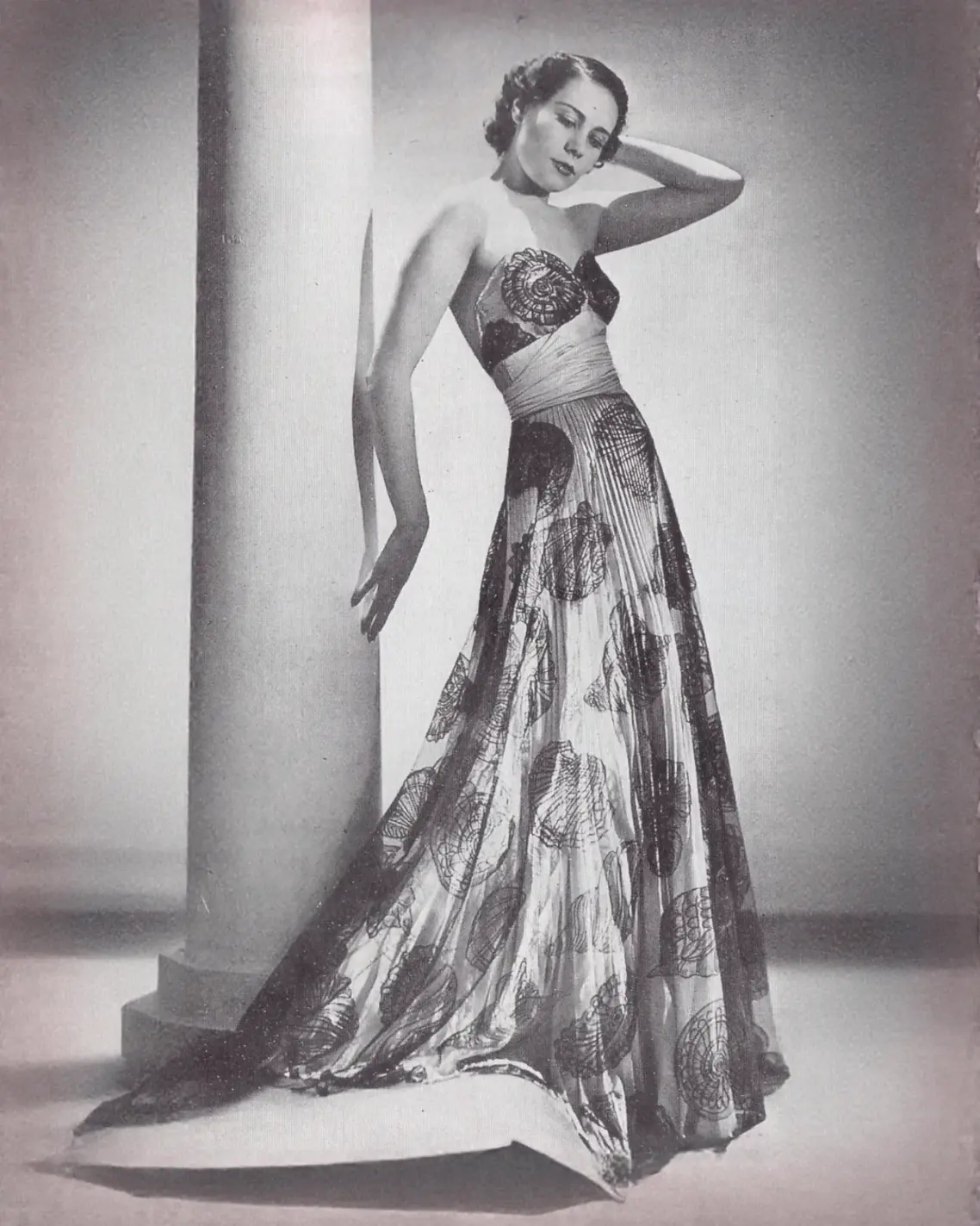

The president of the Chambre Syndicale at that time of the history of Haute Couture, Lucien Lelong, resisted these efforts. He argued — persuasively — that couture could not be uprooted by decree, because it was not merely the property of individual maisons but a network of specialised artisans, workshops and traditions embedded in Paris’s socio-economic fabric. The Germans ultimately relented, and couture remained in Paris under restrictive conditions. The episode underscored that couture was, for France, more than legacy — it was cultural capital.
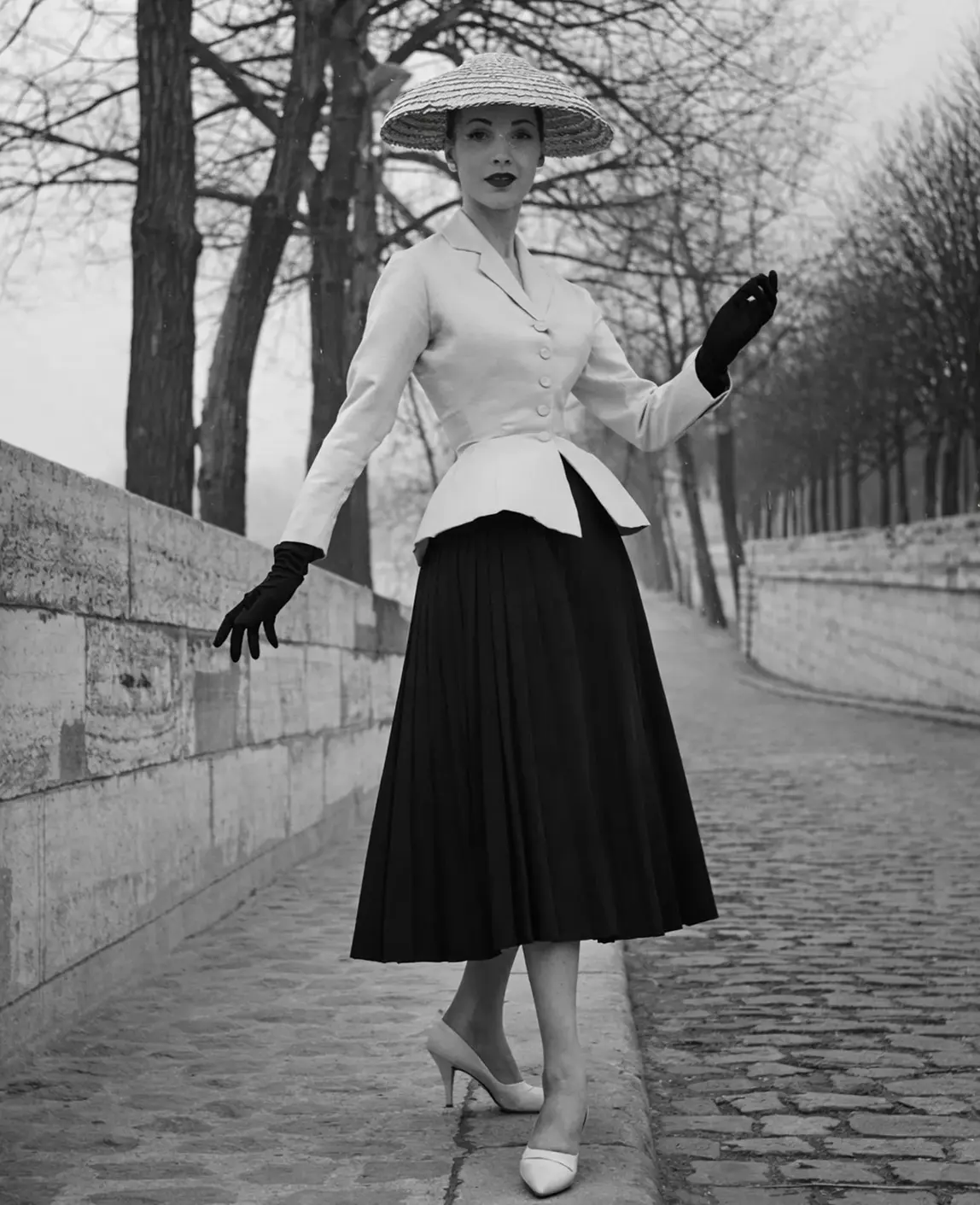
The mid-20th century is often regarded as couture’s golden age. Following World War II, fashion became a vehicle for optimism and renewal. In 1947, Christian Dior’s New Look reasserted Paris’s dominance with a silhouette that rejected wartime austerity in favour of femininity and structure.
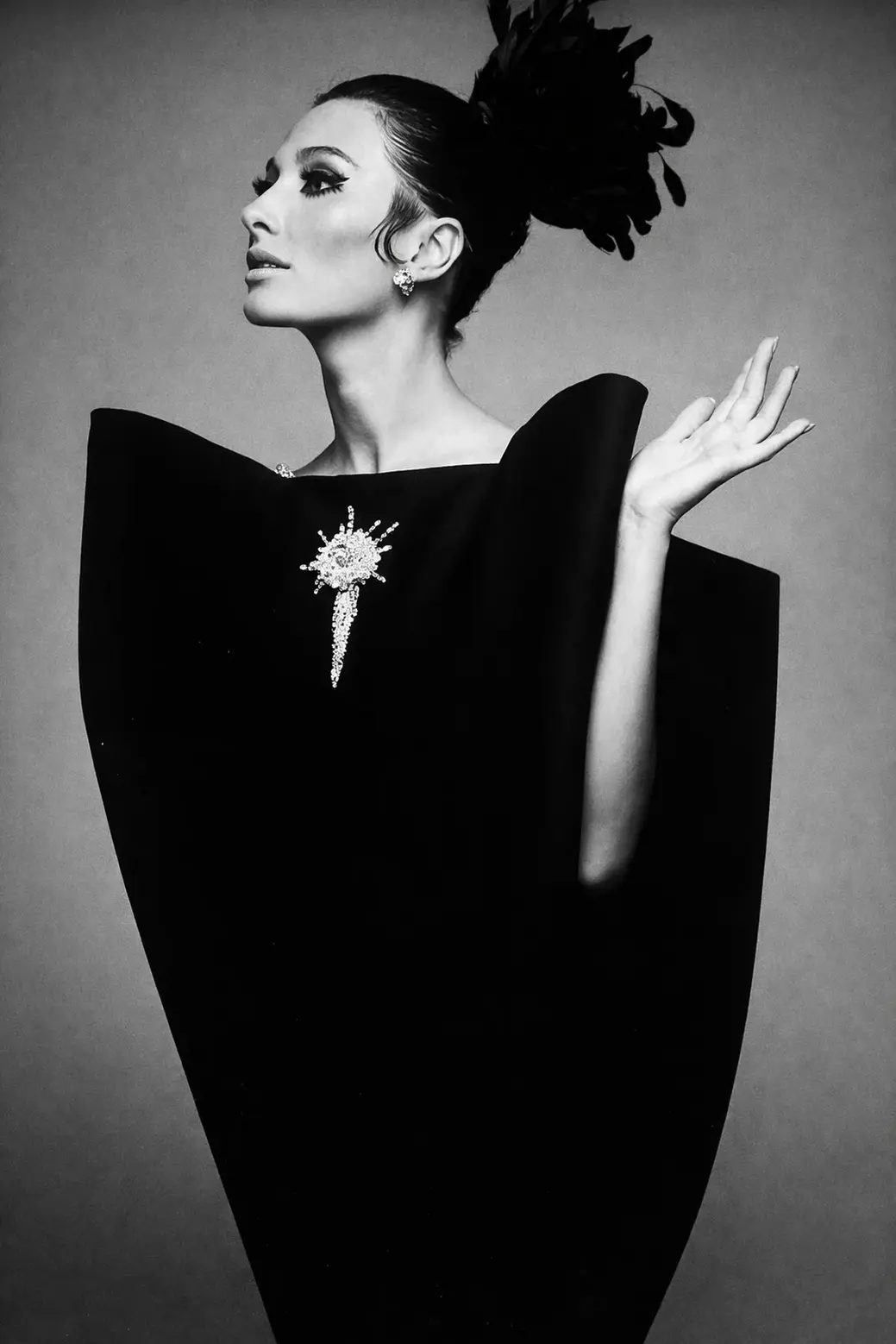
In this chapter of the history of Haute Couture, houses such as Chanel, Balenciaga, Givenchy and Balmain defined an era in which couture shaped global ideals of elegance. Hollywood, royalty and international elites looked to Paris for authority. Couture was not only influential — it was aspirational, a benchmark of taste that resonated far beyond its limited client base.
From the 1960s onwards, couture faced significant structural shifts. The rise of ready-to-wear, changing social norms and the democratisation of fashion eroded couture’s traditional clientele. Many houses closed or pivoted, and critics declared couture a relic. Yet this period of contraction revealed haute couture’s capacity to reimagine its role within a broader fashion ecology.
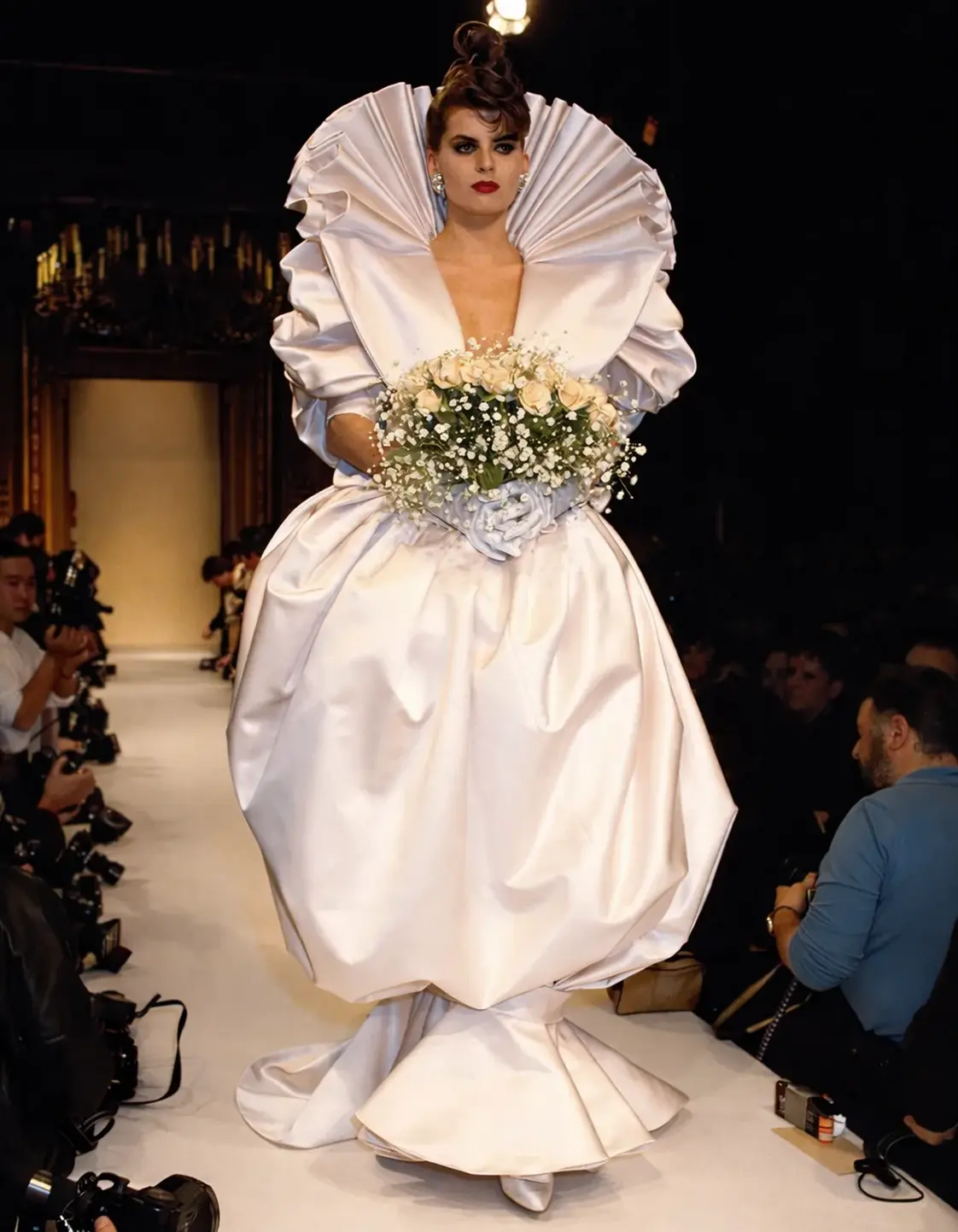
Rather than disappearing, couture recalibrated its purpose. It ceased to be fashion’s primary commercial engine and became a strategic creative laboratory. Runway concepts, techniques and silhouettes debuted in couture before being translated — in simplified or adapted forms — into ready-to-wear, diffusion lines and accessory collections. Couture shows became innovation platforms: an F1-like proving ground where sequence, structure and craft are tested at the highest resolution before broad deployment.
This laboratory metaphor helps explain why brands continue to invest in couture despite its limited direct profitability. For luxury maisons, couture is not an isolated spectacle; it is a research and development epicentre that informs and elevates their entire fashion ecosystem.
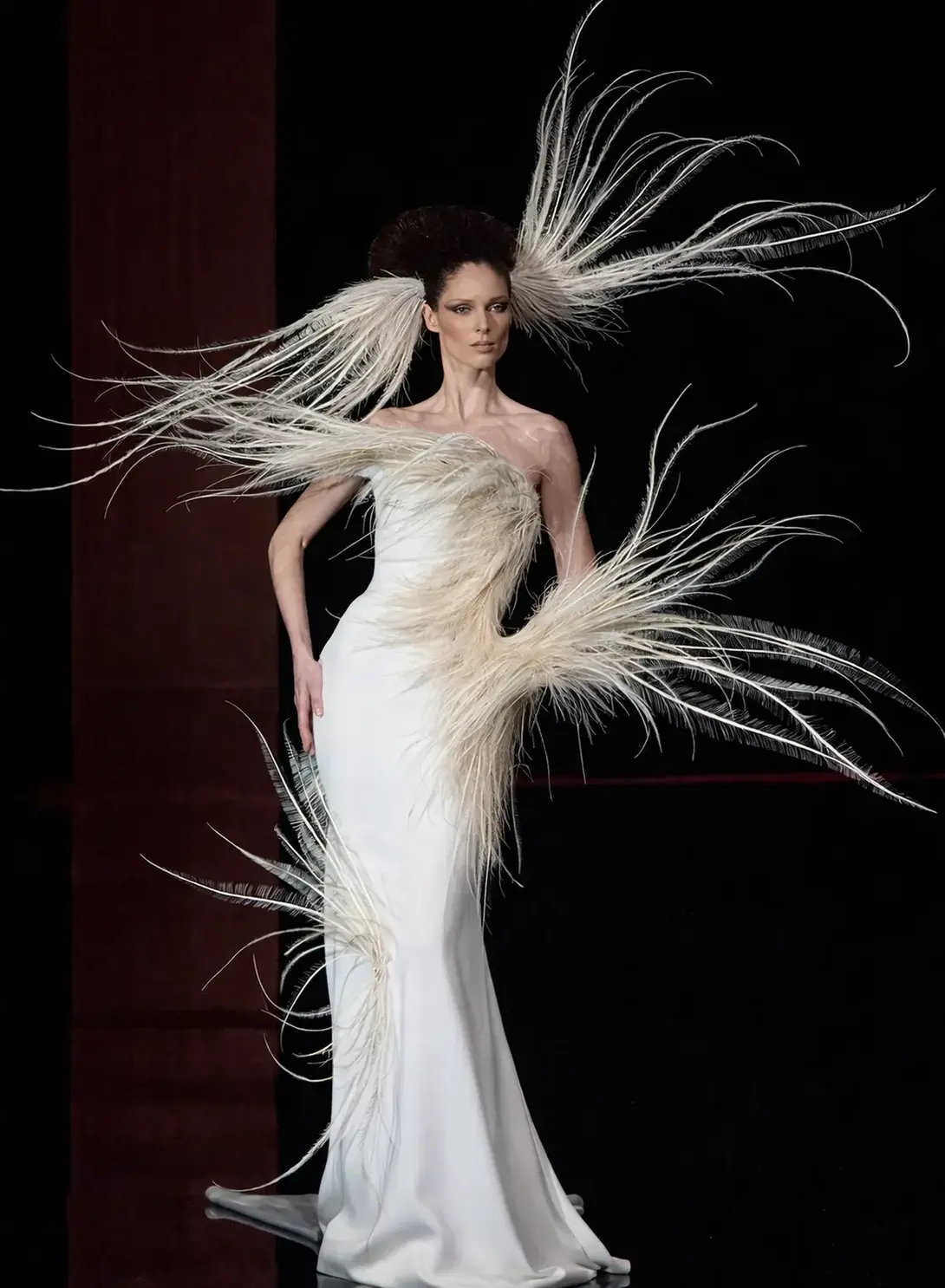
Today, Paris Haute Couture Week — organised by the FHCM — functions as both ritual and barometer. Only approved houses may present collections, making the schedule an exclusive indicator of creative relevance. Recent seasons reveal a period of transition: leadership changes, new artistic voices, and refreshed presentation formats. Some historic names have paused traditional shows, while others use couture to assert bold creative identities. In the history of haute couture, these shifts show that its enduring vitality depends not on uniformity, but on continuous reinvention.
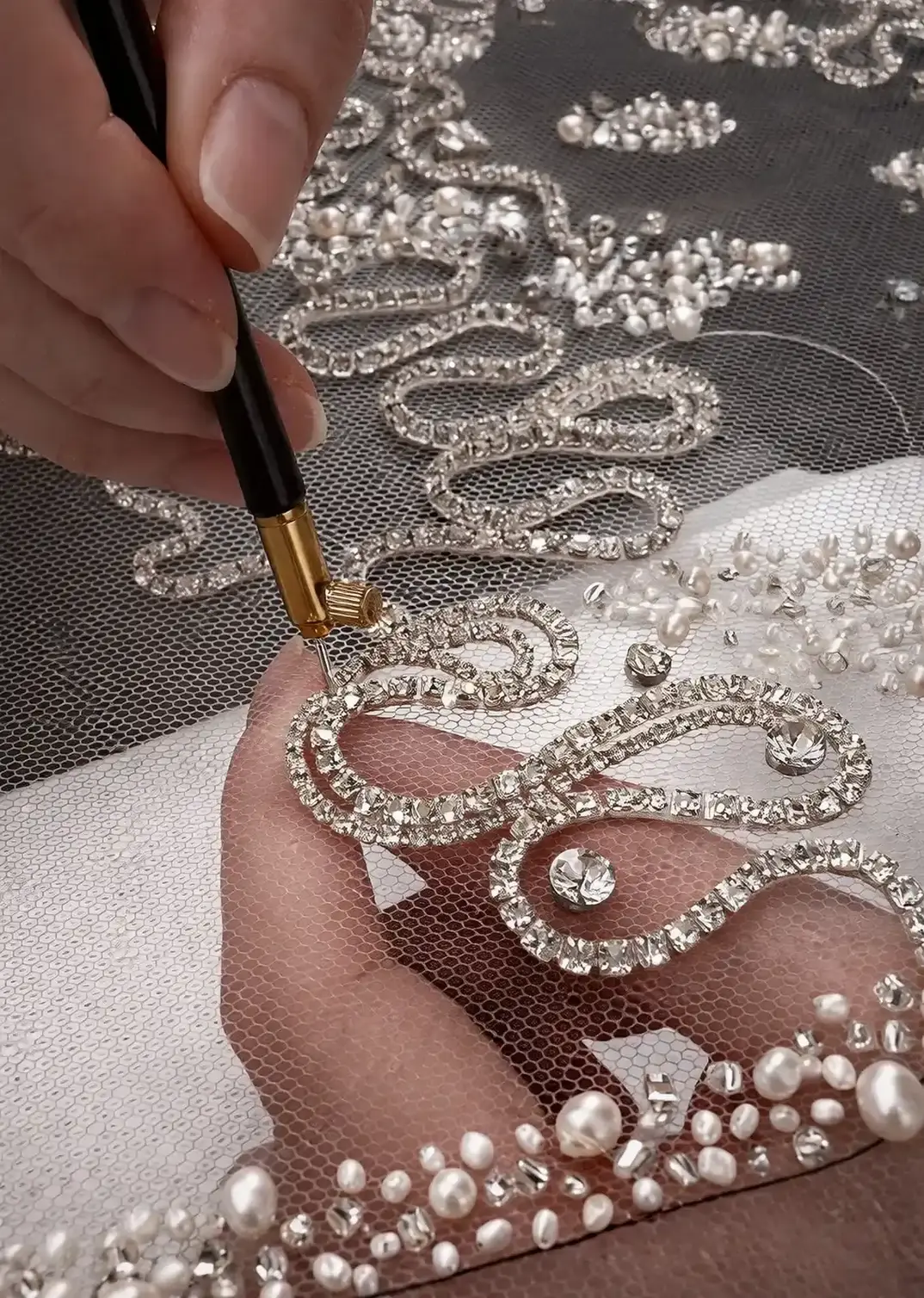
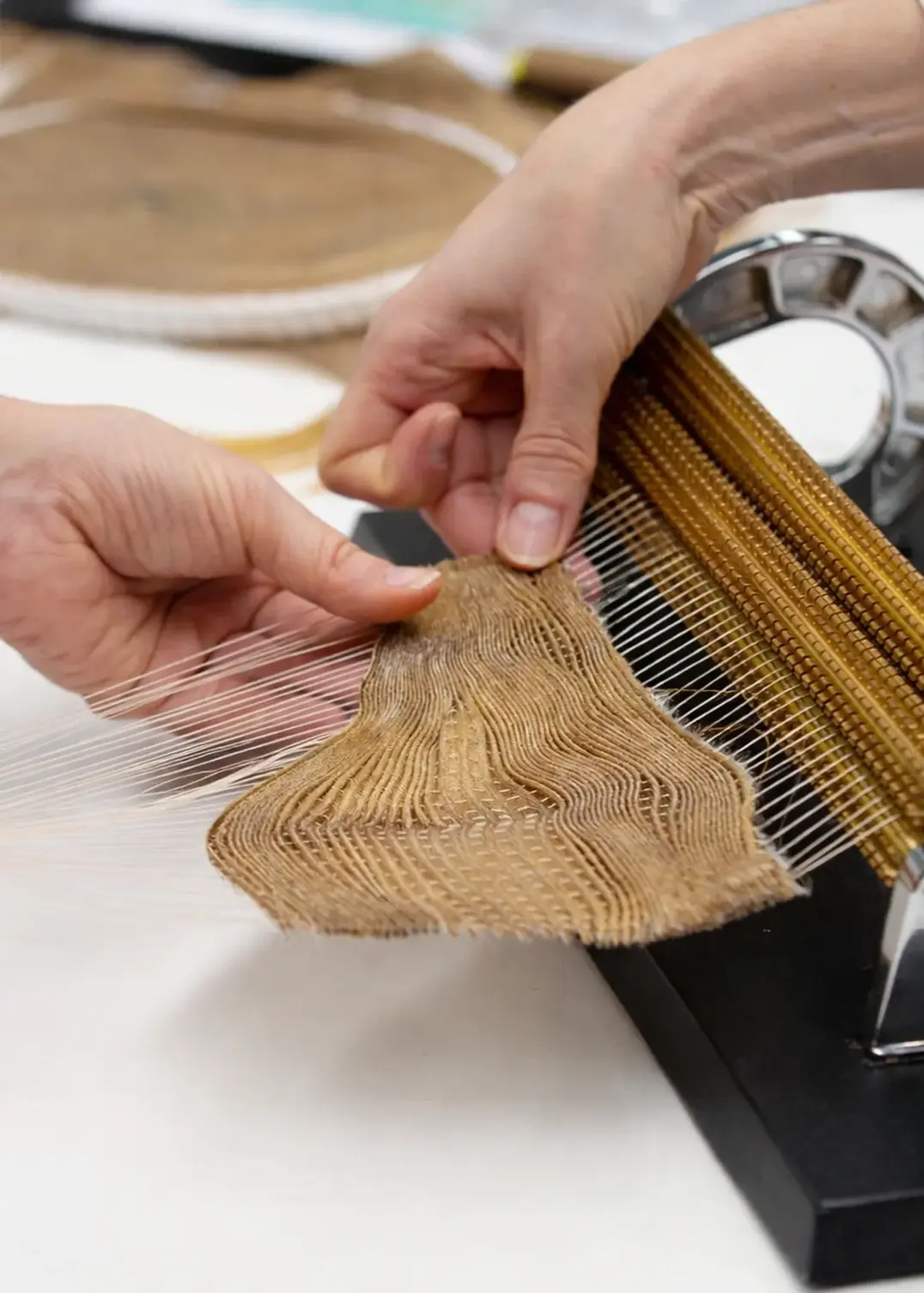
In the contemporary era, couture’s value lies increasingly in what it resists. At a time of digital acceleration and mass-production, haute couture insists on slowness, human labour and irreproducibility. Its ateliers preserve techniques — embroidery, tailoring, beading — that exist nowhere else at this scale. These are not merely decorative skills, but modes of knowledge that advance fashion’s technical vocabulary.
Couture’s artisanal depth has also drawn institutional recognition: museums, collectors and cultural organisations treat it as a form of living heritage and material history. This marks a new phase in its story, one in which couture’s cultural significance outweighs its commercial function.
The history of haute couture is not a linear narrative of ascendancy. It is cyclical: periods of growth, challenge, adaptation and renewal. Its “ups” have come through moments of cultural authority and creative influence; its “downs” through economic pressure and changing social formations. Yet couture has never vanished.
Its persistence lies in its hybrid nature: simultaneously legacy, craft practice, cultural signal and creative wellspring. This multifaceted identity explains why, more than 150 years on, couture remains indispensable — not as a commercial monolith, but as a site where fashion’s most ambitious ideas are conceived, refined and, eventually, re-translated into the broader world of clothing.
Advertisement