MENU
Close





The world’s most powerful luxury houses are quietly, and consistently redirecting their grandest collections toward American soil.
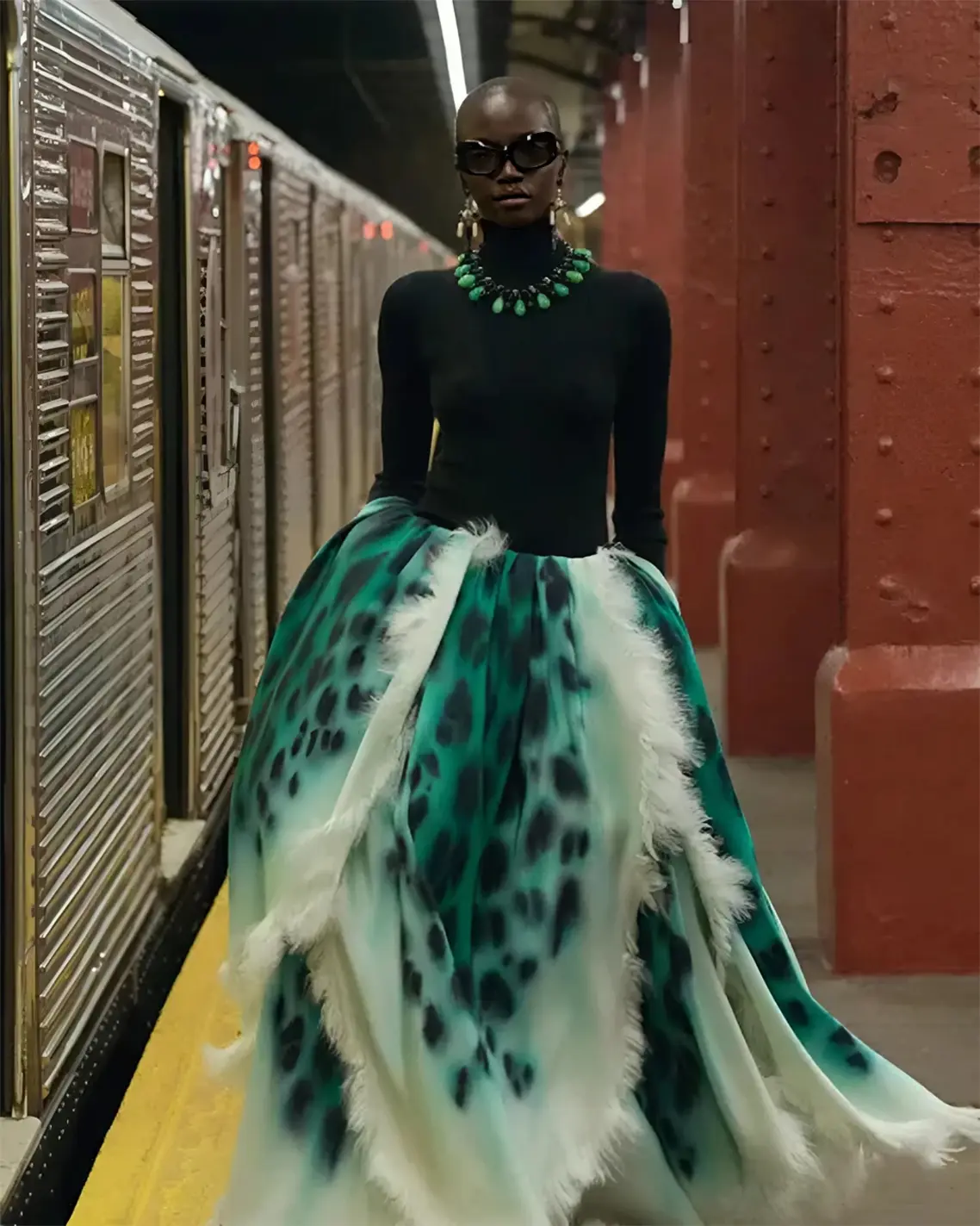
The world’s most powerful luxury houses are quietly, and consistently redirecting their grandest collections toward American soil.
December 2, 2025
Advertisement

Advertisement



Whether this signals a cultural awakening, a commercial calculation, or the start of a new geographic rhythm in luxury, the shift reveals more about the state of global fashion than any runway review ever could.
There are moments in fashion when the map of influence begins to quiver, when brands no longer settle for tradition but search for landscapes that mirror their ambitions, and the recent wave of collections staged across the United States suggests that the industry is experiencing such a tremor once again, one rooted not in defiance of Paris’s eternal authority but in a practical recognition that America currently offers the rare blend of economic resilience, cultural amplification, and narrative elasticity that luxury houses urgently need.
It is not that Paris is losing its mythic glow; no city that gave birth to Charles Frederick Worth, Gabrielle Chanel, the New Look, or Le Smoking will ever cede its symbolic crown. But luxury, despite its romance, is driven by reality, and when reality shifts, as it has in the last three years, the industry recalibrates, often toward places that can promise stability in uncertain global climates.
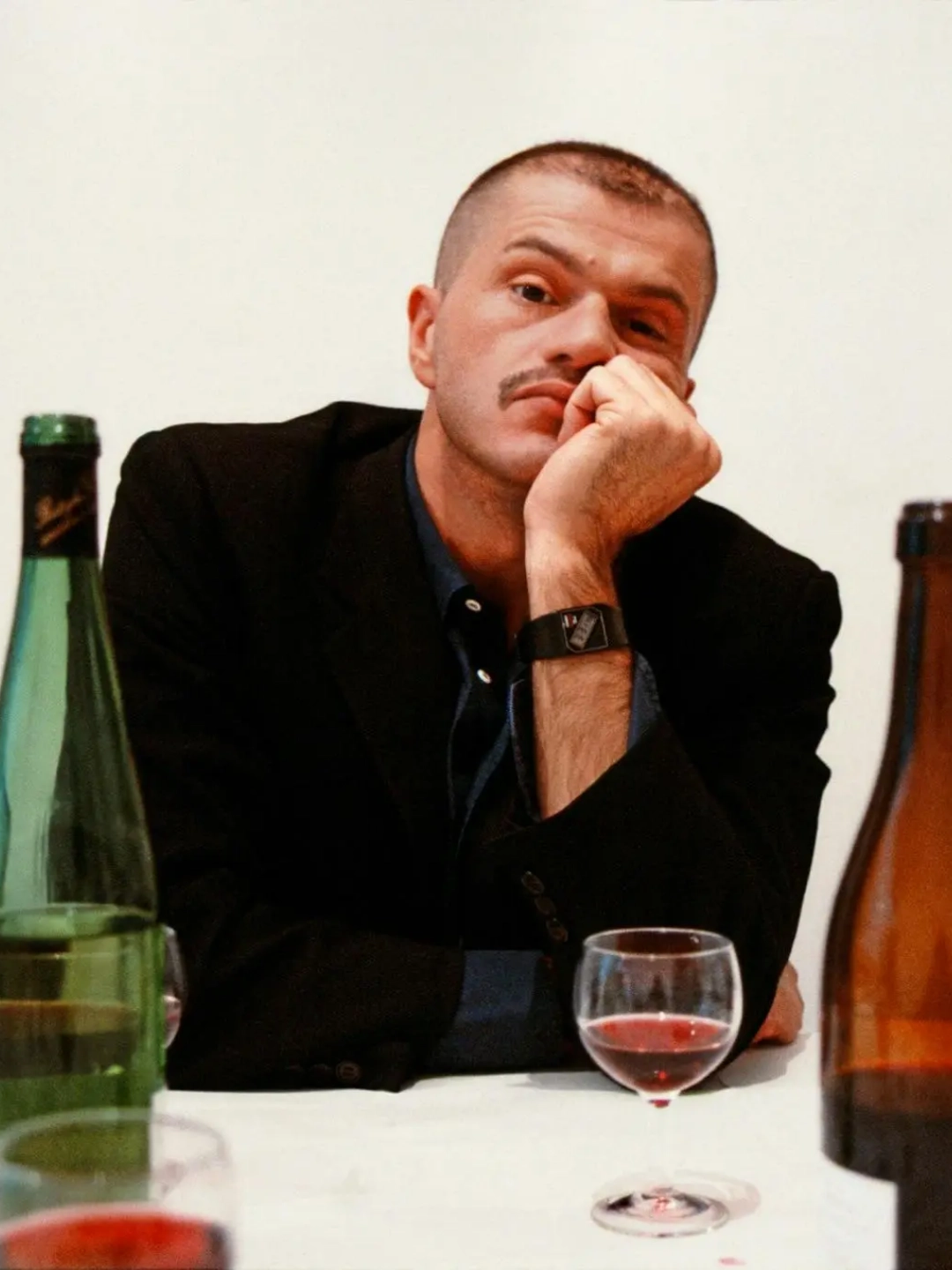
Fashion has long memories, and America has been here once before: during the late 1990s, when Helmut Lang’s audacious move to show in New York in September rewrote the global fashion calendar with a single press release.
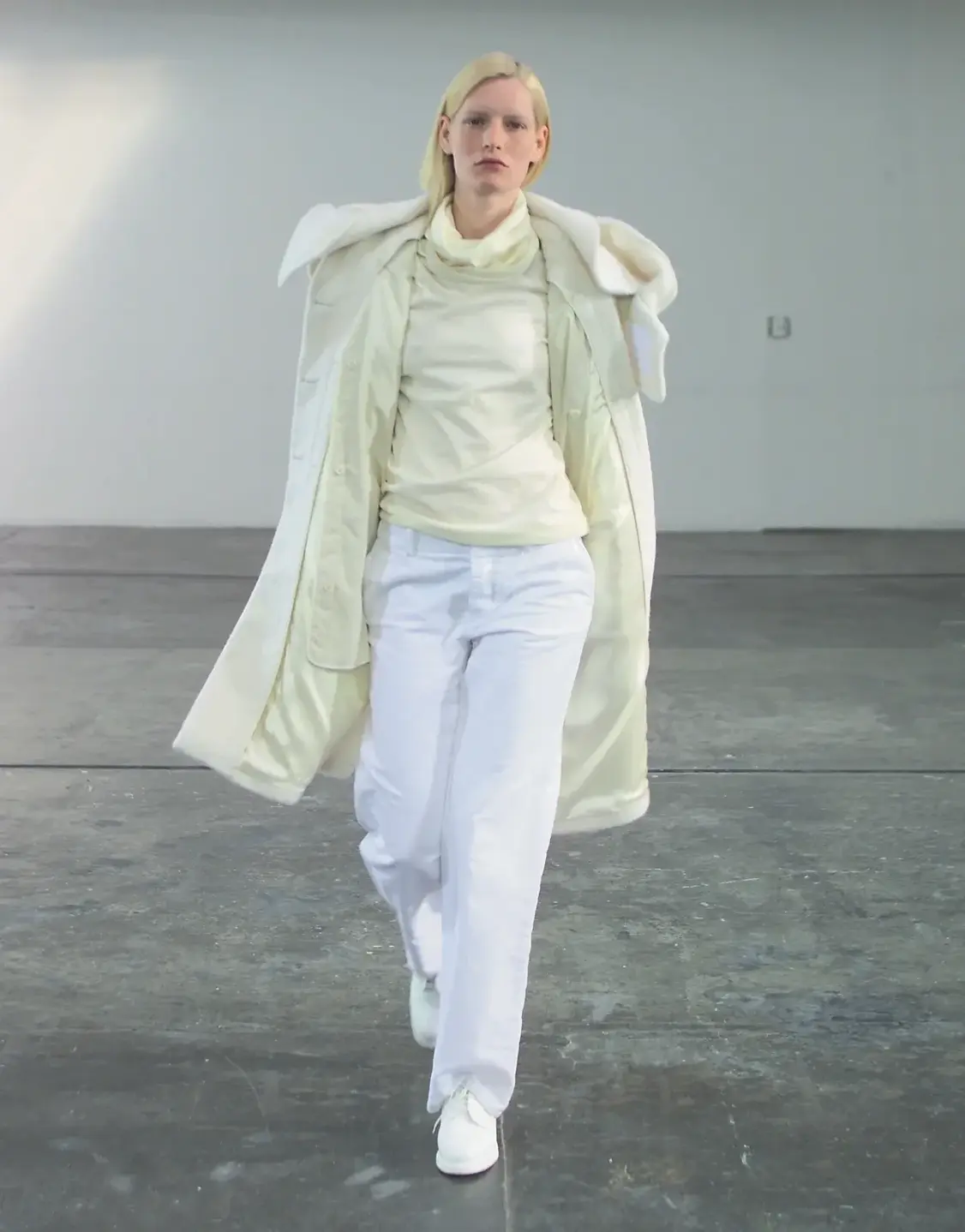
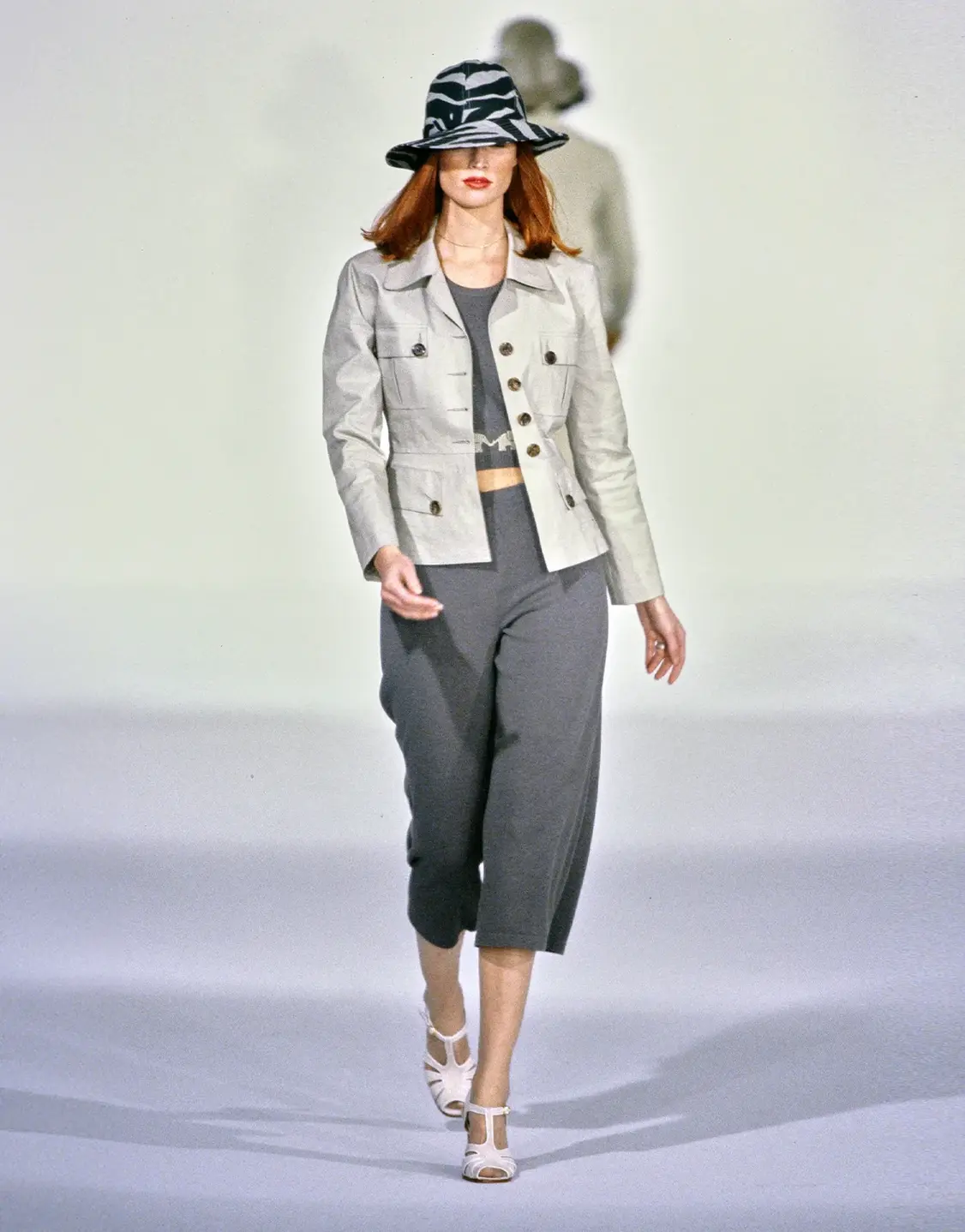
Fun fact: Lang never intended to “lead” anything; he just disliked the Paris schedule, yet his choice forced an entire industry to reorganize itself around him, turning New York Fashion Week into the inaugural chapter of the global fashion circuit.
Paired with Marc Jacobs’s creative zenith and Alexander McQueen’s spectacular New York shows, the U.S. briefly felt like the world’s next fashion frontier, until the momentum dissolved and Paris reclaimed the cultural microphone.
That history doesn’t repeat itself today, but it certainly reverberates.
Chanel unveiling Matthieu Blazy’s first Métiers d’Art in New York; Dior returning to Los Angeles for Cruise; Gucci choosing New York to introduce a new era; Louis Vuitton securing its Cruise 2027 location in the city; Moncler staging Winter 2026 in Aspen, this constellation of choices is not coincidence, sentiment, or theatrical wanderlust.
These are the most commercially vital collections of the year, designed to live on the floor the longest and perform the hardest, and the decision to situate them in the U.S. reveals that brands are aligning themselves with markets where demand is not merely strong but expanding.
LVMH now opens more U.S. mall stores than European flagship stores, a sign that American luxury consumption is no longer coastal but continental.
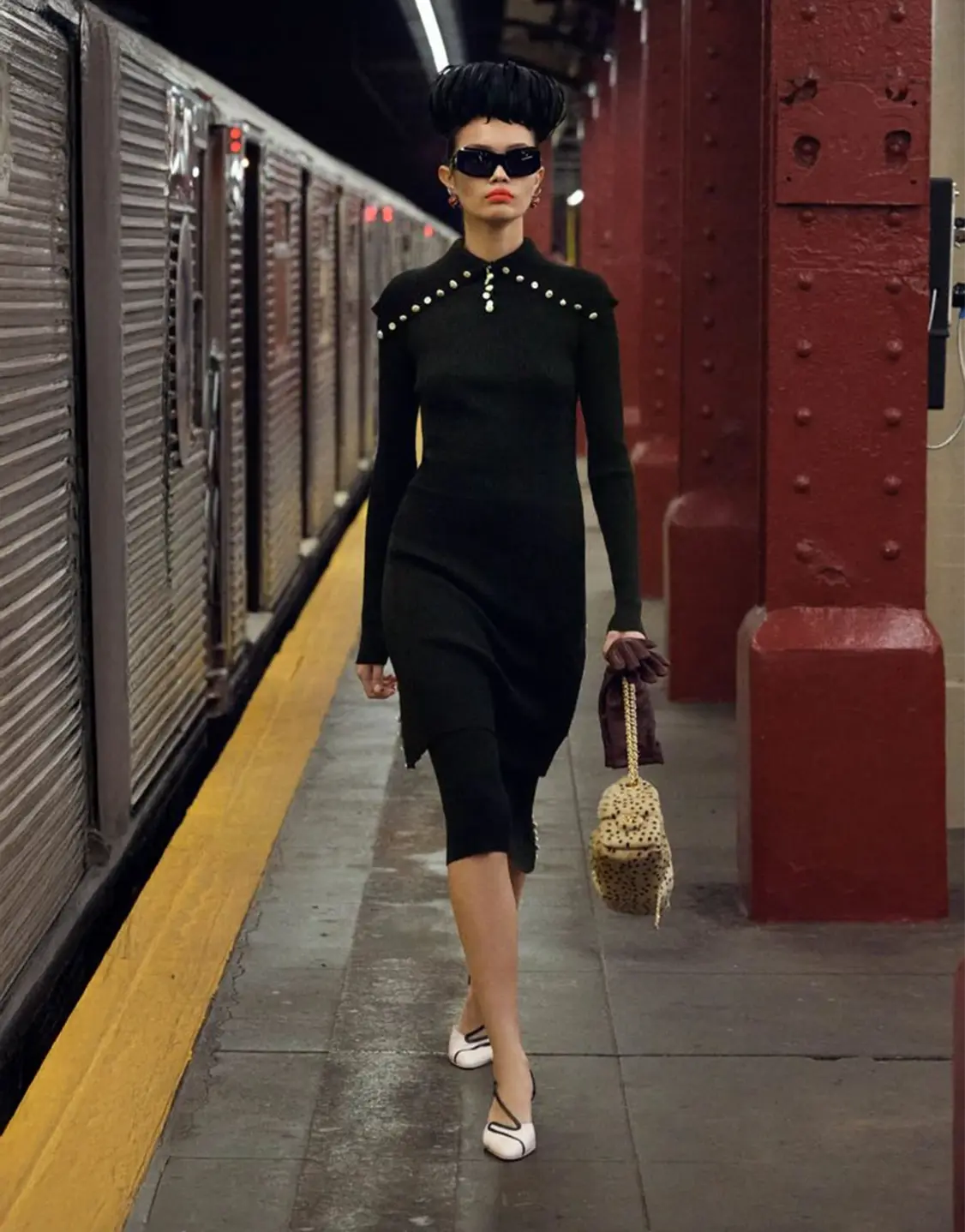
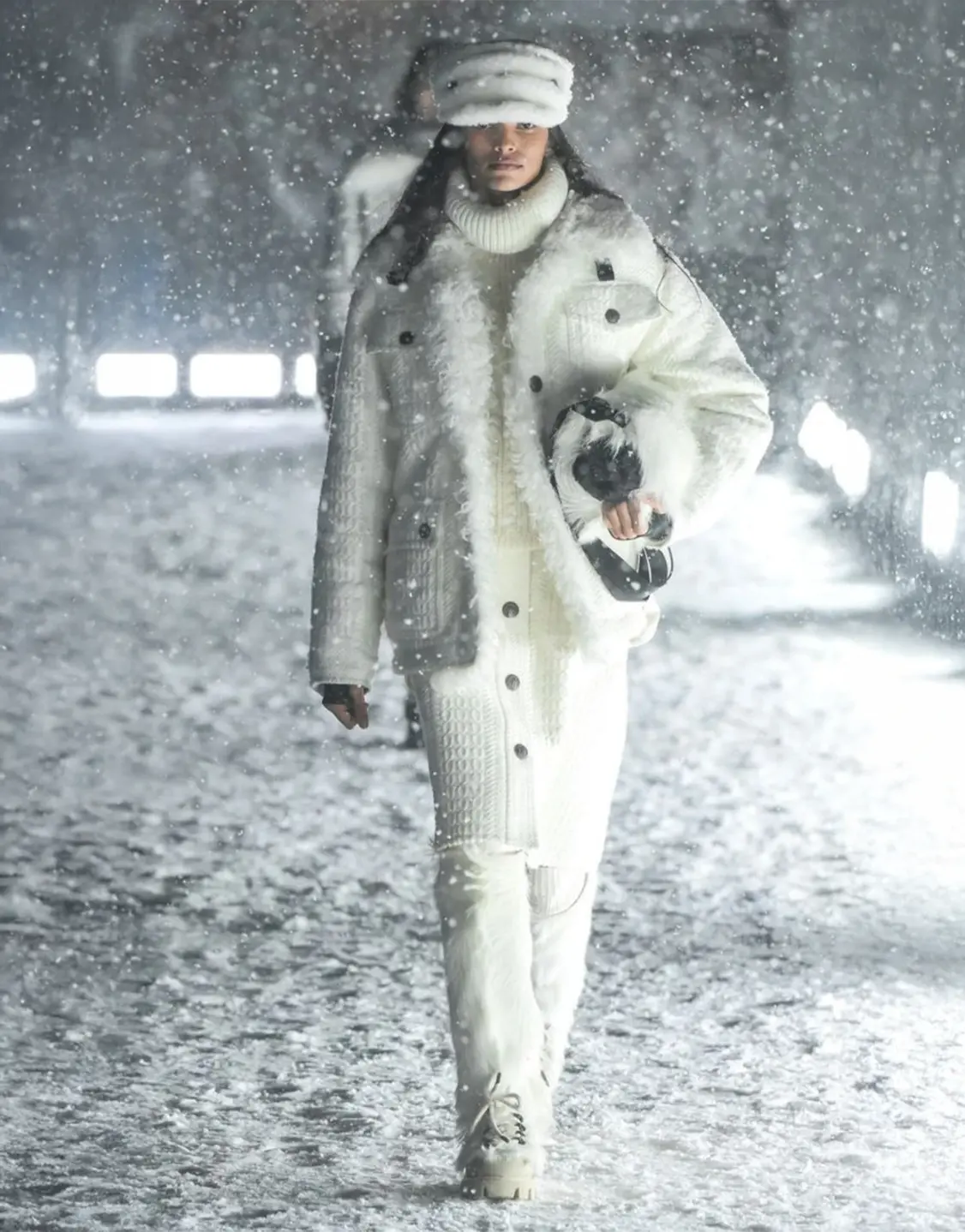
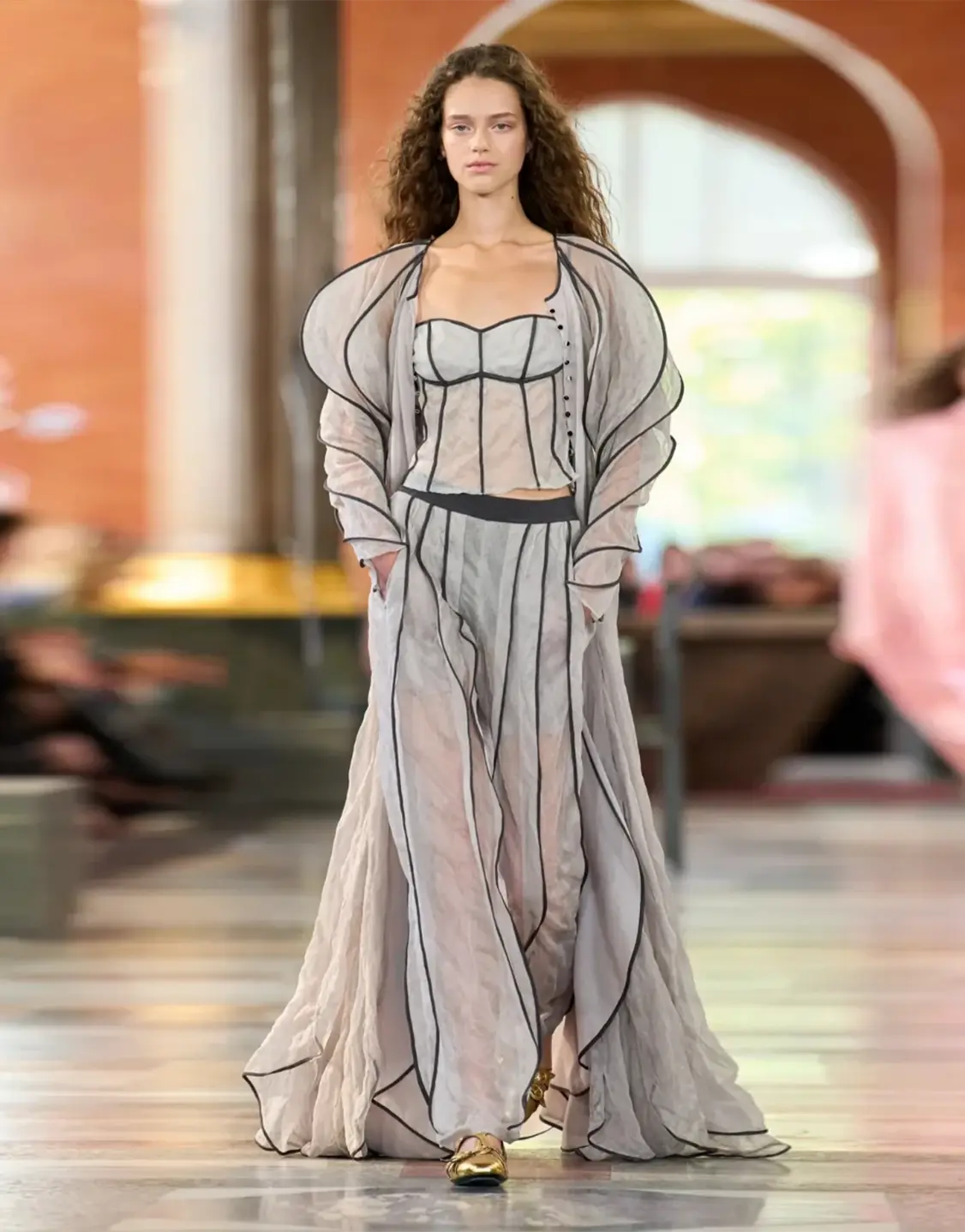
Chanel’s Métiers d’Art 2026 show in New York might be the clearest articulation of this shift. Staged in an abandoned Bowery subway station transformed into a cinematic cavern, the collection blended the maison’s timeless vocabulary, tweed, pearls, polished tailoring, with the textural rawness and eccentric rhythms of New York, producing a visual dialogue between heritage and modernity that felt both familiar and refreshingly unpredictable.
More importantly, the decision carried historical and strategic resonance: New York was where Karl Lagerfeld presented his final Métiers d’Art, and it remains the market where Chanel sees its strongest demand, with clients responding enthusiastically to the maison’s evolution under Blazy.
Here lies the quiet truth: brands do not stage Métiers d’Art or Cruise in a city unless it benefits both the story and the spreadsheets, and New York currently excels at both.
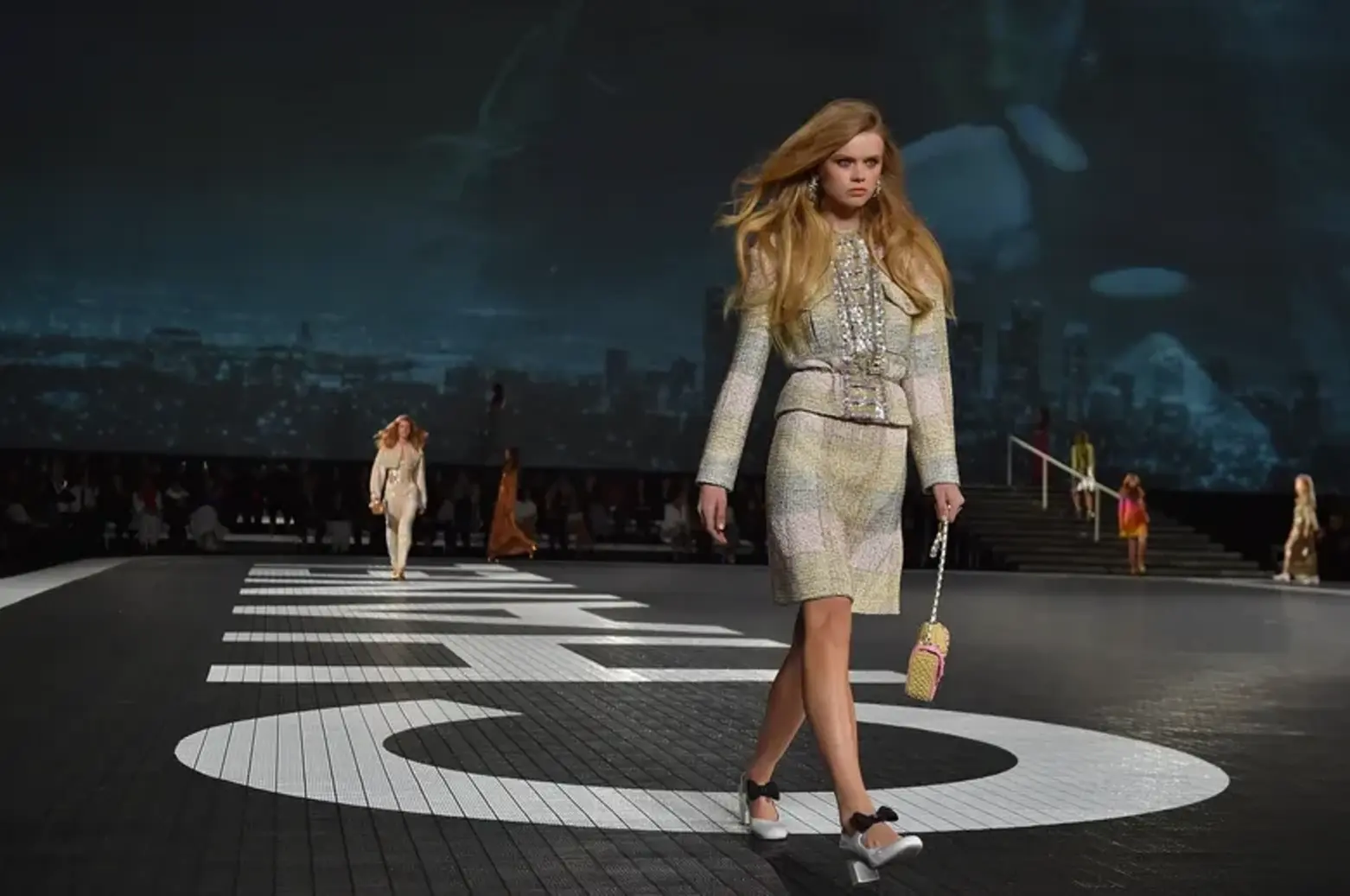
Cruise, the dreamiest of collections, is also the most unapologetically commercial, living on boutique floors for months longer than ready-to-wear and serving as a financial anchor for the entire fashion calendar.
In a world where China’s recovery is uneven, Europe’s spending is cautious, and aspirational shoppers in many regions are retreating, the United States stands out with steady growth: Hermès rising more than 14% in North America, LVMH seeing unexpected improvement, Kering finding rare positive numbers, and Zegna, Ferragamo, Prada all reporting strong American performance.
The data reads like a compass: when other regions hesitate, the U.S. continues to buy, not extravagantly but consistently, an important distinction that explains why Cruise shows have migrated westward.
What differentiates this moment from earlier waves of American influence is the breadth of its geography.
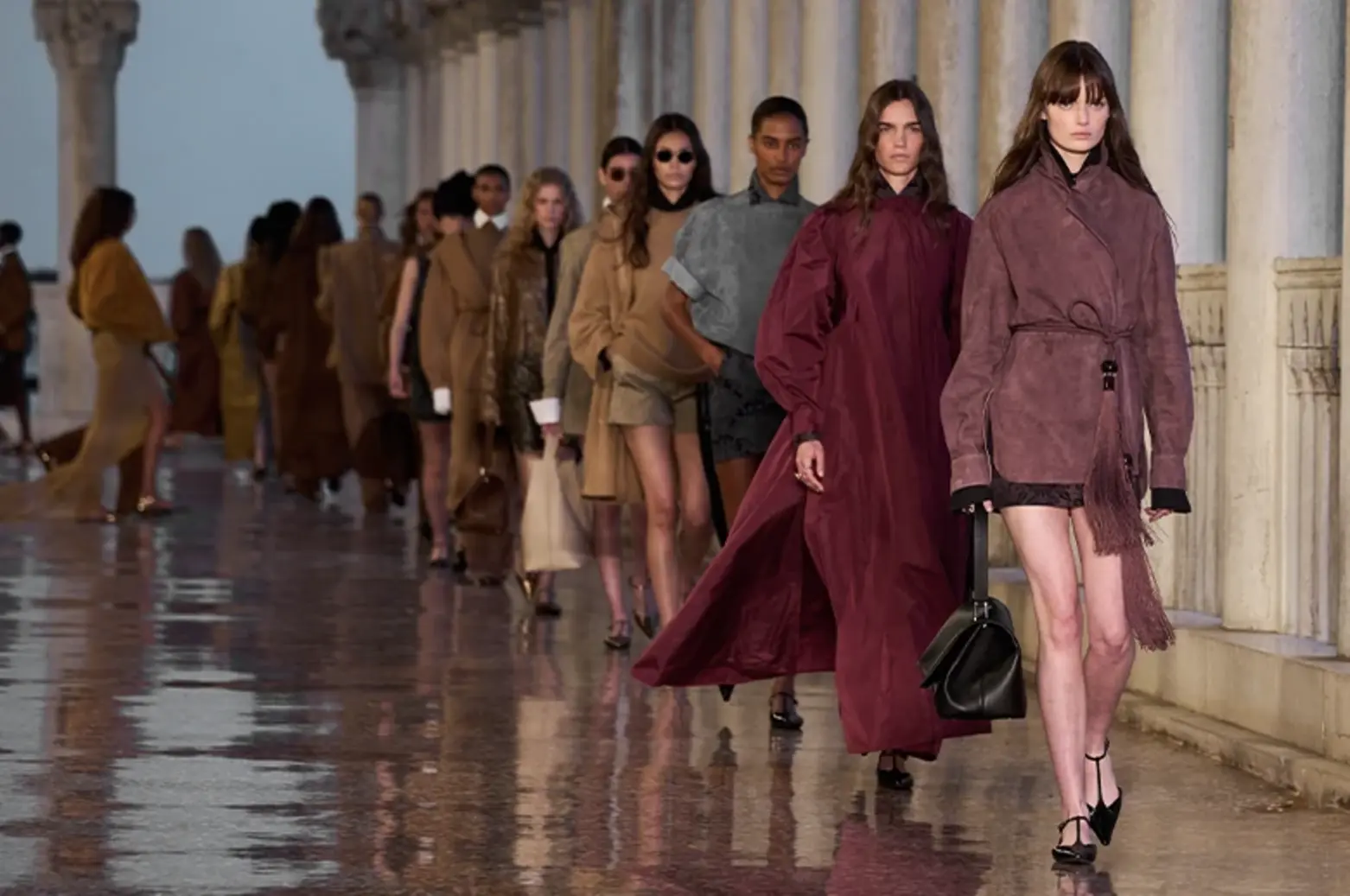
Luxury is no longer concentrated solely in New York, Los Angeles, or Chicago; instead, cities like Miami, Atlanta, Dallas, Las Vegas, and even Colorado are emerging as centers of high-income consumers and newly aspirational luxury communities.
One analyst recently noted that the American heartland could become luxury’s next great growth engine, a prediction that would have sounded absurd a decade ago but now feels increasingly plausible as brands open stores in places long dismissed as non-fashion territories.
This expansion reflects a shift in how luxury is consumed, less as a metropolitan status symbol and more as a lifestyle statement that transcends traditional fashion borders.
Economics explain part of the movement, but culture explains the rest.
The United States remains the world’s most powerful amplifier, exporting aesthetics through entertainment, celebrity, sport, technology, and social media at a velocity no other region can match.
There is also the ongoing rise of American designers at European maisons, a shift that reinforces that America’s creative influence operates less through couture and more through cultural seepage, slow, pervasive, unmistakably effective. Most evident in the work of Daniel Roseberry at Schiaparelli, whose Texan-born theatrical imagination has transformed the historic Parisian couture house into a red-carpet and pop-culture phenomenon without betraying its artisanal rigor. At Louis Vuitton, Pharrell Williams has inserted an unmistakably American sensibility into the world’s largest luxury maison, rooted in hip-hop, street culture, and the visual language of American music history, reshaping the direction of LV Men’s into something simultaneously global and deeply tied to U.S. creativity.
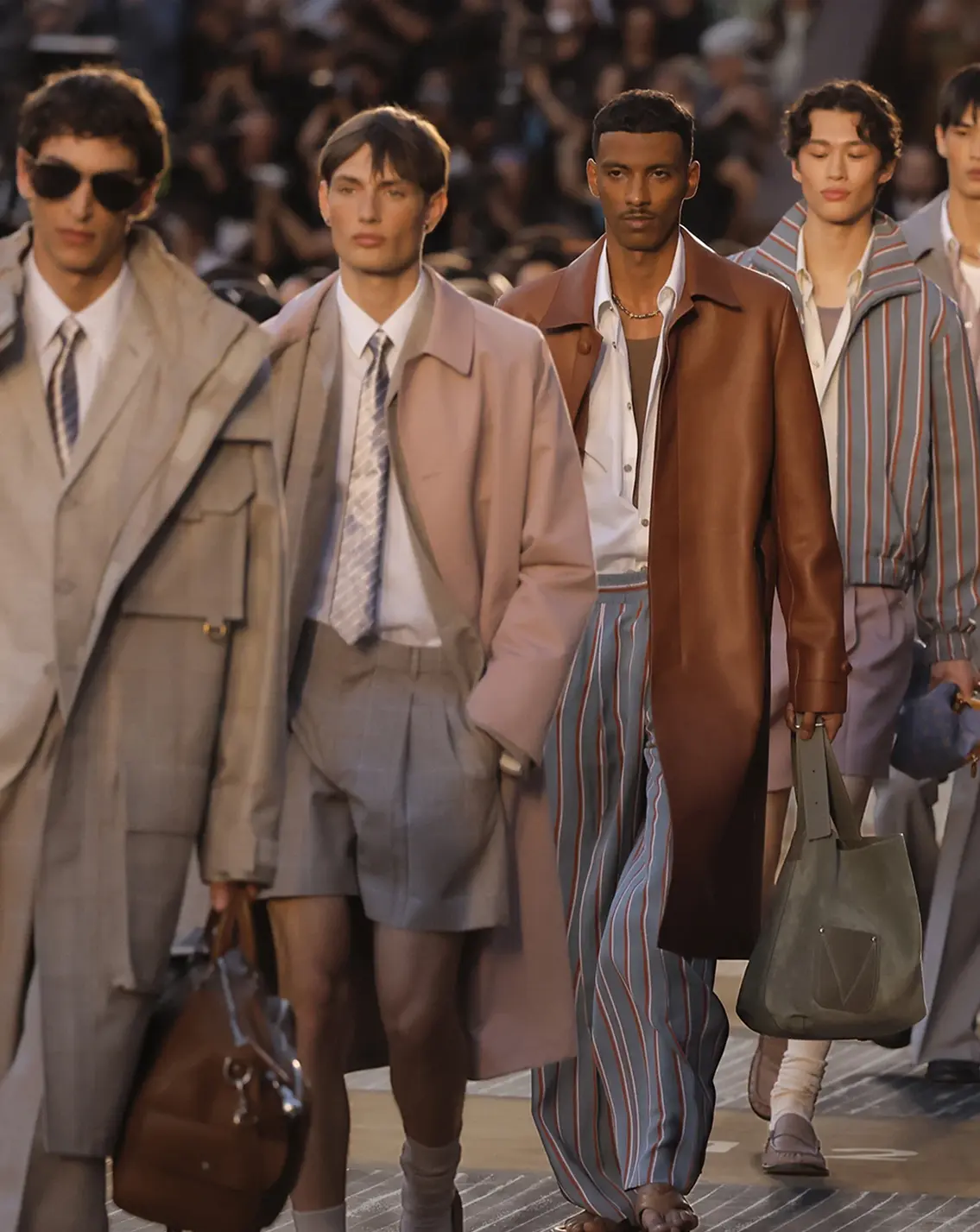
Taken together, the runway locations, economic reports, retail expansions, and cultural cues do not suggest a dethroning of Paris or the establishment of a new capital; rather, they point to a recalibration in which the U.S. plays a renewed role as a vital destination, strategic, symbolic, and commercially essential.
Luxury houses go where the stories can unfold and the numbers can hold, and at this moment, the United States provides both: a stable consumer base, a constellation of rising markets, a deep cultural megaphone, and a historical familiarity that allows heritage to evolve without losing its identity.
The result is not a battle for dominance, but the emergence of a new rhythm in global fashion. Within this shift, luxury houses increasingly return to America as a proving ground—an arena to anchor transitions, test ambition, and unveil the chapters they hope will define their next decade.
Advertisement