MENU
Close





Amish style hijacks fashion’s hunger by turning clothing into a vow; why does restraint feel holy enough to hypnotize the world?

Amish style hijacks fashion’s hunger by turning clothing into a vow; why does restraint feel holy enough to hypnotize the world?
February 2, 2026
Advertisement

Advertisement



Morning in Amish country arrives with a different tempo. Frost sits on fence rails, woodsmoke drifts low, and the day begins in the hush before the first chores speak. In that quiet, clothing carries its meaning without raising its voice.
That is Amish style at its core: a wardrobe designed as a vow made visible. In fashion terms, it belongs to the tradition of plain dress, yet it also lives beyond that definition because it has become a visual language that travels. It reads as long lines, matte surfaces, high necklines, controlled volume, and layered modesty, yet its true signature sits deeper than silhouette. Amish style carries devotion, community, and the quiet authority of a life guided by order. The glossy world keeps circling back to this rustic code because it senses something rare: beauty born from purpose, magnetism born from restraint, a sacred seriousness that modern fashion still craves.
Even before the day moves forward, Amish style has already declared its philosophy. Here, clothing acts as culture. Fabric becomes boundary. Dressing becomes ritual. Fashion becomes theology in cloth.
Amish style emerges from a historical current where faith shaped daily life through visible practice. Its roots stretch into the sixteenth century, among Anabaptist communities in Switzerland and nearby regions, part of a Reformation world filled with religious conflict and sharp boundary-making. Anabaptists emphasized adult baptism chosen in conscience, a church built by commitment, and discipleship that reached into conduct, community, and visible markers of belonging. Those convictions brought severe pressure in many European territories, and rural pockets became places of shelter, work, and worship.
In the late seventeenth century, a sharper identity formed around the figure of Jakob Ammann. Around 1693, a dispute over discipline, communion, and the rigor of separation deepened into a split. Communities aligned with Ammann favored stricter church discipline and a more pronounced boundary between church life and the broader world. Over time, these communities became known as Amish.
Migration transformed this seriousness into a durable aesthetic. In the eighteenth century, many Amish families left Europe and traveled to North America, drawn to the promise of religious tolerance in Pennsylvania and neighboring colonies. They arrived carrying trunks, tools, hymns, and habits. Settling in agricultural regions, they built communities where mutual aid became daily structure. Through all these moves, dress served as continuity. Clothing became portable identity, an instantly readable grammar of belonging.
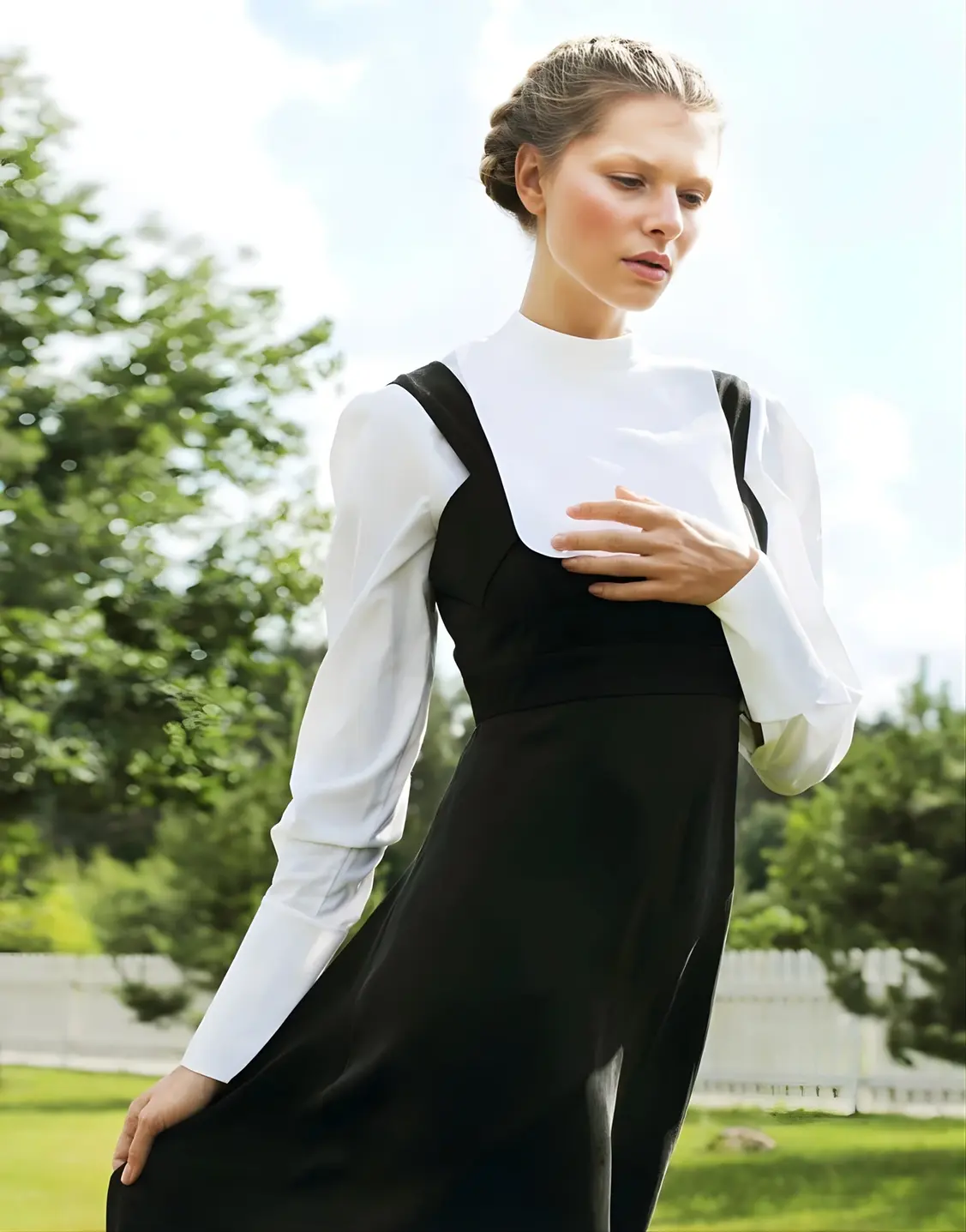
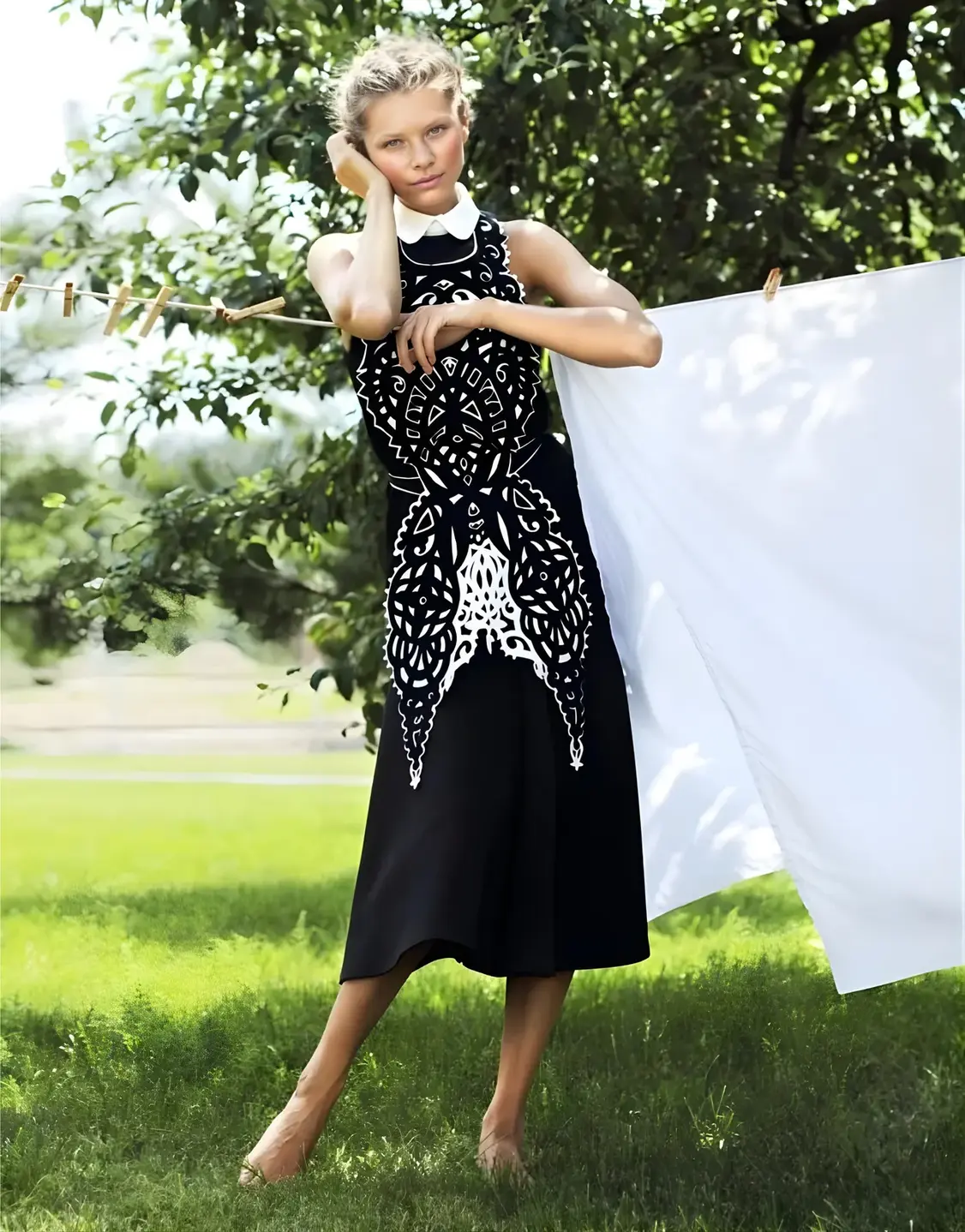
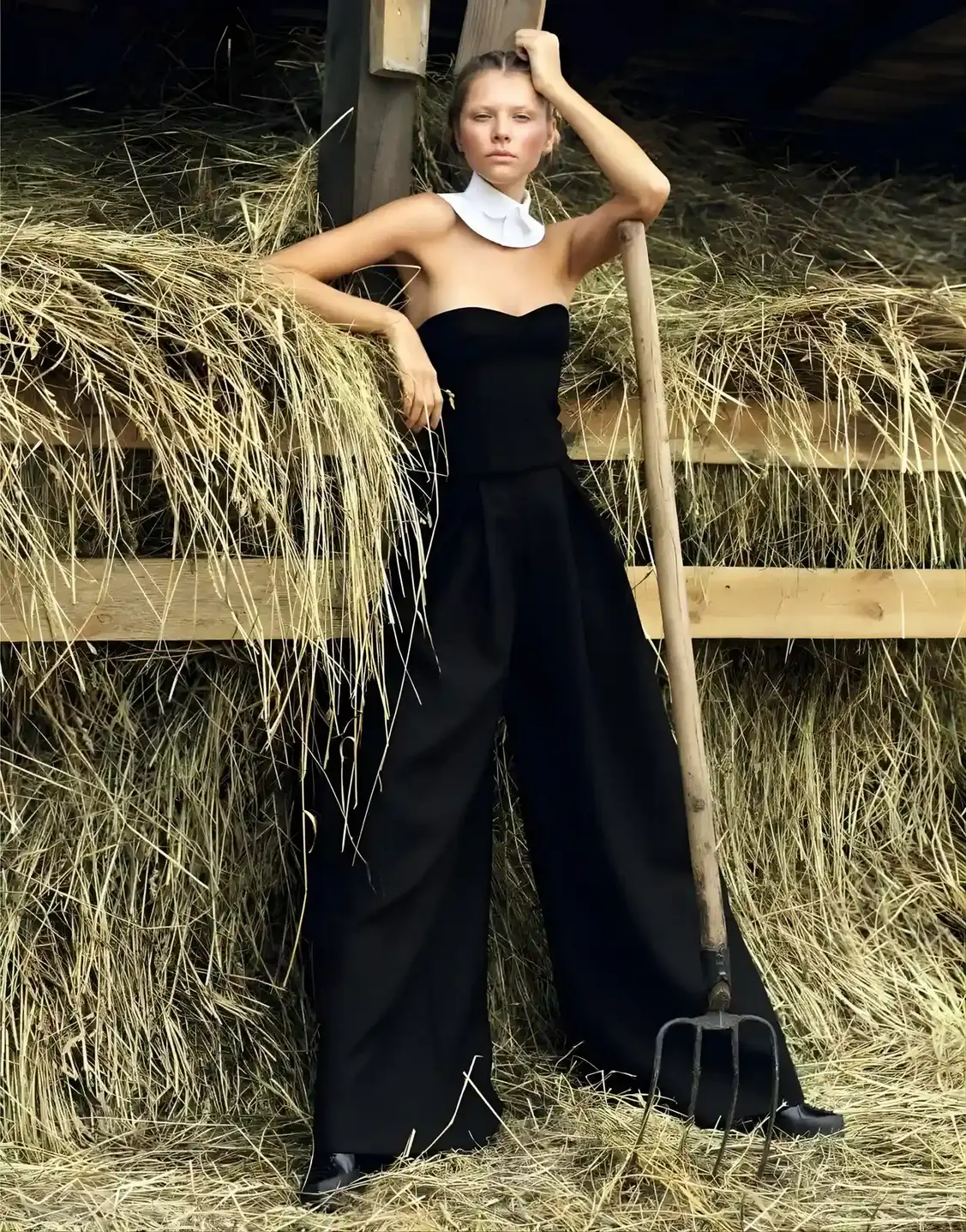
This is where fashion begins to intersect with culture in an especially tangible way. People relocate across oceans and decades, and the wardrobe becomes an anchor. The choice of fastenings, the permitted palette, the acceptable prints, these are community signatures, subtle yet decisive. Amish style, even within tradition, holds variation that follows local Ordnung, the guiding order of each community.
History arrives quietly in a sewing room. Lamplight pools over quilts and folded cloth, and repetition becomes a kind of devotion: the same stitch returning, the same pattern finding its place, the same discipline turning into beauty. Europe appears as memory carried through craft, then migration enters as another layer of fabric, packed, moved, unfolded again in new soil. Over time, Amish style settles as something rooted in place and community, held together by shared agreement and daily practice. Change continues to move around it, yet the style keeps its center: humility, unity, and a life oriented toward God.
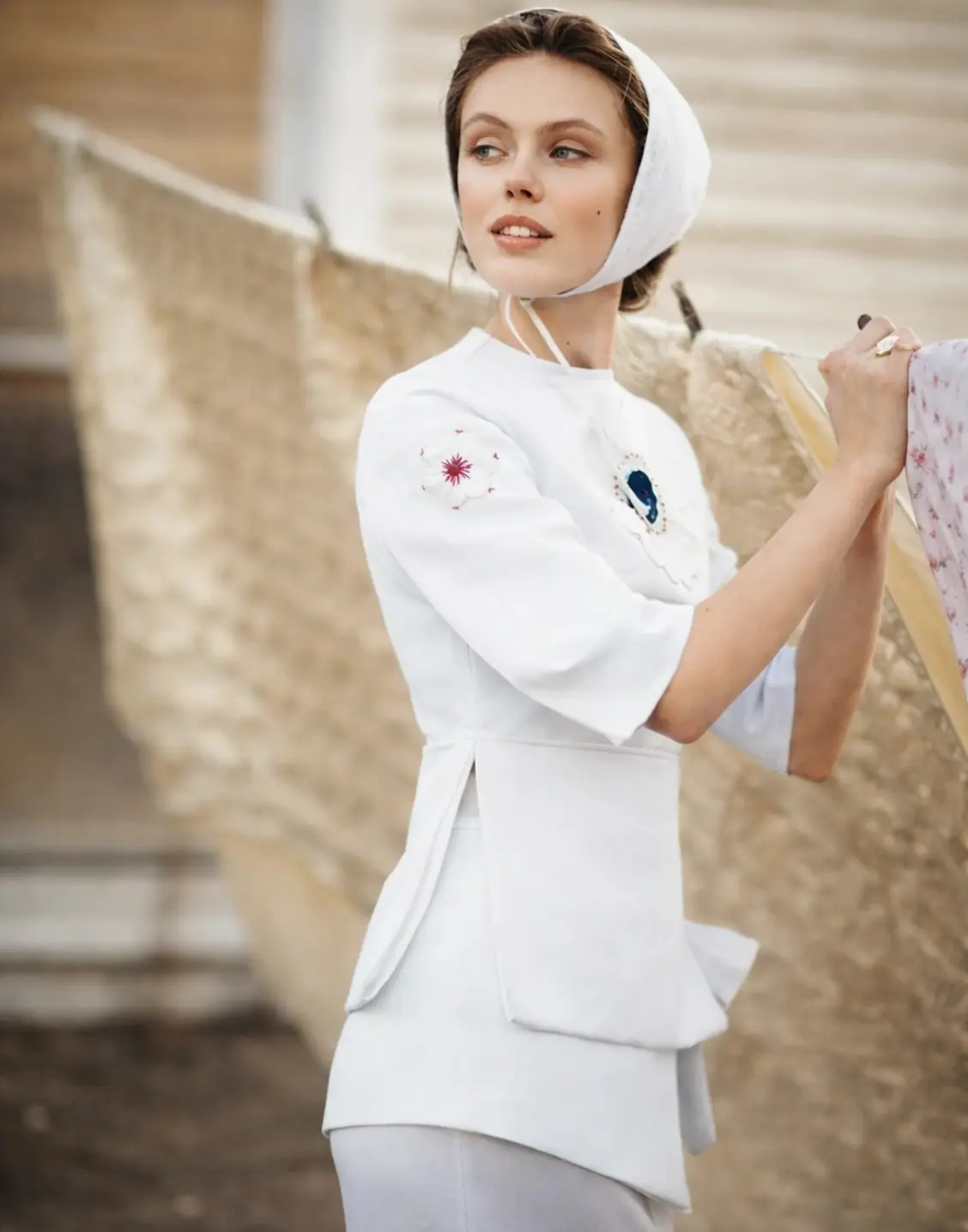
Amish style forms through a system of garments, each one chosen through function and meaning, each one designed to work together into a coherent presence.
In women’s dress, the blouse often serves as a base layer, especially in communities where separates appear alongside dresses. The blouse tends toward a clean front, a modest collar, sleeves that hold their line, cuffs that close gently at the wrist. The fabric often favors cotton, poplin, broadcloth, sturdy weaves that wash well and hold shape.
The skirt carries its own language. Fullness appears through gathers, sometimes through pleating, sometimes through panels that create drape. The long length shapes movement, and the movement shapes mood. A long skirt sweeping across a kitchen floor, across a barn threshold, across a church aisle, creates a kind of choreography.
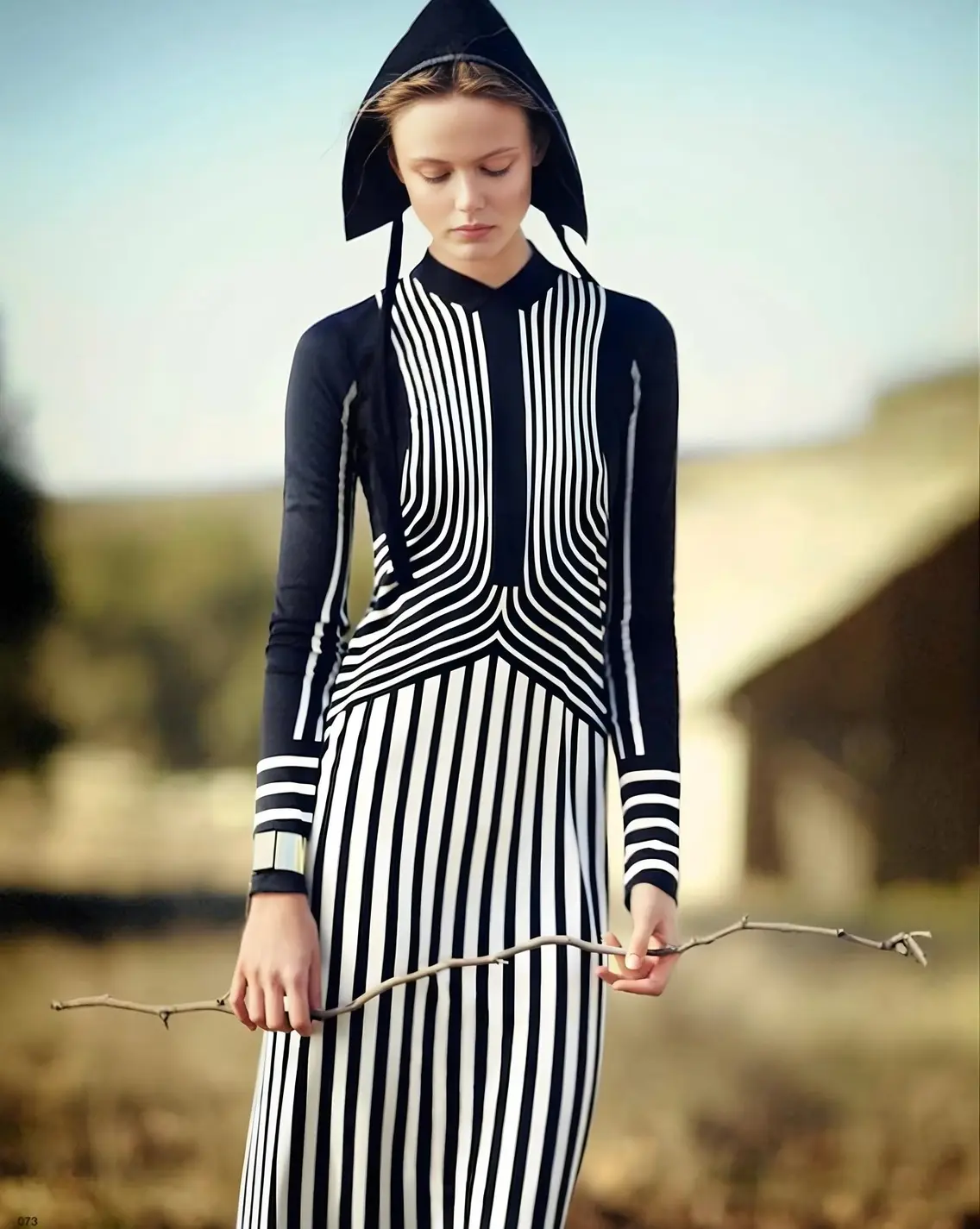
The dress becomes a centerpiece in many Amish wardrobes. Often, it holds a bodice with a high neckline, long sleeves, and a skirt gathered or pleated for volume. In many communities, a cape dress dominates, the cape layer lying over the bodice and shoulders, sometimes ending around the waist, creating that signature double layer. From a design perspective, the cape layer becomes a brilliant piece of modest architecture: it covers, it frames, it strengthens the line, and it creates a uniform presence across bodies. The dress often closes with practical fastenings. Buttons may appear, sometimes covered, sometimes simple. Hooks and eyes may hold the closure with a clean finish. Straight pins may secure a collar or a scarf with a quiet precision.
The apron carries the signs of work, it signals readiness. It also acts as a shaping tool. It creates a secondary plane that changes the outfit’s proportions and deepens the sense of discipline. Aprons vary in weight and texture across seasons. They may hold subtle differences between work and Sunday wear.
Outer layers deepen the wardrobe’s vocabulary. A shawl draped across shoulders softens the silhouette while preserving coverage. A scarf knotted at the neck warms the body and creates a focal point that stays modest. A cape or coat extends the long line into winter, often in dark wool, sometimes in heavier fabrics that resist wind and hold warmth.

Head coverings form the most recognizable element, yet they carry deeper symbolism. The kapp sits close, often pinned, shaping the head into order, gathering hair into a disciplined form. The bonnet appears outdoors, framing the face, creating privacy, directing attention toward voice and presence rather than hairstyle. The bonnet also functions as design: a sculptural frame, a curved brim, a line that influences posture and the direction of the gaze.
Seams remain strong and clean. Hems hold weight and durability. Gathers offer volume that stays controlled. Plackets close with functional grace. Buttons, whether visible or covered, become a line of order down the body. Fabric choices favor durability, breathability, and calm surfaces. Prints, when allowed, stay restrained, subtle checks or muted patterns that preserve unity.
This is why Amish style fascinates fashion eyes. It looks simple from far away, yet it reveals complexity up close. It carries a system of design decisions that serve both function and faith. It shows how clothing can become culture made visible.
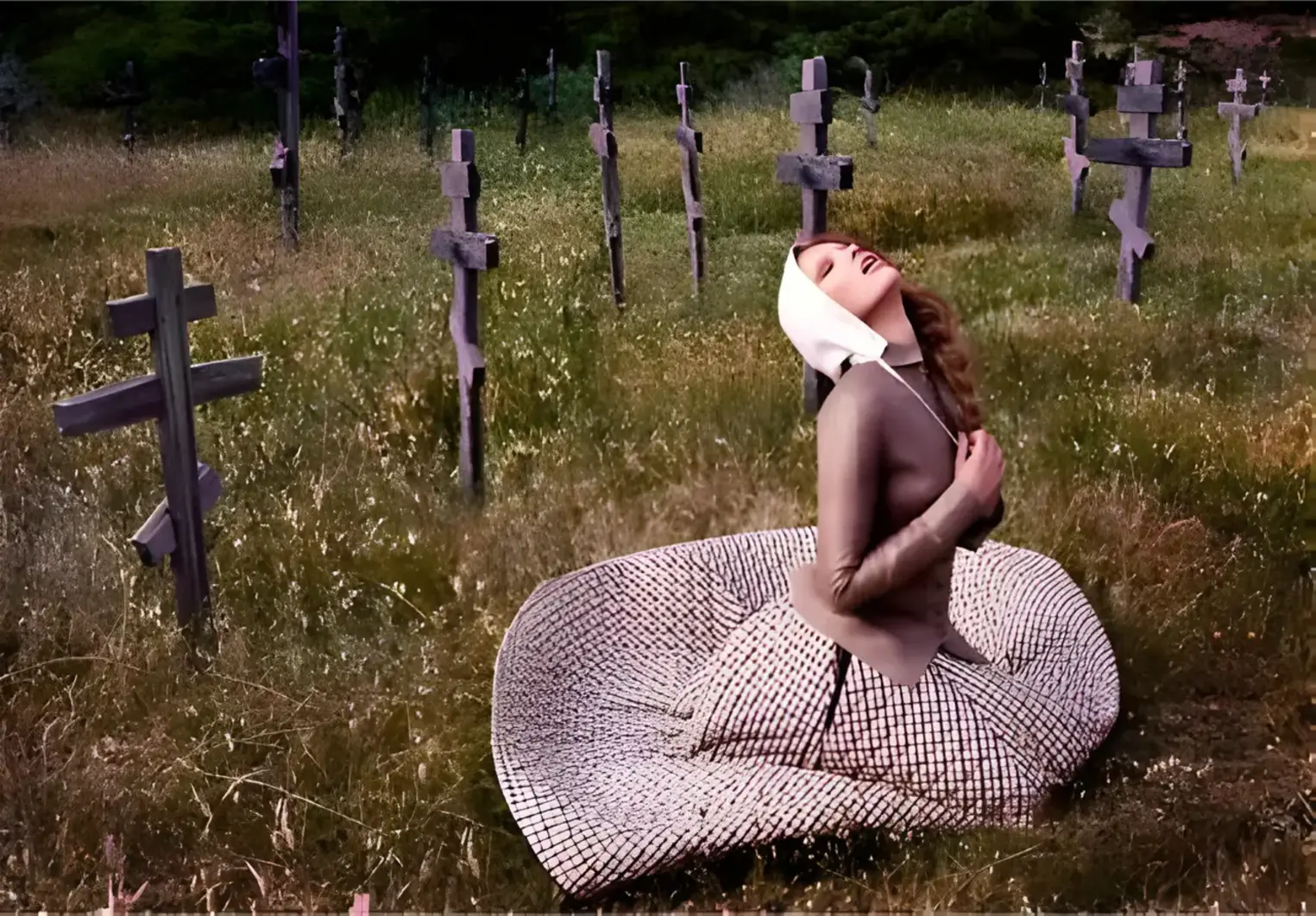
In Amish life, clothing moves through worship and work as part of one continuum. The wardrobe holds a religious logic that shapes the aesthetic. Modesty here functions as devotion and social harmony. It cools competition. It shifts attention away from spectacle. It protects community cohesion. It turns dressing into ritual.
Inside the meetinghouse, the clothing gathers into a collective presence. Rows of plain coats, rows of bonnets, rows of hats, each one part of a larger visual liturgy. The space fills with hymn singing, unaccompanied, voices weaving together. In that moment, dress functions as an extension of worship. The covered body becomes a sign of reverence. The restrained palette becomes an atmosphere. The repetition becomes a kind of prayer, enacted through cloth.
The relationship between fashion and religion often gets framed as conflict, yet Amish style reveals another possibility: fashion as discipline, fashion as ethics, fashion as community agreement. Here, clothing serves the social fabric in a literal way. It reduces daily decisions around self-display. It increases focus on work, family, and faith. It builds a shared identity that can survive migration, time, and pressure from outside.
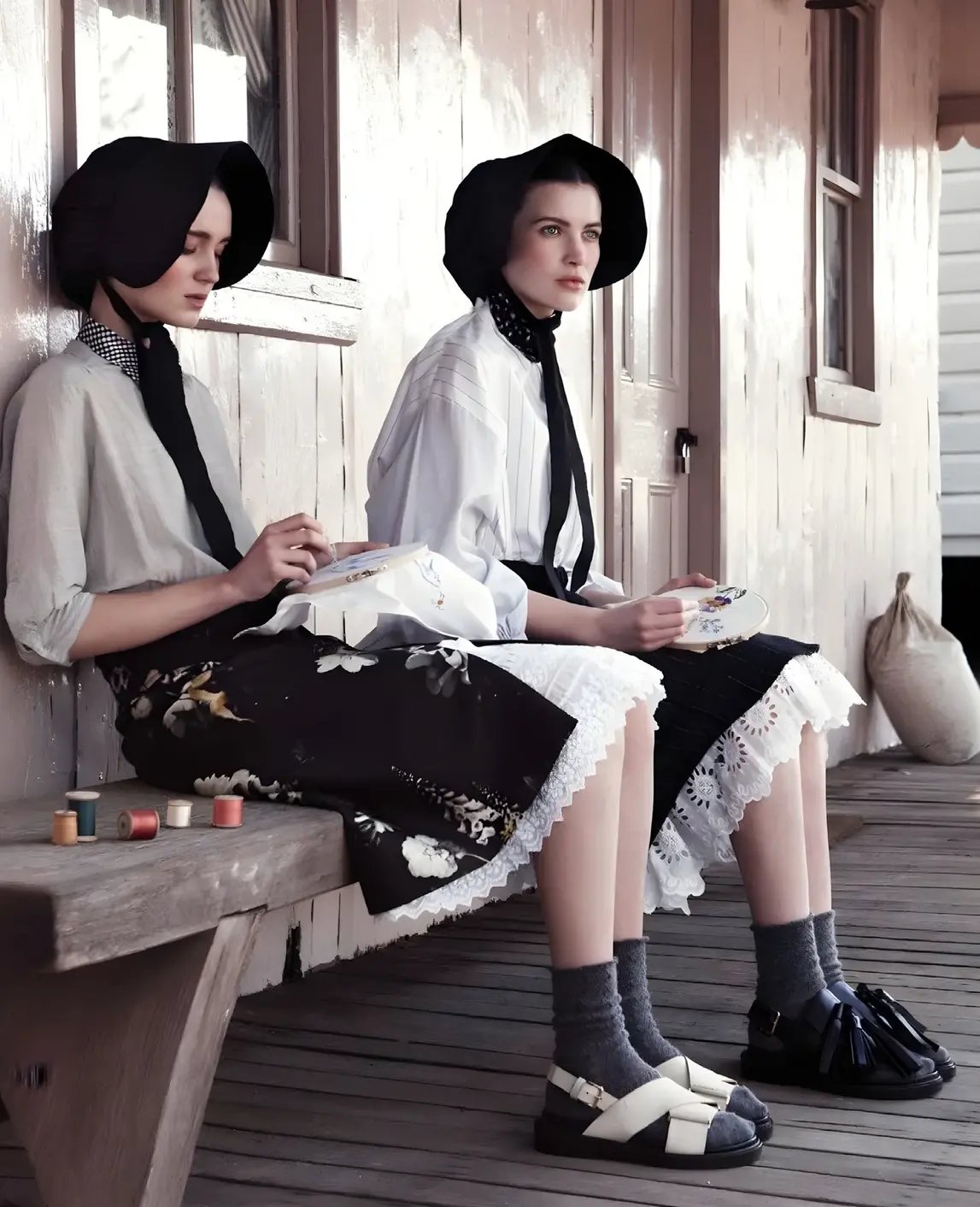
Modernity continues to press in, through economic life, through tourism, through proximity to broader society. Amish communities engage with these pressures in careful ways, guided by Ordnung, deciding what enters, what stays out, what shifts, what remains. Dress becomes one of the clearest places where conservation and evolution meet. The silhouette stays recognizable across generations, yet fabrics change with availability, patterns shift with local decisions, minor adjustments appear in cut, bonnet shapes adapt subtly, outerwear changes with climate realities and practical needs. The style stays alive because it remains practiced. It remains a lived discipline rather than a frozen museum artifact.
The sacred core matters because it explains the aura. Amish style carries a spiritual density that cloth alone rarely holds. The aura comes from a community that wears its values daily. It comes from a culture where restraint carries pride in its own way, pride in humility, pride in belonging, pride in steadiness.

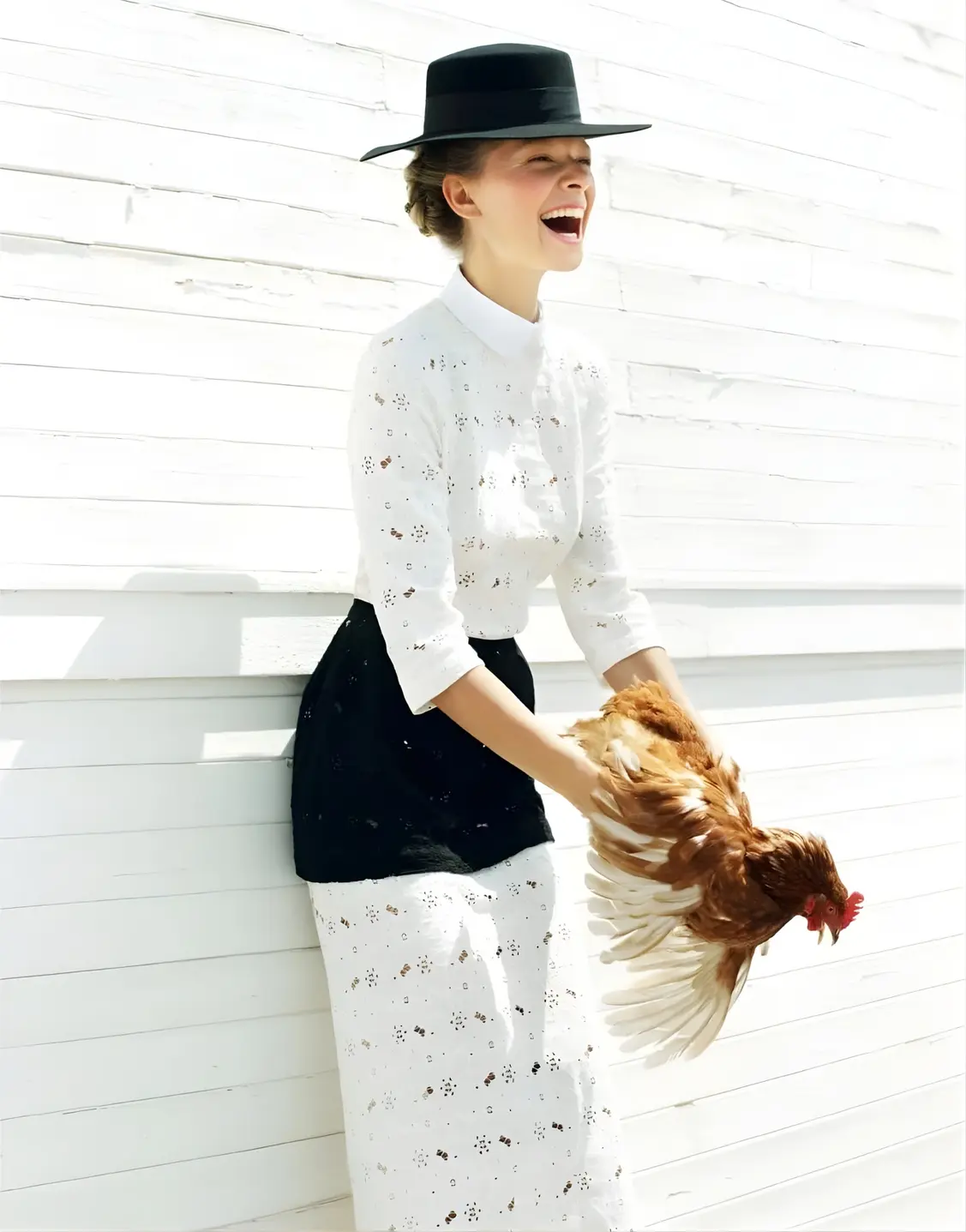
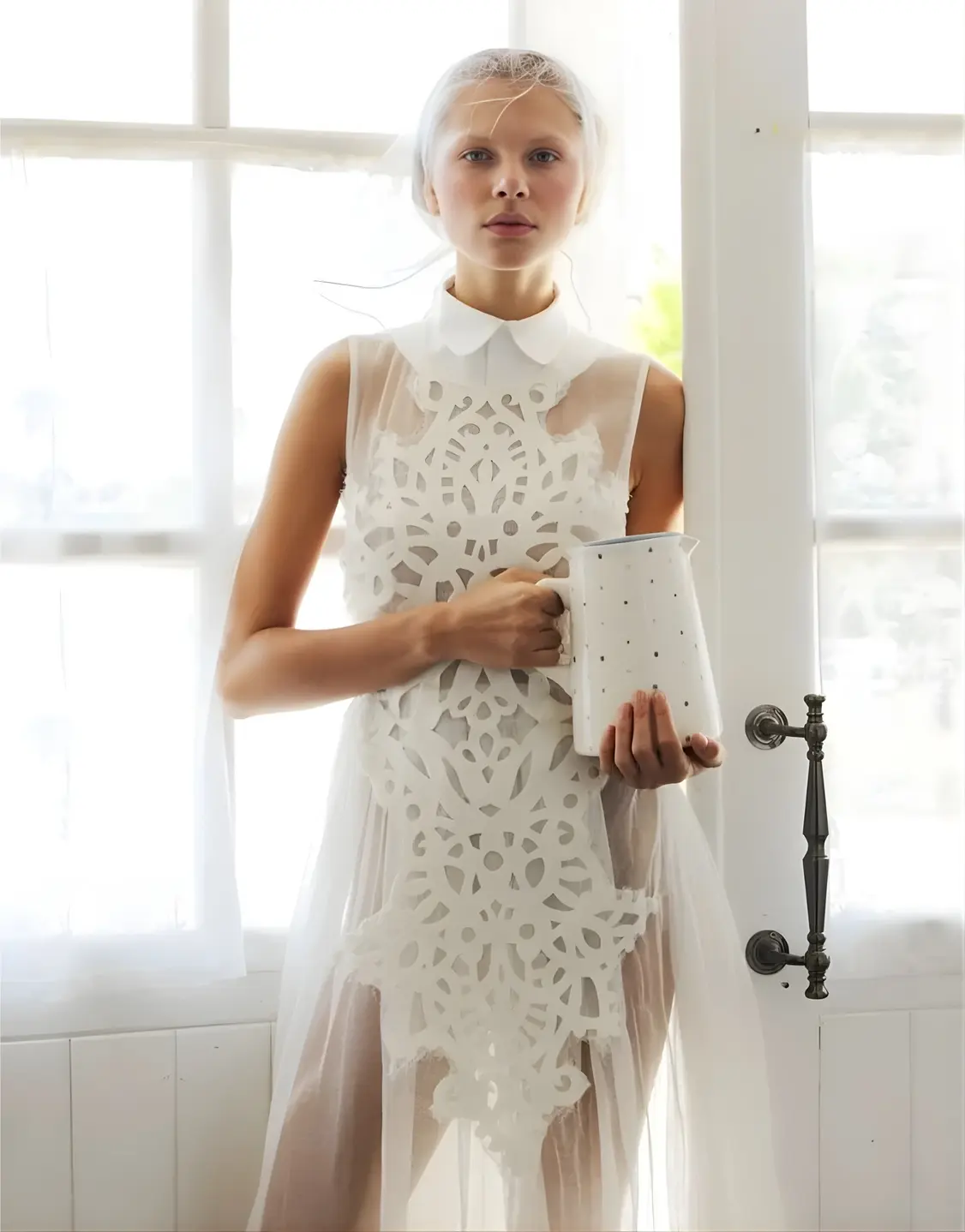
Fashion runs on hunger for meaning, and meaning hides in unexpected places. The glossy world of runway lights and editorial pages returns again and again to Amish style because it carries a rare combination: austerity that feels romantic, coverage that feels charged, restraint that feels powerful. The fashion eye searches for beauty that belongs to life, exists beyond trend cycles, carries story in its seams. Amish style offers that story.
The attraction runs deeper than surface. Amish style teaches fashion something essential: restraint can produce intensity. Coverage can create magnetism. Repetition can create identity. Matte texture can create gravity. A uniform silhouette can carry authority. In a world saturated with visual noise, Amish style offers an aesthetic of silence that pulls attention precisely because it refuses spectacle. It becomes hypnotic because it feels lived, and the industry senses that authenticity in the way fabric behaves, in the way garments hold their line, in the way the body moves with purpose.
This is where Amish style becomes a style beyond religion, while still carrying the religious origin in its breath. Outside the Amish community, a person may choose Amish coded dressing for reasons that echo the original spirit: a desire for privacy, for dignity, for control of the gaze, for a slower relationship with the body. The styling becomes a personal liturgy, an everyday way to declare that the body belongs to the self, the self belongs to values, and values deserve visibility.
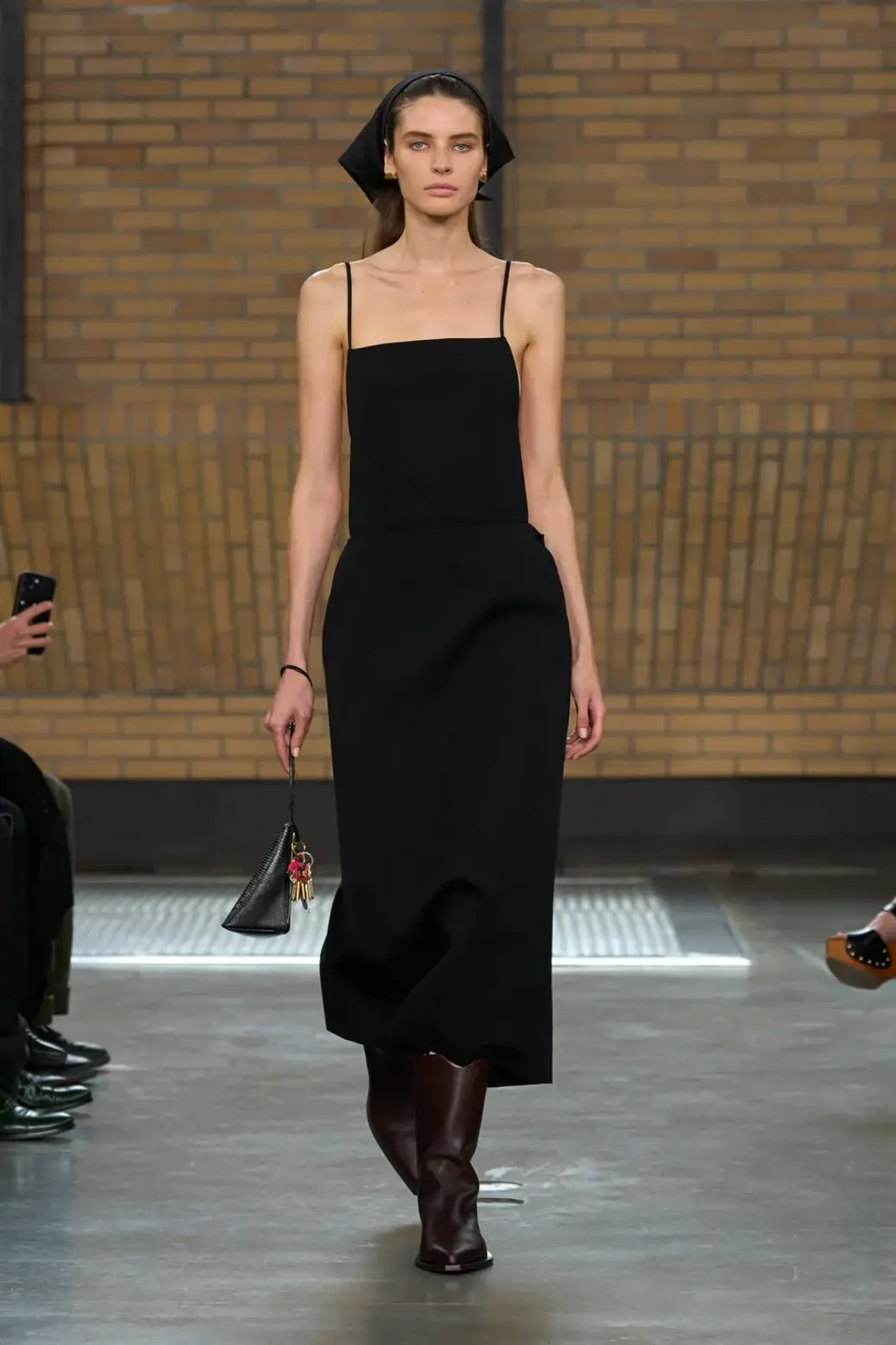
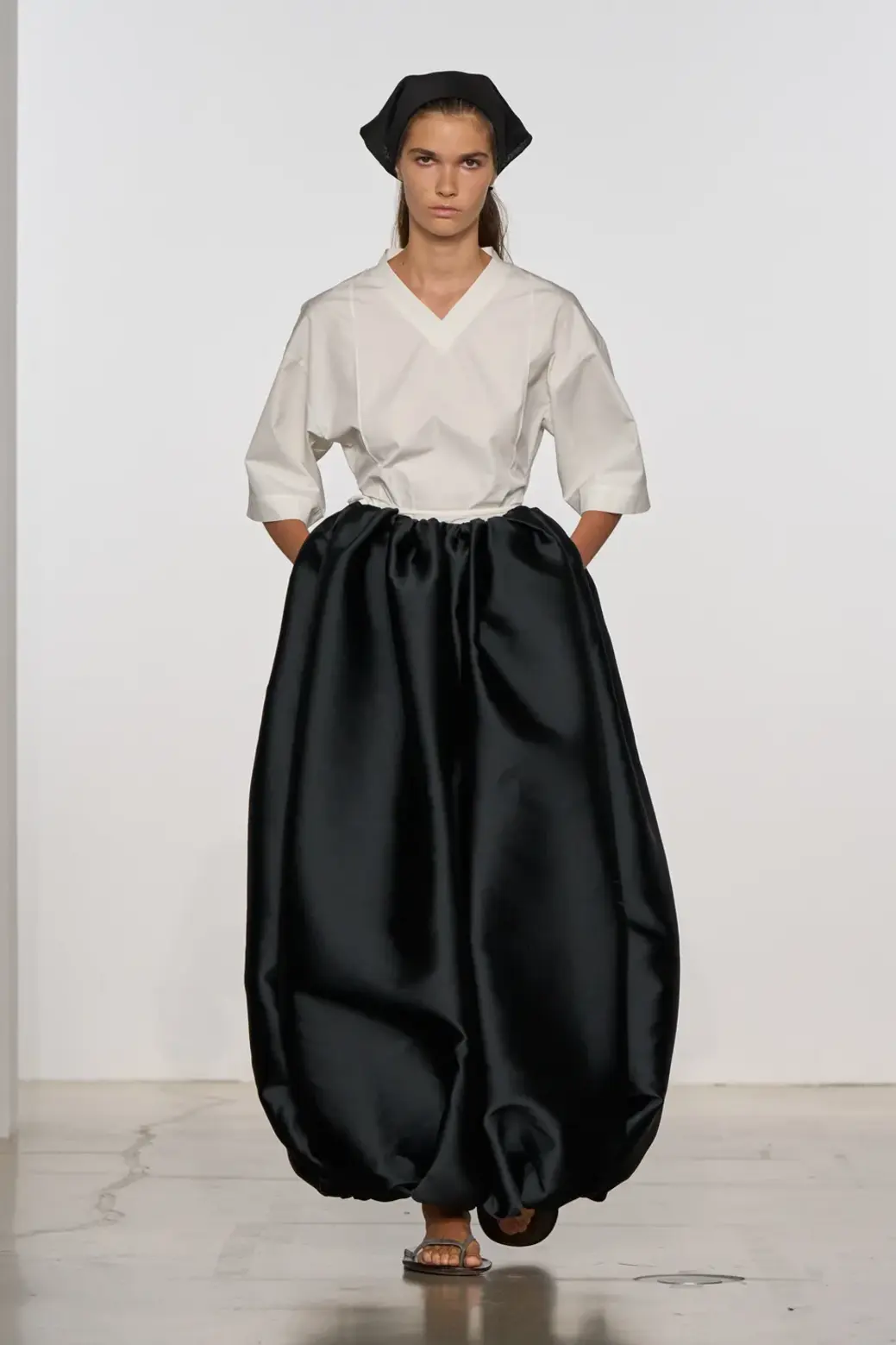
Amish modesty travels through fashion less as a direct quote and more as a composition. The runway rarely screams Amish. The feeling appears when simple pieces lock into a disciplined whole: high neck, long sleeves, long skirt with controlled volume, matte fabric, orderly buttons or hooks, apron like layering, a head framing shape, a palette that stays calm. Amish style lives in how these elements agree. One piece alone stays ordinary. Together, they create a look that feels sacred, restrained, instantly readable.


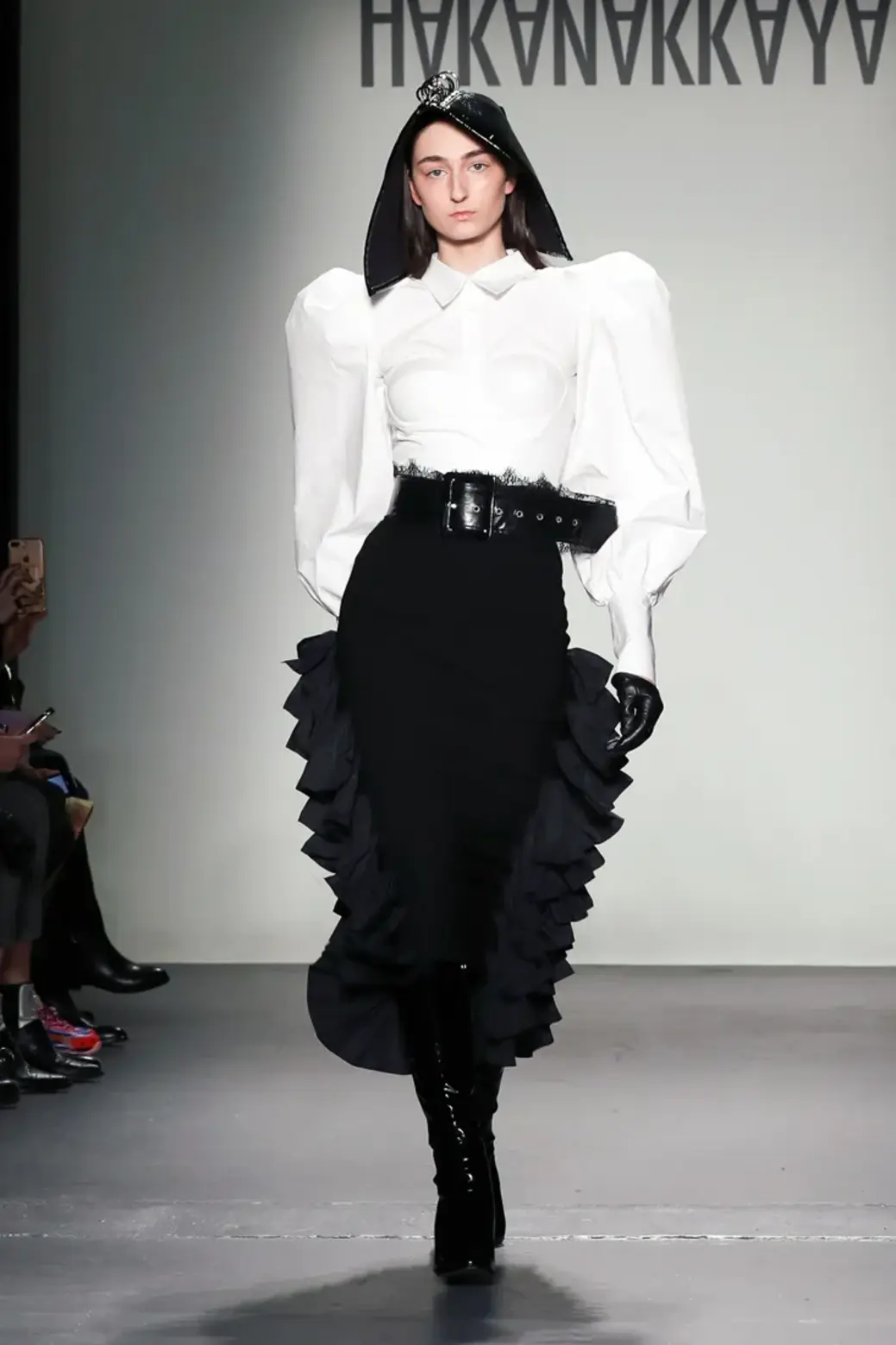

That grammar survives reinvention. In Hakan Akkaya, Amish meets gothic punk, modesty turns into armor, darkness tightens the vow, discipline becomes edge.
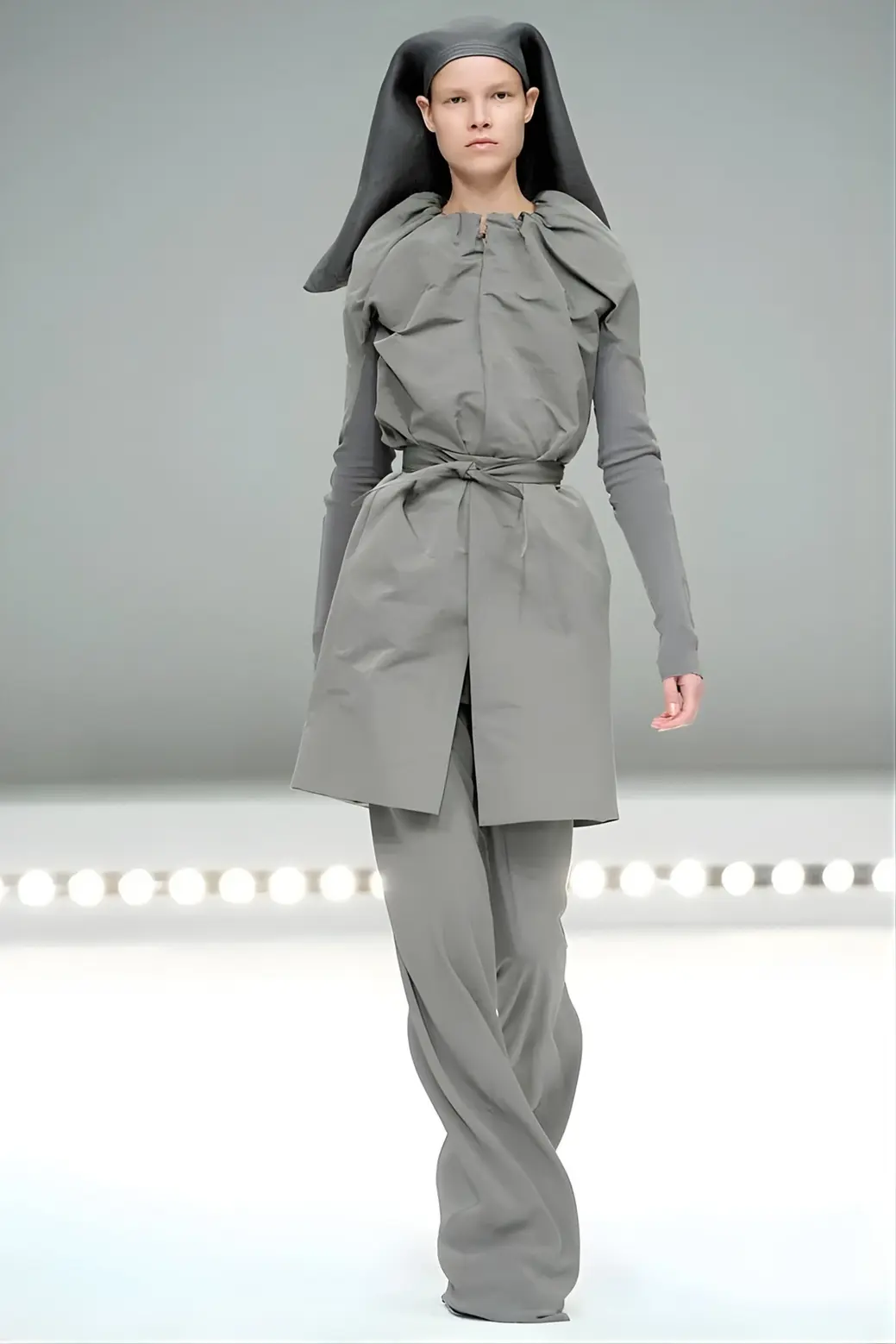

In Rick Owens, it becomes avant garde architecture, monk like severity, coverage as form, silhouette as ethic.
The point stays simple. Amish style rarely equals one signature item. It is the way plain elements blend into a recognisable atmosphere, where restraint creates magnetism and modesty becomes power.
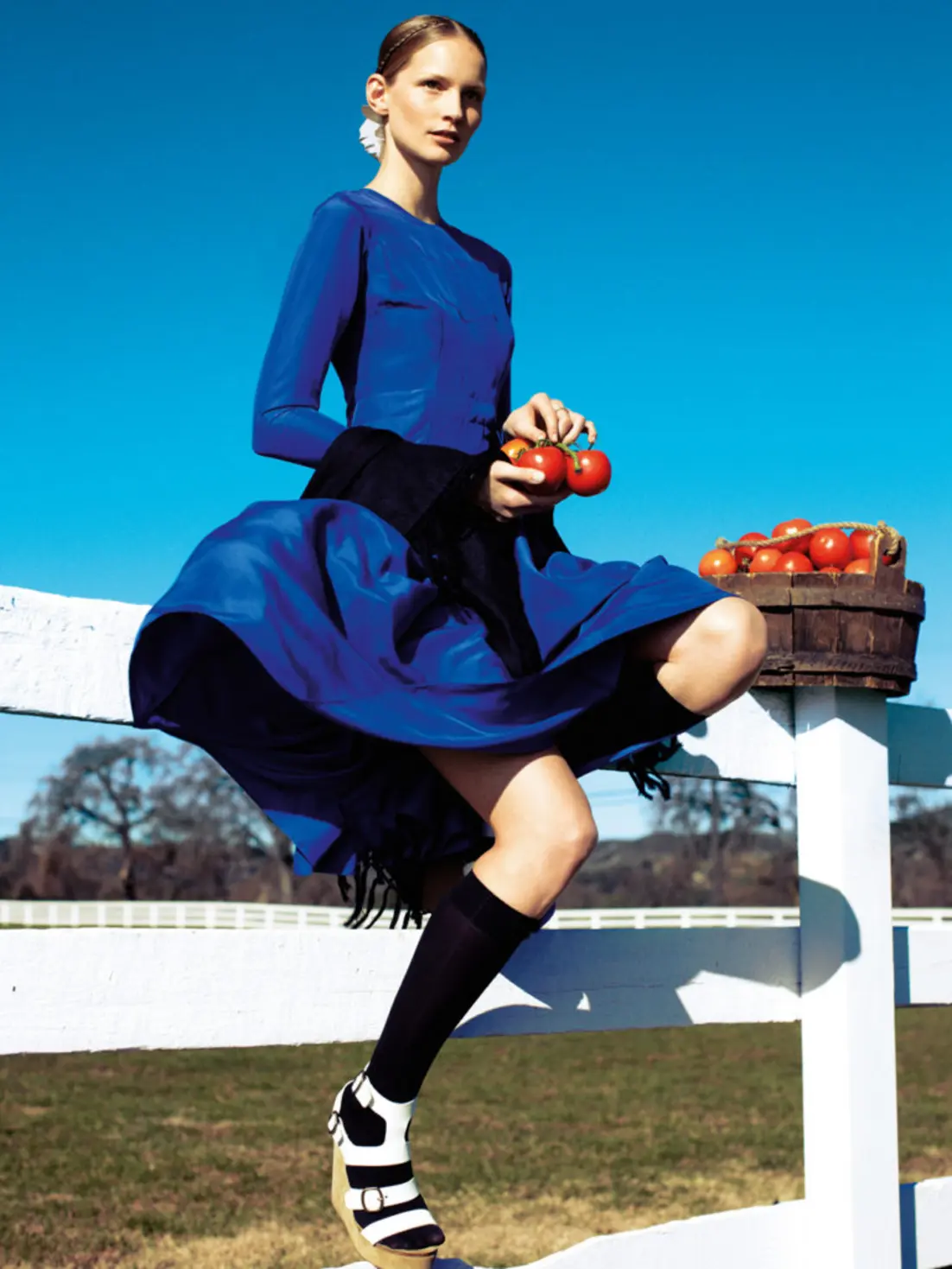
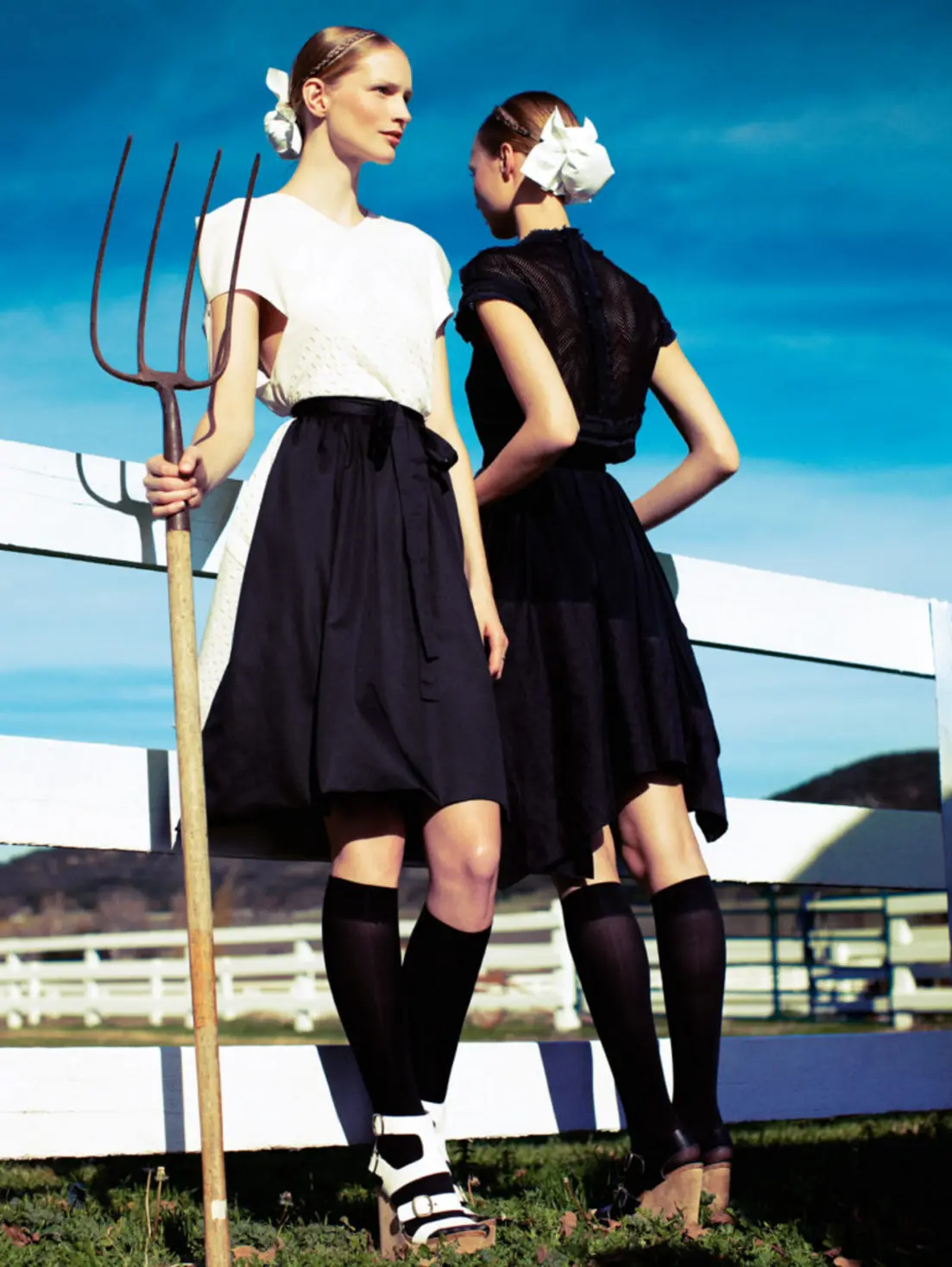
The point stays larger than garments. Amish style demonstrates a rare union of culture and cut, belief and drape, community and seam. It shows how fashion can carry theology, and how theology can produce design. It also shows how modern fashion, even in its gloss, continues to chase the ubiquitous beauty of life, the beauty that sits in kitchens and fields, in sewing rooms and meetinghouses, in the daily repetition of care.
Amish style begins in a real place, worn by real bodies for real reasons. Yet its lines travel. They drift into couture ateliers, into editorial studios, into city streets. The journey happens because the aesthetic holds a mystery that fashion recognizes instantly: a quiet silhouette that contains a whole world. That world feels sacred because it is practiced. It feels romantic because it is consistent. It feels powerful because it chooses restraint with conviction. And that is how Amish style becomes both heritage and muse, both faith and fashion language, both culture and enduring design.
Advertisement