MENU
Close





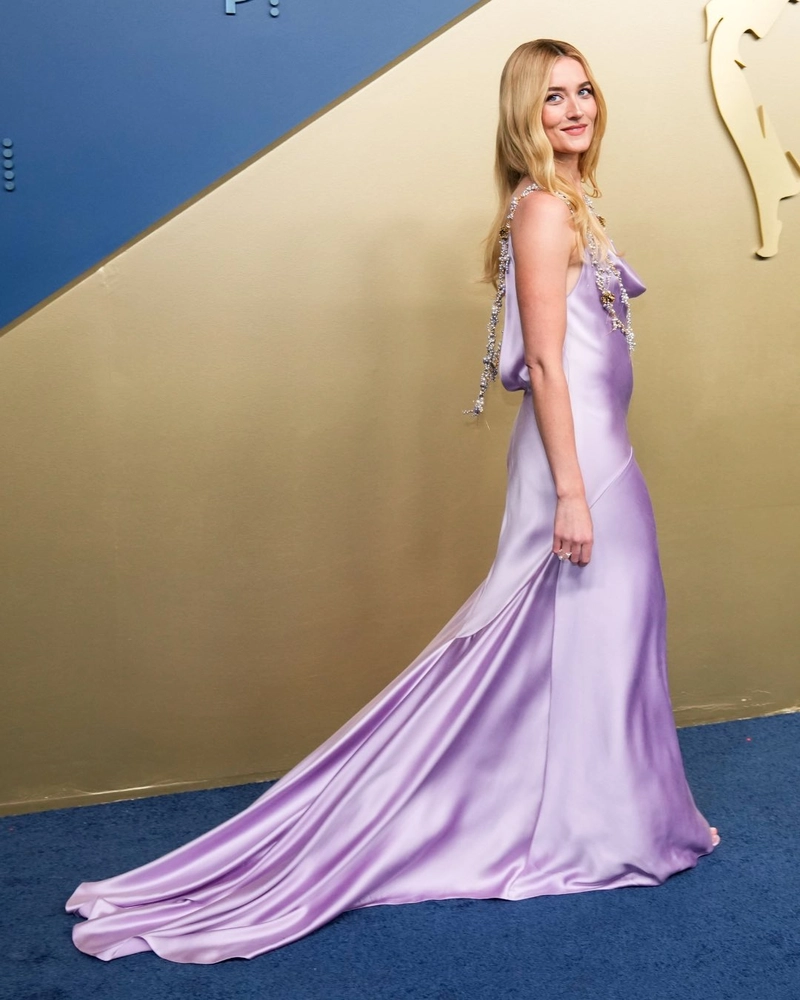
In a landscape of rigid lines, the bell silhouette returns as a quiet rebellion, sacredly feminine, rebelliously graceful. Its sweep suggests that elegance is born not of stiffness but of motion: fabric swelling, curving, resonating like memory itself.
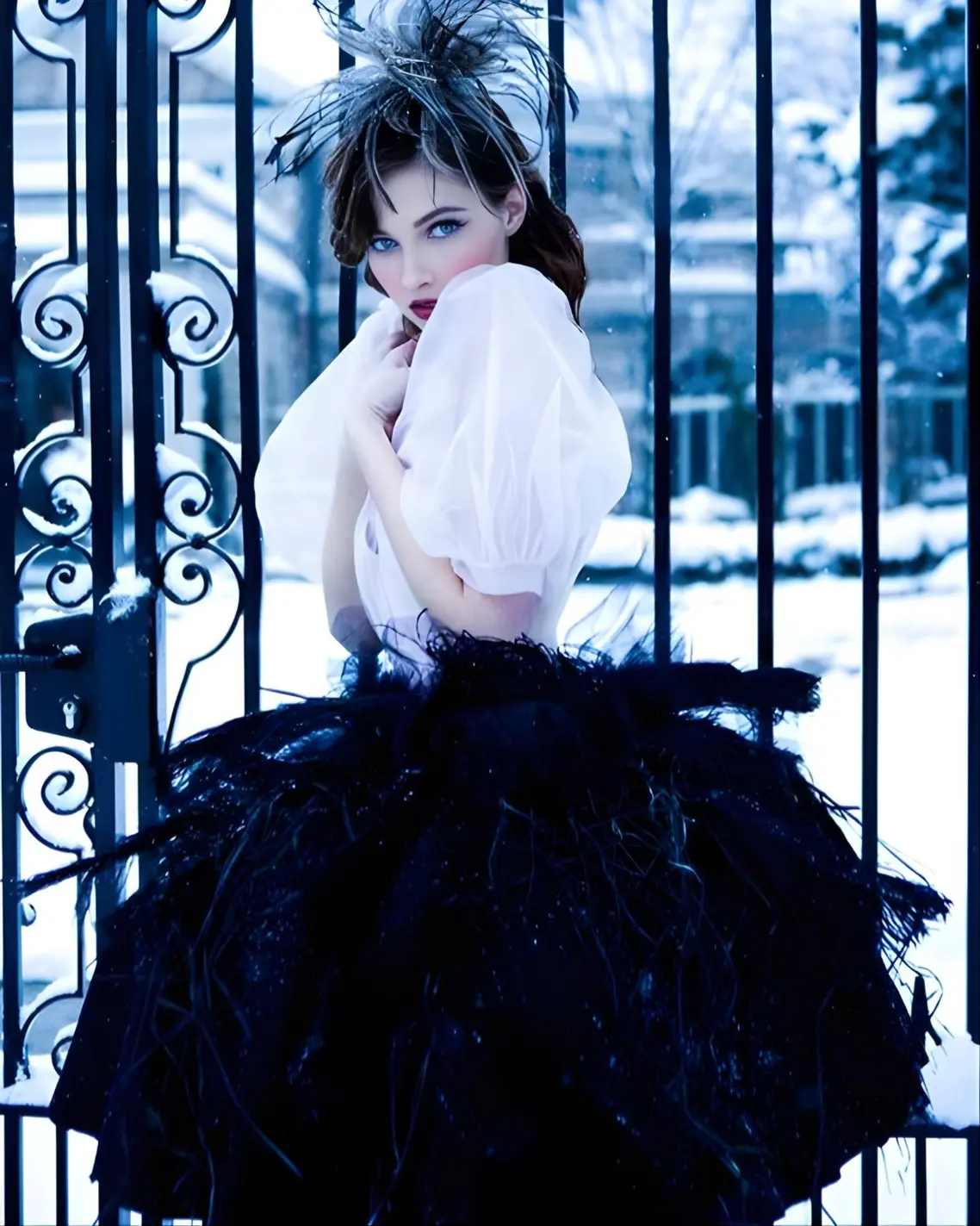
In a landscape of rigid lines, the bell silhouette returns as a quiet rebellion, sacredly feminine, rebelliously graceful. Its sweep suggests that elegance is born not of stiffness but of motion: fabric swelling, curving, resonating like memory itself.
December 13, 2025
Advertisement

Advertisement



Yet its greatest seduction lies in its metaphysical geometry, earthly in its sculpted weight, ethereal in its floating arc, conjuring both grounded presence and untouchable spirit.
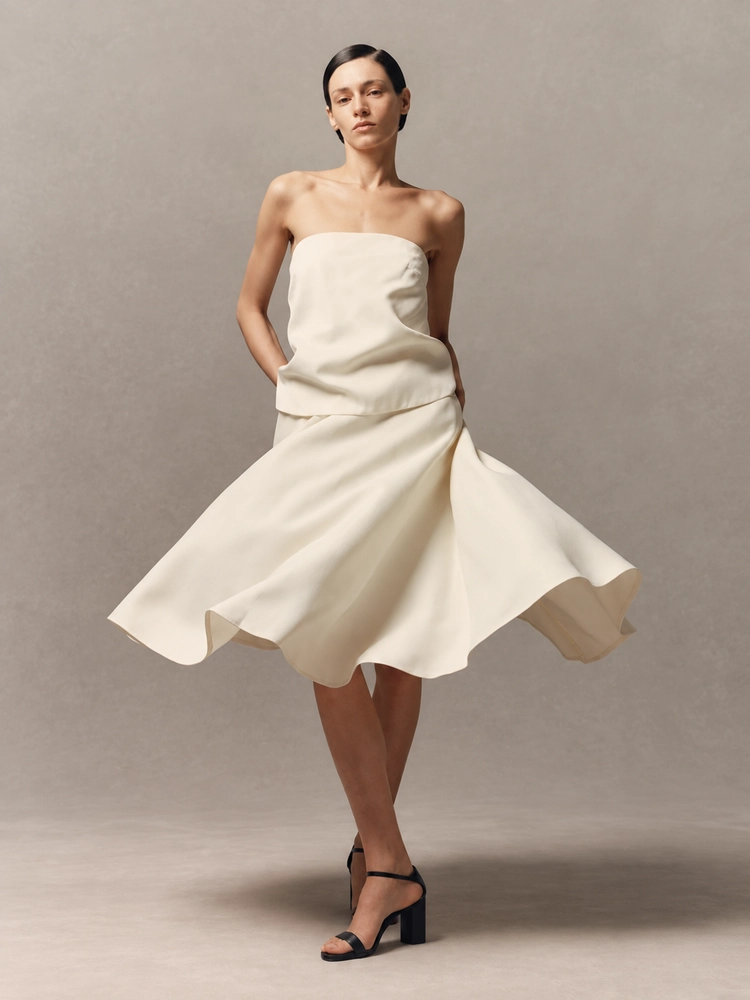
The bell silhouette is defined by its precise bodice-to-skirt transition and its unique sculptural volume. Unlike other voluminous styles, its design and construction prioritize an organic, enveloping curvature over a rigid, engineered explosion. This distinction makes the bell silhouette a revolutionary cut that balances historical elegance with a modern sense of freedom.
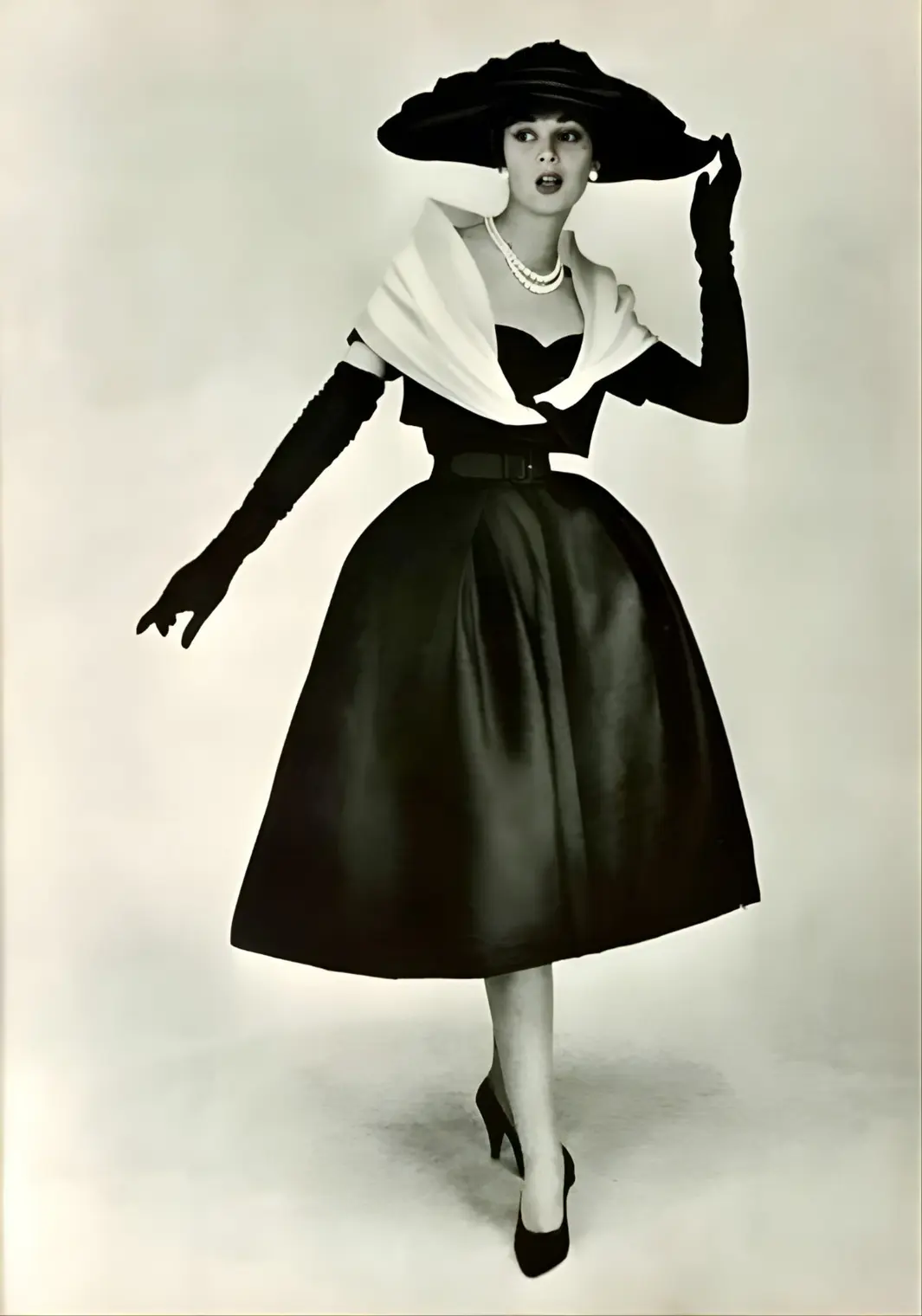
The design of a true bell silhouette begins with a tightly fitted bodice that creates a sharp, intimate line at the waist. From this point, the skirt flares outward in a smooth, continuous curve, meticulously shaped to resemble the rounded form of a bell. This is a crucial departure from the "New Look" silhouette, which, while also full, achieves its volume through a horizontal spread often supported by heavy fabric and structured petticoats. In contrast, the bell silhouette's shape is more sculptural and fluid, designed to suggest motion even when the wearer is standing still.
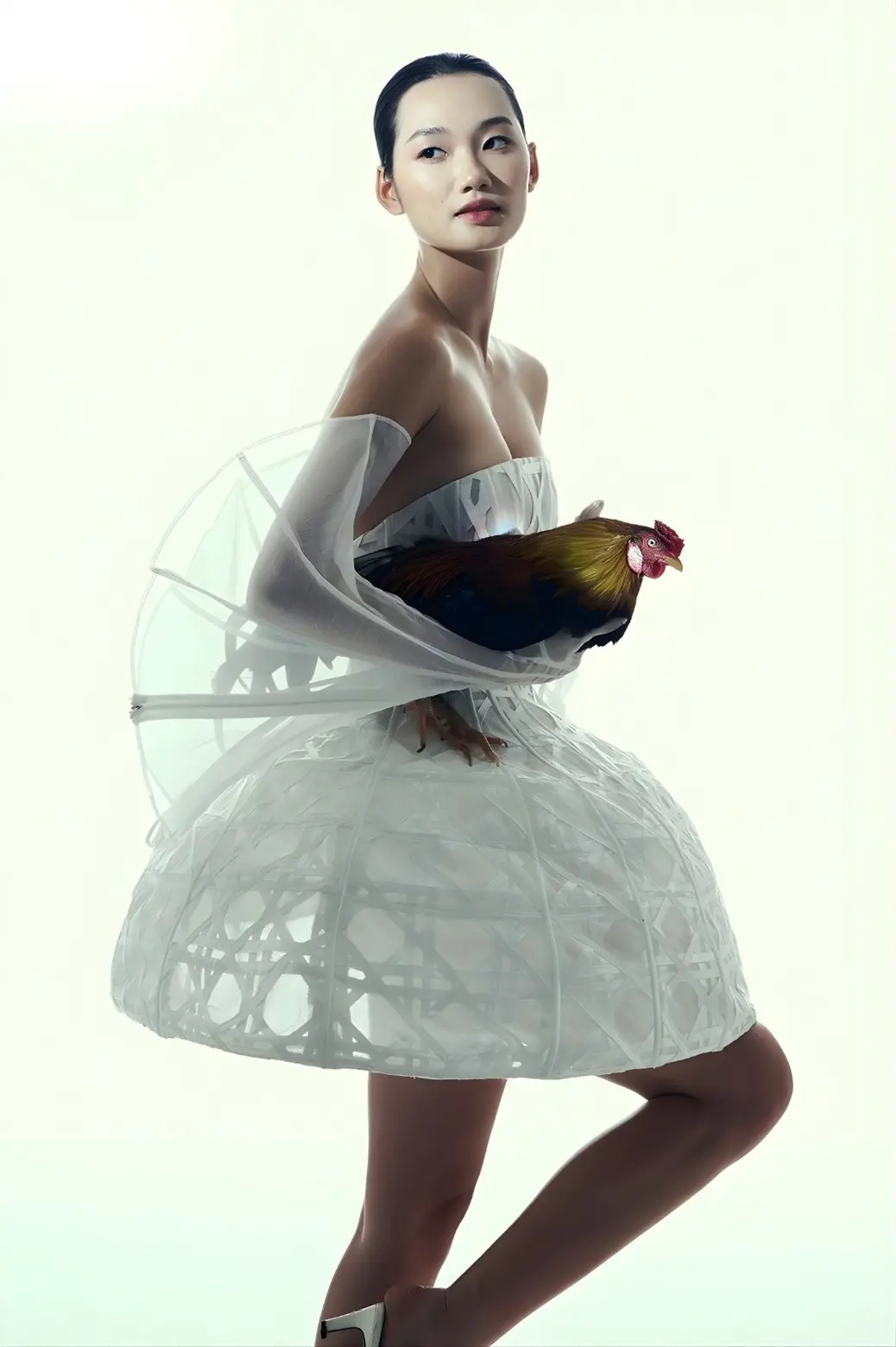
The secret to this fluid volume lies in the manufacturing process, which often involves bias-cutting or the strategic use of gored panels to allow the fabric to drape and expand naturally without the need for extensive, rigid underpinnings. This construction method allows the bell to be less about an engineered form and more about a living, dynamic shape that moves with the wearer. The pattern pieces are not simple rectangles but are intricately curved to ensure the skirt falls in a perfect, continuous sweep from the hips.
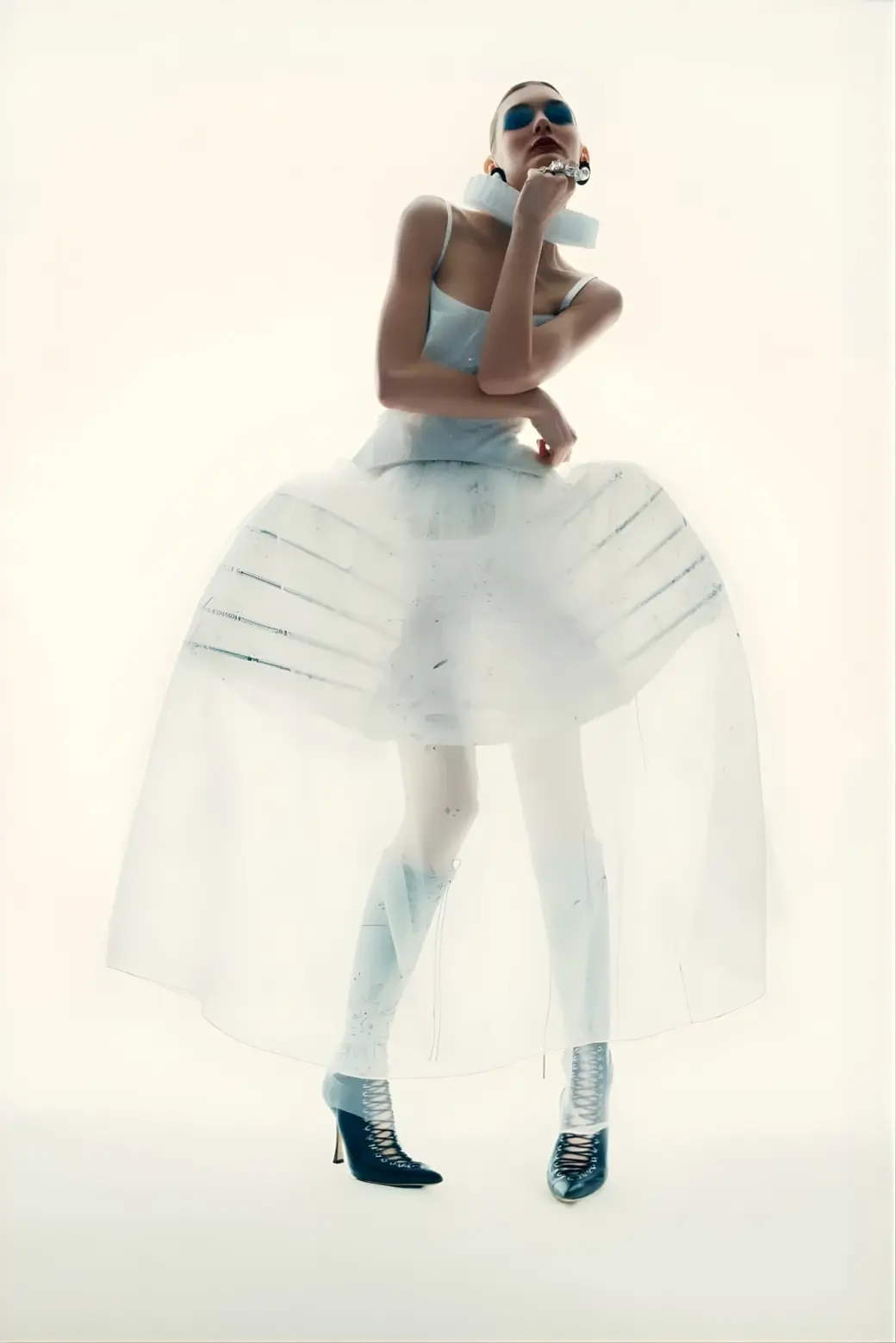
The bell silhouette is never an accident of fabric, but the result of meticulous calculation. Its evolution, particularly in the ateliers of Dior, reveals the technical challenge of sculpting volume without weight. Seamstresses labored not with rigid underpinnings but with fluid textiles, coaxed into curves that moved rather than constrained. The effect was radical: gowns that carried formality without the drag of old-world grandeur, replacing the tyranny of the crinoline with an airier, liberated elegance.
But this was more than a technical triumph—it was a cultural statement. The bell line redefined femininity in motion, shifting from passive display to active presence. The wearer became both graceful and assertive, commanding attention through proportion and poise rather than excess. In its rounded sweep lies both a nod to tradition and a quiet rebellion, a design that insists femininity can be as provocative in suggestion as it once was in spectacle.
The first strong expression of bell forms emerges in the 1820s, when Romantic-era fashion celebrated the curvature of abundant fabric. Natural waistlines fell, sleeves grew into puffed gigot shapes, and wide skirts evolved into true bell-like expanses. This was a silhouette of fluid grandeur, a rebellion against the neoclassical column dresses that preceded it. By the mid-Victorian era, bell silhouettes reached their full expression with crinolines and hoop-skirts amplifying volume, creating a formidable, almost untouchable, dome of fabric. But it was in the subsequent decades that the bell truly came into its own as a statement of quiet rebellion.
As the 19th century drew to a close, a new woman was emerging. She was active, educated, and less willing to be contained by the rigid confines of fashion. The cumbersome crinoline, a symbol of female restraint, was cast aside. In its place, the bell-shaped skirt of the 1890s emerged. This was a more practical, more alive silhouette. It was a bold move to cut the massive, floor-sweeping volume down to a more manageable length, freeing the ankles for walking, cycling, and a newfound independence. This was not a compromise; it was a revolution. The bell, now more contained and streamlined, was a visual manifestation of a social shift—a skirt that said, "I am beautiful and I am in motion." It was a critique of the past's baroque grandiosity, offering a simpler, yet more profound, form of elegance.
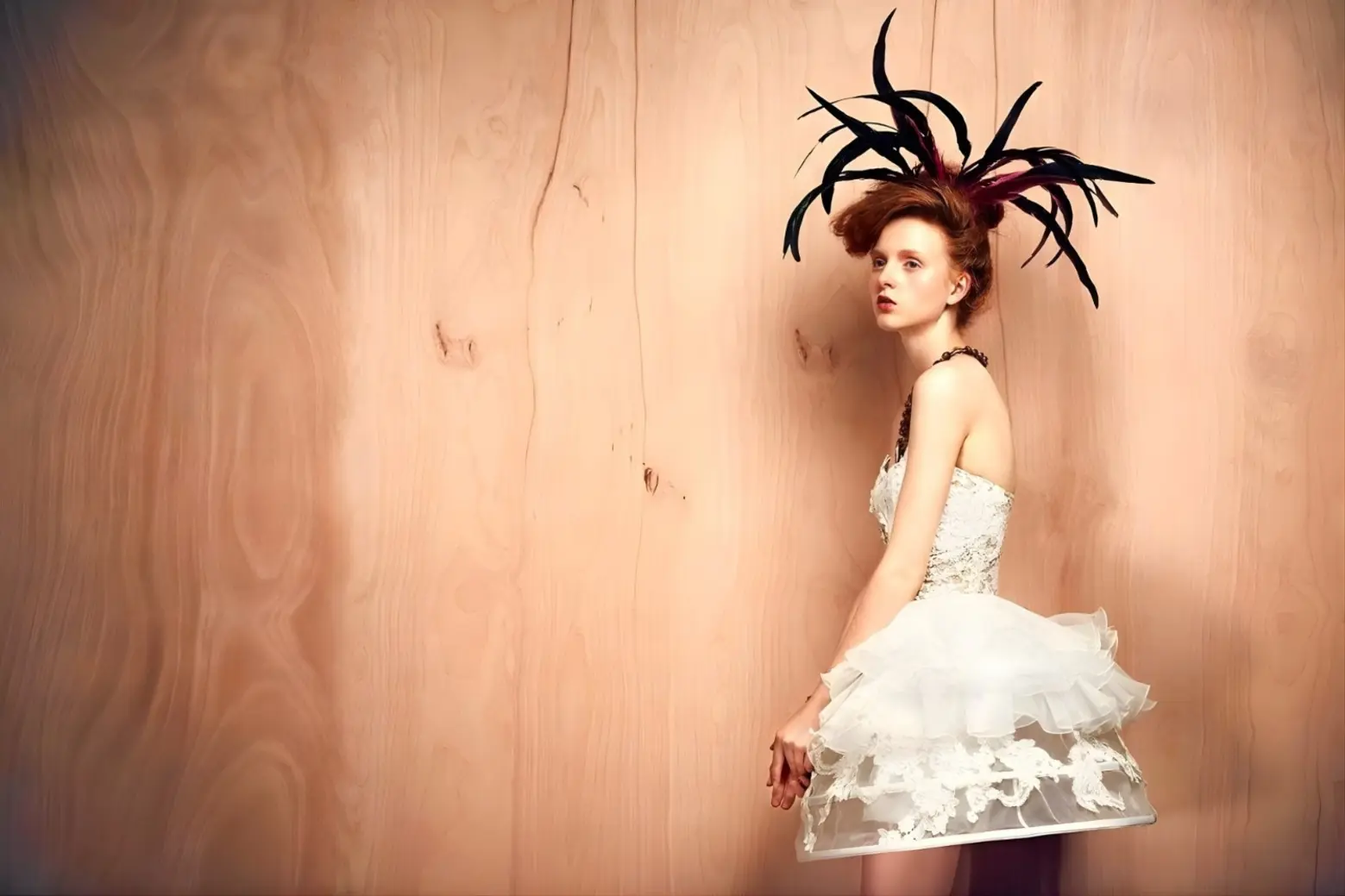
Imagine a bell silhouette in motion: a twirl that releases hushed sound and soft shadow; a skirt whose arc catches light like the rim of an ancient chalice. It is at once cinematic and sacred, recalling architecture, cathedral domes, undulating folds of liturgical robes, while evoking the Earth’s gentle forms. The bell silhouette commands the space around the body, creating a kind of personal choreography. In its sweep lies both containment and liberation: a form that emphasizes the body yet invites freedom in pacing and posture. It's an unspoken language of grace. The bell’s shortened hemline was a provocative gesture, a subtle unveiling that revealed a flash of ankle, a hint of rebellion, and a quiet assertion of a woman's right to move with unhindered purpose.
In the pantheon of fashion, the bell silhouette stands as a paradoxical and enduring masterpiece—a form that is at once a romantic ode to femininity and a critical statement on modernity. This is not merely a style; it is an architectural provocation, a dialogue between history and the present, and a testament to the power of a woman commanding her own space. To view the bell silhouette simply as a nostalgic throwback is to miss its deeper, more complex beauty—a beauty born from the tension of its own contradictions.
This delicate balance of historical gravitas and radical modernity is what gives the bell silhouette its prestige. It is a form embraced by some of fashion's most audacious and analytical minds, each using it to dissect and comment on their own time.
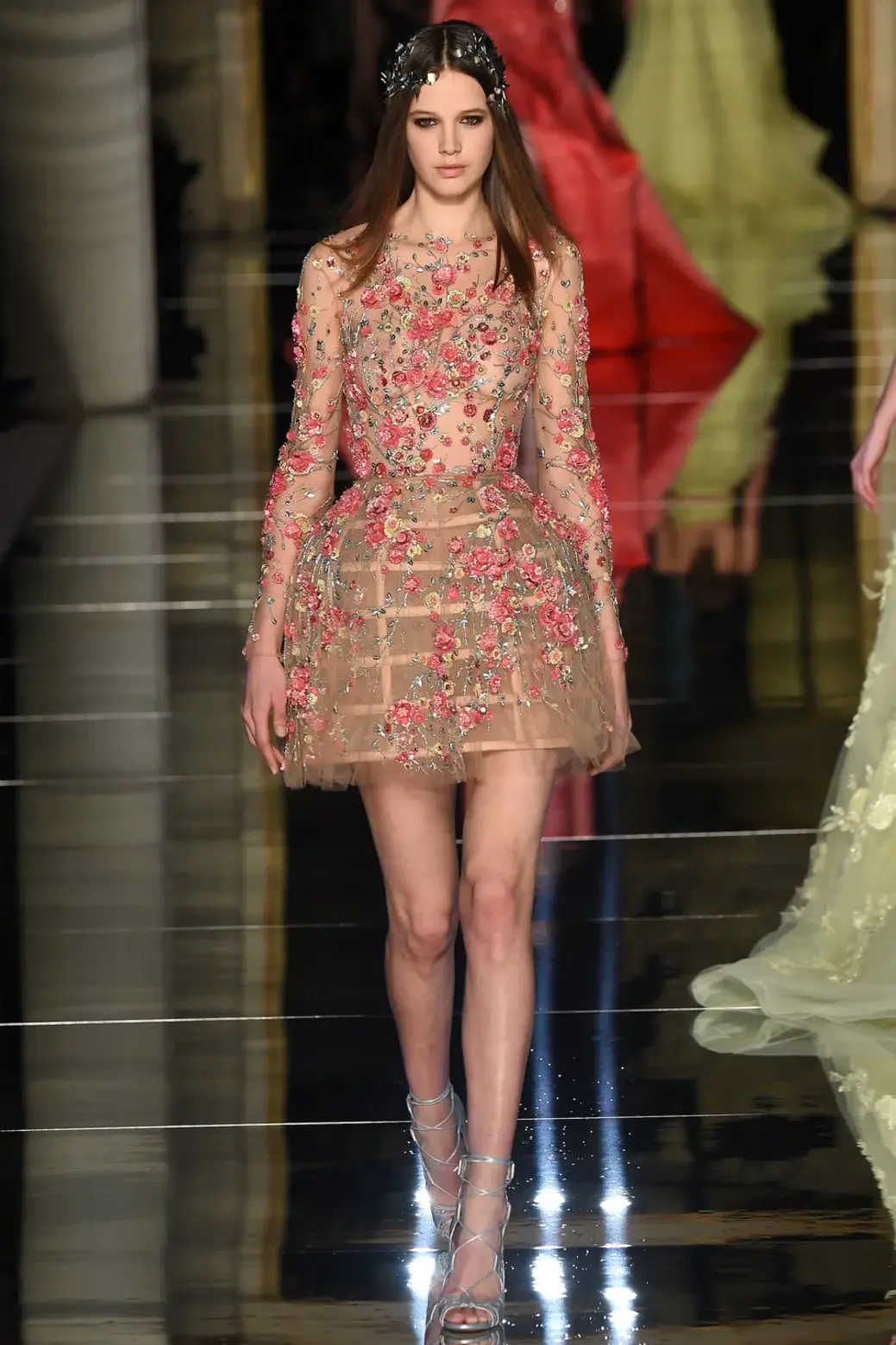

Zuhair Murad’s Spring 2016 Couture collection offered a vision of the bell silhouette as a "gilded cage", a phrase that, while meant figuratively, captures the essence of his romantic, intricate work. Murad built his collection on crinolined curves and illusion tulle, transforming the bell into a breathtaking armature for cascades of "precious tattoos"—intricate floral embroideries, delicate lace, and shimmering beads.

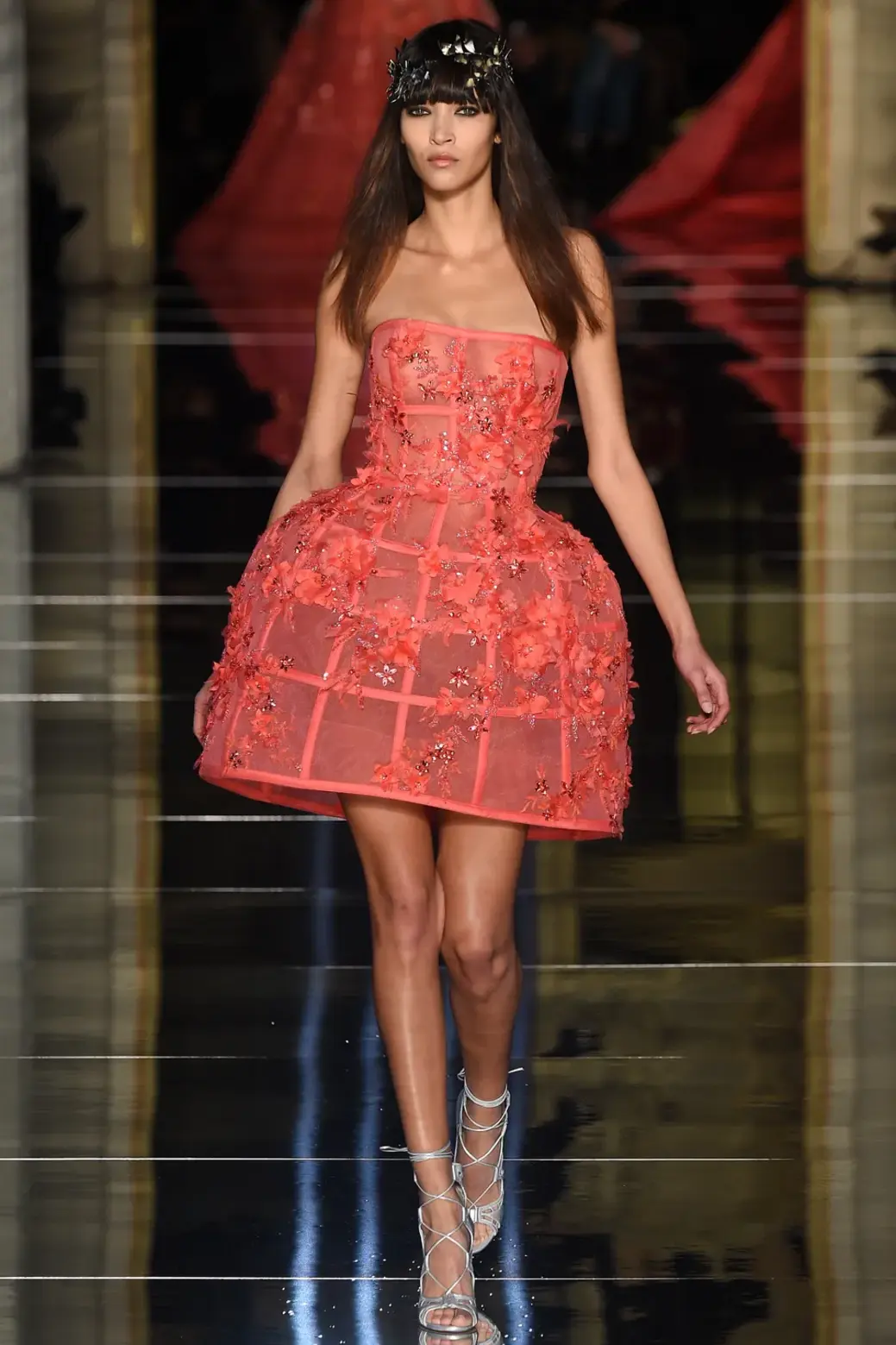
In his hands, the silhouette became a testament to painstaking craftsmanship, with each petal and tendril individually sewn, turning the garment into a living sculpture. He reimagined the bell as a vessel for a modern fairy tale, a form that speaks to a luxurious, unapologetic femininity where art and adornment are one and the same.

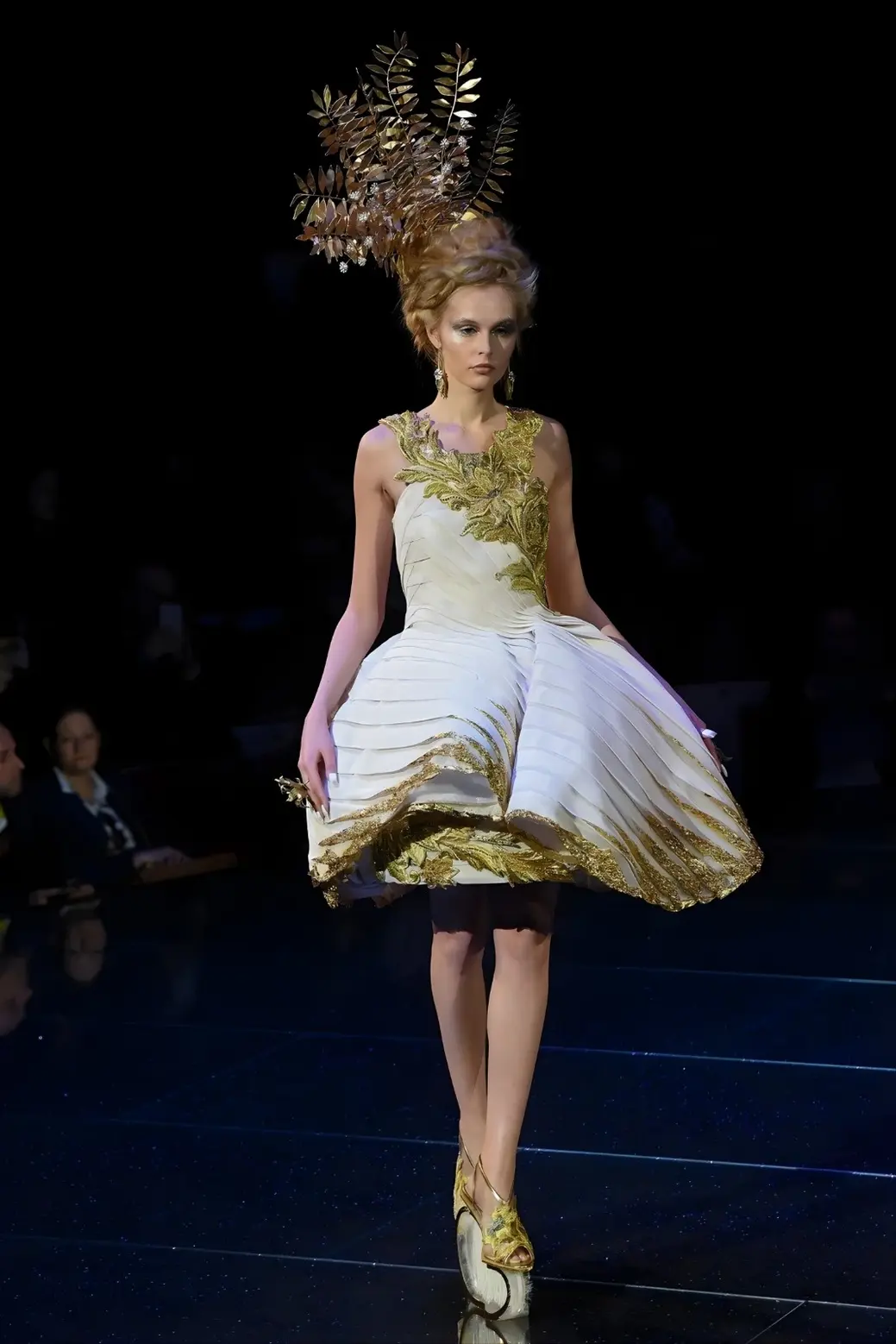
The bell crinoline in Guo Pei’s couture rises like a castle, turning the woman within into a living architecture carved from fairytales. Its vast, curved structure frames the body as both sanctuary and spectacle, where volume becomes protection as much as presence.
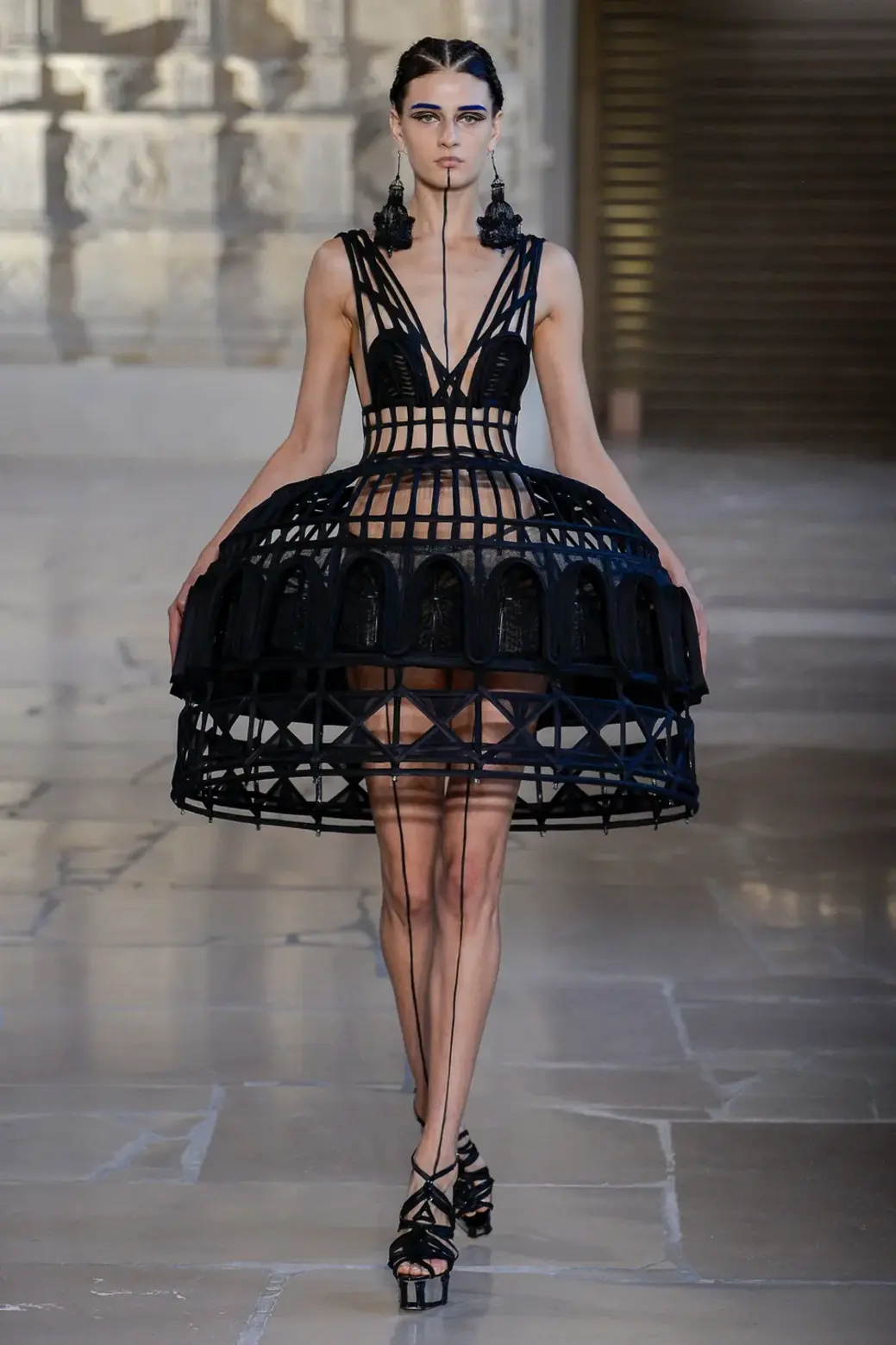
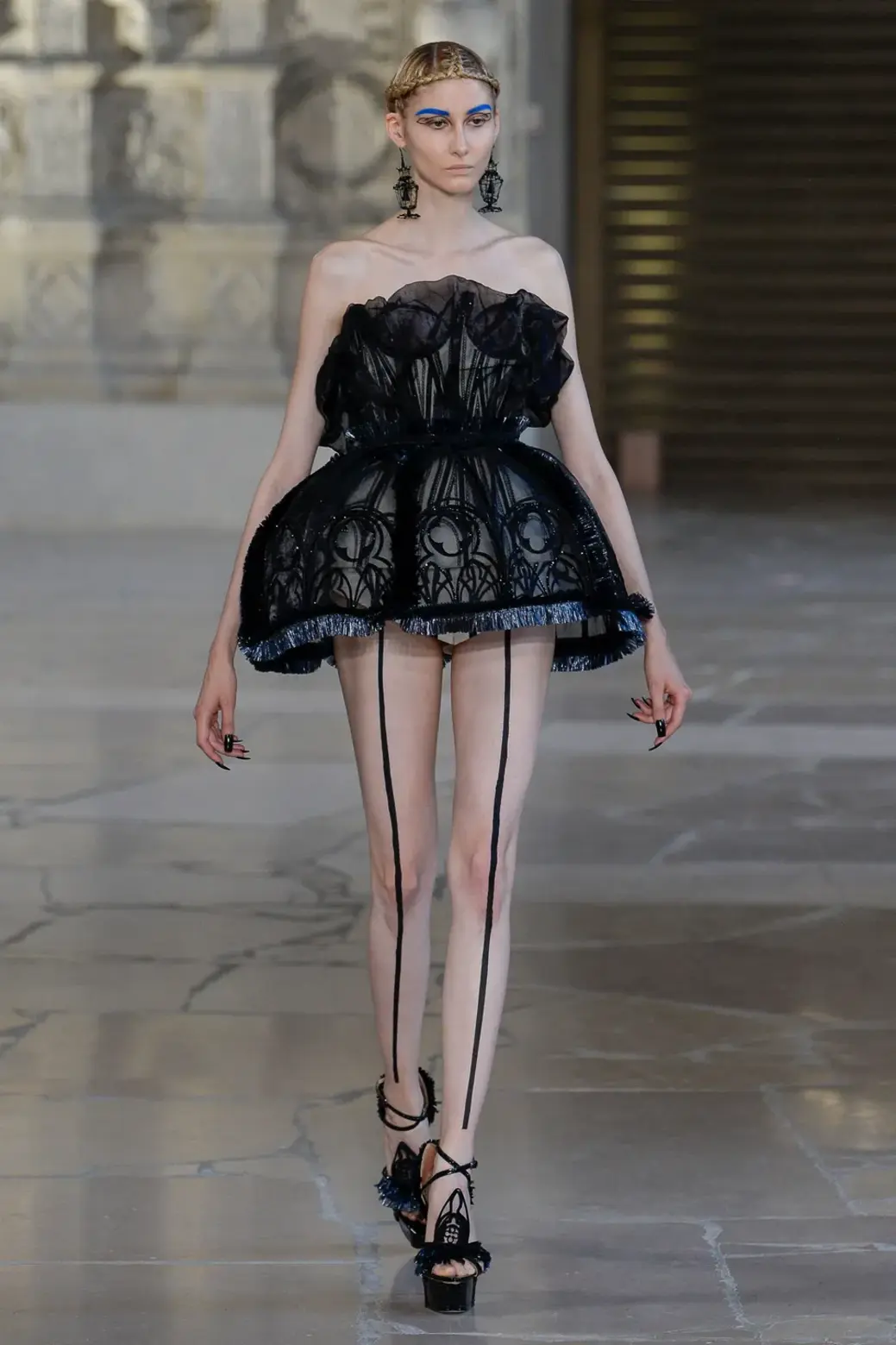
Thousands of beads and layers of embroidery catch the light like reliquaries, rendering the bell not merely glamorous but sacred. In this form, the silhouette transcends fashion, becoming a monumental myth—worn, inhabited, and revered.
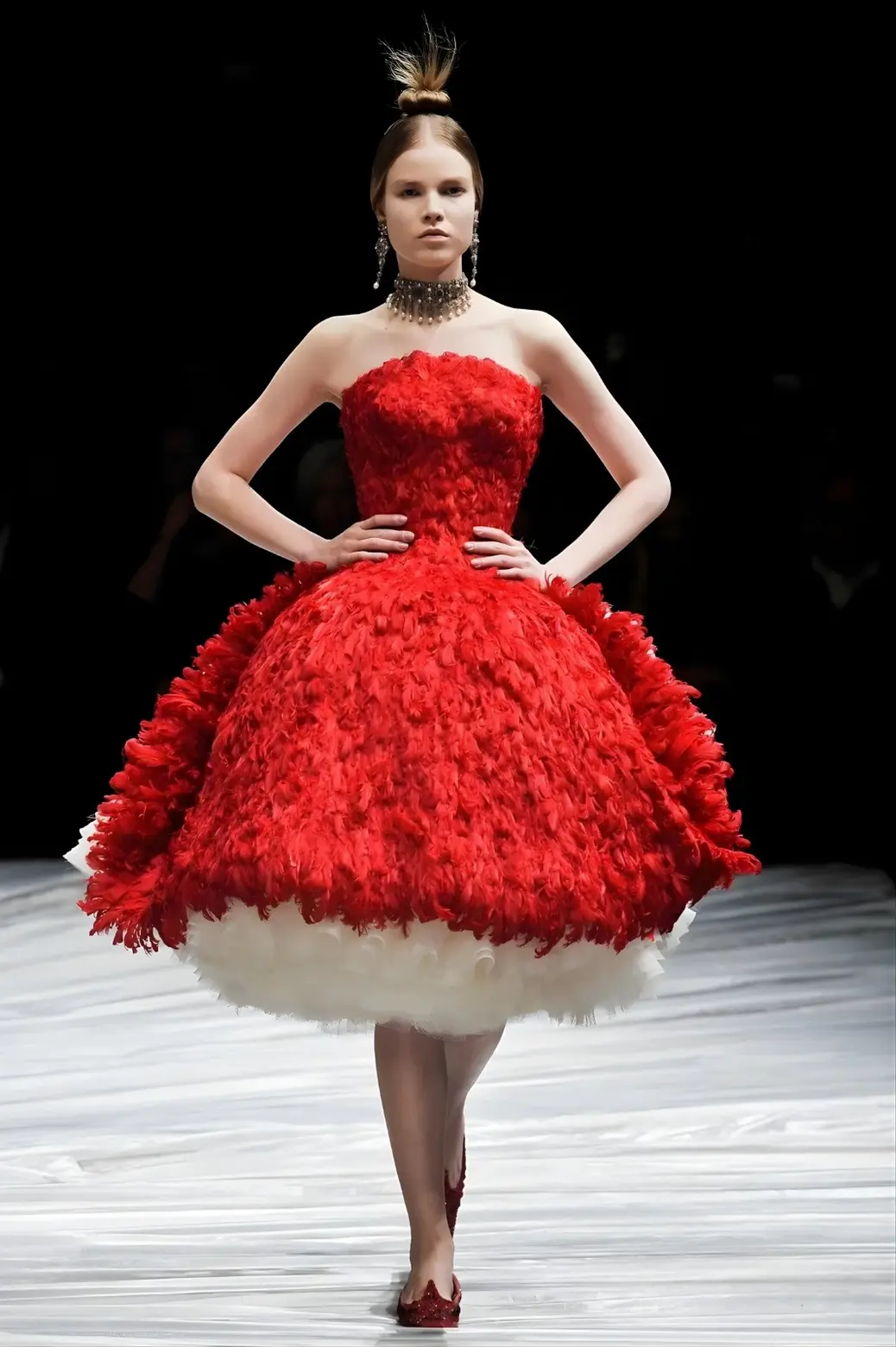
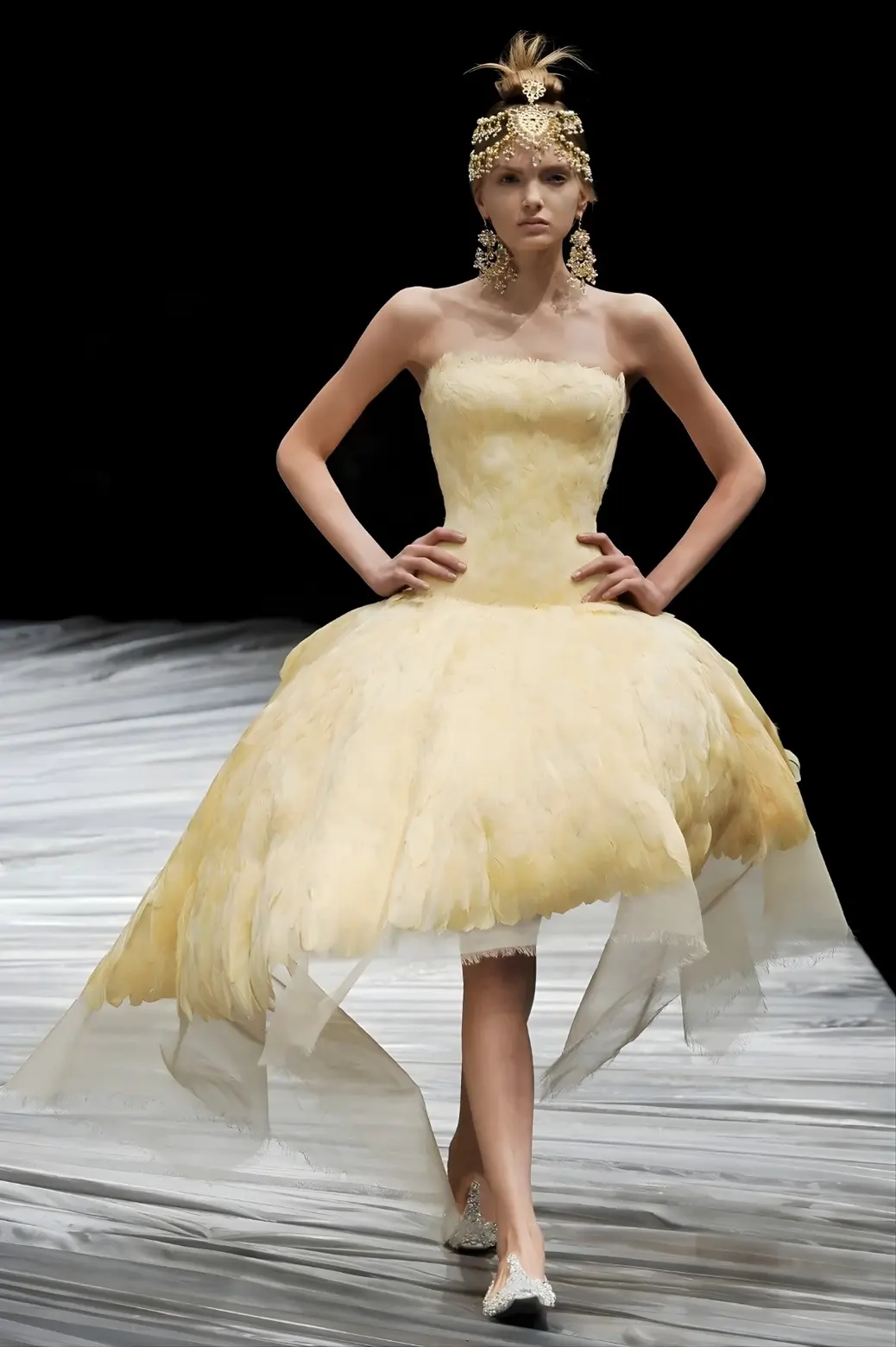
For McQueen, the silhouette was a means to express a deep, almost mythic narrative of a girl transforming into a queen. He used the bell shape as a foundation for fantastical creations, from ballerina-length dresses adorned with peacocks made of lace to miraculous red-feathered numbers.
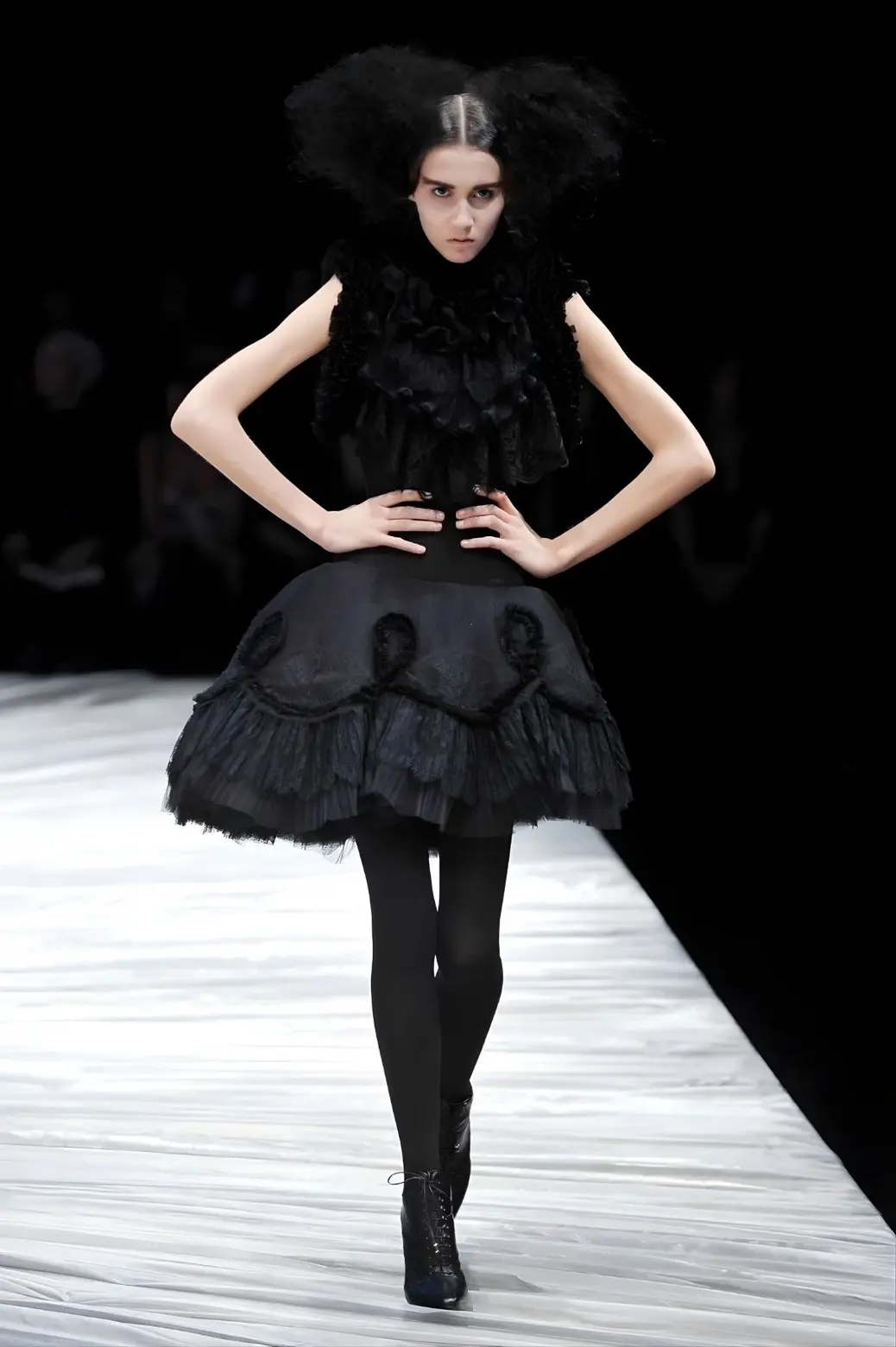
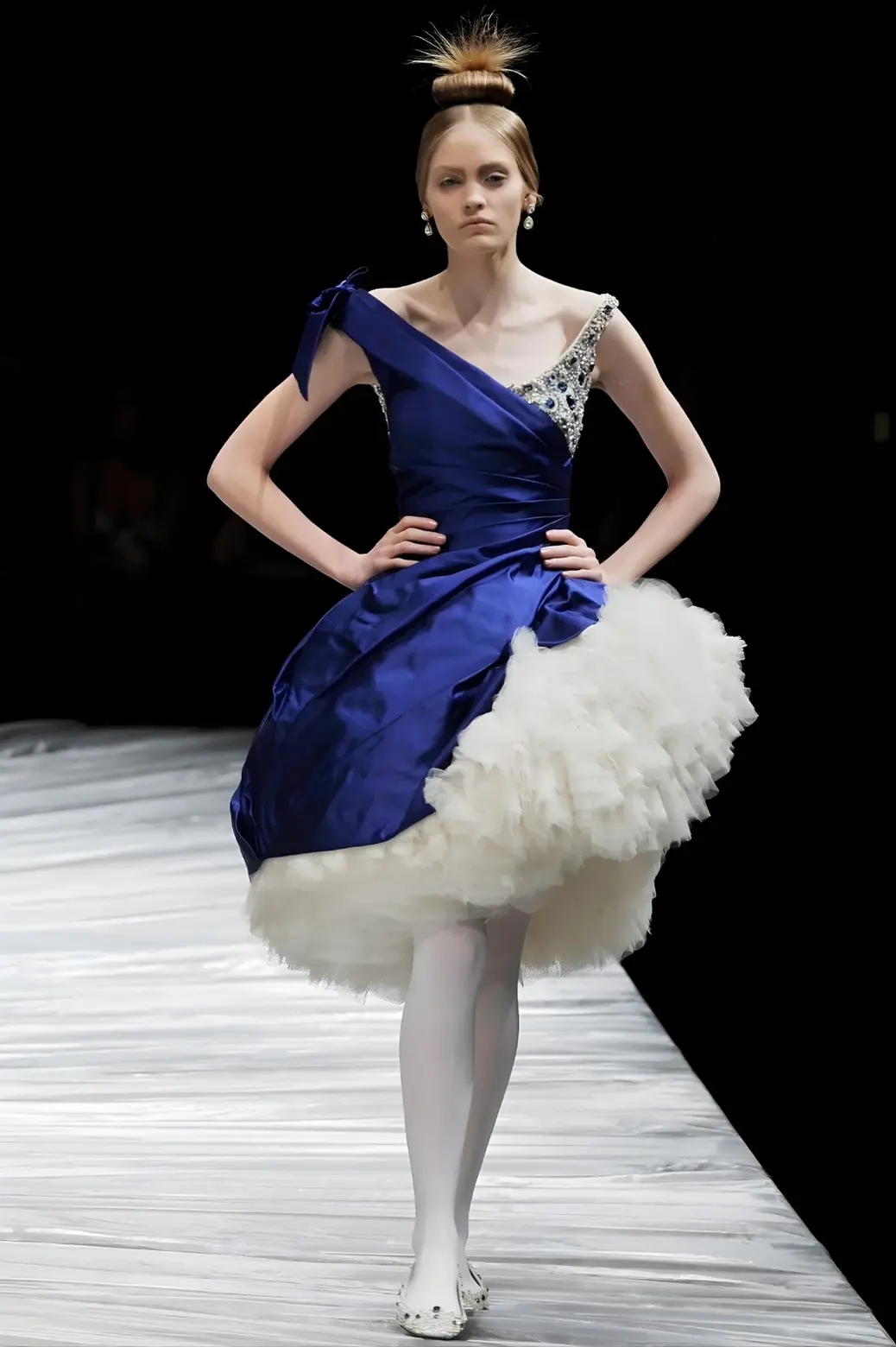
His work was a critical break from the past, where he traded the "confining, uptight carapace" of his earlier collections for a new sense of lightness and freedom. McQueen’s use of the bell silhouette was a powerful declaration of artistic and financial triumph, proving that even the most extravagant, narrative-driven fashion can find a place in the modern world.
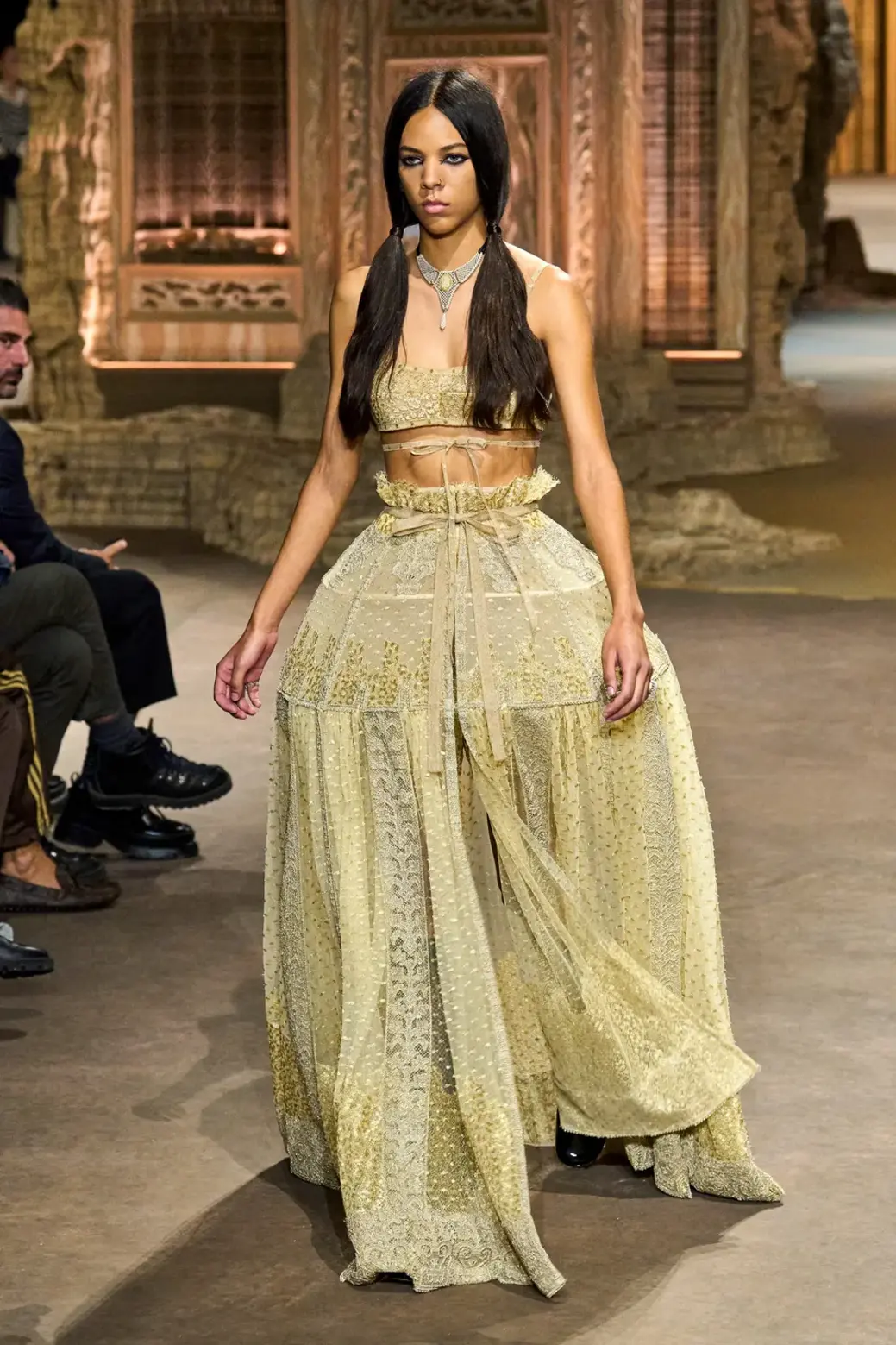
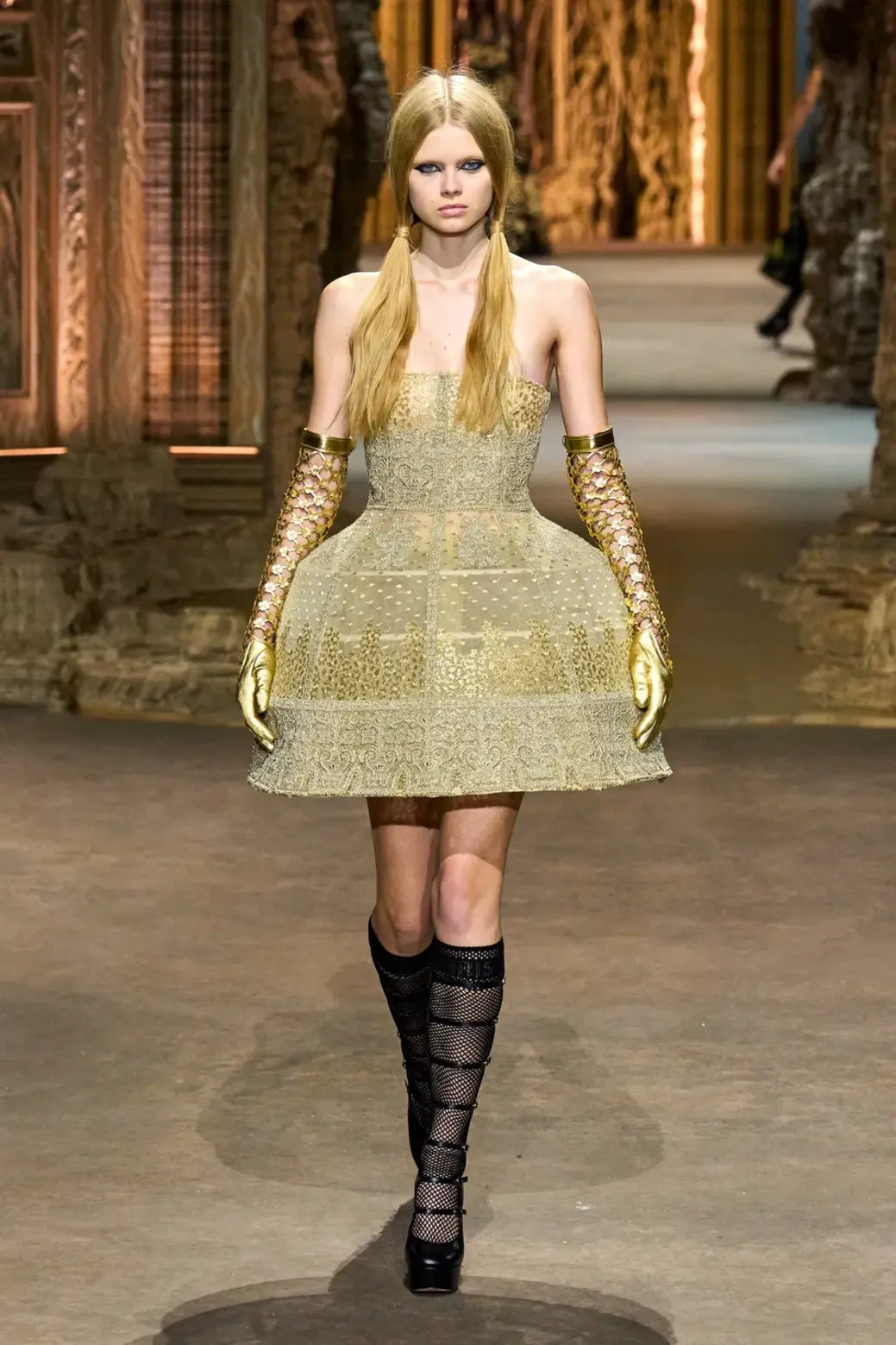
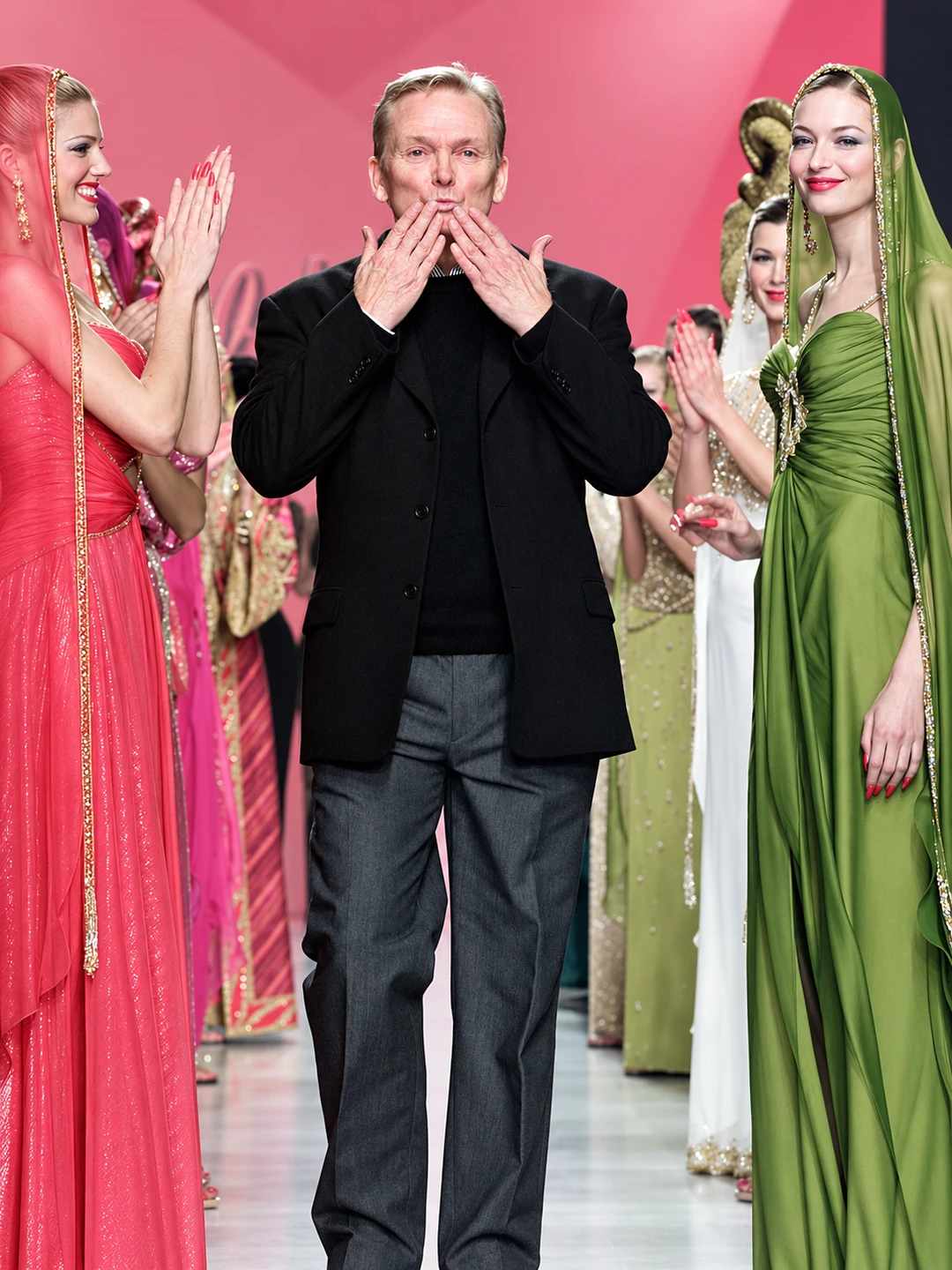
Maria Grazia Chiuri at Christian Dior engages with the bell silhouette not as a static form but as a point of critical inquiry. For her Spring 2023 Ready-to-Wear collection, she used the historical influence of Catherine de Medici—credited with bringing the bell-like "hoop cage" to the French court—as a starting point for a complex dialogue.
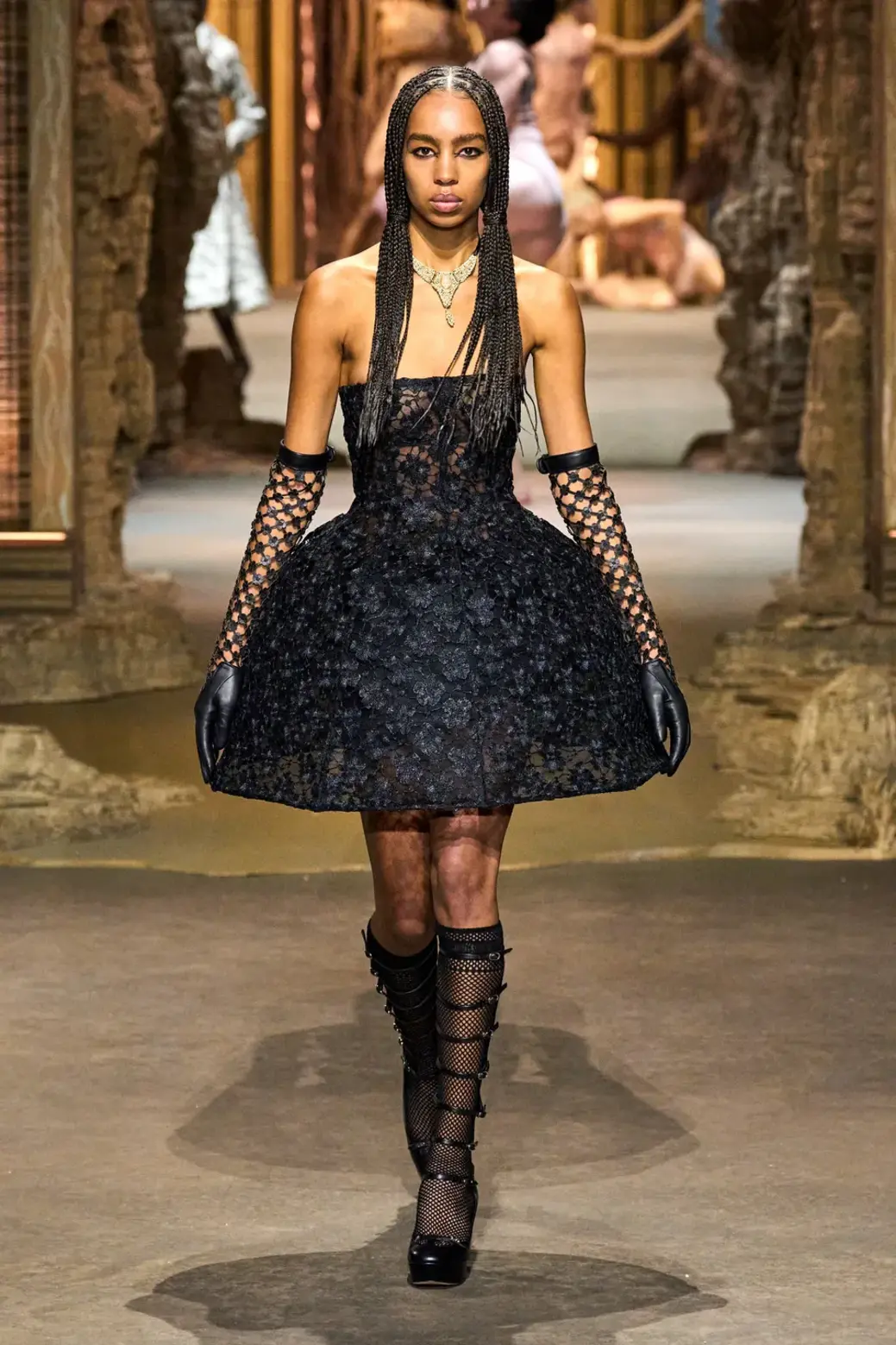
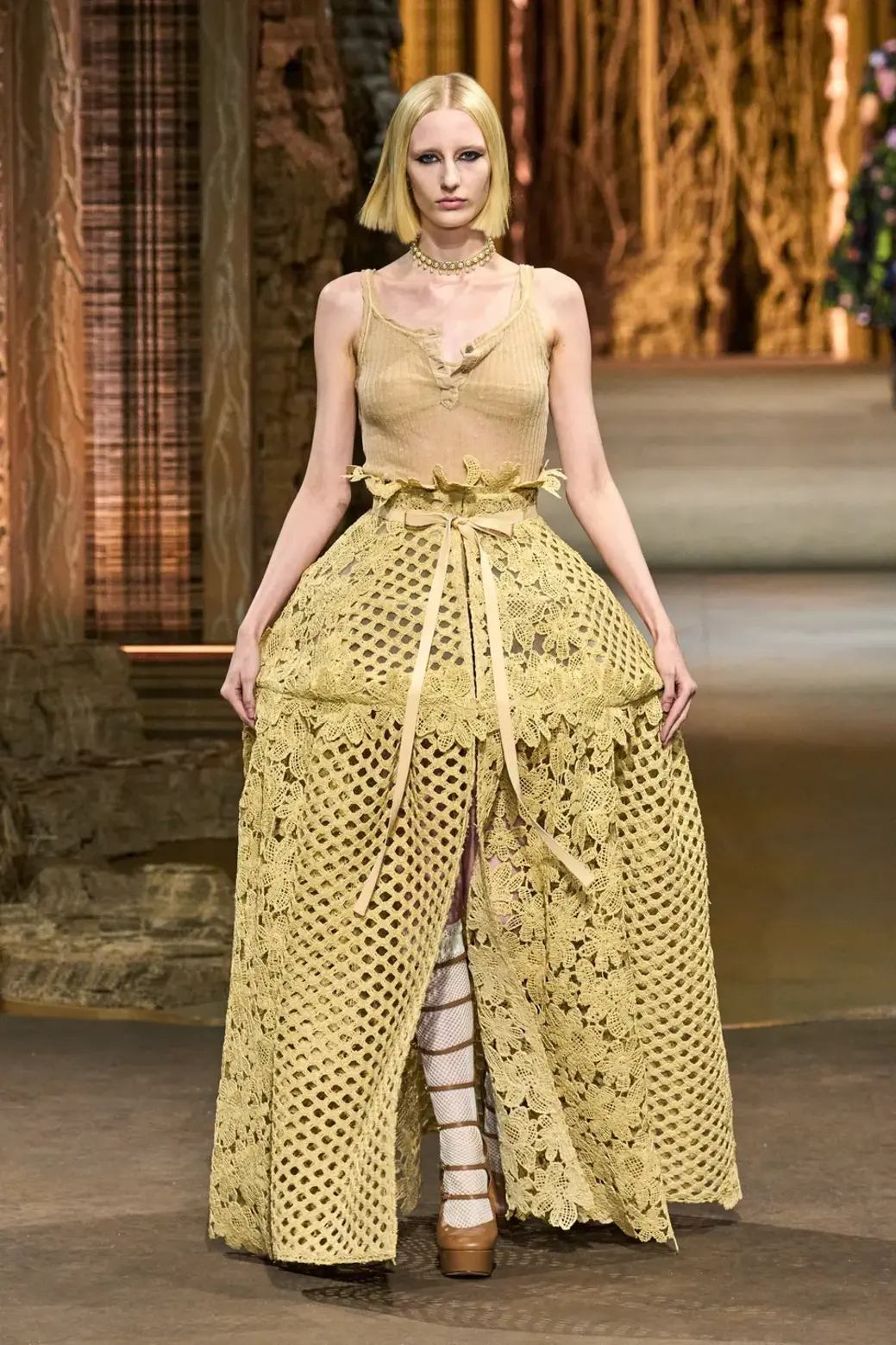
Chiuri’s brilliant subversion lay in her juxtaposition: she paired a historical, raffia-overlaid hoop cage with a minimalist bra top, bridging centuries of fashion history in a single look.
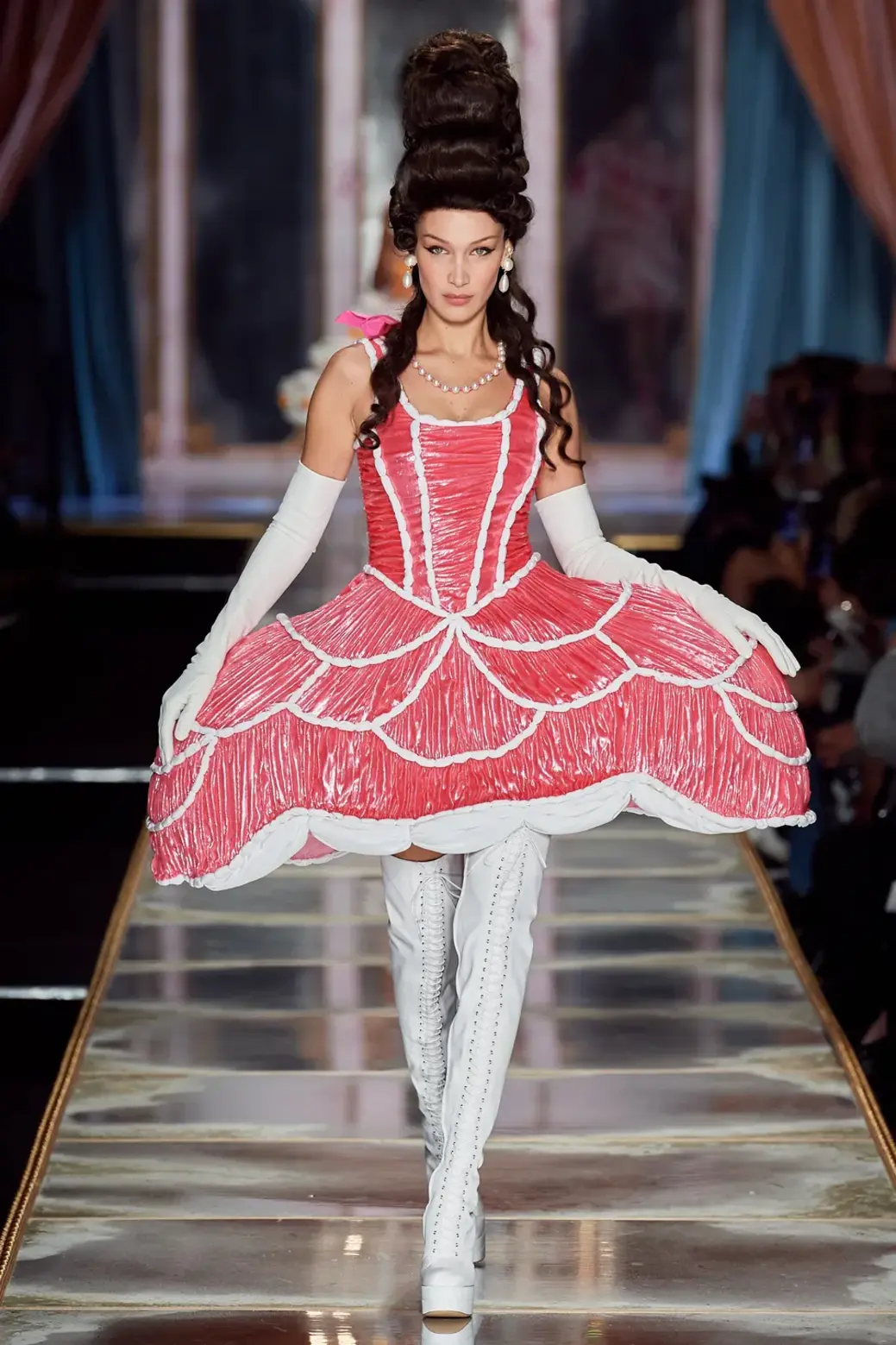
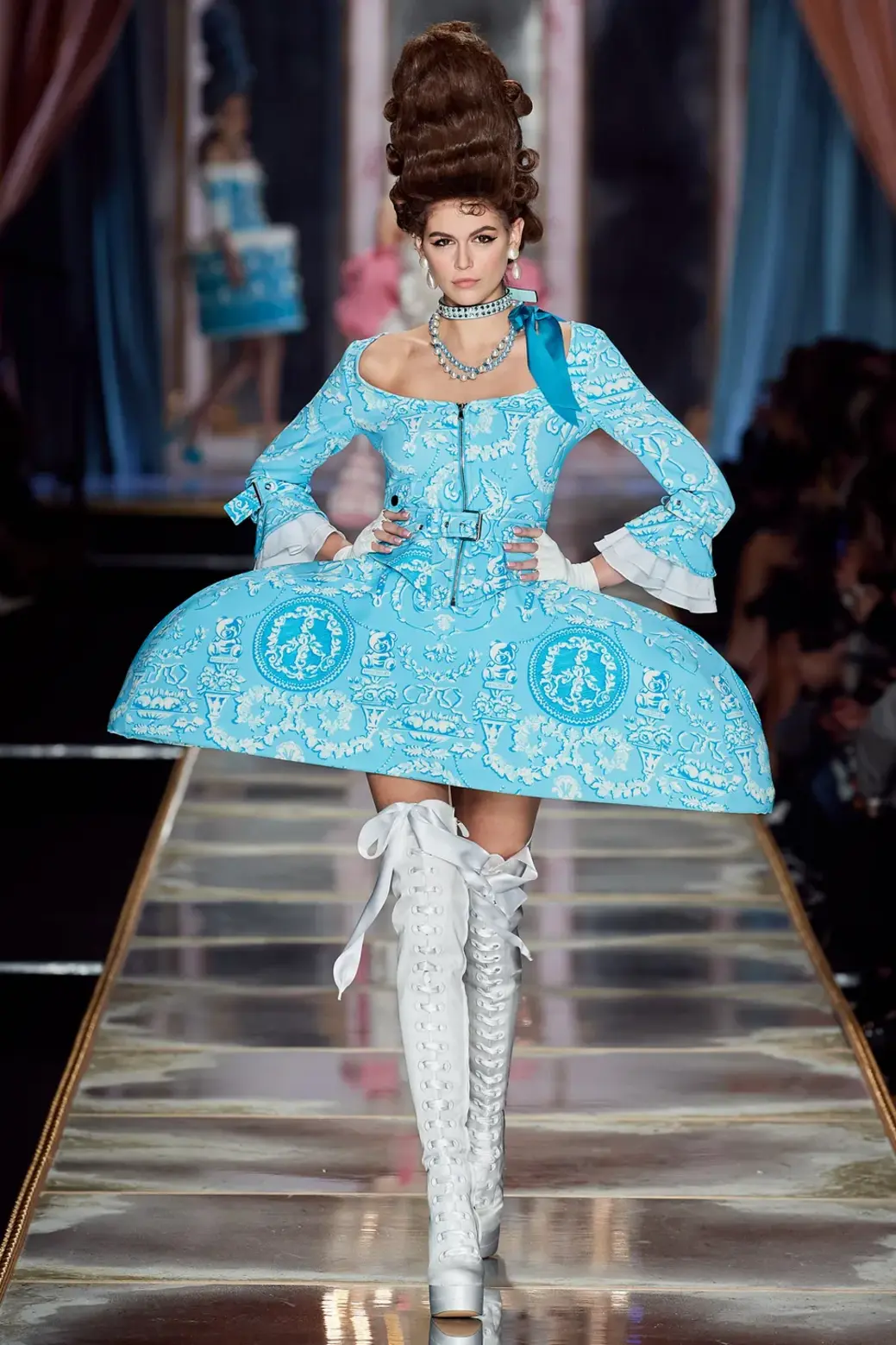
Jeremy Scott's Moschino Fall 2020 collection highlighted the bell silhouette as a tool for political commentary, using it to draw parallels between the opulence of the French Revolution and contemporary global turmoil.
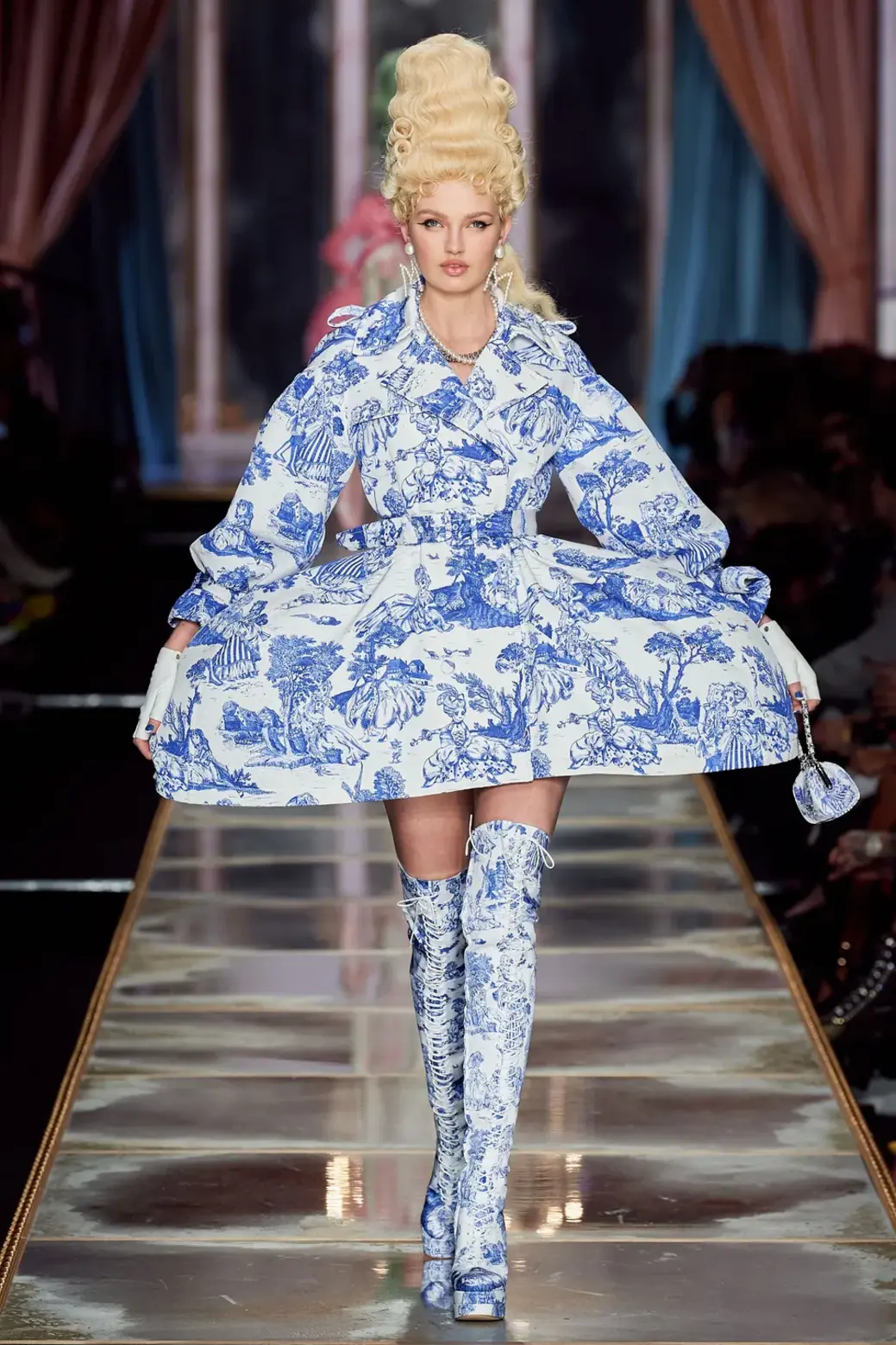
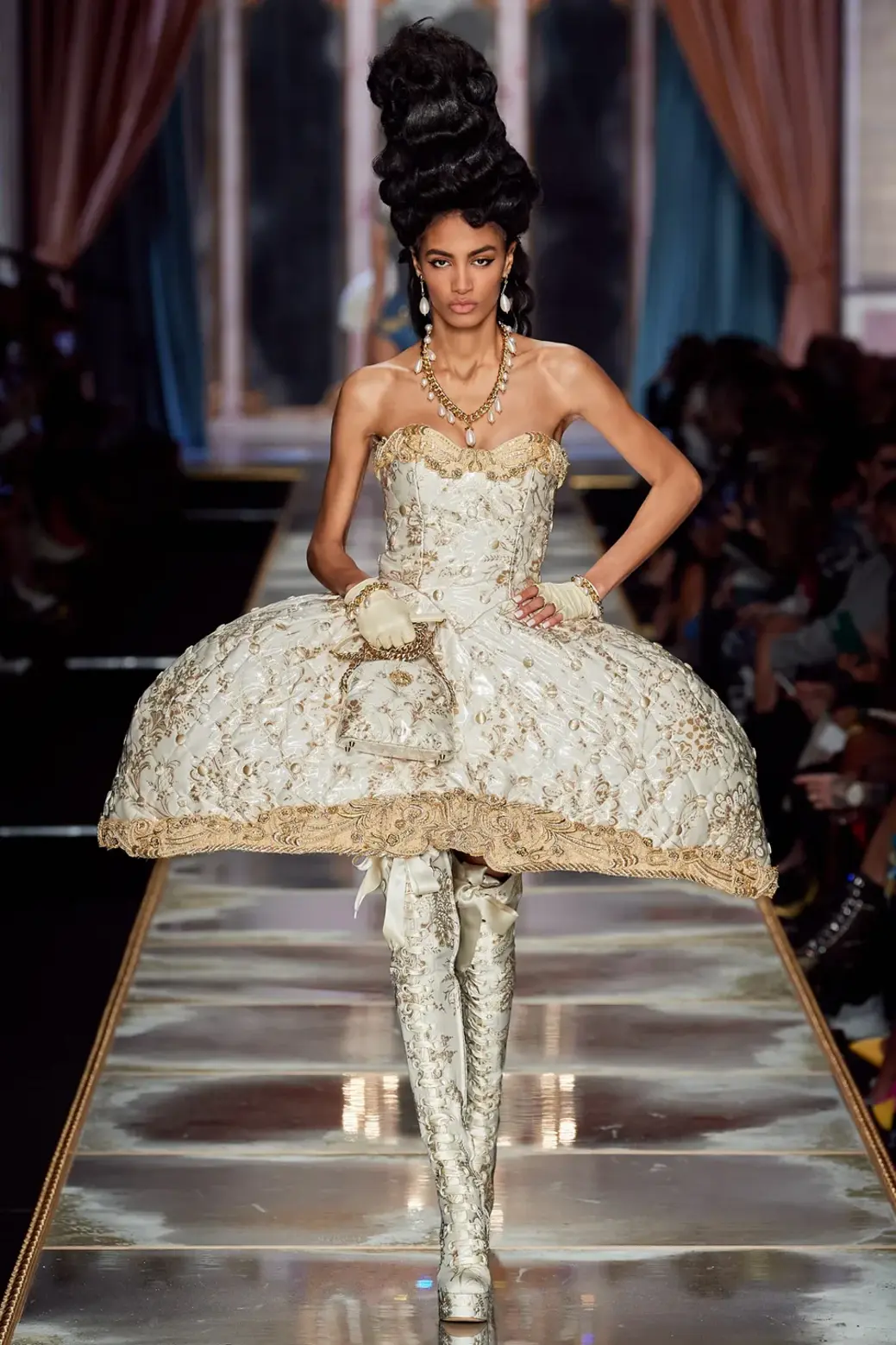
Scott's use of the bell silhouette, particularly the mini pannier, was a central element of his critique. He took the grand, restrictive shapes of Marie Antoinette's court and, by cutting them short and pairing them with the radical miniskirt of the 1960s, created a powerful visual paradox. The bell, once a symbol of aristocratic excess, was remixed with the rebellious spirit of youth movements.
The collection's "cake-based finale" perfectly encapsulated Scott's approach. The bell silhouette, with its voluminous, hip-widening form, was transformed into a whimsical, edible fantasy. These dresses, adorned with icing roses, was a literal representation of Scott's philosophy: that fashion can provide a moment of "respite" and "joy" even amid global turmoil. The dramatic, wide shape of the bell, which in another context might signify a restrictive past, here became a canvas for celebration and humor.
The bell silhouette’s power is rooted in its geometry—a perfect, resonant form that echoes natural shapes and architectural principles. It creates a sense of balance and harmony, giving the wearer a commanding presence without sacrificing grace. This dramatic shape intentionally occupies space, transforming simple movement into a deliberate, confident act. It's a statement of self-possession, where the dress doesn't just adorn the woman—it becomes an extension of her assertive identity.
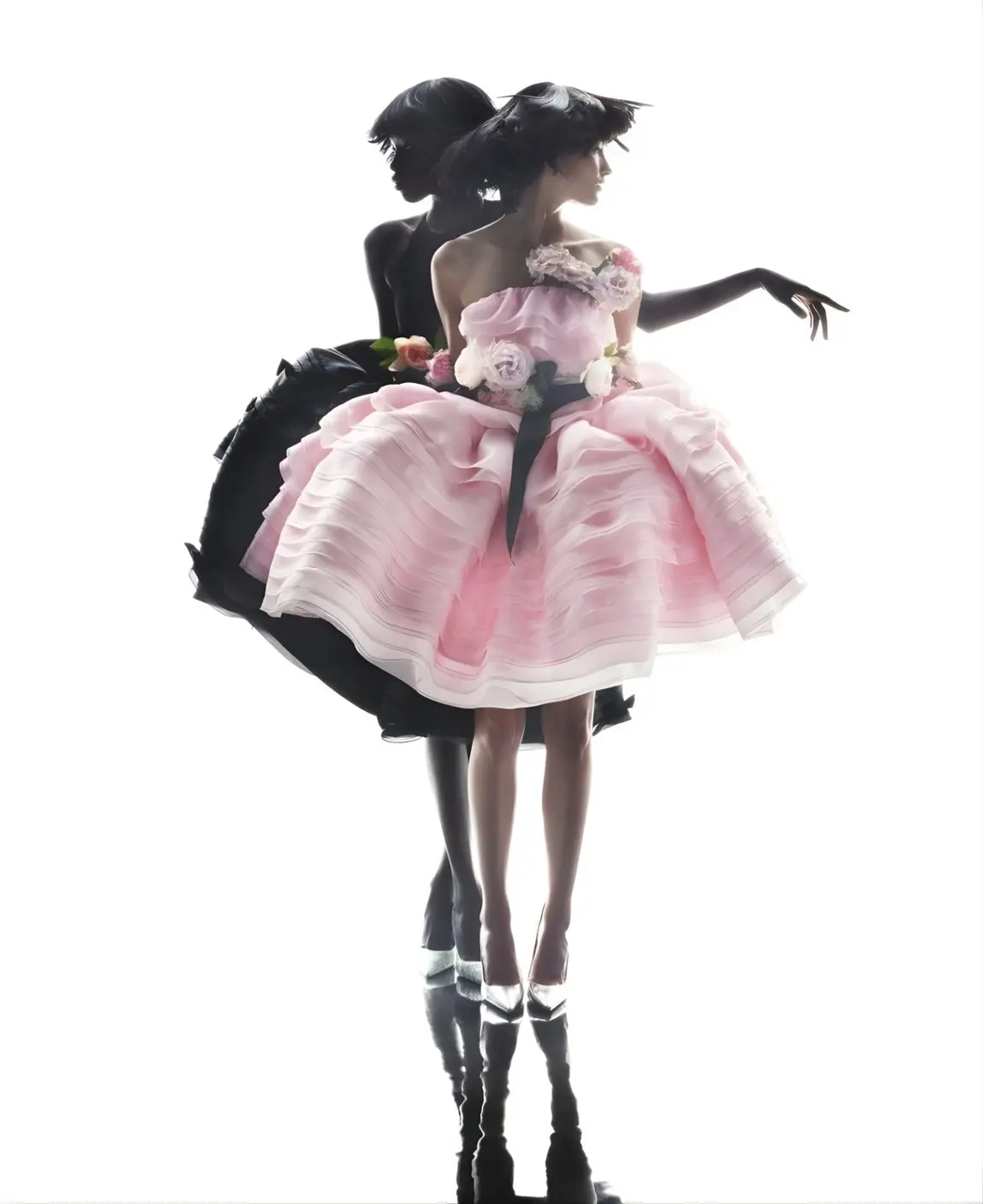
The bell silhouette’s persistence in fashion is a story of continuous reinterpretation and rebellion. It recalls the opulence of historical silhouettes, such as the panniers of the 18th century and the crinolines of the 19th, but it sheds their restrictive nature. It's a silhouette that honors tradition while refusing to be confined by it, proving that beauty and freedom are not mutually exclusive.
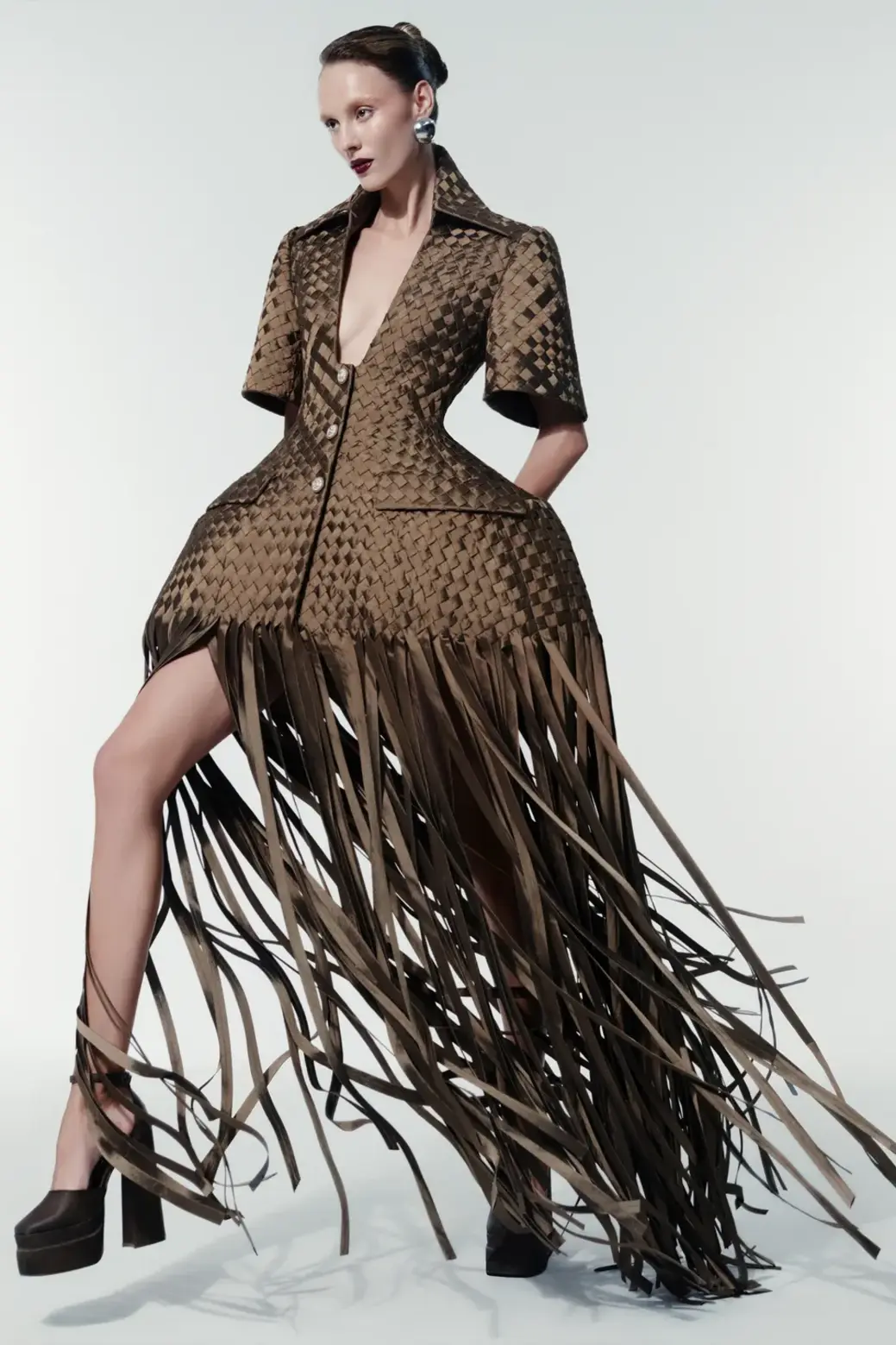

At its core, the bell silhouette is profoundly romantic. It captures the imagination with its sweeping lines and voluminous grace, evoking a sense of ceremony and grandeur. Yet, this romance is never passive. The bell is a form for a protagonist, not a wallflower. When a woman wears a bell-shaped dress, she is not merely participating in a story—she is the central character, commanding attention and admiration. The silhouette celebrates the body, framing it with a theatrical flair that makes the wearer unforgettable. It’s this blend of defiant spirit and poetic beauty that ensures the bell silhouette will always be a work of visual poetry—seen, remembered, and celebrated for generations to come.
Advertisement