MENU
Close





How did the soulful disarray of 19th-century Bohemia become the shimmering, street-style staple we now call the boho chic aesthetic? And why does it keep returning—louder, looser, lovelier than ever? Step into a wardrobe without rules, where every tassel tells a tale and every silhouette is wind-whipped with wanderlust. It’s here that we begin to truly answer the question: what is boho chic, and why does it hold such enduring power?
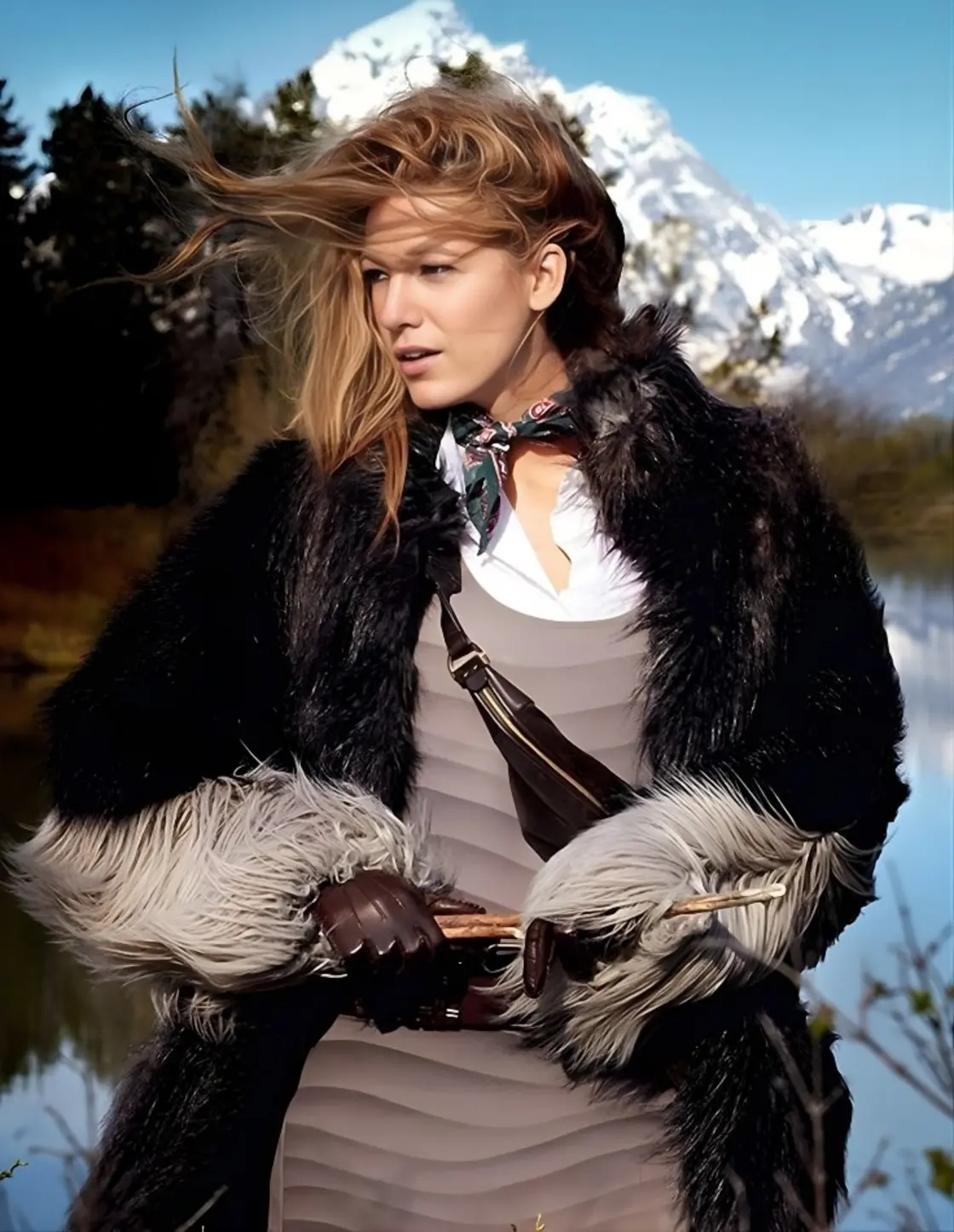
How did the soulful disarray of 19th-century Bohemia become the shimmering, street-style staple we now call the boho chic aesthetic? And why does it keep returning—louder, looser, lovelier than ever? Step into a wardrobe without rules, where every tassel tells a tale and every silhouette is wind-whipped with wanderlust. It’s here that we begin to truly answer the question: what is boho chic, and why does it hold such enduring power?
November 11, 2025
Advertisement

Advertisement



The evolution of bohemian style is a tapestry of rebellion and poetry. Boho-Chic is a spirit woven from ancient threads, a romantic protest that drapes the body in memory and resistance. Its soul lies in Bohemianism, born in candlelit cafés of 19th-century Paris, where wanderers, artists, and anarchists rejected conformity as easily as they rejected corsets. From this unruly essence, the modern boho chic aesthetic emerged: a kind of beautiful disobedience you can wear.
Boho-Chic moves through the air like incense curling in a forgotten chapel. It provokes and liberates where hems are frayed with intent, colors bleed like wet watercolor, and silhouettes wander like daydreams. Every tassel becomes a footnote of barefoot stories; every embroidery a map to an untamed world. It remembers its beginnings in cafés scented with rebellion, glides through the haze of 1960s Woodstock, and reappears in each era longing to release its soul from structure.
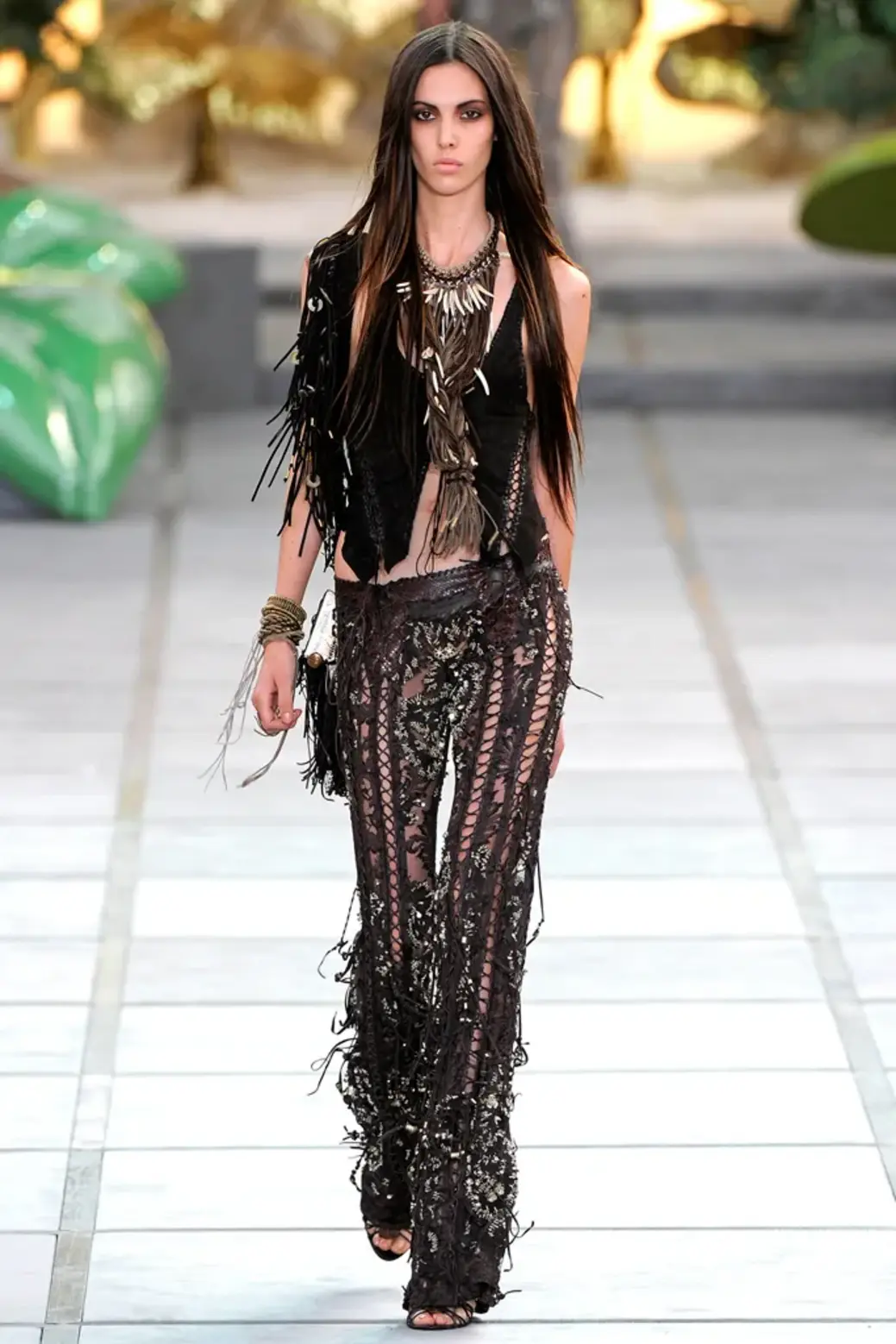

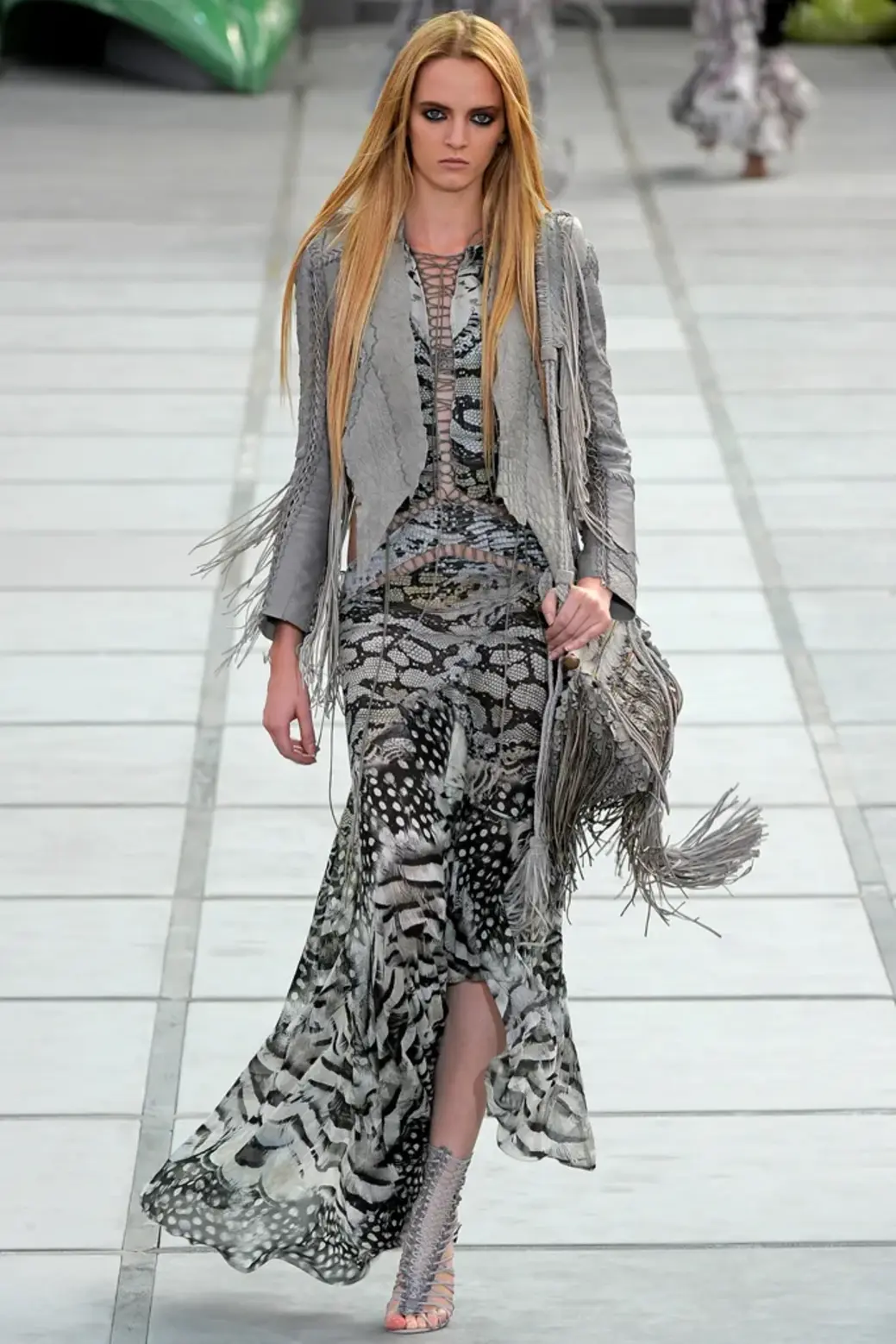
It resists domestication the way wild birds resist cages, not out of defiance alone, but because flight is in its nature. Boho-Chic remembers its roots in cafés scented with paint and rebellion, glides through the sun-drenched haze of 1960s Woodstock, and reincarnates in each era that grows tired of tailoring its soul to fit someone else’s frame. We’ve seen it flutter in layers of chiffon at Chloé (an early blueprint of the now-iconic Chloé boho language), sulk in suede on festival fields, and reignite in the hearts of those who crave beauty not in polish, but in possibility.
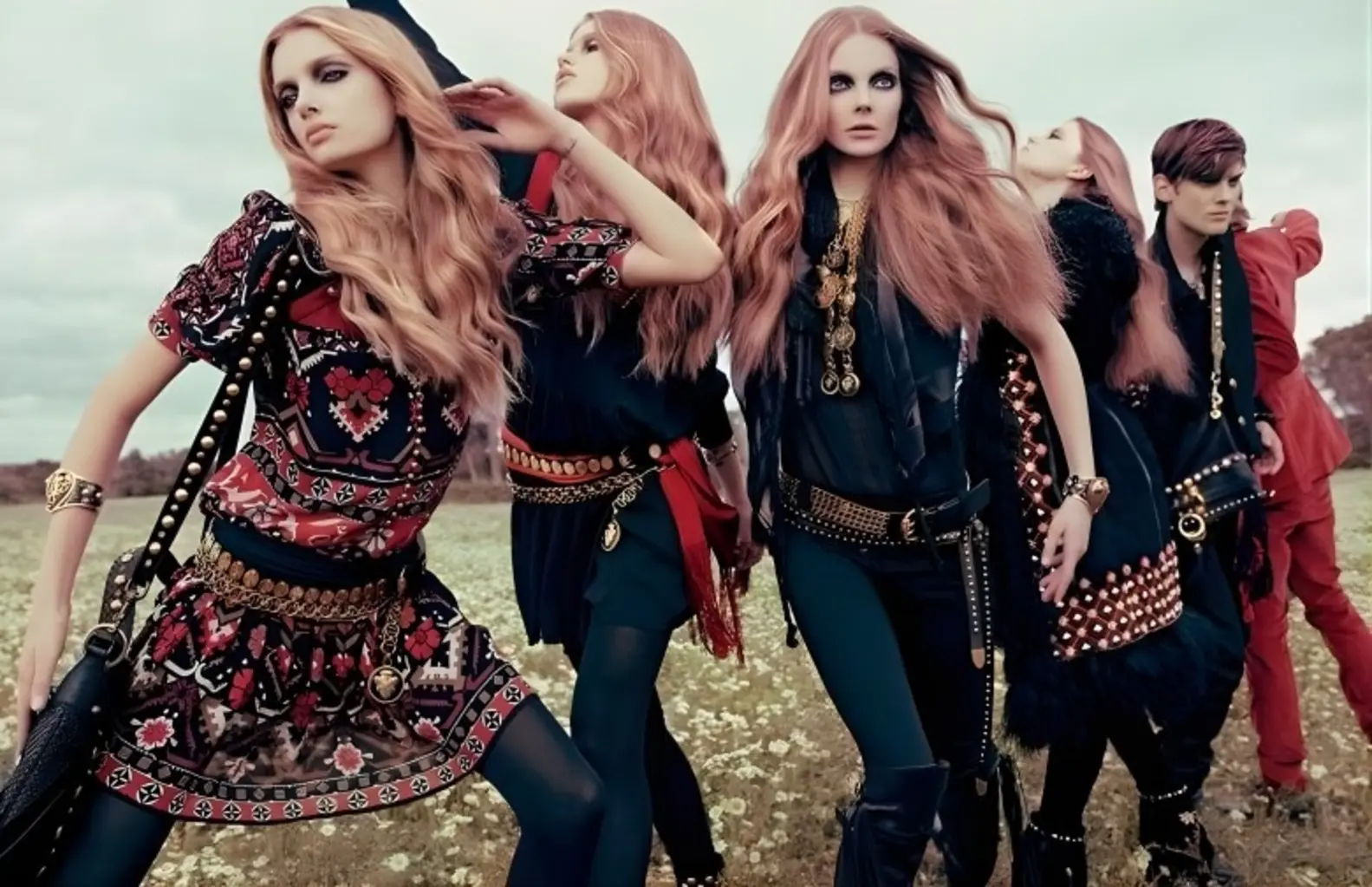
Boho-Chic is not about neatness. It is about nowness, the intimate mess of being human and wild. It offers no map, only a compass, and its true direction is inward. It whispers to us like a feather caught on a breeze, tempting us to shrug off the synthetic skins of fast fashion and step into something far more sacred: clothing as a sanctuary, style as soul-language. There is an unspoken promise sewn into every fringe and flare, that one can vanish from the manic machinery of modern life, if only for a moment, and re-emerge as something freer, softer, more true.
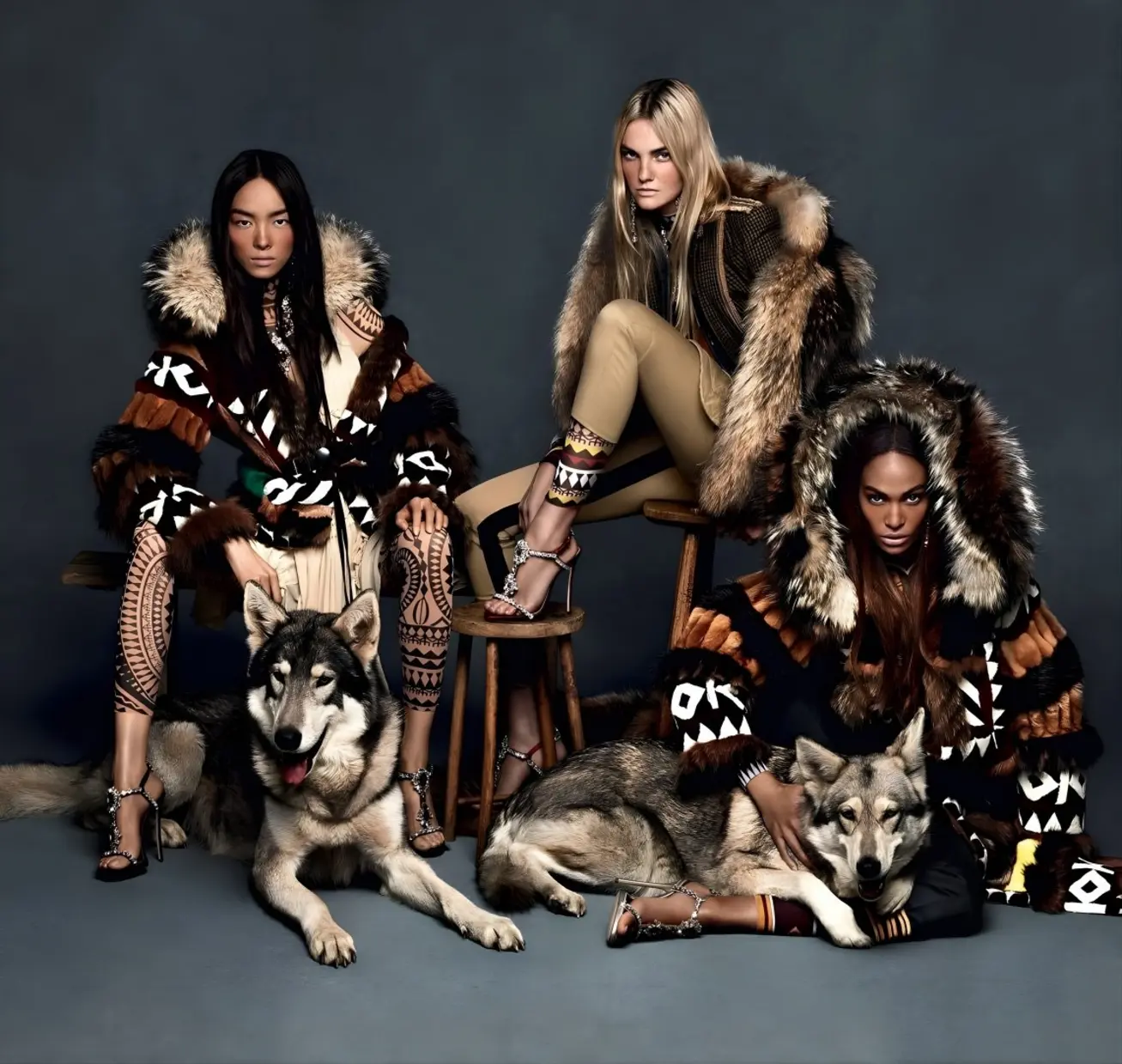
And perhaps that is its greatest magic: Boho-Chic is both solitude and sisterhood. It can belong to the lone drifter chasing stars across the desert, or to a circle of kindred spirits draped in patchwork and sun. It shapeshifts with time yet always returns to its truth, a fashion of feeling, an aesthetic of essence, a style that doesn’t ask for attention, but commands remembrance. Boho-Chic is the hemline of liberation. A weathered, wise, and wildly unbroken hymn to the art of being beautifully, defiantly undone.

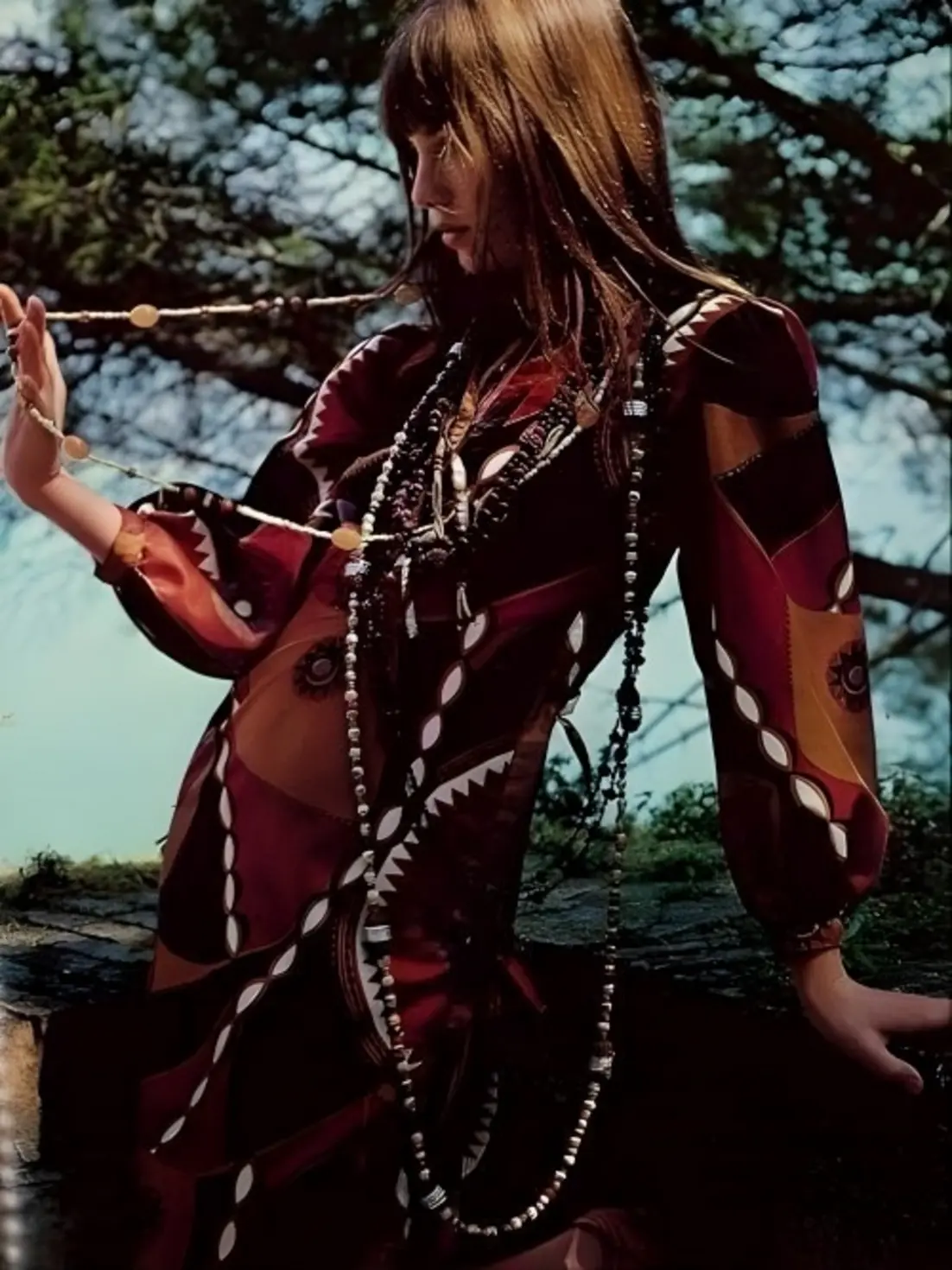
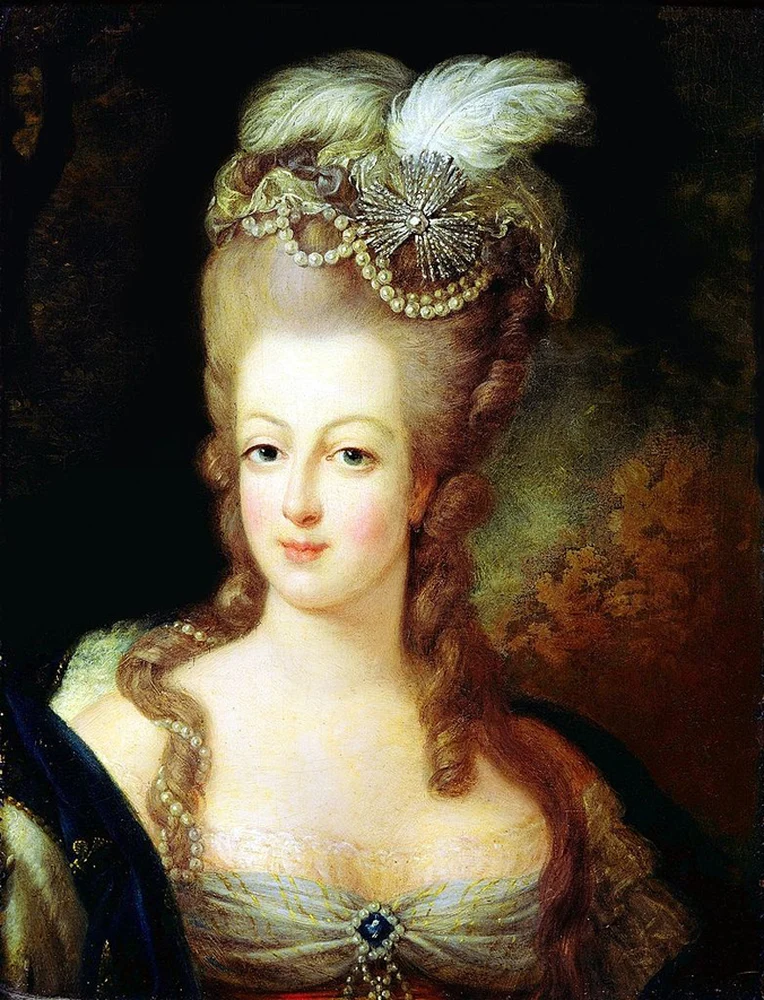
The journey of what we now recognize as the boho chic aesthetic begins not at a music festival, but in the hushed, intellectual salons of late 18th- and early 19th-century Paris. Long before magazines asked what is boho chic?, the evolution of bohemian style took root in the aftermath of the French Revolution, a seismic cultural shift that dismantled the aristocratic systems artists once relied upon. The Revolution left a gaping void where royal patronage had been. Artists, writers, and poets-once protected by wealth-found themselves cast adrift. Their creative ecosystems collapsed, leaving them with stark, monastic simplicity as both necessity and rebellion. This radical stripping-away laid the philosophical groundwork for what would later become modern bohemian fashion and ultimately the boho chic aesthetic.
Stripped of financial stability, these artists rejected the punishing corsets, stiff silks, and elaborate wigs of the elite. In their place emerged a new sartorial language: loose, flowing silhouettes, unruly floral prints, and layered velvet and lace worn with an almost reckless abandon. This wasn’t fashion for attention. It was survival. A visual declaration that creativity mattered more than conformity. Their unconventional existence earned them the label bohémiens—a mazesa term initially used as a derogatory reference to the nomadic Romani people, incorrectly believed to hail from the Bohemia region. But these Parisian free-thinkers reclaimed the word, wearing it not as an insult but as a badge of artistic freedom, signaling a refusal to be confined by societal expectations.
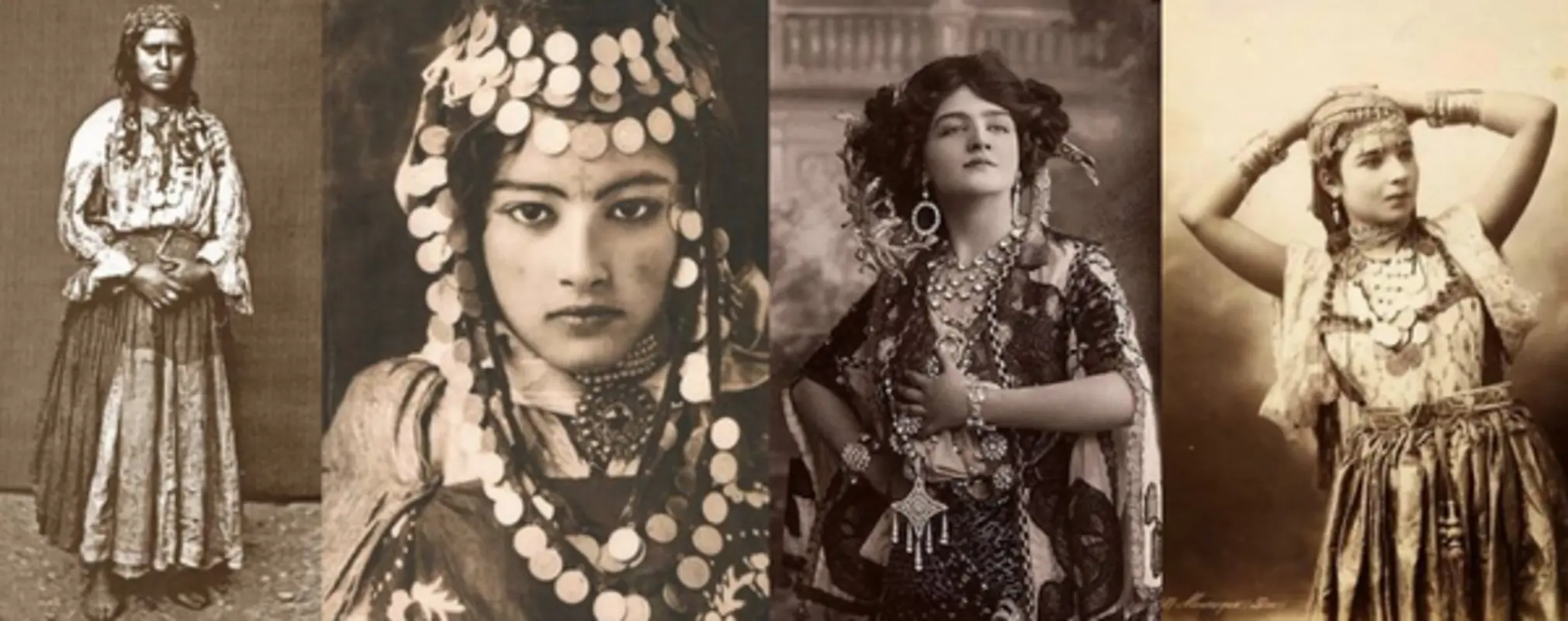
This term, a linguistic ghost, had once been a derogatory label for the nomadic Roma people, who were mistakenly believed to have originated from the Bohemia region of Central Europe. But these Parisian free-thinkers, these poets of the pavement, seized the word and transformed it. They wore it not as a scar, but as a badge of honor, a symbol of their refusal to be confined. They were the original rule-breakers, the first to understand that style could be a tool for radical expression. Writers like Victor Hugo and Honoré de Balzac immortalized them, not as outcasts, but as the vibrant, beating heart of a new, rebellious culture. This early bohemianism was a rejection of the gilded cage, a flight to the open skies of creativity. It was a movement fueled by the idea that true wealth wasn't measured in gold, but in the freedom of the mind and the soul. The clothing, the repurposed garments, the vibrant, clashing patterns, the unlaced forms, was a visual diary of their journey from conformity to self-discovery.
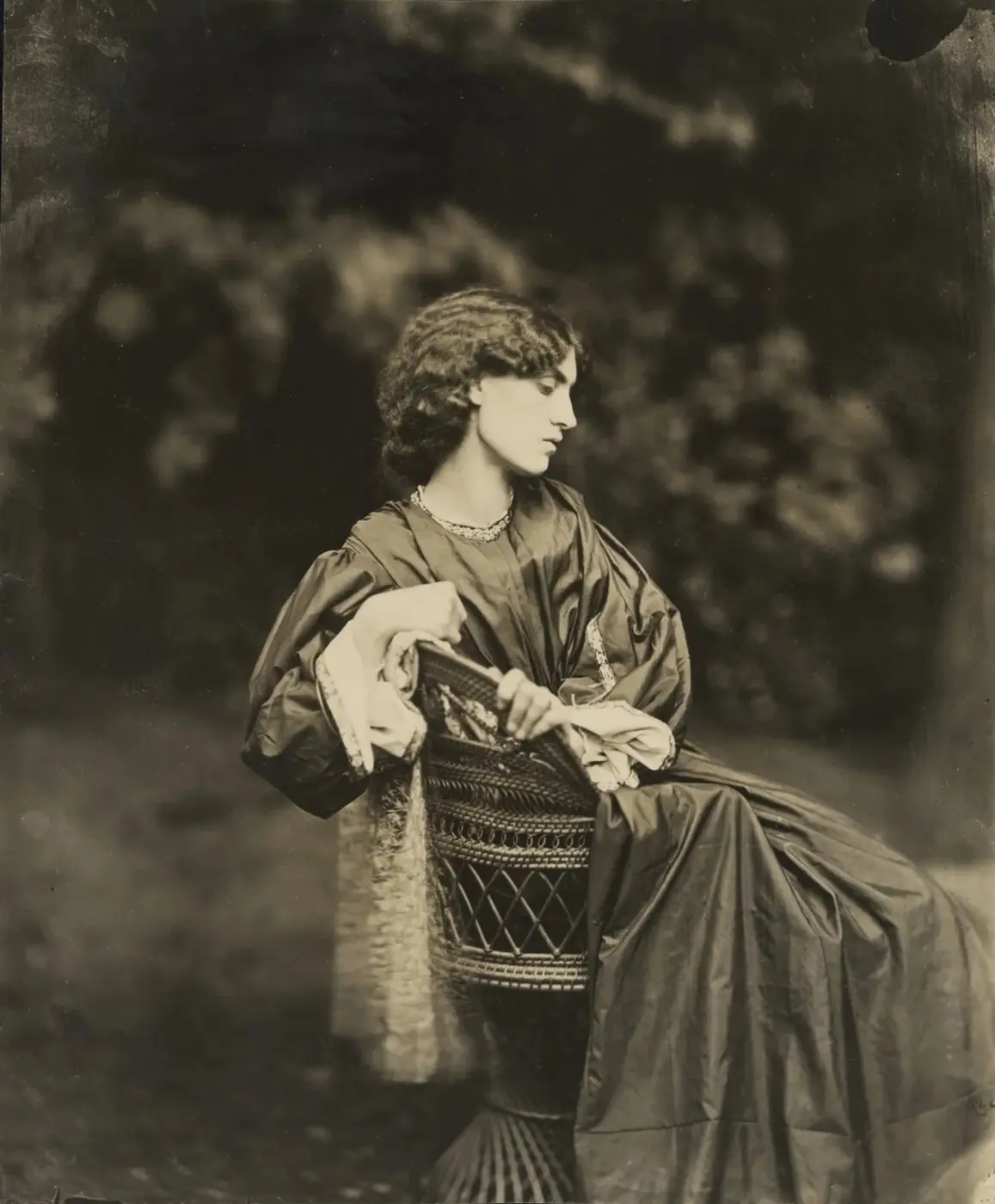
The wild bohemian spirit, once unleashed in 19th-century Paris, refused containment. Its next chapter in the evolution of bohemian style bloomed across the English Channel, taking root in the artistic soil of London’s Pre-Raphaelite Brotherhood. Much like their Parisian counterparts, these British visionaries sought sincerity and emotional truth, rebelling against classical restraint. Their muses—most famously Jane Morris, embodied an early form of bohemian vs boho chic aesthetics: natural beauty, loose silhouettes, and garments unconstrained by social rigidity.
Jane Morris became a living sculpture of a new ideal. Her unbound hair, flowing dresses, and intricate embroidery were not trends—they were a manifesto, a rejection of artifice and an embrace of artistic authenticity. These choices foreshadowed the modern boho chic aesthetic, which still draws from this romantic defiance.
As the 19th century waned, the spirit evolved once more, giving rise to the Aesthetic Movement. This was a full-throated rejection of industrialization's drab uniformity, a passionate plea for beauty and art for art's sake. Aesthetes incorporated natural elements, oriental motifs, and exotic patterns into their fashion, daring to be visually expressive and utterly unique. It was a quiet revolution of color and texture, a foreshadowing of the bold, eclectic styles to come.
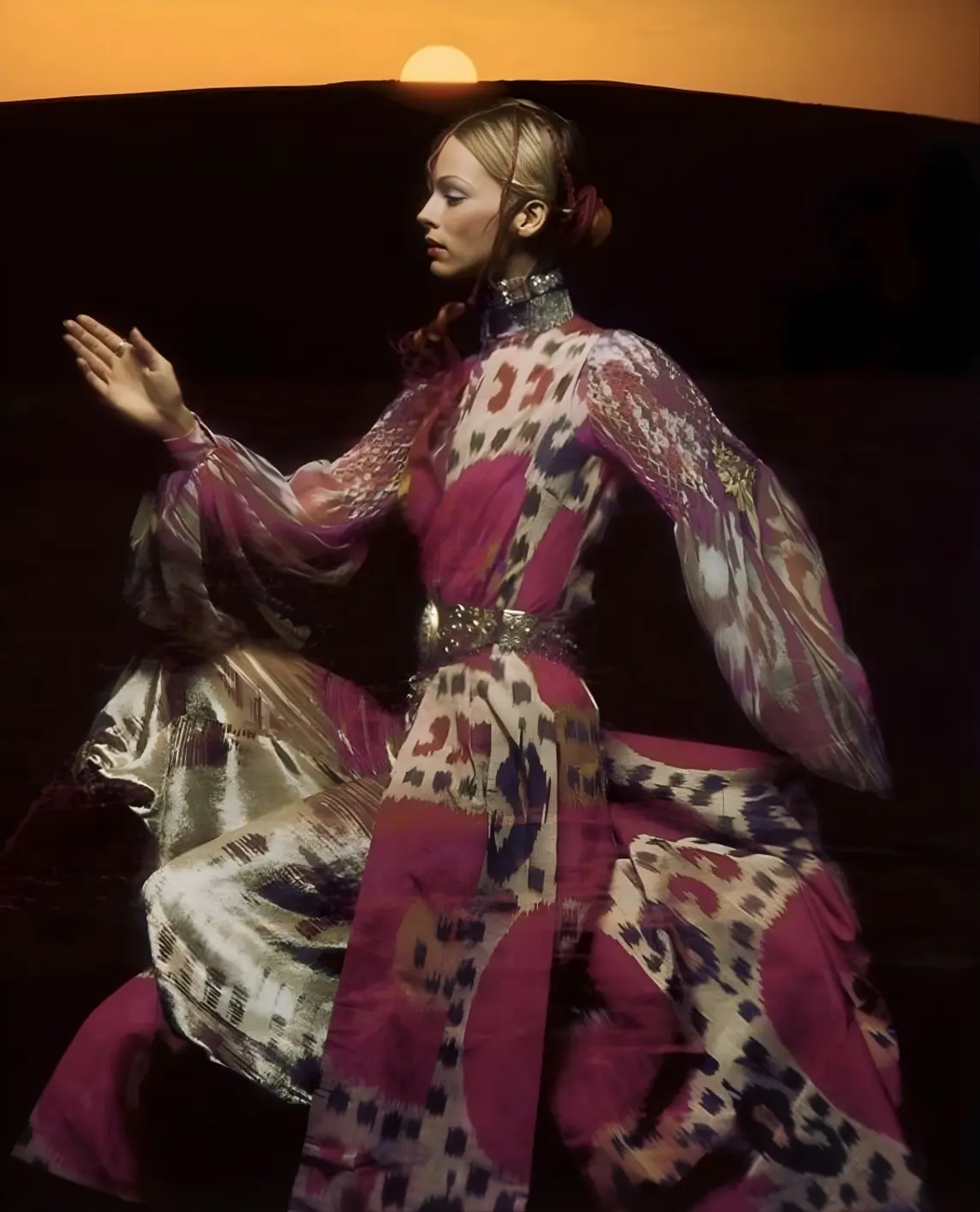
Clothing became political - resistance stitched into every handmade garment. Thrift-store treasures, Eastern influences, hand-dyed fabrics, and artisanal methods created a style that defined both freedom and protest. This was not merely fashion; it was a cultural stance, a precursor to the later icons of the boho chic aesthetic such as Kate Moss boho style and the romantic, undone ease of the Sienna Miller boho look. The Hippies didn’t just dress differently. They dressed deliberately, and that intention continues to echo through every tassel, every soft silhouette, every runway revival of boho chic today.
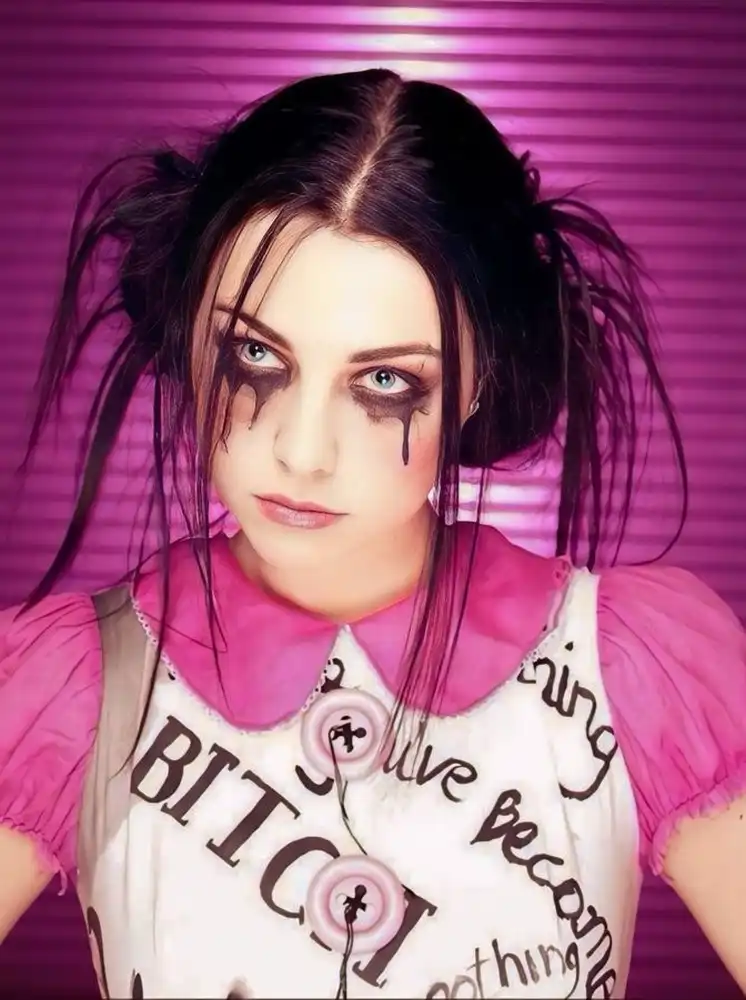
By the time the 2000s arrived, Boho had taken a new lover: the camera flash. Enter Sienna Miller, Kate Moss, and the Olsen twins—modern muses who brought the look into the mainstream with artfully unwashed hair, vintage coats worn like armor, and arms clanging with bangles. This was the era when Kate Moss boho style and the Sienna Miller boho look became cultural forces, defining exactly what is boho chic to an entire generation. It was Rachel Zoe’s era of the boho chic aesthetic: part flea market, part red carpet, all divine mess. And the world couldn’t get enough.

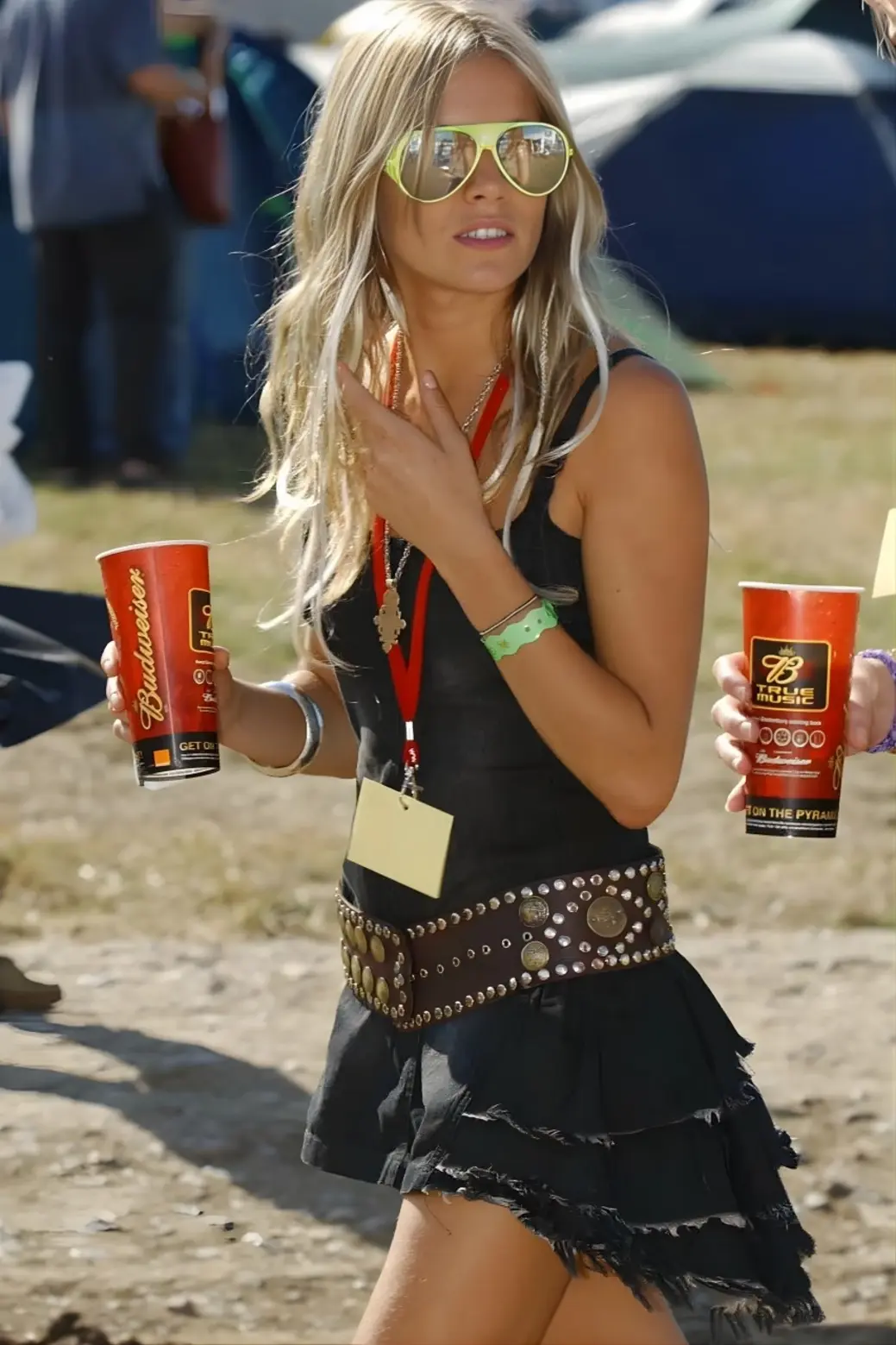

The aesthetic became a recurring runway and wardrobe staple. In the 1990s, Anna Sui and Isabel Marant continued to evolve the genre, helping shape the early evolution of bohemian style. Their iterations often mixed 1960s references yet nodded to the burgeoning grunge movement (another counterculture that bucked norms!) and ultimately paved the way for the trend’s popularity in the mid-2000s.

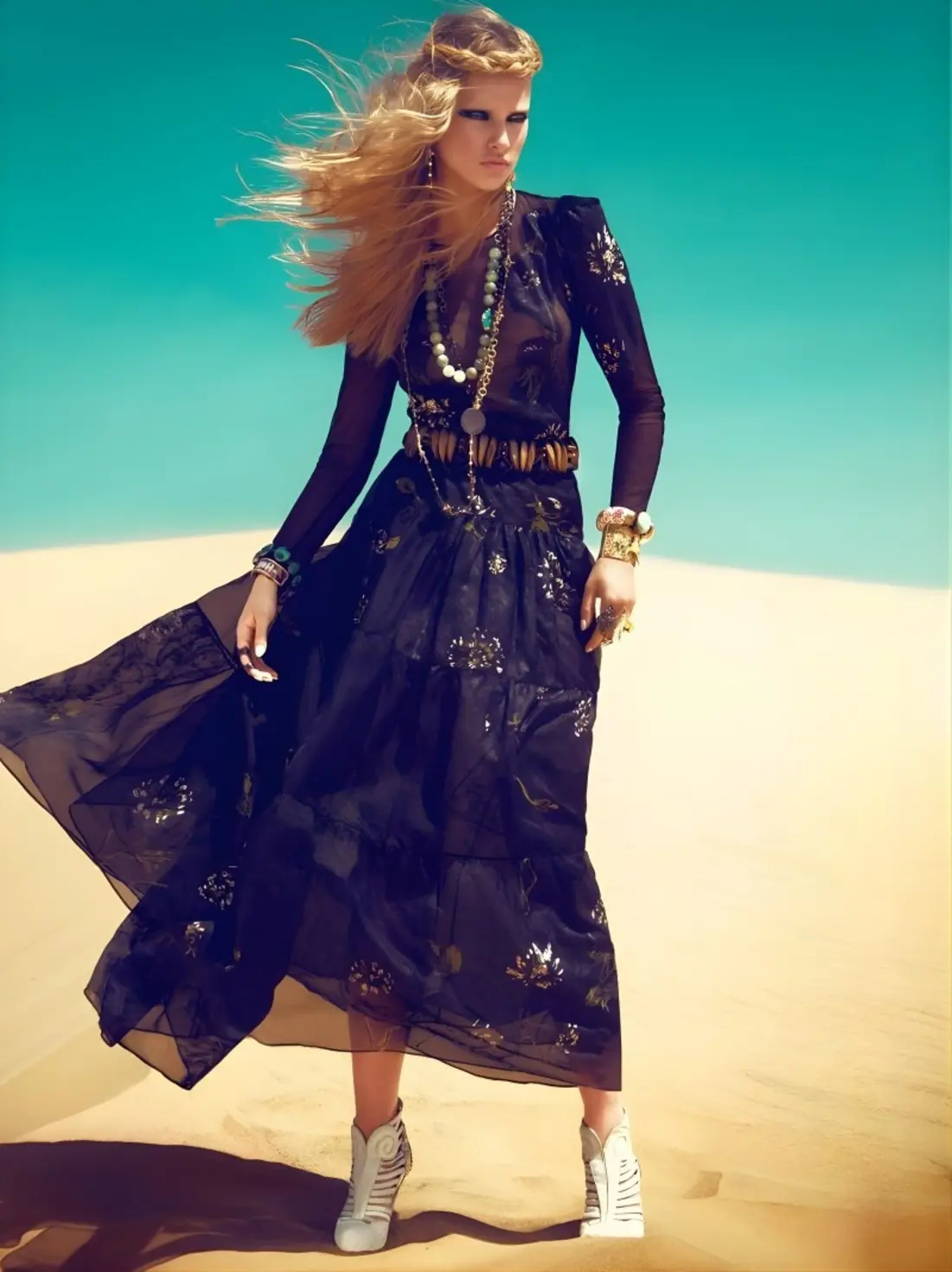
The silhouette is fluid, as if poured over the body by a daydream. Maxi skirts rustle like whispered secrets. Bell sleeves sway like incantations. Nothing clings too tightly, because nothing is forced. This is fashion that breathes. Fashion that moves when you move, that flirts with wind and dances with shadow.
Color? Boho doesn’t obey the Pantone gods. It finds hues in soil and sunset, herbs and henna. Earth tones bleed into jewel tones. Sister shades mix like pigments in an old painter’s water glass. And when it wants to, it breaks its own rules—because sometimes a splash of turquoise or burnt orange is exactly what a spirit needs to feel alive.
Textile is touch. Cotton, suede, gauze, silk, macramé, all part of the tactile symphony. Layered not just for warmth, but for rhythm. Every texture sings its own note in a wild, wearable orchestra. And then there are the details—those tiny, defiant flourishes that turn garments into spells: mirrored embroidery, tassels that dance like wind chimes, beadwork that could tell fortunes if you listened closely enough.
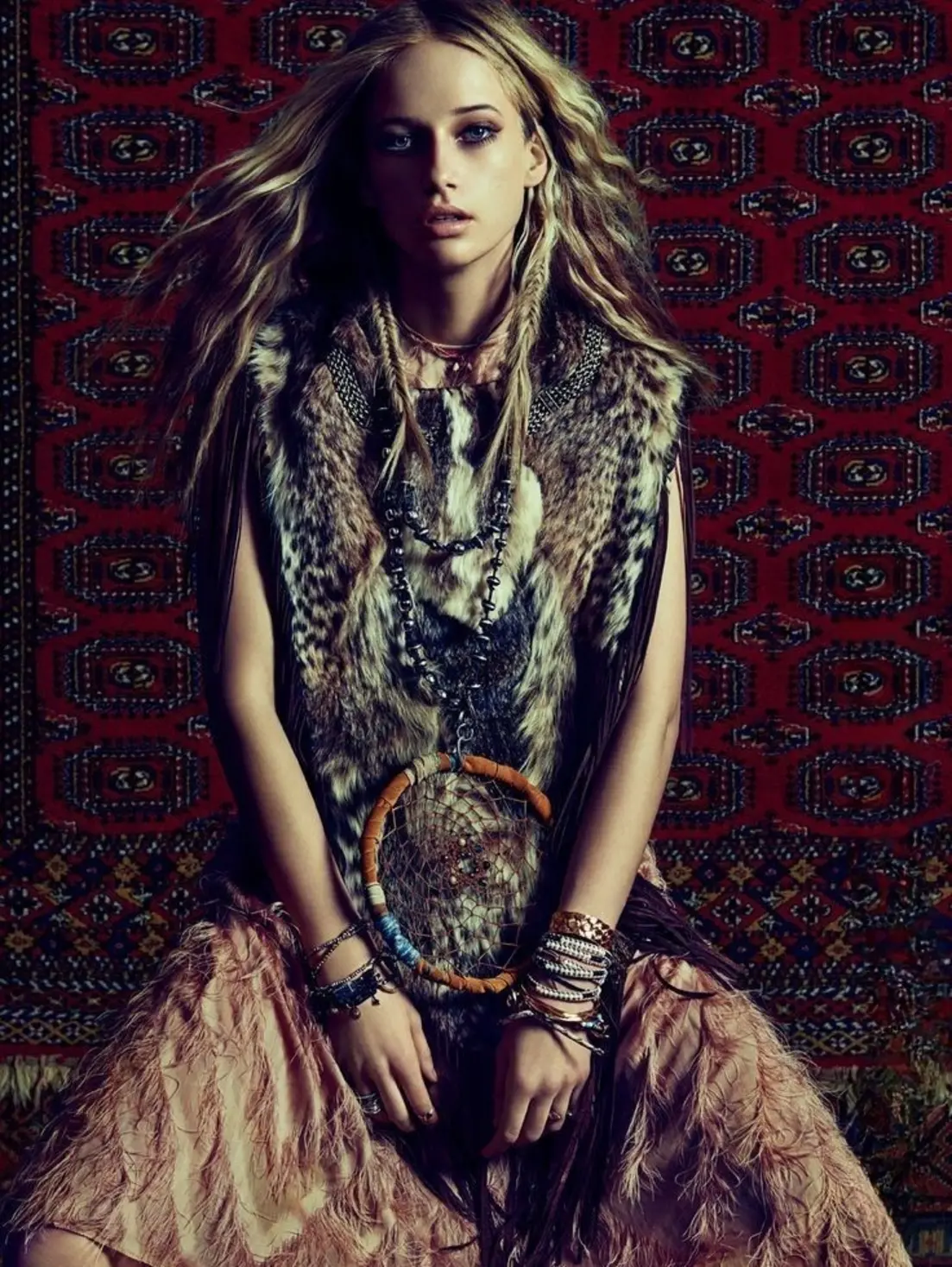

For seasons, we were held captive by the polished, patrician silence of minimalist luxury, a world of muted tones and rigid structures that felt more like a cage than a canvas. But in a sudden, breathtaking moment of defiance, the air changed. The runway became a stage for a different kind of magic. A lush, romantic landscape where Chloé boho re-emerged thanks to Chemena Kamali's debut at Chloé Fall 2024. This collection did not merely present clothes. It unlocked a forgotten treasure chest of spirit and emotion. This was no simple comeback. It was a resurrection, a deep-seated craving for “undone-ness and freedom,” a glorious and unapologetic escape from the stifling pressures of our time. This was more than a trend revival; it was the return of a feeling.
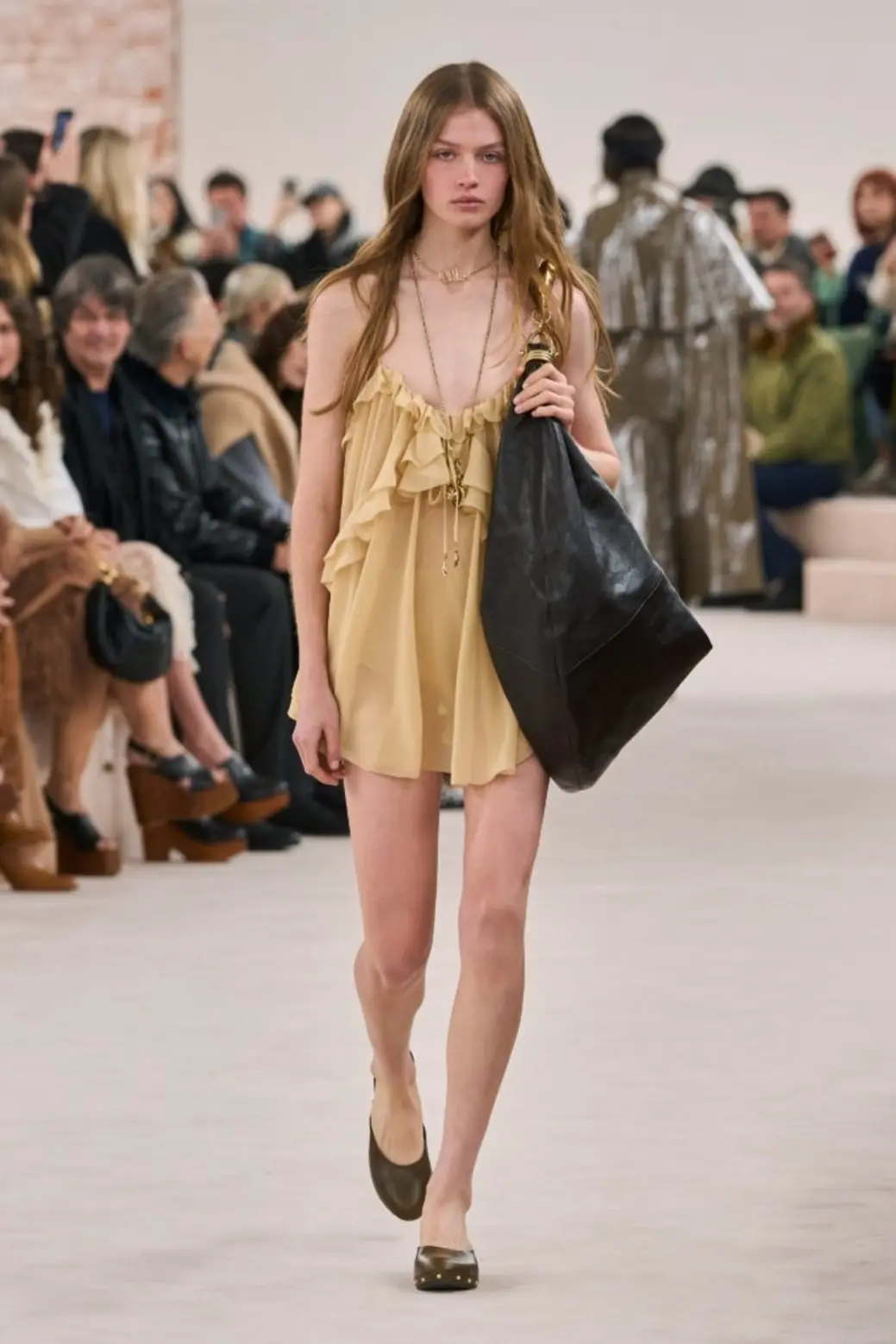
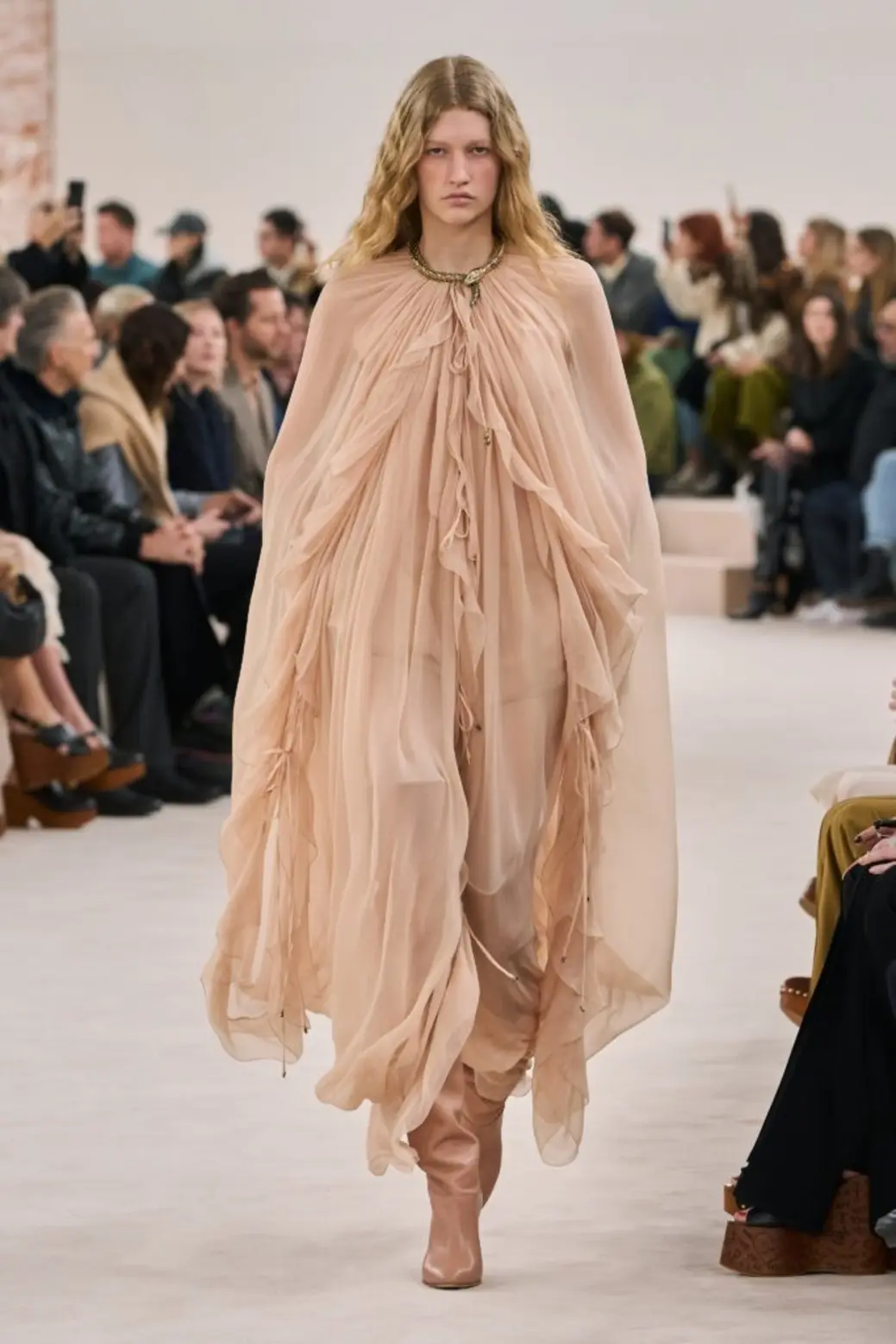
The true genius of this revival, now led by Kamali, lies in its sophisticated and intricate ballet of elements. The style is an intricate tapestry woven from the most evocative threads: the gossamer softness of mousseline, the sensual texture of suede, and the whispered history in a piece of delicate brocade lace. These are not merely materials; they are the vocabulary of a life that values authenticity above all else. The color palette itself sings of nature and nostalgia, a spectrum of dusty peaches, olive greens, and earthy taupes, a quiet rebellion against the neon-lit digital world. This is the modern boho chic aesthetic: romantic, grounded, historically aware, and deeply human.
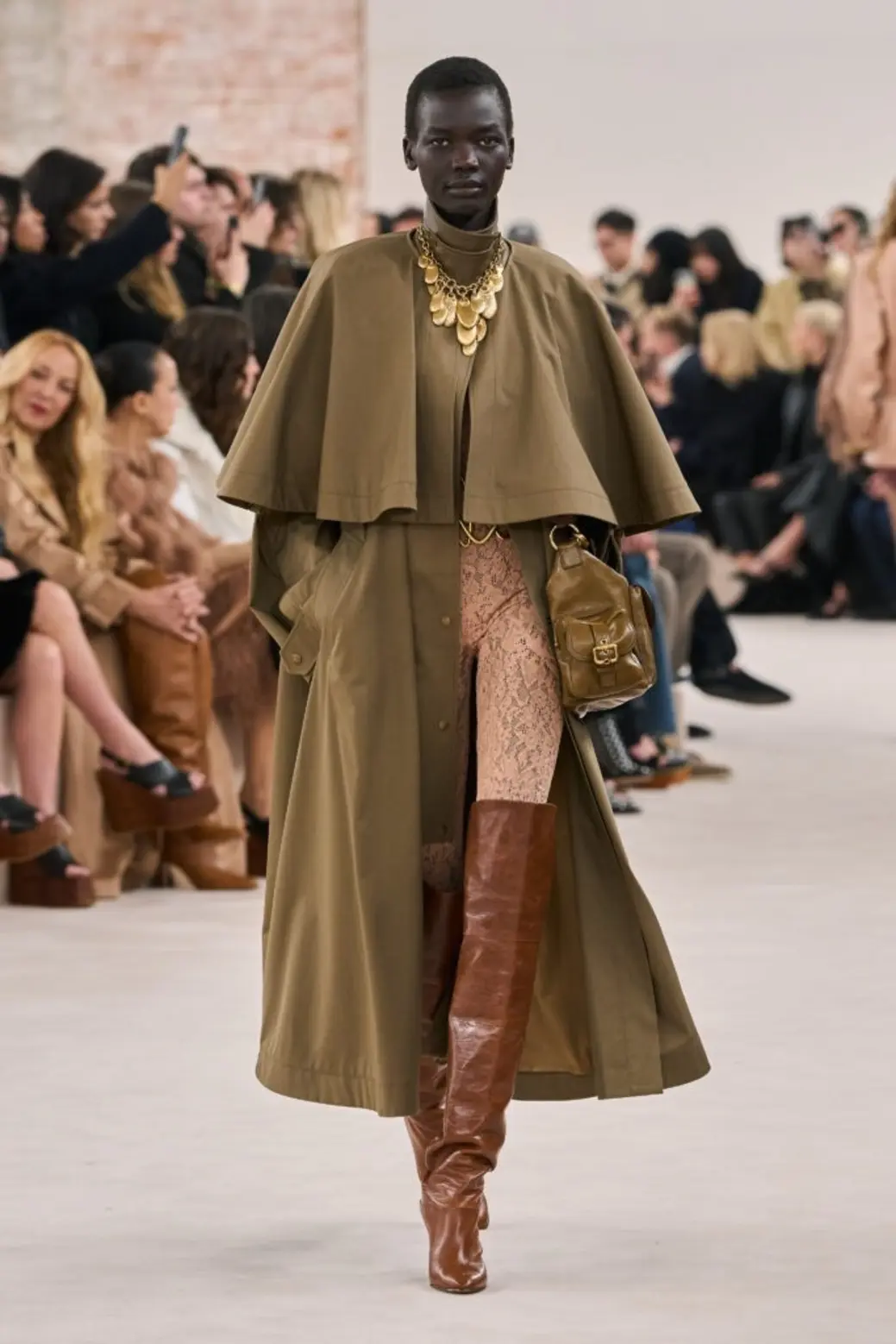
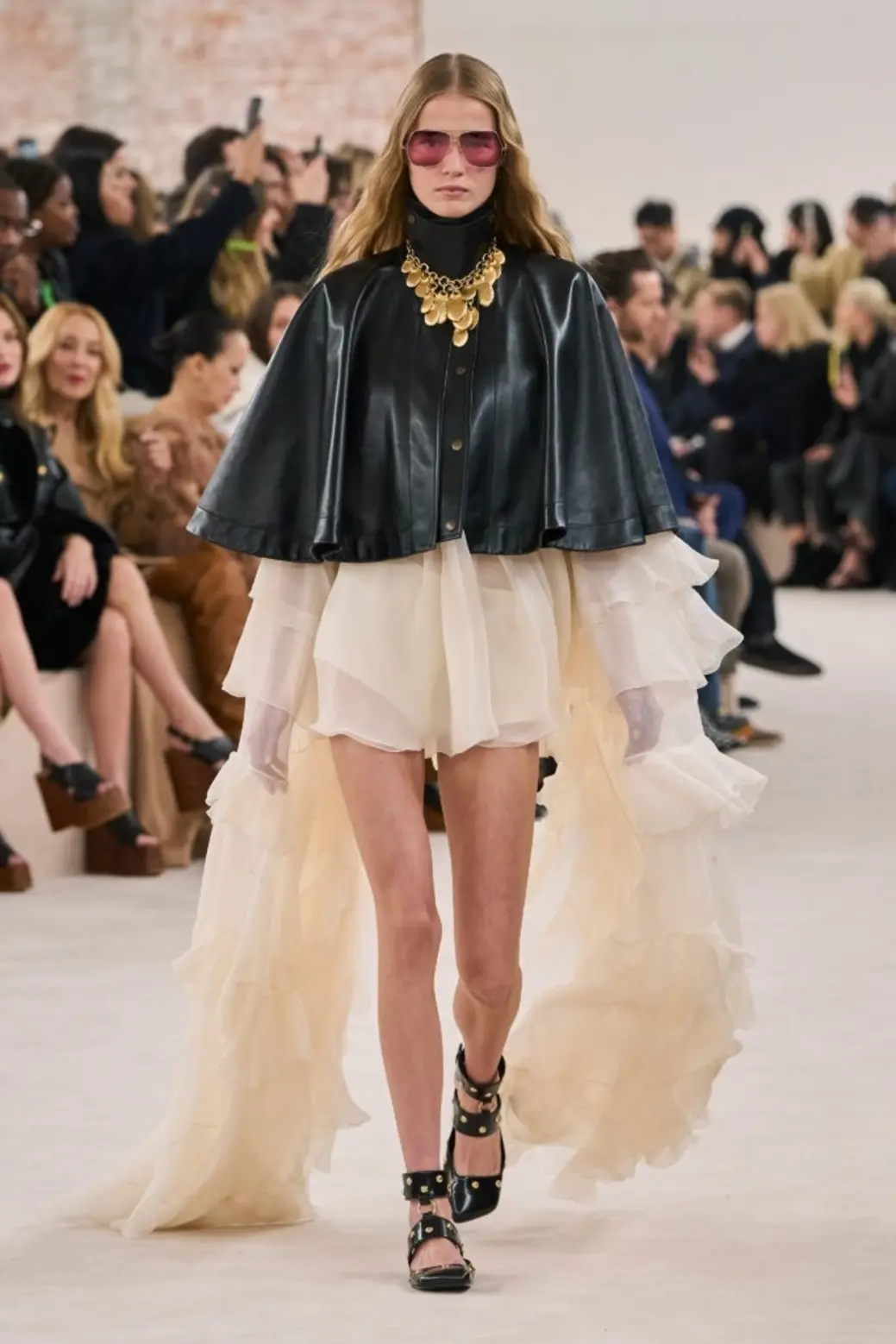
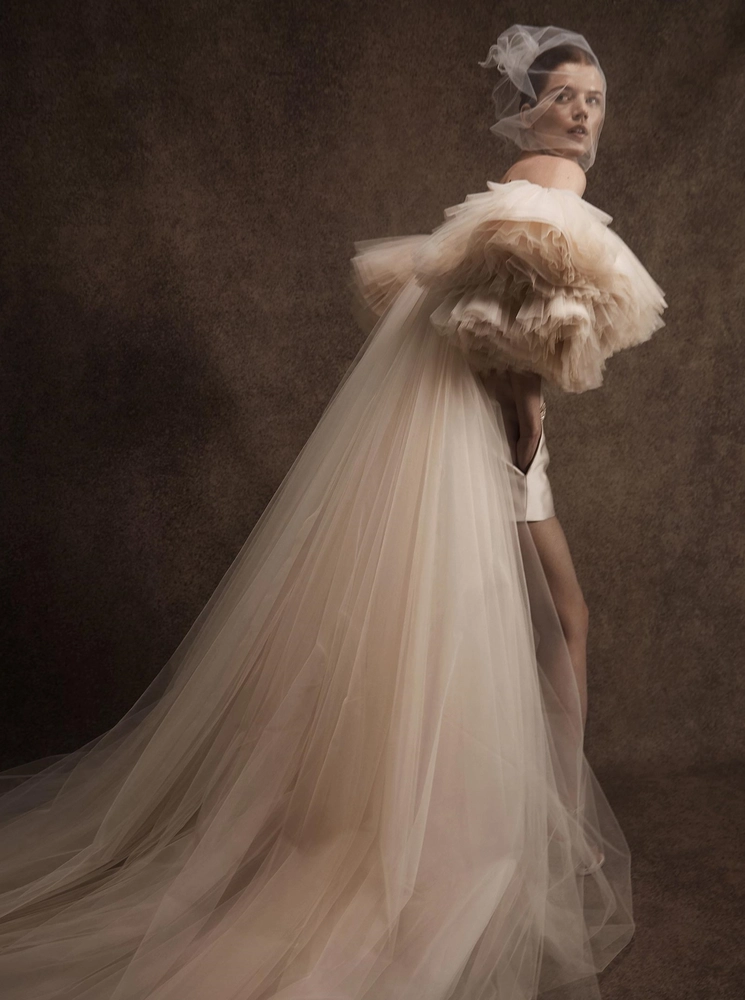
The styling completes the transformation. A sheer, ethereal gown with romantic ruffles is given a backbone when paired with knee-high leather boots or a dark leather cape. This woman is both delicate and strong, romantic and rebellious. She tucks a billowing dress into rugged boots, tops a lace camisole with a structured jacket - creating a silhouette that is dreamlike yet grounded. It is the clearest bridge between bohemian vs boho chic: the former wild and untamed, the latter refined yet free. This resurgence cuts through a thousand fleeting TikTok microtrends. Unlike vaporwave “cores” that disappear overnight, this revival has traceable runway lineage. It carries weight. It carries memory. The wooden wedge heel, the slouchy hobo bag, the fringe - none of these are simple nostalgic returns. They are thoughtful reinterpretations, honoring roots while speaking to now.
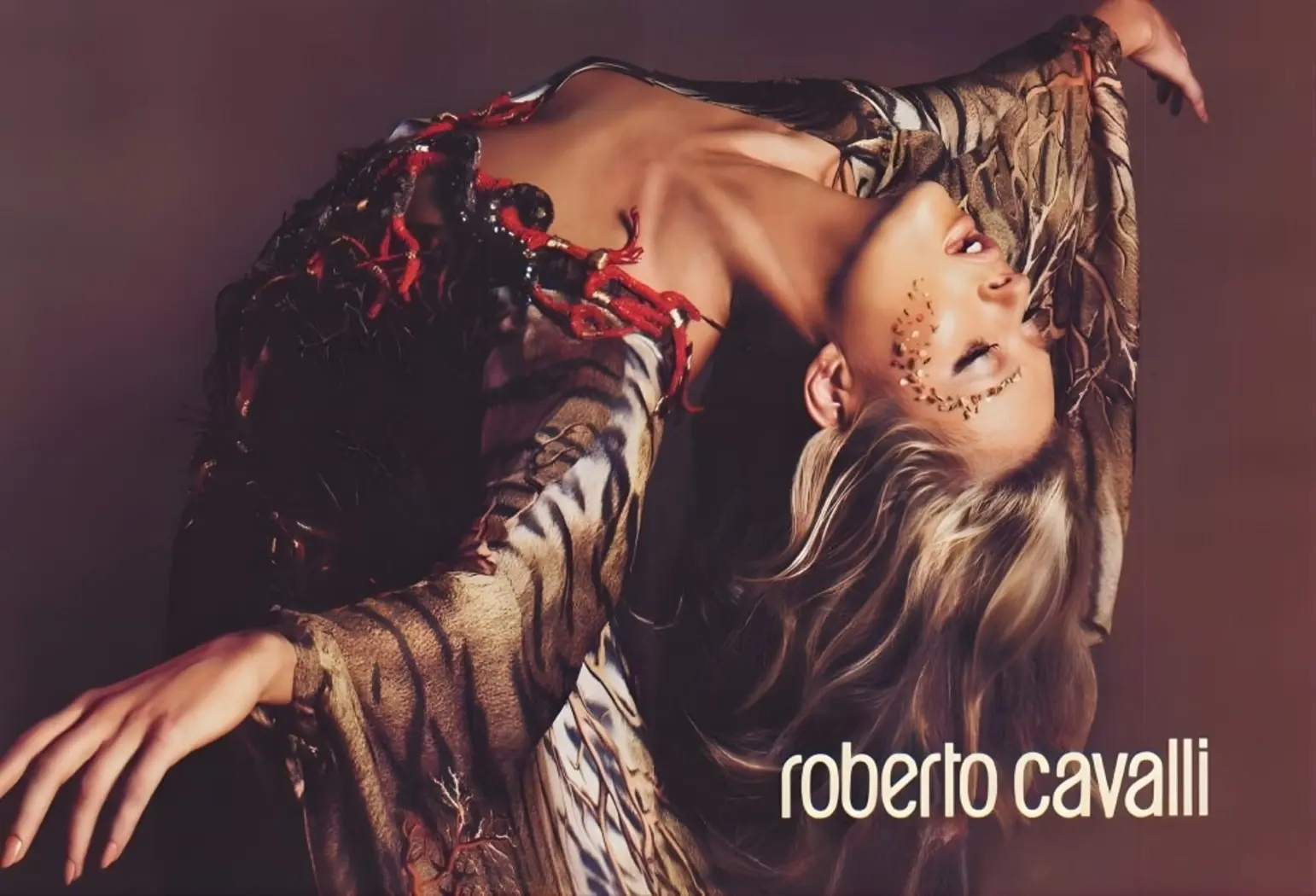
It is a lifeline thrown to those who have grown weary of following a thousand fleeting, algorithm-driven trends. Unlike the "cores" that are born and die on TikTok, this resurgence is rooted in the traceable history of its runway origins, giving it a gravitas and staying power that others lack. The comeback of the wooden wedge heel, the slouchy hobo bag, and the fringed accessory isn't just a rehash of the past; it's a re-contextualization, an evolution that honors its roots while infusing them with a confident, contemporary attitude. It offers a tangible, wearable manifestation of a deep cultural longing: a desire for emotion, for movement, for a life defined by oneself, not by others. As Kamali so beautifully stated, this is for the woman who needs to "follow your intuition and be yourself."
While celebrated for its free-spirited and effortless vibe, it has a complicated and controversial history. The term "boho" originates from a misnomer for the Romani people, whose nomadic lives were often romanticized by artists and fashion designers without acknowledging the significant discrimination and persecution they faced. This romanticized view has led to widespread cultural appropriation within the trend.
Elements central to the boho-chic aesthetic, such as feathered headdresses, specific beaded jewelry, and bindis, have been taken from marginalized cultures, including Native American and South Asian traditions, and stripped of their sacred, original meanings. The use of the word "gypsy" as a flippant style descriptor further highlights this issue. This appropriation has been amplified by celebrity culture and fast fashion, which have profited from these looks without giving back to the communities that inspired them. While the style's modern return to the runway is increasingly met with calls for greater awareness, the controversy serves as a reminder of the need for conscious consumption and cultural appreciation over appropriation.
And yet, here lies the paradox. Boho-Chic, once the badge of the outsider, nowstruts the catwalks of Paris, flutters through the racks at Zara, and floods Pinterest boards with a curated kind of chaos. Has it sold its soul? Has the spirit been tamed?
Some say yes. That fast fashion has commodified the magic, reduced it to cheap embroidery and mass-produced mysticism. But others argue: the soul of Boho isn’t in the price tag, it’s in the intent. A factory can print paisley, but it can’t mimic the spark in your eye when you wear it like you mean it.
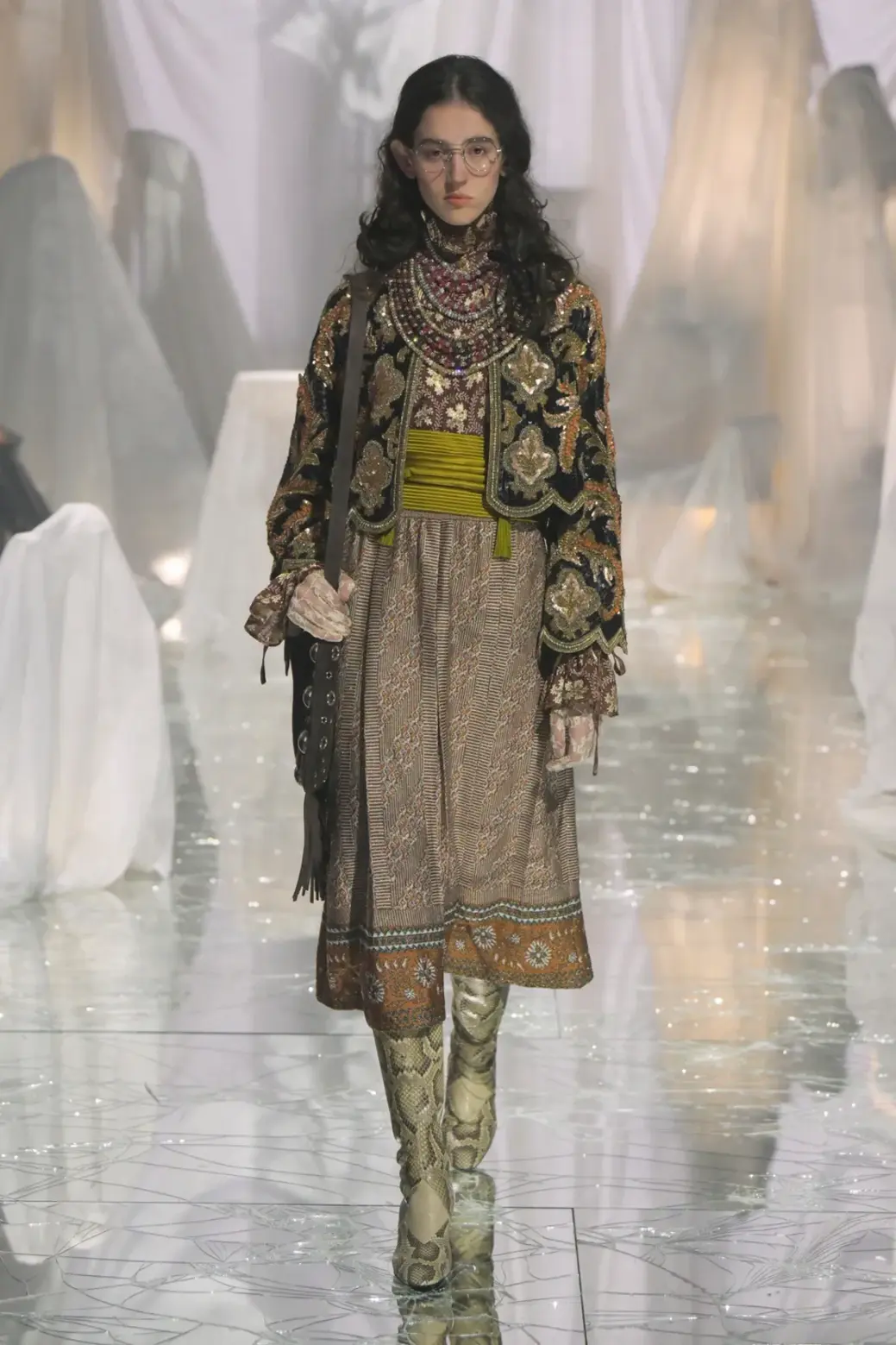
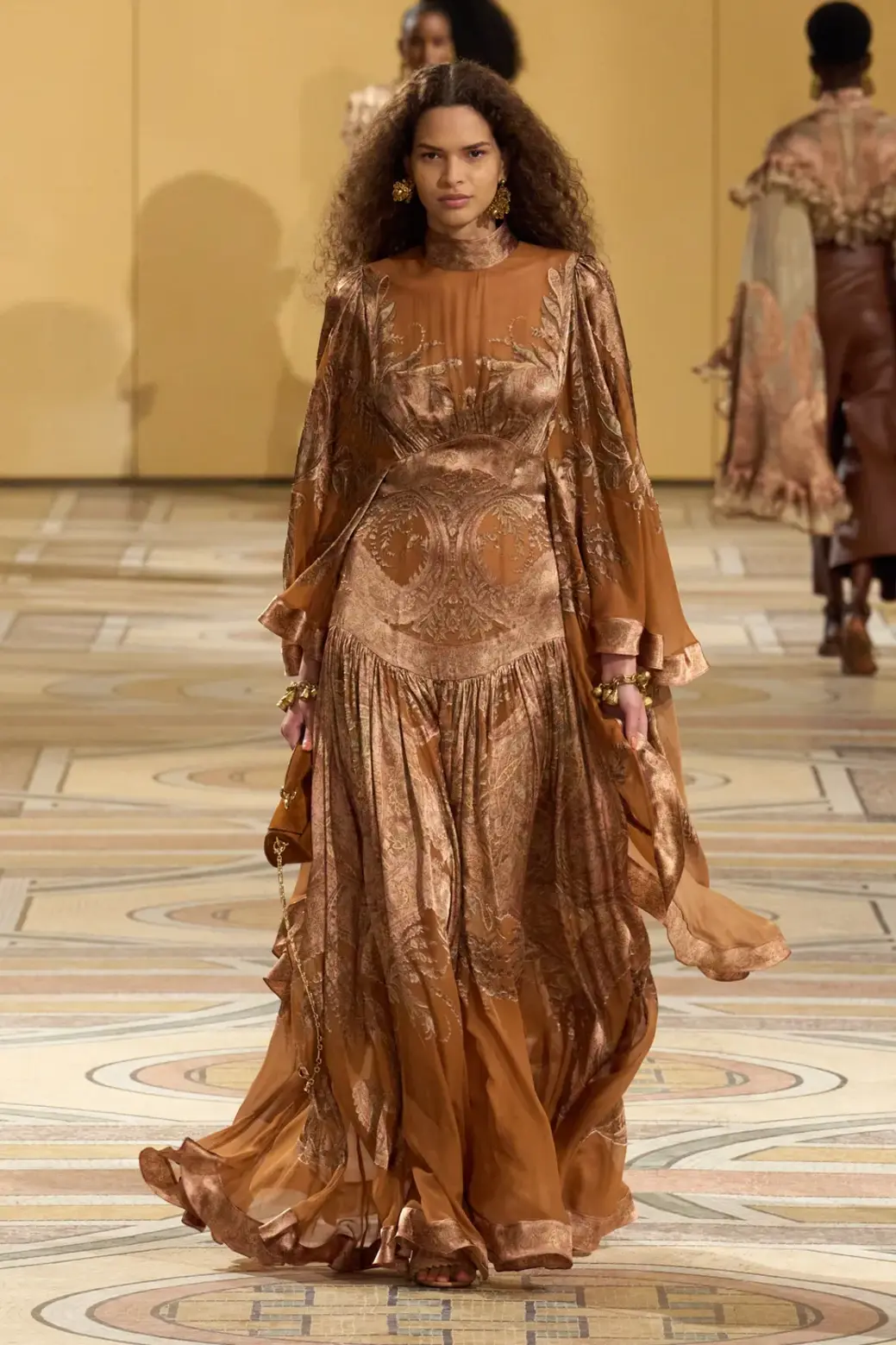
In 2025, Boho-Chic continues to evolve—not by trend, but by instinct. We see it on the runways of
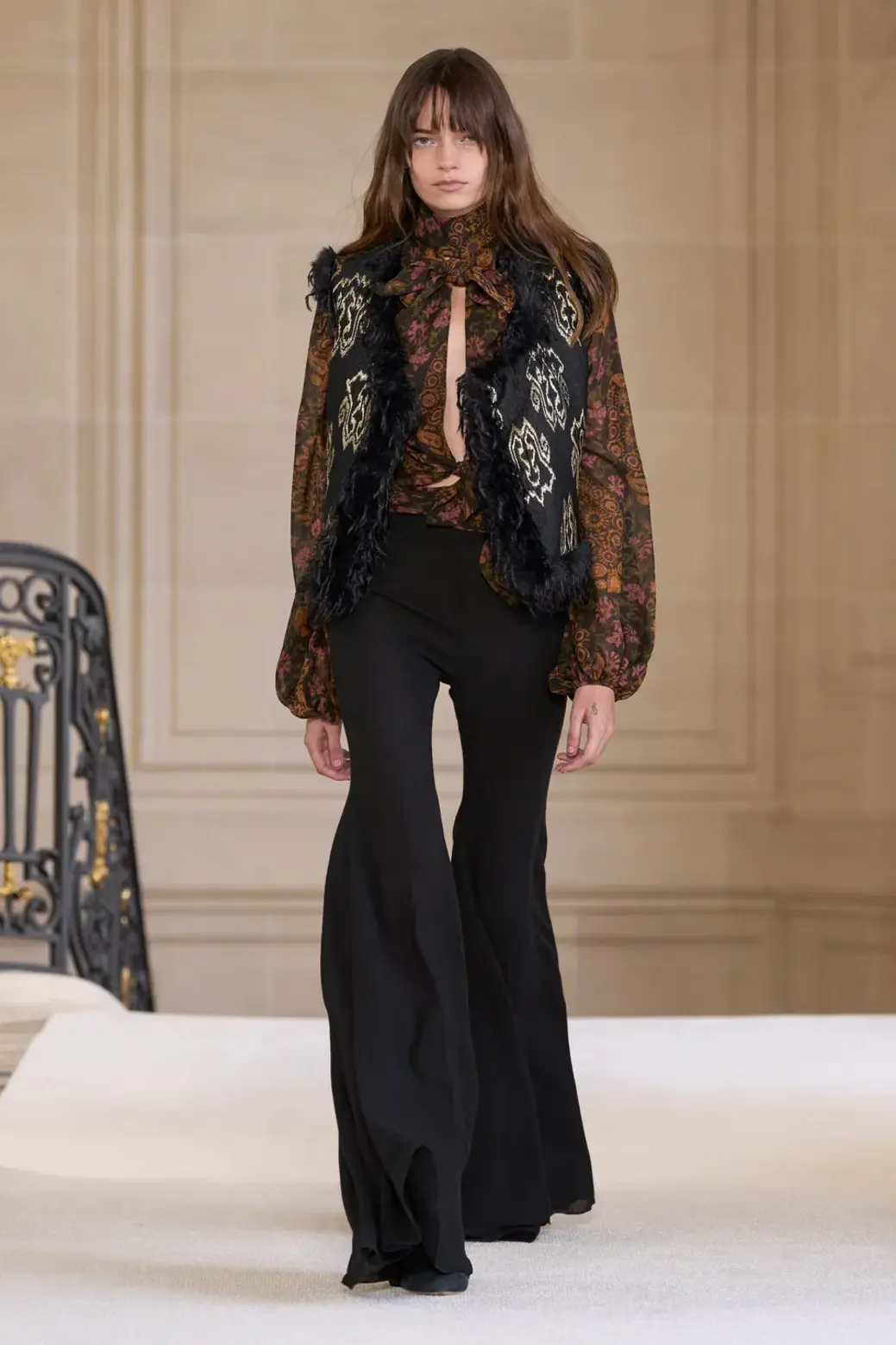

But mostly, we see it on women who choose to be seen, and not simply for their shape or their status, but for their spirit. Boho lives in the artist who weaves her own earrings. In the city girl who wears a fringe jacket to her finance job because rebellion lives under her blazer. In the teenager who scours vintage bins looking not for labels, but for story. Boho-Chic will never die because it was never just about clothes. It’s a portal. A protest. A poem. A dance with history, a nod to the sacred, and a middle finger to the mundane. So wear the tassels. Layer the lace. Stack your silver and let your hair do whatever the hell it wants. Let your outfit shout what your heart already knows.
Advertisement