MENU
Close





Consider two distinct ritualistic encounters unfolding within the gilded perimeters of global luxury, each serving as an entry point into the contemporary sociology of wealth and desire theory.

Consider two distinct ritualistic encounters unfolding within the gilded perimeters of global luxury, each serving as an entry point into the contemporary sociology of wealth and desire theory.
June 4, 2026
Advertisement

Advertisement



In the first vignette, an elite collector surveys her financial ledger, noting an accumulated expenditure exceeding 40,000 euros within the quiet, limestone salons of Hermès. Despite this considerable financial tribute, she remains waiting, lacking an invitation to acquire that ultimate token of cultural capital: a Birkin bag. Her relationship with the house is defined by a lingering tension, a beautiful but agonizing state of suspension.
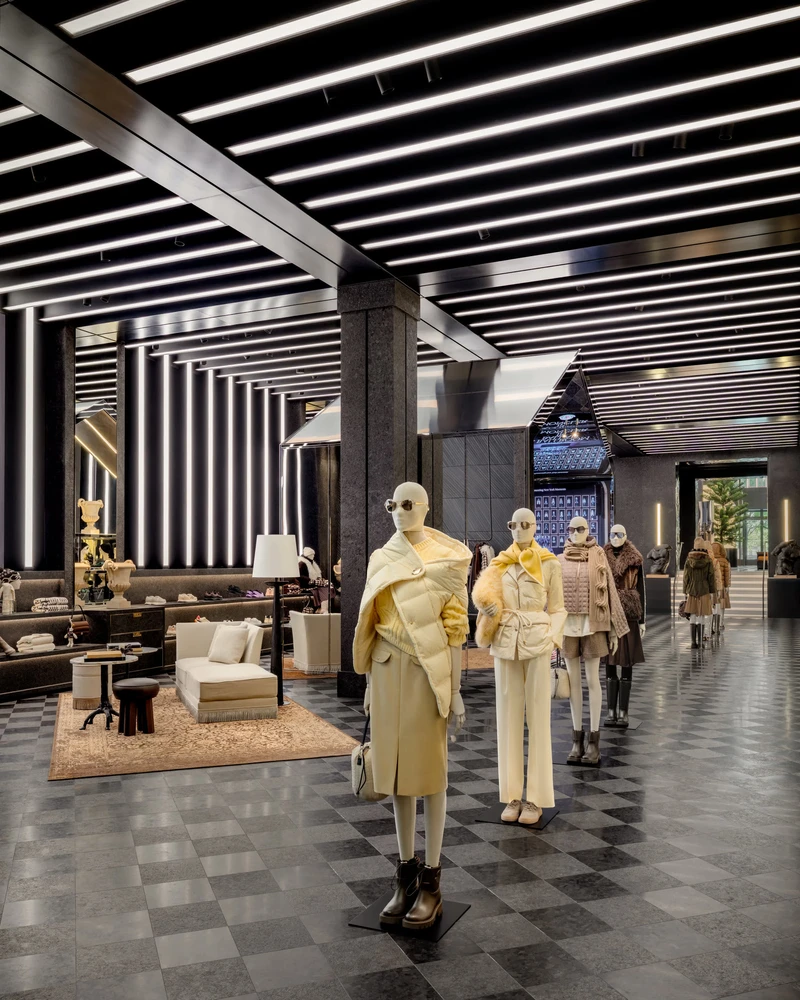
In the second vignette, a contemporary consumer crosses the threshold of a Chanel boutique for the first time. Standing before the mirror, she observes an immediate, visceral reflection of her own contemporary identity within the garments displayed. There is an instantaneous alignment of form, spirit, and utility. She departs holding multiple pieces from Matthieu Blazy’s inaugural collection for the house, her desire satisfied through immediate connection rather than prolonged anticipation.

These parallel realities transcend mere coincidence; they represent the deliberate, highly sophisticated manifestations of two diametrically opposed commercial doctrines dominating the modern landscape of desire theory. In an era where the global luxury sector experiences widespread deceleration, both paradigms are achieving extraordinary validation. This analysis dissects how Hermès and Chanel currently cultivate human longing, proving that in the kingdom of high fashion, distance and intimacy can be equally sovereign.
To comprehend the contemporary allure of Hermès requires a precise examination of its chronological evolution. Introduced to the world in 1984, the Birkin bag spent its formative decade navigating the formidable shadow of Chanel’s established accessories. Its metamorphosis into an absolute cultural monolith occurred during the late 1990s, an era defined by the frantic rise of the "it-bag."
The definitive turning point arrived in 2001, crystallized by a now-legendary television broadcast of Sex and the City. By portraying a five-year waiting list as an elite passport into an exclusive social stratum, popular narrative permanently codified the Birkin mythos.



When consumer demand accelerated to an intensity that rendered conventional waiting lists obsolete, Hermès executed a brilliant strategic pivot. The house replaced the transparent queue with an opaque, unpublicized allocation mechanism. Within this paradigm, individual Sales Associates retain the ultimate authority to determine which clients receive the privilege of purchase.
This structural design operates as one of the most psychologically complex mechanisms in commercial history and a powerful case study in desire theory. Its true efficacy resides less in raw physical scarcity, and more in the profound symbolic weight that this scarcity communicates.
The transaction transcends basic commerce and transforms into an institutional endorsement. When an associate deems a client worthy of a Birkin, the brand signals that it possesses rarefied aesthetic and cultural standards demanding absolute protection.
This rigorous vetting process reframes the eventual purchase as an earned triumph rather than a random commercial transaction. The structural majesty of the object fully vindicates the preceding devotion, turning customers into devoted disciples of the brand's sovereign authority.
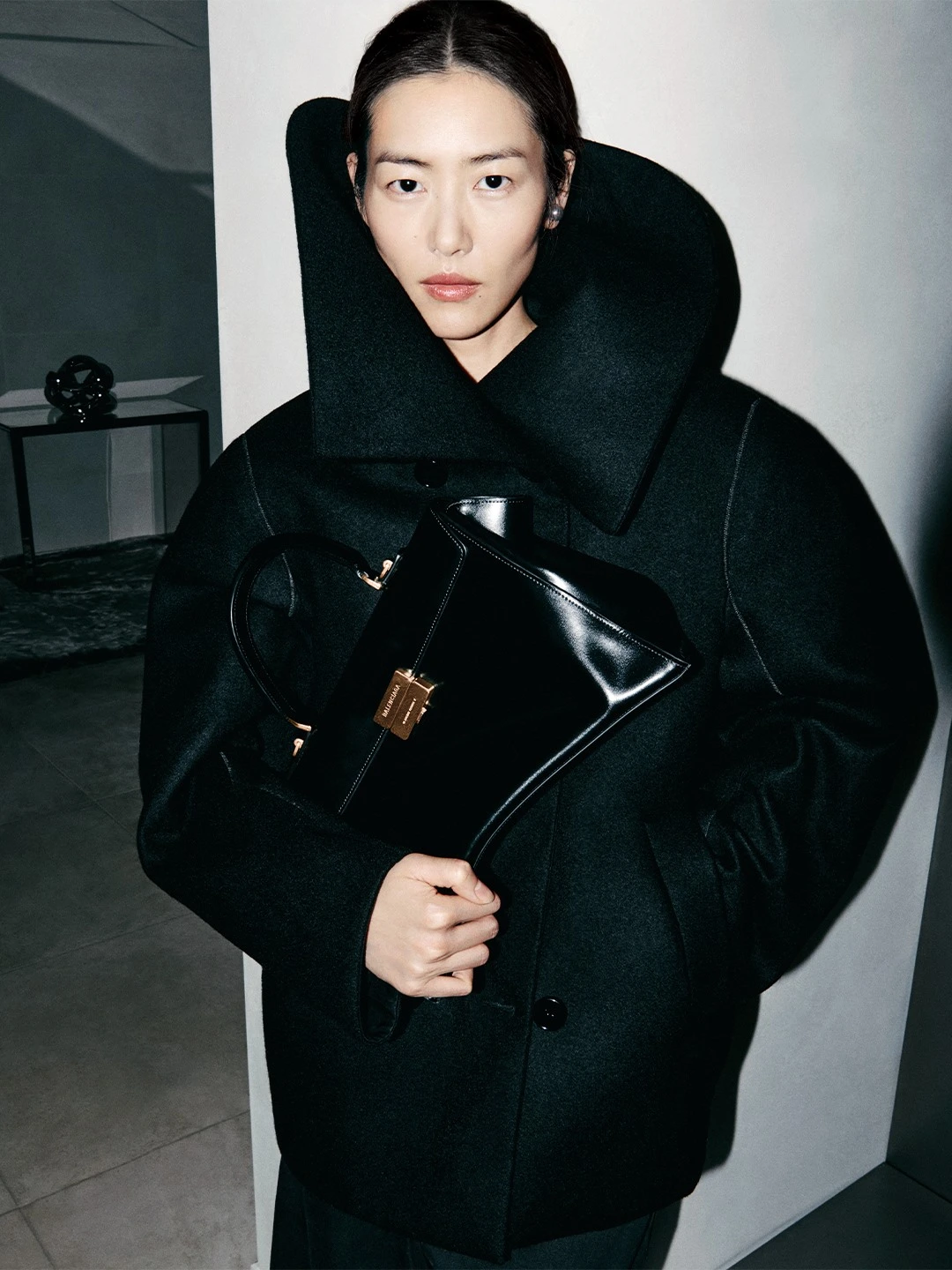
The secondary market continuously validates this institutional methodology, transforming leather goods into blue-chip asset classes. A definitive demonstration occurred at Sotheby’s in Paris, where the original, historically documented Birkin bag belonging to Jane Birkin herself crossed the auction block. The gavel fell at an unprecedented 10.1 million dollars, establishing a monumental record as the most expensive handbag ever sold in auction history.

This historic valuation provides empirical proof of a mythos cultivated across four decades through uncompromising artisanal prestige. A luxury object, when insulated by decades of deliberate structural friction, ceases to behave as merchandise and begins to function as stable capital. The market rewards the brand's resistance to acceleration, confirming that absolute distance yields absolute value.
The 10.1 million dollar Sotheby's realization demonstrates that a luxury object, when insulated by decades of deliberate structural friction, ceases to behave as merchandise and begins to function as sovereign currency.
Yet, maintaining this degree of absolute institutional distance introduces distinct vulnerabilities within desire theory. The consumer who remains without a Birkin despite a substantial 40,000 euro expenditure encounters an intense psychological reality. Her perception of personal value becomes deeply entangled with an institution that systematically defers her validation.
For a specific archetype of luxury patron, this ongoing tension constitutes the primary appeal; the desire intensifies precisely because the brand maintains its distance. For others, however, this continuous deferral begins to feel less like an elite privilege and more like systemic alienation, risking the long-term goodwill of highly affluent patrons.
While Hermès maintains a philosophy of absolute distance, Chanel has historically occupied a more complex, ambiguous space. The house historically eschewed the rigid, gatekeeping mechanisms popularized by its equestrian peer, yet its historical narrative occasionally projected an aura of profound insularity. Under previous creative stewardship, the brand frequently gave the impression of conversing with an increasingly narrow, highly specialized demographic, prioritizing historical re-enactment over contemporary relevance.
The appointment of Matthieu Blazy, marking only the fourth distinct design leader to guide Chanel since its historic inception in 1910, signals a profound conceptual realignment. Throughout his presentations, Blazy demonstrates a keen awareness of a vital contemporary reality: in the current cultural landscape, genuine desire is stimulated through empathy and immediate self-recognition, rather than through external validation or institutional vetting.
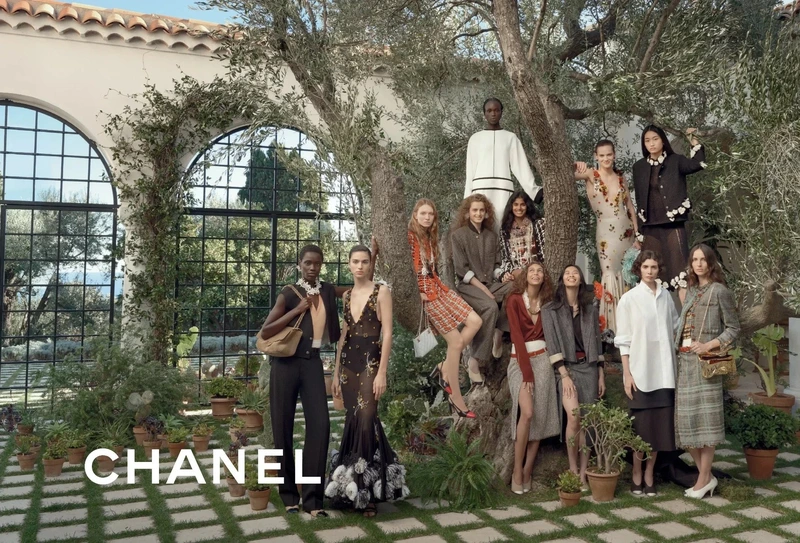
The consumer who confidently exited the boutique with multiple pieces from Blazy’s debut collection did so because the garments offered an immediate mirror to her lived experience. This reflects a masterful strategic reinterpretation of the house's foundational heritage and a distinct evolution in desire theory.
Gabrielle Chanel originally secured her place in history by liberating the female form from restrictive, patriarchal architectures. She introduced fluid trousers during an era that viewed them as radical subversion, pioneered the functional shoulder bag to grant physical autonomy, and engineered garments designed for active movement rather than passive ornamentation.

Blazy masterfully translates this foundational philosophy for the modern era. This vision manifested clearly within his collection and its Chanel 25 campaign, which featured Margot Robbie styled in relaxed denim paired with the house's iconic tweed jacket. The imagery presented a woman commanding her attire, a stark contrast to a wardrobe dominating the wearer.
Certain legacy collectors criticize this creative direction, characterizing the inclusion of denim as an excessive concession to the ordinary. However, viewed through the historical lens of Gabrielle Chanel’s original principles, Blazy’s approach emerges as a highly authentic interpretation of the house spirit. By replacing intimidation with immediate relatability, Chanel asserts that true luxury recognizes the inherent worth of the individual prior to the transaction.
The fiscal realities of the luxury market confirm that both approaches yield extraordinary success, even when operating on entirely contradictory principles. The economic data underscores a profound truth: there is no singular path to dominance in the high-end sector; instead, success belongs to absolute clarity of execution.
During a challenging fiscal period wherein the broader luxury sector experienced widespread contraction, Hermès posted an impressive nine percent revenue increase at constant exchange rates, reaching sixteen billion euros, equivalent to approximately 18.6 billion dollars. The mechanics of scarcity and calculated distance continue to deliver exceptional fiscal resilience.
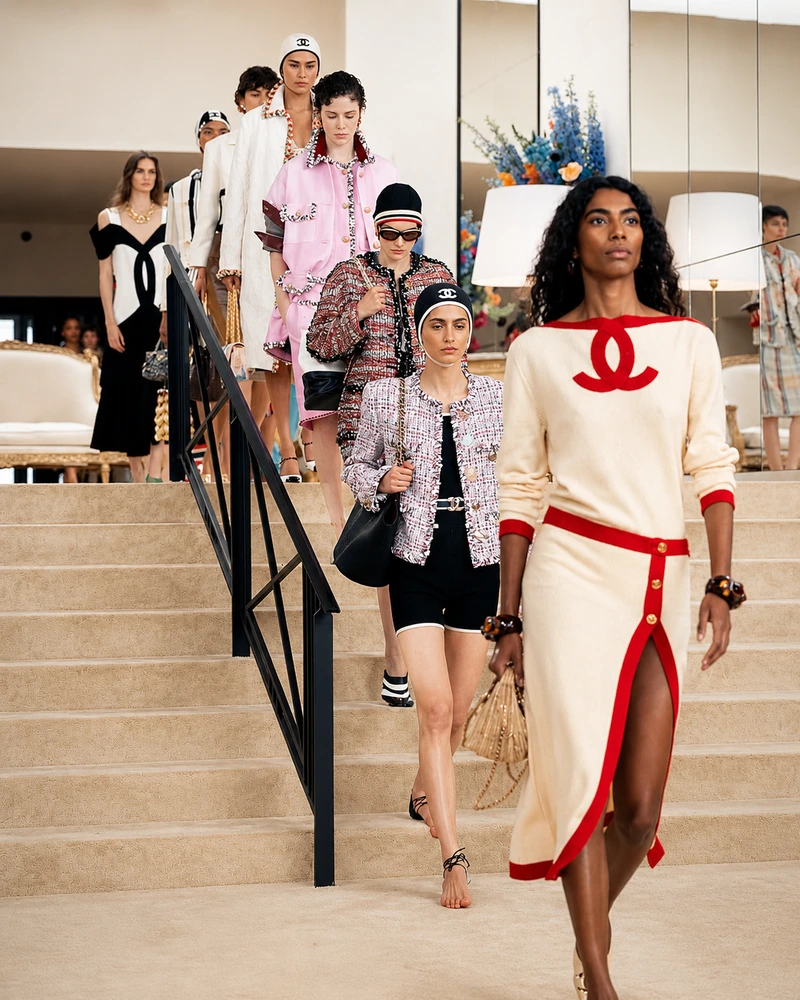
This model succeeds for Hermès because it relies on an irreplaceable confluence of generational craftsmanship, extreme physical limitation, and an inimitable brand mythology, assets requiring centuries to mature.
Simultaneously, Chanel’s evolution under Matthieu Blazy demonstrates immense commercial strength. By revitalizing the ready-to-wear sector and fostering an atmosphere of empathetic closeness, Chanel has secured sustained market outperformance.
The strategy captures a highly lucrative segment of the market within desire theory: consumers who demand immediate aesthetic satisfaction and functional relevance over the psychological games of allocation. The brand's ability to drive high-volume engagement through ready-to-wear innovations establishes a robust, highly diversified revenue stream that balances their legendary accessories business.
Advising competing luxury houses to blindly duplicate the Hermès blueprint represents an incredibly hazardous path. The willingness to alienate a rising generation of affluent consumers is a luxury few brands can afford. Attempting to manufacture desire through artificial distance without possessing the accompanying centuries of artisanal mythology frequently results in market irrelevance rather than elevated prestige. Distance without divinity is merely bad customer service.
Conversely, a strategy of total accessibility carries its own intrinsic hazards. Genuine desire requires a baseline level of aesthetic and intellectual friction. When a product is instantly available to all consumers without intellectual or emotional engagement, it loses the symbolic gravitas that rendered it desirable in the first place. The future of sustainable luxury commerce resides within the sophisticated middle ground between these two extremes, a concept defined here as Earned Intimacy.
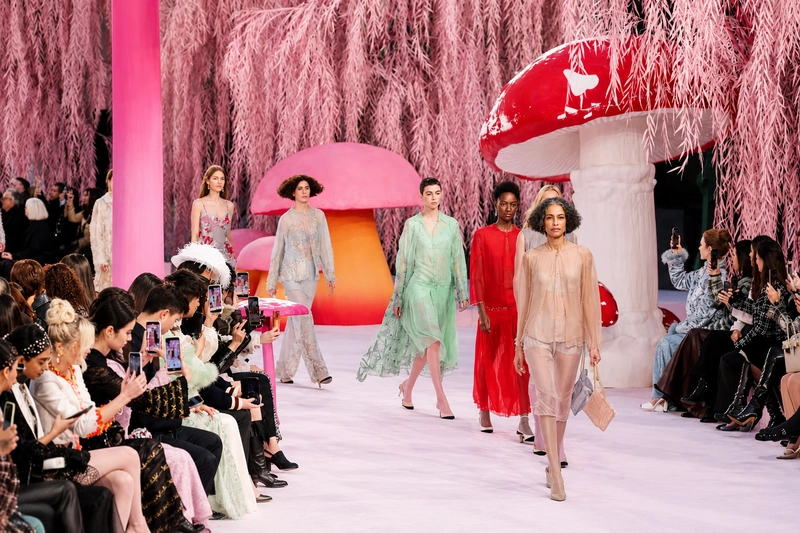
Earned Intimacy defines a brand ecosystem where consumers experience a profound sense of personal recognition while simultaneously encountering intellectual and aesthetic challenges. Within this framework, access is regulated not by financial capital or arbitrary social gatekeeping, but through genuine engagement.
The brand challenges the consumer to comprehend its deeper historical, artistic, and philosophical references, requiring active participation in the broader cultural conversations nurtured by the house. Through this process, the consumer develops a genuine appreciation for the complex material and structural choices embedded within the creations.
Implementing this standard represents a far more formidable creative challenge than managing a closed allocation system or opening boutique doors to the mass market. It demands absolute creative courage and the patience to allow symbolic meaning to accumulate organically over time, eschewing temporary marketing spectacles or synthetic scarcity. The current trajectory of Chanel under Matthieu Blazy represents the industry’s most serious attempt to realize this sophisticated third path within the highest echelons of luxury and desire theory. Whether the institution grants Blazy the sustained tenure and structural autonomy required to fully mature this empathetic model remains an essential narrative to observe. Similarly, whether competing luxury institutions are analyzing his progress with sufficient critical attention remains an entirely open question.
Advertisement