MENU
Close





The story of suede fabric begins with animal hide, human touch and the desire to turn a raw skin into something soft enough to wear.

The story of suede fabric begins with animal hide, human touch and the desire to turn a raw skin into something soft enough to wear.
August 2, 2026
Advertisement

Advertisement



Suede reveals its magic through a deeply tactile surface, presenting profound matte colours and shifting visual appearances under the hand. This material claims a permanent, beloved presence across jackets, shoes, bags, gloves, and luxury accessories. Genuine suede technically classifies as leather, although the commercial phrase suede fabric frequently drives consumer searches today.
The name also describes synthetic textiles imitating this exact sensory experience. This complete dictionary guide explores every dimension of the material in detail, covering its precise definition, manufacturing journey, core characteristics, cultural history, distinct varieties, contemporary fashion applications, and essential care practices for guaranteed longevity.
Experts formally define suede as leather or split leather mechanically finished to create a wonderfully soft, velvet-like nap. This nap consists of short, raised fibres visible across the material’s surface. Brushing these fibres in opposing directions bends them to catch or reflect light, creating beautiful alternating light and dark areas. The market offers distinct categories, including genuine suede leather, faux suede fabric, microsuede, and various other suede-effect textiles.
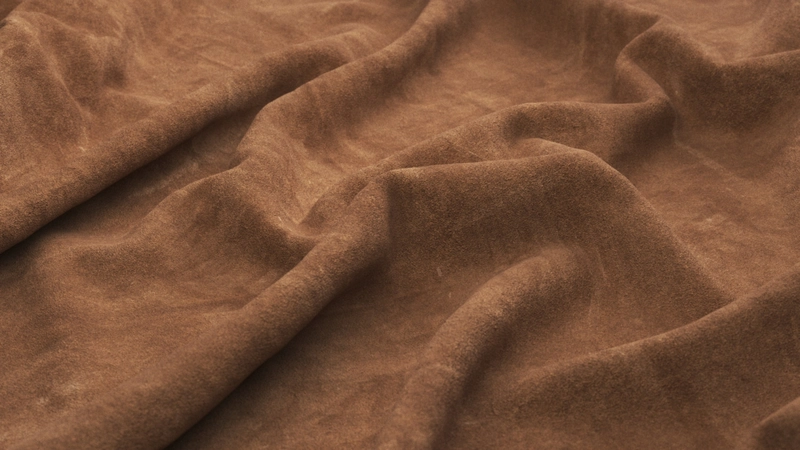
The popular commercial phrase suede fabric carries inherent contradictions because it blends leather reality with textile terminology. Genuine suede emerges purely from natural animal hide, distinguishing it entirely from textiles constructed through woven or knitted artificial fibres.
Creating genuine suede requires complex, intentional processing, moving far beyond simply turning a complete leather hide inside out. The material’s defining identity rests on its supreme softness, matte finish, and graceful flexibility. Suede feels intensely tactile and holds a profound, absorbing richness in colour depth. At the same time, this open-fibre structure makes the surface highly sensitive to water, oil, and environmental dirt.

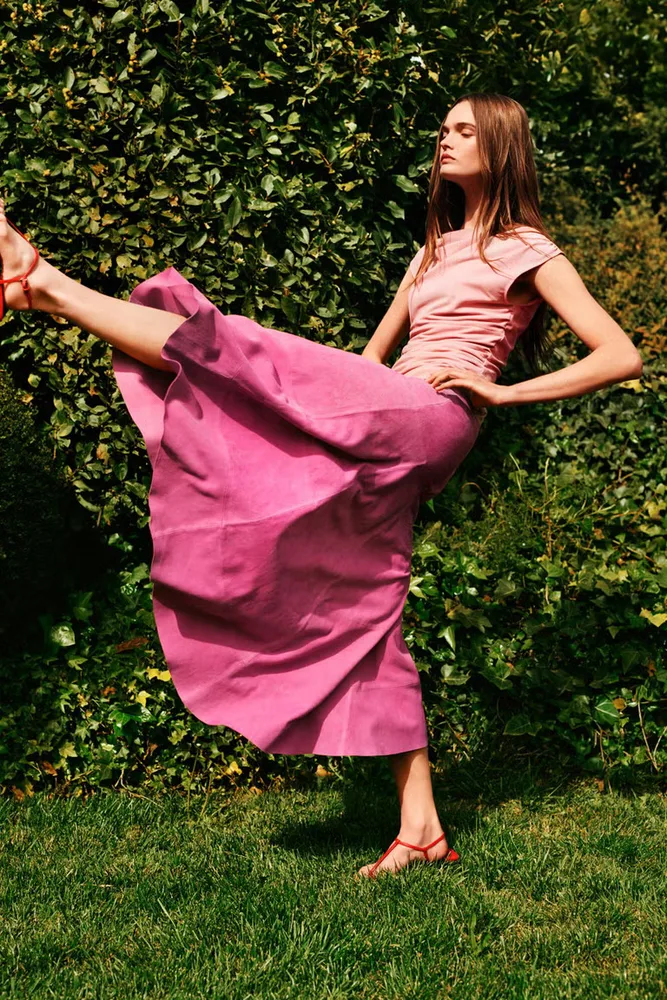
Understanding these exact properties allows consumers to fully appreciate the material's unique position in the luxury landscape. Designers celebrate these exact qualities, embracing the delicate balance between exquisite sensory appeal and required maintenance. This dynamic interplay between vulnerability and beauty defines the modern luxury experience, offering wearers a deeply personal connection to their garments and accessories.
The journey begins with the complex structure of animal hide, featuring a smooth grain side, a rough flesh side, and a dense collagen fibre network between them. Tanneries divide thick hides horizontally to maximize utility.
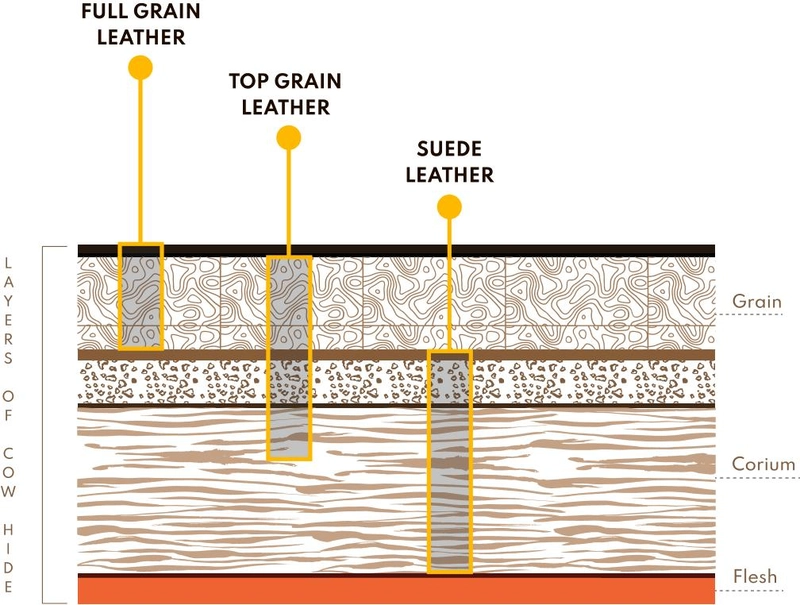
This process yields specific layers: the grain split on top, the middle split, and the bottom flesh split. Artisans produce suede fabric either by utilizing a split layer or by working the flesh side of an intact piece of leather. Manufacturers source hides from various animals, primarily relying on lamb, goat, calf, cow, pig, and deer.

The production of suede fabric requires a precise sequence of stages. Tanneries start by cleaning and preparing the hide, followed by thorough hair and tissue removal. Tanning stabilizes the collagen structure. The splitting process divides the hide, and shaving brings it to a uniform thickness.
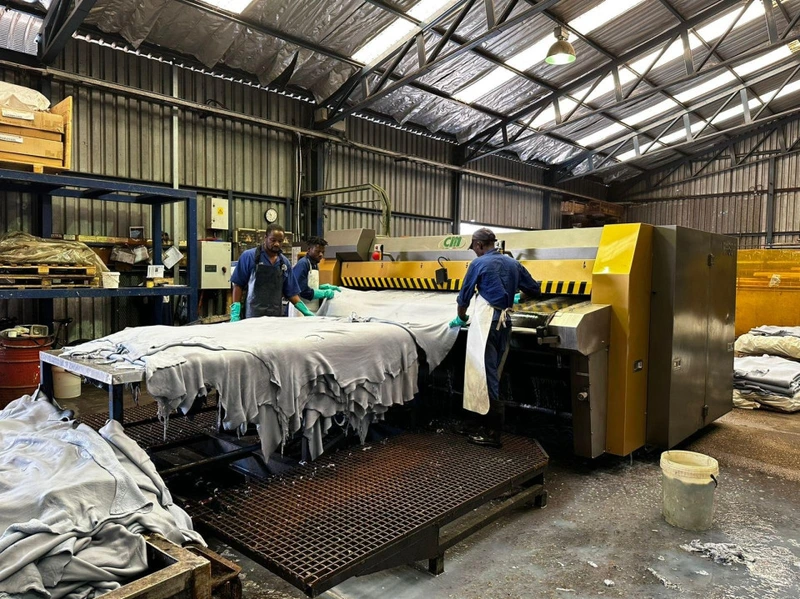
Workers then proceed with retanning and dyeing, infusing the material with vibrant hues. Adding oils restores suppleness, leading into the drying phase. Mechanical softening relaxes the leather, preparing it for buffing or sanding. Brushing the nap completes the visual effect, and applying optional protective treatments enhances resistance to the elements.
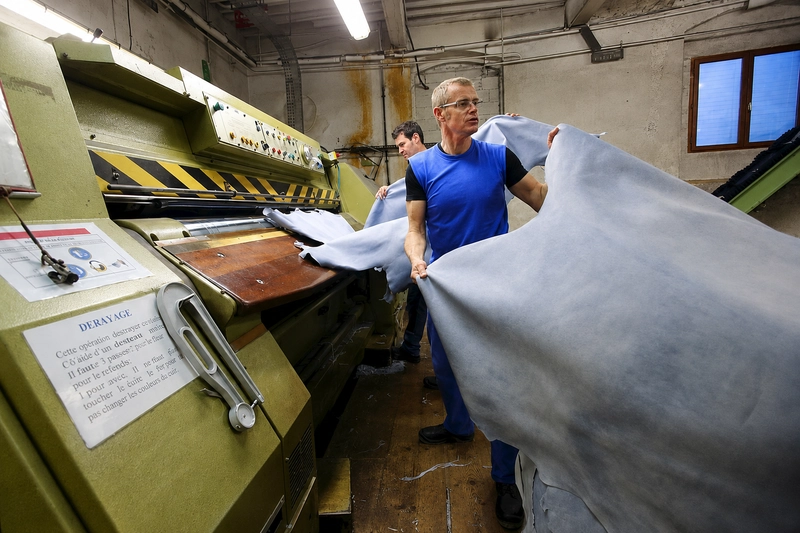
The sanding intensity directly changes the resulting nap. Fine sanding creates a shorter, exceedingly smooth surface, while coarse sanding produces a longer, more rugged texture. Every step in this manufacturing process dictates the final material quality. High-end production guarantees supreme colour consistency, luxurious softness, optimal fibre density, and lasting durability.
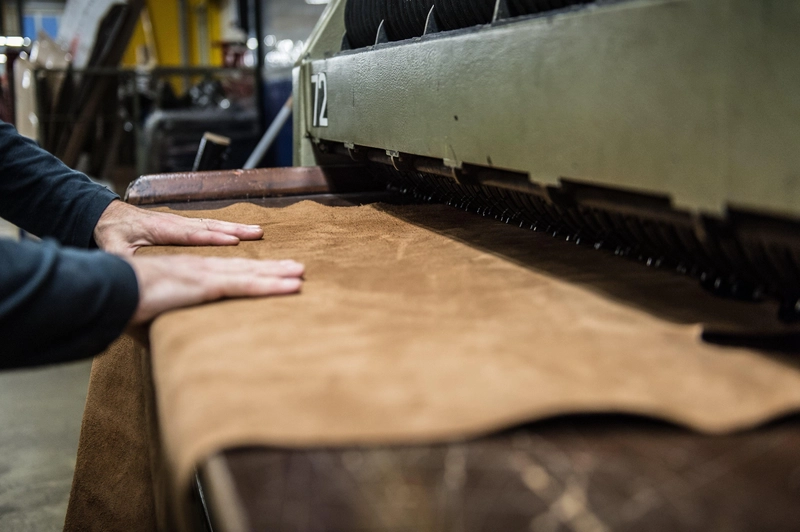
By controlling the sanding wheels with expert precision, craftsmen ensure the fibres stand upright, creating the signature velvety touch. This dedication ensures each finished hide brings exceptional beauty and warmth to the designer's table. The intense labour invested in these transformation stages elevates the raw skin into a highly coveted fashion resource, ready to be moulded into striking luxury pieces.
Suede fabric captivates the senses through its extraordinarily soft, warm, and slightly cushioned hand. Fine suede closely mirrors the luxury of velvet, whereas coarser variations present a wonderfully dry, earthy, and rugged aesthetic. This texture brings profound emotional and sensory value to fashion, inviting constant touch.
The material’s matte appearance emerges as fibres beautifully diffuse incoming light. This optical effect gives immense depth to classic shades like brown, camel, burgundy, olive, and black. Furthermore, bright and vivid colours look softer and more harmonious on suede compared to the harsh reflections of polished leather.
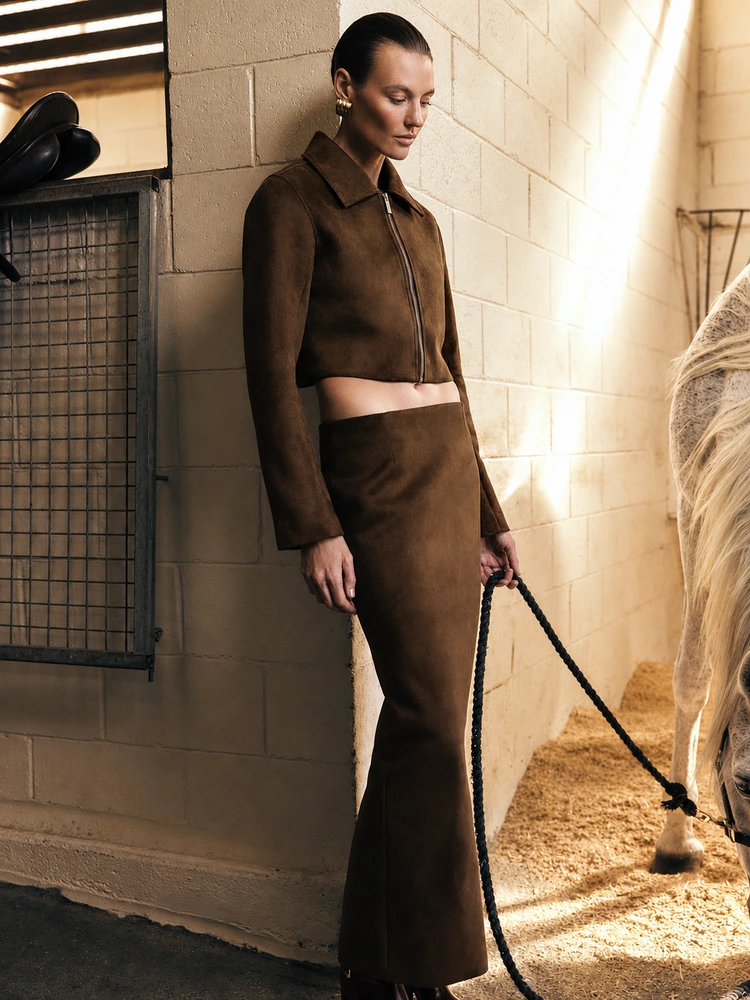

The directional nap creates a fascinating two-tone visual effect upon brushing. Pattern makers must carefully cut garment panels facing the same direction to ensure a uniform appearance. Alternatively, avant-garde designers manipulate this nap direction intentionally to create subtle, textured blocking effects.
Flexibility and drape vary significantly across different applications. Lightweight garment suede flows gracefully, while thicker footwear suede provides essential rigidity. The specific animal source, thickness, oil content, and tanning methods directly dictate the drape. Suede fabric possesses the versatility to fall softly around the body or hold a highly structured, architectural shape.
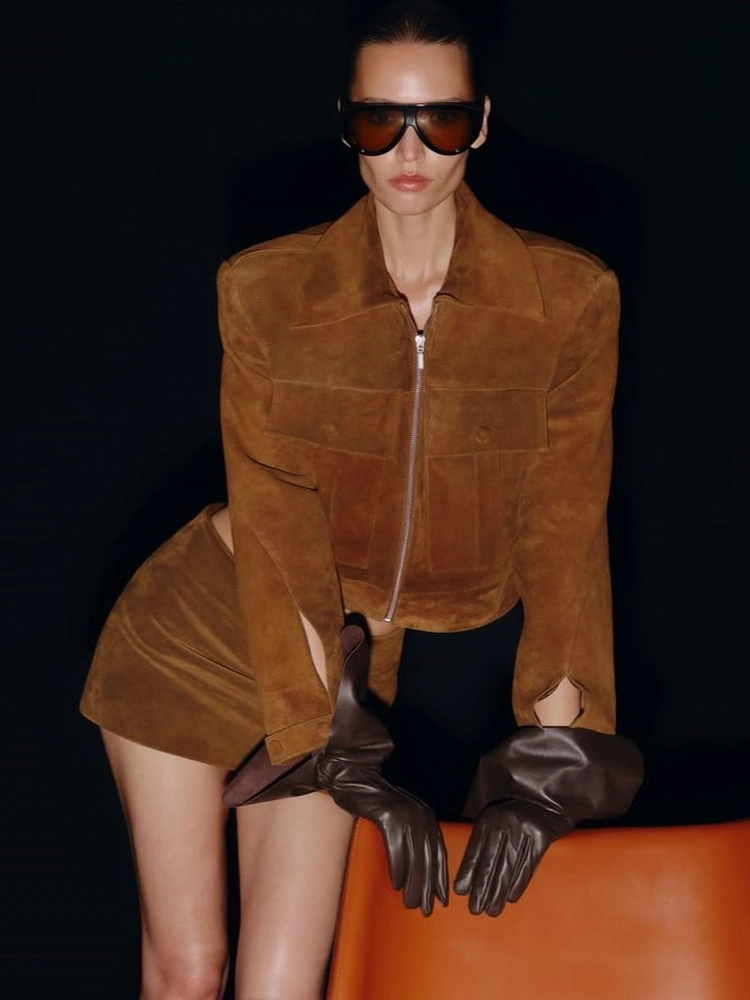

Certain performance realities accompany this beauty. Suede actively absorbs moisture and allows oil penetration. The textured surface accumulates dust and sometimes experiences colour transfer. High-friction areas eventually develop a flattened nap. Irregular drying leads to visible tide marks, and some split suedes exhibit diminished structural strength.
Applying professional protective treatments improves environmental resistance, preserving the material’s elegance while acknowledging its delicate, demanding nature. Enthusiasts embrace these traits, understanding that the fabric's vulnerability ties directly to its exquisite breathability and authentic, lived-in charm. The surface acts as a visual memory board, recording the wearer's daily movements and accumulating a distinctive patina that enhances the item's individual character over time.
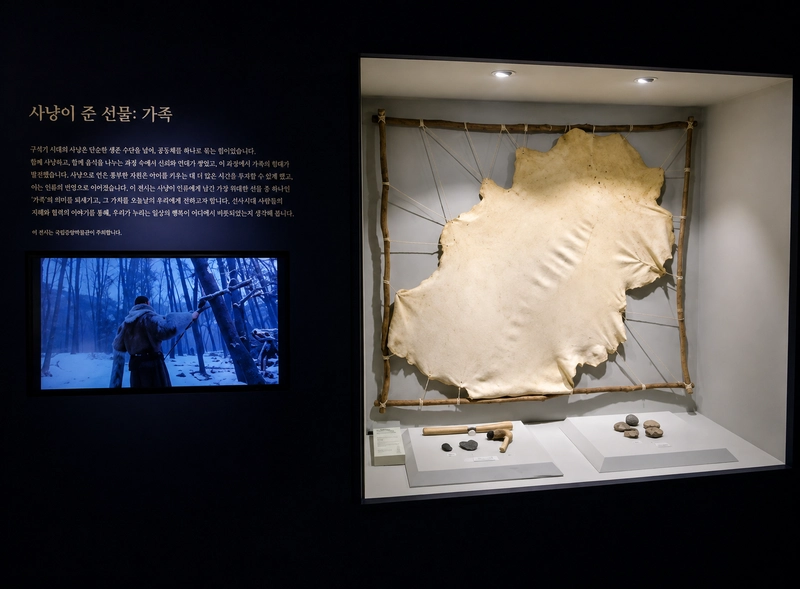
Long before its current name, human history featured scraped, reversed animal skins, standing as the technical predecessors of suede. Archaeological evidence shows that people were using specialised stone scrapers to process animal hides around 400,000 years ago, removing flesh and preparing the surface so the skin could be softened and used for protection. Modern suede fabric relies entirely on controlled tanning, splitting, dyeing, and mechanical buffing, separating it from ancient napped hides.
During the mid-19th century, the French expression gants de Suède, meaning gloves from Sweden, identified exceptionally soft Swedish-style accessories. English speakers adopted this phrase by 1859. Suede appeared as an adjective by 1874. Merriam-Webster records its English noun use in 1883, and Etymonline places the trade noun around 1884. Suede shoes were receiving mentions by 1885.

In the early 20th century, the name expanded beyond gloves to encompass footwear and clothing. This expansion accompanied improvements in industrial tanning, hide splitting, sanding, and commercial dyeing. Suedette, recorded from 1908, emerged as an early imitation material, initiating the continuing history of genuine versus synthetic varieties.
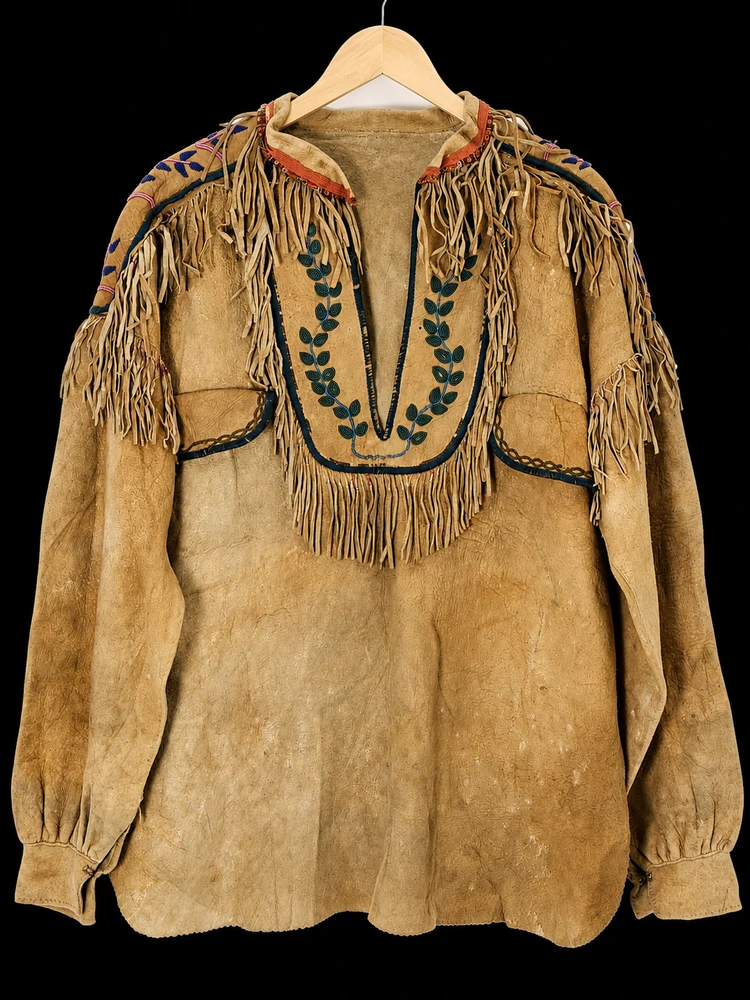
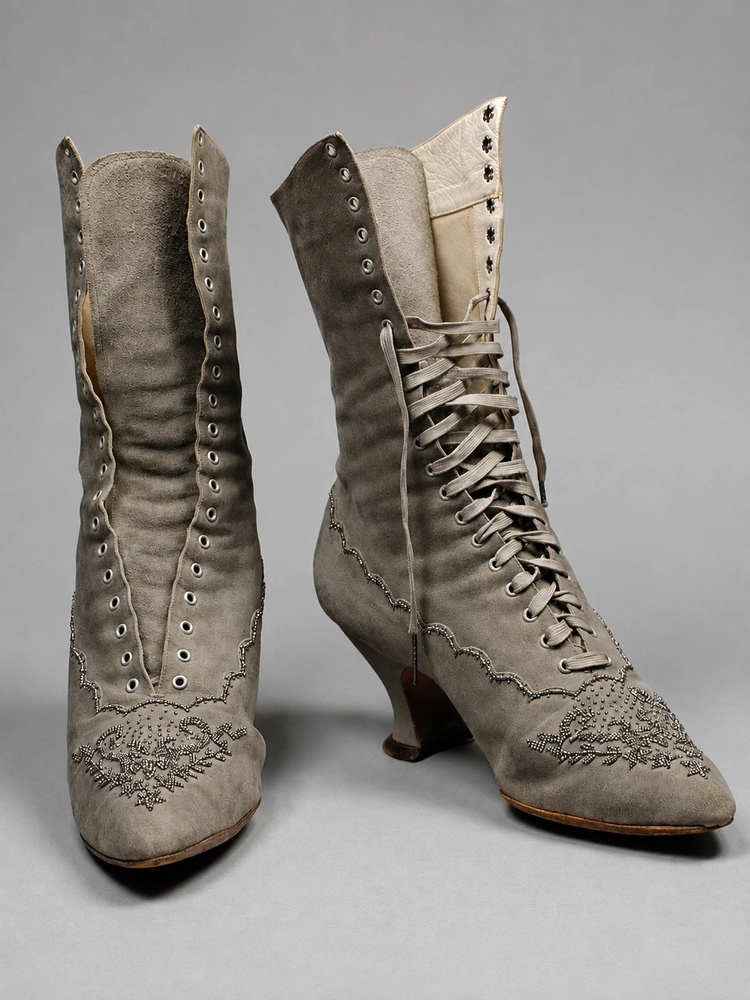
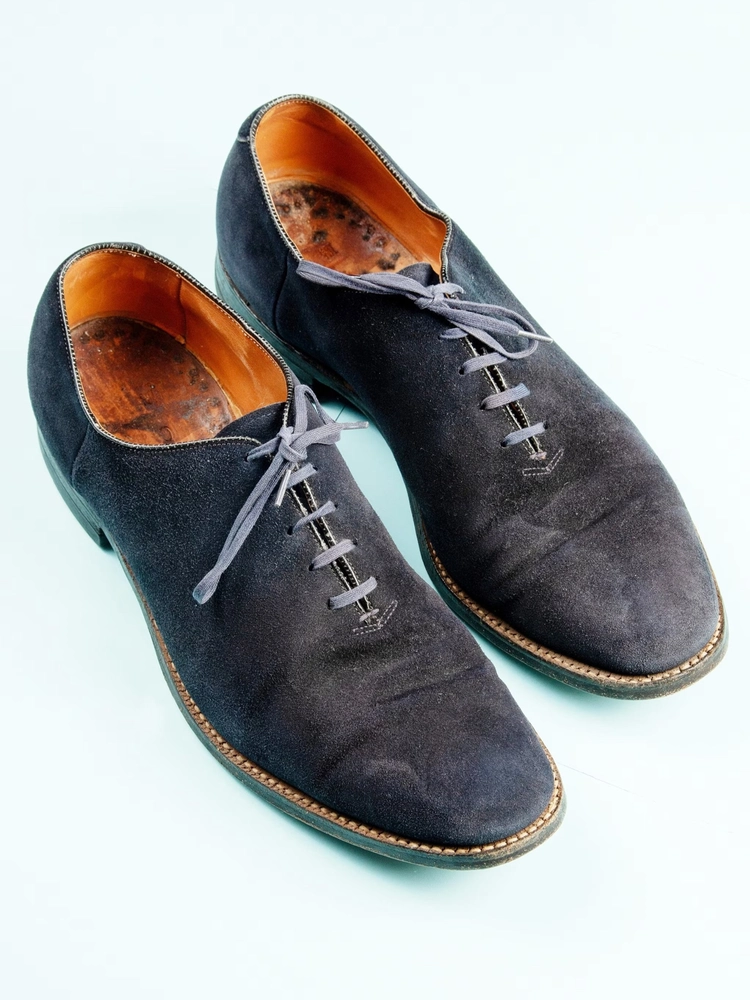
In 1955, Carl Perkins recorded “Blue Suede Shoes,” transforming suede footwear into a potent symbol of youth, pride, and rock-and-roll rebellion. Elvis Presley’s 1956 version carried this image into global popular culture. Suede fabric transcended mere material description to become a vital cultural identity.
By the mid-1960s, suede became central to folk, Western, countercultural, and handcrafted dress. Fashion embraced suede jackets, miniskirts, boots, patchwork, and fringe alongside headbands and Afghan coats. Ossie Clark designed a definitive suede jacket around 1966, introducing the material to experimental London fashion through precise cutting and youthful glamour.
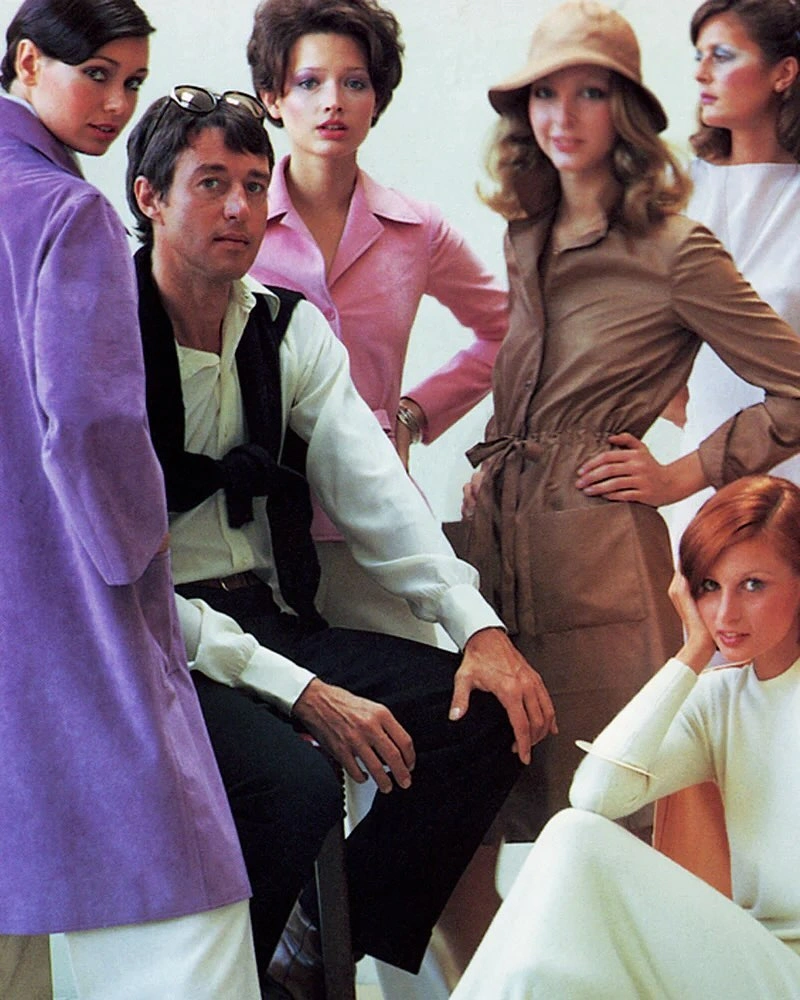
In the 70s, Halston changed history with Ultrasuede, a completely synthetic textile kept separate from genuine leather. He utilized its lightness, uniformity, and ease of care to create fluid dresses and sportswear, moving the suede look beyond heavy leather construction.
Genuine suede fabric varieties span a broad spectrum, encompassing double-face suede, garment suede, and footwear suede. Each category serves specific structural requirements.
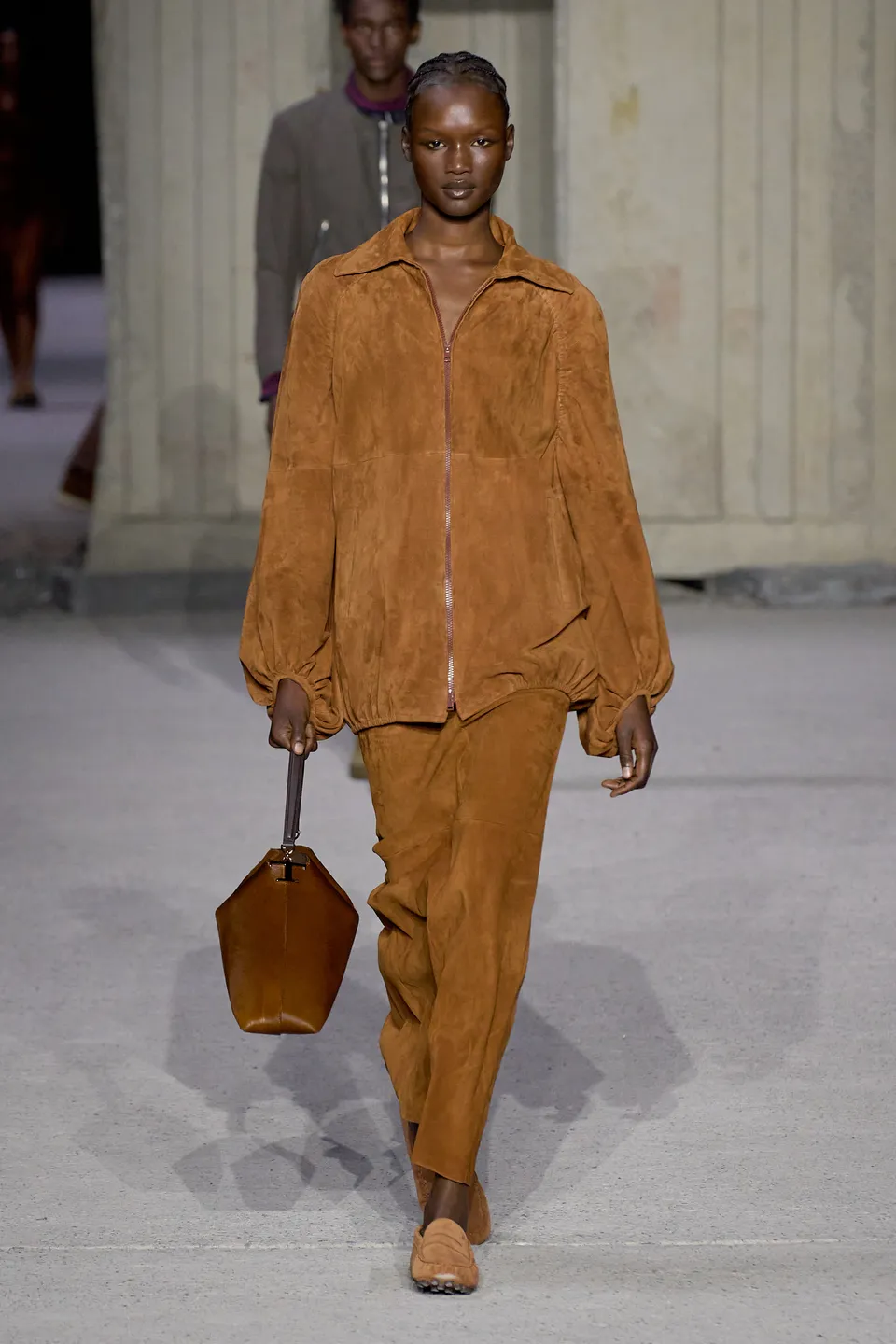
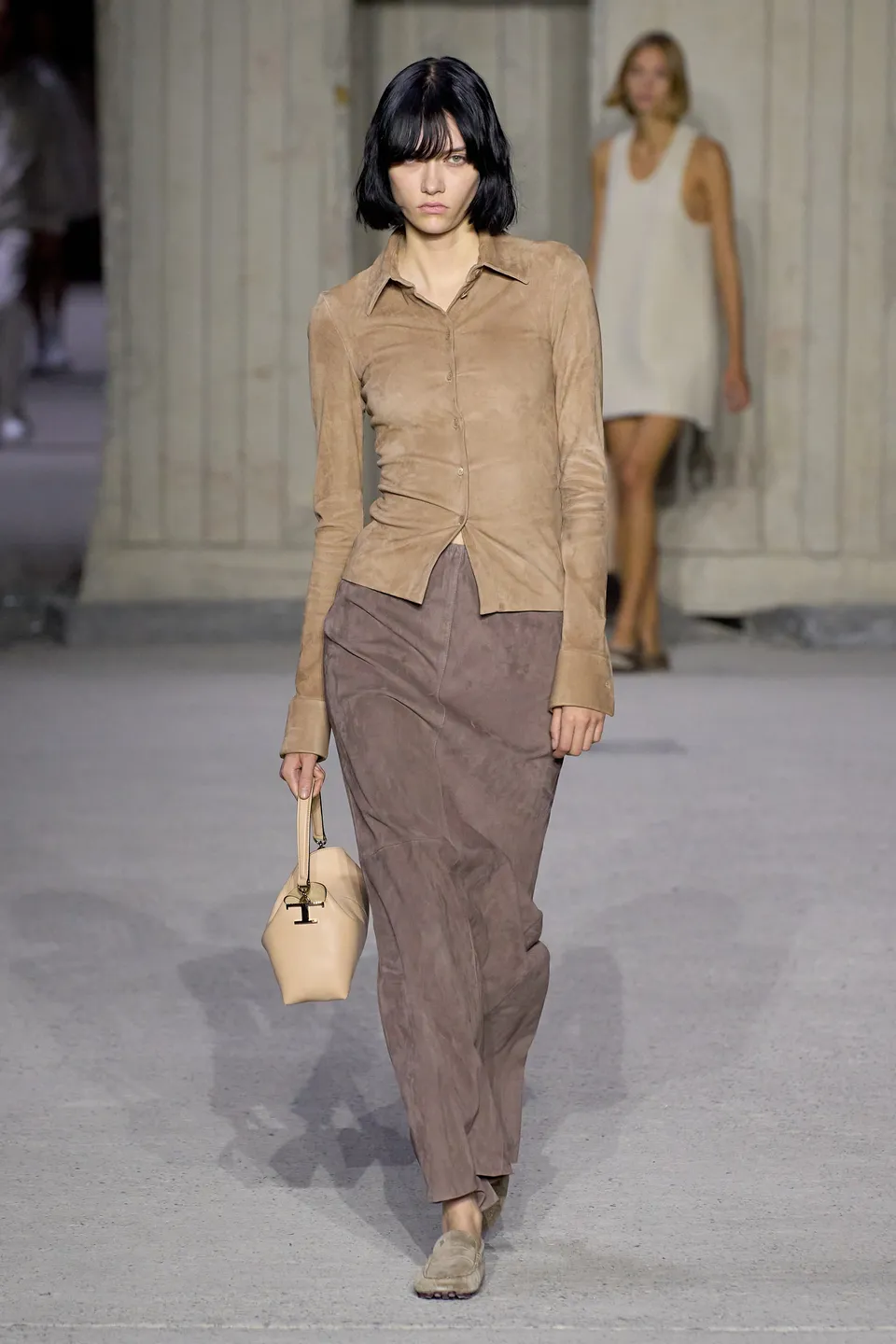
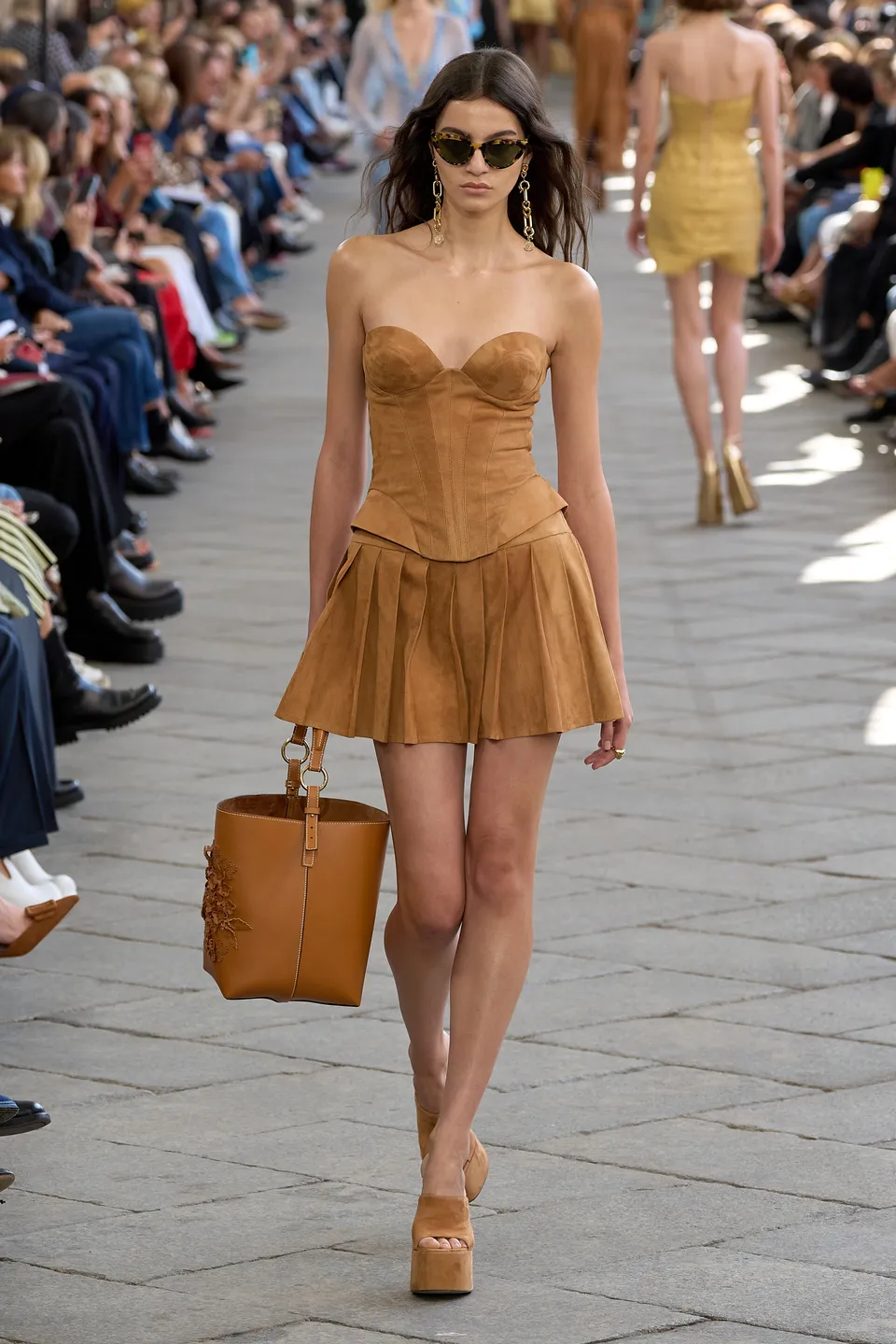
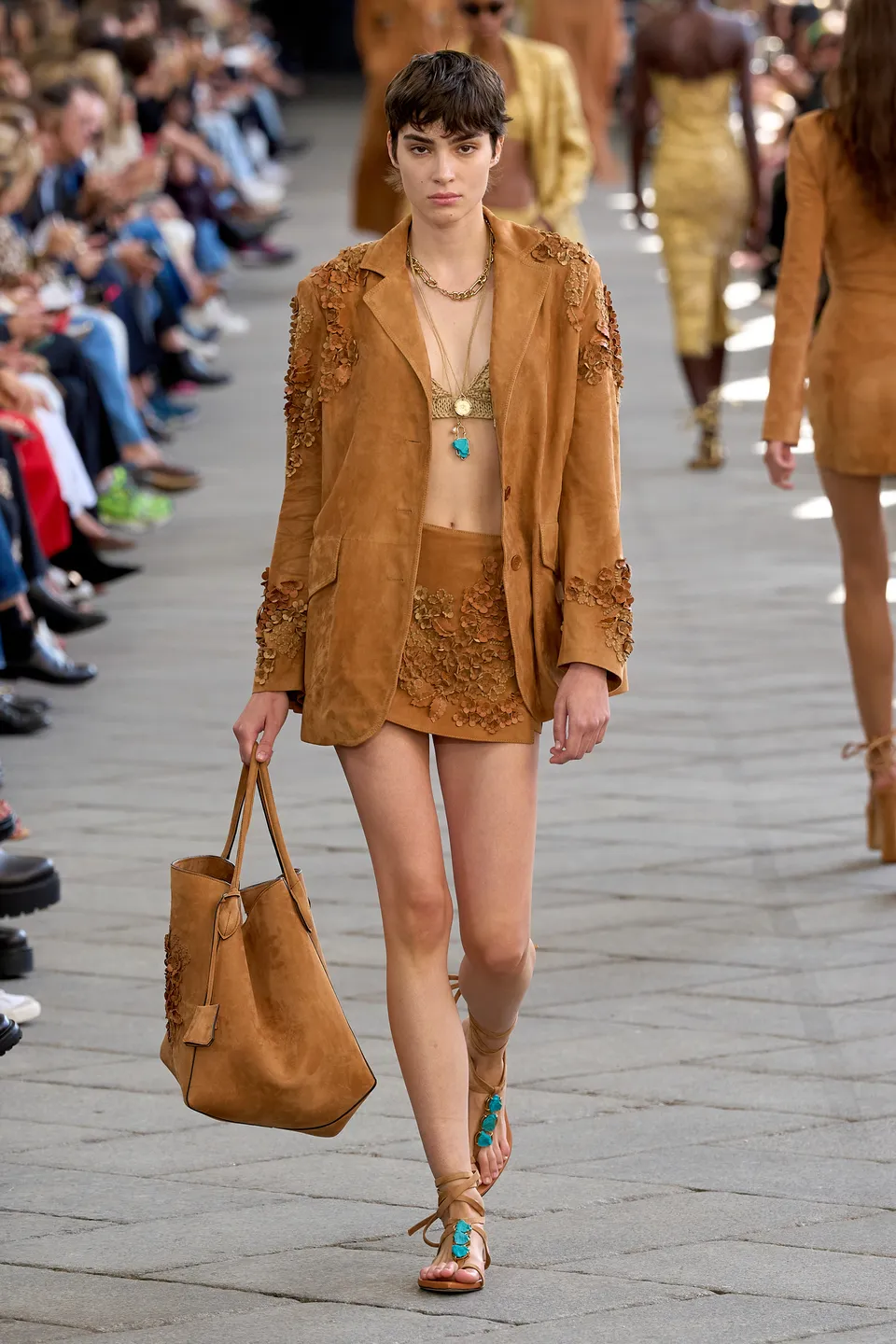
Evaluating suede by animal source reveals distinct characteristics. Lamb suede feels remarkably lightweight and soft. Goat suede offers a fine yet resilient texture. Calf suede presents a dense and refined surface. Cow suede grows thicker, making it highly common in durable footwear or heavy bags. Pig suede remains identifiable through its visible follicle pattern. Deer suede feels supremely supple, remaining strongly associated with luxury gloves or specialist garments. The animal type alone provides a partial measure of final quality, as tanning and finishing play equally critical roles.
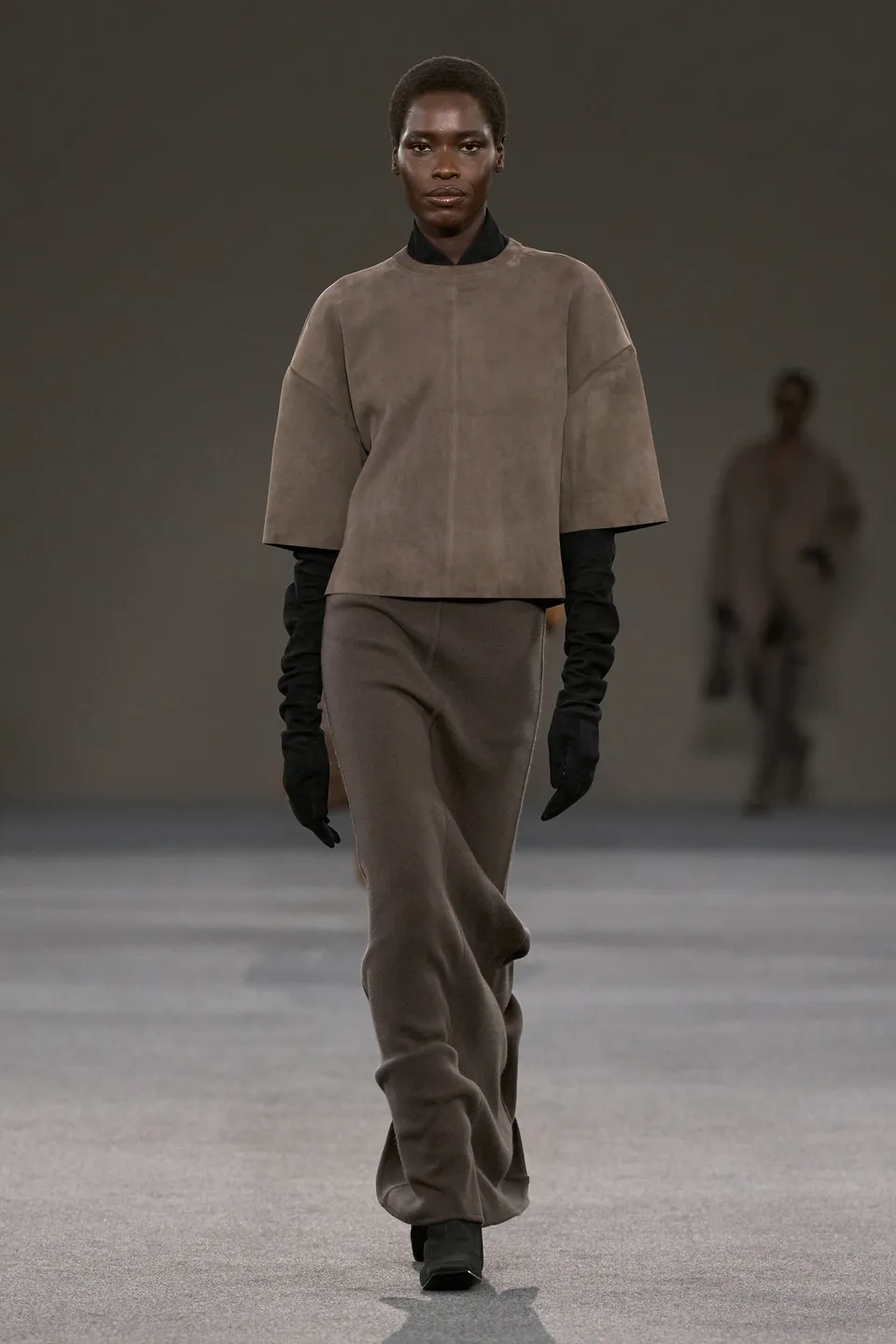
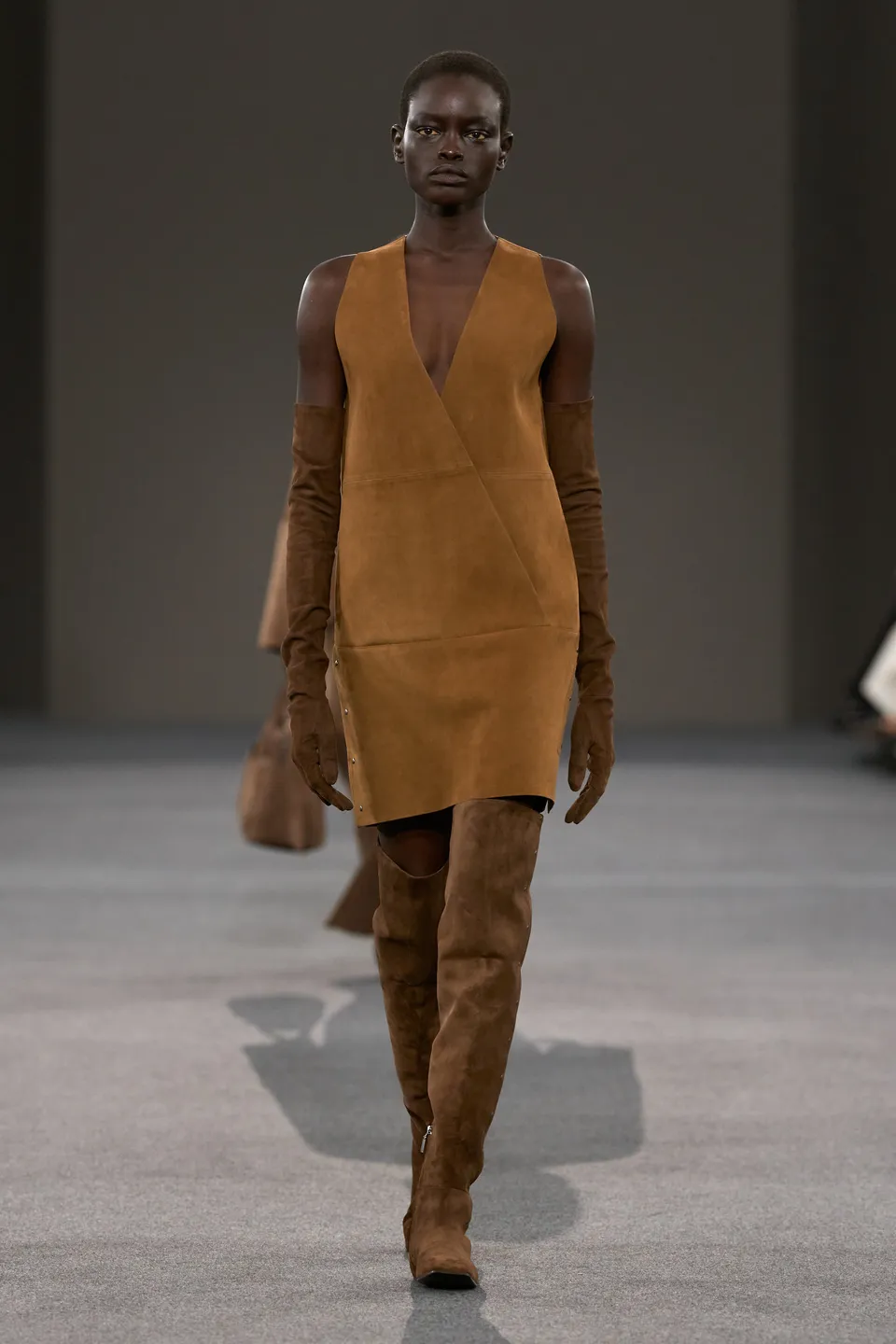


Comparing suede fabric with nubuck highlights key physical differences. Suede uses the flesh side or split layer of the hide. Nubuck undergoes buffing on the outer grain side, yielding a shorter and denser nap while retaining a stronger underlying grain structure.
Roughout leather offers another comparison. Roughout places the flesh side outward while retaining the entire original grain layer on the inside. Consequently, roughout feels significantly thicker and more rugged than refined fashion suede.
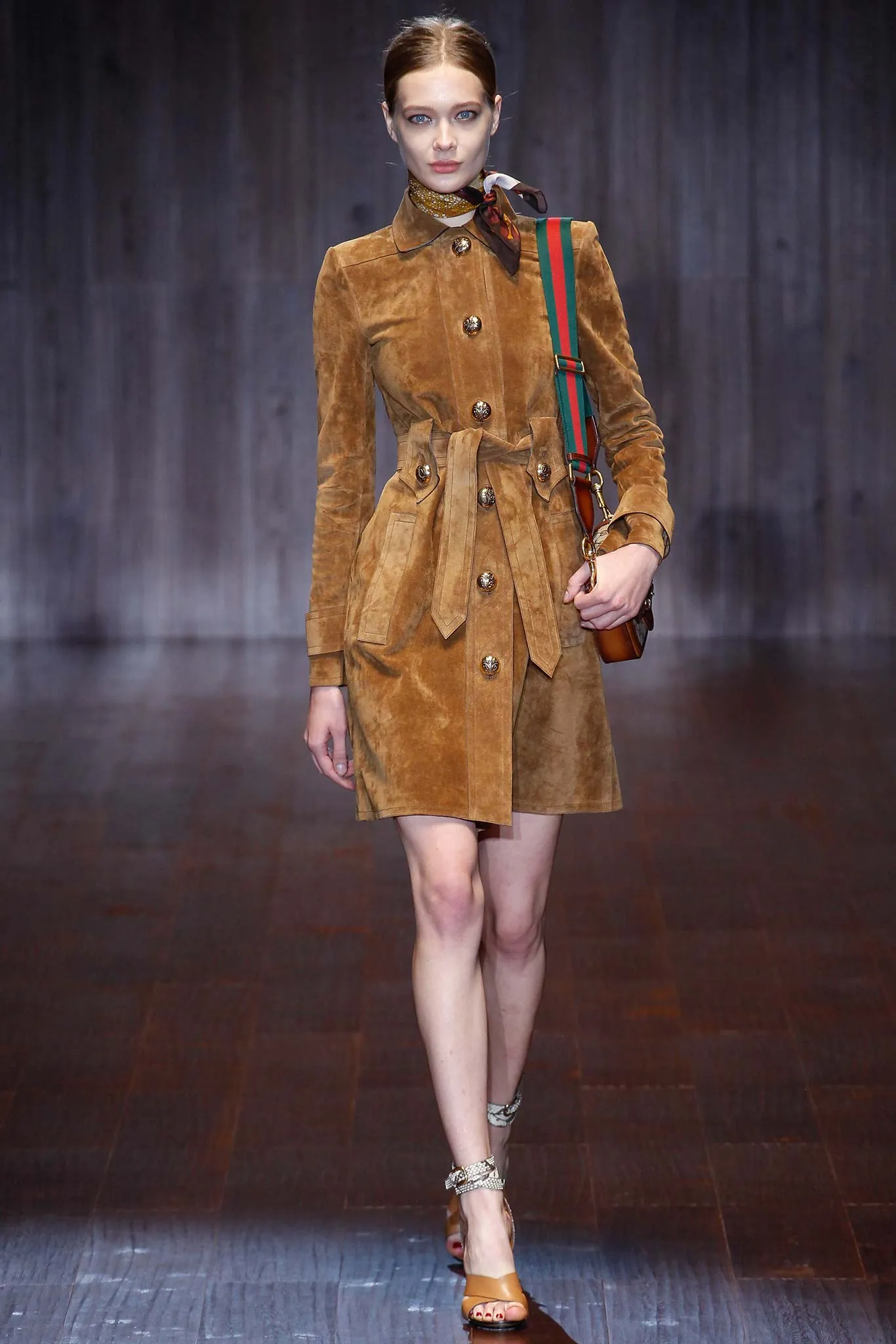
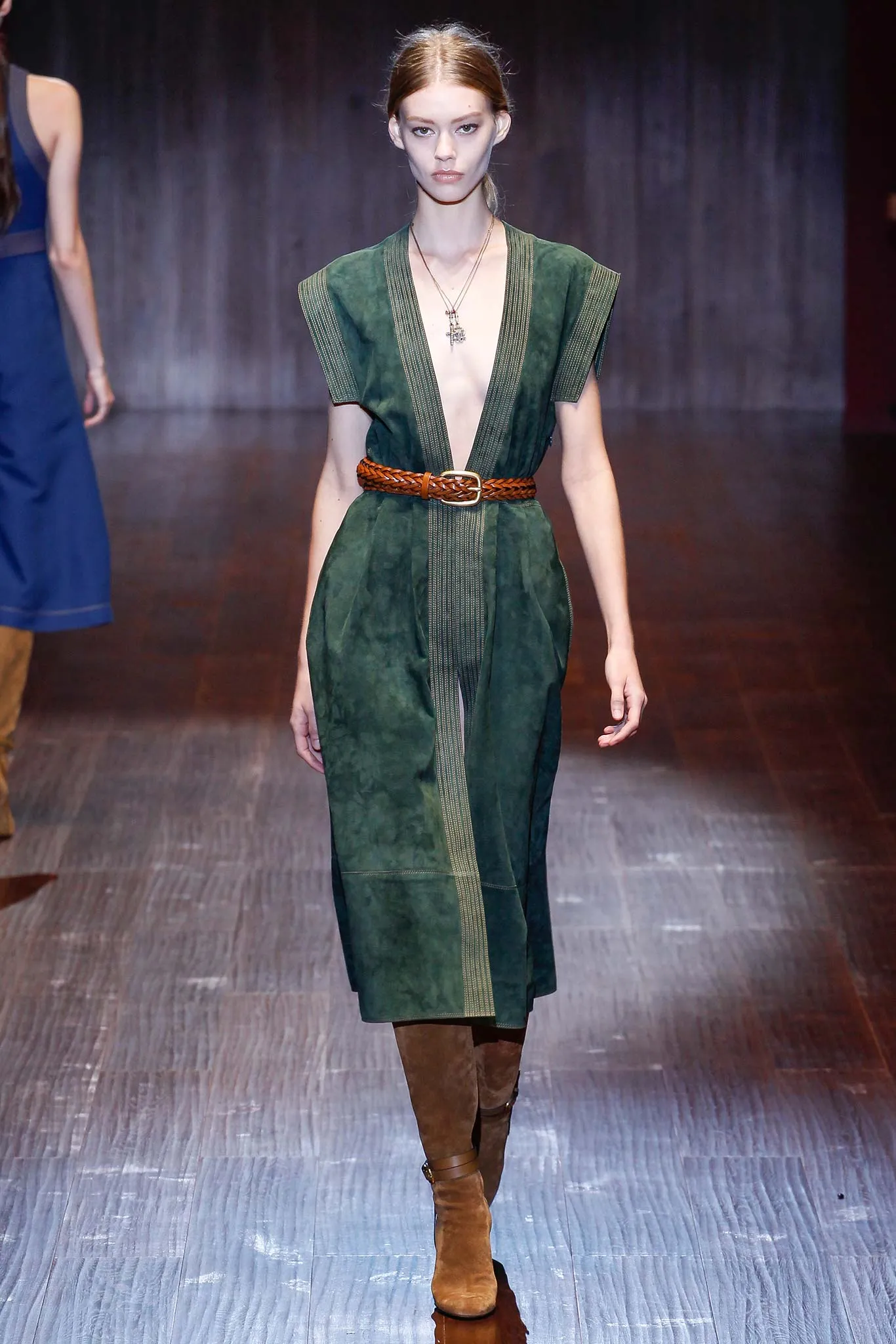
Faux suede and microsuede rely on woven, knitted, nonwoven, or flocked constructions. Manufacturers craft these alternatives using polyester, polyamide, and polyurethane. Microsuede specifically incorporates exceedingly fine synthetic fibres to mimic natural softness. The popular label vegan suede indicates a completely synthetic origin, offering ethical alternatives while presenting boundaries regarding natural breathability and long-term biodegradation. These modern textile innovations continue evolving, providing designers with expansive options to achieve the desired tactile aesthetic across various price points.
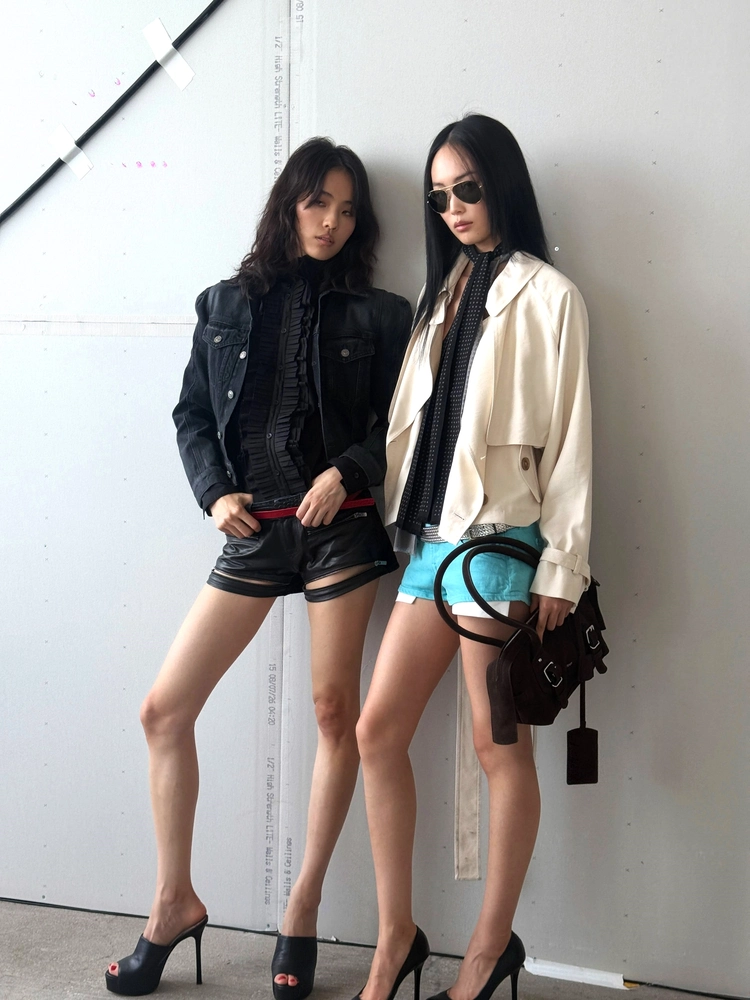
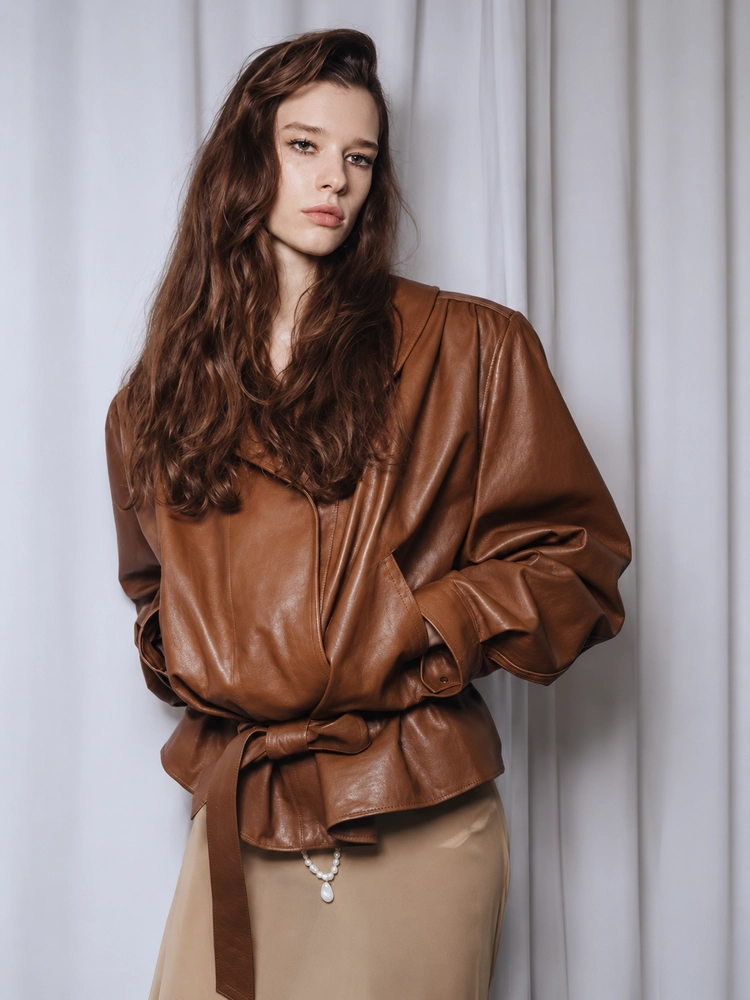
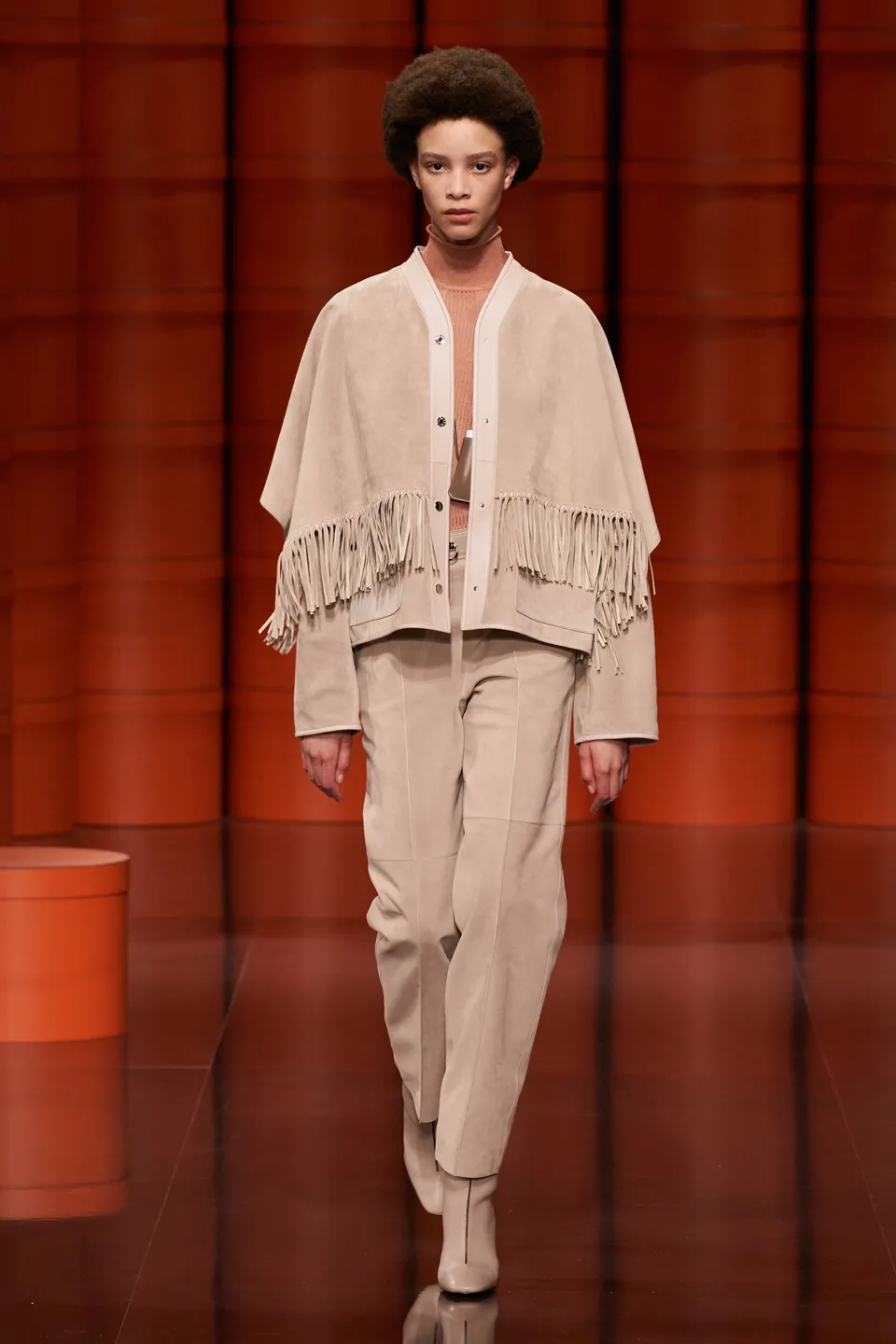
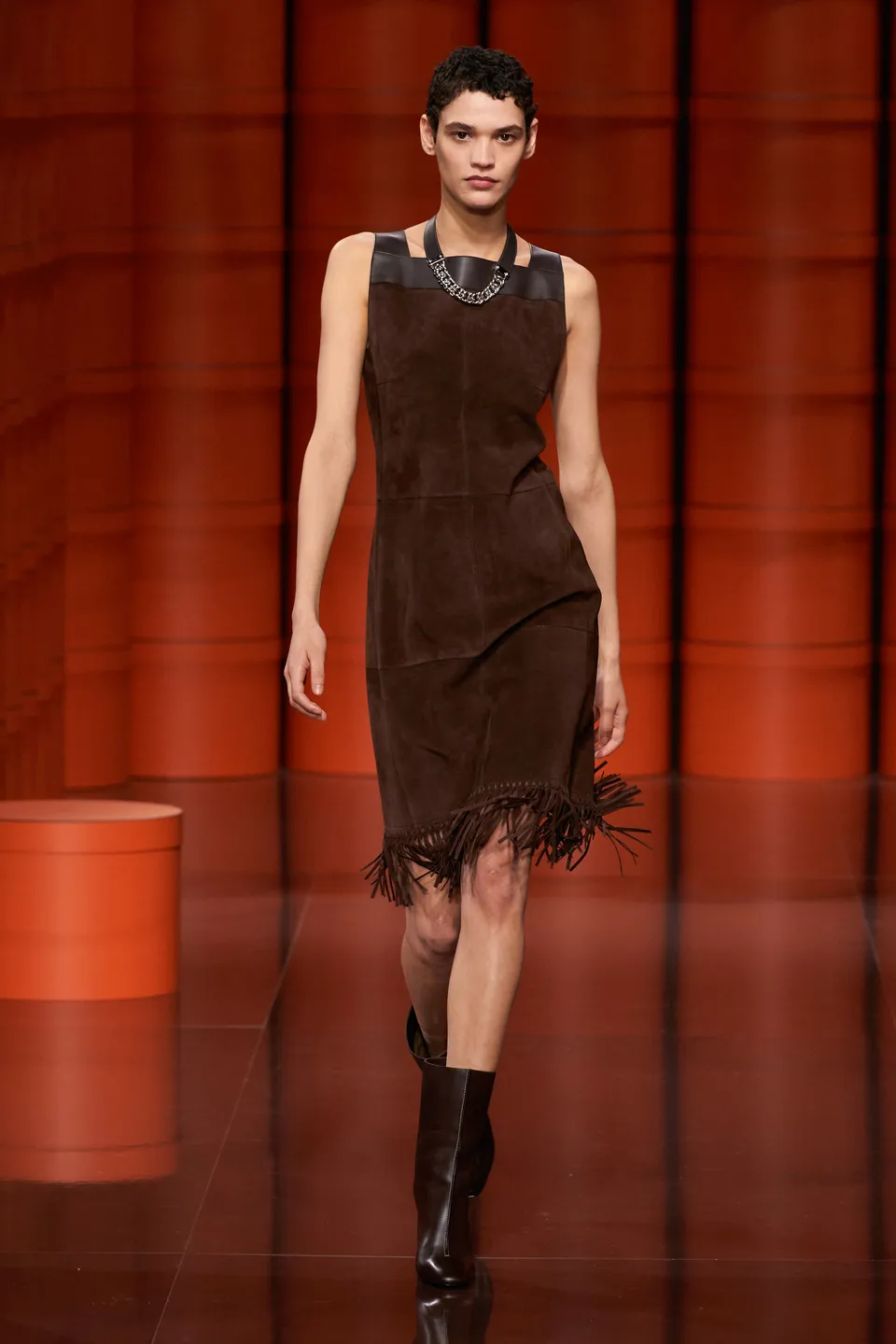
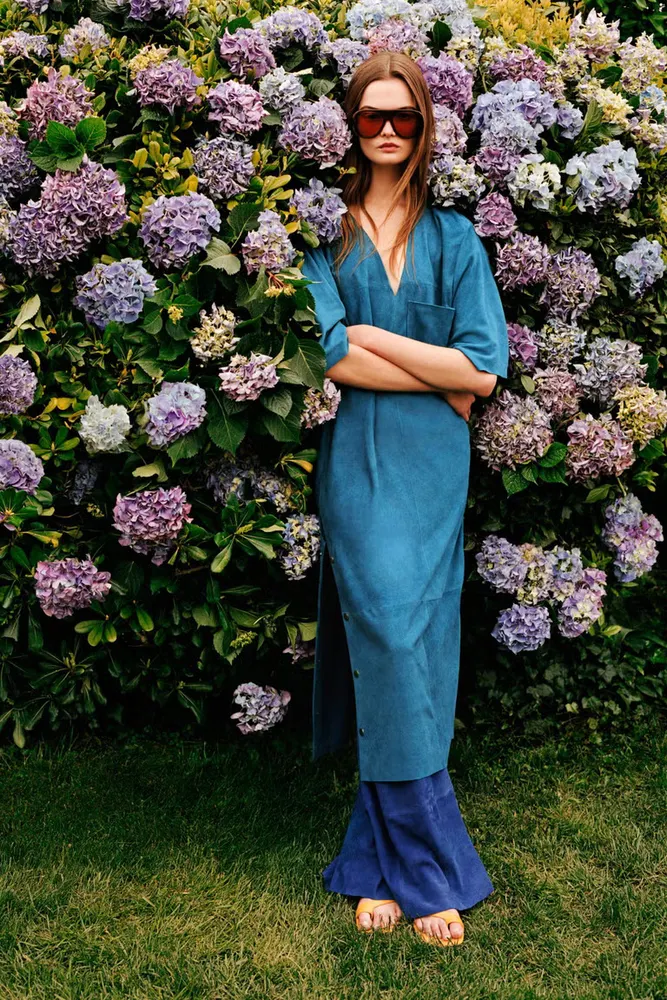
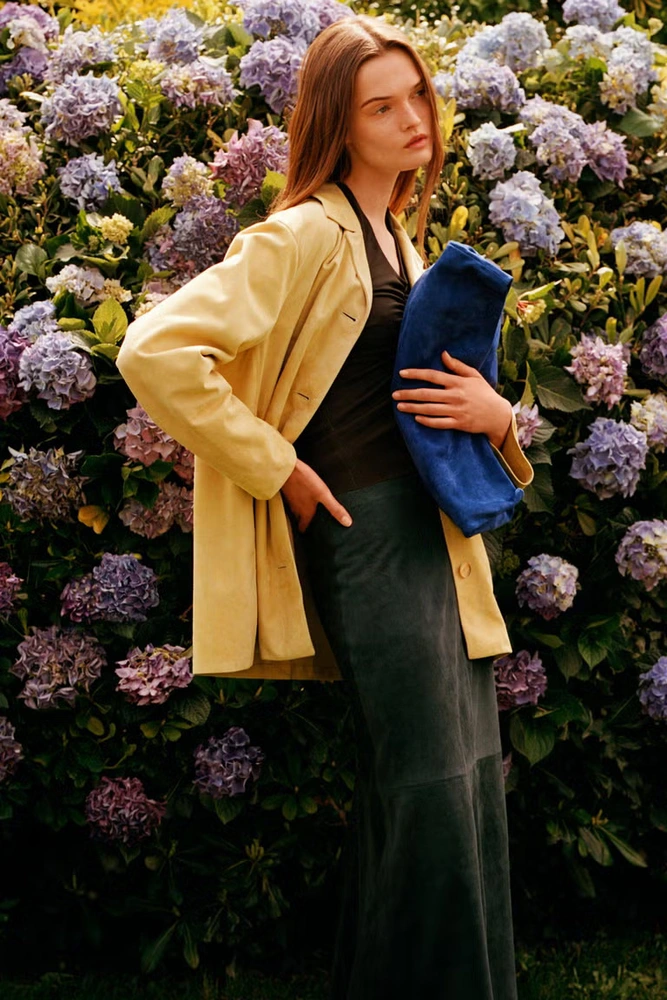
Designers integrate suede fabric into clothing through stunning jackets, sweeping coats, dramatic trench coats, and tailored waistcoats. The material shapes elegant dresses, miniskirts, trousers, and shirts, while also forming the foundation for intricate patchwork garments and dynamic fringed pieces.
In footwear, suede defines classic loafers, iconic desert boots, sharp ankle boots, sophisticated pumps, premium sneakers, and summer sandals. These applications solidify suede’s permanent connection with relaxed luxury. Shoemakers must carefully manage shaping techniques, internal reinforcement, and the material's inherent sensitivity to weather conditions.
Bags and accessories frequently showcase suede fabric’s beauty. Artisans craft spacious tote bags, structured shoulder bags, elegant clutches, sturdy belts, refined wallets, warm gloves, and flexible watch straps. Designers love contrasting soft suede bodies with smooth-leather handles and polished trims to create compelling tactile combinations.
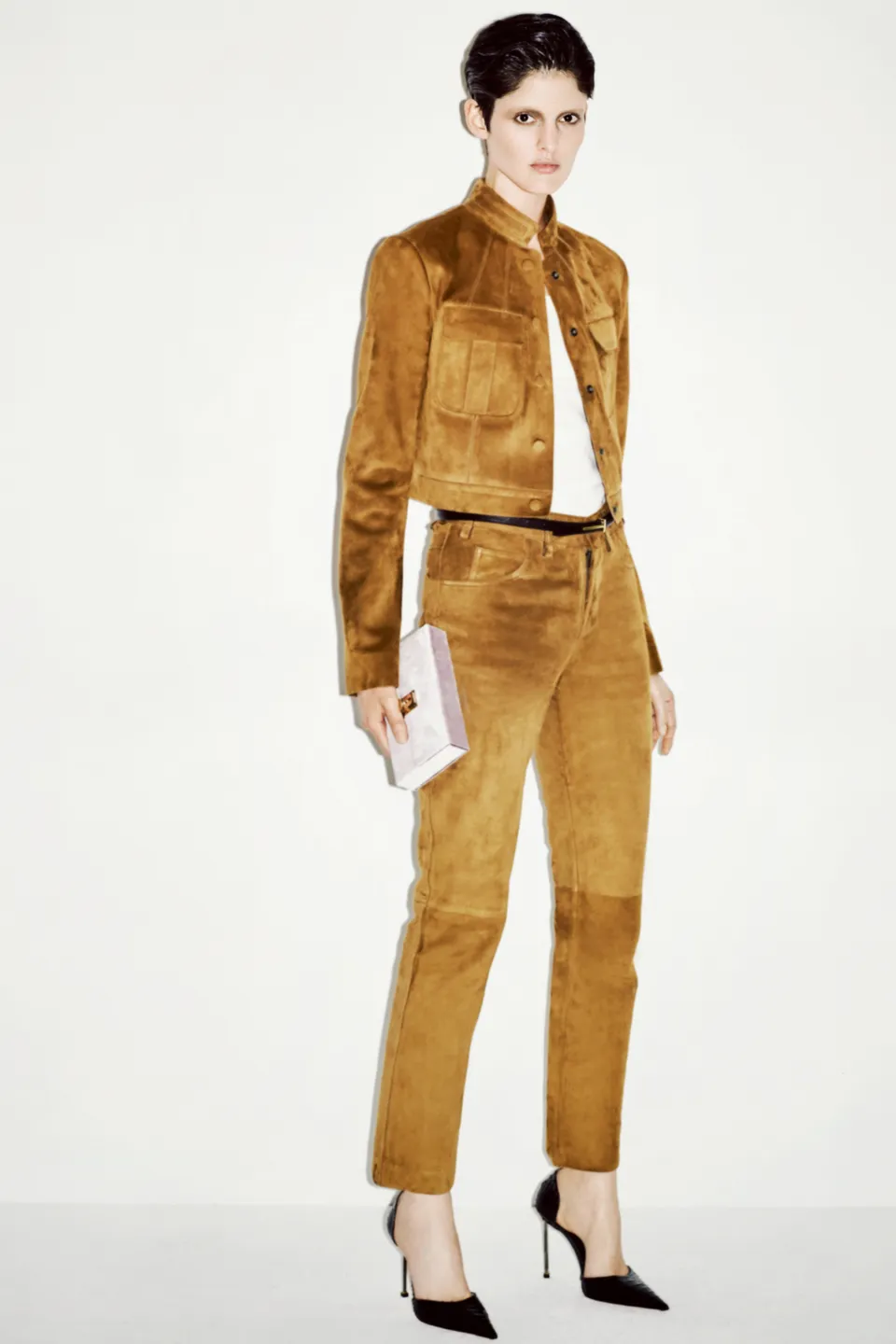
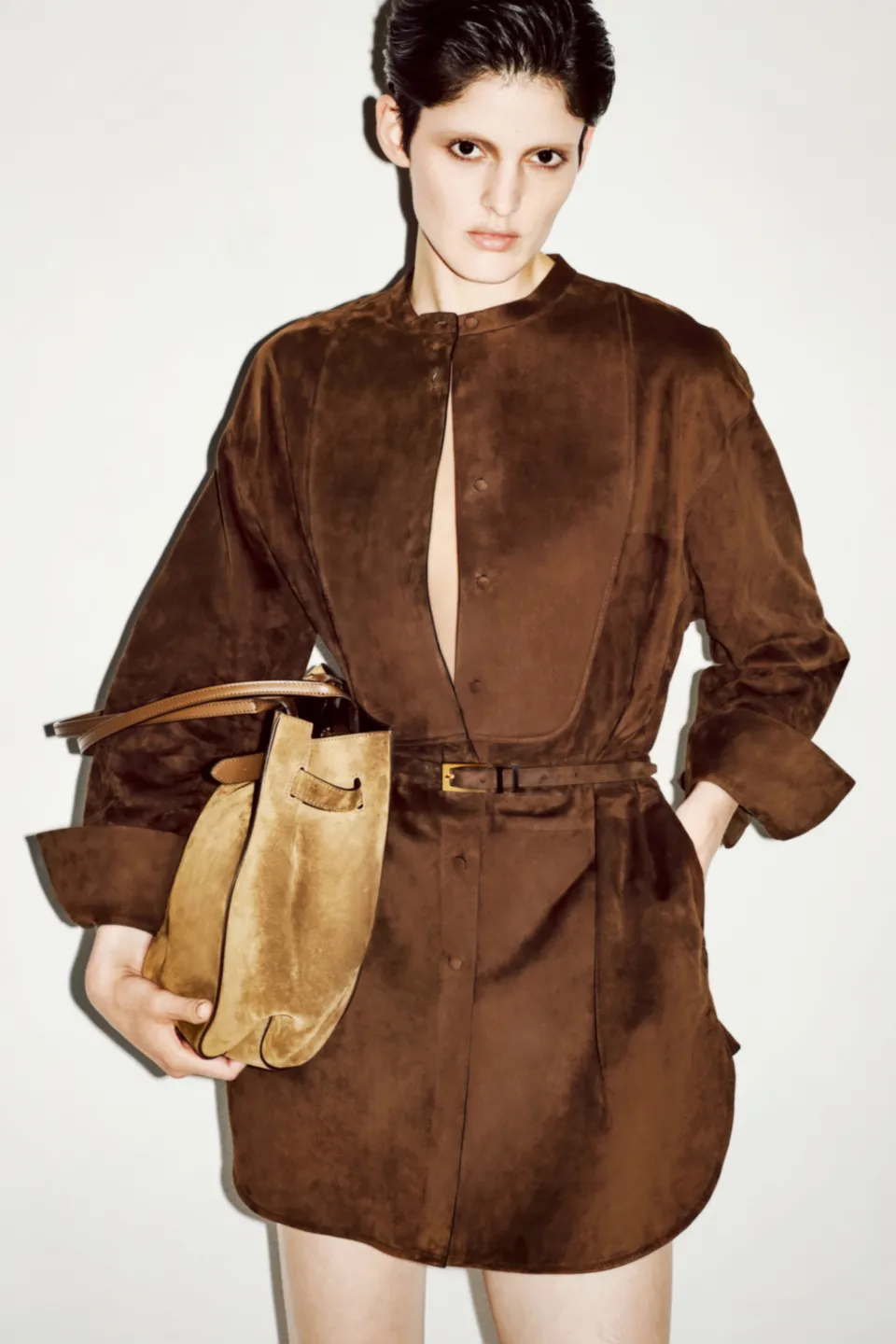
Working with suede presents substantial construction challenges. Artisans must navigate natural variations across individual animal hides, carefully considering scar locations and colour placement. Garment construction requires consistent nap direction to maintain visual harmony. Sewing leaves permanent needle holes, and folding creates bulky seams. The material demands specialist cutting techniques and targeted reinforcement around high-stress areas. These factors result in lower material efficiency compared with cutting from regular fabric rolls.

Suede fabric carries powerful style associations across multiple aesthetics. It remains essential to Western, bohemian, equestrian, rock, folk, and country dressing. Furthermore, the material fuels Seventies nostalgia while perfectly serving the modern demands of quiet luxury and sleek monochrome tailoring. Each specific application leverages the material's distinctive capacity to absorb light and project an aura of effortless elegance across any curated wardrobe.
Identifying genuine suede fabric begins by examining the composition label for animal terminology. Buyers should observe natural variations in density and colour. Inspecting the reverse side reveals either authentic leather structure or artificial textile backing. Relying solely on smell, touch, and price offers a partial assessment.


Judging quality involves seeking a fine, even nap with limited fibre shedding and excellent colour consistency. Premium suede provides luxurious softness while maintaining sufficient structural body, maintaining absolute suppleness across all sections. High-quality pieces show minimal colour transfer and feature remarkably clean seams.
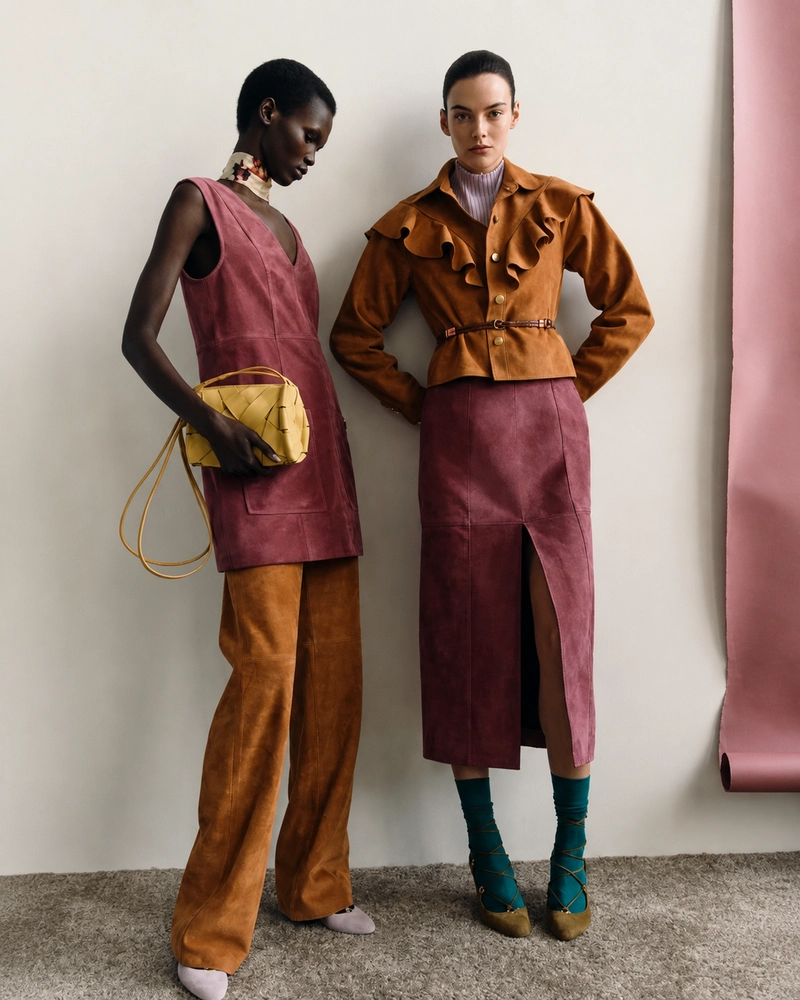
Proper suede fabric care demands regular brushing to remove dust. Owners use a suede eraser for dry surface marks and patch-test protective products carefully. Upon encountering moisture, owners must blot water gently and let the item dry naturally at room temperature, keeping it at a safe distance from radiators, hair dryers, and direct sunlight. Shoes and bags require internal support to maintain shape while resting inside breathable storage covers. Oil, ink, makeup, and severe staining require a professional leather specialist.
Suede fabric’s remarkable beauty stems directly from the structure of its nap. Its softness, shifting colour, and matte depth emerge from the exact open fibres causing its vulnerability. Suede fabric endures as a material defined by the delicate relationship between touch, light, movement, and dedicated care.
Advertisement