MENU
Close





Somewhere in a boutique window, a white boot catches the light, and the old decade suddenly looks badly tailored for the future. The 60s style appears as a rumor from the future, bright enough to flirt, sharp enough to cut, and strange enough to make yesterday lose its nerve.
Somewhere in a boutique window, a white boot catches the light, and the old decade suddenly looks badly tailored for the future. The 60s style appears as a rumor from the future, bright enough to flirt, sharp enough to cut, and strange enough to make yesterday lose its nerve.
June 16, 2026
Advertisement
Advertisement



The room still remembers the old rules, with its polished furniture, careful waistlines, proper exits, and that quiet instruction telling a woman to look finished before she is allowed to look free, yet the decade has begun to misbehave before anyone can close the door. A new shape appears there, short and clean and slightly impertinent, as if someone has taken a pair of scissors to the old script and left the evidence in plain sight.
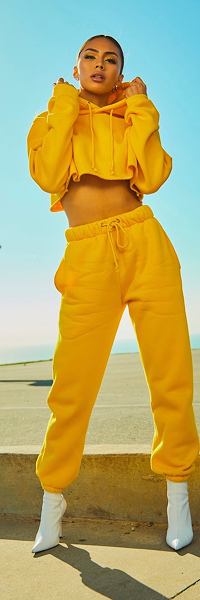
The first signal is almost absurd in its confidence: a white boot, too bright for good manners, touching the floor like a small announcement from outer space. Above it, the body has slipped out of the hourglass discipline and into something flatter with fabric moving in a line that seems made for sidewalks, boutiques, cameras, and the clean snap of a flashbulb. The face belongs to the same new logic, sharpened by graphic eyes and a poster-like composure that innocence disguises suspiciously.
After the guarded waist of the 1950s and the black inwardness of the beatnik uniform, the 60s style arrives with a different kind of danger: playful enough to look harmless at first glance and precise enough to make the old room feel overdecorated. Its rebellion is bright, but it has edges; its colors smile, but the cut knows exactly what it is doing. Fashion begins to behave like a signal system, turning the body into something youthful yet a little impossible to discipline.
By the time the room catches up, the future has already left fingerprints on the glass. The boutique window looks sharper, the street looks newly photographic, and yesterday’s furniture sits there blinking, suddenly aware that a dress can be short enough, clean enough, and strange enough to make an entire decade lose its manners.
Fashion in the 1960s seemed to hear the street before the salon could finish its sentence. A new customer had appeared with pocket money, appetite, impatience, and very little interest in waiting for permission from the old machinery of taste. In London, that impatience found a bright little engine inside boutiques, magazines, record culture, and the charged geography of King’s Road and Carnaby Street, where clothes could change cultural temperature faster than a couture house could adjust its gloves.

Mary Quant understood that speed with wicked precision. Her clothes carried the wit of youth, cutting away the older script through shorter hems, cleaner shapes, and a streetwise sense of movement that made the body look newly quick. The mini skirt became the decade’s most dangerous little signal, a perfect visual provocation for the logic of the hemline index, where the rising hem could be read as fashion’s sharp little barometer of confidence, appetite, and cultural nerve.

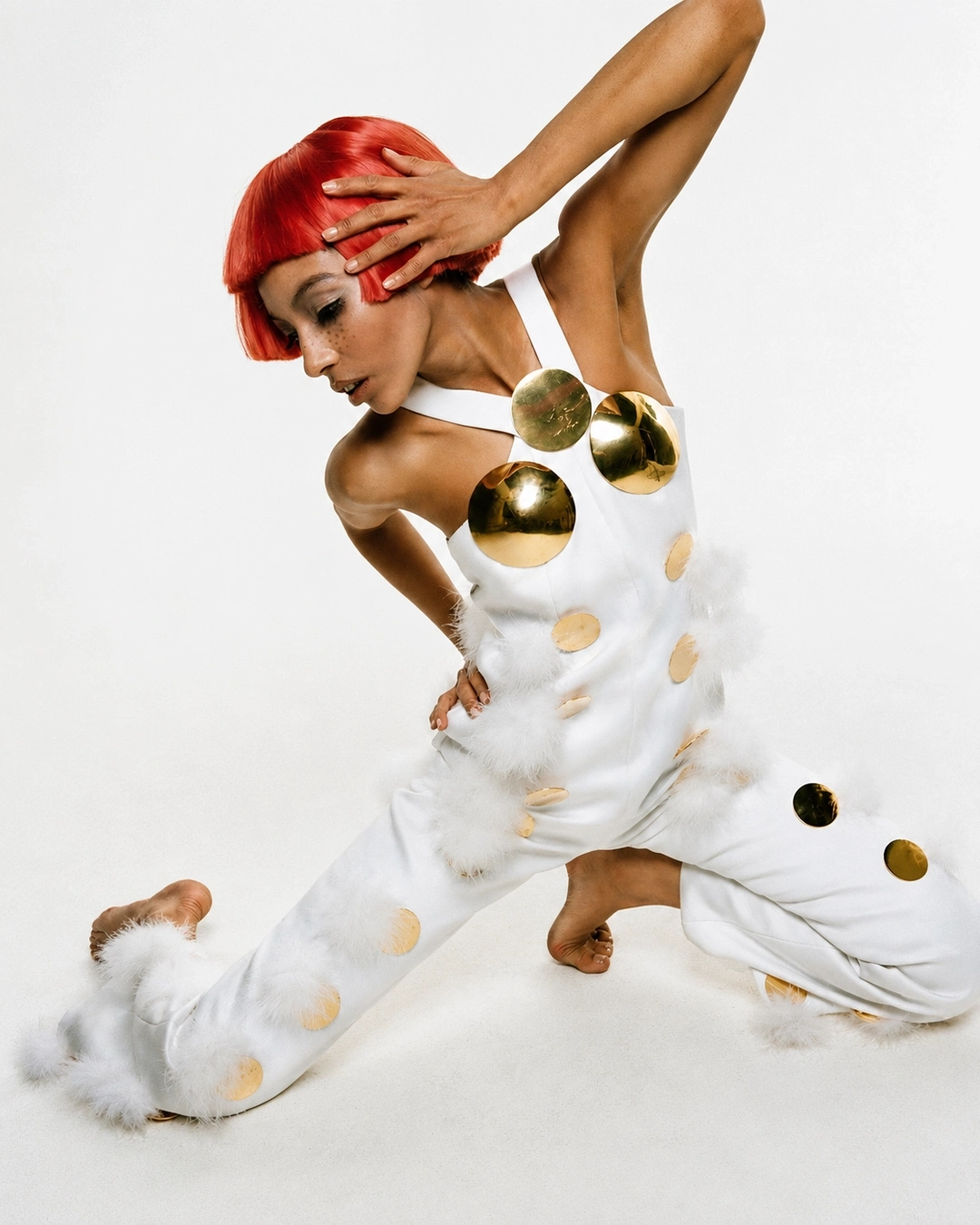
Paris answered the youthquake by looking toward the future with a cooler, harder gaze. André Courrèges turned modernity into white boots, crisp geometry, and space-age clarity, while Pierre Cardin and Paco Rabanne pushed the body toward plastic, metal, and strange synthetic surfaces that seemed to belong to a world still under construction. The 60s style found its glamour in that artificial brightness, as if elegance had been plugged into a new socket and suddenly started behaving like technology.

By mid-decade, fashion had learned to move through images as much as garments. Twiggy’s wide graphic eyes; Vidal Sassoon’s architectural hair; Op Art dresses, paper clothing, and boutique culture turned the body into something instantly readable, almost like a poster walking through the city. The silhouette became shorter, flatter, carrying the strange thrill of a generation that wanted clothes to scream youth from across the street.
Toward the end of the decade, psychedelic color and handmade softness began to pull the line into a looser rhythm, yet the central charge of the 60s style stayed sharp: fashion had cut away the heaviness of the previous decade and discovered a new pleasure in speed, surface, and controlled mischief. The future arrived with a short hem, a clean boot, and a smile so bright it looked slightly dangerous.
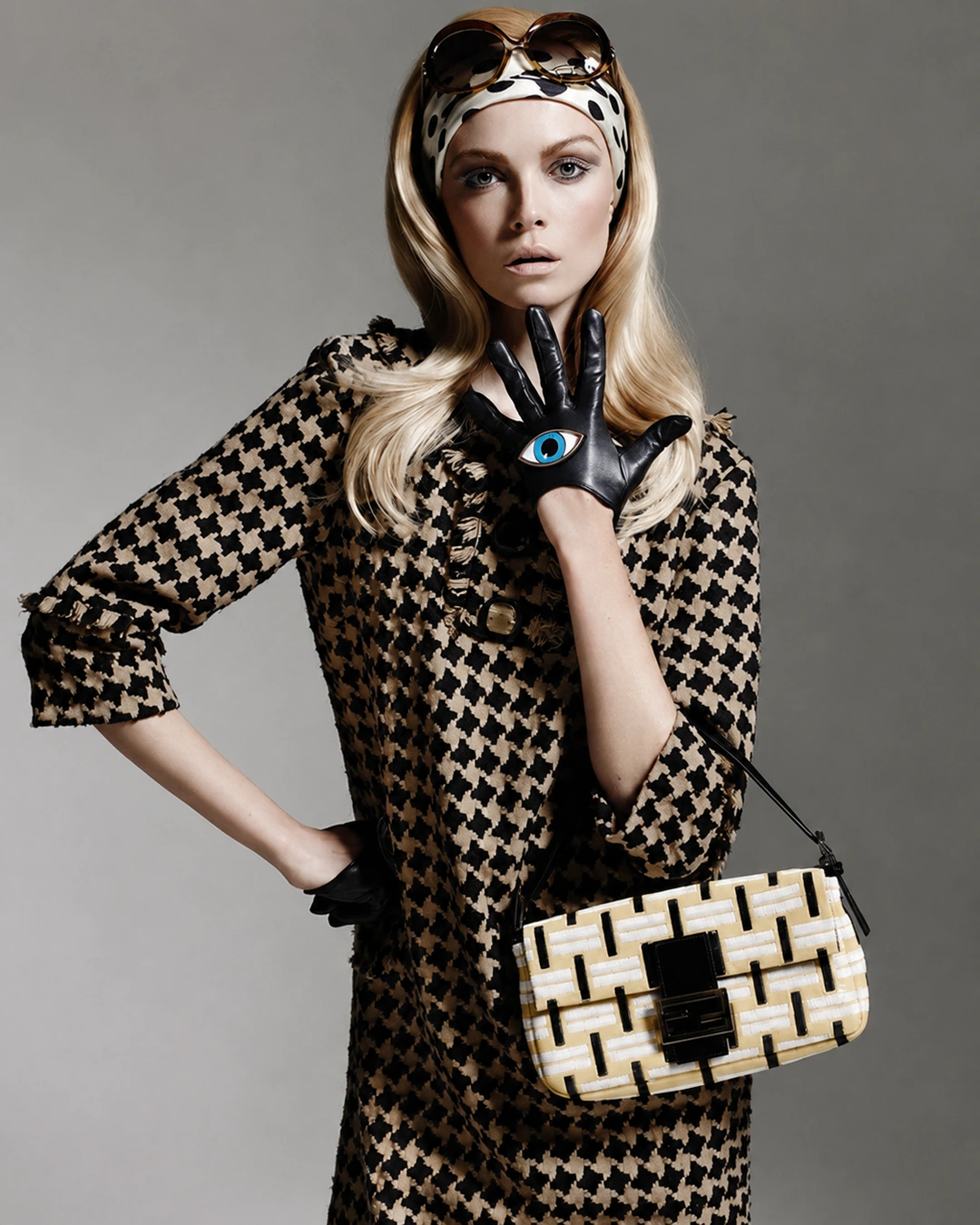
The signature of the 60s style begins with a body redrawn as a graphic shape. The old hourglass loses command, the waist slips out of the spotlight, and the dress falls into a straighter language that seems made for movement and a generation allergic to heavy elegance. The shift dress becomes the decade’s sharpest shorthand: simple at first glance, almost blunt in construction, yet strangely radical in the way it lets the body move without turning every curve into a social event.
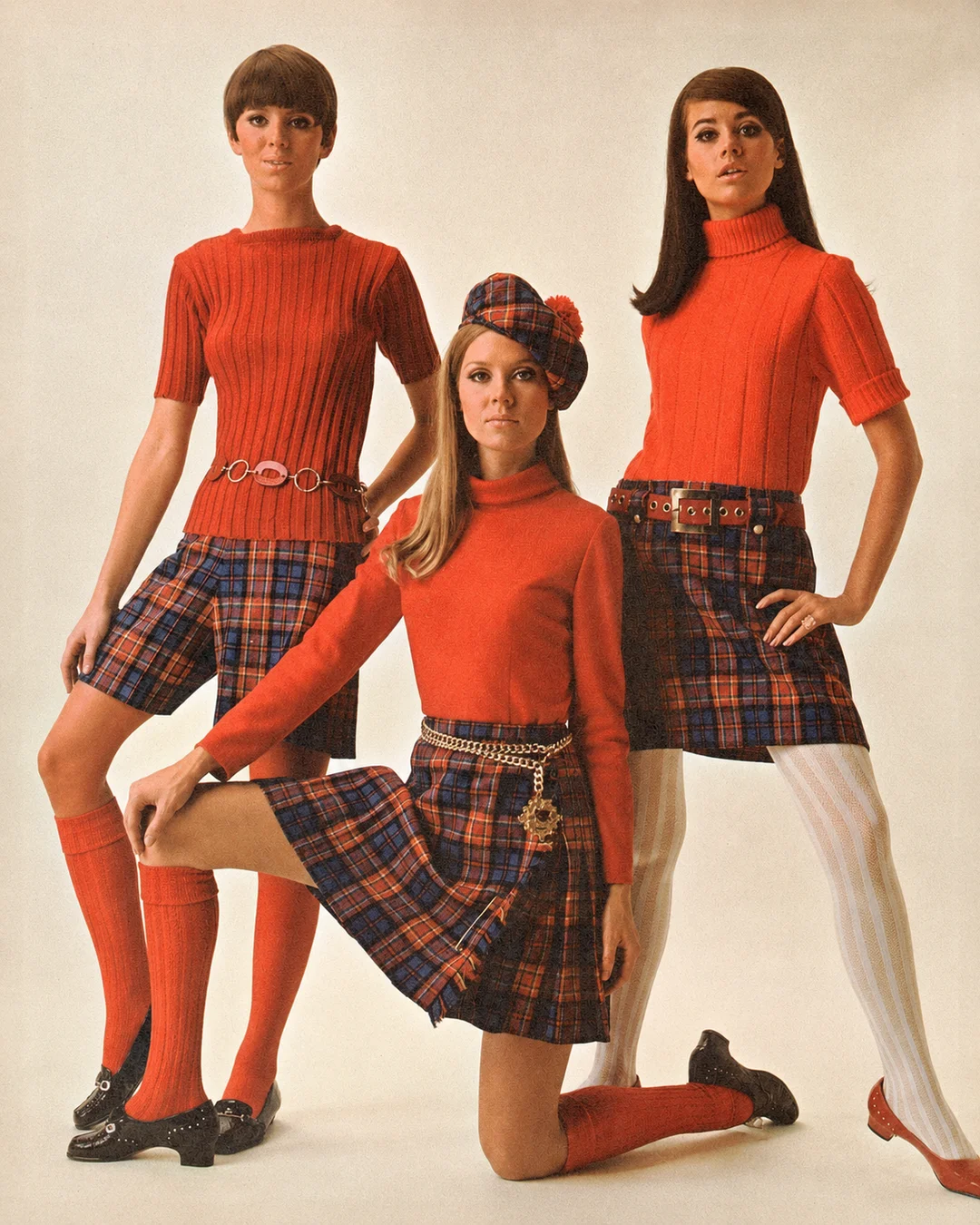

The mini skirt gives that new body its most famous voltage. Cut high, quick, and almost wickedly direct, it changes the whole tempo of dressing by making the leg part of the silhouette’s architecture. In the 60s style, the hem became a small weapon for public life; it is young enough to provoke, clean enough to travel, and graphic enough to read from across the street. Paired with go-go boots, the mini stops behaving like a garment detail and becomes an entire attitude with a white patent kick.
Construction followed the same appetite for speed. Dresses were often built from simple panels, A-line cuts, boxy shapes, and clean seams that gave the body a flat, poster-like clarity. A collar could turn a dress into a schoolgirl signal, and a zip could make it feel modern and immediate, while a sharp pocket, a square neckline, or a circular cut-out could give the surface just enough mischief to keep the look from becoming polite. The best 1960s clothes understand the power of one bold idea executed with almost rude confidence.

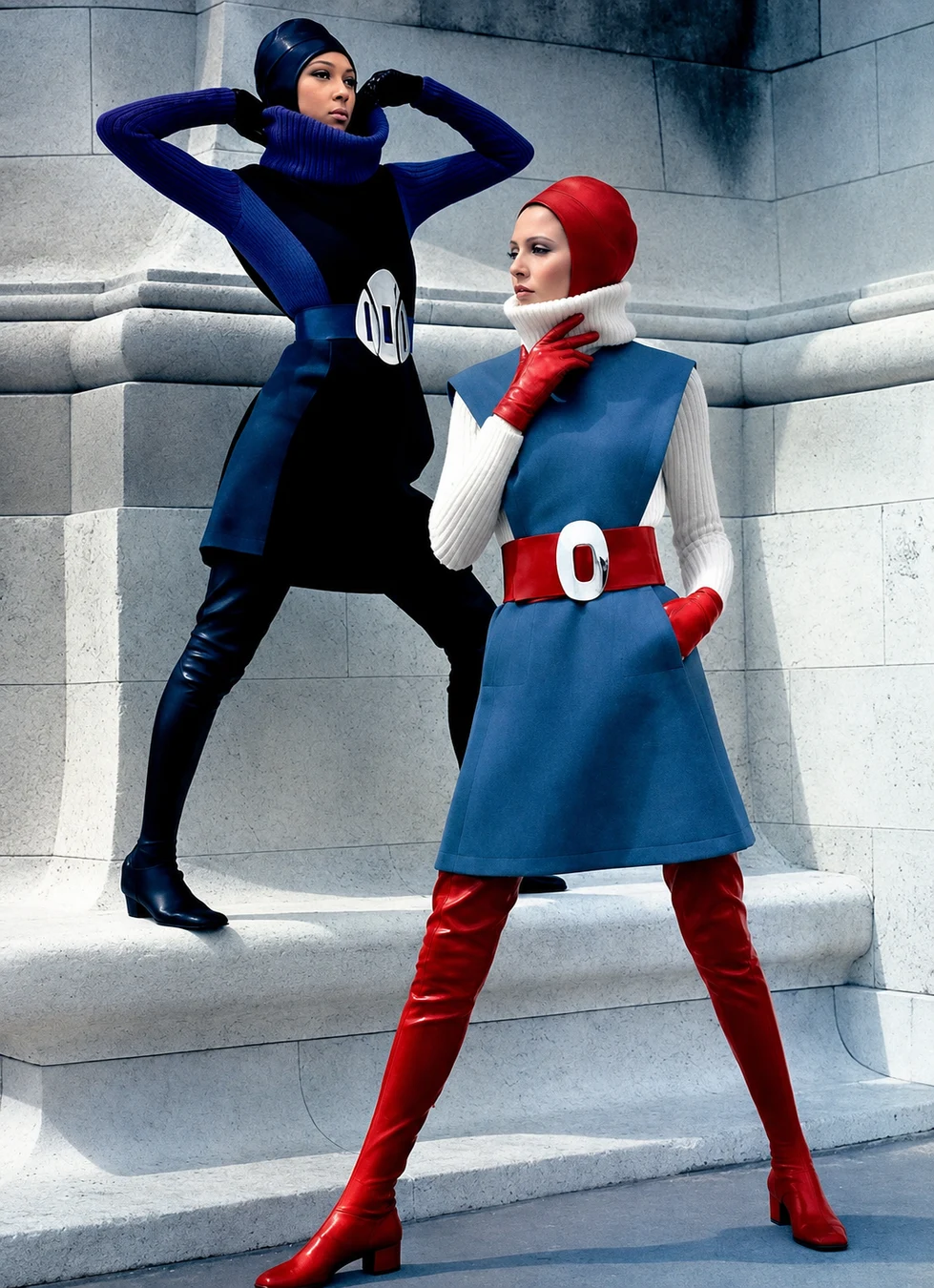
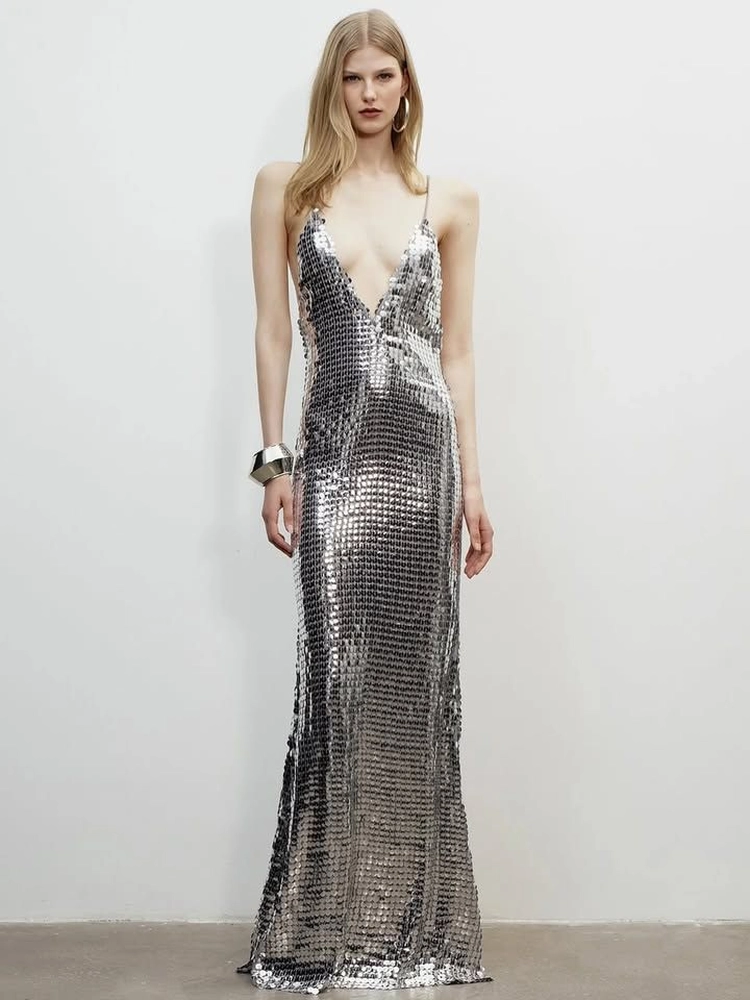
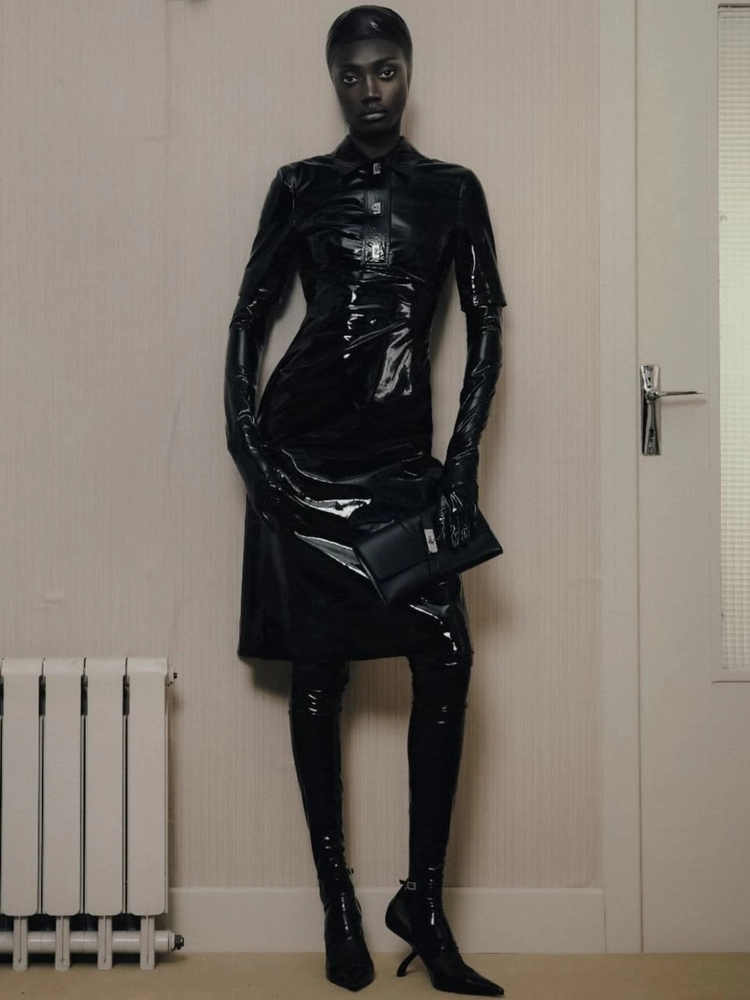
Materials helped push that confidence into stranger territory. Cotton and wool kept the mod wardrobe crisp enough for the street, while PVC, vinyl, Perspex, metallic mesh, and synthetic fabrics gave space-age fashion its bright artificial nerve. Courrèges made white look futuristic, Cardin treated the body like a design problem from tomorrow, and Paco Rabanne turned metal and plastic into a new kind of moving surface. The 60s style loved synthetic with unusual honesty, as though fashion had suddenly discovered that fake could be phenomenal.
Color carried its own pop logic, sharper than sweetness and cleaner than glamour. Black and white gave the 60s style its optical snap, while brighter tones and graphic prints made the surface behave like an immediate and witty poster built for speed.

The decade also gave fashion its own Pop Art silhouette, where the dress could behave like a flat graphic surface instead of a soft, sculpted garment. Blocks of color, clean outlines, and poster-like construction made the 60s style look printed as much as sewn, opening a natural line toward Yves Saint Laurent’s Pop Art language and the way high fashion learned to borrow the shock of the gallery wall.
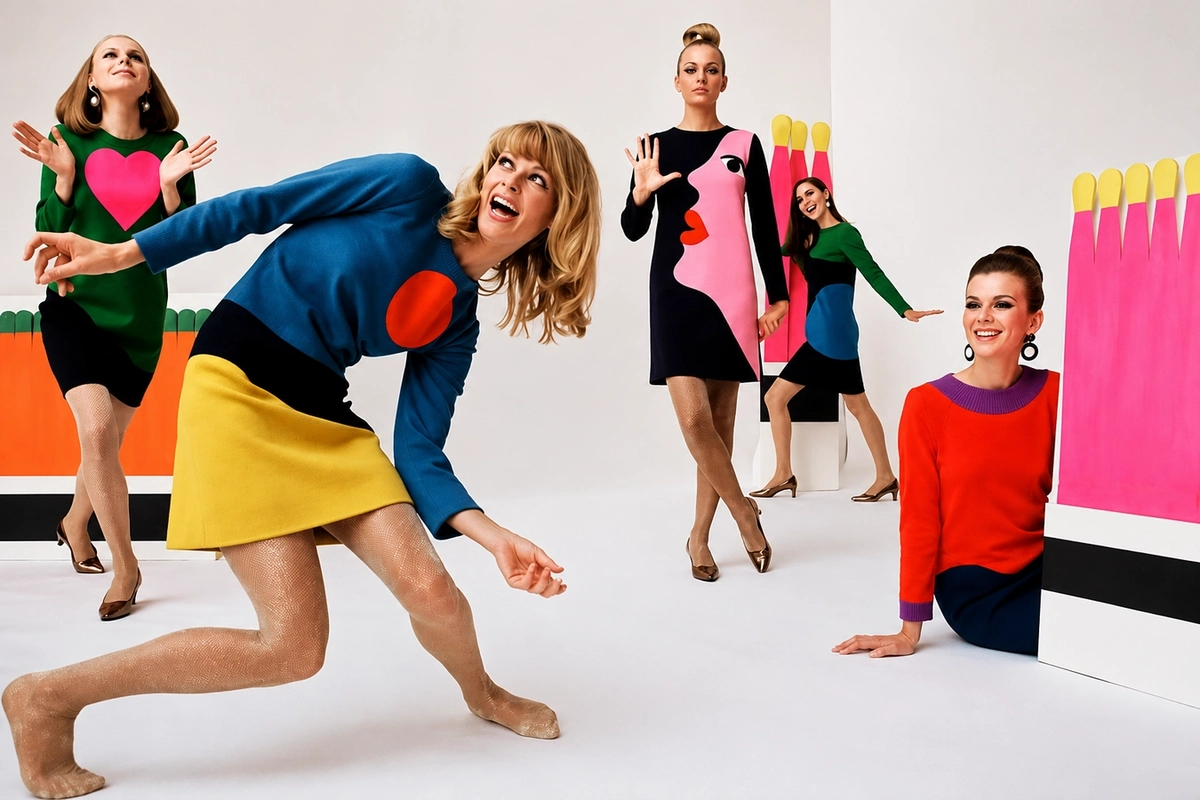
From that pop surface, 60s style forms its clearest image: a body released from the old waist and redrawn into something short, clean, synthetic, and quick enough to trouble the room before anyone can call it improper. The look carries its mischief in the cut itself, charming from the boutique window and sharp enough to make yesterday nervous.
The mood of the 60s style lives in its bright, suspicious confidence. It smiles, but the smile has been cut by a ruler; it looks playful, yet every clean edge seems to know exactly how much disorder it can cause. The decade turns youth into a visual attitude, making the body sharper as though clothes have learned how to interrupt the room before anyone has time to call them inappropriate.
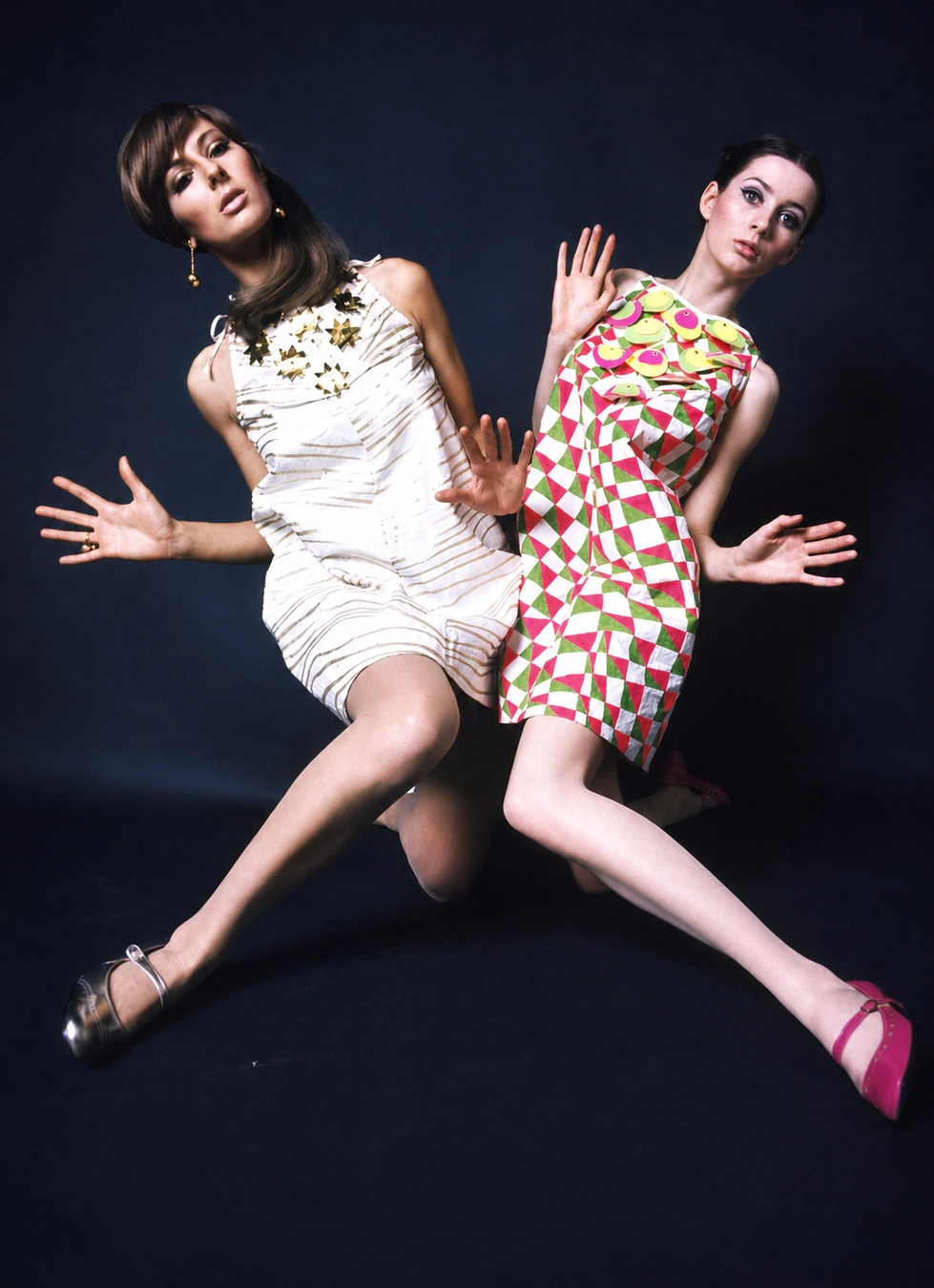

The charisma lies between innocence and calculation. A short dress can look almost childlike in its simplicity, then suddenly become a small act of cultural sabotage once it meets a white boot, a graphic surface, or a boutique window full of looking eyes. The 60s style understands that modernity can be cute and dangerous in the same breath, especially when the cut is clean enough to make rebellion look perfectly designed.
At its core, the 60s style carries the thrill of a decade that has discovered the pleasure of looking newly invented. It has the nerve of a hemline that knows exactly why it is causing trouble, and the wicked humor of a generation treating modernity like something to wear out in public. Its brightness is never purely cheerful; something under the surface keeps clicking, measuring how far a clean little dress can push the room before the room pushes back.
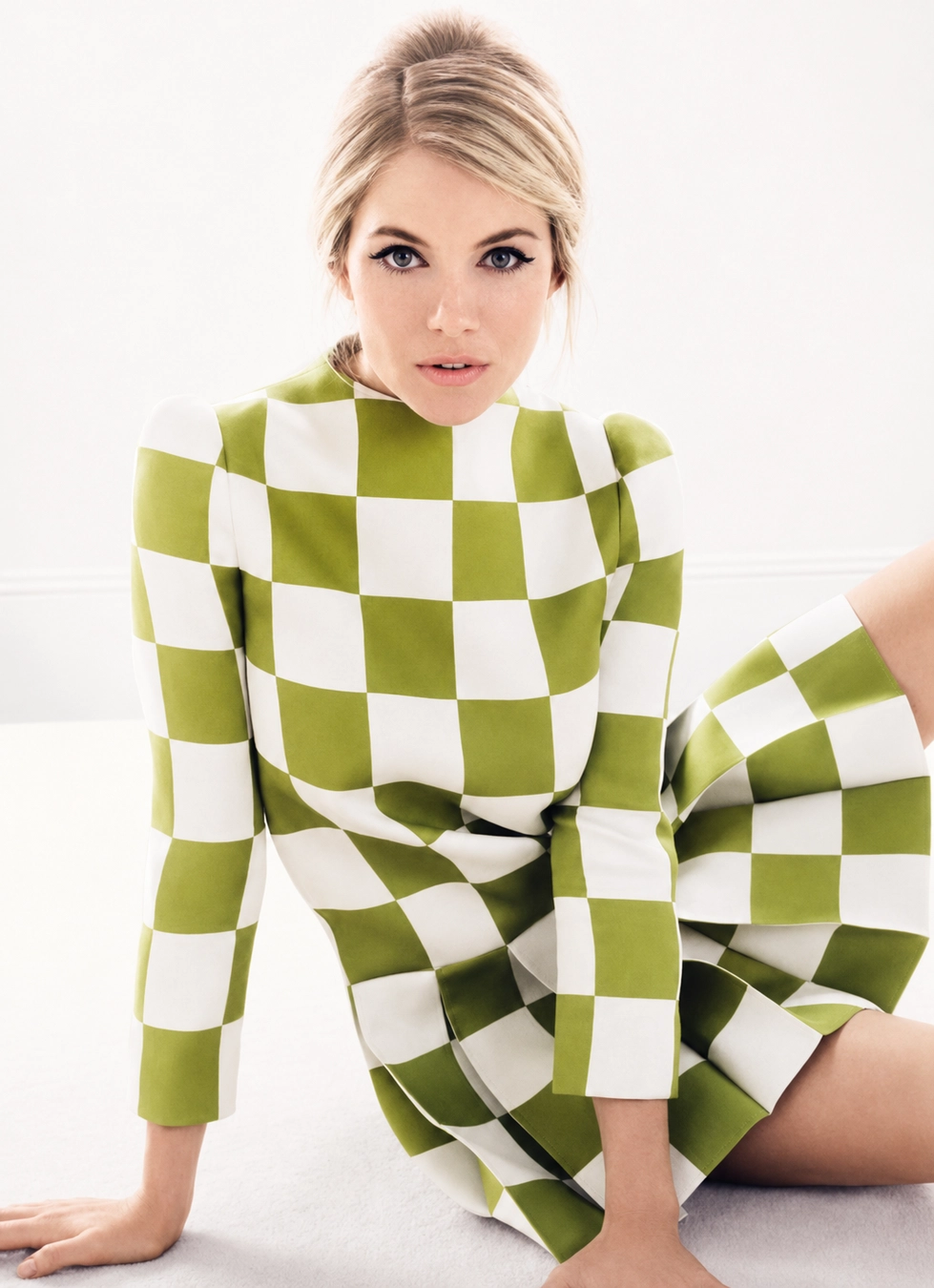
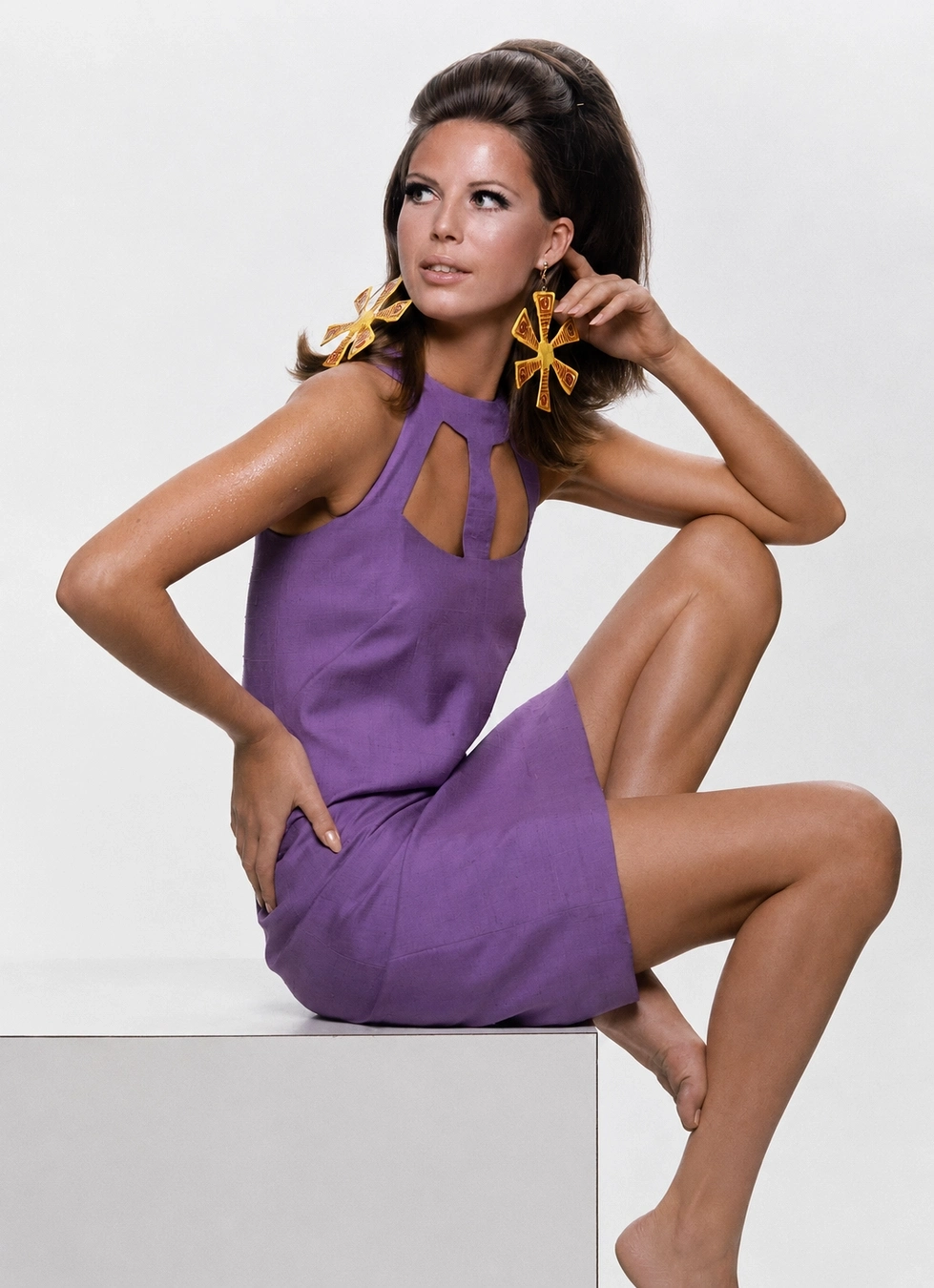
That charge gives the 60s style its strange aftertaste. It turns youth into velocity, humor into provocation, and prettiness into a bright object with sharp corners. The old rules expected elegance to grow up, behave, and soften itself into approval, while the decade stepped forward with a polished little smirk, already convinced that growing up could wait.
On the runway, the 60s style returns best as a flash of controlled mischief. Mary Quant may have given the decade its streetwise spark, yet the later catwalk keeps pushing that spark forward, turning short proportions, graphic surfaces, and space-age attitude into images sharp enough to make the past look badly lit.
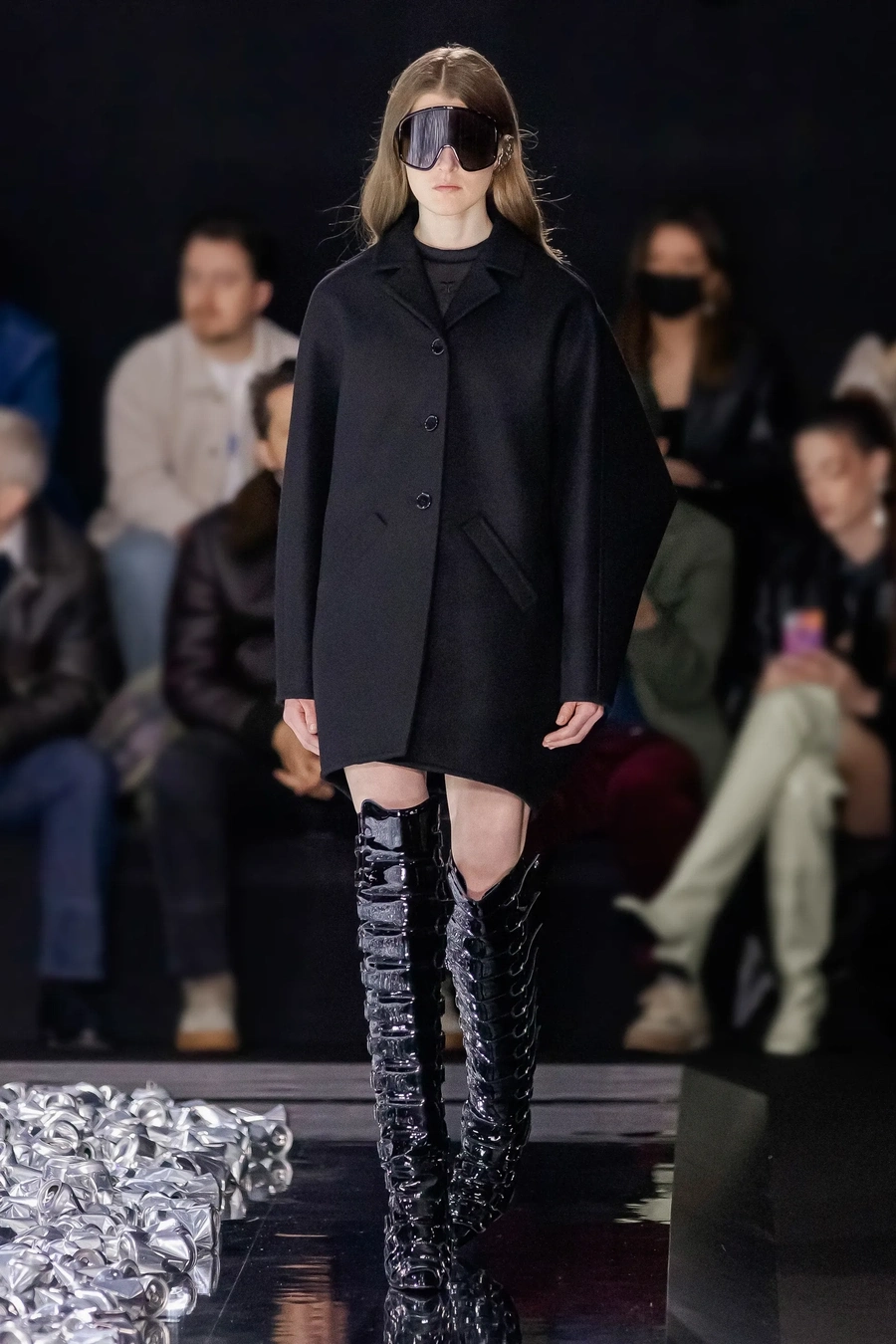
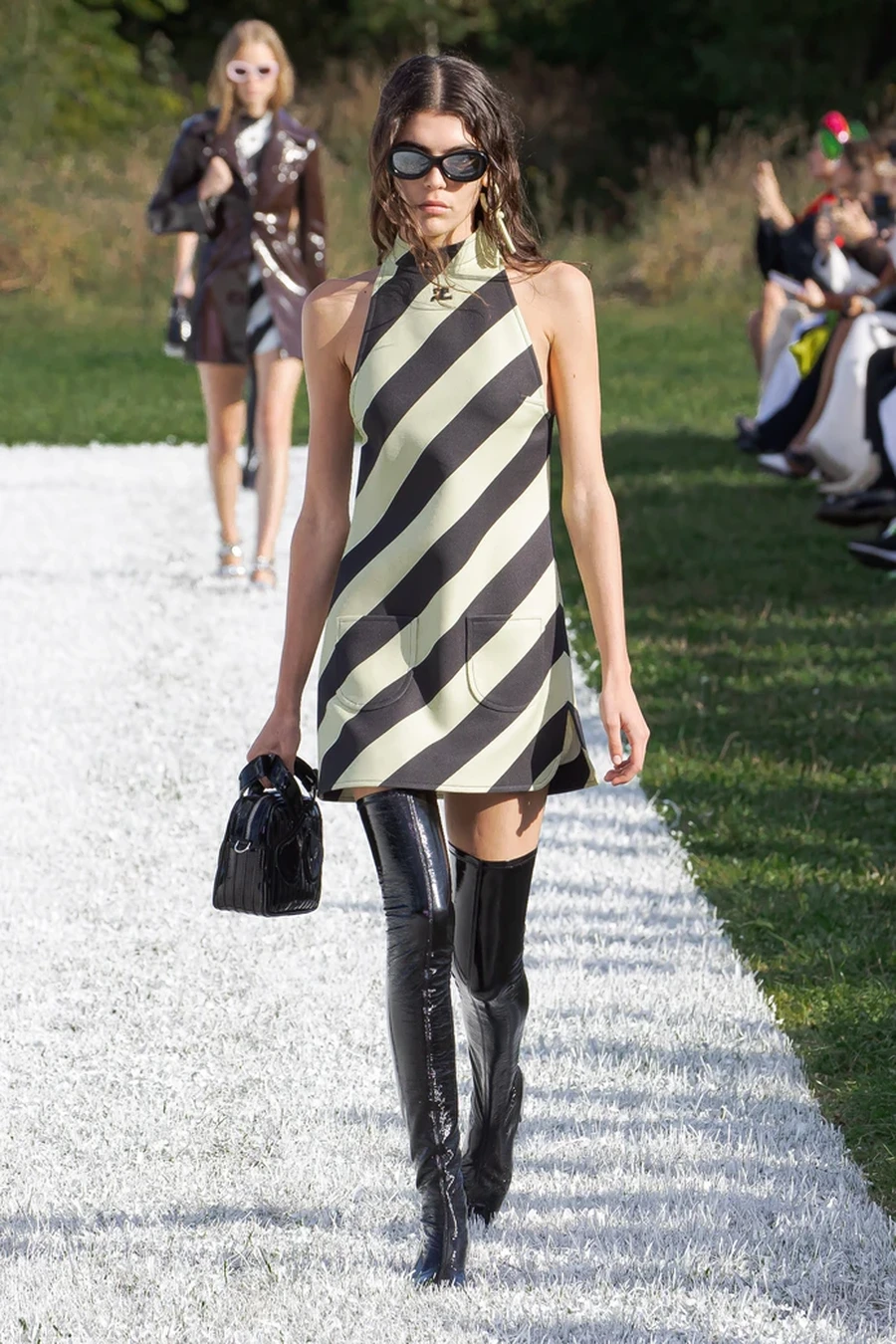

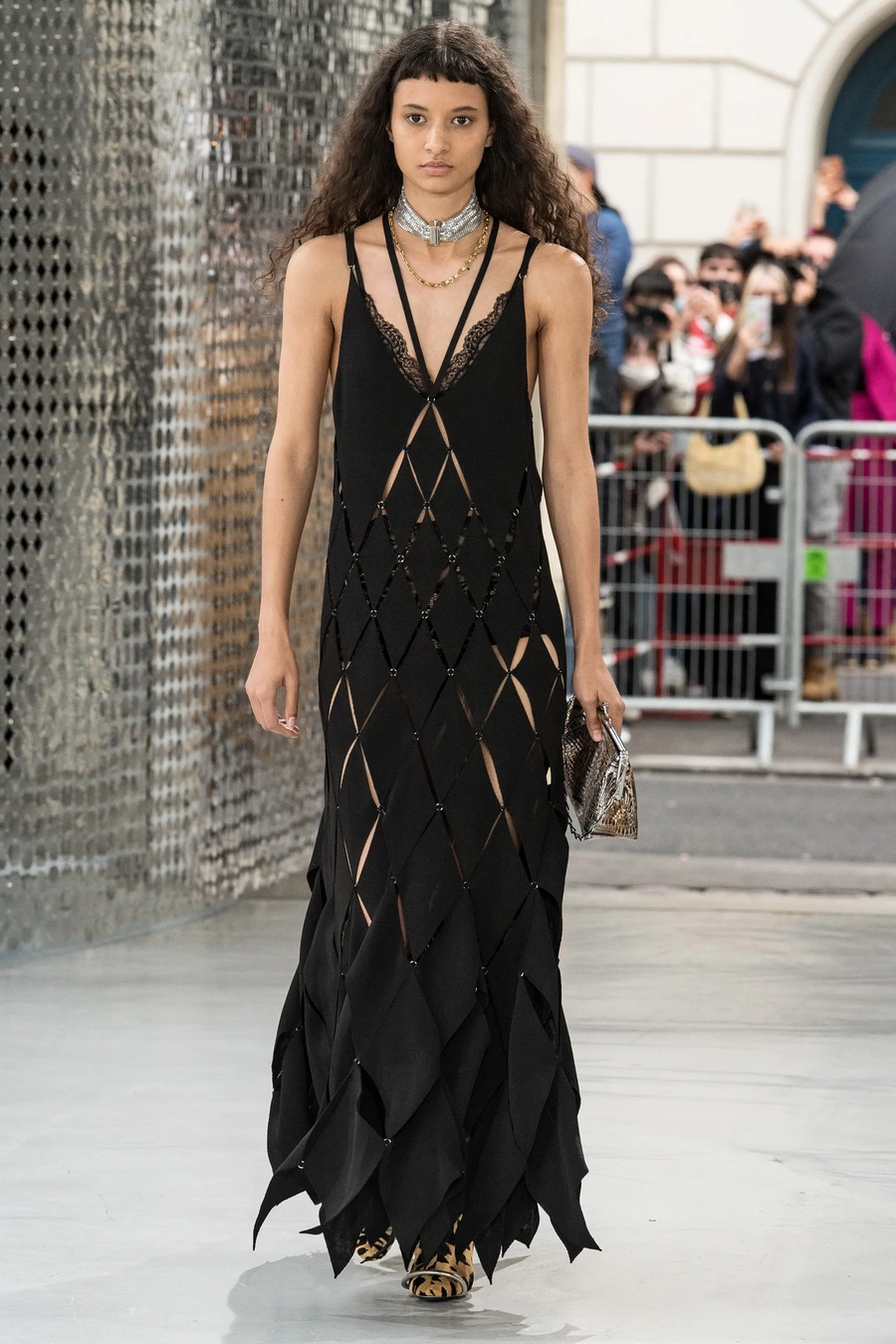
Courrèges and Rabanne carry the most direct futuristic charge. Courrèges kept the 1960s close to clean geometry, white-hot precision, and a body that looks engineered for movement, while Rabanne brings a harder surface to fantasy, turning shine, structure, and artificiality into something closer to pop armor. Together, they show the decade’s obsession with tomorrow at its most polished and dangerous.
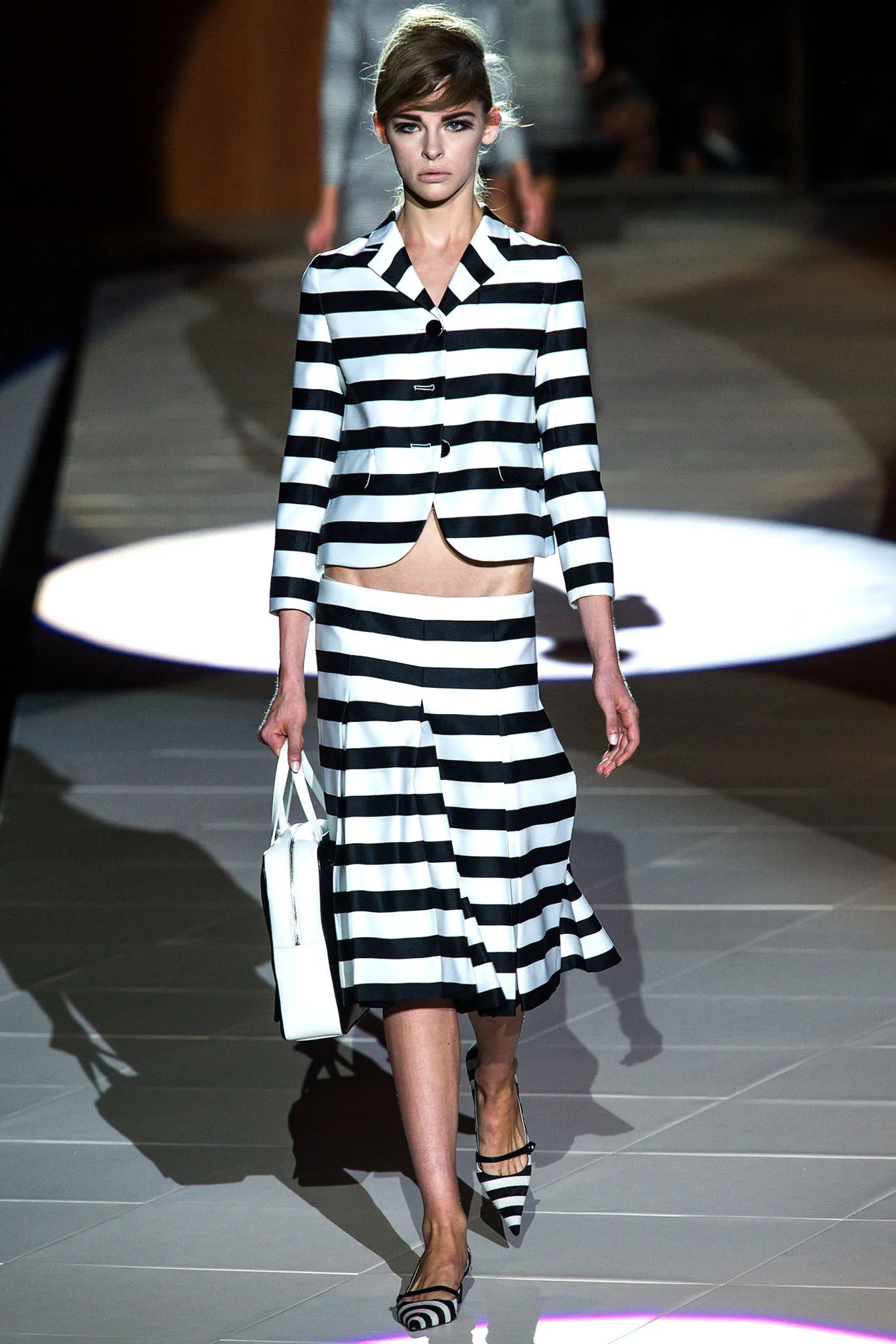

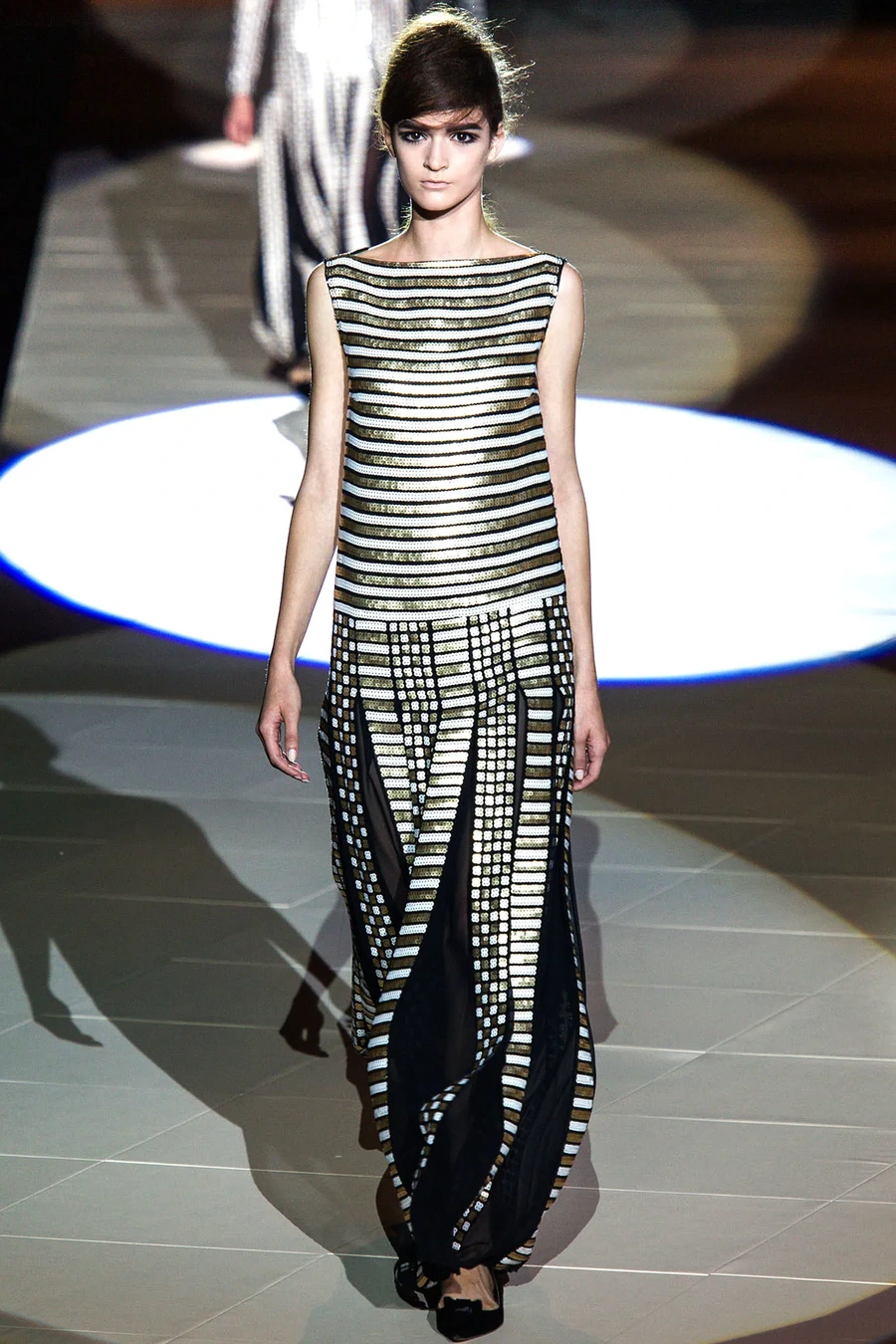
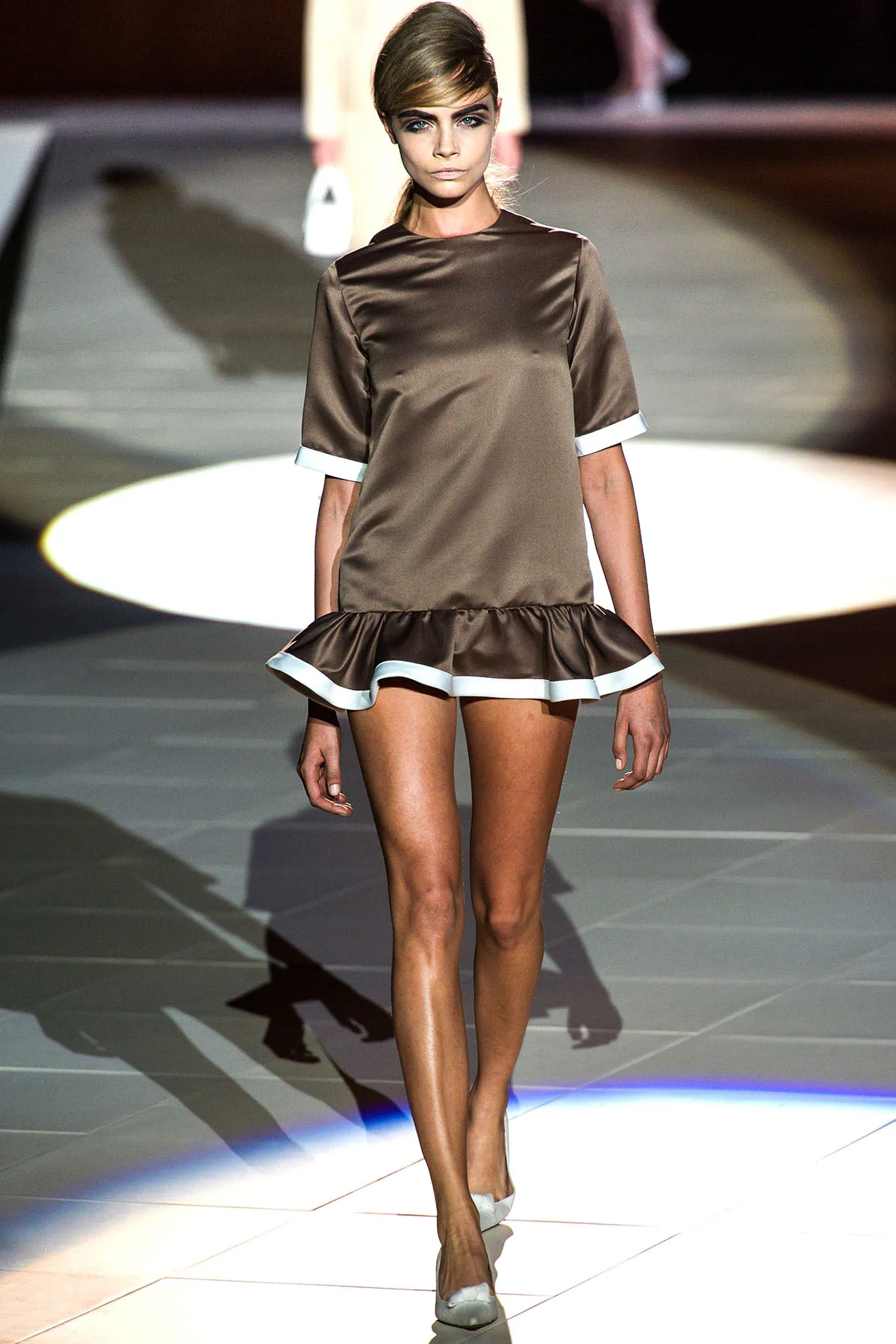
Marc Jacobs pulls the 60s style toward downtown wit, where optical graphics, lean shapes, and a slightly wired sense of youth turn the runway into a moving poster. His version of the decade has the stare of a Warhol screen test: flat, clever, nervous, and perfectly aware that surfaces can become a weapon.
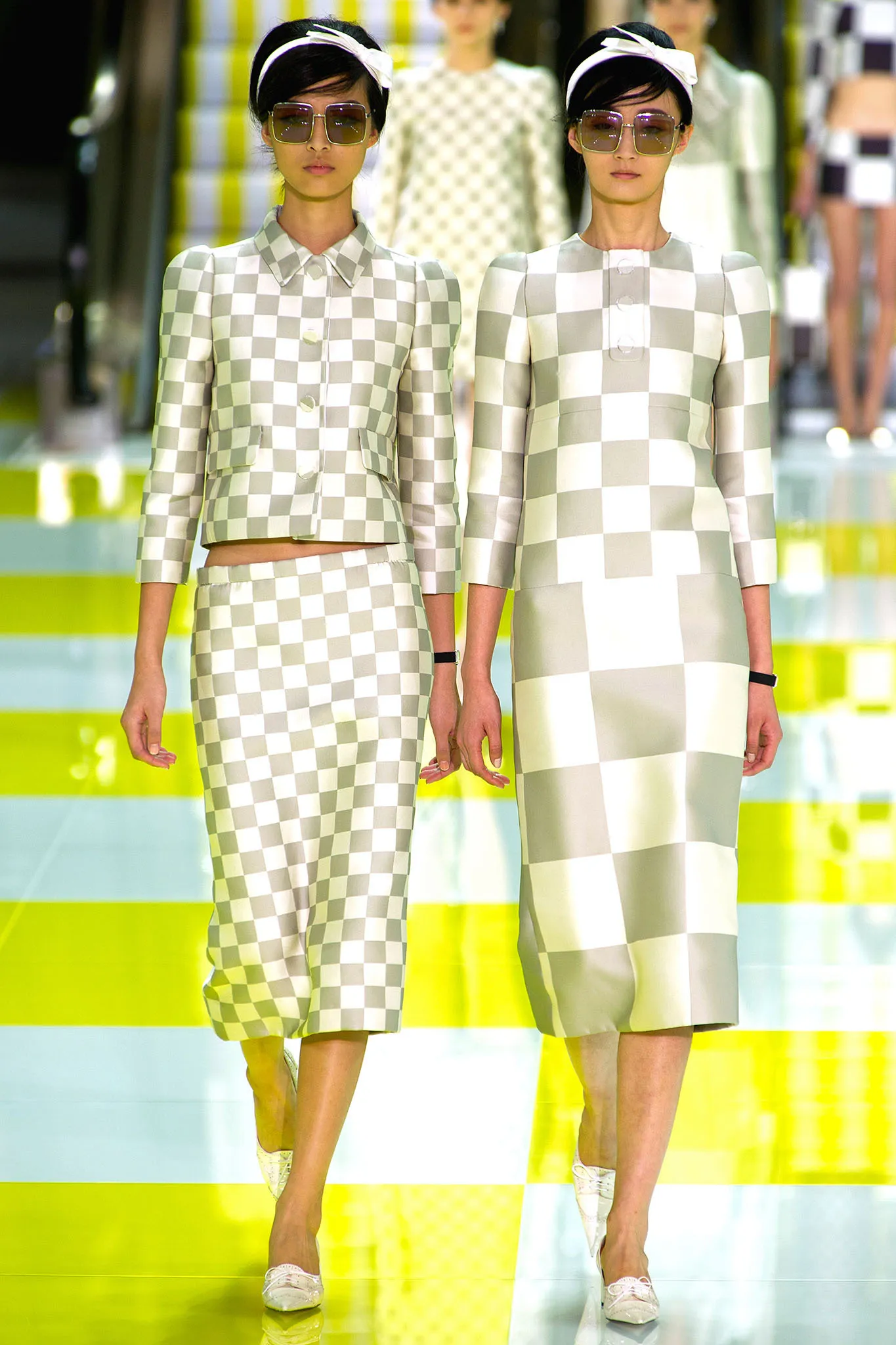
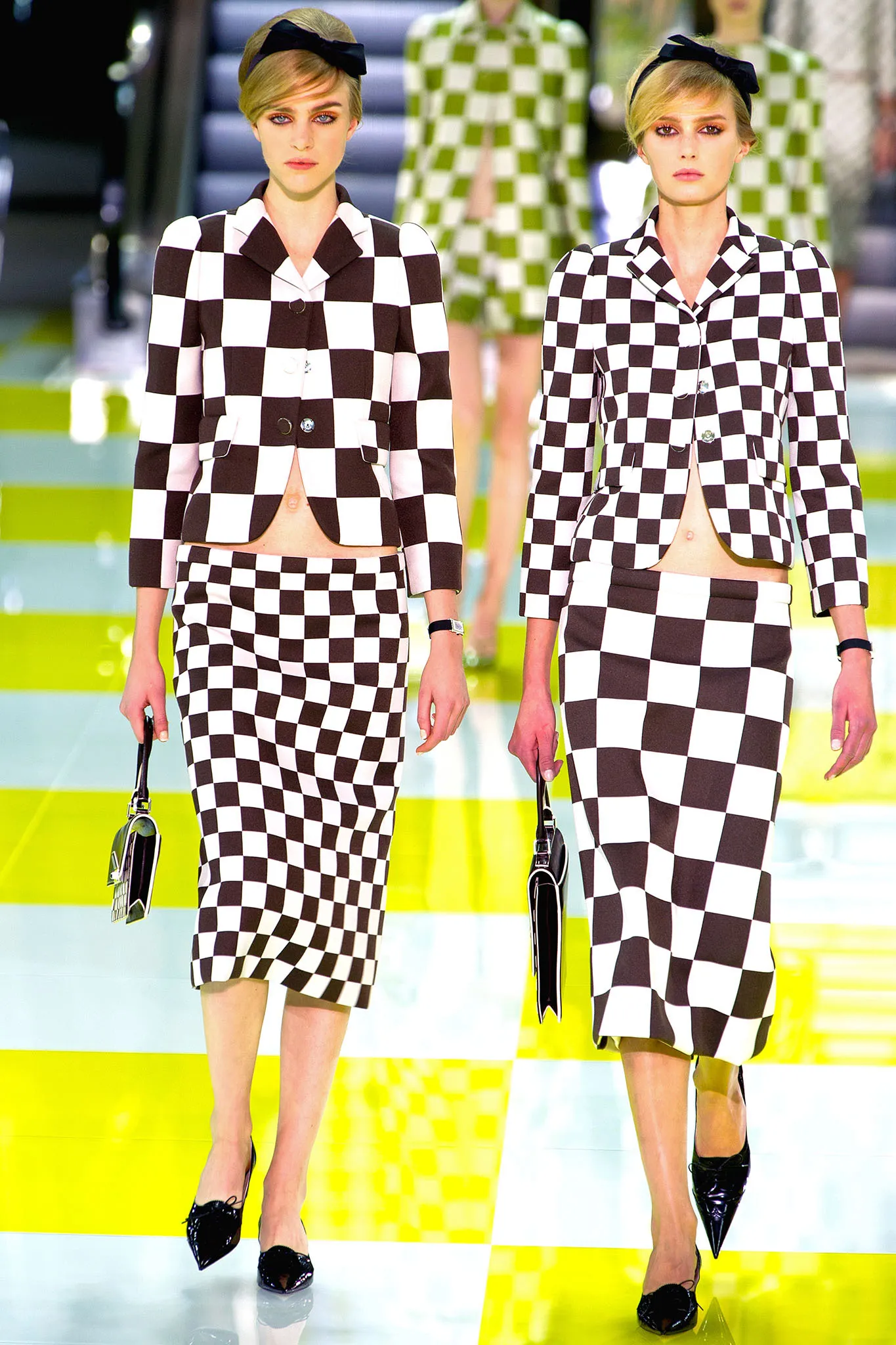
Louis Vuitton translates the decade into mod spectacle, with checkerboard patterns, paired models, short shapes, and a graphic order so polished it almost becomes unreal. The effect is bright and controlled, as though the boutique window has grown legs and decided to march through Paris with perfect timing.
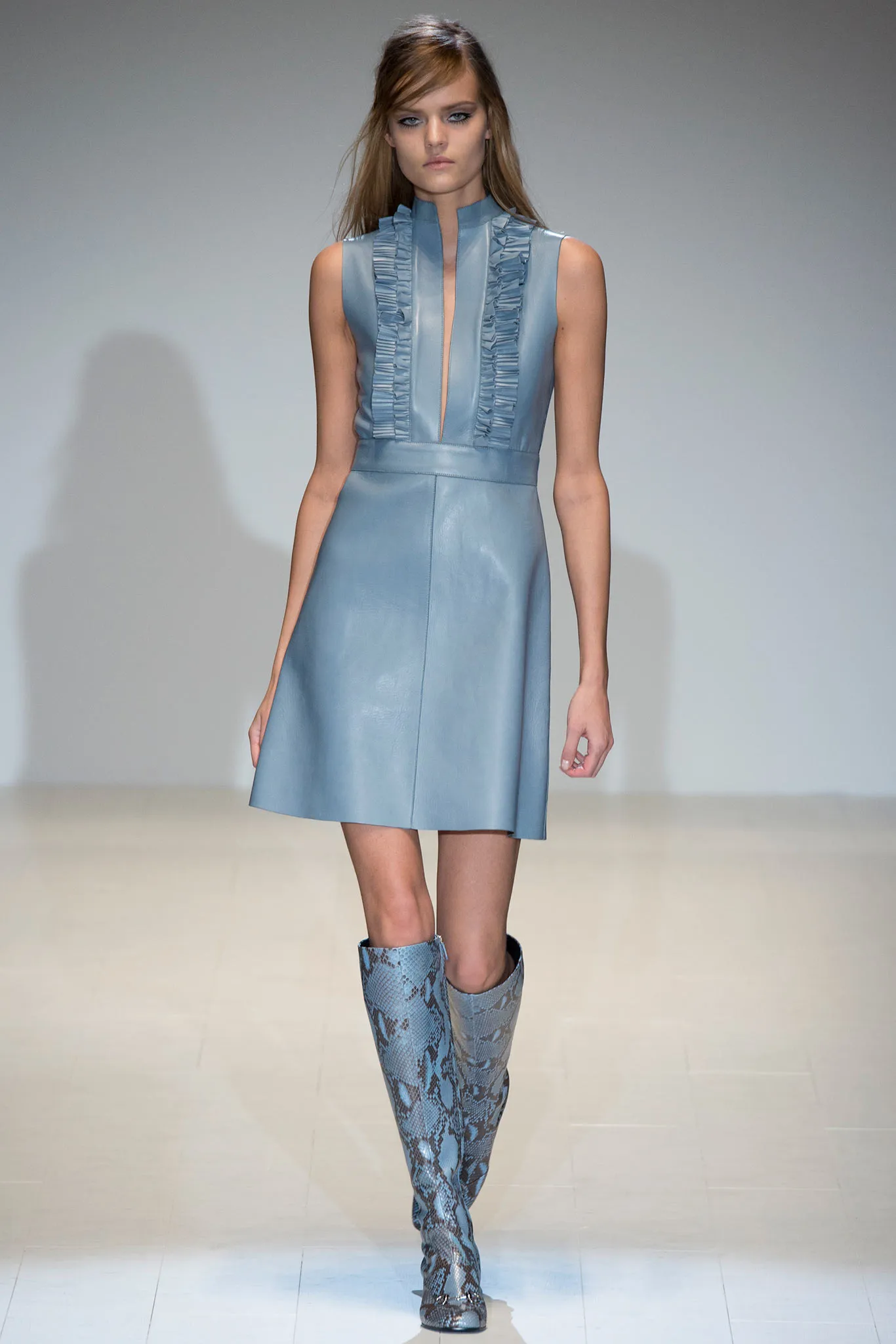
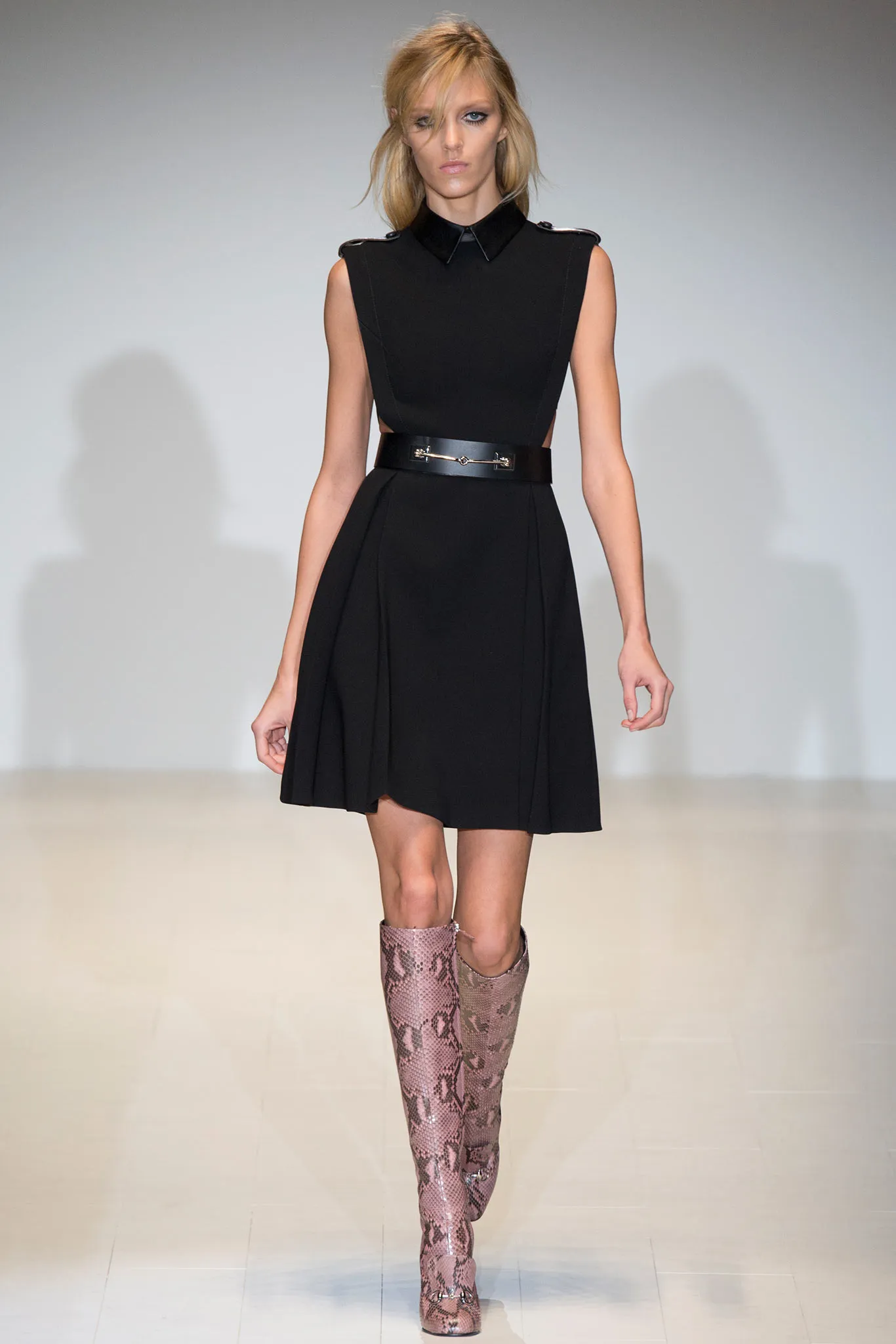

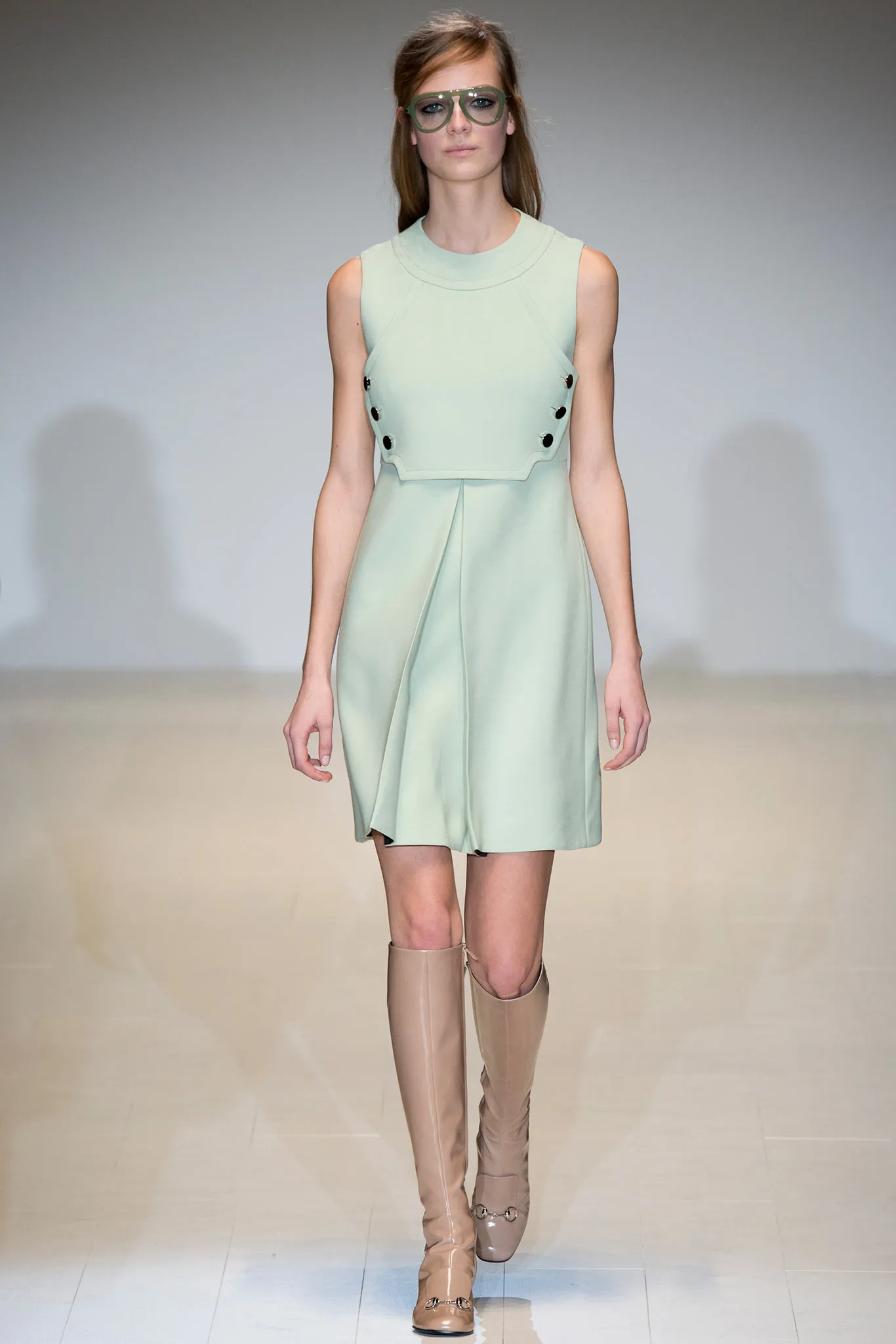
Gucci gives the 60s style a glossy, mod Italian register, where simple minidresses, knee-high boots, and polished color turn the era into something sleek, decorative, and still a little dangerous. The house makes the decade look expensive without sanding away its bite.
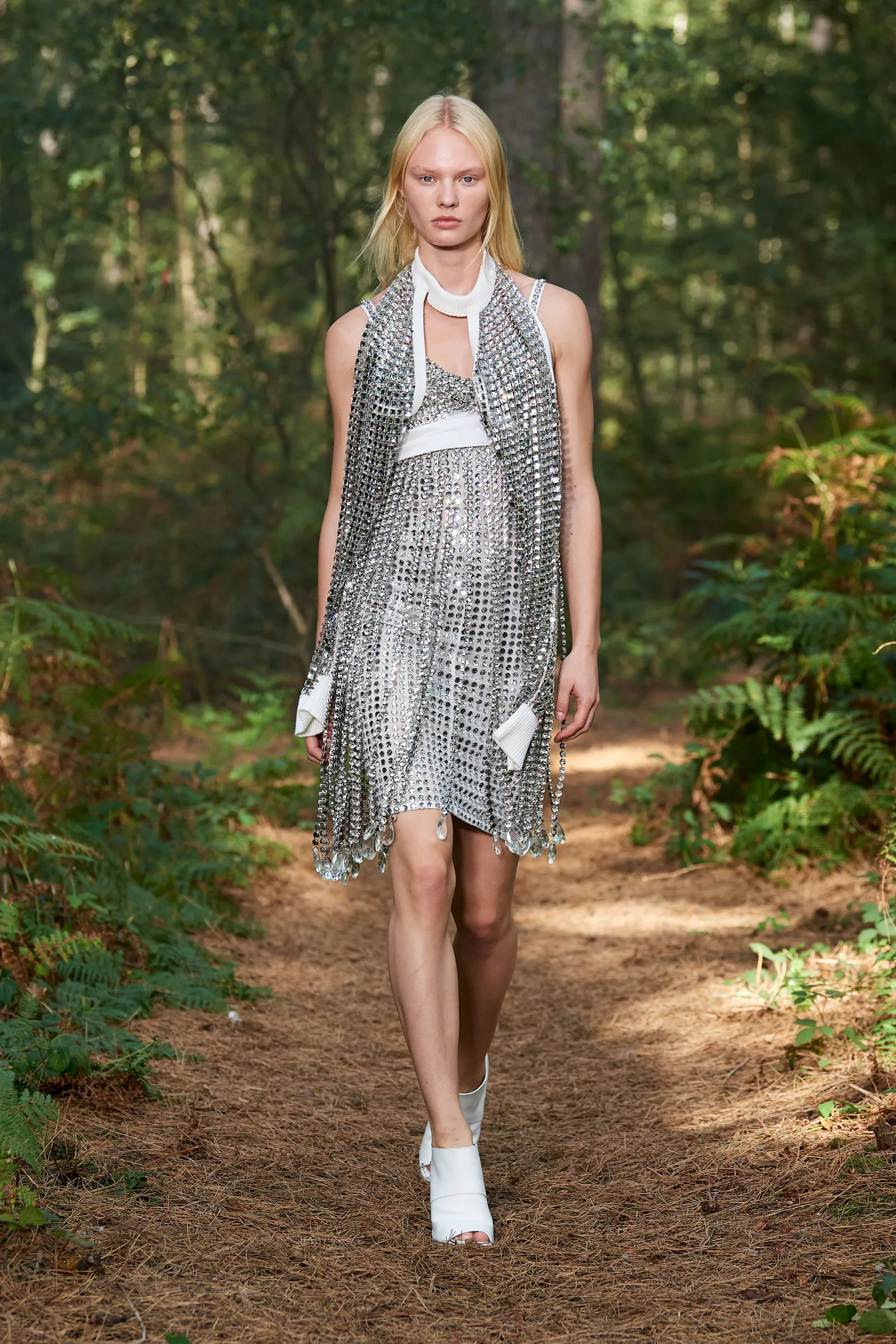
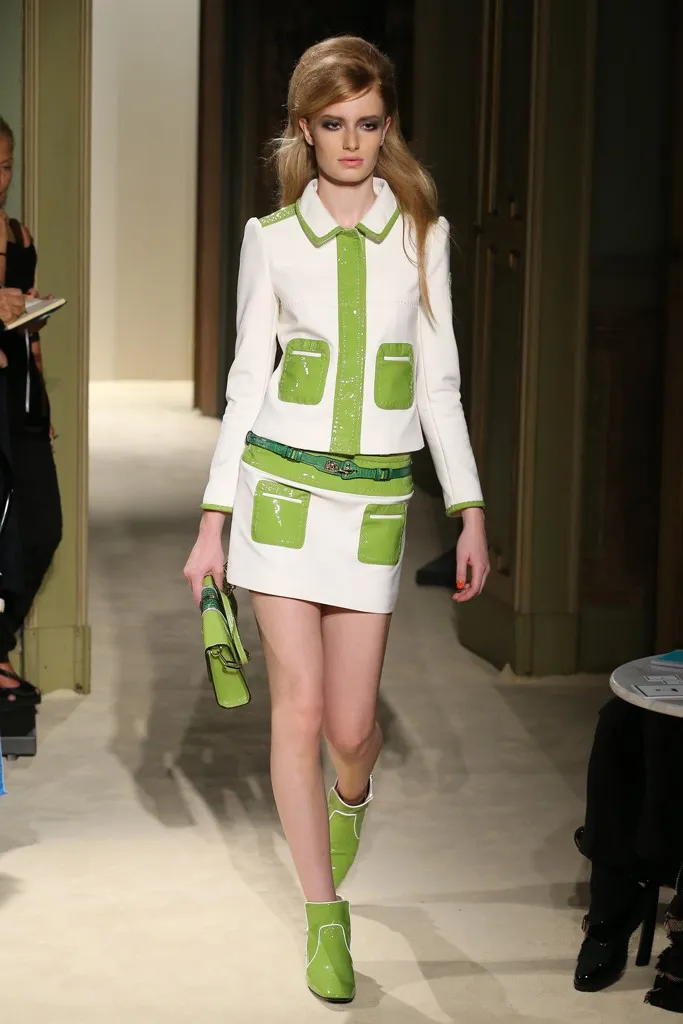
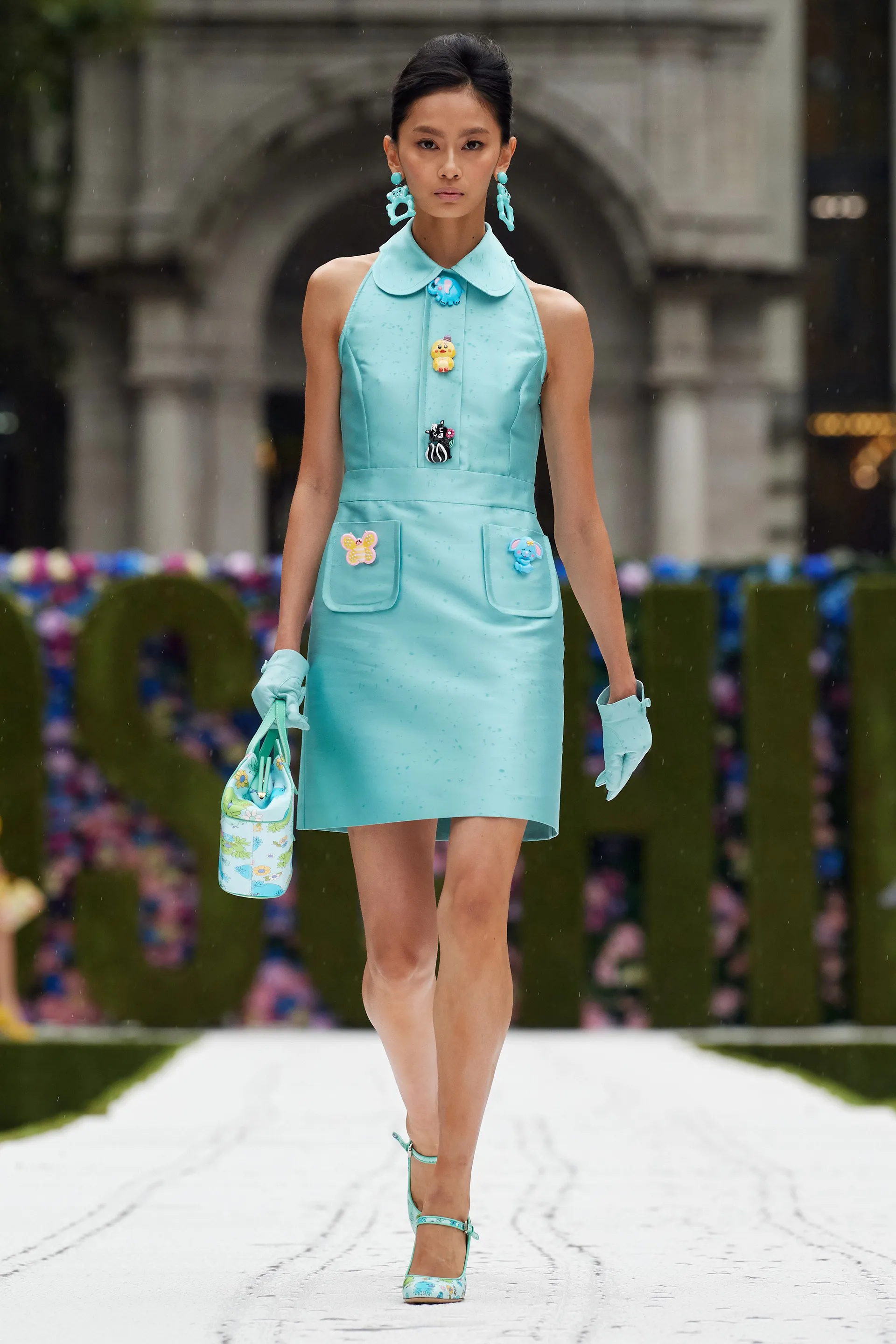
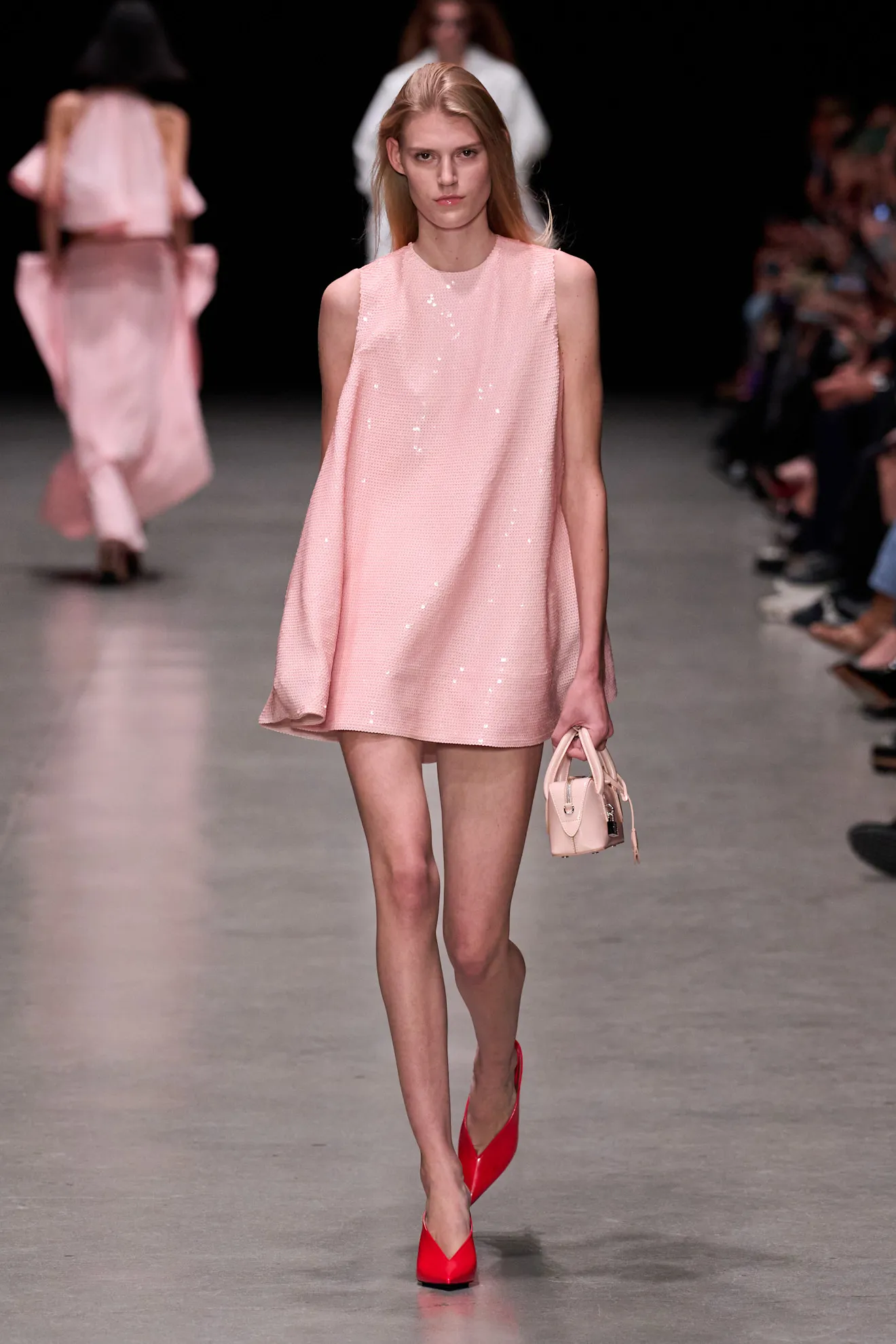
A single look can carry the same charge when the code is sharp enough: a short graphic dress, a booted line, a synthetic shine, or a pop-colored shape capable of changing the room’s temperature. The 60s style carries all its brightness with a little threat intact.
Inside the frame, the 60s style picks up a colder, slicker charge, as though the camera has learned to treat clothes like evidence of a glamorous little crime. A dress can pass through the shot at the speed of a rumor, a synthetic surface can make the body look slightly unreal, and the woman wearing it seems caught between public image and private mischief, perfectly aware that looking modern has become its own kind of performance.
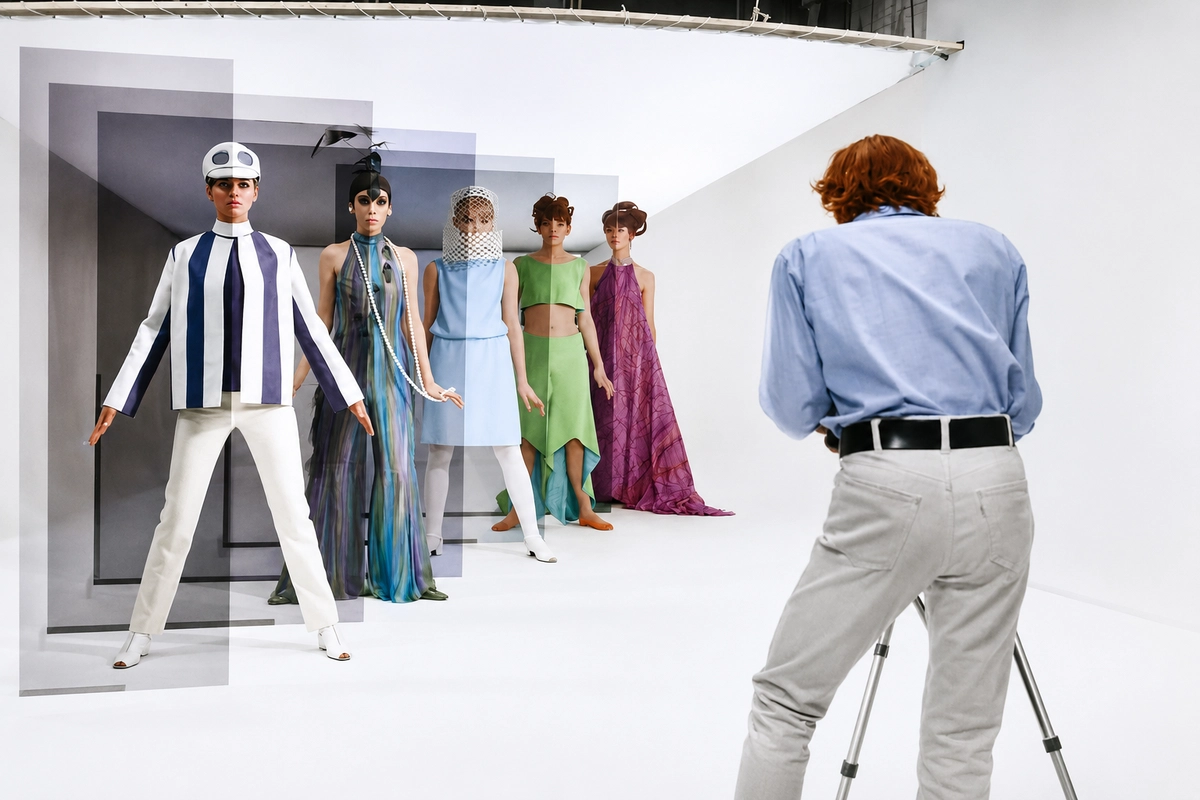
In Blow-Up in 1966, the London fashion scene appears with all its cool, strange voltage intact. The women in the film carry the mood of Swinging London through clean little dresses, graphic youth, sharp bodies, and that peculiar 1960s blankness that can look playful and unreadable in the same frame. The clothes belong to a world of photographers, models, studios, and street images, where style moves fast enough to become evidence and illusion at once.
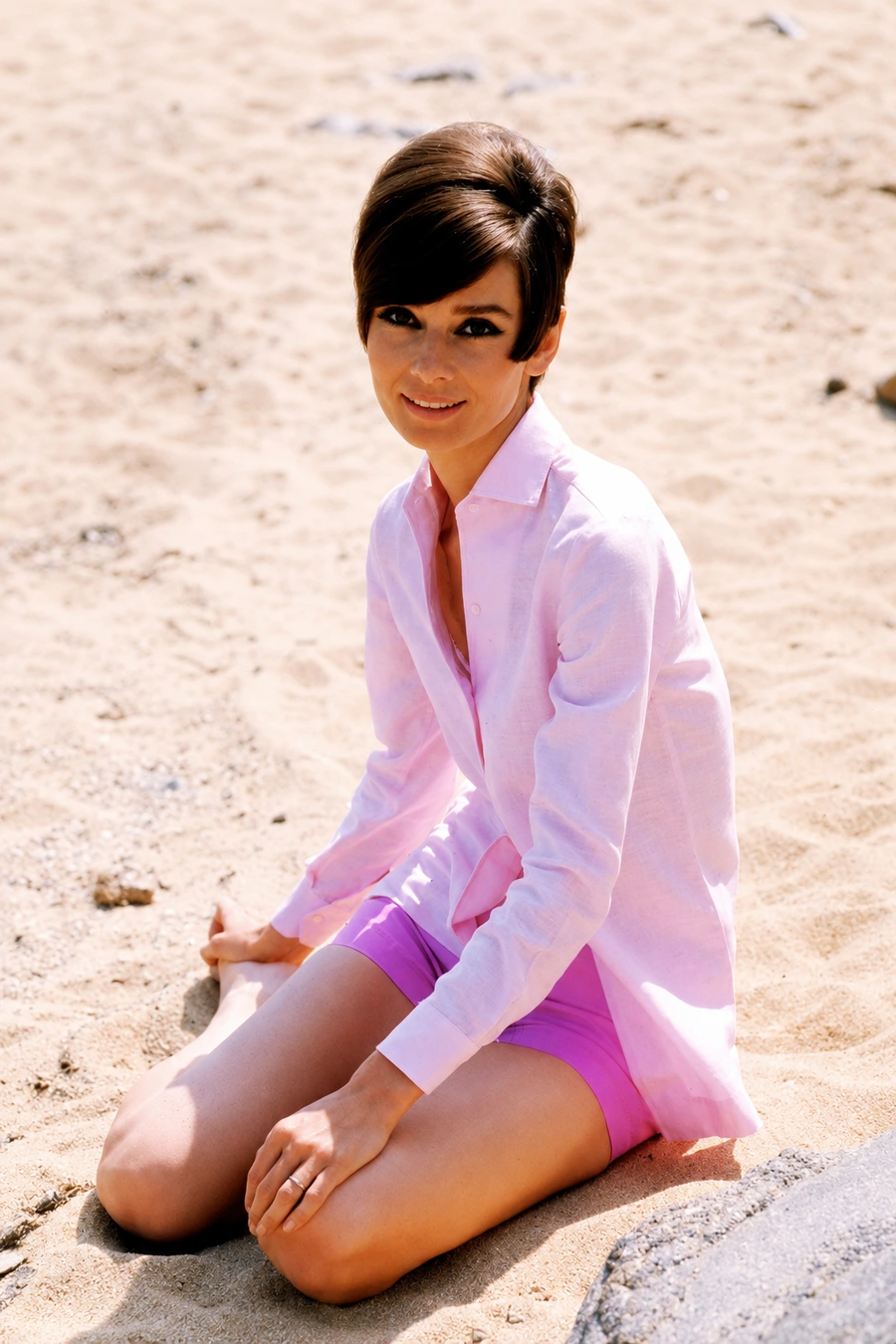

In Two For The Road in 1967, Audrey Hepburn turns the decade’s modern wardrobe into a moving diary of youth, travel, romance, and shifting identity. The clothes are sharper than sentimental memory: short dresses, graphic coats, clean knits, and streamlined silhouettes carry the easy wit of 1960s fashion without turning the image into fantasy costumes. The 60s style appears through Audrey Hepburn becoming mobile, polished, and slyly self-aware, dressed for a world where a woman can change mood, speed, and direction before the camera has time to settle.

The 60s style leaves the decade with the sting of a camera flash pressed too close to the eye. The old room keeps its furniture, its manners, and its careful vocabulary of taste, yet the body has already learned another grammar: shorter, straighter, quicker, and faintly amused by the shock it causes.
Its legacy lives in that bright little disturbance. Clothes gained a graphic pulse, a synthetic nerve, and a youth-driven arrogance that could travel through the world at the speed of a rumor. A dress could suddenly behave like a signal, carrying the wicked pleasure of a future already knocking on the glass.
The 60s style endures as the moment modern dressing discovers how to misbehave with perfect edges. It stands in the doorway with a polished plastic smile, still crisp, still strange, still making yesterday look overdressed.
Advertisement