MENU
Close





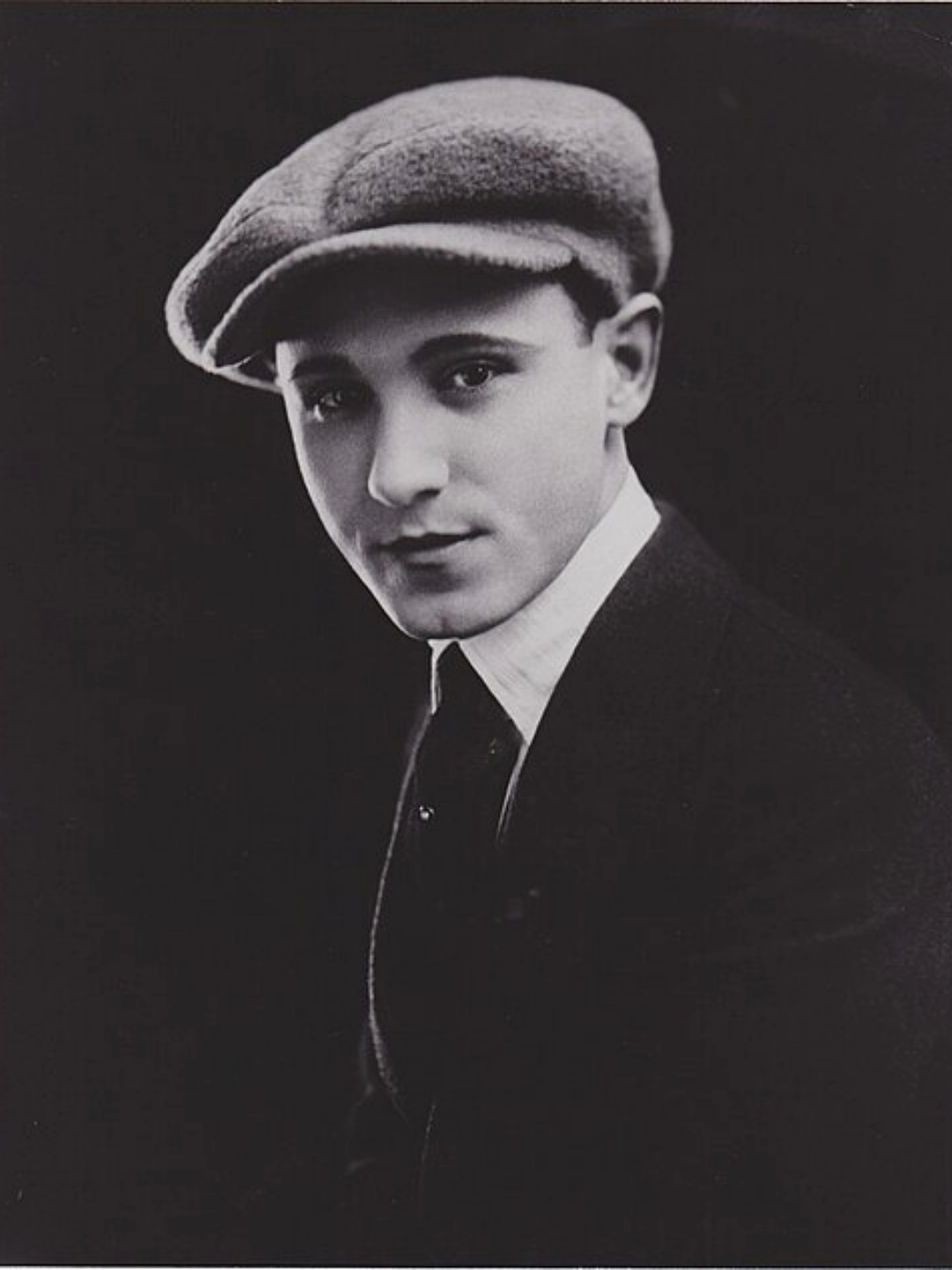
On July 25, 1934, François Coty died in Louveciennes, France, leaving behind a fragrance empire that changed how perfume was created, packaged, marketed, and sold to the modern consumer.
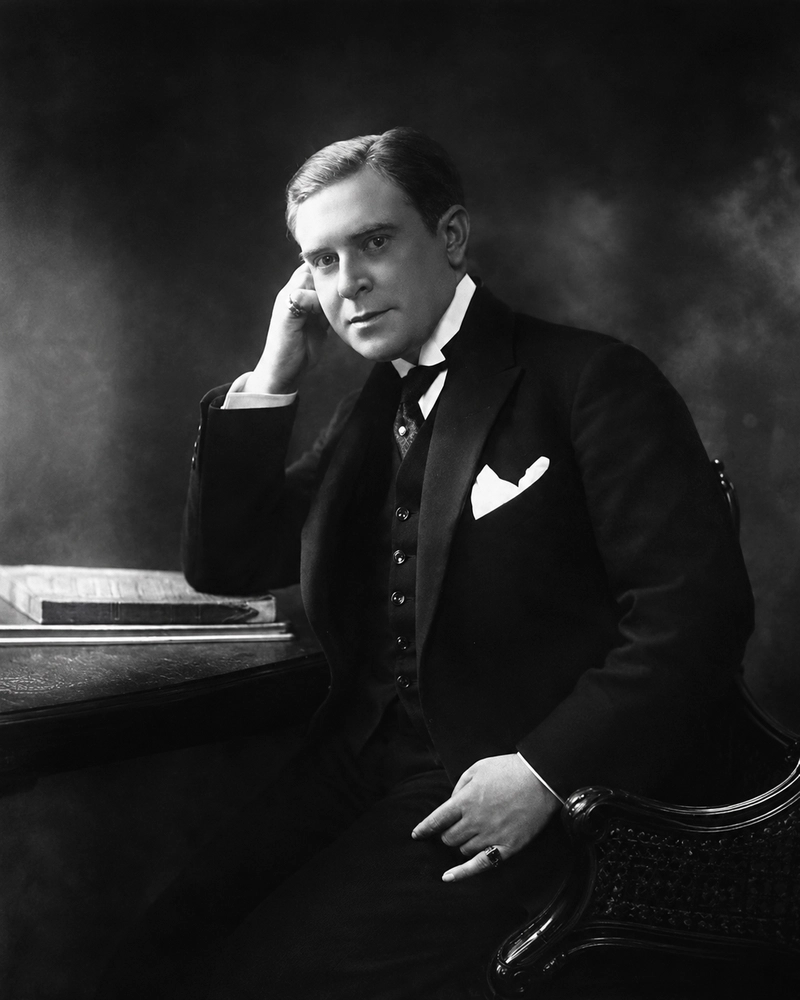
On July 25, 1934, François Coty died in Louveciennes, France, leaving behind a fragrance empire that changed how perfume was created, packaged, marketed, and sold to the modern consumer.
July 25, 2026


His importance sits across several fields at once: fragrance composition, packaging design, retail strategy, brand storytelling, and global distribution. Born Joseph Marie François Spoturno in Corsica, François Coty entered the perfume world with a strong instinct for both formula and presentation. Coty’s own corporate history records that the company was founded in Paris by Joseph Marie François Spoturno, who chose the name Coty as a more elegant and globally resonant identity for his business.
His early success came through La Rose Jacqueminot, the fragrance that helped establish his reputation and pushed his business into wider circulation. François Coty understood that perfume could reach a broader public when quality, emotional appeal, and presentation worked together. He helped shape the idea of “mass luxury,” where beauty retained its dream value while becoming available to a much larger market than the traditional elite salon client.
The key innovation of François Coty was his ability to treat the bottle as part of the perfume. His collaborations with glassmakers and designers, especially the world associated with René Lalique, gave fragrance a stronger visual identity. This changed consumer behavior because perfume became something to display, gift, collect, and recognize. A scent gained authority through its flacon, label, box, and counter presence.
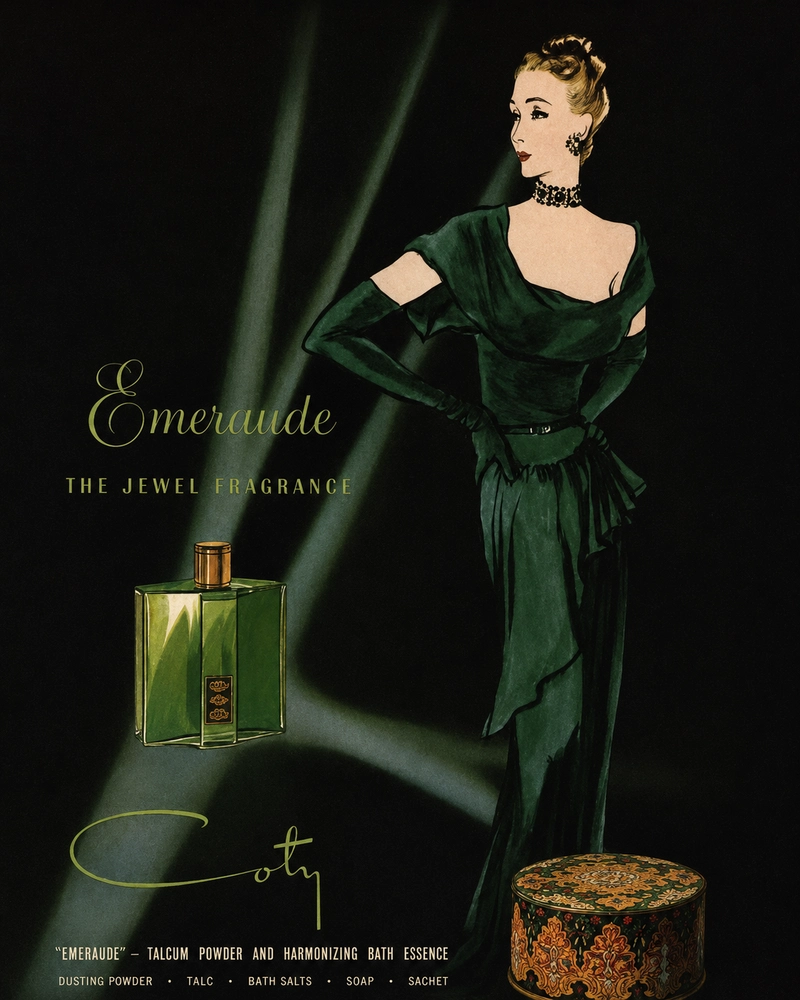
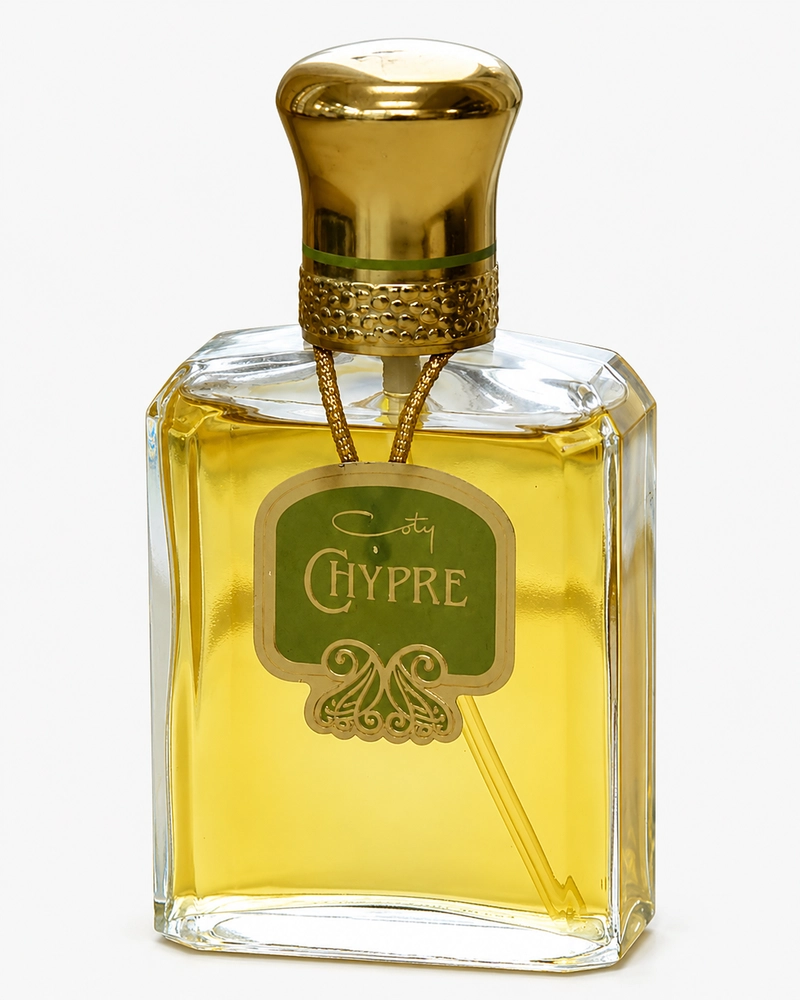
L’Origan, Emeraude, Ambre Antique, and especially Chypre gave the house a place in the technical and emotional history of scent. Chypre became particularly important because its structure influenced an entire fragrance family built around mossy, citrus, woody, and resinous effects. Through these perfumes, François Coty showed that commercial fragrance could still carry compositional complexity and artistic identity.
François Coty expanded through department stores, international markets, and a clearer understanding of beauty as daily consumption. He saw that perfume could sit beside powder, cosmetics, soaps, and other personal-care goods, forming a wider beauty universe rather than a single luxury purchase. This thinking anticipated the modern beauty conglomerate, where fragrance, makeup, skincare, and image all support one commercial ecosystem.
Today, François Coty remains one of the defining figures of fragrance history because he gave perfume its modern architecture. Every beauty counter filled with recognizable bottles, every fragrance launch built around packaging and fantasy, and every accessible perfume carrying luxury codes still belongs in part to the system he helped create.