MENU
Close





On July 5, 2015, Burt Shavitz, the co-founder and namesake of Burt’s Bees, passed away in Maine at the age of 80, leaving behind one of natural beauty’s most recognizable founder stories.
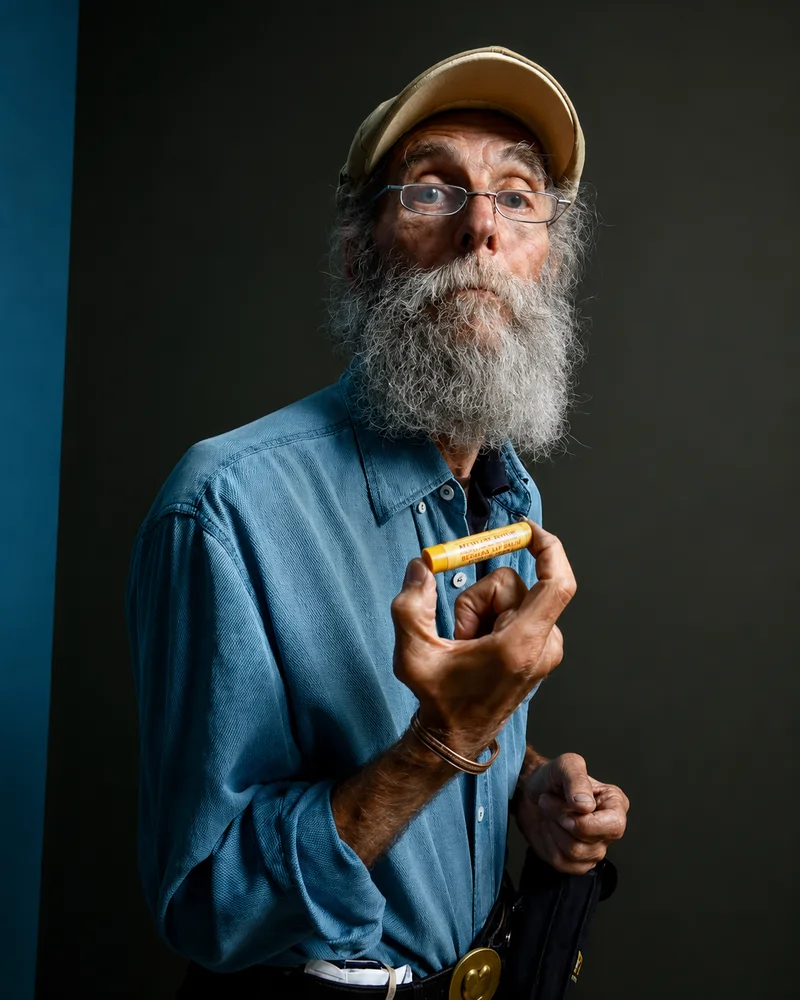
On July 5, 2015, Burt Shavitz, the co-founder and namesake of Burt’s Bees, passed away in Maine at the age of 80, leaving behind one of natural beauty’s most recognizable founder stories.
July 5, 2026


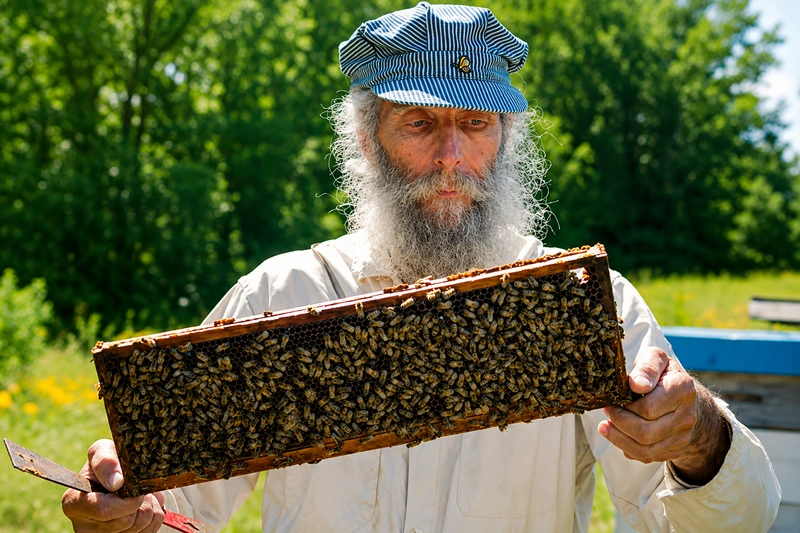
Burt’s Bees holds a distinctive place in beauty history because its identity began with a person who looked far removed from the polished world of cosmetics. Burt Shavitz was a beekeeper, former photographer, and rural Maine figure whose bearded face became one of the most recognizable images in natural personal care. His presence on packaging gave the brand a human center, turning lip balm, salves, lotions, and soaps into products tied to land, beeswax, simplicity, and a back-to-nature philosophy.
Born Ingram Berg Shavitz, he built an unusual path before becoming the face of Burt’s Bees. He worked as a photographer in New York, then moved toward a quieter life in Maine, where beekeeping became both livelihood and identity. That background mattered to the brand because it gave Burt’s Bees an origin story rooted in material reality. The bees, the wax, the honey, the truck, and the rural setting all became part of the company’s mythology before natural beauty became a crowded retail category.
The business began after Shavitz met Roxanne Quimby, who helped turn excess beeswax into candles and later into personal care products. What started through craft fairs and local selling gradually became a national beauty business. The lip balm became the core product because it translated the brand’s promise in the simplest possible form: beeswax, utility, portability, and a sensory link to nature. From there, Burt’s Bees expanded into skincare, body care, hair care, baby products, and broader personal care while keeping the founder’s image as a central asset.
Before clean beauty became a large marketing category, Burt’s Bees showed that consumers were willing to buy products built around recognizable ingredients, environmental language, and a founder story with visible authenticity. Its appeal came from the sense that the products had a source, a face, and a philosophy.
The later growth of Burt’s Bees, a brand that began with roadside honey, beeswax candles, and local craft culture, eventually entered mass retail and corporate ownership. That transition made the company far larger, yet the public memory of Burt Shavitz remained central to its identity. His face continued to function as a logo, a symbol, and a reminder that beauty branding can depend as much on character as on formula. Burt Shavitz himself became part of the brand’s cultural value because he embodied the lifestyle the company sold. He represented simplicity, independence, environmental closeness, and resistance to excess. This made him unusually powerful as a beauty founder figure. He was neither a laboratory celebrity nor a luxury executive; he was the “Burt” who made the brand feel handmade, even as the business grew into a global personal care name.