MENU
Close





Is fashion really listening to the economy, or does the hemline index crumble once you see how a 20-year fashion cycle shapes skirt length trends?
Is fashion really listening to the economy, or does the hemline index crumble once you see how a 20-year fashion cycle shapes skirt length trends?
March 26, 2026
Advertisement
Advertisement



Fashion loves a dramatic entrance, though it adores a comeback even more. Few things prove that better than the hemline, that mischievous little strip of fabric forever climbing, dipping, teasing, and announcing the mood of an era. For years, one of the most deliciously tidy ideas in style was the hemline index, the theory that skirt lengths mirrored the economy: when times felt lush and optimistic, hems floated upward; when the mood darkened, they dropped with appropriate sobriety. It is a theory with flair, a theory with scandal, a theory with excellent cocktail-party value.
And yet, a new study has arrived to swan into the room and complicate the hemline index story. According to researchers, the fashionable length of a hemline appears to move in a 20-year cycle, largely indifferent to a country’s economic highs and lows. In other words, fashion may be far more committed to its own internal flirtations than to the fiscal weather outside. That old skirt sitting quietly in the back of your wardrobe may be less a relic than a patient little prophet waiting for her next season in the sun.
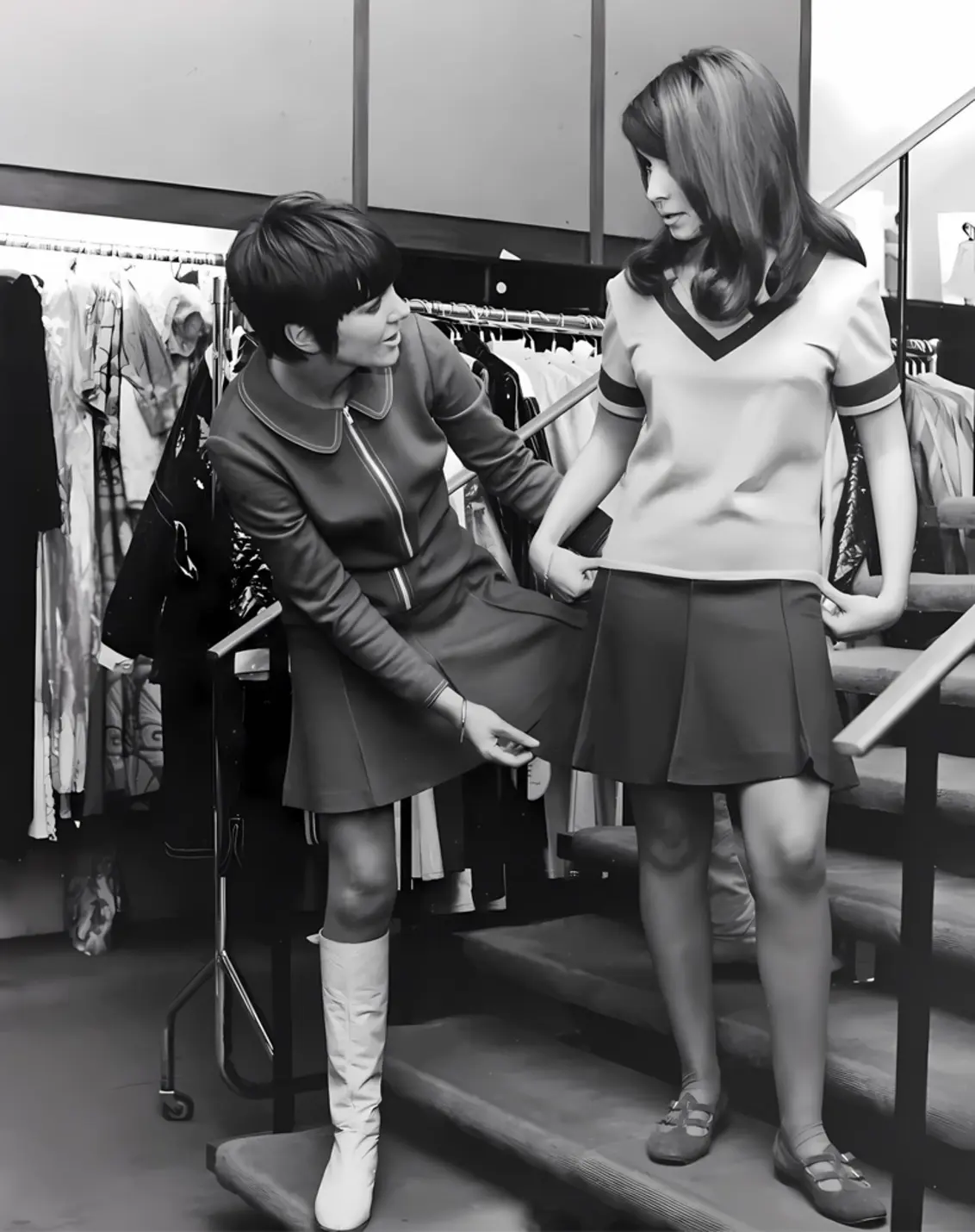
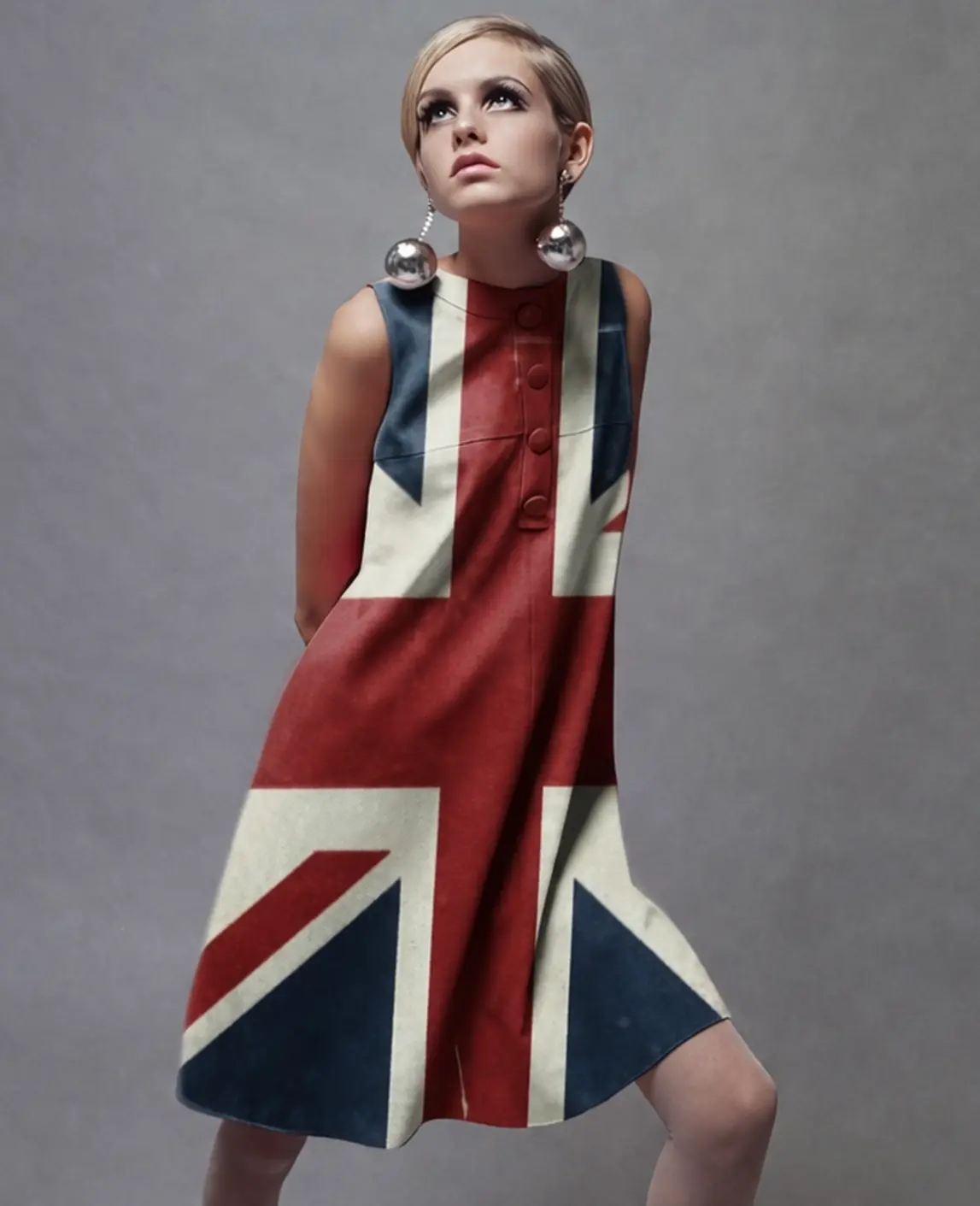
The evidence makes for a rather irresistible parade. In the 1950s, hemlines kept things polished and demure, a mood beautifully embodied by Grace Kelly. Picture ankle-length elegance, poise so immaculate it could probably balance a champagne coupe on its head, and a silhouette that treated restraint like a form of seduction. Then came the 1960s and 1970s, and the whole thing kicked the door open. Mary Quant ushered in the miniskirt, and suddenly hemlines rose with a jolt of youthful audacity. Legs became part of the conversation. The mood sharpened, flirted, strutted.
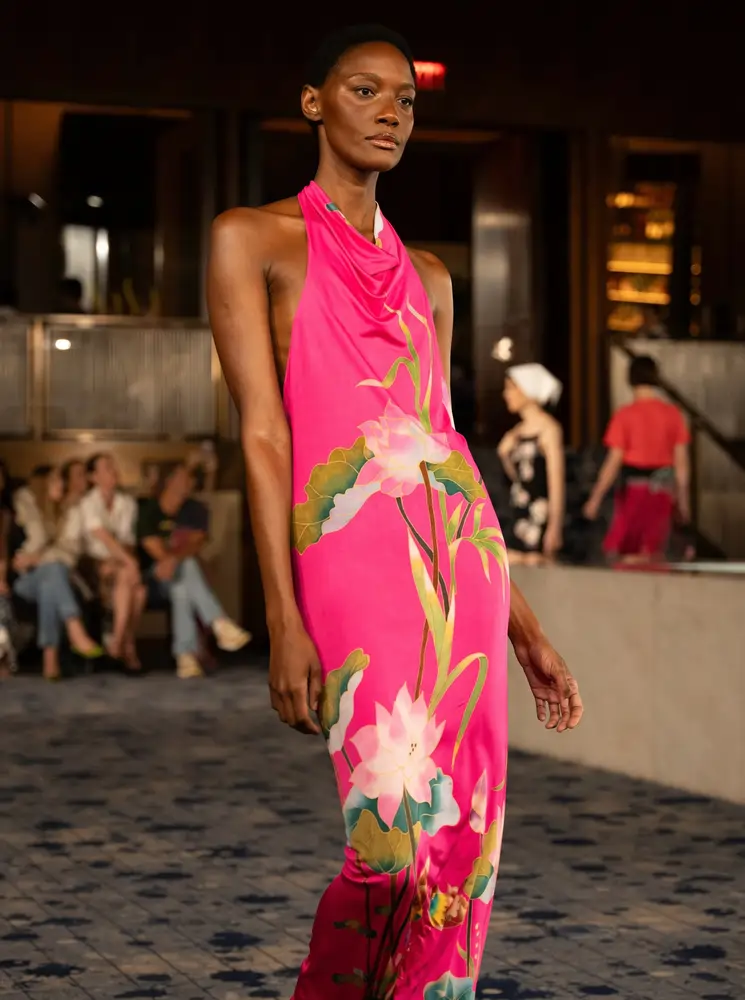
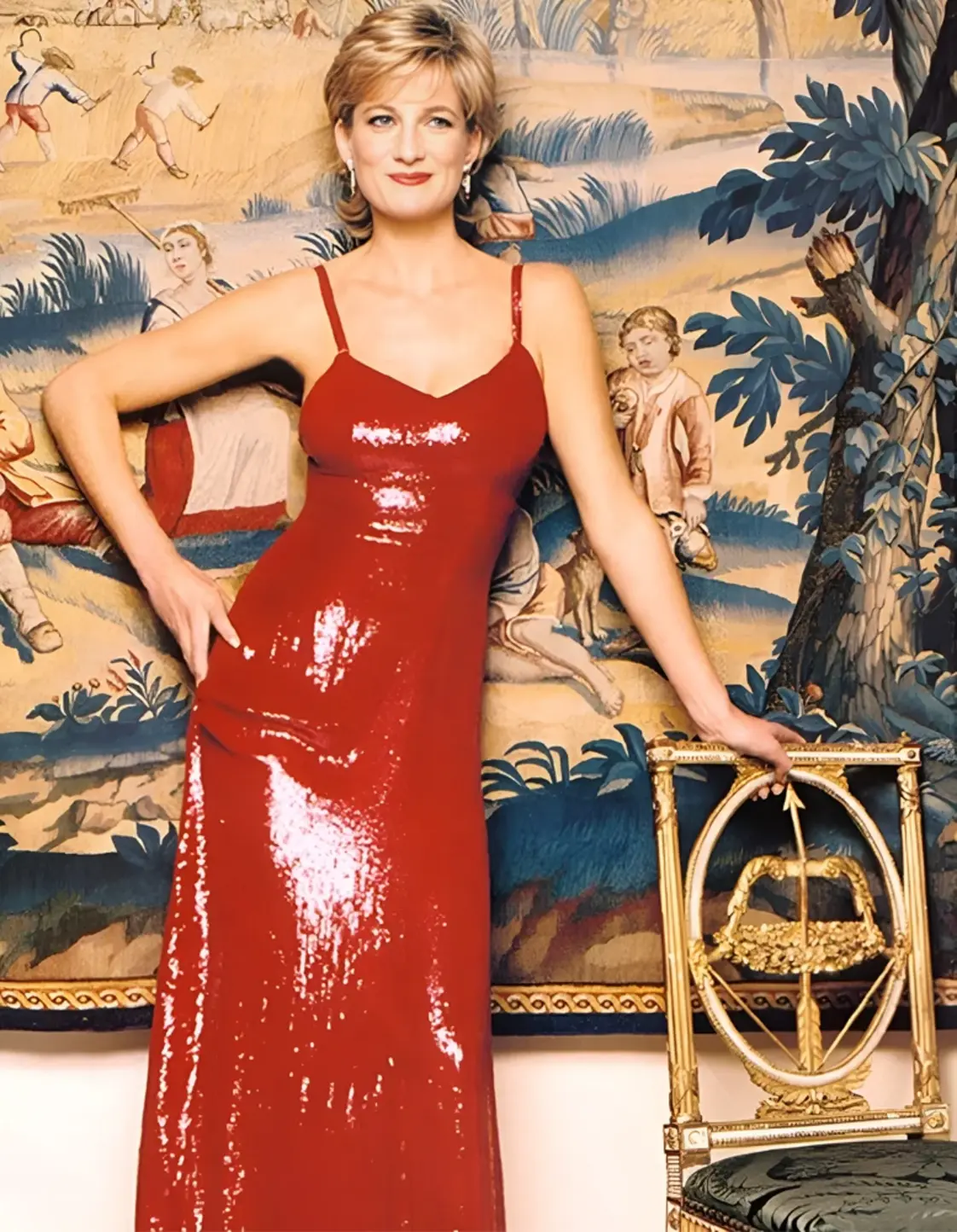
Then fashion, as fashion loves to do, changed its mind again. By the 1980s, skirts had slipped back to calf length, a shape Diana, Princess of Wales embraced with her usual gift for making propriety look chic rather than pious. In the 1990s, the line lengthened further still, with Gwyneth Paltrow helping to popularise the floor-length maxi, all liquid ease and sweeping glamour. Hemlines, it turns out, behave less like obedient indicators of the stock market, as the old hemline index would suggest, and more like divas with a memory, returning to old roles right when everyone thinks the script has changed.
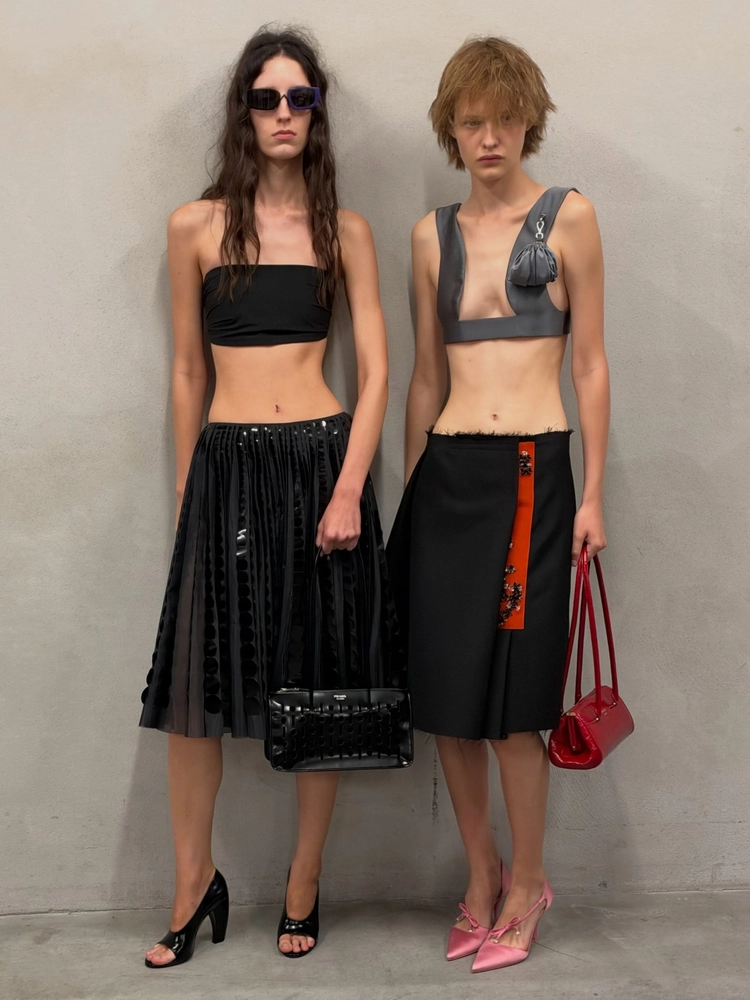
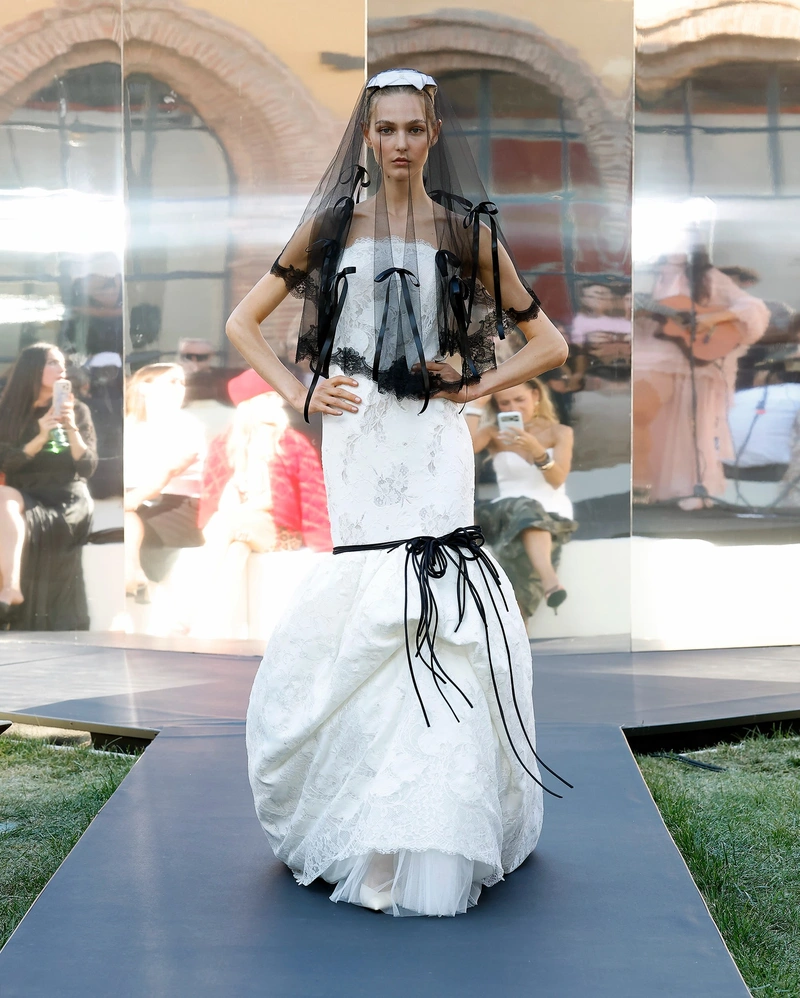
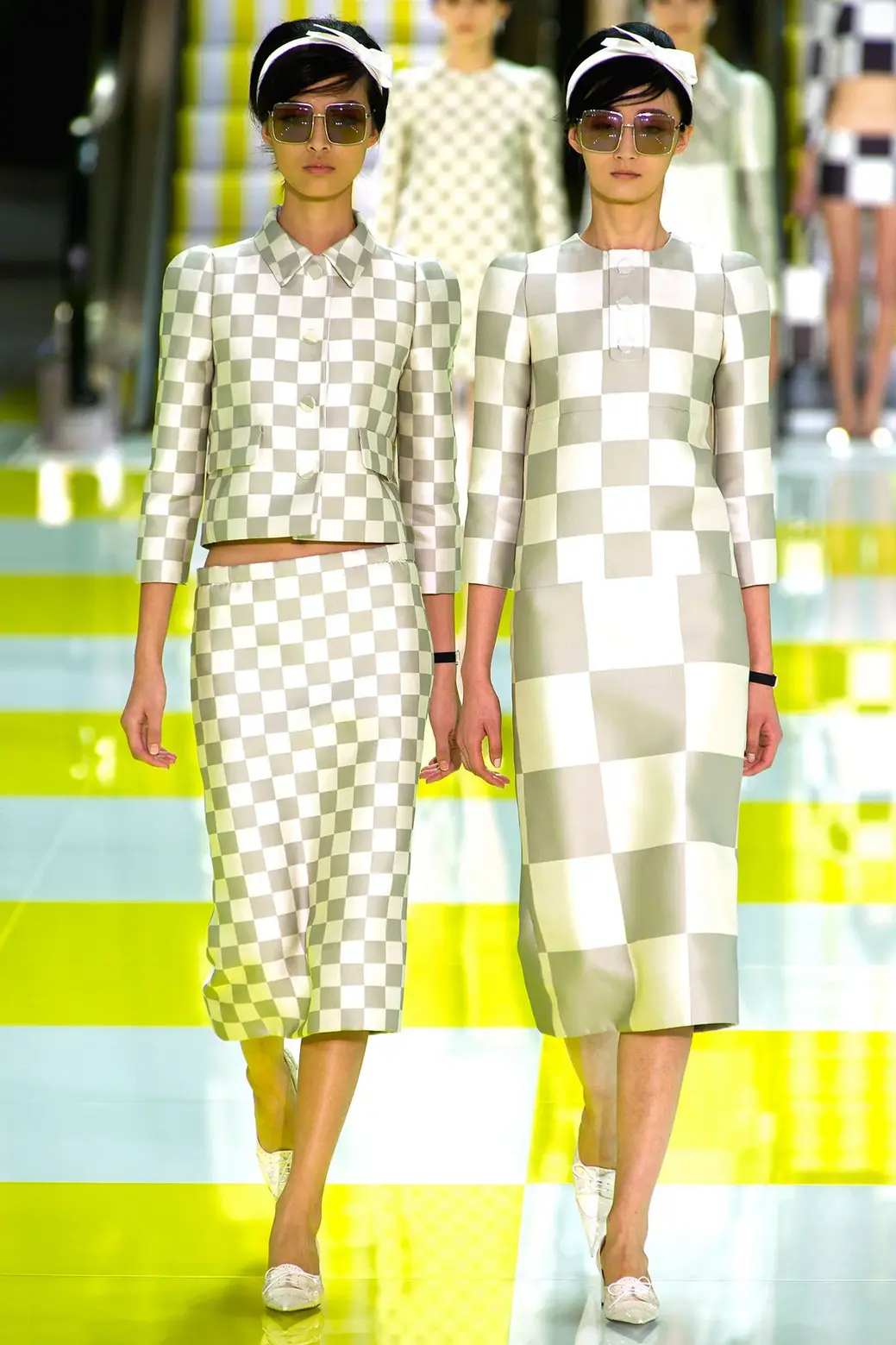
Researchers at Northwestern University in Illinois suggest that if the current pattern keeps strutting along as expected, midi skirts, those mid-calf darlings of recent years, could be heading toward fashion’s exit by the 2030s, making way for floor-length alternatives. Which makes wardrobe purges feel suddenly rash. The science, gloriously, sides with the sentimental hoarder. Today’s “dated” garment may simply be in intermission before its applause line, as another shift in skirt length begins to take shape.
Professor Daniel Abrams, co-director of Northwestern University’s Institute on Complex Systems, explains the rhythm with almost suspicious neatness. Over time, he says, the urge to differ from the recent past pushes style into these back-and-forth swings. The system itself wants to oscillate. Fashion, then, possesses its own internal pulse, one that keeps nudging silhouettes away from yesterday and toward something freshly legible, even when that “freshness” is actually a fabulously disguised return. It is this instinctive fashion cycle that gives the whole spectacle its strange, recurring magnetism.
That tension sits at the heart of the whole spectacle. Fashion wants to stand out, of course. She lives for it. Yet she also wants to fit in just enough to remain wearable, legible, desirable. Once a style becomes too common, designers begin edging away from it. They move, though with calculation rather than chaos. They rarely wander so far that clothing stops making sense altogether. Instead, the industry performs a kind of choreographed rebellion, forever balancing novelty with familiarity, disruption with seduction.
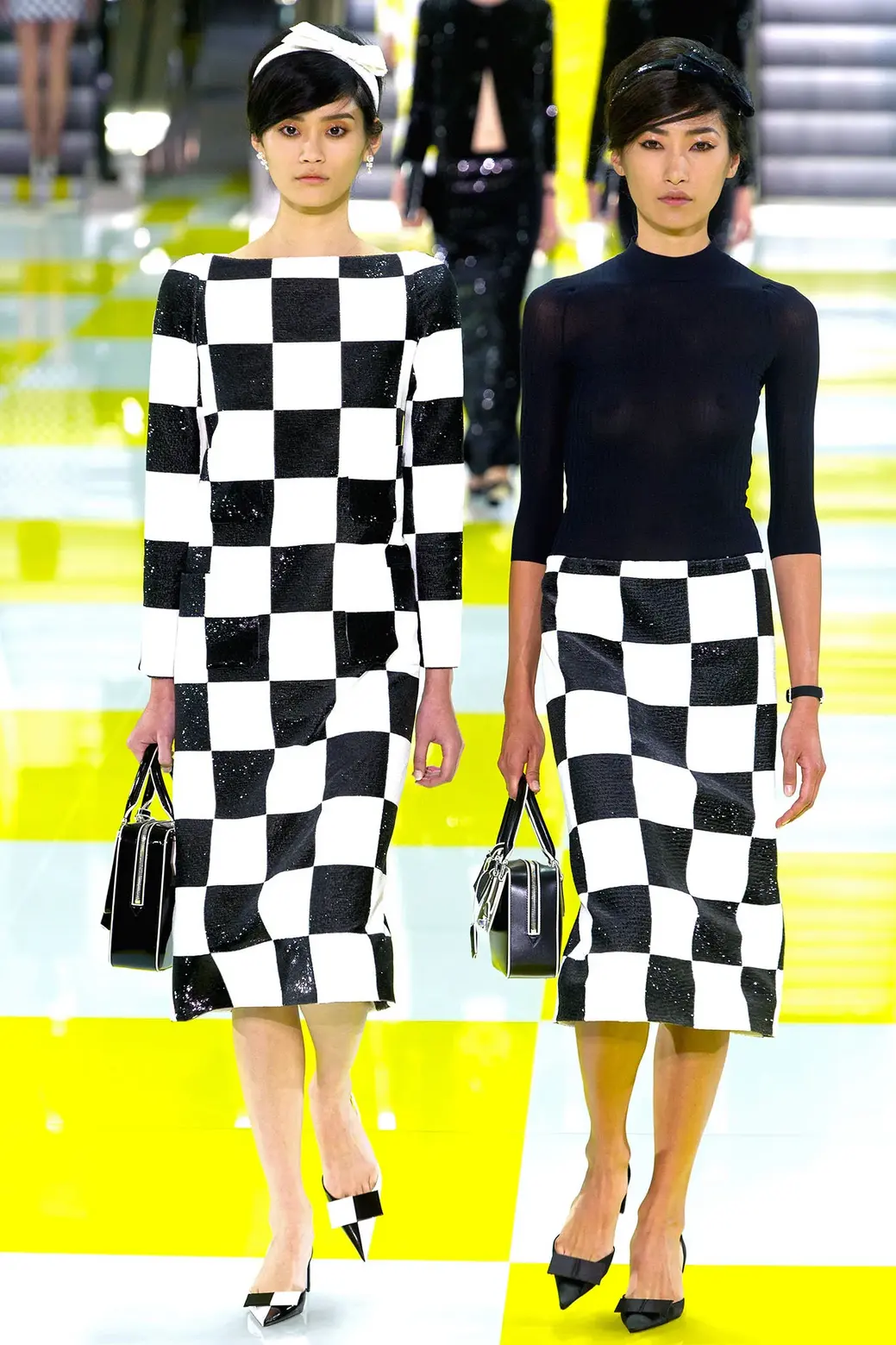
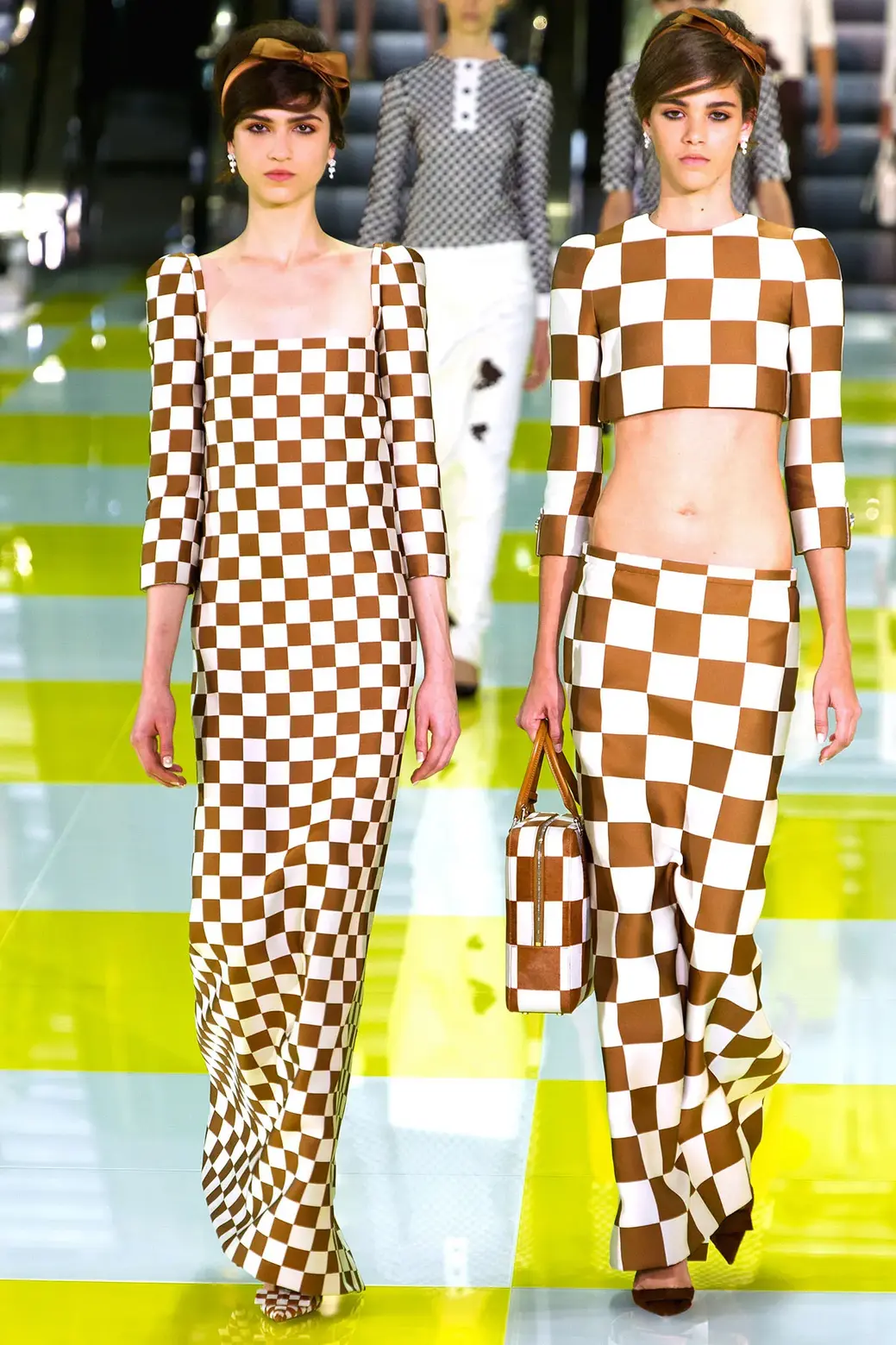
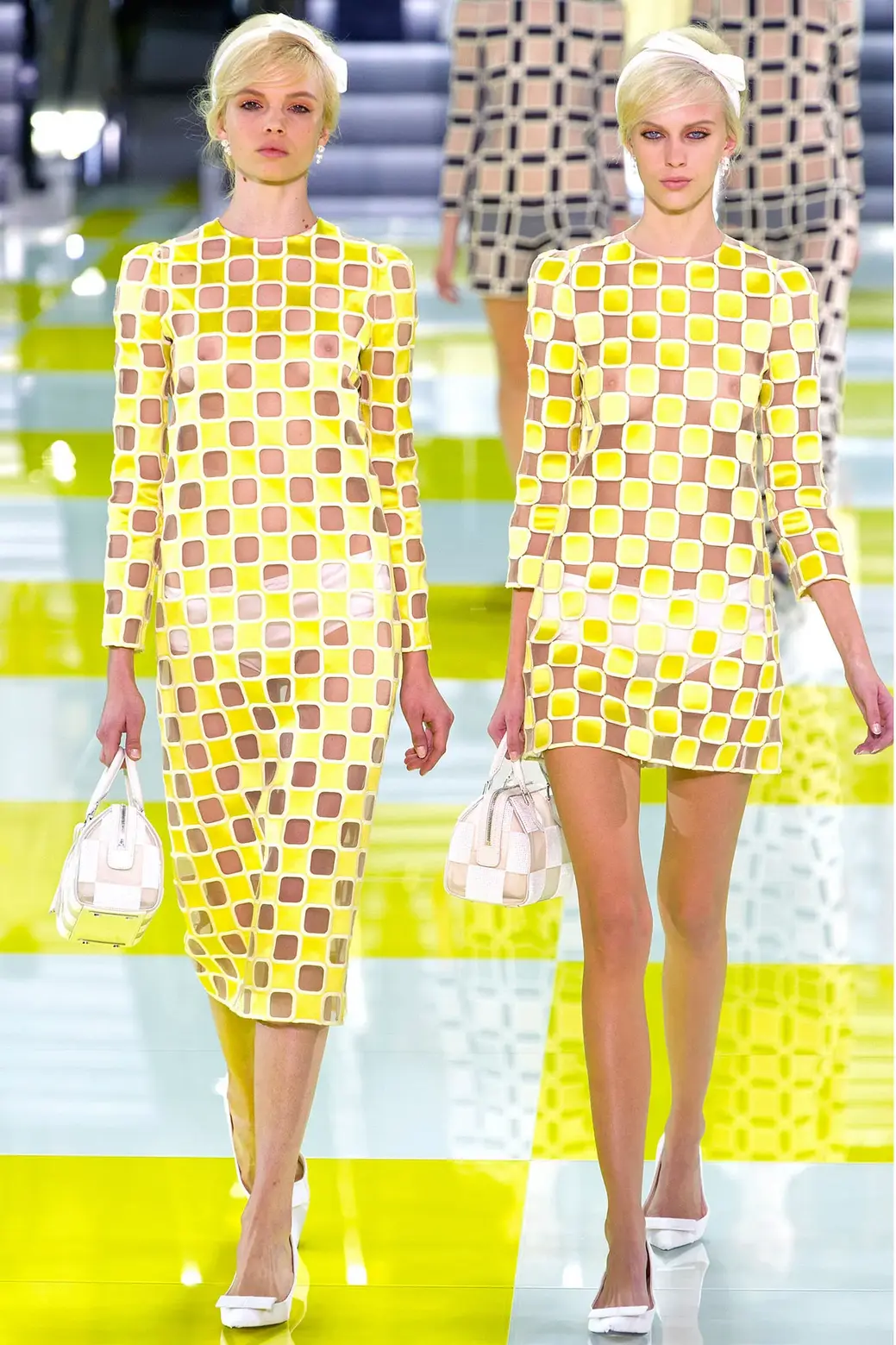
To explore this more seriously, US researchers built a mathematical model and used it to analyse 37,000 images of women’s clothing drawn from magazines and sewing patterns spanning from 1869 to today. A deliciously vast archive, really: generations of fabric, fantasy, respectability, scandal, aspiration, and sheer sartorial moodiness all pressed into data. From this, they found that trends tend to emerge, gain momentum, peak about a decade after first appearing, and then gradually drift out of fashion, reaching full outdated status within roughly 20 years. The findings suggest that changes in skirt length follow a rhythm far more internal than the classic hemline index ever allowed.
Dr Emma Zajdela of Princeton University says that in the coming decade, trends may resemble those seen around 2010, with midi skirts already making their way toward the wings. The cycle keeps turning, and fashion, with her excellent sense of timing, keeps pretending each return is a shocking revelation.
Of course, the hemline already had its own famous theorist. In 1926, economist George Taylor proposed the Hemline Index, arguing that skirt length rose and fell in step with the fortunes of the nation. It was a gorgeously simple thesis. During the Roaring Twenties, for instance, prosperity and pleasure seemed to align with the scandalous flapper silhouette, those shorter skirts slicing through old codes of modesty with thrilling confidence. Then came the Great Depression, and fashion embraced floor-length dresses and trousers, silhouettes that matched the sobriety of the moment.
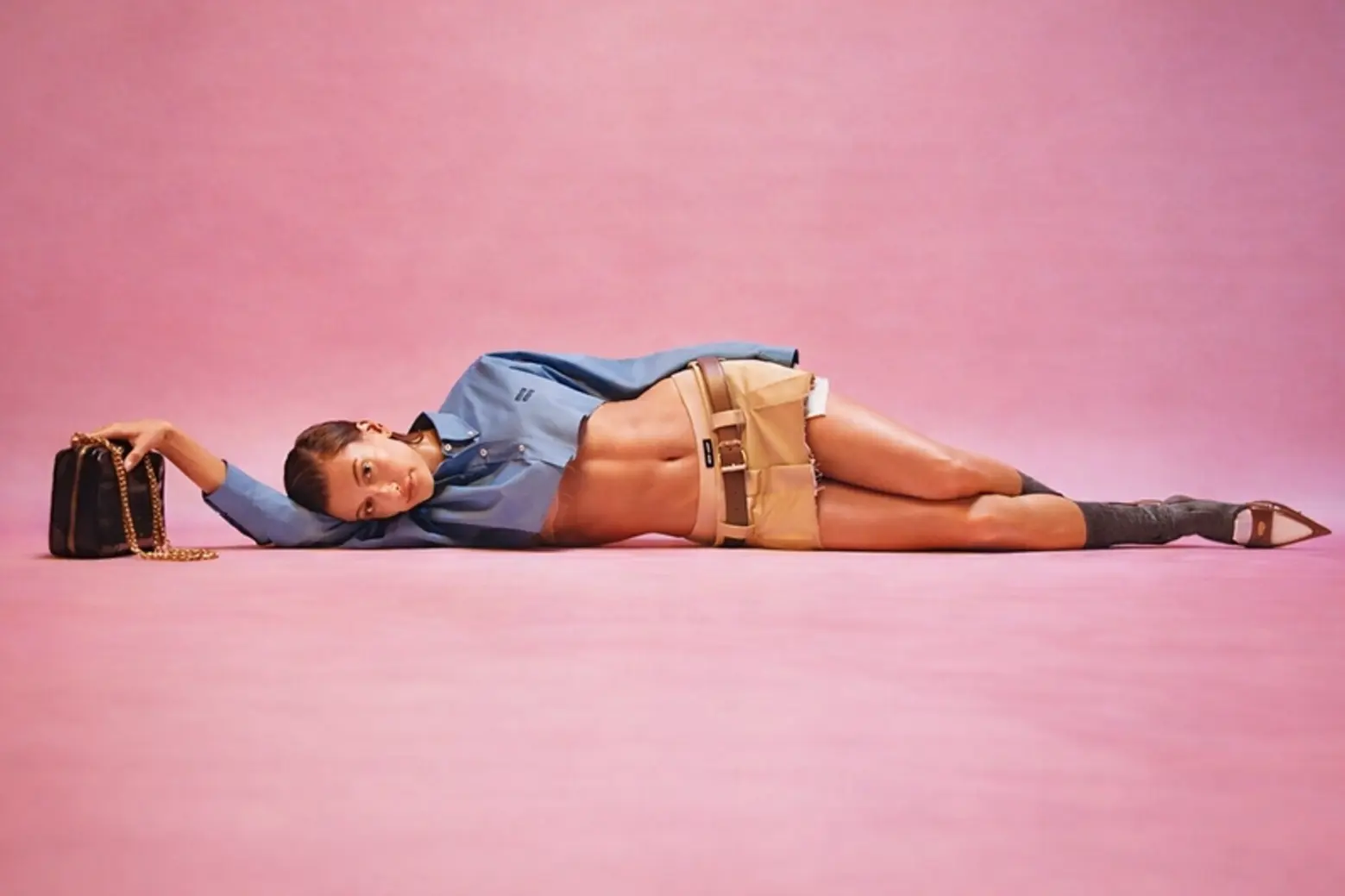
The new study, however, suggests that this alignment was more coincidence than commandment. The old hemline index begins to look less like a rule and more like a charming bit of fashion folklore. The cycle appears to keep playing out even as the economic pendulum swings in whichever direction it pleases. Hemlines seem devoted to their own choreography, with shifts in skirt length unfolding according to fashion’s internal appetite for change rather than the headlines of the financial world.
And hemlines, delightfully, are not alone in the game. Researchers found that the same 20-year rhythm also appears in waistlines and necklines. As skirts lengthened in the 1930s, necklines became more modest too. Then in the 1950s, necklines plunged again, all that Hollywood siren glamour on display in the figures of Rita Hayworth and Sophia Loren. Later, the higher necks of the late 1960s and 1970s arrived alongside longer hemlines, before falling again in the 1980s. At present, necklines appear to be descending from a more modest peak reached at the end of the 2010s, another small reminder that the fashion cycle loves an encore.
Dr Zajdela notes that similar 20-year patterns appear in the data for necklines and waistlines, though these cycles do not always move in perfect sync. Fashion contains many other dimensions too, she adds, from pattern to shape to fabric, all of which could potentially reveal their own cyclical dramas. Their dataset did not measure those elements, though anecdotal examples abound. Leopard print, for one, has staged its comeback several times with the confidence of a star who knows exactly where the camera is. Even beyond skirt length, fashion keeps finding ways to circle back to its favorite temptations.
Still, the picture grows a bit messier in recent decades. Researchers say the old pattern behind the hemline index has become less sharply defined since the 1980s, partly because the range of skirt length options in circulation has widened. Fashion once offered a simpler split: short dresses or long dresses. More recent years have produced a richer spread of options, from very short to floor-length to midi, all coexisting with varying levels of approval and desirability. In statistical terms, there is greater variance over time and less conformity. In human terms, fashion has become more fragmented, more plural, more slippery, more impossible to pin to a single commanding silhouette. The findings were presented this week at the American Physical Society’s Global Physics Summit in Denver, which feels wonderfully appropriate. Fashion, after all, has always behaved like a glamorous law of motion: every season a force, every silhouette a reaction, every comeback proof that style never truly leaves. That is the seduction of the fashion cycle. It circles, it waits, it returns wearing a better shoe. And somewhere in your closet, an old skirt is already smirking.
Advertisement