MENU
Close





Is fashion craving order, theatre, or simply a better excuse to be dramatic? Fall 2026 hats suggest all three.

Is fashion craving order, theatre, or simply a better excuse to be dramatic? Fall 2026 hats suggest all three.
May 13, 2026
Advertisement
Advertisement


For the fashion-inclined introvert, the act of donning a hat strictly for style, rather than to ward off frostbite or dodge an unwanted social encounter, has long felt like a daring, perhaps even reckless, performance. Yet, as the Fall/Winter 2026 runway season unfolded, a fundamental shift occurred in the industry’s atmospheric pressure. The chic, vintage-inspired Fall 2026 hats gracing the catwalks possessed a rare quality: presence without pretense.
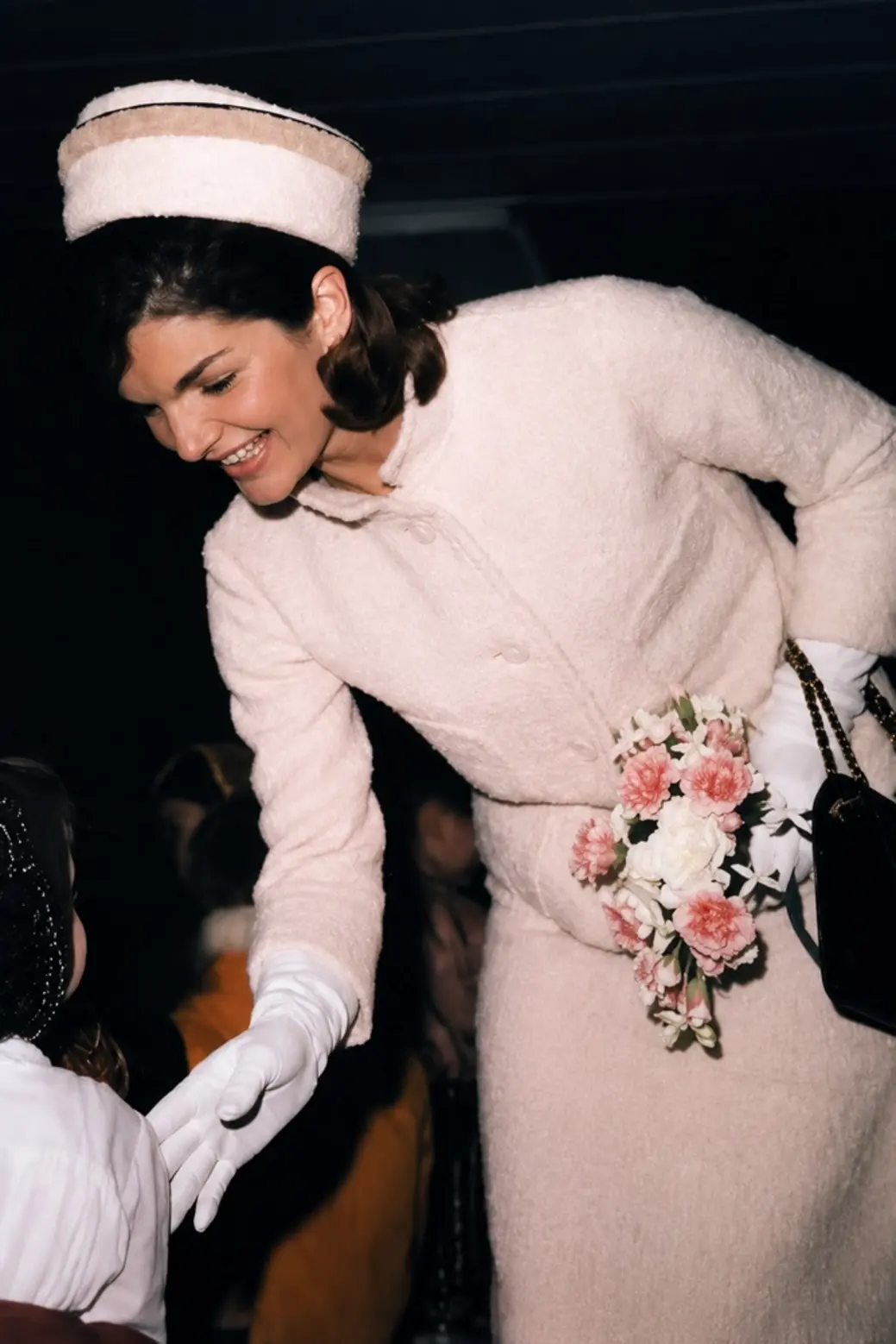
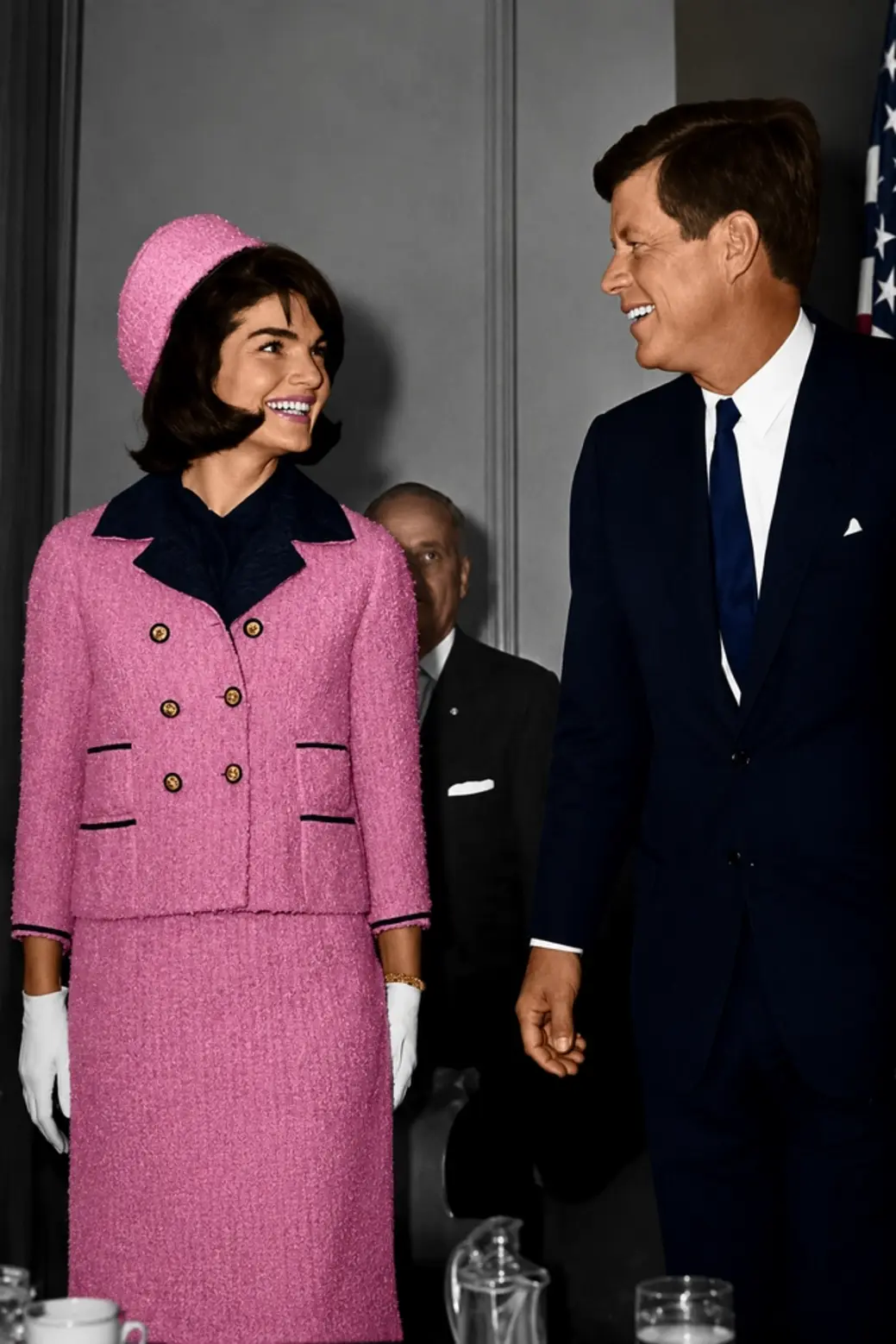
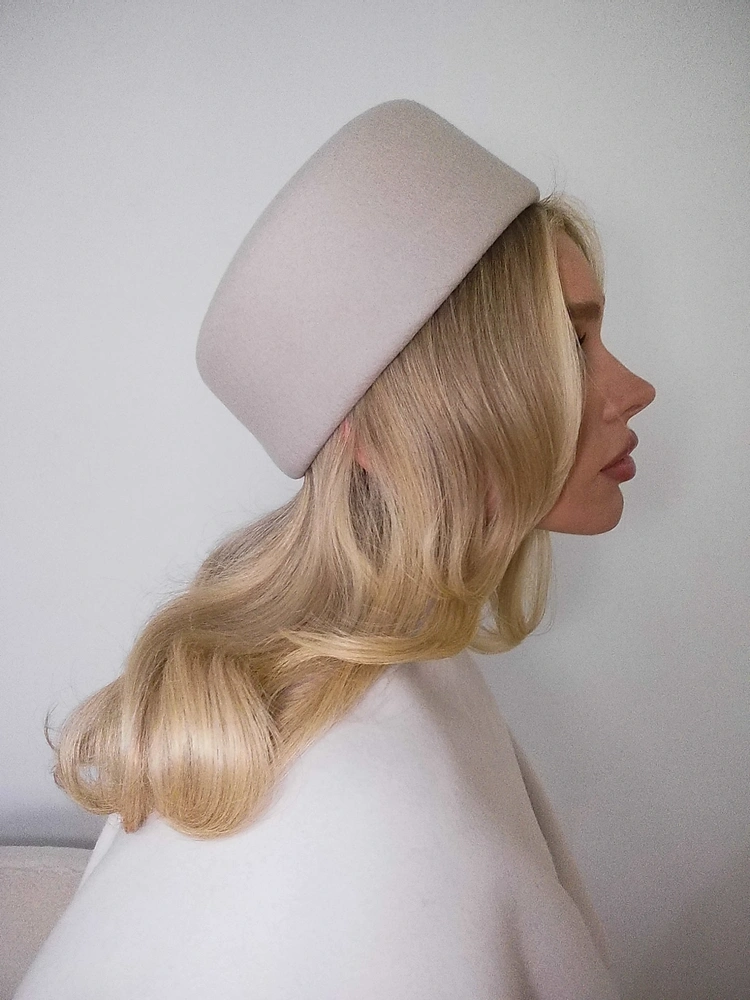
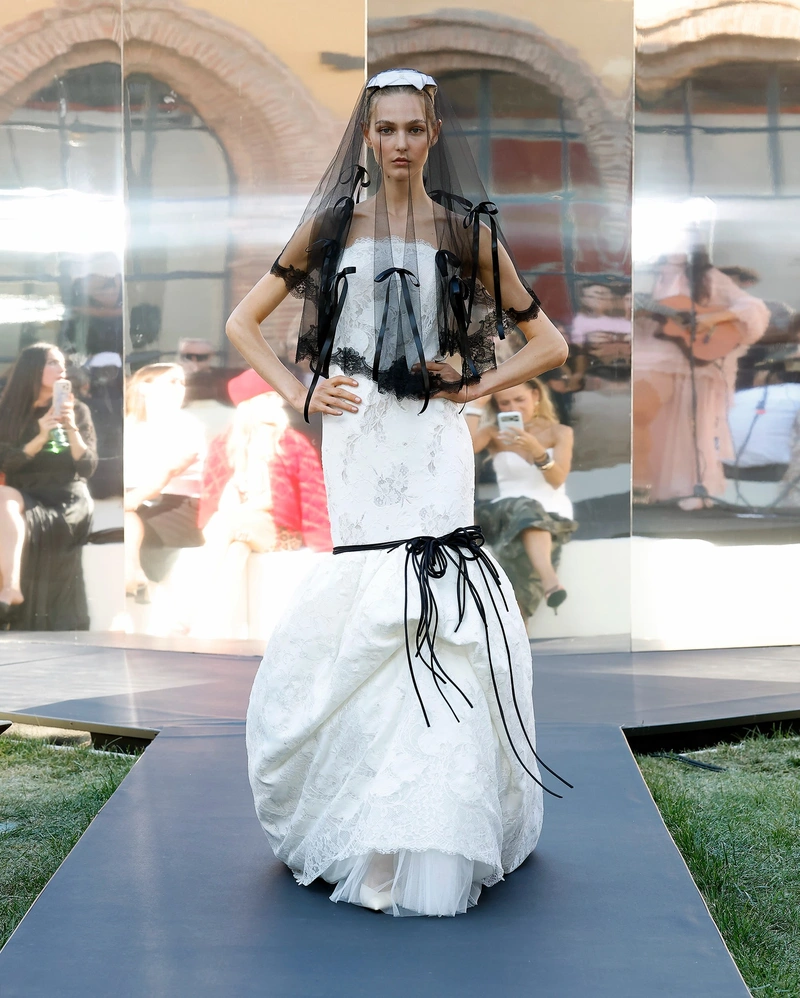
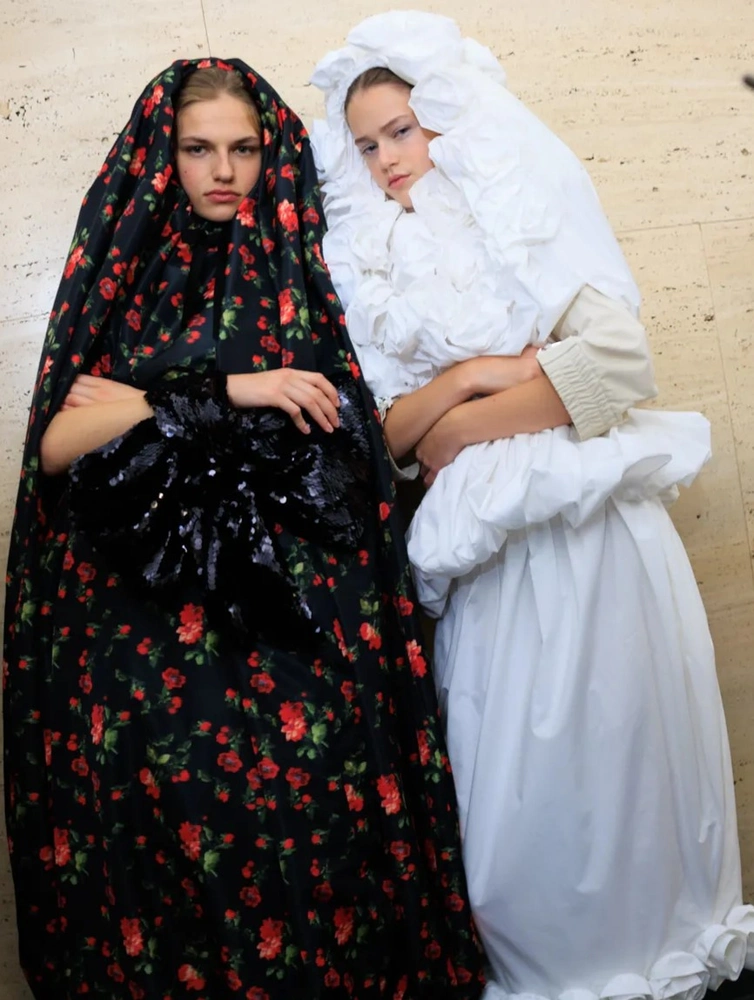
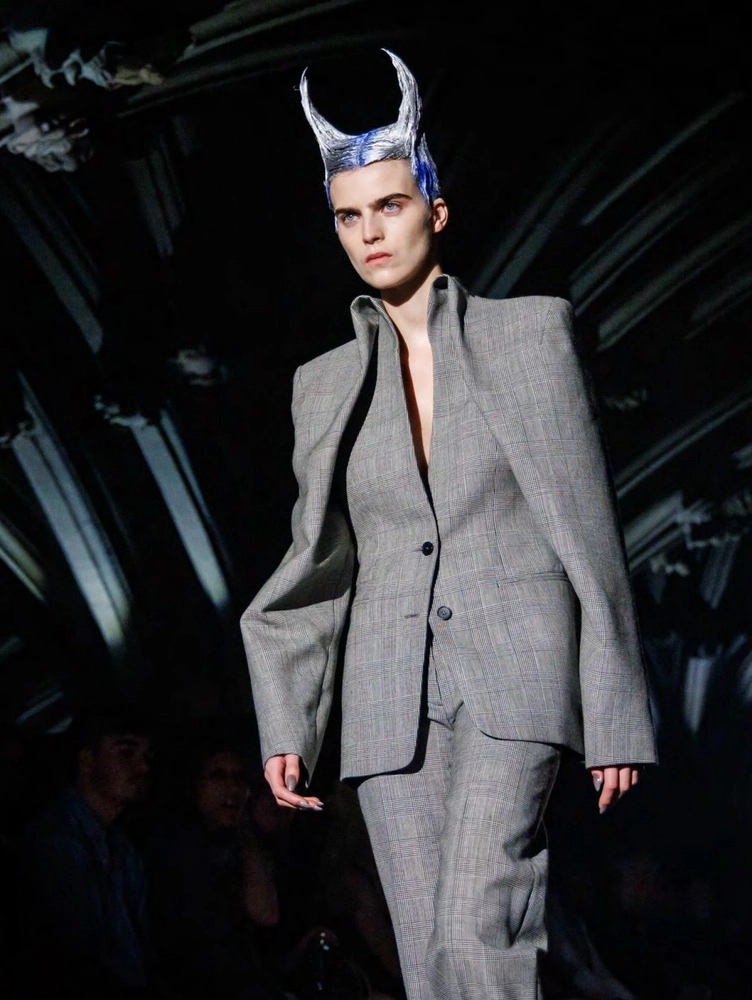
From the Jackie O pillboxes commanding the air at Chloé and Moschino to the ushanka hat peeking out from under heavy brows at Miu Miu Fall 2026, the topper has officially transitioned from a niche accessory to a mandatory structural finale. Even the most reserved observers found themselves reconsidering the silhouette, as Bottega Veneta Fall 2026 presented off-kilter berets that felt more like architecture than apparel, while Loro Piana’s silk-trimmed boaters and felted cloche hats offered a vintage song of railtime luxury. The prevailing philosophy has pivoted to dressing from hat to toe, favoring sharp, subversive contrasts, a prim, mid-century pillbox paired with a scuffed leather moto jacket and lived-in denim. In this new era, the hat functions as a sartorial push-up bra for the face, forcibly drawing the eye upward and elongating the wearer’s presence with a single, decisive stroke.

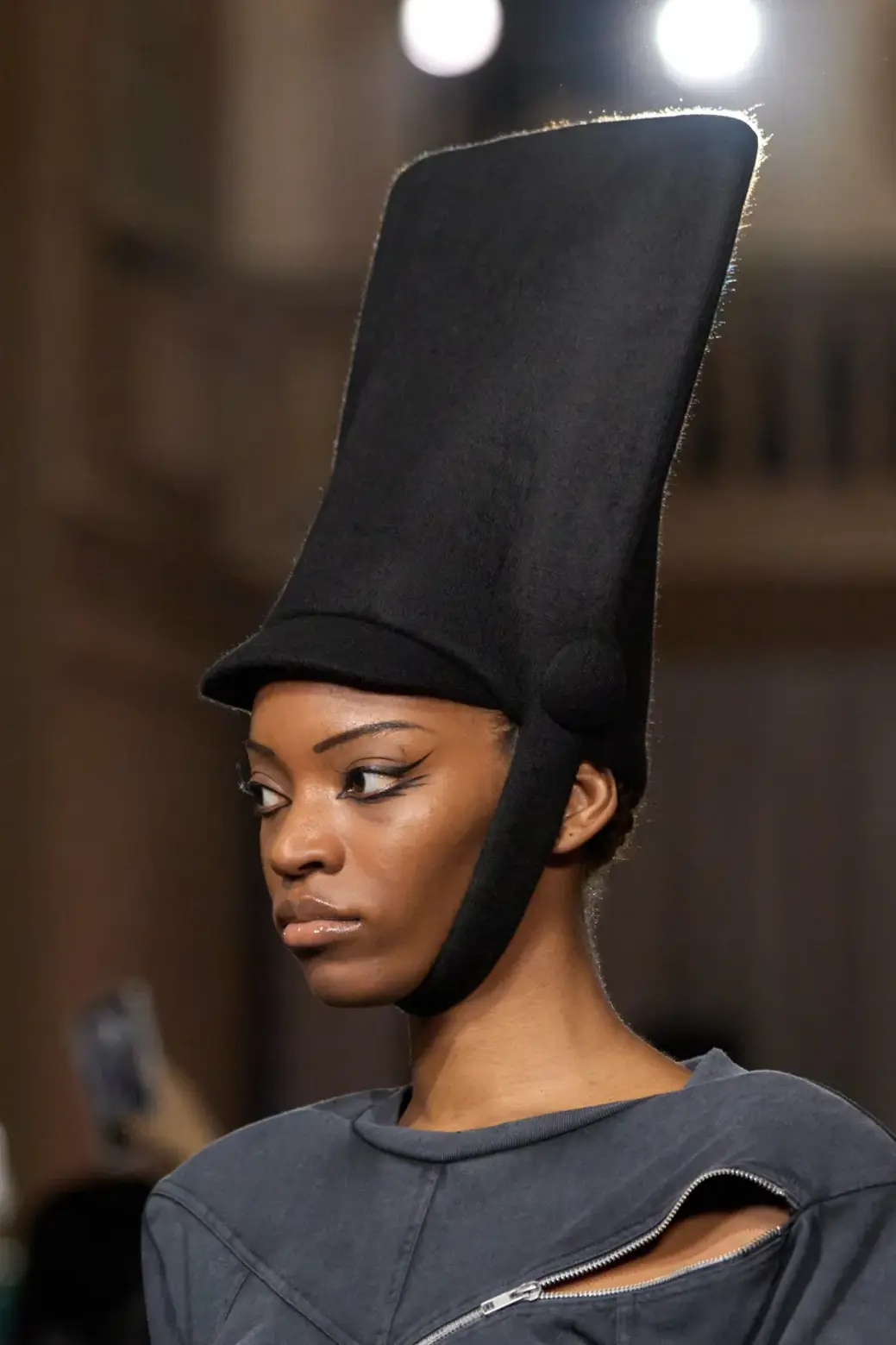
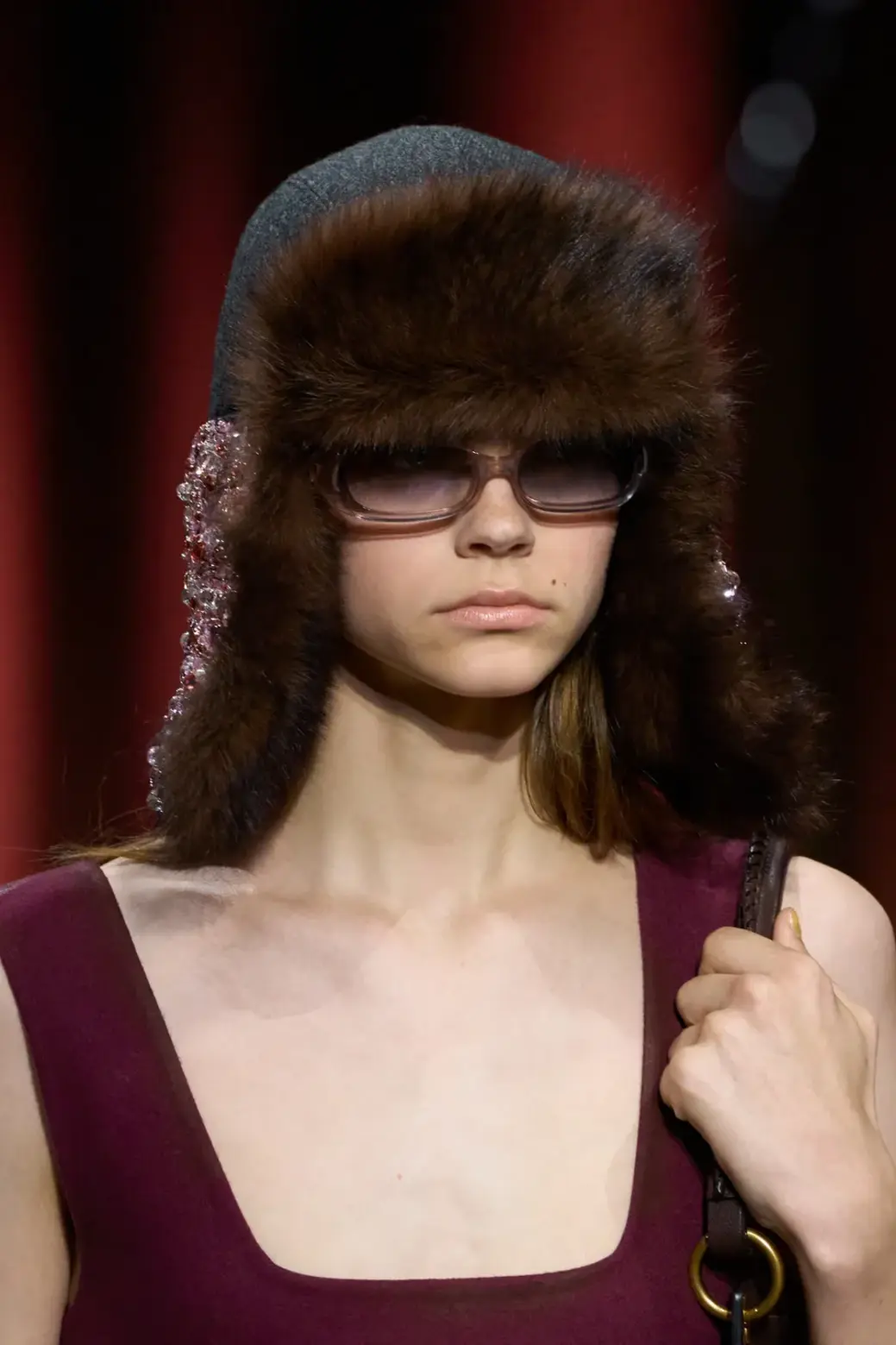
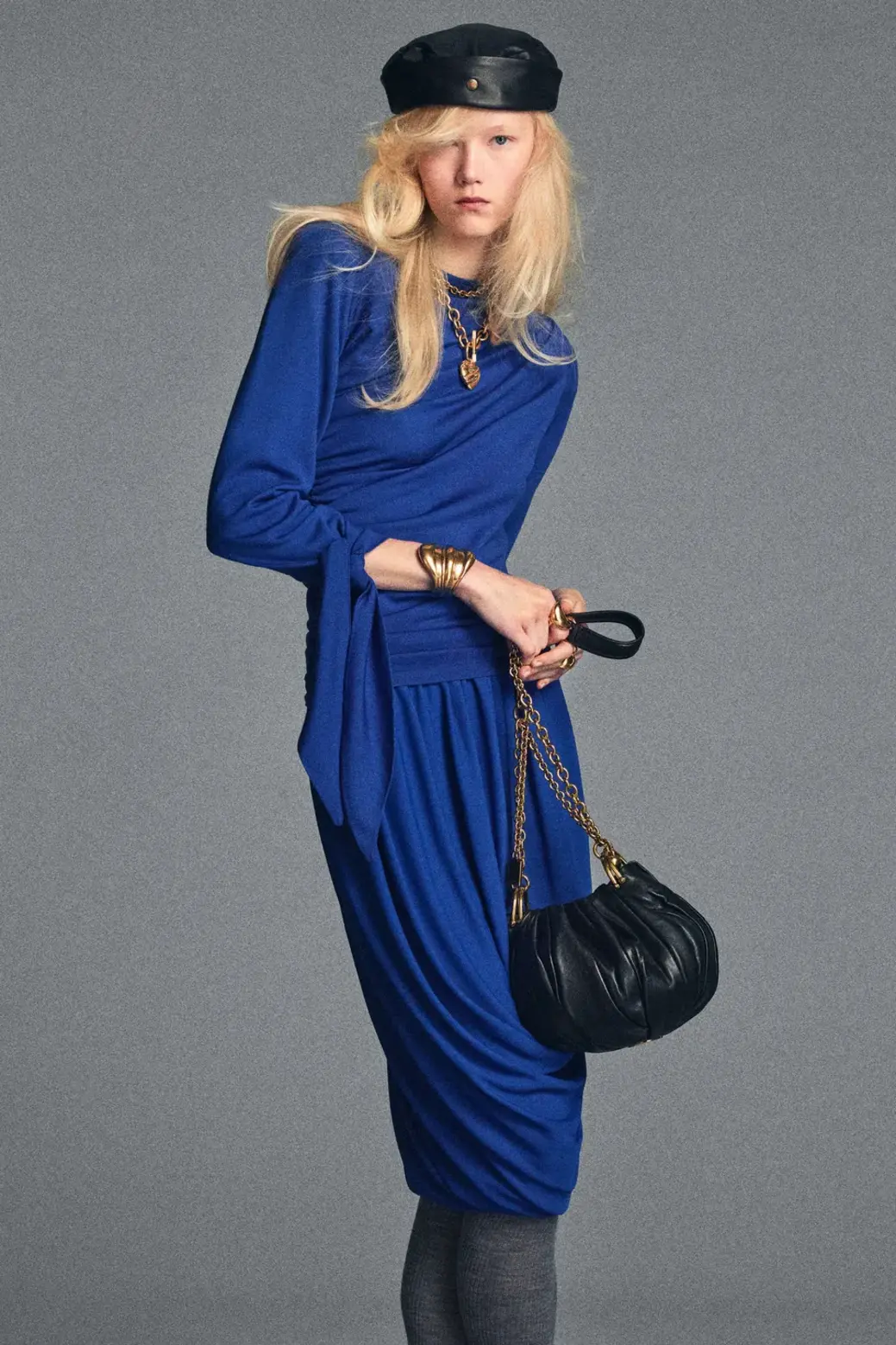
The question remains: why this sudden, collective obsession with the cranium? In a hyper-casual, post-everything reality, is society desperately craving the structured elegance of the past to compensate for the chaotic slouch of the present?
The retail landscape is already reflecting this crowning glory, with the industry's heavy hitters banking on the headpiece to outperform the arm candy. Roopal Patel, fashion director at Saks Fifth Avenue and Neiman Marcus, has confirmed that the hat is the literal and metaphorical topper of the season's mood, offering everything from artisanal hand-knits and fuzzy textures to sculpted leathers and luxe velvets. The data supports the drama; search interest for the "fashion hat" has hit record highs, leading experts like Sagal Mohammed of Google Shopping to boldly declare the hat as "the new It bag."
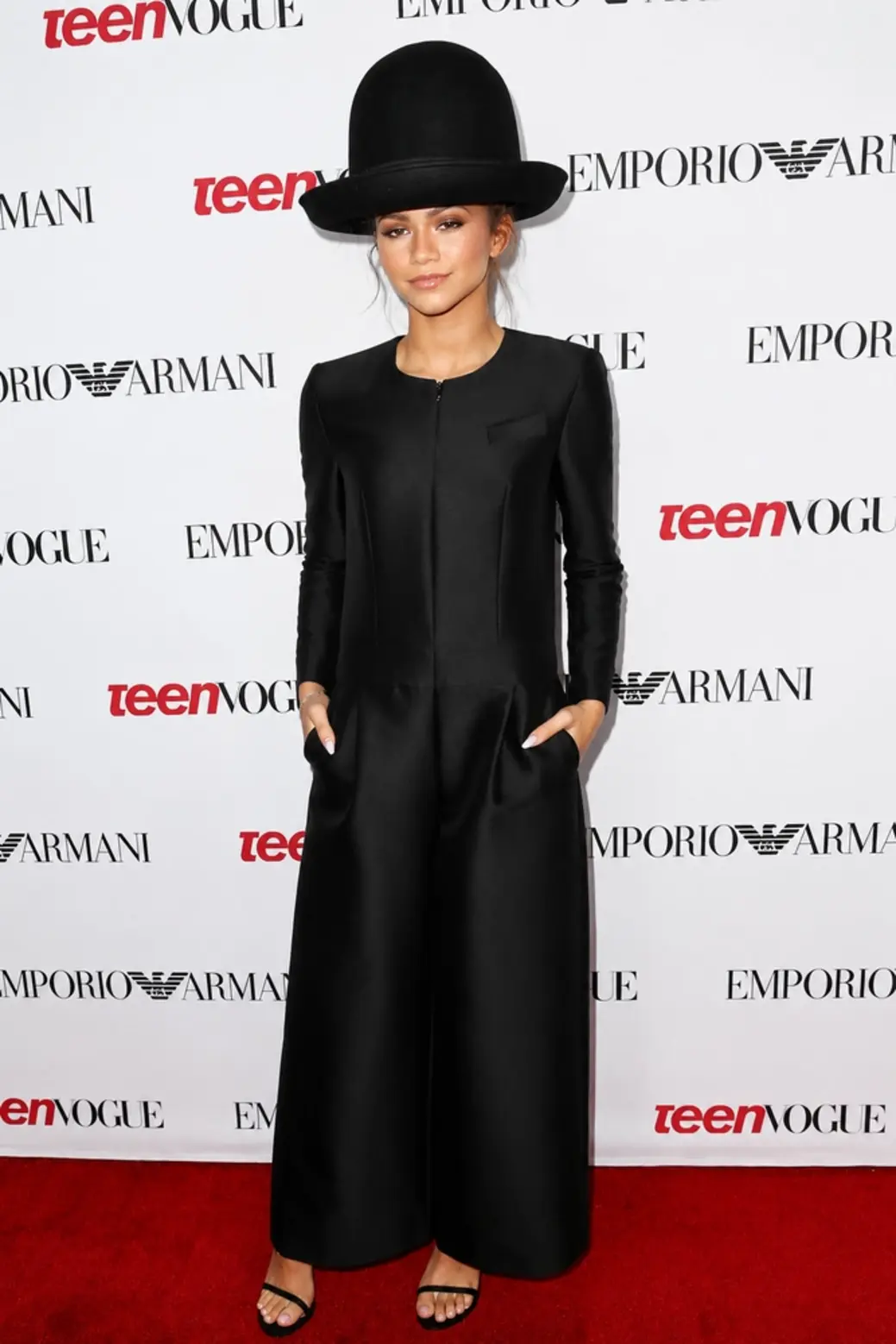
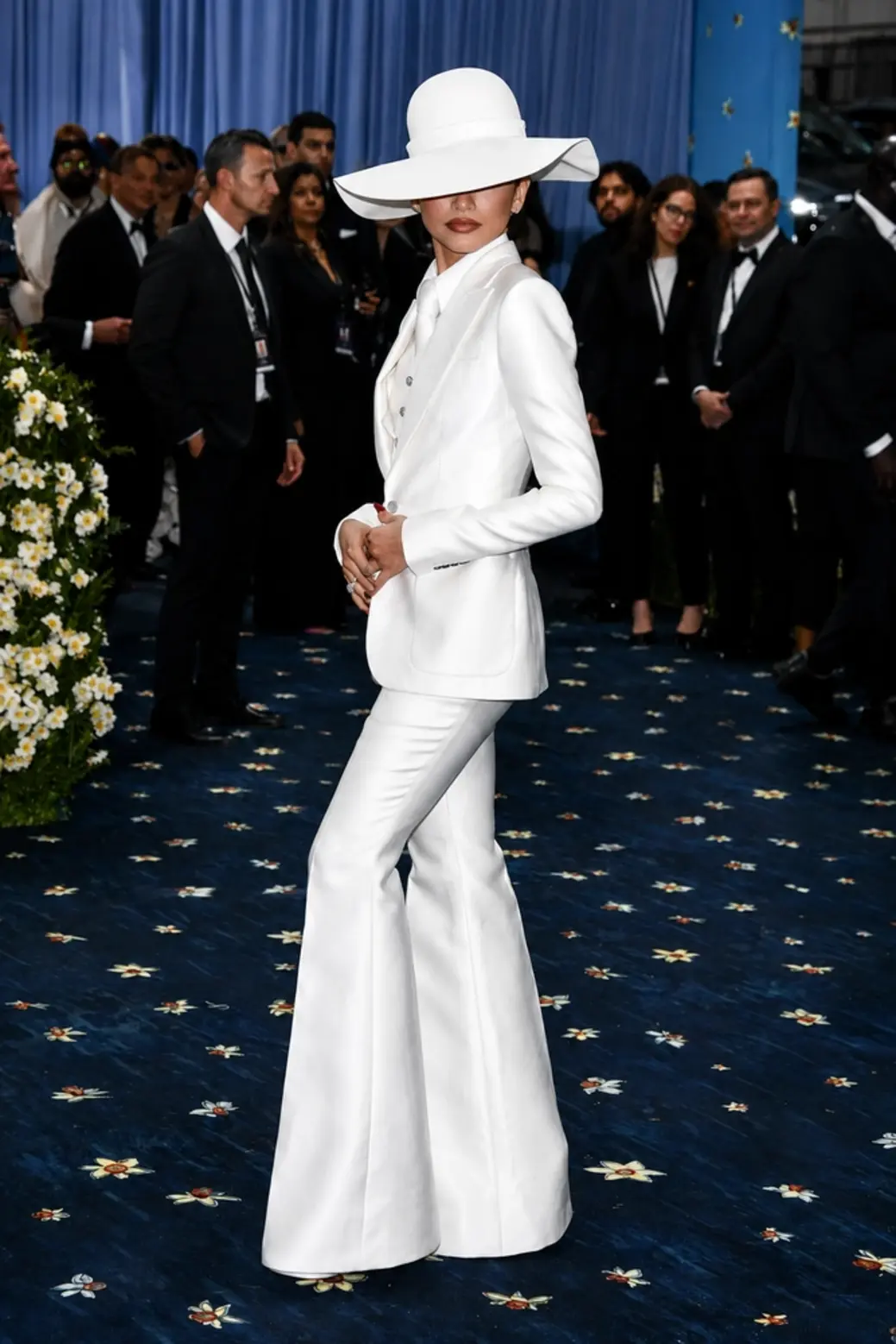
The Zendaya Hat Theory is the kind of internet brainrot that feels too stupid to survive and too funny to die. What started with Zendaya simply wearing an oversized hat has now mutated into a full TikTok and X mythology where the hat is no longer an accessory, but a living parasite that has chosen Zendaya as its elegant host. Some people joke that the “real” Zendaya was altered by the hat, others claim the hat is secretly controlling the timeline, and the most unhinged version says Tom Holland is actually living inside it like a tiny British tenant under couture real estate. The reason it became such a trending topic right now is exactly because it makes no sense with total confidence. It uses the language of conspiracy videos, horror lore, celebrity sleuthing, and stan culture, then applies all of that fake seriousness to one giant hat. Zendaya knowing about the meme and laughing at it only made the lore stronger, because now the host has acknowledged the organism. In true internet fashion, the hat did not just go viral. The hat ascended.
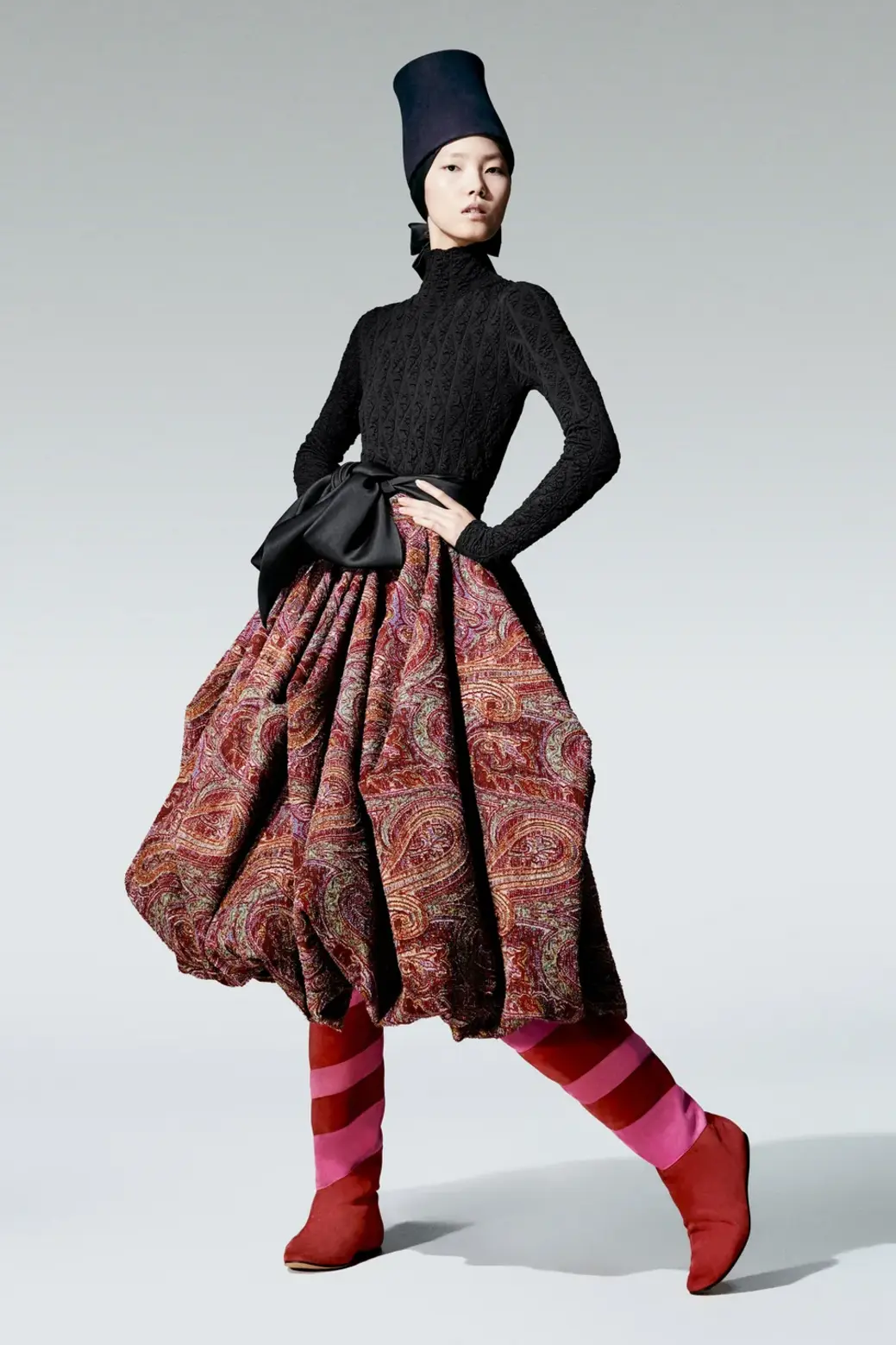
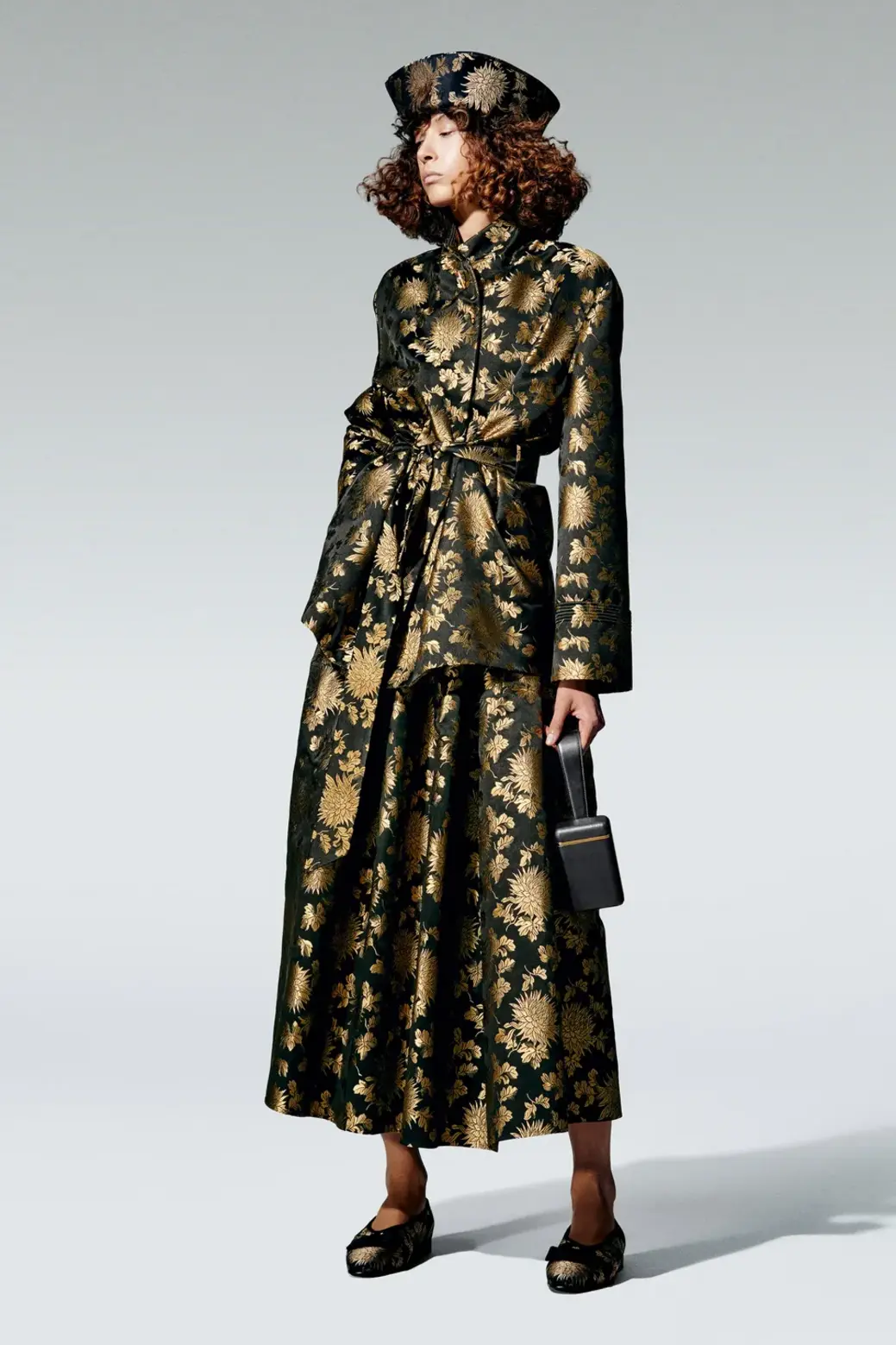
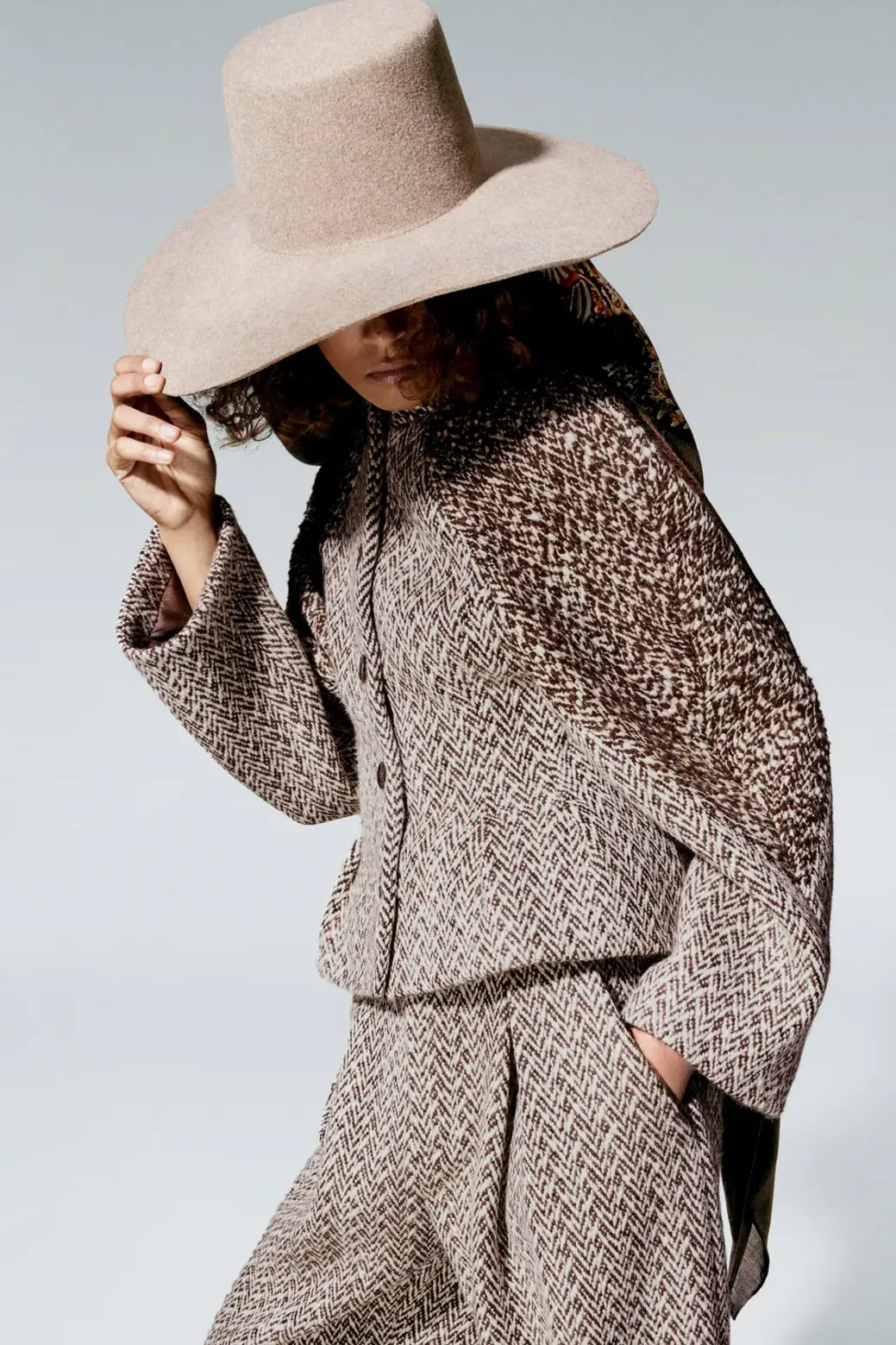
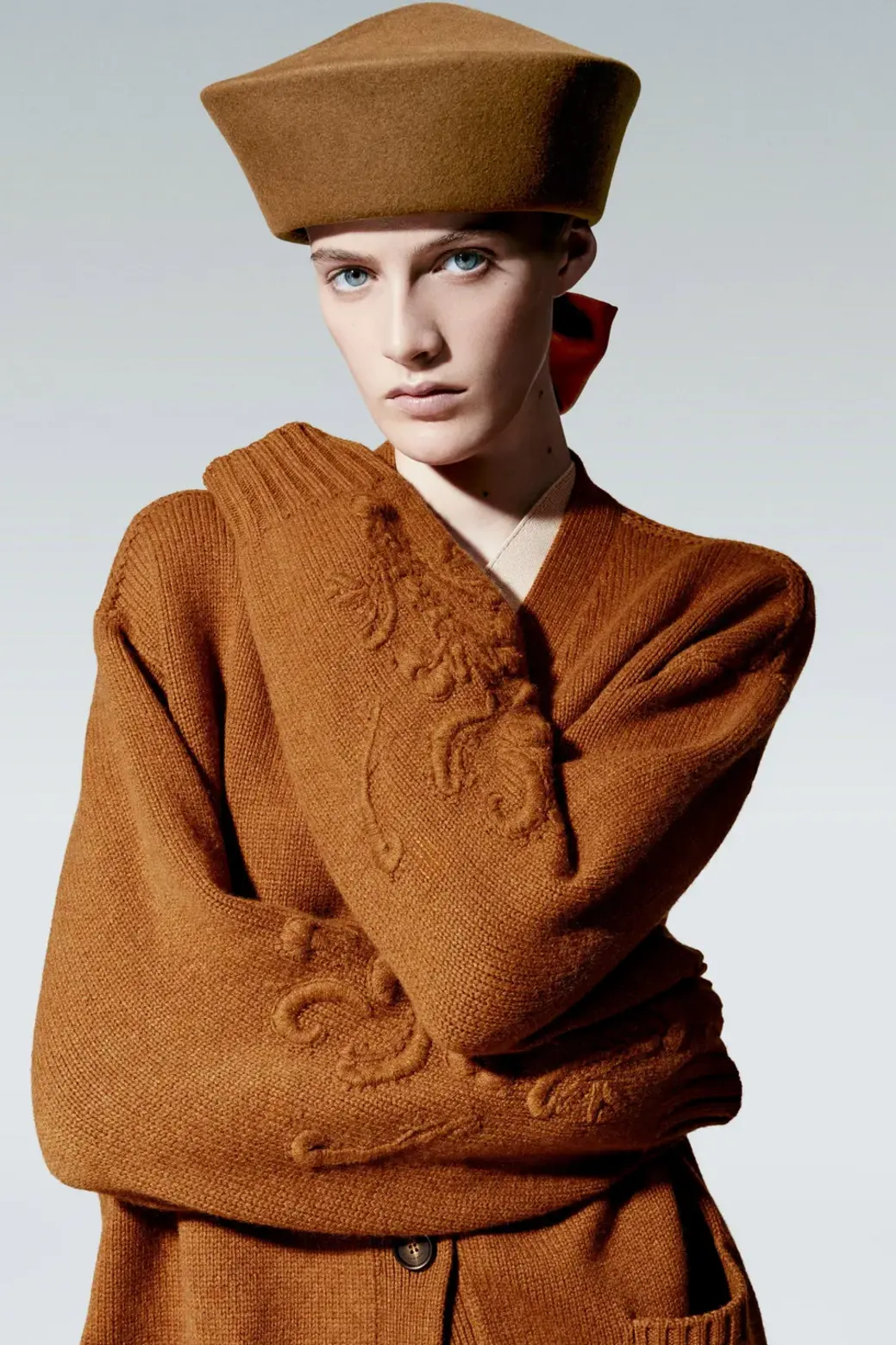
That absurdity also explains why Fall 2026 hats feel so alive beyond fashion week. Hats, much like wigs, are inherently transformative, serving as a whimsical disguise for a French-girl fantasy or a practical shield for recent medspa work. It suggests that in an increasingly performative world, we are simply selecting different lids to audition new versions of ourselves.
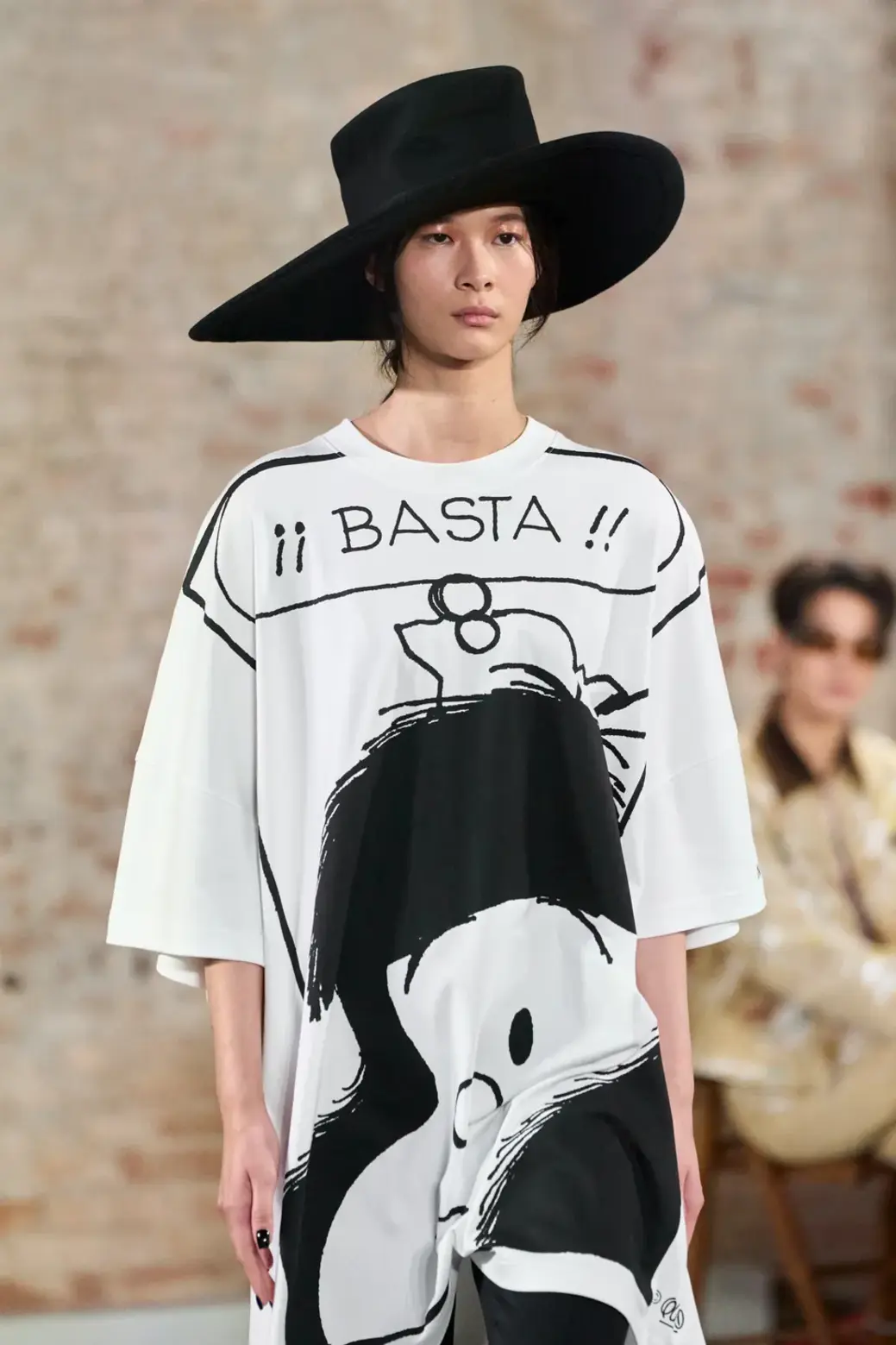
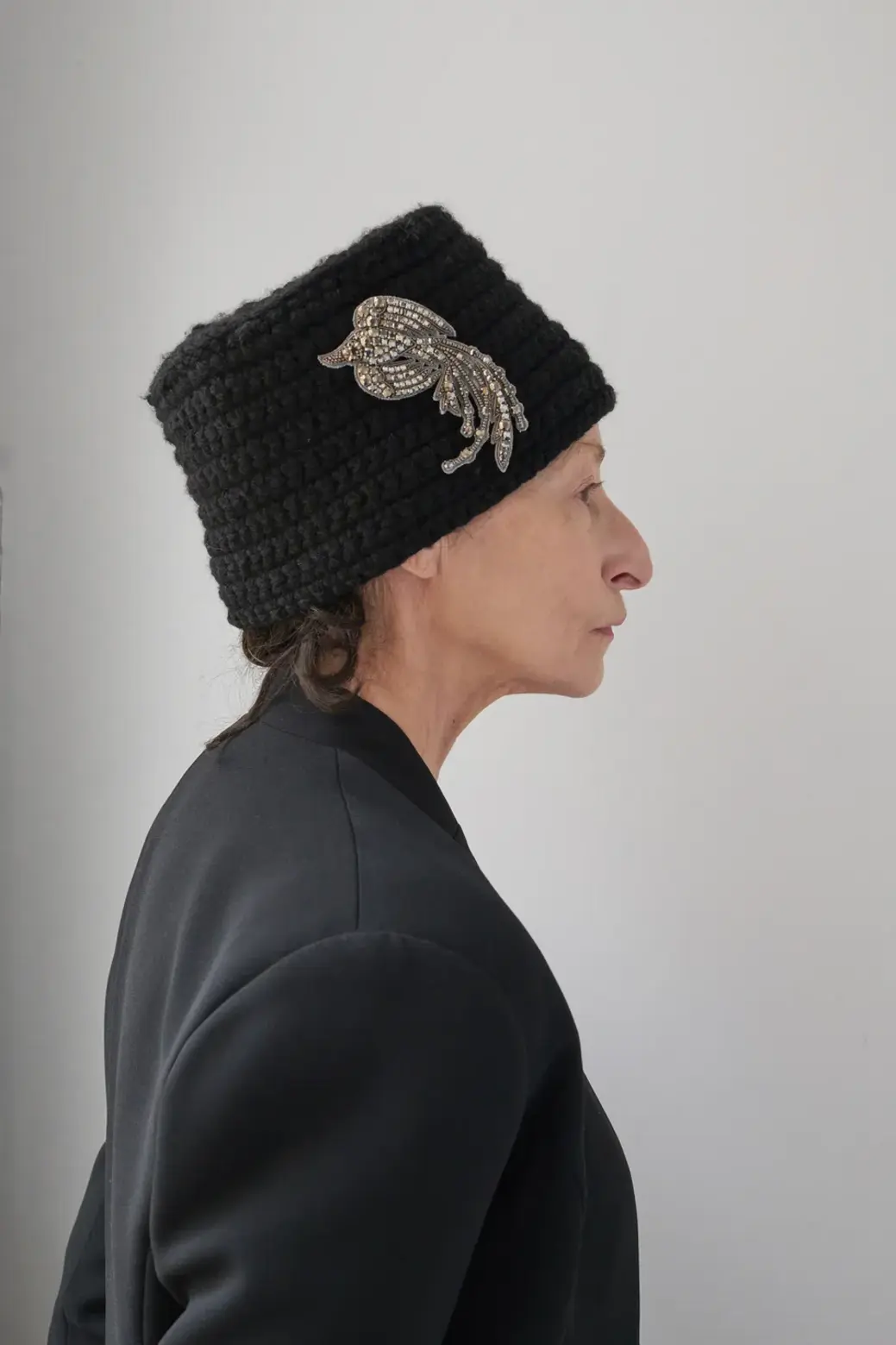
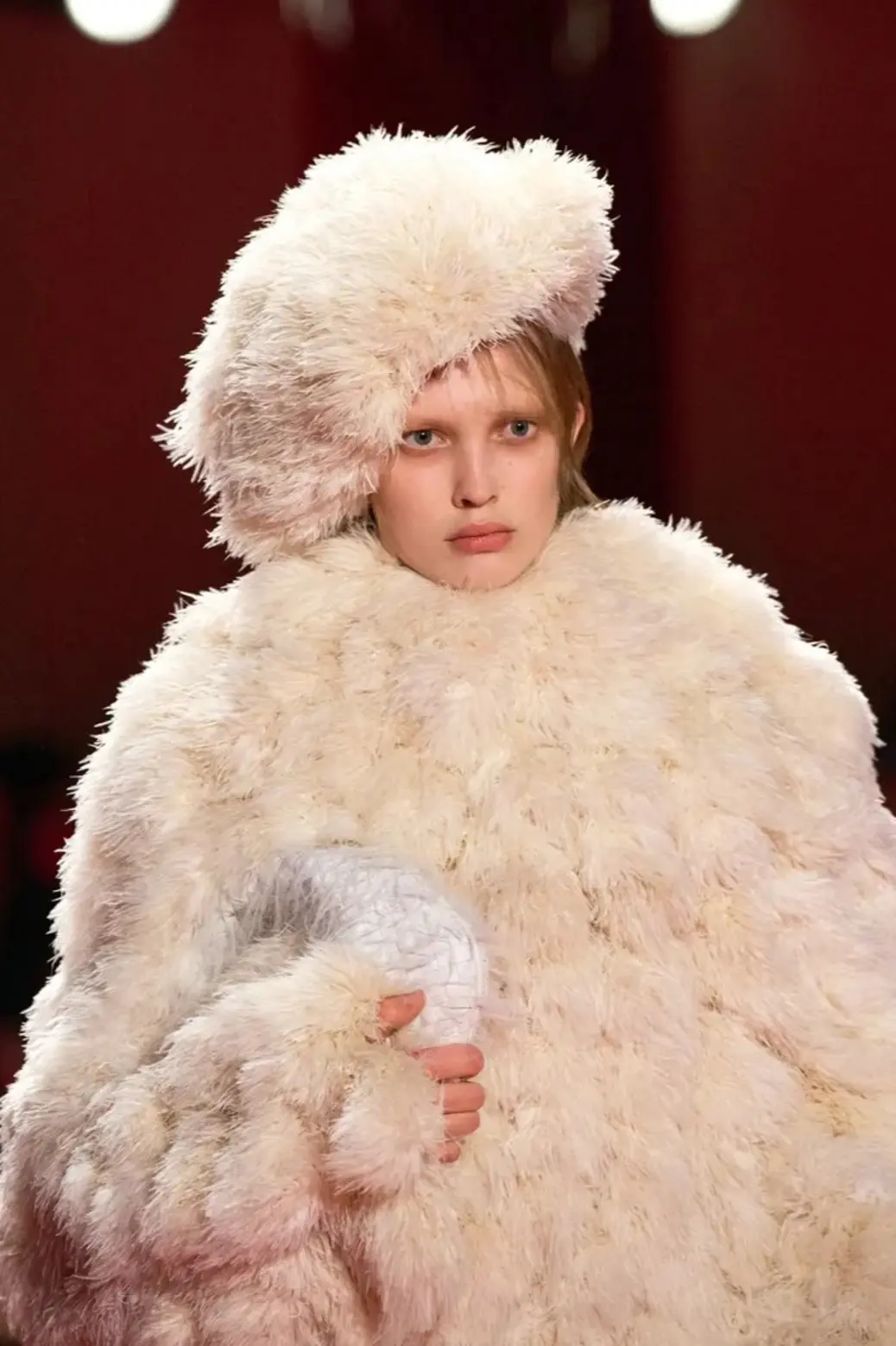
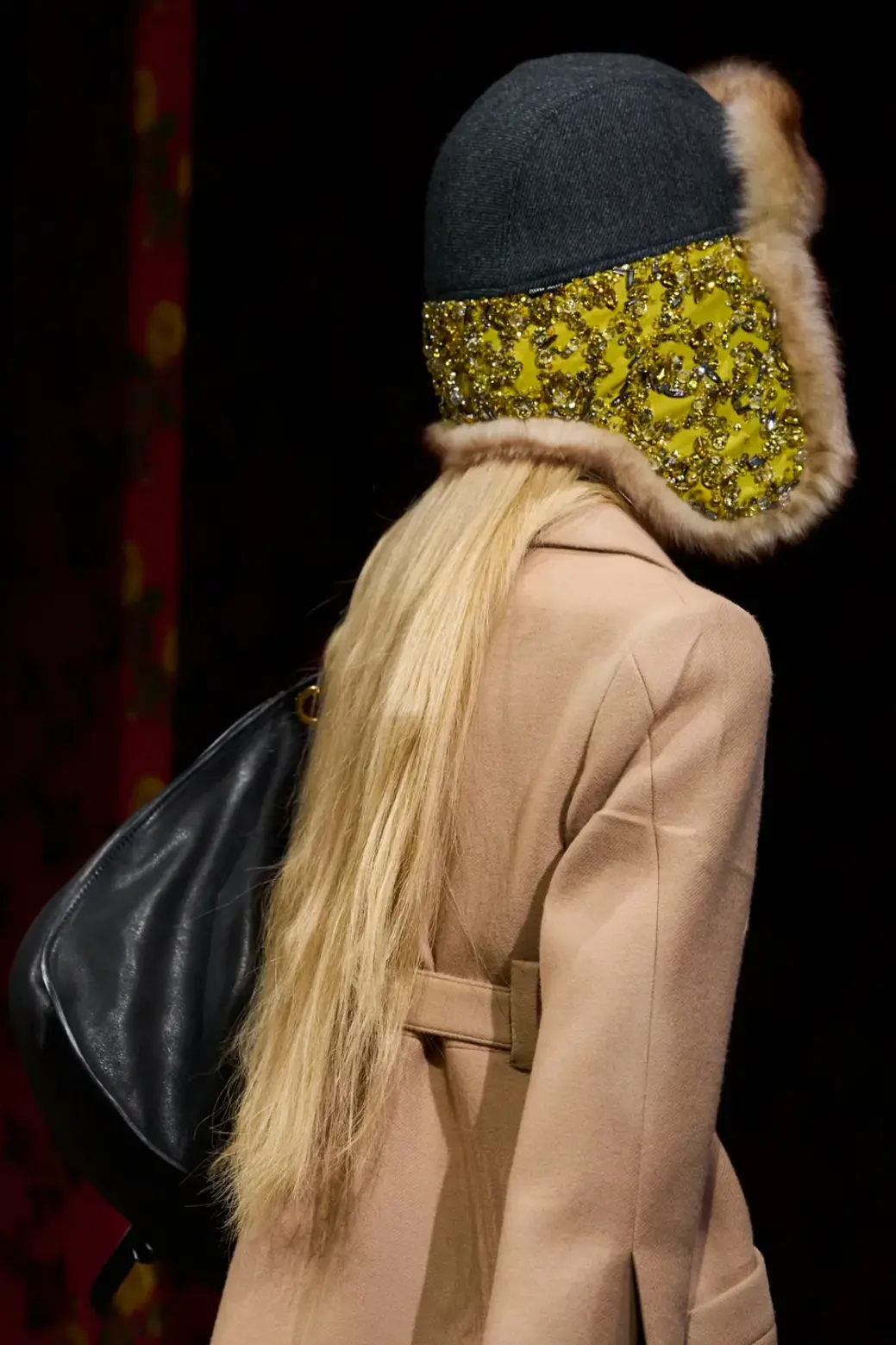
Within the hallowed Covent Garden atelier of legendary milliner Stephen Jones, the American hesitation toward hats is viewed with a playful, British skepticism. In the UK, the hat has never truly been out; it has merely been waiting for the rest of the world to catch up to its functional necessity and social prestige. Whether it is a metallic-flecked tweed trilby or a pearl-and-net-veil-trimmed Century beret for Dior, Jones views these creations as tools for confidence. His advice for the newly hat-curious is pragmatic: start with a learner’s permit, the beret, and wear it at home until the weight of the object feels like a natural extension of the self. Ultimately, the accessory’s resurgence stems from a profound cultural craving for joy.
Ultimately, the force of Fall 2026 hats stems from a cultural craving for joy, structure, and a little bit of nonsense. Jones describes a well-made hat as a little pill of optimism, a sentiment that resonated throughout Fashion Month. The hat is not merely a bid for attention; it is a beautifully crafted fortress. To wear one in Fall 2026 is to carry a private, structural sanctuary of confidence wherever one goes.
Advertisement