MENU
Close





Before Christian Dior, postwar fashion was still searching for beauty after years of austerity. Then came the Dior New Look, and the female silhouette became a cultural event.
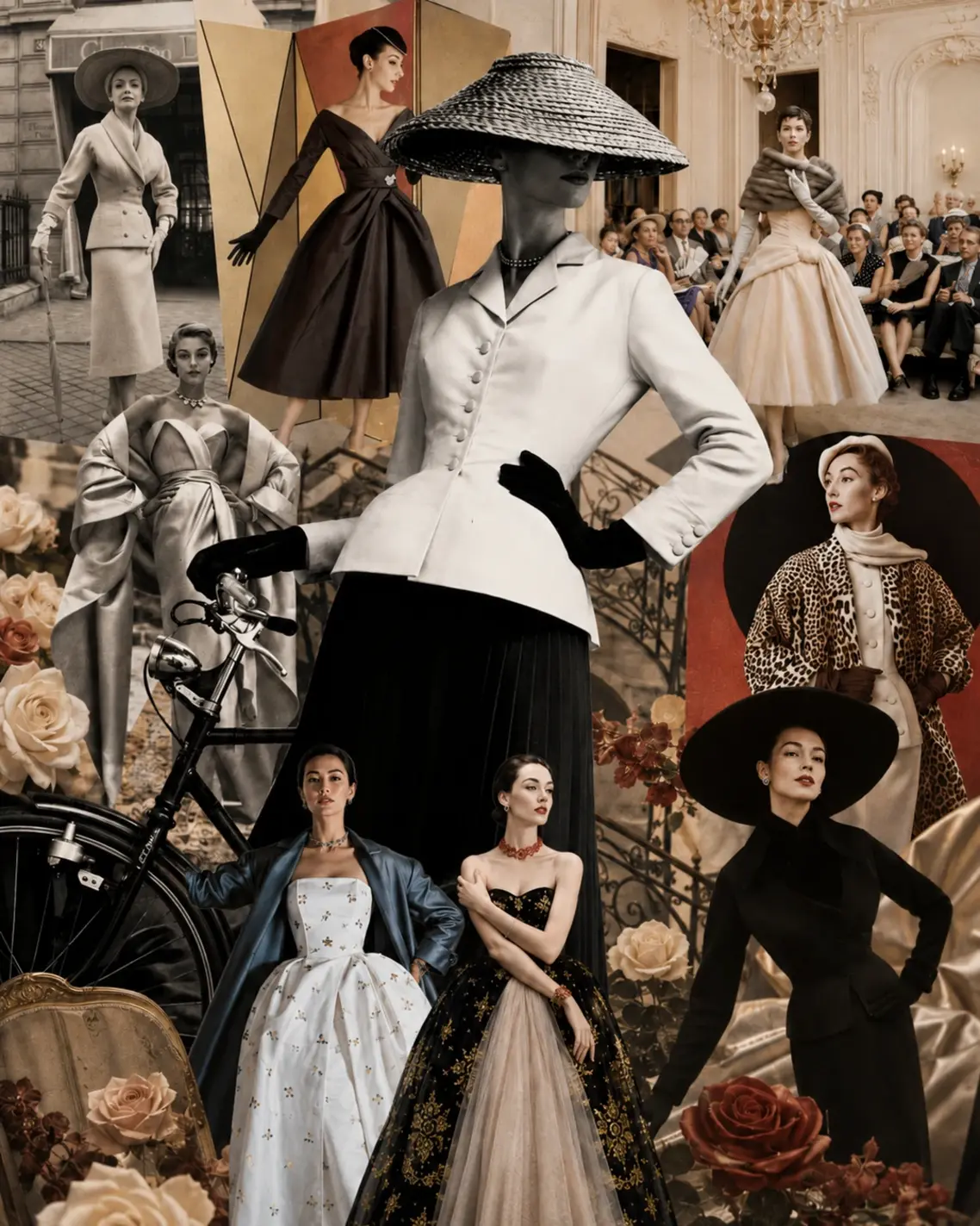
Before Christian Dior, postwar fashion was still searching for beauty after years of austerity. Then came the Dior New Look, and the female silhouette became a cultural event.
May 12, 2026
Advertisement

Advertisement



Before Christian Dior became a name stitched into fashion history, his imagination had already begun to flow through a landscape where art, flowers, and architecture quietly taught him how beauty could be composed. Born in Granville, Normandy, in 1905, Christian Dior grew up close to the sea and to the formal beauty of gardens, colors, interiors, and cultivated domestic life. That early environment would return again and again to his work as full visual grammar: the flower-like skirt, the controlled waist, the salon atmosphere, the sense that fashion could turn memory into structure.

Christian Dior first opened an art gallery with friends in the late 1920s, showing artists such as Pablo Picasso, Salvador Dalí, and Jean Cocteau. To ever turn an image into a product, he spent years in gallery training his eye on composition, line, proportion, and cultural taste. After financial hardship and family loss, he moved toward fashion illustration, then design, eventually working for Robert Piguet and Lucien Lelong, where he gained the technical and commercial discipline needed to survive inside couture.
By the time Christian Dior founded his own house in 1946, with the backing of textile magnate Marcel Boussac, Paris was still emerging from the exhaustion of war. Fabric had been rationed, silhouettes had become narrower, and fashion had absorbed years of practicality. Christian Dior began his journey with a vision of emotional reconstruction, turning couture into a language of fullness, ceremony, and restored fantasy.
On February 12, 1947, Christian Dior presented his first couture collection at 30 Avenue Montaigne, and fashion history turned on the waist line. The house is called the silhouettes Corolle and En 8, but the world would forever remember them as the Dior New Look, a name widely attributed to fashion editor Carmel Snow, who saw the collection and understood its force before language had caught up with it. Christian Dior had not simply introduced a new skirt length or a romantic jacket but had changed the emotional posture of postwar fashion.
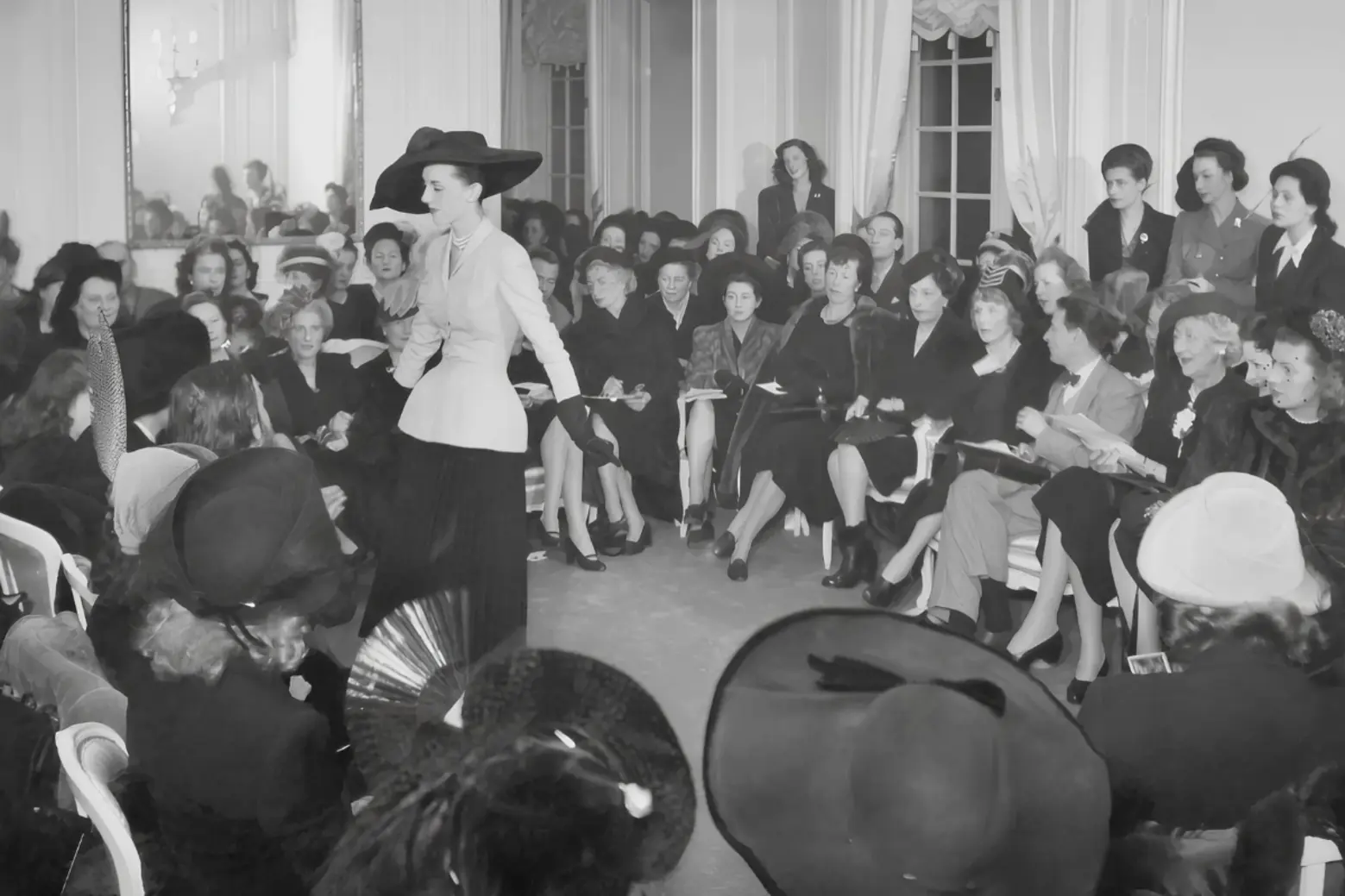
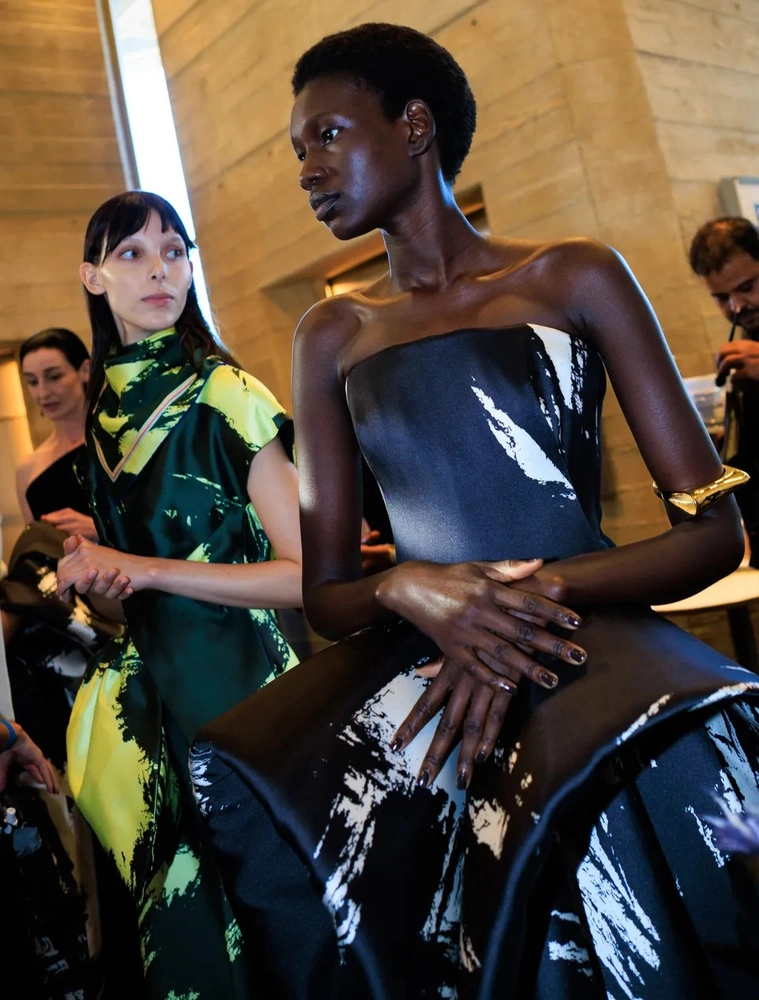
The collection arrived after years of rationing, military utility, and visual restraint. During World War II, women’s clothing had been shaped by shortage: narrower cuts, practical suits, shorter skirts, and a sense of dressing governed by necessity. And Christian Dior reinforced austerity with volume. His rounded shoulders, cinched waist, padded hips, and long, full skirts restored the idea of excess to Paris couture at a moment when luxury itself needed to prove it could still exist. The Dior New Look shouted to the fashion world that it could again speak through abundance, ceremony, and the controlled drama of a silhouette made it to be remembered.
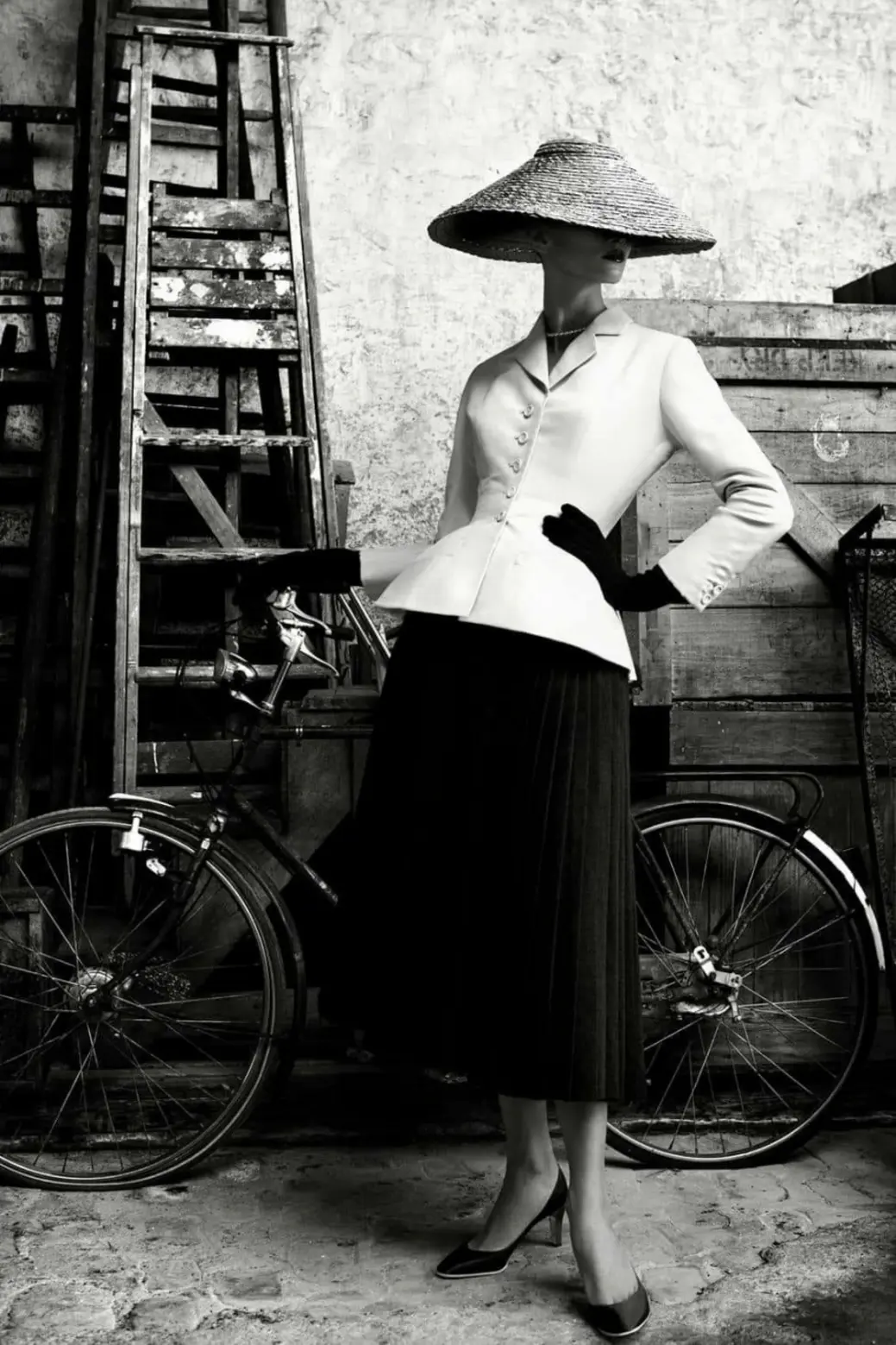
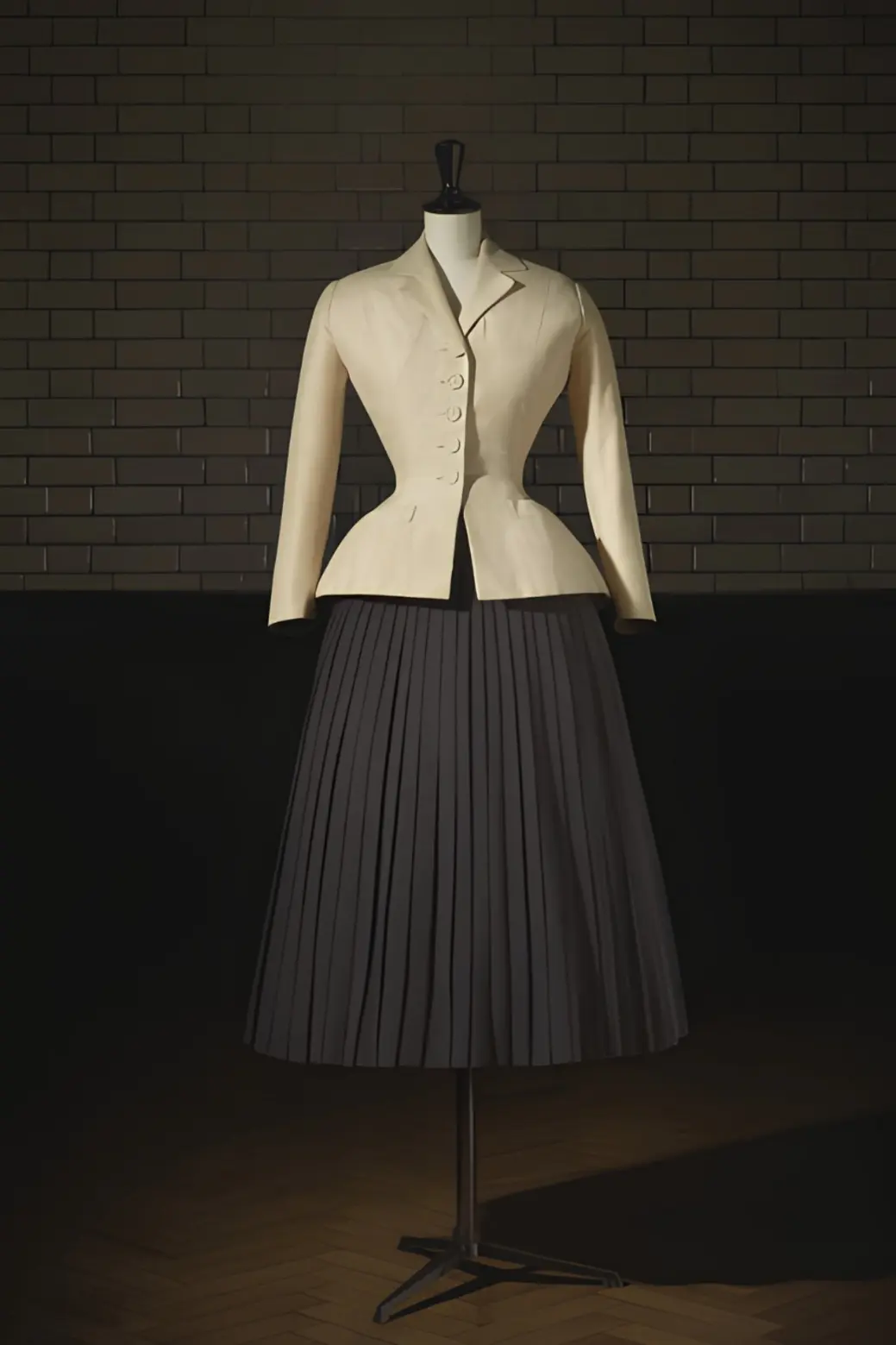
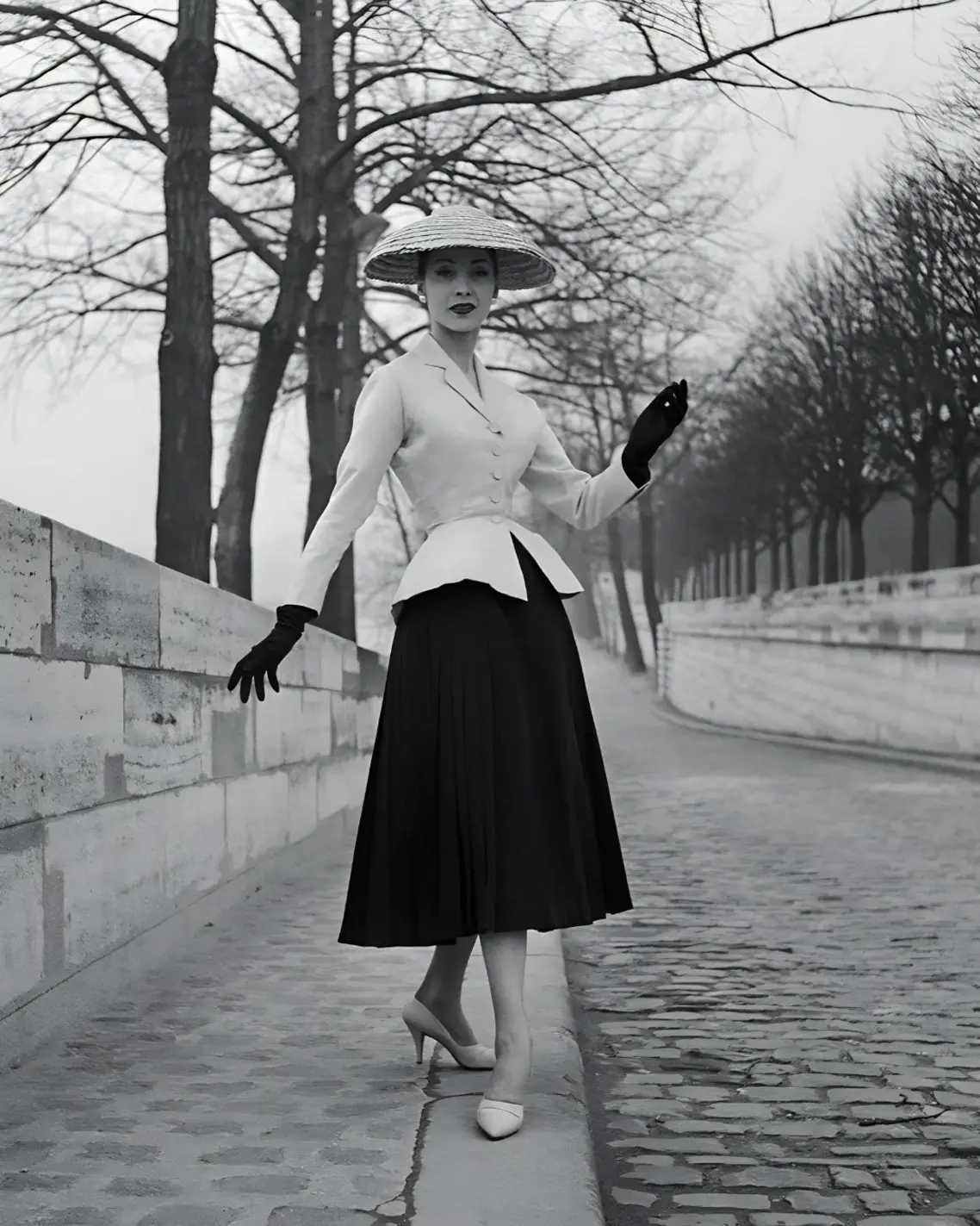
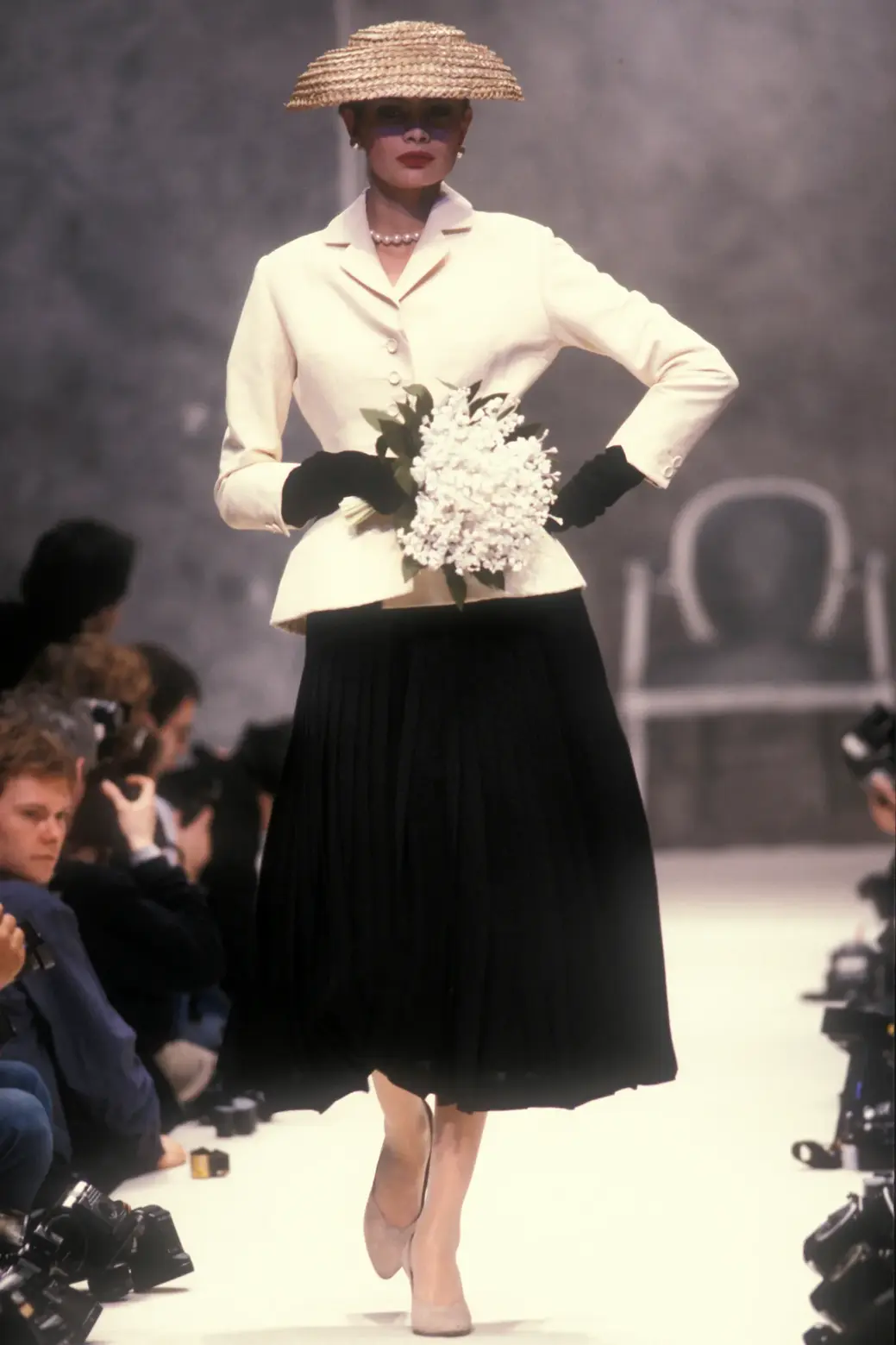
Its most famous emblem, the Bar suit, distilled the revolution into one unforgettable silhouette. The jacket curved into the waist with almost architectural discipline before opening over a generous black skirt, creating a body that looked sculpted, floral, and ceremonial at once. Christian Dior redefined femininity through construction, placing softness and control inside the same image. He reshaped postwar femininity by turning the waist into a point of power and the full skirt into a new image of elegance.
The Dior New Look also carried controversy. It used fabric generously at a time when many still understood abundance through the memory of scarcity, and it reintroduced a highly shaped femininity that some praised as renewal while others viewed as a return to constraint. That tension only made the silhouette more powerful. It became both fantasy and argument, a vision of womanhood that restored beauty to the center of fashion while also revealing how strongly fashion could shape the body’s social meaning.
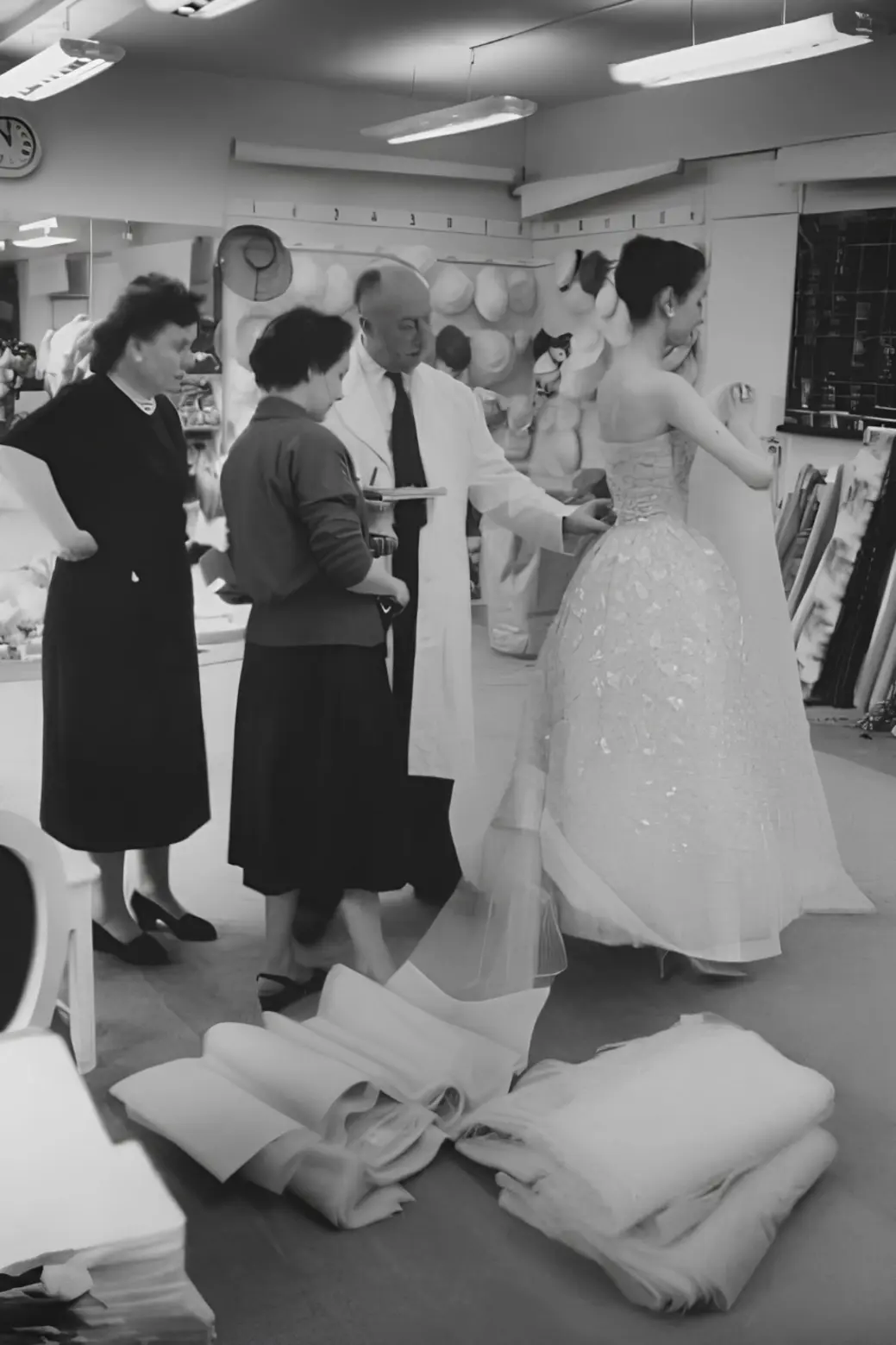
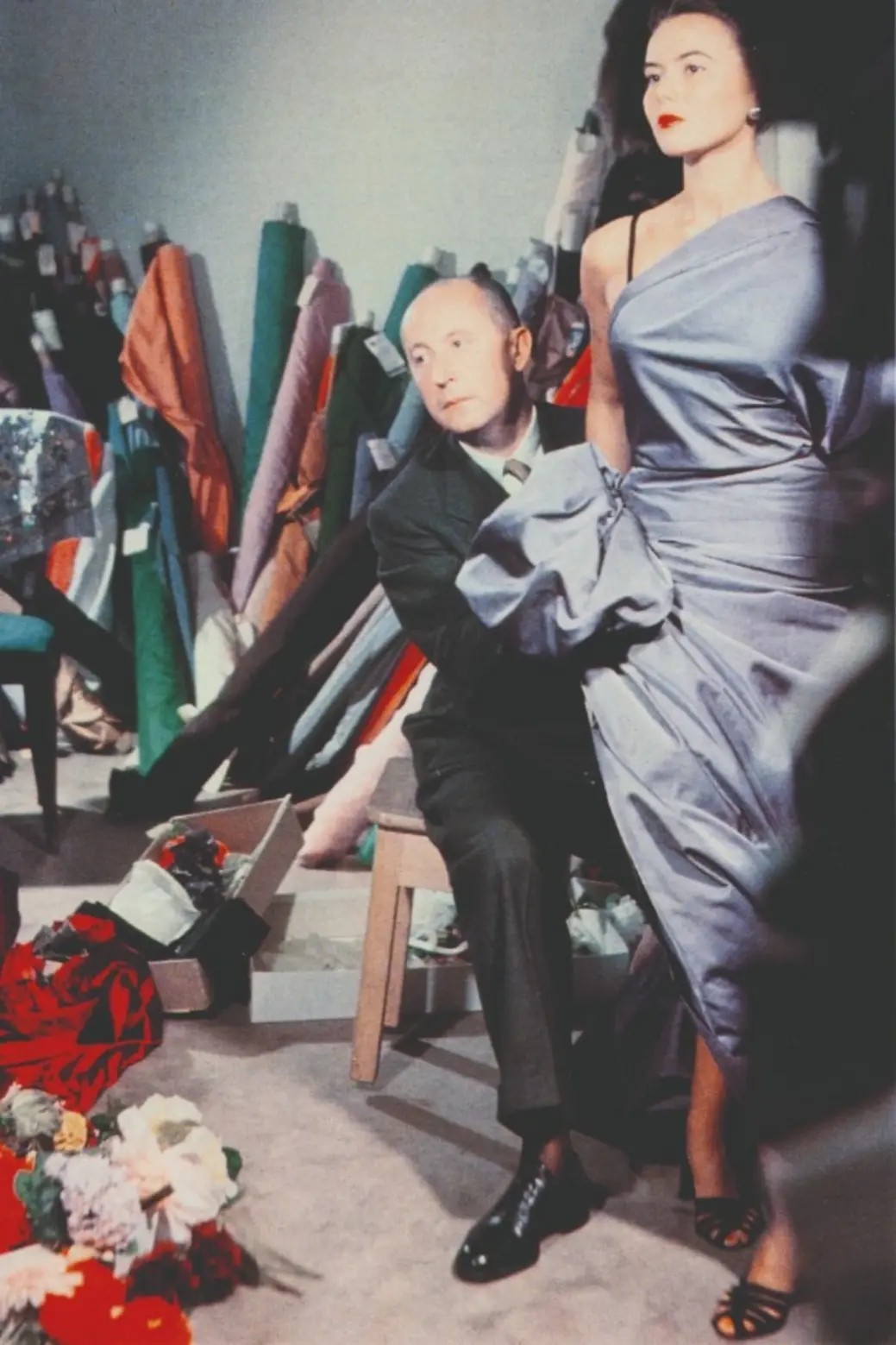
The influence of revolution has traveled throughout department stores, dress patterns, bridalwear, cocktail dresses, and everyday wardrobes adapted for women far beyond Paris. Not every woman wore a true Dior dress, but the outline of Dior entered daily life through nipped waists, fuller skirts, softer shoulders, and a renewed appetite for feminine polish. In that sense, the New Look became a template for postwar dressing, showing how one silhouette could move from elite craftsmanship into mass imagination.
Christian Dior’s impact after the New Look came from his ability to turn silhouette into engineering. He treats shape as a structure built from the inside outward. A Dior dress could appear soft and romantic on the surface, but its grace depended on interior logic that held the waist, guided the skirt, shaped the hip, and allowed the garment to stand in space with authority.

The Bar suit made that method visible through restraint. Its jacket curved into the torso with exact control, while the skirt opened below it with a fullness that looked effortless only because the atelier had mastered balance. The romance of the New Look came from this tension between softness and construction. Christian Dior transformed the body to look newly feminine, but that femininity was drafted, fitted, reinforced, and refined until the silhouette became an image.
The New Look had given fashion its great X-line: a narrowed waist held between the gentle curve of the shoulder and the sweep of a full skirt. The jacket had to curve into the torso with authority; the skirt had to hold volume without looking heavy; the hip had to be shaped so the waist appeared even more precise. Dior’s genius was making this work disappear. The viewer saw elegance, while the atelier had built an architecture of pressure, balance, and release.
From there, he began to develop what almost feels like an alphabet of form. The H-line, A-line, and Y-line represented technical experiments in how couture could redirect the eye. The H-line disciplined the body into a cleaner vertical plane, using cut and proportion to quiet the waist. The A-line opened the garment through controlled expansion, letting the silhouette widen with a sense of ease. The Y-line shifted emphasis upward, using the shoulder, neckline, and upper body to change the figure’s visual weight.
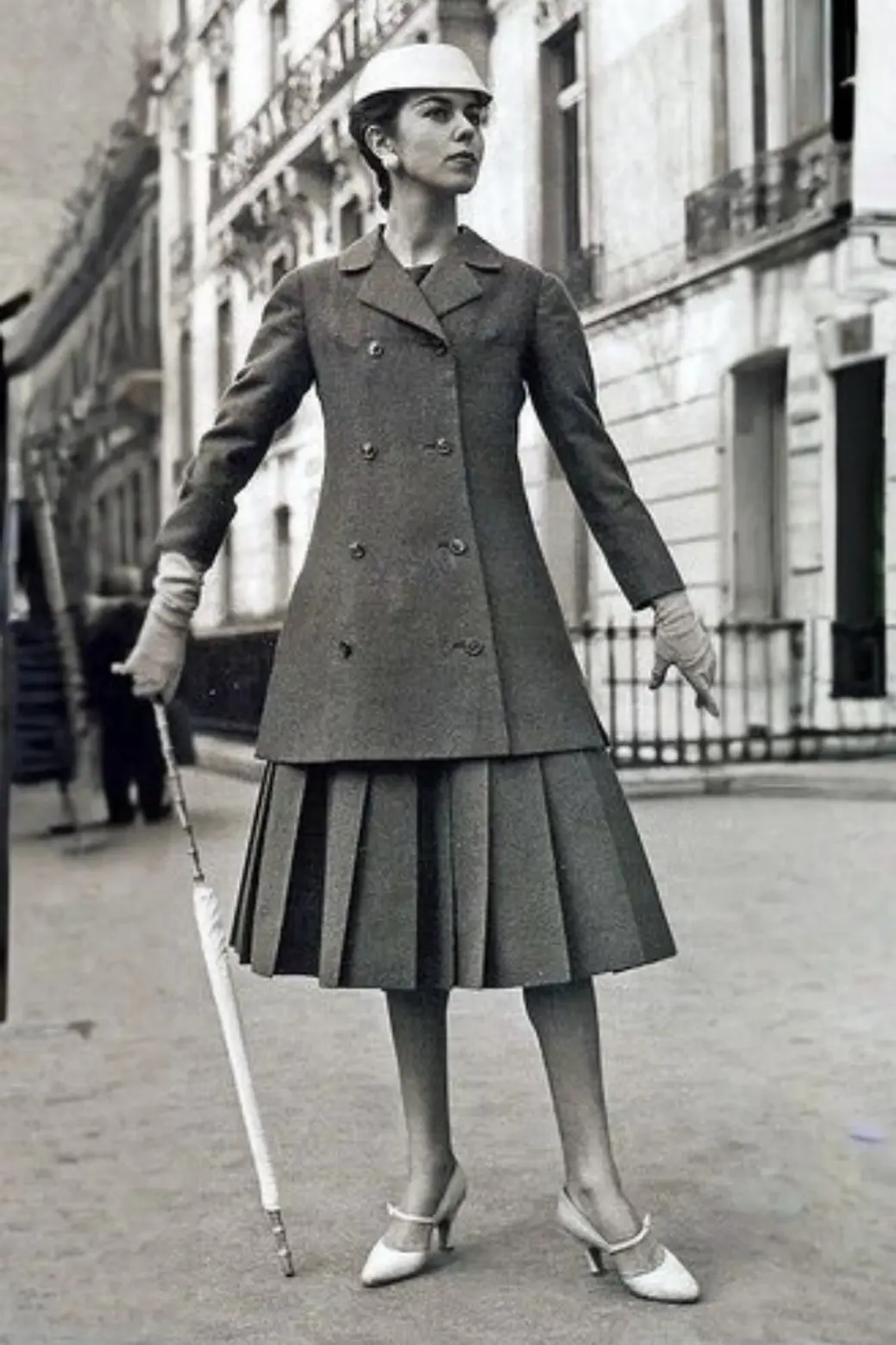
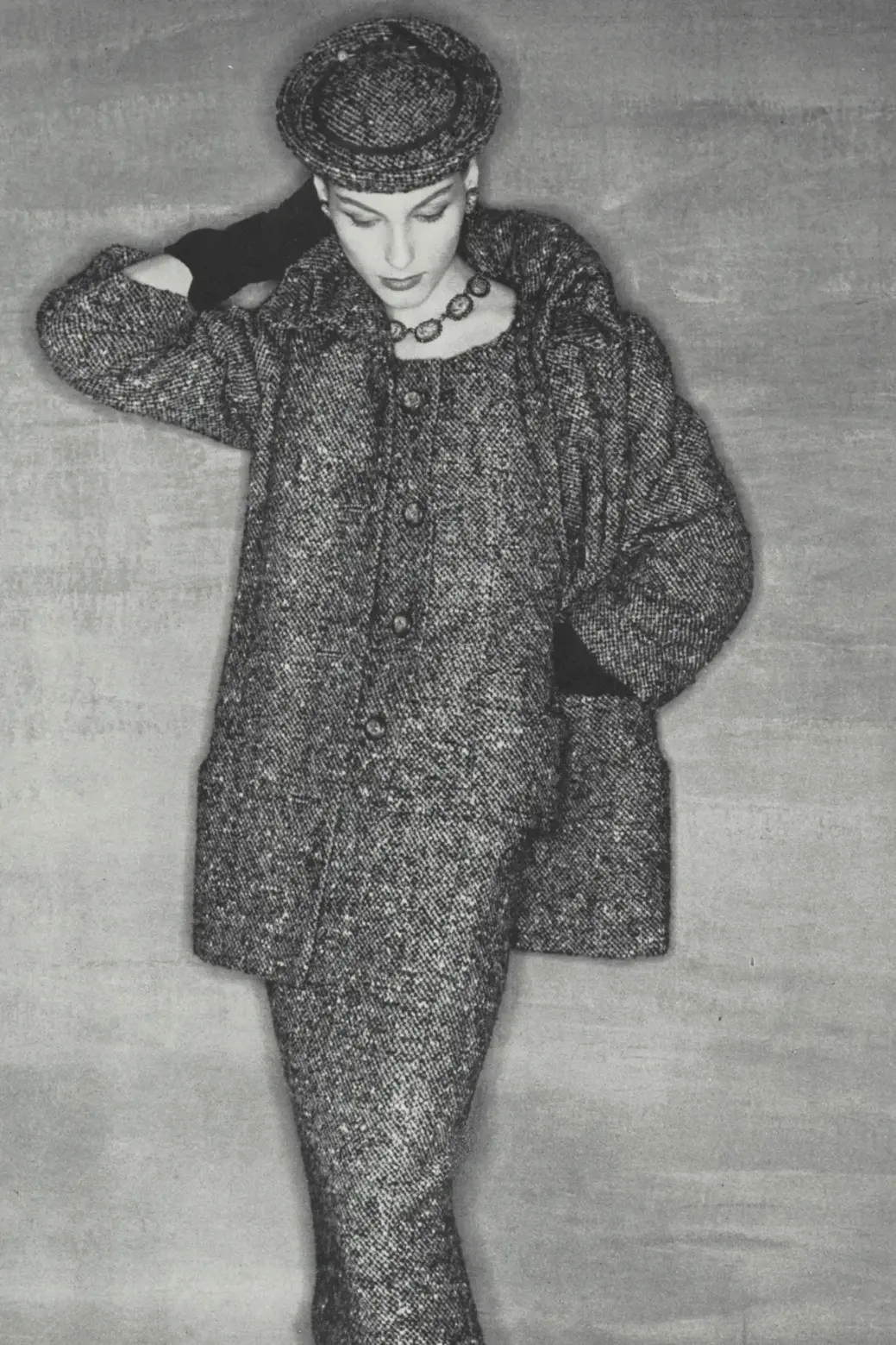
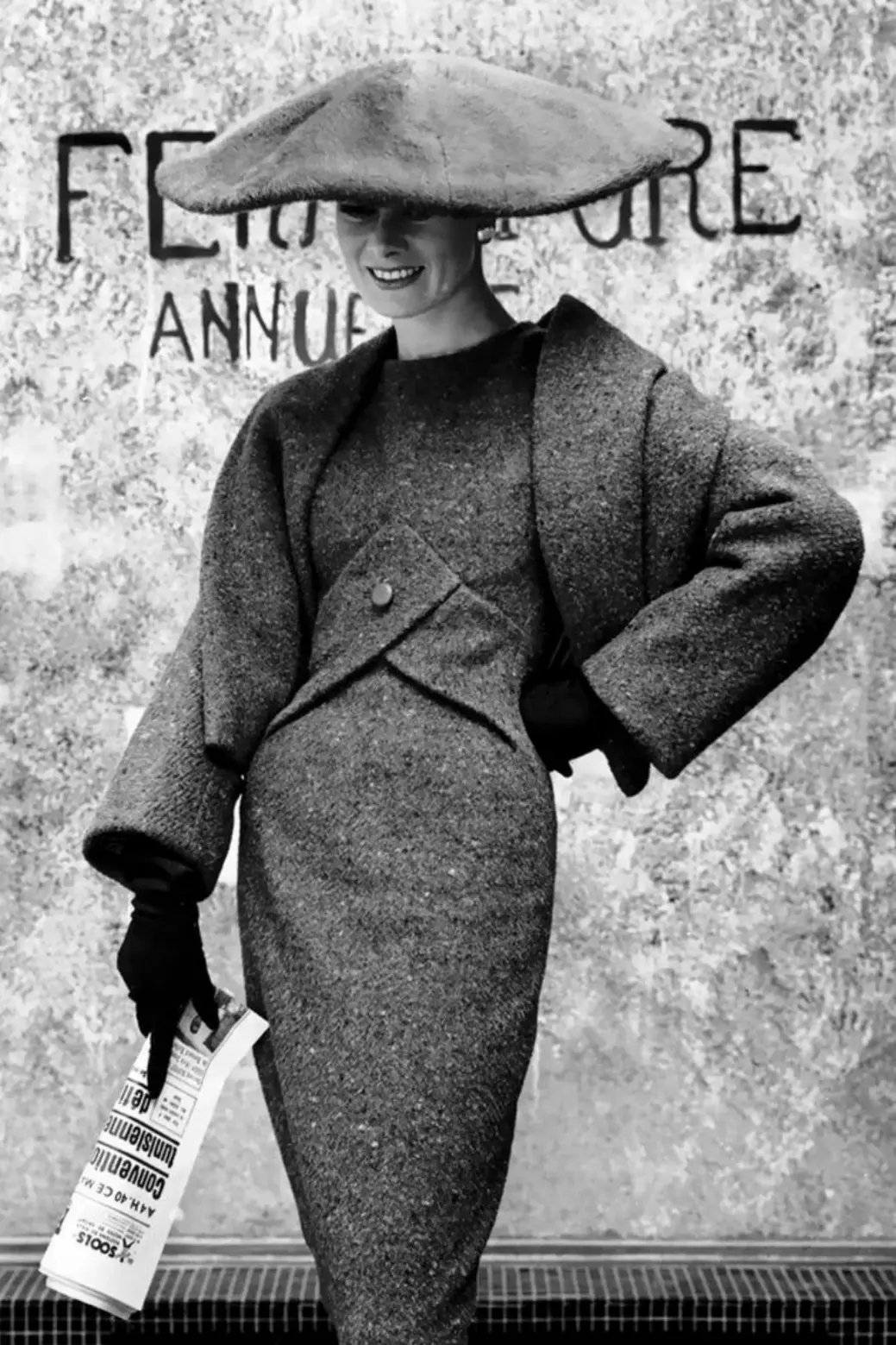
These powerful shifts lie beneath Dior's precision. He understood that a single seam could change posture, a hidden foundation could change the way a dress breathed, and a carefully managed hem could alter how a woman moved across a room. His silhouettes were built objects, shaped through fittings, fabric behavior, and intimate negotiation between body and garment. Dior’s precision lived in the invisible mechanics of the garment, where construction quietly shaped its movement, and the way fabric held the body in space. Each collection could propose a new line while still remaining unmistakably the Christian Dior, because the house’s identity lived in proportion, structure, and controlled fantasy. Fashion became a grammar of form, with every season adjusting the sentence.

The milestones of Dior’s first decade show how quickly that grammar became an institution. In 1946, the house was founded at 30 Avenue Montaigne. In February 1947, the first collection turned Corolle and En 8 into the New Look; that same year, Miss Dior gave the maison an invisible signature through fragrance. By the early 1950s, Christian Dior's vision was already going beyond the Paris salon, expanding the house through international clients, licensed products, and a sharper understanding of how couture could travel through image, scent, and lifestyle. The speed was extraordinary: in a few seasons, Christian Dior had transformed from a couturier with a revolutionary silhouette into the architect of a modern luxury house.

Around him stood women who helped turn the myth into a working reality. Raymonde Zehnacker guarded the rhythm of the studio and became one of Dior’s closest collaborators, while Marguerite Carré translated sketch into structure with the technical authority required to make his silhouettes hold. Mitzah Bricard brought another charge to the house: a sharper, more feline glamour that connected Dior’s femininity to leopard print, veiled hats, and a sense of controlled danger. Through them, the Dior image became richer than one man’s vision; it became a disciplined world of taste, technique, instinct, and presence.
The contradiction of Dior’s career is that it was both brief and enormous. He led his house for roughly ten years before Christian Dior's death in 1957, yet those years were enough to create one of the strongest visual identities in fashion history. Many designers built a house through decades of continuity; Christian Dior built one that defined the modern fashion house: not only a place that made clothes, but a name capable of carrying fantasy across objects, images, and desire.
The influence of Christian Dior can be seen in the designers who followed him and, in the way fashion continues to return to the waist, the flower, the salon, the full skirt, and the couture jacket whenever it wants to summon a specific kind of elegance. His work shaped the language of haute couture by making construction feel romantic and romance feel meticulously built.
Yves Saint Laurent, who became Dior’s assistant and then succeeded him after his death, inherited both the burden and possibility of that language. Later creative directors also entered into conversation with Dior’s original codes, sometimes preserving them, sometimes disturbing them. John Galliano amplified the fantasy and theatricality of the house, Raf Simons clarified its modern line, Maria Grazia Chiuri brought the Bar jacket and Dior femininity into a contemporary conversation around identity, craft, and women’s lives, and Jonathan Anderson arrives at Dior adds another chapter to a house that has always balanced inheritance with reinvention.
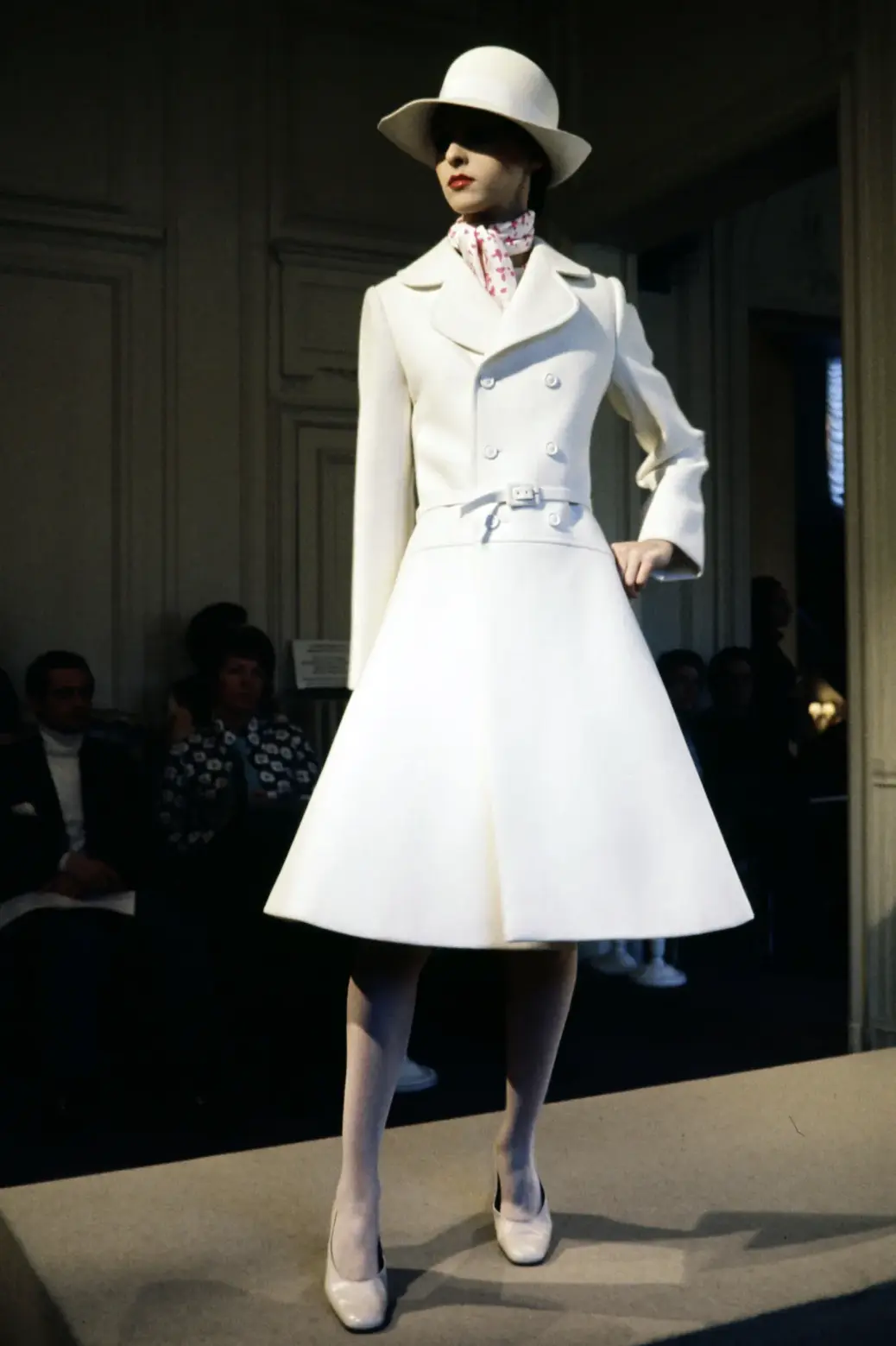
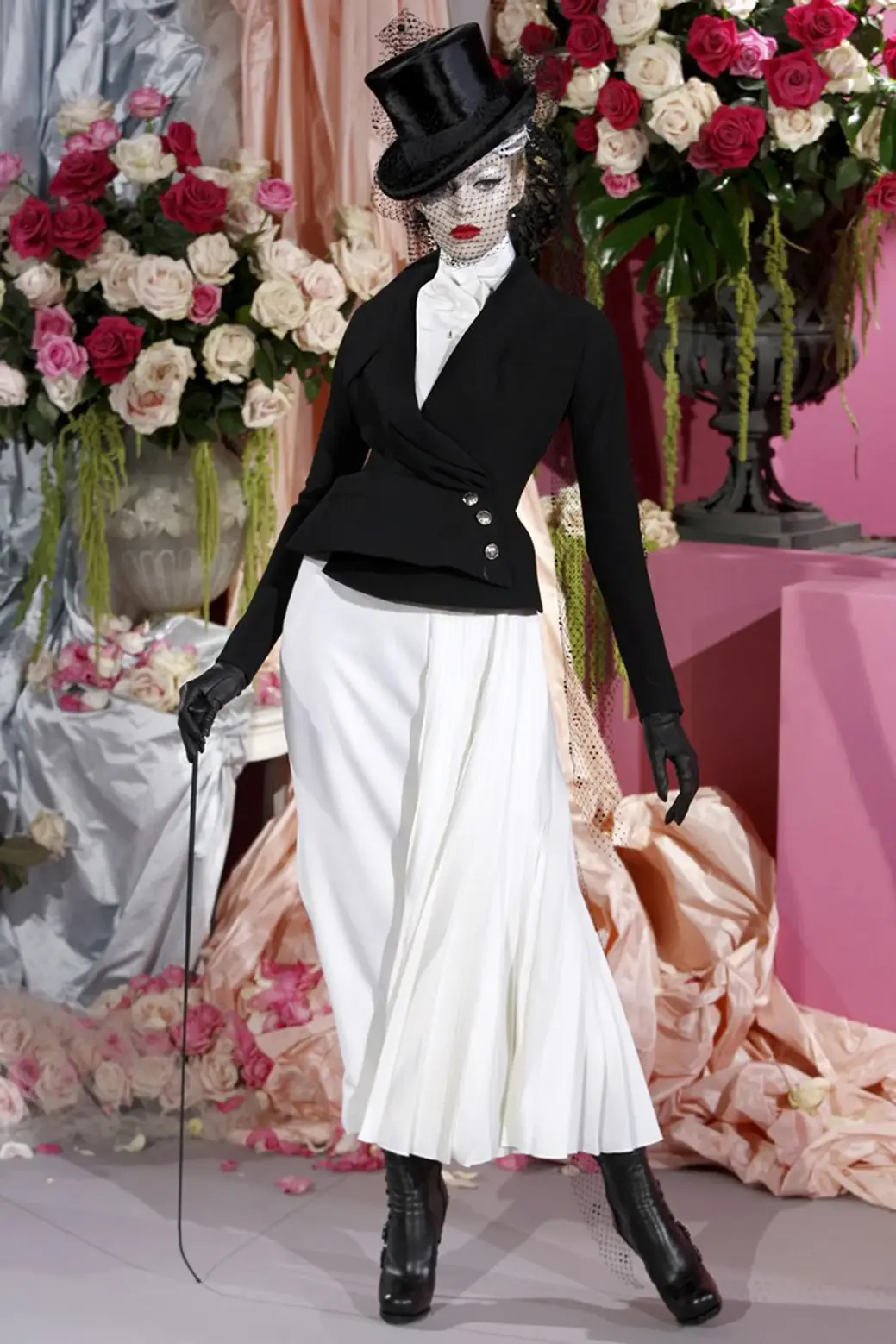
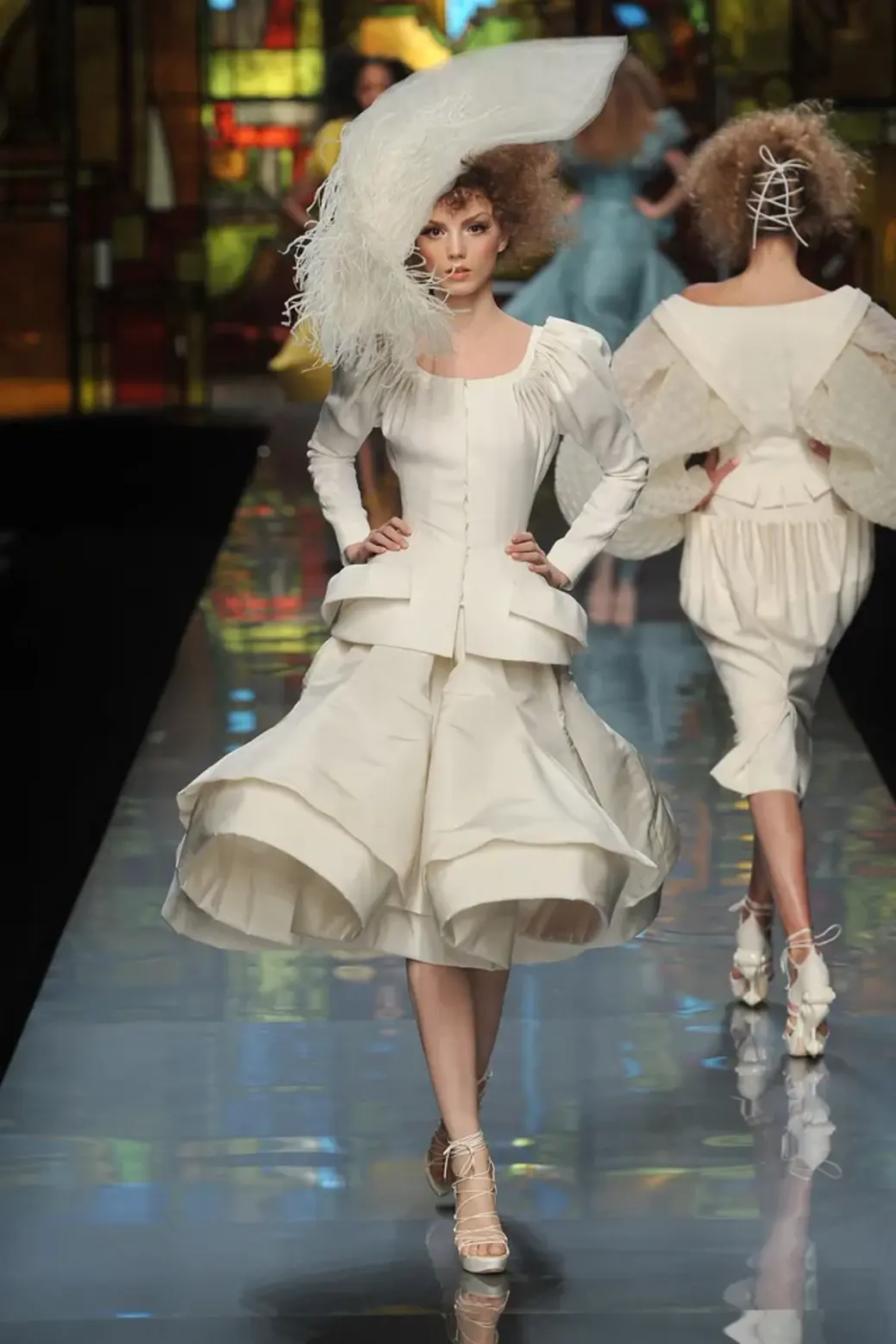
Beyond the maison, Dior’s influence spread through the way the world learned to recognize femininity by silhouette. The Dior New Look gave postwar fashion a visual formula that moved far beyond the couture salon, shaping the 1950s through bridalwear, evening dressing, costume design, and the enduring fantasy of Parisian elegance. A cinched waist and full skirt can still call Dior to mind, even when the garment belongs to another designer, because the silhouette has become part of fashion’s shared memory.
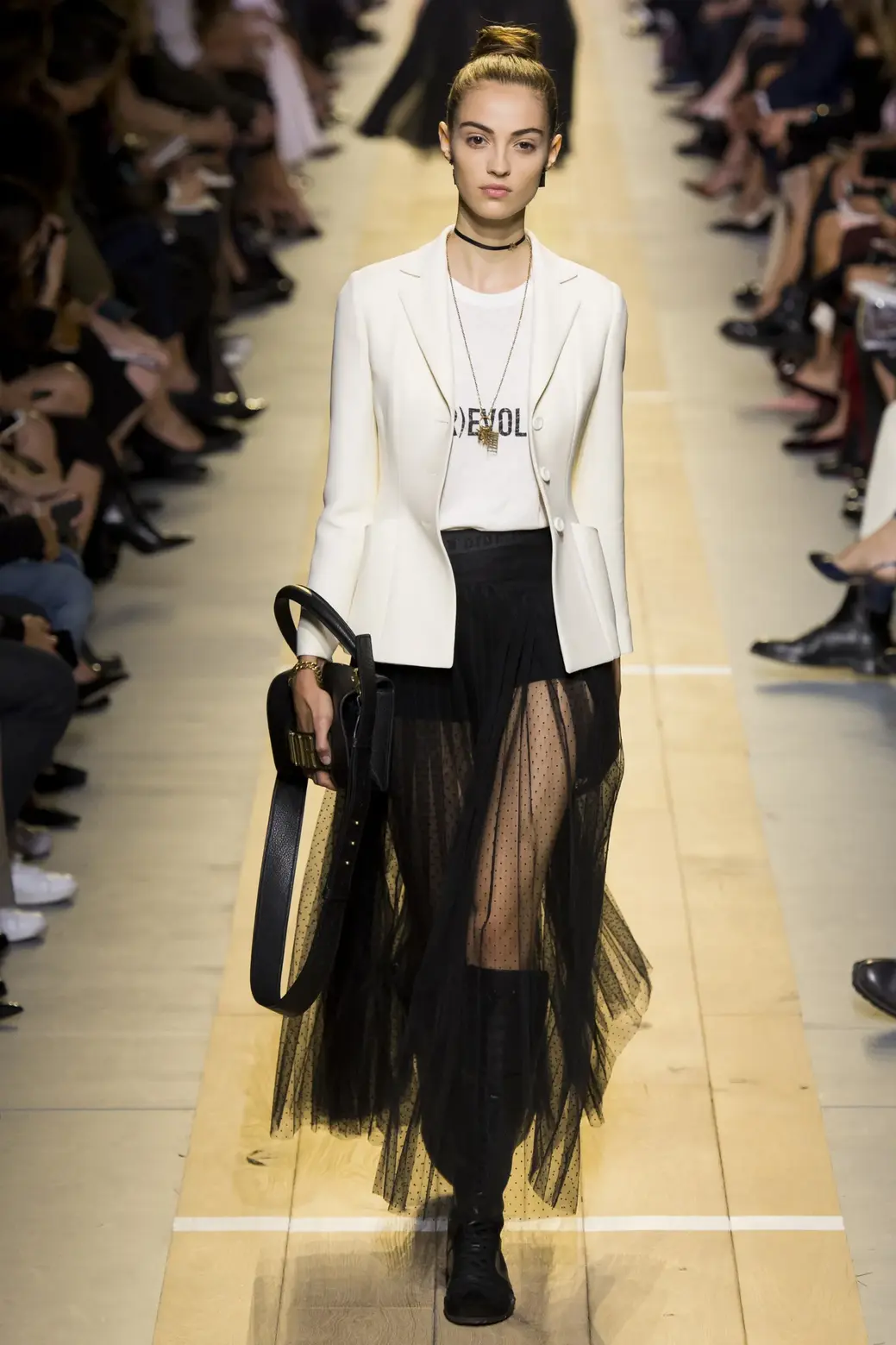
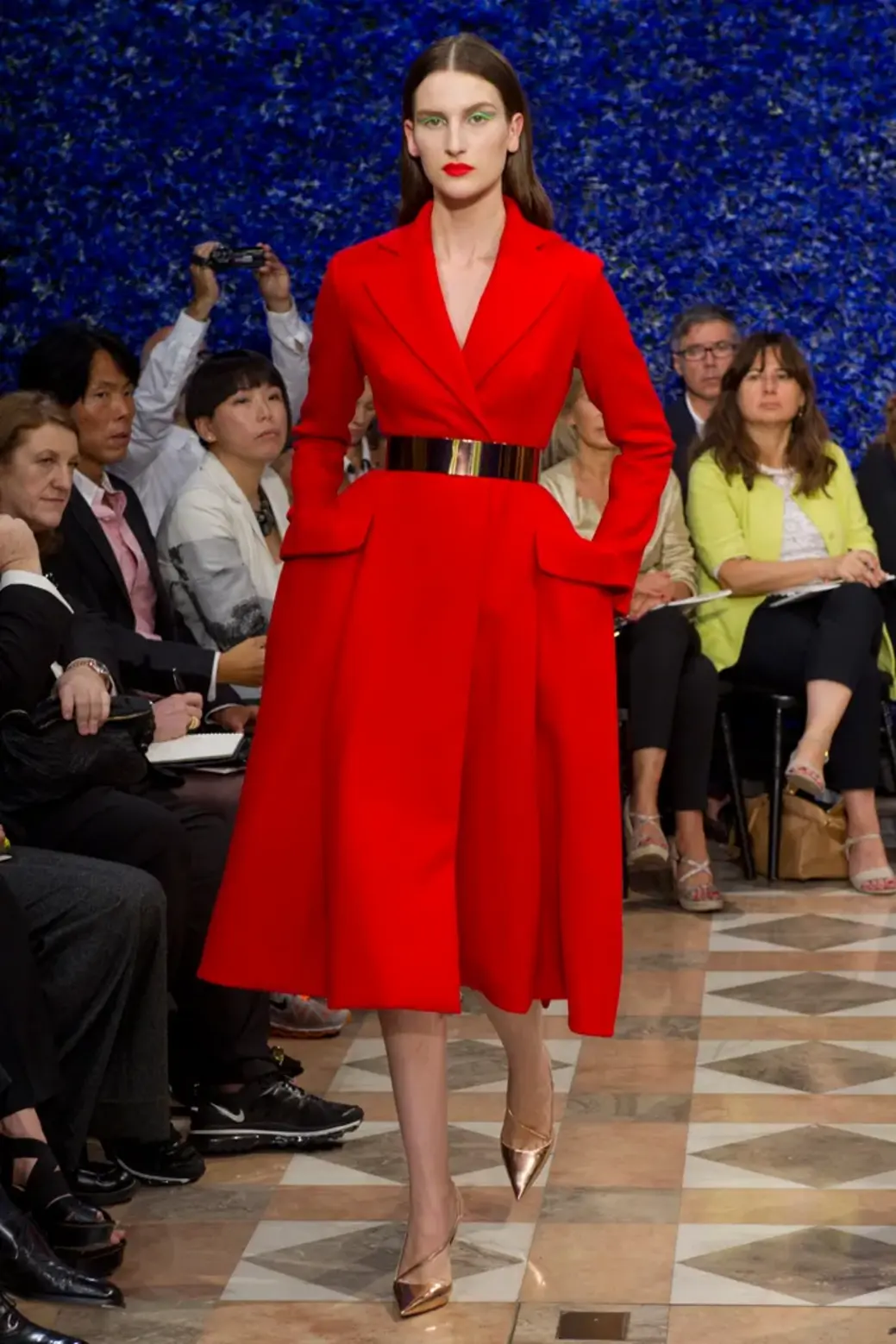
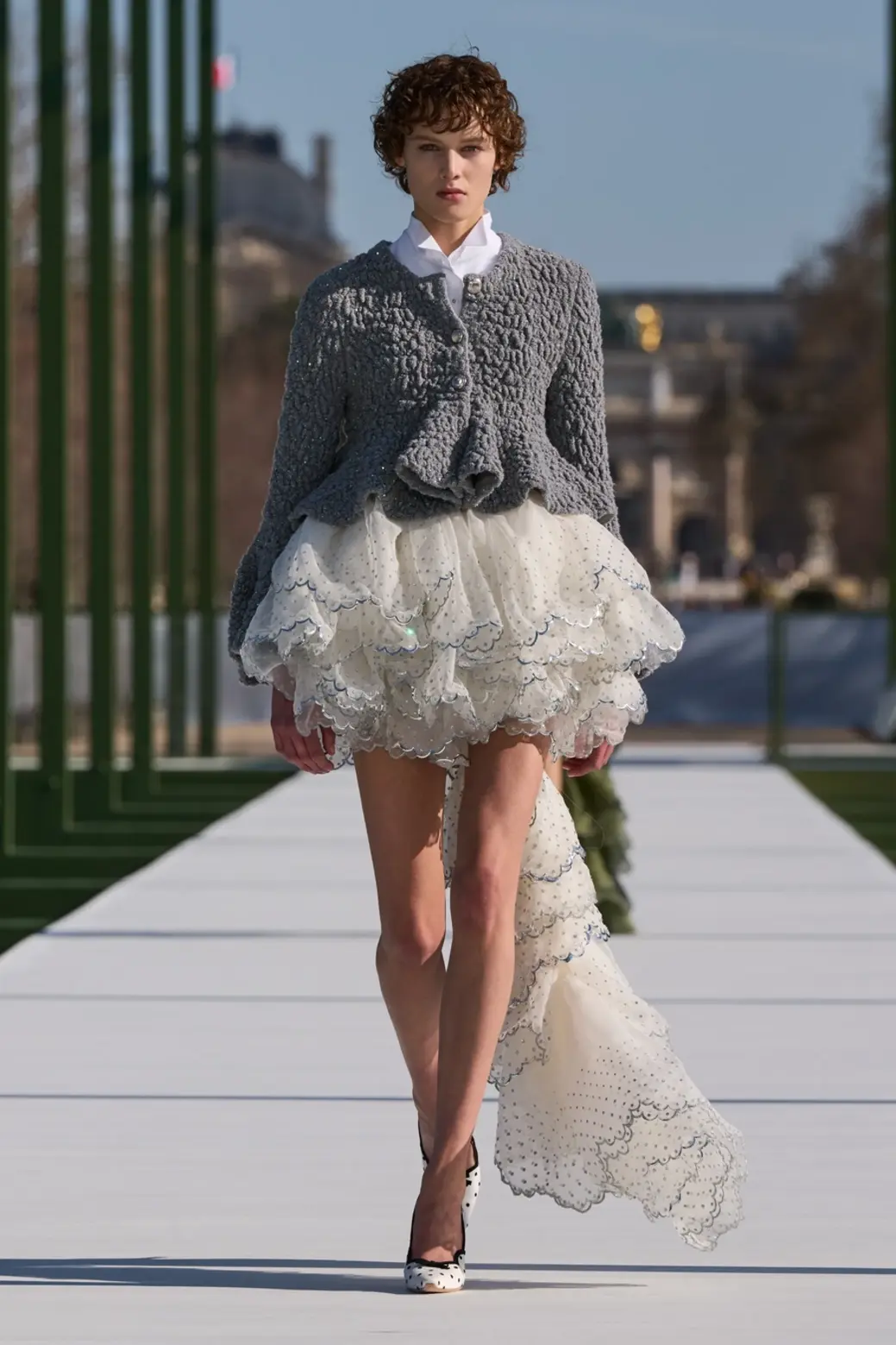
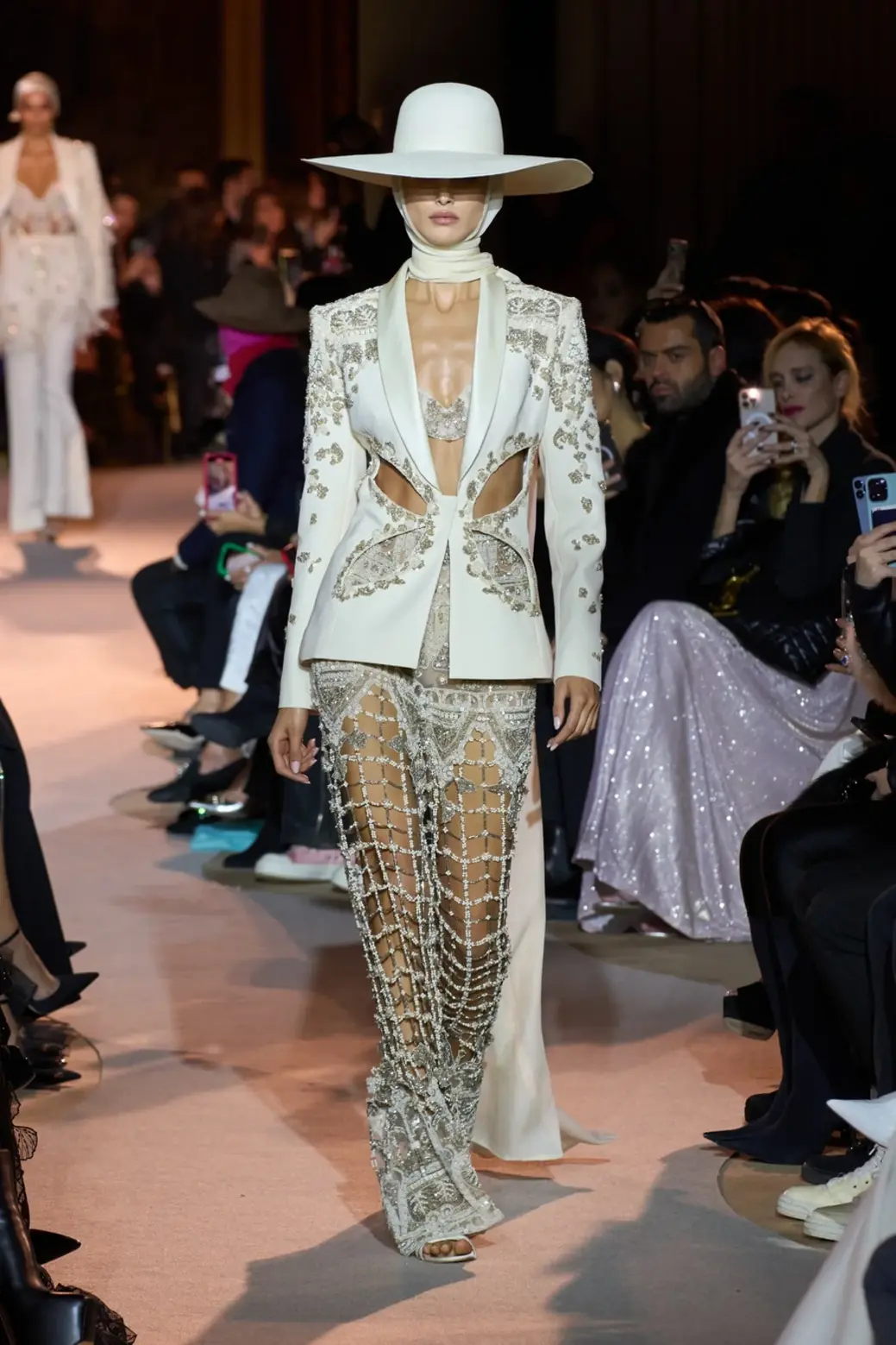
Its deeper force lies in the way Dior changed fashion’s sense of time after war. His work offered a vision of life after rupture, where clothing could help restore ceremony, beauty, and imagination to public life. The Dior dress became a symbol of return: not a simple return to the past, but a return to the belief that elegance could carry emotional weight after years of deprivation.

Dior’s connection to film began most famously through Marlene Dietrich, whose wardrobe in Alfred Hitchcock’s 1950 film Stage Fright included costumes by Dior. Dietrich’s image already carried discipline, glamour, control, and danger, all qualities that Dior could sharpen through cut and surface. In cinema, a Dior dress gathered mood as much as beauty, condensed status, mystery, and star authority into a single frame.
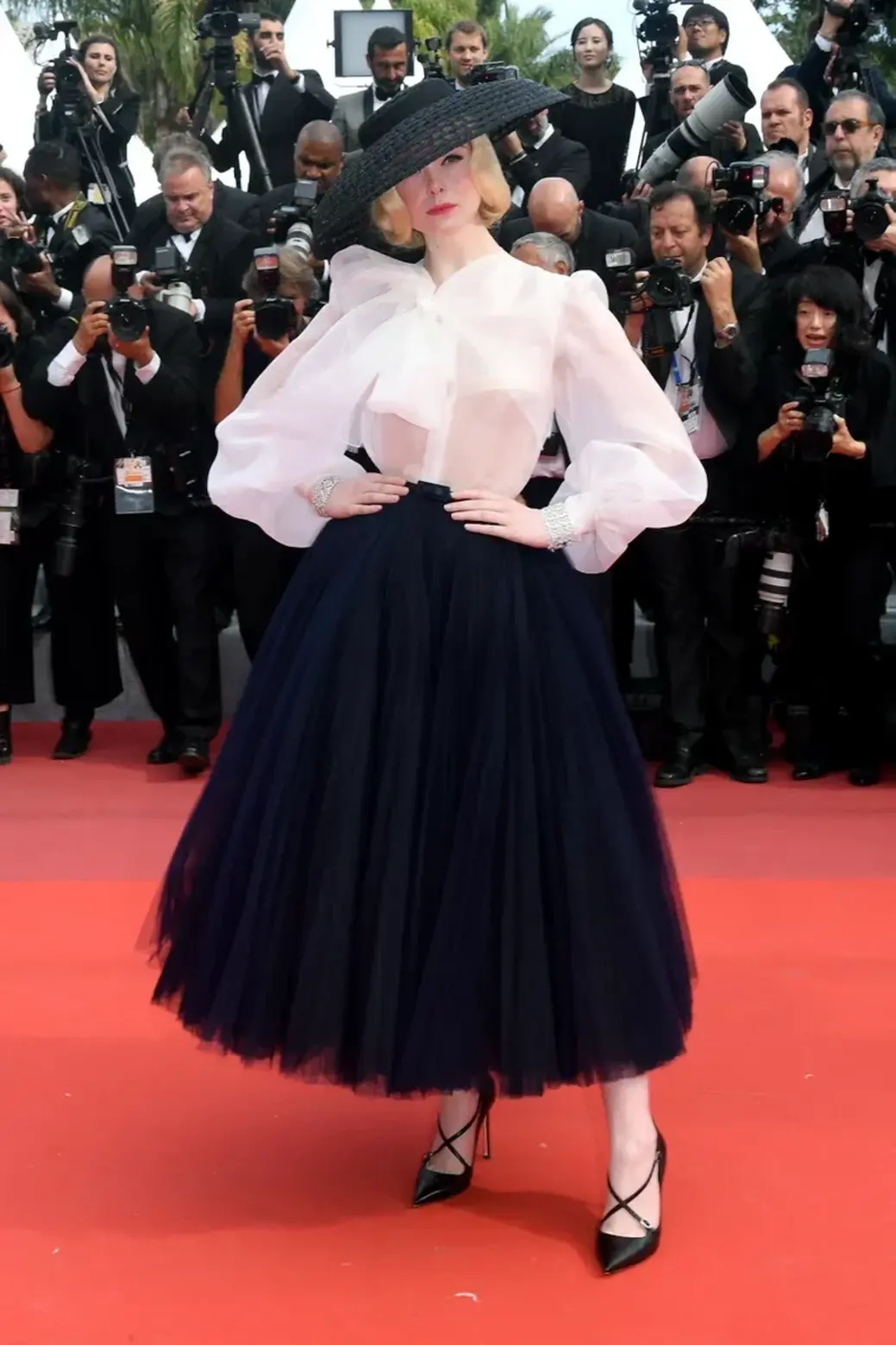
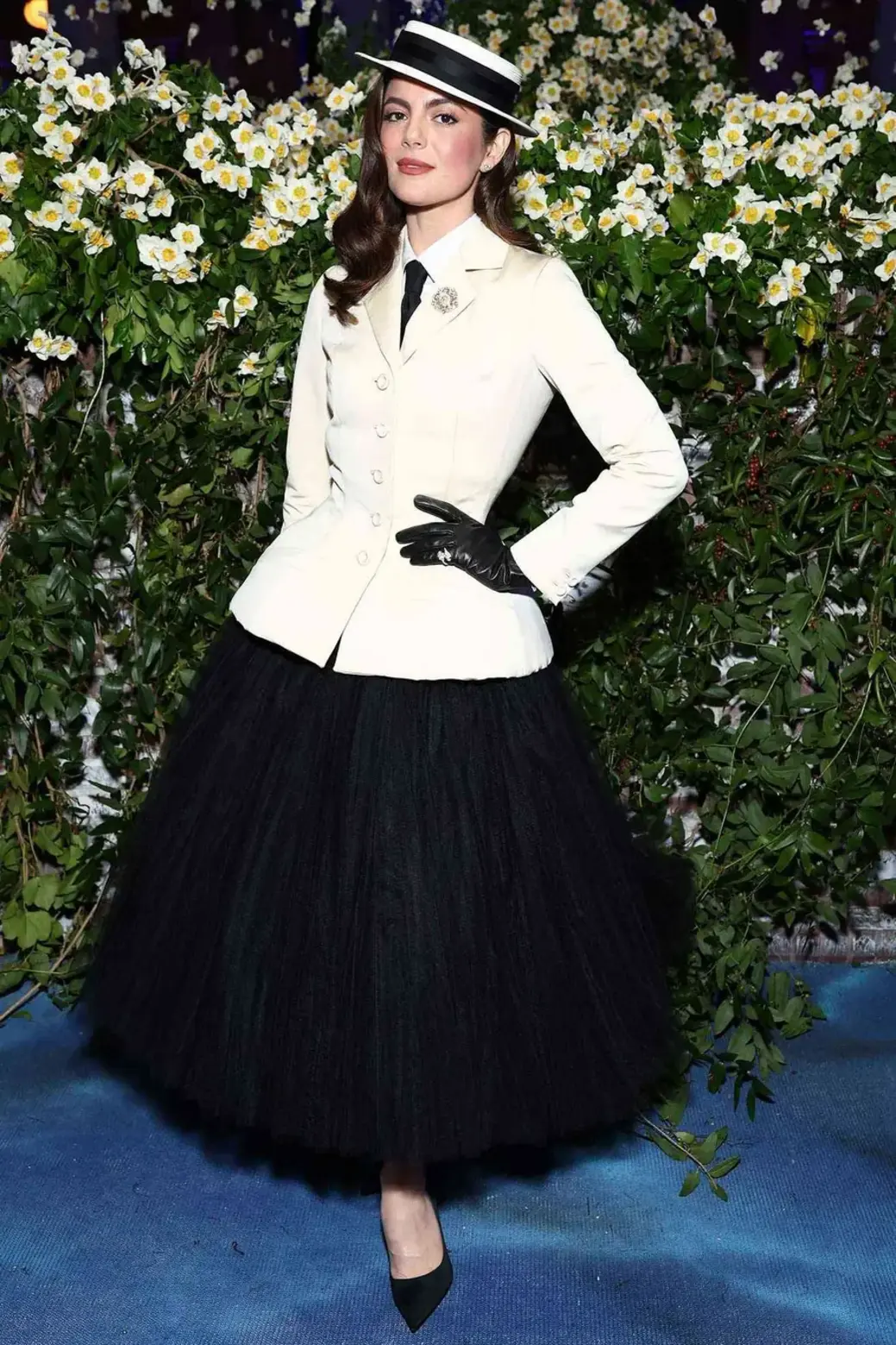
That cinematic quality has allowed Dior to travel easily into contemporary culture, where the house continues to appear across red carpets, festival premieres, museum steps, and the wider visual theatre of public dressing. The attraction endures because Dior offers more than a recognizable label. It offers a silhouette with memory inside it, one that can still make a modern entrance feel composed, heightened, and unmistakably seen. In that ongoing afterlife, Christian Dior remains present both as history and as image, moving through film, fashion spectacle, and contemporary imagination with the same promise of transformation.
The legacy of Christian Dior begins in a room still carrying the weight of war. Paris had survived, but fashion was searching for a way to feel whole again, and no one else but Christian Dior understood that recovery could begin with a silhouette. When the Dior New Look appeared, it gave postwar fashion a new scene to believe in: a woman entering the room with her body restored to drama, her clothes holding memory, desire, and discipline in the same breath.
His first collection arrived at the exact moment beauty needed scale, and he answered with a dream precise enough to be built by hand. In that dream, fabric became structure, proportion became emotion, and Christian Dior turned haute couture into a language that could make elegance feel possible again.
Advertisement