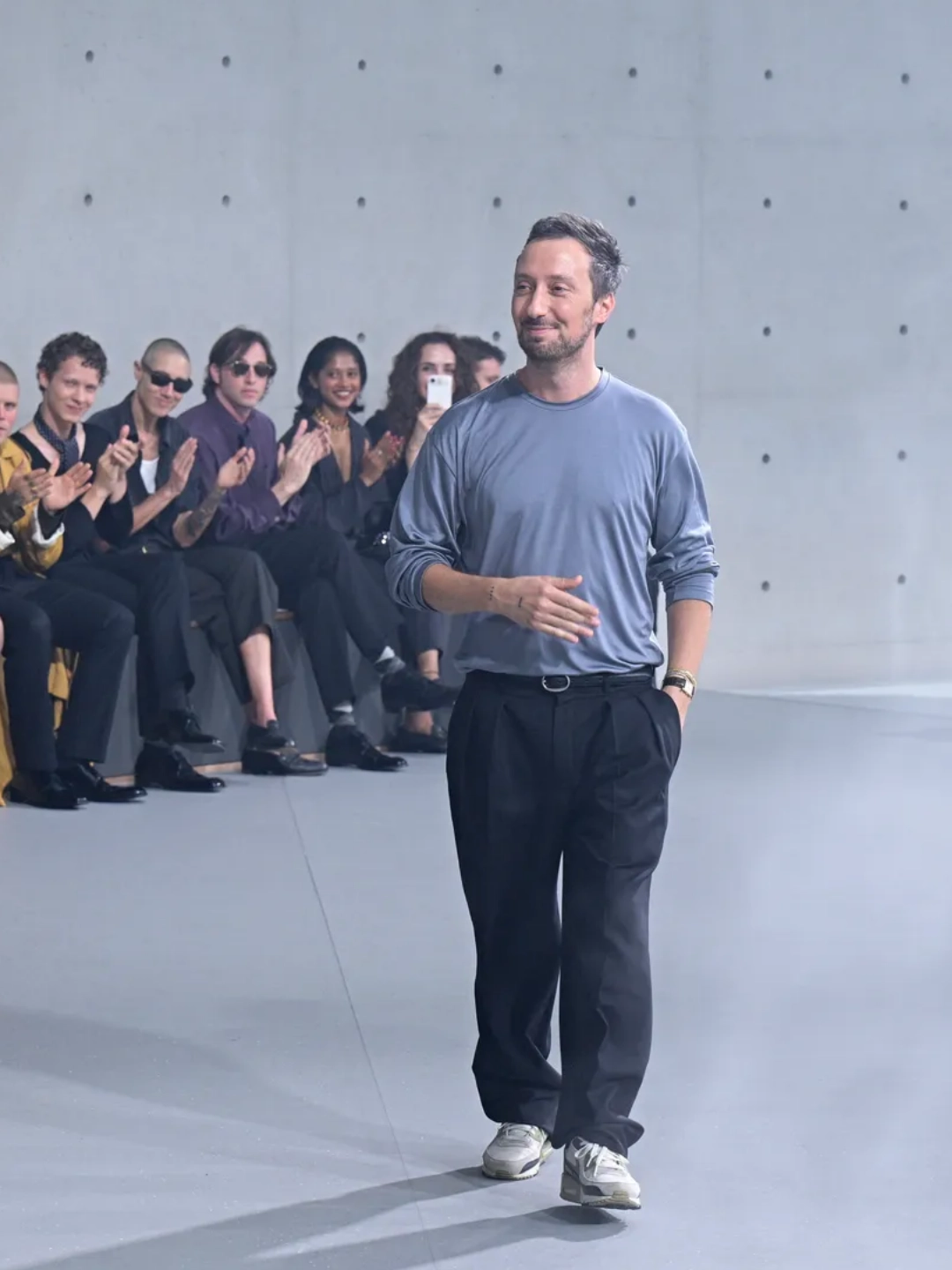
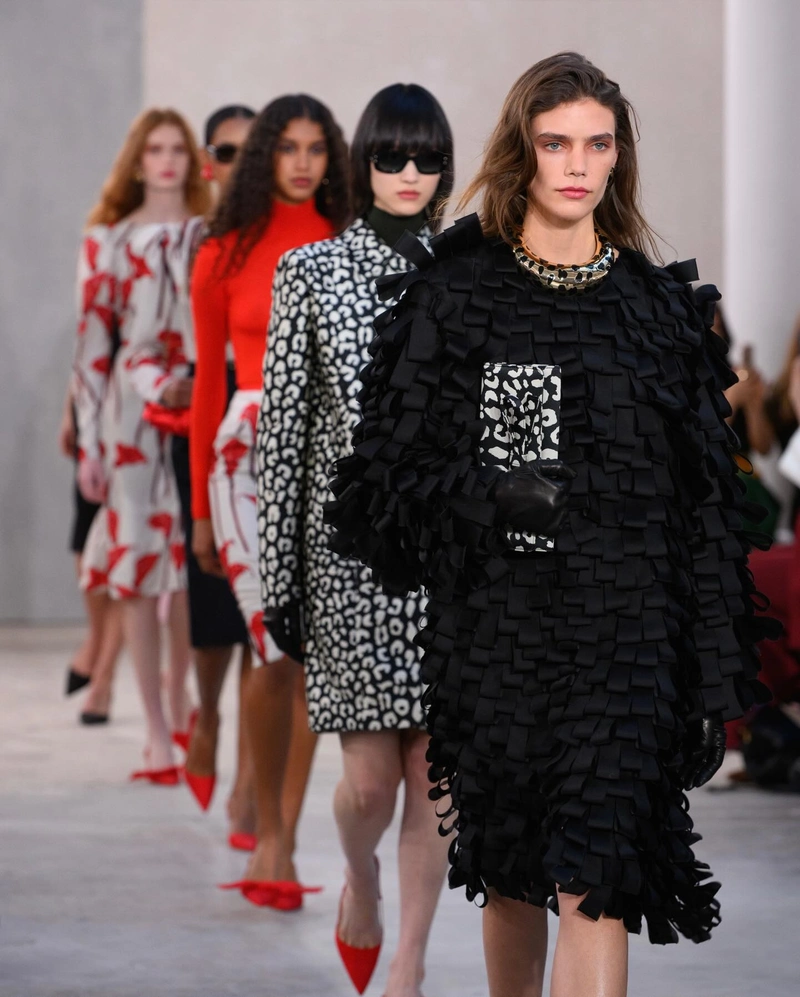
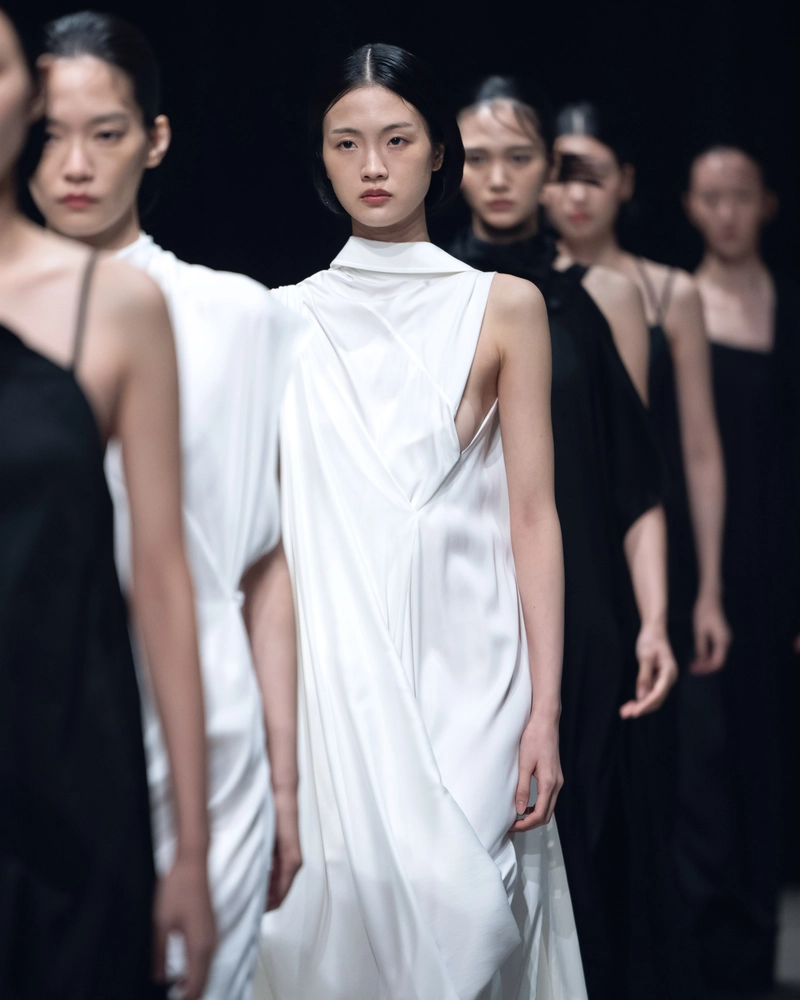
Jonathan Anderson has spent two decades transforming fashion into profound intellectual dialogue. From the radical craft of JW Anderson and Loewe to his historic debut at Dior, he continues to prove that style is where heritage meets modern desire.
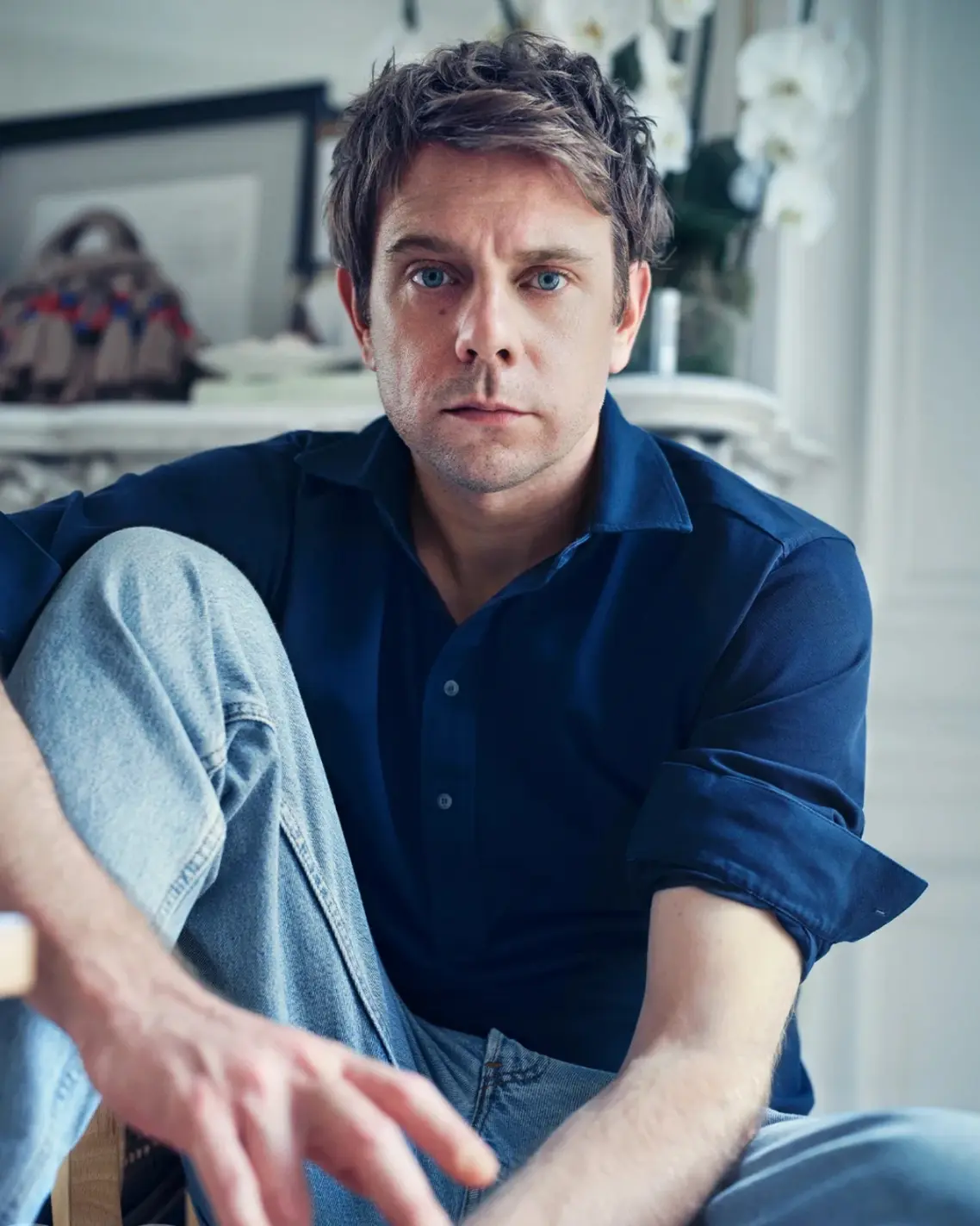
Jonathan Anderson has spent two decades transforming fashion into profound intellectual dialogue. From the radical craft of JW Anderson and Loewe to his historic debut at Dior, he continues to prove that style is where heritage meets modern desire.
March 12, 2026
Advertisement
Advertisement



To understand Jonathan Anderson is to begin with a paradox. He is arguably the most influential designer of the current era, yet influence feels like an insufficient term for his impact. While the word often suggests fleeting trends or surface-level mimicry, his contribution runs significantly deeper. Jonathan Anderson has fundamentally altered the intellectual climate of contemporary fashion, making it acceptable and even desirable for luxury to be strange, literate, handmade, and technically rigorous all at once. In a decade where the industry often leaned toward the safety of algorithms and brand repetition, Anderson insisted on the luxury of curiosity.
His career has functioned as a sustained rebellion against the idea that fashion should be easy to consume or simple to categorize. Rather than following the traditional path of a creative director who merely supervises a house aesthetic, Anderson has operated more like a cultural curator, moving between high-concept art and commercial product with a seamless, almost predatory intelligence. He has made the act of thinking a central part of the wardrobe, suggesting that a garment is not just a finished object but a site of constant inquiry. By treating every collection as a living argument with history and desire, he has managed to turn the runway into one of the last remaining spaces where genuine cultural friction still exists.
The trajectory began in the late 2000s, far from the gilded halls of Paris. A Northern Irish designer with a background in acting and a sharp eye for visual culture, Jonathan Anderson founded JW Anderson in 2008. The label first gained traction through accessories, but it quickly became the talk of London Fashion Week for its deliberate cross-pollination between menswear and womenswear. Long before gender fluidity became a marketing buzzword, Jonathan Anderson was already treating the binary as a creative relic. He understood early on that the future of dress lay in the blur.
The official history of the label reveals a crucial instinct: from the start, his language was built around a contemporary interpretation of masculinity and femininity that refused strict loyalty to either. He was not a designer of finished identities but a designer of instability. His early collections asked uncomfortable questions about where one category ended and another began, using silhouette and gesture to loosen fashion’s old certainties. This was not rebellion for the sake of scandal; it was a serious inquiry into how we inhabit our bodies. This early period established the Andersonian worldview as one where fashion is a living, human, and provisional argument with the present.
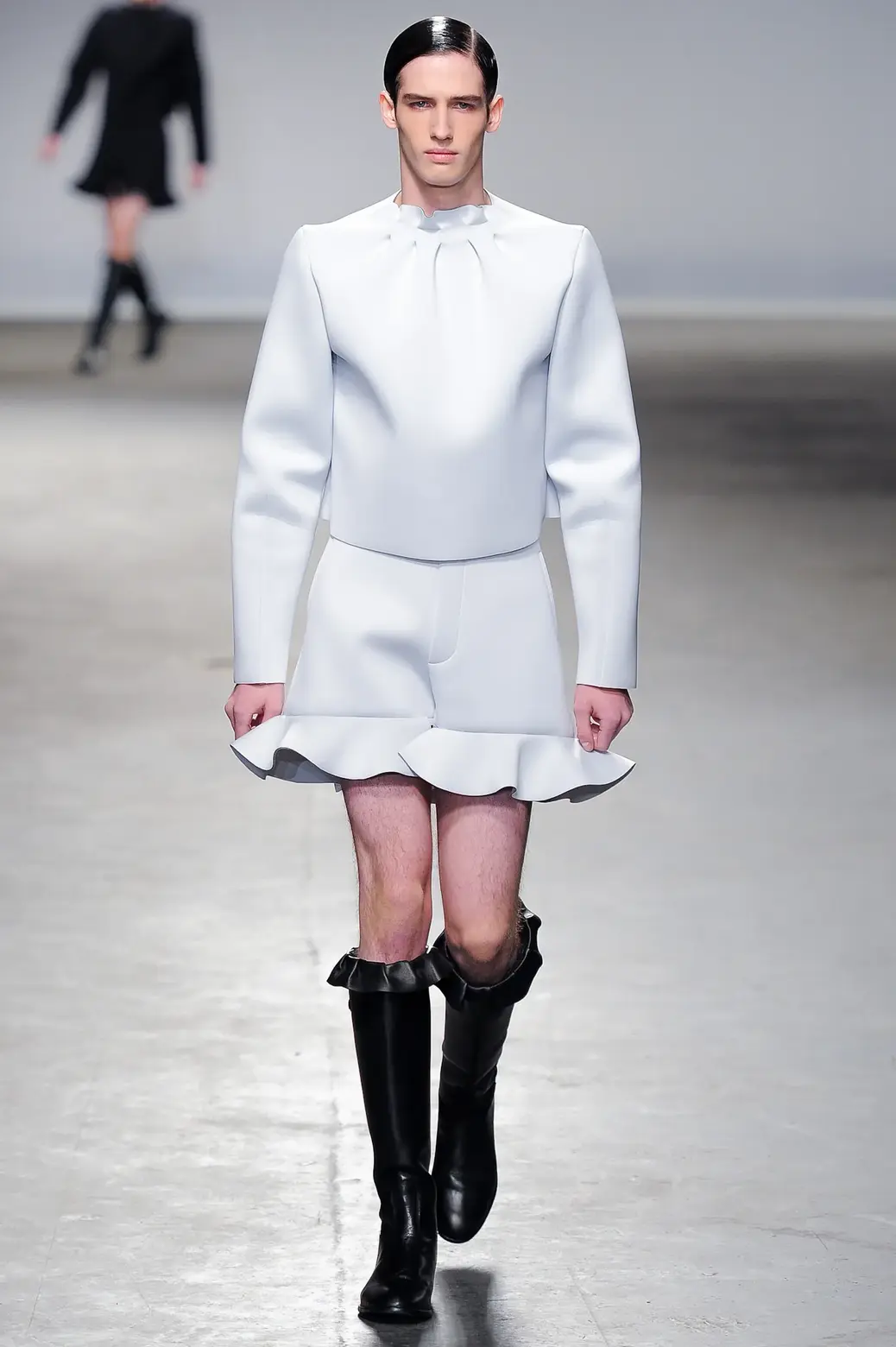
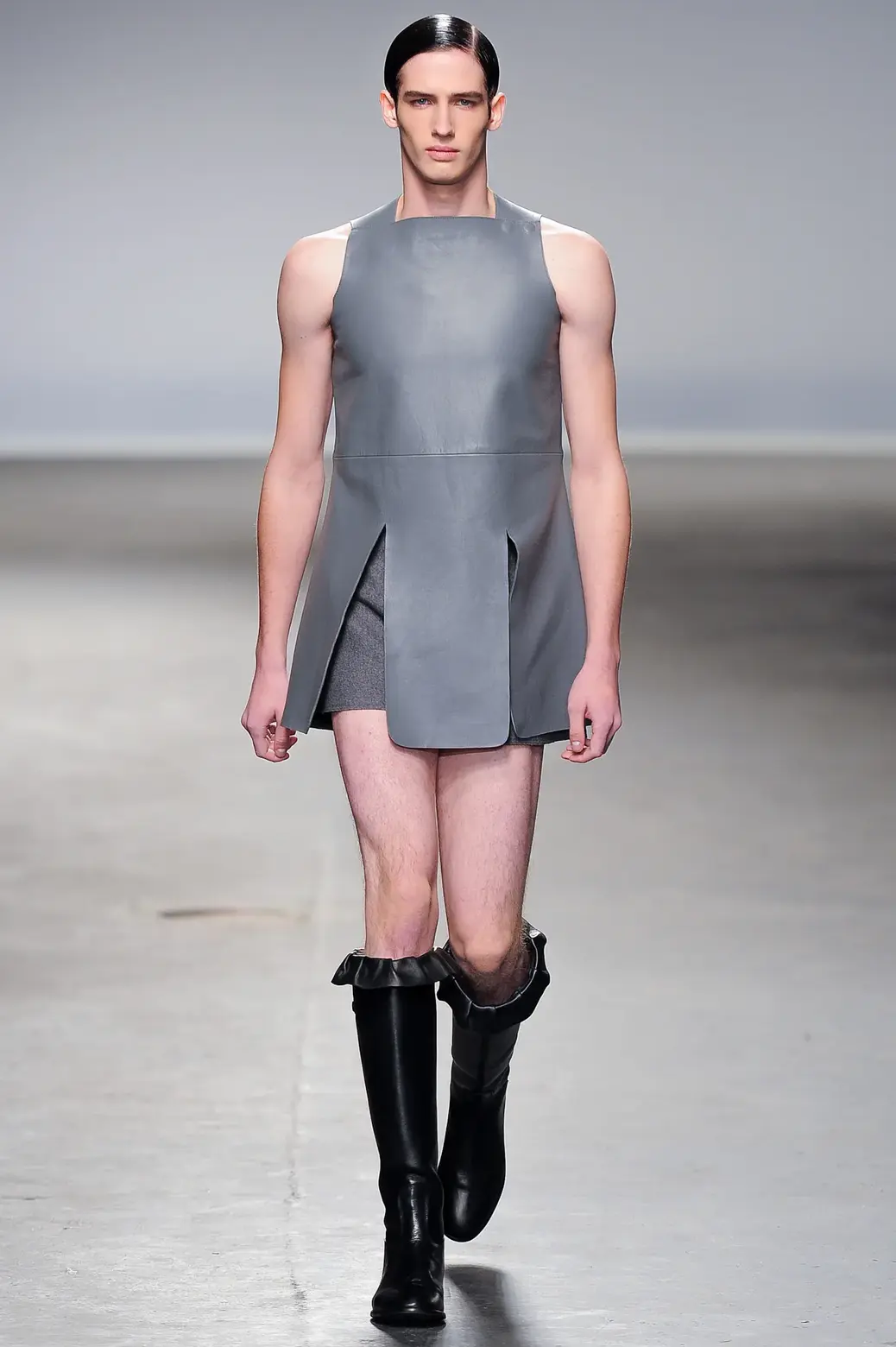
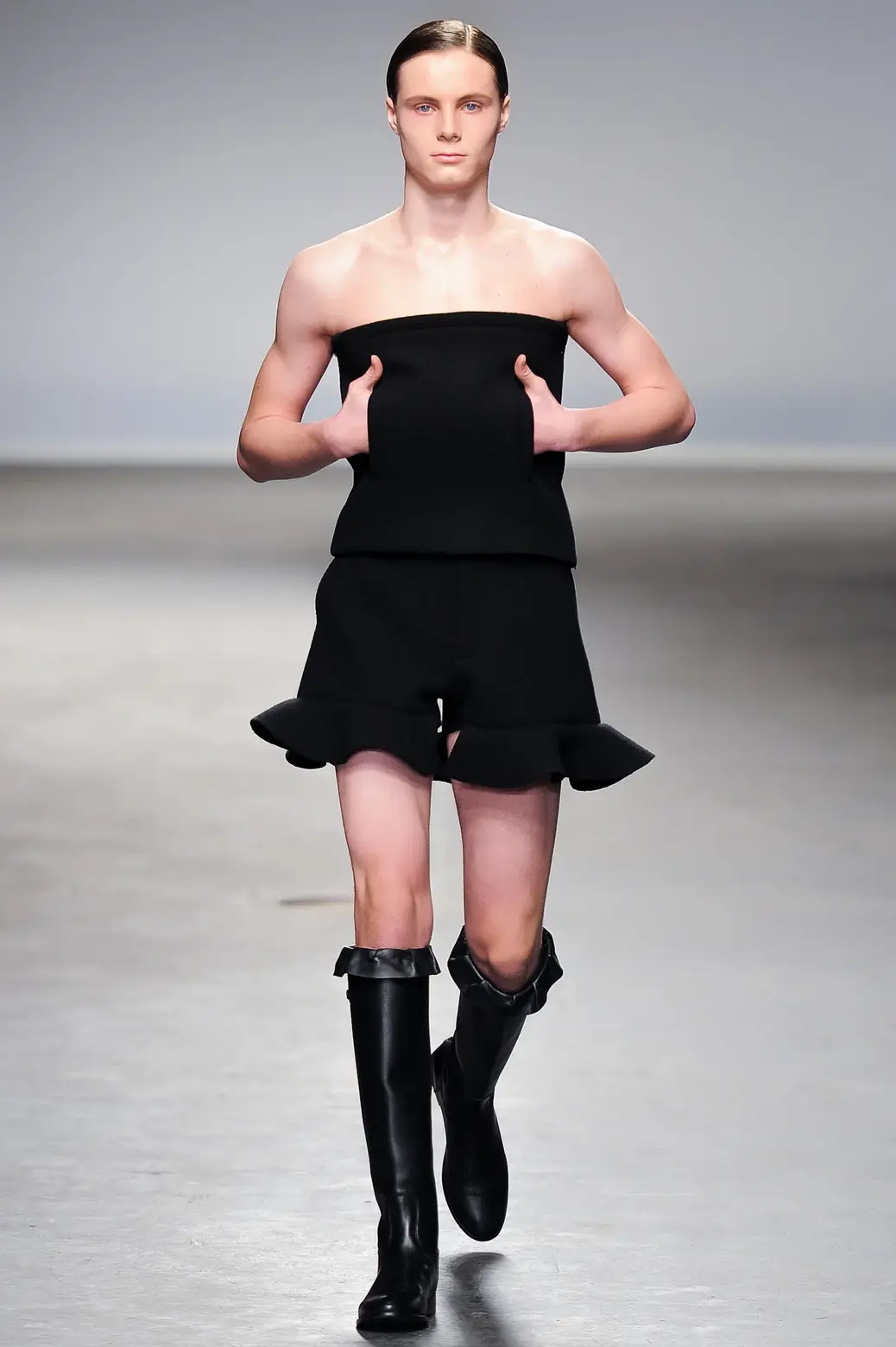
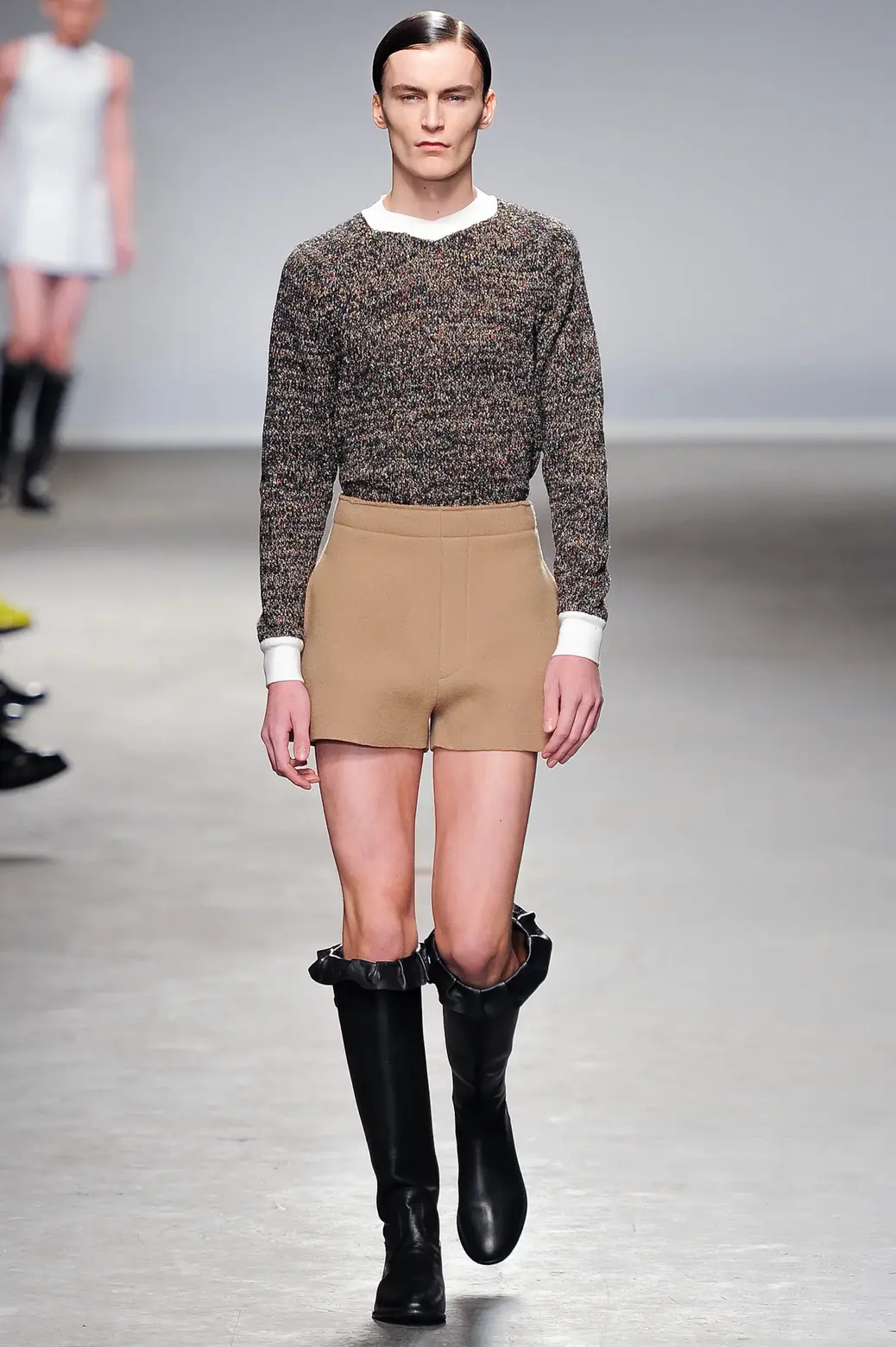
This inquiry was most visible in his radical treatment of the masculine wardrobe, where he famously introduced elements long reserved for the feminine sphere. JW Anderson Fall/Winter 2013 menswear collection, featuring ruffled leather shorts and bandeau tops, served as a lightning rod for critics who were used to the rigid tailoring of Savile Row. Jonathan Anderson was not simply swapping garments between genders; he was reconsidering the very architecture of the male form. By applying the softness of a ruffle or the curvature of a flared hem to traditional menswear fabrics like felted wool and heavy leather, he created a visual friction that felt entirely new. He argued that the silhouette should not be a cage but a moving threshold, allowing the wearer to inhabit a space that was neither purely masculine nor traditionally feminine, but recognizably human. This refusal to settle into comfortable categories became his signature, proving that the most radical thing a designer can do is to offer the wearer room to be undecided.
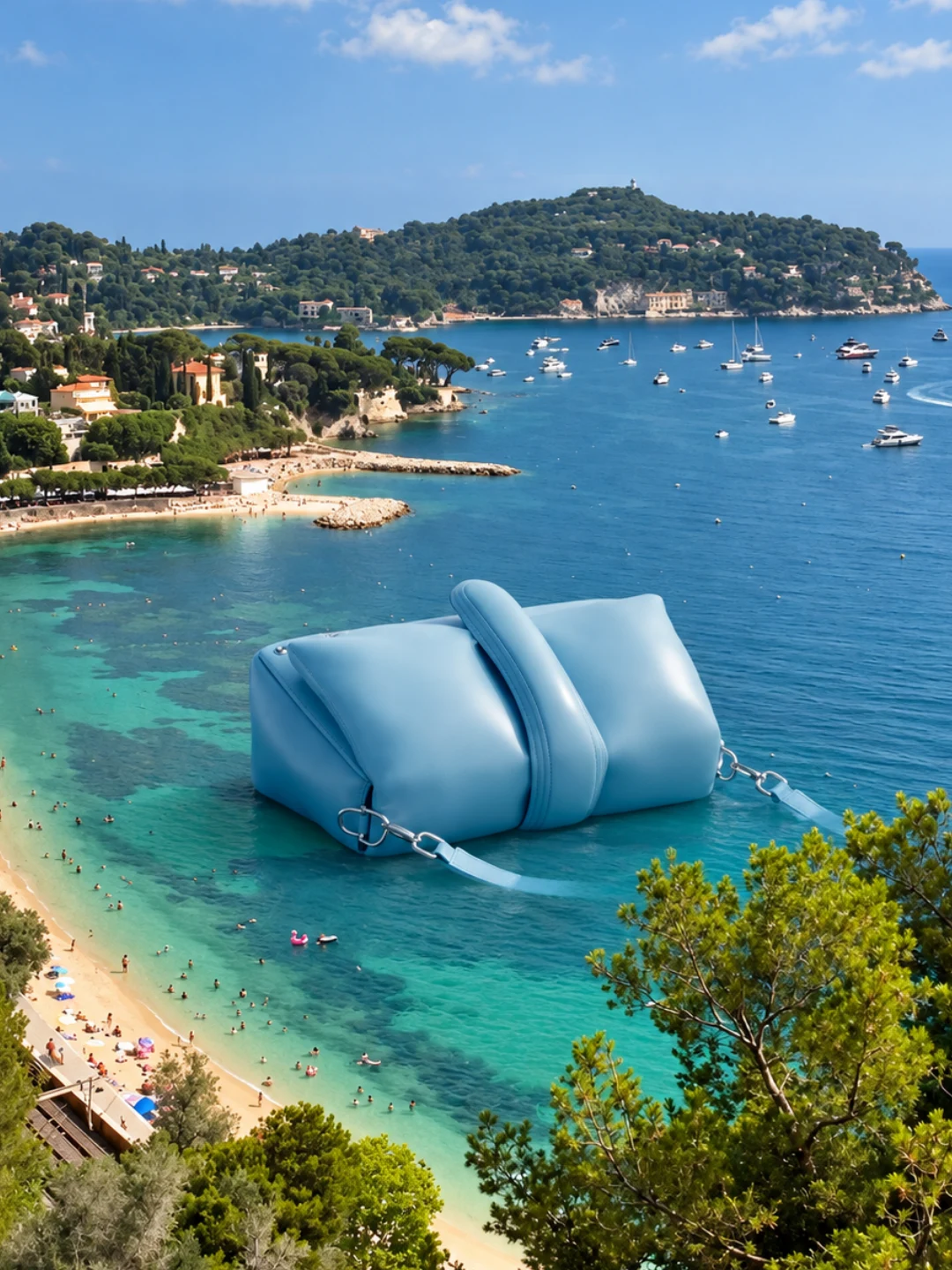
If his namesake label announced a brilliant mind, his appointment at Loewe in 2013 proved the scale of his ambition. Over twelve years, Jonathan Anderson did not merely modernize the Spanish house; he reauthored its entire value system. He treated Loewe not as a leather goods brand to be refreshed, but as a cultural world to be composed of. This transformation was marked by a sequence of strategic and artistic milestones like a new brand identity in 2014, the launch of the architectural Puzzle bag in 2015, and the establishment of the Loewe Foundation Craft Prize in 2016.
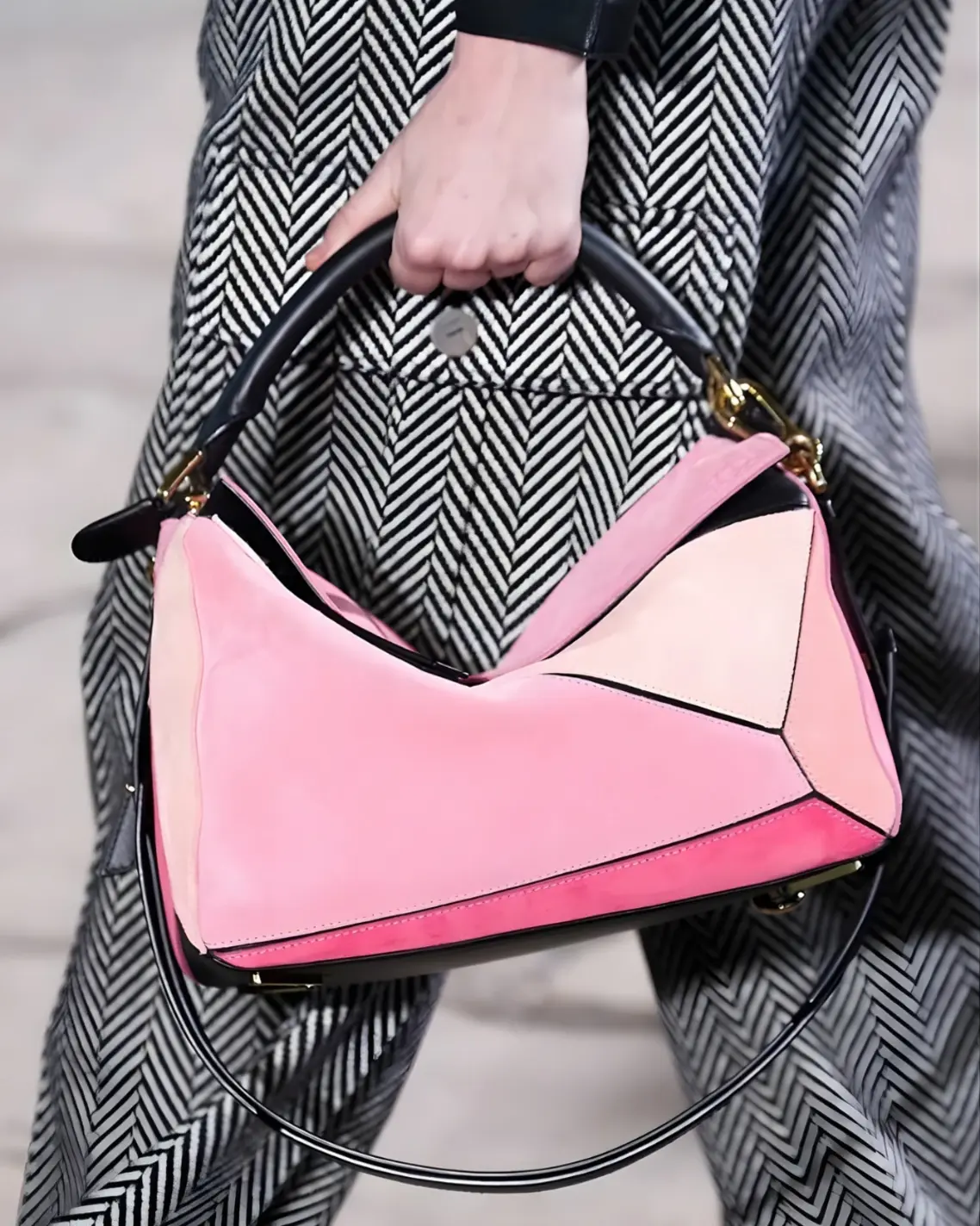
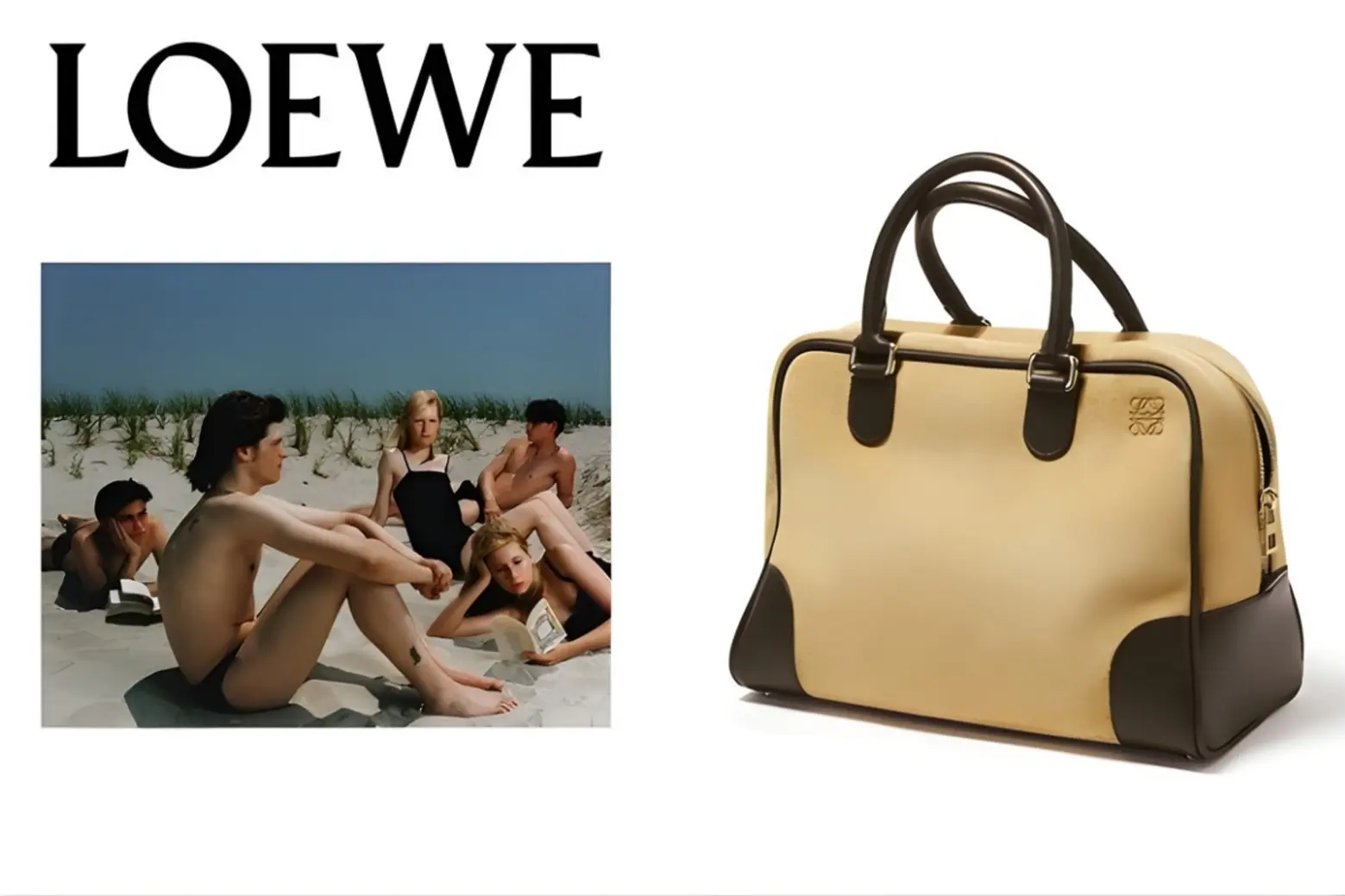
Under Jonathan Anderson, Loewe became a place where leathercraft, ceramics, surrealism, and scholarship coexisted without hierarchy. He famously rebuilt the imaginative architecture of the brand, refusing to reduce it to a predictable luxury label. The result was a rare coherence at a higher pitch. He took a niche heritage house and turned it into the most culturally magnetic name in fashion by refusing to simplify the narrative. For Anderson, luxury was no longer just about the price of the material; it was about the depth of the intellectual world the object inhabited. The evolution of Loewe under his hand moved through distinct phases of maturity. The early years were characterized by a sharp, almost graphic reorganization of the house codes, symbolized by the collaboration with M/M Paris to streamline the logo and the curation of the archive.
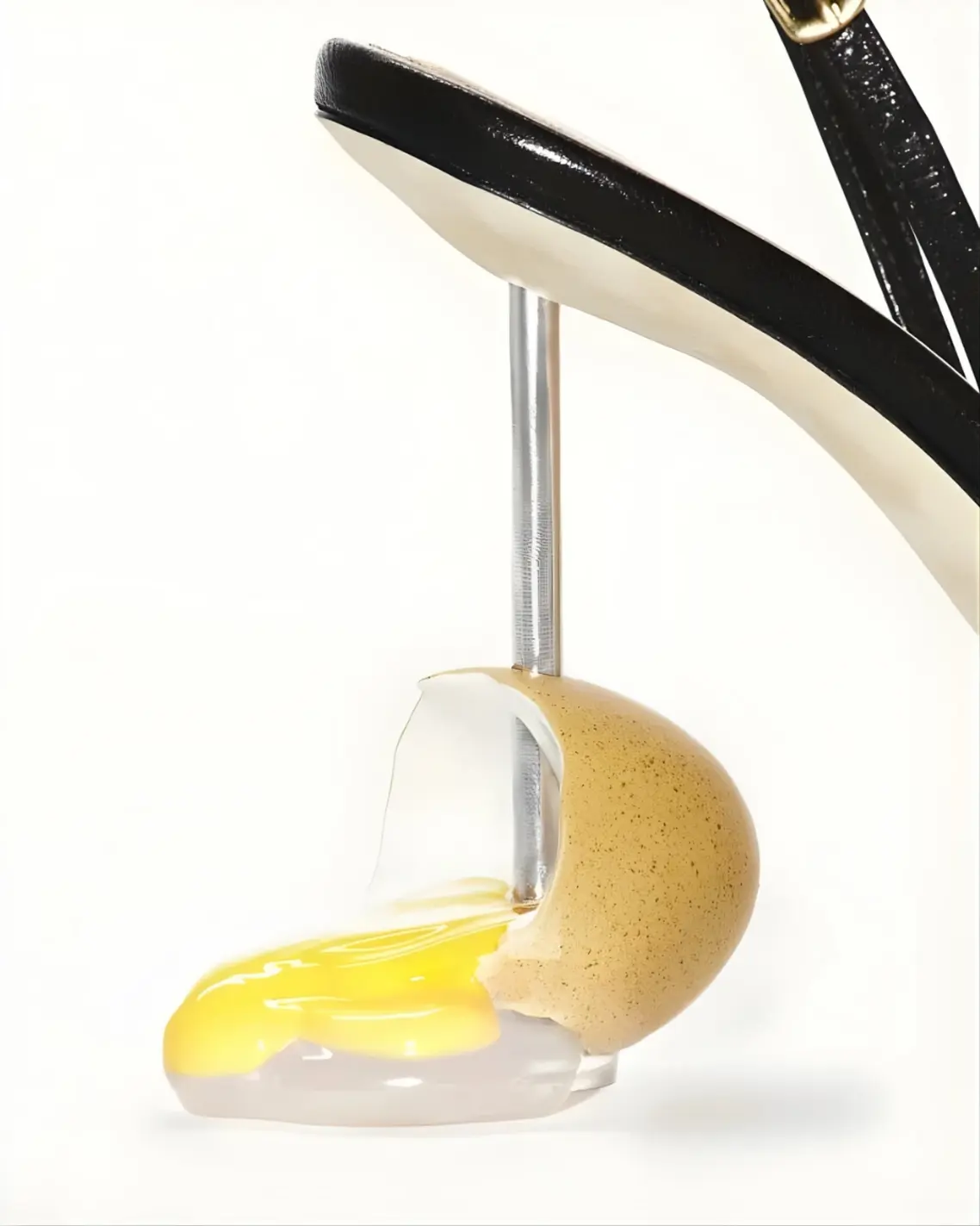
As the decade progressed, the work became more atmospheric and expansive. Jonathan Anderson moved from simply making cool products to building a holistic aesthetic language that felt both ancient and futuristic. He integrated the work of historical artists like William De Morgan and Joe Brainard not as mere prints, but as vital parts of the garment's soul. By the time he reached the latter half of his tenure, Loewe had shifted its focus toward hyper-sensory surrealism, dresses with molded plates, heels made of cracked eggs, and silhouettes that seemed to defy gravity. This progression showed a designer who had moved past the need to prove his technical merit and was now playing with the very limits of what a luxury house could represent. He turned a leather-focused brand into a laboratory of ideas, where the 178-year-old Spanish heritage served as a sturdy foundation for the most avant-garde experiments in the industry.
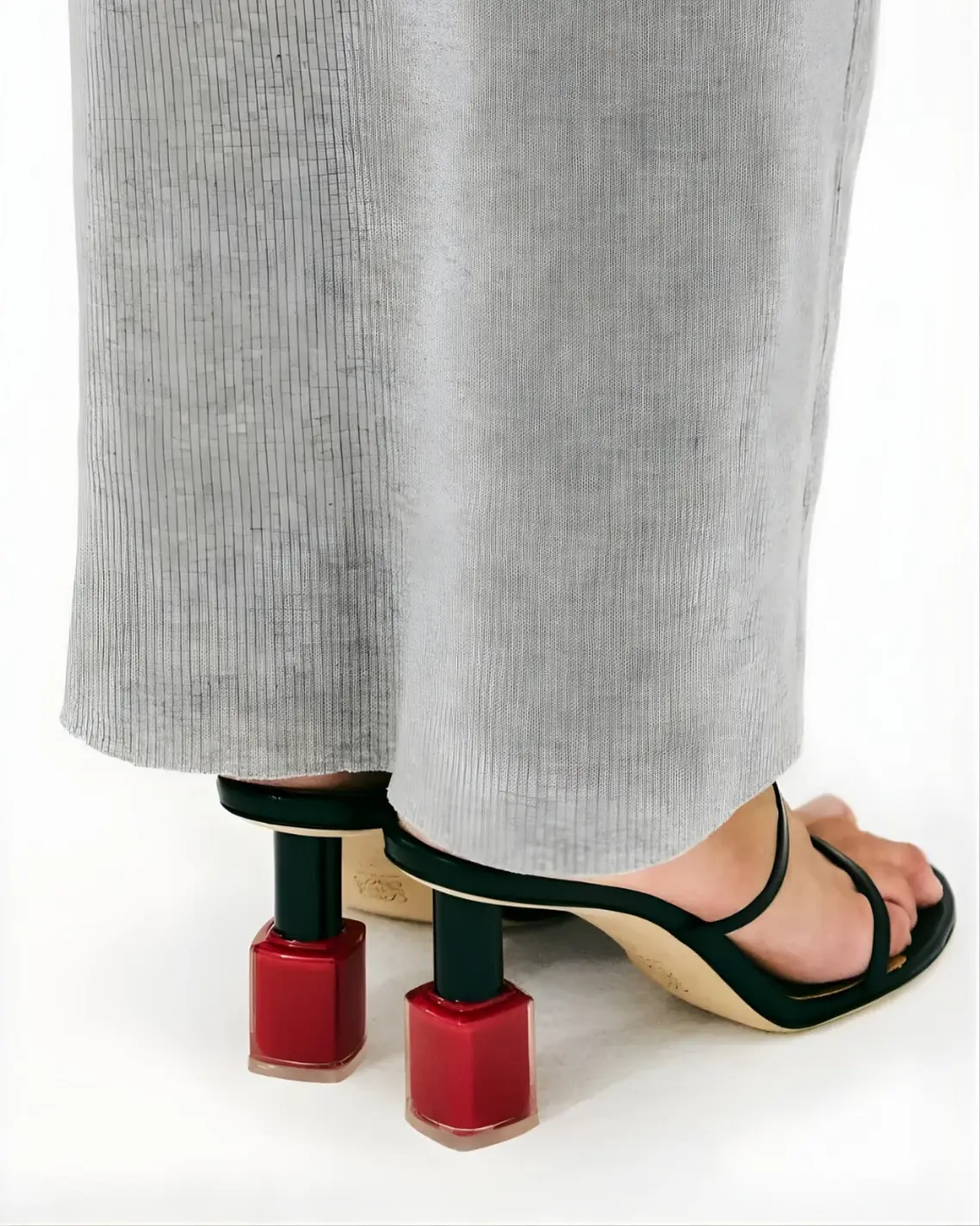
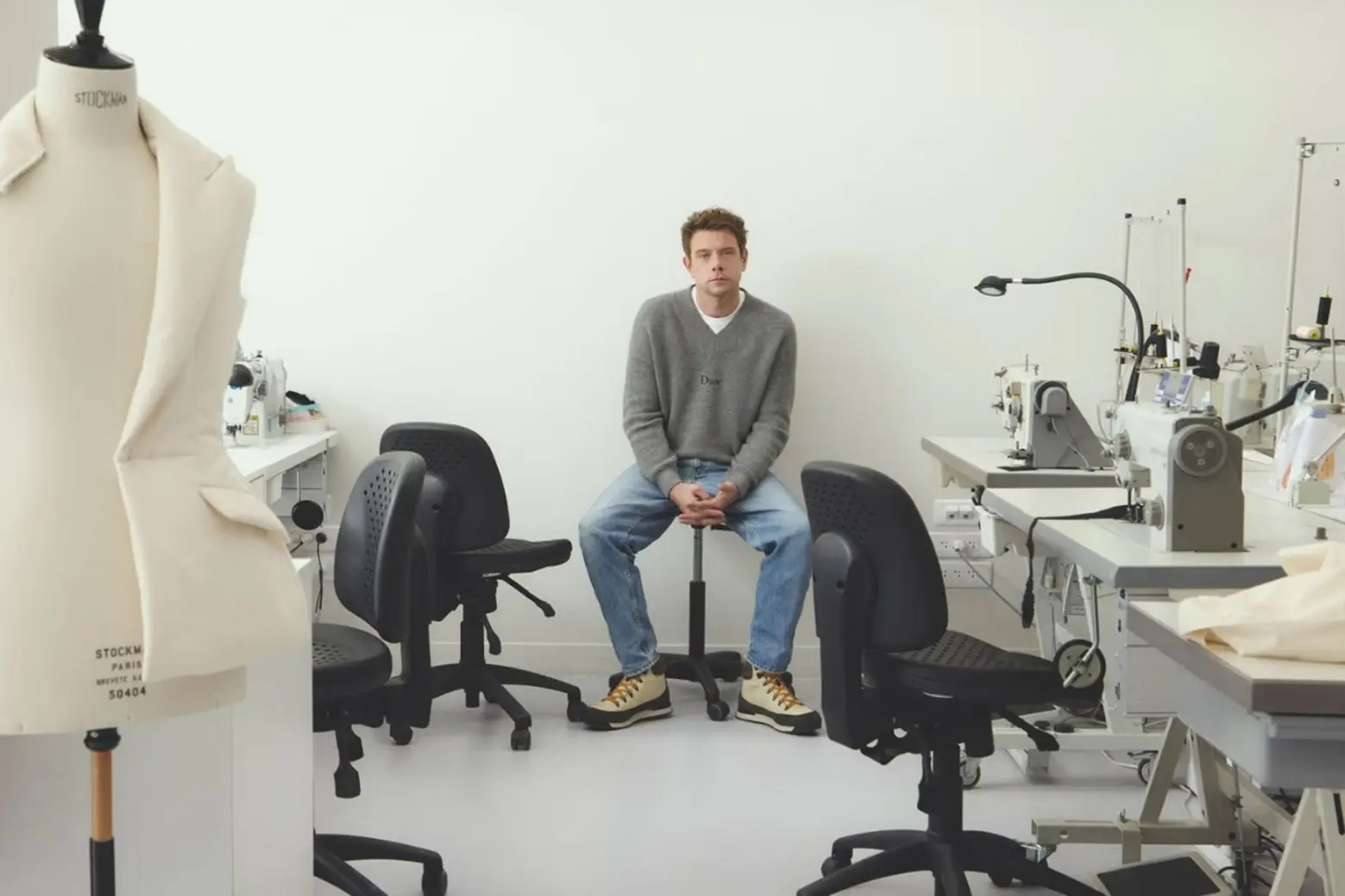
To understand the full scope of Jonathan Anderson’s impact, one must look beyond the runway and into the quiet, rhythmic spaces where his ideas are physically realized. His career is defined by a unique ability to speak two very different technical languages: the rustic, sculptural vernacular of Spanish leatherwork and the mathematical precision of French haute couture. By moving between these two worlds, he has become a rare bridge between the visceral and the cerebral.
In Madrid, the Loewe ateliers are defined by the sensory. Leather is a temperamental material with grain and memory. Jonathan Anderson approached these workshops as a student, collaborating with master artisans to rethink volume. This partnership resulted in the radical geometry of the Puzzle bag, where he pushed the boundaries of weight and tension. At Loewe, he championed raw, unlined leathers and bonded suedes, moving away from plasticized luxury toward an honest, almost brutalist appreciation of craft. It was here that his obsession with the tactile: the idea that a bag should feel transformative in the hand was born.
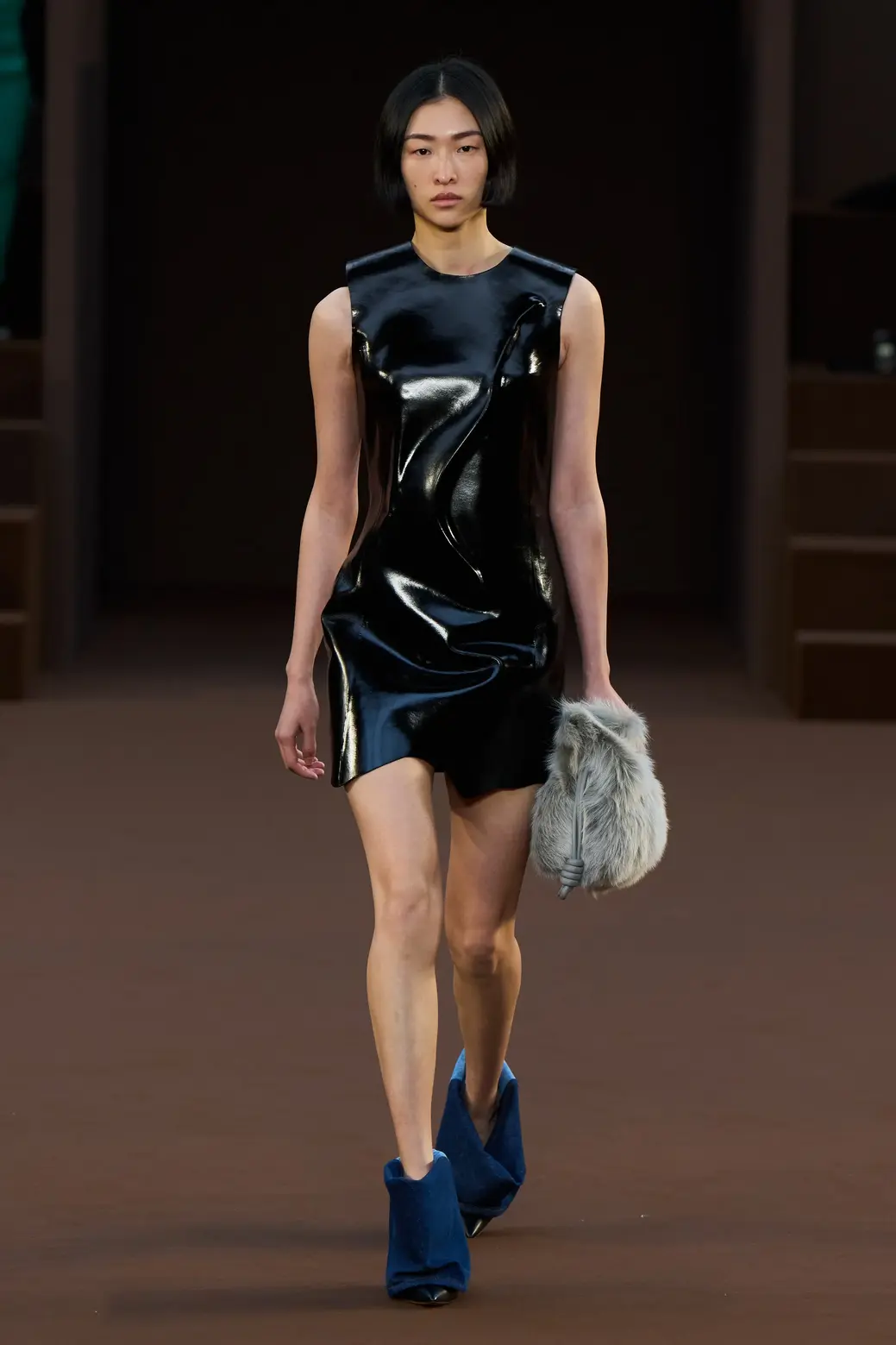
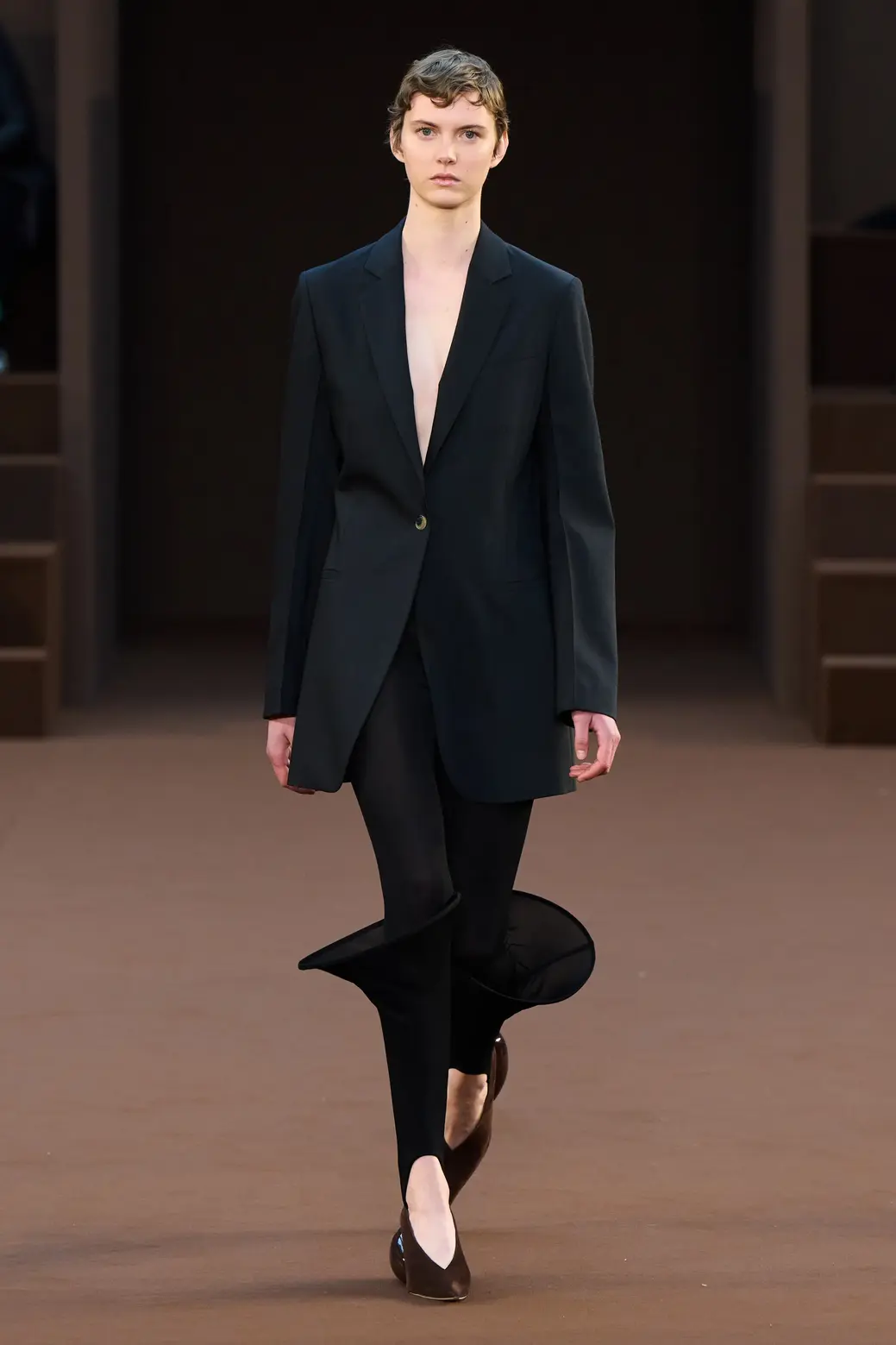
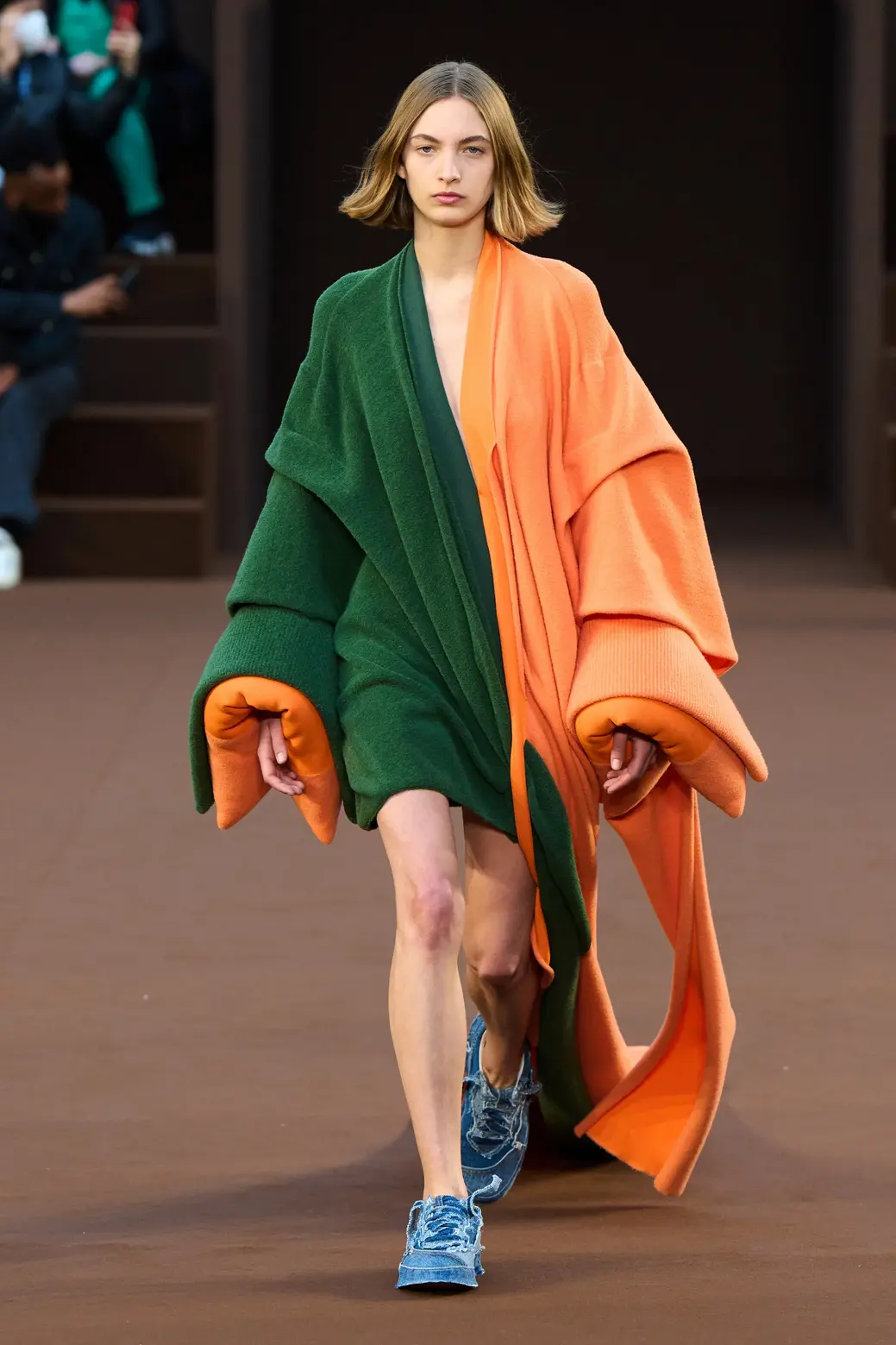
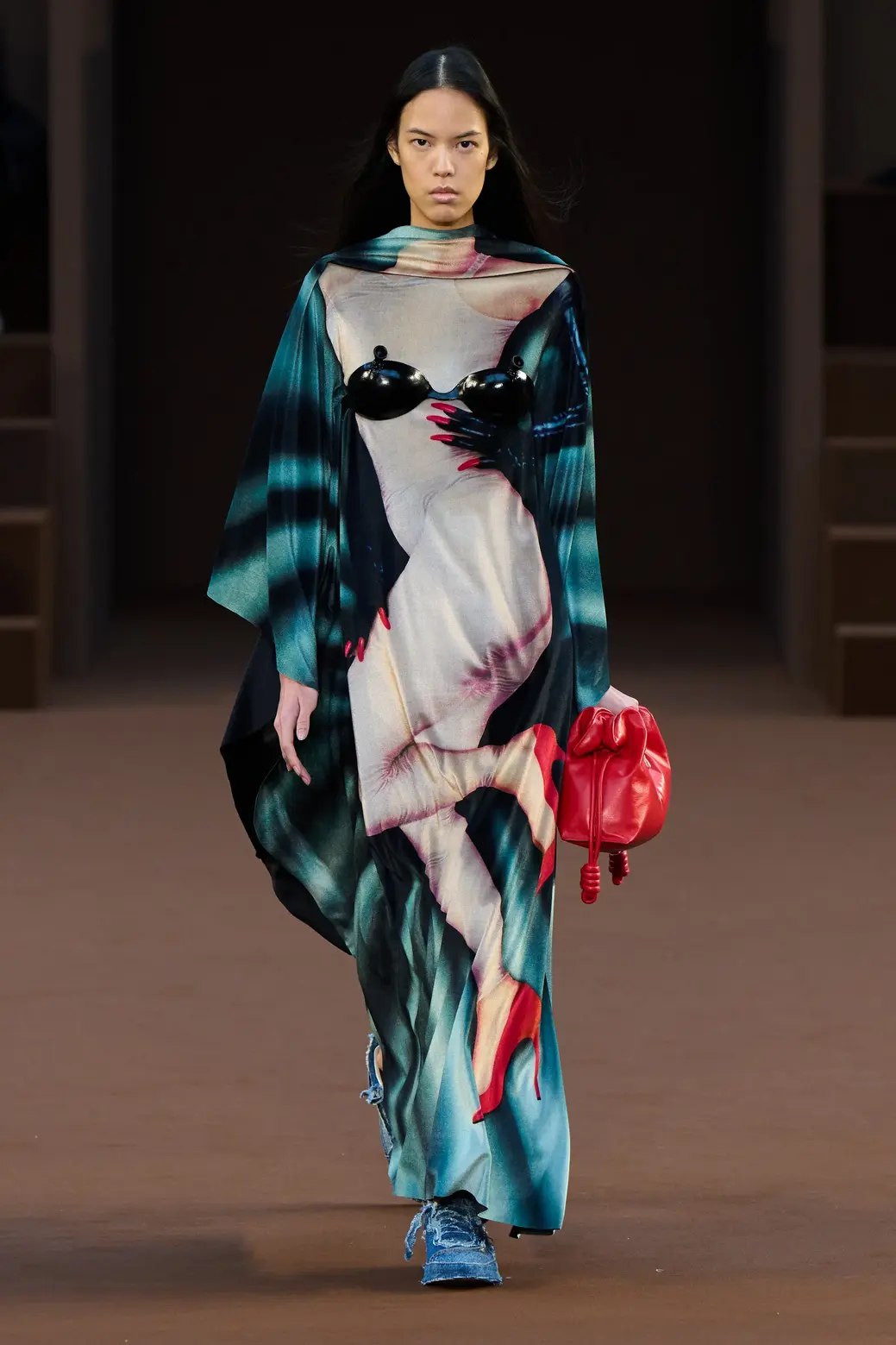
When Jonathan Anderson transitioned to Dior, the technical conversation shifted from the hide to the air. In the Paris salons, the challenge was not wrestling with leather but engineering lightness. Working with the famous Petites Mains, Anderson’s first mission was to deconstruct the Bar jacket. By stripping away heavy internal padding and traditional horsehair canvases, he utilized high-tech bonding to create a silhouette that retained its iconic curve but felt as weightless as a t-shirt.
While Loewe used craft to ground the brand in earthiness, Jonathan Anderson used the Dior atelier to lift it into experimental futurism. He treats archival garments as fossils to be cracked open and studied for their DNA. By combining this archival archaeology with the cutting-edge capabilities of the Dior labs, he has created a new definition of couture: one where the history of the hand meets the science of the future.
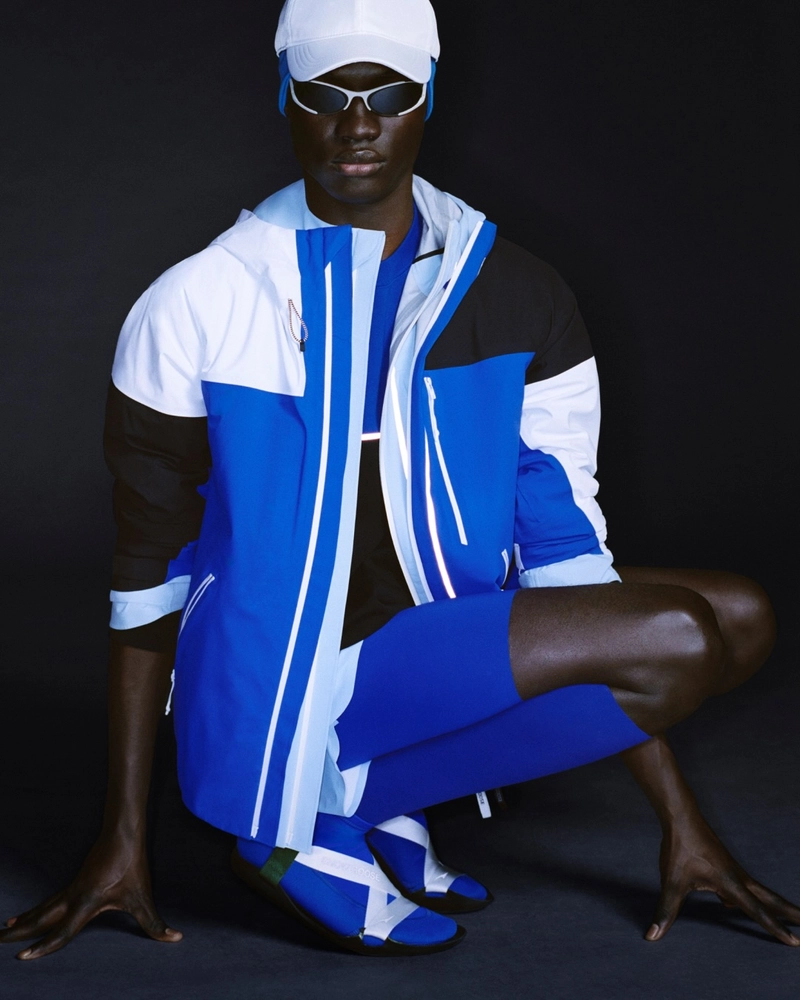
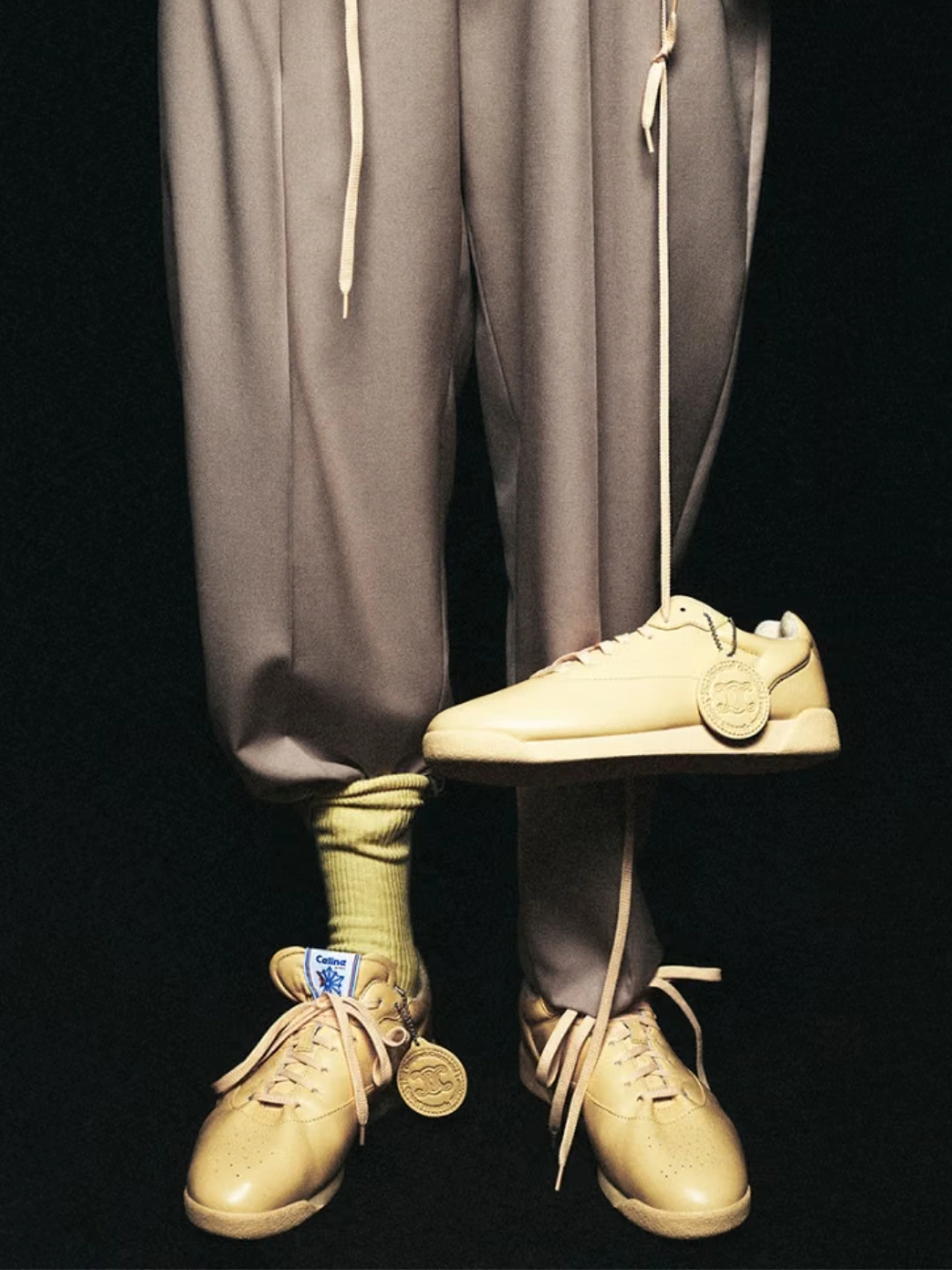
One of the most remarkable aspects of Jonathan Anderson’s career is his ability to move between the rarefied world of Haute Couture and the global accessibility of mass-market retail without diluting his creative essence. Since 2017, his long-running partnership with Uniqlo has served as a laboratory for what he calls democratic luxury. For him, a wardrobe should not be an elitist fortress; it should be a functional, intelligent tool available to anyone with a sense of curiosity. In these collections, he takes the subversive codes of his London brand, the asymmetrical hems, the playful stripes, the subversive takes on British heritage, and translates them into the language of LifeWear.
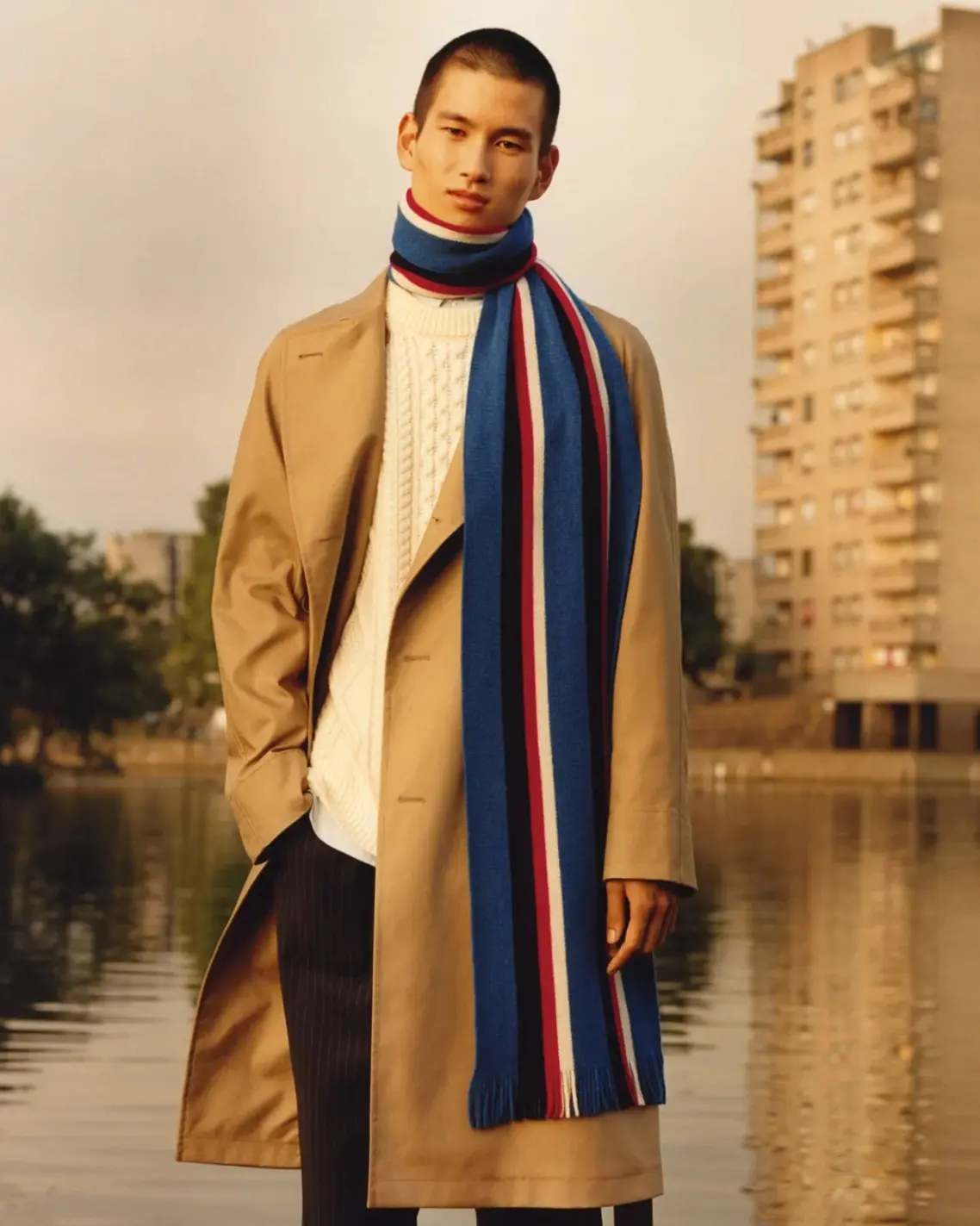
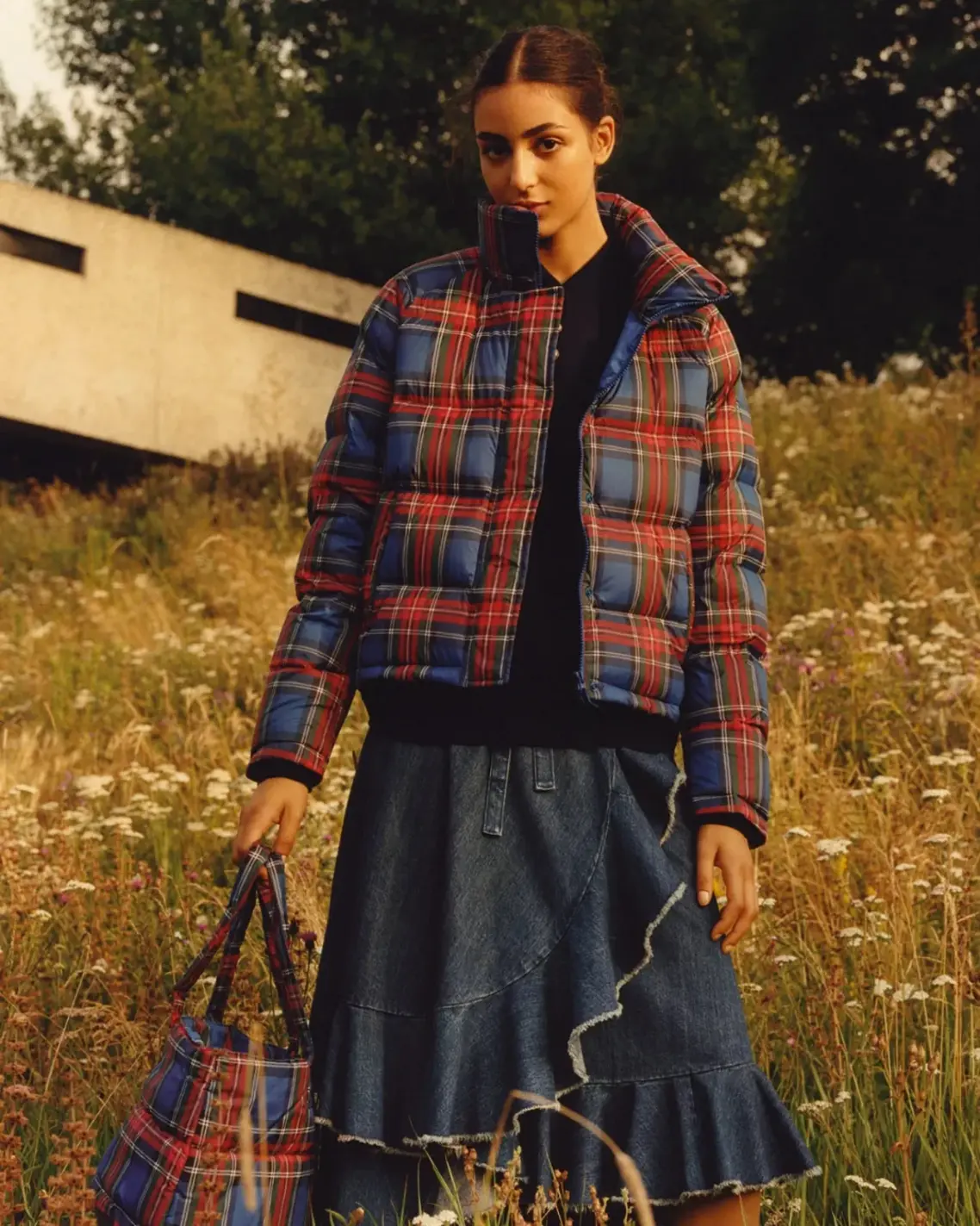
What makes collaboration even more telling is its continuity. This is not a short-lived licensing exercise or a one-off gesture from an ambitious designer.It remains active in 2026, with Uniqlo continuing the partnership through the JW Anderson x Uniqlo Spring/Summer 2026 collaboration, a reminder that this exchange still feels active rather than archival. That ongoing rhythm matters because it shows how naturally Anderson’s design intelligence can keep evolving inside a global retail framework without losing its personality.
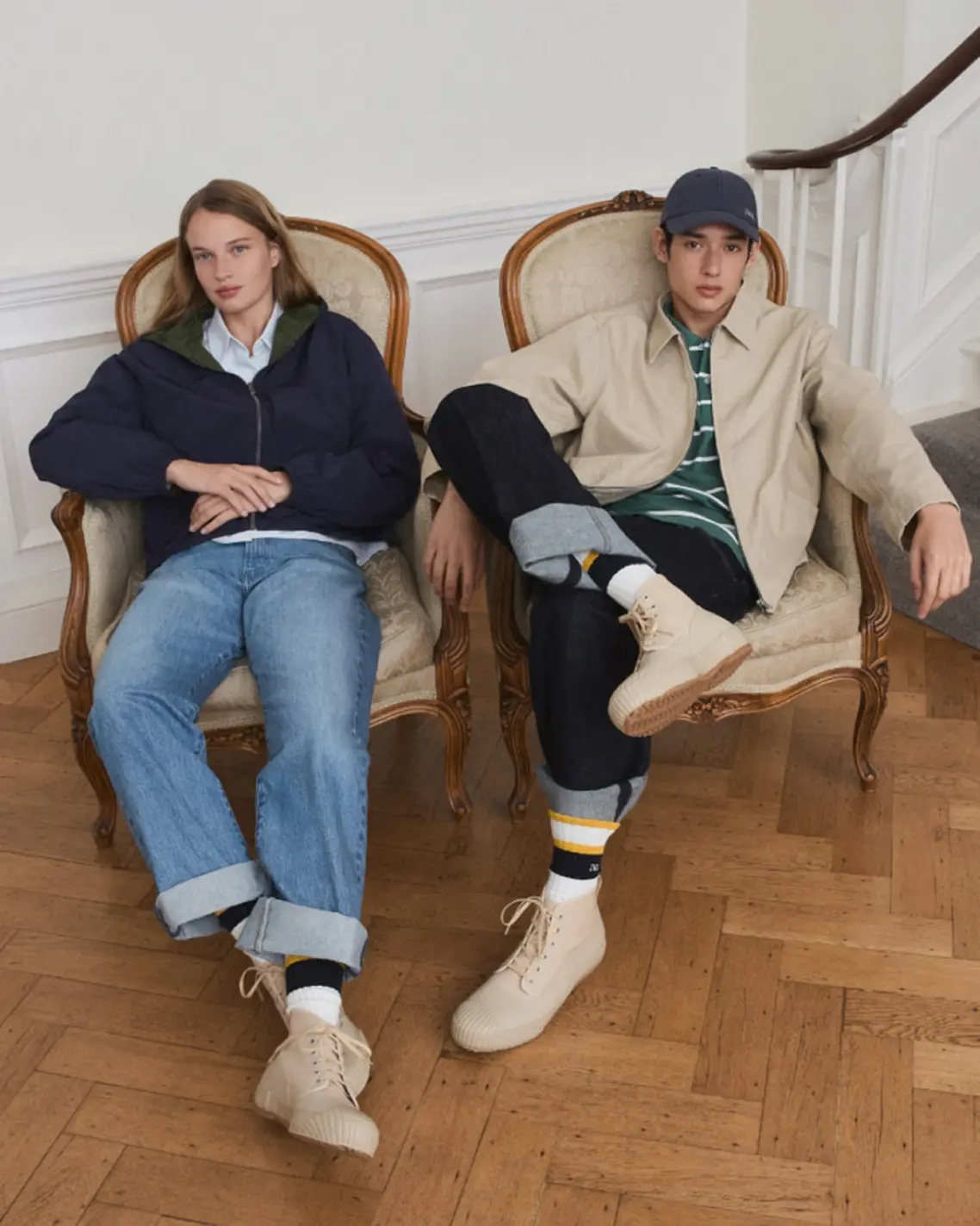
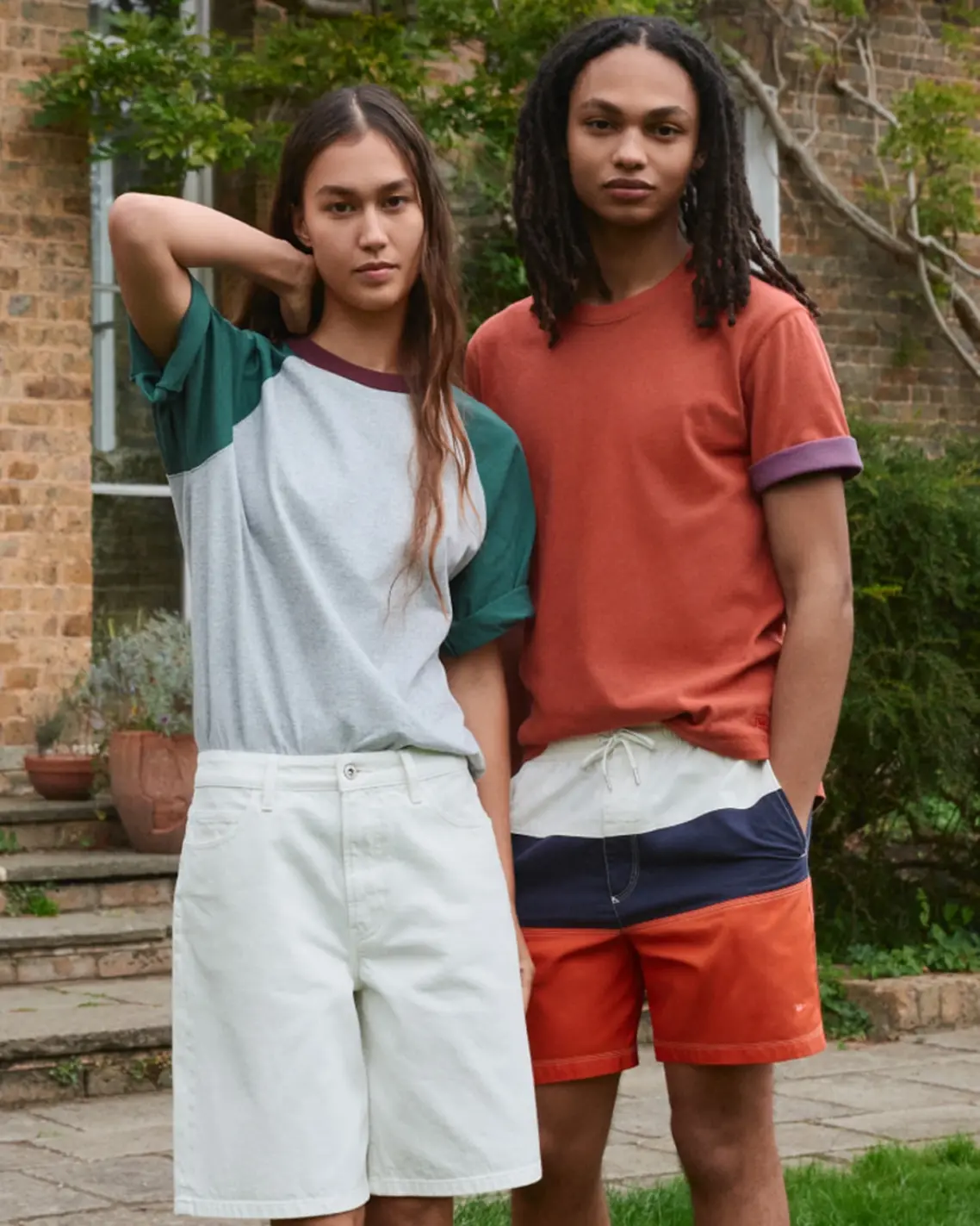
This collaboration is not a secondary diffusion line, but a core pillar of his design philosophy. It proves that high-concept authorship does not have to shrink when it scales to a global audience. Whether he is reimagining a classic trench coat with a flash of tartan or adding a whimsical, hand-drawn embroidery to a simple knit, Jonathan Anderson treats the Uniqlo customer with the same intellectual respect as a Loewe client. He understands that a well-designed garment can provide a sense of dignity and character, regardless of its price point. By bringing the handmade spirit of British craft to the efficiency of Japanese manufacturing, he has bridged the gap between the exclusive and the inclusive, making thoughtful fashion a tangible reality for millions.
Jonathan Anderson’s creative philosophy is defined by what he calls traffic and contamination. He does not view fashion as a sealed system. Instead, he prefers an exchange between disciplines like fine art, literature, cinema, and internet virality. This is why his references are so startlingly broad, ranging from the classical paintings of the Old Masters to the absurdity of a meme. He understands that clothes are tools for rehearsing permission and defining identity in real-time.
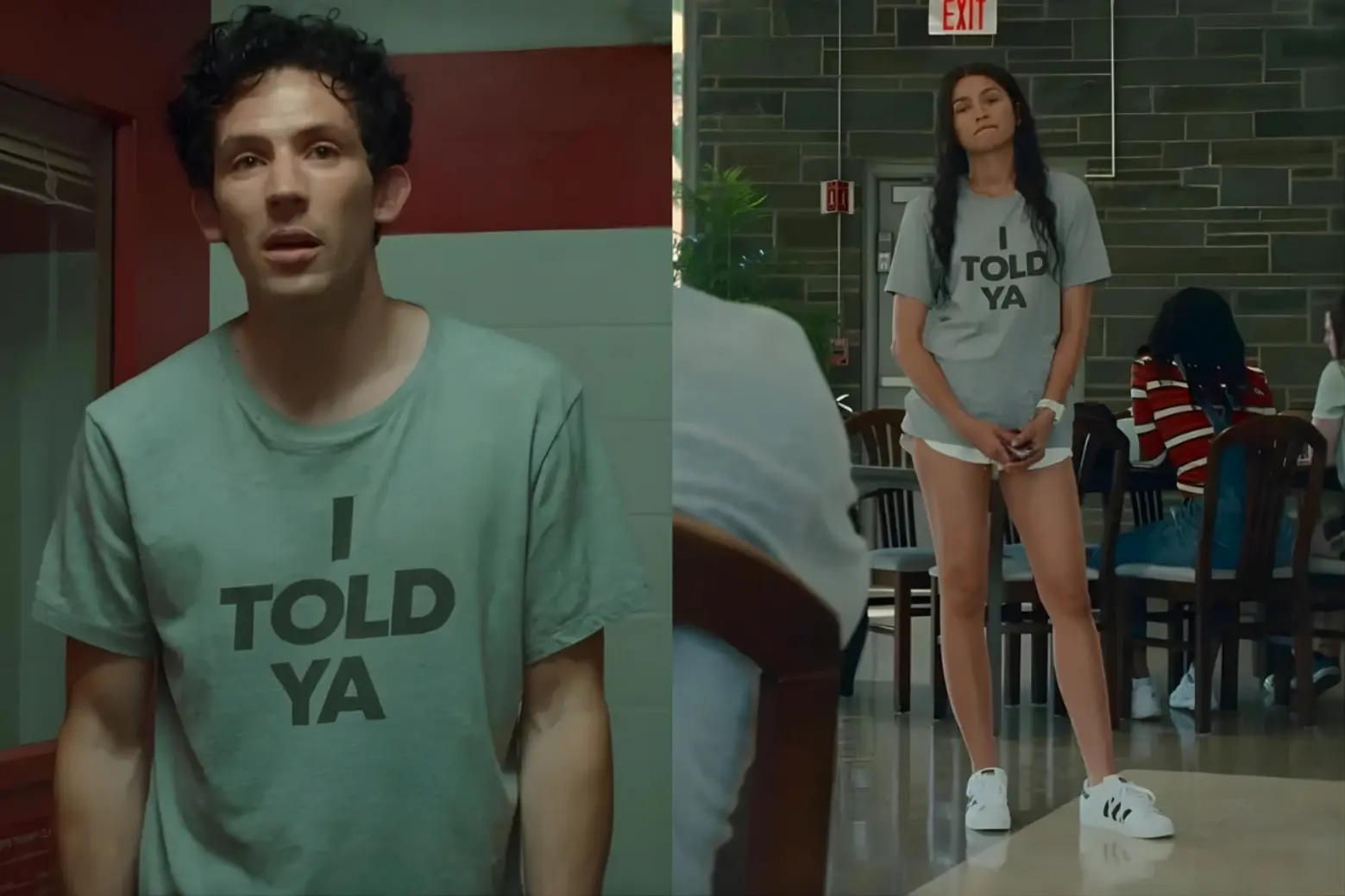
His work with filmmaker Luca Guadagnino on the costumes for Challengers and Queer extended this sensitivity to character and storytelling far beyond the traditional runway. In these projects, Jonathan Anderson did not just dress actors; he used clothing to build psychological tension and social commentary. By bringing the "I Told Ya" T-shirt from a movie set to the Loewe runway, he broke down the barriers between cinematic fiction and retail reality, turning the fashion show into a meeting point where different disciplines rub against one another until something newly electric appears. What matters in Jonathan Anderson collection is never purity or traditional good taste, but the charge of the unexpected, the moment a viewer has to stop and ask if they are looking at a garment, a piece of sculpture, or a cinematic prop.
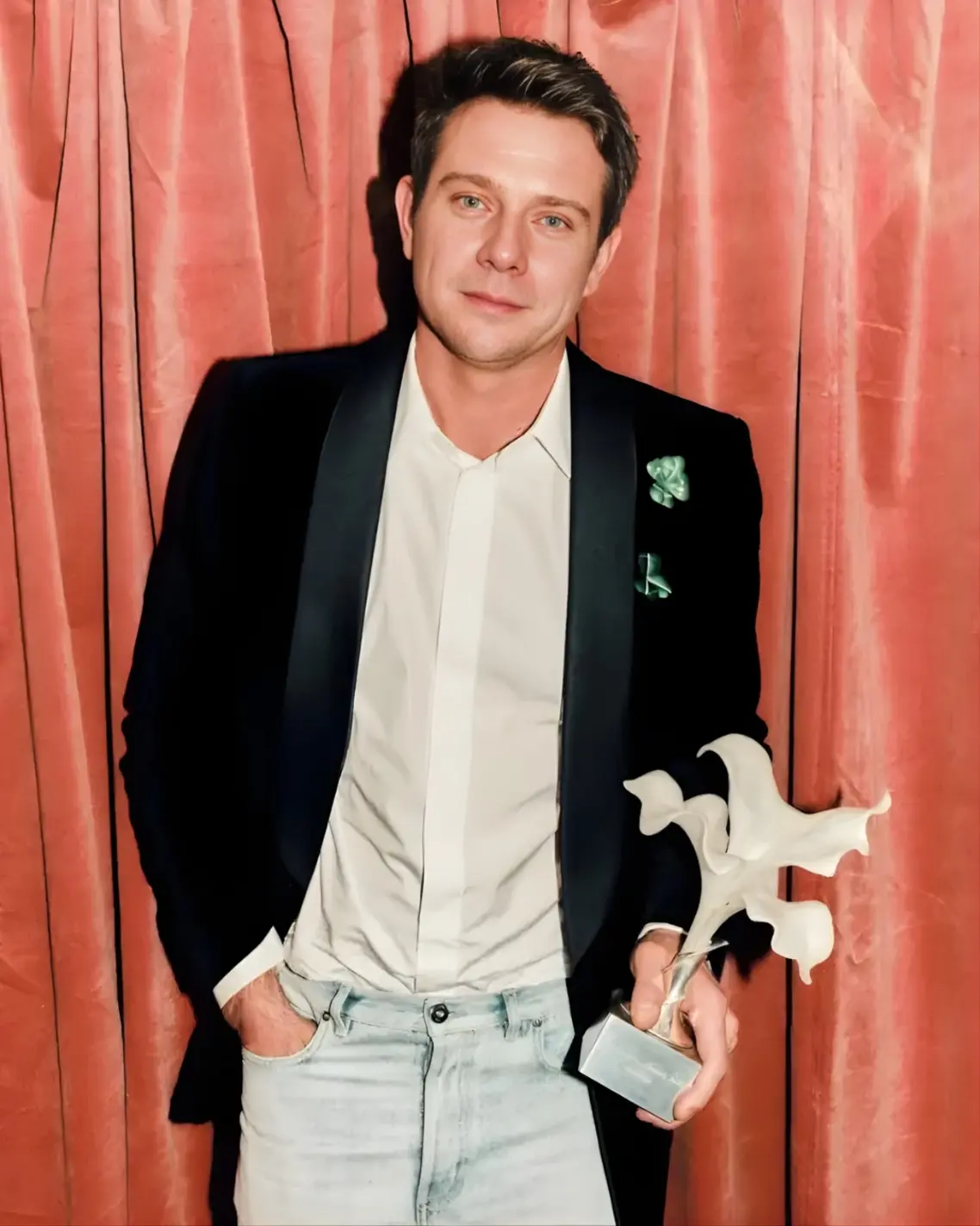
By December 2, 2025, Jonathan Anderson’s standing in fashion had hardened into something close to historic fact. At the British Fashion Council’s Fashion Awards 2025, he was named Designer of the Year for the third consecutive year, a rare hat-trick that confirmed how fully his vision had come to shape the contemporary industry. The win recognized the breadth of his influence across Dior and JW Anderson, yet what made the moment especially revealing was that it did not read as a victory of hype alone. It marked sustained authority: three years in which Jonathan Anderson kept proving that fashion could be commercially magnetic while remaining intellectually alive, craft-driven, and culturally restless. In an industry obsessed with constant turnover, that third consecutive award felt less like a coronation than a verdict on endurance.
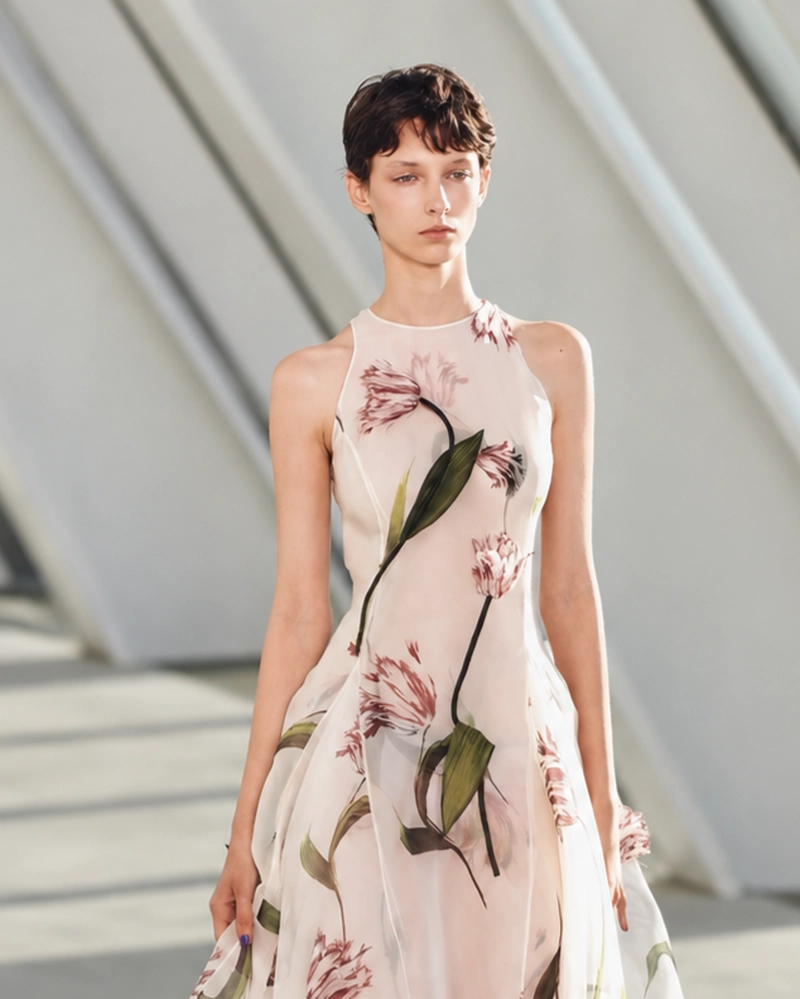
The year 2025 marked the beginning of Jonathan Anderson’s most scrutinized chapter yet, anchored by a debut Haute Couture collection that rewrote the house's technical vernacular. Rather than relying on the traditional structural stiffness of the Tailleur, he introduced a fluid "sculptural softness," utilizing laser-cut organza and hand-molded silk resins to create silhouettes that appeared to float away from the body. This mastery of hybrid materials set the stage for the Fall/Winter 2026 presentation in the Jardin des Tuileries, which signaled his full liberation from the house's formidable history.
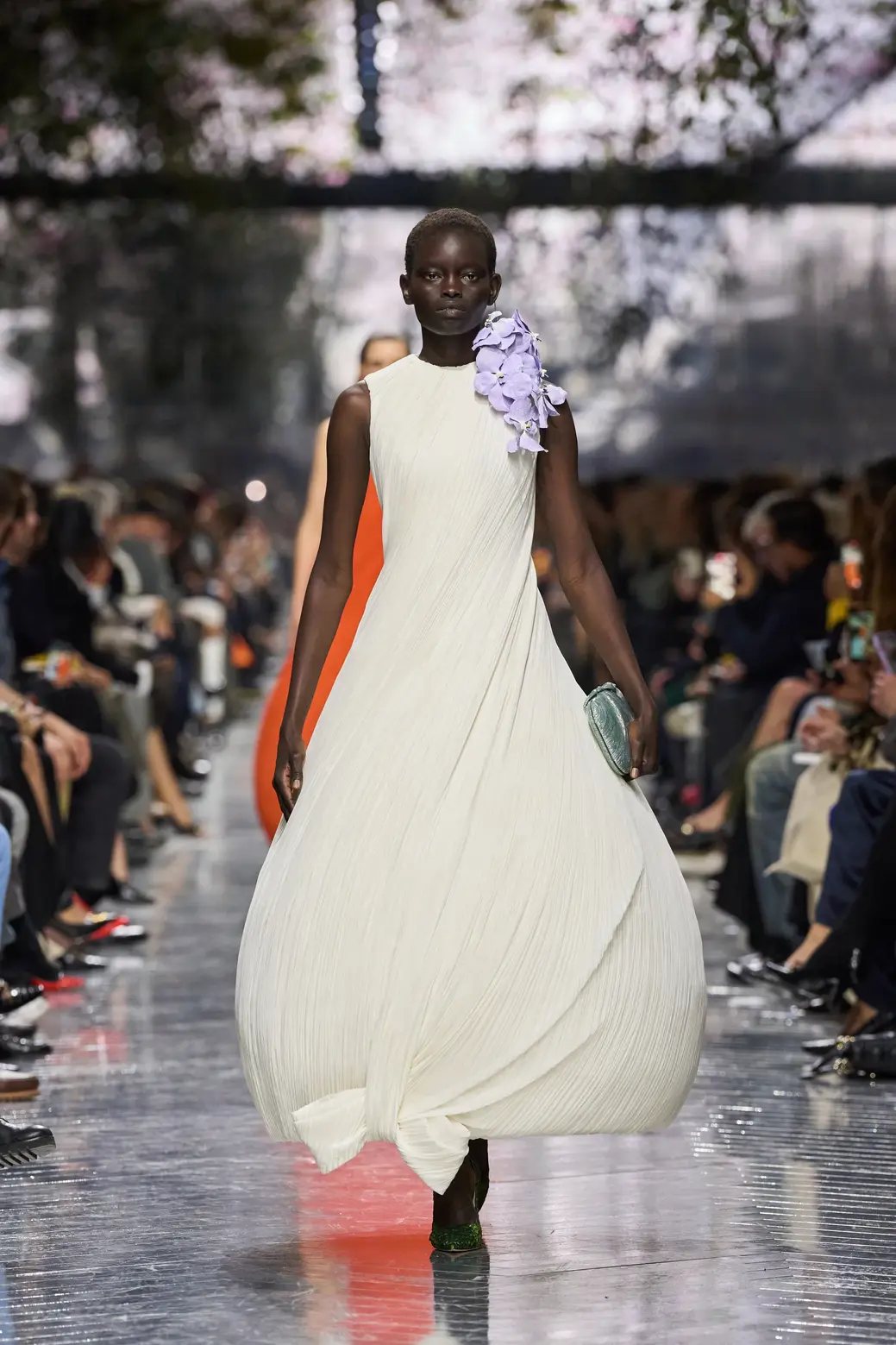
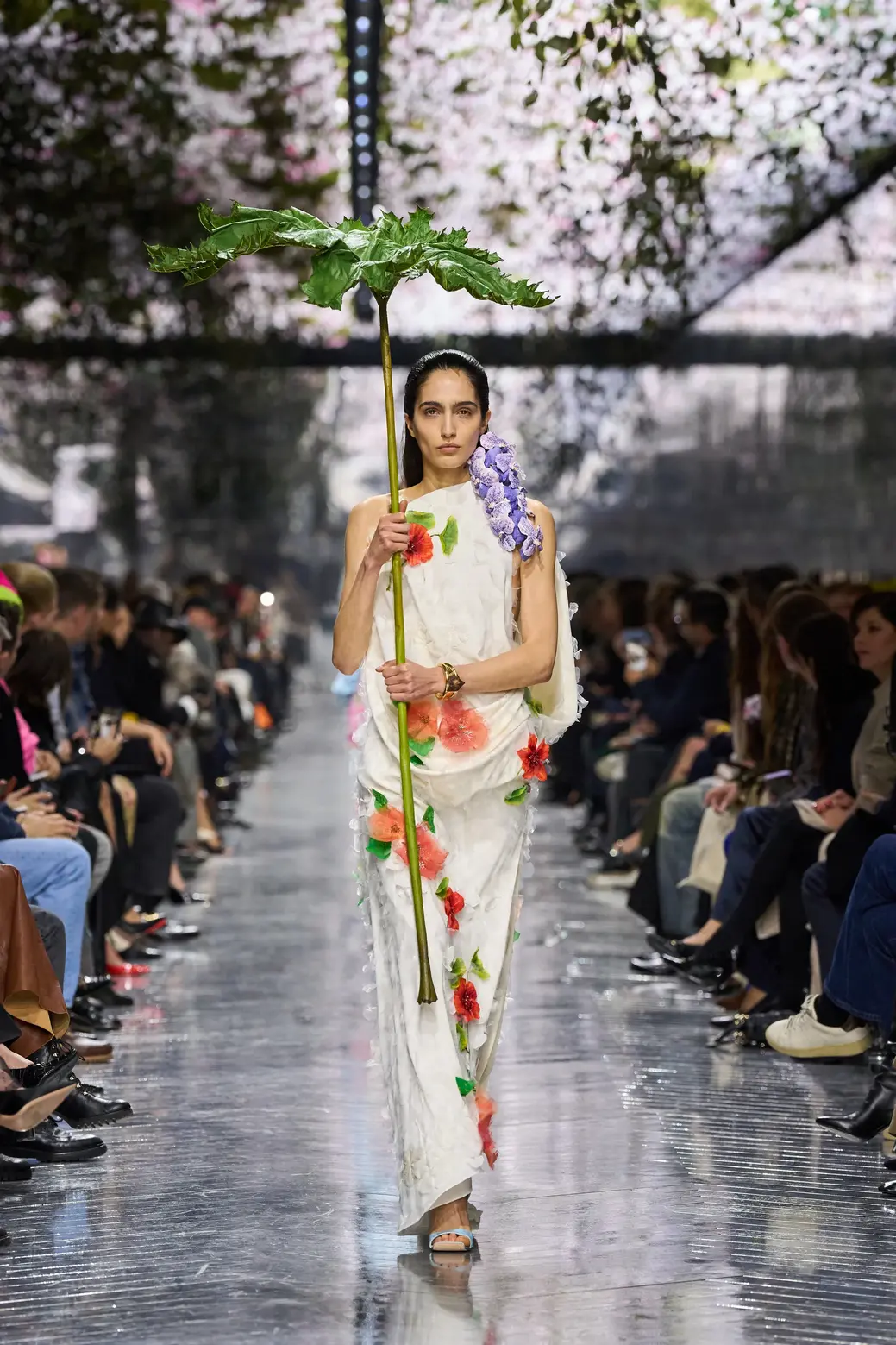
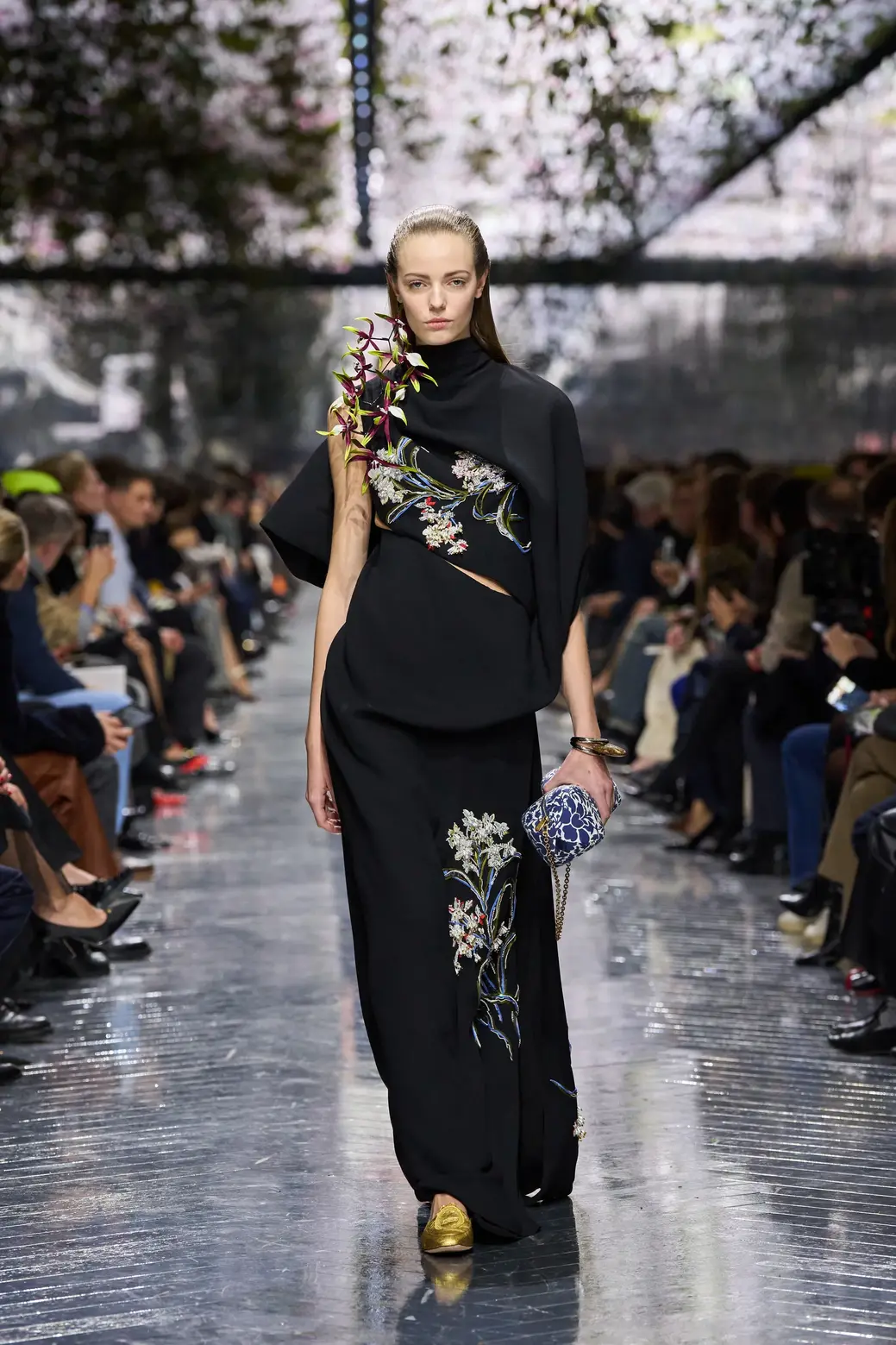
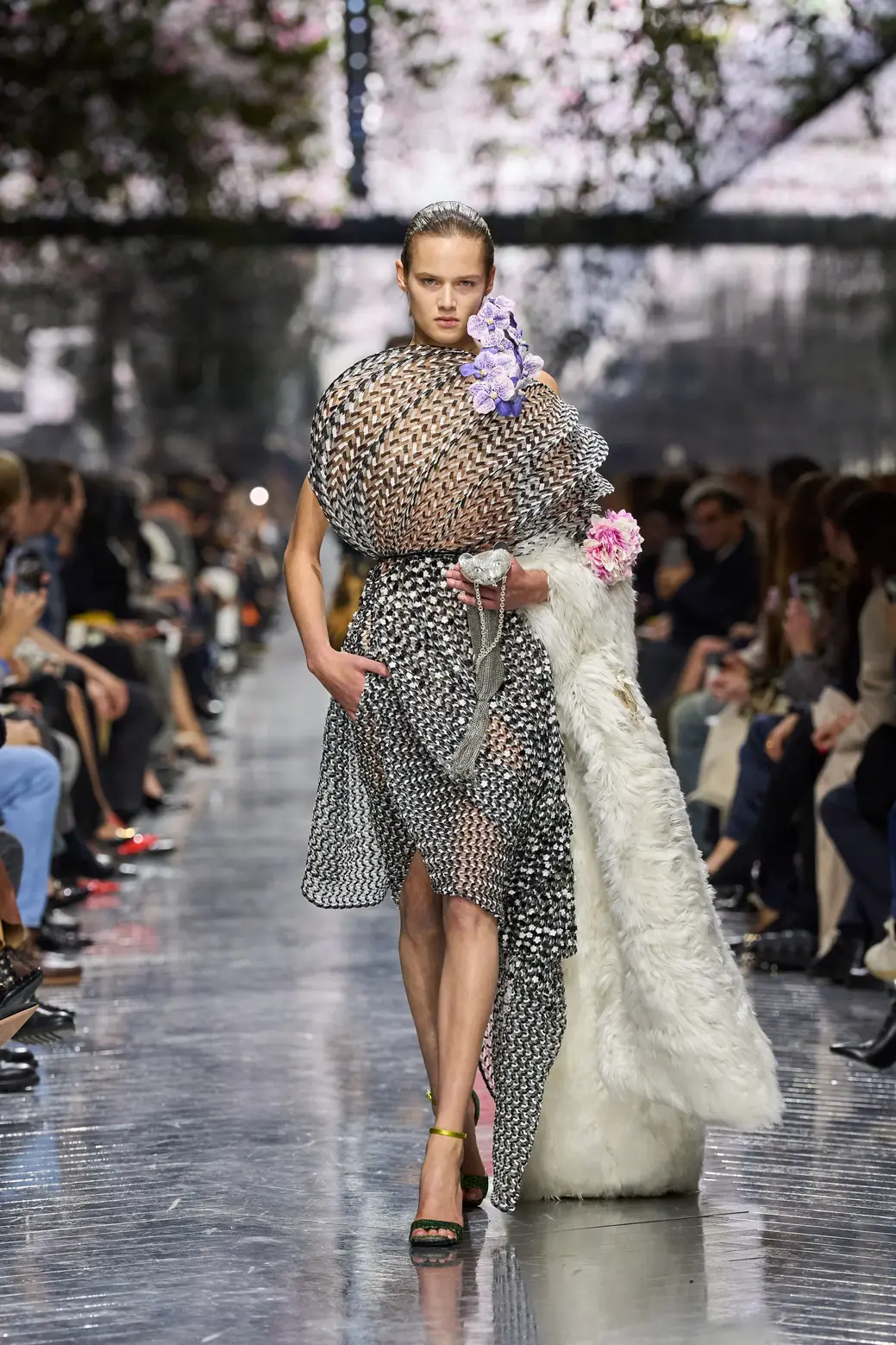
Inside a massive glass greenhouse built over a pond of artificial water lilies, Jonathan Anderson staged a promenade that blurred the lines between eighteenth-century social theater and modern street energy. He treats the Dior archive not as sacred storage, but as a living, breathing body of work that must be systematically loosened to remain relevant.
In the Dior ateliers of Paris, the technical conversation has shifted from the tactile leather of Madrid to the needle and the air. Here, the famous Petites Mains work under Jonathan Anderson’s direction to strip away the weight of the past. For Dior Fall/Winter 2026, his reinterpretation of the Bar jacket was a masterclass in this softening process. By stripping away the rigid horsehair canvases of 1947 and replacing them with high-tech bonding and porous, knit-like textures, he has transformed a monument of fashion into a casual, peplum-hemmed cardigan. This is invisible engineering at its peak, honoring the ghost of Christian Dior while granting the modern wearer a mobility that feels entirely new. The silhouette no longer demands a specific posture; instead, it allows for a fluid, natural movement that Anderson describes as the ease of a walk in the park.
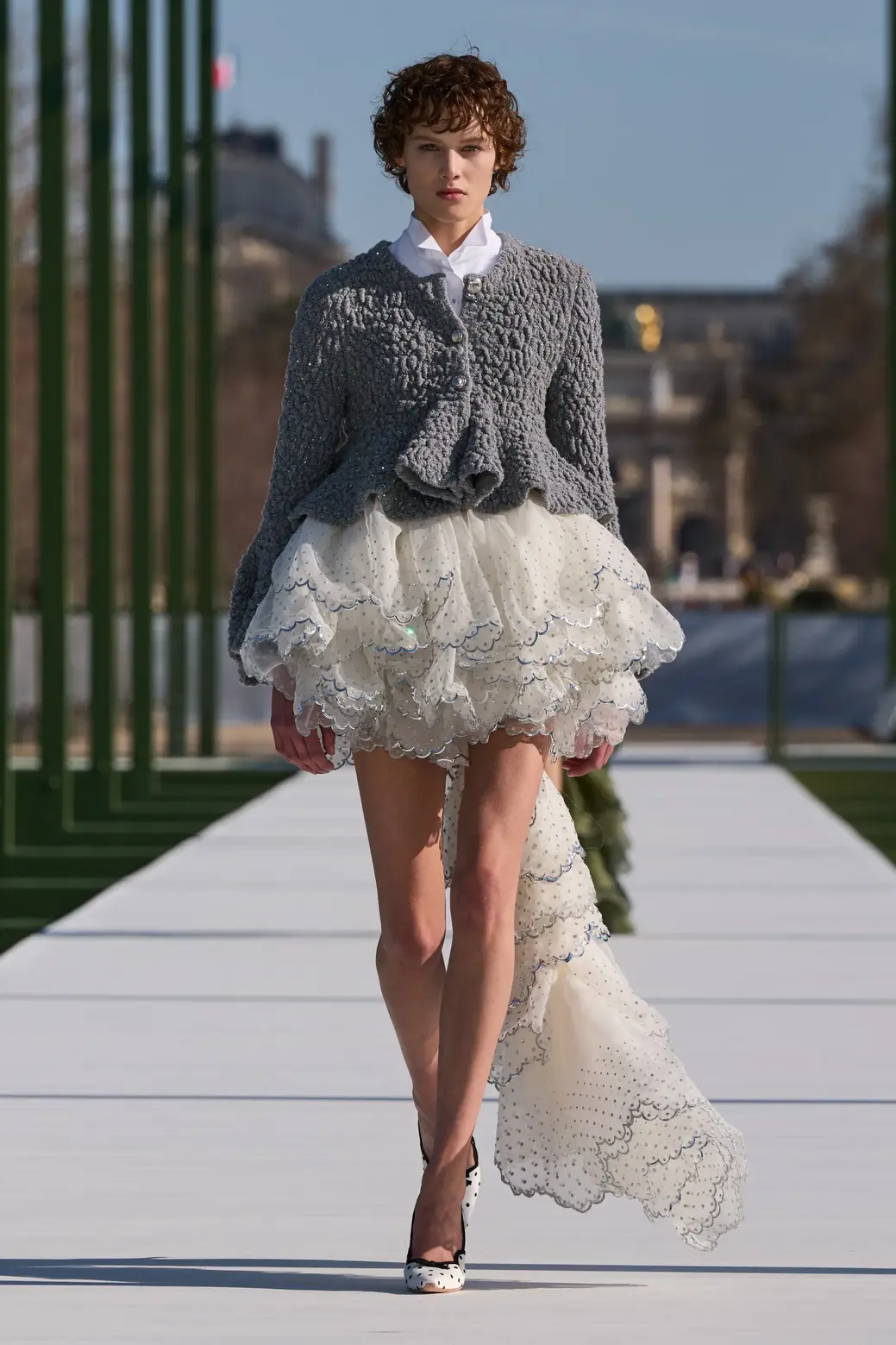
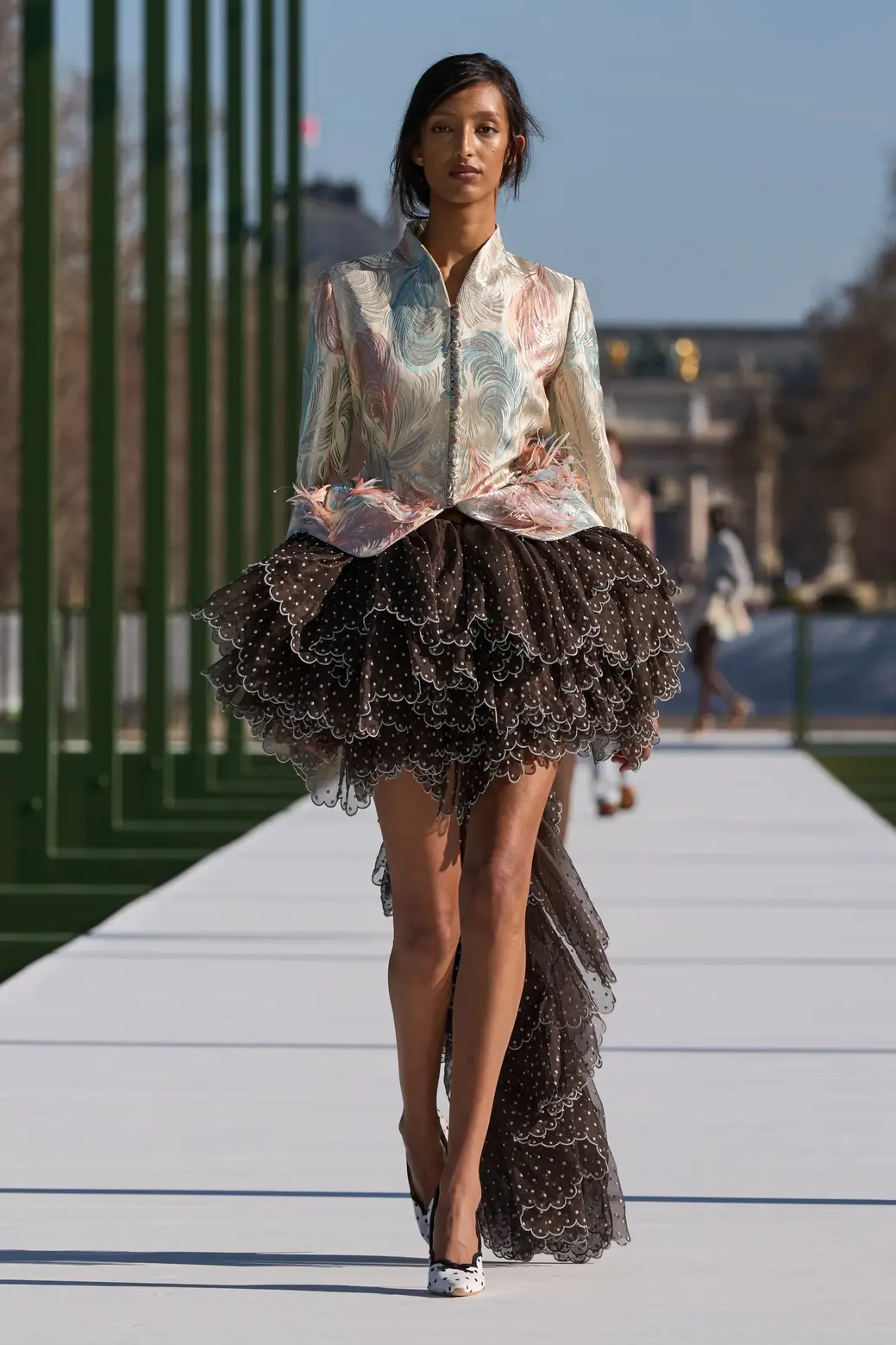
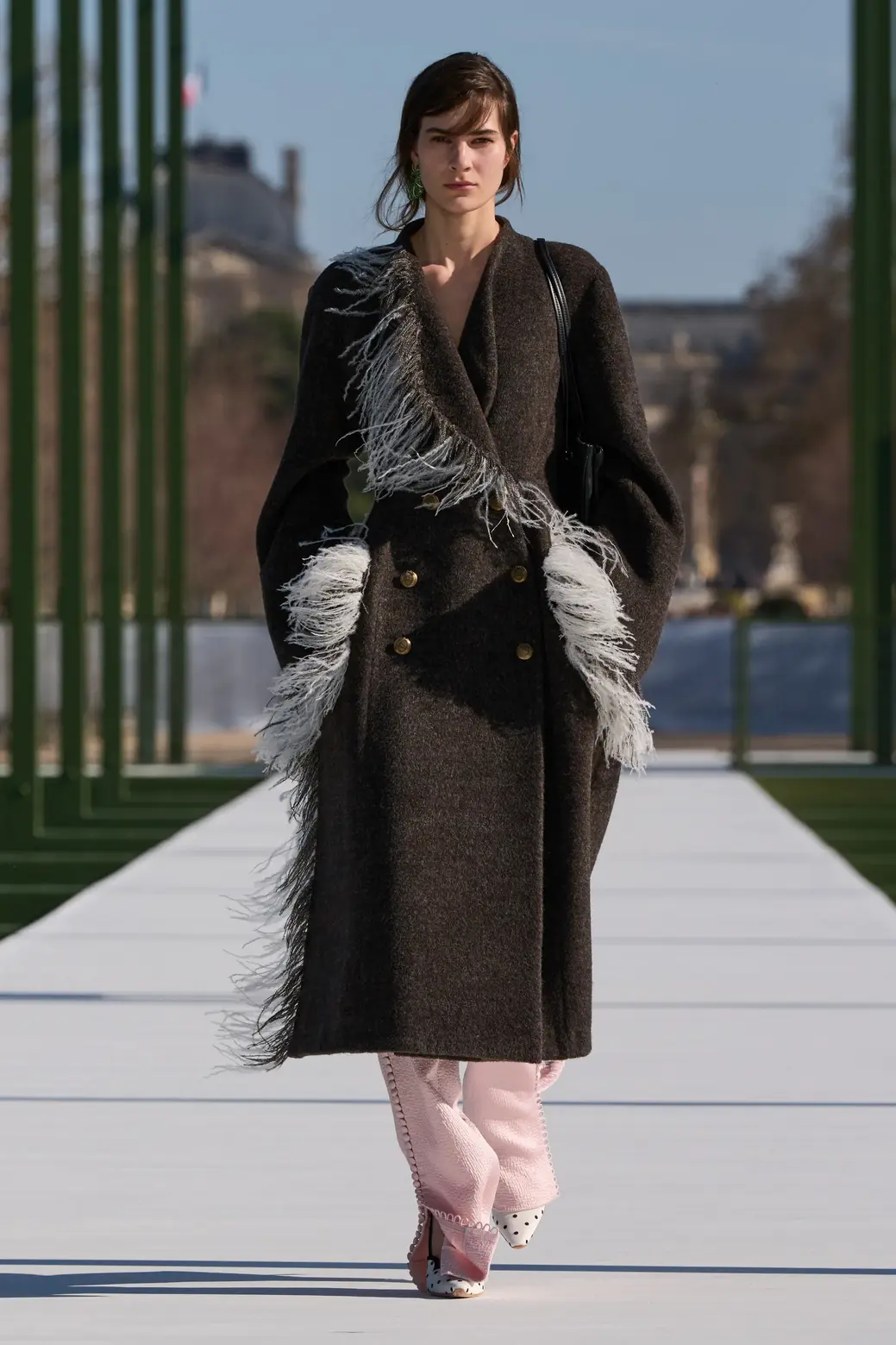
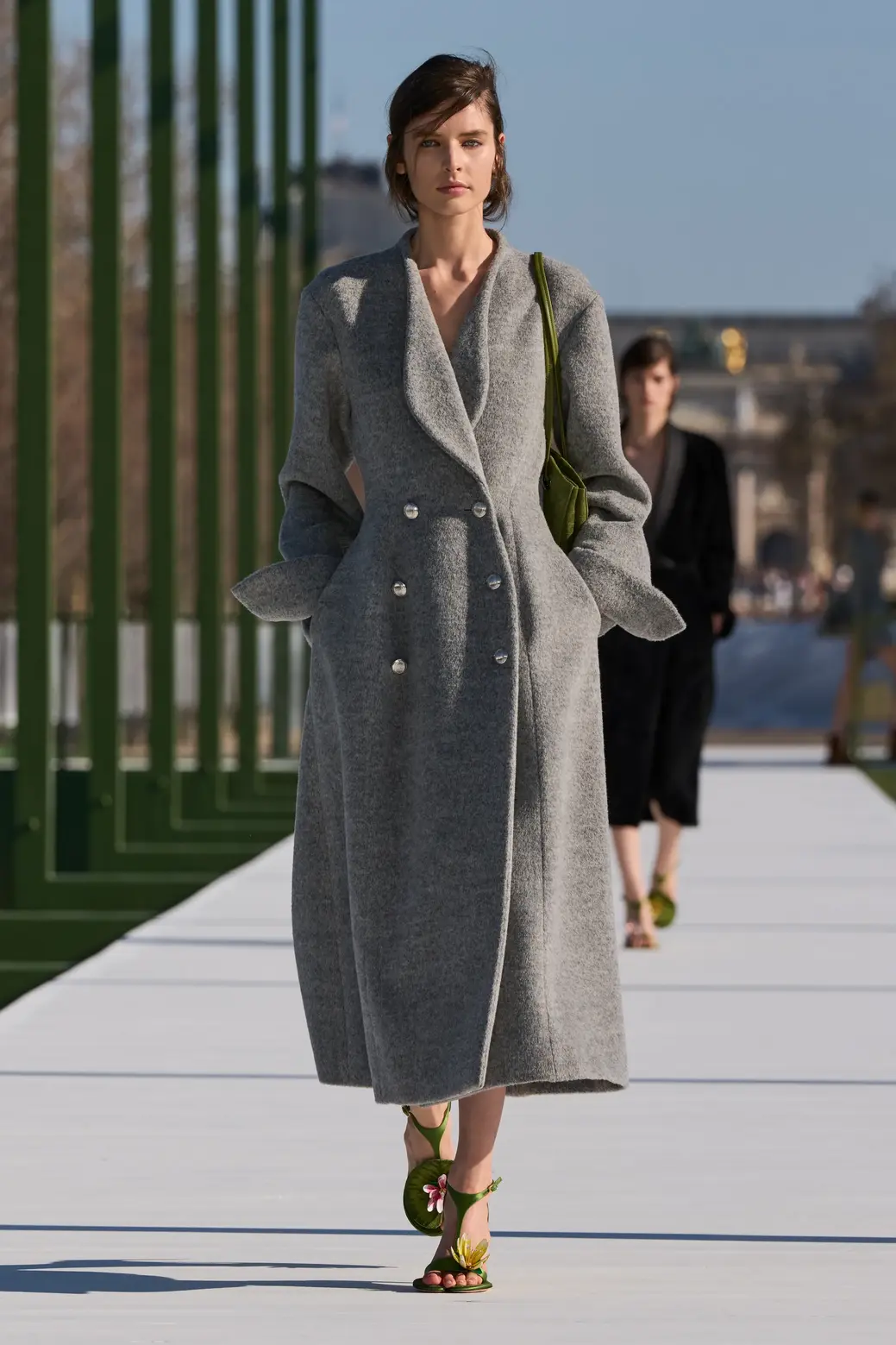
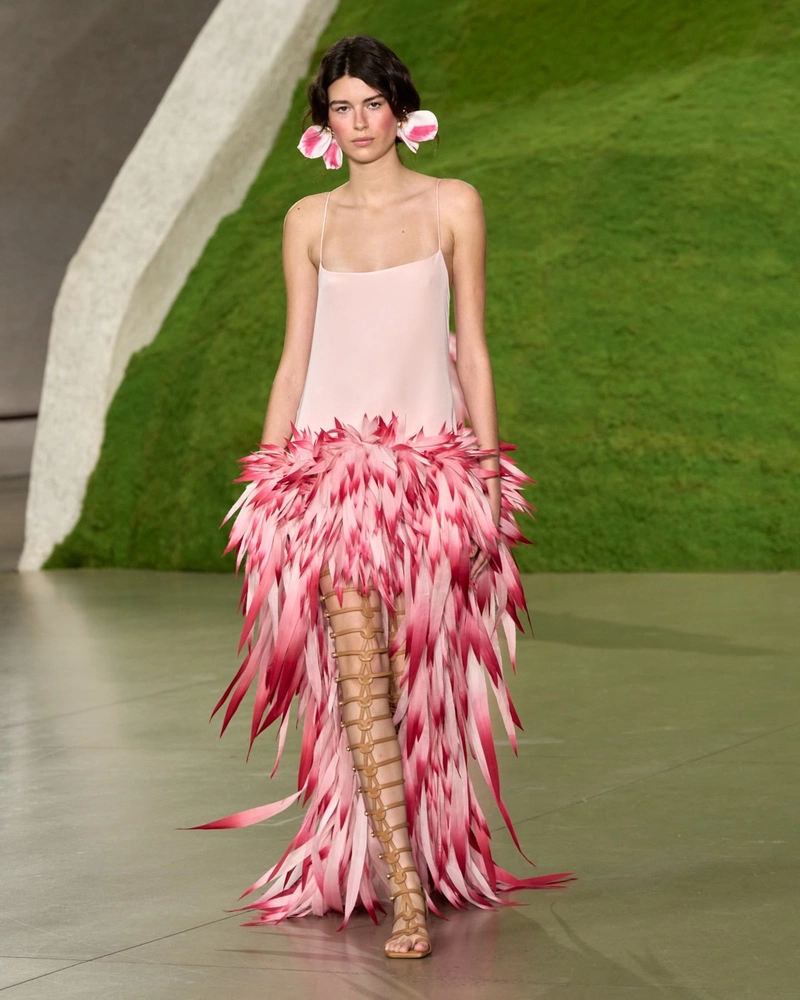
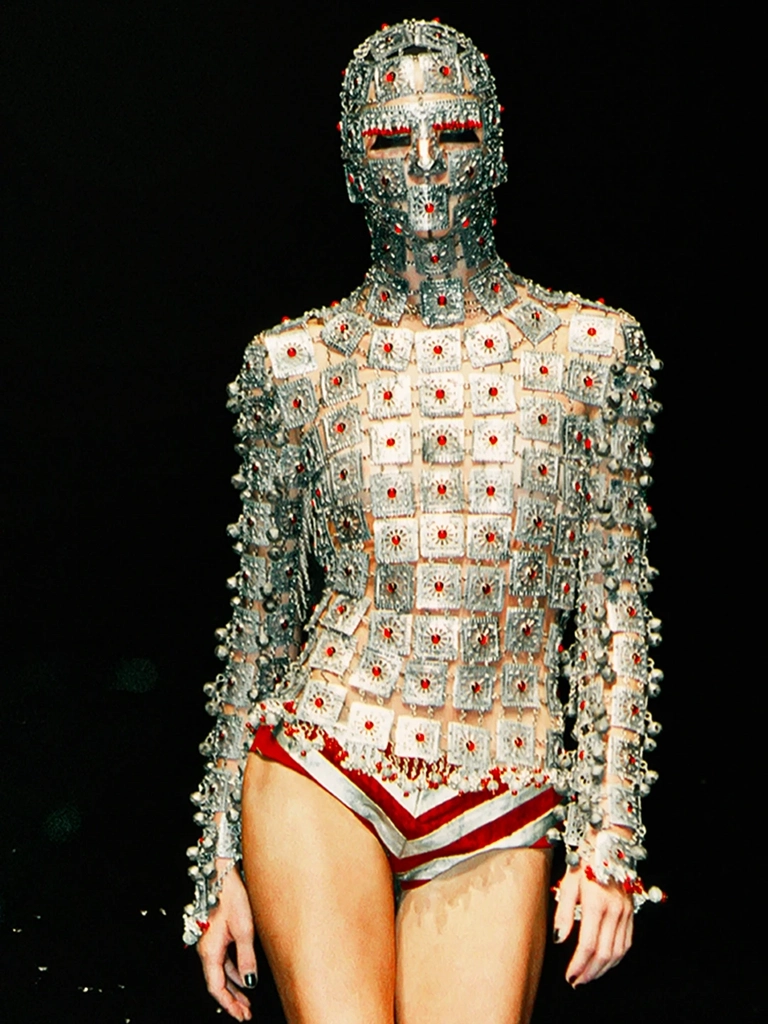
The collection moves with a deliberate un-structuring, most visible in his treatment of the iconic Bar jacket. By replacing traditional horsehair canvases with high-tech bonding and porous, knit-like textures, Jonathan Anderson has transformed 1947’s rigid elegance into the ease of a modern cardigan. This dialogue between the raw and the refined reaches a peak of whimsical sophistication through a series of material contradictions. One sees the rustic weight of heavy overcoats that seem to sprout delicate feathers from their seams, standing alongside the cinematic splendor of metallic brocade jackets paired with voluminous polka-dot tutu skirts. This is where reverence meets disruption. Even the sculptural water-lily heels and velvet animal clutches act as vital disruptors, breaking the clinical precision of the atelier with a sense of surreal humor. By weaving the utilitarian into the high-glamour, Jonathan Anderson proves that Dior’s heritage is not a static monument but a living organism, valuable only because it is finally allowed to be playful, unexpected, and intensely alive.
Despite his immense power within the LVMH empire, Jonathan Anderson often describes himself as operating like an underdog. This temperament explains the persistent restlessness of his work. He is fundamentally uninterested in settling into a signature that might harden into brand wallpaper. He struggles with static aesthetics because culture itself is never static. For him, change is not a detour in his practice because change is practice. He believes that fashion should keep moving, even if it leads to contradictions.
This philosophy is why his work remains unmistakably his, despite its vast diversity. Whether he is designing high-concept couture for Dior or accessible staples for his long-running Uniqlo partnership, his authorship remains intact. He has proven that true creative vision does not shrink when it scales; it only becomes more refined and more essential. He intentionally leaves traces of the making process in his final designs to prove that the garment was born from a physical struggle between a mind and a material. He understands that for a brand to remain relevant, it must offer something that a machine cannot replicate.
As Jonathan Anderson continues to shape the direction of the industry through record-breaking commercial success and global honors, his ultimate legacy is one of complexity. In an age that often rewards the flattening of ideas for social media consumption, he has insisted on depth. He has made luxury more tactile, more restless, and more open to contradiction. He has given fashion back its argumentative energy, reminding us that beauty can think and wit can carry rigor.
His opinion in fashion is that clothes can still surprise us and that surprise is essential for a culture to remain alive. From London to Madrid to Paris, he has not simply dressed in the present; he has consistently worked to widen it. Jonathan Anderson has proven that in the hands of a true thinker, fashion is not a surface-level pursuit but a profound dialogue with the very fabric of our lives. He remains the designer who fused craft, culture, and radical clarity into a single, cohesive vision for the future of luxury.
Advertisement