On April 30, 1944, Paul Poiret’s extraordinary fashion story came to a close, but the world he imagined continued to move through loosened corsets, theatrical branding, and modern haute couture.
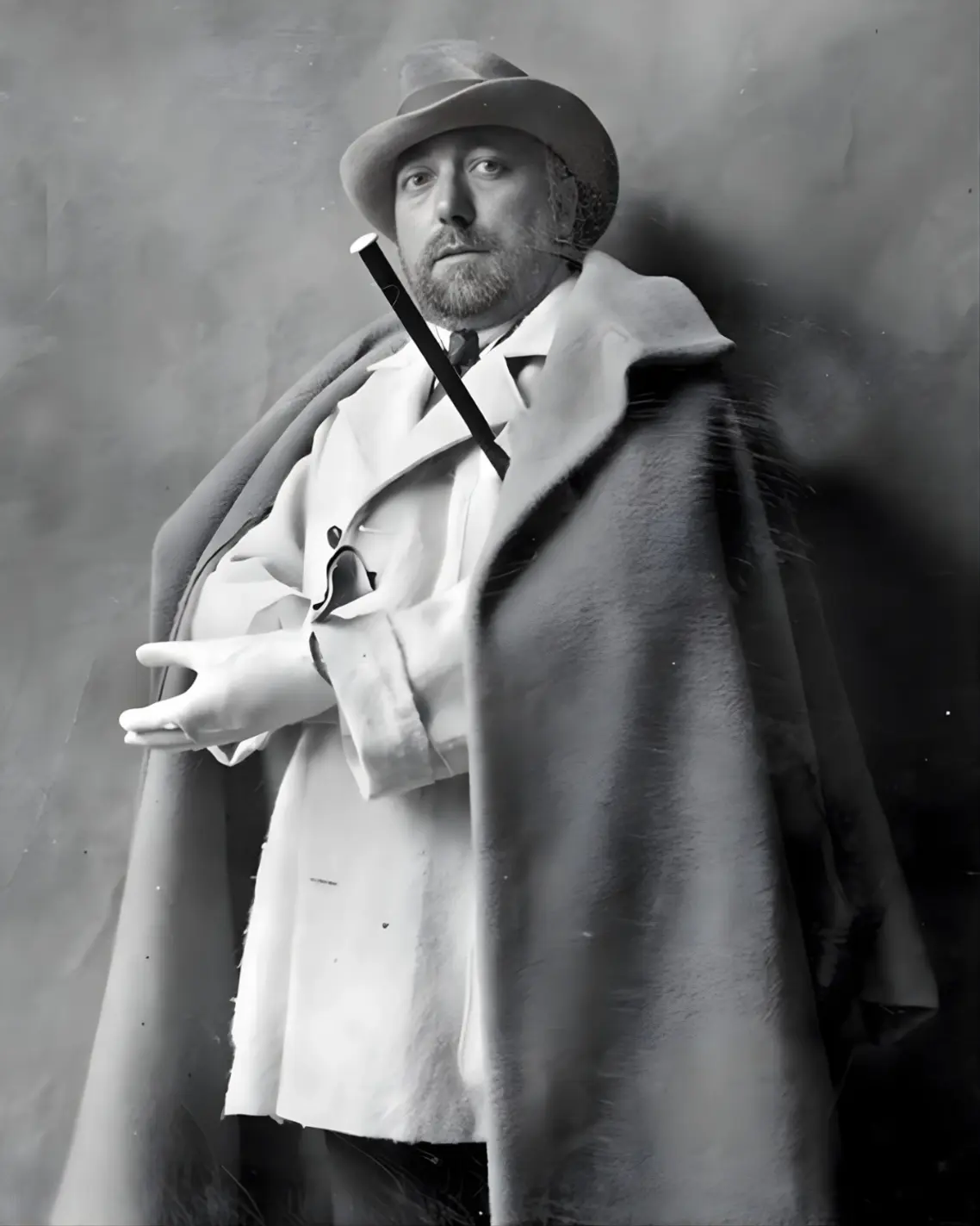
On April 30, 1944, Paul Poiret’s extraordinary fashion story came to a close, but the world he imagined continued to move through loosened corsets, theatrical branding, and modern haute couture.
April 30, 2026


Before fashion learned to sell a lifestyle, Paul Poiret had already staged one. He did not treat a dress as a quiet object waiting inside a salon. He turned it into theater, perfume, illustration, party, mythology, and personality. In the first decades of the twentieth century, Paul Poiret helped pull couture away from the rigid grammar of Belle Époque and toward something more fluid, more cinematic, and more dangerously modern.
His revolution began with the body. At a time when women’s fashion was still shaped by the corset, Paul Poiret proposed a different line: looser, straighter, more mobile through the torso. The change was never purely technical. It suggested that modern dressing could begin with release, that a woman’s silhouette could be drawn by fabric, movement, and mood rather than by compression. His famous paradox was that he freed the bust while tightening the legs through thehobble skirt, but even that contradiction reveals the drama of his vision.
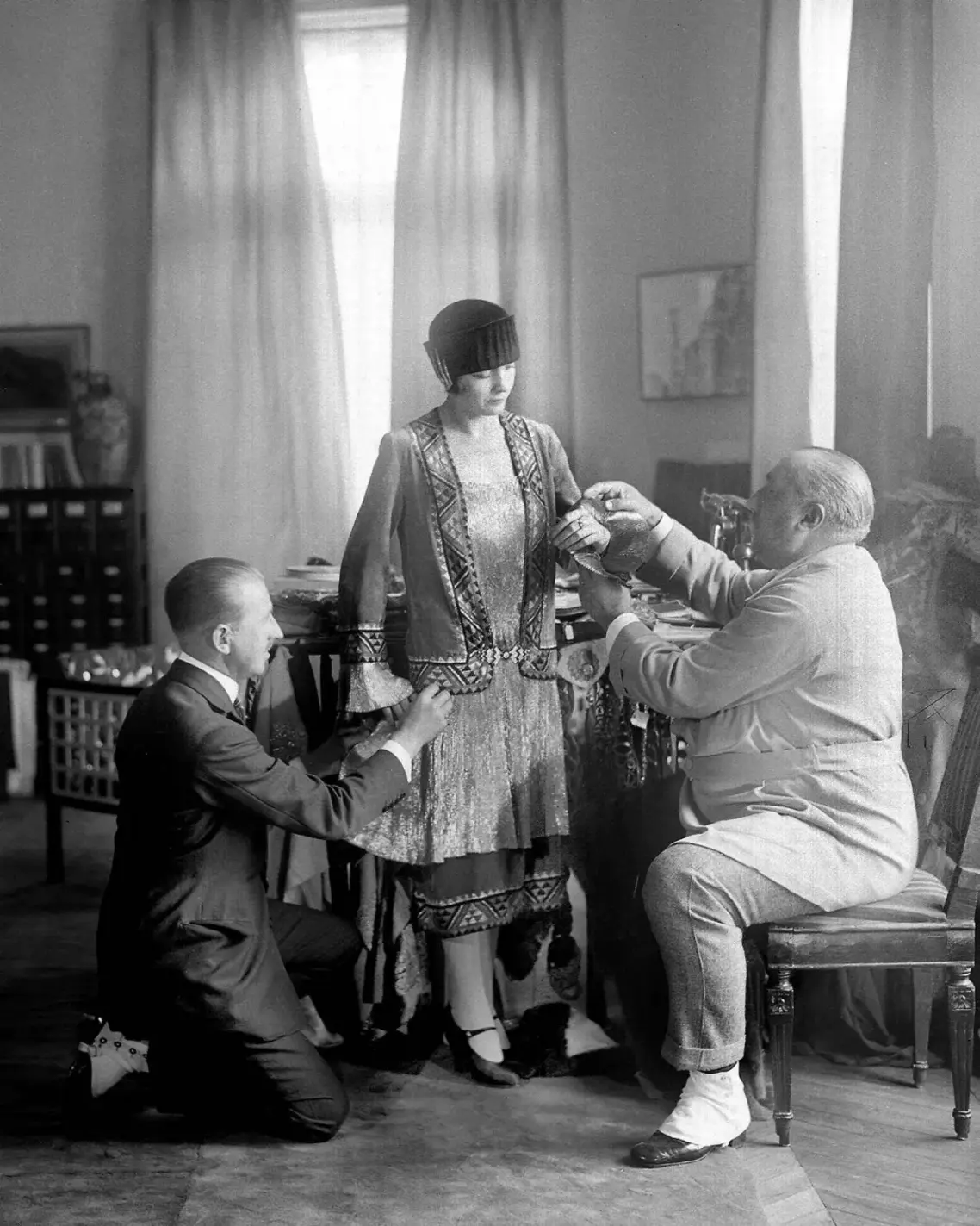
He also understood image before image became the industry’s main currency. Through lavish parties, illustrated albums, perfume, interiors, and collaborations with artists, Paul Poiret built a world around his name. His Orientalist fantasies, harem pants, lampshade tunics, and saturated colors reflected the theatrical appetites of prewar Paris, while also showing how early twentieth-century couture borrowed, stylized, and staged cultural imagination for European luxury. His clothes demanded a stage, turning the body into scenery and haute couture into a public act of fantasy.
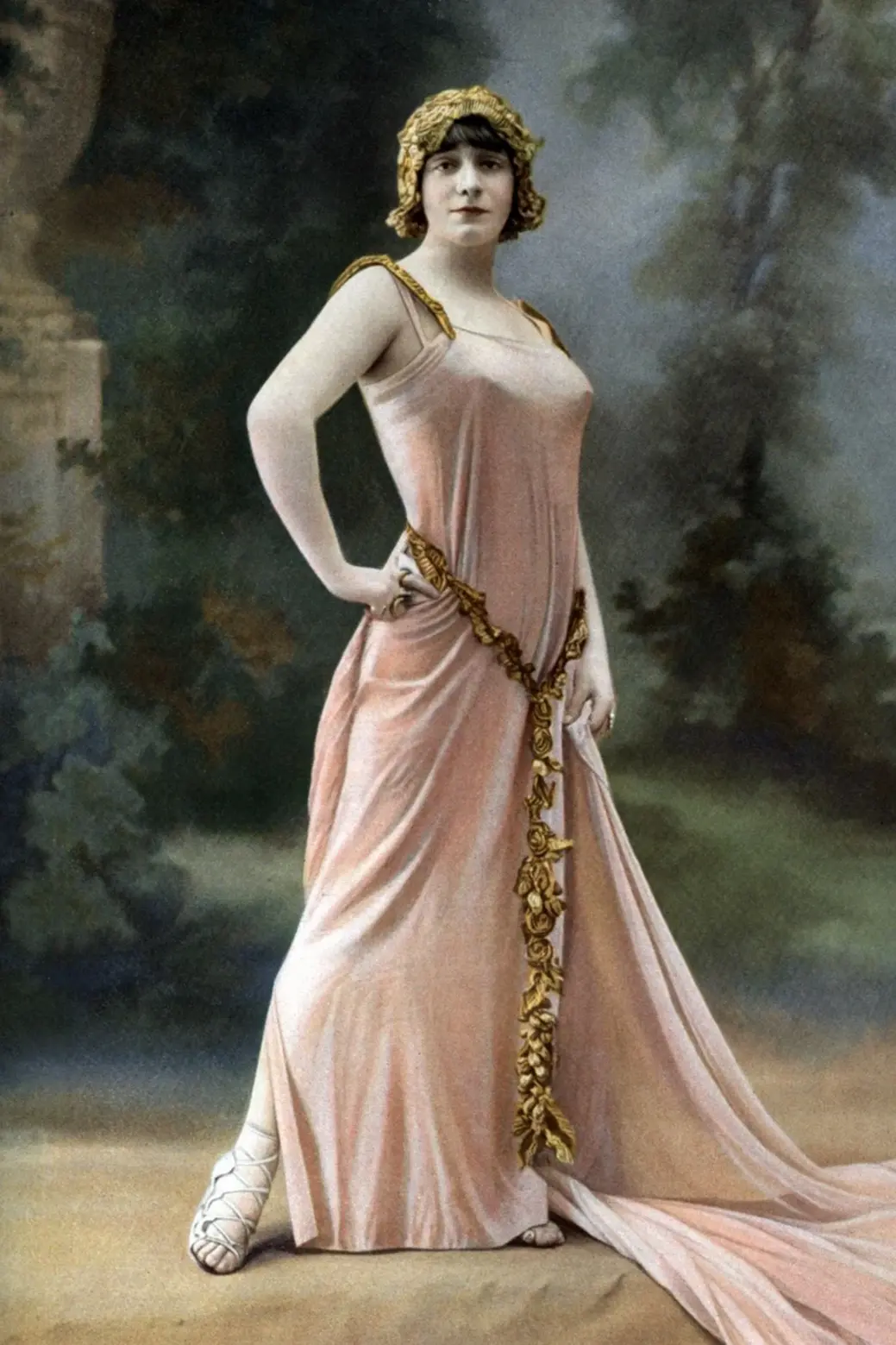

By the time his story reached its final chapter, Poiret’s dominance had long faded, overtaken by leaner modernists and a fashion world that began to prize restraint after spectacle. Yet his influence feels strangely contemporary today, especially whenever fashion returns to drama as a complete visual world. At Dior Spring 1998 Couture, John Galliano translated that Poiret spirit into an operatic fantasy of gilded surfaces, sweeping sleeves, high collars, Ballets Russes color, and clothing staged as ceremony. In Vogue’s May 2007 issue, a Poiret-inspired Christian Lacroix couture dress carried the same legacy into fashion imagery through tulle, oversized floral ornament, theatrical femininity, and a room that felt more like a painted stage than a simple backdrop. Long before fashion houses became lifestyle empires, Paul Poiret understood that a designer could be the author of a mood, a fantasy, and a world people wanted to enter.
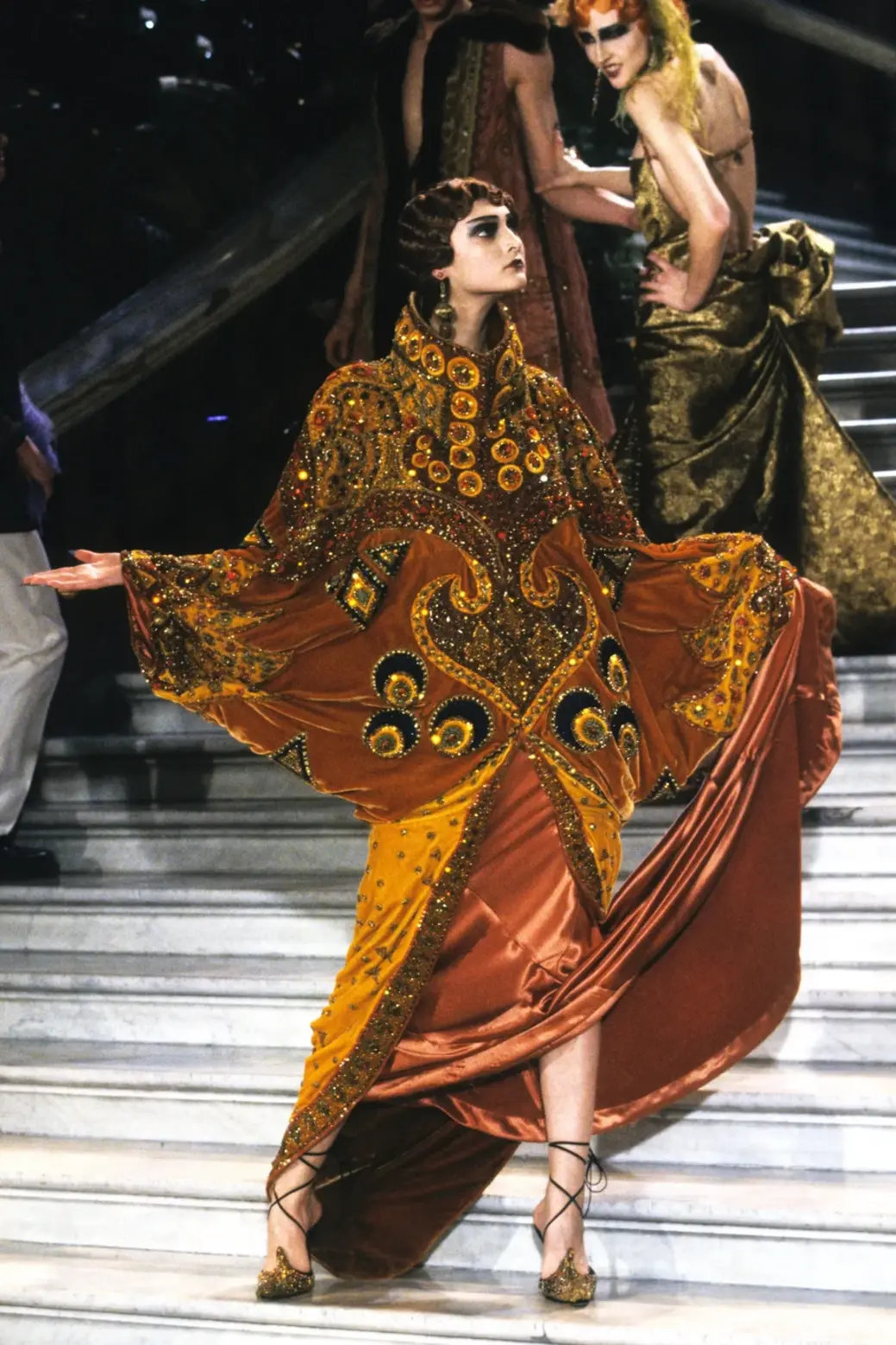
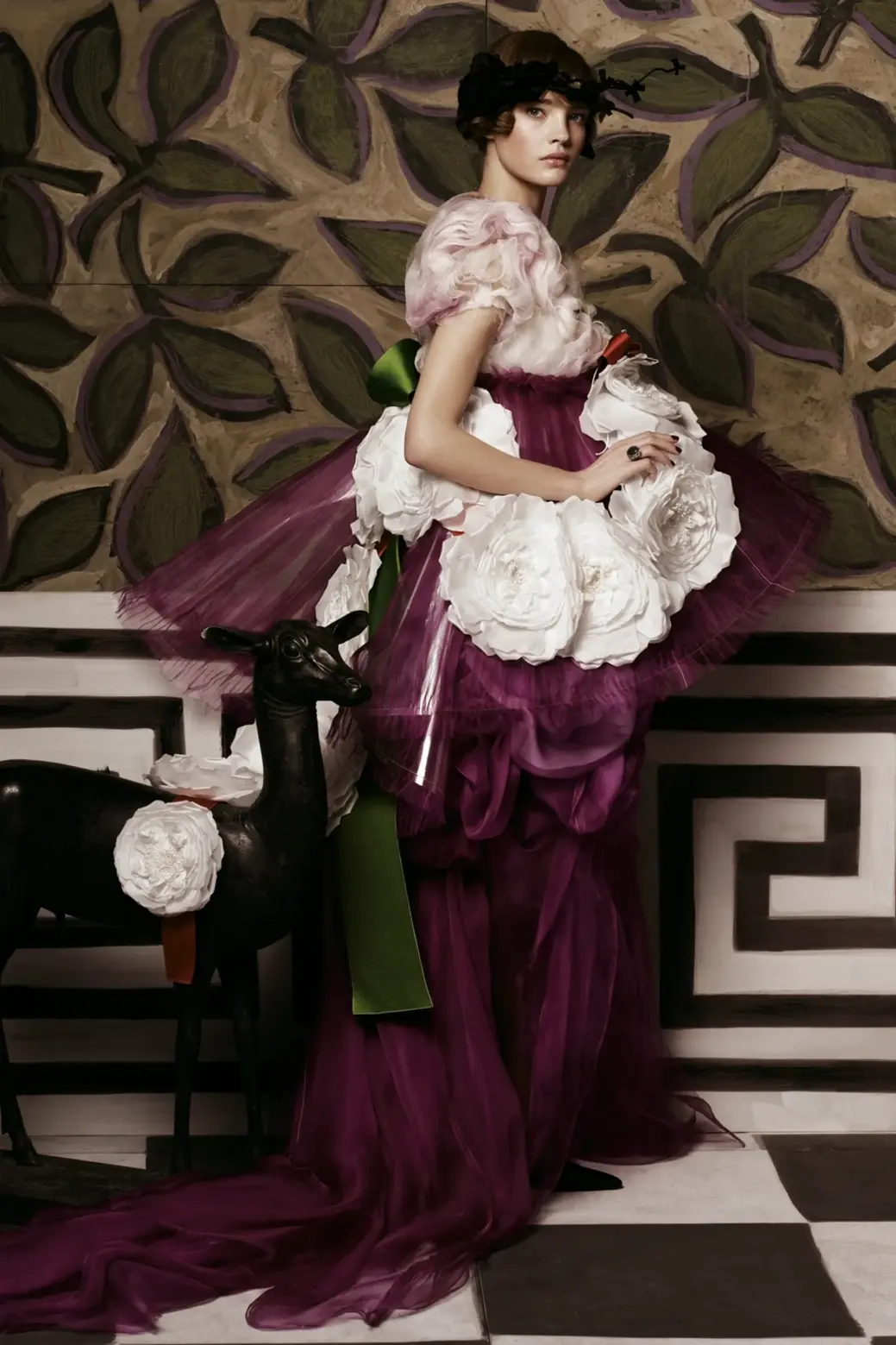
Poiret’s name belongs to fashion history, but his instinct still moves through the way modern designers build fantasy around a collection. Every time haute couture becomes a world before it becomes a dress, Paul Poiret is somewhere in the room.