In 2026, luxury art collecting moves between invisible vaults and monumental foundations, where privacy, power, prestige, and legacy now matter as much as the canvas itself.

The New Theater Of Luxury Art Collecting
In 2026, luxury art collecting moves between invisible vaults and monumental foundations, where privacy, power, prestige, and legacy now matter as much as the canvas itself.
April 29, 2026


In 2026, luxury art collecting feels more theatrical than ever. The greatest collections on earth are split between two opposite impulses: Concealment and display. The masterpiece is still the prize, though the real contest increasingly lies in who controls visibility, who shapes art history, and who turns ownership into enduring influence.
The Private Vault Still Rules
For all the glamour surrounding museum openings and foundation architecture, luxury art collecting still begins with the private hoard. The Nahmad family remains the clearest symbol of that model. David Nahmad has described a collection of roughly 4,500 paintings built over decades, much of it held in Geneva’s free port, and market reporting continues to place the family among the most formidable holders of Picasso anywhere in the world. They do not simply acquire famous works, they build concentration, especially in artists whose markets reward scarcity, patience, and control. Picasso’s Young Girl with a Flower Basket, bought in 2018 for $115 million, stands as one of the clearest examples of that approach. In luxury art collecting, the Nahmad lesson is simple: Inventory can be power, and power compounds when masterpieces disappear from circulation for years.


The Wildenstein dynasty represents a different but equally potent chapter in luxury art collecting. Where the Nahmads embody modern market opportunism, the Wildensteins project the old authority of European dealing, scholarship, and inherited stock. Their holdings have long been described as one of the world’s largest private concentrations of Old Masters and Impressionist art, with works hidden across vaults in Europe and America and some paintings reportedly unseen for decades. Older reporting described inventories that stretched across Fragonard, Watteau, Rembrandt, Rubens, Velázquez, and major Impressionist names, while more recent coverage still refers to the family as owners of one of the world’s largest collections of Old Masters. In luxury art collecting, nothing intensifies desire more effectively than the rumor of a masterpiece that almost no one has seen.


The Megacollector As Market Signal
If the old dynasties made their authority through storage and inherited expertise, Steven A. Cohen turned luxury art collecting into a modern language of financial aggression. His collection has long been reported at around the billion-dollar mark, and the works associated with it read like a syllabus of postwar trophy buying.
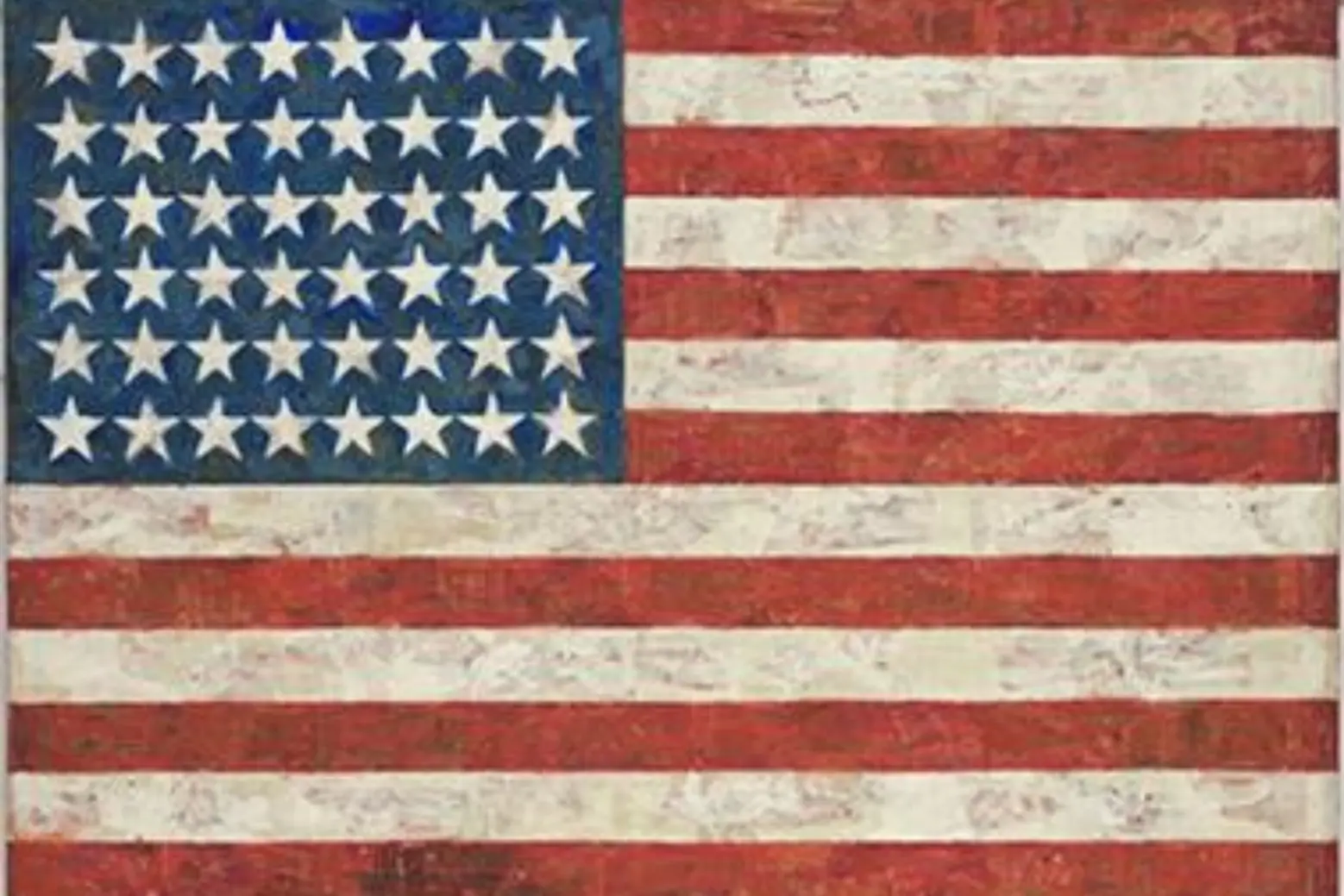
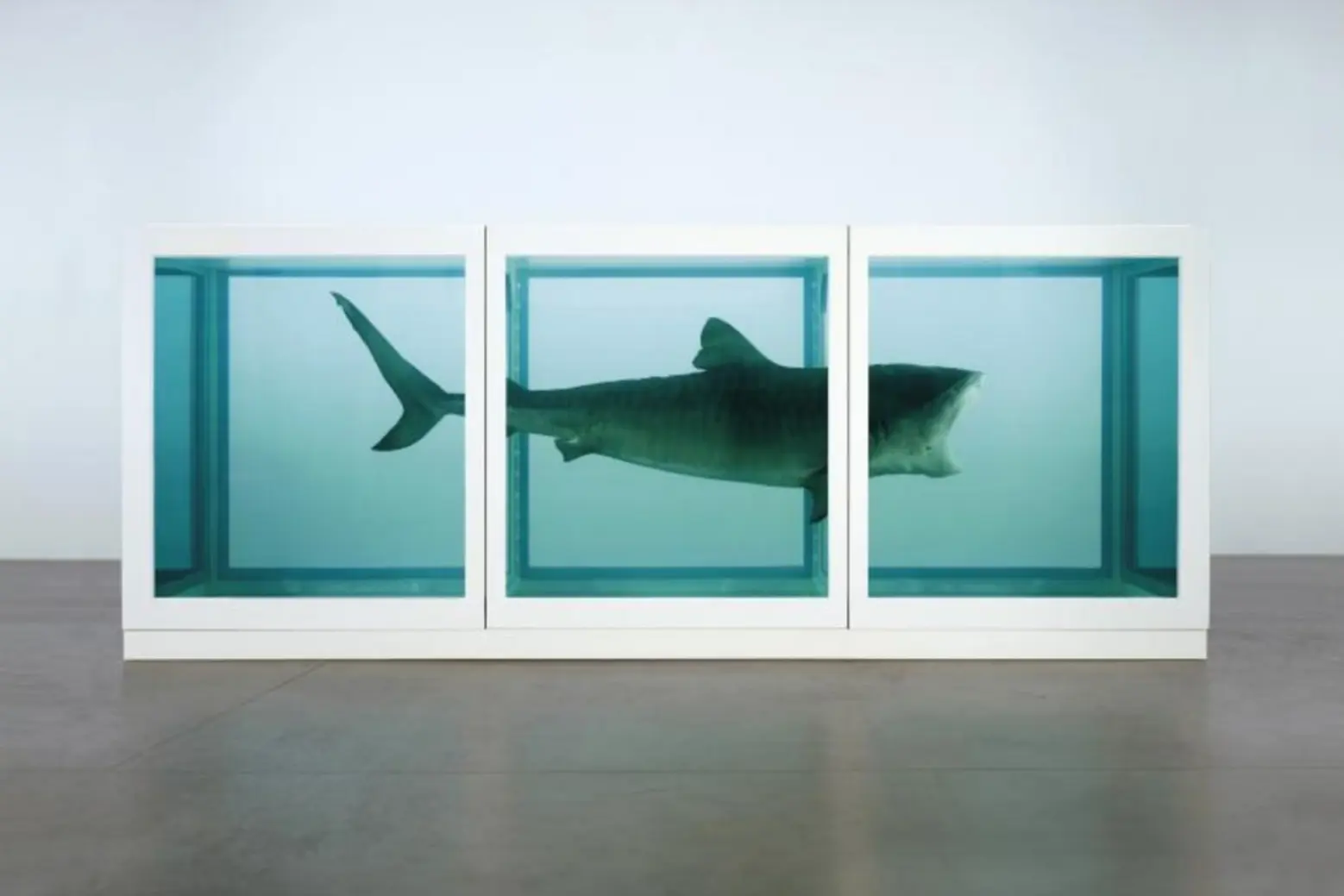
Cohen’s Jasper Johns Flag was reportedly bought for $110 million, a purchase so important that a Christie’s executive described his holdings as the most comprehensive collection of American postwar images in private hands. Add Willem de Kooning’s Woman III, bought privately for $137.5 million, and Damien Hirst’s shark, The Physical Impossibility of Death in the Mind of Someone Living, acquired in a deal reported at £6.5 million, and the pattern becomes clear. Cohen buys works at the top end of the market. Luxury art collecting, at this level, is less about breadth than about unmistakable signals.
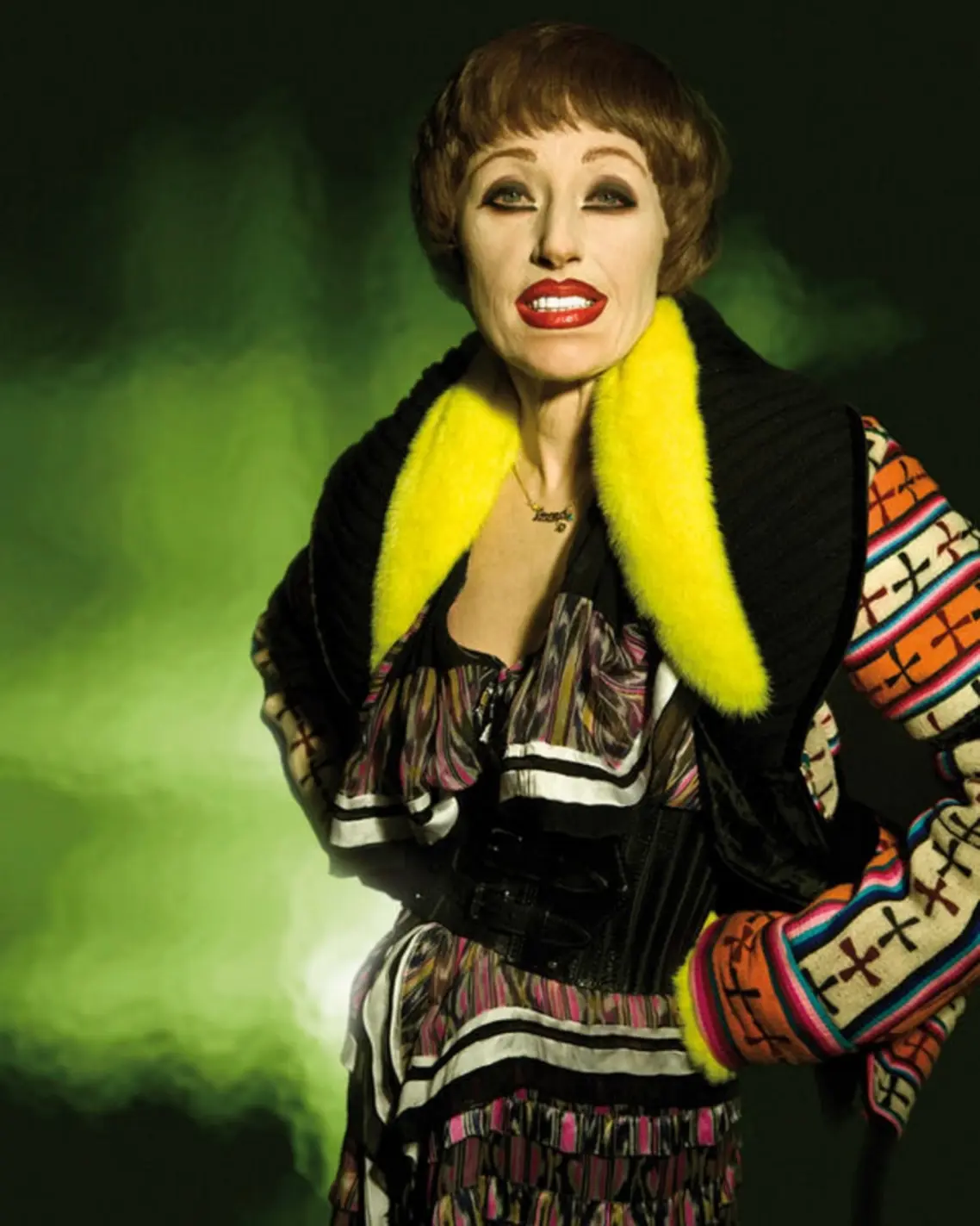
Yet the most visible contest in luxury art collecting now belongs to François Pinault and Bernard Arnault, whose rivalry has moved beyond private walls and into cultural infrastructure. The Pinault Collection says it brings together around 10,000 modern and contemporary works, shown through Bourse de Commerce in Paris and the Venetian sites at Palazzo Grassi and Punta della Dogana. Its public-facing language emphasizes contemporary art, scale, and international circulation, and official materials show repeated engagement with artists such as Jeff Koons, Cindy Sherman, and Damien Hirst. The collection has become proof that private ownership can be converted into a major curatorial machine.



Arnault’s ecosystem works differently, though it is no less ambitious. Fondation Louis Vuitton describes its collection as structured around the aims of its founder, Bernard Arnault, and centered on works from the 1960s to the present. Official collection pages show holdings by Jean-Michel Basquiat and Gilbert & George, while the institution’s program positions the collection as a living contemporary body rather than a fixed archive. That distinction matters. Pinault’s power often reads as curatorial density, while Arnault’s reads as brand-scale cultural reach. Both models sit at the heart of luxury art collecting in 2026, where the collector increasingly behaves like a patron, institution-builder, and narrative strategist all at once.
Legacy, Nationhood, And Museum Form
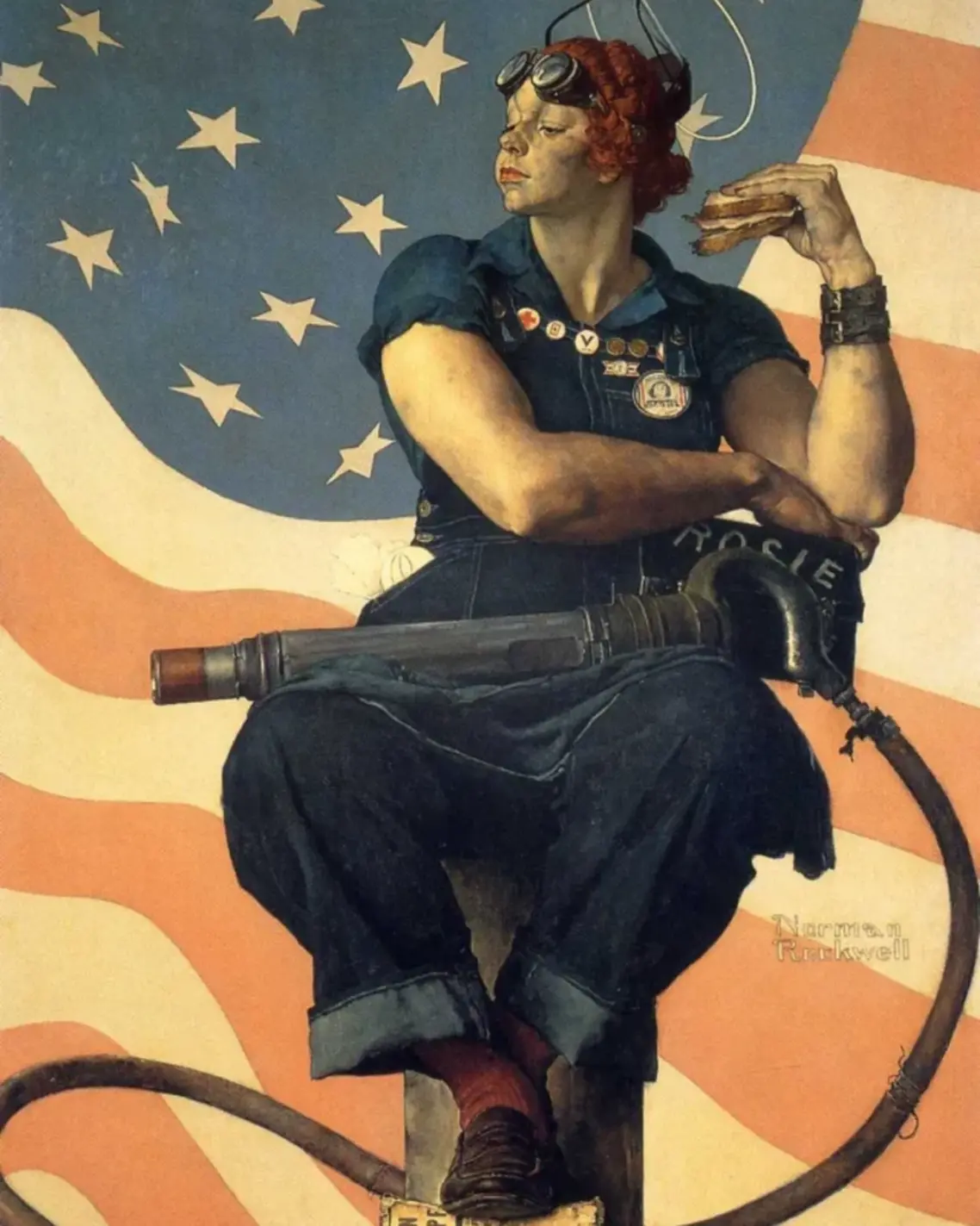
Alice Walton offers another version of luxury art collecting, one less obsessed with market domination than with canon-building. Crystal Bridges says Walton gifted her personal collection to form the basis of the museum, and the institution’s own materials still foreground works such as Asher B. Durand’s Kindred Spirits and Norman Rockwell’s Rosie the Riveter as signature images within its American story. Her collecting project demonstrates that luxury art collecting can also function as a national narrative, not just a global competition for blue-chip trophies. The emphasis here is narrower, though in some ways more durable: Build a collection with civilizational clarity, then give it public form strong enough to outlive personal ownership.

This helps explain why so many major collectors now prefer the language of foundations. Foundations soften the spectacle of wealth by attaching it to education, architecture, scholarship, and access. They also allow luxury art collecting to become a form of legacy management. A private collection may be envied, but a foundation can influence curators, cities, tourism, public memory, and future markets. In that sense, the real trophy is no longer only the Basquiat, the Picasso, or the de Kooning. It is the institution capable of framing those works for future generations. That is why the shift from secretive family stockpile to ultra-visible foundation is one of the most important aesthetic and financial transformations in collecting today.
Luxury Art Collecting in 2026
The current market backdrop makes that shift even more revealing. Art Basel and UBS reported that public auction sales fell 25 percent in 2024, while private sales by auction houses rose 14 percent to $4.4 billion. At the same time, the number of fine-art works sold at auction above $10 million fell sharply, while transaction volume overall rose, especially at lower price levels. In other words, the market has cooled at the top, but it has not gone quiet. Luxury art collecting in 2026 is happening in a more selective environment, where top buyers still chase exceptional works, though with greater discipline, stronger negotiation, and far more scrutiny around quality and provenance.
That scrutiny is part of the so-called Geneva effect. The EU Tax Observatory describes luxury freeports as high-security spaces where artworks can be traded and held without VAT, with beneficial ownership shielded from automatic exchange between tax authorities. Recent private-wealth coverage also notes that freeports remain central to the art market, even as tighter anti-money-laundering expectations push the sector toward greater transparency and operational discipline.
Provenance has become even more precious because the documentation around art is under pressure from two directions at once. Deloitte’s 2025 Art & Finance report highlights blockchain and AI as part of the market’s search for better valuation and provenance tools, while the Financial Times has reported that AI-generated documents are already complicating authenticity checks, insurance claims, and ownership records. For luxury art collecting, this means the old romance of instinct and connoisseurship now shares the stage with digital verification. The future collector will still crave beauty, rarity, and aura, but increasingly those desires must be secured by forensic documentation.
Asia, meanwhile, remains a force in luxury art collecting even through volatility. Art Basel’s 2025 market report says China, including Mainland China and Hong Kong, fell to third place in 2024 with a 15 percent share after a sharp drop in sales, yet the same report also noted strong sales and engagement at Art Basel Hong Kong as 2025 began. The Financial Times has likewise described Picasso as an increasingly coveted prize for new Chinese collectors, a sign that cultural ambition in Asia continues to shape demand at the trophy end of the market.
Luxury art collecting in 2026 is no longer just about owning the best picture in the room. It is about deciding whether that picture remains hidden, circulates privately, anchors a foundation, or becomes part of a broader cultural strategy. The masterpiece still matters, immensely. Yet in the highest tier of the market, what matters just as much is who gets to define the meaning, movement, and afterlife of the masterpiece once it has been acquired. Want to try your hand at collecting, start with our Ultimate Guide to the Art of Art Collecting!