MENU
Close





In the late 17th century, a new word began to echo through the bustling teahouses and theater districts of Edo: Ukiyo (Ukiyo-e). Originally a somber Buddhist term for the "melancholy world" of transient suffering, it was reimagined by the rising merchant class into a vibrant celebration of the present.
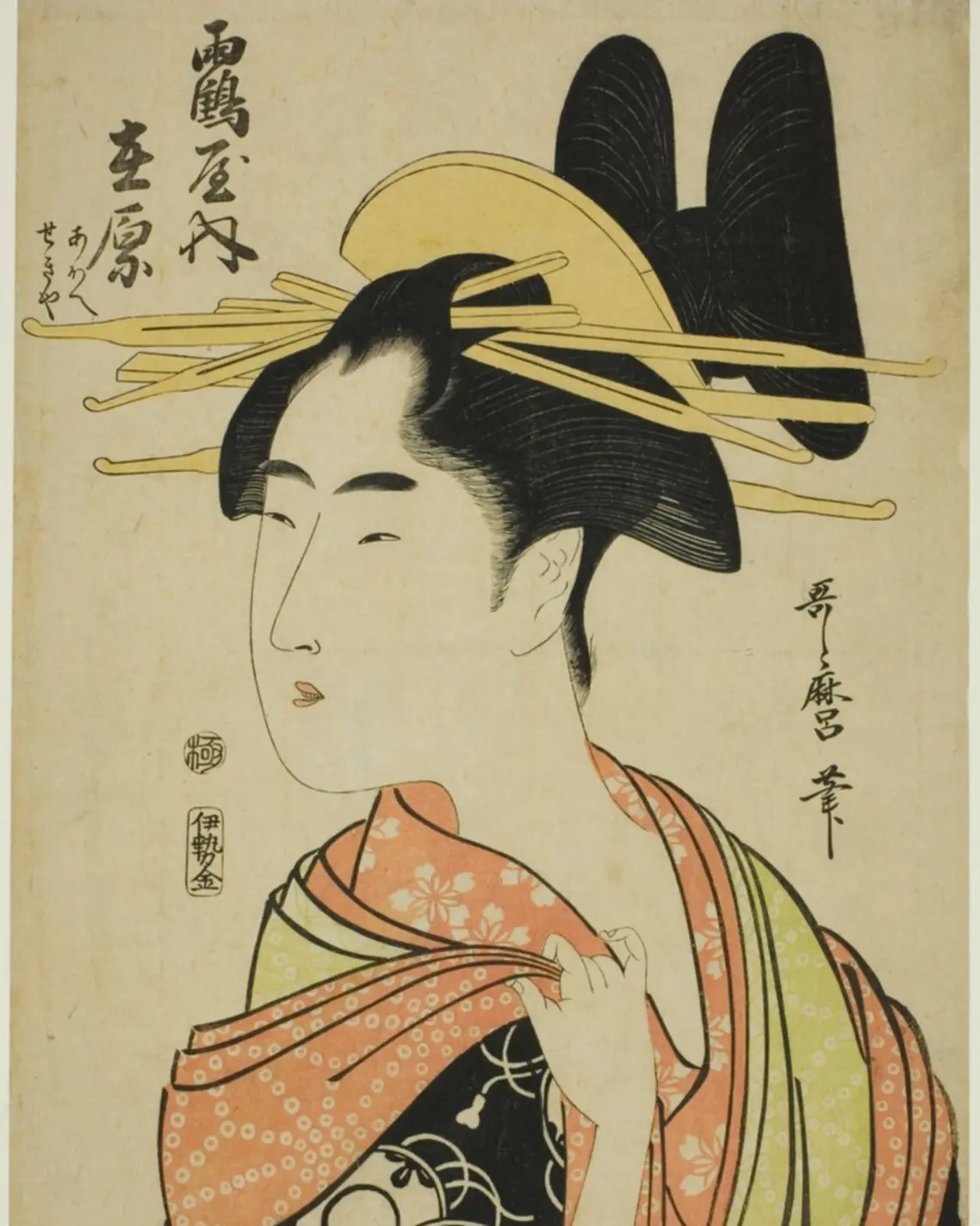
In the late 17th century, a new word began to echo through the bustling teahouses and theater districts of Edo: Ukiyo (Ukiyo-e). Originally a somber Buddhist term for the "melancholy world" of transient suffering, it was reimagined by the rising merchant class into a vibrant celebration of the present.
April 12, 2026


In the crowded teahouses and pleasure quarters of Edo, a word once heavy with Buddhist sorrow was softened by city light and human desire until it began to shimmer.
Ukiyo, once the passing world of suffering, became the floating world of the present tense, a realm of silk sleeves, theater gossip, moon-viewing evenings, sudden rain, courtesans, actors, travelers, blossoms, and prints passed from hand to hand like small, luminous pieces of life itself.
From that atmosphere emerged Ukiyo-e, pictures of the floating world, a form born from wood, ink, paper, and collaboration, yet charged with a strange spiritual velocity. It belonged first to townspeople rather than courts, to merchants rather than aristocrats, to the living rhythm of the street rather than the still authority of temples.
This popular art, so immediate in its own moment, would travel far beyond Edo, bending the course of Western modernism and leaving its delicate but indelible grain across the visual culture of the modern world.
To understand Ukiyo-e is to understand Edo at the moment it began to glow from within. Between 1603 and 1868, under the long stillness of the Tokugawa shogunate, Japan lived through an era so peaceful it allowed urban desire to ripen into culture.
The samurai held the sword and the seal of authority, yet the chōnin, the merchants of the city, held the silver, the silk, and the appetite. Bound by a strict social order, they turned their wealth toward the transient pleasures that made life feel vivid: The theater, the teahouse, the pleasure quarter, the printed image.
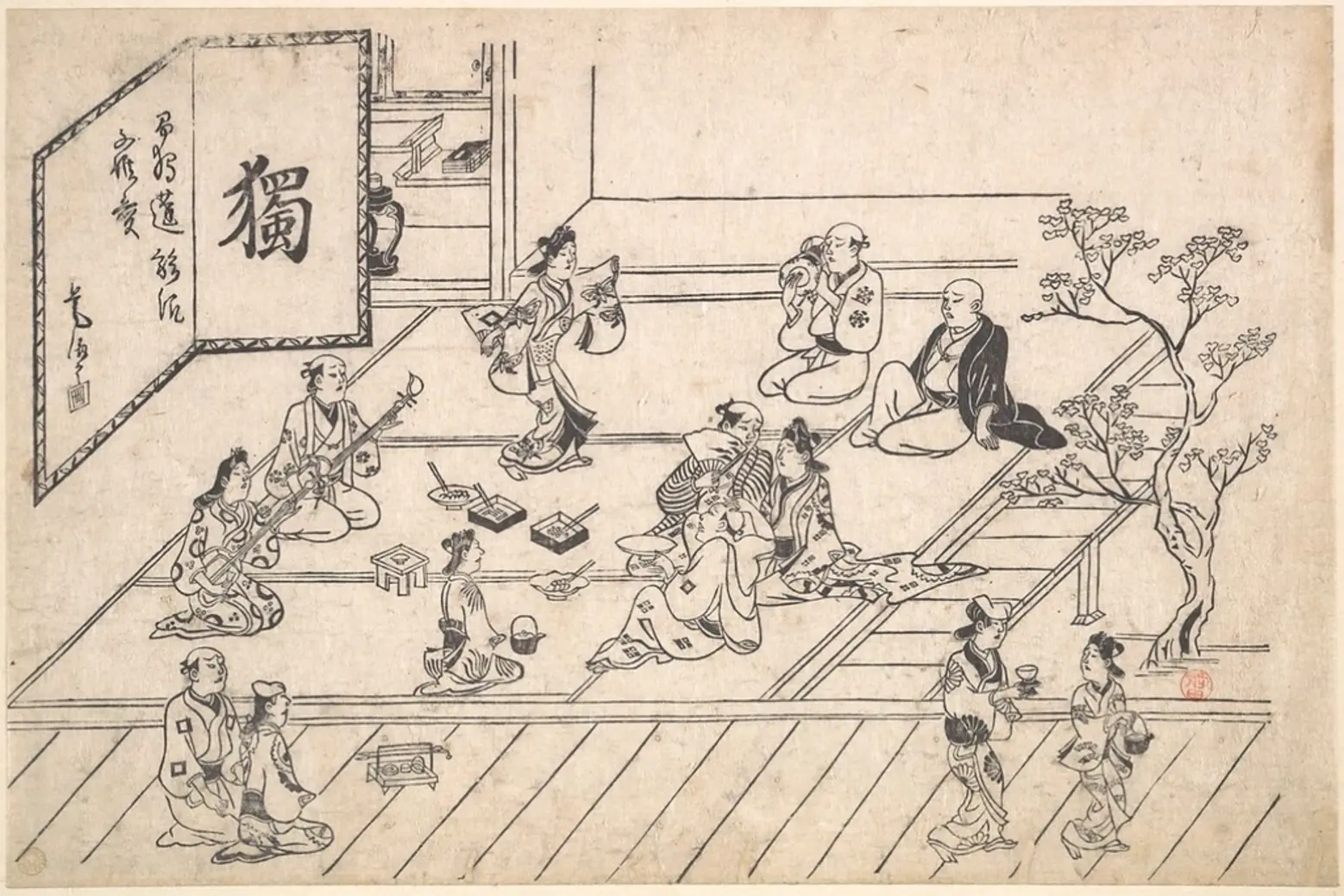
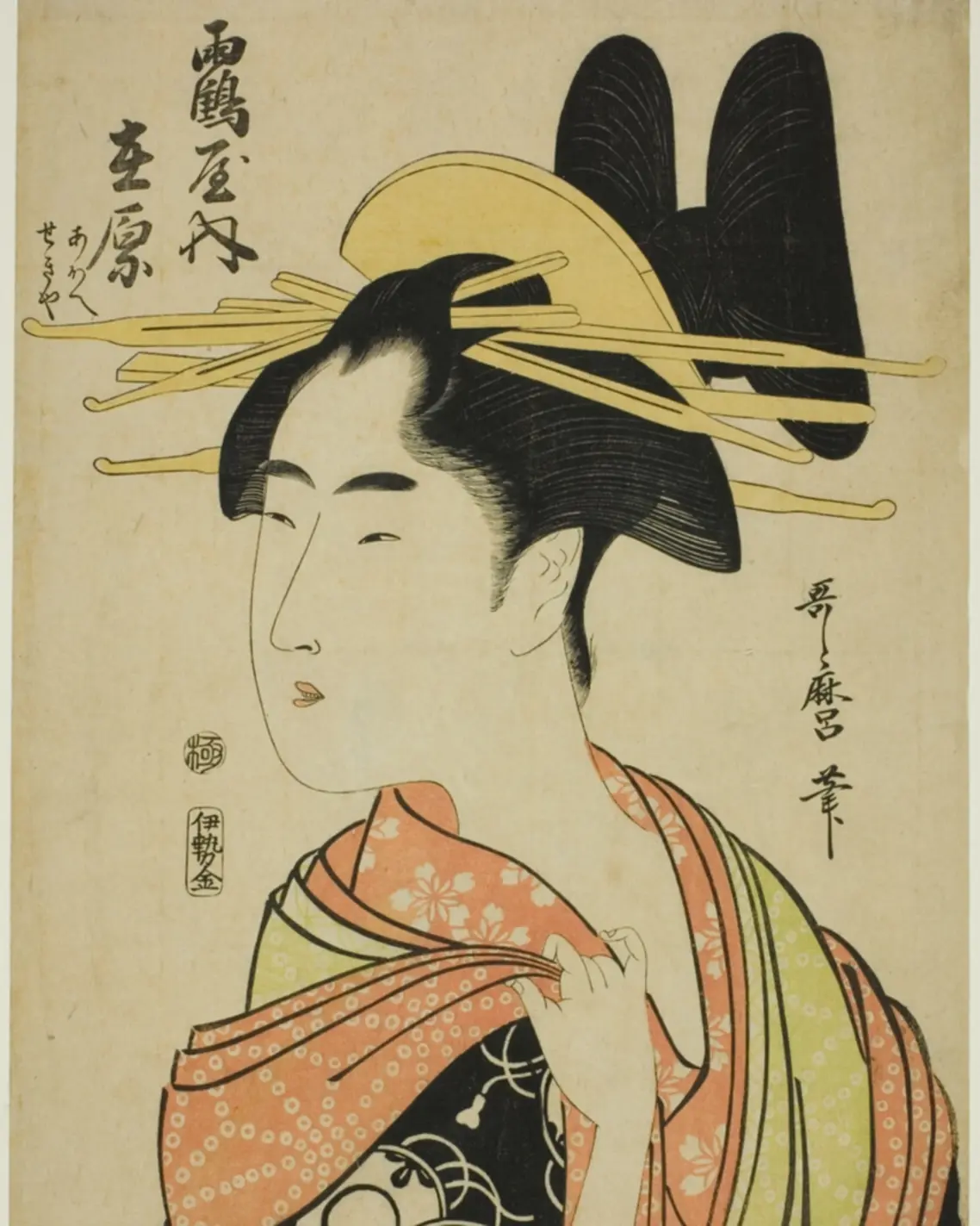
Ukiyo-e was the mirror Edo held up to its own face. It captured the celebrated beauties of the day in bijin-ga, where a tilt of the wrist or the fall of a sleeve could suggest an entire atmosphere of elegance. It preserved the fierce drama of Kabuki actors in yakusha-e, freezing expression at its most heightened moment, as if passion itself had been pinned to paper.
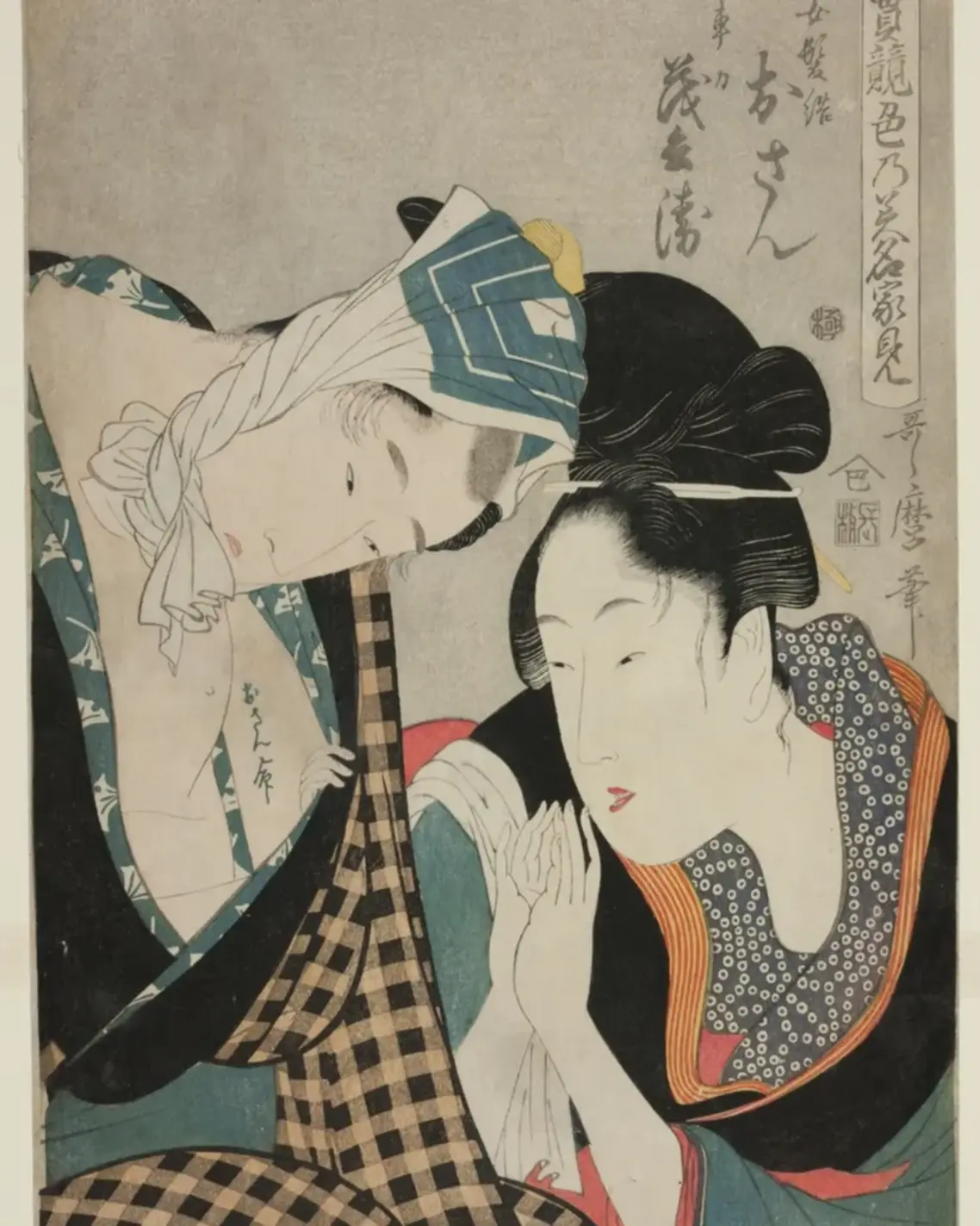
Later, it widened its gaze toward landscape, recording the roads, bridges, rains, and distant views of a country newly experienced through travel. These prints were intimate, portable, desired. They belonged to daily life. They moved through the city like rumor, fashion, and longing.
Yet each sheet carried within it a hidden chorus of hands. Ukiyo-e was never the labor of a solitary genius. Every print was a masterclass in collaborative production, involving a four-part "guild" system:
Ukiyo-e, born from collaboration, still feels singular, as though an entire city had breathed itself onto paper.
The history of Ukiyo-e is marked by three distinct eras, each defined by a shift in both technology and subject matter.
It began in the 17th century as a monochromatic revolution led by Hishikawa Moronobu, whose fluid ink-printed lines first separated the medium from book illustration and established it as a standalone chronicle of Edo’s "floating world."
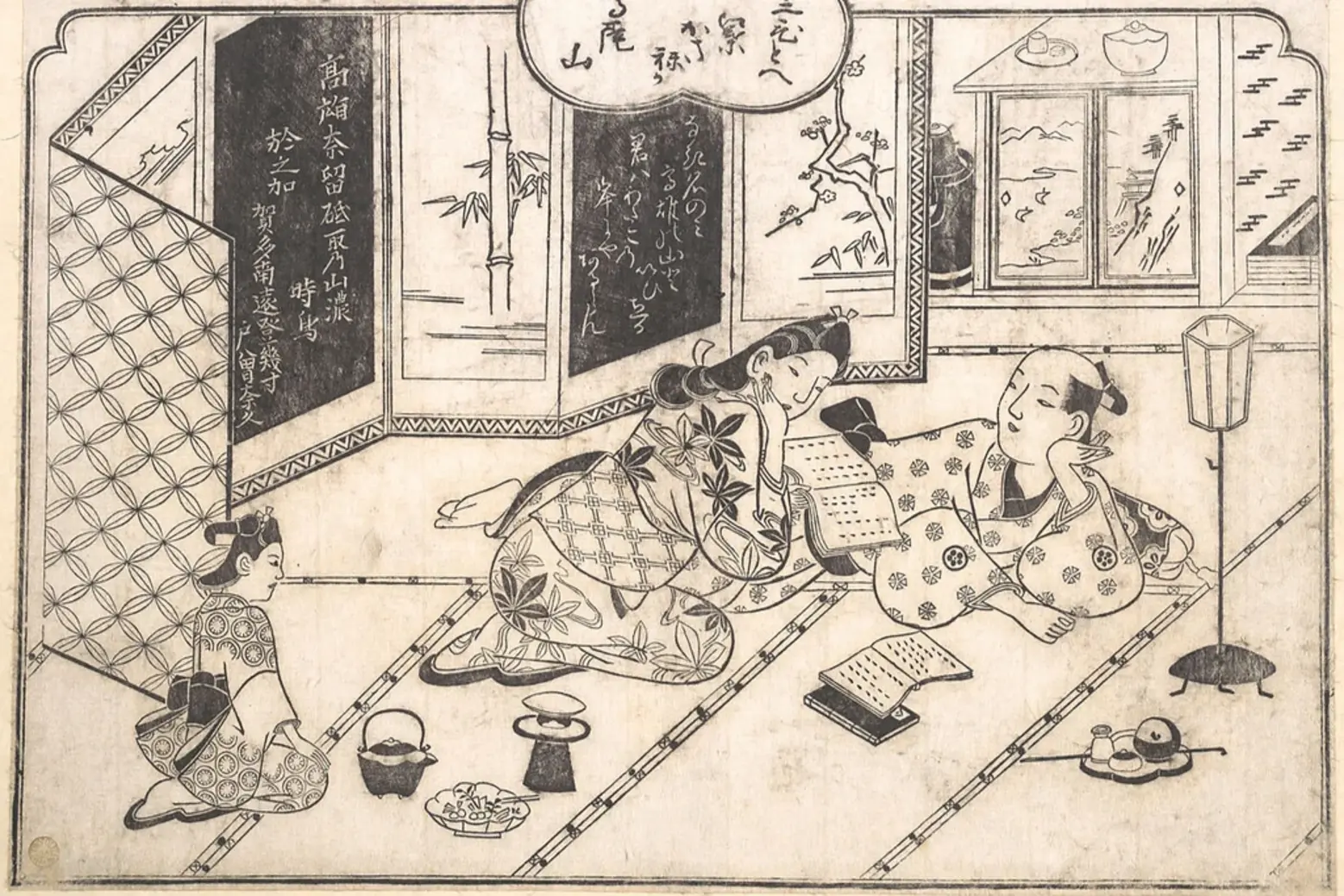
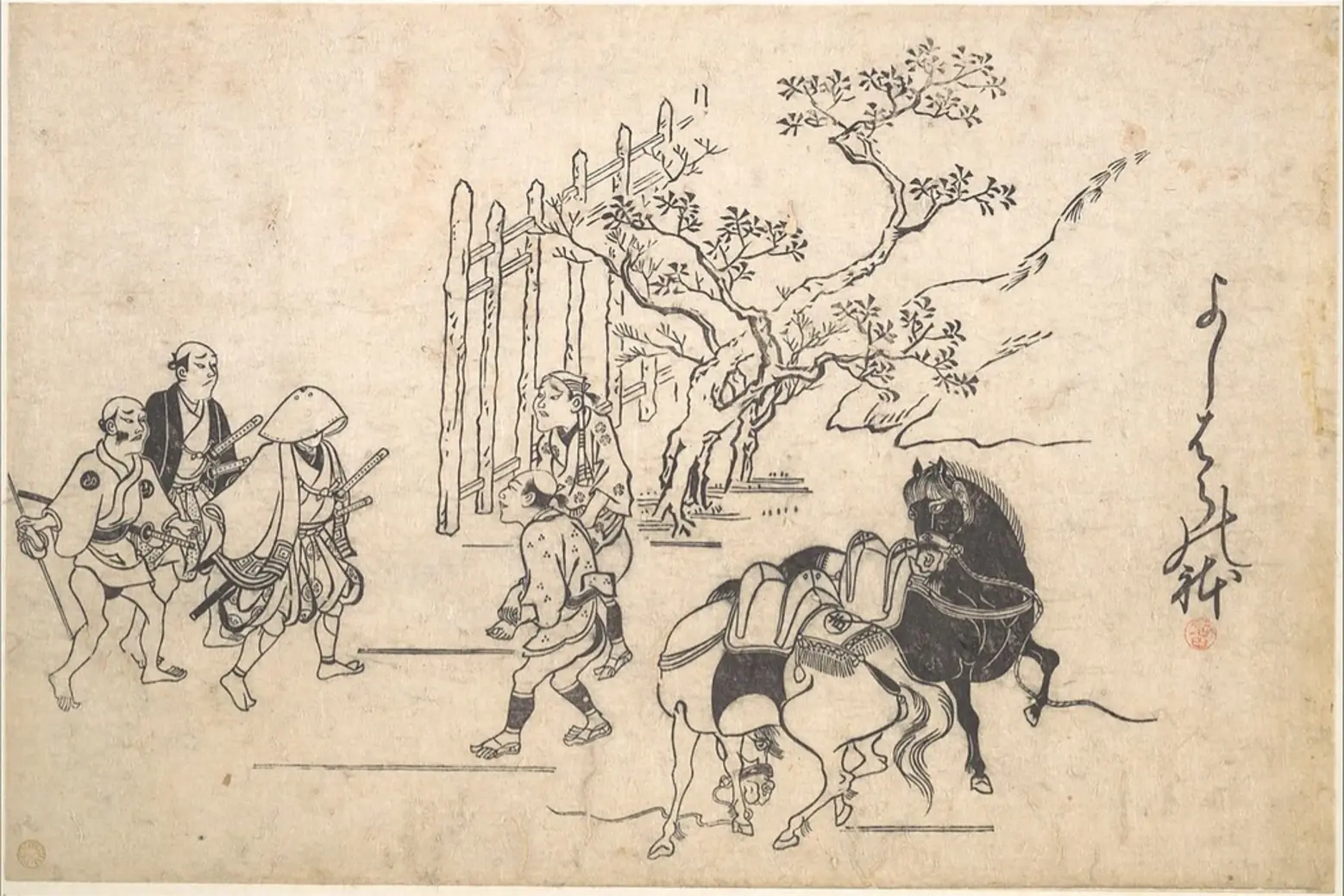
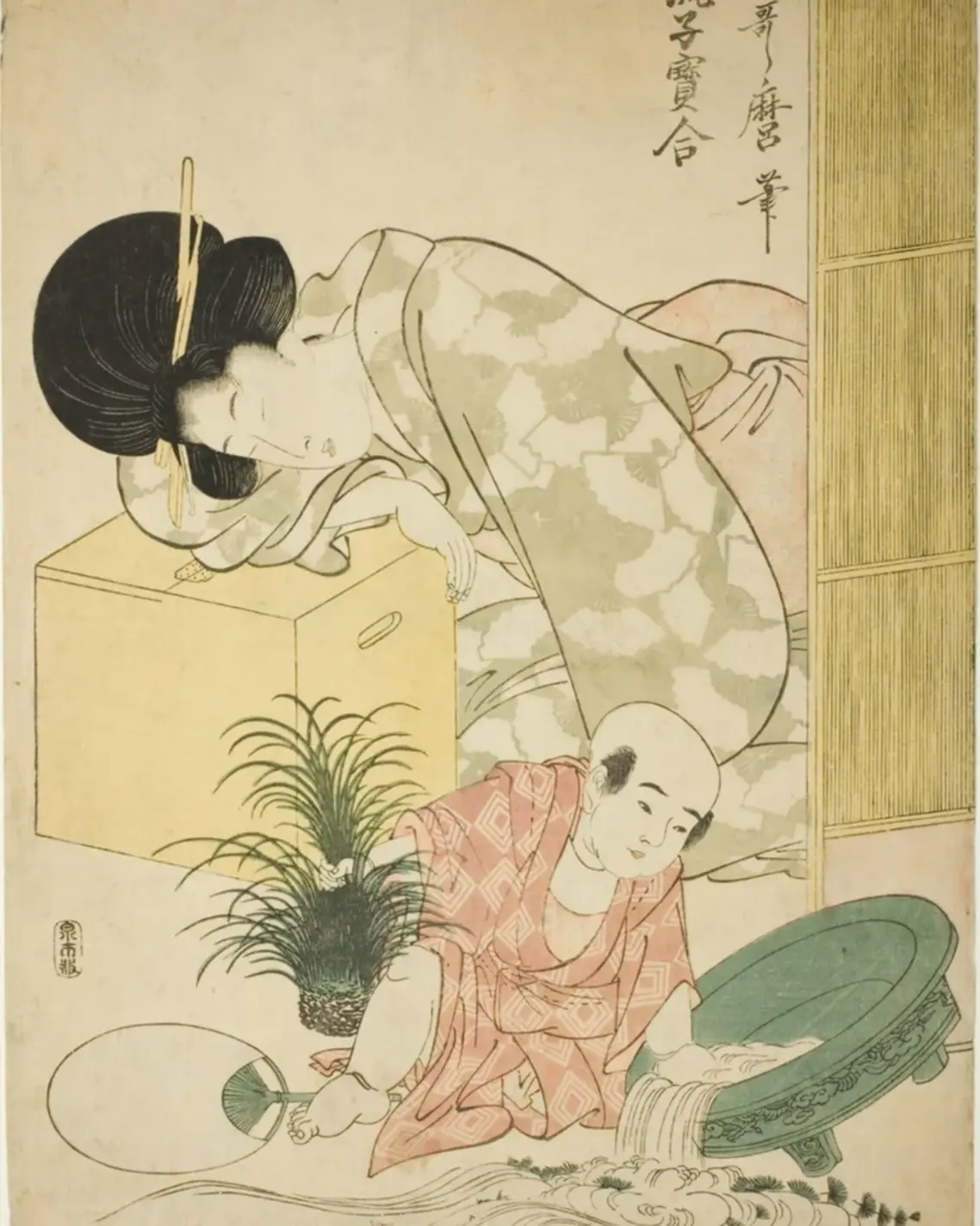
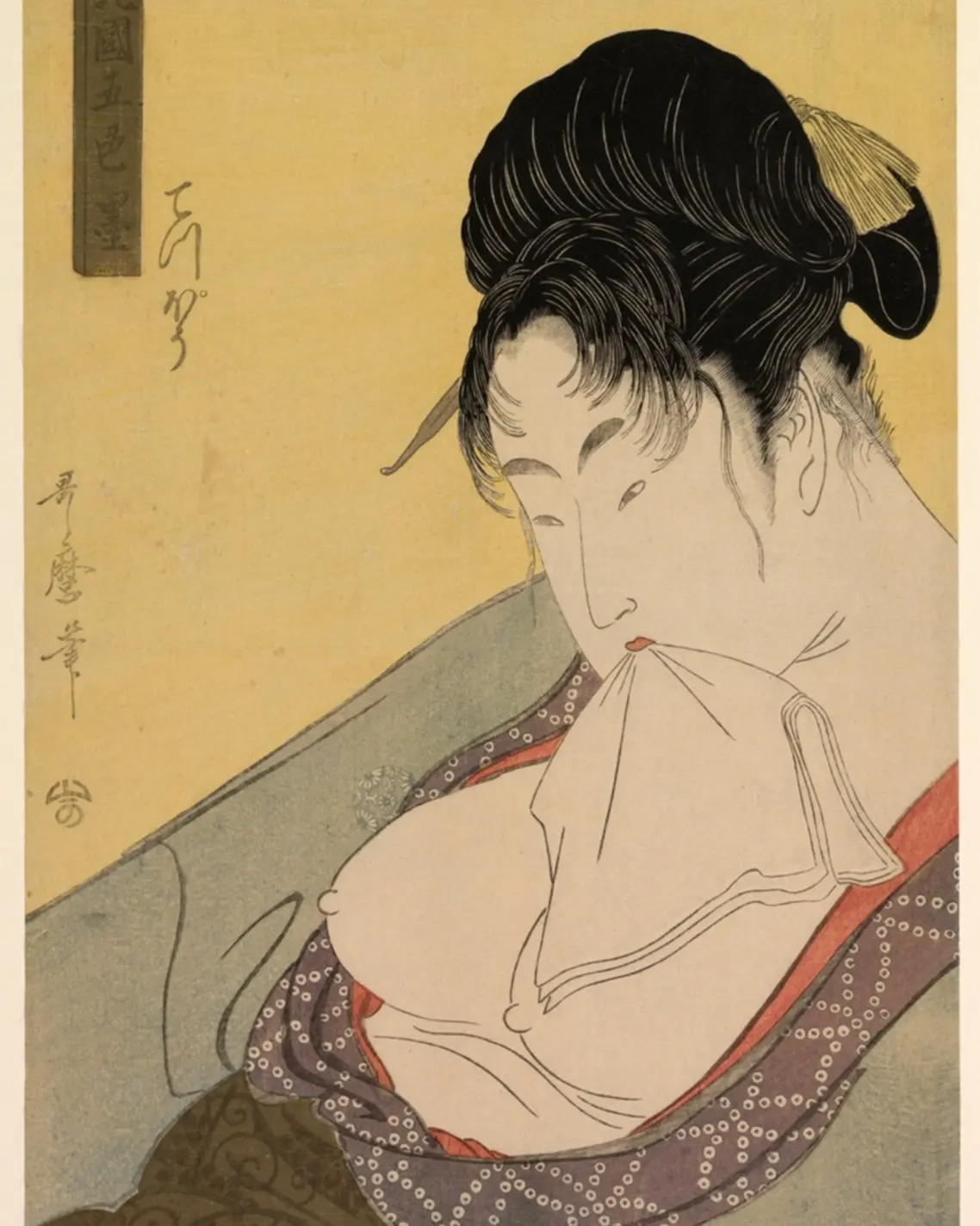
By the 18th-century Golden Age, the new alchemy of full-color Nishiki-e (brocade prints) allowed masters like Kitagawa Utamaro to achieve a peak of sophisticated refinement; his Bijin-ga portraits of beautiful women utilized shimmering mica and intricate patterns to capture the psychological depth of high-society life.
Finally, the 19th century saw a radical pivot toward nature, fueled by a domestic travel boom and the innovative stability of Prussian Blue. In this late phase, Hokusai and Hiroshige mastered atmospheric depth and perspective, transforming the landscape into an immersive, poetic experience that would ultimately bridge the gap between Eastern tradition and Western Modernism.
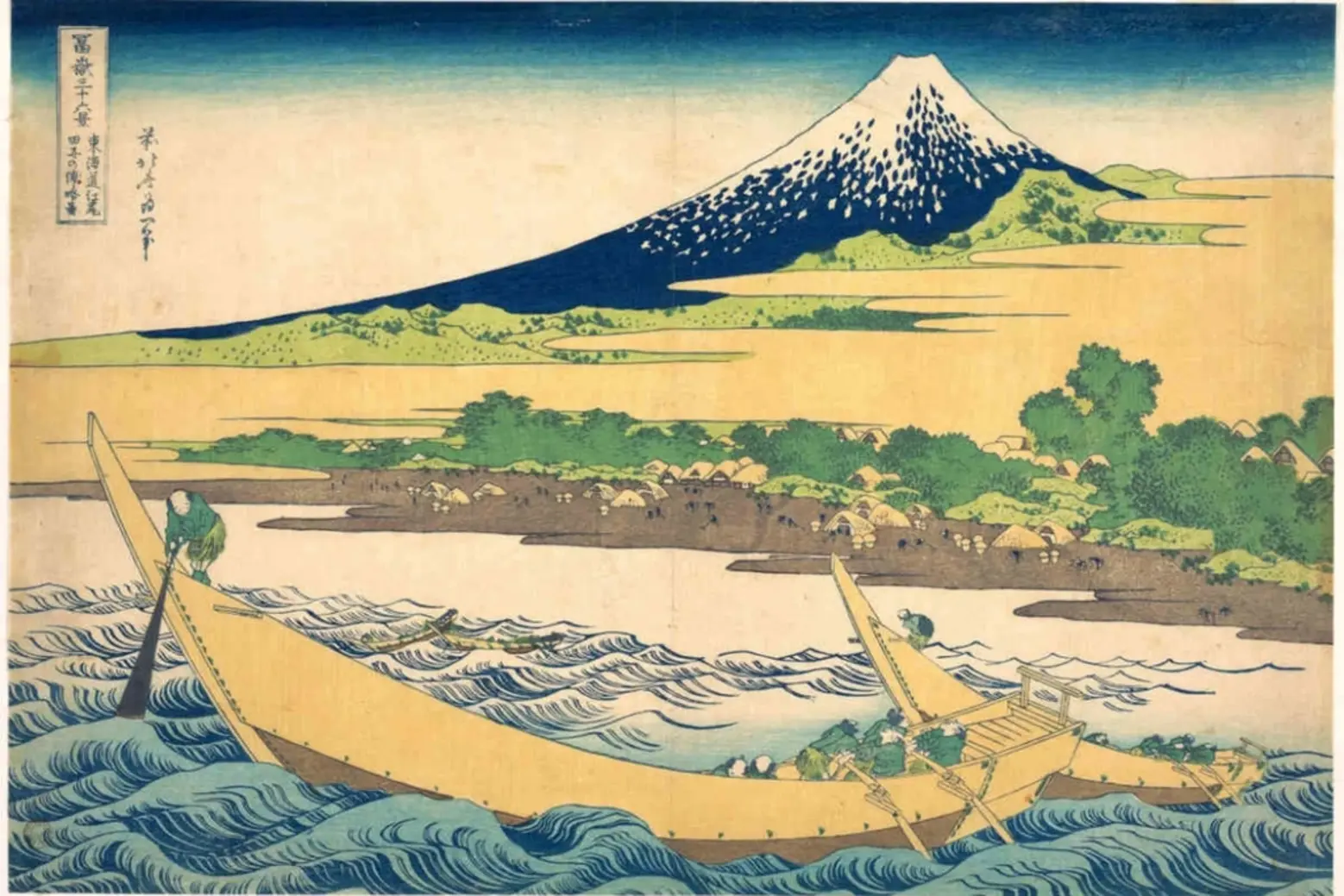
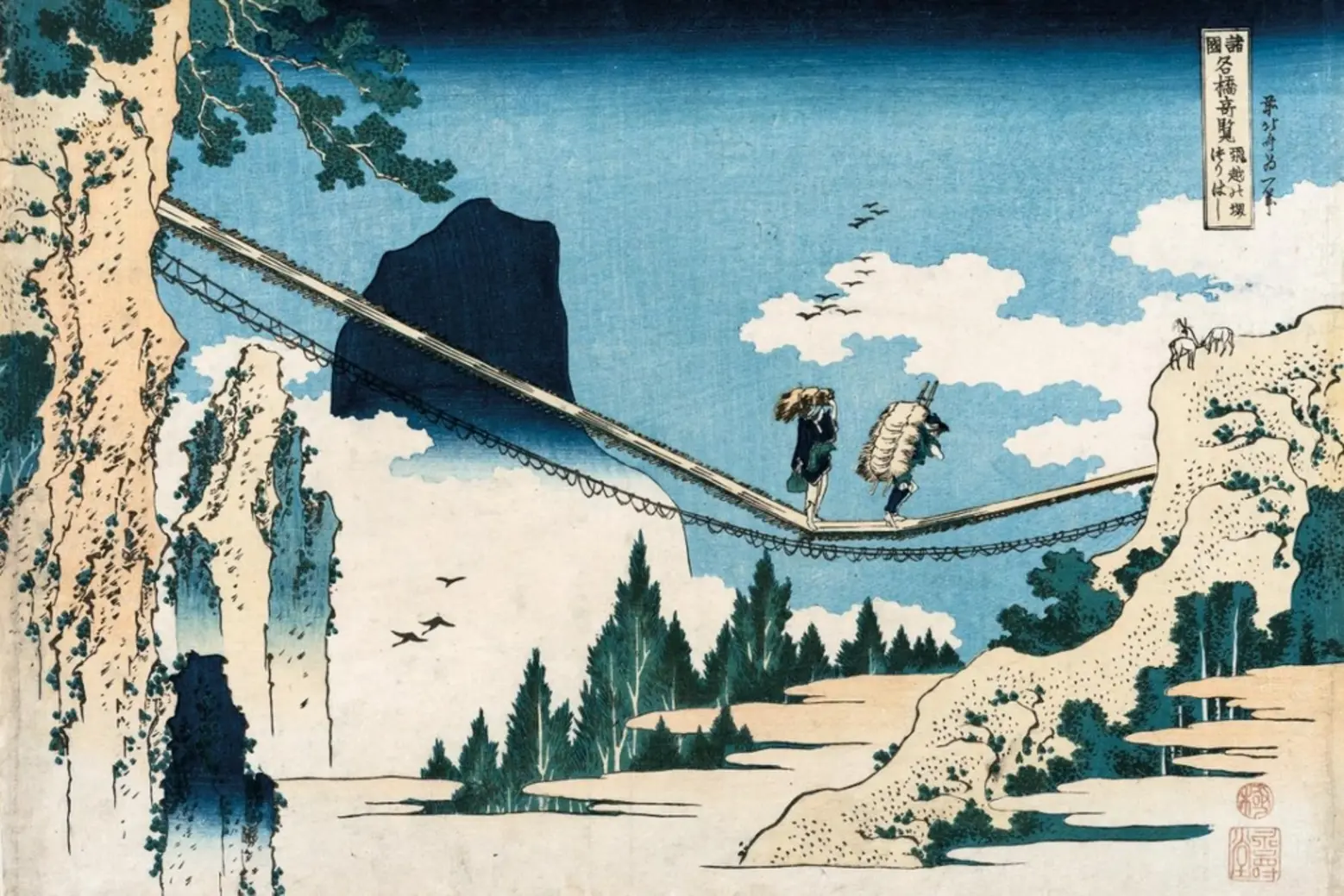
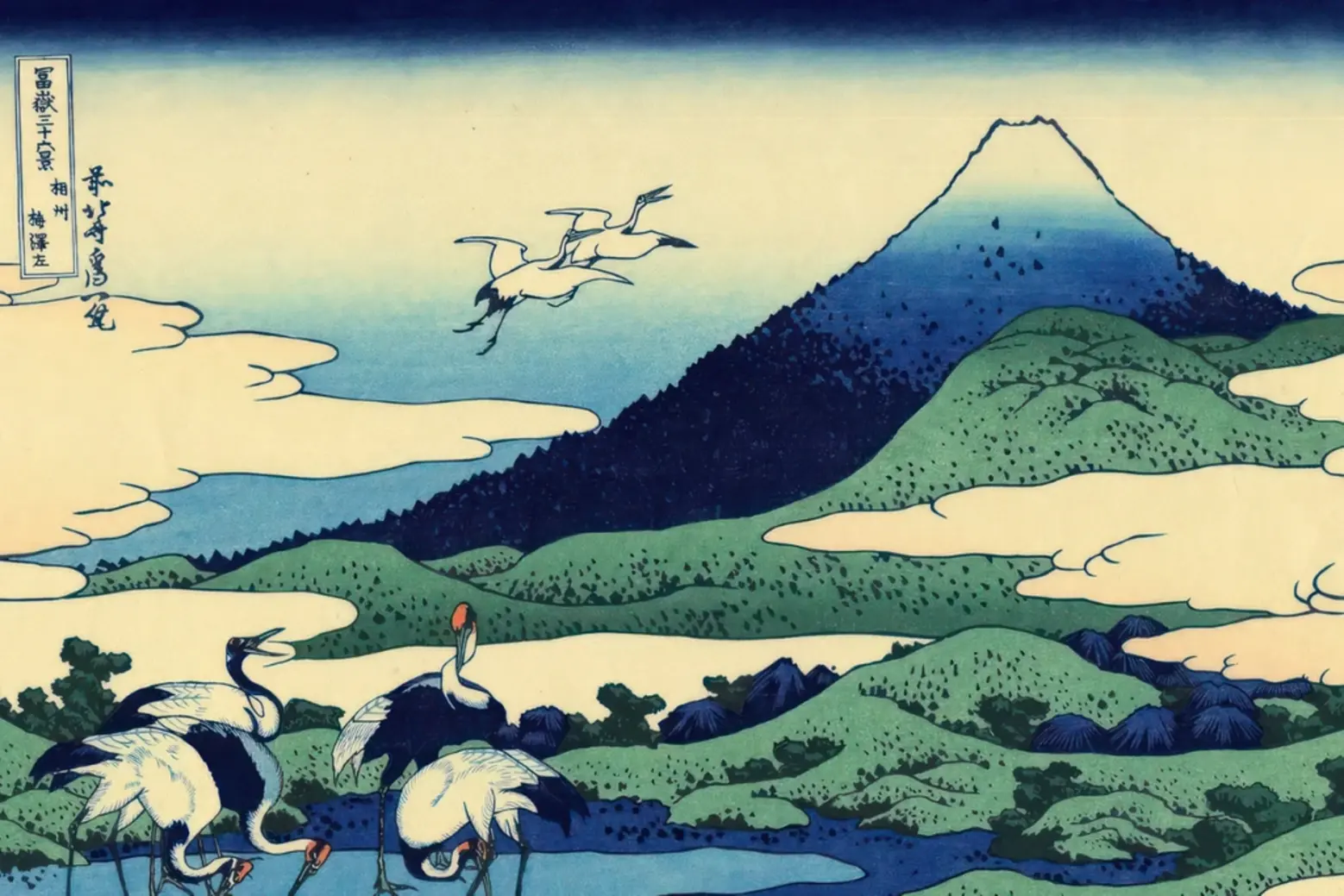
When Japan opened its ports in the 1850s, Ukiyo-e entered Europe almost by accident, tucked around exported porcelain, yet its impact was immense.
In a Western art world still shaped by the strict grammar of the French Academy, where perspective, centered composition, and naturalistic light ruled with quiet authority. Ukiyo-e offered another language entirely: Flat planes of color, daring asymmetry, and cropped edges that made a scene feel alive, fleeting, and immediate. For the Impressionists and Post-Impressionists, it opened a new path.
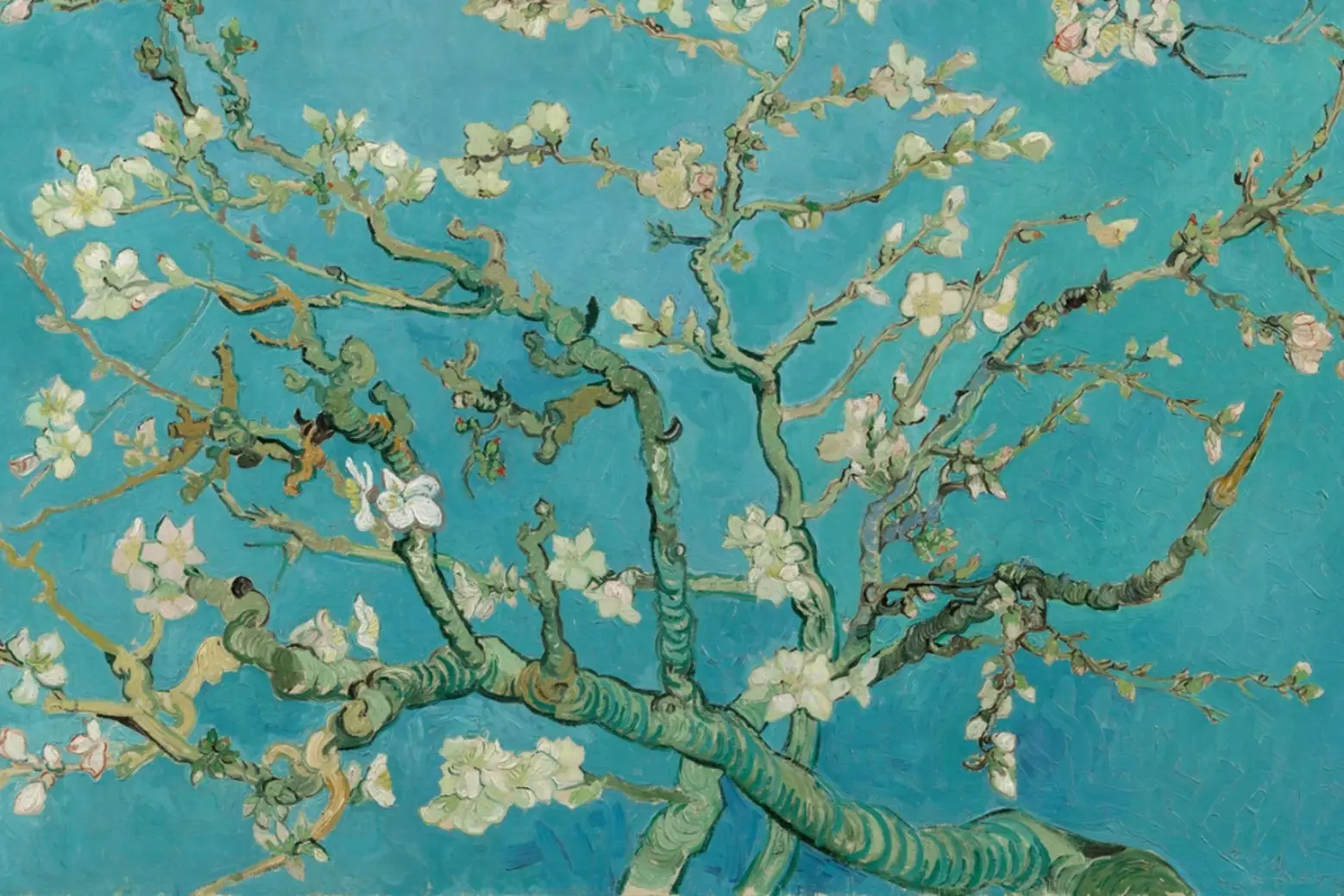
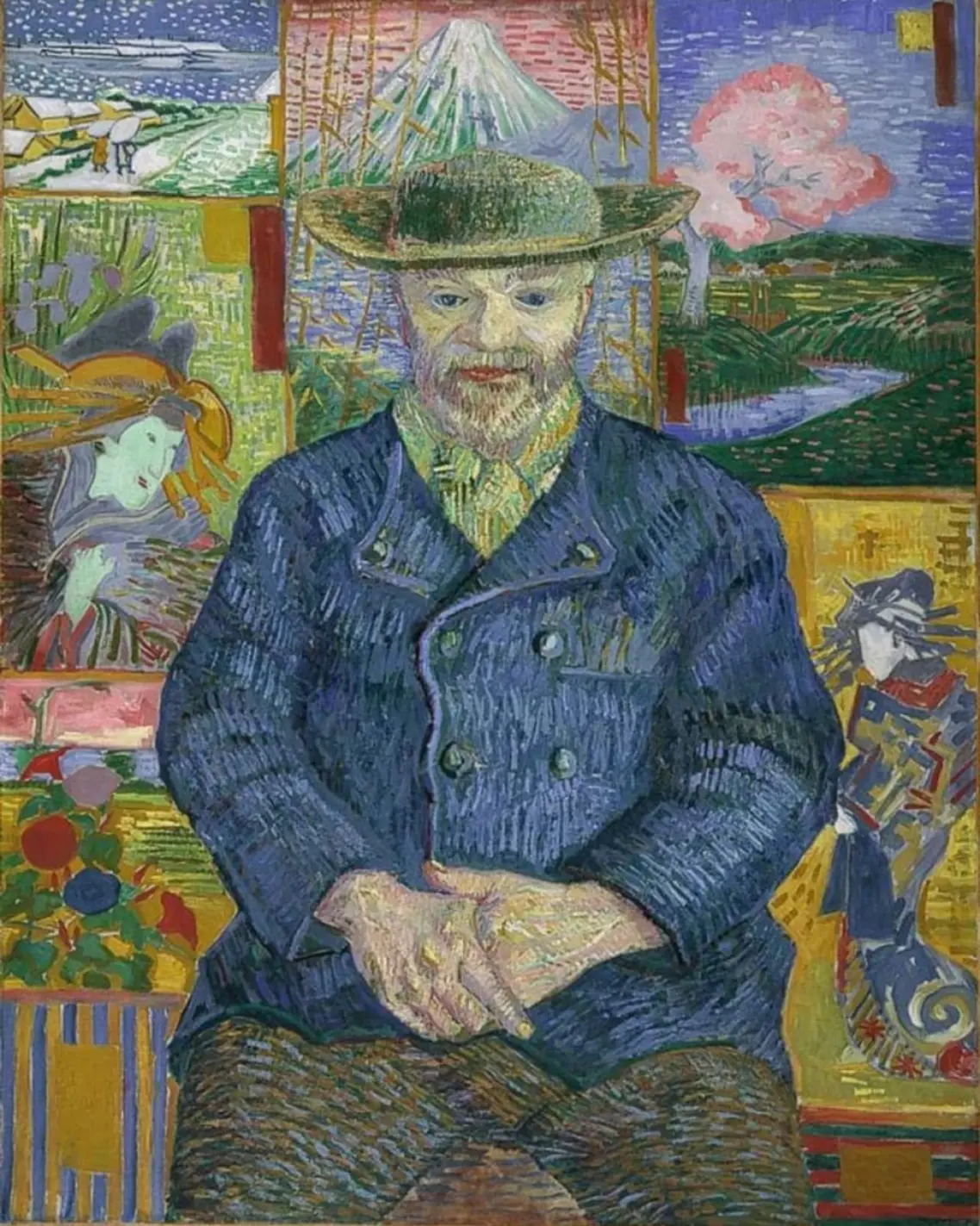
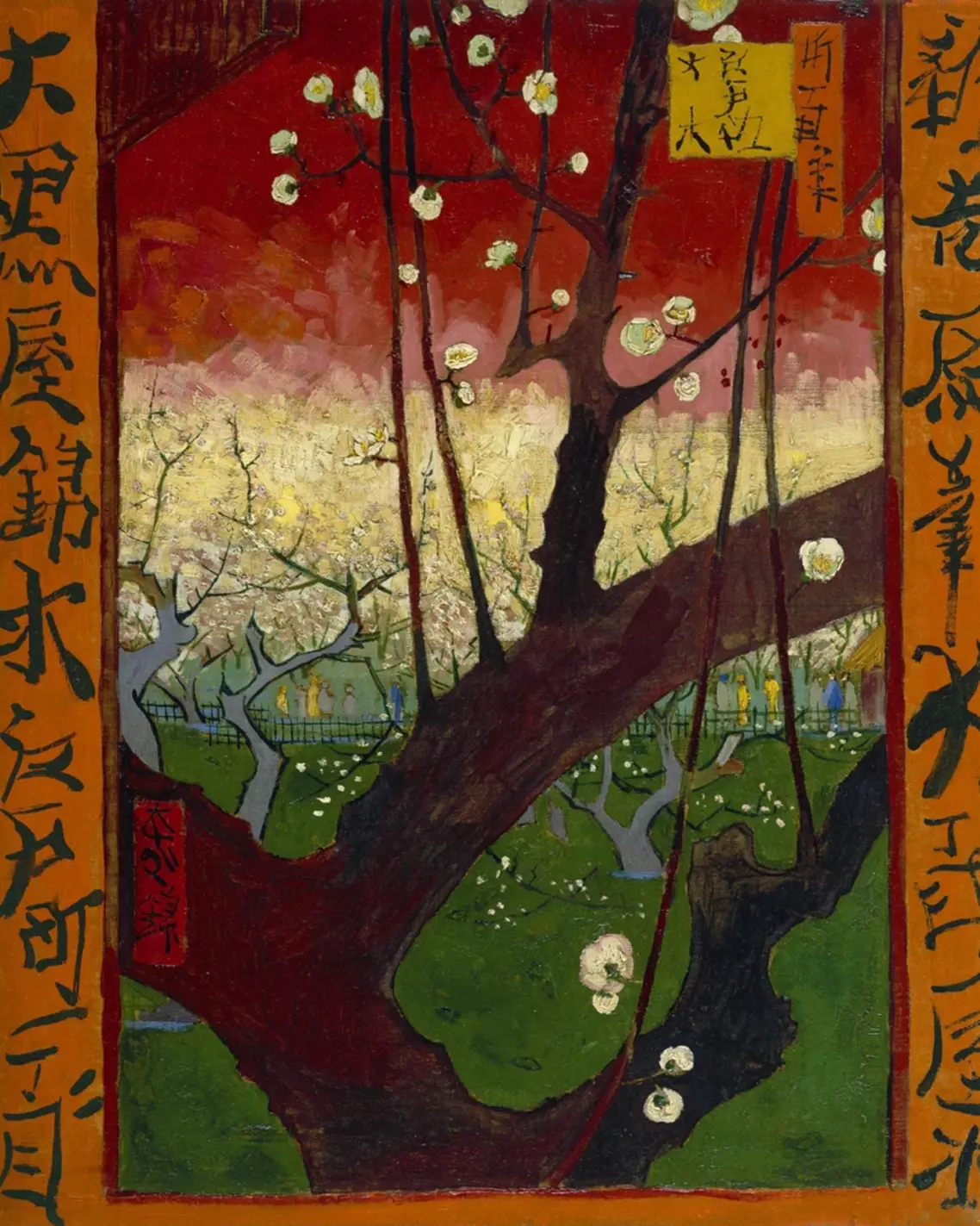
Vincent Van Gogh embraced that path with particular intensity. He collected Japanese prints passionately and found in Hiroshige’s work a chromatic freedom that reshaped his own painting. Prussian Blue deepened the air, yellow began to burn with emotional force, and color itself moved beyond description into expression. In works such as The Flowering Plum Tree after Hiroshige and Portrait of Père Tanguy, where Japanese prints fill the background like a second visual universe, Van Gogh made clear that Japanese art had entered the core of his imagination.
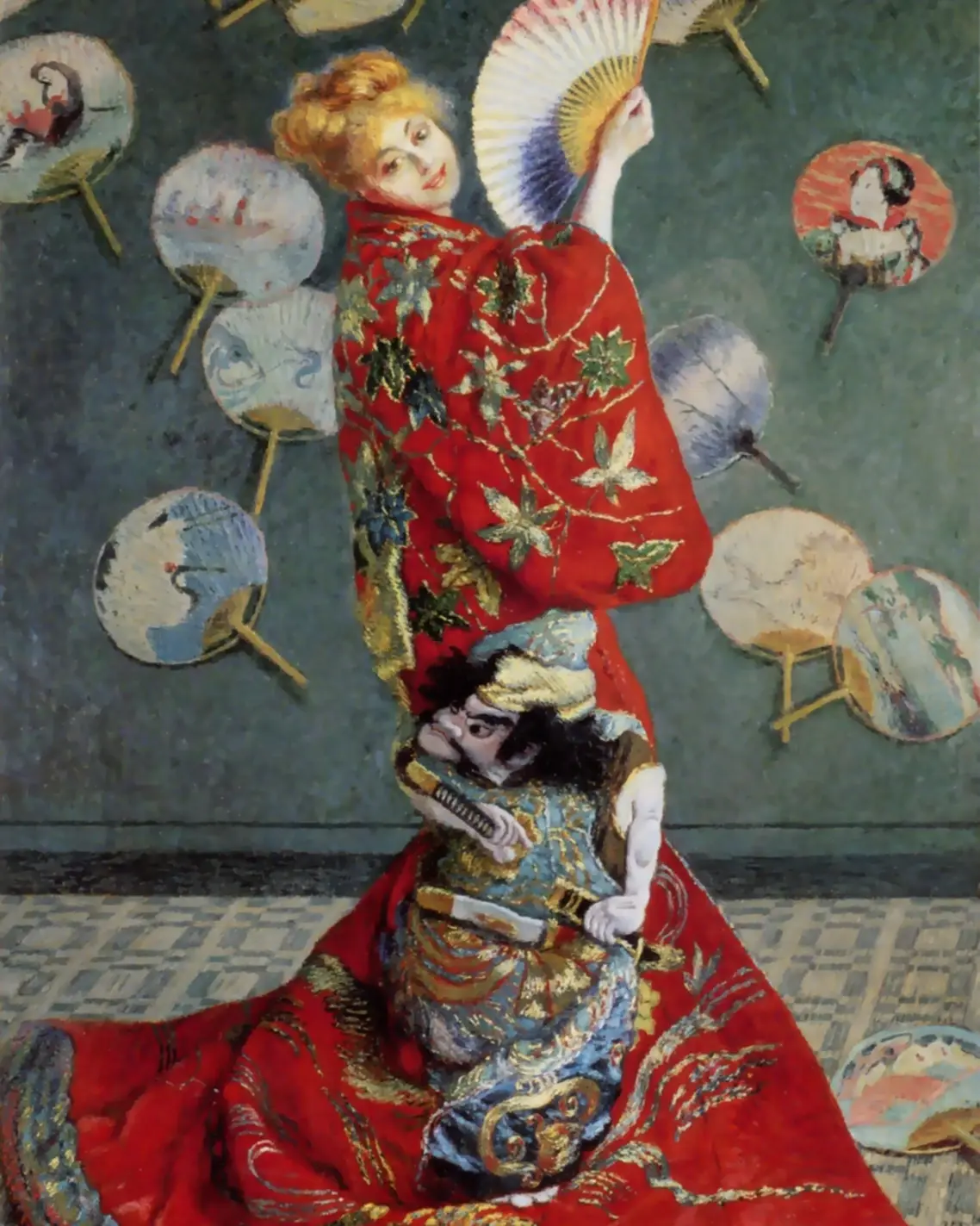
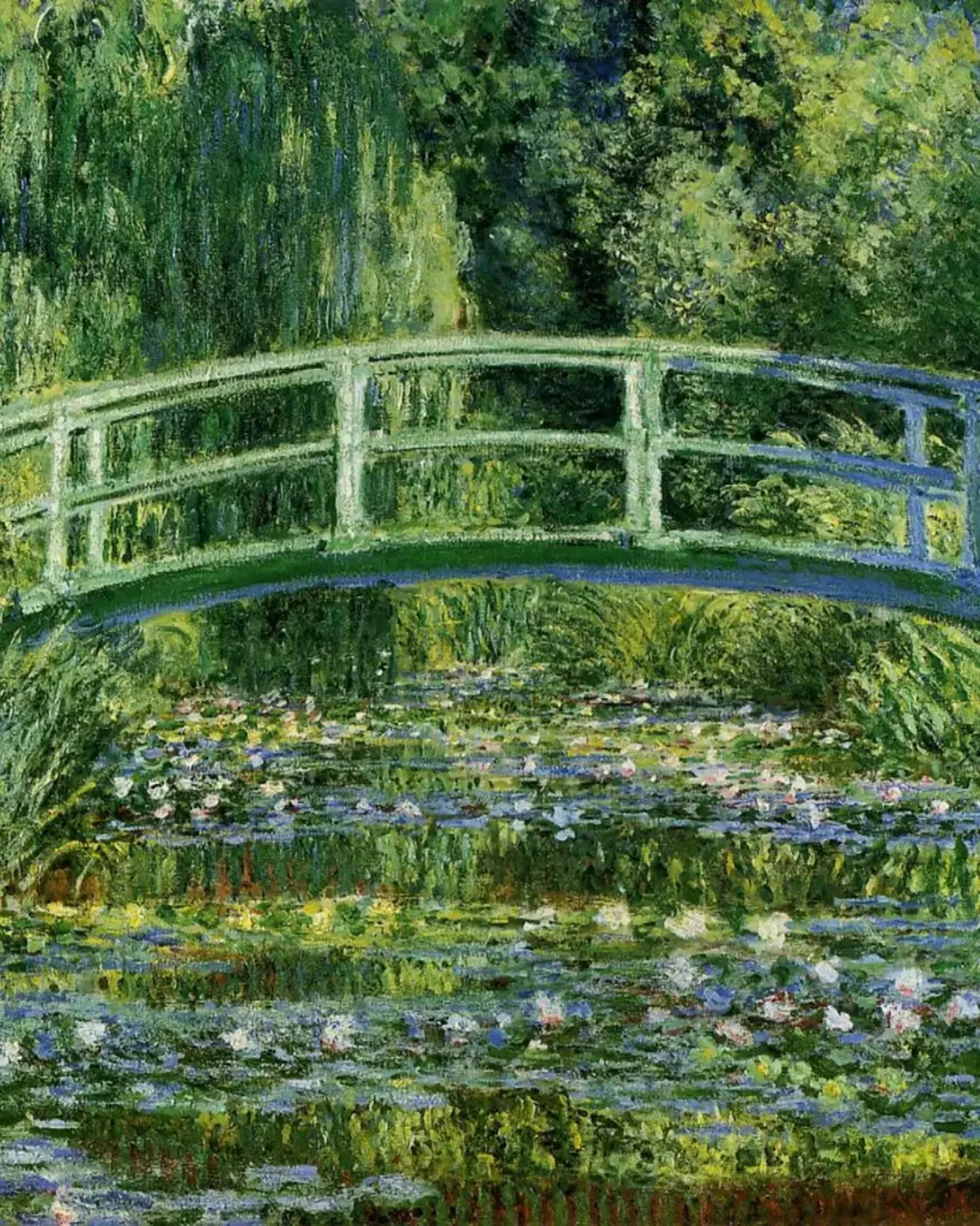
Claude Monet surrounded himself with 200 Japanese prints at the Giverny. In his Water Lilies series, Monet abandoned the traditional horizon line for a "floating" perspective, where the viewer is immersed in the surface of the water, a technique directly inspired by the flat, high-vantage points of Japanese masters. The influence is clear through La Japonaise (his wife in a red kimono) and the literal Japanese Bridge at Giverny.
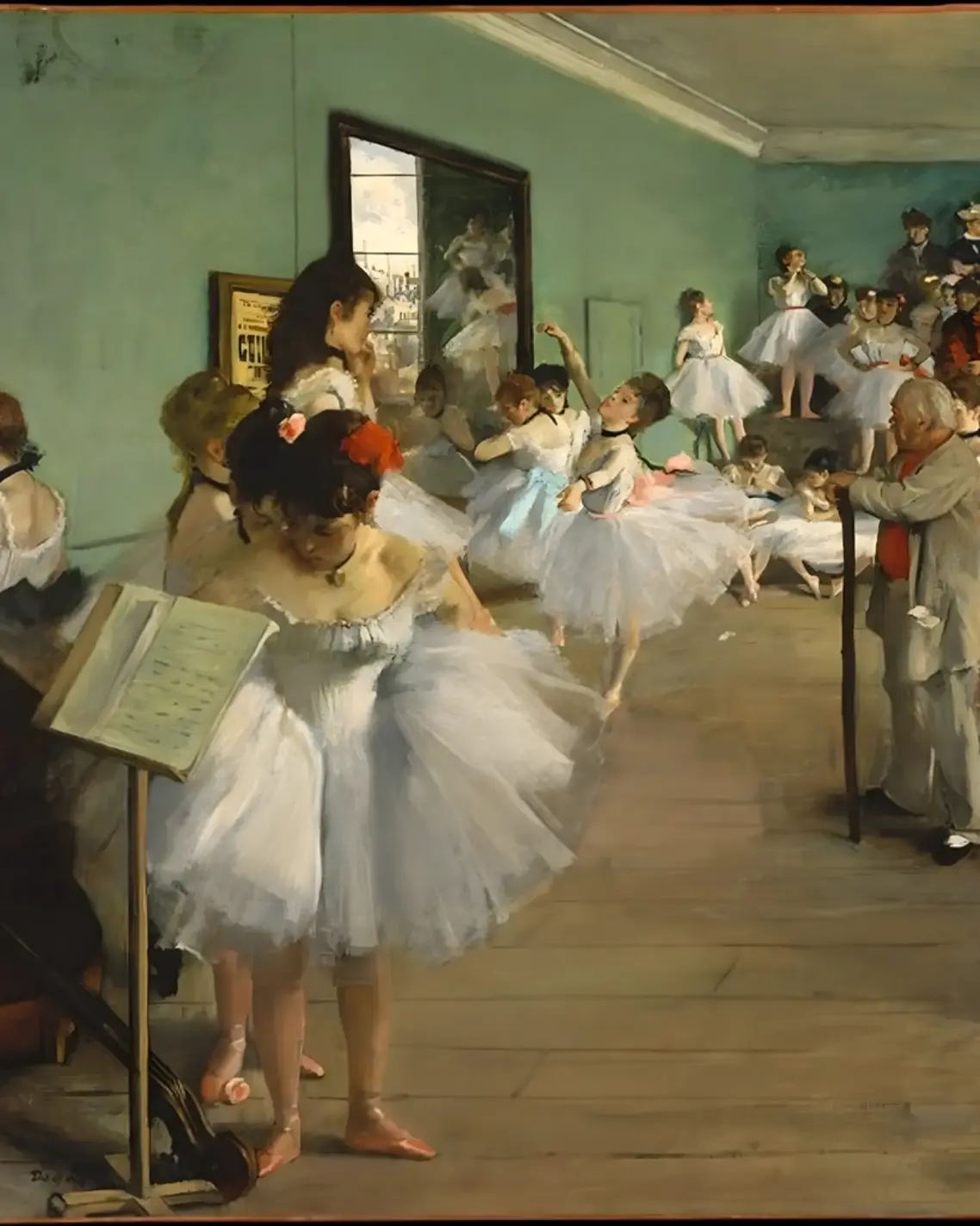
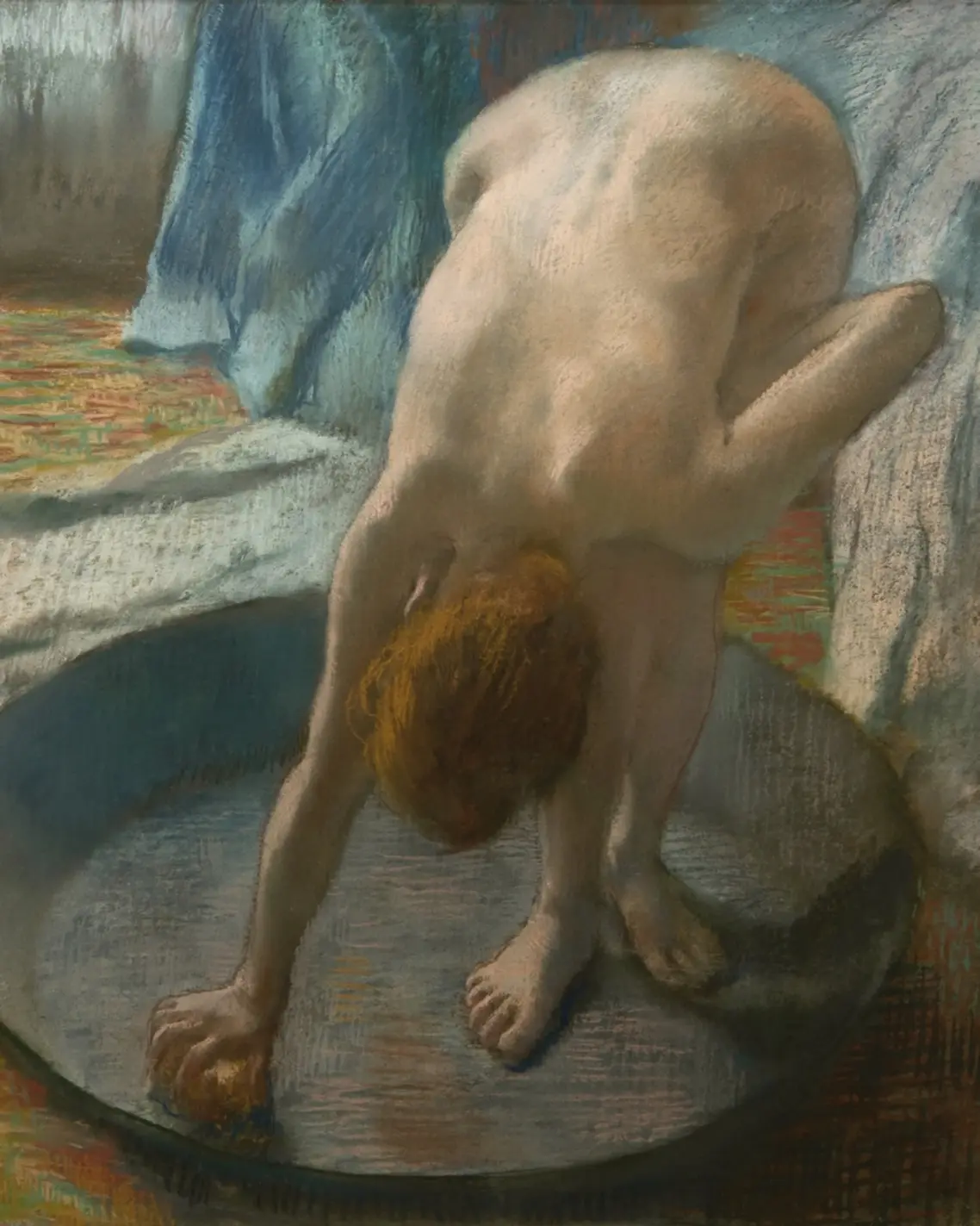
Edgar Degas, meanwhile, learned from the Hokusai Manga to free the frame. Its cropped figures, tilted angles, and off-center compositions gave him a new way to picture modern life. In works such as The Dance Class and The Tub, Degas broke the Western rule of central focus to create a sense of voyeuristic intimacy.
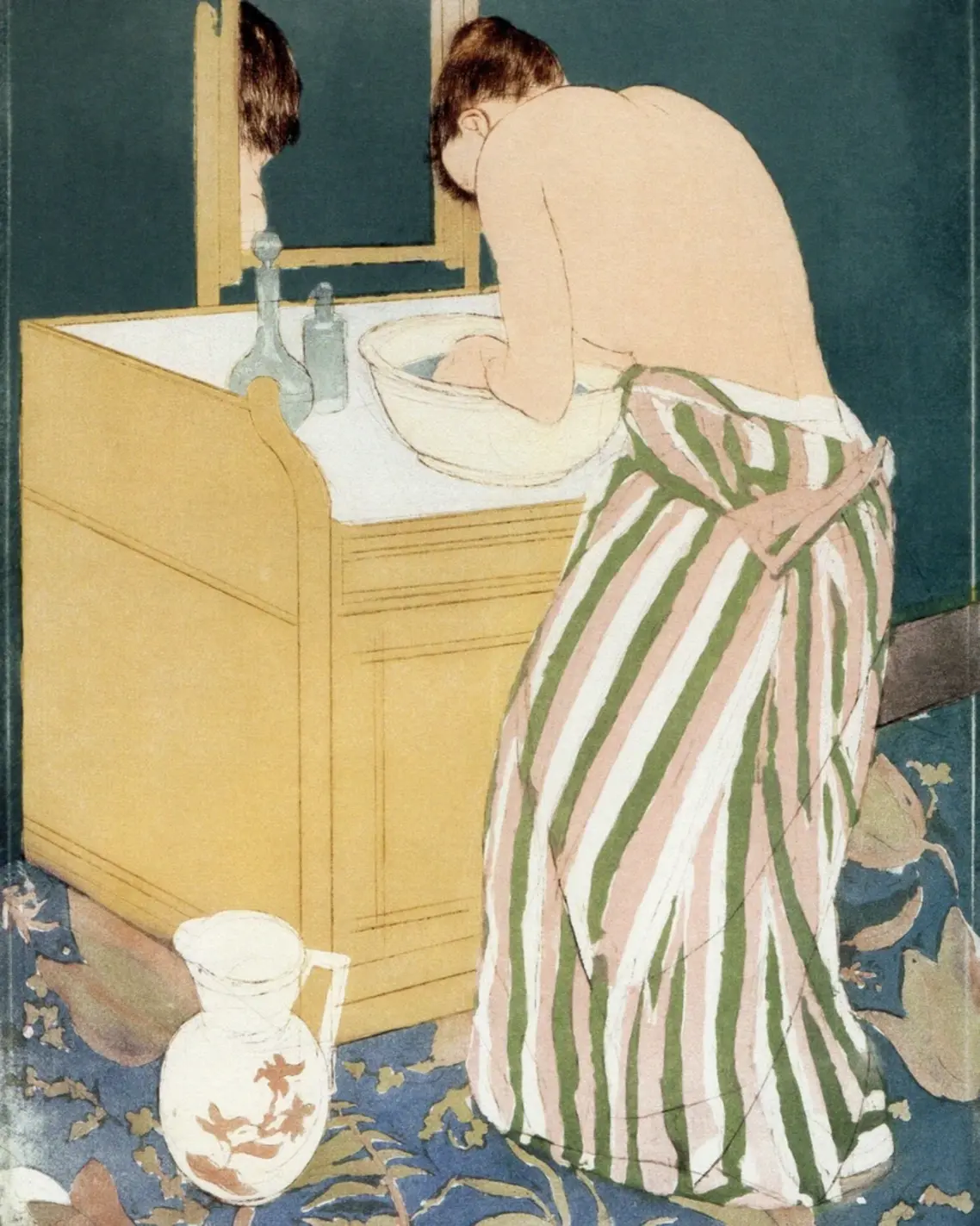
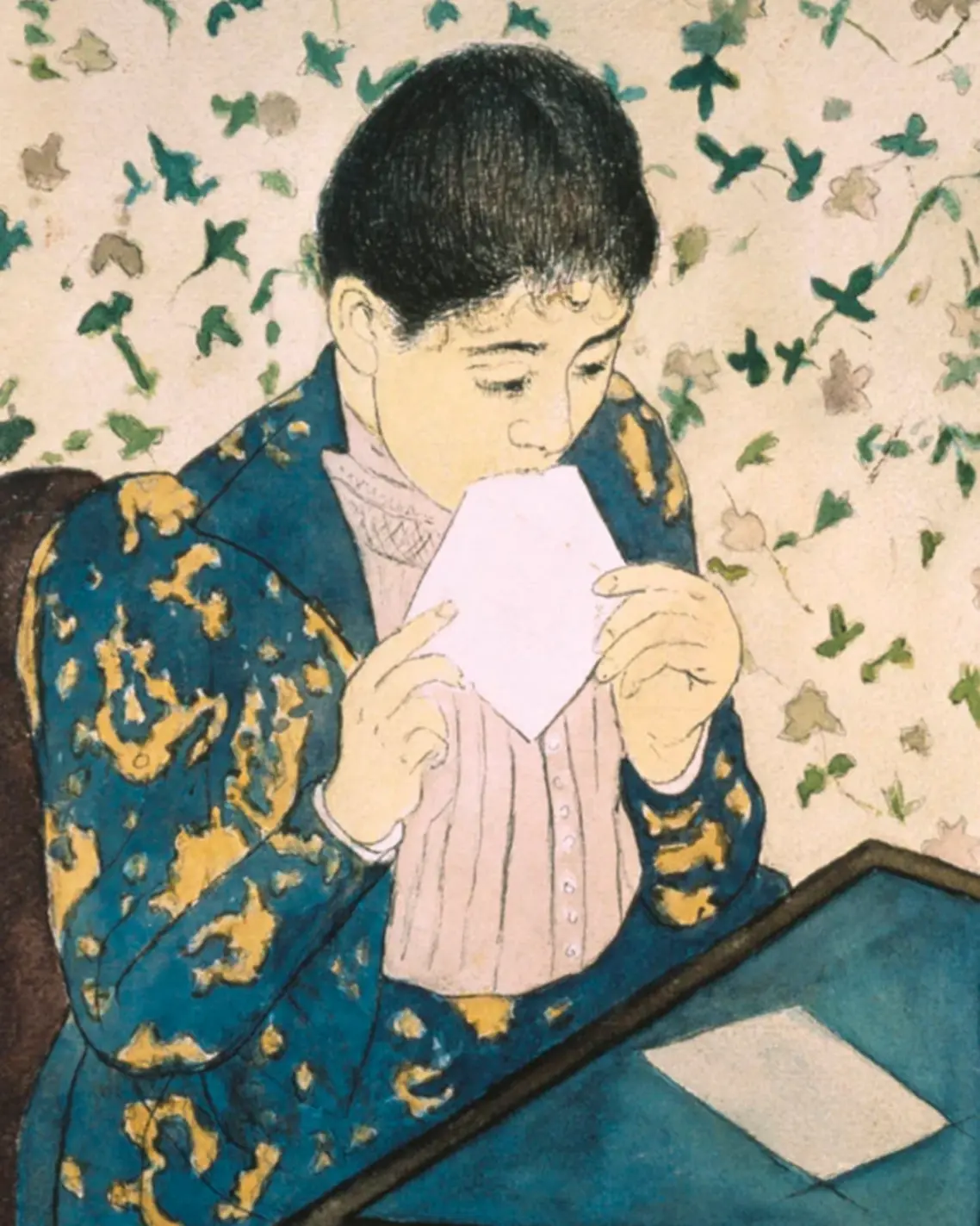
After seeing an 1890 exhibition of 700 Japanese prints in Paris, especially the Bijin-ga of Utamaro, Mary Cassatt adopted bold outlines, flat color, and a cleaner, more distilled sense of form. In works such as The Letter and Woman Bathing, domestic life gains a quiet monumentality, where everyday gestures are held with clarity, tenderness, and grace.
The French critic Philippe Burty coined the term "Japonisme" in 1872 to describe this obsession. He argued that Ukiyo-e was the first time Western artists saw a world where "shadows were abolished," allowing color and line to stand as independent emotional forces.
Today, the Floating World carries a new kind of permanence. What began as accessible art for Edo’s urban classes now moves through the gilded rooms of the world’s most prestigious auction houses.
In 2025 and early 2026, the market rose with remarkable force, turning these once-humble prints into high-stakes cultural treasures. A pristine impression of Hokusai’s The Great Wave off Kanagawa reached $2.8 million at Sotheby’s in late 2025, a price that shows how powerfully the market prizes rarity, freshness, and survival.
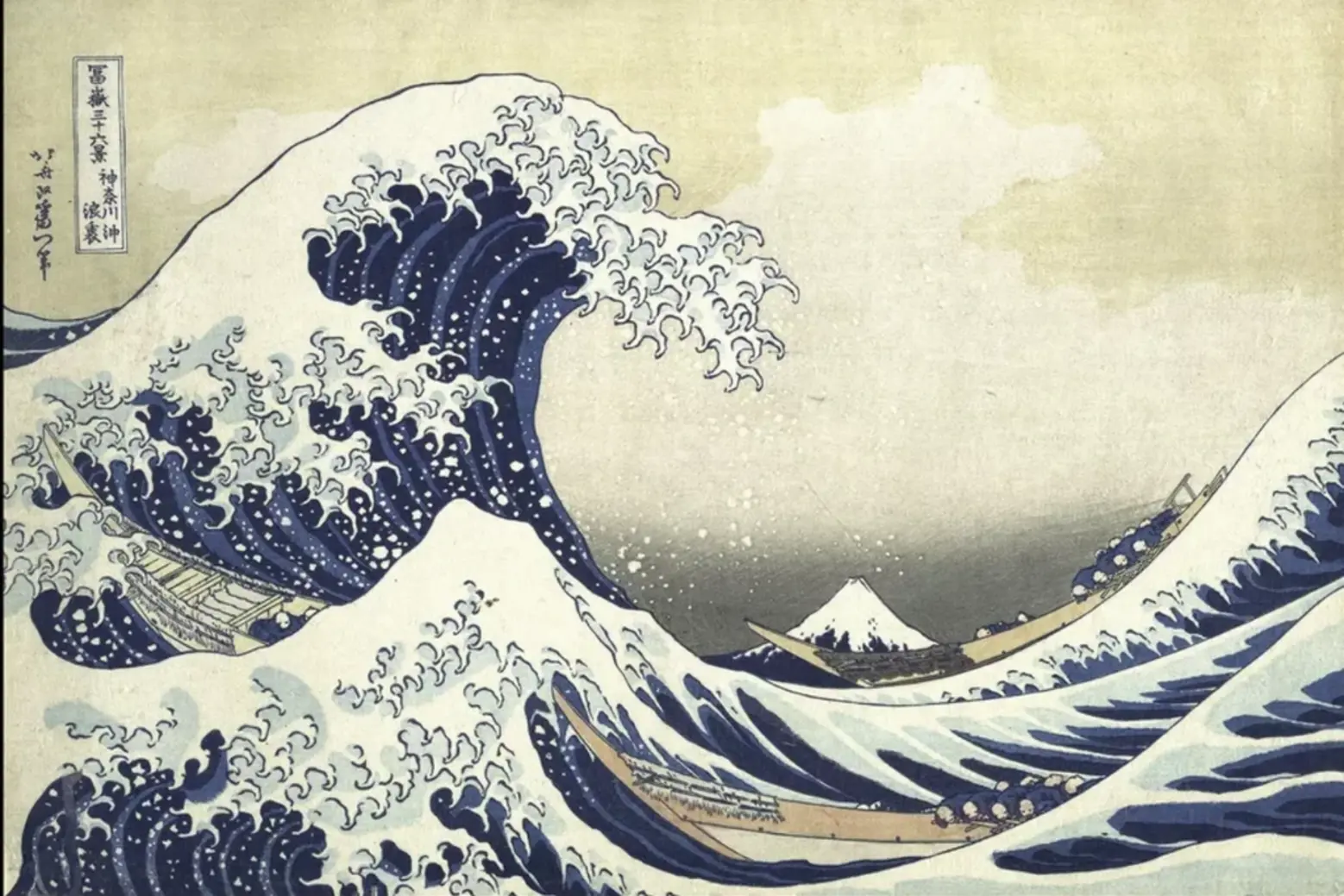
Ukiyo-e also belongs vividly to the present. Its bold contours, flat planes of color, and dynamic compositions still pulse through Manga, Anime, illustration, fashion imagery, and contemporary visual culture around the world. The Edo print simply shifted medium, scale, and audience, then continued its journey. Every image that leans into graphic clarity, asymmetry, or emotional stylization still carries something of Hokusai and Hiroshige in its bloodstream.
Even fragrance has entered this lineage. Within Hermès’s Hermessence collection, Iris Ukiyoé feels like an olfactory woodblock print. Jean-Claude Ellena imagined iris through the luminous atmosphere of Hokusai and Hiroshige, then translated that vision into scent. The spirit of Ukiyo-e is bottled into perfume. How gracefully does the Floating World renew its beauty!
Ukiyo-e found beauty in what passes: Moonlight, snow, blossoms, the poetry of the everyday. In an age crowded with speed and noise, that vision still feels luminous. True innovation, Ukiyo-e suggests, often begins with a new way of seeing.