MENU
Close





The Cannes Film Festival 2026's nomination list is looking charming. How many of these have you watched?

The Cannes Film Festival 2026's nomination list is looking charming. How many of these have you watched?
May 14, 2026


The Cannes Film Festival arrives at a telling moment for world cinema. Studios are consolidating, AI is knocking at the editing-room door, streaming has trained audiences to watch everything everywhere, and yet Cannes, theatrical old monarch that it is, has chosen to look almost defiantly handmade.
The Palme d’Or race this year feels unusually open because the field is stacked with established masters, sharp formalists, and prestige names returning to the Croisette without one obvious runaway narrative.
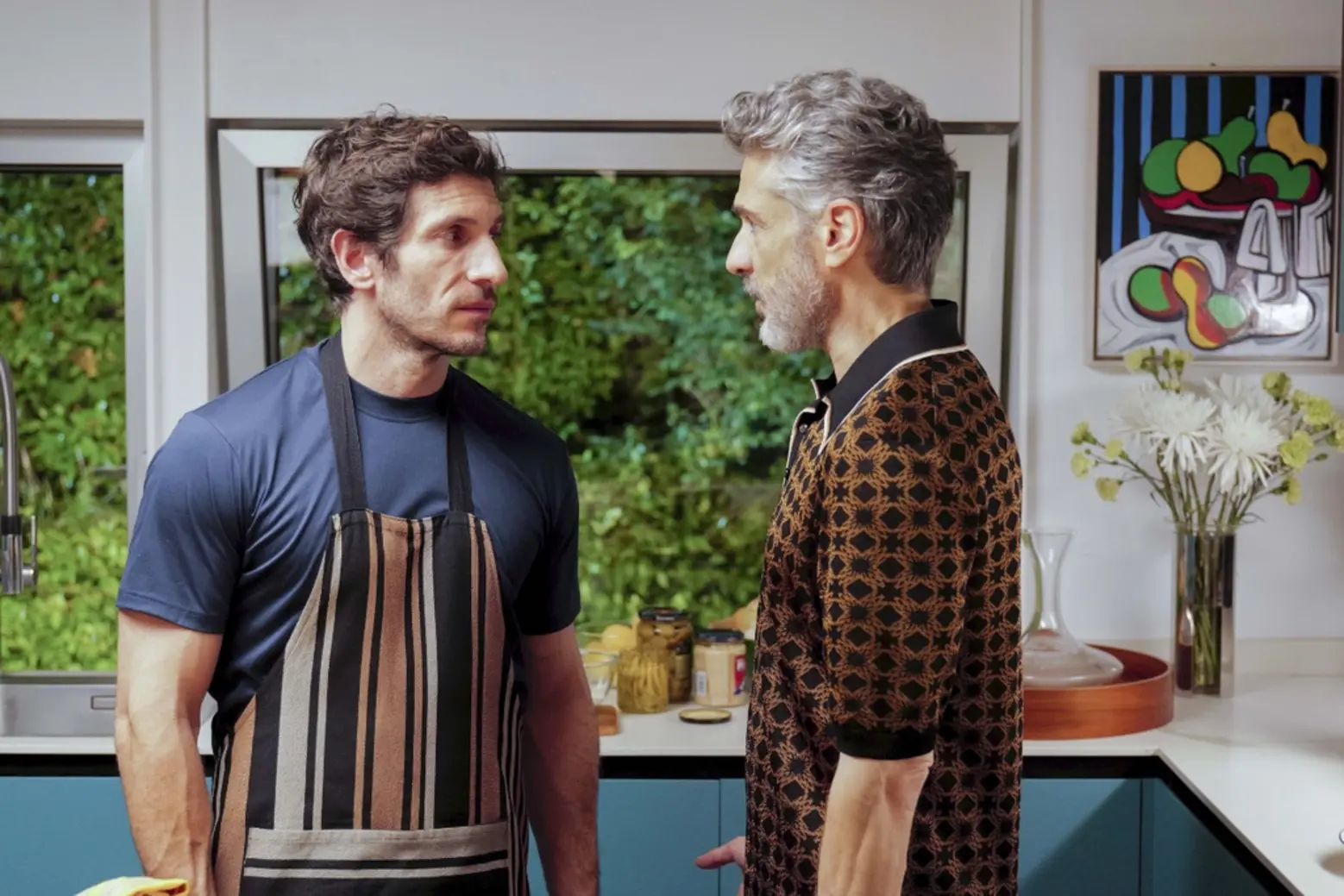
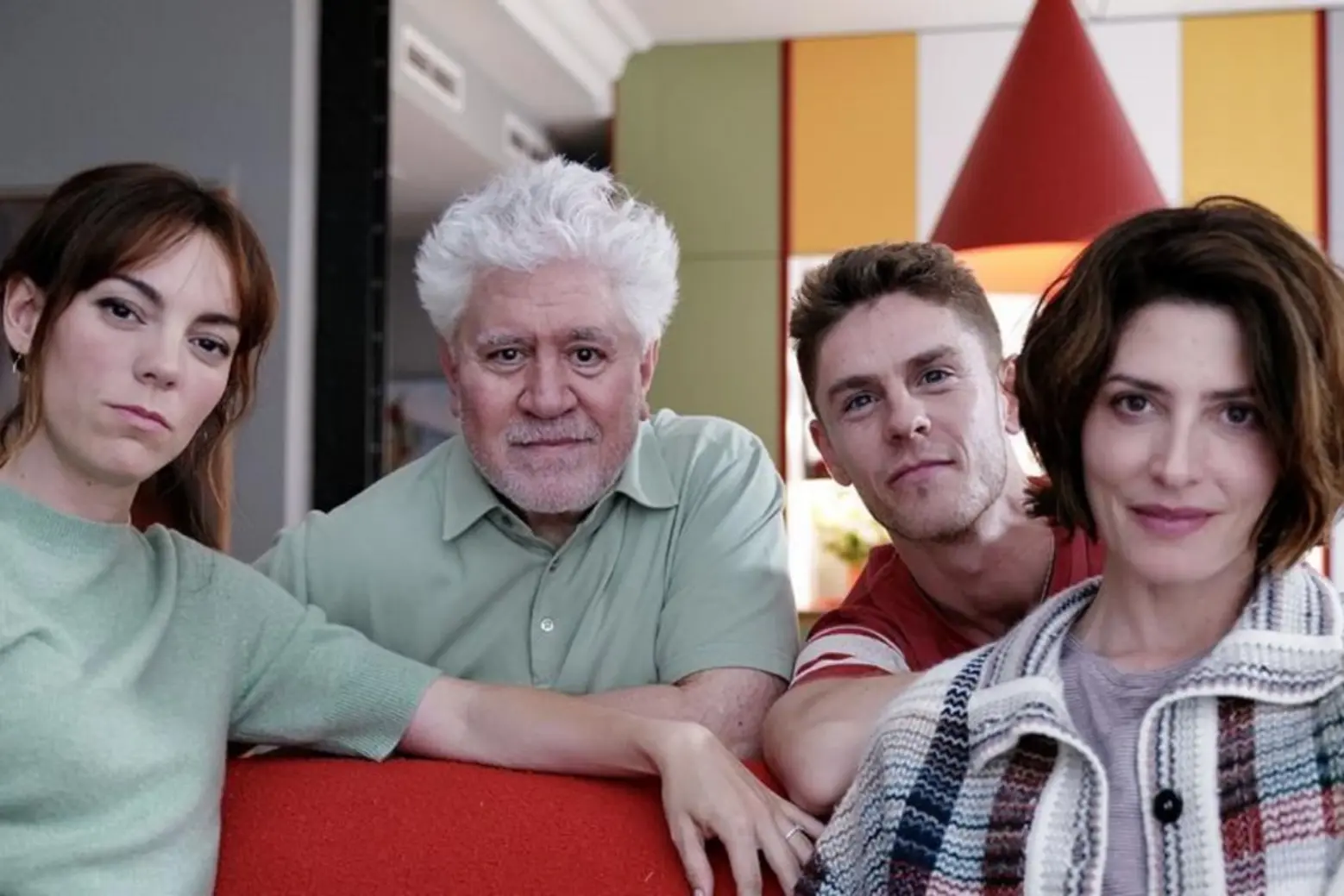
Pedro Almodóvar appears in Competition with Amarga Navidad, known in English as Bitter Christmas, bringing his taste for melodrama, color and emotional architecture into a year obsessed with aftershocks. Elsa, an advertising director, buries herself in work after her mother’s death to avoid grieving. After a mental crisis, she retreats to Lanzarote with a friend. The story runs parallel to that of a film director, exploring the thin, often painful line between real life and fiction.
Cristian Mungiu brings Fjord, following a devout Romanian-Norwegian couple who settle in a remote village. When their daughter Elia arrives at school with bruises, the tight-knit community begins to question if the parents' traditional, strict religious upbringing has crossed the line into abuse.

James Gray enters with Paper Tiger. This intense drama stars Adam Driver and Scarlett Johansson that revolves around two brothers who get involved in a "too good to be true" scheme. Their ambition leads them into the dangerous territory of the Russian mafia, causing their family bonds to disintegrate under pressure.
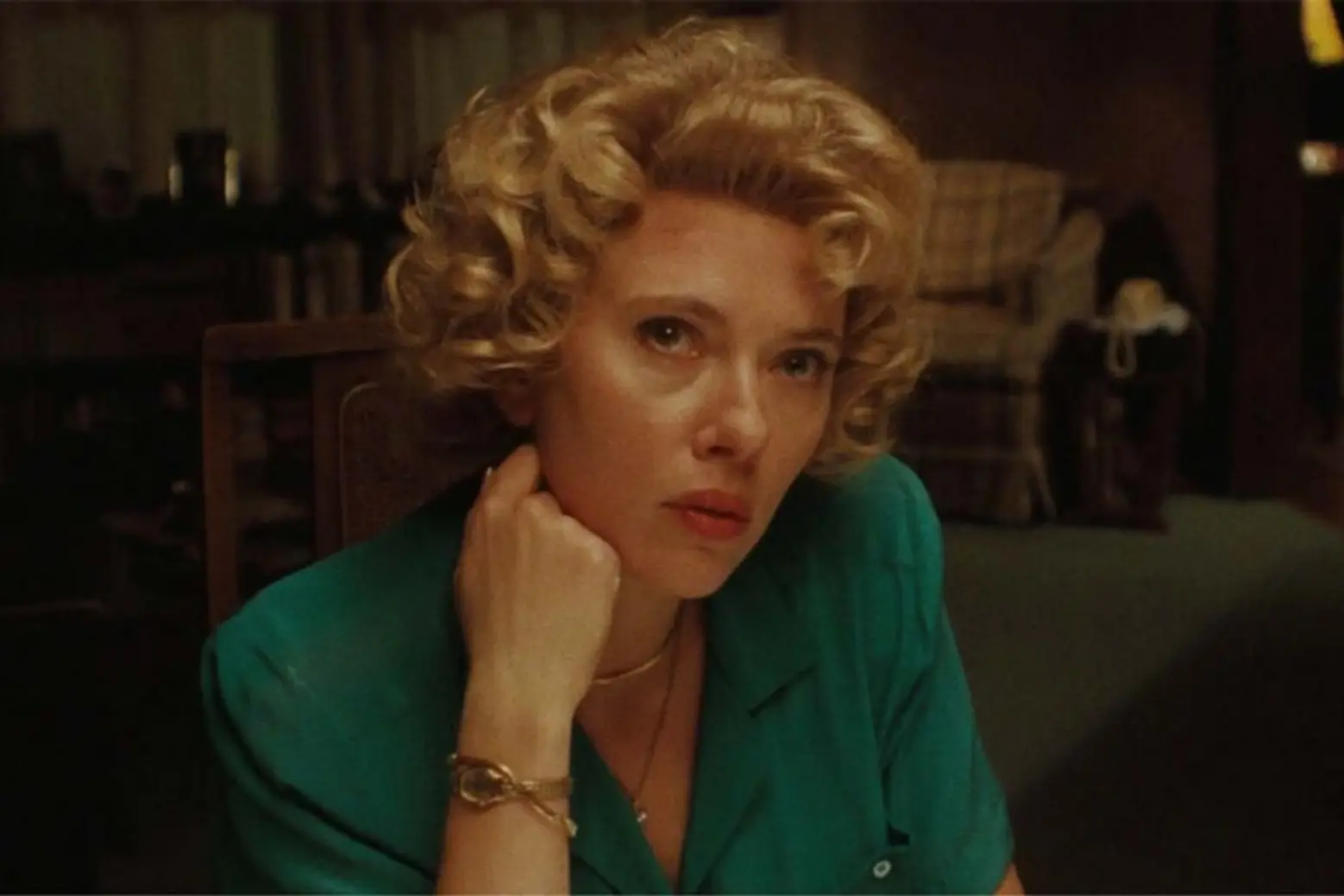
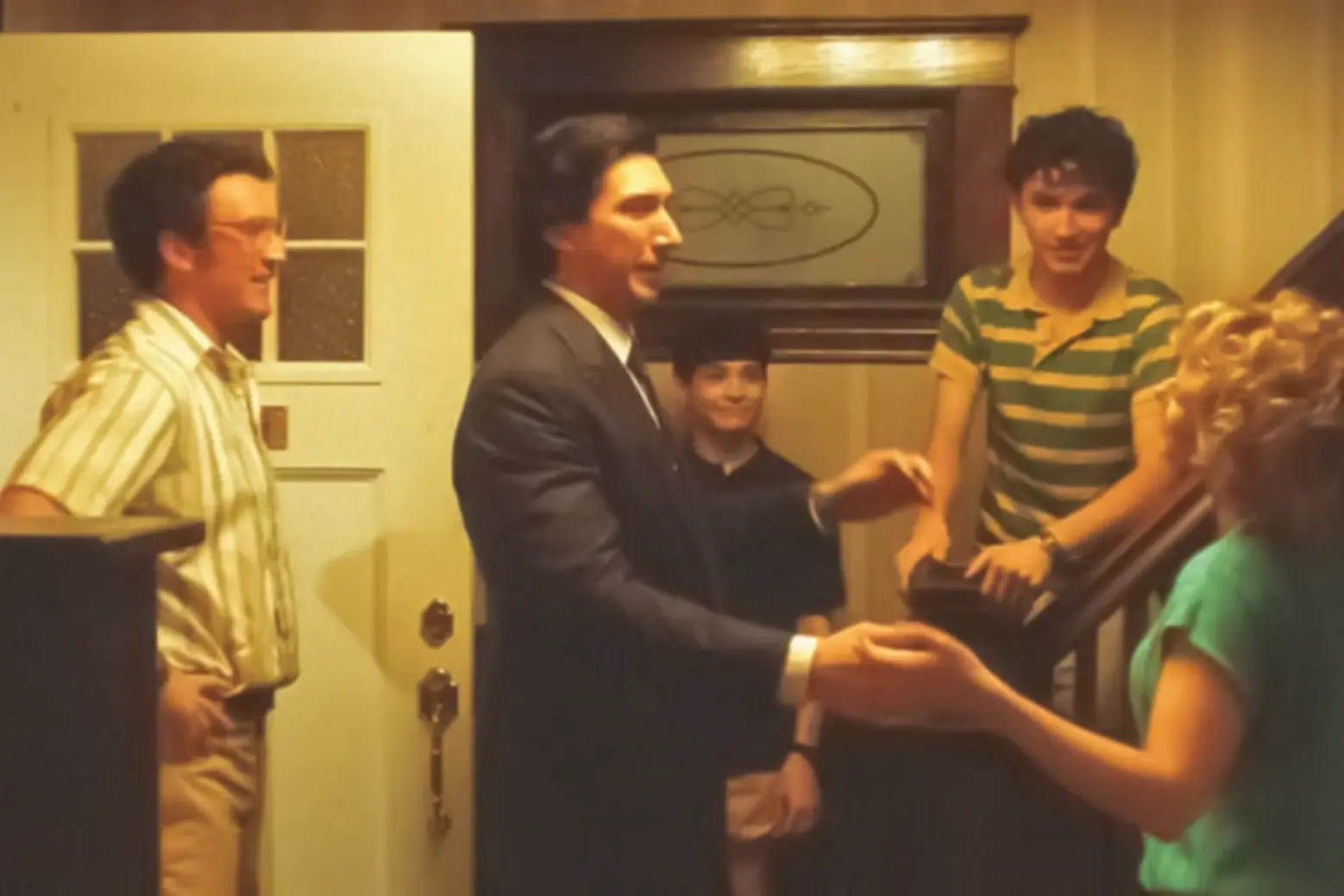
This is Cannes: A dinner party where every guest has trauma, taste, and a possible Palme speech already vibrating in the room.
The Cannes Film Festival 2026 selection reads like a map of damaged histories.
Moulin turns toward the French Resistance during Nazi occupation, placing historical conflict back inside the cinema’s moral bloodstream. This claustrophobic historical thriller is set in June 1943. It follows French Resistance leader Jean Moulin after his arrest in Lyon. The plot centers on his brutal interrogation by Gestapo chief Klaus Barbie and Moulin’s final, desperate battle to protect the secrets of Free France.

Coward by Lukas Dhont points toward masculinity, fear, survival, the desperate attempt to find beauty and escape in the midst of extreme violence. The emotional wreckage of the soldier’s body in Dhont's words follows Pierre, a young soldier in World War I, who is desperate to prove his bravery on the front lines. He meets Francis, who is organizing a theater troupe to boost morale.


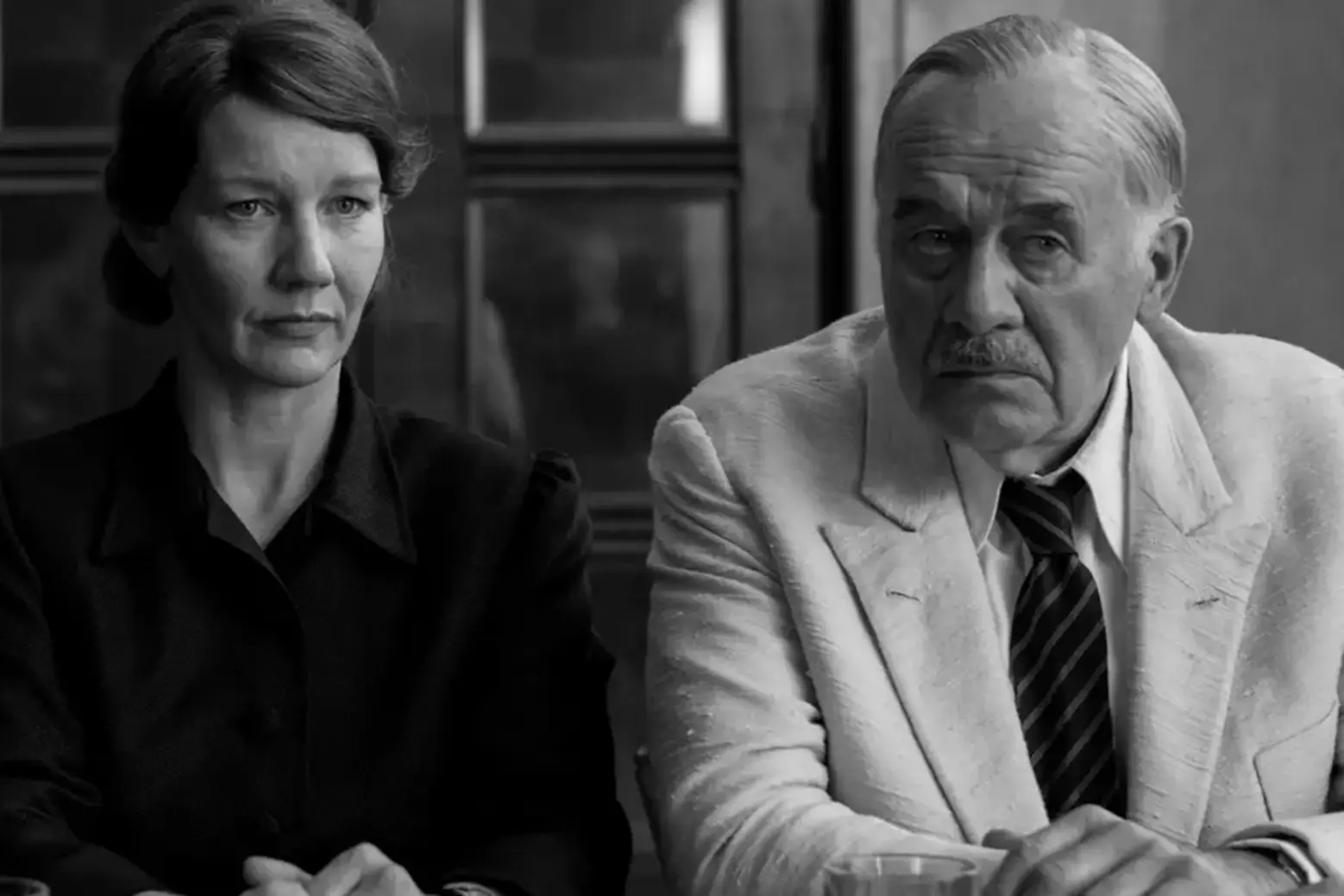
Fatherland, starring Sandra Hüller, arrives wrapped in the language of historical and personal grief, the kind of film that Cannes tends to receive with solemn attention and then argue about for days over black coffee. Even when the films move away from literal war, they appear pulled toward rupture, disappearance, inheritance and the private cost of public violence. Fatherland takes place in 1949 during the Cold War, Nobel laureate Thomas Mann and his daughter Erika return to ruined Germany after 16 years in exile. They embark on an emotional road trip in a black Buick from Frankfurt to Soviet-controlled Weimar, forcing Mann to confront both a divided nation and deep fractures within his own family.

This is where the 2026 competition becomes more than a list of major names. It becomes a diagnostic tool. Cannes has always liked to imagine itself as a cultural tribunal, a place where the world’s wounds arrive dressed in tuxedos, but this year that posture feels especially pointed. War, censorship, displacement and authoritarian memory sit close to the surface. Paul Laverty has already used the festival platform to address human rights and censorship questions, while jury conversations have touched on politics, artistic freedom and the industry’s pressure points.
The irony, delicious and uncomfortable, is that Cannes sells this seriousness through one of the most luxurious machines in culture. Red carpets, jewels, gowns, photocalls, yachts, standing ovations. The festival turns political pain into a choreography of prestige. Yet that contradiction is also its power. Cannes understands that cinema is never pure. It is art, business, soft power, nationalism, beauty, gossip, commerce and moral weather all at once. The 2026 edition seems unusually aware of that messy contract.
While Competition brings the grandmasters, Un Certain Regard keeps the festival’s stranger heart beating. The section opens with Jane Schoenbrun’s Teenage Sex and Death at Camp Miasma, starring Hannah Einbinder and Gillian Anderson, a title already engineered to sound like a midnight dare whispered by a very online ghost. Schoenbrun’s presence matters because Cannes has spent years trying to court new cinematic languages without seeming desperate for youth culture, and this kind of indie-horror entry gives the festival a way to flirt with genre, identity and digital-age anxiety while maintaining its curatorial authority.

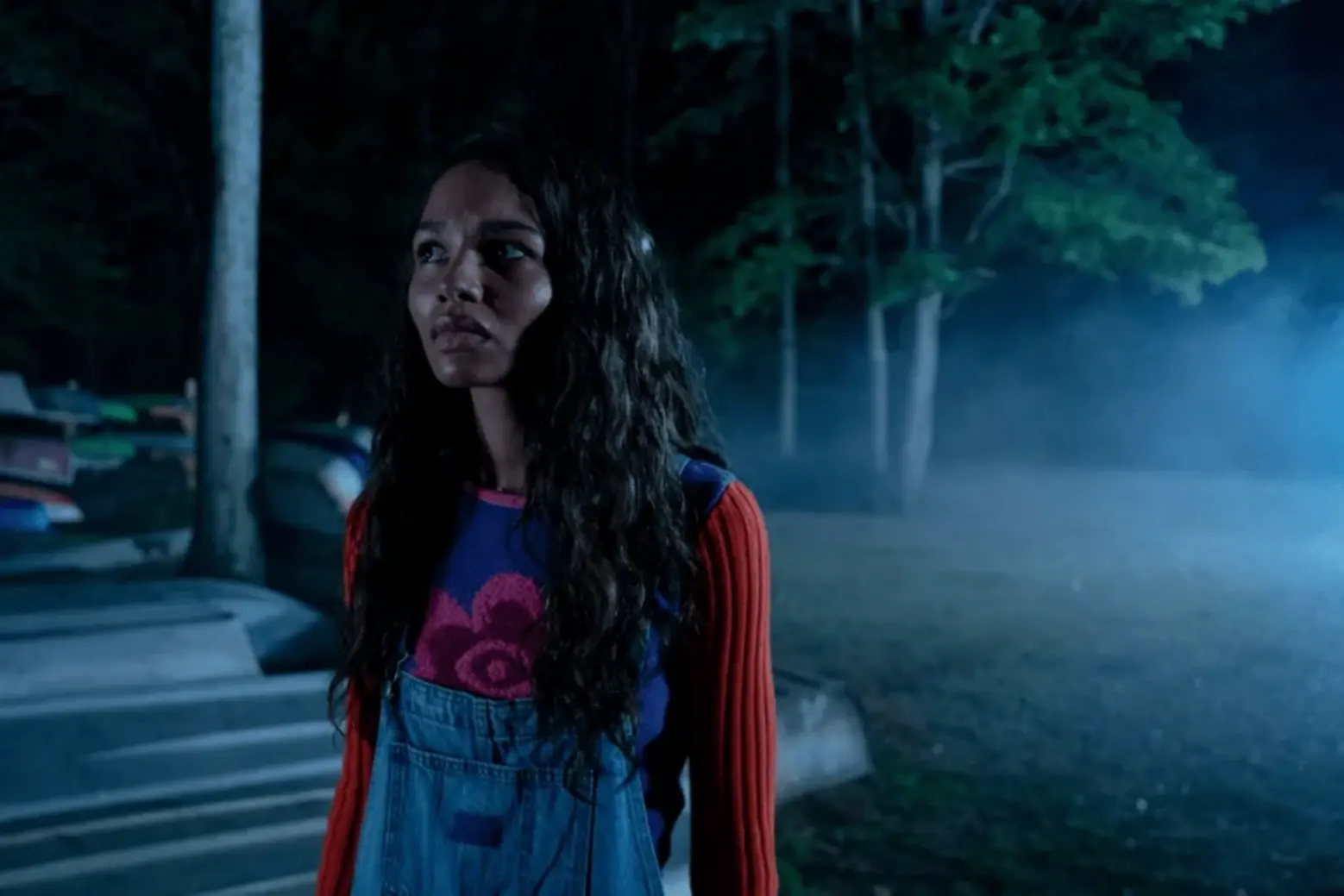
The official Un Certain Regard lineup also includes Rakan Mayasi’s debut Yesterday the Eye Didn’t Sleep, Laïla Marrakchi’s La Más Dulce, Manuela Martelli’s El Deshielo, Judith Godrèche’s A Girl’s Story, Zachary Wigon’s Victorian Psycho and other discovery-driven titles.


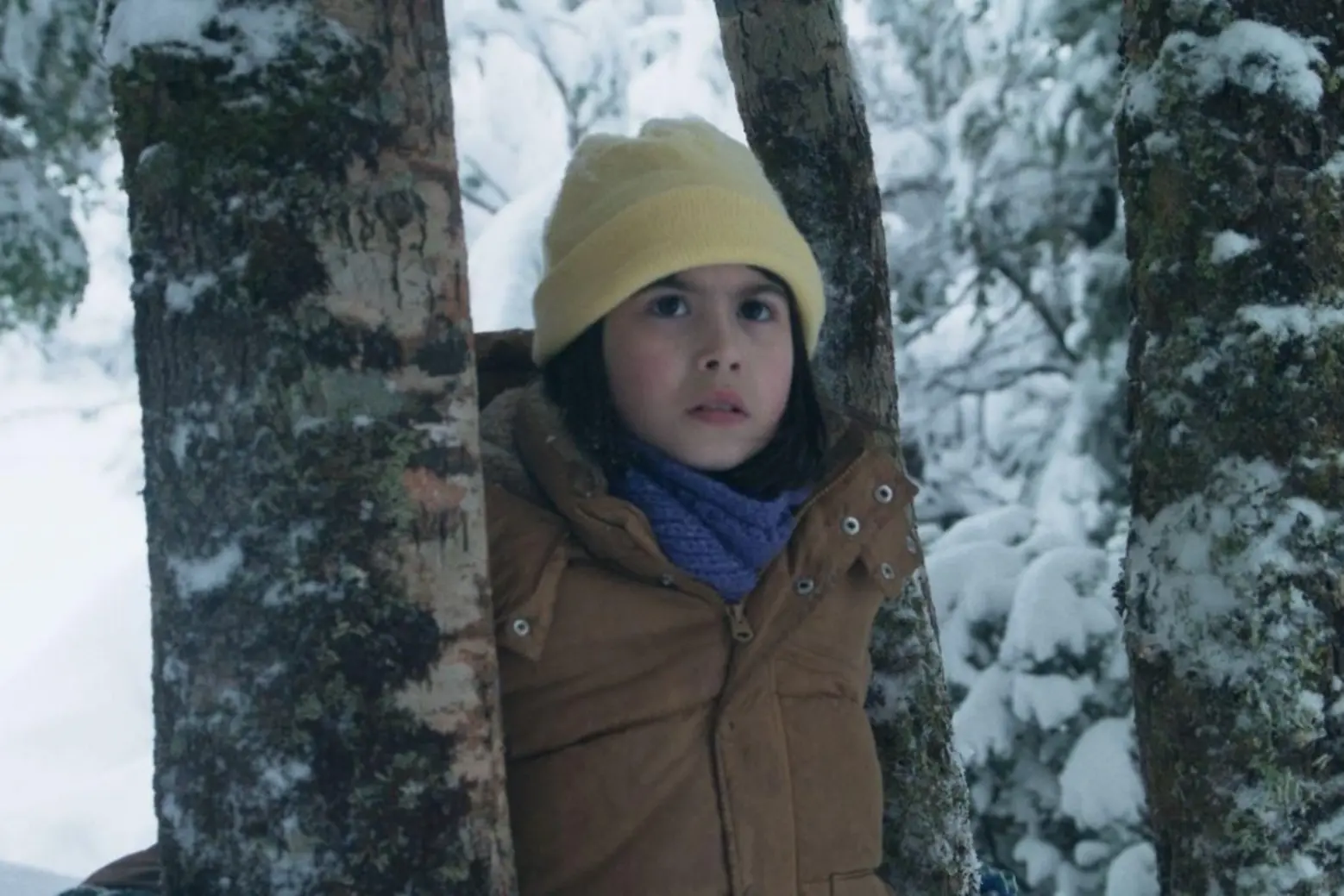
This section often reveals what the main competition is too ceremonious to say out loud. If Competition is Cannes in a tailored suit, Un Certain Regard is Cannes leaning closer and admitting it likes the weird stuff too. In 2026, that weirdness feels global, political and bodily. La Más Dulce, translated as Strawberries, focuses on exploitation among strawberry pickers in Spain, giving labor and desire an agricultural edge.

Yesterday the Eye Didn’t Sleep follows a disappearance in Lebanon, suggesting a cinema of absence, surveillance and unresolved grief. These are the films that may lack the instant headline power of Almodóvar or Kore-eda, but they often carry the festival’s freshest nerve endings.

Artificial intelligence is another ghost moving through Cannes Film Festival 2026, although it appears less as a single film trend and more as a cultural fever. Demi Moore, speaking as a jury member, argued that the industry has to engage with AI rather than treat resistance as a winning strategy, while still emphasizing that technology cannot replace the human spirit at the center of art. That sentiment captures the industry’s current mood perfectly: Fascination dressed as dread, dread disguised as pragmatism.
The wider Cannes ecosystem is also formalizing this conversation. The Marché du Film’s Cannes Next programme is hosting an AI for Talent Summit on how AI is reshaping filmmaking and content, while Cannes Lions, the separate advertising and creativity festival held in June, has introduced rules requiring entrants to disclose AI use in work or entry materials. The detail matters because Cannes Film Festival and Cannes Lions are separate events, but together they reveal the same cultural anxiety: Everyone wants the speed and spectacle of AI, while everyone also wants proof that the soul of the work came from a human being.
The heated argument about whether AI could replace the emotional capacity of humans is explored in Hirokazu Kore-eda's Sheep in the Box. In a near-future setting, a couple grieving the loss of their young son decides to bring a humanoid into their home. The robot is designed to perfectly replicate the voice and appearance of their late child, challenging the boundaries of memory and human connection.


By the time the Palme d’Or is announced on May 23, the winner may be a masterwork, a surprise, a political statement, or a jury compromise that sends critics into their favorite sport: Theatrical disagreement. But the broader story of the Cannes Film Festival 2026 already has shape. This is the year Cannes lowered the volume of Hollywood noise and amplified the difficult middle frequencies: Grief, war, memory, authorship, technology, labor, history and the fragile human oddness that still makes cinema worth defending.