MENU
Close





Born in the aftermath of World War I, Art Deco transformed fear, speed, and technological change into a glittering visual language of symmetry, luxury, and modern desire.
Born in the aftermath of World War I, Art Deco transformed fear, speed, and technological change into a glittering visual language of symmetry, luxury, and modern desire.
April 29, 2026


Long been reduced to a shorthand of flapper aesthetics, polished Jazz cocktail culture, Manhattan skylines, and the gilded fantasy of The Great Gatsby, the movement was far more expansive than a decorative mood or a fashionable surface. It was the first truly international design style of the modern age, a visual system that traveled effortlessly from architecture to jewelry, from posters to ocean liners, from cinema sets to vanity cases.
Art Deco was born from a moment of rupture. Europe had survived the devastation of war, yet the emotional atmosphere of the 1920s remained charged with uncertainty, longing, and restless reinvention. In that climate, design became a cultural coping mechanism, a way to turn instability into glamour and to give modern life a language of confidence. Where earlier styles had leaned into nature, handcraft, and decorative softness, Art Deco embraced the sharpened rhythm of the new century. It preferred symmetry to fluidity, speed to nostalgia, polish to sentimentality. The modern world had arrived.
Its official debut came at the 1925 Exposition Internationale des Arts Décoratifs et Industriels Modernes in Paris, the event from which the movement would later take its name. The style drew together a rich and often contradictory mix of influences: The fractured geometry of Cubism, the color daring of Fauvism, the streamlined imagination of industrial design, and the fascination with ancient civilizations reignited by discoveries such as the finding of Tutankhamun’s tomb.
This helps explain why Art Deco spread so quickly across borders. It belonged to an era of travel, cinema, advertising, and consumer fantasy, and it translated beautifully across all of them. Paris gave it polish, New York gave it vertical ambition, Miami gave it tropical color, and Hollywood gave it myth. By the time the style reached its fullest maturity, it had become less a regional movement than a global aspiration.
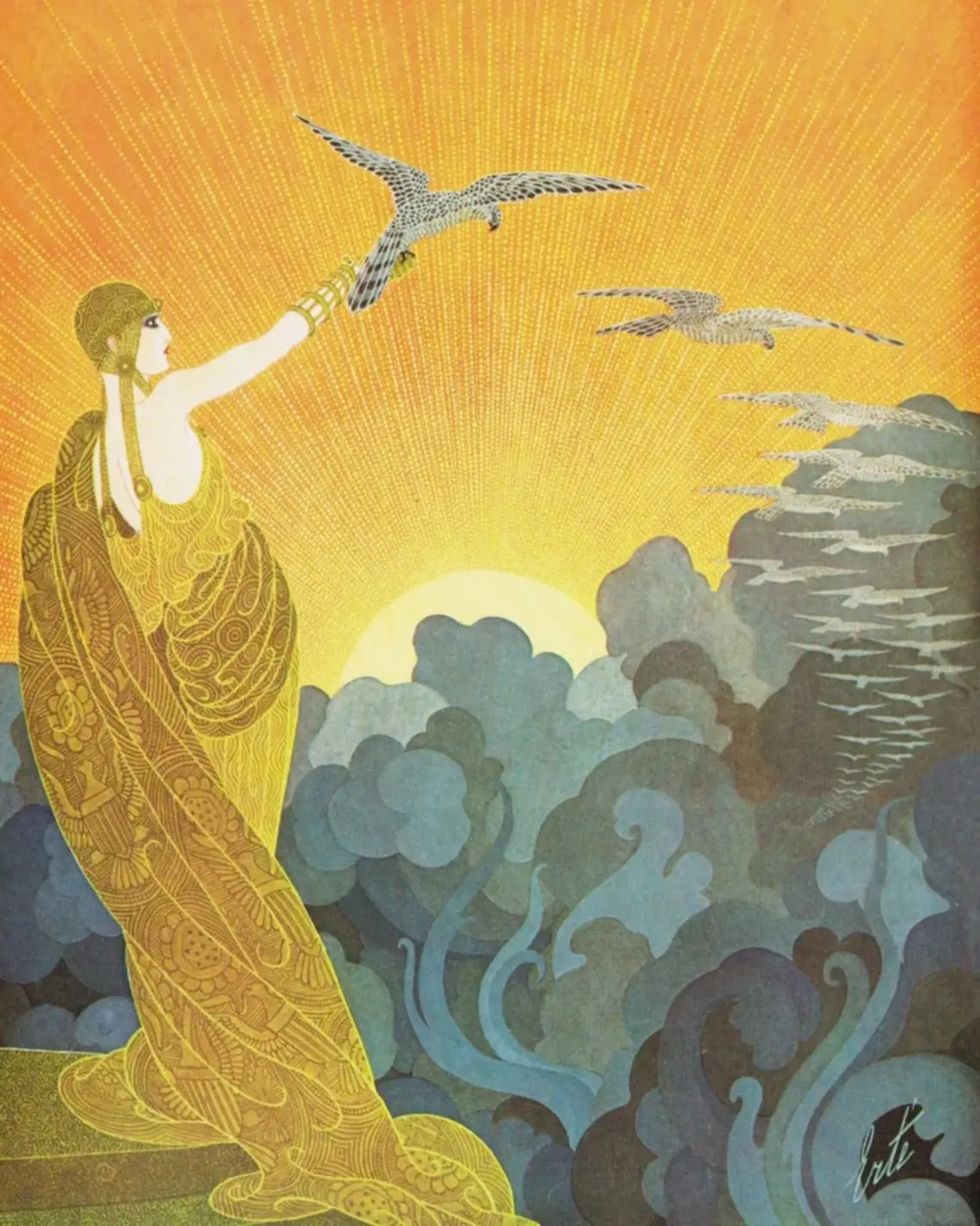
Art Deco is instantly recognizable because it speaks in a disciplined visual language. At its heart lies geometry: Zigzags, triangles, chevrons, trapezoids, stepped silhouettes, and radiant sunburst motifs that seem to announce the arrival of a new age. These forms gave design a sense of order and impact. Every line felt intentional. Every surface seemed sharpened by modernity. In architecture, this often produced buildings of emphatic symmetry and powerful vertical rise. In objects and interiors, it created an atmosphere of polish, confidence, and drama.

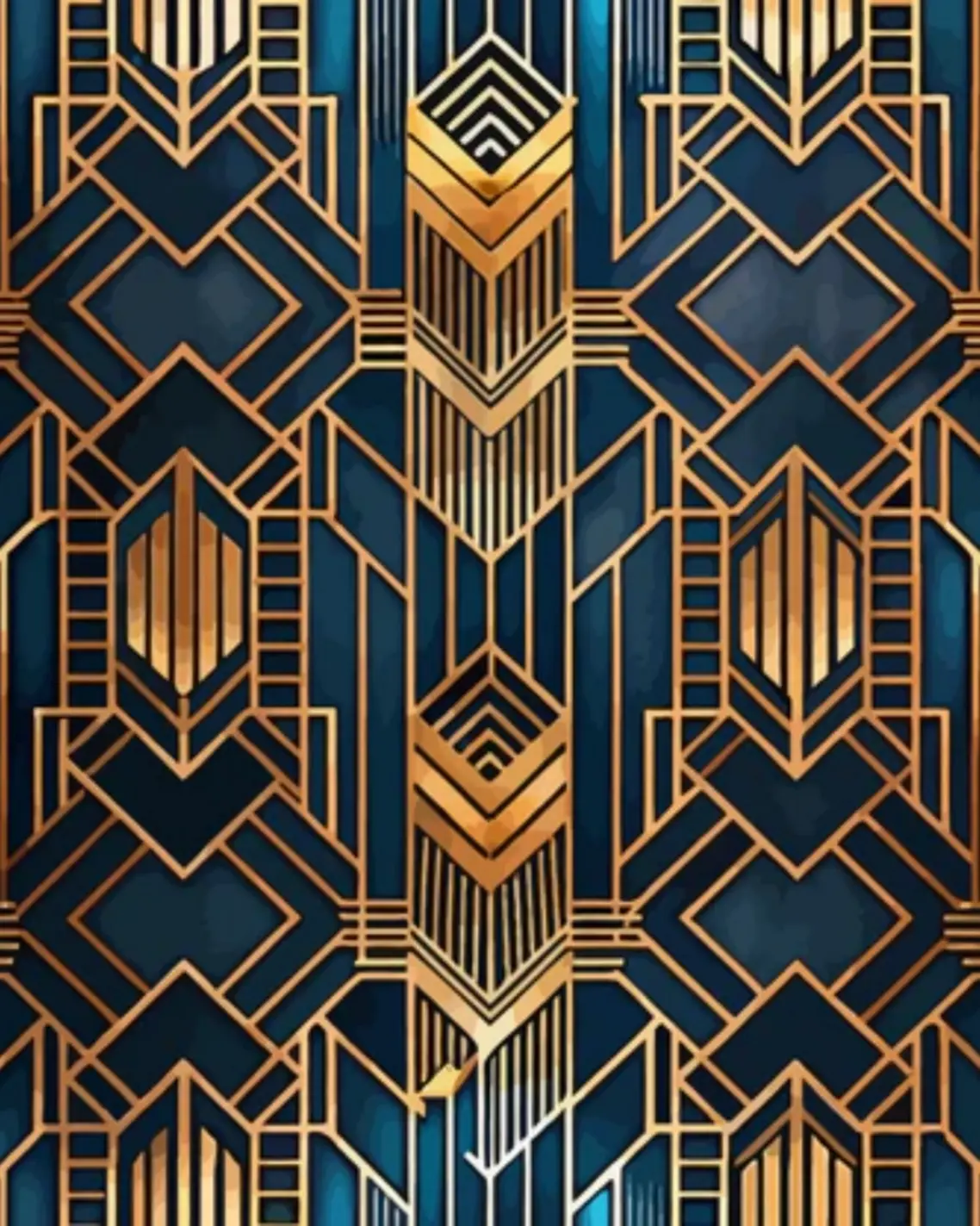
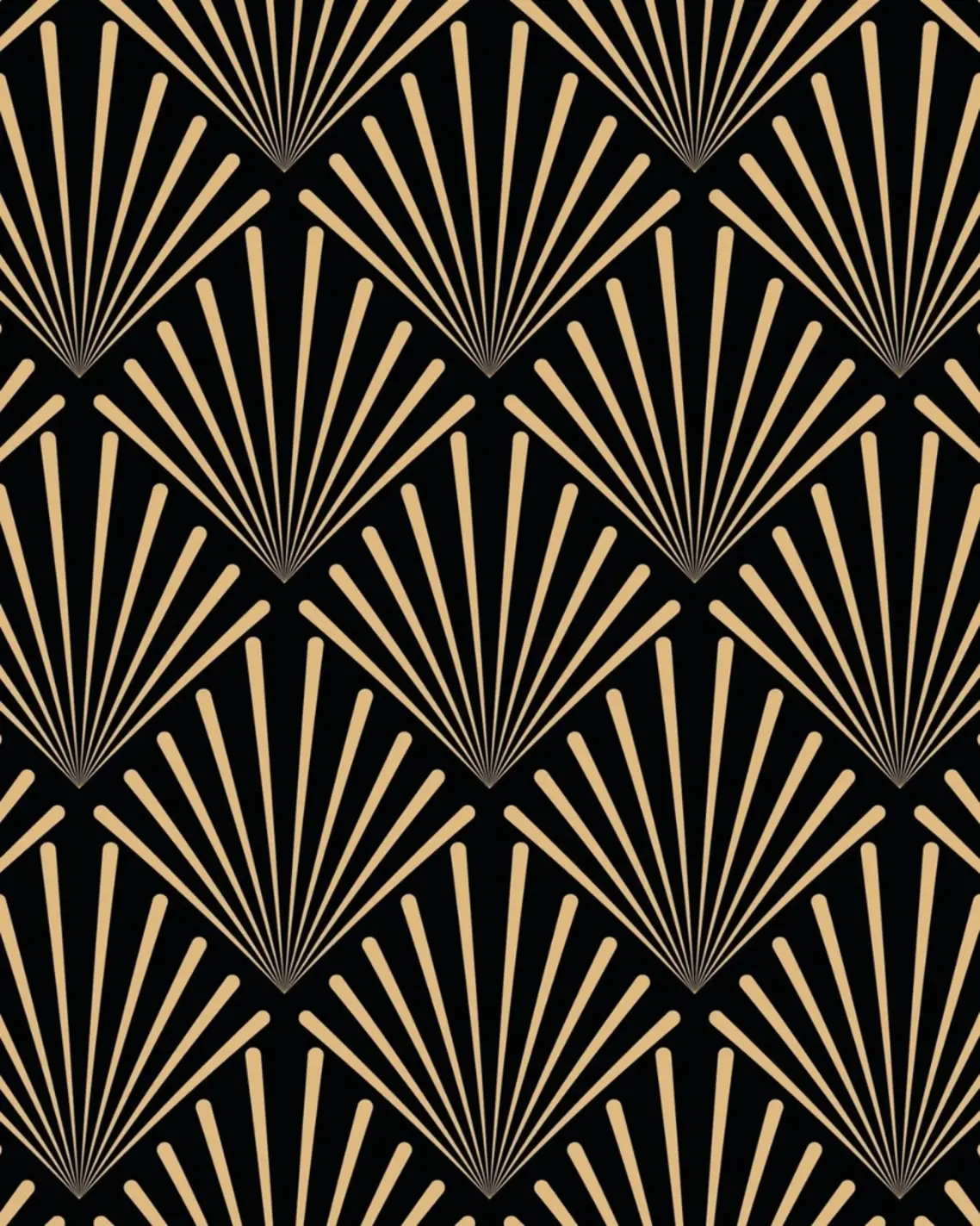
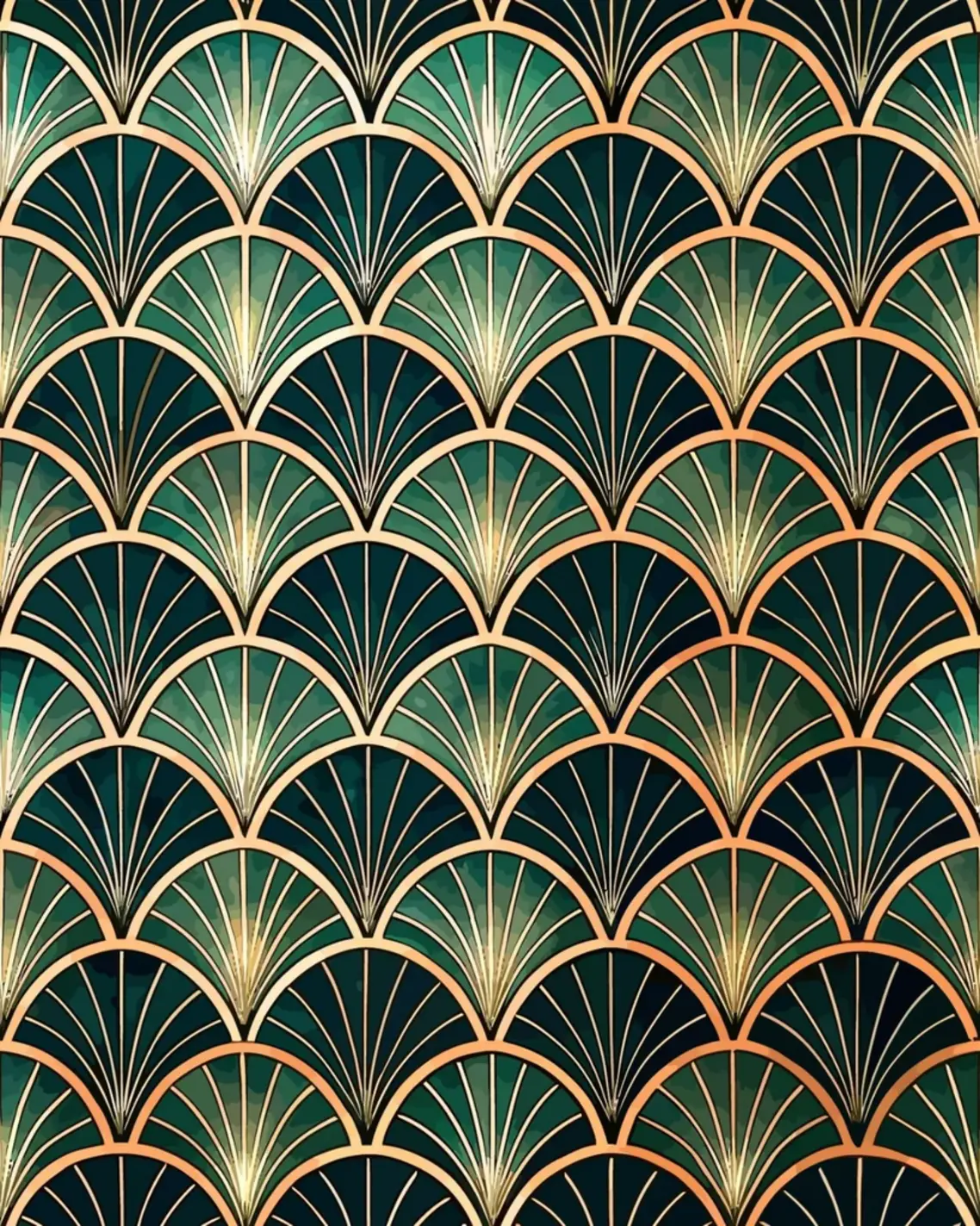
Materiality mattered just as much as form. Art Deco loved surfaces that caught light and projected refinement. Chrome, glass, lacquer, rare woods, mirrored finishes, polished stone, and rich textiles allowed the movement to stage luxury as part of everyday life. Even functional objects were elevated into prestige artifacts. A cigarette case, a cocktail shaker, or a dressing table could feel like an extension of architecture itself, each carrying the same geometric intelligence and theatrical poise.
Another essential feature was streamlining. As the century became obsessed with speed, mobility, and aerodynamic forms, Art Deco absorbed that excitement into design. Rounded corners, long horizontal lines, smooth curves, and flowing silhouettes appeared in transportation, appliances, interiors, and later in the Streamline Moderne phase of the movement. Even when the style was lavish, it retained a sense of momentum. It looked fast. It looked efficient. It looked as though it belonged to a world propelled by engines, electricity, and urban desire.

In that sense, Art Deco always balanced two impulses at once: Discipline and fantasy. Its geometry provided order, while its sheen promised escape. That combination gave the movement its enduring charisma.
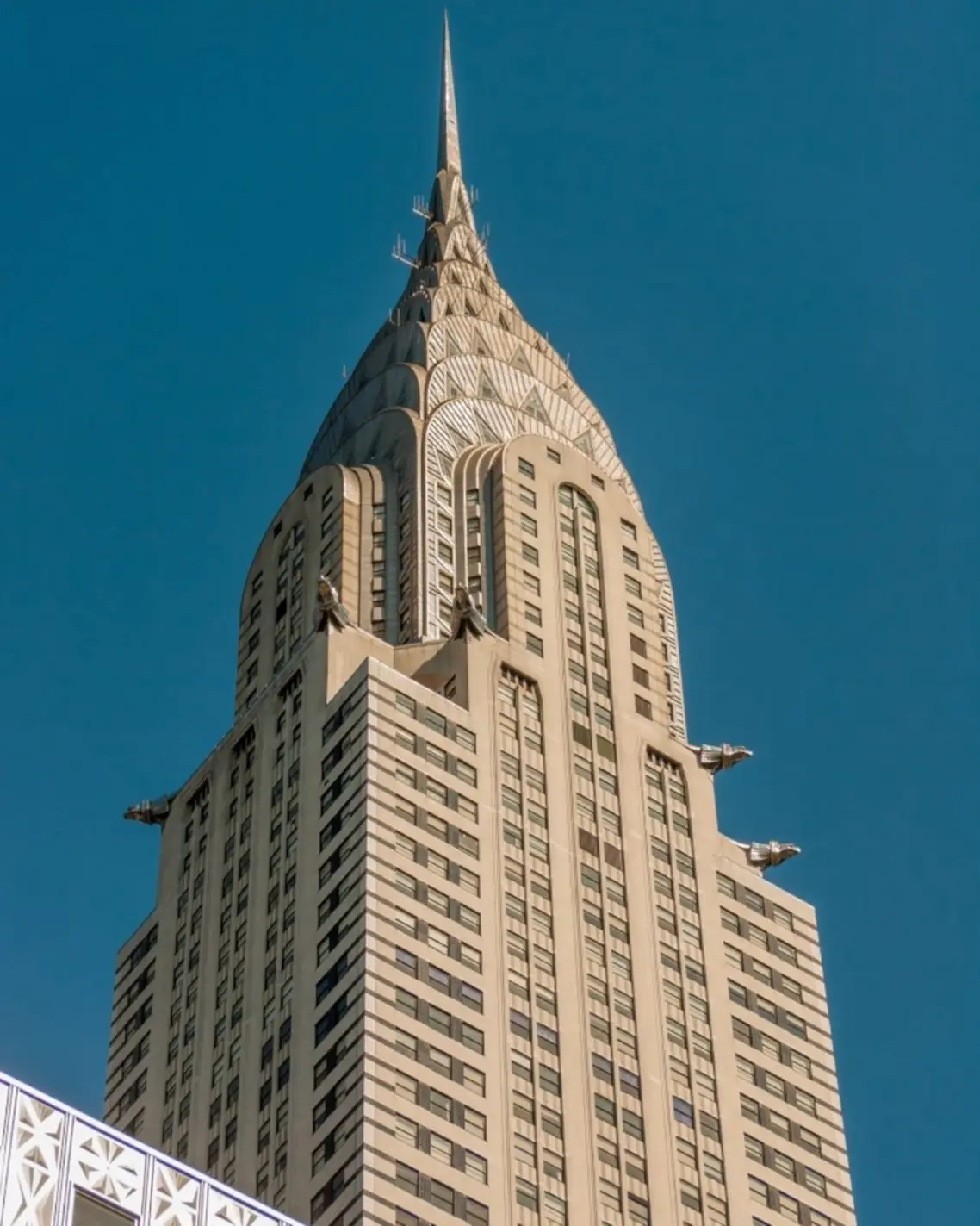
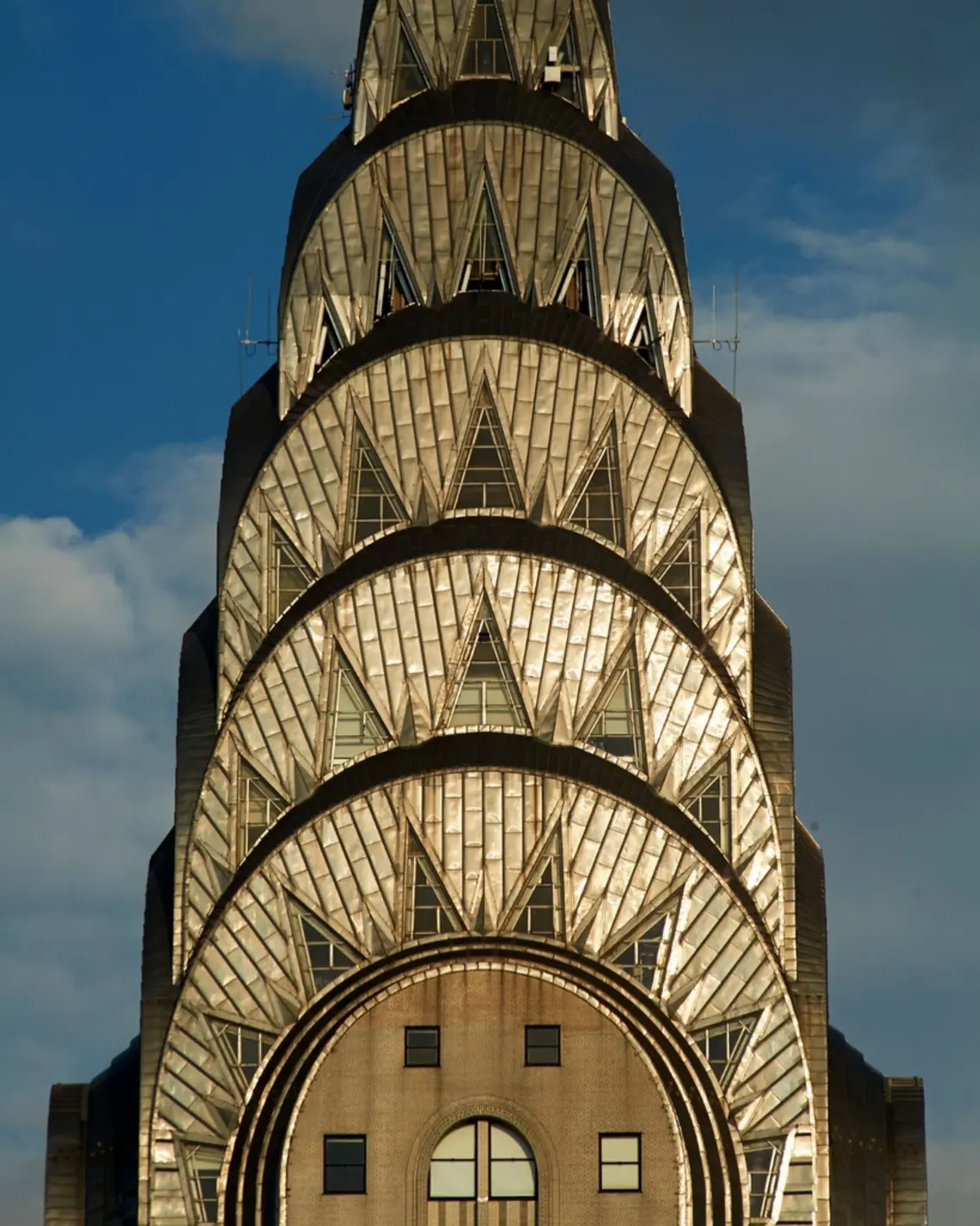
Art Deco reached its grandest scale in architecture. The skyscrapers of New York became its most iconic monuments, translating corporate ambition into visual spectacle. The Chrysler Building remains one of the clearest expressions of the style, with its gleaming steel crown, sunburst forms, and ornamental references to the automotive age. The Empire State Building gave Art Deco a more monumental severity, rising through setbacks and strong vertical lines into one of the most enduring silhouettes of the twentieth century. Elsewhere, the movement found different climates and accents.
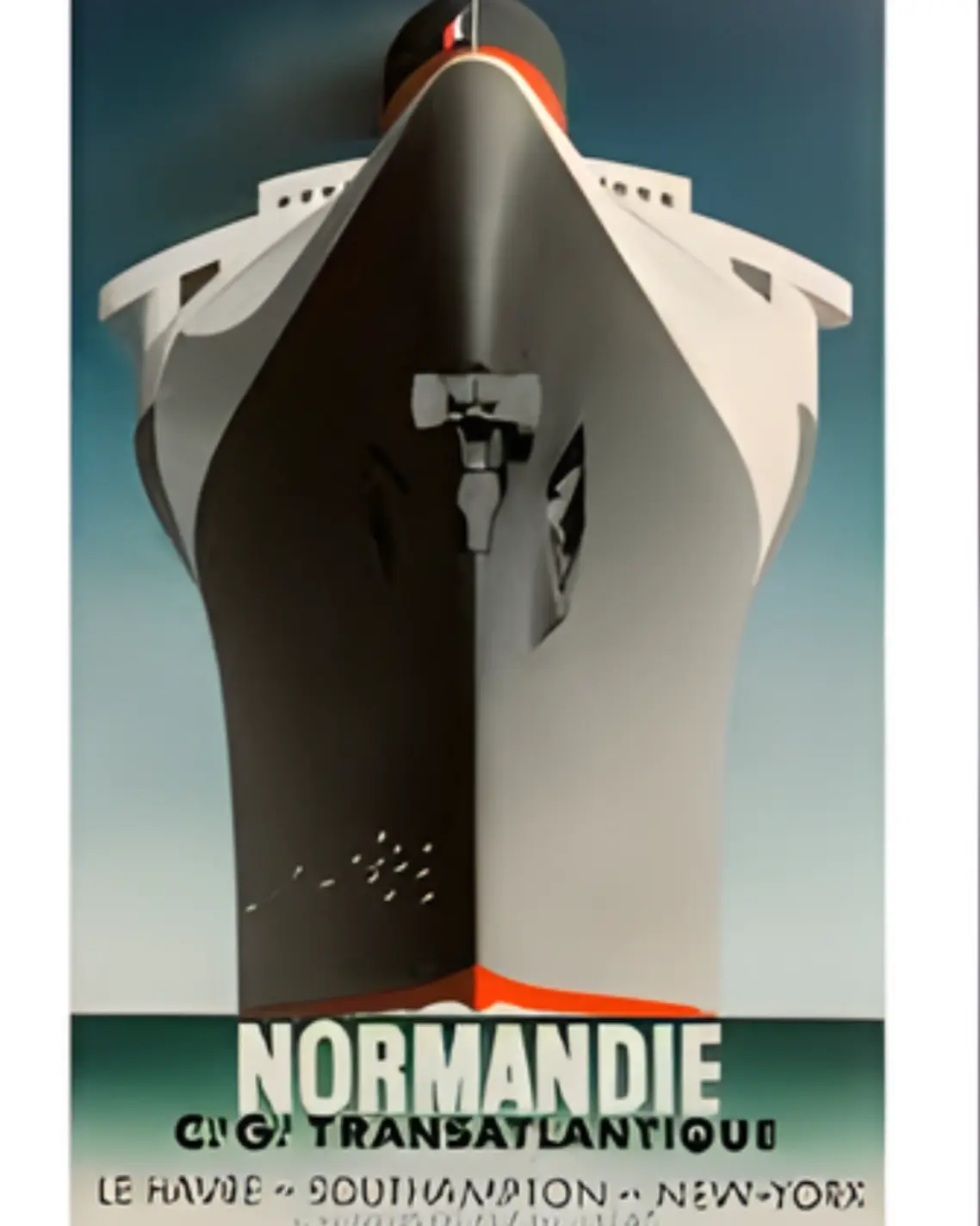
Yet Art Deco was never confined to buildings. In graphic design and poster art, it developed what might be called the first global advertising language of glamour. A.M. Cassandre’s celebrated poster for the Normandie ocean liner distilled industrial grandeur into a single unforgettable image, using perspective and scale to turn modern transport into a mythic object. Tamara de Lempicka brought the same spirit into painting, especially in works such as Autoportrait (Tamara in a Green Bugatti), where femininity, machine polish, and self-fashioning merge into one of the defining images of modern womanhood.

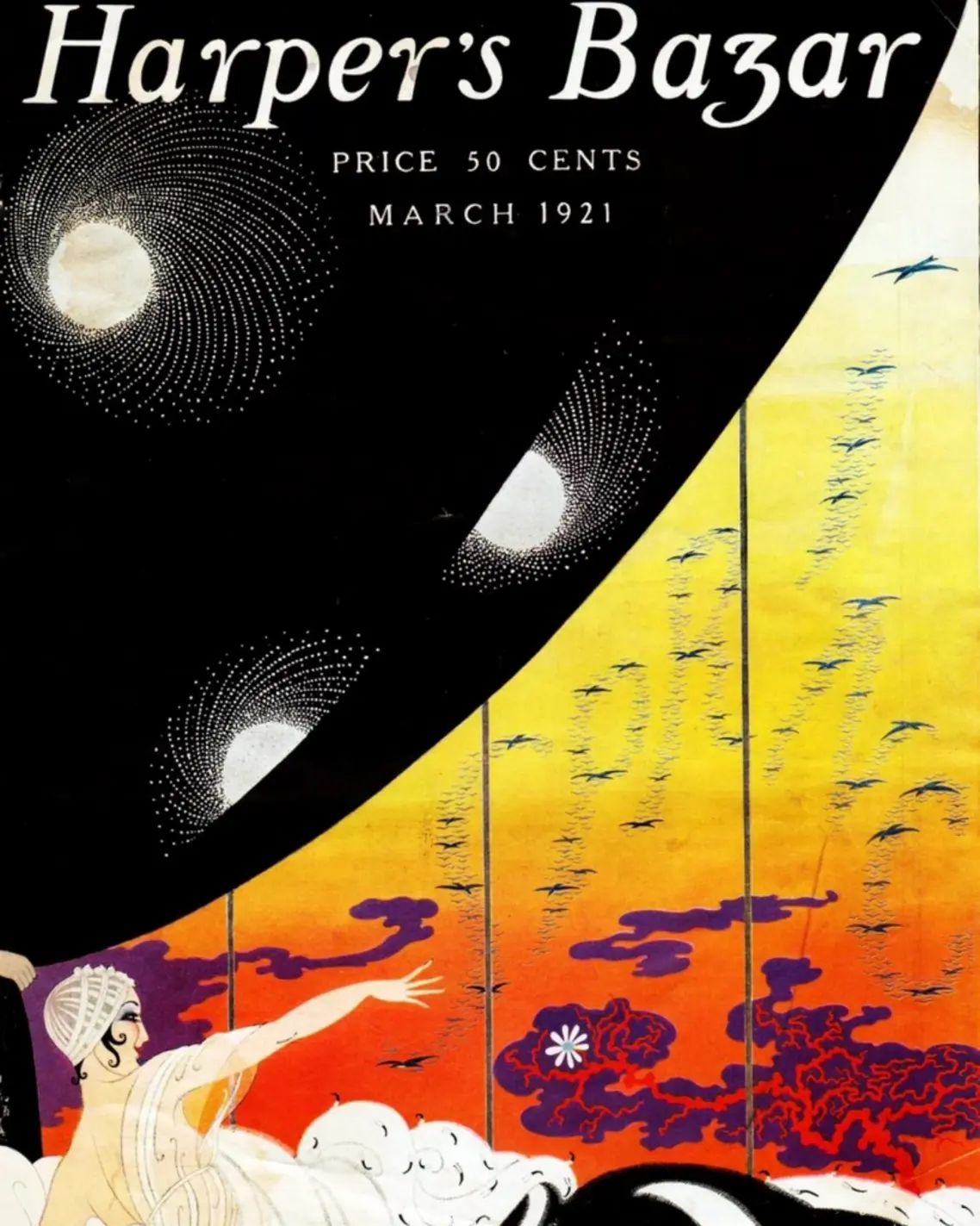
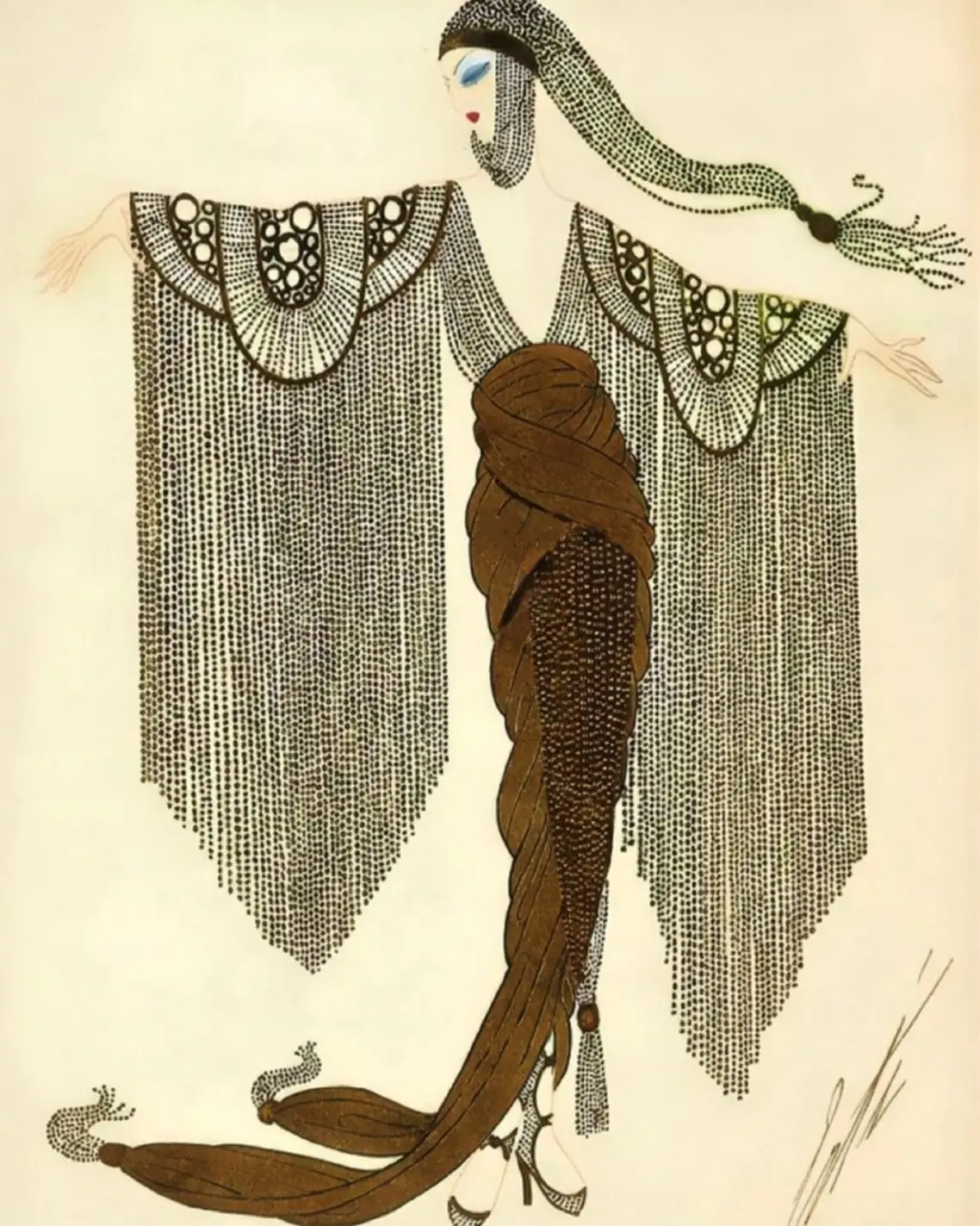
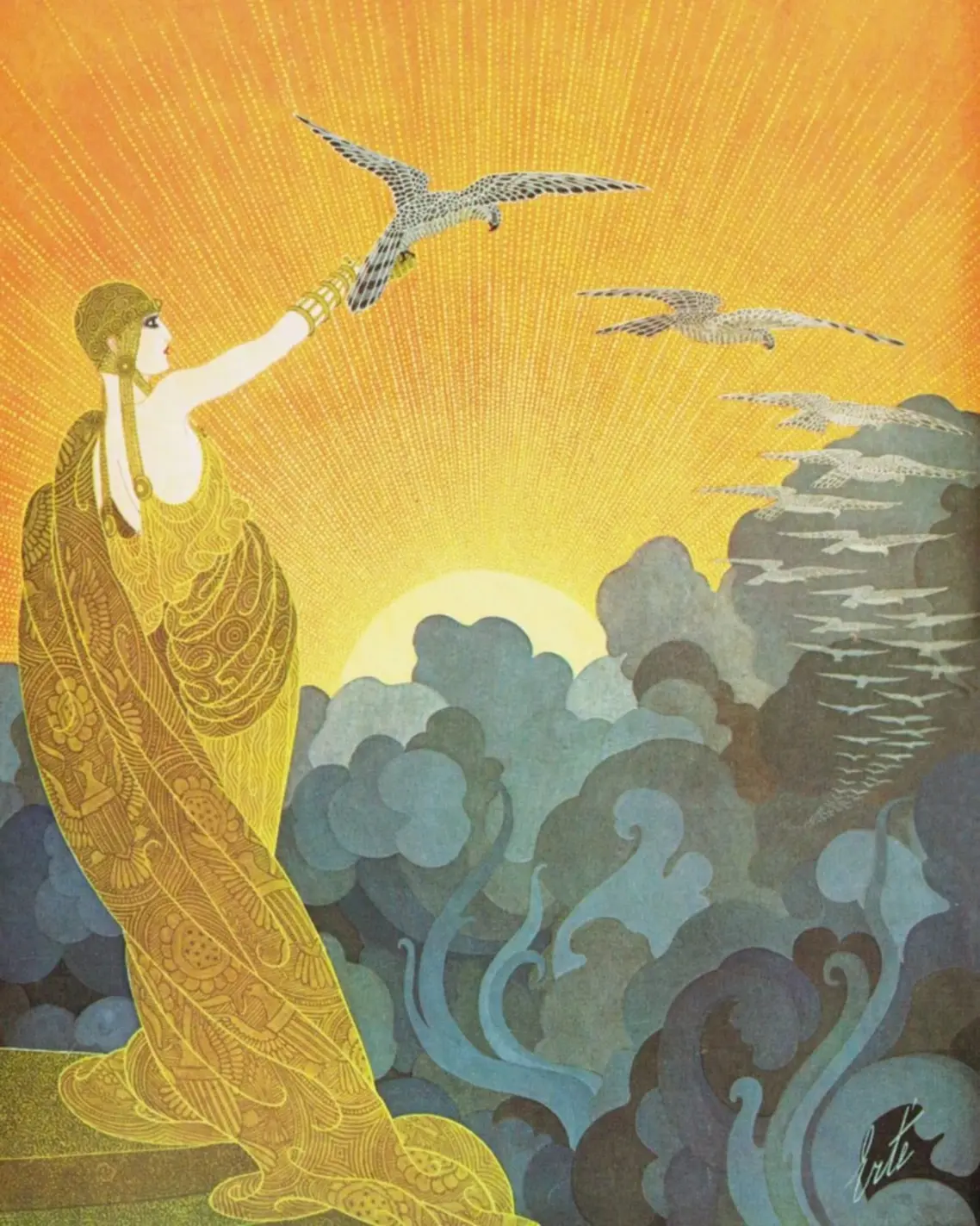
Erté, in turn, helped codify the elongated elegance of Art Deco in illustration, fashion, and theater design, creating figures that seemed to glide between sculpture and performance.
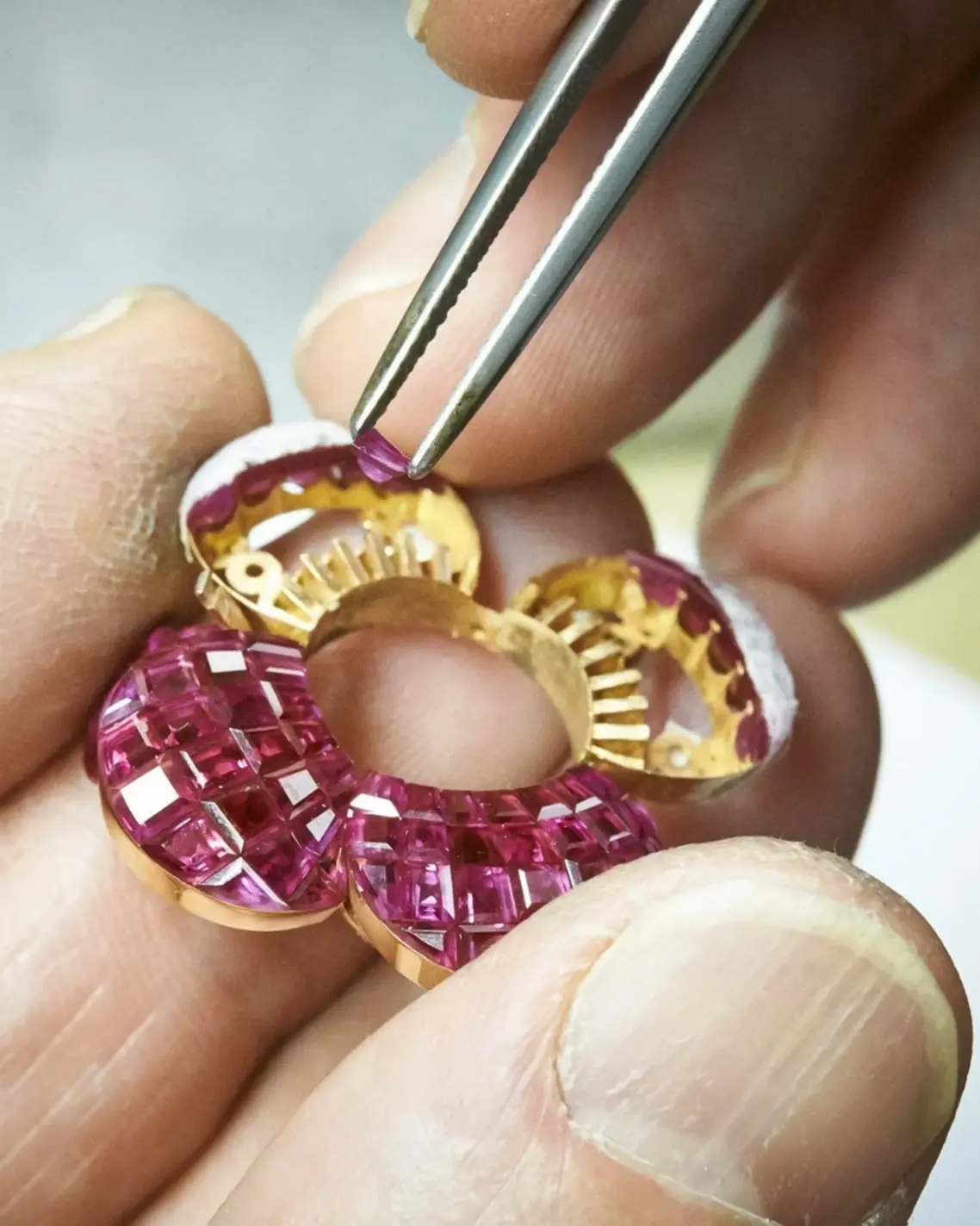
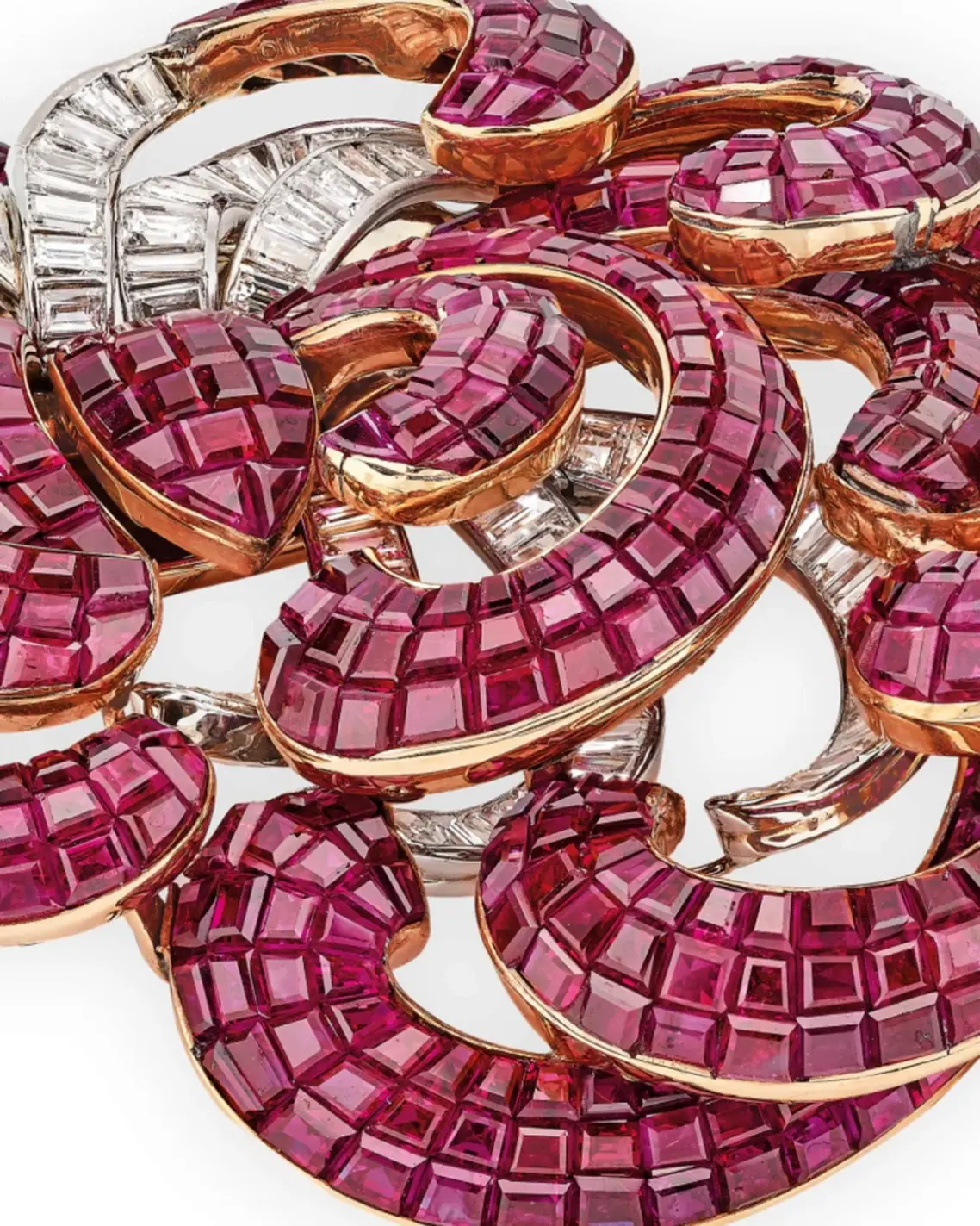
Decorative arts and jewelry pushed the style even further into luxury. René Lalique transformed glass into something close to poetry, while car ornaments and perfume flacons took on the refinement of sculpture. In jewelry, houses such as Cartier and Van Cleef & Arpels made Art Deco one of the most dazzling chapters in twentieth-century adornment. Cartier’s Tutti Frutti pieces combined carved rubies, emeralds, and sapphires with the rigid sophistication of Deco composition, producing jewels that felt simultaneously opulent and startlingly modern. Van Cleef & Arpels’ celebrated Mystery Set technique pursued another Art Deco ideal: The illusion of seamless perfection, a surface so precisely constructed it seems almost impossible.
Art Deco’s glamour has always come with a complicated underside. Modernist purists often dismissed it as style over substance, accusing it of using ornament and expensive materials to disguise function rather than reveal it. In a period when Bauhaus rationalism and social modernism were gaining intellectual authority, Art Deco could appear too luxurious, too polished, too invested in display. Its closeness to elite taste also exposed it to charges of exclusivity, especially during years marked by the Great Depression and profound social inequality.
Another tension lies in the movement’s relationship to exoticism. Art Deco borrowed liberally from Egyptian, African, Mesoamerican, and Asian visual languages, often transforming these references into fashionable motifs without carrying their original contexts.
Even so, its afterlife has been extraordinary. It continues to shape how we imagine luxury, elegance, and urban sophistication. Designers return to its lines whenever they want to evoke confidence, glamour, precision, and cinematic allure. Art Deco fashion, hospitality, branding, and contemporary interiors still borrow its language.
Art Deco endures because it understood that beauty could function as a form of cultural reassurance. In the aftermath of war, industrial acceleration, and social transformation, it offered a world shaped by geometry yet warmed by glamour, a world where technology could gleam, where cities could aspire, and where even the smallest object could feel touched by fantasy. More than a period style, Art Deco was a way of imagining modern life as something worthy of celebration. Its skyscrapers still rise like monuments to ambition, its posters still pulse with velocity, and its jewels still carry the thrill of crafted perfection. The zigzag remains one of the most recognizable marks of the twentieth century because it captured more than a look. It captured a desire: to make the future feel magnificent.