At Milan Design Week 2026, fashion houses stopped treating interiors as accessories and began using design as a language of intellect, atmosphere and authority.
Big Cars and Big Clothes at Milan Design Week 2026
At Milan Design Week 2026, fashion houses stopped treating interiors as accessories and began using design as a language of intellect, atmosphere and authority.
April 27, 2026


At Milan Design Week 2026, the most powerful luxury statements were rarely simple product launches. They appeared as libraries, portals, cafés, lamps, metallic skins, immersive mobility rooms and historic architectural takeovers. What once looked like “lifestyle branding” has matured into something sharper: intellectual and sensory curation. Fashion houses no longer arrived merely to place a logo on a chair. Automotive brands no longer arrived merely to park a car inside a design district. Instead, the most ambitious names used Milan as a testing ground for cultural credibility.
Jil Sander And Hermès: From The Mental Object To Material Monumentality
Jil Sander’s Reference Library was one of the cleanest expressions of the week’s intellectual turn. Rather than present furniture, creative director Simone Bellotti worked with Apartamento to assemble 60 influential books selected by 60 global creatives, including Sofia Coppola and Lykke Li. The installation turned reading into ritual, replacing the design object with the mental atmosphere that precedes design itself. Visitors encountered books, gloves, silence and concentration instead of a conventional showroom. In that decision, Jil Sander positioned itself as a curator of thought rather than a maker of seasonal domestic goods. It sold a mental landscape: disciplined, minimal, private and slow.
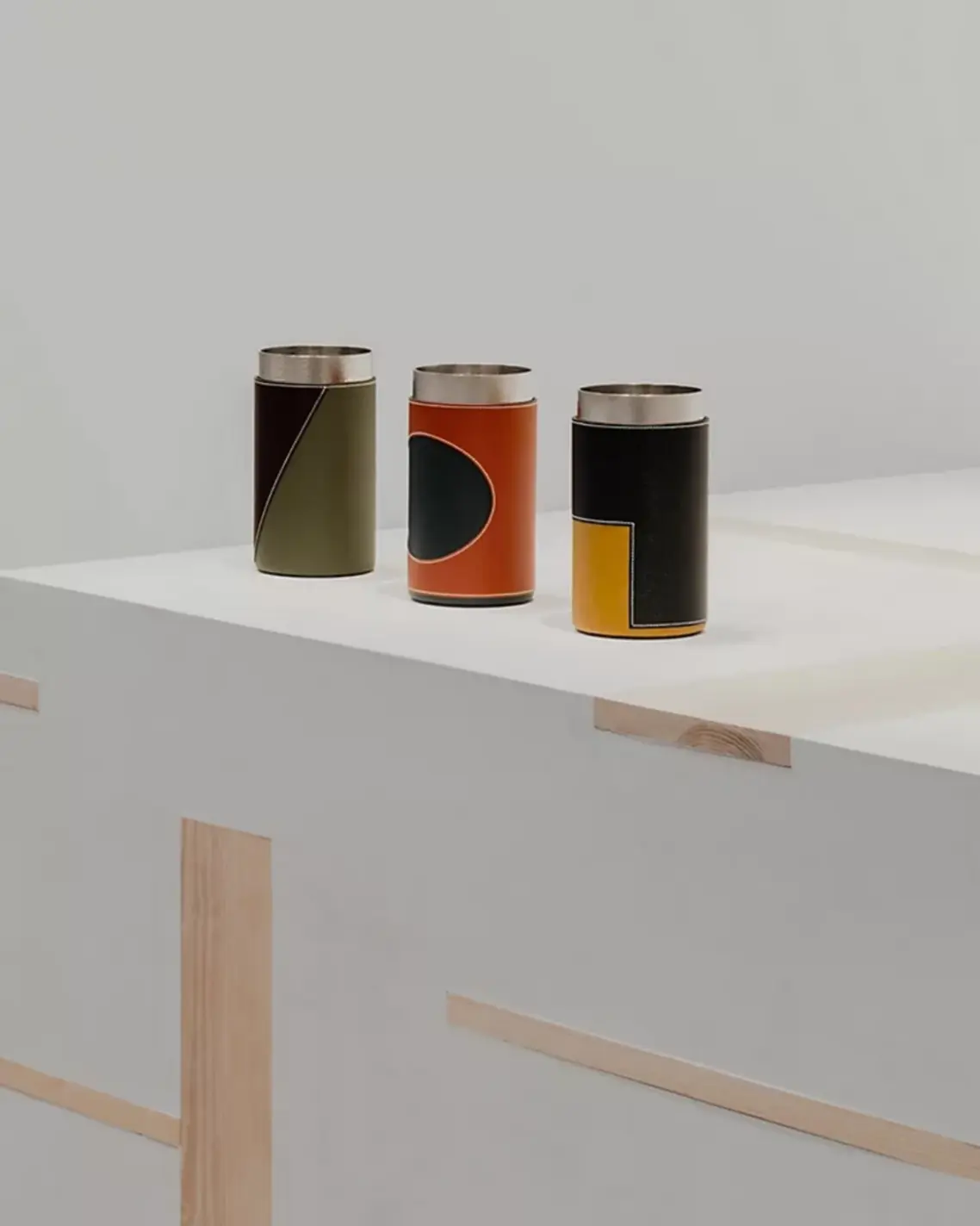
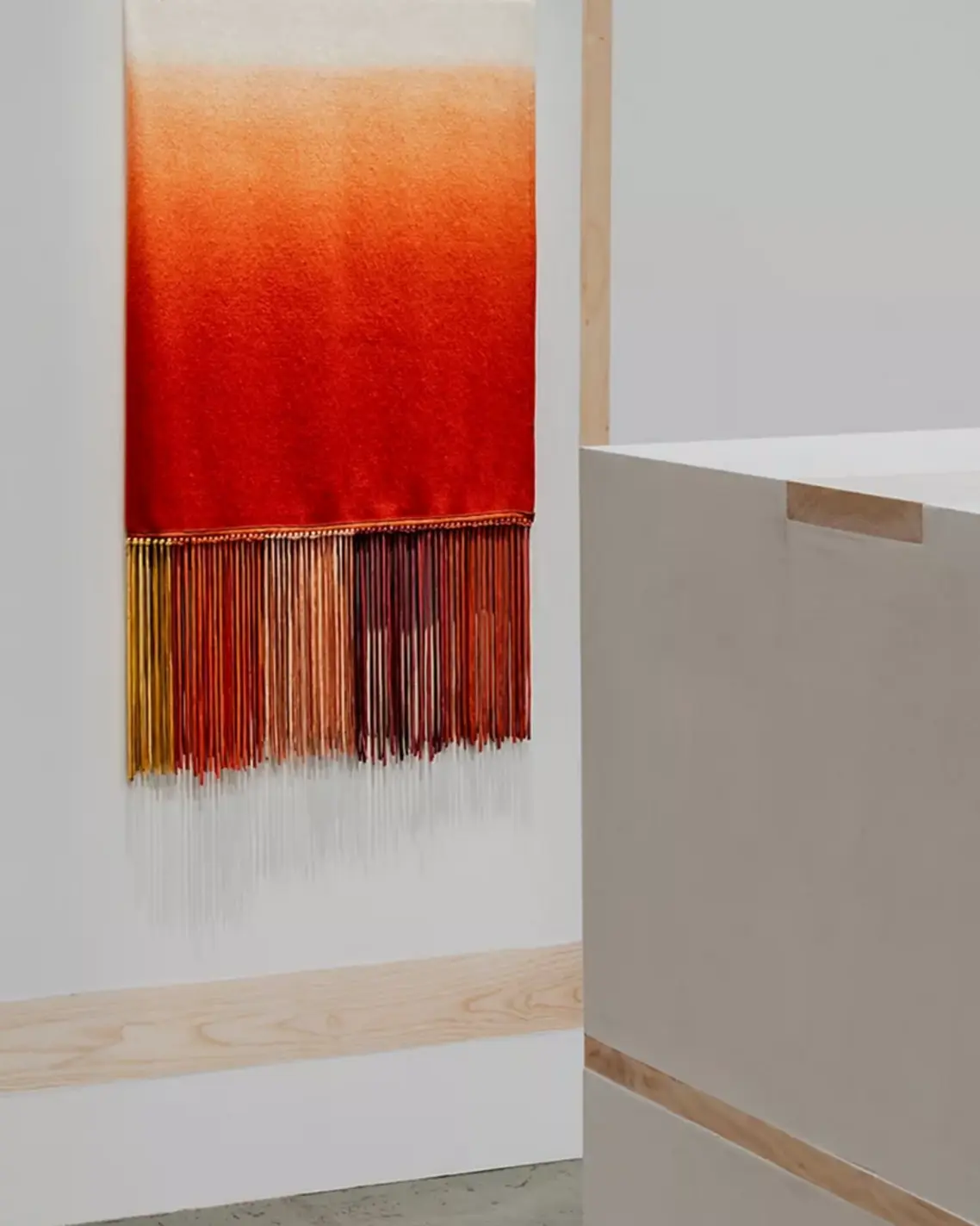
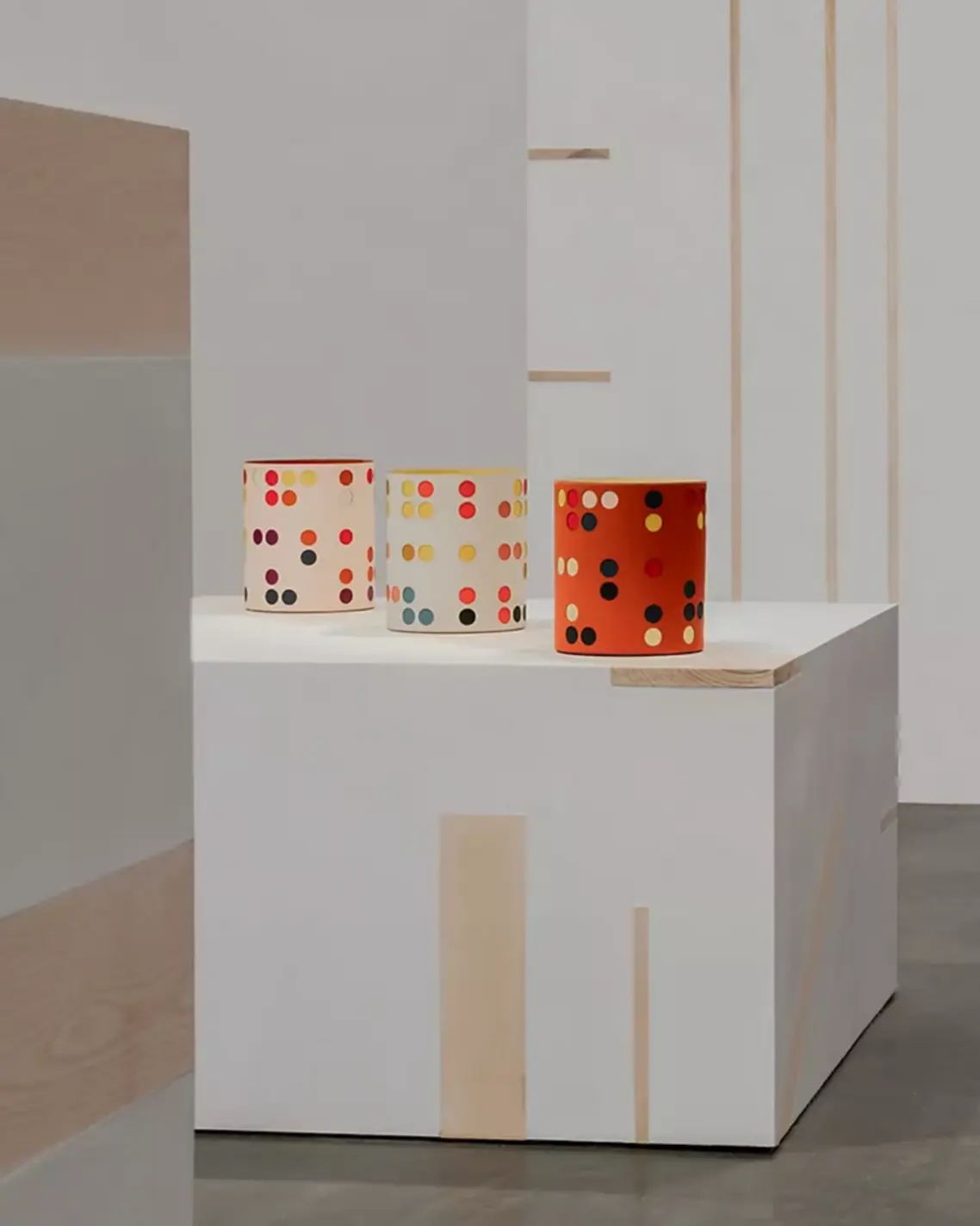
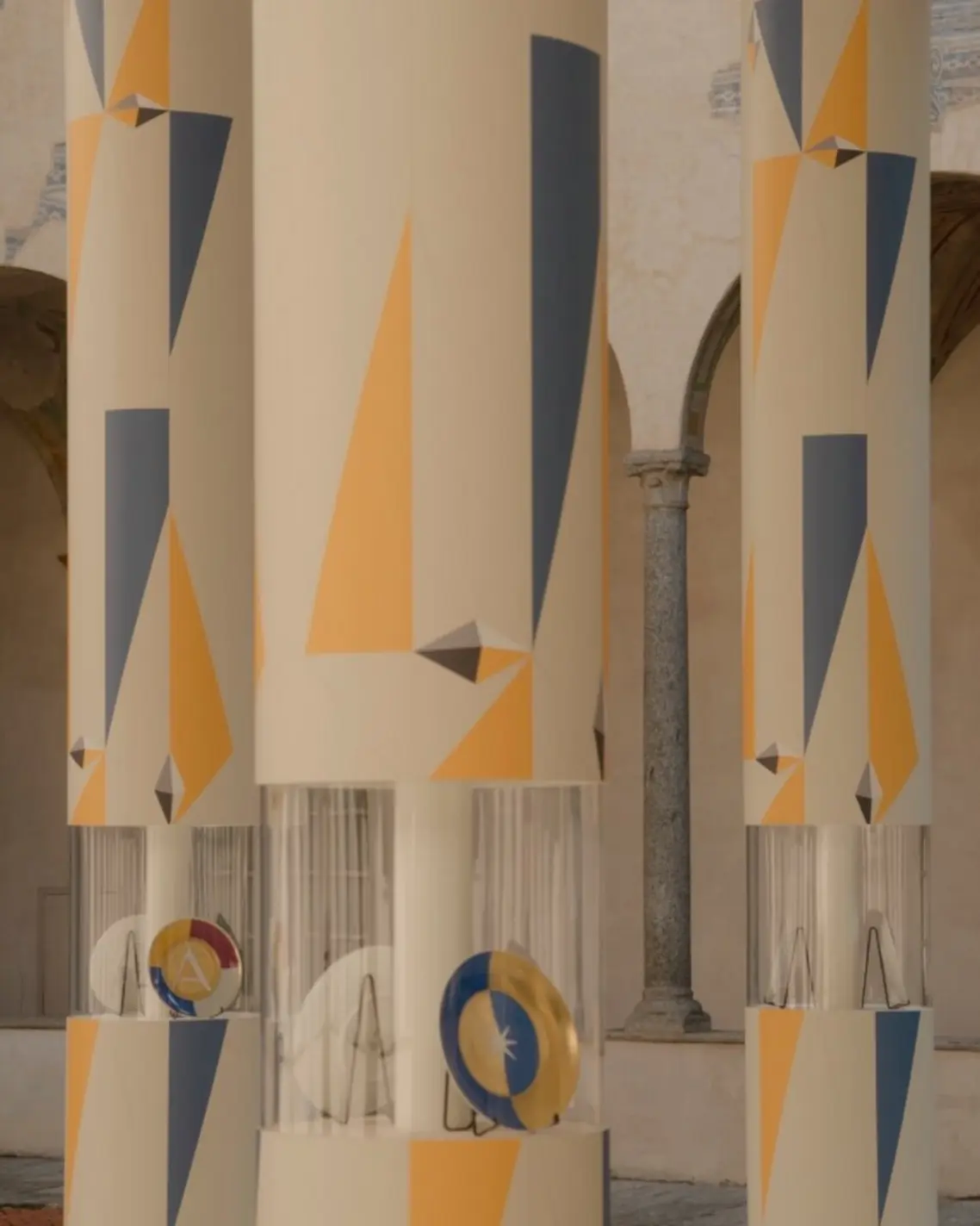
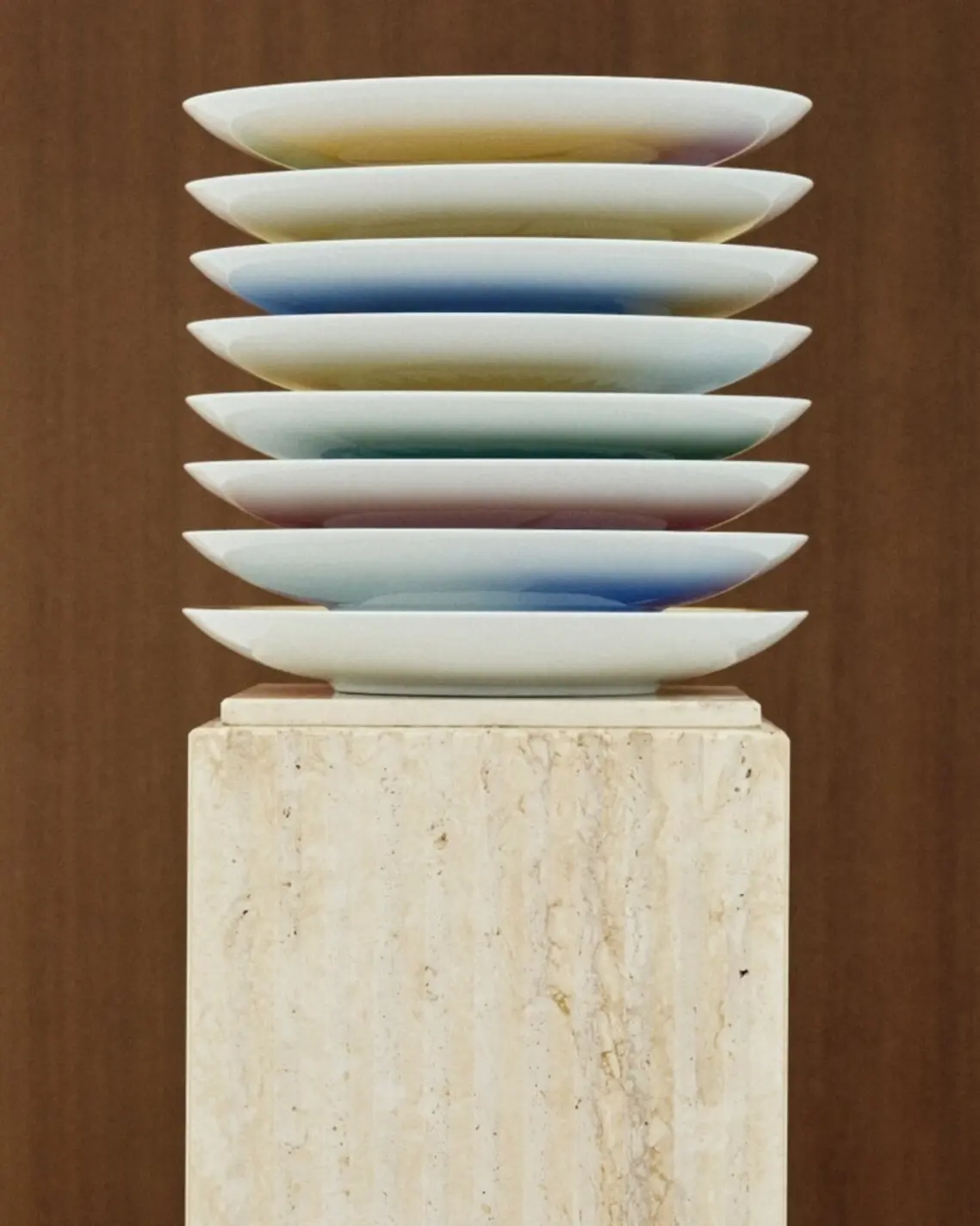
Hermès took the opposite path, yet arrived at a similar conclusion. At La Pelota, the maison used scale, geometry and material tension to turn its home presentation into a kind of architectural ceremony. The nearly colorless grid of earth and stone framed objects as if they were future relics, creating an atmosphere where craft felt ancient and advanced at once. Compared with Jil Sander’s paper-and-literature strategy, Hermès remained faithful to the object, but it elevated the object into evidence of technique, continuity and material intelligence. One house removed the chair, the other made the table feel archaeological. Both rejected the easy seduction of lifestyle décor.
Marni And Saint Laurent: The City Becomes The Brand Archive
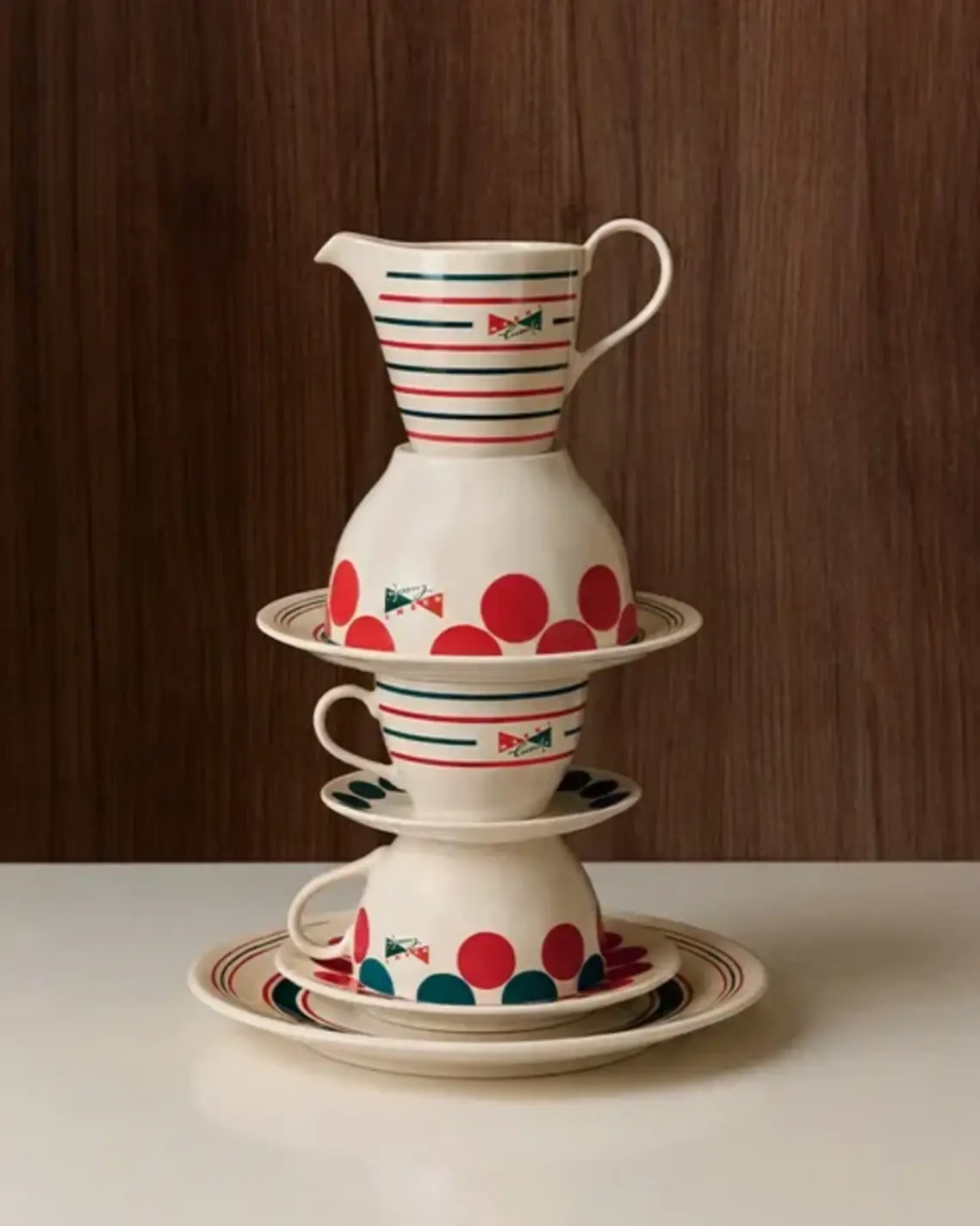
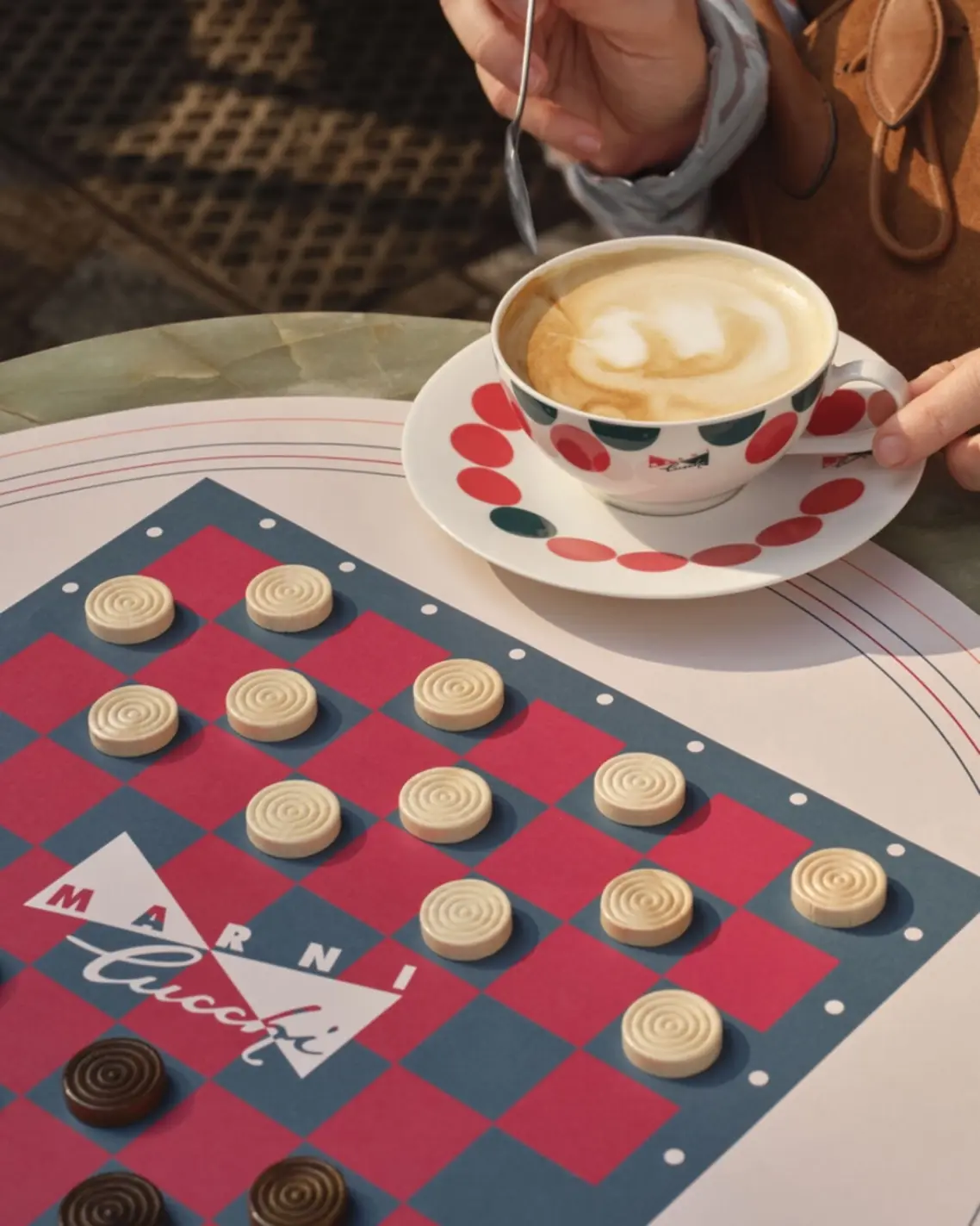
Marni understood that Milan itself could be the strongest design object. Instead of entering the fairgrounds, the house transformed Pasticceria Cucchi, the historic café founded in 1936, into a three-month Marni x Cucchi takeover. Cups, sugar sachets, seating, uniforms, stripes and café rituals became part of a psychedelic living archive. The project succeeded because it did not imitate lifestyle; it inhabited one. A café already has rhythm, memory and public intimacy. Marni simply intensified that rhythm through pattern and eccentricity.

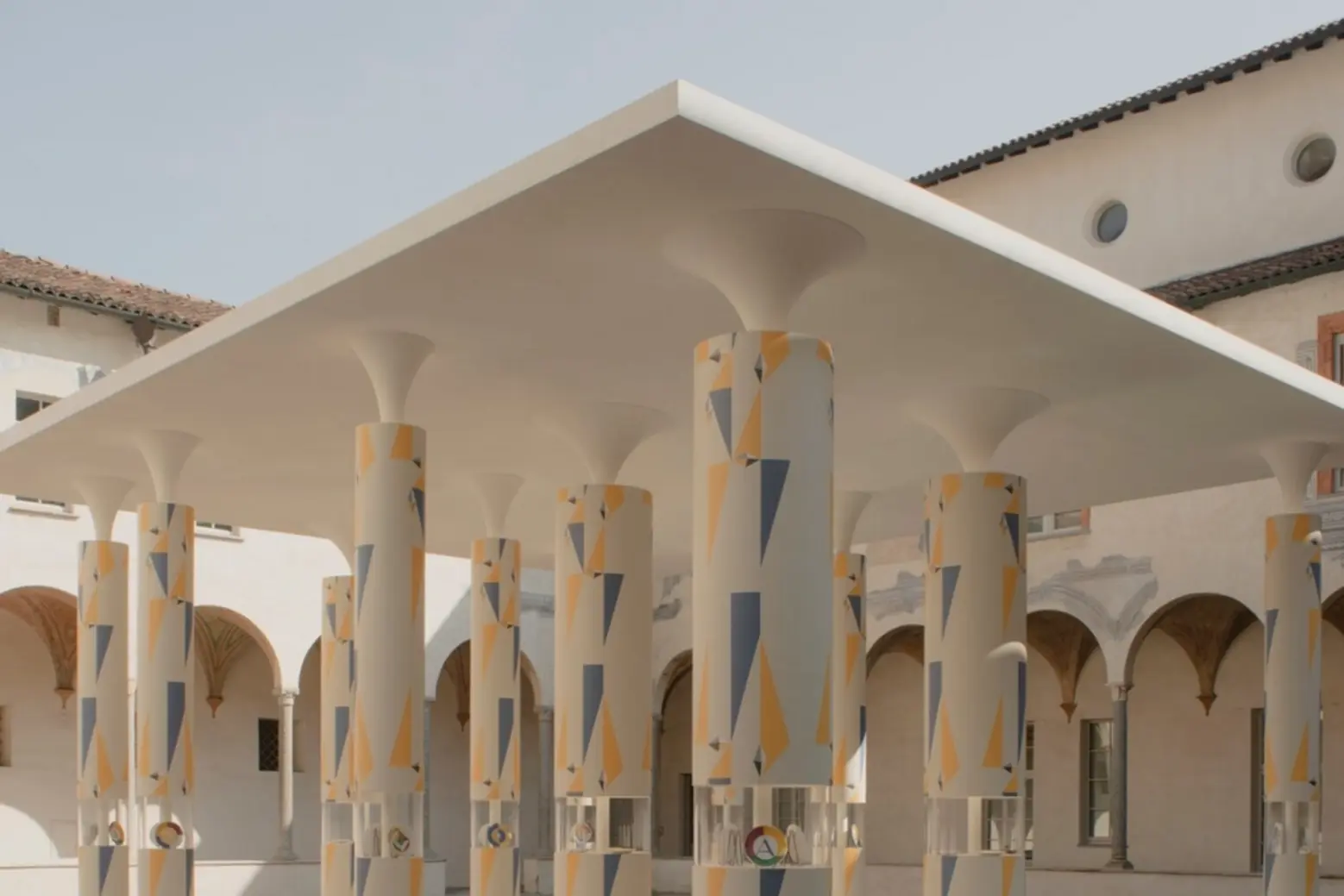
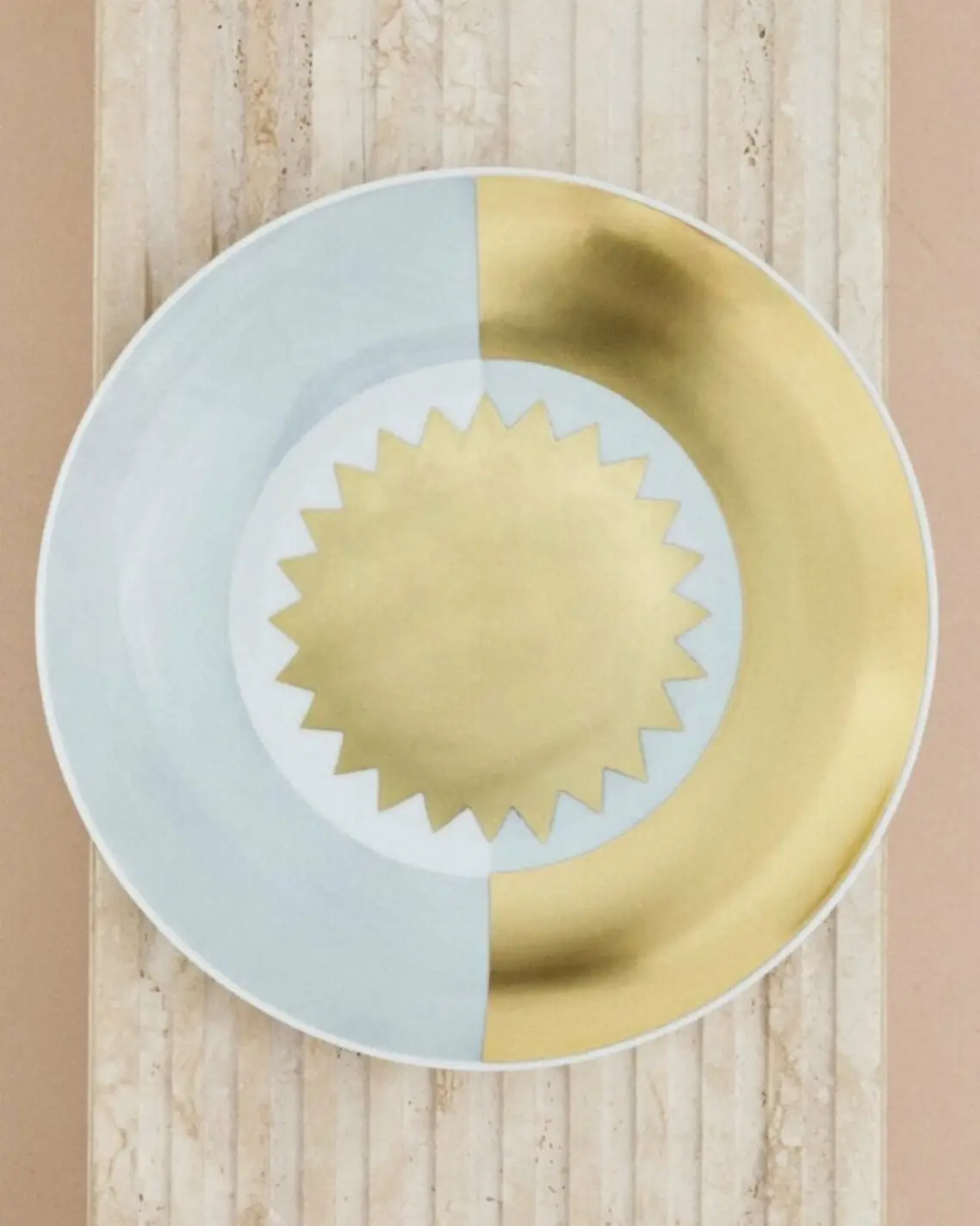
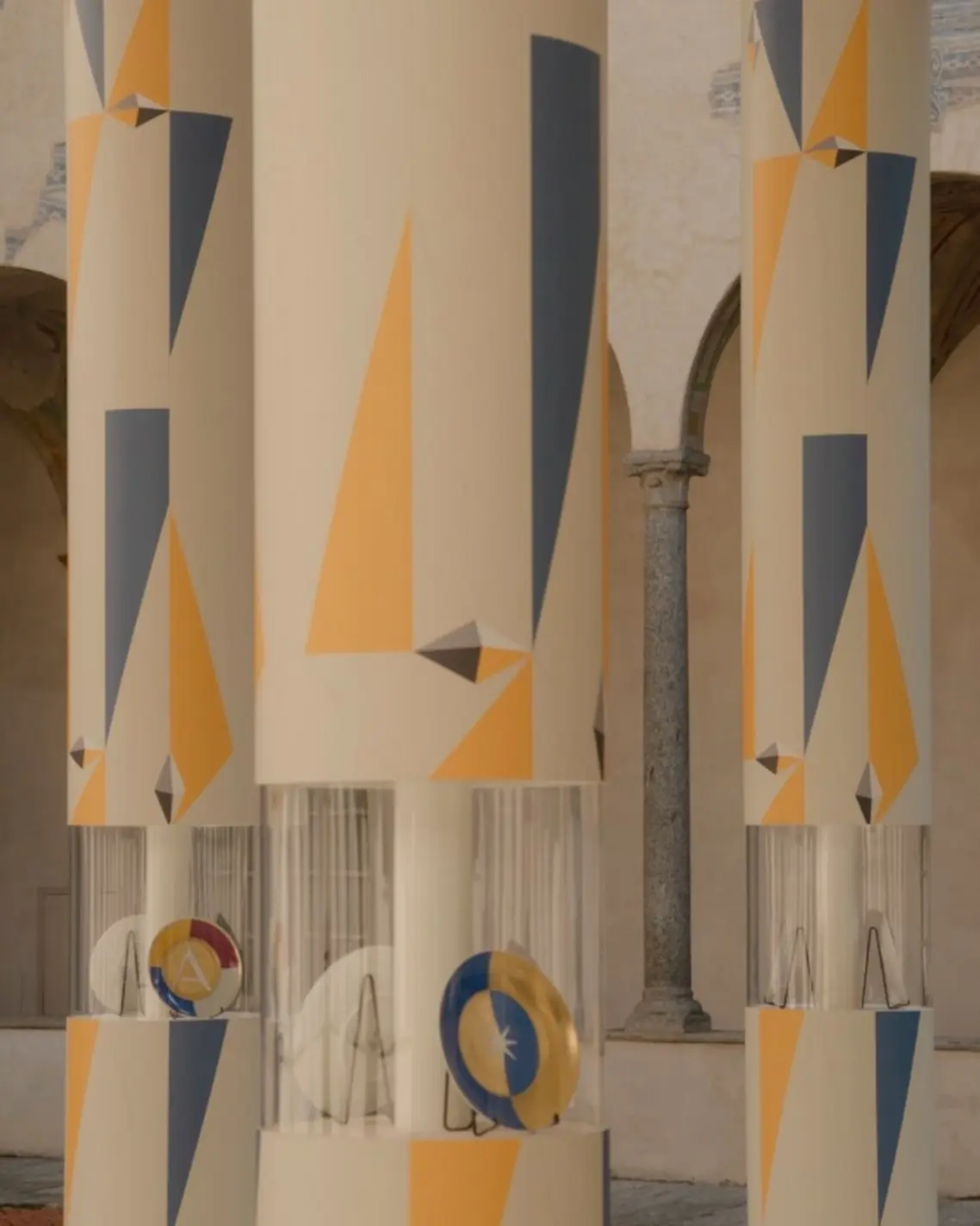
Saint Laurent’s design language worked through historical authority. Through Rive Droite projects connected to Gio Ponti and Villa Planchart, the house aligned itself with modernist prestige, turning archive into brand proof. Its power came from implication: Saint Laurent belongs not only to fashion, but also to a lineage of architectural taste, domestic fantasy and high modernist form. Across these three houses, the strategy was clear. The goal was no longer to design a “home line.” The goal was to borrow the city’s memory, then return it as a brand atmosphere.
Audi And Lexus: Mobility As A Sensory Architecture
The most ambitious automotive installations at Milan Design Week 2026 proved that car brands are now speaking the same cultural language as fashion houses. Audi’s Origin, created with Zaha Hadid Architects, occupied the courtyard of Portrait Milano, the former Archiepiscopal Seminary. Its titanium-hued sculptural form stood against the site’s historic columns, producing a deliberate contrast between baroque enclosure and future-facing technical clarity. Audi described the Milan presence as part of a broader design philosophy, presenting the new Audi RS 5, the brand’s first high-performance plug-in hybrid from Audi Sport, alongside the Audi R26 Formula 1 show car. The message was clear: engineering was being framed as cultural progress, not merely industrial production.
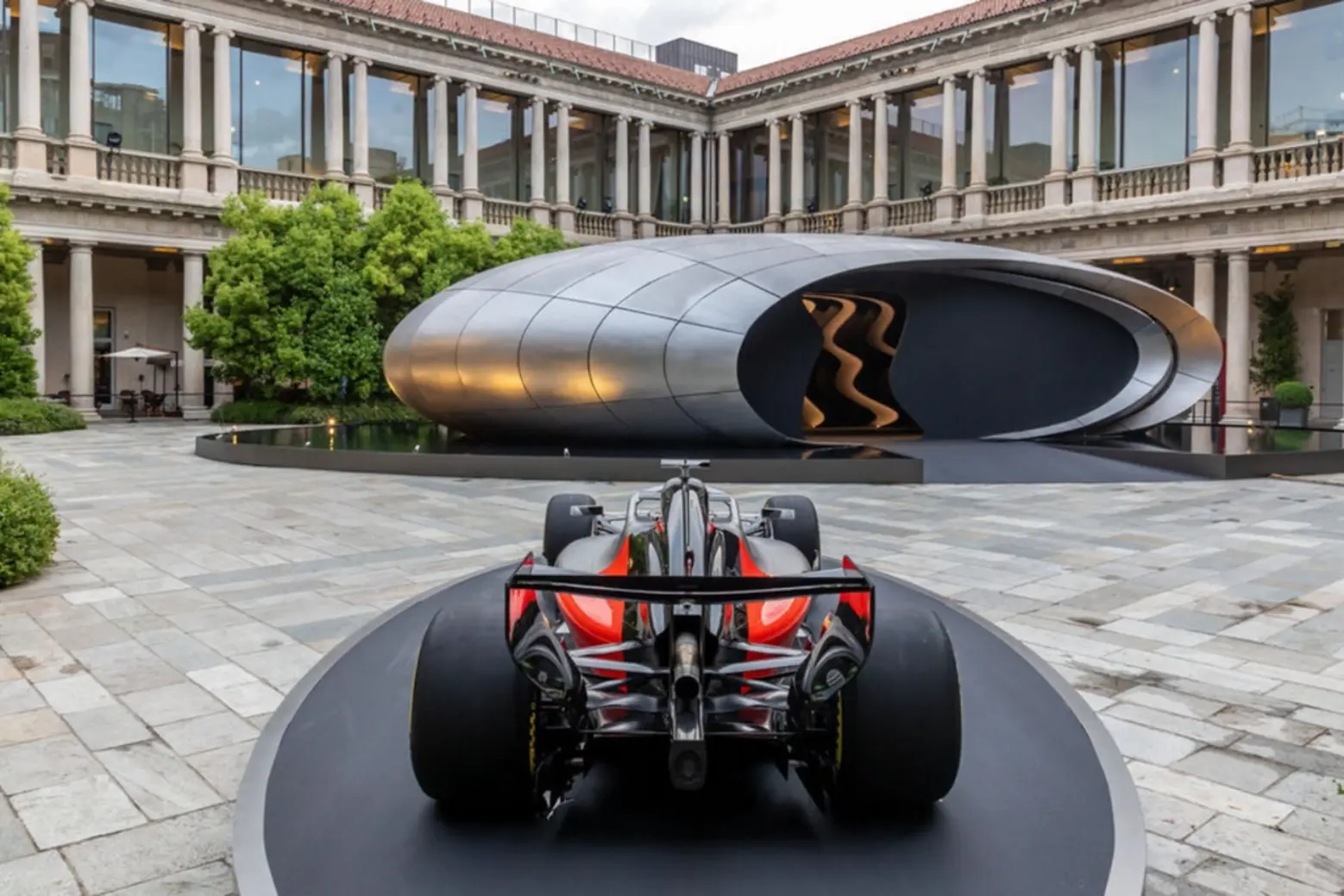
What made Origin important was its function as a filter. In a week defined by overload, the installation created a metallic threshold, absorbing noise through matte surfaces and controlled form. It was not a car display pretending to be architecture. It was architecture used to prepare the visitor for a new idea of mobility: precise, quiet, charged and almost ceremonial.
Lexus approached the same question from the interior outward. At Superstudio Più, SPACE centered on the Lexus LS Concept and explored how mobility could become a new form of luxury space. Lexus explicitly reframed LS away from the old idea of “Luxury Sedan” and toward “Luxury Space,” arguing that future luxury cars will be defined less by body type than by the value of the space within. The installation combined 360-degree visuals, sound and lighting, placing visitors inside an immersive vision of mobility that connects land, sea and air.
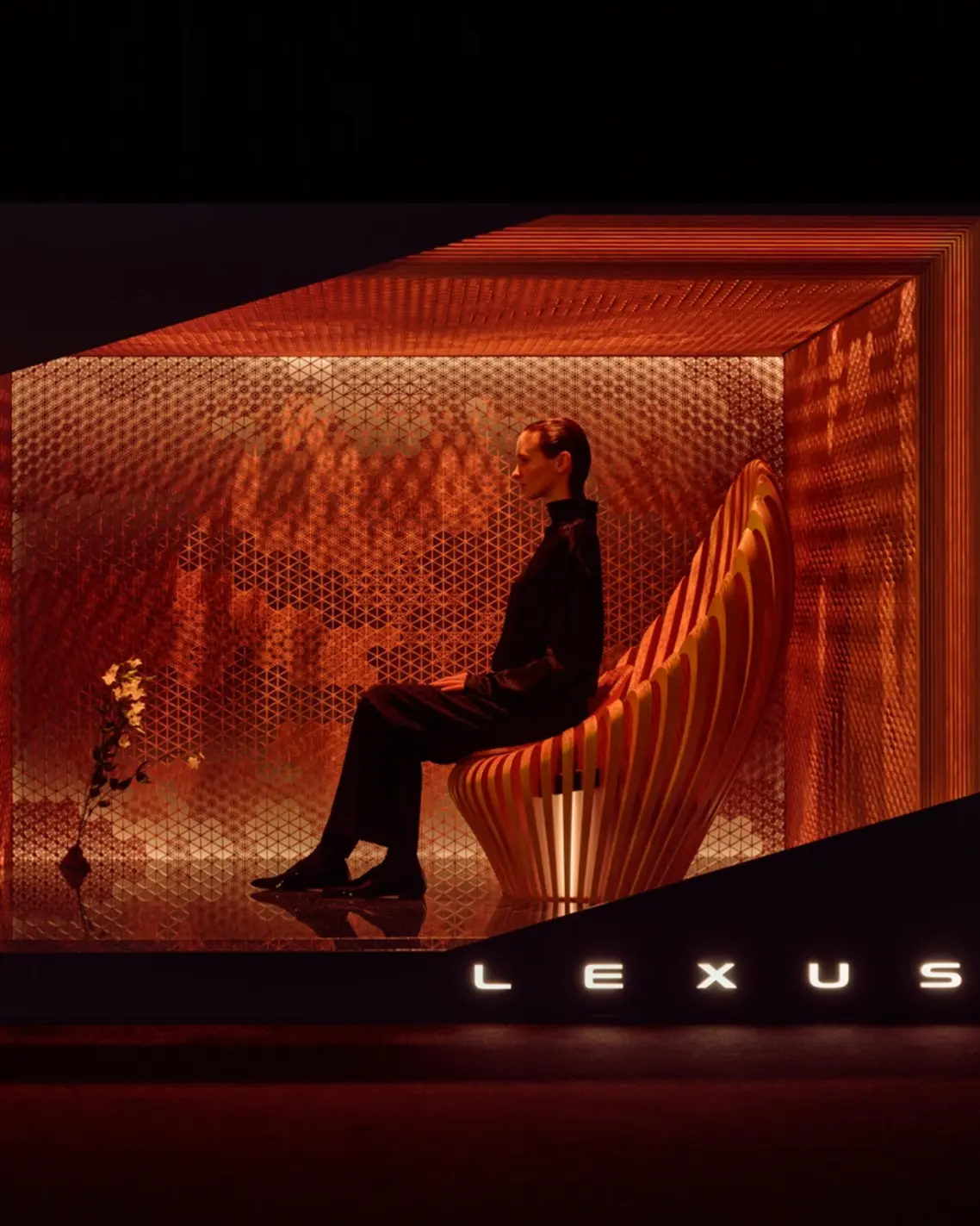
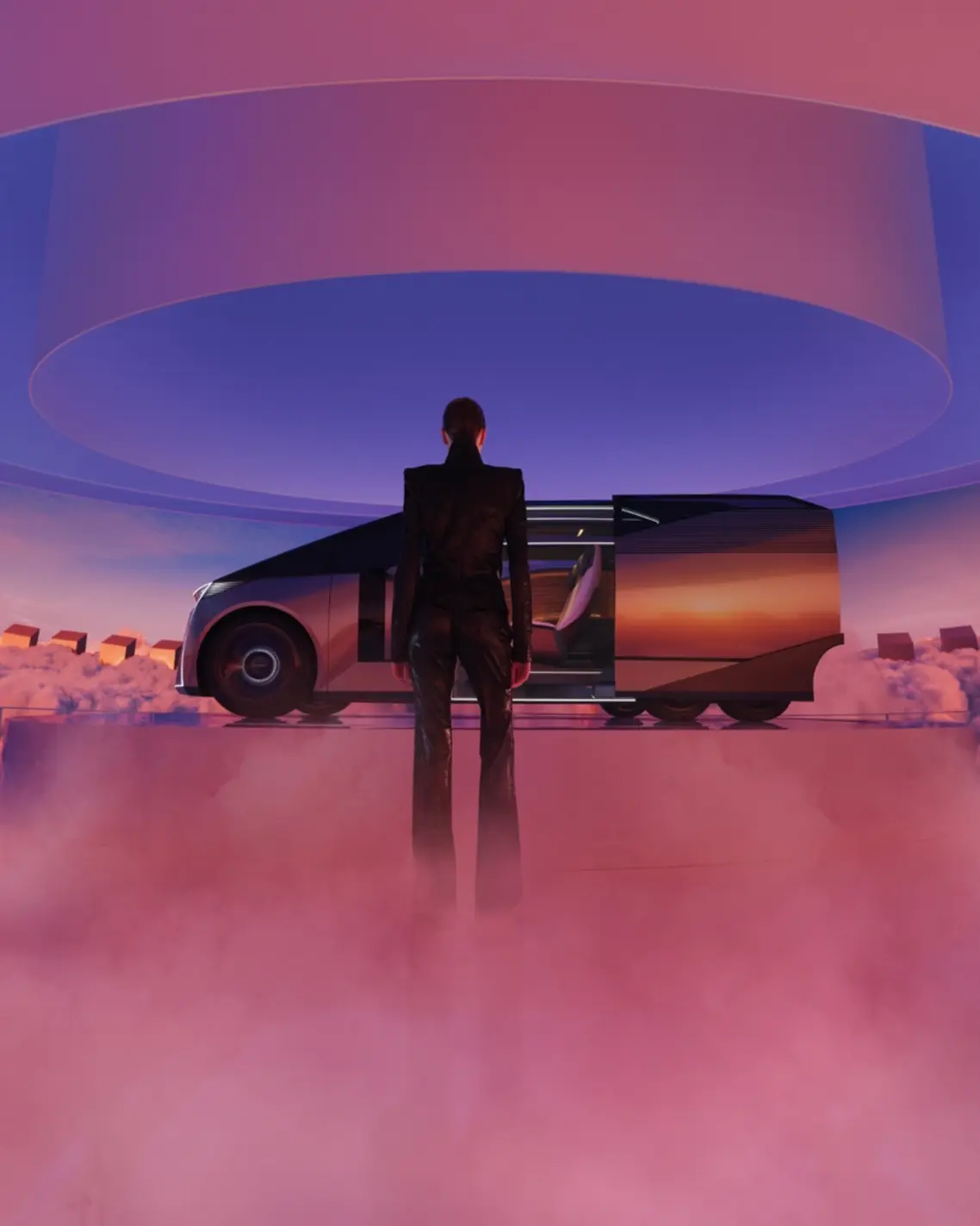
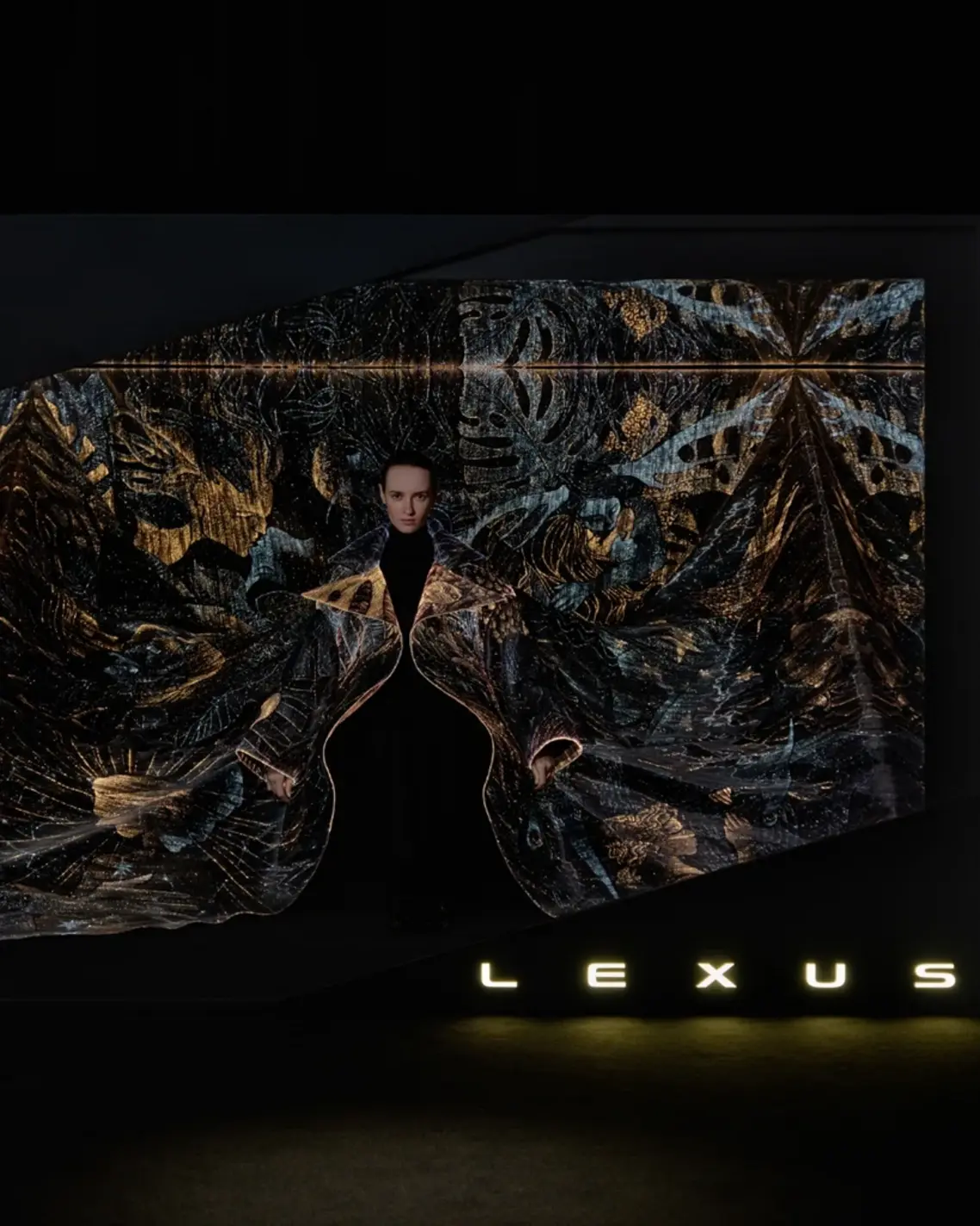
This was the “smart sanctuary” idea made automotive. Lexus treated the car interior as a personal atmosphere: a moving room, a cocoon, almost a garment for the body. Where Audi used architecture as a portal, Lexus used immersion as a chamber. Both brands understood that the future of luxury mobility will be judged by sensation as much as speed.
Lotus And BMW: Sartorial Engineering And Responsive Surfaces
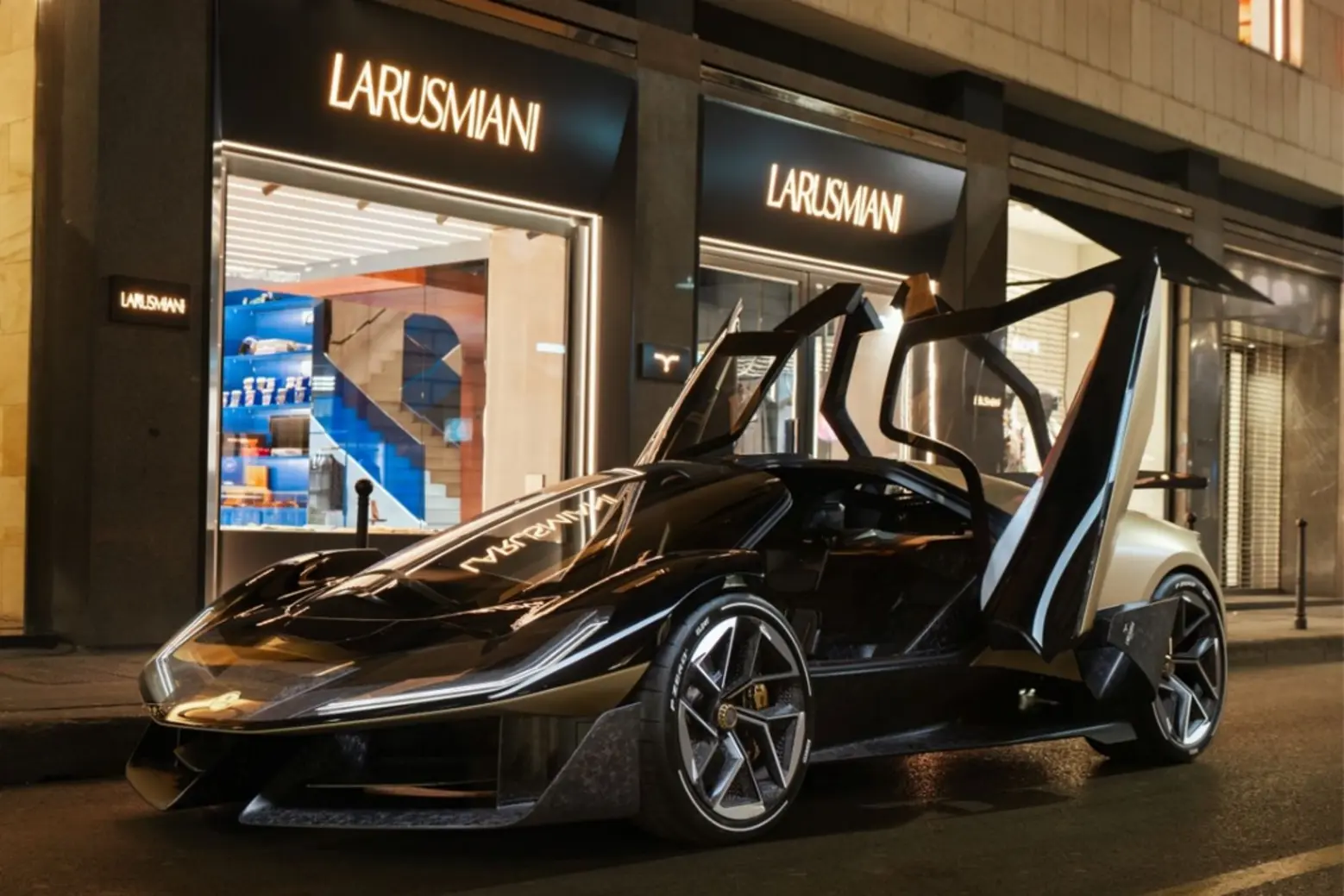
Lotus took a more intimate route through what could be called the boutique strategy. For IN PROGRESS, the brand partnered with Larusmiani in the Montenapoleone district and presented the Lotus Theory 1 in a bespoke Au finish. The color referenced gold as the 79th element, Lotus’s 79 Formula 1 victories and the historic gold of legendary Lotus liveries. By placing a hyper-car inside a luxury menswear environment, Lotus bypassed the broad fair crowd and spoke directly to the collector who understands engineering as tailoring: proportion, reduction, tension, silhouette.
This was sartorial engineering. The exhibition’s language of “simplicated” forms, stripping away everything but essential aerodynamics, aligned surprisingly well with tailoring. A great suit and a great car both depend on hidden structure. The excess is removed so the line can become inevitable. Lotus’s choice of Larusmiani made that argument more convincing than a conventional automotive stand could have done.
BMW and MINI’s Vibrant Transitions, staged at Palazzo Borromeo d’Adda, explored the crossover between digitality and materiality through a sensory journey of changing surfaces and individual design worlds. The installation featured BMW and MINI environments designed to show the variety of personal expression within mobility, using architectural space and responsive visual structures to suggest that digital experience is moving away from screens and toward atmosphere.
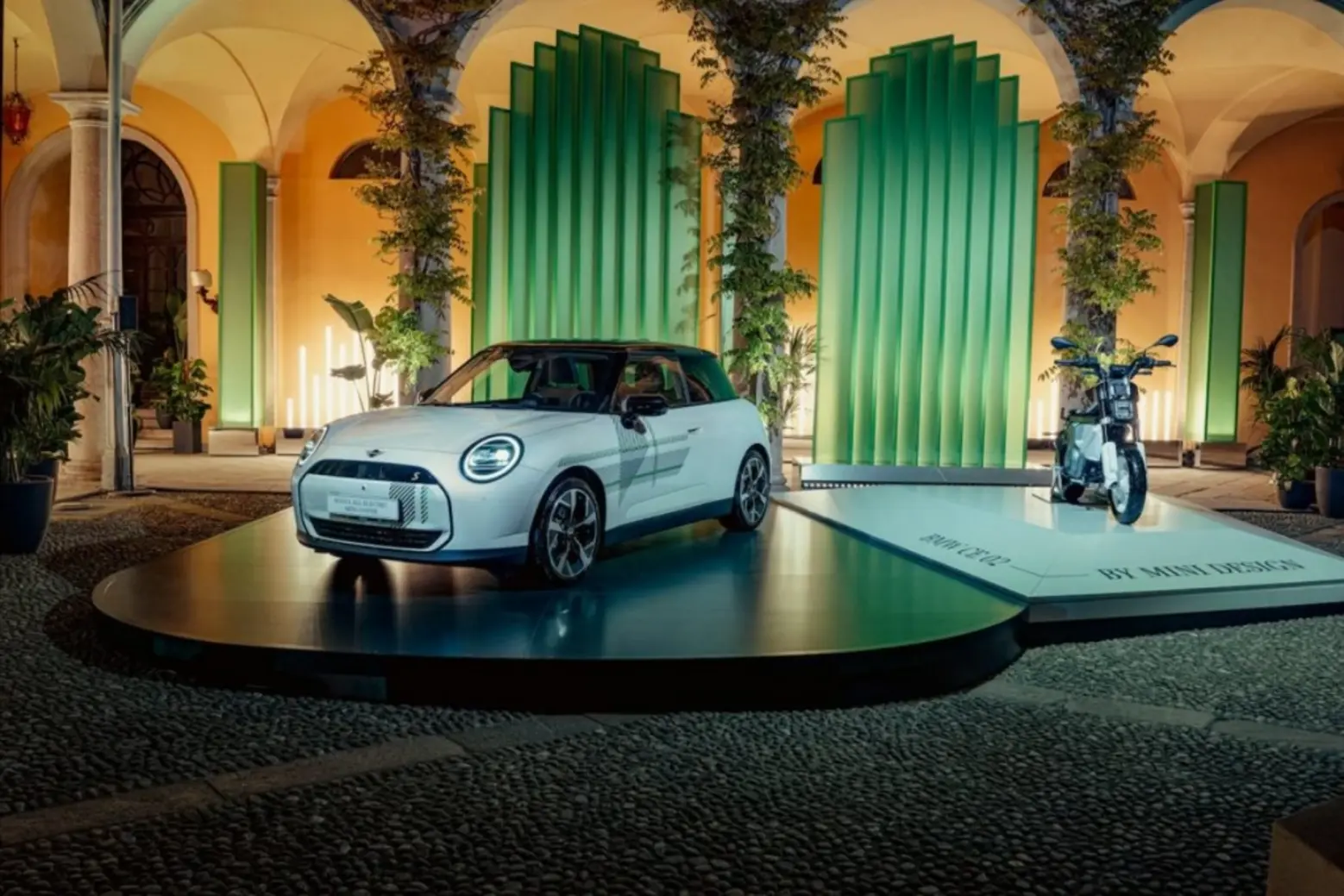
BMW’s emphasis was personalization. The glowing, shifting environment mirrored the broader design-week movement toward integrated surfaces: less dashboard, more aura; less device, more spatial response. In that sense, BMW belonged to the same conversation as Lexus, but with a different temperament. Lexus was meditative. BMW was transitional. Lexus imagined the car as sanctuary. BMW imagined it as a responsive interface.
The Fashion-Auto Pivot: Luxury Escapes The Showroom
What connected these fashion and automotive projects was a shared rejection of the showroom as a sufficient format. Jil Sander did not need a chair. Hermès did not need a conventional display. Marni did not need a booth. Audi did not need a static car stand. Lexus did not need a vehicle-only presentation. Lotus did not need a motor-show stage. Each brand used Milan’s architecture to slow the visitor down and frame its values through space.
The contrast between fashion and automotive strategies is revealing. Fashion houses used culture to deepen identity, through books, cafés, archives, craft, lamps and modernist references. Automotive brands used design to humanize technology: Portals, capsules, responsive surfaces, hybrid performance and personal space. Fashion was asking, “What kind of mind does this brand create?” Automotive was asking, “What kind of body experience does future mobility produce?”
Yet both sectors arrived at the same answer. Luxury now requires atmosphere. It responds to the room around the object, the history beneath it, the silence before it, the sensory intelligence that makes it feel inevitable. Milan Design Week 2026 proved that brands now compete through context as much as product.
Conclusion
The new luxury laboratories of Milan Design Week 2026 showed that lifestyle branding has entered a more complex phase. The old dream was to extend a brand into the home. The new dream is to make the brand feel like a complete cultural condition.
Jil Sander offered the mind. Hermès offered matter. Marni offered social ritual. Loewe offered light. Saint Laurent offered archive. Audi offered technical clarity. Lexus offered spatial calm. Lotus offered sartorial engineering. BMW offered responsive personalization. Together, they created a slow circuit through Milan, a route designed to protect attention from the fair’s wider excess problem.
This shift matters because it reveals where luxury is heading. The most sophisticated brands are no longer satisfied with visibility. They want interpretation. They want the visitor to enter a space and feel the brand before seeing the product. At Milan Design Week, the future of luxury was not simply wearable, driveable or livable. It was atmospheric. It was intellectual. It was sensory. And above all, it was carefully staged.