





Enveloped in the sacred space of Ma, the kimono transforms the human silhouette into a living landscape where every fold whispers of ancient modesty and intoxicating attraction.
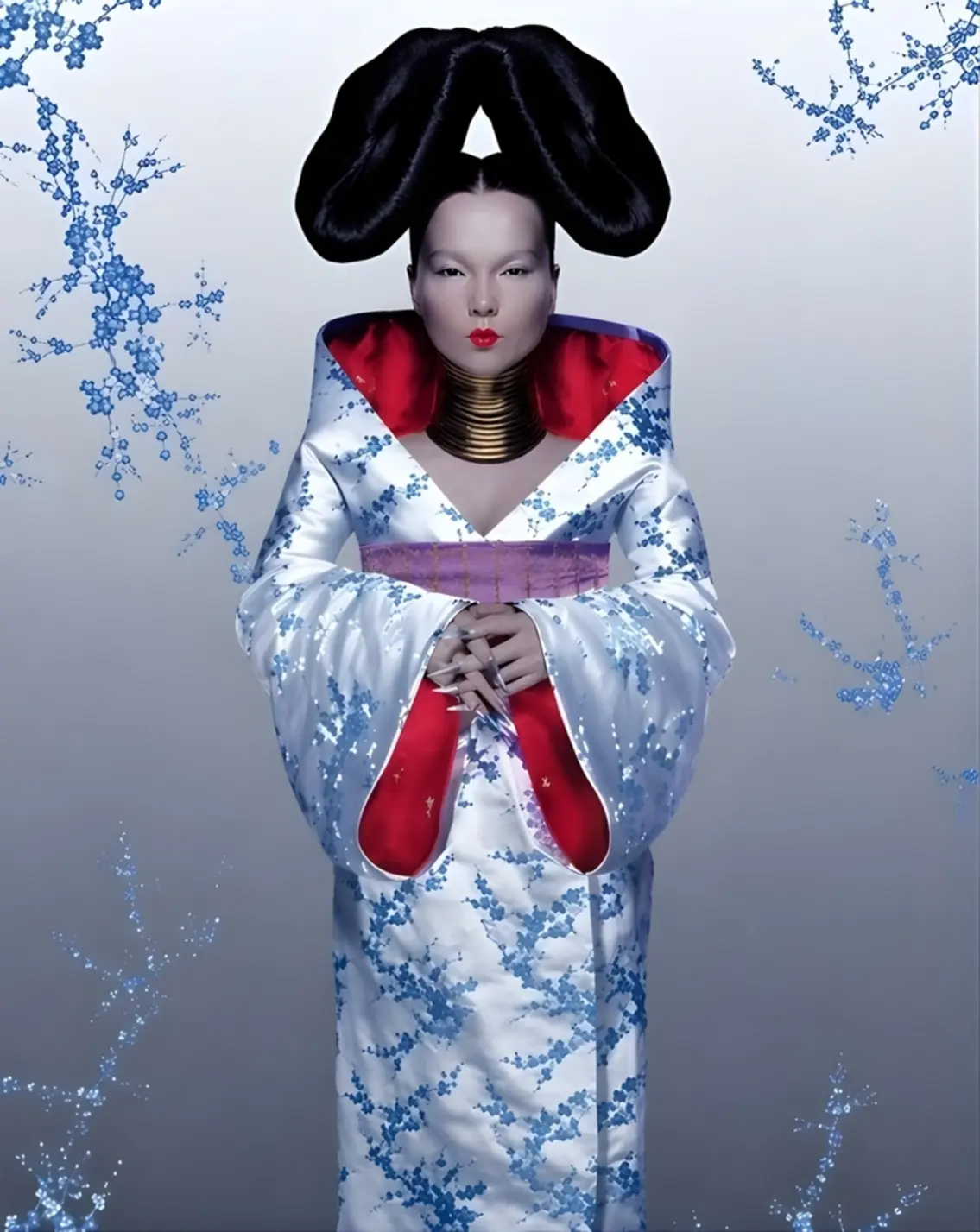
Kimono: A Sinful Sip of a Sake-Soaked Daydream
Enveloped in the sacred space of Ma, the kimono transforms the human silhouette into a living landscape where every fold whispers of ancient modesty and intoxicating attraction.
April 25, 2026
Advertisement

Advertisement



A soft, needle-fine spring drizzle dimples the surface of the koi pond, catching the amber glow of paper lanterns strung beneath blooming sakura branches. The evening air breathes with the scent of crushed petals and warm sake, wrapping around the figure of a woman wandering the temple grounds. She is a vision of ancient modesty and profound allure, draped in a masterpiece of textile architecture. The foundation of this spell begins at the loom, where raw threads transform into tactile poetry meant to hold whispers.
Kimono Anatomy: The Art of the Hidden Form
Before her lies the tanmono, a narrow, twelve-meter bolt of silk that serves as the absolute blueprint for the Japanese silhouette. This is the system of rectilinear geometry where a simple, straight-seamed, T-shaped robe is born from eight precise panels with almost no cutting and zero waste. The grammar of the style is unyielding: the fabric is wrapped left over right across the chest, the excess length is pulled up and hidden at the waist to create the ohashori fold, and the entire form is bound into an immaculate, vertical pillar. The structural power resides in this controlled fall of fabric, where the crisp line of the collar and the deep, rectangular sleeves serve as anchors for a silhouette that ignores the curve in favor of the column. The touch first encounters chirimen, a deeply textured crepe silk carrying a heavy, liquid drape that cascades over the shoulders in a fluid embrace.
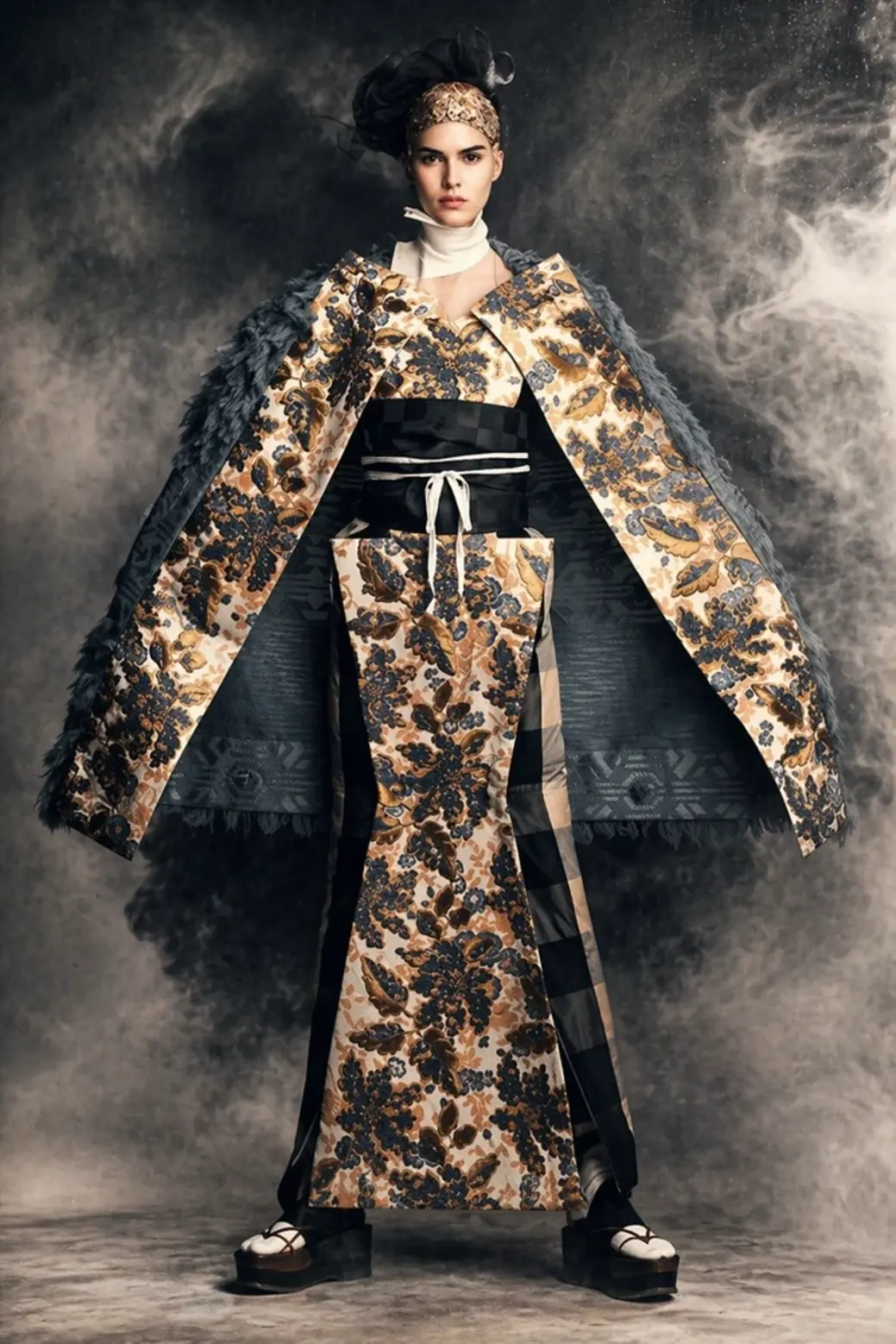
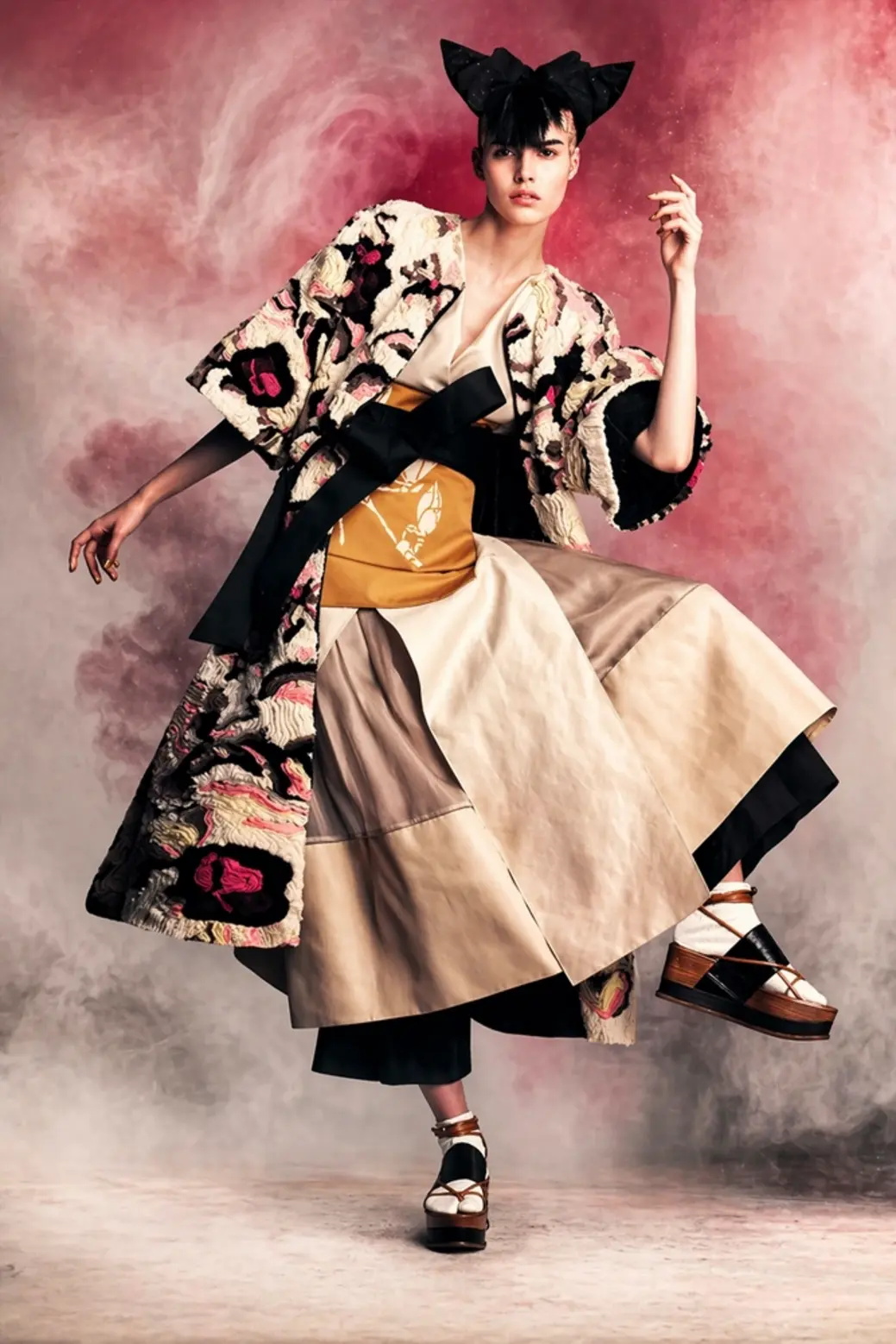
Smooth rinzu damask offers a luminescent sheen, catching the festive lantern light in its woven, tone-on-tone shadows. Masters of yuzen dyeing brush liquid pigment directly onto the warp and weft, painting sweeping, breathtaking tableaux of weeping willows, silver-threaded cranes, and falling cherry blossoms across the expanse of the straight-seamed bolt. Master embroiderers weave pure gold and silver threads into the silk using the niho shishu technique, creating a topography of light that catches the moonlight with every subtle turn of the hip. The art of shibori introduces raised, three-dimensional patterns through the microscopic binding of threads before immersion in deep vats of dye, resulting in a fabric breathing with texture. Every hue sings with the season, utilizing precise shades of pale celadon, bruised plum, and striking vermilion, turning the human form into a breathing, painted landscape.
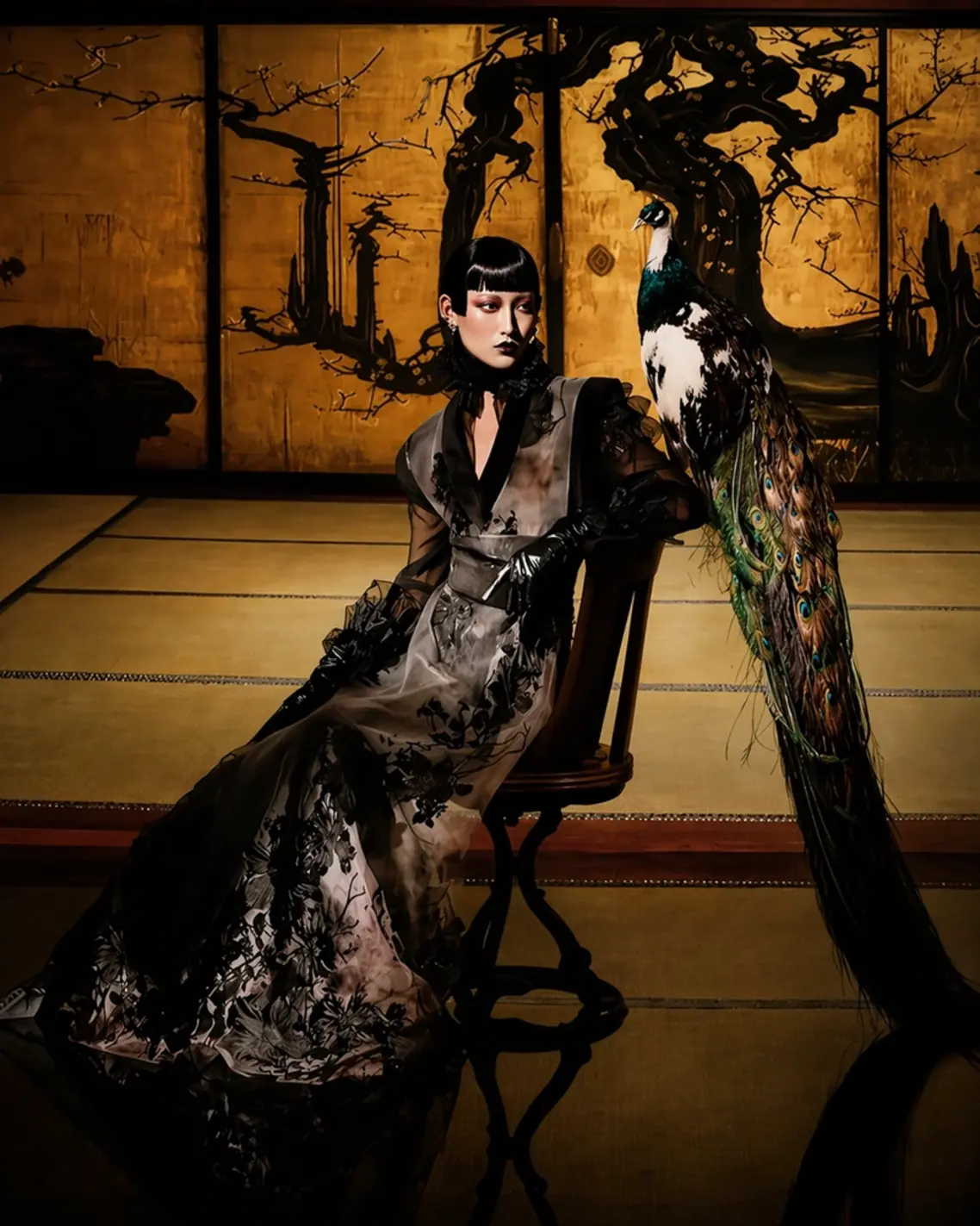
The ritual of dressing, the kitsuke, weaves the body into a continuous cylinder of immaculate geometry and grace, a profound devotion to the art of the enveloped form. The layering begins intimately with the hadajuban, a soft slip resting flush against the skin, followed by the nagajuban, the foundational silk under-layer. This crucial piece offers a glimpse of the pristine haneri, the half-collar framing the face in crisp white or delicate embroidery, illuminating the complexion with a soft, petal-like radiance. Soft padding gently wraps the torso, sculpting the natural form into a flawless pillar, ensuring the heavy outer silk falls in an unyielding, majestic vertical cascade. The expansive fabric of the tanmono gathers and folds at the hips into the ohashori, achieving the perfect, ankle-skimming length that dictates a measured, gliding step. Seduction dwells in the profound appreciation of ma, the sacred, breathing space suspended between the skin and the silk, where the fabric hovers and envelops the wearer in an intoxicating mystery. The straight-seam construction relies entirely on the drape and the subtle movements of the wearer to bring the sweeping furisode sleeves or the elegant tomesode hem to life, creating a dynamic silhouette in constant, gentle motion.
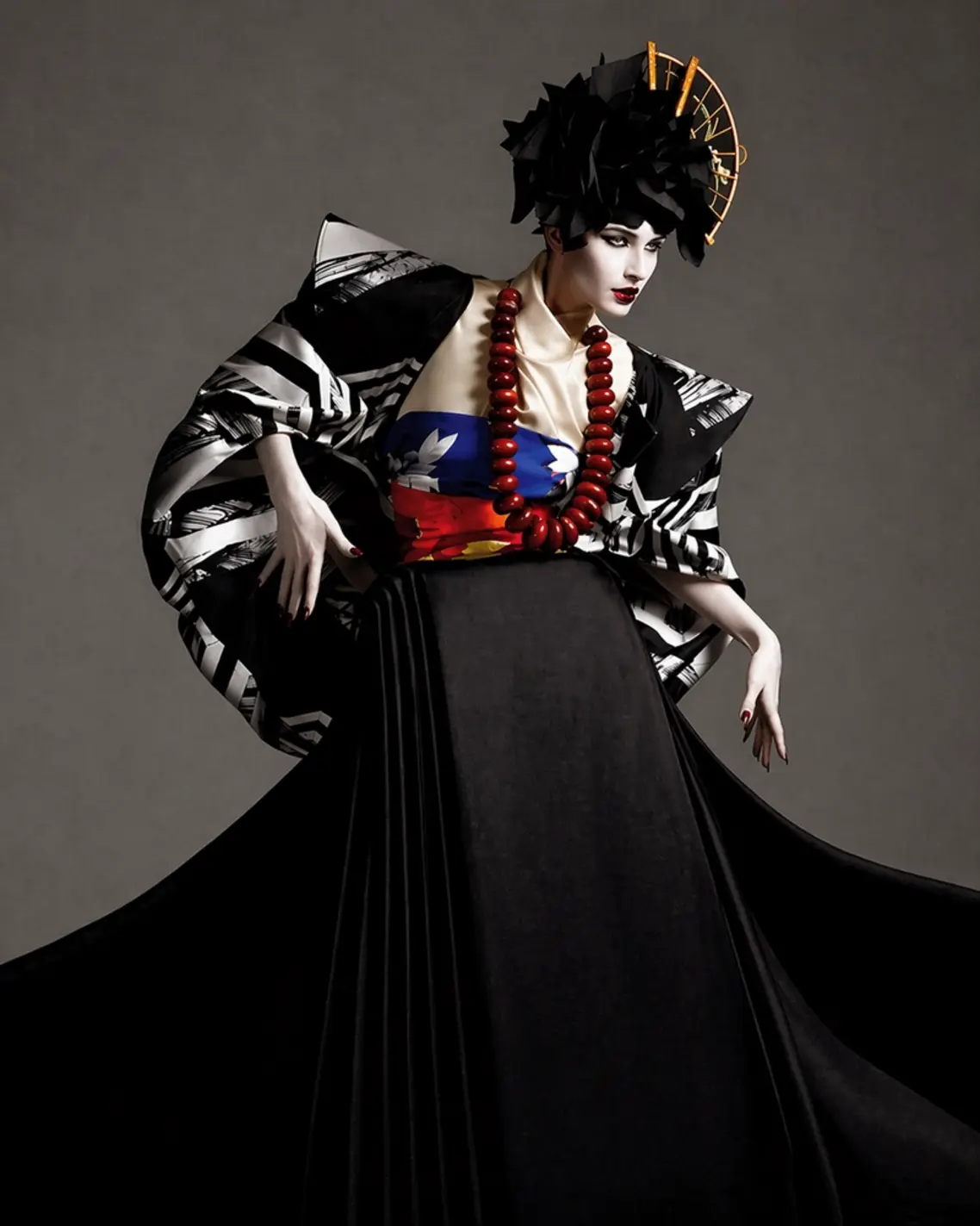
Securing this architectural marvel is the heavy brocade of the obi, encircling the waist as a pillar of absolute strength. This broad sash holds the posture tall, aligning the spine and binding the center with striking authority. The obiage, a delicate silk scarf, crowns the top of the sash, adding a soft breath of color and texture, while the obijime, an intricately braided silk cord, fastens the center with devastating precision. Suspended from this cord rest the netsuke, miniature ivory or wooden masterpieces intricately carved into forms of coiled dragons or resting foxes, serving as exquisite, tactile treasures for the observant, wandering eye.
Slipping onto the feet, split-toe tabi socks meet the lacquered elevation of zori sandals, finalizing an ensemble built on discipline. As she turns beneath the sakura trees, the collar pulls back deliberately to reveal the eriashi—the nape of the neck. This deliberate framing of bare skin creates a moment of pure, devastating seduction, drawing the eye to the singular point of exposure. She drifts elegantly through the evening mist, a femme fatale of the floating world, radiating a quiet, irresistible power.
Kimono Through Time and Desire
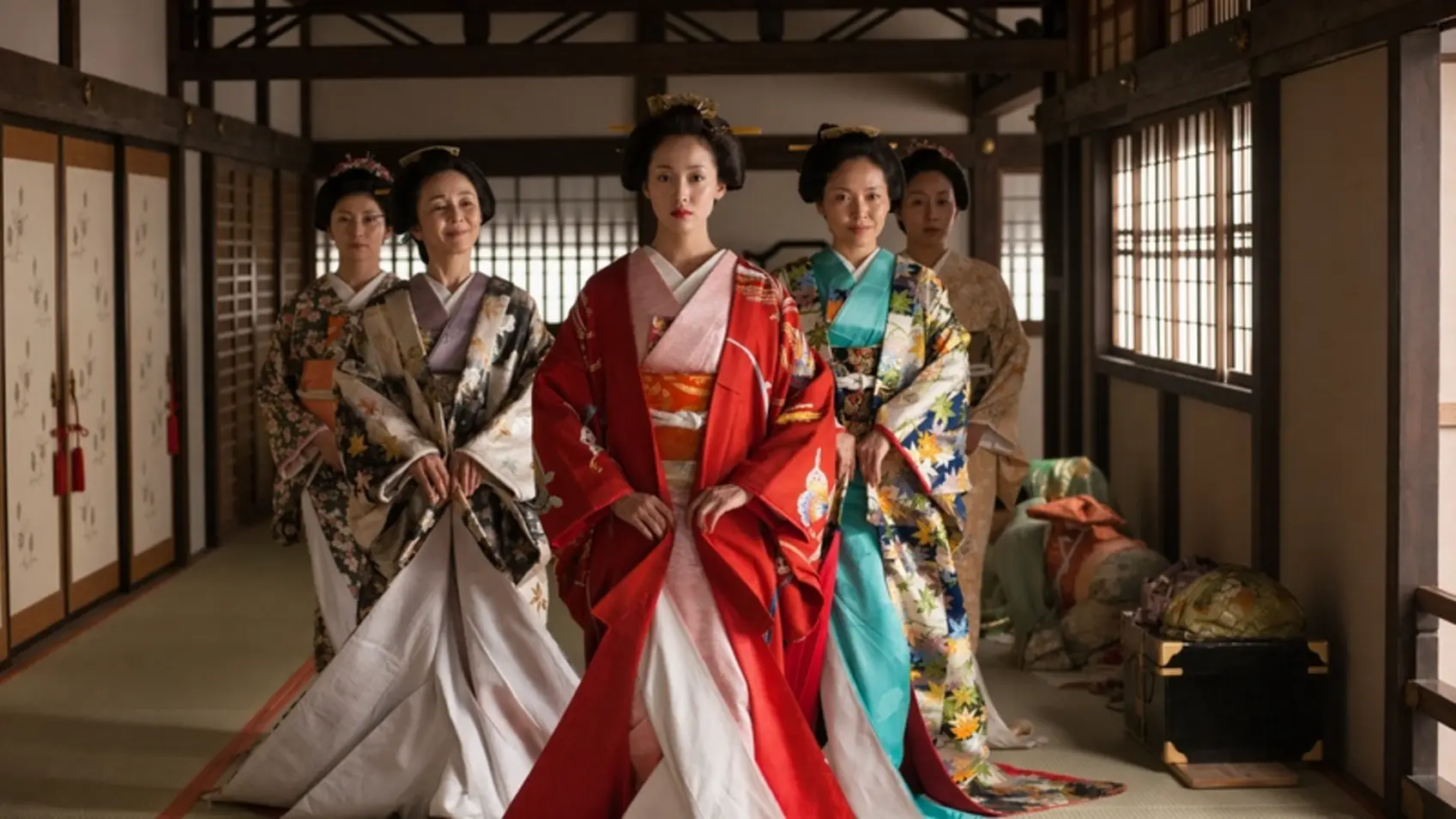
Before the kimono became a global fantasy, before it was flattened into an exotic shorthand or borrowed as a silhouette for the modern runway, it lived in Japan as something quieter and far more intimate: the thing one wore, the thing that learned the body, the thing that turned movement into manners. The word kimono, meaning “the thing to wear,” came into use in the mid-19th century, yet the garment’s history stretches further back, evolving from clothing associated with commoners and from aristocratic underlayers into the principal item of dress for all classes and both sexes from the 16th century onward. Its genius was never loud. It lay in a straight-seamed logic, in a wrapped front, in cloth that could shift with climate and occasion, in a form so disciplined that beauty had to arrive through color, motif, fabric, and the small ceremony of how it was worn. That is why the kimono feels less like a costume than a civilization made visible: the body covered, the mystery heightened, modesty turned into magnetism.
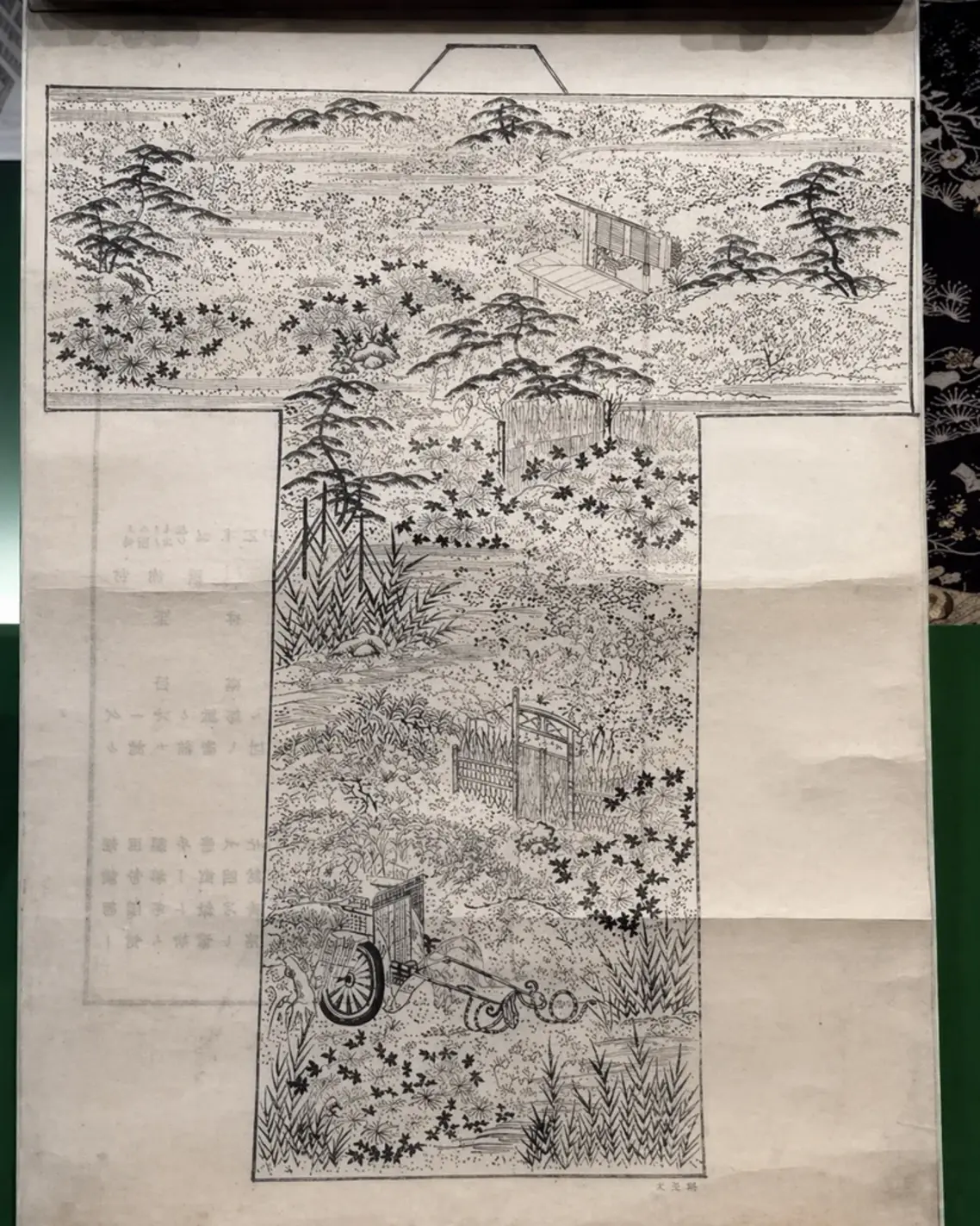
By the Edo period, from 1615 to 1868, the kimono had become one of Japan’s most refined theaters of taste. In that world, one can almost see her: a high-born woman beneath a paper umbrella, gliding past the lake while lantern light trembles across silk, every fold composed, every motif deliberate, every wandering eye arrested not by display but by restraint. This was the era in which Japanese weaving, dyeing, and embroidery reached extraordinary sophistication. The ruling military elite commissioned sumptuous, custom-made garments, yet the story grows more interesting when the merchant class enters the frame. In the new urban culture of Edo, townspeople without formal aristocratic rank used kimono as one of the most visible ways to proclaim cultivation, desire, wit, and aesthetic intelligence. The garment became a stage where wealth could shimmer through indirection, where taste announced itself not through exposed skin but through a sleeve lining, a seasonal blossom, a pattern whose meaning would only fully bloom for the educated eye. This is one of the great milestones in kimono history: it ceased being merely dress and became social language, visual literature, and a kind of moving poem.
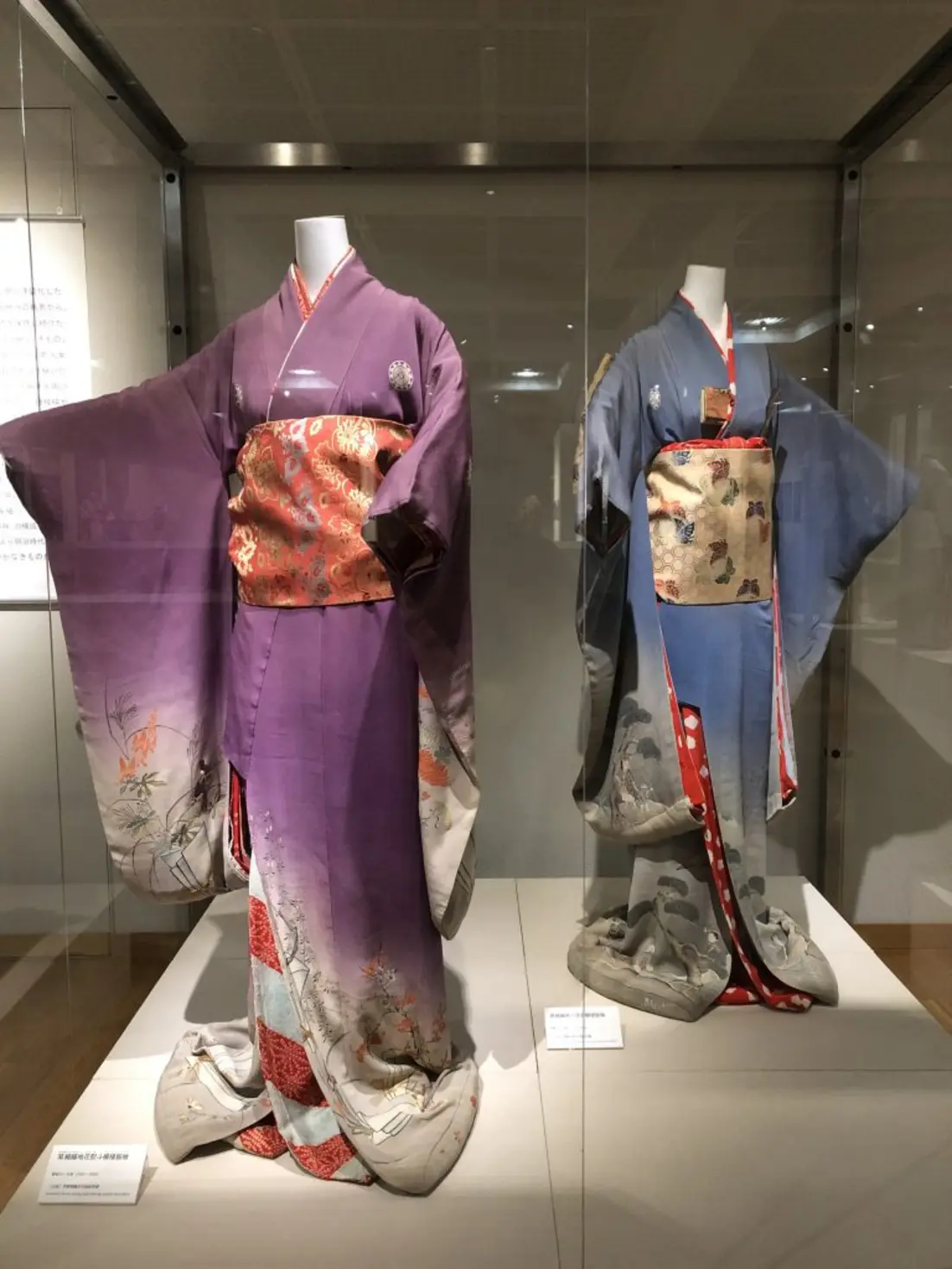
Then came the 19th century, and with it the shock of encounter. Japan’s engagement with Western clothing, art, and culture in the mid-19th century did not erase the kimono; it transformed it, and in doing so began the cross-cultural dialogue that still seduces fashion today. The Meiji period, beginning in 1868, brought modernization, imported dress, new social rhythms, and new images of femininity. Yet this was not a simple story of East replaced by West. The kimono adapting to the lifestyle of modern Japanese women even as it continued to radiate the old codes of elegance. More women gained access to silk garments, and by the 1920s affordable ready-to-wear meisen kimono rose to popularity, sold through department stores modeled on Western retail culture and marketed with the glamour of modern consumer life.
And then the kimono crossed the sea and disturbed Europe. Late-19th-century Western couturiers studied Japanese woodblock prints and the kimono’s rectilinear, enveloping form with hungry eyes. What they saw was liberation.The kimono’s loose silhouette and flat, geometric construction profoundly shaped Western fashion, influencing designers such as Madeleine Vionnet and later Cristóbal Balenciaga. Paul Poiret marks one of the most dramatic milestones in this transfer of desire. From the kimono Poiret learned that seduction could come without corsetry, that the body could be implied rather than carved, and that a woman wrapped in controlled fabric could be more arresting than one pinned into spectacle.
Kimono and the Language Beneath the Silk
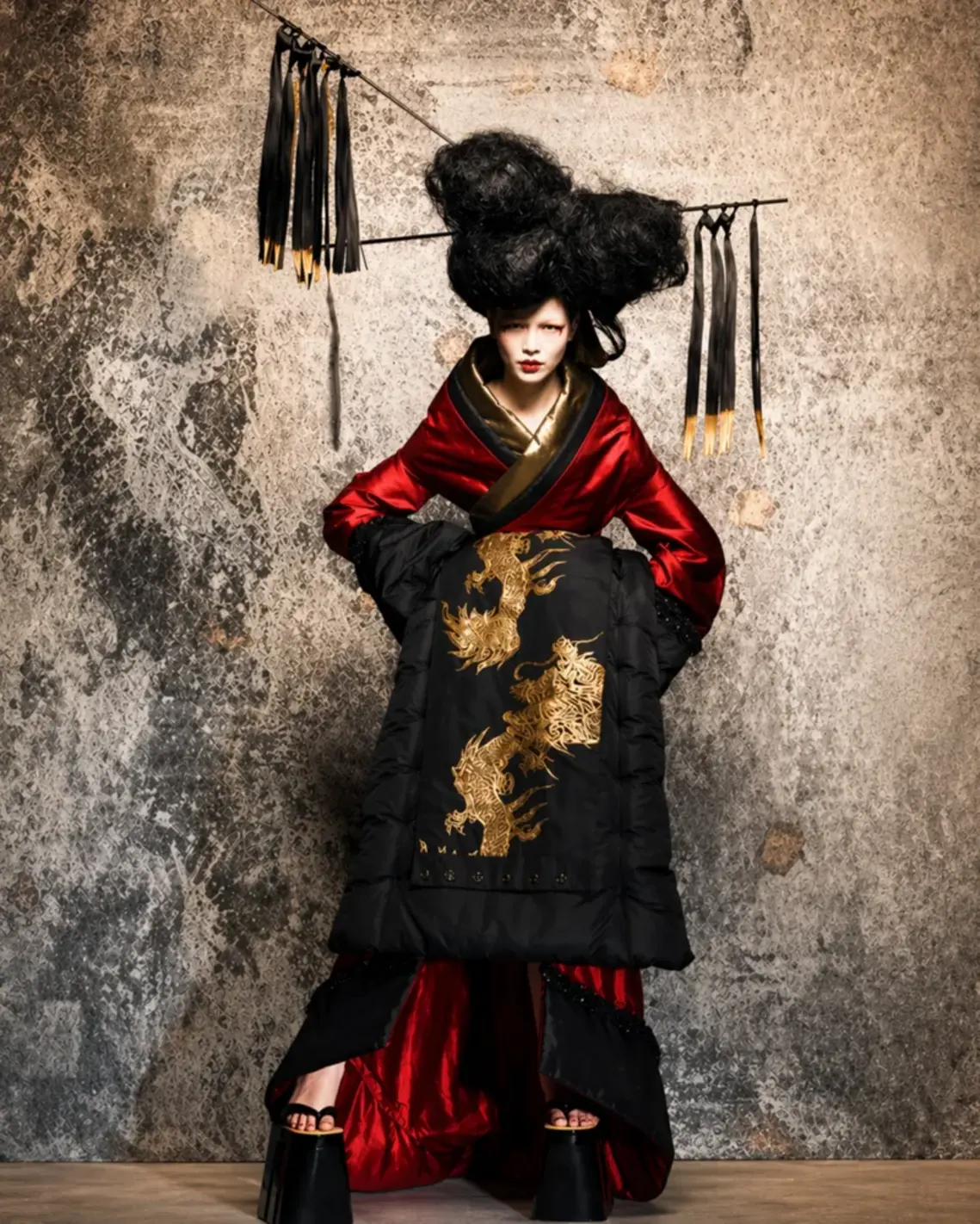
To wear a kimono is to inhabit a living poem, a layered manuscript where every thread is a syllable and every motif a metaphor. As she moves beneath the lanterns, the flickering light catches a dragonfly embroidered in silver thread upon her shoulder, a creature that never retreats, symbolizing the indomitable spirit. Beneath the hem, a crane takes flight across a sea of silk, its wings unfurling in a silent prayer for longevity and fidelity. She is wearing the very breath of the seasons, a walking calendar that marks the precise transition from the chill of winter to the flush of spring. In the Japanese psyche, the garment serves as a bridge between the human soul and the natural world, ensuring that the wearer is never separate from the landscape, but rather the most vital element within it.
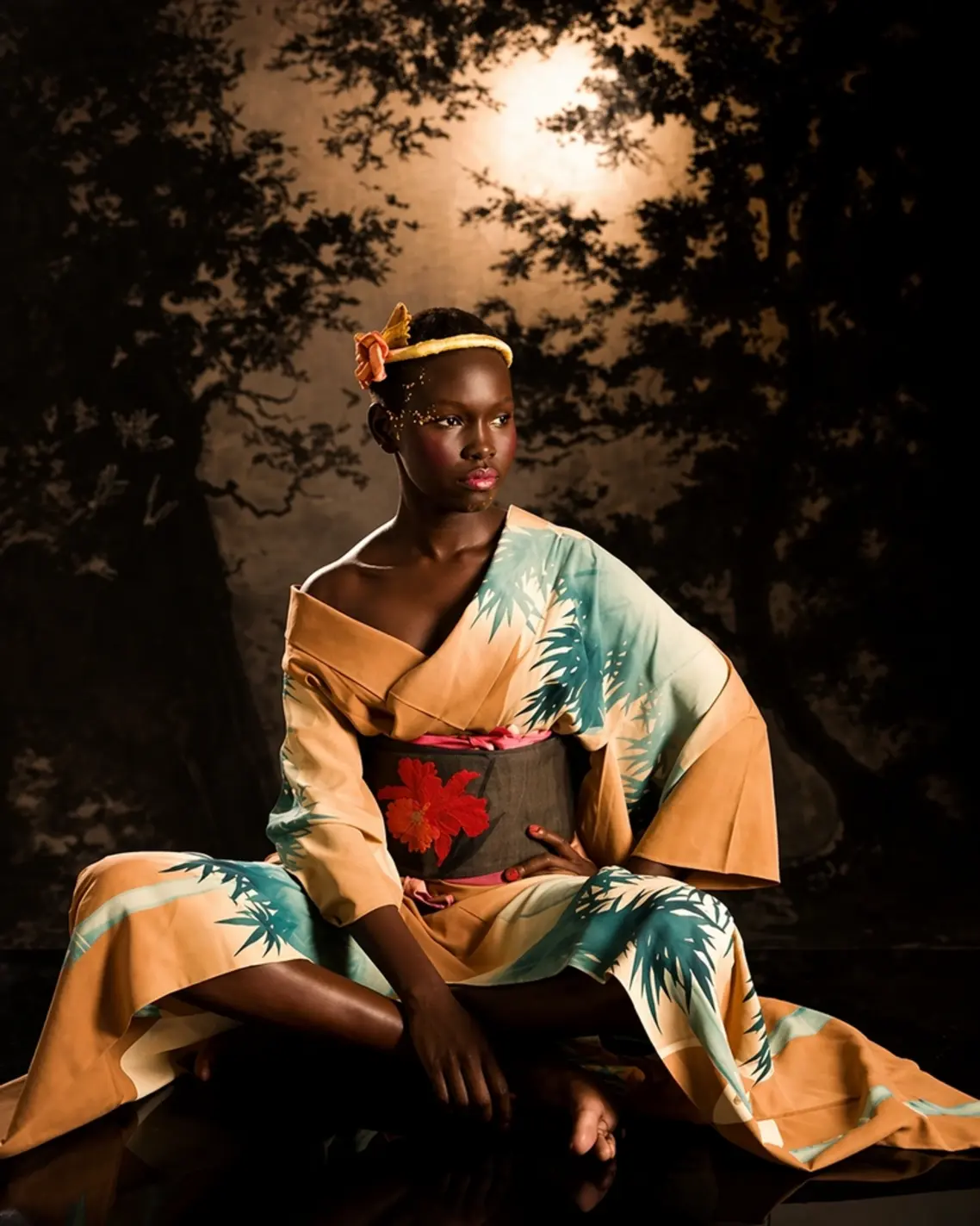
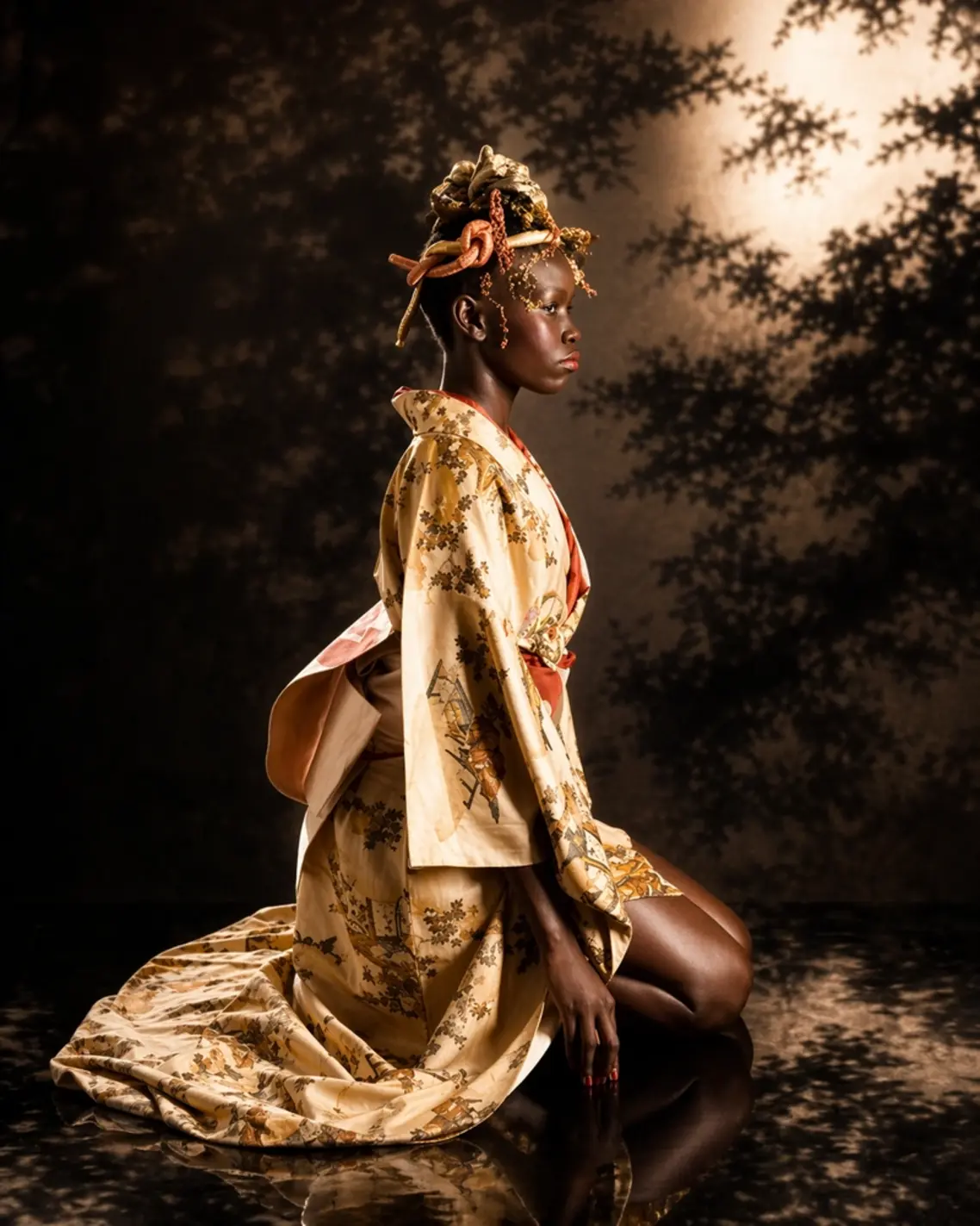
The water cascading down her sleeves is not merely decorative; it is a visual meditation on Mujo, the impermanence of all things. The swirling eddies and plunging falls represent the relentless flow of time, suggesting that beauty is found not in the permanent, but in the fleeting moment of a petal hitting the stream. This liquid symbolism grants the silhouette a profound depth, turning the rectilinear fall of the silk into a moving commentary on life’s constant flux. She carries this weight of meaning with a quiet, introverted grace, her every gesture a ripple in the pond of tradition.
There is a haunting spirit in the very acoustics of her presence, the kininuita, a sonic heartbeat born from the friction of silk against silk. Every measured step produces a rhythmic, breathy sigh, a "shush-shush" that serves as a vocalization of the fabric itself. In the hushed shadows of the temple, this sound identifies her essence before her face ever emerges from the gloom. It is an intoxicating vibration, a low-frequency whisper telling of the weight of her soul and the deliberate cadence of a heart beating against the constraint of the obi. This auditory seduction suggests that true attraction begins with a sound, an invisible thread of resonance that pulls the wandering eye toward the source of the whisper.
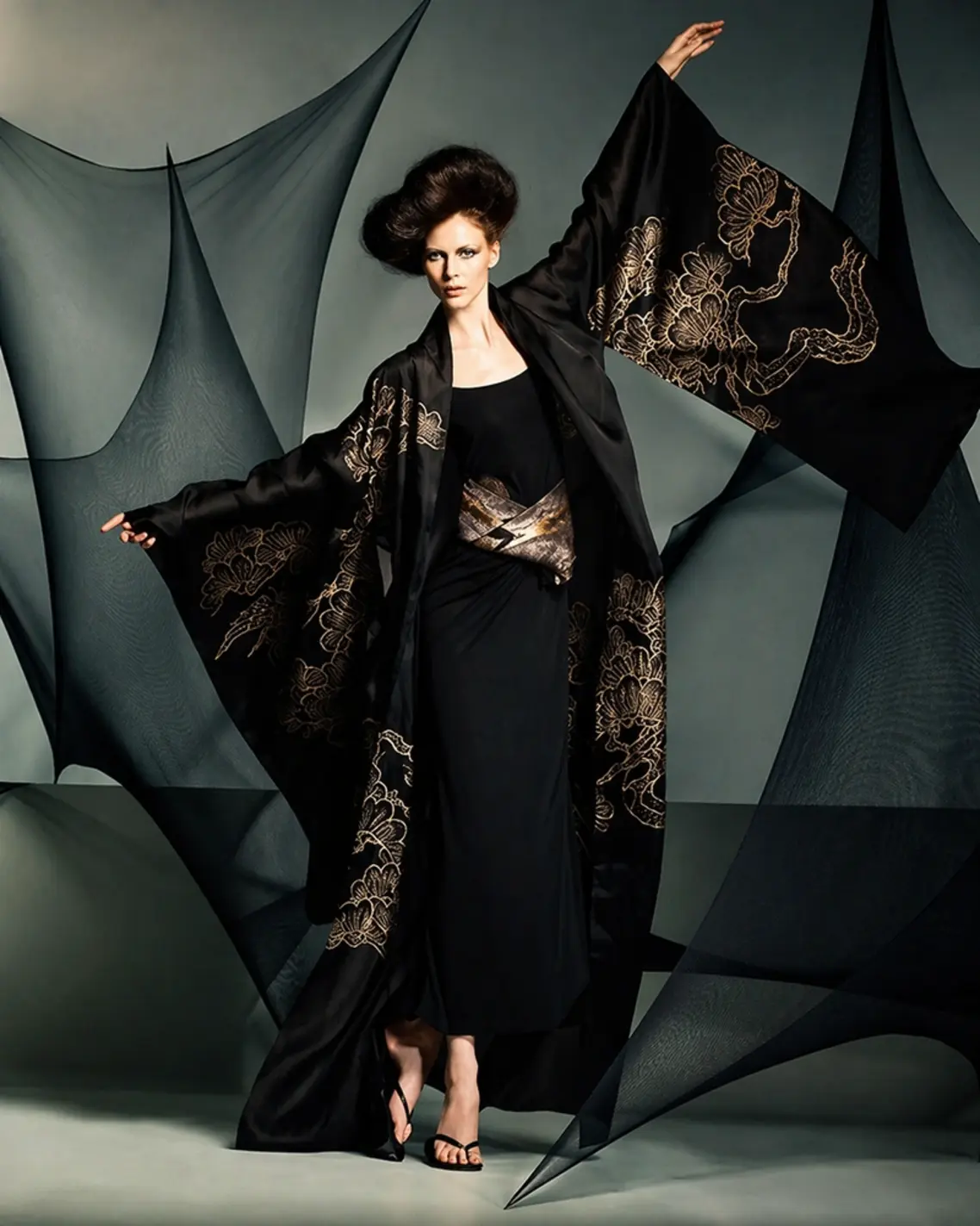
This presence matures into a profound, biological intimacy known as the spirit of the ghost map. Because silk is a living protein, it possesses a memory that deepens with every wearing, slowly absorbing the specific geometry of her posture and the unique tilt of her head in moments of reflection. Over the years, the garment evolves into a three-dimensional record of her existence, holding the hollow curve of her frame even when draped upon a rack in a darkened room. She is wrapped in a path that remains an unbroken journey from the silkworm to the spirit, a philosophy of the sacred, uncut line. The tanmono bolt remains whole, folded and tucked with a fundamental humility that refuses to break the continuity of nature. She exists as a guest within the silk’s ongoing story, a singular point of consciousness inhabiting an intact piece of the universe that has been momentarily gathered around her dreams.
Beneath the modest exterior of her robe lies the most potent symbol of all: the "hidden fire" of the red lining. this flash of crimson, visible only when she steps over a puddle or a sudden breeze lifts her hem, is a carrier of profound psychological power. It is the color of youthful allure, of vitality, and of a sacred protection against the spirits of the dark. This scarlet secret burns against the cool celadon of her outer silk, a pulse of desire hidden within a shell of restraint. It is the ultimate expression of the Japanese spirit: a seductive fire banked deep beneath a layer of ice and ash, irresistible like a draught of aged sake, leaving the wandering eyes to fall hopelessly in love with the mystery she chooses never to fully reveal.
Kimono On the Runway
On the runway, the kimono returns as a memory that keeps learning new shapes. High fashion receives it as a philosophy of line, a way of letting cloth fall with intention, a way of letting the body breathe inside elegance, a way of placing beauty in the wrap, the collar, the sleeve, the hush of surface, the center held by an obi-like pull. Contemporary designers keep drawing from its essential flatness, its rectilinear serenity, its motifs, its shibori pulse, its decorative discipline, then turning all of that into couture architecture, fluid eveningwear, sculpted tailoring, and modern ceremony.
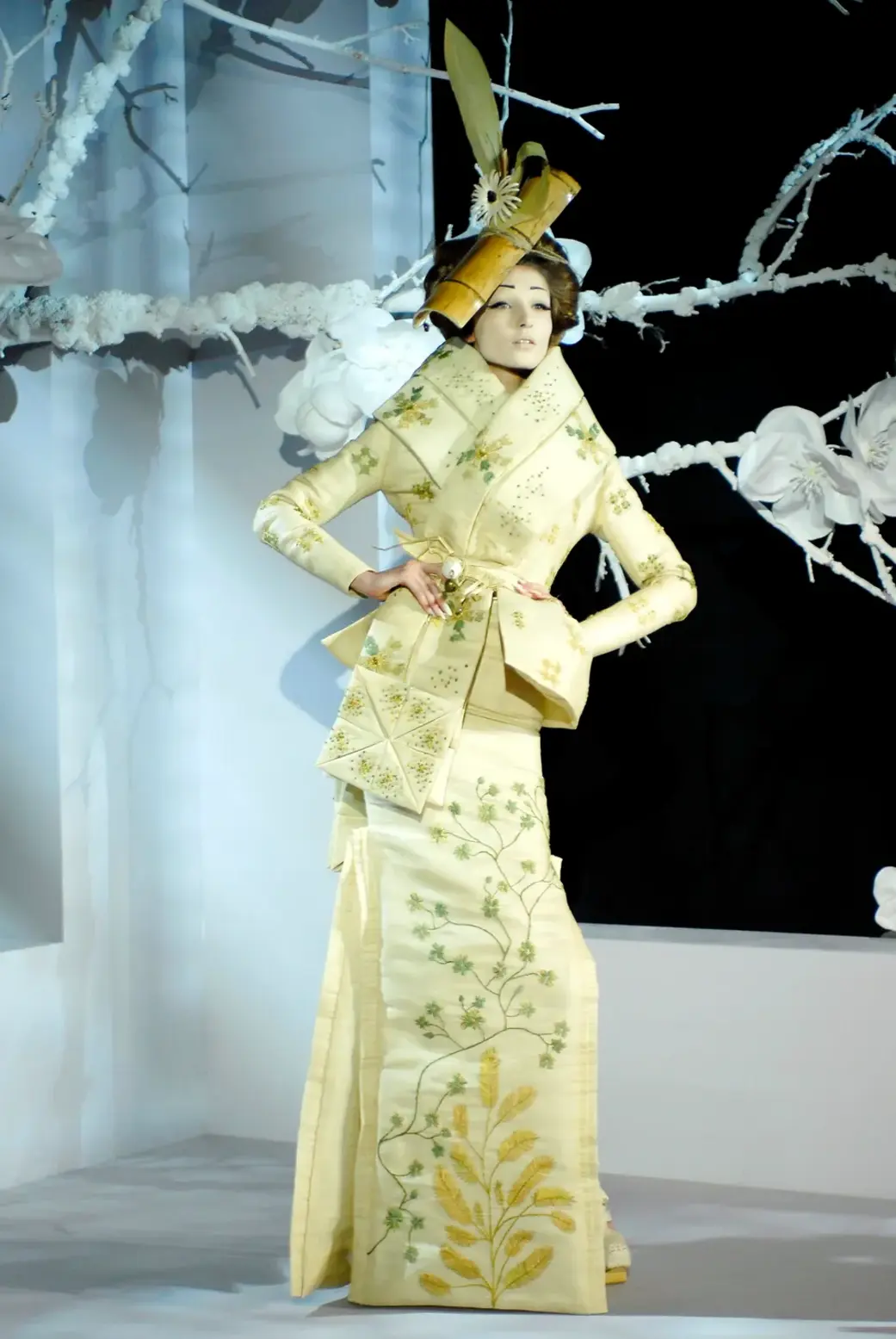

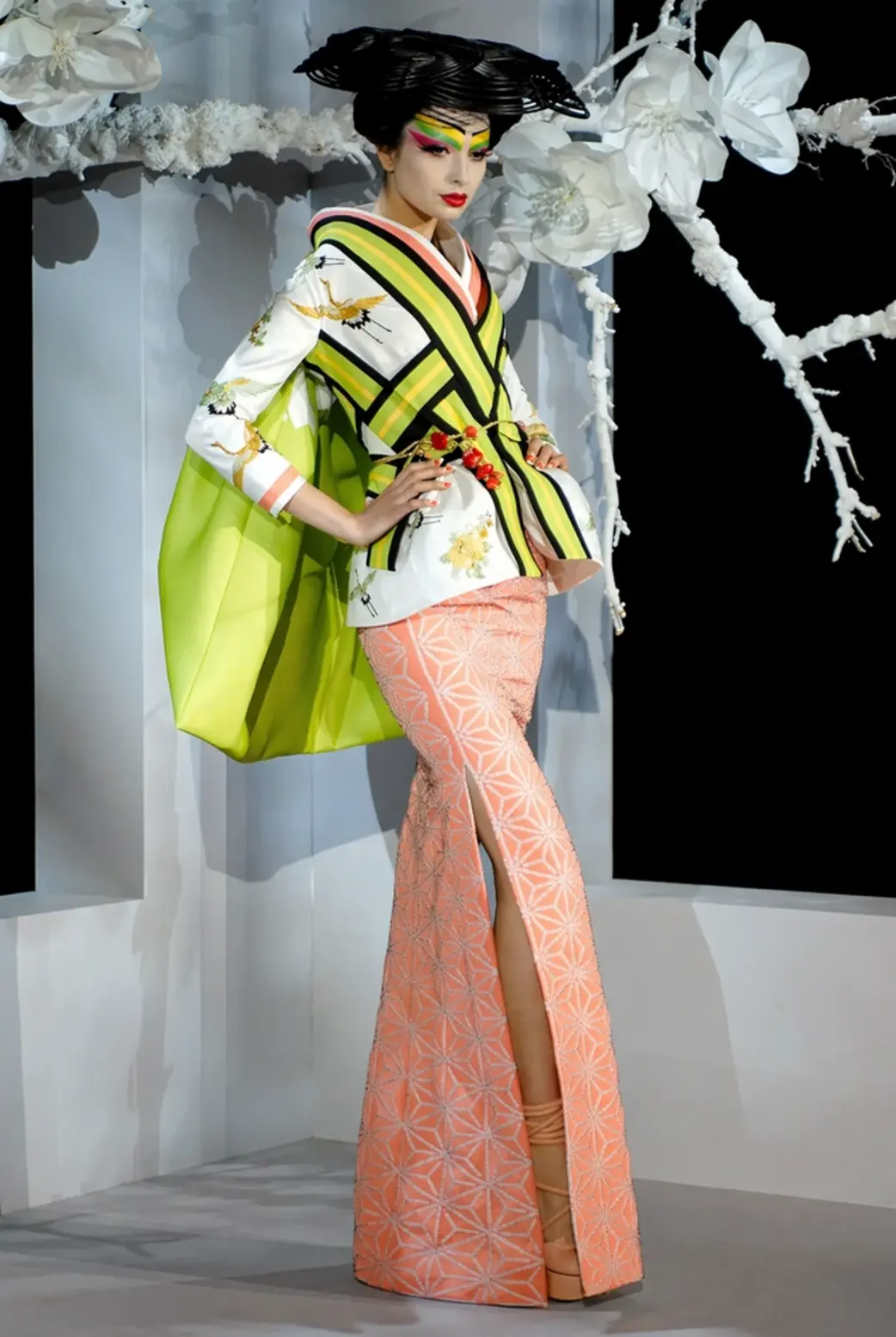
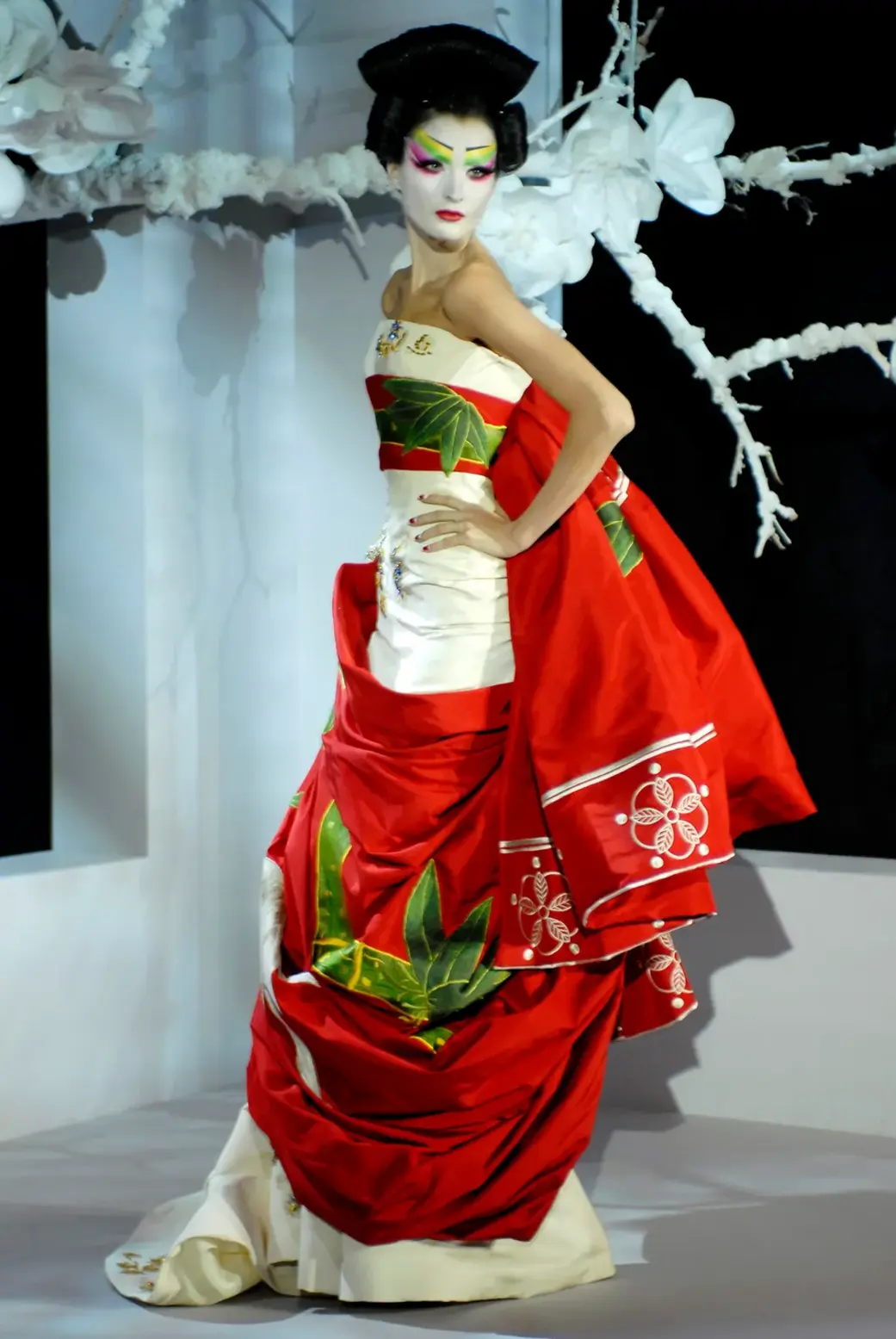
At Dior, this spirit has moved through a recent Kyoto chapter touched by handwoven Japanese textiles and through jackets shaped by the principles of kimono construction, where French atelier polish meets the quiet authority of wrap and volume.
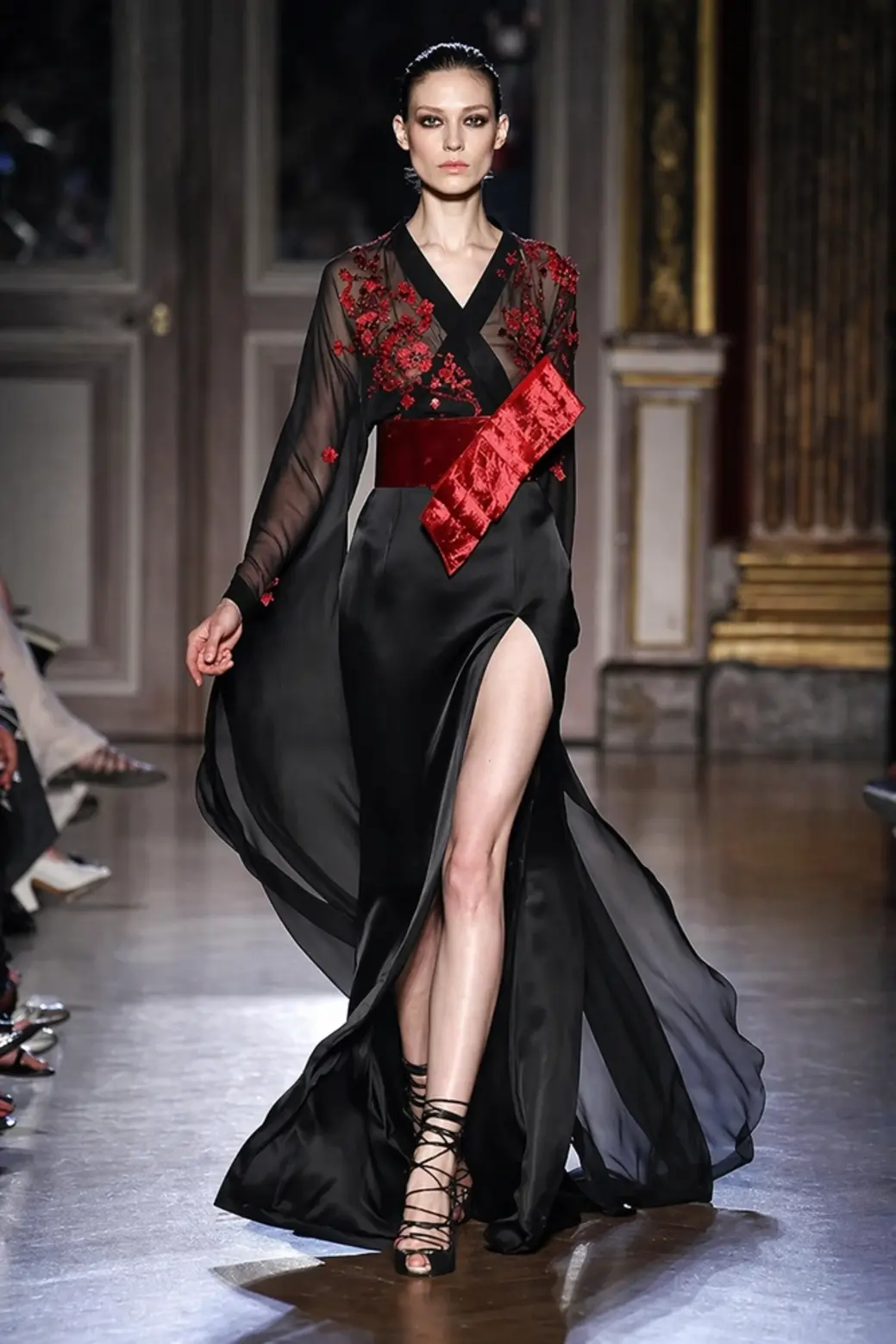
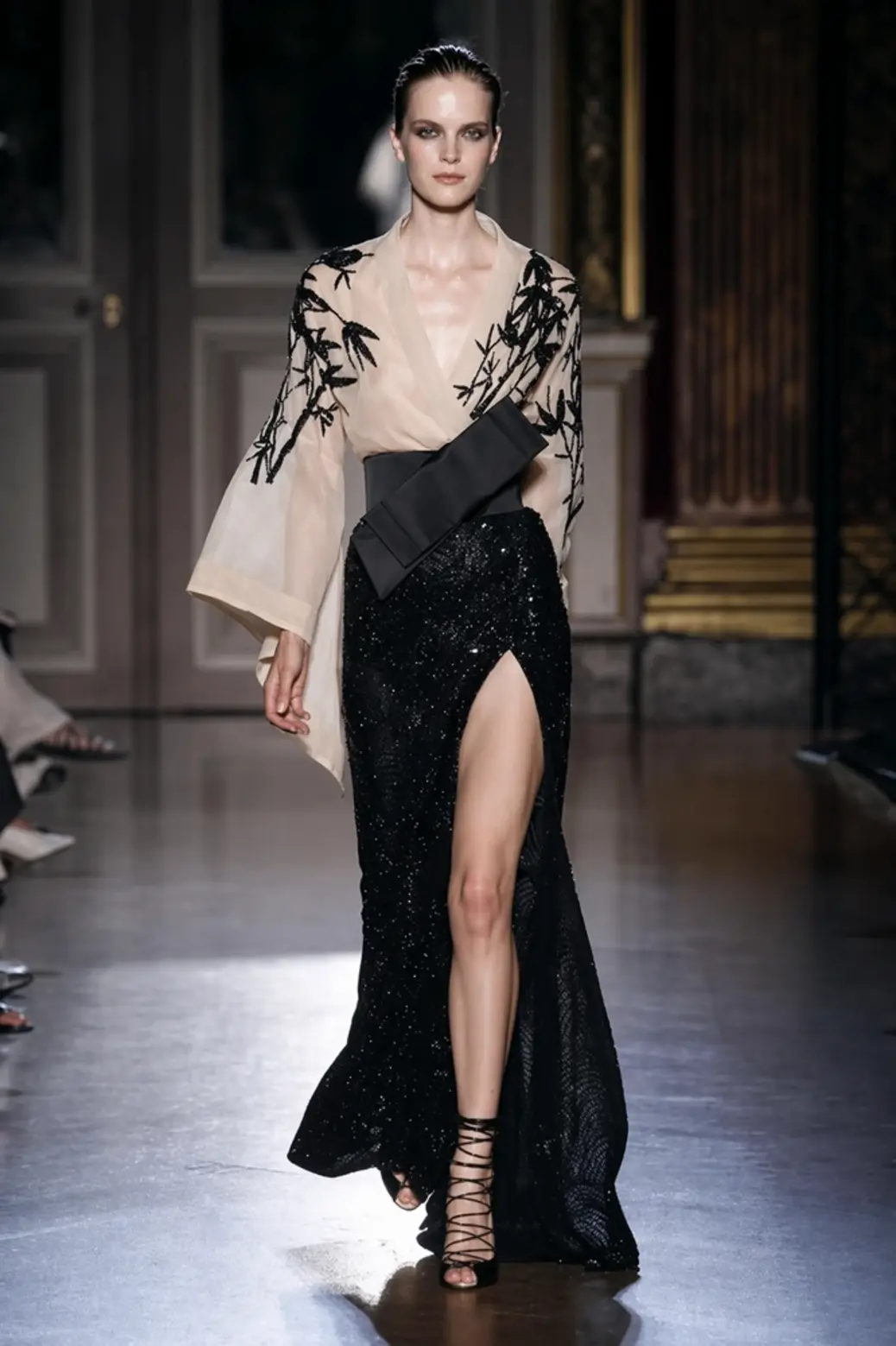
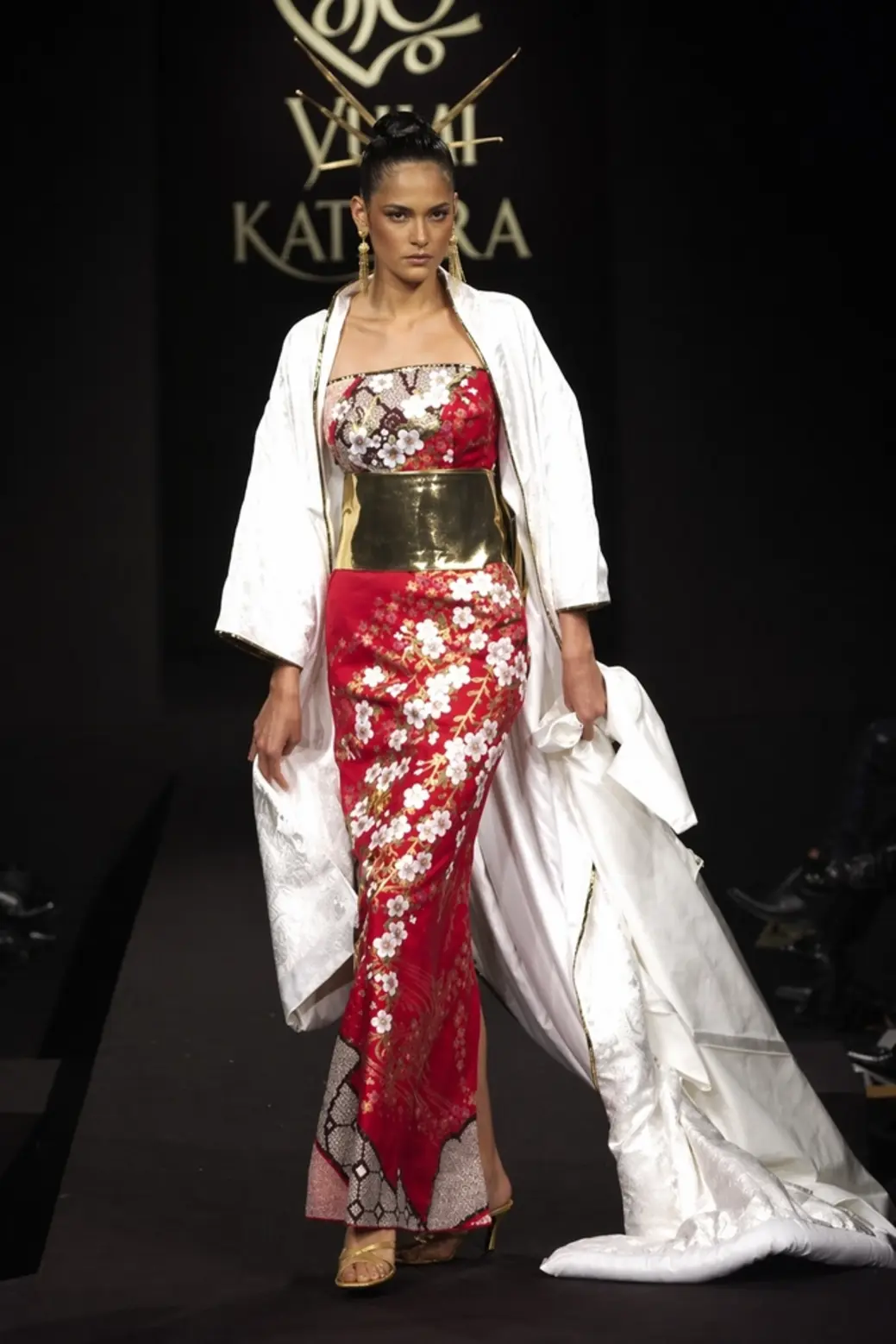
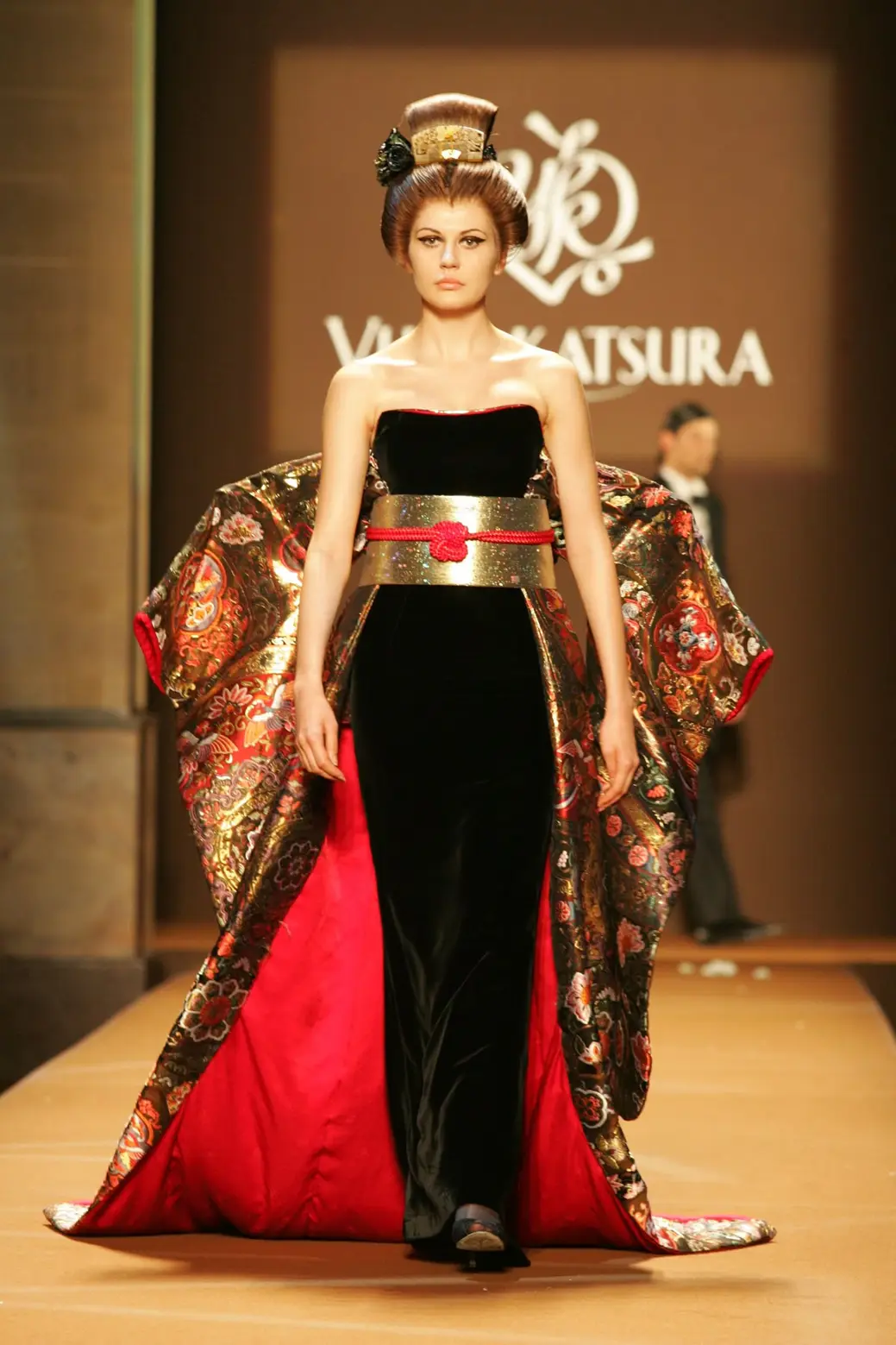
Elsewhere, the kimono enters fashion week like perfume moving through a room, subtle in one house, theatrical in another, bridal in one hand, rock-lit in the next. Yumi Katsura lets it flower through ceremonial romance, where embroidered uchikake beauty and quick-change ease give tradition a polished modern rhythm, and the bride moves as though wrapped in blessing and light.
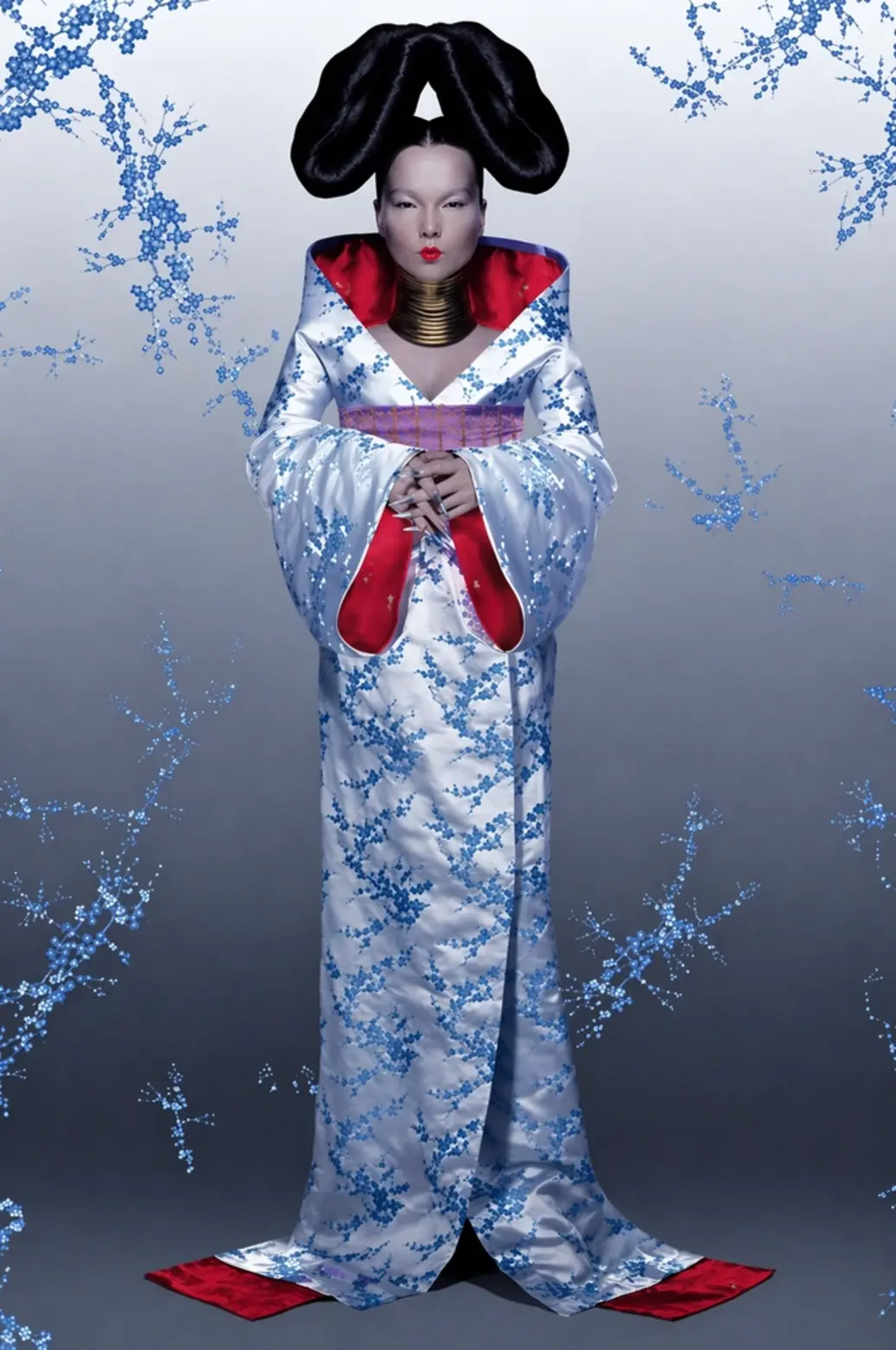
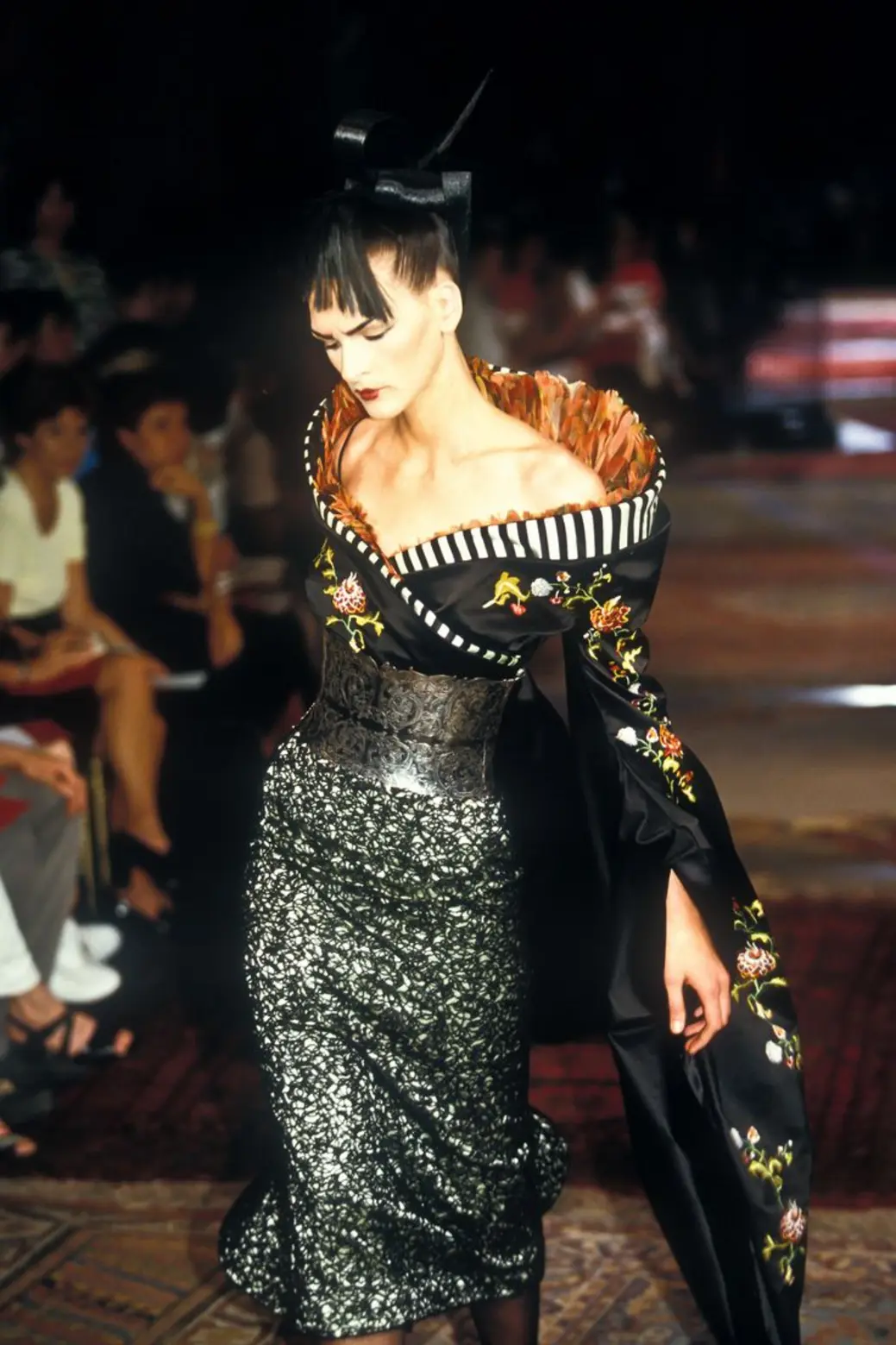
McQueen drew a more fevered beauty from it, sending forth a geisha softness braided with warrior spirit, precious Japanese fabrics, and obi-held tension that made the silhouette feel tender and electric all at once.


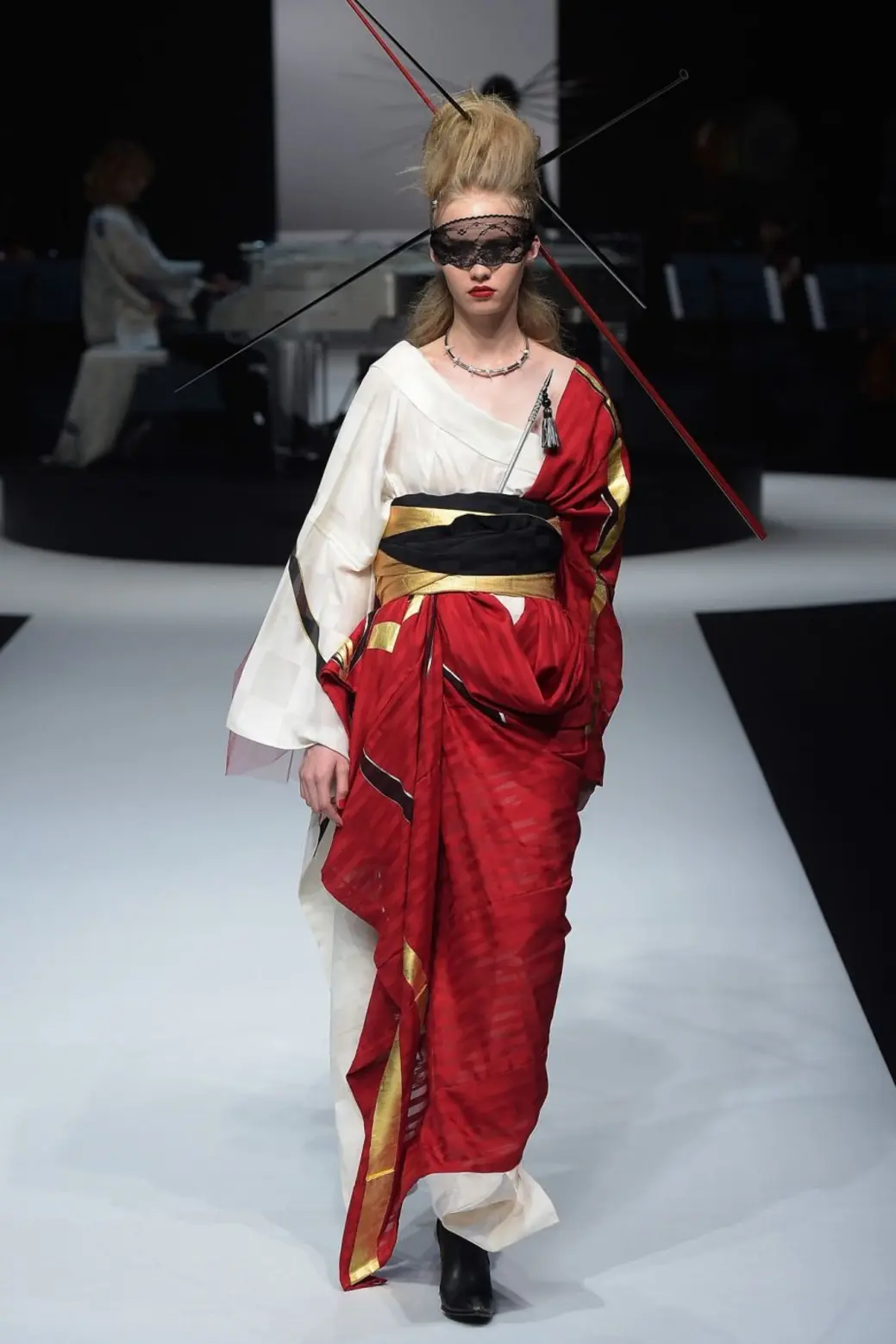
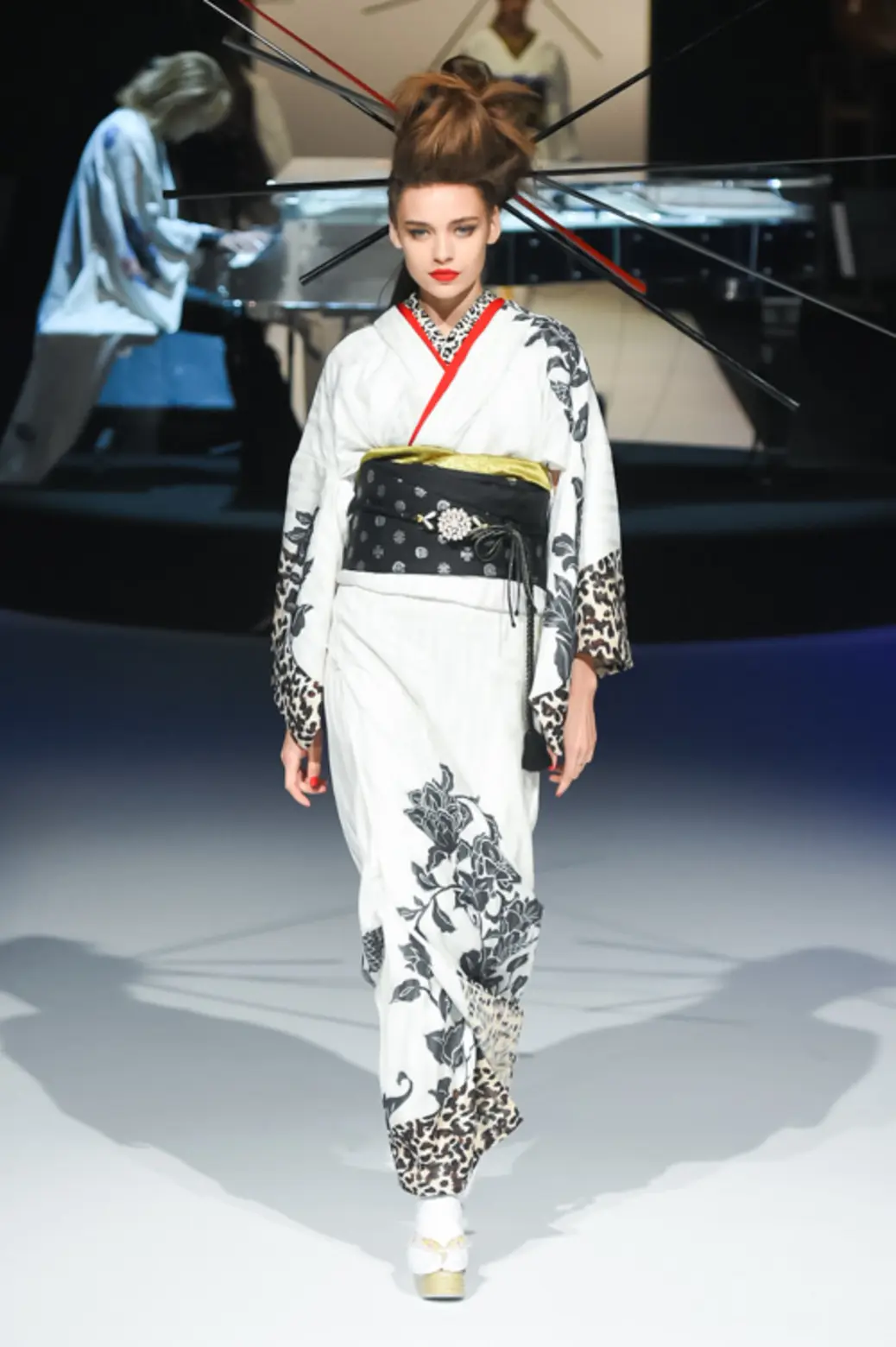

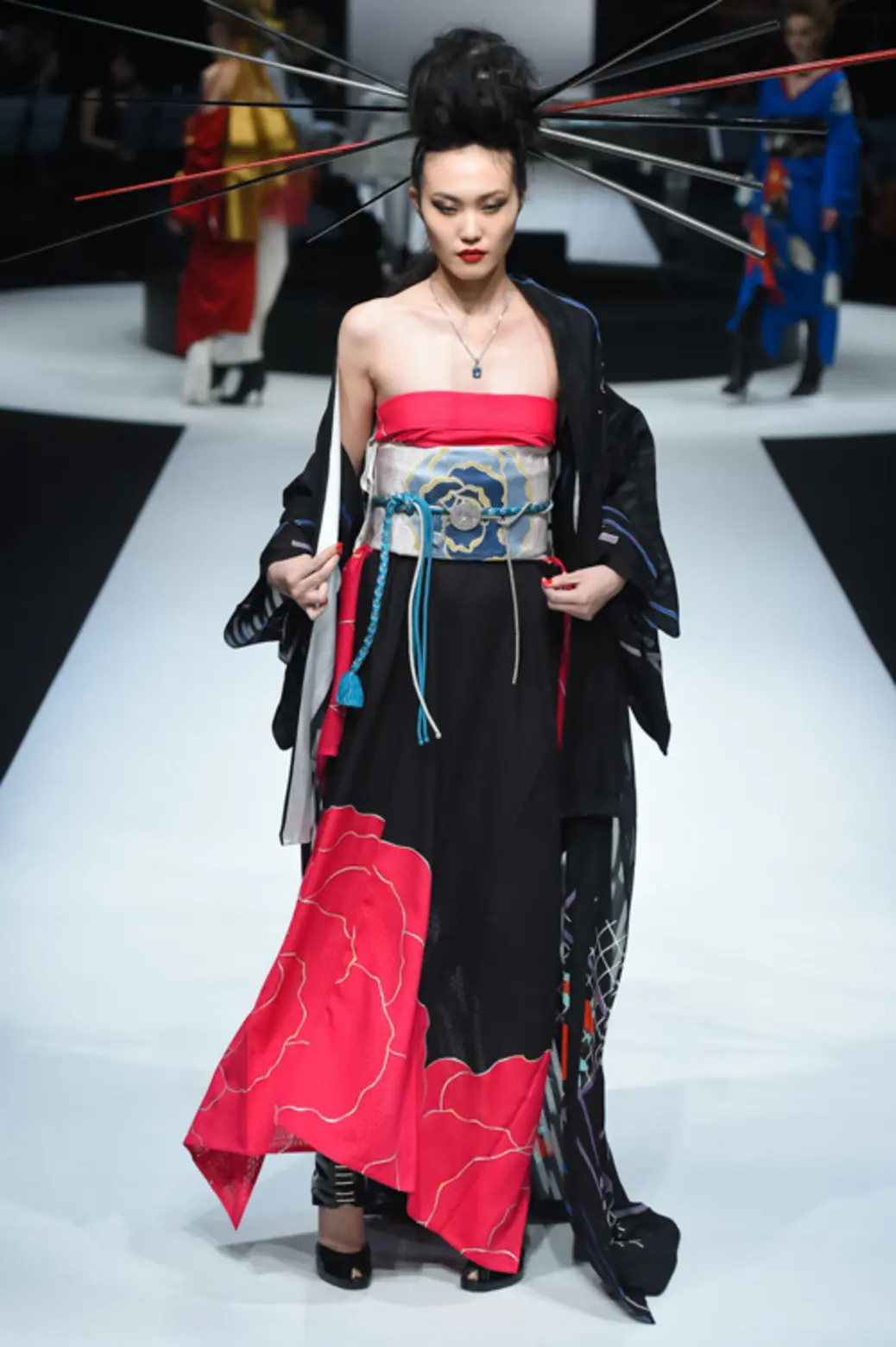
Armani carried the mood into silk-lined jackets with kimono collars and quilted satin touched by serenity, while YOSHIKIMONO opened the robe toward a more dramatic future, alive with Tokyo stage light, rose-petal glamour, and a mission of tradition fused with innovation. Across all of them, the garment offers the same enduring seduction: femininity arranged through grace, mystery gathered through fabric, and a silhouette that glides into modern fashion with the softness of blossom carried on evening wind.
The Screen’s Immortal Embrace
Gate of Hell (1953)
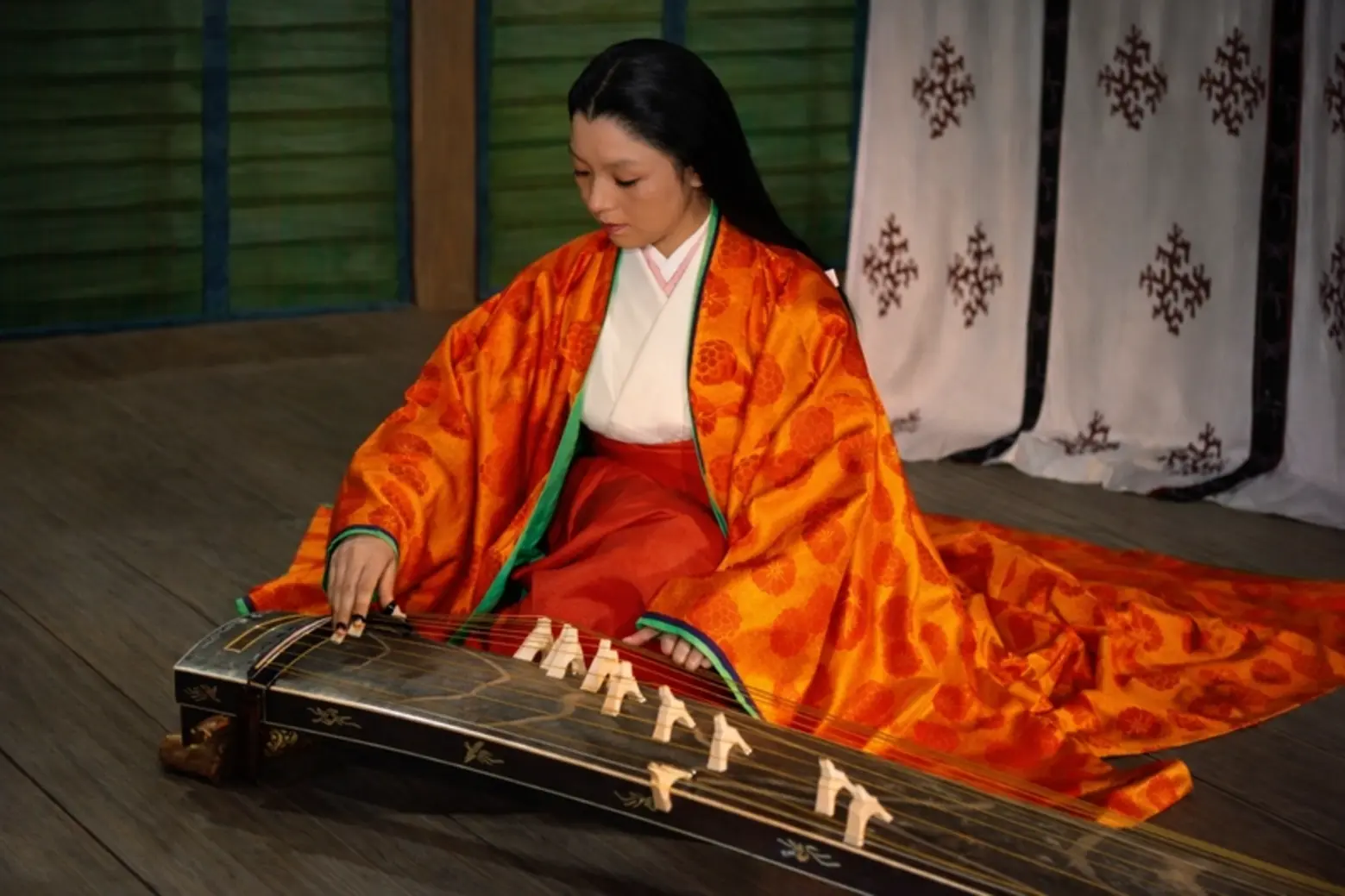
In Gate of Hell, the kimono arrives like a hush passing across still water. Lady Kesa moves through the film wrapped in ceremonial silk that seems to gather dusk, prayer, and destiny into its folds. Crimson, gold, and deep jewel tones bloom across the screen with the solemn beauty of temple lanterns at twilight, and every sleeve carries the grace of a vow held close to the heart. Her garments shape her into a woman of exquisite poise, one whose presence feels touched by honor, tenderness, and a sorrow already glimmering beneath the surface. The kimono becomes her aura, surrounding her with a refined distance that draws every eye toward her with quiet devotion. She glides through the film like a sacred offering, and the silk around her gives her character that unforgettable feeling of purity held inside fire.
The Makioka Sisters (1983)
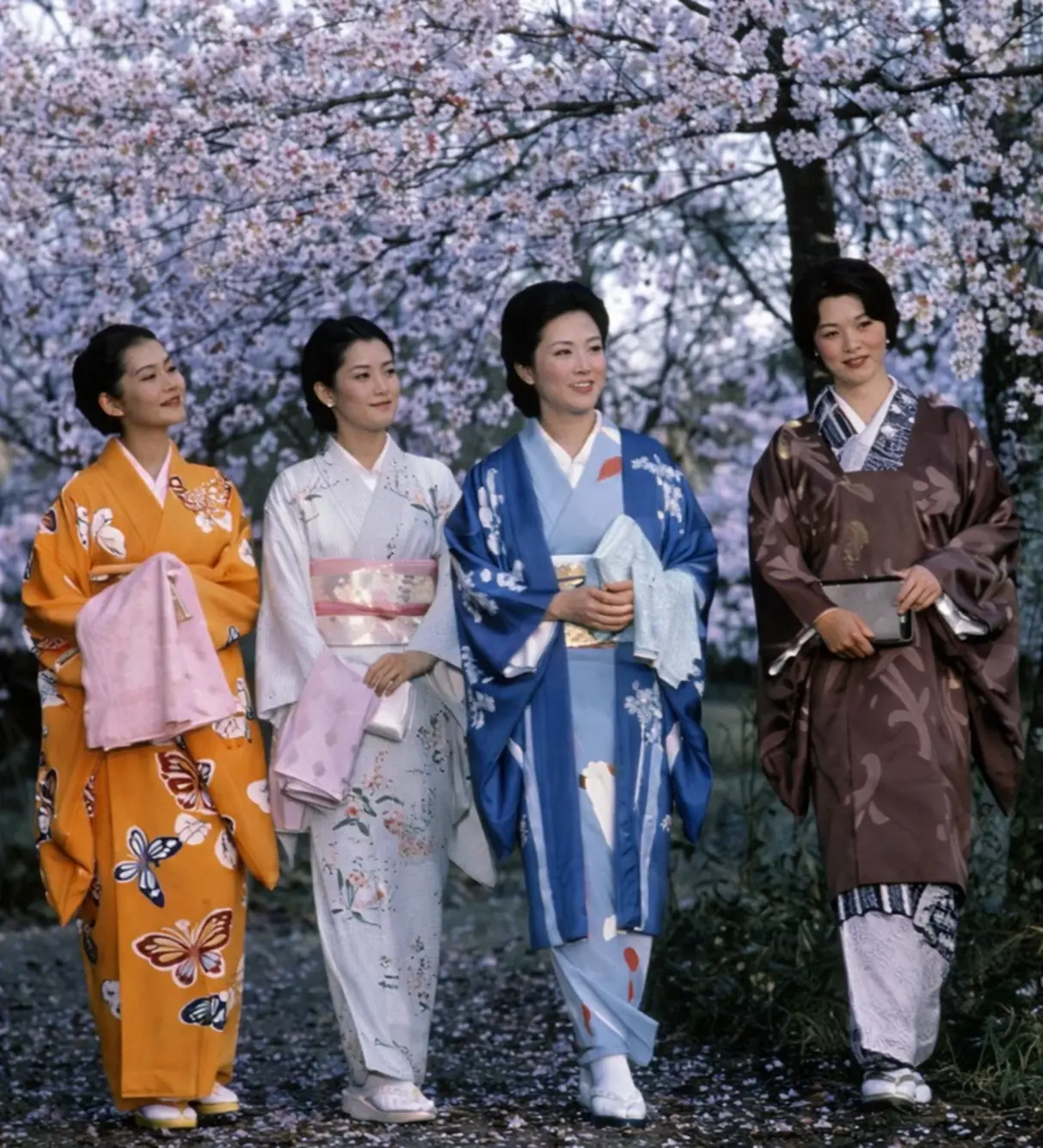
In The Makioka Sisters, the kimono feels like spring itself learning to breathe. The sisters drift through rooms, gardens, family rituals, and cherry-blossom afternoons in silks so luminous they seem steeped in memory. Each garment carries the softness of cultivated womanhood: graceful sleeves, polished obi, delicate patterns that rest upon the body like a poem spoken in a low voice. Through these kimonos, each sister reveals her own private fragrance of spirit. One wears elegance with a serene gentleness, another with a wistful reserve, another with a tender bloom of youth. The clothes hold the family’s refinement, its rituals, its quiet expectations, and its devotion to beauty as a form of living. Every fold feels touched by care, and every appearance leaves behind the faint ache of a season passing through silk. Here the kimono wraps each woman in grace so complete that she seems to belong to a world made of etiquette, petals, and hidden feeling.
Memoirs of a Geisha (2005)
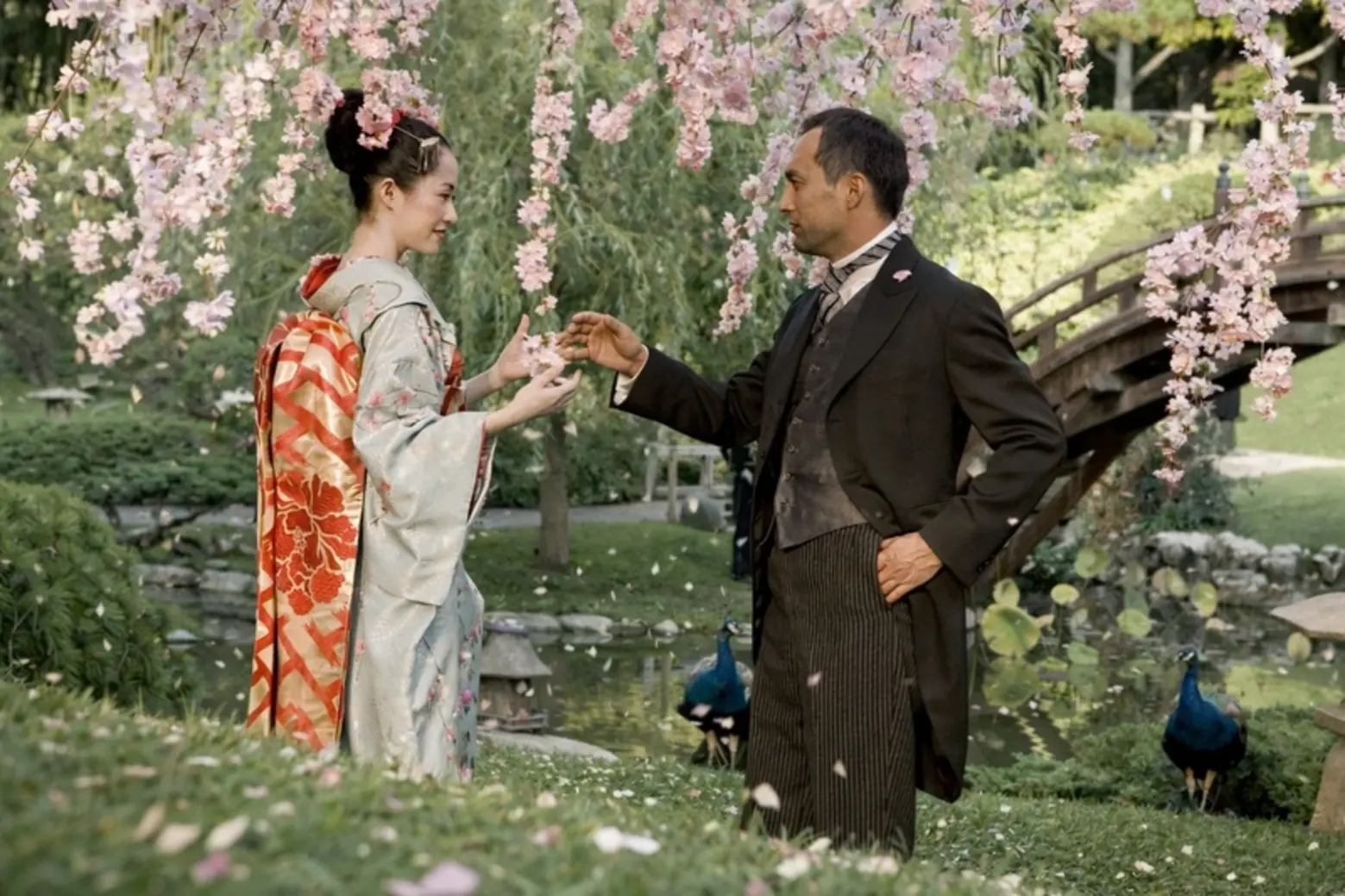
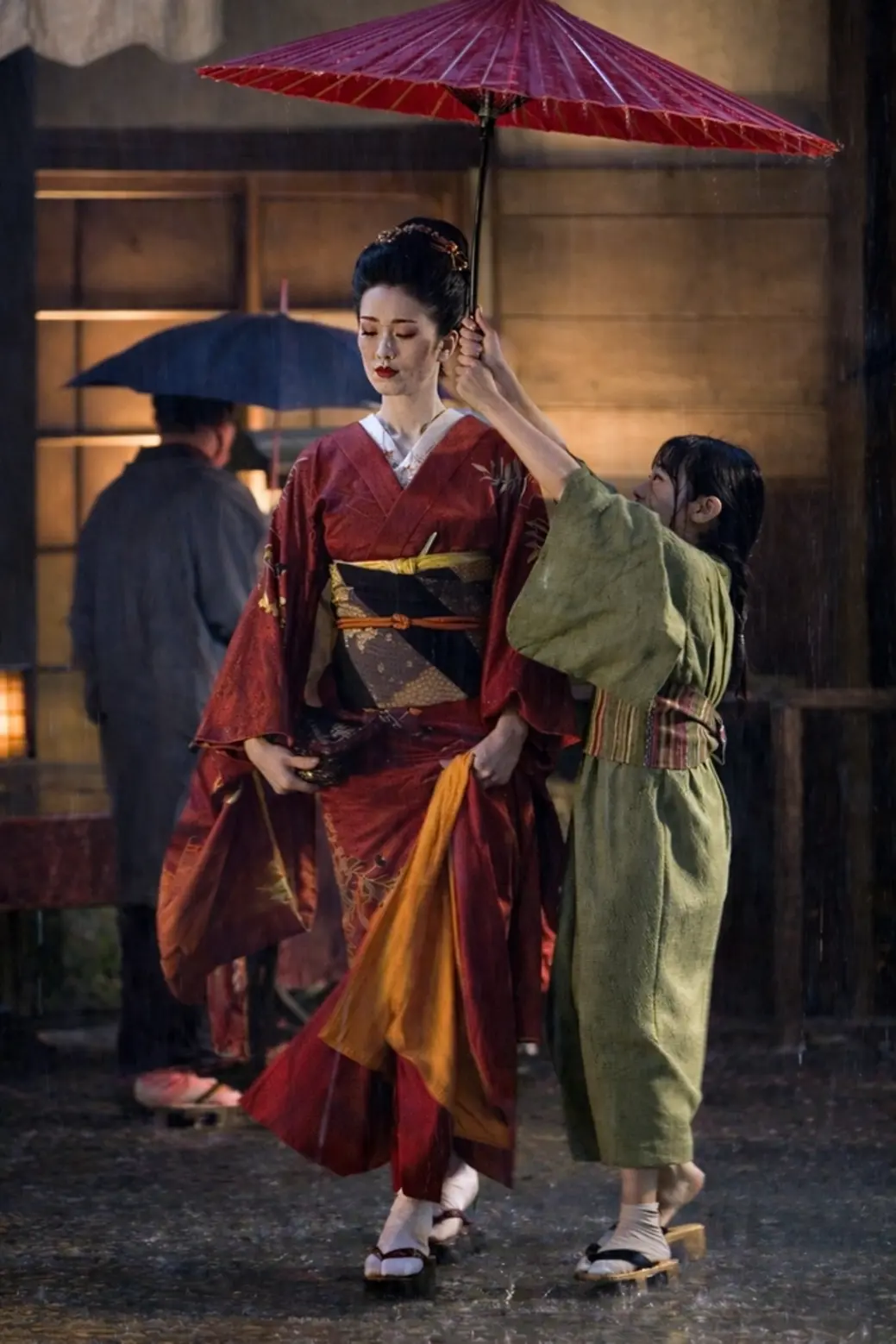
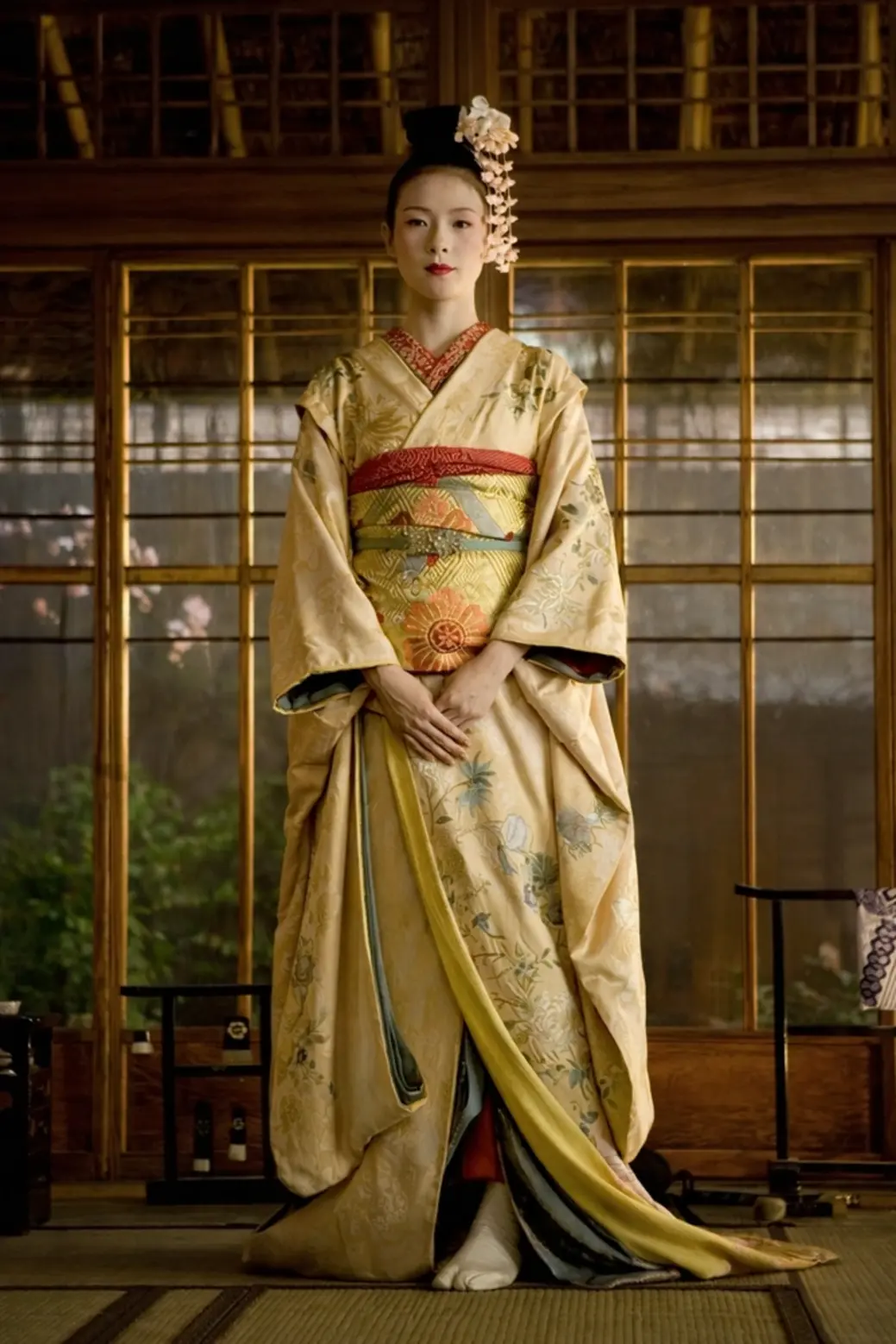
In Memoirs of a Geisha, the kimono opens like a lacquered jewel box filled with moonlight, perfume, and whispered ambition. Silk gleams beneath painted faces and ornate coiffures, and the entire screen seems to shimmer with embroidered gardens, rivers of satin, and colors chosen with exquisite intention. The kimono shapes each woman into a living work of art, guiding the tilt of the chin, the cadence of each step, the delicate music of a hand lifting a sleeve. Through these garments, character unfolds in layers. Sayuri’s kimonos carry a luminous, wistful beauty, as though a young heart were flowering beneath powdered stillness. Hatsumomo glows in robes touched by danger, glamour, and a burning theatrical radiance. Every obi, every motif, every color deepens the emotional weather around them. The kimono becomes the language through which femininity ripens into mystery, allure, discipline, and legend. On this screen, silk holds the power of a spell, and each woman seems to pass through the frame trailing the sweetness of sake and the trembling grace of falling blossom.
Kimono and the Beauty That Refuses to Fade
Even in her absence, the architecture of her silhouette remains a fixed point in the imagination, a T-shaped phantom that continues to command the wandering eye of history. She is the memory of a grace that is both fragile and indestructible, a vision of ancient beauty that lingers like the scent.
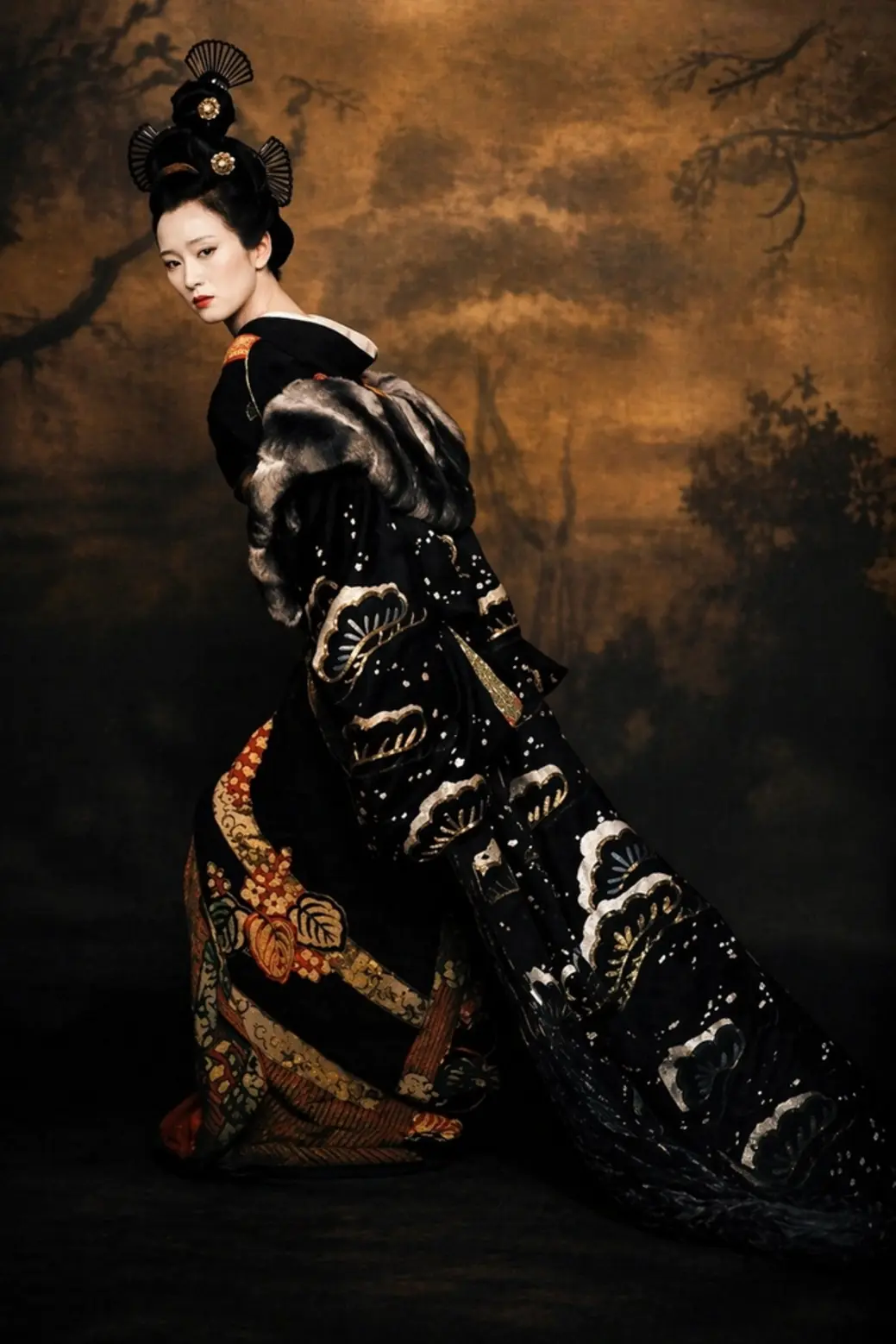
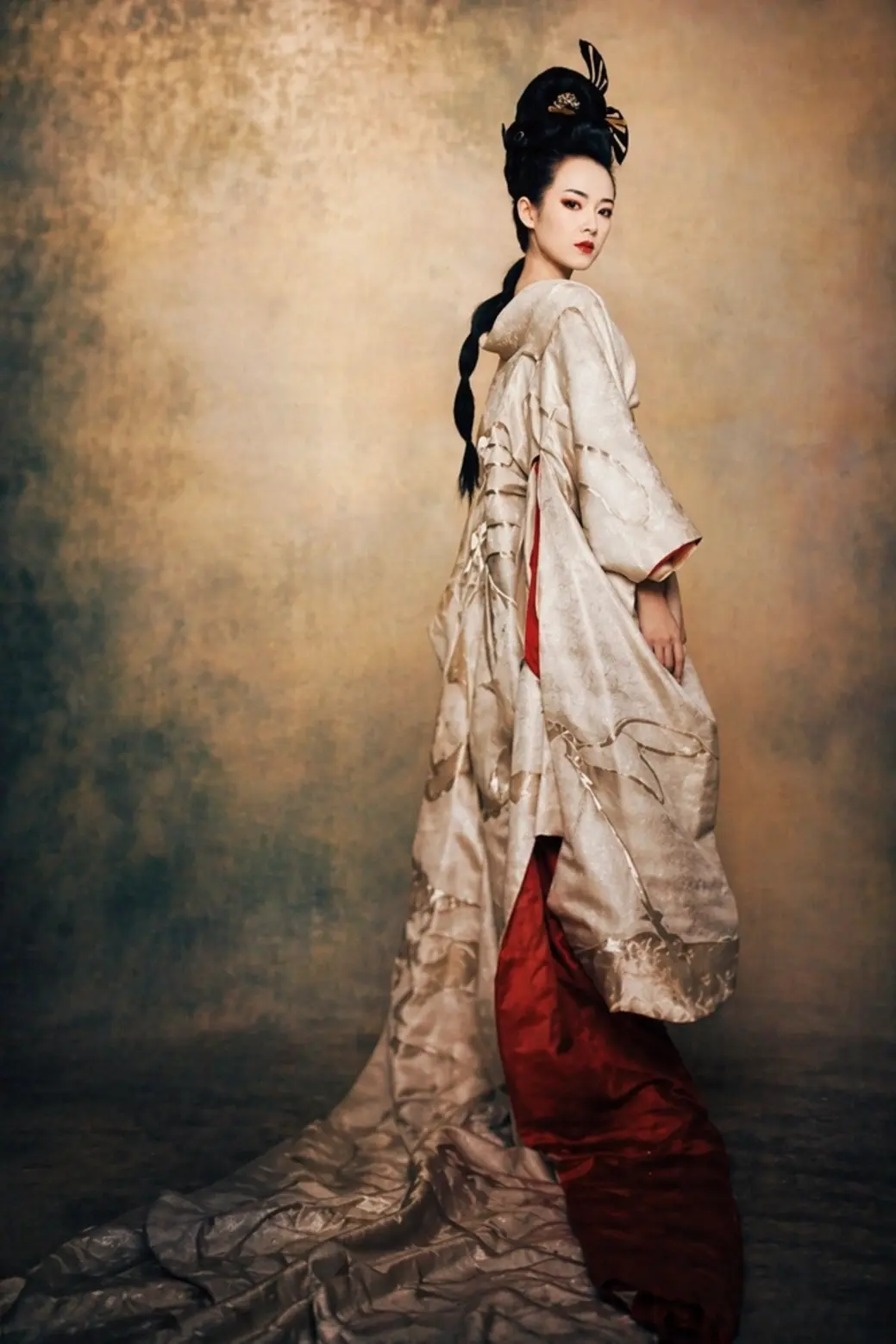
To experience this allure is to succumb to a temptation as irresistible as aged sake. It begins with a single sip of the visual, a glance at the pale nape, a rhythmic rustle of the hem, and soon the senses are entirely under its spell. The more the world consumes this image, the deeper the intoxication becomes, blurring the lines between the ancient past and the pulse of the present. This sartorial spirit acts as a warm, rising heat in the blood, a slow-burning passion that elevates the mundane into the realm of the sacred. The garment offers a draught of pure, concentrated grace, an oriental delight that leaves the soul thirsting for the mystery of the covered form. It is a seductive loop of desire, where every revealed secret only serves to highlight the vast, beautiful landscape of what remains hidden. Like the finest rice wine, the kimono mellows with time yet gains a sharper, more intoxicating edge the longer it is contemplated.
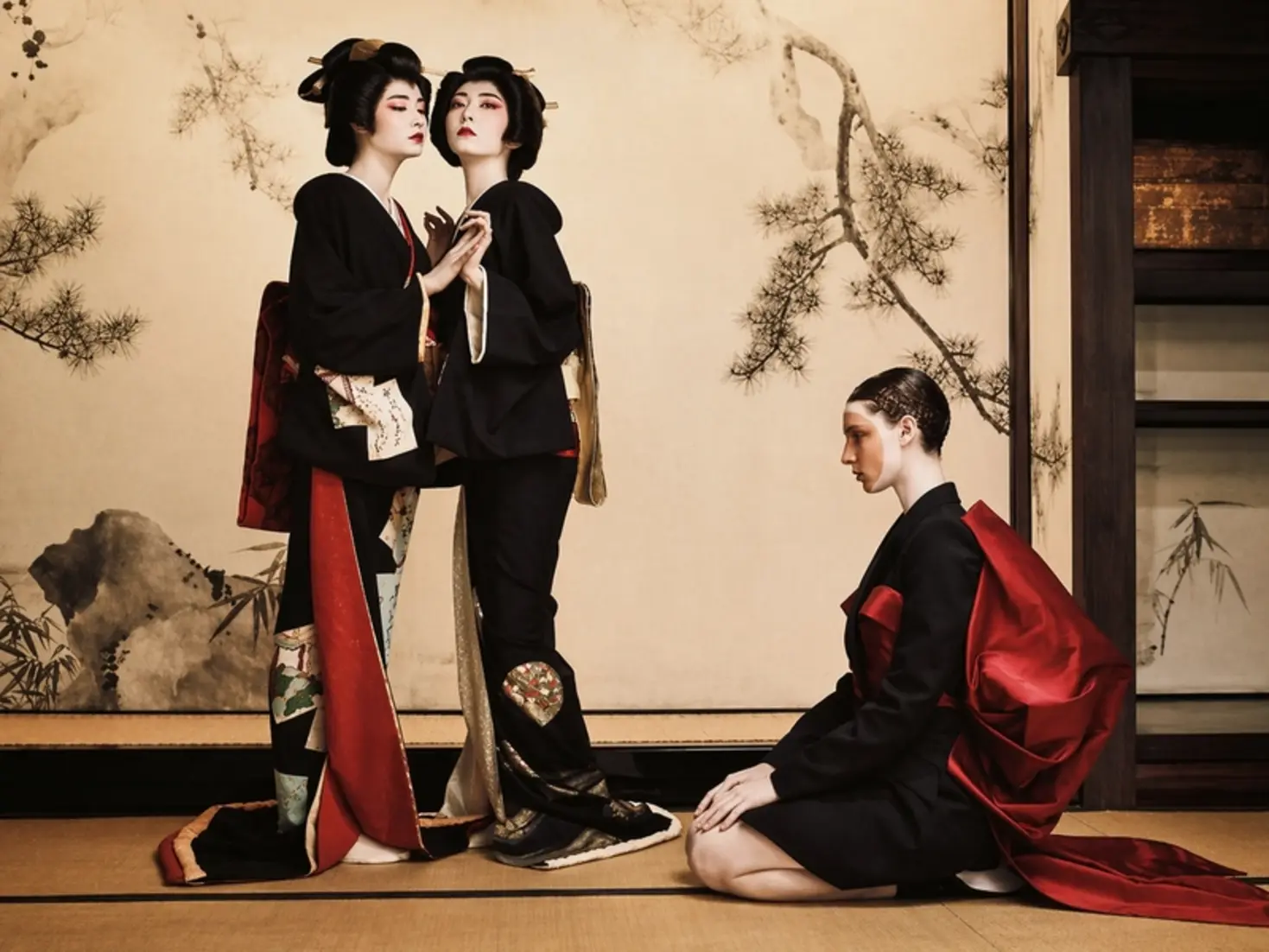
The legacy of the kimono persists because it is an eternal bridge between the human heart and the infinite. It remains the most vital element of the landscape, a masterpiece of cloth that understands the profound power of the unspoken. Designers, dreamers, and poets return to this form because it provides a sanctuary of modesty in an era of loud declarations. It is the signature essence of a feminine power that chooses its own rhythm, a flirtatious ghost that drifts through the neon streets of today with the same effortless elegance it once carried through the Heian halls. She is the shining gem, the sake-drunk dream, and the architect of a thousand whispers, standing forever at the edge of the lake, inviting the world to find its own reflection within the deep, shimmering folds of her immortal spirit. Under the falling sakura, she is the mystery that remains, the seduction that never ends, and the haunting beauty that will always belong to the mist.
Advertisement