As Pinta Lima 2026 closed on April 26, Casa Prado felt less like a fair venue than a living archive where Latin American art pushed against inherited power.
Pinta Lima 2026 Turns Casa Prado Into A Living Archive
As Pinta Lima 2026 closed on April 26, Casa Prado felt less like a fair venue than a living archive where Latin American art pushed against inherited power.
April 26, 2026


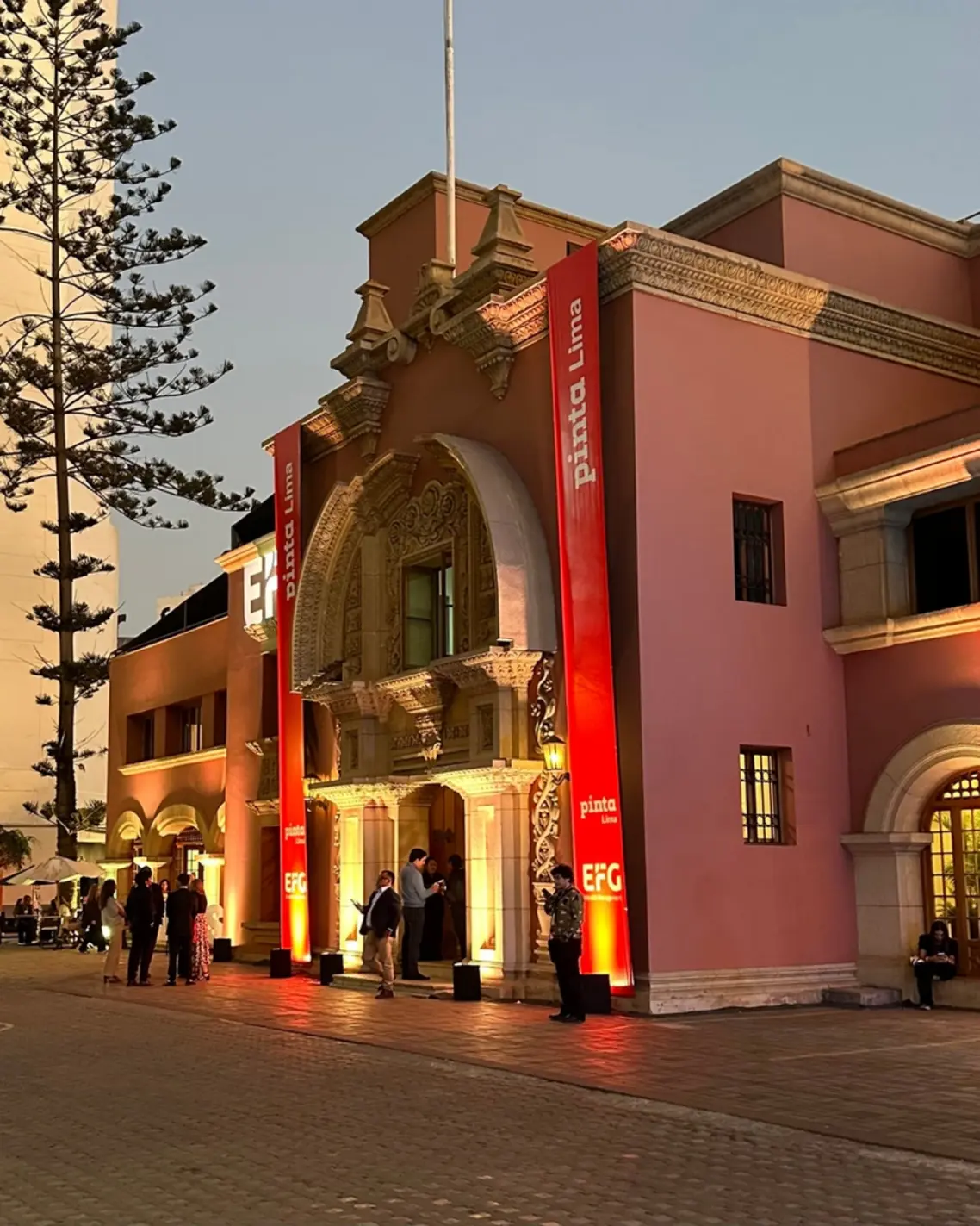
As of April 26, 2026, Pinta Lima 2026 has just concluded its 13th edition, held from April 23 to 26 at Casa Prado in Miraflores. The fair brought together more than 40 galleries across its Main, NEXT and RADAR sections, alongside special projects including Video Project, Sculpture Garden and Special Projects. More than a market stop, the Lima fair positioned itself as a curatorial map of contemporary Latin American art, where craft, memory and political inheritance moved through the architecture itself.
Casa Prado gave the edition its emotional weight. Built in 1690, the house has been described as a rare fusion of European design, Indigenous materials and Peruvian social history. It was also the residence of the Prado family dynasty, which produced two Peruvian presidents, Mariano Ignacio Prado and Manuel Prado Ugarteche. Viewers moved through rooms once associated with political power while encountering contemporary works that often question hierarchy, colonial memory and cultural extraction.
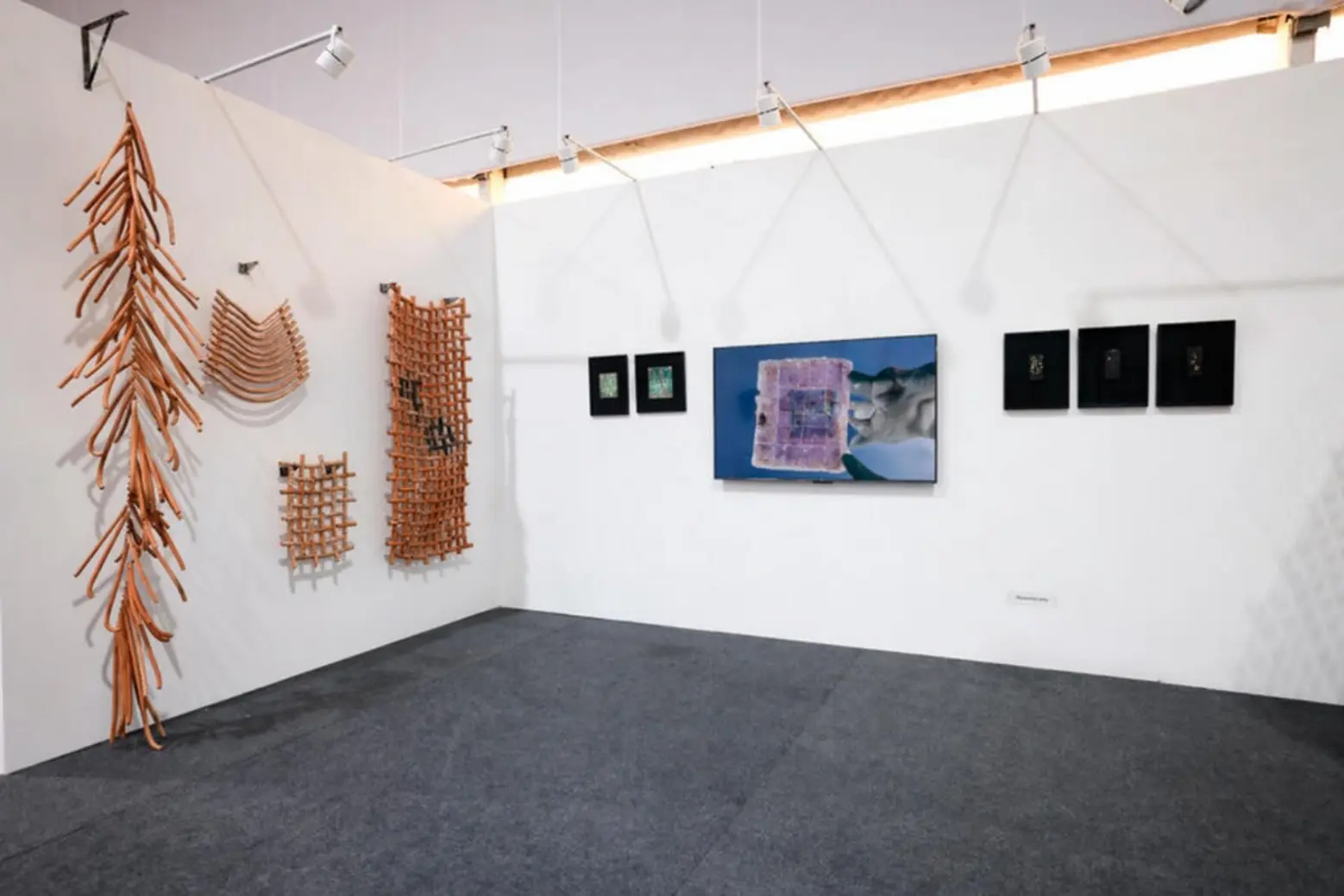
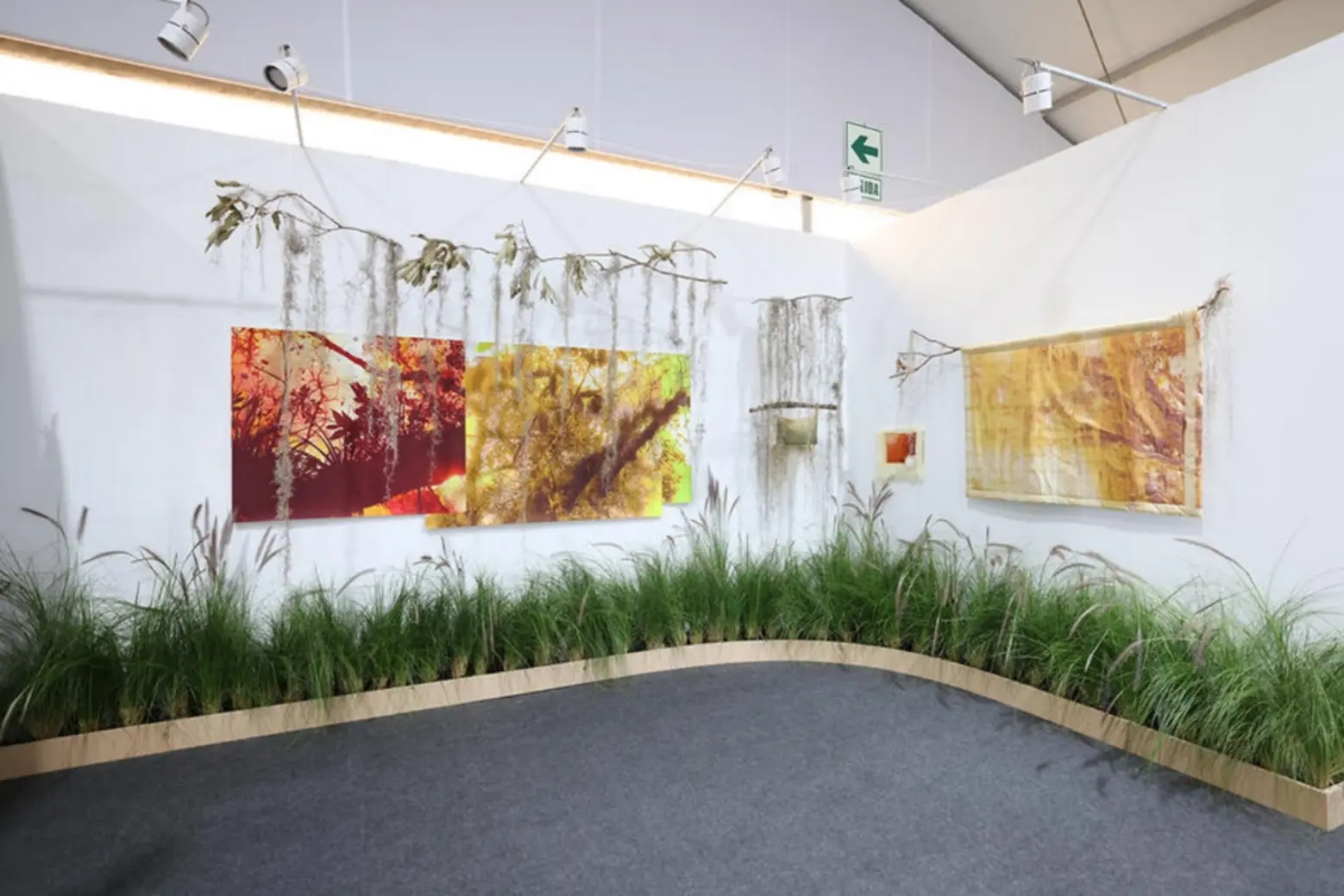
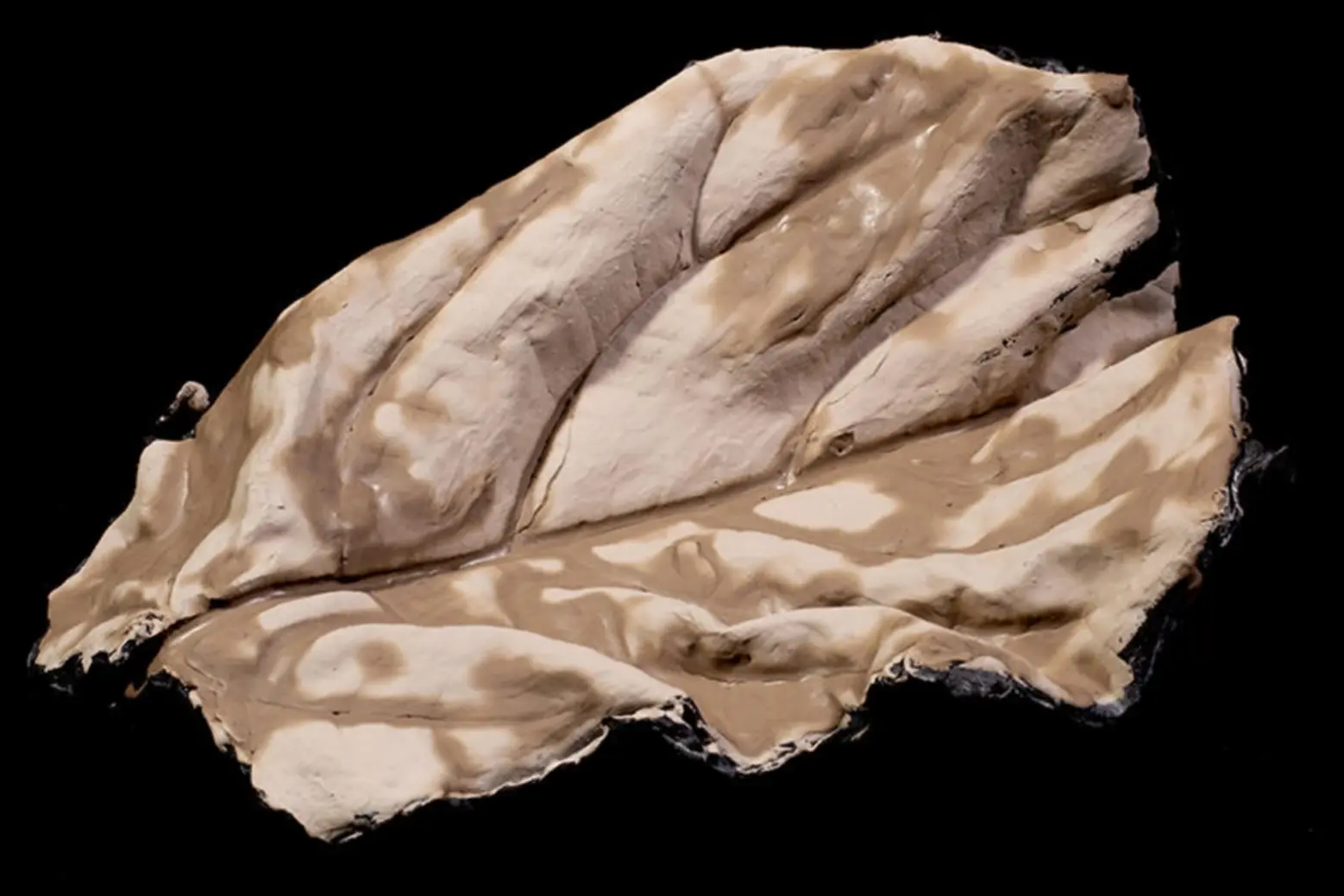
The defining phrase of the year was “porous systems.” RADAR, curated by Ilaria Conti, gathered practices shaped by permeability and process, exploring how artworks absorb and transform their surroundings across material, emotional, ecological and technological registers. In this context, textiles, ceramics, sound and installation became more than mediums. They behaved like carriers of memory, able to hold pressure, grief and resistance without turning them into slogans.
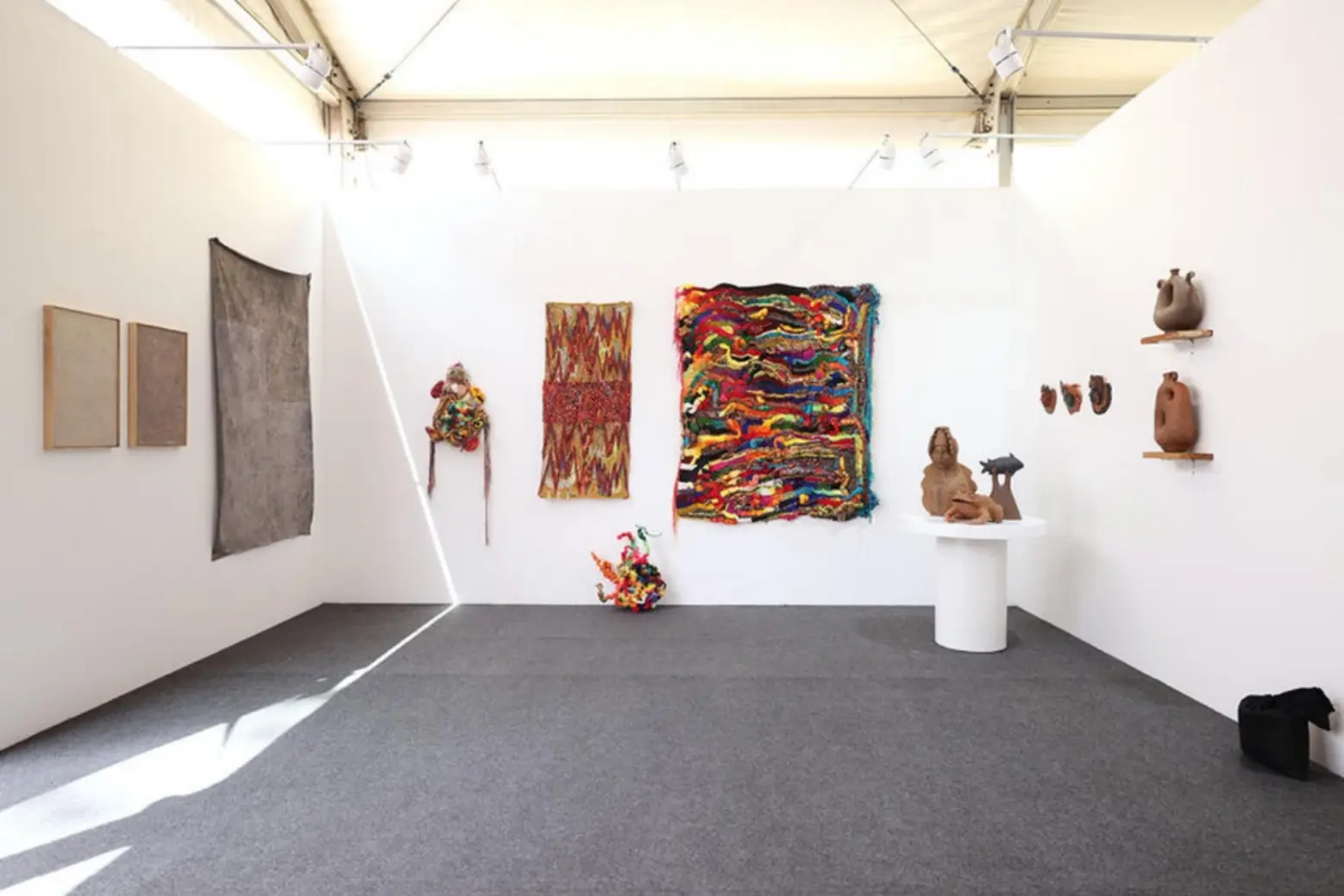
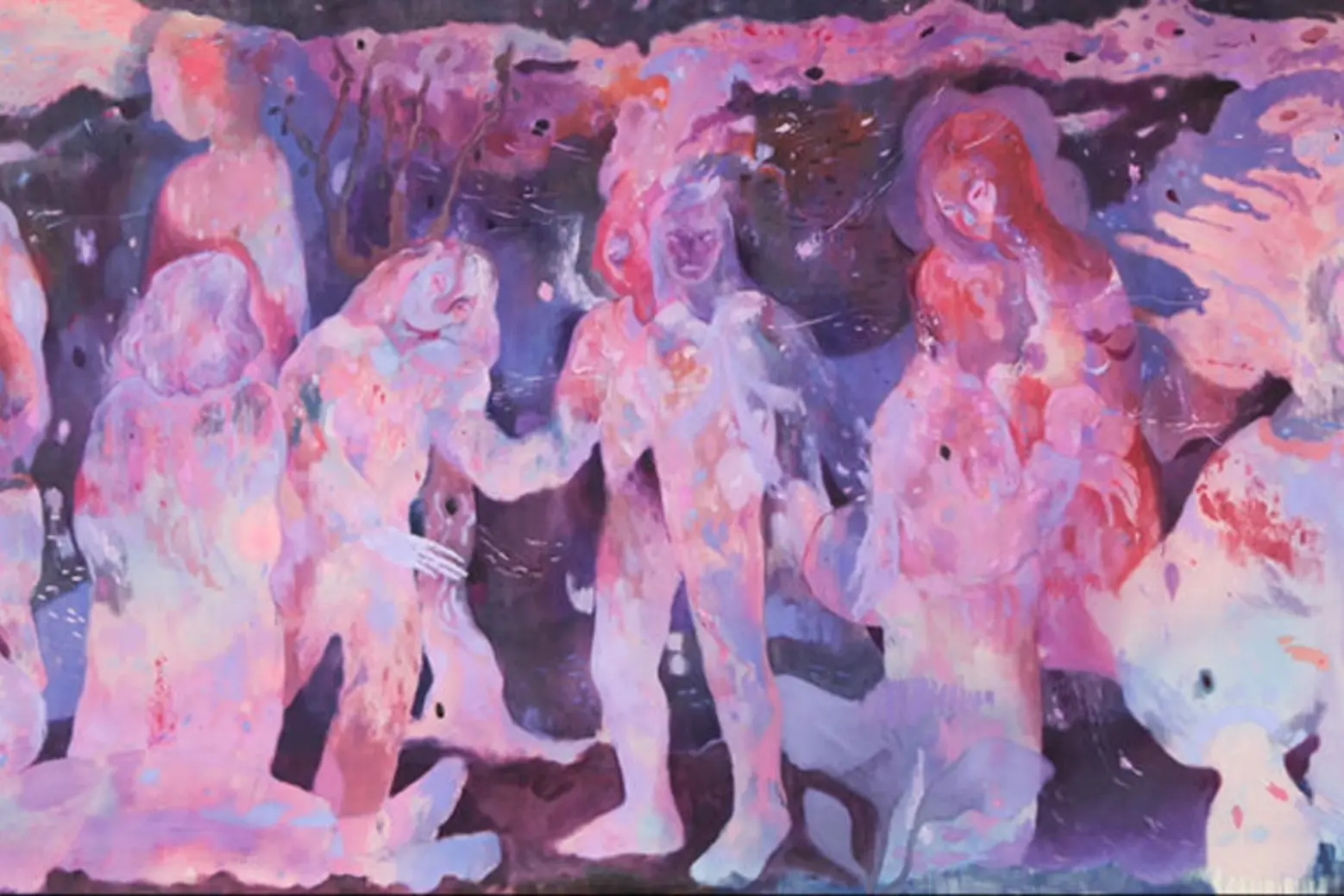
NEXT, curated by Juan Canela, focused on emerging scenes through identity, memory and situated knowledge. The Special Project, curated by Florencia Portocarrero and Irene Gelfman, offered a generational view of contemporary Peruvian art through young artists born between the late 1980s and late 1990s. Among the names highlighted were Elizabeth Vásquez, Fátima Rodrigo, Pierina Másquez, Verovcha and Yone Makino, whose practices brought the decorative, the feminine and the popular into sharper critical focus.
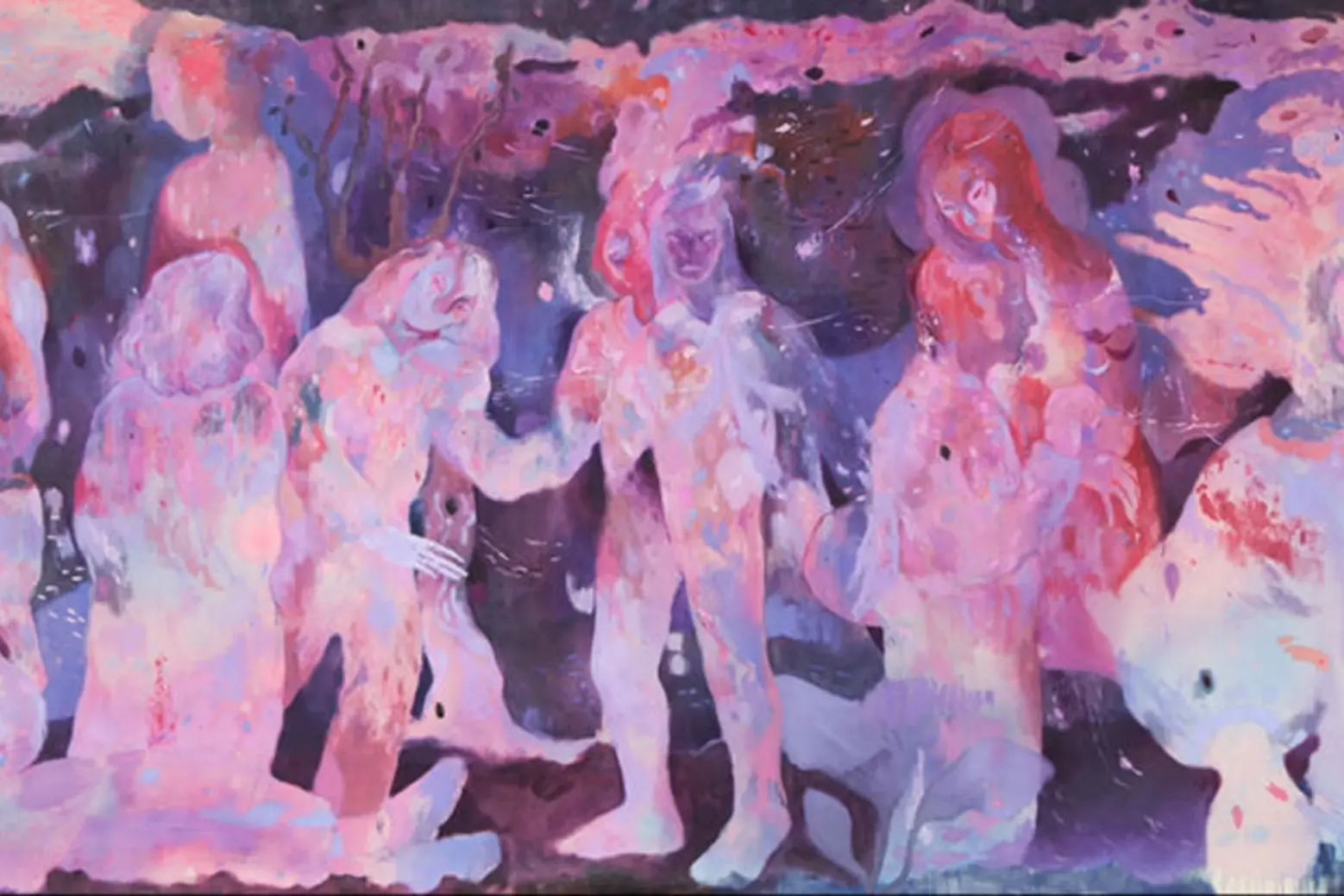
What made Pinta Lima 2026 compelling was the friction between the domestic scale of Casa Prado and the urgency of the works inside it. Contemporary video, textile, archive and installation practices interrupted the house’s chandeliers, walls and colonial atmosphere. The result was a fair that dismantled the white cube without romanticizing the past. In Lima, art did not simply occupy history. It pressed against it, absorbed it and returned it in stranger, more porous forms.