MENU
Close





Among the art exhibitions in 2026 that feel like a true reset for the eye, Antonio Dias / Image + Mirage turns the gallery wall into a site of inquiry—sharp, spare, and quietly radical.
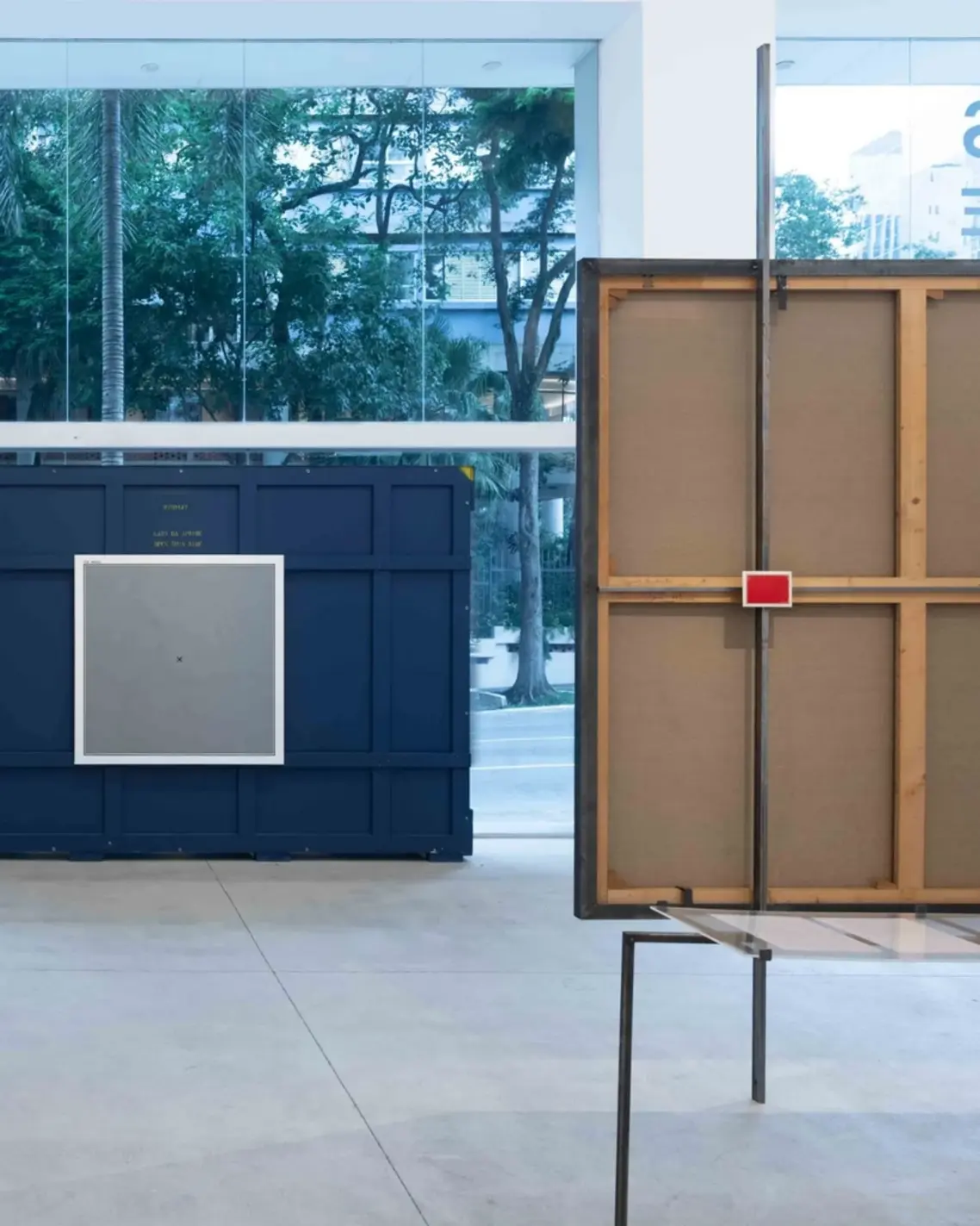
Among the art exhibitions in 2026 that feel like a true reset for the eye, Antonio Dias / Image + Mirage turns the gallery wall into a site of inquiry—sharp, spare, and quietly radical.
February 10, 2026


At Gomide&Co on Avenida Paulista, Antonio Dias / Image + Mirage (February 10–March 21, 2026) frames a decisive hinge in the late Brazilian artist’s career: the years 1968–1971, when exile and Milan reshaped his pictorial language into something cooler, more exact, and fiercely conceptual. The exhibition, developed in collaboration with Sprovieri in London, anchored by works preserved by Gió Marconi, and organized with a critical essay by scholar Gustavo Motta, reads like a concentrated dossier on how Dias taught painting to think.
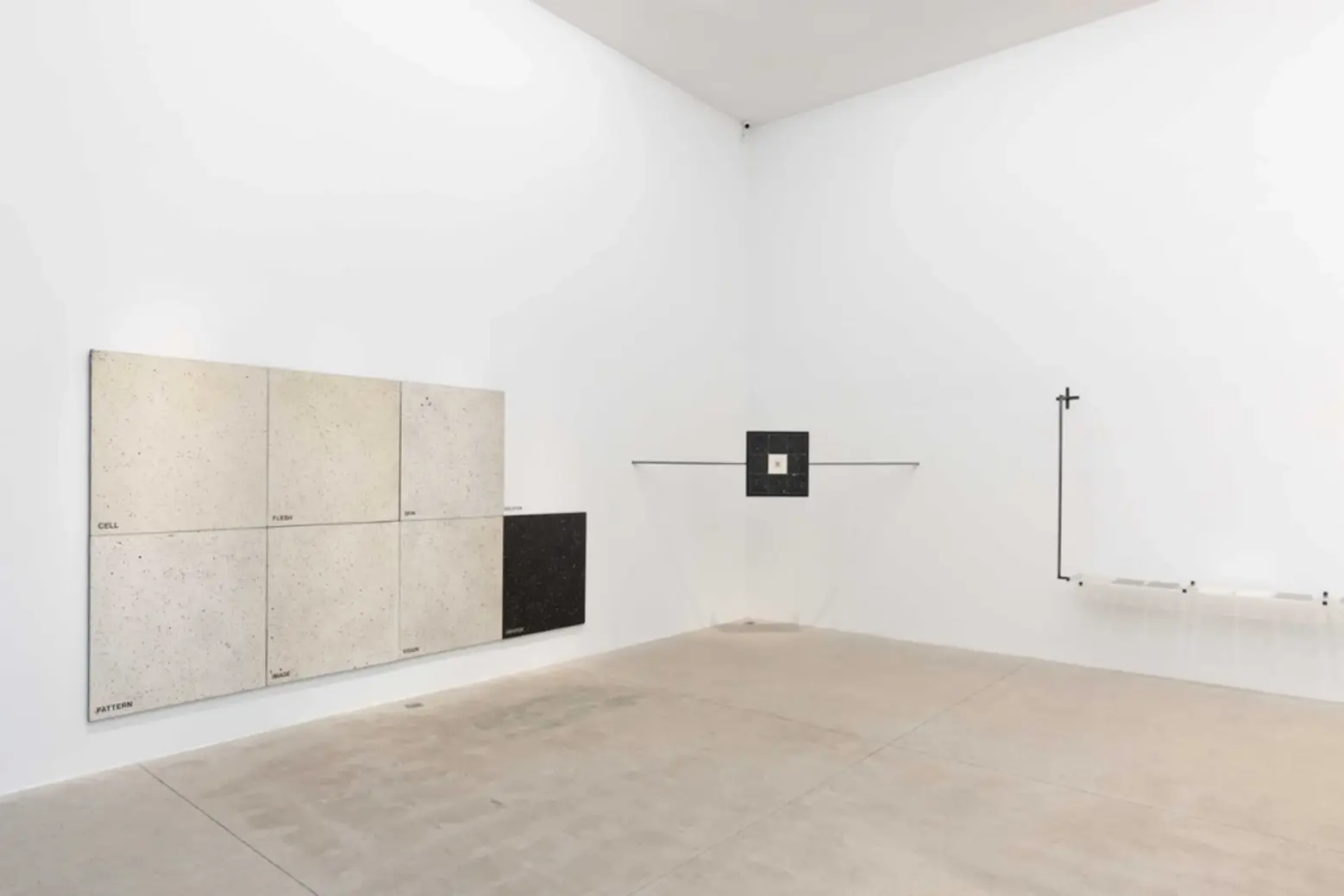
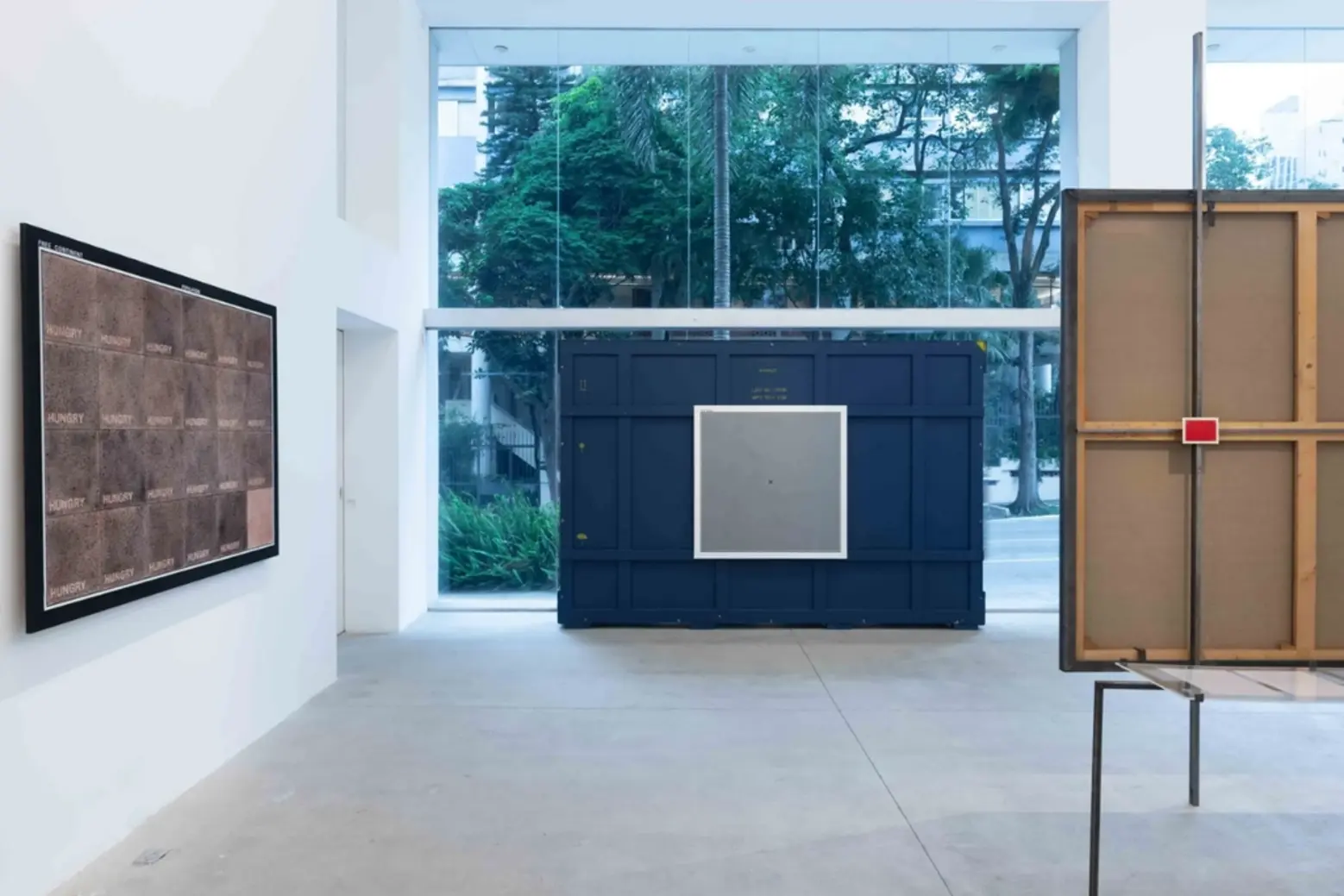
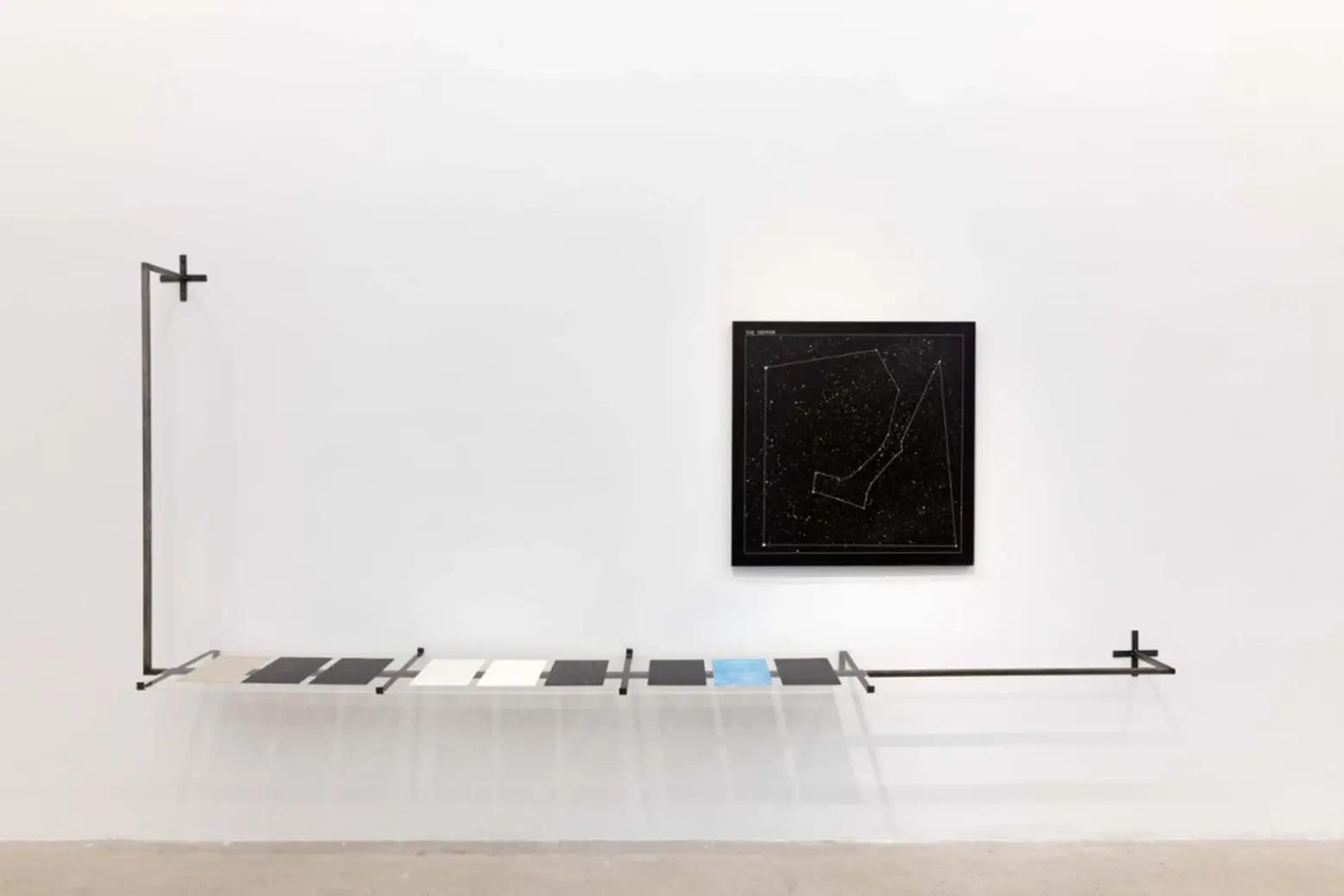
The premise lands with precision: Dias compresses drama into structure. Gomide&Co describes the Milan works through “large monochromatic fields,” isolated words, and diagrammed forms — surfaces that behave like propositions, where the viewer supplies completion, projection, and doubt. Dias called this approach “negative art”: an art of tension between word, surface, and imagination, where meaning flickers like heat above pavement.
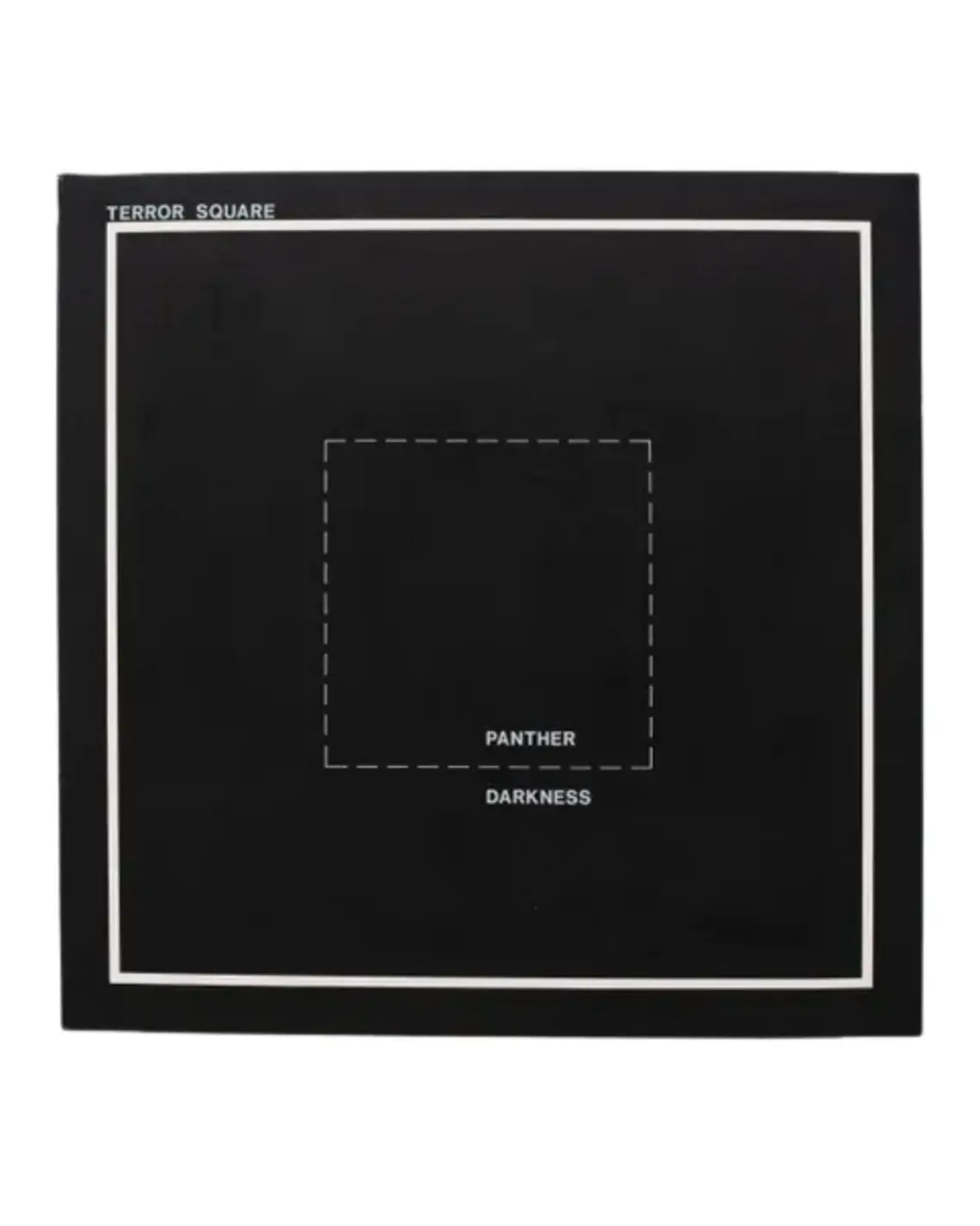
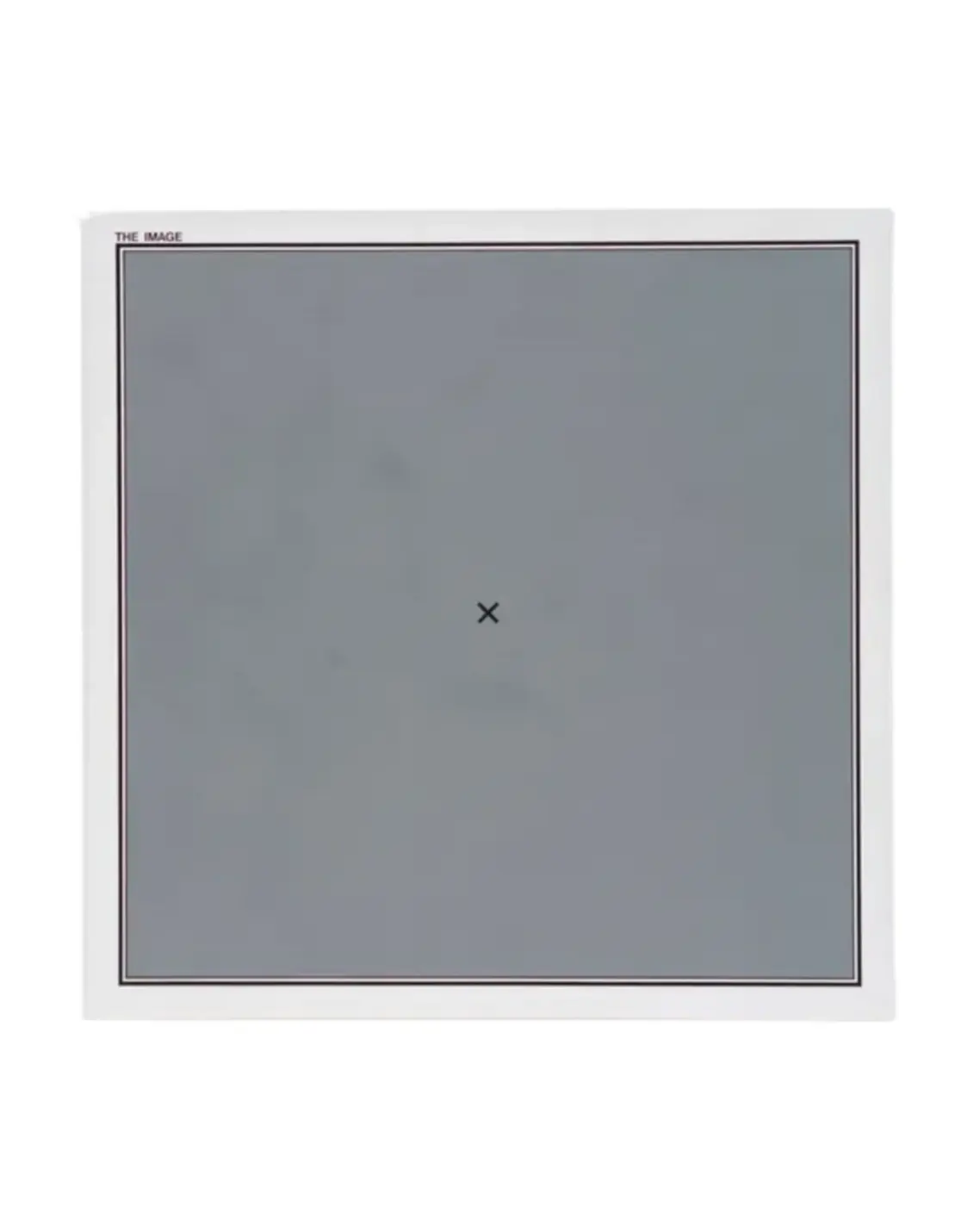
The selected works clarify how that “mirage” operates. Ocula’s checklist reads like a sequence of mental instruments: AlphaOmega Biography (1968), Free Continent: Population (1968–1969), Terror Square/ Panther/ Darkness (1968), Unfinished Monument/ Memory (1969), The Image (1970), the monumental Image/ Mirage (1970), and The Incomplete Biography (1971). Titles carry the charge of politics and systems: territory, fear, monuments, the very category “image”, while the paintings push toward formal clarity.
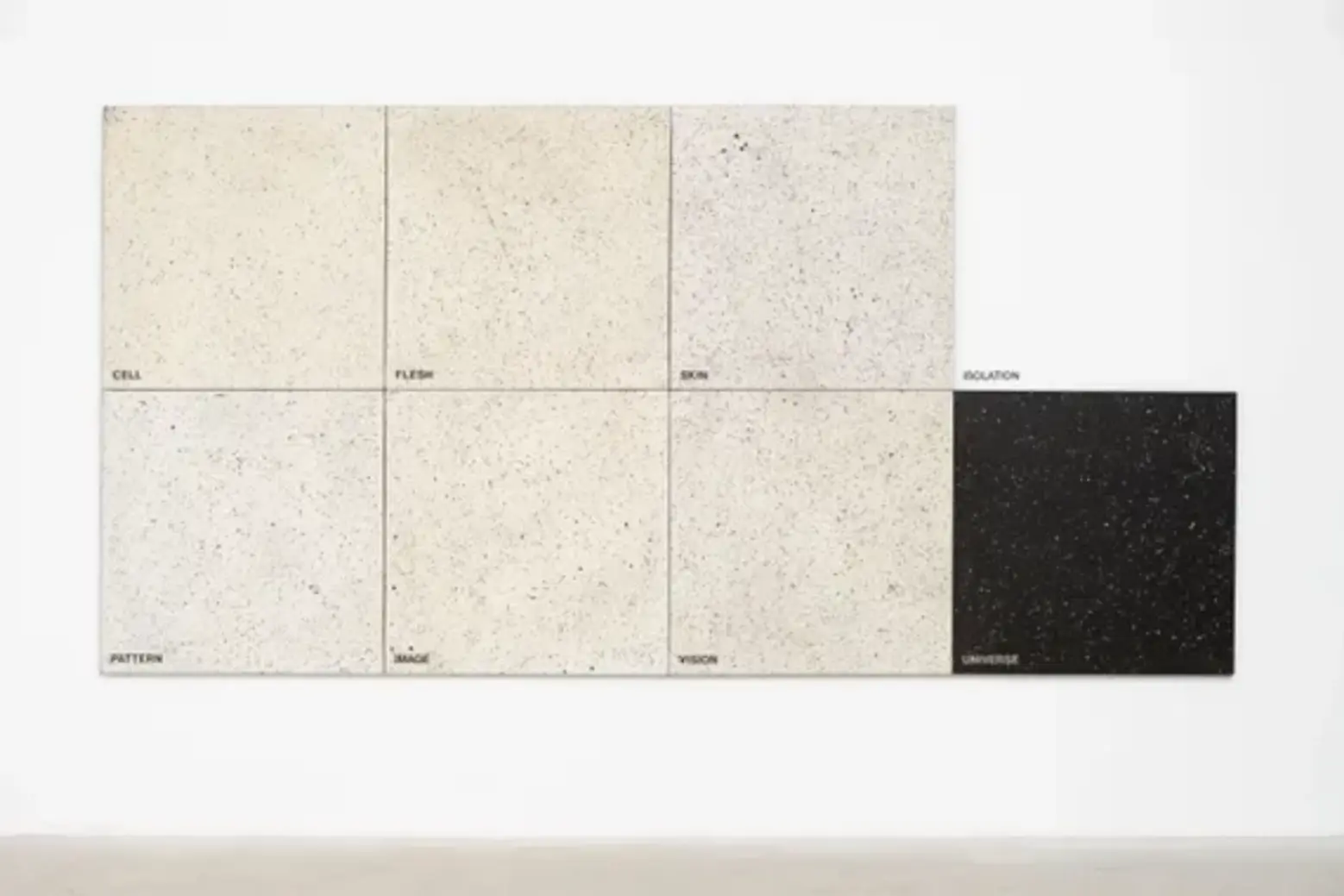
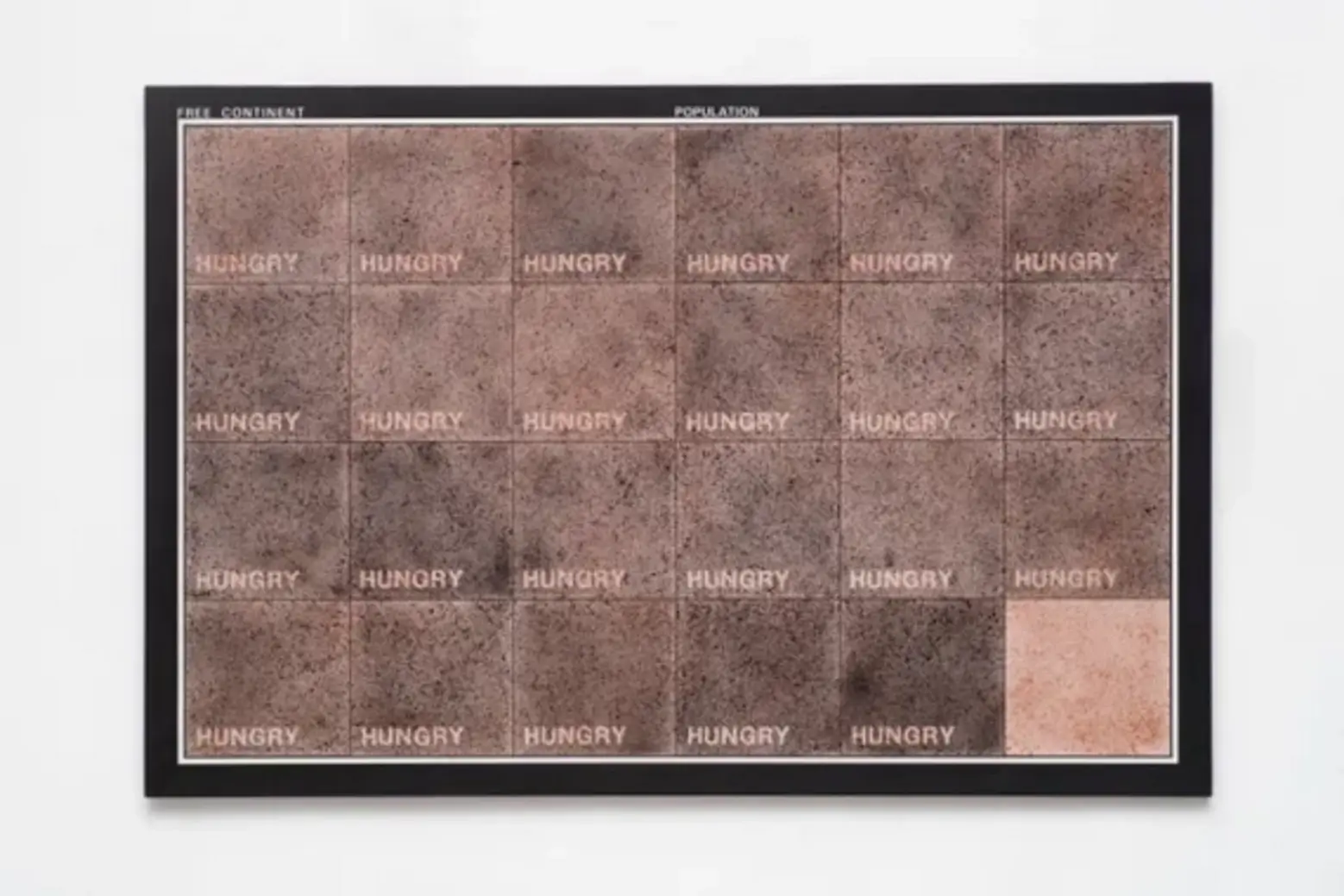
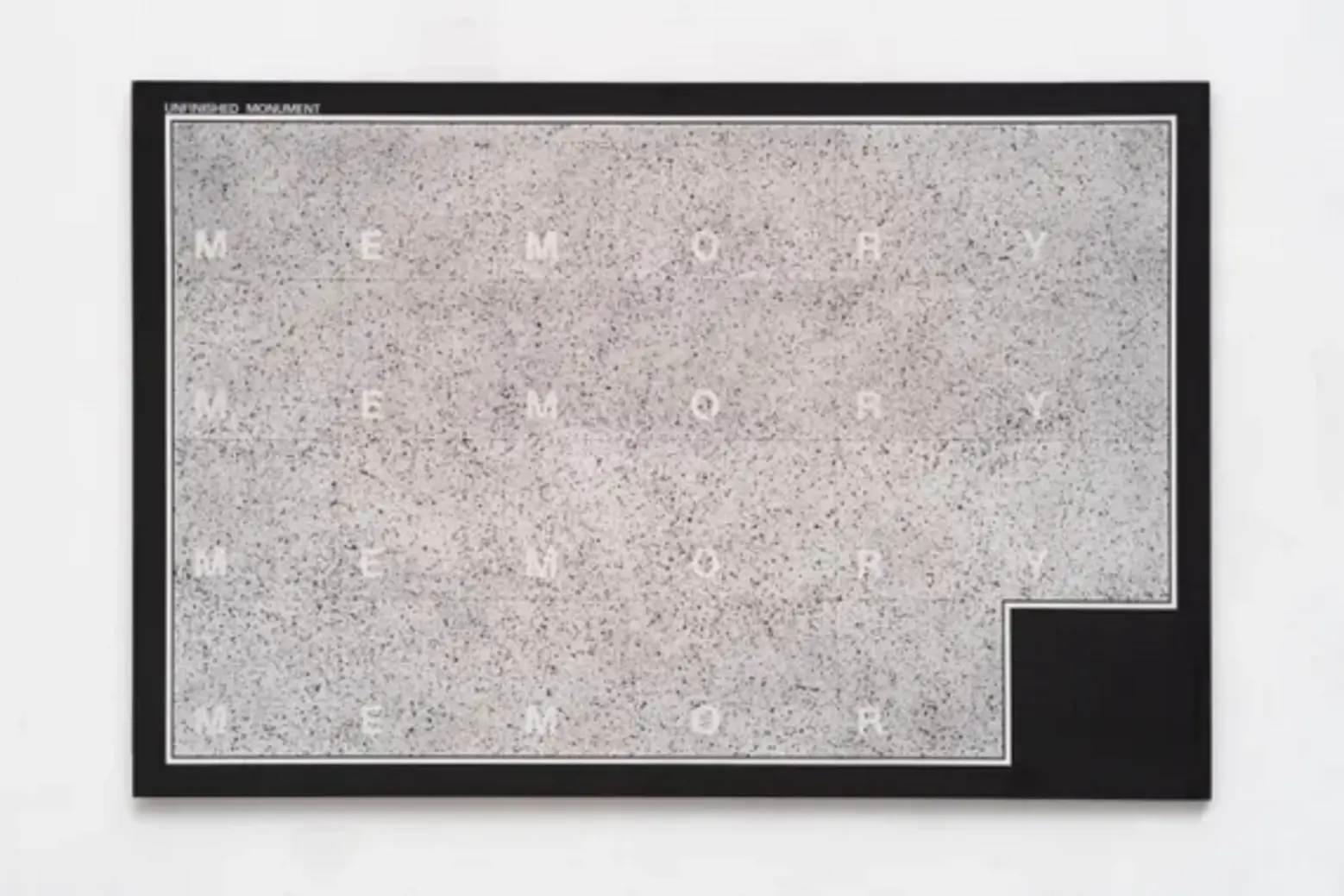
Two pieces, in particular, set the scale of Dias’s ambition. Image/ Mirage (1970) expands to 200 × 300 cm, a mural-sized field where painting feels less like depiction and more like a room for thought, an arena where language and geometry hold the space, and the viewer’s perception becomes the real medium. In contrast, The Image (1970), at 120 × 120 cm, performs a tighter conceptual “short-circuit”: a compact square that insists the label “image” has weight, friction, and consequence.
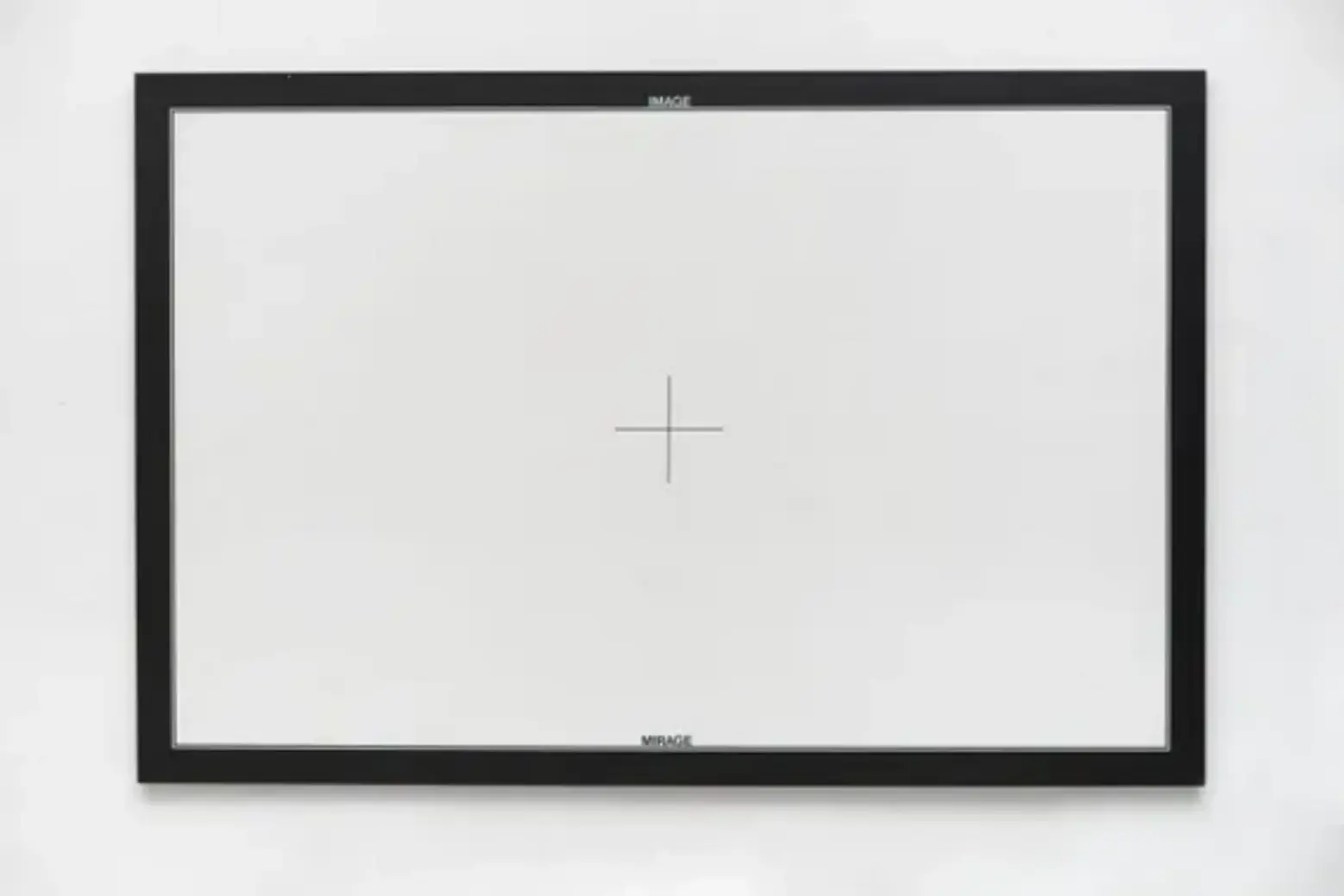
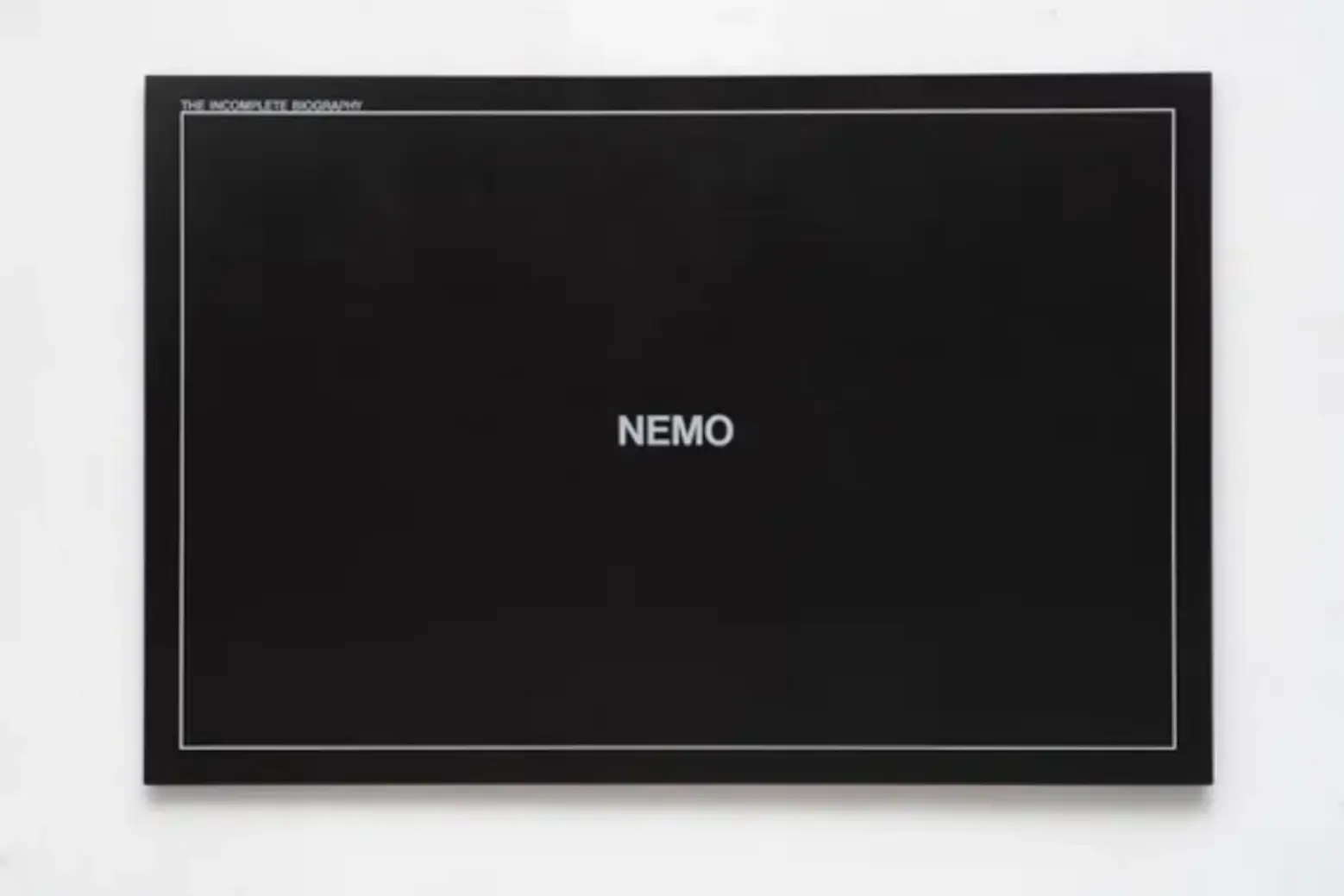
This is also a show with a paper trail, and that matters. Alongside the paintings, Gomide&Co presents an unprecedented selection of documents from the Fundo Antonio Dias at the Instituto de Arte Contemporânea (IAC), including materials unavailable during Motta’s 2021 archive-based exhibition. The effect deepens the experience: the works read as outcomes of sustained intellectual labor, with process and context placed on equal footing with the finished surface.
In the end, Antonio Dias / Image + Mirage leaves you with a new way of looking: the sense that an image can be both object and argument, both surface and trap. With the IAC archive documents opening his process to view and the book launch on March 14 extending the scholarship beyond the gallery, Gomide&Co stages more than a tribute. It stages a recalibration: Dias steps out of the box of “political Brazilian artist” and into the wider story of global Conceptualism, where silence carries weight and a single word can turn a canvas into a mirage you keep thinking about long after you leave.