MENU
Close





Completed on October 26, 1708, St Paul’s Cathedral stands as one of London’s most enduring symbols of architectural genius. Designed by Sir Christopher Wren after the Great Fire of London destroyed the old cathedral in 1666, this masterpiece of English Baroque architecture took 35 years to complete. In a fitting and emotional moment, it was Wren’s own son who laid the final brick, marking the culmination of a vision that would define London’s skyline for centuries.
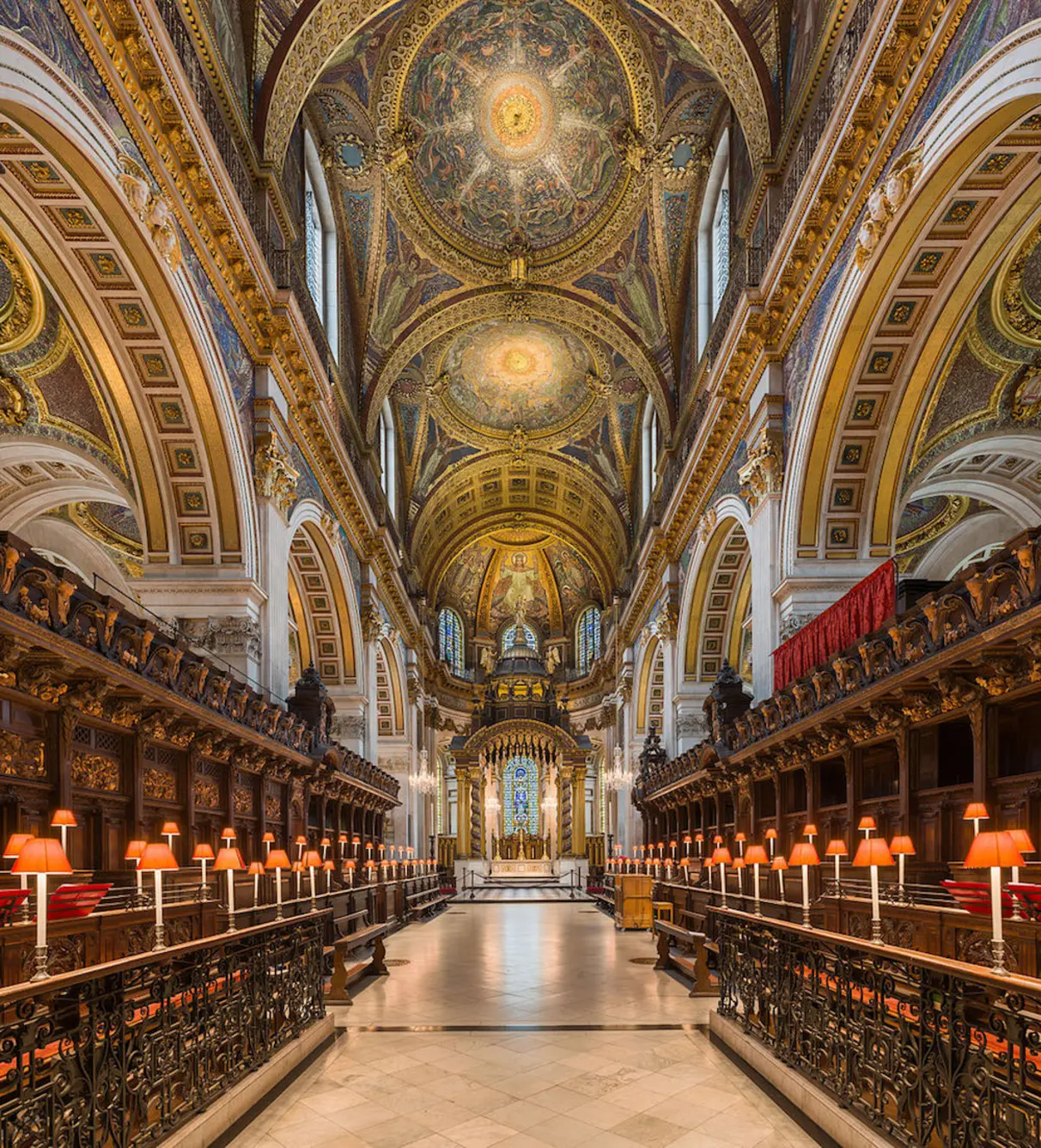
Completed on October 26, 1708, St Paul’s Cathedral stands as one of London’s most enduring symbols of architectural genius. Designed by Sir Christopher Wren after the Great Fire of London destroyed the old cathedral in 1666, this masterpiece of English Baroque architecture took 35 years to complete. In a fitting and emotional moment, it was Wren’s own son who laid the final brick, marking the culmination of a vision that would define London’s skyline for centuries.
October 26, 2025


Wren’s design for St Paul’s was both revolutionary and deeply symbolic. Its magnificent dome — rising 111 meters high, was inspired by Michelangelo’s St. Peter’s Basilica in Rome, yet adapted to reflect the character and identity of the English church. The interior dazzles with intricate mosaics, sweeping arches, and a sense of luminous harmony that invites awe and contemplation. The Whispering Gallery, where even the faintest whisper can be heard across the vast dome, remains one of its most enchanting features.

Beyond its architectural beauty, St Paul’s has been a silent witness to some of the nation’s most significant moments. It hosted the funerals of Lord Nelson, the Duke of Wellington, and Sir Winston Churchill, and provided a place of solace during the Blitz of World War II when its dome, miraculously unscathed, became a symbol of hope amid the devastation.
Today, over 300 years later, St Paul’s continues to serve as both a working cathedral and a national monument. Visitors from around the world climb its 528 steps to the Golden Gallery, where breathtaking views of London unfold beneath the dome that once defied disaster and time itself. The cathedral’s completion on that October day was not merely the end of a construction project, it was the beginning of an eternal dialogue between art, faith, and history.