MENU
Close





From 17 February to 3 May 2026, on the Hayward Gallery’s top floor, Chiharu Shiota turns brutalism into a pulse: an immersive tangle of red, black, and white that reads like handwriting made architectural. Threads of Life — Shiota’s first major solo exhibition in a UK public gallery, feels like one of those art exhibitions 2026 worth travelling for: immediate, emotional, and physically enveloping.
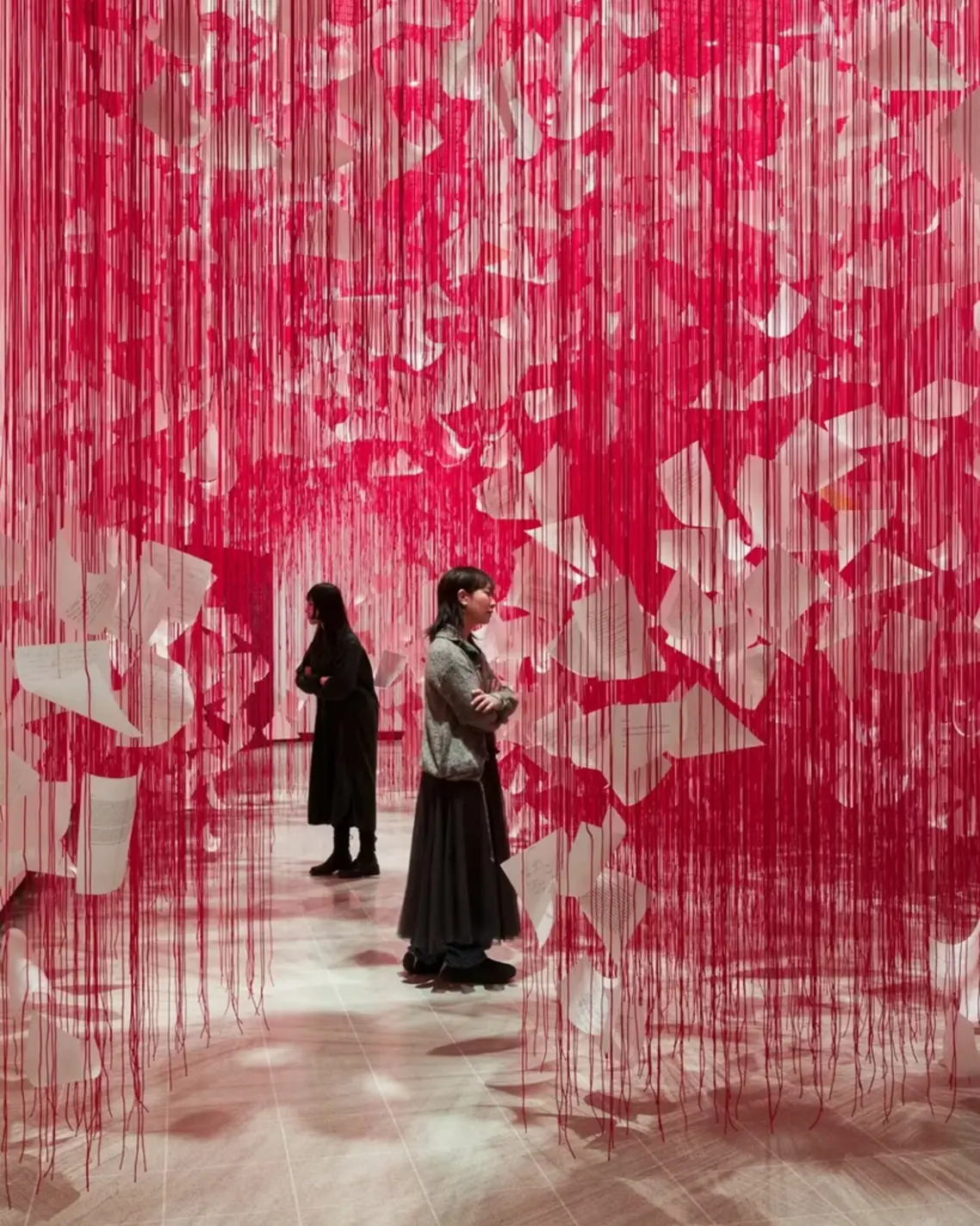
From 17 February to 3 May 2026, on the Hayward Gallery’s top floor, Chiharu Shiota turns brutalism into a pulse: an immersive tangle of red, black, and white that reads like handwriting made architectural. Threads of Life — Shiota’s first major solo exhibition in a UK public gallery, feels like one of those art exhibitions 2026 worth travelling for: immediate, emotional, and physically enveloping.
February 17, 2026


Step into Chiharu Shiota: Threads of Life and the Hayward’s concrete backbone feels organic, as if it has veins. Shiota’s practice carries the familiar phrase “drawing in space,” yet in London the idea sharpens: thread behaves less like material and more like atmosphere. The Chiharu Shiota: Threads of Life exhibition marks Chiharu Shiota's first major solo presentation in a UK public gallery, and its scale matches the Hayward’s uncompromising geometry.
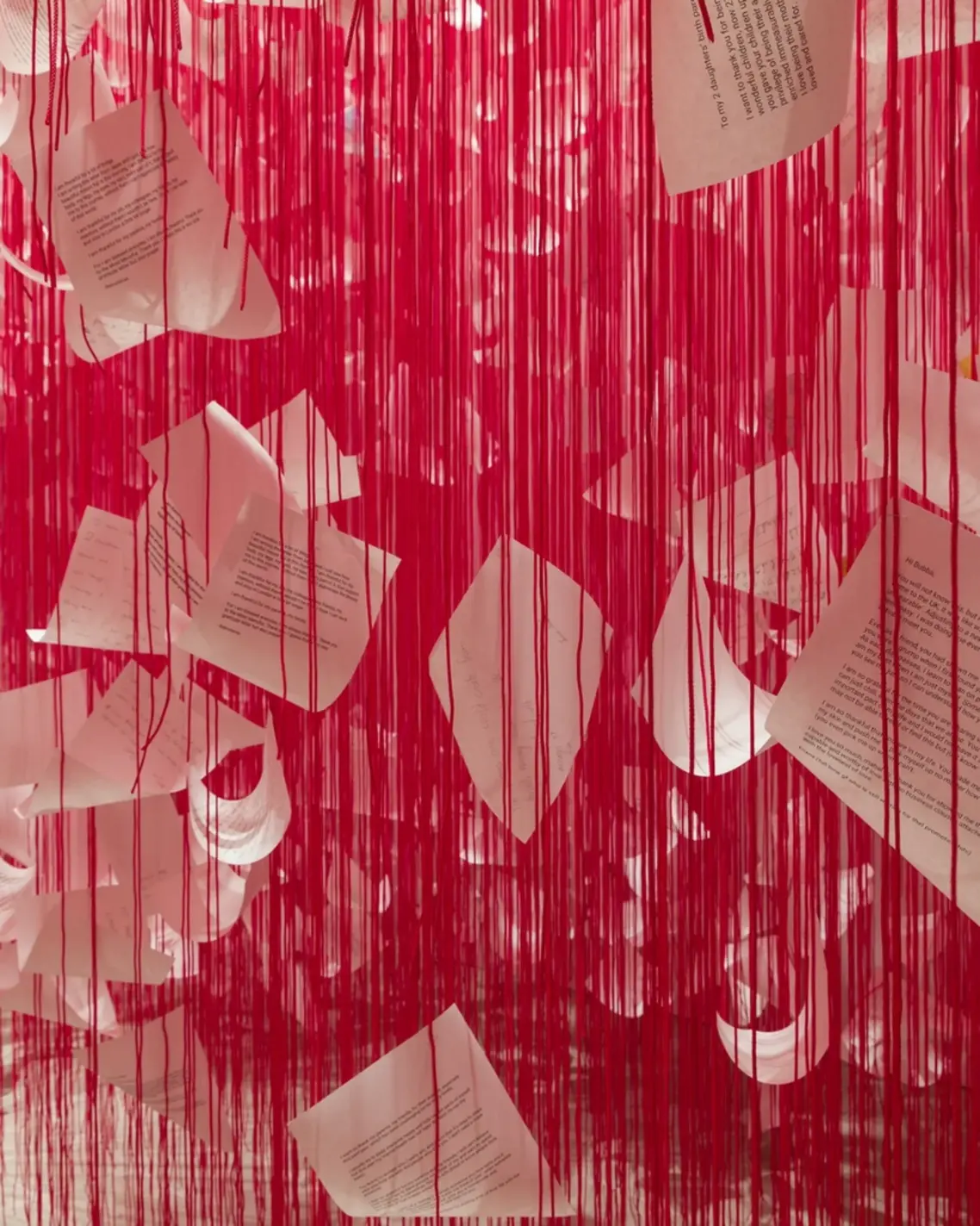
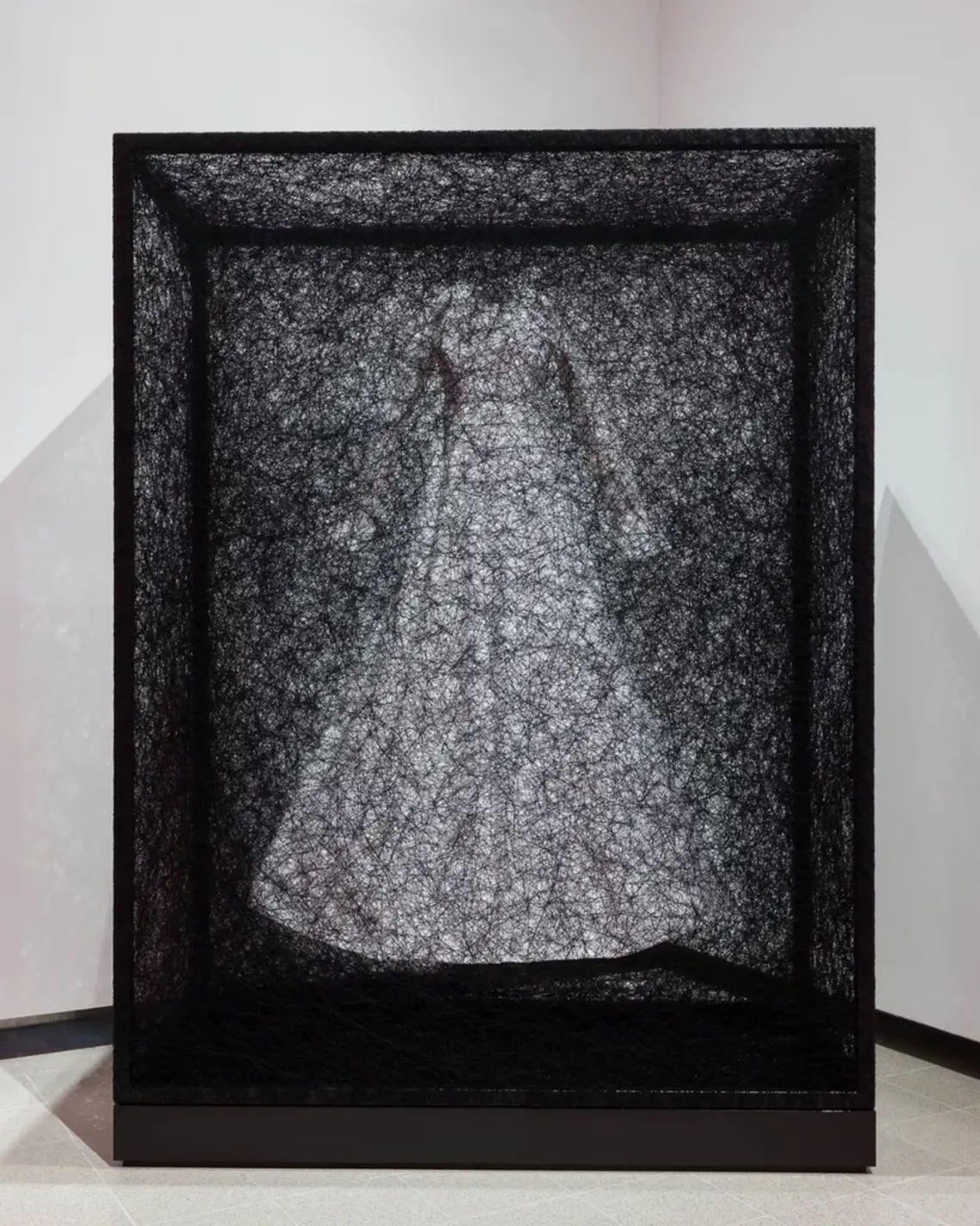
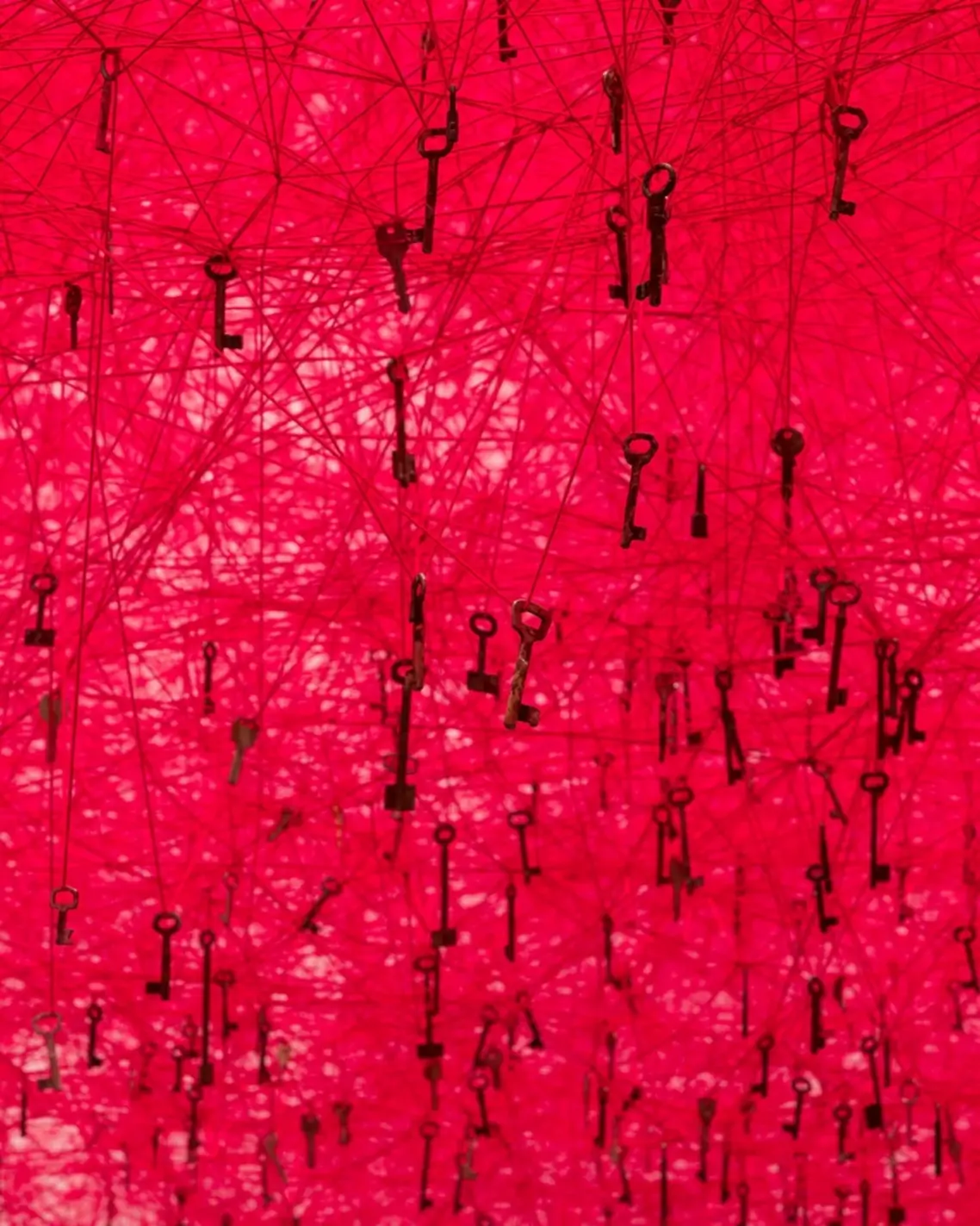
Chiharu Shiota’s colour grammar stays spare and charged. Red moves as fate and kinship, echoing Akai Ito —connection that tangles, stretches, and still holds. Black arrives with night-sky thinking: mortality, shadow, the private panic behind the eyes. White reads as threshold: birth, afterimage, return. The palette makes the big ideas readable at first sight, then invites you to linger long enough for the meanings to deepen.
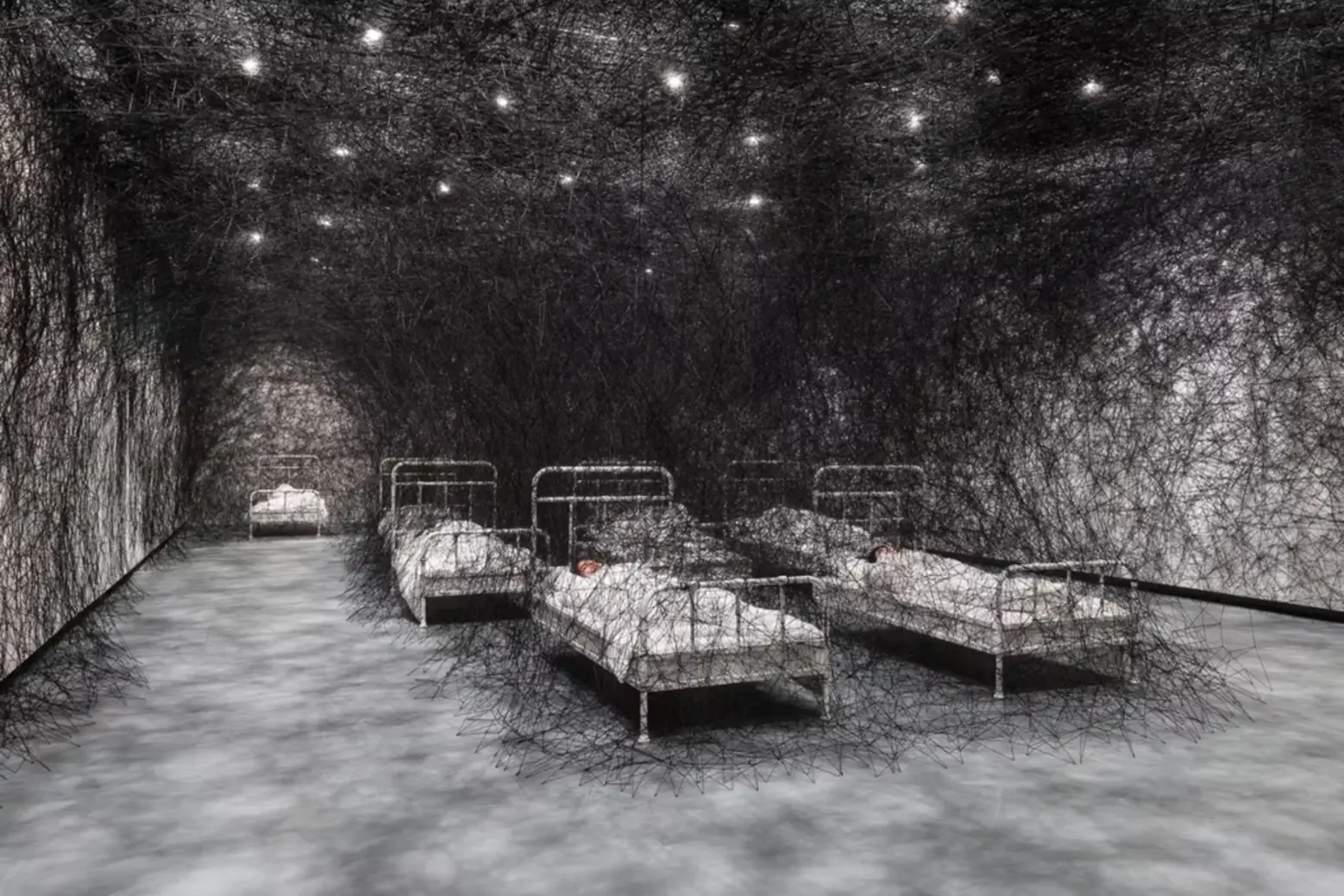
The anchor is During Sleep (2026): ten austere metal beds caught inside a chaotic web of black thread, clinical from afar, intimate up close. On select mornings: 7 March, 11 April, 2 May (10am–1pm), live sleep performances activate the work, shifting the room from spectacle into ritual, from installation into shared vulnerability.
Across the show, Chiharu Shiota’s symbols keep working quietly. Keys and locks in The Locked Room give transition a physical weight. Letters of Thanks suspends public gratitude so visitors move through other people’s tenderness. The spectral dresses of Memory of Skin hold presence in the body’s absence, like clothing that remembers who once lived inside it.
Reception splits along a familiar fault line. Social audiences embrace the show’s cinematic immersion, while some critics read the metaphors as too direct, beautiful, viral, blunt. That friction belongs to experience. Chiharu Shiota’s webs specialise in making inner life shareable, even at blockbuster scale, and in that act of sharing, the work finds its charge.
In the end, Threads of Life refuses the comfort of distance. You do not simply look at Chiharu Shiota’s work; you enter it, breathe with it, and leave with its logic clinging softly to your senses. The Hayward’s concrete, so often associated with severity, becomes a vessel for tenderness, a place where beds, keys, letters, and dresses stand in for everything we cannot hold onto for long. Whether the metaphors feel monumental or blunt depends on what you bring in with you, yet the exhibition’s real achievement sits elsewhere: it makes connection tangible without flattening its mess. You walk out with the sense that life is held together by ordinary objects and invisible ties, and that even when the thread knots, it still leads somewhere.