MENU
Close





Emerging fine water brands signal a structural evolution within the premium beverage market. What once relied on the broad promise of purity now depends on geological specificity, measurable mineral profiles, sustainability engineering, and design intelligence. Fine water now operates at the intersection of science, luxury branding, and environmental strategy.
Emerging fine water brands signal a structural evolution within the premium beverage market. What once relied on the broad promise of purity now depends on geological specificity, measurable mineral profiles, sustainability engineering, and design intelligence. Fine water now operates at the intersection of science, luxury branding, and environmental strategy.
February 3, 2026


The world of luxury water extends far beyond basic hydration. In the premium segment, fine water functions as a sensory and cultural product defined by mineral composition, geological origin, and mouthfeel. It is designed to complement gastronomy, much like wine, enhancing flavor perception through its specific balance of TDS, pH, silica, or magnesium. In the huge landscape of fine water, emerging brands in 2025 started to leave their marks on luxury hydration in 2026.
The most important shift among emerging fine water brands is the concept of extreme terroir. In previous decades, premium positioning centered on the vague language of pristine springs and untouched nature. The current cycle demands detail. Brands foreground measurable mineral content, rock composition, filtration pathways, and aquifer depth. Terroir has become quantifiable.
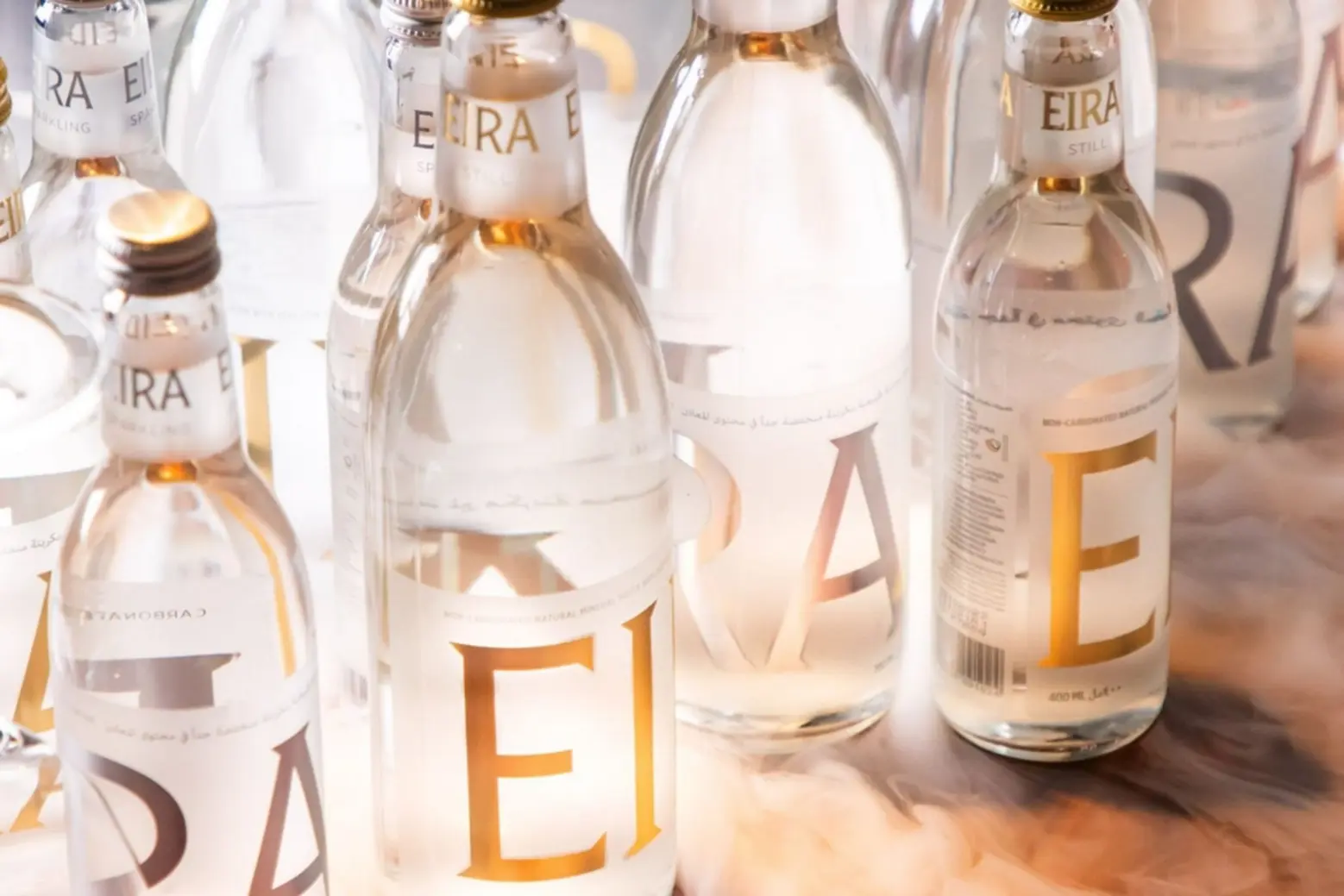
Norway’s EIRA provides a clear example. Its low Total Dissolved Solids level is attributed to natural filtration through ancient quartz formations. Rather than framing this as simple purity, the brand emphasizes structural clarity and mouthfeel precision. Low mineralization produces a crisp, clean sensory experience that pairs effectively with delicate cuisine. Recognition as the Best Mineral Water Brand 2025 by LUXlife further reinforced the importance of mineral identity as a differentiator.
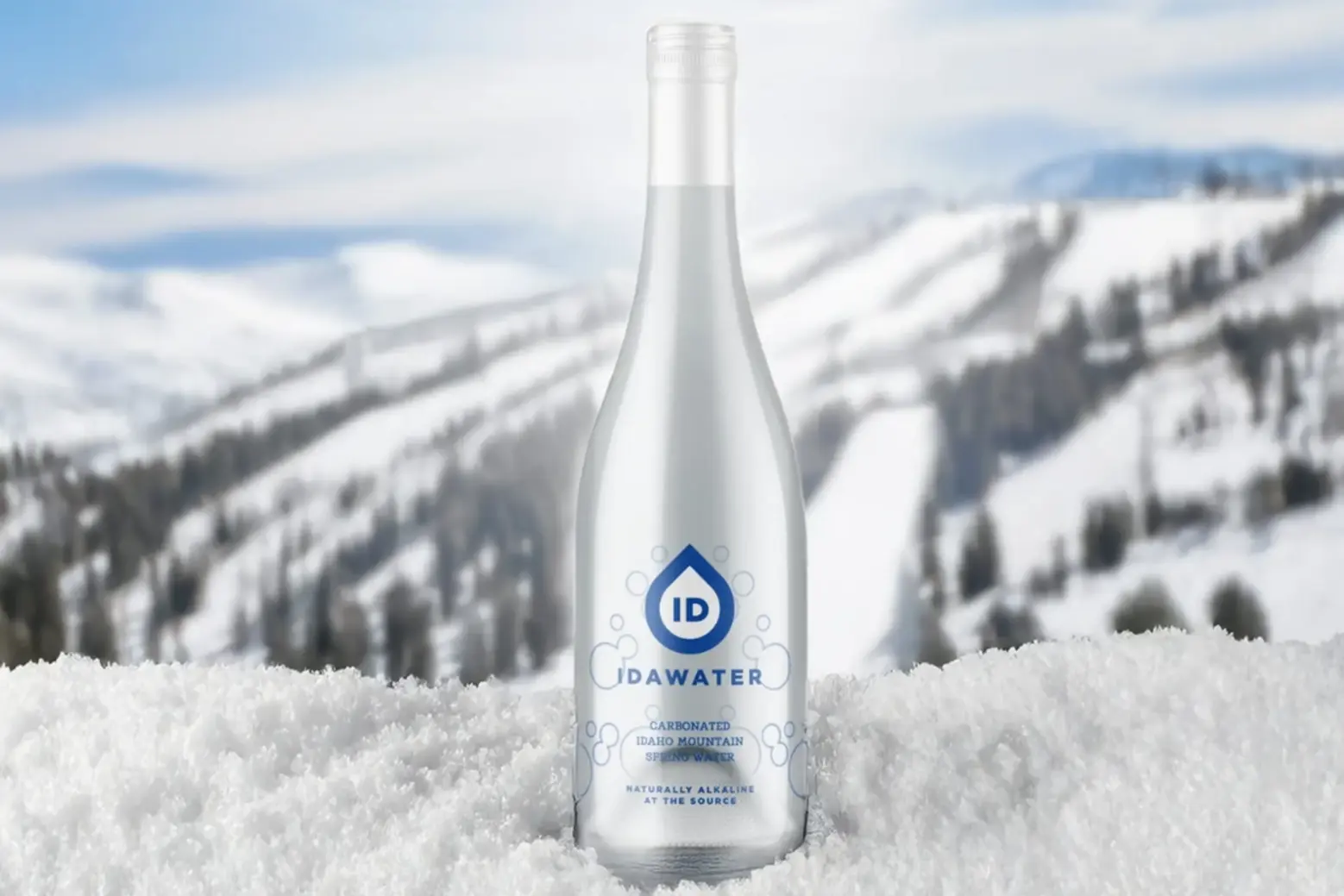
In Japan, IDAWATER entered the fine water circuit with an emphasis on high purity artesian extraction. Japanese premium beverage culture often prioritizes refinement and balance. IDAWATER aligns with this cultural preference by highlighting controlled mineral composition and consistent extraction methodology.
The logic behind extreme terroir reflects consumer maturation. Water sommeliers now analyze TDS, pH balance, silica concentration, and magnesium levels in structured tastings. Restaurants in major cities curate water lists alongside wine lists. In this environment, geological origin functions as intellectual capital. The narrative must withstand scrutiny.
While extreme terroir looks downward into geological layers, atmospheric water generation introduces vertical sourcing. Rather than tapping aquifers, brands harvest moisture directly from ambient air through condensation systems powered by renewable energy.
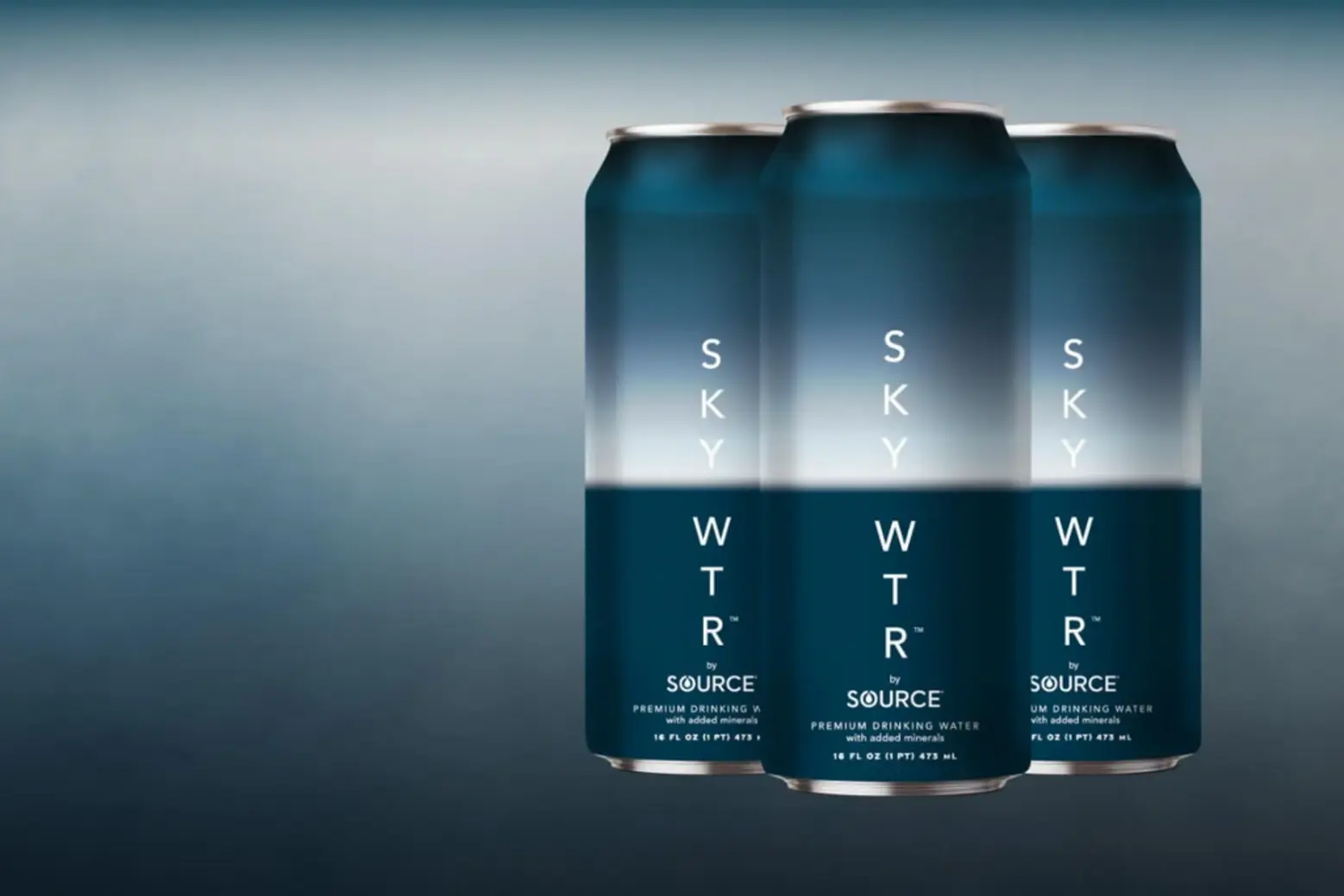
Arizona based Sky Wtr represents one of the most visible entrants in this segment. Launched in late 2024, the brand positions itself as off grid luxury hydration. Solar powered systems condense desert humidity, after which the water is purified and mineralized to achieve a calibrated taste profile. The value proposition emphasizes autonomy from stressed groundwater systems and reduced dependency on traditional extraction.
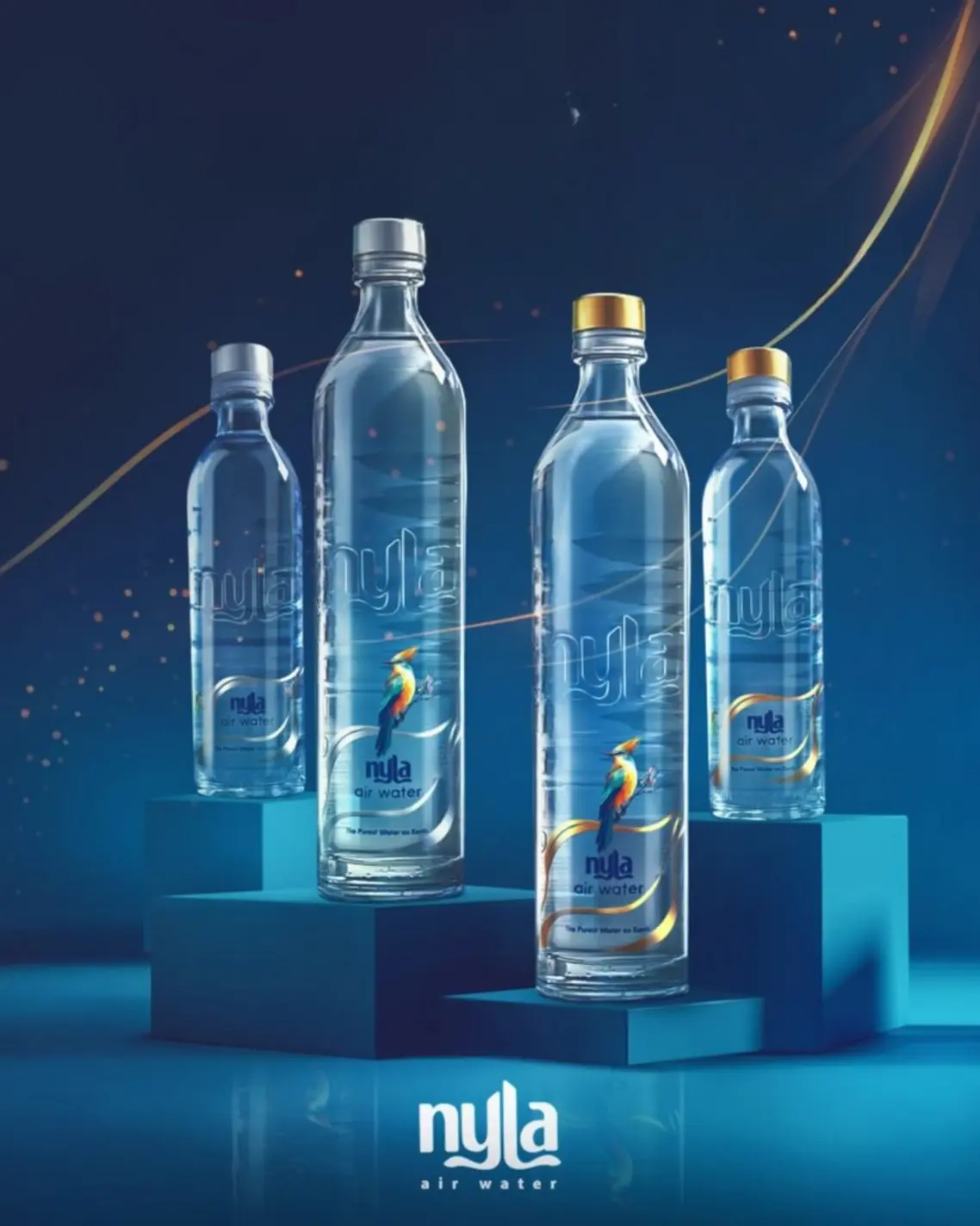
Similarly, Nyla debuted in early 2025 with atmospheric water generation scaled for premium distribution. Its messaging highlights the elimination of ground level contamination risks and the ability to engineer mineral balance with precision.
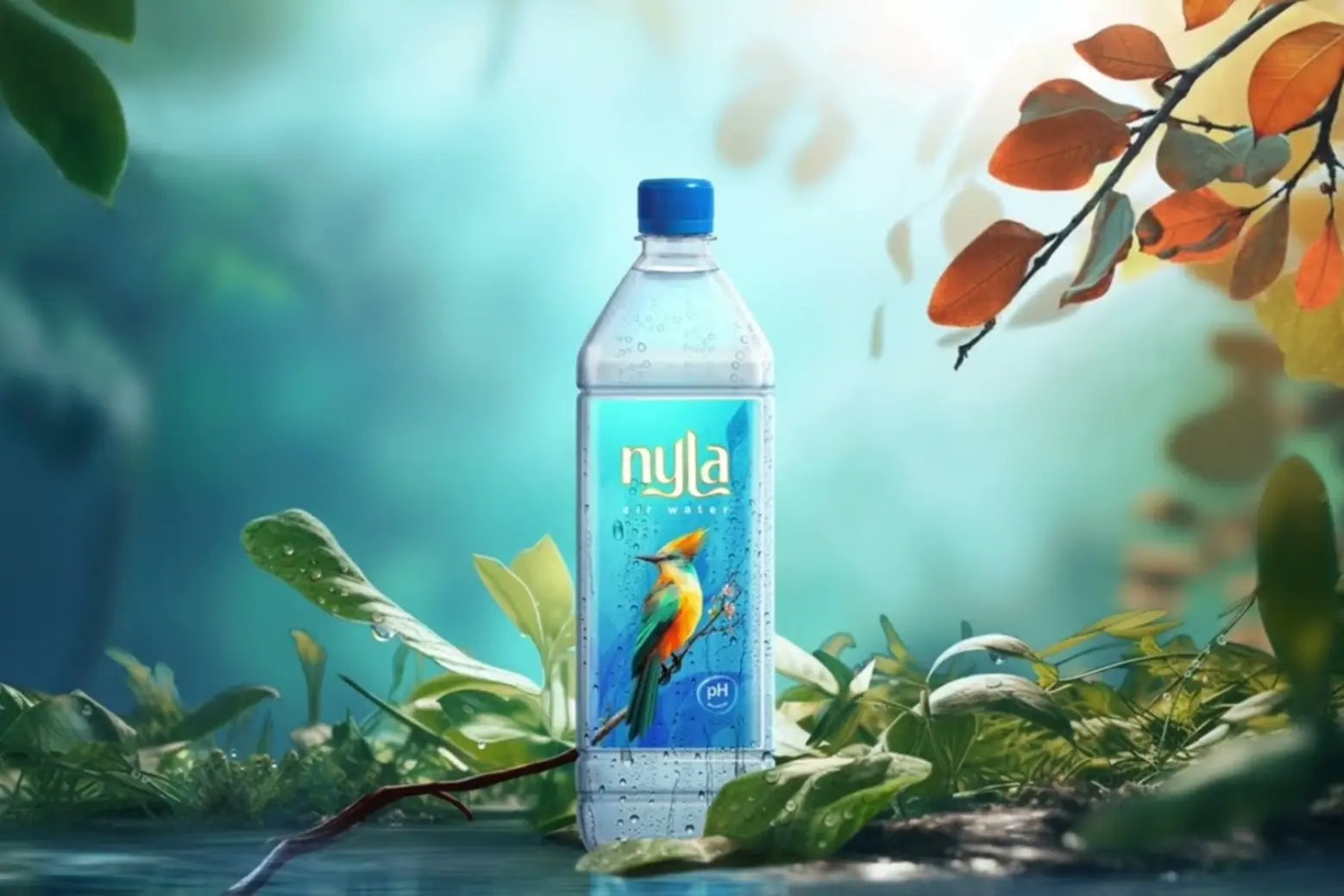
Atmospheric water introduces a paradox within the terroir narrative. Instead of inherited geological signature, the mineral profile becomes intentionally constructed. This allows brands to design consistent TDS levels tailored to luxury dining environments. It also appeals to sustainability driven consumers who view aquifer depletion as a structural risk.
The significance of atmospheric water extends beyond novelty. Climate variability and water scarcity in certain regions create long term pressure on natural springs. Atmospheric systems provide geographic flexibility and potential resilience. As technology costs decrease, this segment of fine water may expand from niche luxury into broader premium categories.
Material selection has become central to brand credibility. Luxury positioning increasingly rejects single-use plastic in favor of aluminum and glass formats that communicate durability and recyclability.
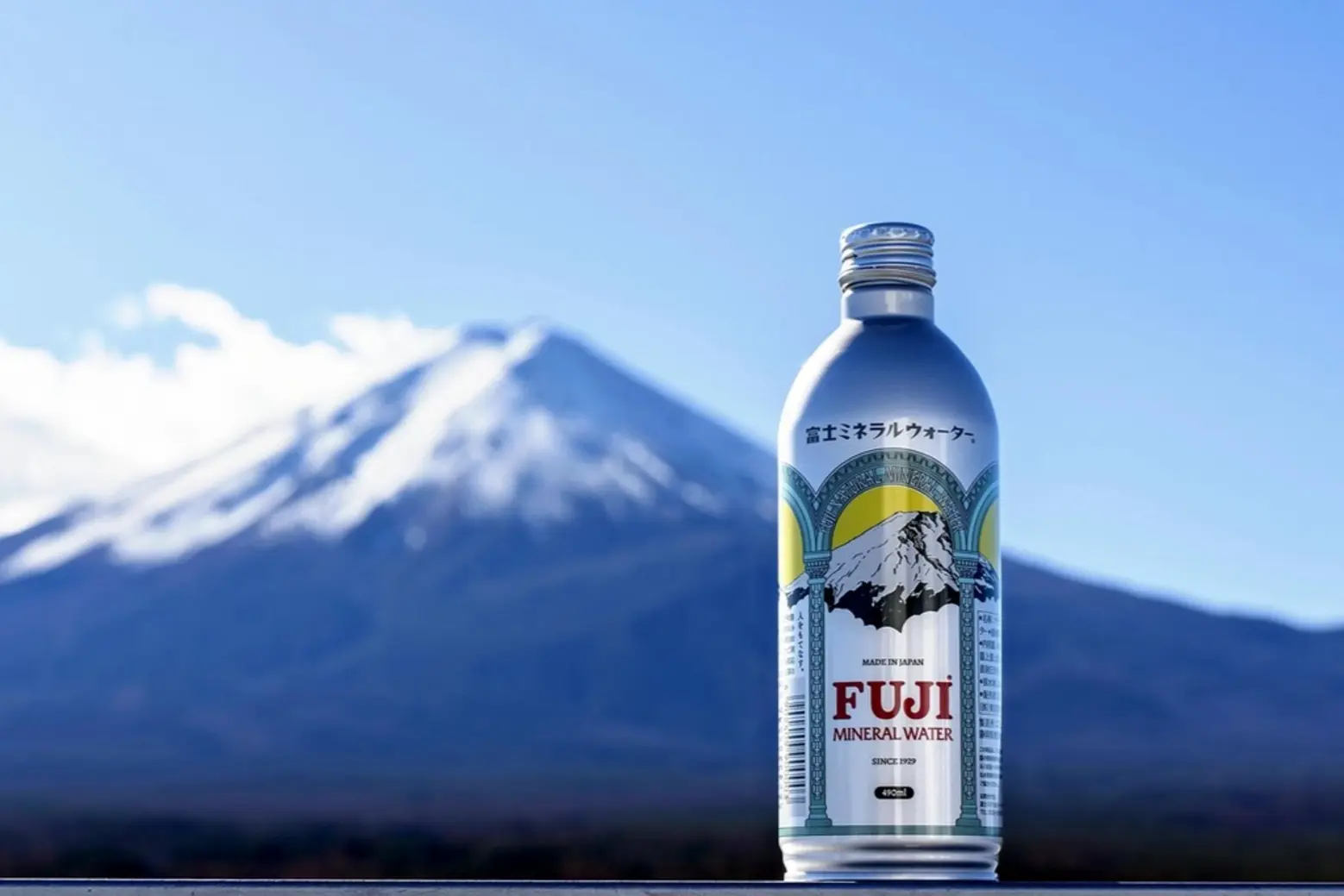
Japan’s Fuji Mineral Water introduced premium aluminum packaging in 2024, signaling both environmental awareness and design sophistication. Aluminum packaging offers rapid cooling, light protection, and high recyclability rates. Its tactile weight also enhances perceived value.
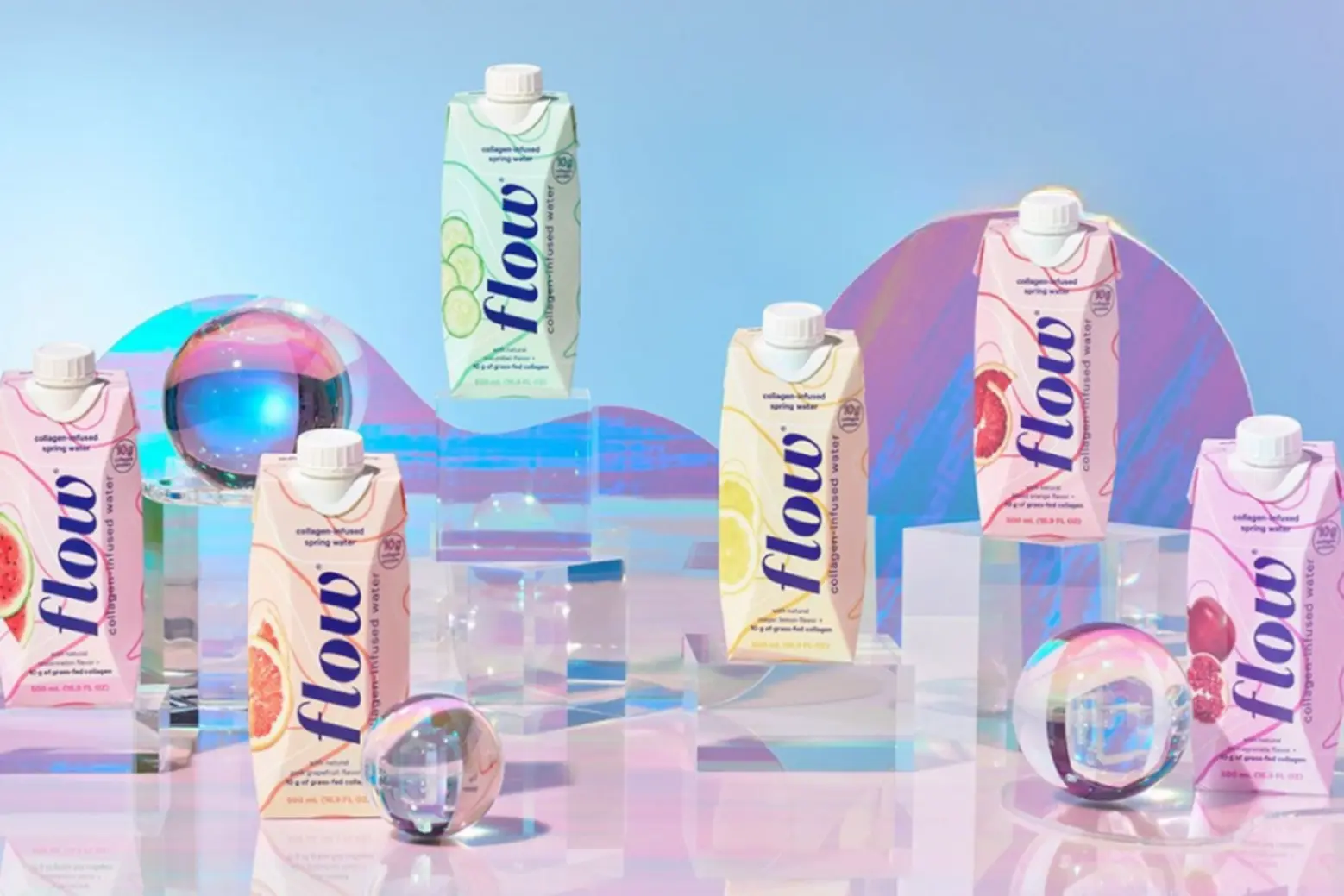
In the United States, Deer Park launched a limited edition aluminum bottle in 2025, demonstrating that legacy brands recognize the symbolic power of packaging evolution. Meanwhile, Flow expanded aluminum packaging within its sparkling line, emphasizing recycled content and circular material systems.
Packaging innovation extends to structural design. One Water, introduced at Davos in 2025, developed an interlocking bottle system that optimizes shipping efficiency and reduces wasted transport volume. This reflects a broader shift from sustainability messaging to sustainability engineering.
Within fine water, packaging functions as both environmental strategy and luxury signifier. The container communicates mineral narrative, production ethics, and aesthetic alignment with high end hospitality environments.
Market growth data indicate that Asia Pacific, particularly China and India, represents the fastest expanding region for fine water. Rising disposable income, hospitality development, and wellness driven consumption contribute to projected growth rates extending into the next decade.
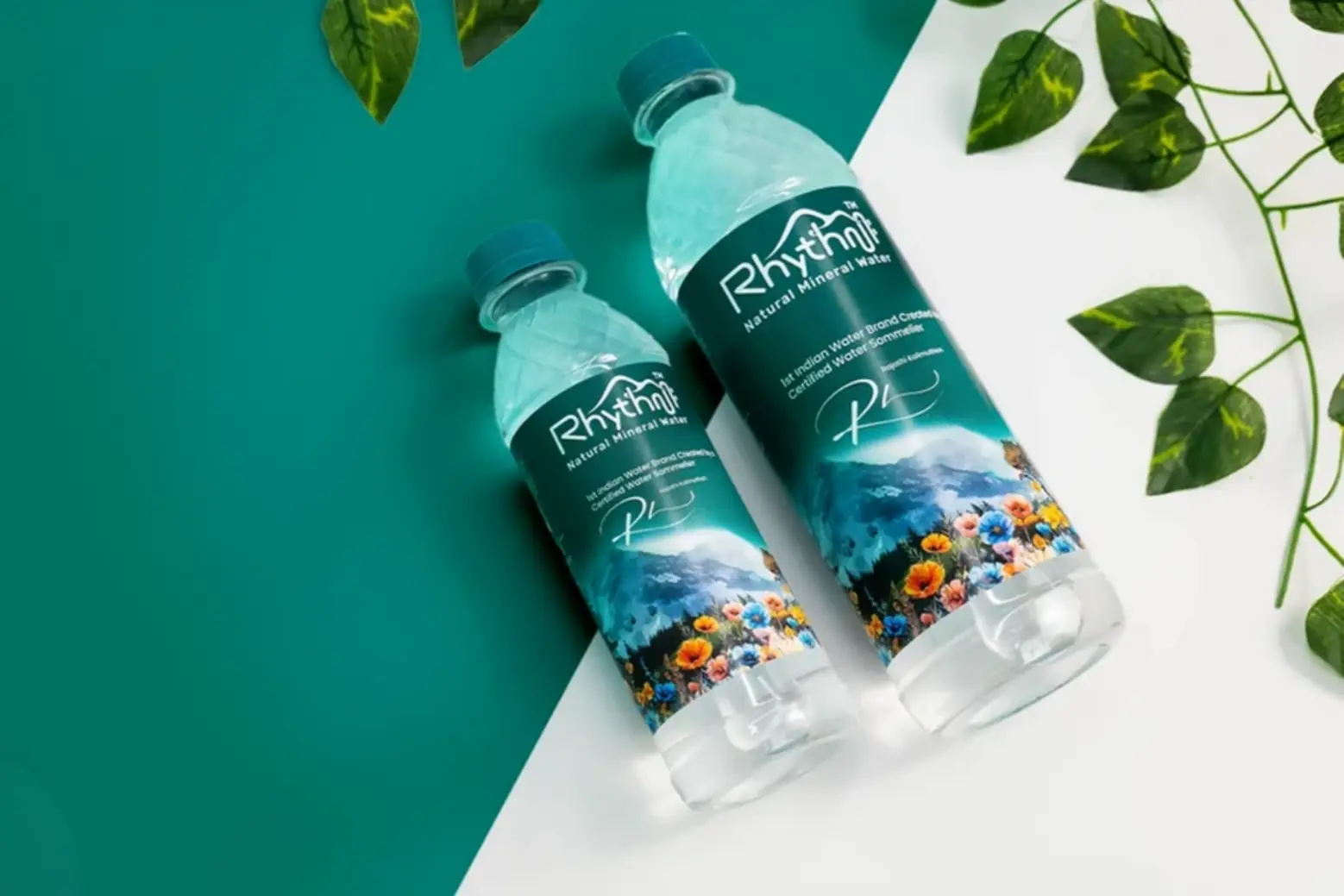
In India, Rhythm Water launched in mid 2025 to address a domestic luxury audience increasingly attentive to mineral content and provenance. Himalayan sourcing offers strong symbolic capital, while sparkling variants respond to global dining trends.
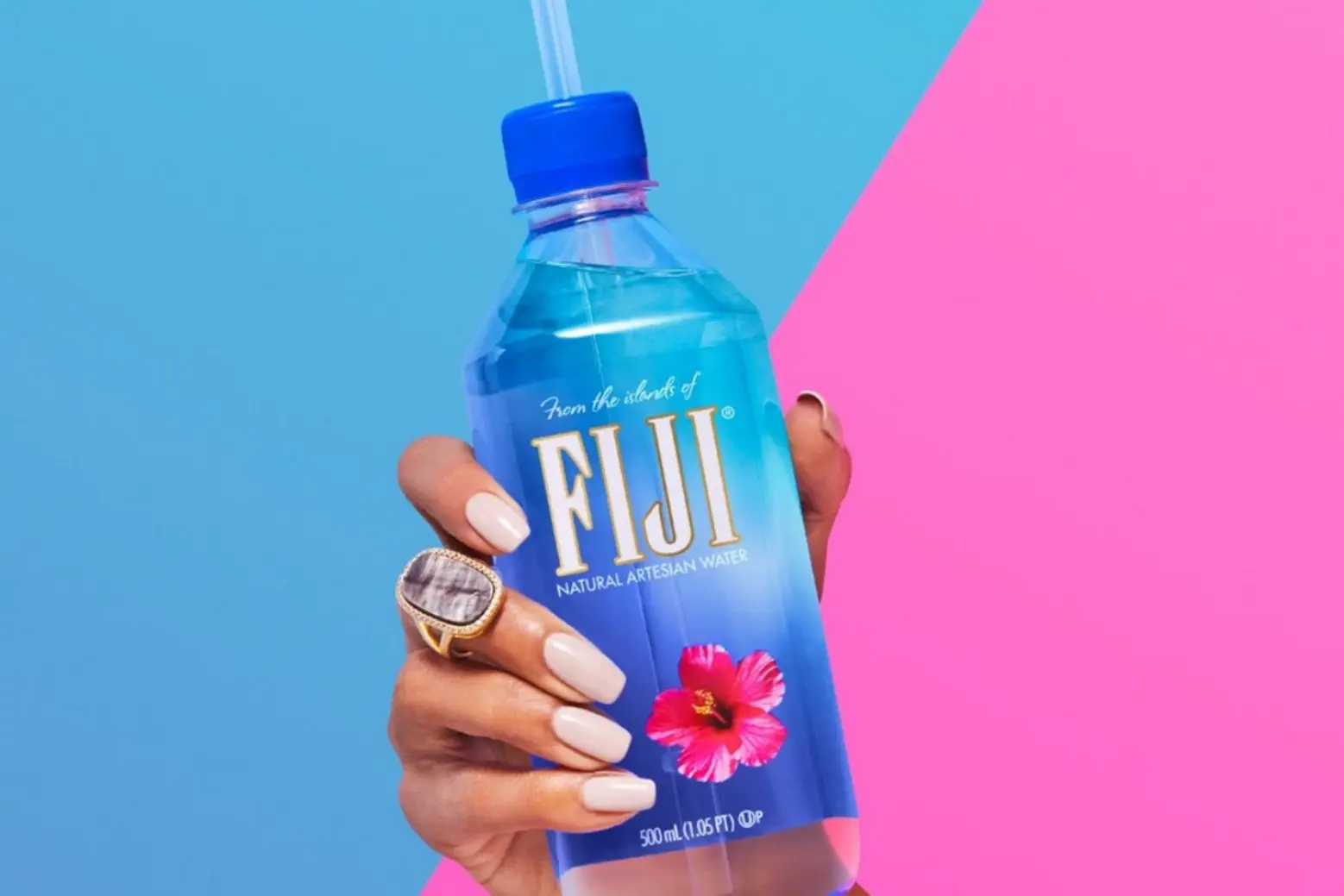
At the same time, established international players such as Fiji Water continue to secure sommelier recognition in Asia, particularly for high silica concentration that contributes to a smooth, rounded mouthfeel.
The functional dimension of fine water is gaining traction. Consumers increasingly seek naturally occurring magnesium for relaxation benefits or silica for perceived skin and hair support. Rather than emphasizing fortification, brands highlight inherent mineral composition. This aligns with broader wellness narratives that favor natural balance over artificial enhancement.
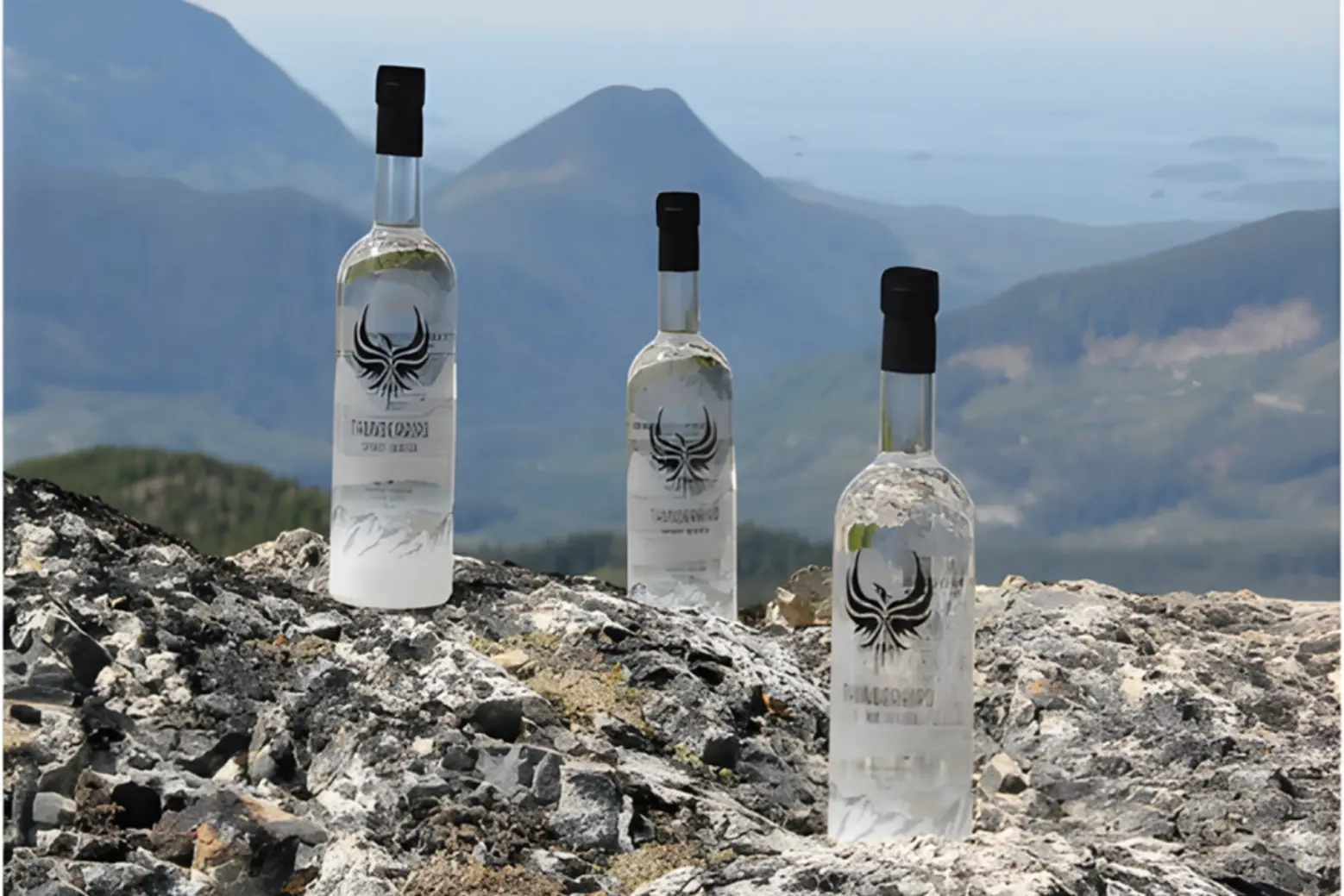
In Canada, Thunderbird Spirit Water has emerged within the artesian category, reinforcing the importance of original authenticity combined with competitive positioning in global award circuits.
The fine water category now operates across three structural pillars. The first is geological authenticity, anchored in extreme terroir. The second is technological innovation, particularly atmospheric water generation. The third is material and design evolution, visible in aluminum packaging and structural bottle engineering.
Award recognition through global competitions and professional bodies shapes brand hierarchy. Emerging entrants use these platforms to validate mineral claims and gain distribution credibility.
From a macroeconomic perspective, premium water aligns with luxury’s broader resilience during periods of volatility. It represents an accessible indulgence relative to other high-end goods. At the same time, environmental scrutiny intensifies. Brands must substantiate sustainability claims through measurable impact reduction.
Fine water in 2025 reflects a market that has moved decisively beyond the language of purity. It demands origin transparency, mineral literacy, packaging responsibility, and technological foresight.
Emerging fine water brands illustrate how a simple commodity can evolve into a sophisticated luxury segment shaped by geology, engineering, and global wellness culture. Extreme terroir repositions mineral composition as narrative authority. Atmospheric water reframes sourcing in response to environmental constraints. Aluminum packaging aligns design with sustainability metrics. Asia Pacific growth reinforces the category’s international momentum.
Fine water now occupies a space once reserved for wine or fragrance. It invites analysis, pairing, and connoisseurship. In this landscape, hydration becomes both elemental necessity and cultural signal, defined as much by mineral structure as by the story carried within each bottle.