MENU
Close





Not in glittering showrooms or global campaigns. The true story of independent watchmaking is told in humble ateliers, where each craftsman is a distinct creative universe. From Dufour's loupe to Halter's paper sketches, this is a dialogue with those writing history, one component at a time.
Not in glittering showrooms or global campaigns. The true story of independent watchmaking is told in humble ateliers, where each craftsman is a distinct creative universe. From Dufour's loupe to Halter's paper sketches, this is a dialogue with those writing history, one component at a time.
December 9, 2025


While the world of luxury watchmaking is often shadowed by skyscrapers and million-dollar CNC machines, the true soul of innovation beats in far more modest spaces. These are the ateliers in Le Sentier, Sainte-Croix, or even a remote island, where each independent watchmaker establishes a personal kingdom with its own laws, language, and pace of time. This is not a story about brands, but about people and philosophies crystallized in metal.
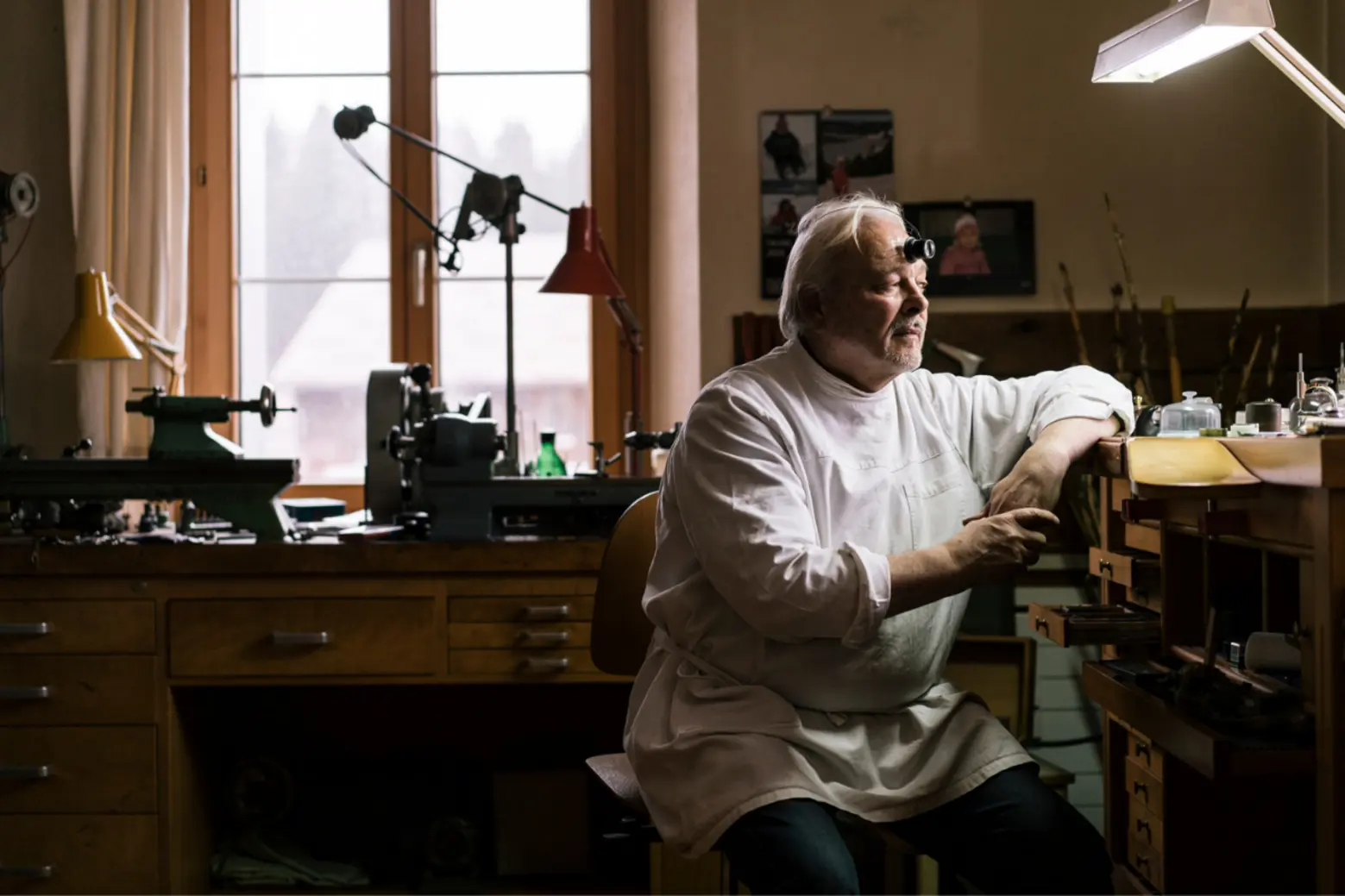
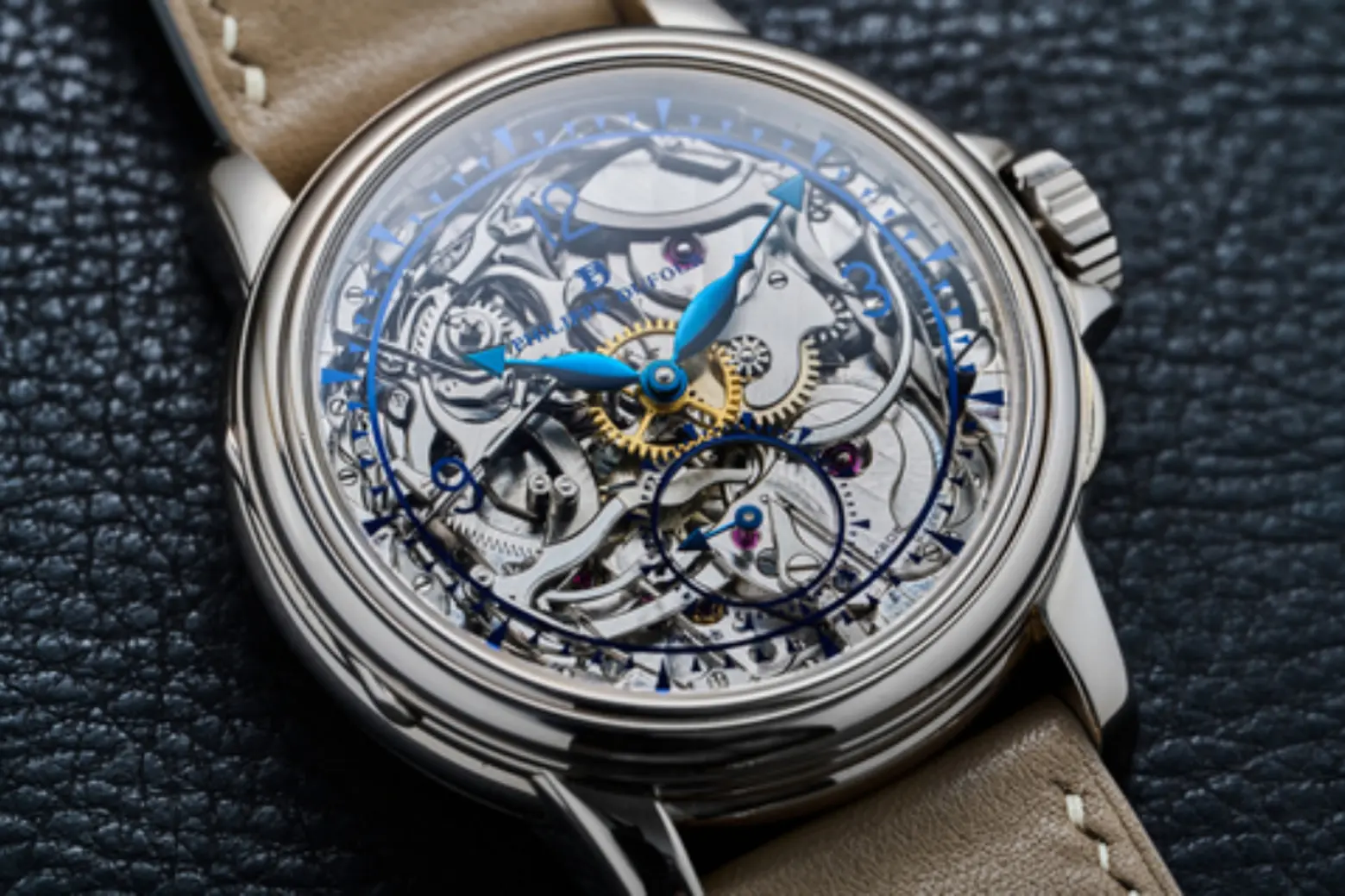
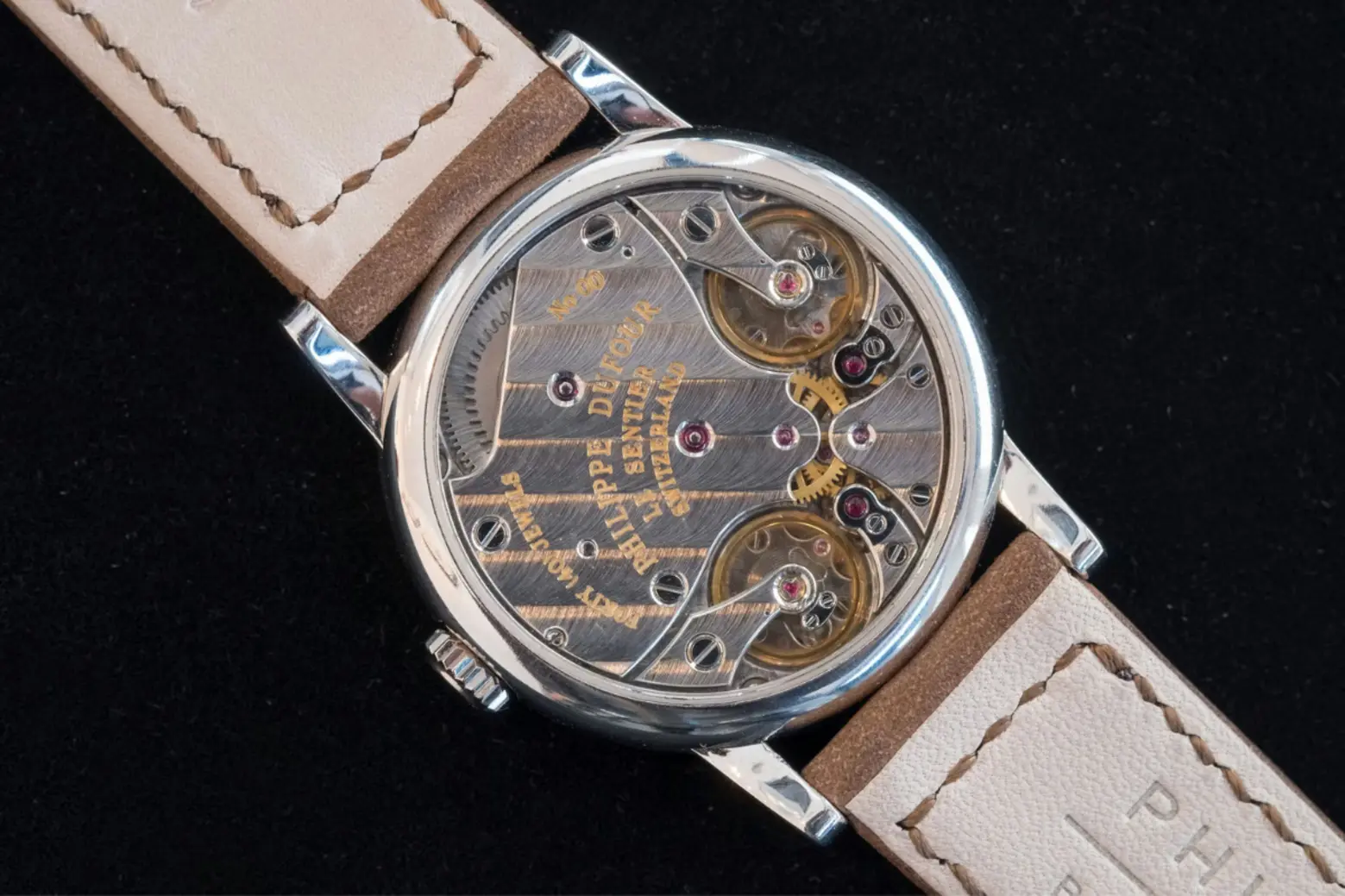
Philippe Dufour's workshop in Le Sentier resembles a sanctuary of slowness. Here, CNC machines are taboo. Every component, from the smallest screw to the most complex bridge of his legendary Grande & Petite Sonnerie, is shaped, filed, bevelled, and polished by hand using traditional lathes, mills, and abrasives. His philosophy is an absolute rejection of the digital, believing that the "breath of the hand", those organic, imperfectly symmetrical lines, is the true signature of human creation.

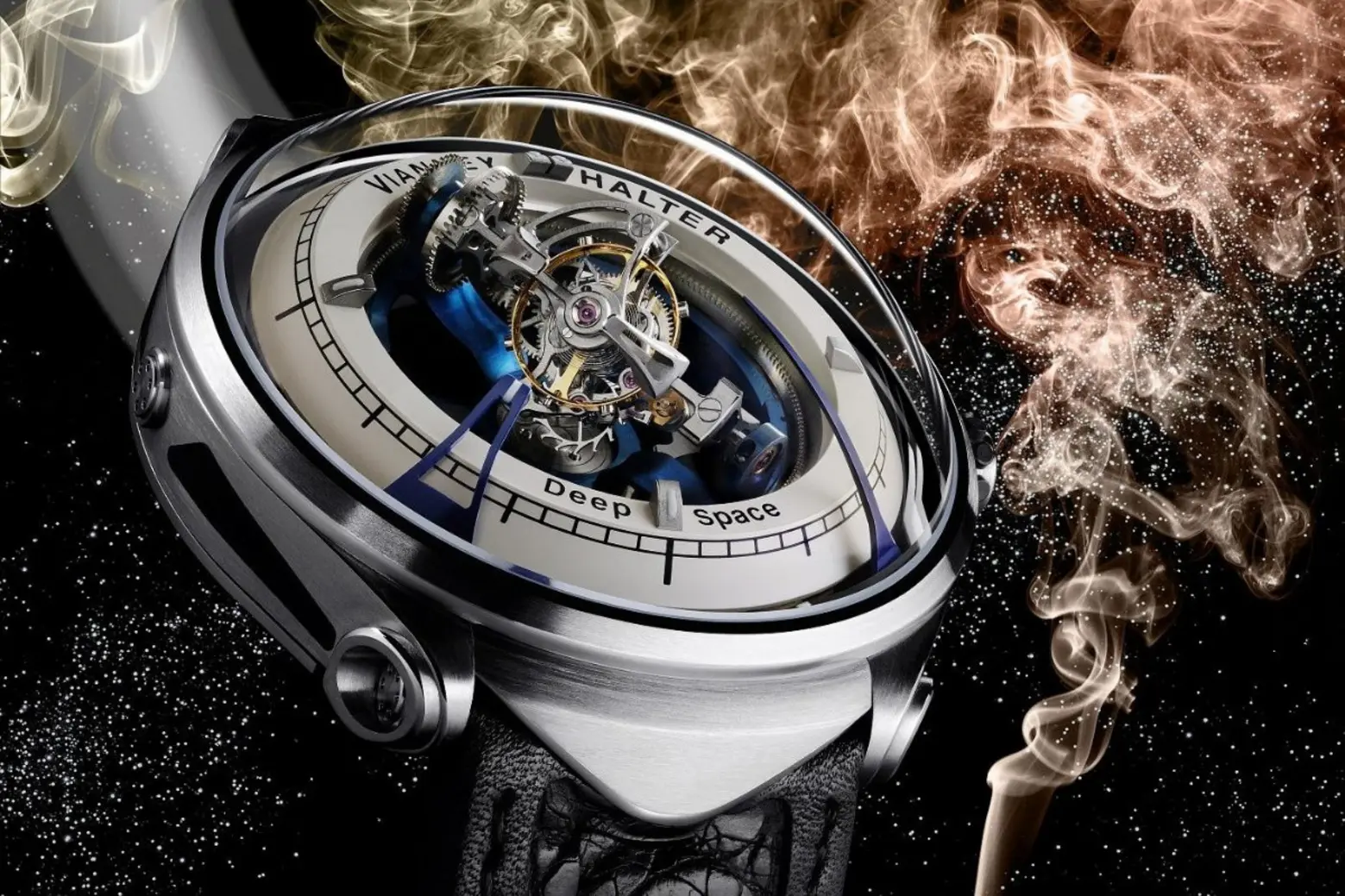
If Dufour is a preserver, Vianney Halter is a fabulist. His workshop resembles the laboratory of a 22nd-century inventor lost in the past. His creations, like the Deep Space Tourbillon, are not mere watches, they are time machines with a triple-axis tourbillon spinning like a planet in a glass cage.
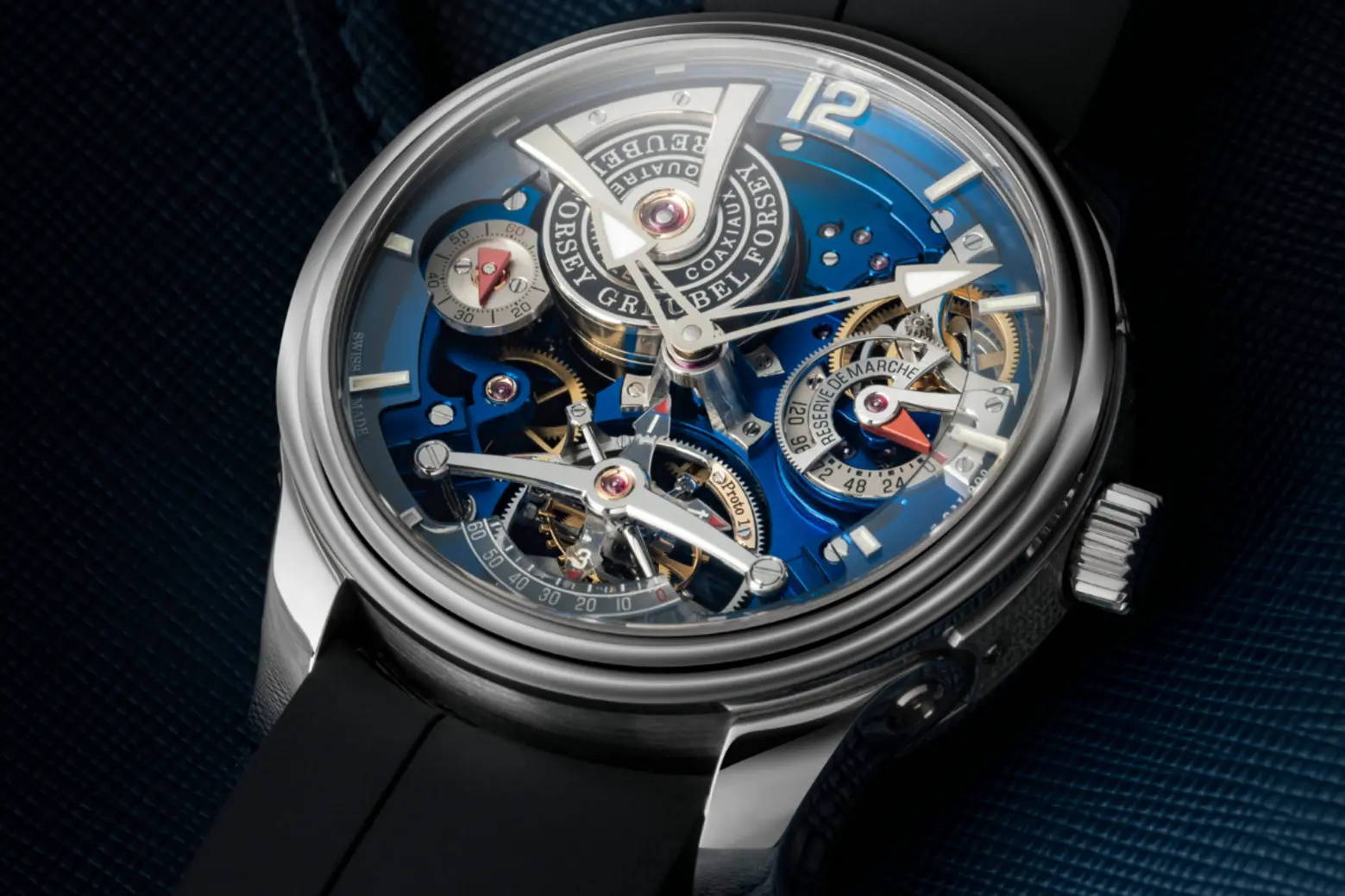
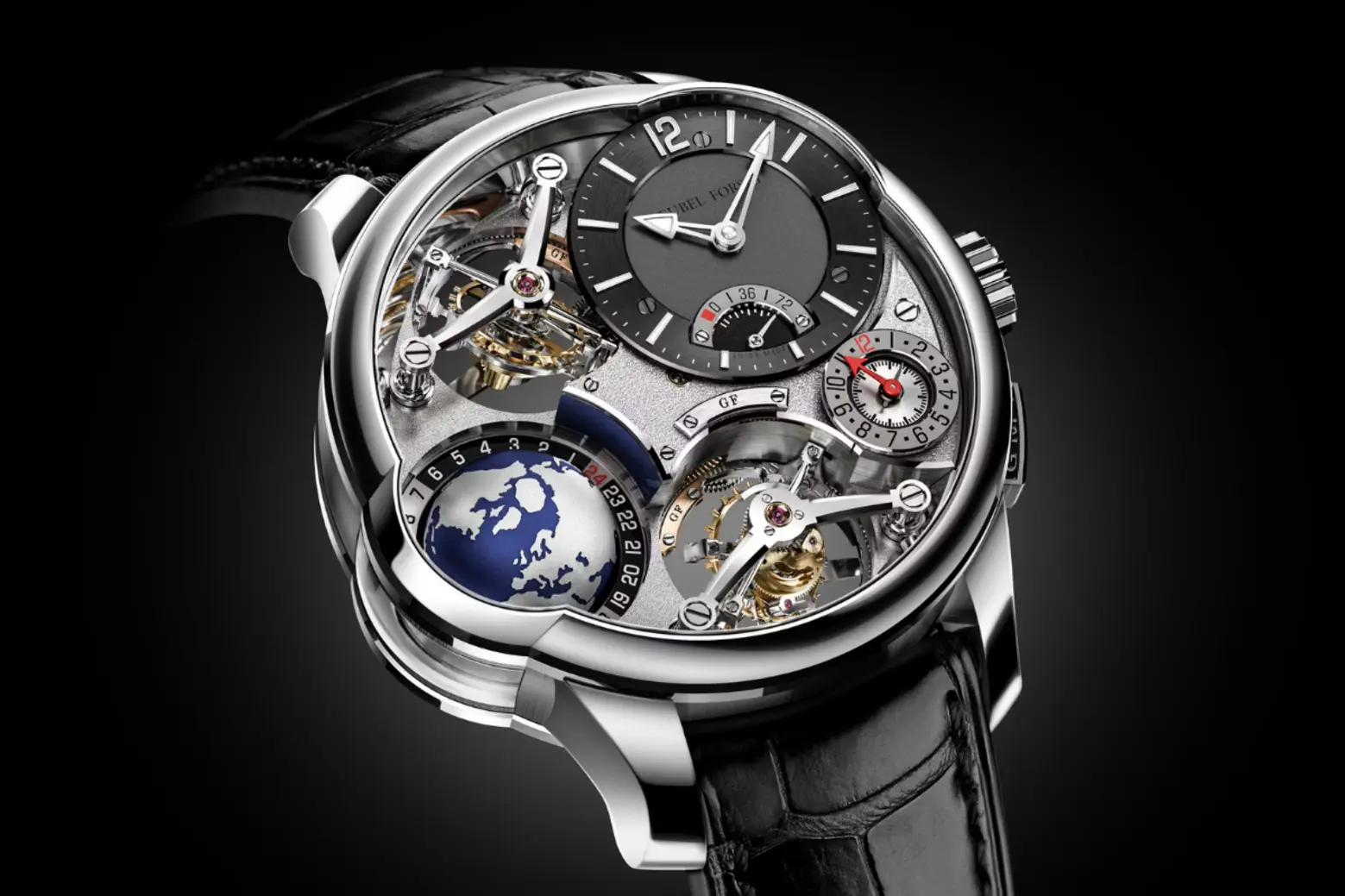
Robert Greubel and Stephen Forsey don't make watches in the conventional sense. They construct wearable dissertations on hyper-complex mechanics. Each of their works, like the Double Tourbillon 30° or the Quadruple Tourbillon, is a study aimed at conquering gravity and achieving ultimate precision.
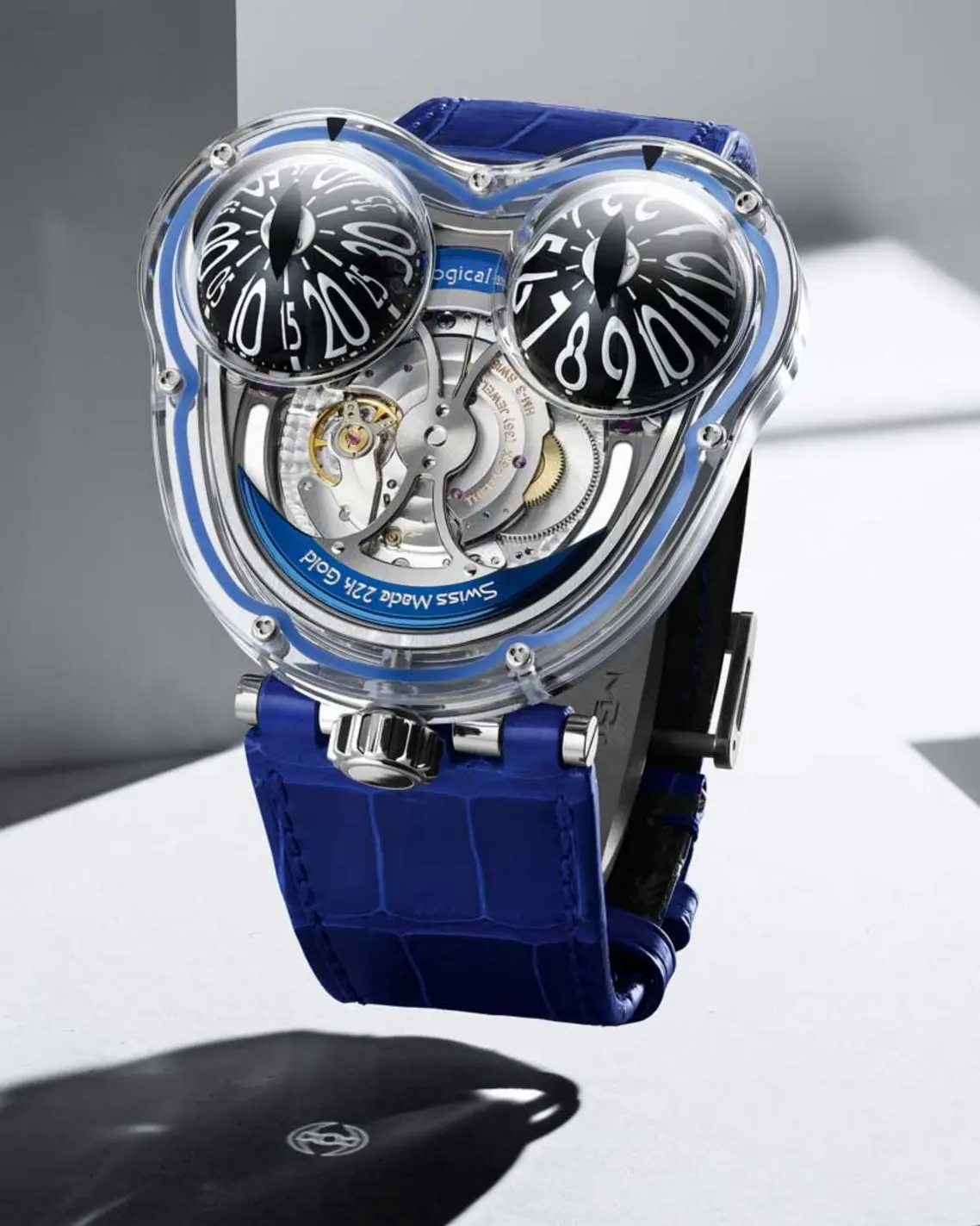
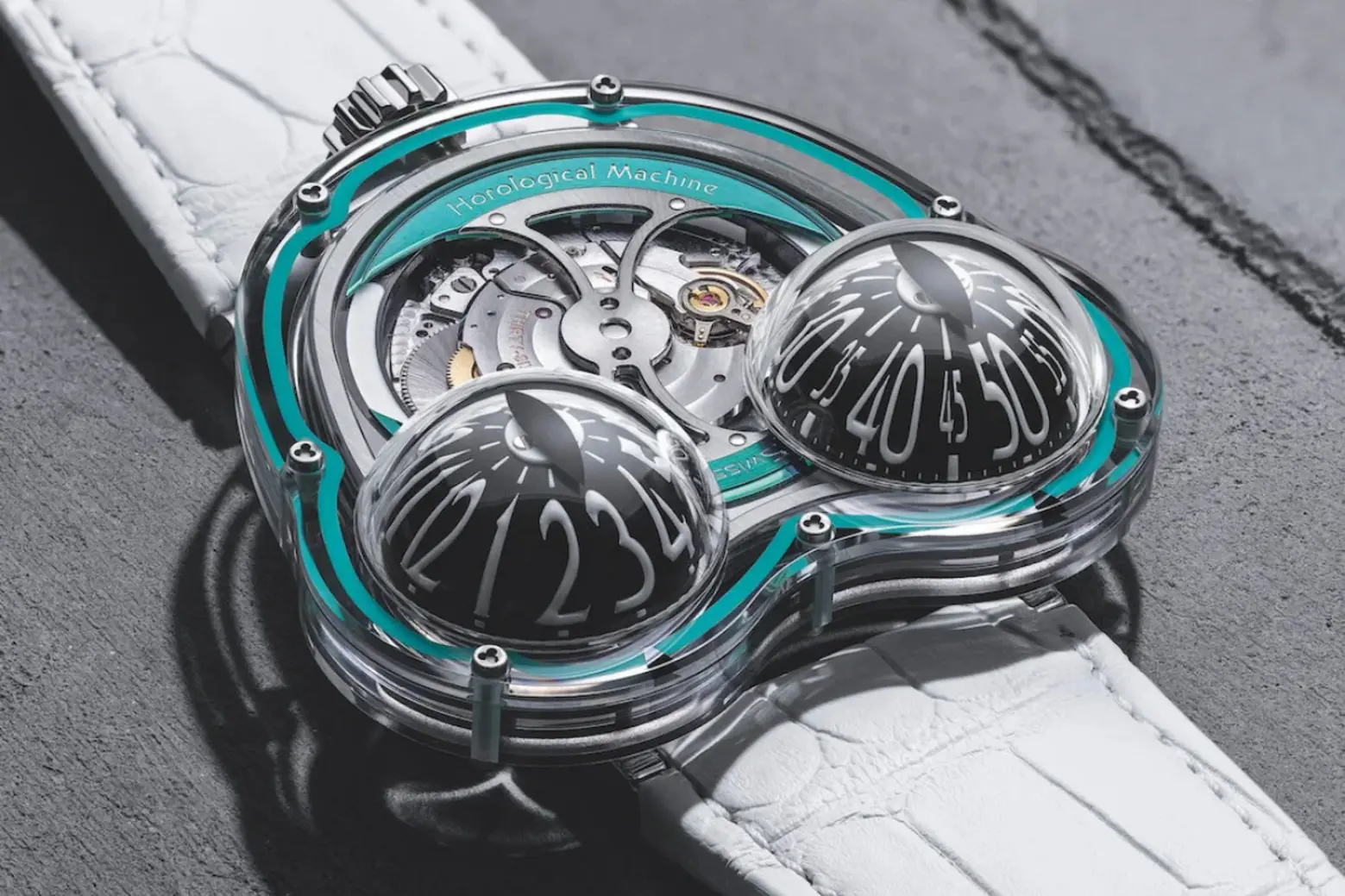
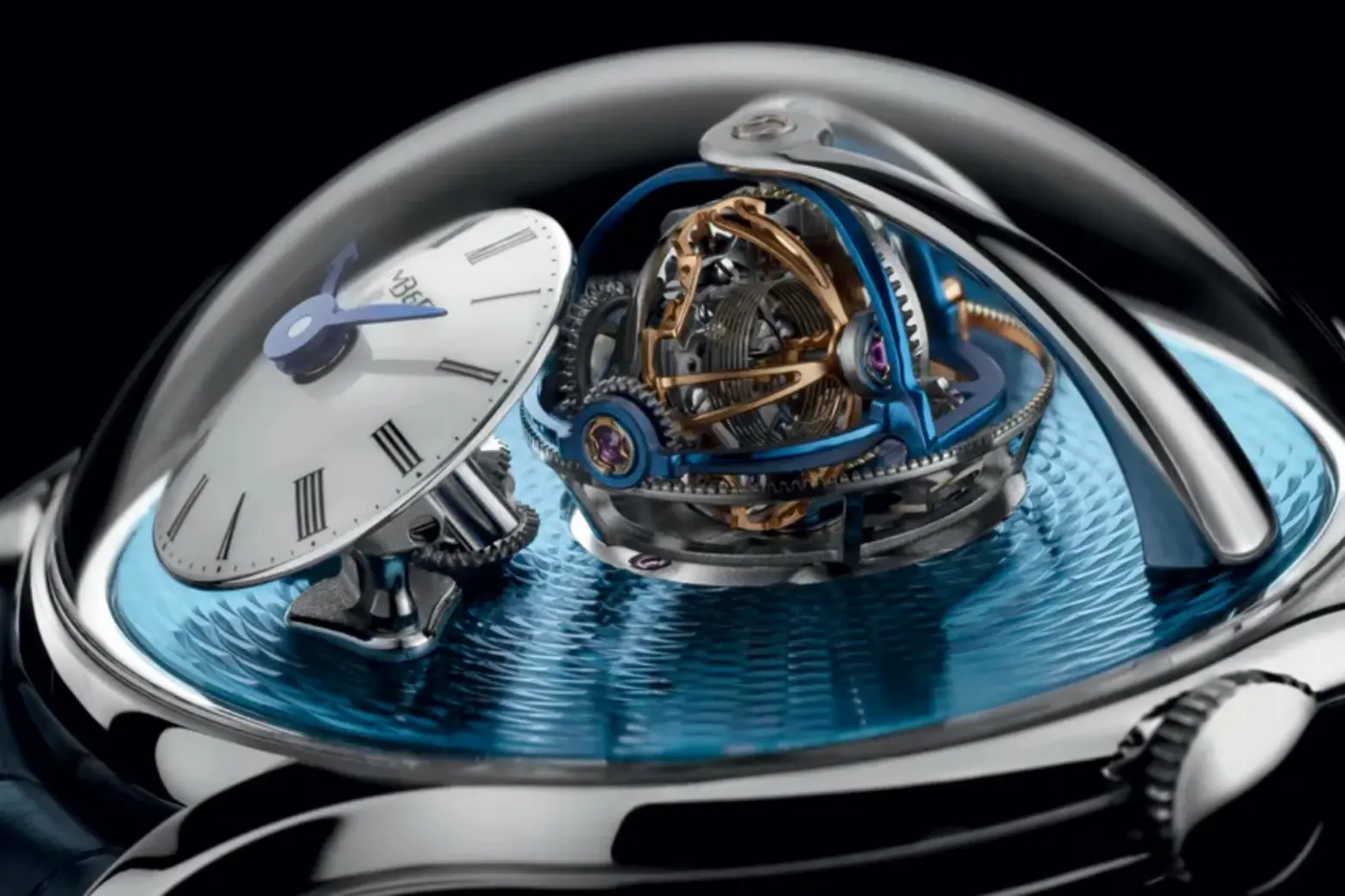
Maximilian Büsser created MB&F (Maximilian Büsser & Friends) as an antithesis to the industry. Each "Horological Machine" is a kinetic sculpture, a storytelling device. They are not manufacturers but creative directors, collaborating with elite specialist workshops (the "Friends") to bring the wildest ideas to life.


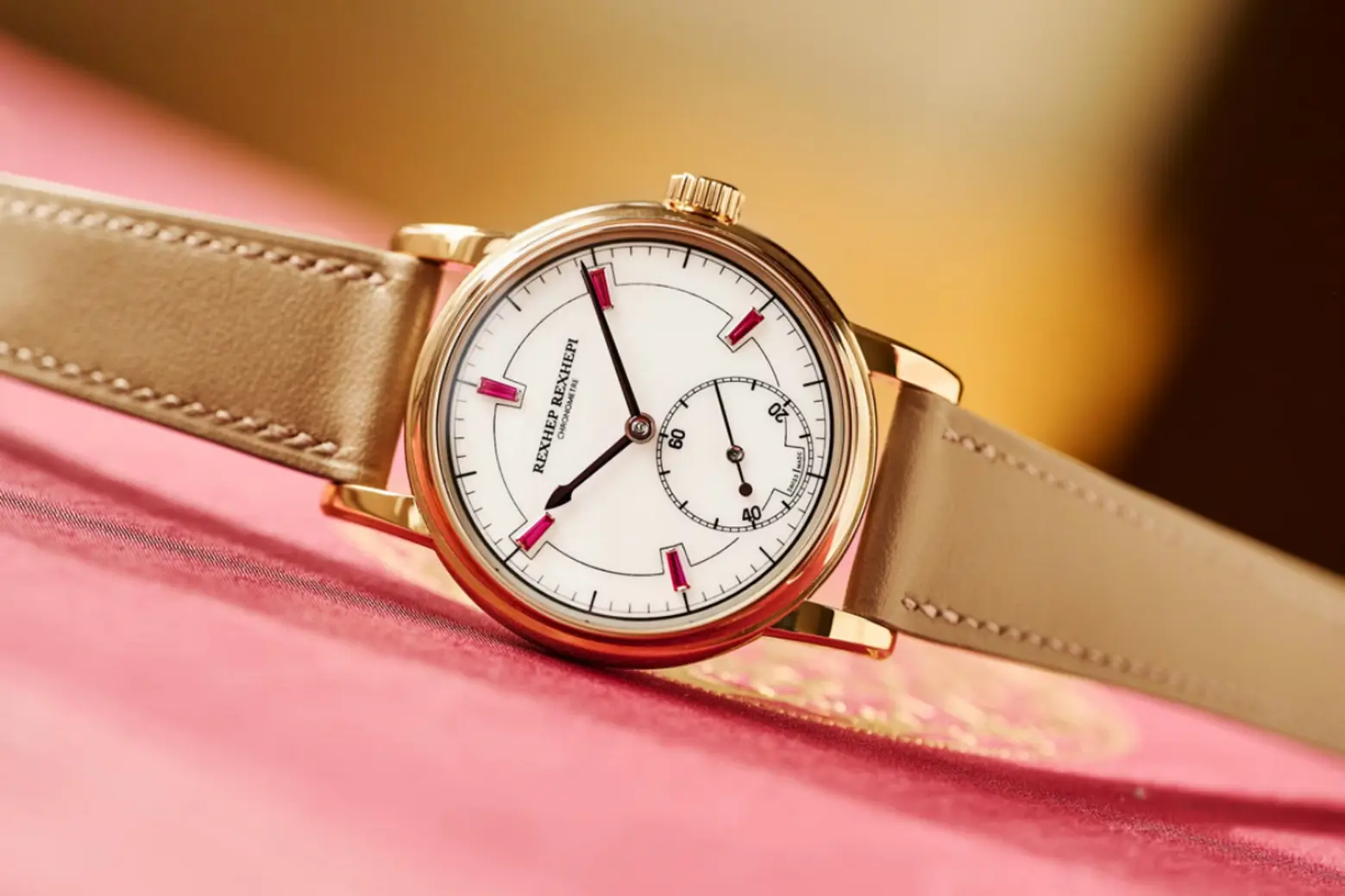
This journey through independent ateliers reveals a truth: the future of horological art is not programmed in code, but forged by hand, under the light of a desk lamp and through the lens of a loupe. From the ascetic purity of Dufour, the fantastical vision of Halter, the peak complexity of Greubel Forsey, to the machine thinking of MB&F, each is writing a distinct chapter with their own tools and language.
They prove that in the digital age, the greatest value can still come from deliberate slowness, a refusal to compromise, and the courage to pursue a personal vision. Collecting independent watches, ultimately, is an investment in these grand personal stories, stories told not with words, but with steel, gold, and thousands of hours of devoted labour.