MENU
Close





While synthetic materials like ceramic and carbon dominate narratives of durability, luxury laboratories are quietly revolutionizing gold. From fade-proof alloys to ultra-hard, scratch-resistant compounds, gold is no longer a static symbol of wealth. It has become a "technological asset", a competitive field of R&D investment aimed at redefining its own value.
While synthetic materials like ceramic and carbon dominate narratives of durability, luxury laboratories are quietly revolutionizing gold. From fade-proof alloys to ultra-hard, scratch-resistant compounds, gold is no longer a static symbol of wealth. It has become a "technological asset", a competitive field of R&D investment aimed at redefining its own value.
December 9, 2025


Gold's journey into the world of high-end watchmaking is tied to a migration of capital and knowledge. In the 18th century, skilled Huguenot jewellers, expelled from France, brought masterful gold-working techniques to the Swiss Jura, laying the foundation for La Chaux-de-Fonds, the future global watchmaking capital.
They discovered a perfect economic-technical equation: 18K gold (75% pure gold). It was malleable enough for intricate engraving, hard enough to protect the mechanical movement inside, and rich enough in colour to convey instant opulence.
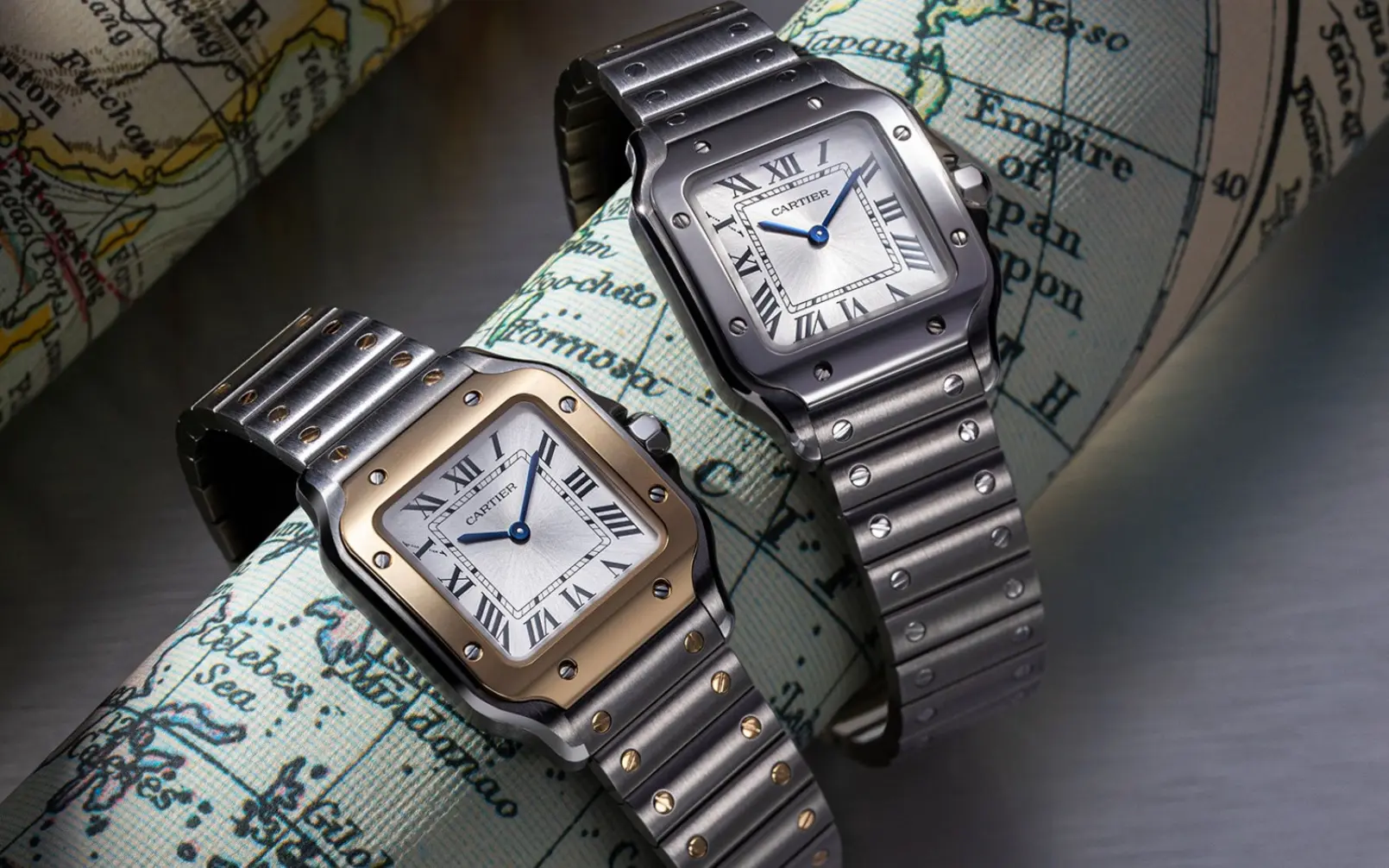
The fateful turning point came in 1904, when Louis Cartier crafted the Santos wristwatch for his aviator friend, Alberto Santos-Dumont. The choice of a gold case was not merely aesthetic; it was a superior technical solution: lighter than platinum, ensuring the pilot's wrist remained unburdened at the controls. From that moment, gold became linked with pioneering spirit, and owning it a statement of progressive thinking.
If the 20th century defined gold through shape, the 21st century defines it through patented colour. This is no longer simple metal blending, but a race for intellectual property, where each hue represents a billion-dollar niche market.
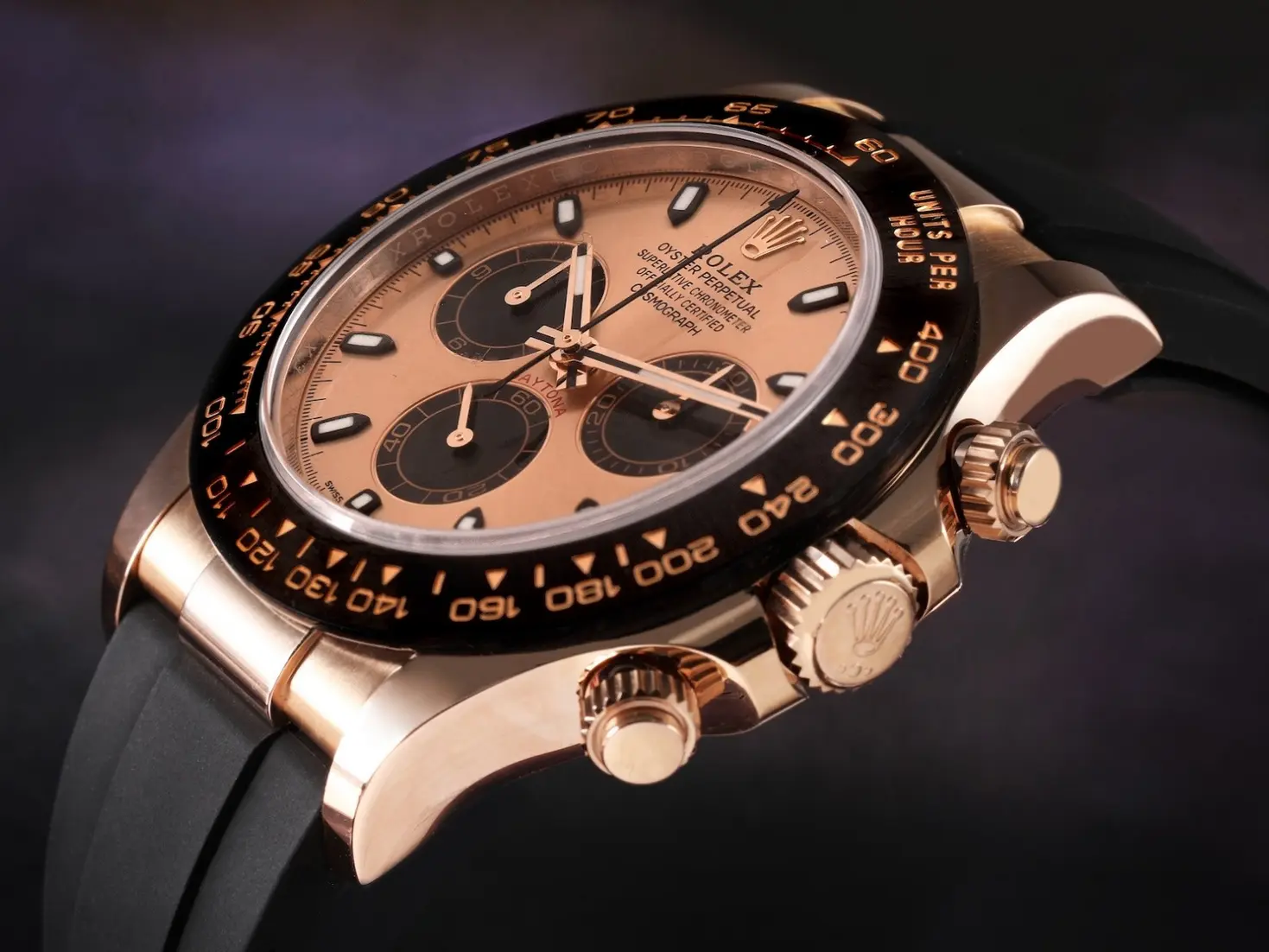
Rolex Everose Gold (2005) – A Solution to a Millennia-Old Problem: The issue with traditional pink gold (gold + copper) is copper oxidation, which causes the colour to fade over time. Rolex solved this by adding 2% platinum to the alloy. This noble metal acts as a molecular stabilizer, locking in the colour. The result is a warm pink hue that remains unchanged despite exposure to seawater, chlorine, or perspiration. Everose is not just a colour; it is a financial commitment to permanence, a key driver behind the extraordinary residual value of Rolex watches.
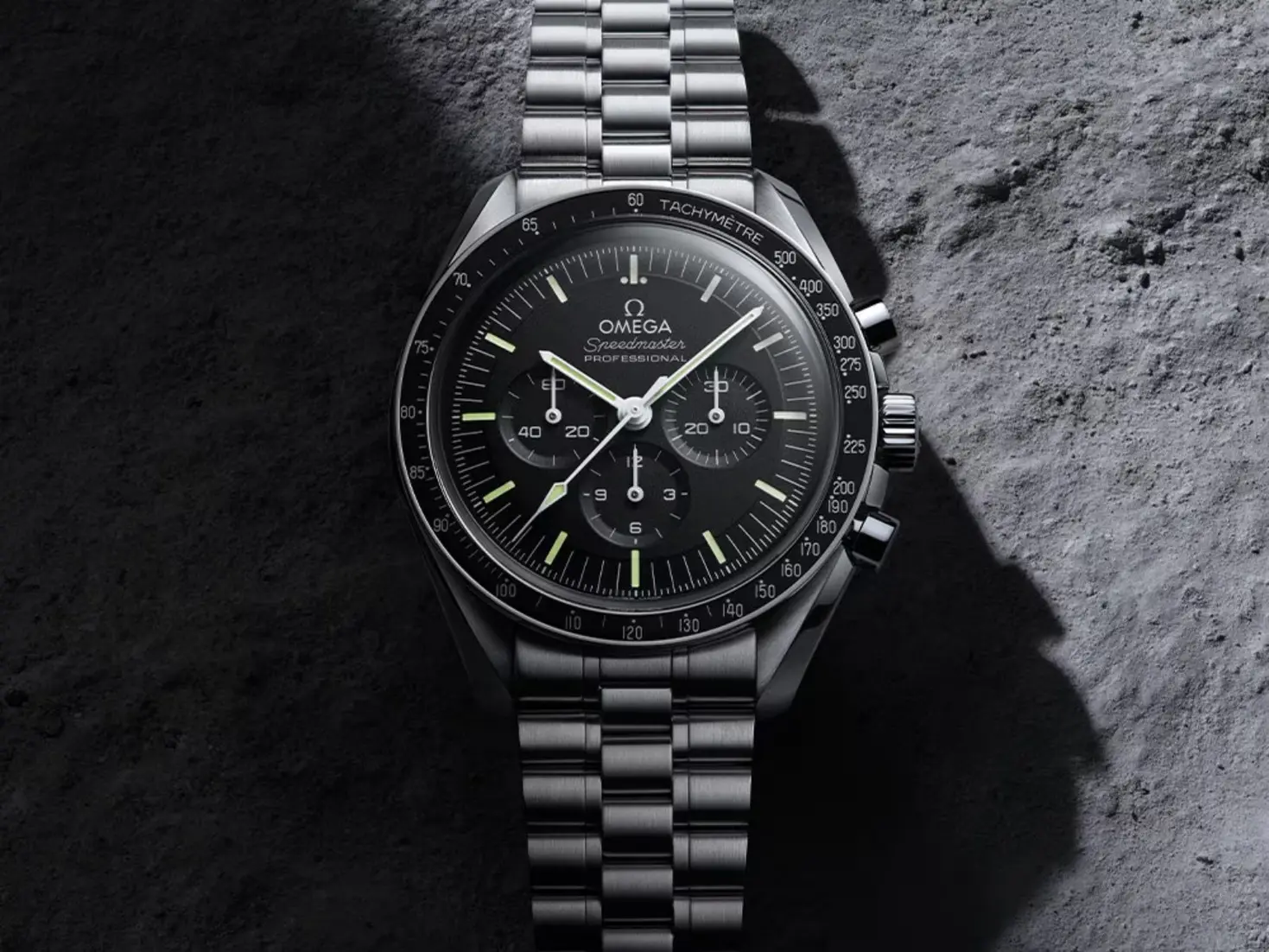
Omega Sedna™ Gold (2013) – A Different Path: Instead of following Rolex's formula, Omega created Sedna™ Gold by combining gold with copper and palladium (also in the platinum family). This strategic choice yields a deeper, more modern rose-red tone, becoming the DNA for high-end lines like the Speedmaster Moonwatch and Constellation, helping Omega solidify its position in the premium segment.

The Proliferation of Proprietary 'Gold-Tones' (2020-2025): Brands are racing to create unique shades for product differentiation.
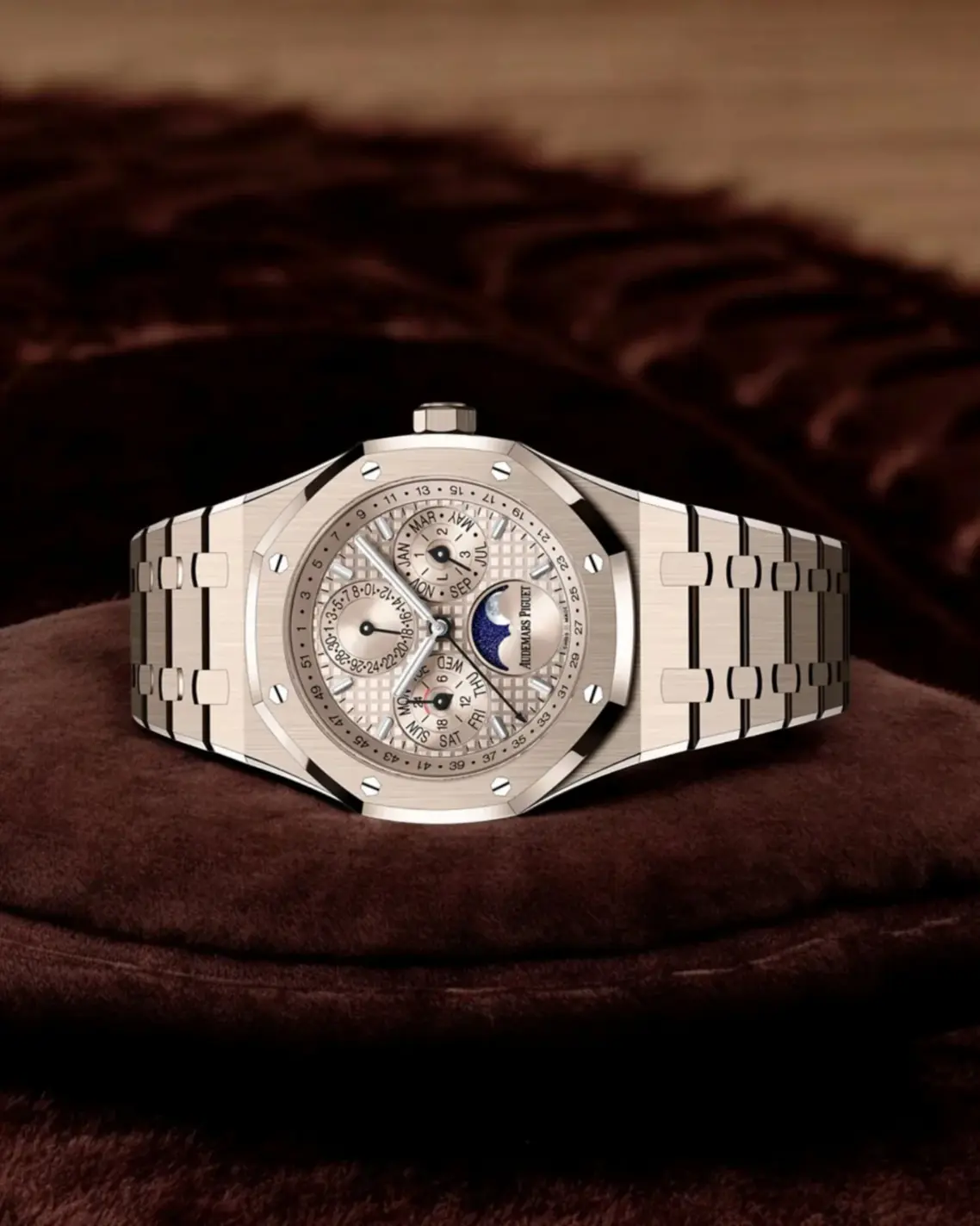
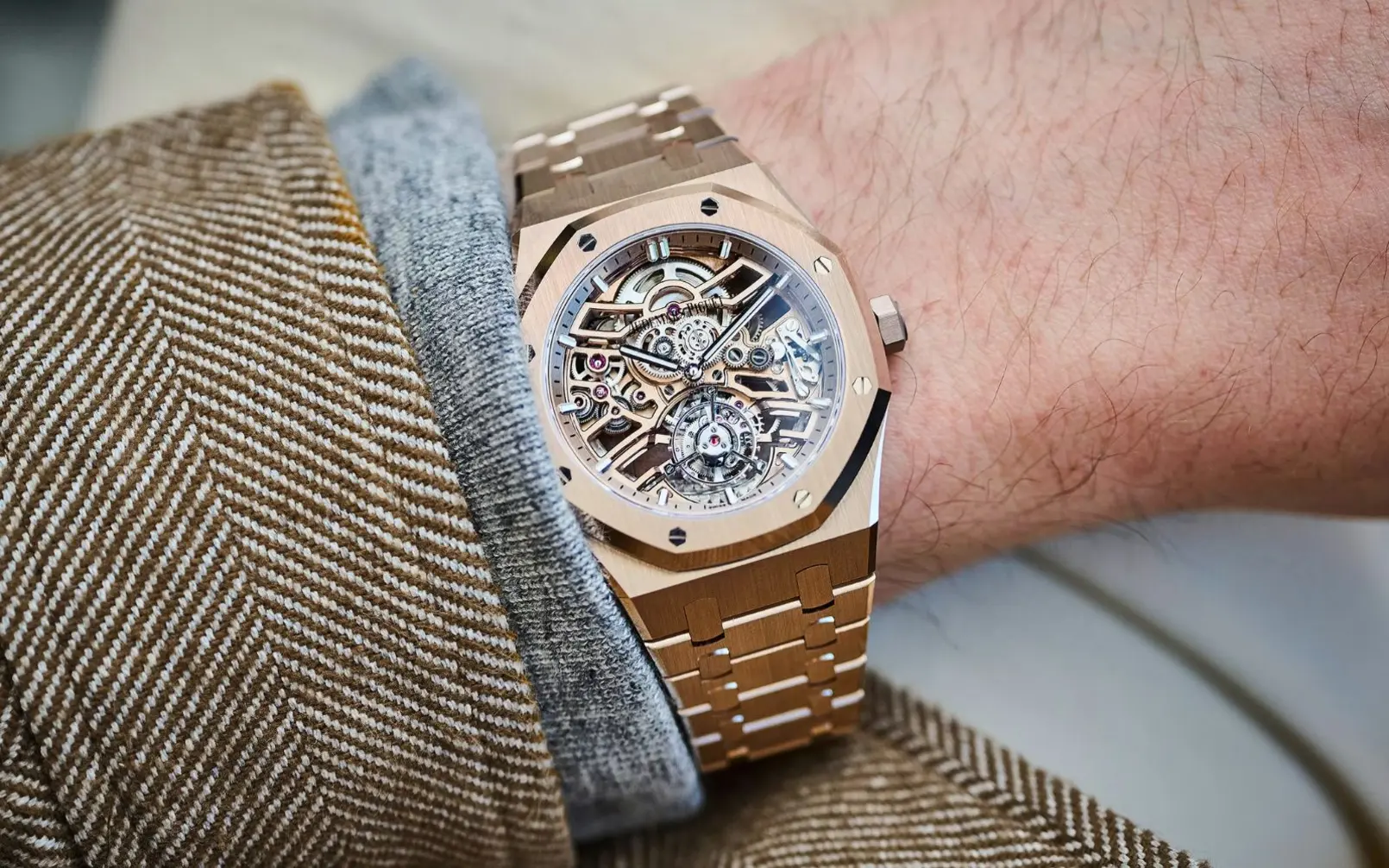
Audemars Piguet Sand Gold (2023): An 18K gold with a unique warm "sand" tone and a fine-grained surface texture, aimed at attracting younger buyers craving distinction.
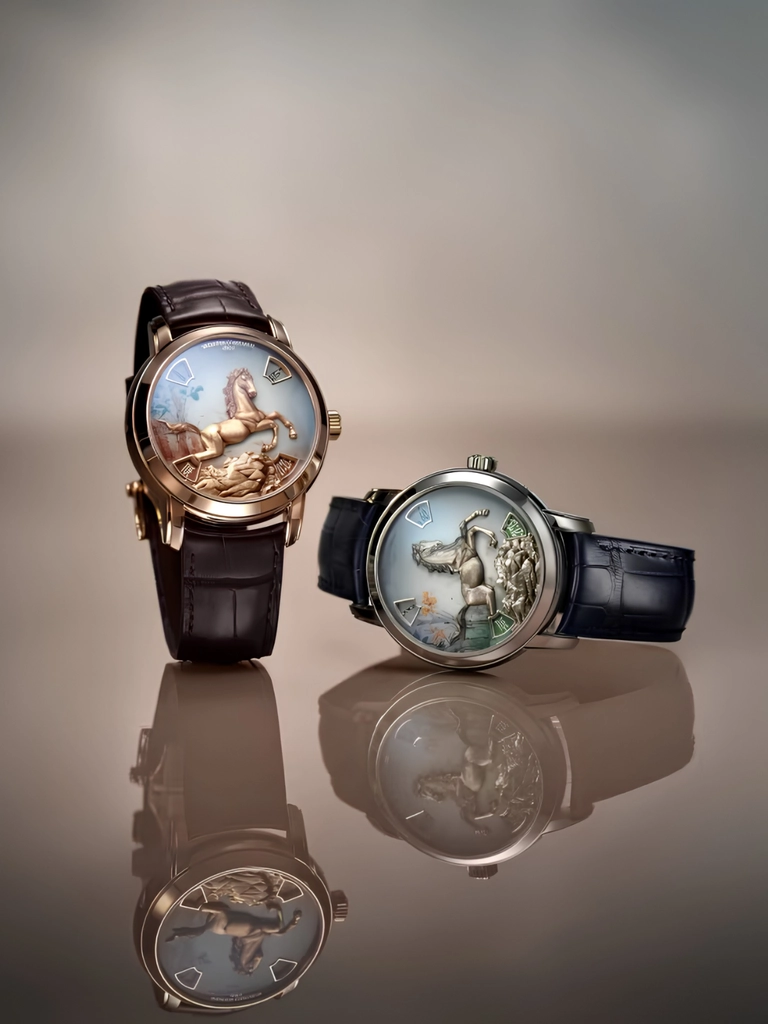
Patek Philippe & Vacheron Constantin: Instead of chasing new alloys, they focus on the absolute perfection of hand-polishing and finishing techniques applied to classic gold colours, turning each watch case into a micro-sculpture, a strategy that affirms supreme artisan supremacy.
As buyers increasingly value utility, materials science has become the new battleground. Here, value lies not in brilliance, but in performance.
Hublot Magic Gold (2011) – An Alliance of Luxury and Academia: In collaboration with the Swiss Federal Institute of Technology (EPFL), Hublot created the first "scratch-proof" gold by fusing 24K gold with boron carbide ceramic powder (used in bulletproof vests). The result has a hardness over 7 times that of standard 18K gold. Magic Gold is a clear answer to the growing sports-luxury watch market: it offers traditional looks with the durability of a futuristic material.
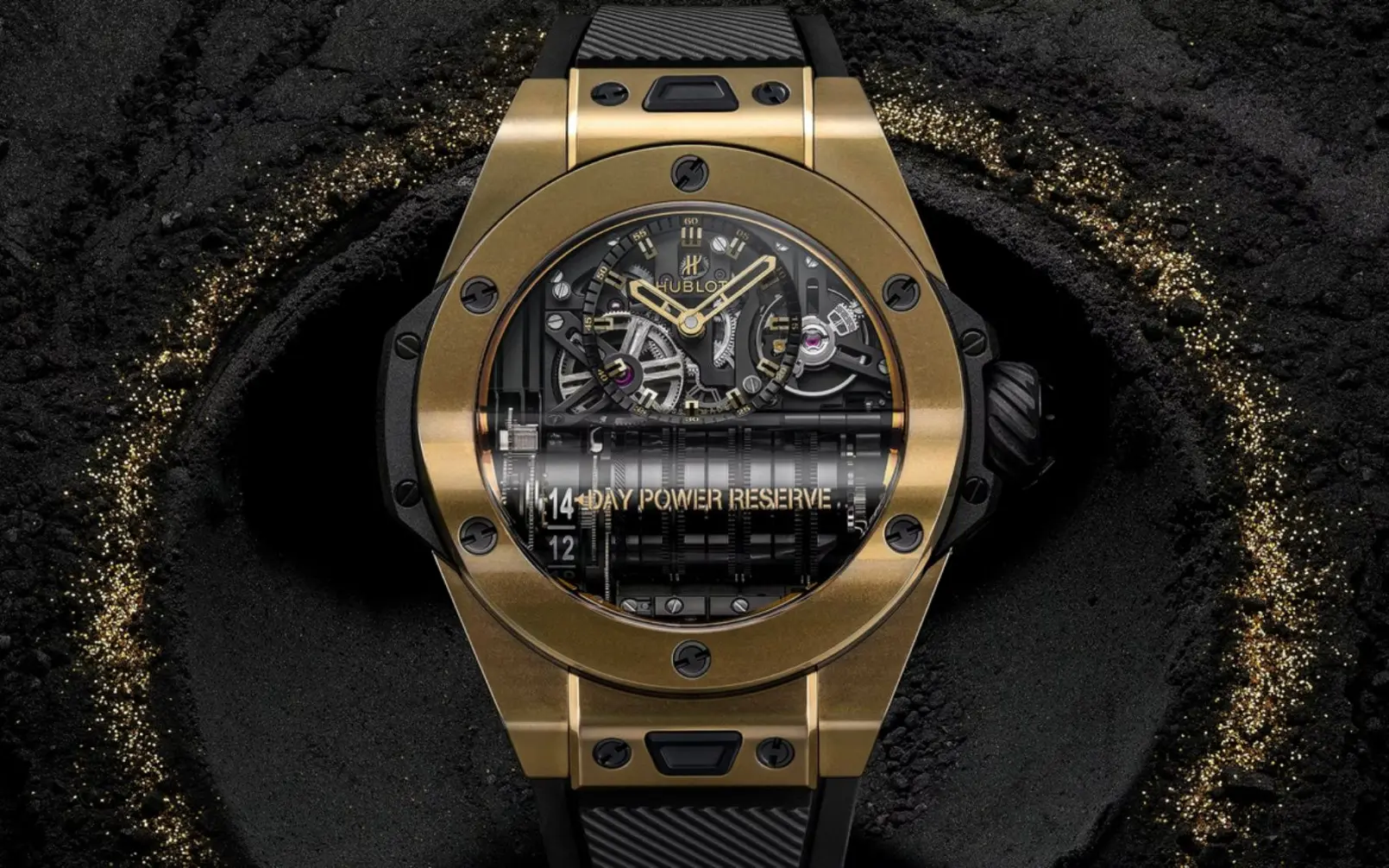
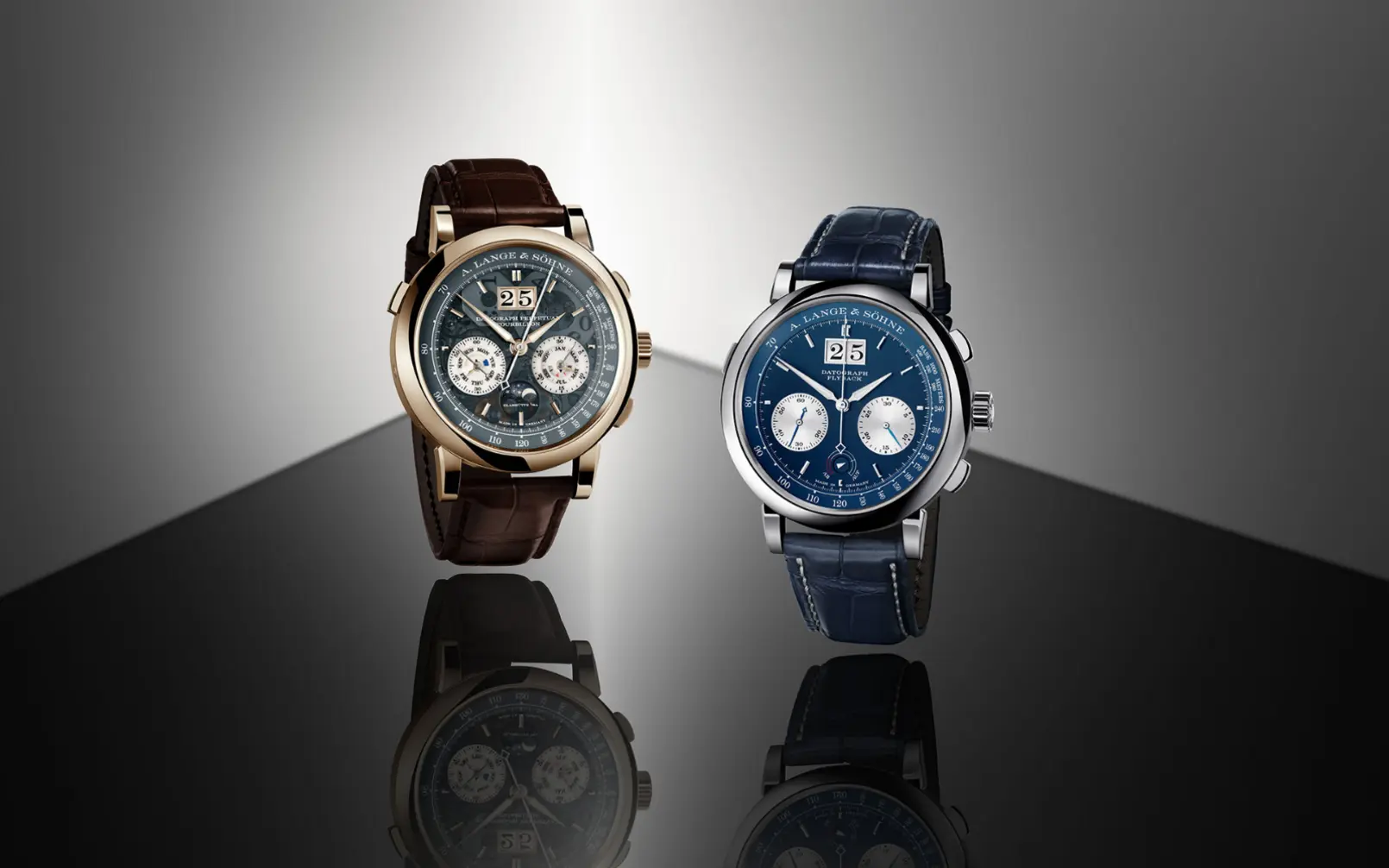
A. Lange & Söhne HoneyGold (2010s) – A Trade Secret for Perfection: This is not a new alloy in composition, but a proprietary processing and heat-treatment technique. The result is a gold that is 40-50% harder than the standard. This hardness is not intended to scratch-proof the case, but to ensure micro-tools do not deform the exquisite internal components of their complex movements during hand assembly. This is R&D investment serving ultimate manufacturing quality.
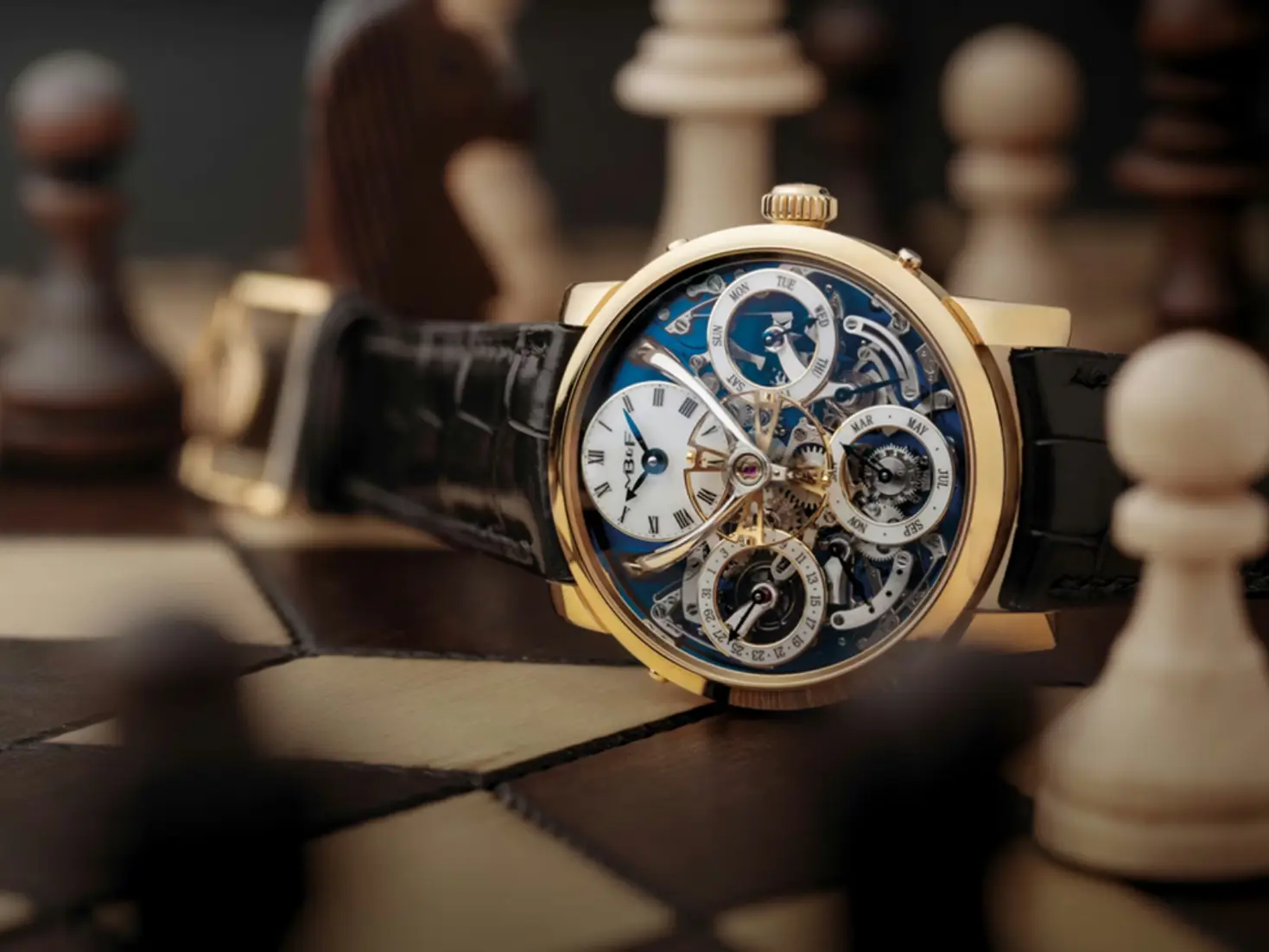
Blue Gold & Black Gold – The Strategy of Disruptors: Pioneering brands like MB&F, URWERK, and Richard Mille use PVD (Physical Vapour Deposition) coating to apply ultra-thin layers of alloy onto gold, creating cobalt blue, grey, or black colours. This is a cost-effective way to achieve an avant-garde look, attracting collectors seeking radical differentiation.

2025 trends - Value redefined Pressure from a new generation of consumers and ESG (Environmental, Social, and Governance) regulations are shaping gold's future.
Traceable Gold: Brands like Breitling and Chopard are increasingly transparent, using certified responsibly mined or recycled gold. This is becoming less of a bonus and more of a baseline requirement for a segment of buyers.
Micro-Manufacturing and Personalization: Top-tier independent brands like F.P.Journe do not buy pre-made alloys. They source pure gold and blend it in-house, creating unique micro-batches with exclusive colour and properties for each small collection - the pinnacle of personalization and quality control.
Gold in the 'Phygital' Era: The rise of NFTs and digital watches paired with physical counterparts is creating a new role for gold: becoming the tangible "value anchor," securing worth for a digital asset.
The value of a gold watch today is a complex equation. It includes the R&D cost behind a patented alloy formula; the technological know-how in its processing; the cultural capital of a colour tied to brand identity; and the ethical value of transparent sourcing.
Gold was once a simple measure of wealth. Now, it is a condensed financial statement of a brand's creativity. When you wear a watch made of Everose Gold or Magic Gold, you are not just wearing an ounce of precious metal. You are wearing on your wrist the result of thousands of hours of laboratory research, a calculated marketing strategy, and a new chapter in gold's long history, written in the language of materials science and modern consciousness. In the world of high horology, gold is no longer the end goal. It is the medium for demonstrating mastery.