MENU
Close





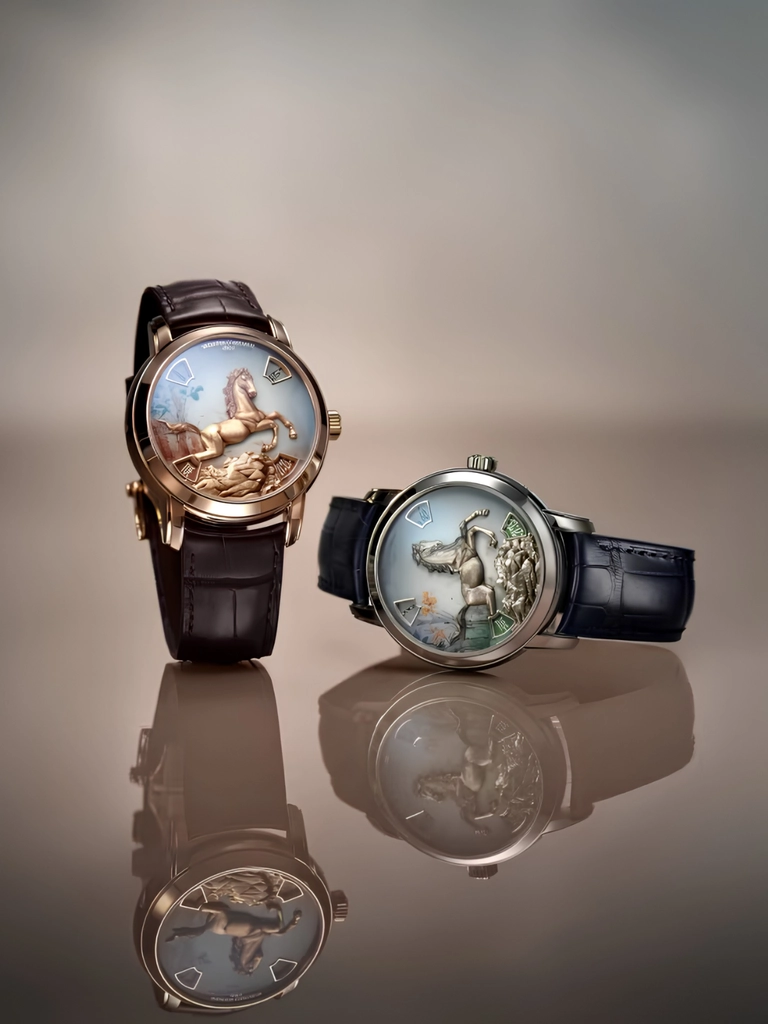
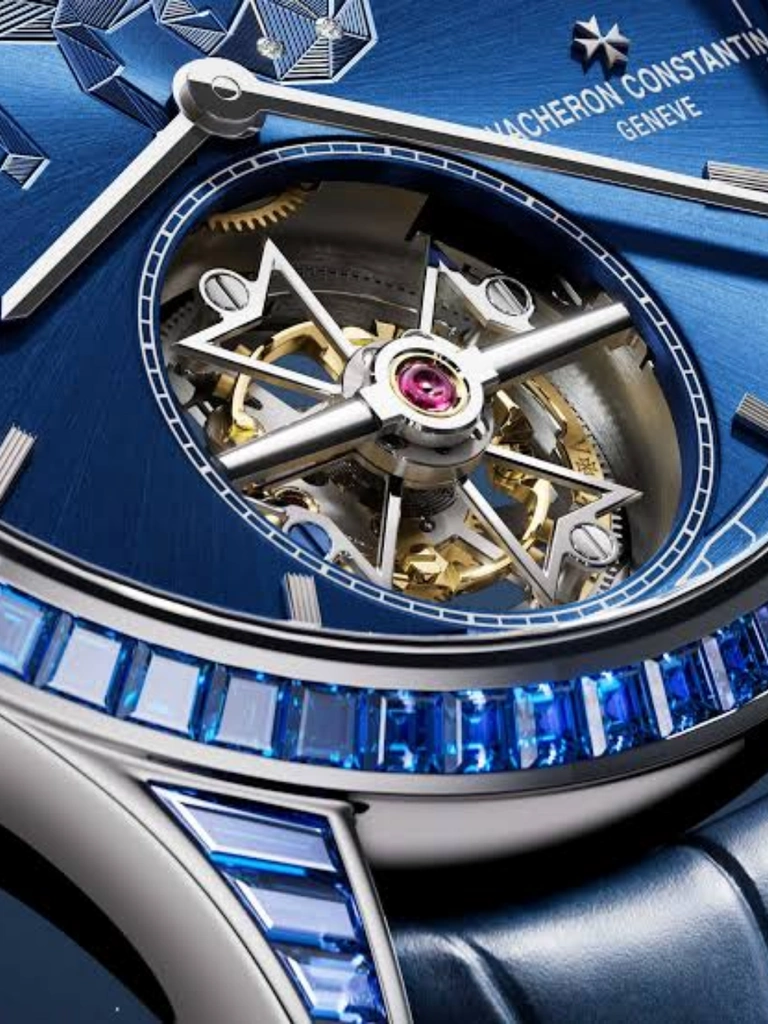
Beyond the classic hues of rose and white gold lies a new frontier of metallurgy. Today, a gold watch is no longer defined solely by preciousness, but by material intelligence. From Rolex’s permanent Everose to Hublot’s scratch-resistant Magic Gold and Omega’s Sedna alloy, watchmakers are redefining luxury through science, secrecy, and control over the molecule itself.
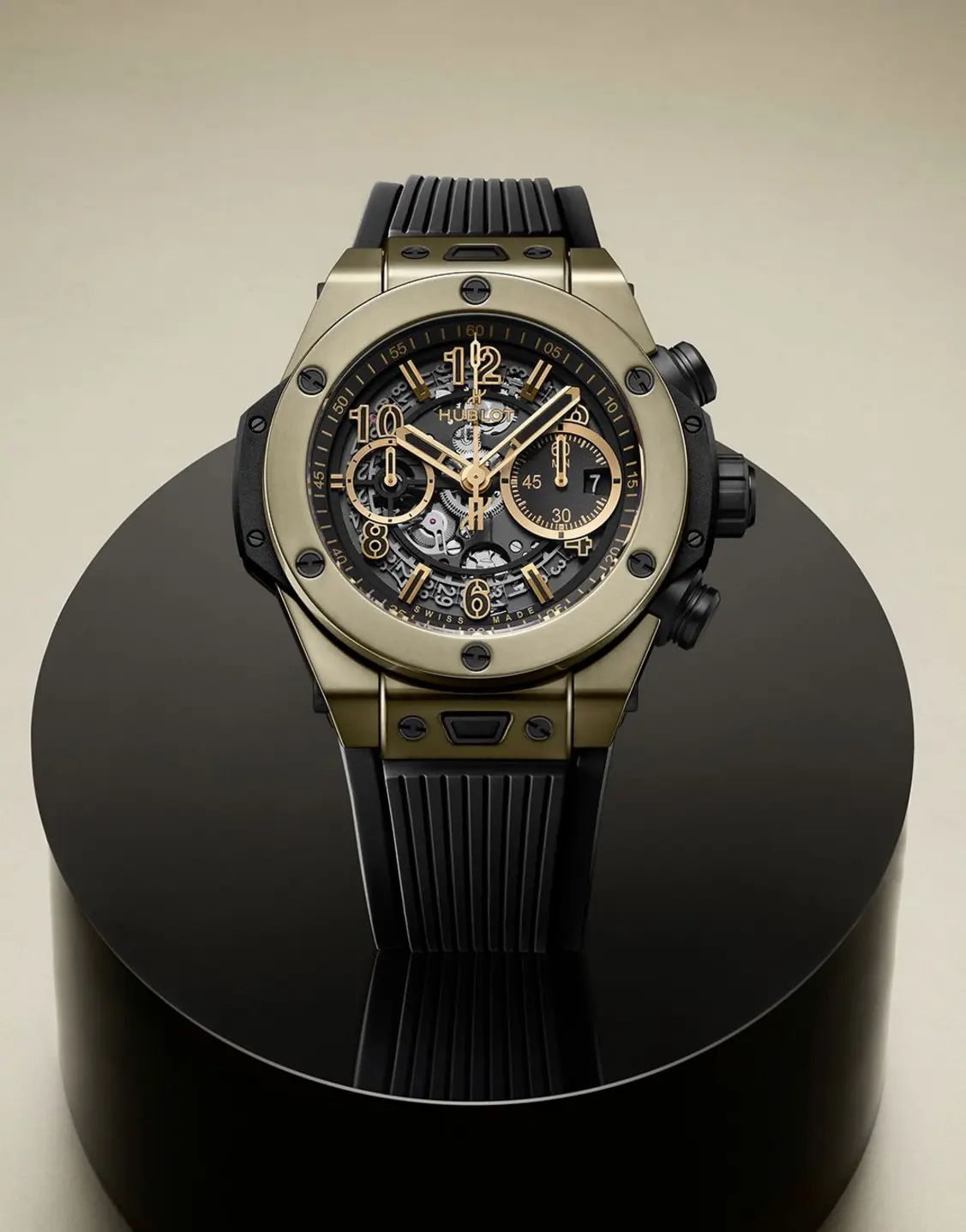
Beyond the classic hues of rose and white gold lies a new frontier of metallurgy. Today, a gold watch is no longer defined solely by preciousness, but by material intelligence. From Rolex’s permanent Everose to Hublot’s scratch-resistant Magic Gold and Omega’s Sedna alloy, watchmakers are redefining luxury through science, secrecy, and control over the molecule itself.
December 13, 2025


The allure of 24-karat gold is its mythic purity, but for a watchmaker, it represents a fundamental engineering problem. With a softness of 2.5-3 on the Mohs scale (a diamond is 10), pure gold would gather the scars of daily life with tragic ease. This inherent vulnerability is why all watch gold is an alloy, a marriage of 75% pure gold with other metals engineered for colour, strength, and character.
18-karat gold, at 75% purity, is the uncompromising standard of high horology. It is the perfect fulcrum, balancing substantial intrinsic value with the necessary durability for an heirloom meant to be worn. Lower karatages like 14K or 9K offer cost efficiency for broader markets but are seldom the choice for premier Swiss watchmaking, where the ethos is built on enduring value.
The remaining 25% of an 18-karat alloy is where chemistry becomes art, defining not just colour, but identity.
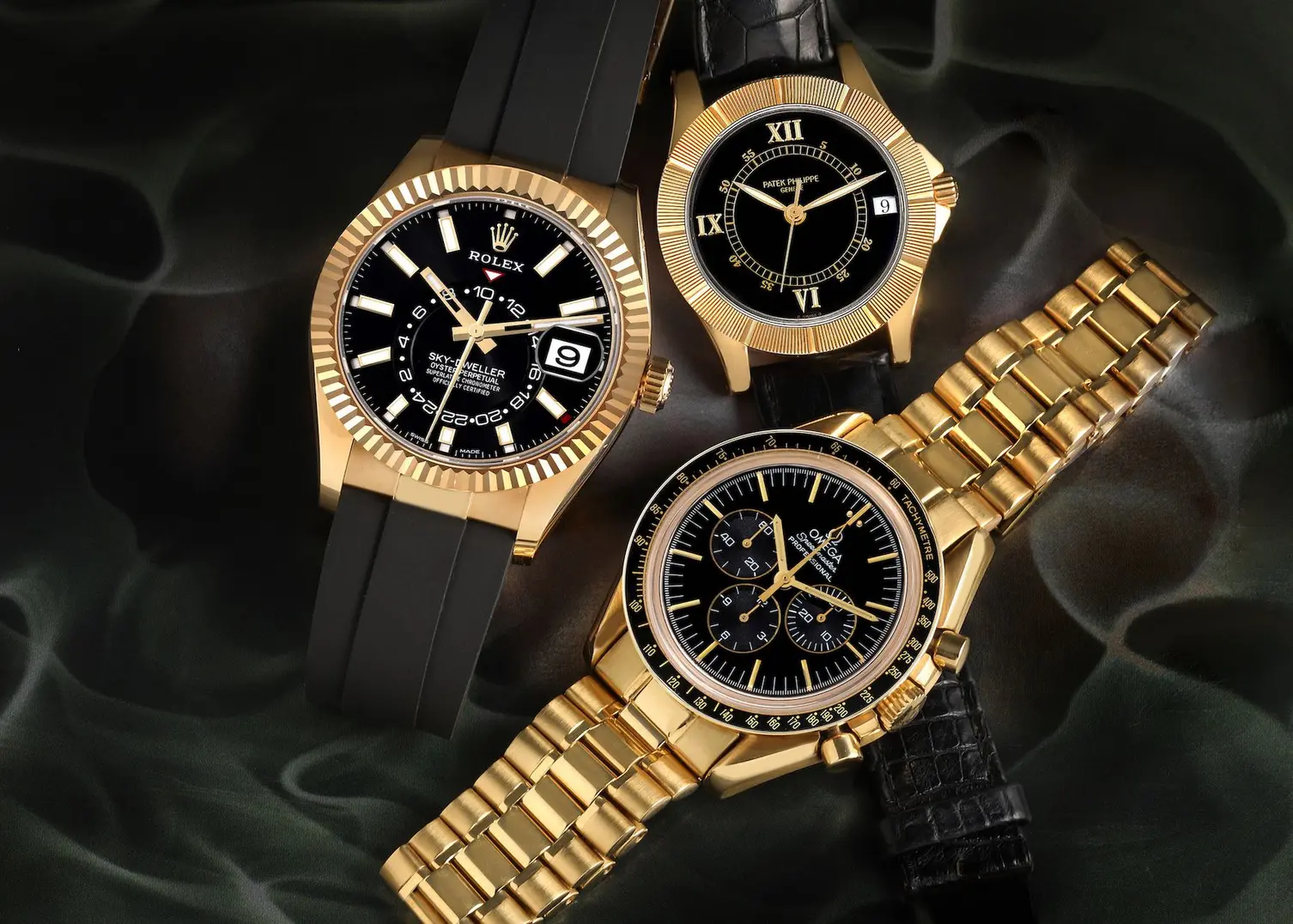
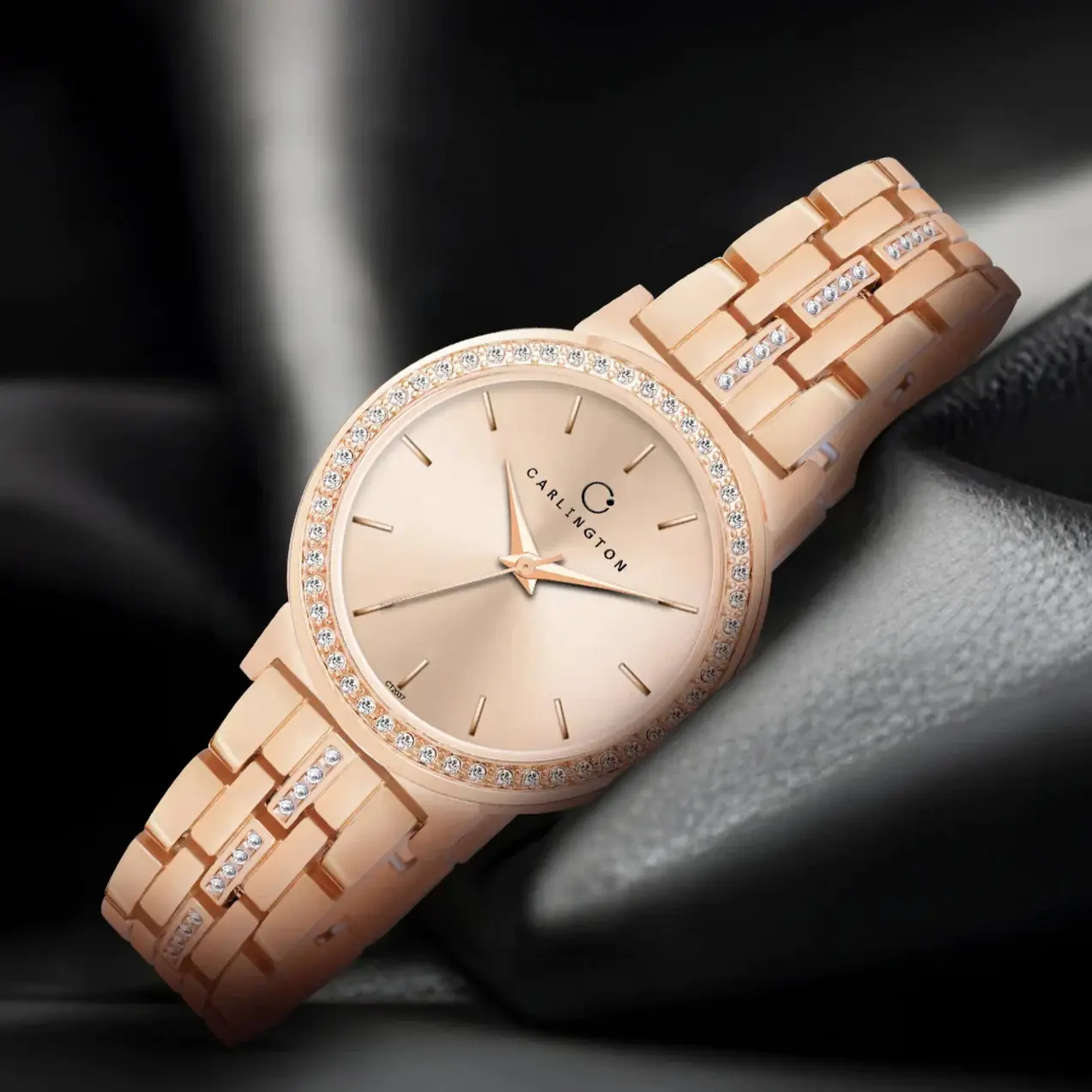
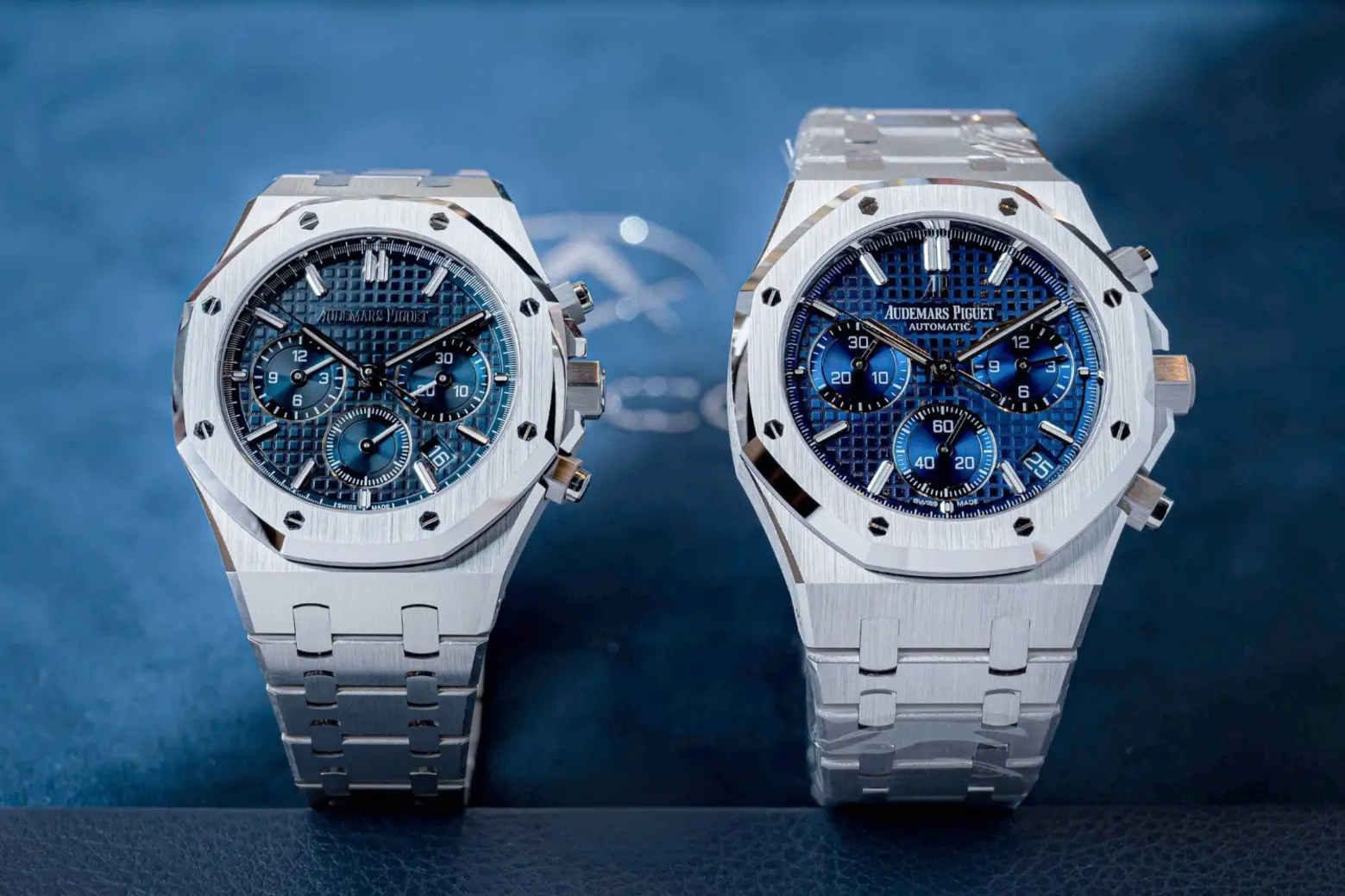
The Classics: Yellow, Rose, and White
The Branded Innovations:
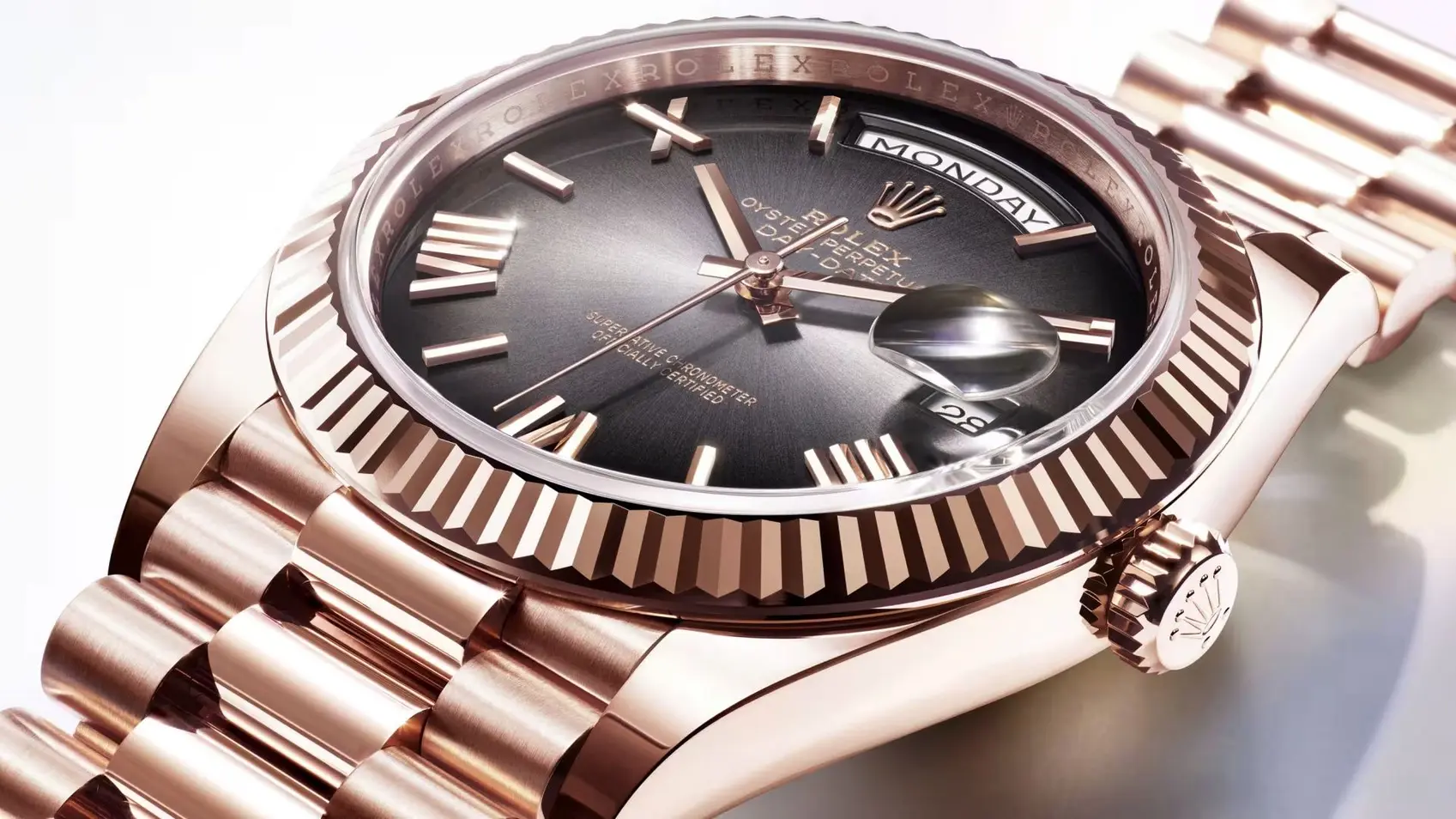

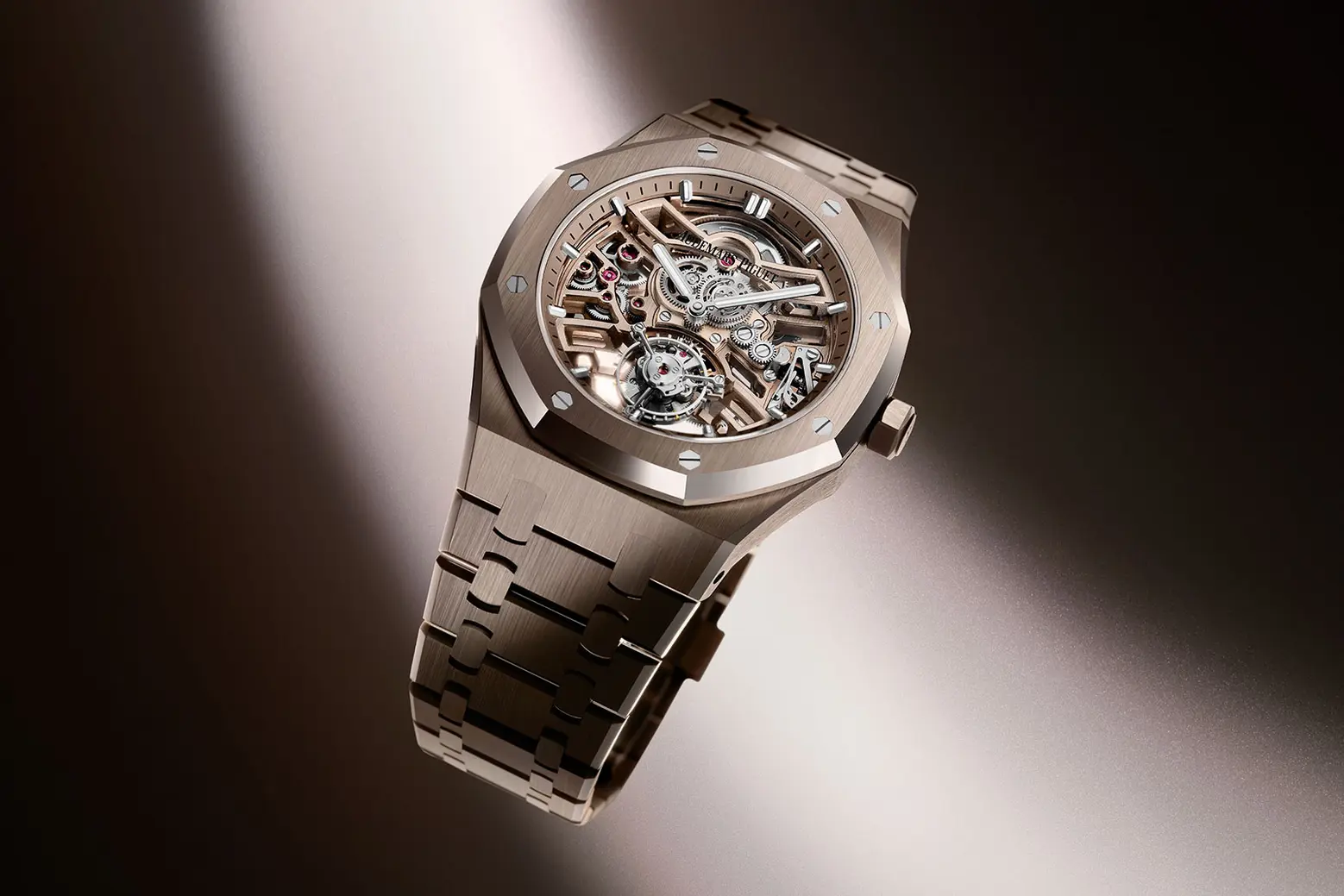
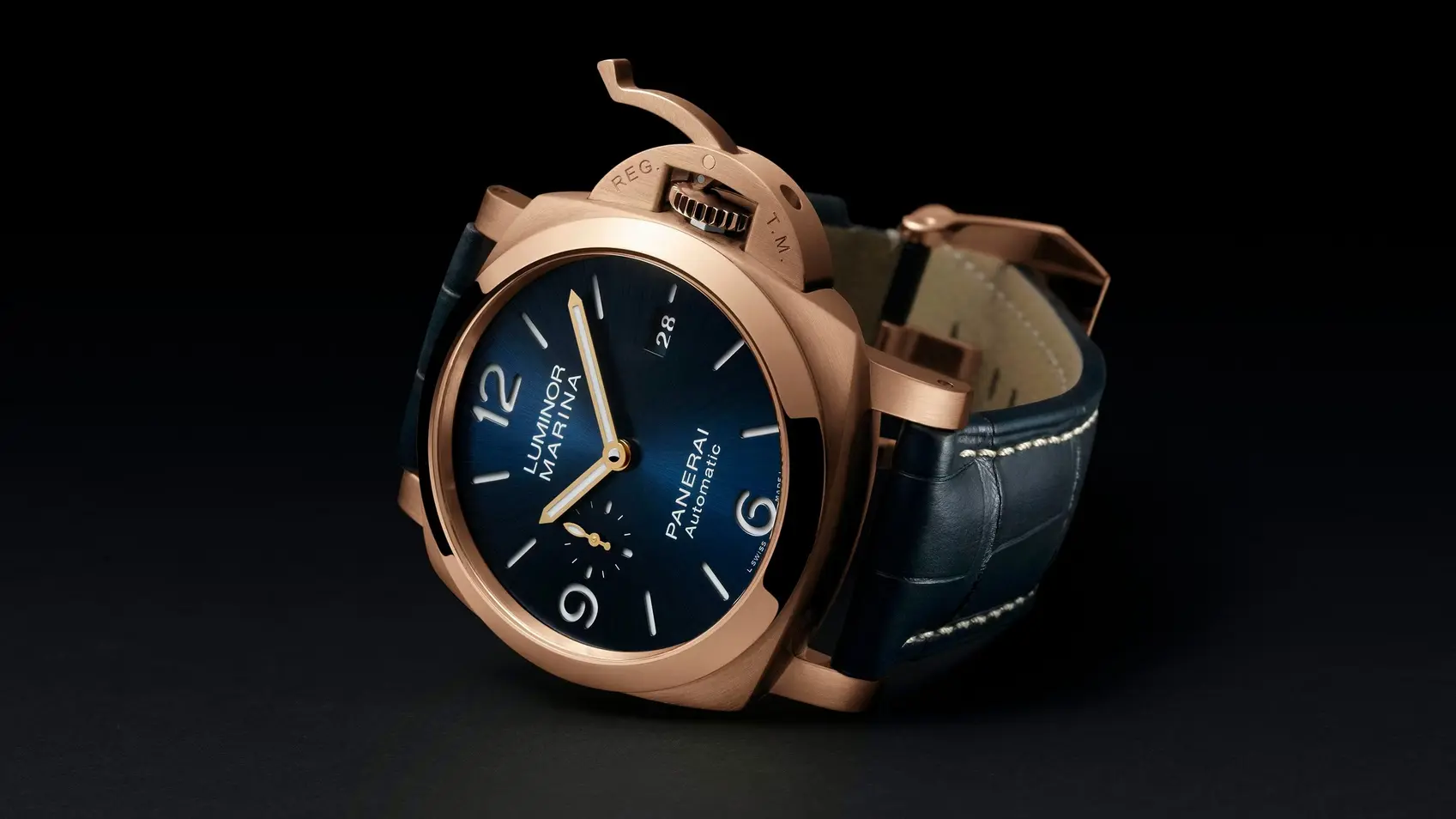
The 21st-century quest has moved beyond mere colour stability to fundamentally altering gold's physical properties.
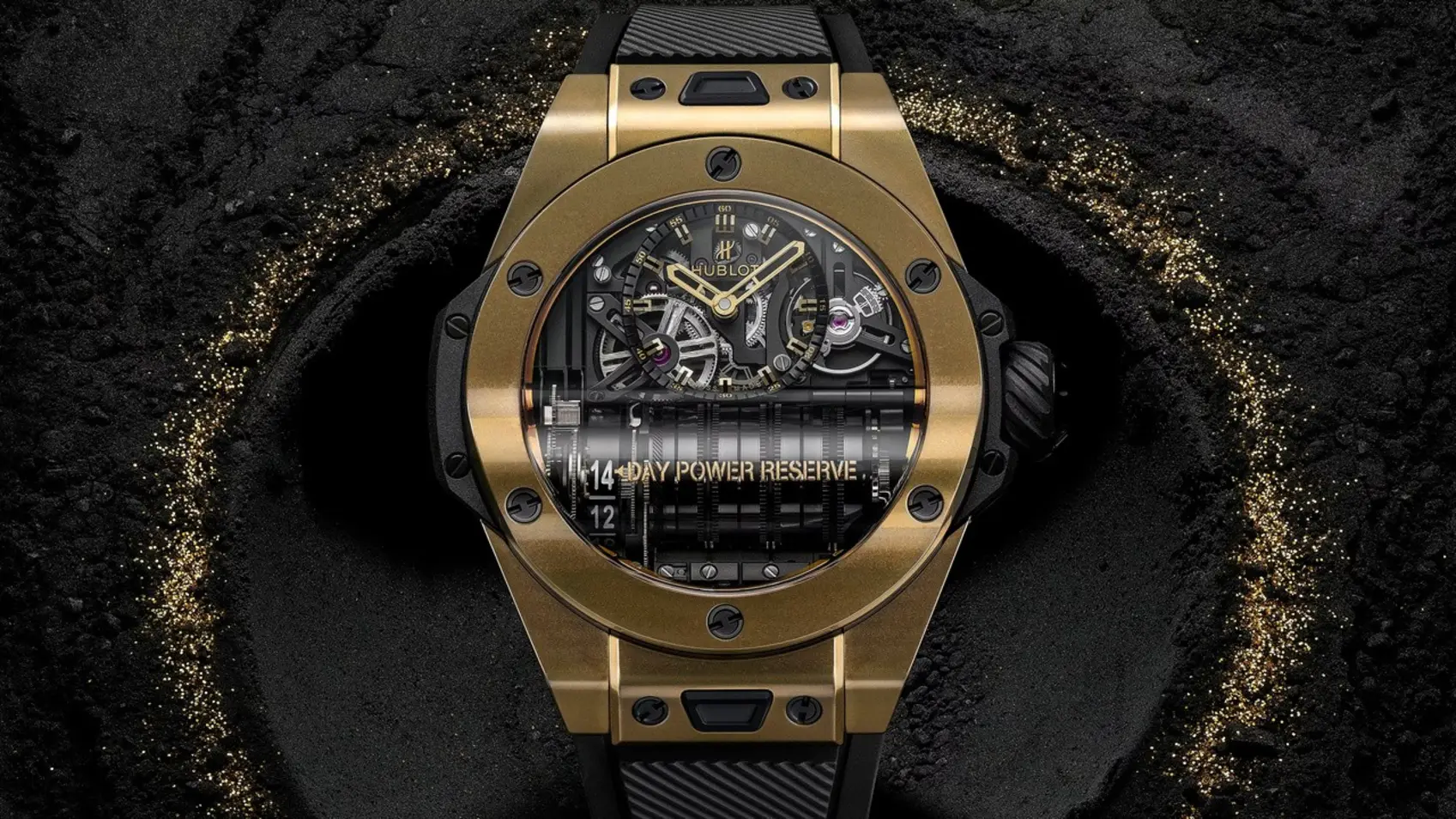
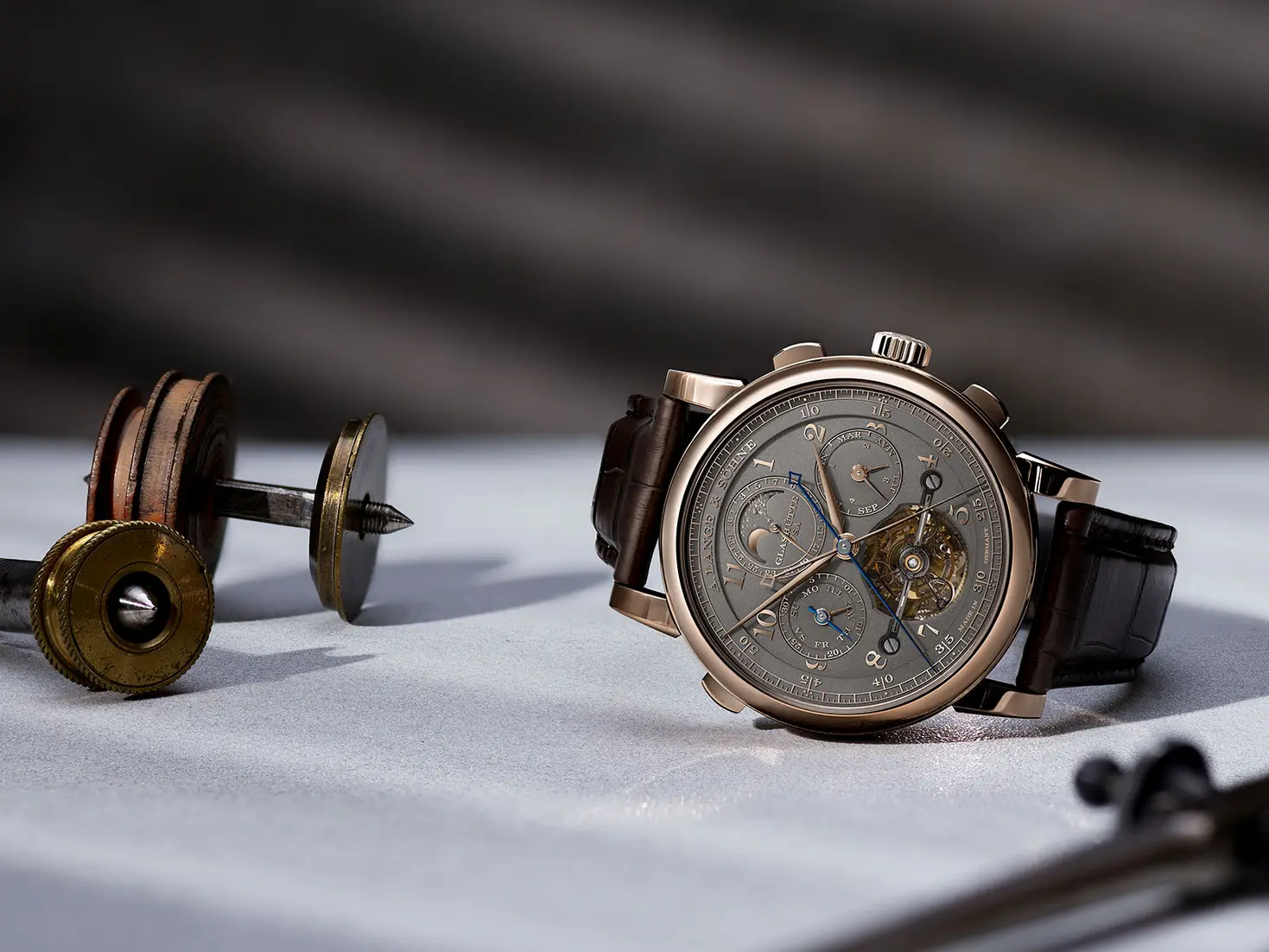
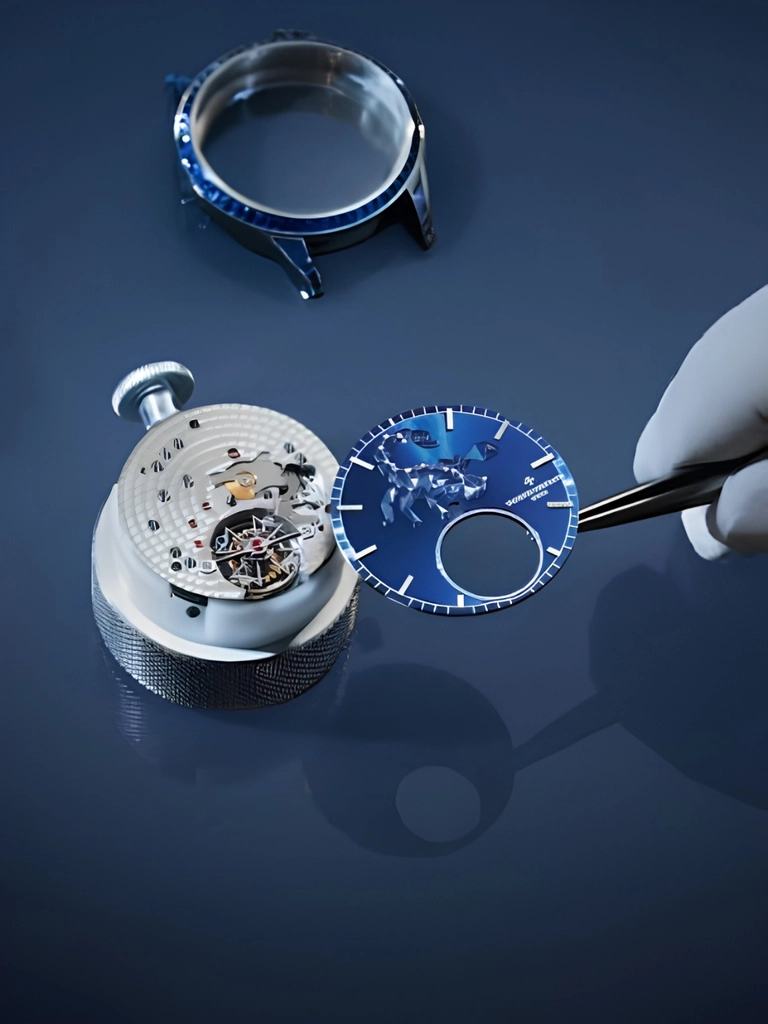
Regardless of its composition, every gold alloy must be shaped into a case. This is the domain of a hidden ecosystem of specialists in the Swiss Jura, united under the USH (Union Suisse Pour l'Habillage de la Montre). Of roughly 50 member companies, a mere ten are estimated to produce 90% of Switzerland's independent watch cases.
Companies like Donzé-Baume (founded 1868) are masters of their craft, employing hundreds to mill, polish, and finish cases to micron-level precision. Yet their names are never seen; their art bears only the logo of the brand that commissioned it. Even manufactures with in-house capability, like Patek Philippe (through Les Artisans Boîtiers), often produce cases for others, optimizing the use of machinery that costs millions.
In this landscape, Rolex stands apart as a fortress of vertical integration. It is widely acknowledged as the largest consumer of gold in Swiss watchmaking, and its control is absolute.
Today, a gold watch is more than a precious vessel; it is a statement of technological philosophy. Whether it is Rolex's quest for eternal colour, Hublot's defiance of physics, or Omega's pursuit of a unique aesthetic, the alloy itself has become a core component of a brand's identity. This evolution, supported by the silent, expert hands of the boîtier industry, proves that in modern luxury watchmaking, value is engineered from the molecule up. The gleam on your wrist is not just reflected light, it is the glow of innovation, cast in an enduring, ever-evolving form of gold.