MENU
Close





A collection can function like a garden: planted with intuition, tended with time, and grown through relationships. Opening February 24, 2026, Destiny Is a Rose offers the most expansive public view yet of Eileen Harris Norton’s influential holdings - an Arts District landmark timed to the city’s Frieze-week energy and built on fifty years of care-driven collecting.
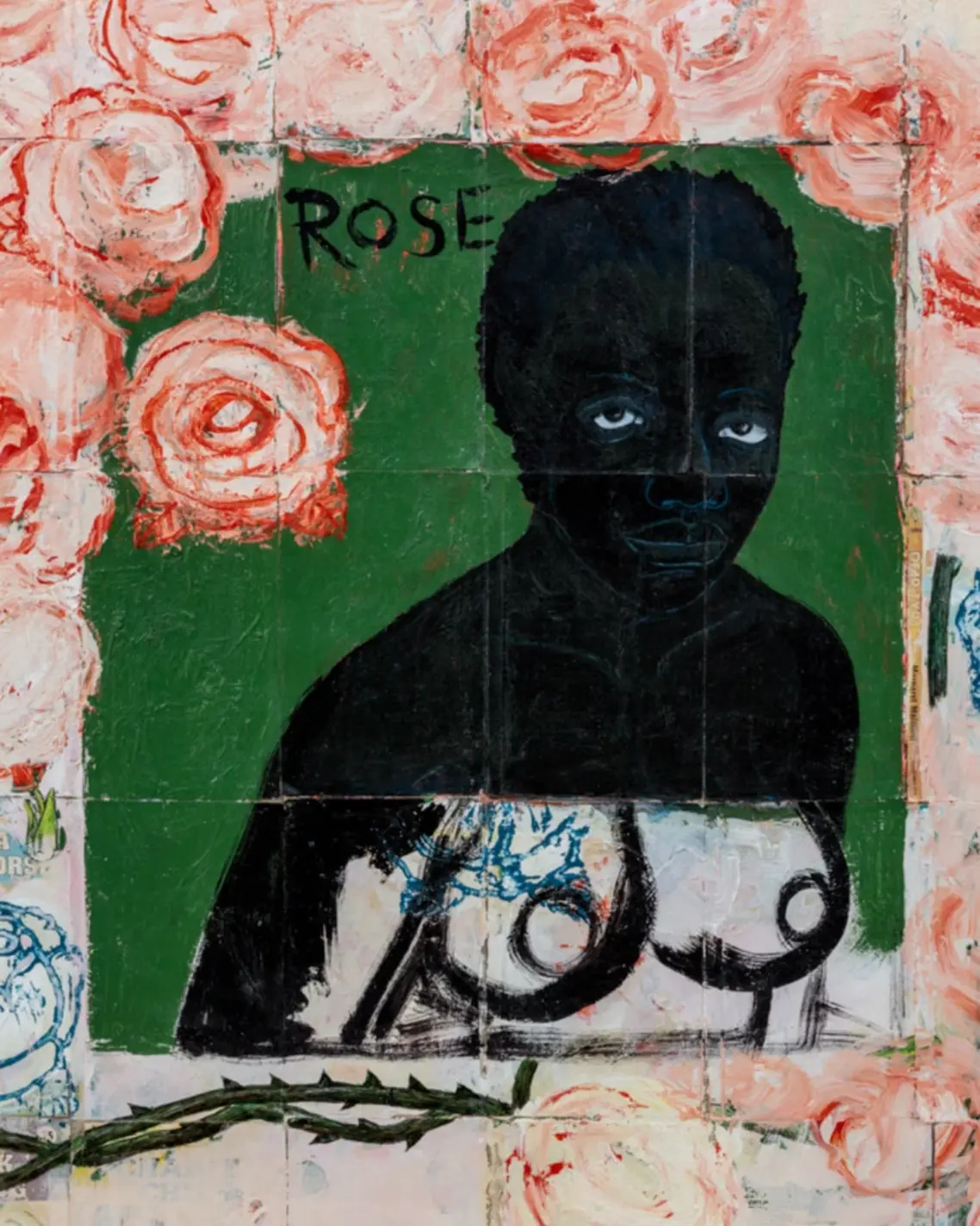
A collection can function like a garden: planted with intuition, tended with time, and grown through relationships. Opening February 24, 2026, Destiny Is a Rose offers the most expansive public view yet of Eileen Harris Norton’s influential holdings - an Arts District landmark timed to the city’s Frieze-week energy and built on fifty years of care-driven collecting.
February 24, 2026


At Hauser & Wirth Downtown Los Angeles, Destiny Is a Rose: The Eileen Harris Norton Collection opens as both anniversary and portrait: fifty years since Norton’s first acquisition in 1976, a print purchased directly from Los Angeles artist and arts advocate Ruth Waddy, and a vivid survey of how a collector’s values shape cultural history.
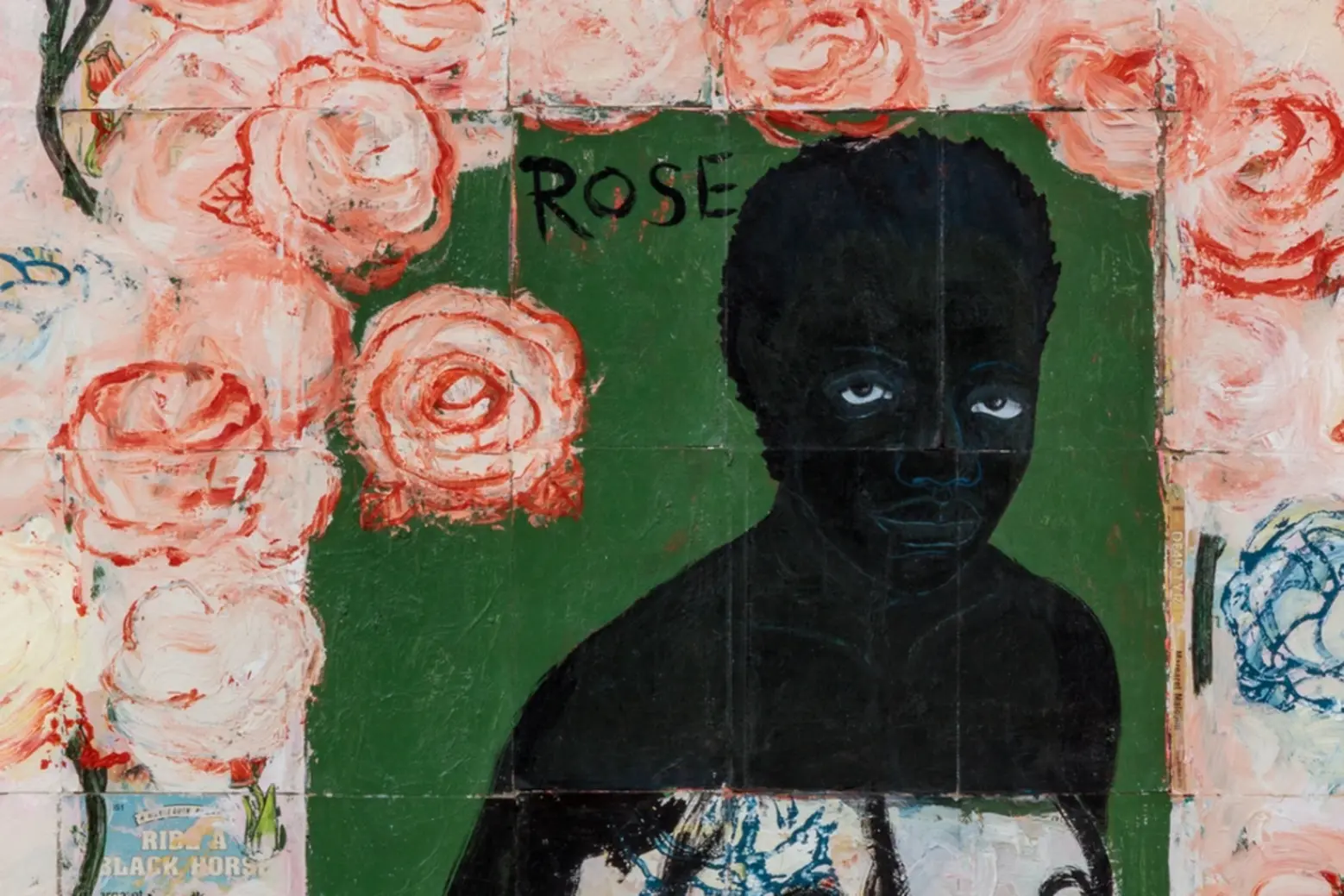
The exhibition gathers more than 80 works and unfolds in “chapters” that track the evolution of Norton’s eye, from a Los Angeles-rooted commitment to artists and communities, toward a broader, international conversation. Hauser & Wirth frames her approach through a gardener’s logic: cultivation, patience, and an ecosystem mindset, supporting practices over time and allowing ideas to bloom across generations.
The title comes from Kerry James Marshall’s 1990 painting Destiny Is a Rose, and it sets the tone: this is a show about how images accumulate into a living, intellectual landscape. Within that landscape, visitors encounter a chorus of artists who have defined contemporary art’s ethical and aesthetic stakes: Mark Bradford, David Hammons, Glenn Ligon, Lorraine O’Grady, Betye Saar, Lorna Simpson, Kara Walker, Carrie Mae Weems, Amy Sherald, and more.


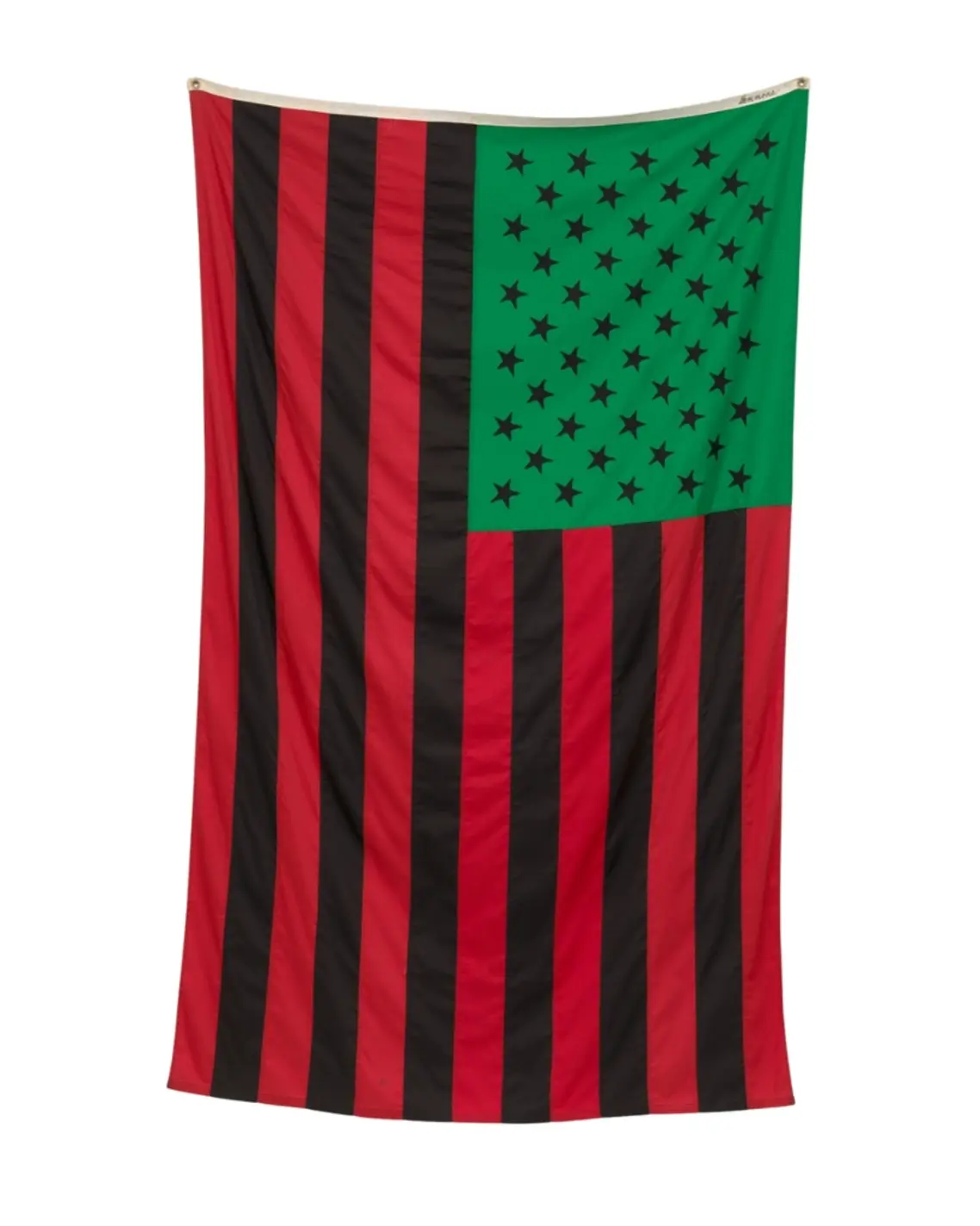
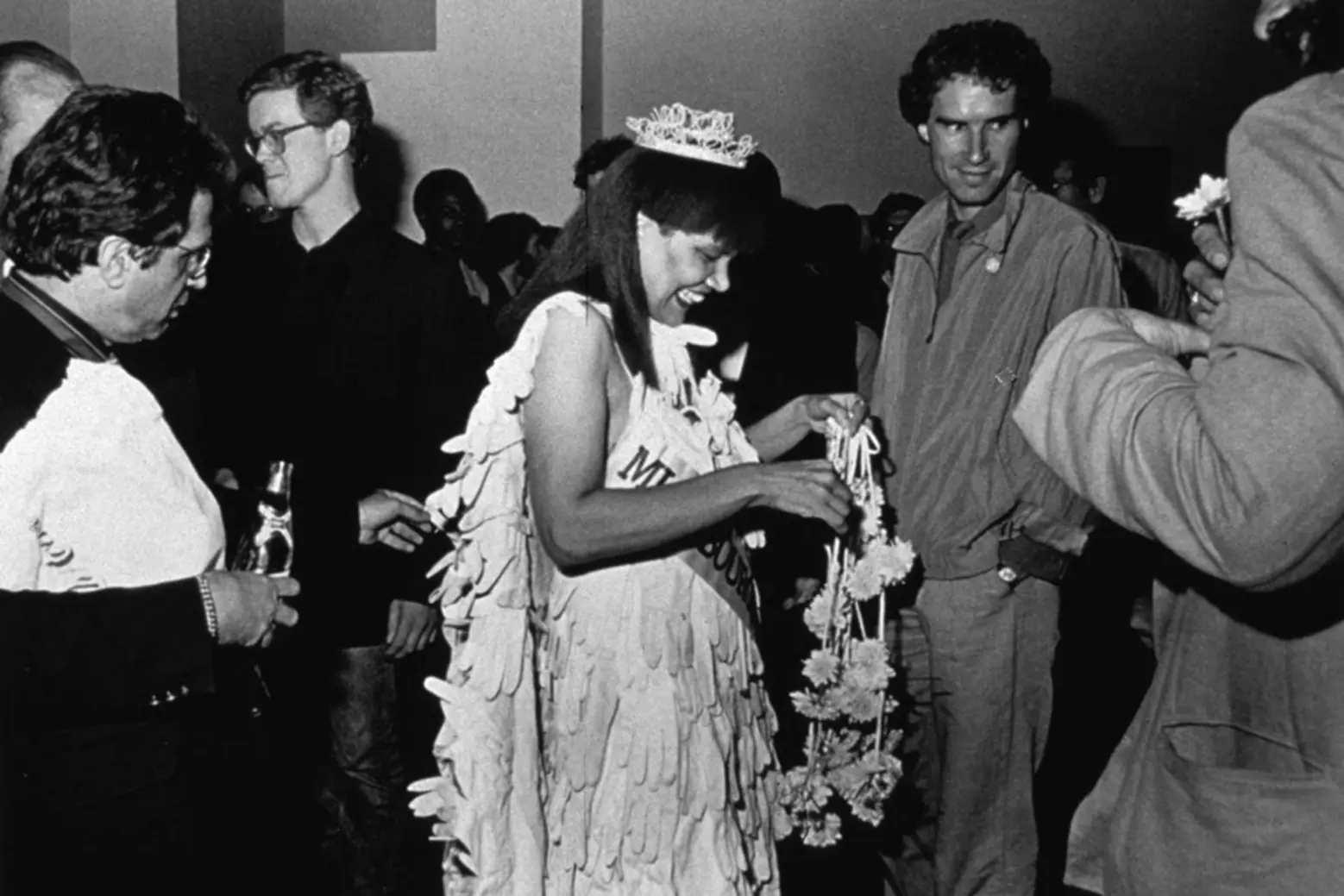
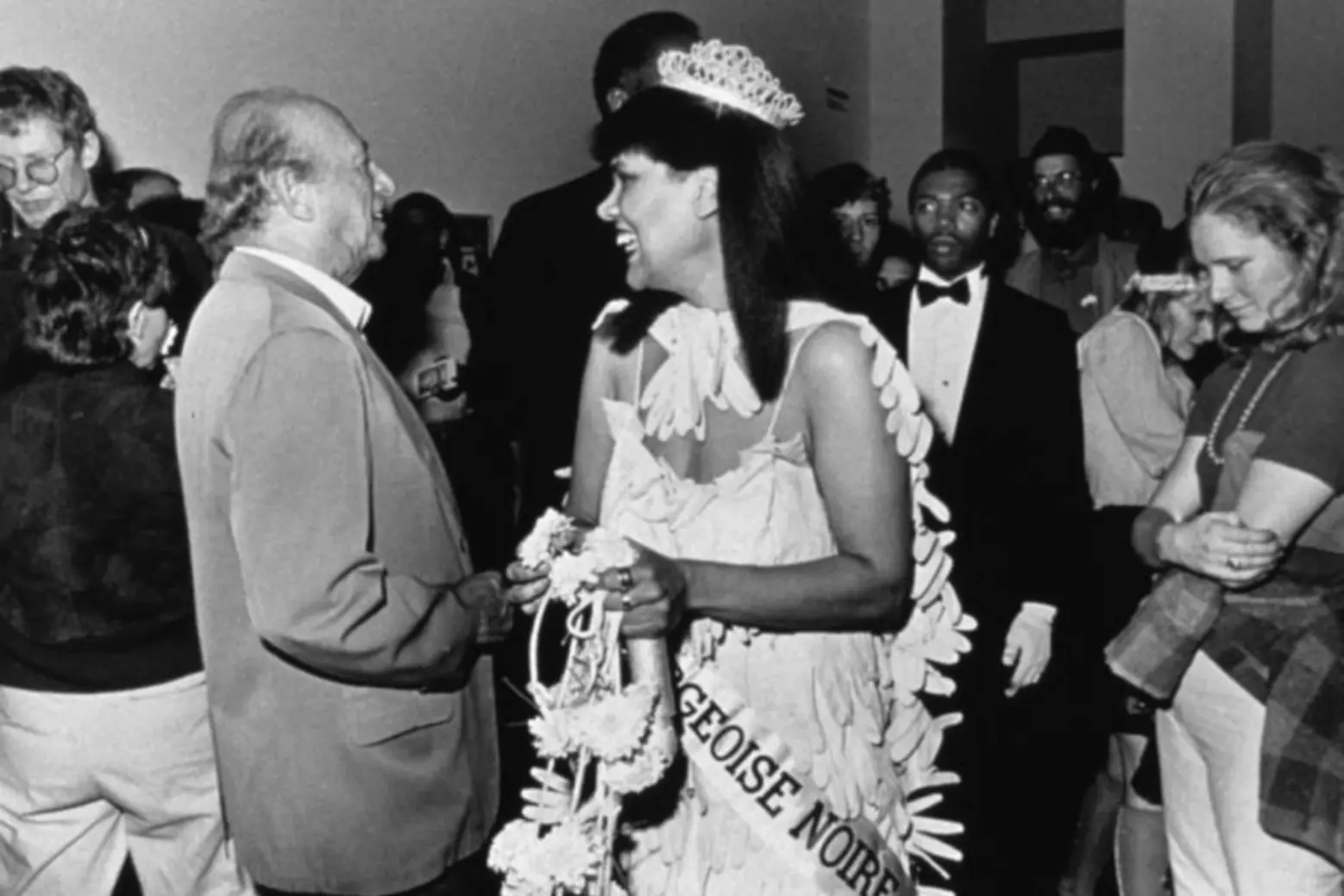
Several keystone works clarify the collection’s voltage. Sherald’s When I Let Go of What I Am, I Become What I Might Be (Self-Imagined Atlas) (2018) reads as abstraction charged with social texture, while Hammons’s African American Flag (1989) compresses symbol, nationhood, and critique into a single, unforgettable object. O’Grady’s Mlle Bourgeoise Noire appears as an “iconic performance relic,” carrying the urgency of institutional interrogation into the gallery space.
Education remains central. Alongside the galleries, the “Art in Community: From Studio to Collection” Education Lab brings in artist recordings, books, and a collaboration with local graduate students exploring the collector’s role as a civic force.
A key public moment arrives Saturday, February 28 (11 am –12 pm) with a Talk & Book Launch featuring Gary Simmons, Lorna Simpson, Dr. Kellie Jones, and Ingrid Schaffner, tied to the exhibition’s fully illustrated catalogue.
In the end, Destiny Is a Rose feels less like a trophy room and more like an ecosystem you can walk through. By insisting on stewardship over spectacle, Eileen Harris Norton shows how a collection can carry responsibility, toward artists, toward a city, toward future audiences who will inherit these images. At Hauser & Wirth Downtown LA, the “garden” metaphor holds: each work is a bloom with a backstory, and together they form a landscape of care, conviction, and cultural memory.