MENU
Close





Henrike Naumann built her legacy out of the most ordinary materials: sofas, wall units, carpets, bargain lamps, objects that usually fade into the background of daily life. On February 14, 2026, she passed away in Berlin, leaving a body of work that keeps asking the same unsettling question: what does ideology look like once it has settled into taste?
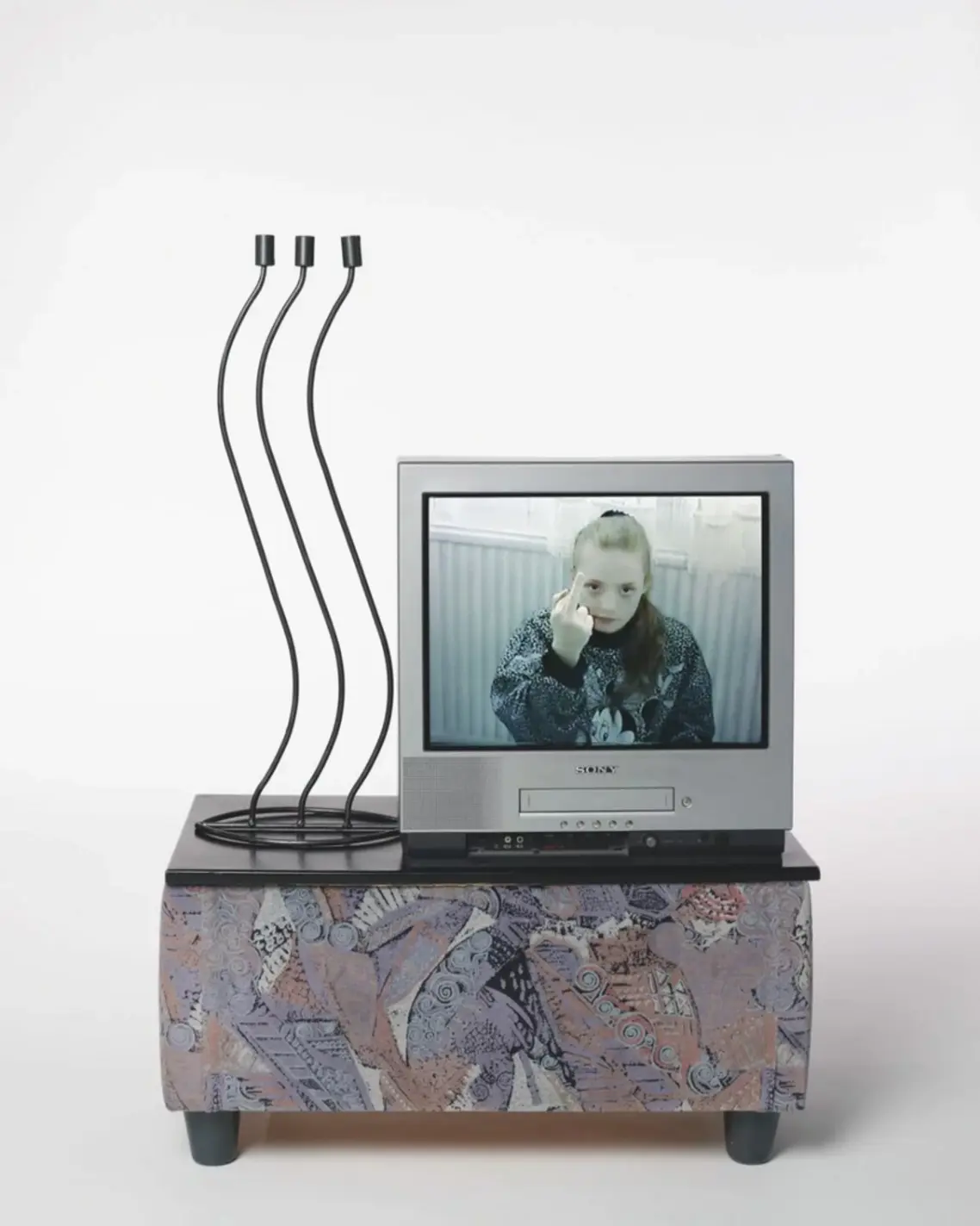
Henrike Naumann built her legacy out of the most ordinary materials: sofas, wall units, carpets, bargain lamps, objects that usually fade into the background of daily life. On February 14, 2026, she passed away in Berlin, leaving a body of work that keeps asking the same unsettling question: what does ideology look like once it has settled into taste?
February 14, 2026


Henrike Naumann belonged to the first generation whose childhood memories held the afterimage of the GDR while their teenage years unfolded inside the sped-up capitalism of the 1990s. That decade became her primary archive: an era of postmodern curves, glass tables, and mass-market aspiration, alongside a youth culture where far-right radicalization could circulate with frightening ease.
Her training in stage and costume design shaped everything. Henrike Naumann treated the gallery as a set, and the viewer as a body inside a constructed situation. Furniture stopped functioning as décor and started functioning as evidence: arranged, lit, and choreographed to show how “private” space records public history.
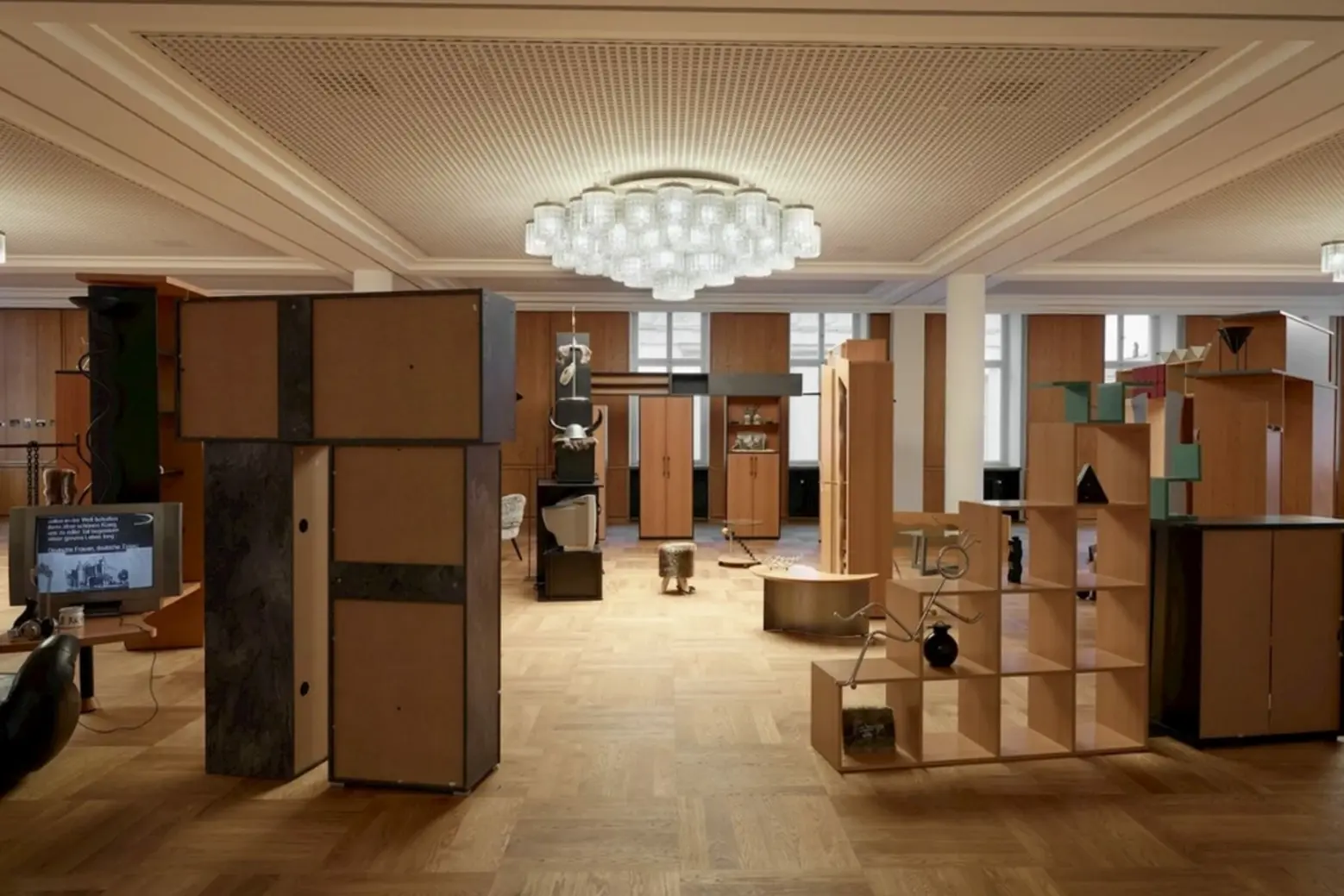

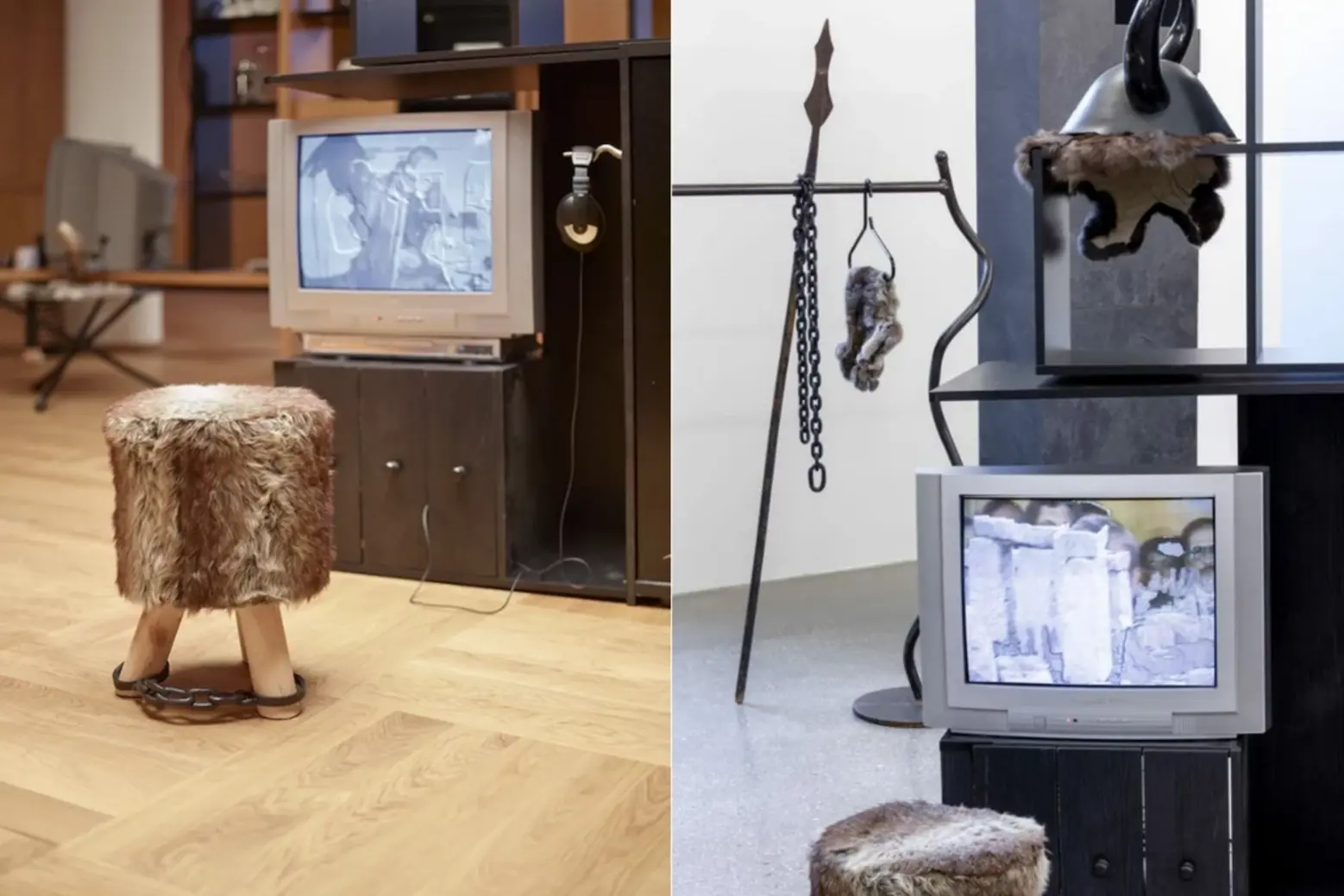
Works such as Triangular Stories and Das Reich compressed the distance between subculture and politics, showing how nationalism, conspiracy thinking, and longing for order can be staged through domestic atmospheres through what gets bought, displayed, and normalized at home. And in Ostalgie, a living room rotated onto its side made disorientation physical: the feeling of a world reoriented overnight, with the floor turning into a wall.
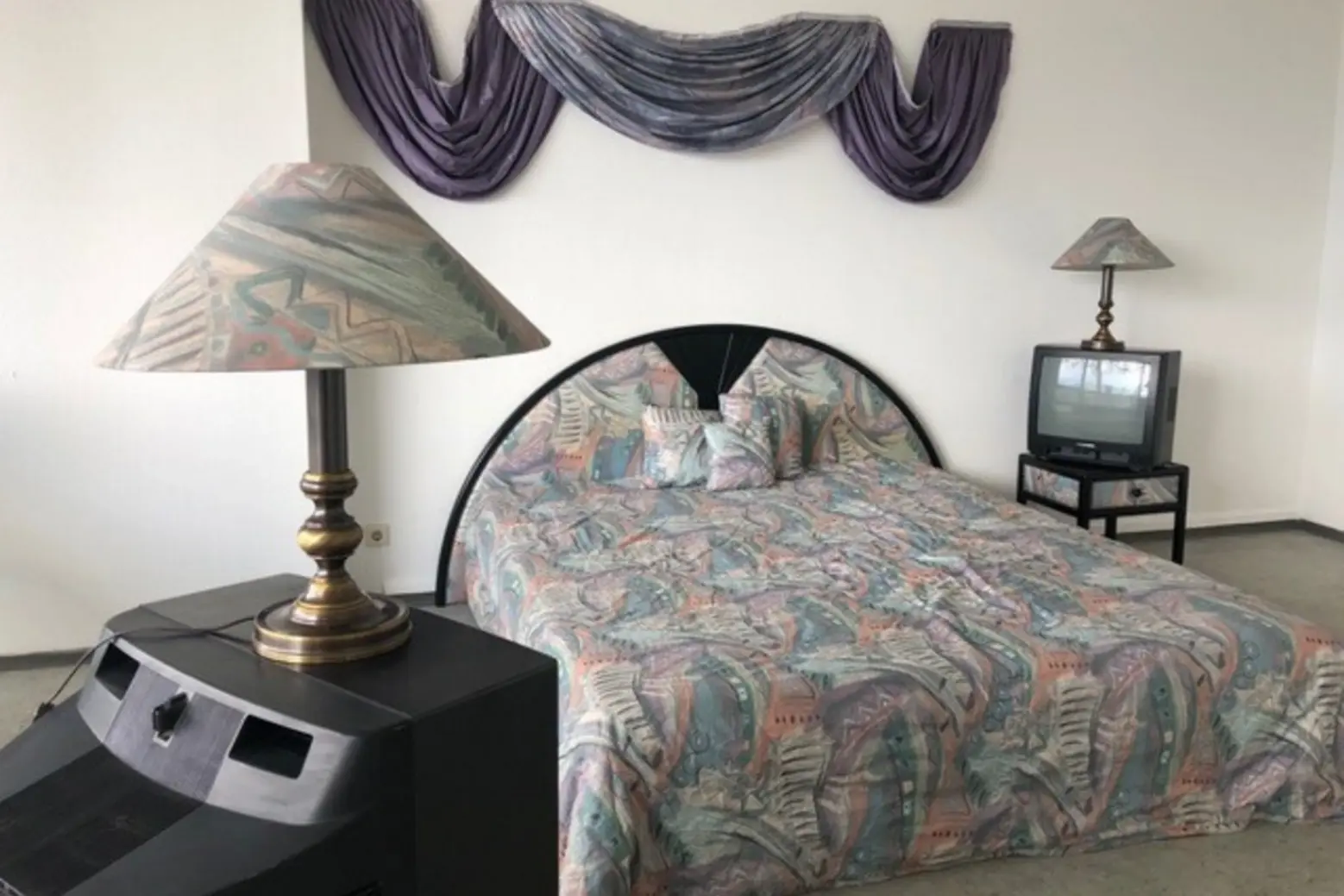
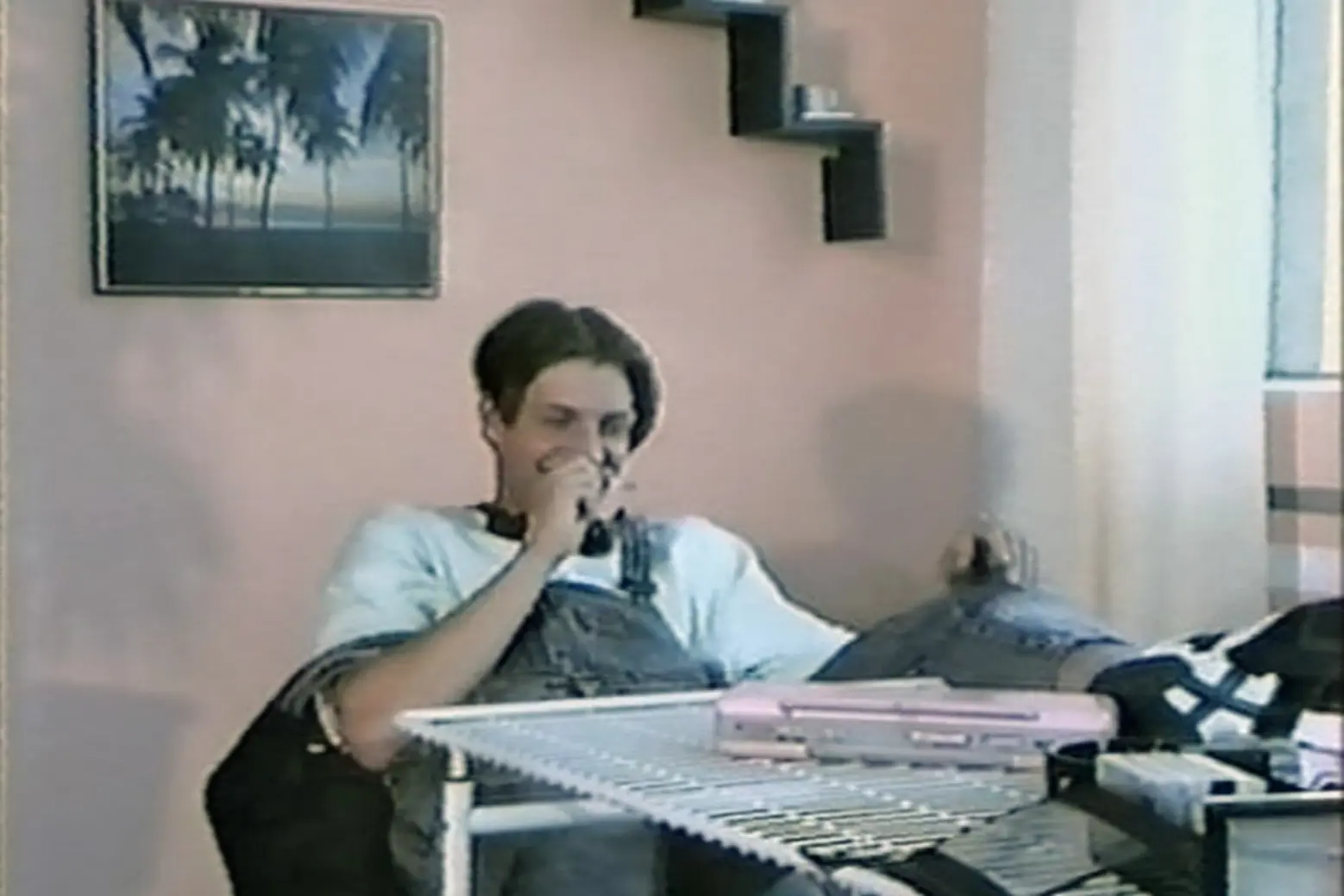
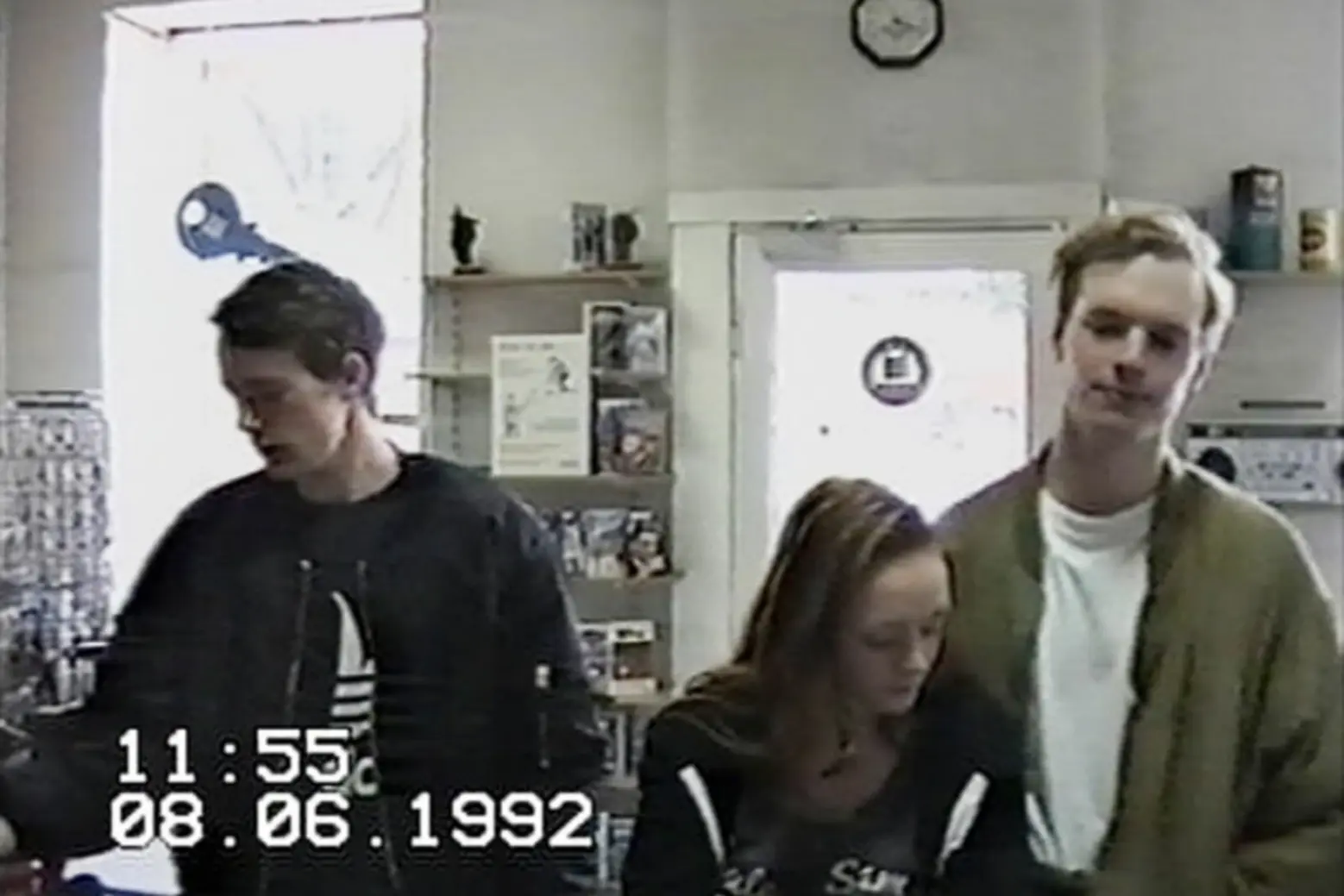
Henrike Naumann sourced much of her material through second-hand platforms and classifieds, following the ghost biographies embedded in used objects. Over time, that method brought major institutional recognition, and by 2024, an ArtFacts ranking among the global Top 1,000.
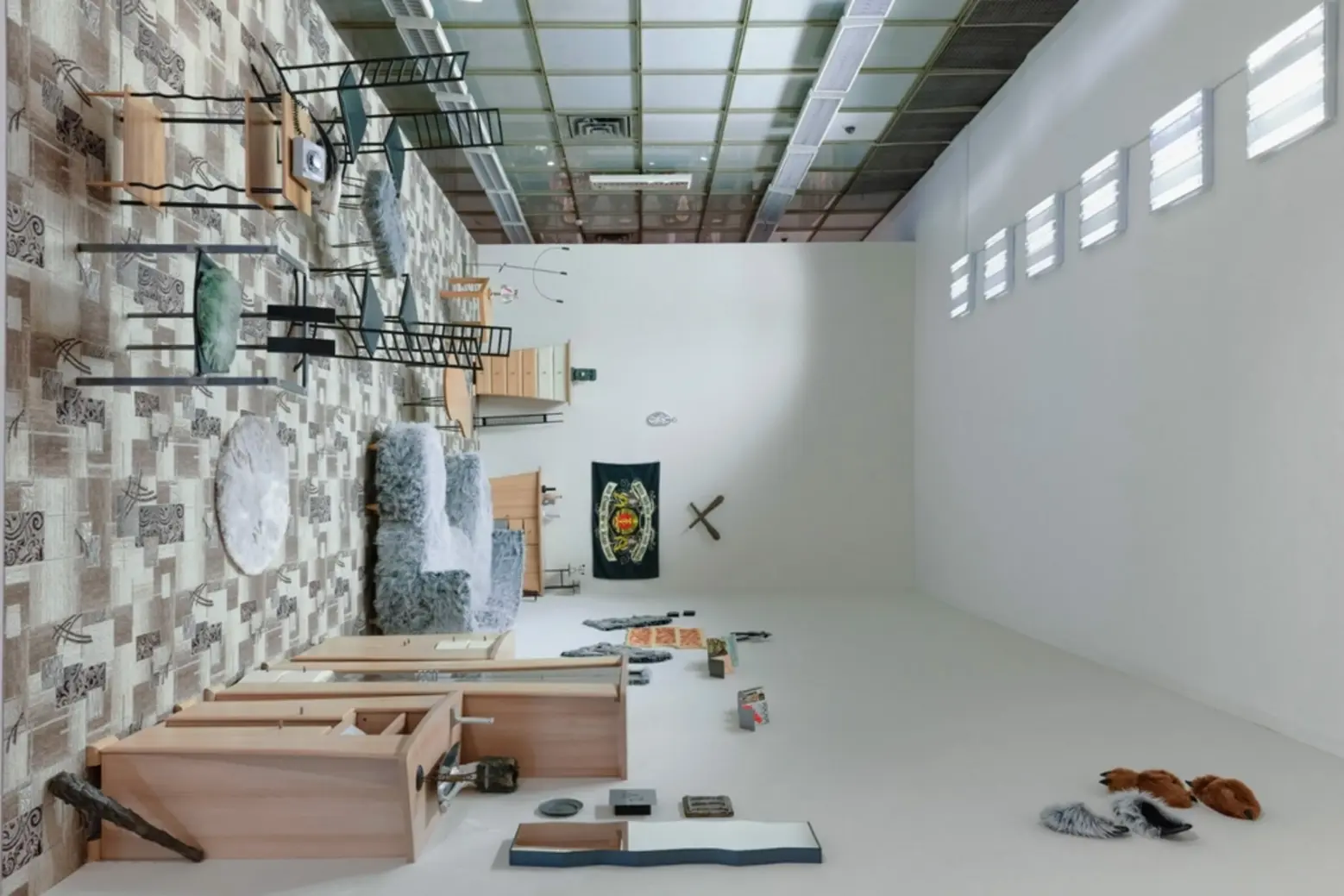
In 2025, Henrike Naumann was selected to co-represent Germany at the 61st Venice Biennale alongside Sung Tieu, with the pavilion set to open on May 9, 2026. Her farewell note frames the project as a collective realization guided by her vision, a final proof of how powerfully she could turn everyday space into historical pressure.