MENU
Close





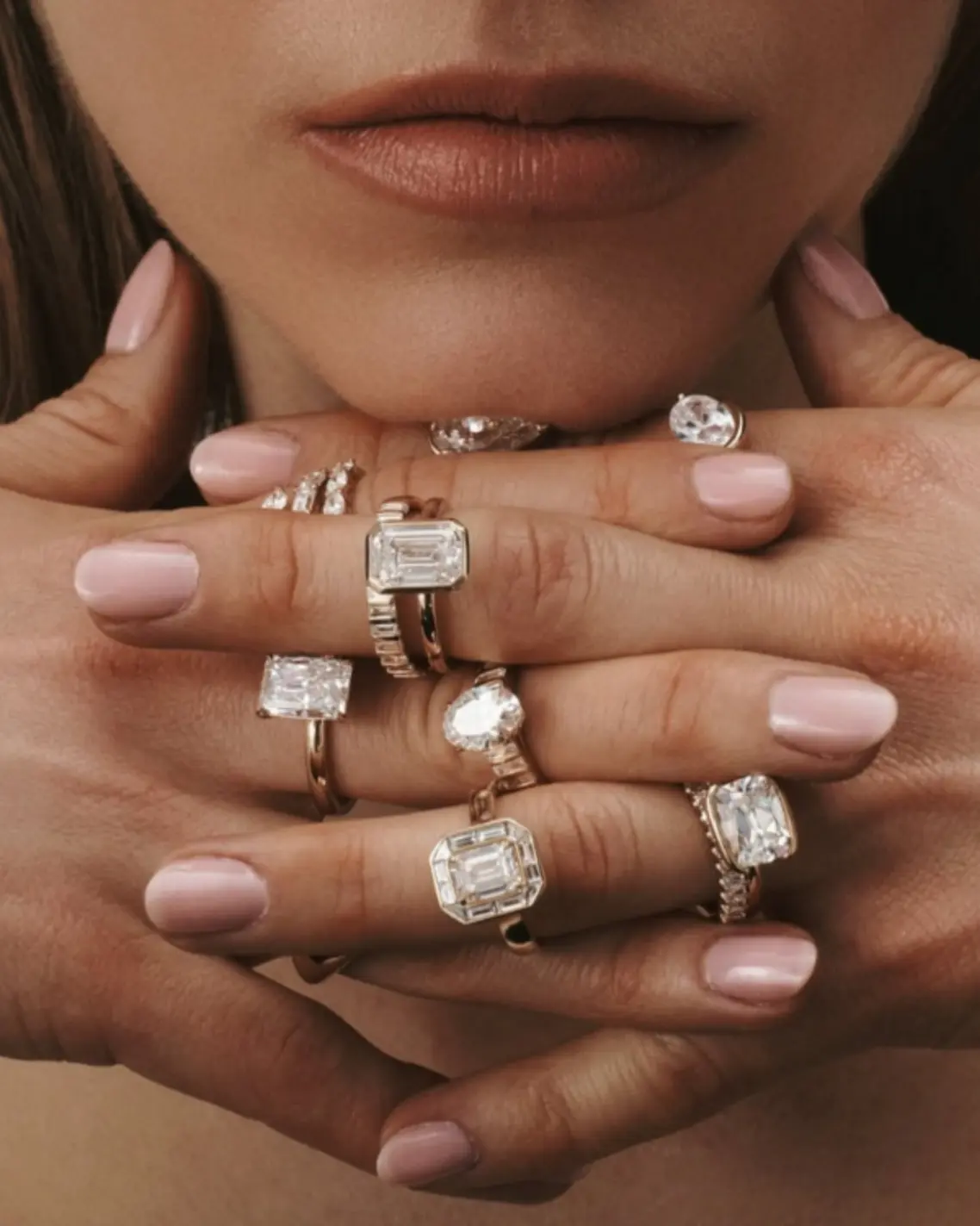
What happens when the lab-grown diamond market stops trying to look like natural diamond’s ethical understudy and starts behaving like its own luxury language?
What happens when the lab-grown diamond market stops trying to look like natural diamond’s ethical understudy and starts behaving like its own luxury language?
May 21, 2026


For years, lab-grown diamonds were introduced like the industry’s polite science project, all white coats, ethical language and awkward PowerPoint optimism. They were “the future,” which in luxury usually means “please wait until the old guard finds a way to charge more for it.” Now the future has arrived, wearing a tennis necklace, carrying a blockchain certificate and smiling with the confidence of a product that knows it can embarrass both the mines and the malls.
The numbers explain why everyone suddenly speaks with such moral intensity. Research cited by J.K. Perret notes that the proportion of lab-grown diamond sales in the United States jumped from 20% to over 50%, based on data from Tenoris, Madestones and Bernstein. By 2025, BriteCo data reported by Rapaport found that 42% of diamond jewelry sold contained lab-grown diamonds, including 48% of engagement rings. The Knot’s 2026 survey pushed the bridal drama further, with 61% of respondents choosing a synthetic center stone for an engagement ring, a 239% increase since 2020. Somewhere, a natural diamond executive is staring into a Scotch glass and whispering “rarity” like a prayer.
The old lab-grown pitch was simple: Same sparkle, lower price, cleaner conscience. It worked, but it also trapped the category inside a comparison game. If your entire value proposition is “almost the same, but cheaper,” you have basically volunteered to be luxury’s intern. The sharper brands of 2026 are moving the conversation away from geological romance and toward design, traceability, cultural relevance and emotional engineering.
This is why the market is splitting into three tribes.
The first is luxury heritage, where established houses experiment with lab-grown diamonds in controlled, carefully framed ways. They borrow the language of high jewelry, craftsmanship and rarity, while making sure nobody mistakes innovation for panic. TASAKI, for instance, still foregrounds high jewelry through pearl mastery and in-house craft, a useful reminder that heritage brands will absorb lab-grown stones only when the stones can serve an existing mythology.
The second tribe is sustainability-first, led by players that build the entire message around recycled metals, renewable electricity and traceable sourcing. Pandora states that its lab-grown diamonds are grown, cut and polished using 100% renewable electricity and set in jewelry crafted with 100% recycled silver and gold.
The third tribe is conceptual niche, where the stone becomes less a gemstone than a biography. A Waseda University business plan for Yamabuki, for example, explores pet-derived lab-grown diamonds for an Asian luxury market, proving that capitalism can turn grief, memory and carbon into a keepsake with excellent margins.
The delicious contradiction is that lab-grown diamonds entered luxury by attacking rarity, then discovered they still needed rarity’s costume department. A diamond grown in a reactor can be scaled. A brand story, apparently, still prefers candlelight.
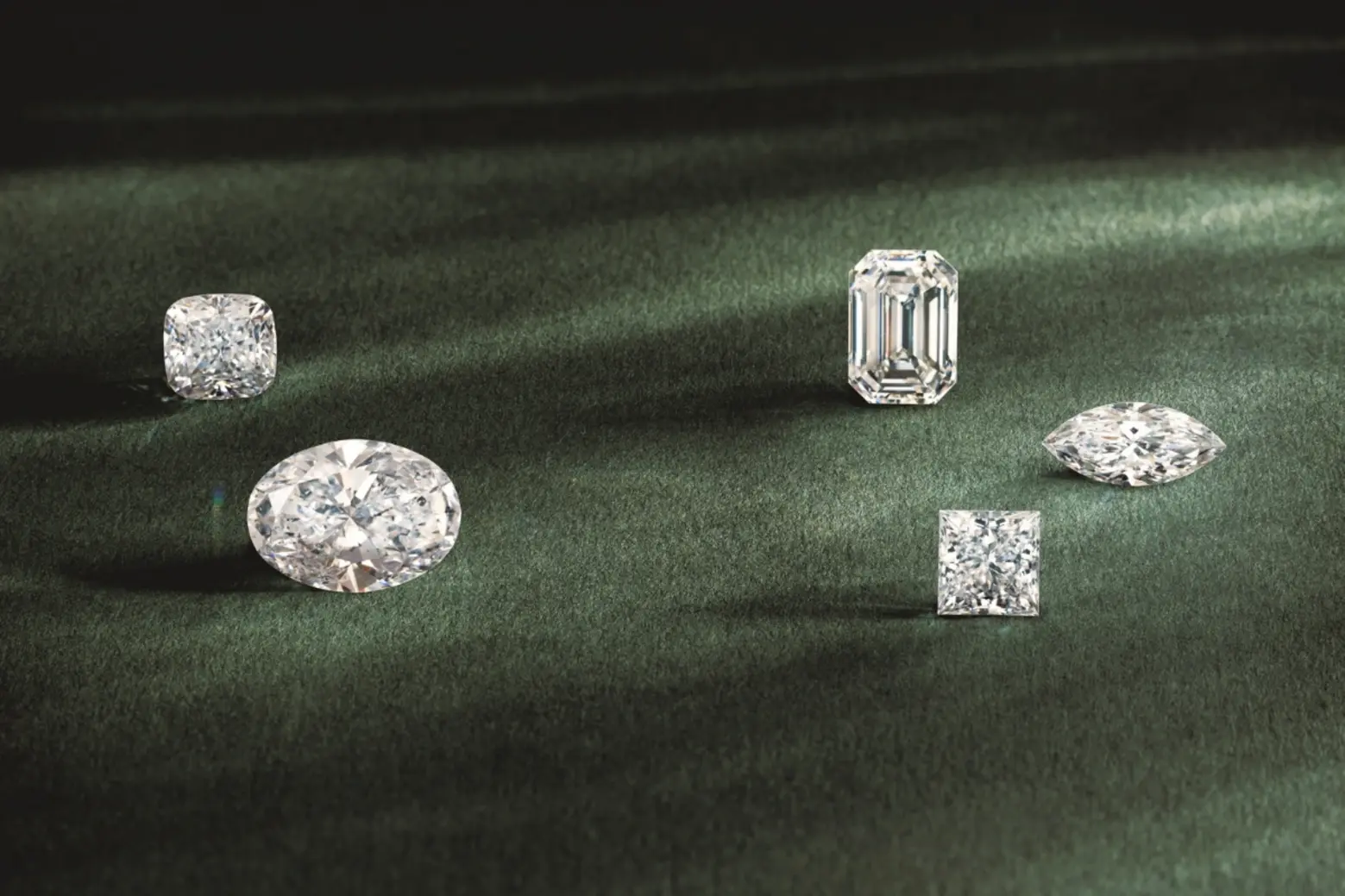
The most interesting lab-grown diamond jewelry in 2026 is emerging from hybrid craftsmanship, where AI-assisted design meets traditional finishing. This sounds suspiciously like a conference panel until it becomes a ring. AI can generate complex lattices, impossible geometries, modular forms and bespoke variations at a speed the old atelier system would consider rude. The artisan then restores touch, proportion, surface, polish and cultural intelligence. The machine proposes, the jeweler edits, the client pretends the entire thing was destiny.
I.C. Pop-Cohuț’s 2026 paper frames the “hybrid artisan” as a figure who integrates AI-based design tools with traditional craft to support sustainable creative entrepreneurship, including jewelry and decorative arts. This matters because lab-grown diamonds are uniquely suited to design experimentation. When the stone itself carries less fear of irrecoverable rarity, designers can think with greater freedom. A natural diamond often arrives with the aura of geological intimidation. A lab-grown diamond arrives with a permission slip.
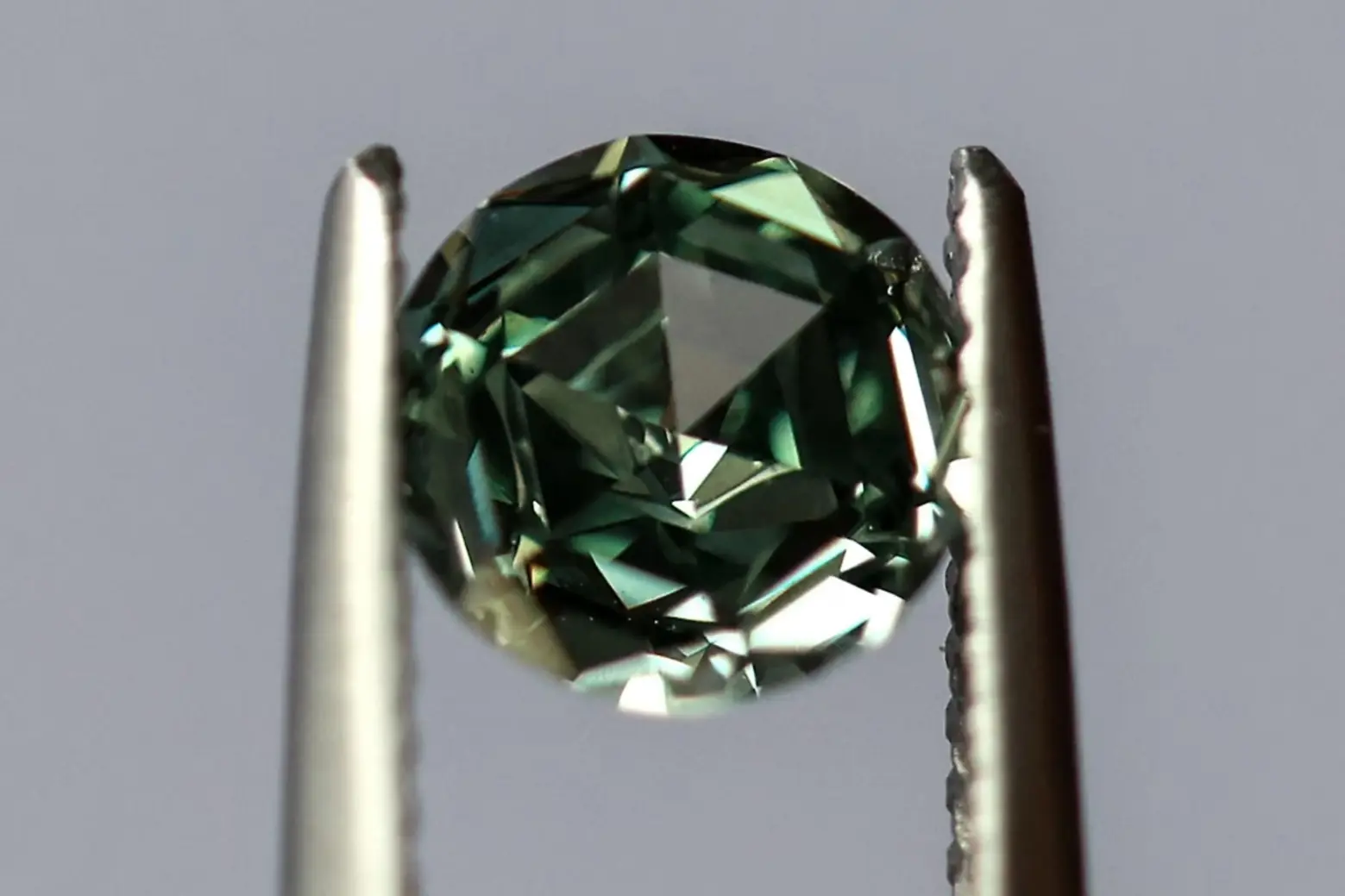
That shift changes the aesthetics. Instead of copying solitaire settings built around mined-stone mythology, smarter LGD brands are using volume, repetition and structure. Larger stones become visually available to younger consumers. Fancy cuts become less terrifying to buy. Settings can become architectural, almost futuristic, without feeling like a billionaire’s museum deposit. The best designs treat the lab-grown diamond as a material of abundance, precision and theatrical clarity. The worst designs still treat it as a discount code with facets.
The “Double Diamond” approach also fits the bespoke shift, even though its roots are broader design thinking rather than gemology. Discovery and definition create a more collaborative luxury process: What does the client want the jewel to say? What memory should it carry? What ethical proof should accompany it? What shape can make it feel less like a catalog choice and more like a private symbol? In this version, the diamond sale becomes a workshop, a consultation, a small emotional audit with refreshments. Naturally, luxury loves this. It turns customization into intimacy, and intimacy into invoice.
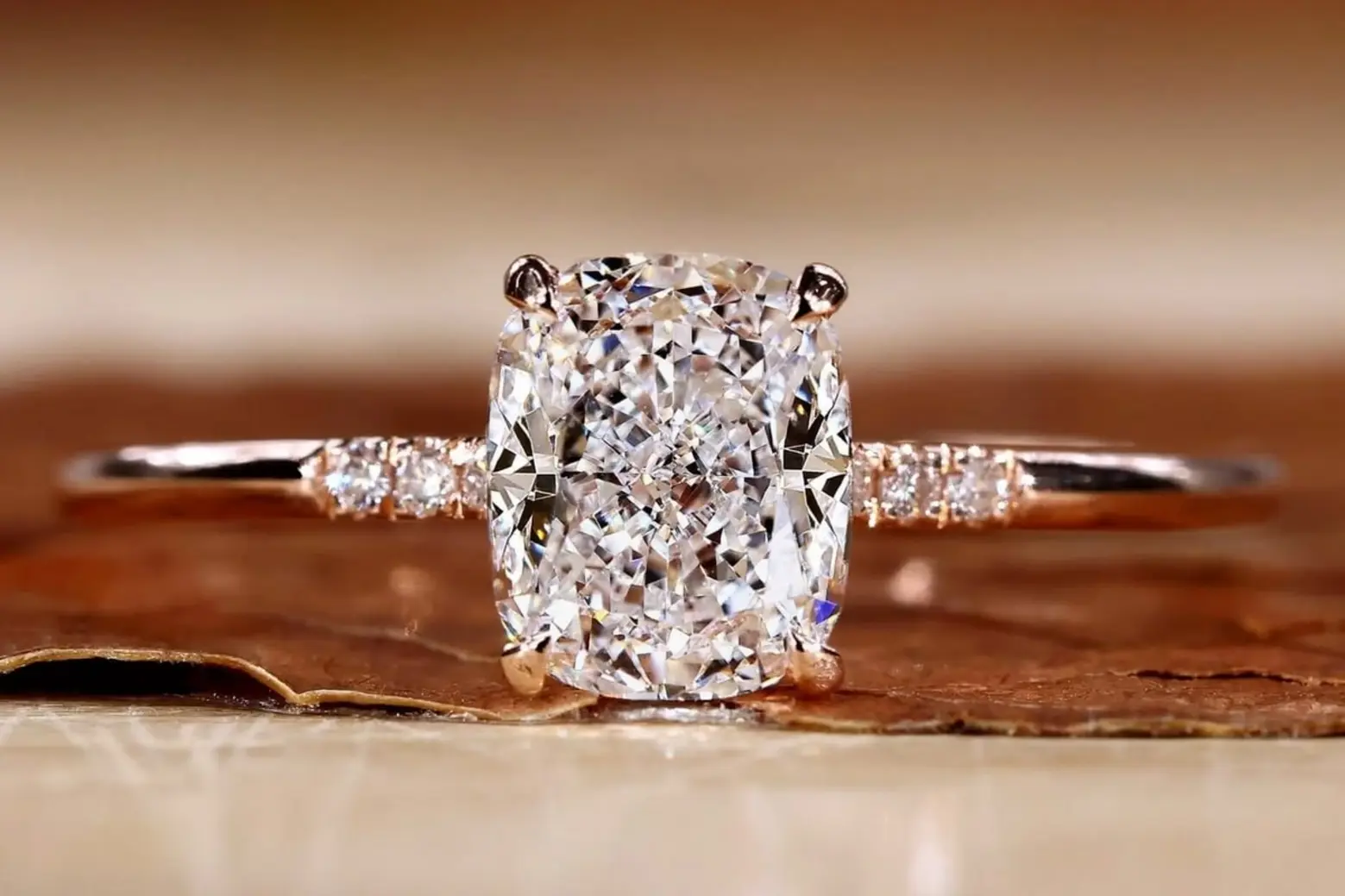
Sustainability built the lab-grown diamond market’s moral engine, but the industry is learning that ethical language requires proof. “Lab-grown” alone does the consumer a favor, but it does not automatically make a jewel angelic. Energy sources matter. Cutting and polishing locations matter. Metals matter. Labor conditions matter. Packaging, shipping and certification all matter. A stone can emerge from a lab and still drag a messy supply chain behind it like a badly hemmed gown.
This is why traceability has become design. Blockchain authentication, digital twins, laser inscriptions, origin reports and environmental claims are no longer back-office details. They are now part of the jewel’s performance. SCS Global Services, for example, describes diamond certification systems that include source-to-market traceability through a cloud-based, blockchain-powered platform, alongside ESG requirements and net-zero carbon-footprint criteria. Pandora has even introduced carbon footprint labelling for lab-grown diamonds, connecting sustainability claims to consumer-facing product information. In plain language: the certificate has become the new velvet box.
This is also where the sarcasm writes itself. Luxury spent a century selling mystery, then discovered Gen Z wanted receipts. The romance of “trust us” has aged poorly in a world where consumers can investigate a brand faster than a sales associate can say “heritage.” Younger buyers still want beauty, but they want beauty with paperwork. They want the sparkle and the spreadsheet. They want glamour that can survive a group chat.
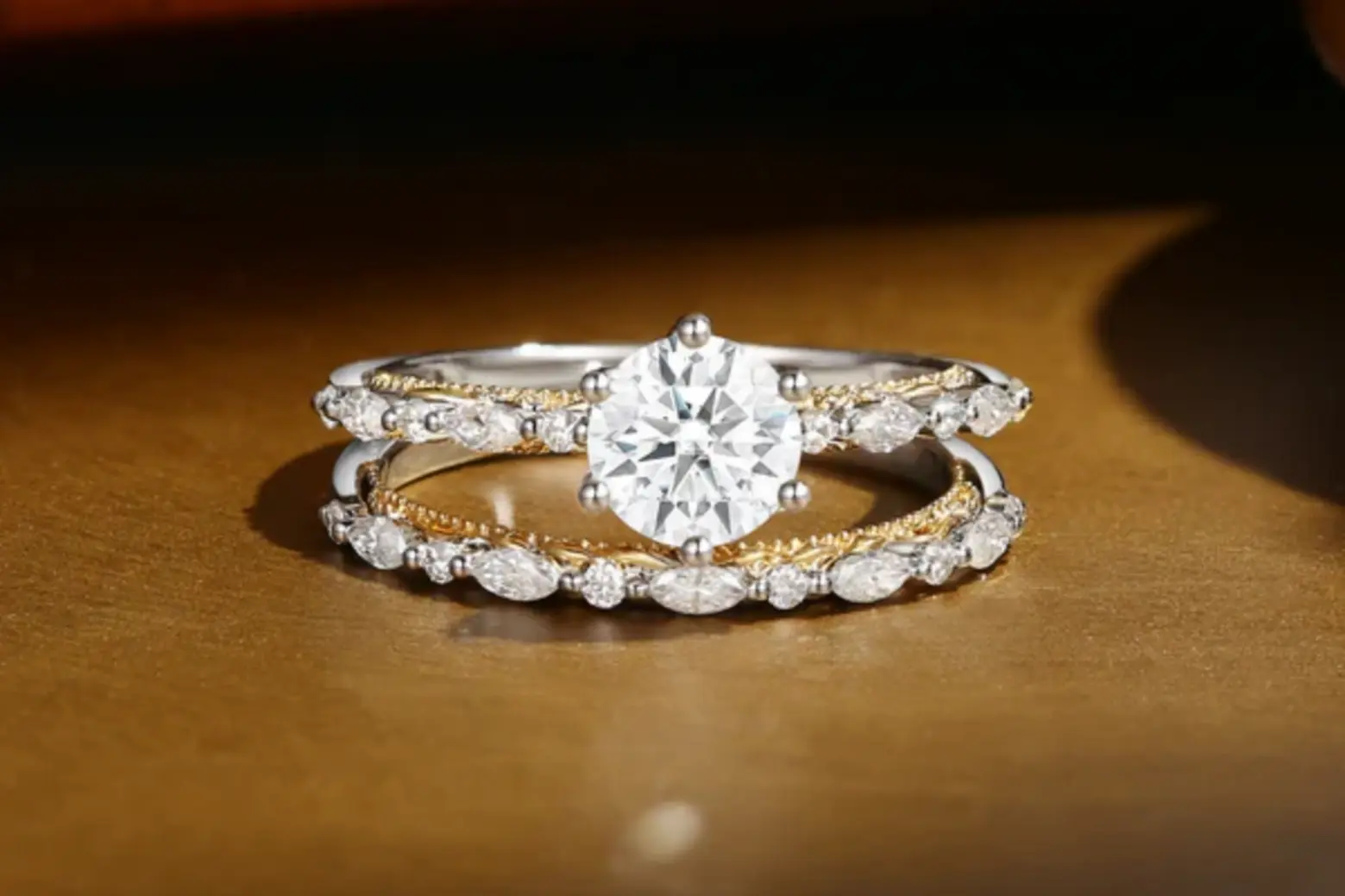
Yet transparency is becoming legally and commercially tense. In May 2026, the UK Advertising Standards Authority banned ads by Linjer and Novita Diamonds for presenting lab-grown diamonds without sufficiently clear labelling, according to the Financial Times summary. India has also moved toward stricter terminology under BIS rules, requiring clear “laboratory-grown” or “laboratory-created” descriptions. The message is obvious: lab-grown diamonds can sit at the luxury table, but they must arrive under their own name. A disguise is tacky, and in jewelry, tacky is often more unforgivable than expensive.
Here is the point luxury marketing prefers to soften with mood lighting: lab-grown diamonds are a design and fashion asset far more than a traditional investment asset. Their beauty can be real. Their engineering can be impressive. Their emotional meaning can be profound. Their resale value, however, has the confidence of a trend forecaster during a recession.
The price structure explains the pivot. Rapaport reported that in 2025, a natural 1-carat diamond averaged around $4,200, while a lab-grown 1-carat diamond averaged around $1,000 or less. Reuters later reported comments from World Diamond Council president Feriel Zerouki that wholesale prices for one- to two-carat lab-grown diamonds had fallen by up to 96% since 2018, driven by oversupply and expanded production. That collapse sounds terrifying only if one insists on valuing LGDs like mined diamonds..
This is why trade dress may become one of the category’s most important weapons. When the stones are chemically identical, brands need recognizable design codes. Daphne Singer’s 2026 article in the Richmond Journal of Law & Technology discusses Section 43(a) trade dress protection in jewelry design through the David Yurman v. Mejuri context, showing how distinctive design identity can become a legal and commercial battleground. In other words, the future value of lab-grown diamond jewelry may sit less in the carbon crystal and more in the silhouette, setting, campaign, certificate, celebrity placement and instantly recognizable “I know that brand” signal.
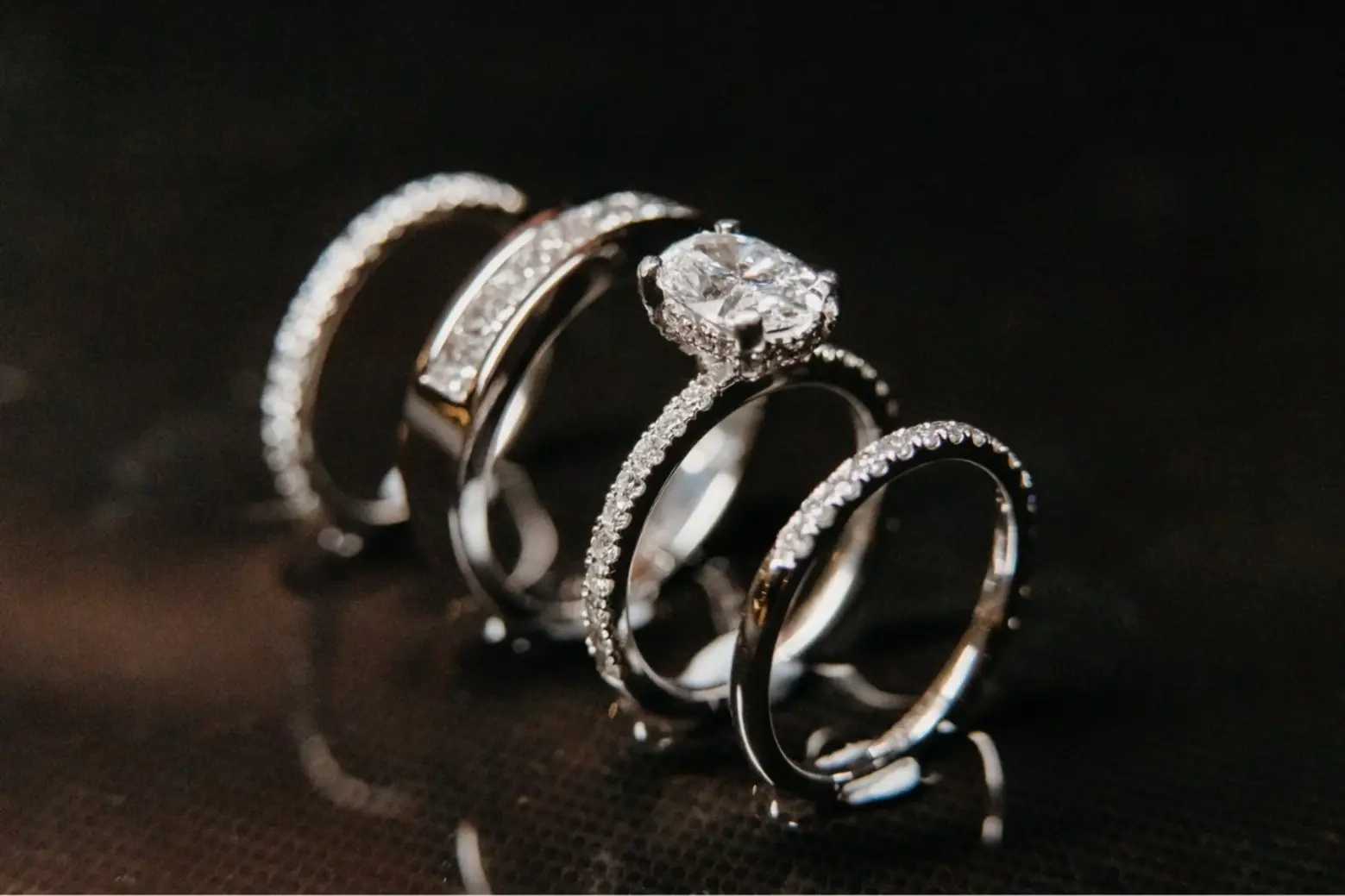
The lab-grown diamond market is therefore becoming a luxury paradox with excellent lighting. It challenges mining mythology while borrowing luxury ritual. It criticizes scarcity while inventing new forms of exclusivity. It sells ethics, then needs audits. It promises accessibility, then wraps itself in bespoke appointments and design patents. The stone may be made in a lab, but the desire around it remains deeply human: status, beauty, memory, proof, identity and the eternal hope that a tiny object can say something large about us.
The future of lab-grown diamonds will belong to brands that stop treating them as imitations and start treating them as a new creative material. The winners will combine transparent production, serious design language, emotional storytelling and legal distinctiveness. The losers will keep yelling “same as natural” until the customer hears “cheaper version” and moves on. Luxury has always survived by turning materials into myths. The lab-grown diamond market has simply brought the myth factory indoors.