MENU
Close





What makes Art Busan more than a regional answer to Seoul’s art-market power?
What makes Art Busan more than a regional answer to Seoul’s art-market power?
May 21, 2026


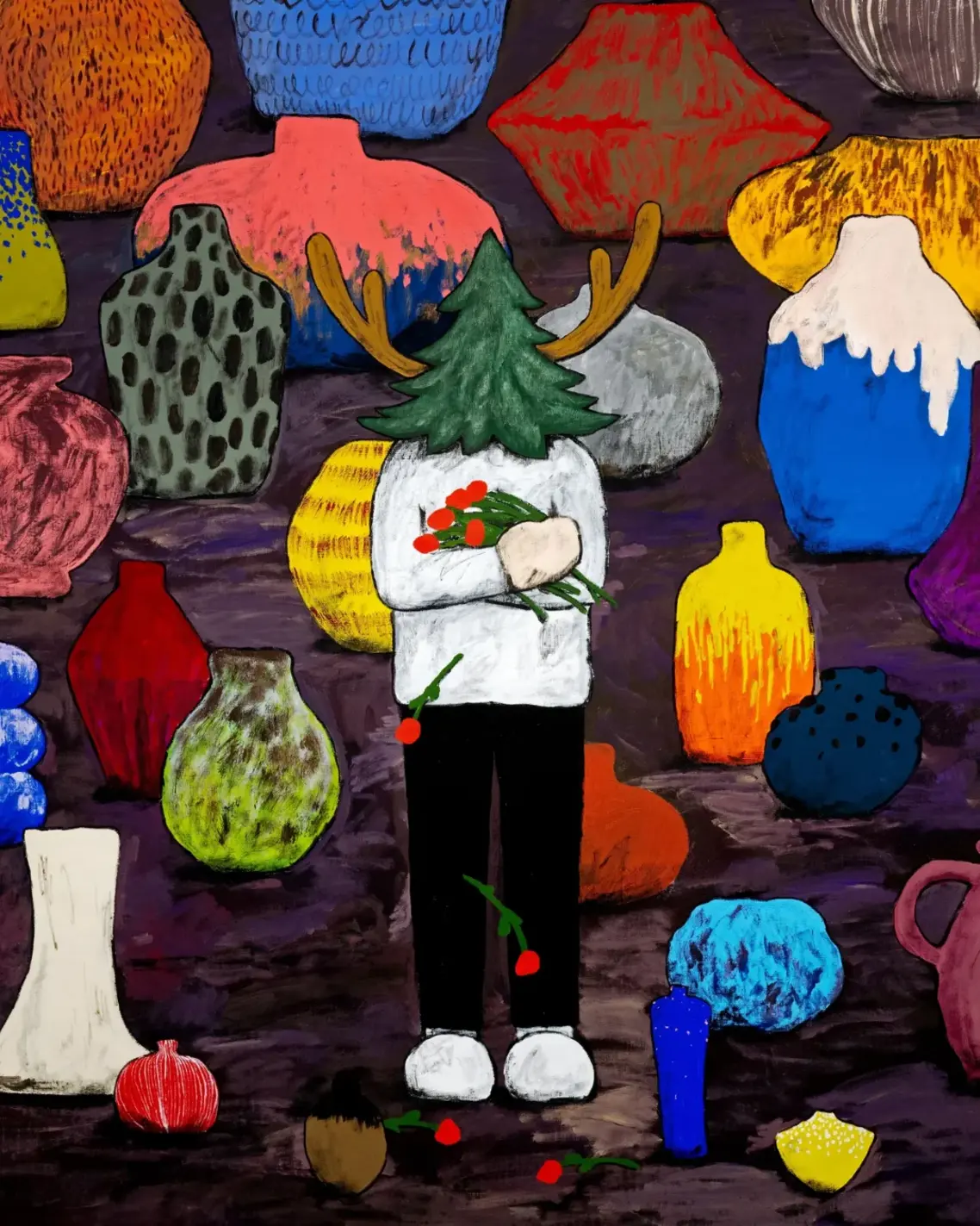
Founded in 2012 by Sohn Young-hee, Art Busan was never designed as a polite satellite to Seoul. It emerged as a counterweight to the capital’s grip on Korea’s art scene, using Busan’s coastal wealth, maritime history and regional collector base to build a fair with its own rhythm. The 2026 edition takes place at BEXCO Exhibition Center 1 from May 21 to 24, sharpening that position at a moment when Korean fairs are competing for international attention with growing intensity.

Art Busan’s strength sits in its refusal to play only the size game. While mega-fairs often chase museum-grade trophies and headline sales, Busan has found liquidity in the upper mid-market, where emerging and mid-career artists can still move with speed. This is where the fair becomes economically useful rather than merely spectacular. It gives galleries a platform for serious sales without reducing the floor to a parade of predictable blue-chip inventory.
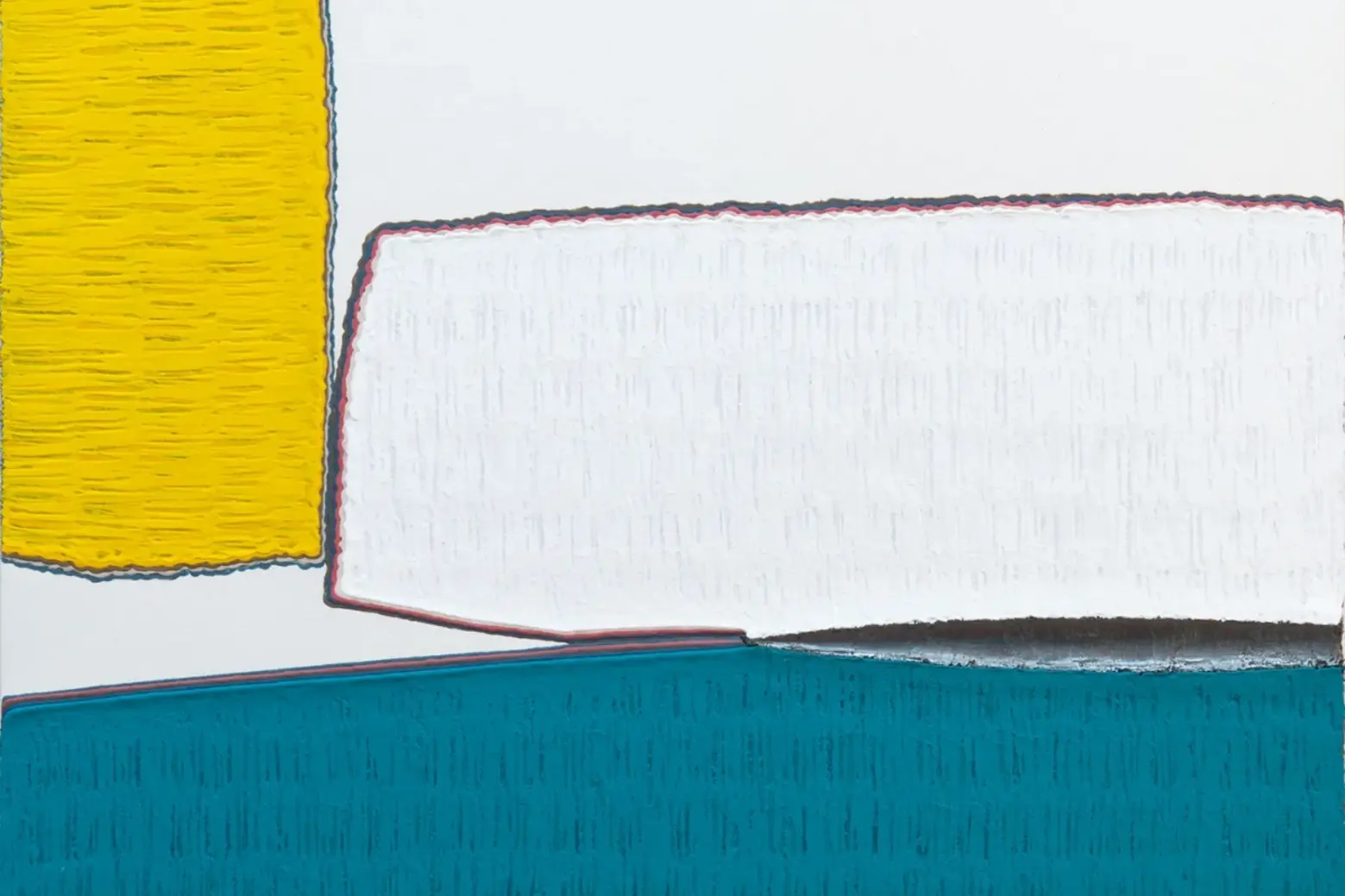
The fair’s curatorial architecture is now central to that identity. In 2026, Lighthaus reframes booths as curated exhibition environments, making spatial design part of the collector experience. Define pushes the border between collectible design, furniture, craft and fine art, with participants linked to names such as Karimoku, Fritz Hansen, Galerie Philia and Kengo Kuma. Future, meanwhile, spotlights young galleries established within the past five years, turning the fair into a nursery for ultra-contemporary positions.

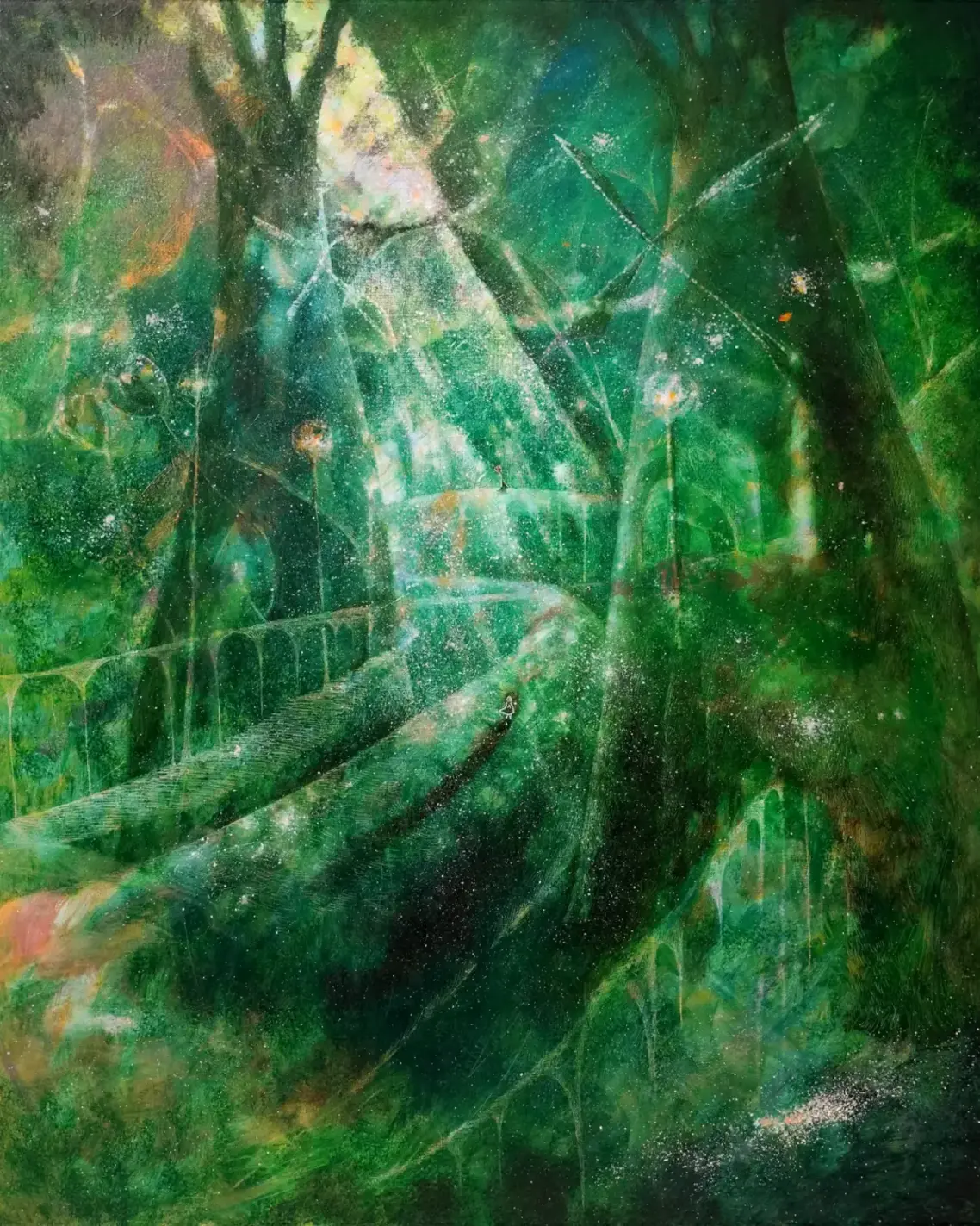
This structure allows Art Busan to balance prestige and discovery. Domestic powerhouses such as Kukje Gallery, Gana Art and Gallery Baton appear alongside international galleries, while the fair’s programming encourages more focused presentations, solo booths and cross-disciplinary gestures. Instead of simply importing Seoul’s market logic to the coast, Busan lets architecture, design and locality enter the transaction.
Its nickname, the “Miami of Korea,” makes sense because the fair understands lifestyle as infrastructure. Art viewing folds into beach weather, gastronomy, hotel receptions, yacht culture and architectural tours. Compared with Seoul’s urban business tempo, Busan offers something slower and more atmospheric: a collector circuit built around Haeundae light, seaside leisure and private access. That “slow prestige” model gives the fair a tone luxury brands understand immediately.
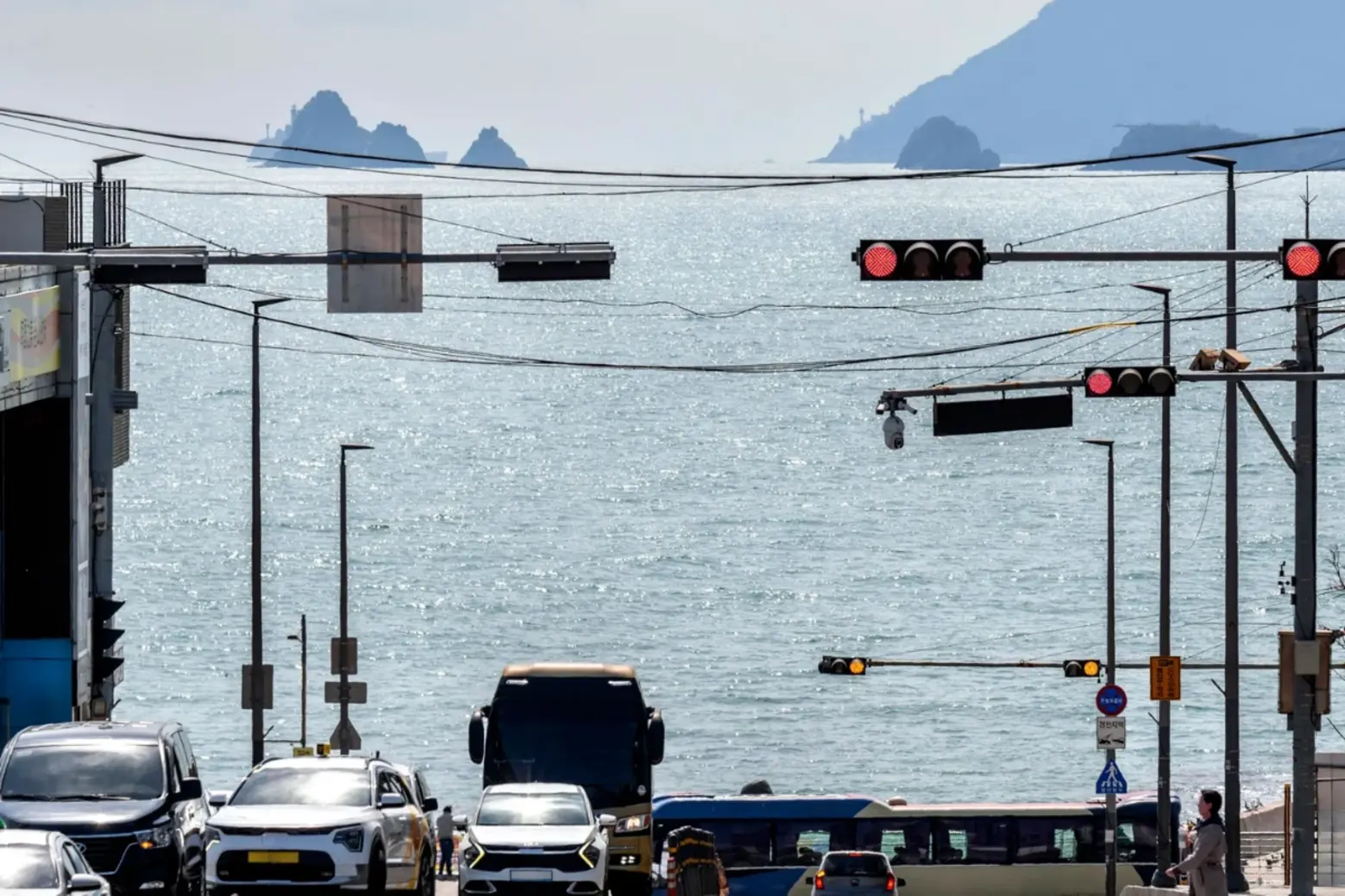
The deeper strategy is glocal. Art Busan has strengthened its role by linking with Asian peers and regional networks, rather than waiting for approval from the old mega-fair hierarchy. In that sense, its future may be less about defeating Seoul and more about proving that Korea’s art market has more than one center. Busan does not need to imitate the capital. Its power comes from making the coast feel inevitable.