MENU
Close





From miart in Milan to Milan Design Week and Venice’s museum takeovers, Italy’s cultural events calendar 2026 is already crowded with reasons to book a ticket. Yet among the art exhibitions 2026 worth travelling for, the Venice Biennale 2026 feels like the season’s deepest tremor.
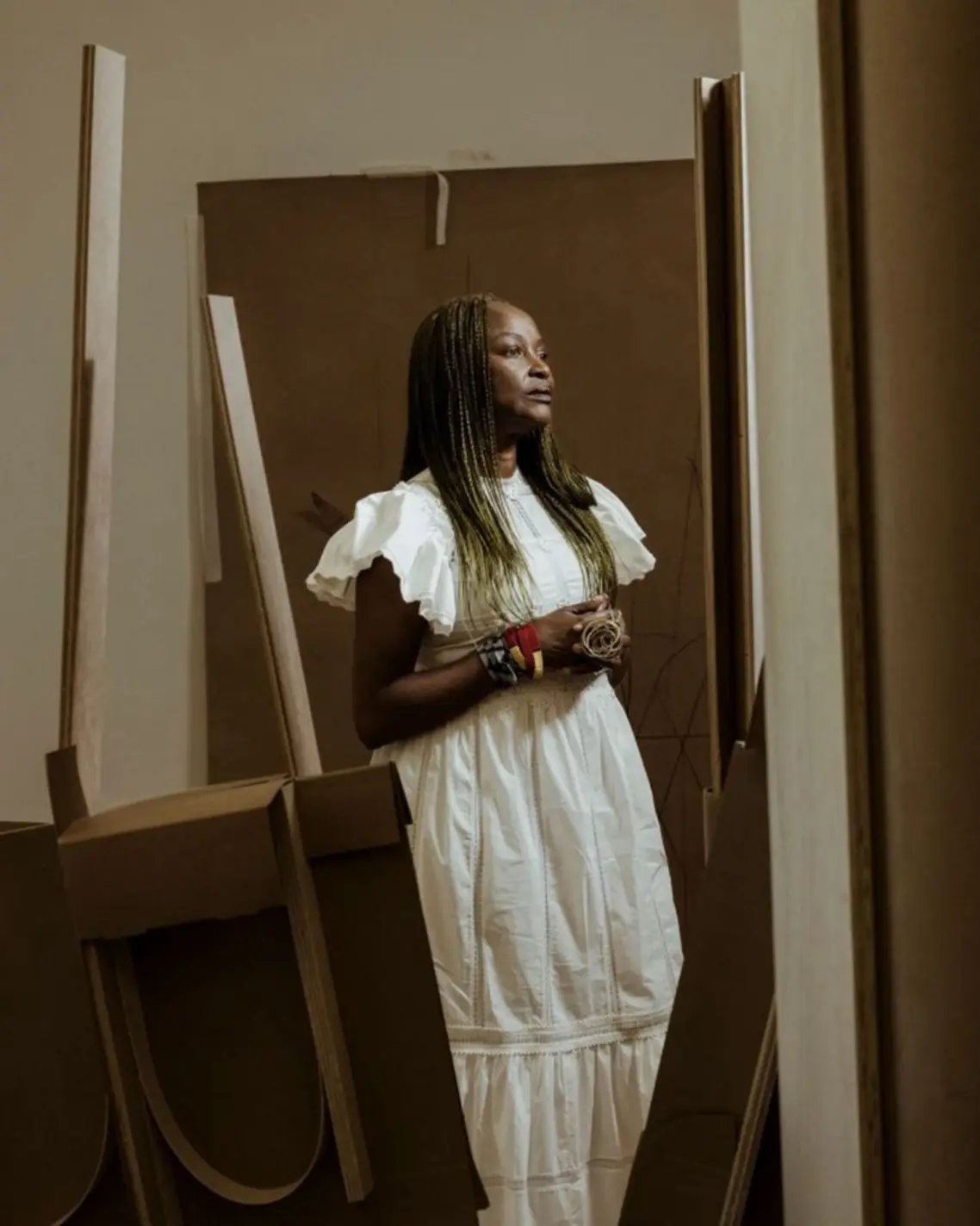
From miart in Milan to Milan Design Week and Venice’s museum takeovers, Italy’s cultural events calendar 2026 is already crowded with reasons to book a ticket. Yet among the art exhibitions 2026 worth travelling for, the Venice Biennale 2026 feels like the season’s deepest tremor.
May 9, 2026


Italy has no shortage of cultural magnets in 2026. Milan opened the season with miart, held from April 17 to 19, while Salone del Mobile and Milan Design Week followed from April 21 to 26, turning the city into a dense map of art, design, collectible interiors and creative spectacle. Yet among the art exhibitions 2026 worth travelling for, the Venice Biennale 2026 stands apart because it does not simply invite visitors to look. It asks them to listen.
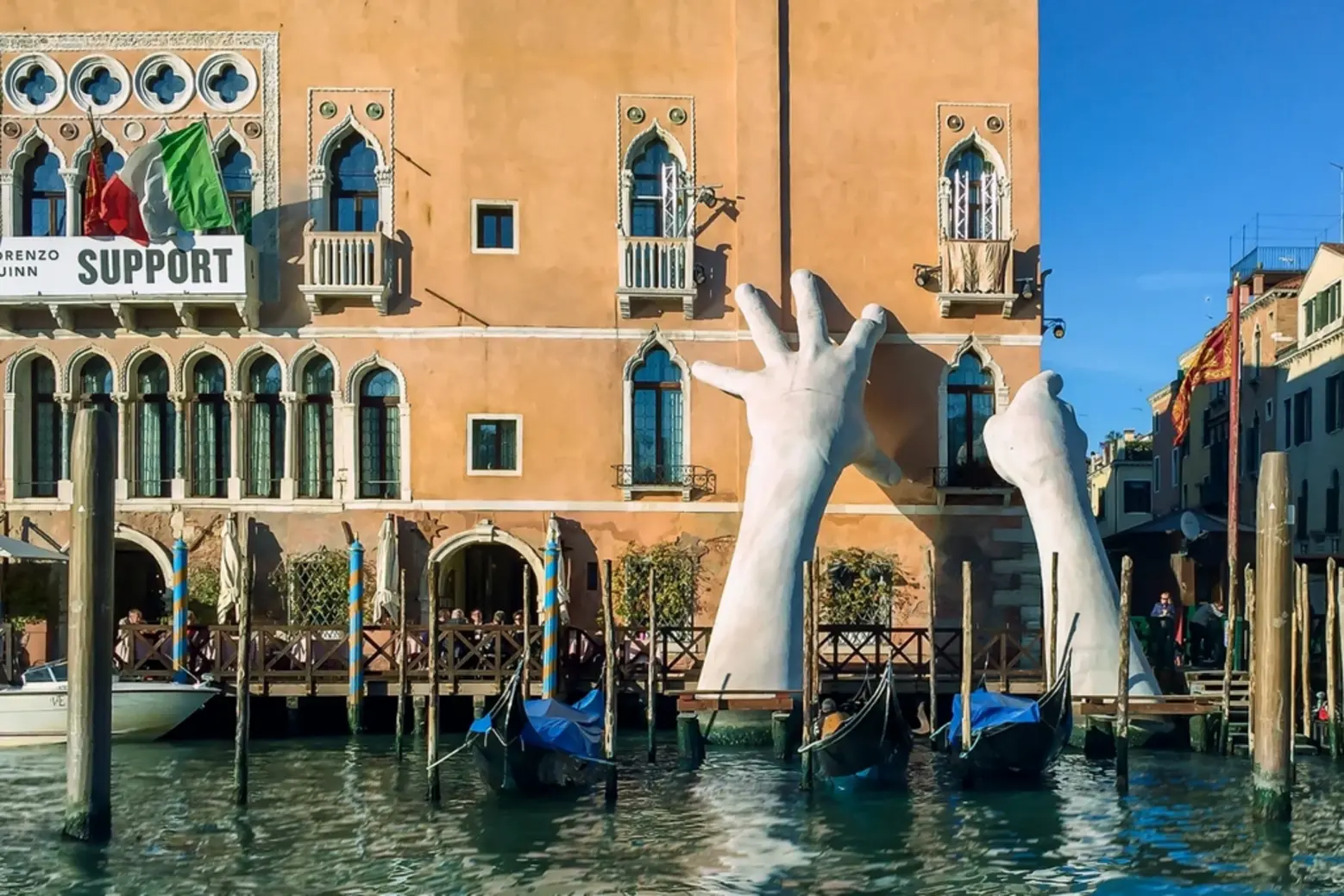
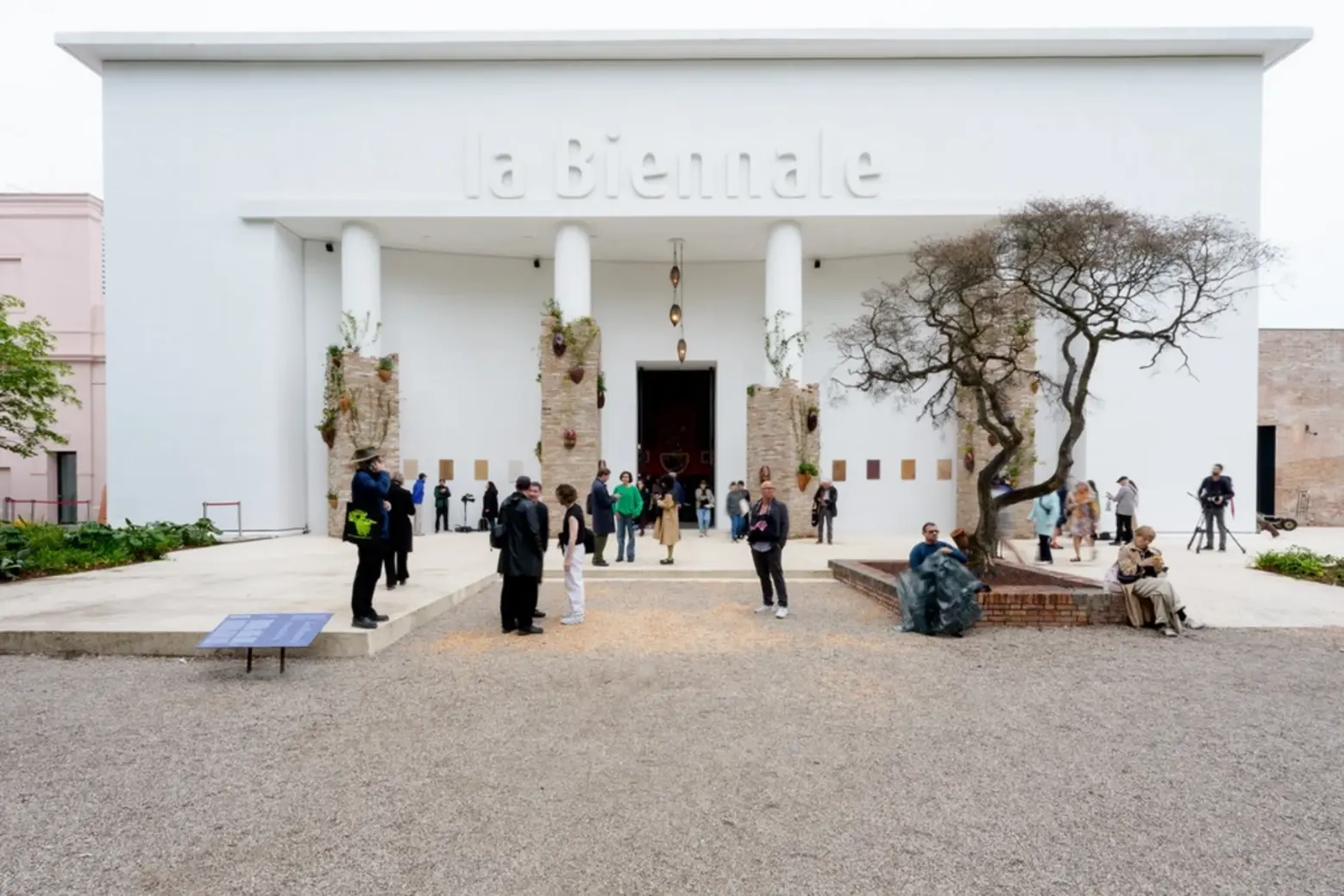
The 61st International Art Exhibition of La Biennale di Venezia, titled In Minor Keys, runs from May 9 to November 22, 2026, across the Giardini, Arsenale and venues throughout Venice, following previews from May 6 to 8. The main exhibition features 110 invited participants from many geographies and regions.
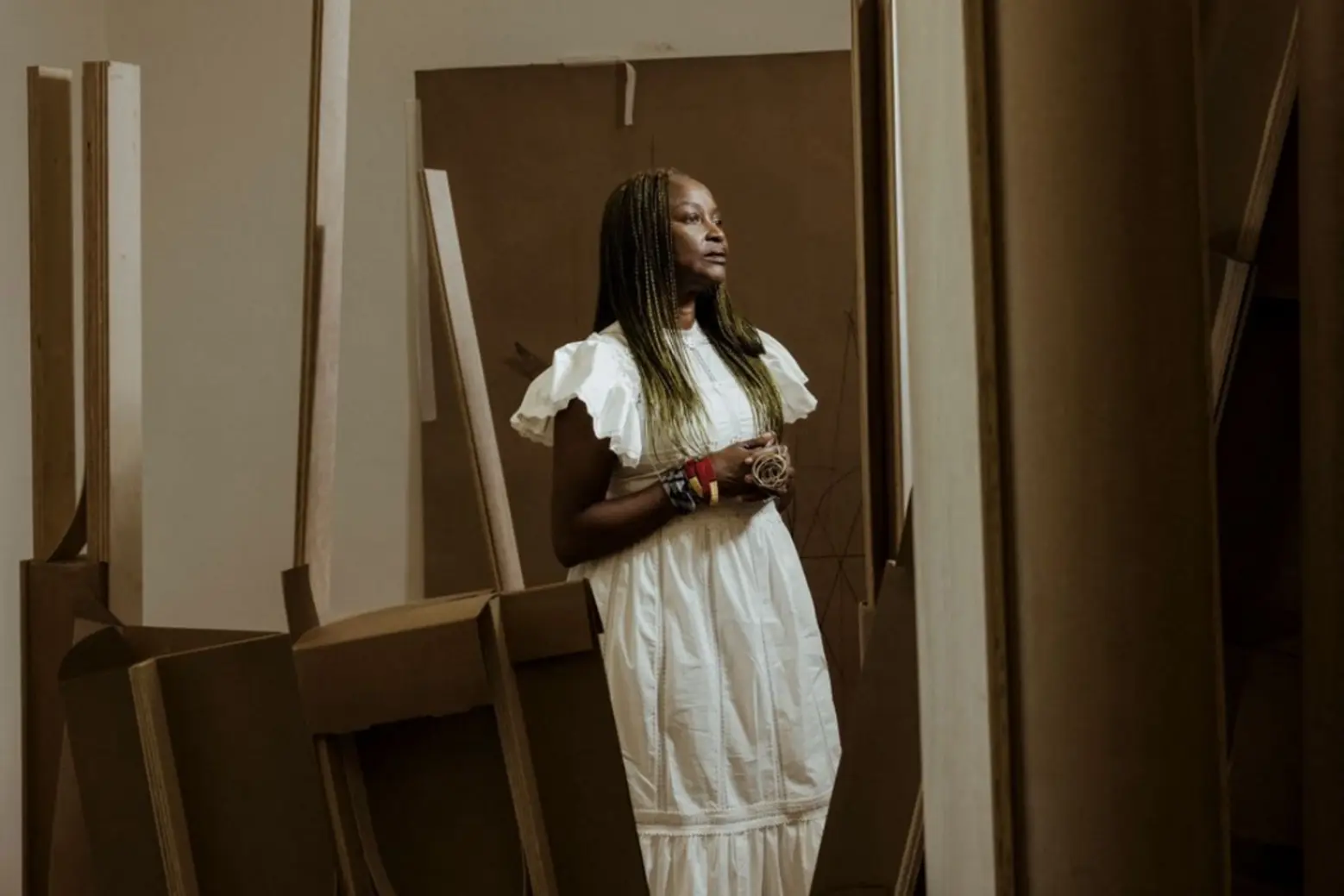
This edition carries an unusually poignant backstory. Its artistic director, Koyo Kouoh, passed away in May 2025 after defining the exhibition’s curatorial framework. Rather than replacing her vision, the Biennale carries it forward as a posthumous collective score. In Minor Keys turns away from loud spectacle and toward resonance, subtext, interiority, sensory knowledge and the quiet force of practices often kept outside dominant narratives.
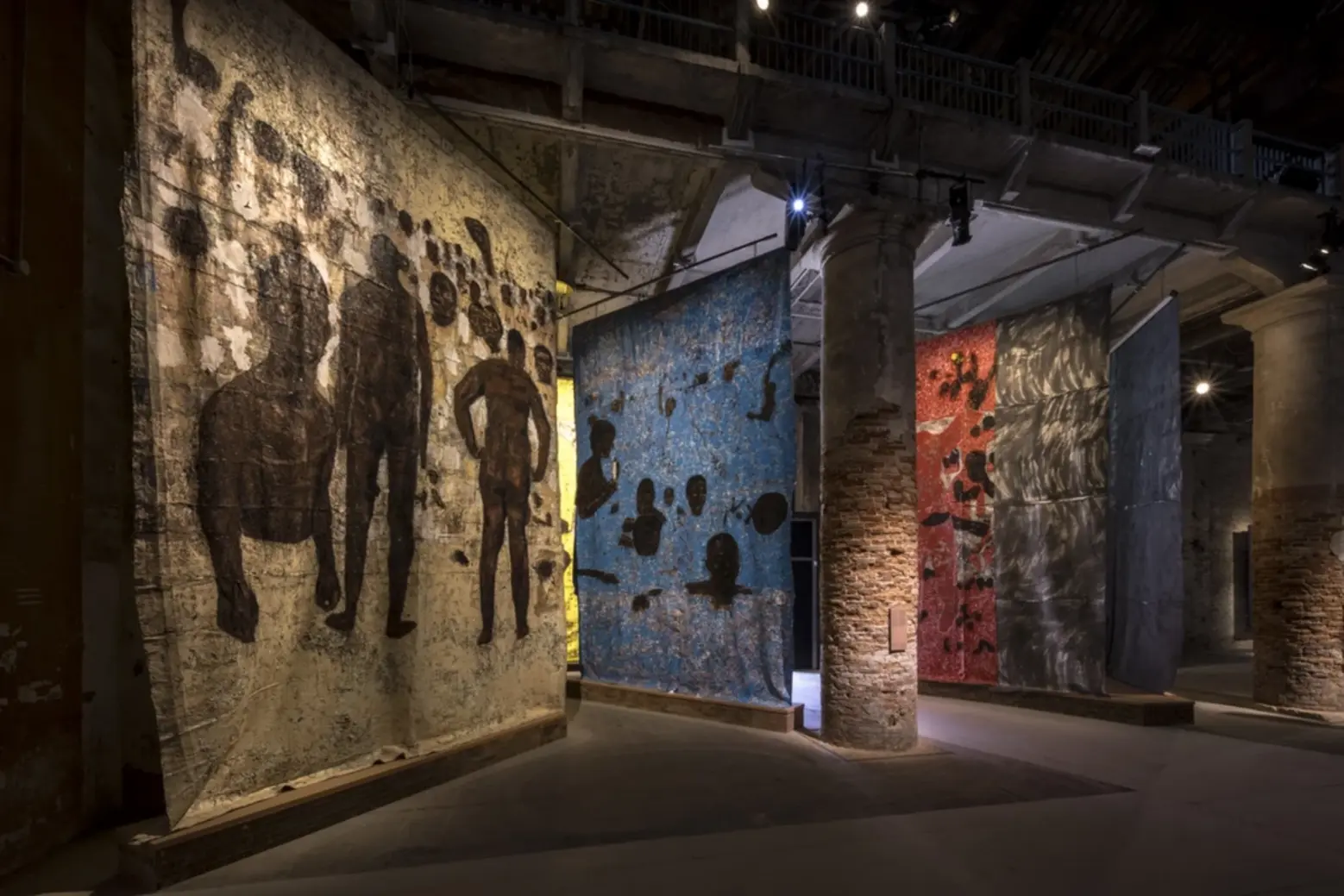
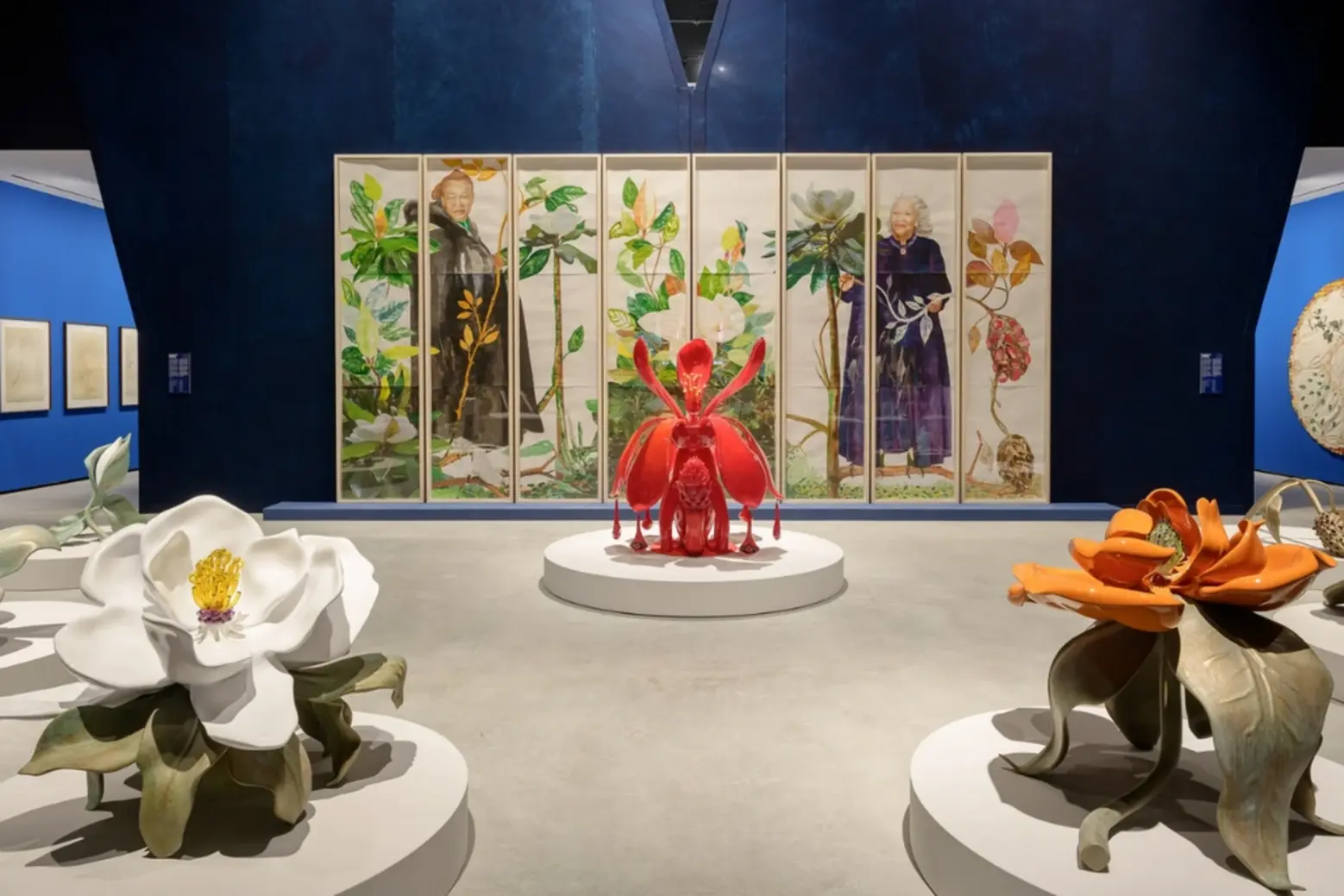
That softness does not mean serenity. The 2026 Biennale has opened amid protests, institutional strain and national-pavilion controversy. Reports from the opening week describe disputes around Russia, Israel, award eligibility and the resignation of the International Jury, with visitor-voted prizes introduced after the collapse of the traditional awards structure. Iran withdrew days before the opening, while South Africa’s pavilion was absent after a dispute involving Gabrielle Goliath’s Gaza-focused work.
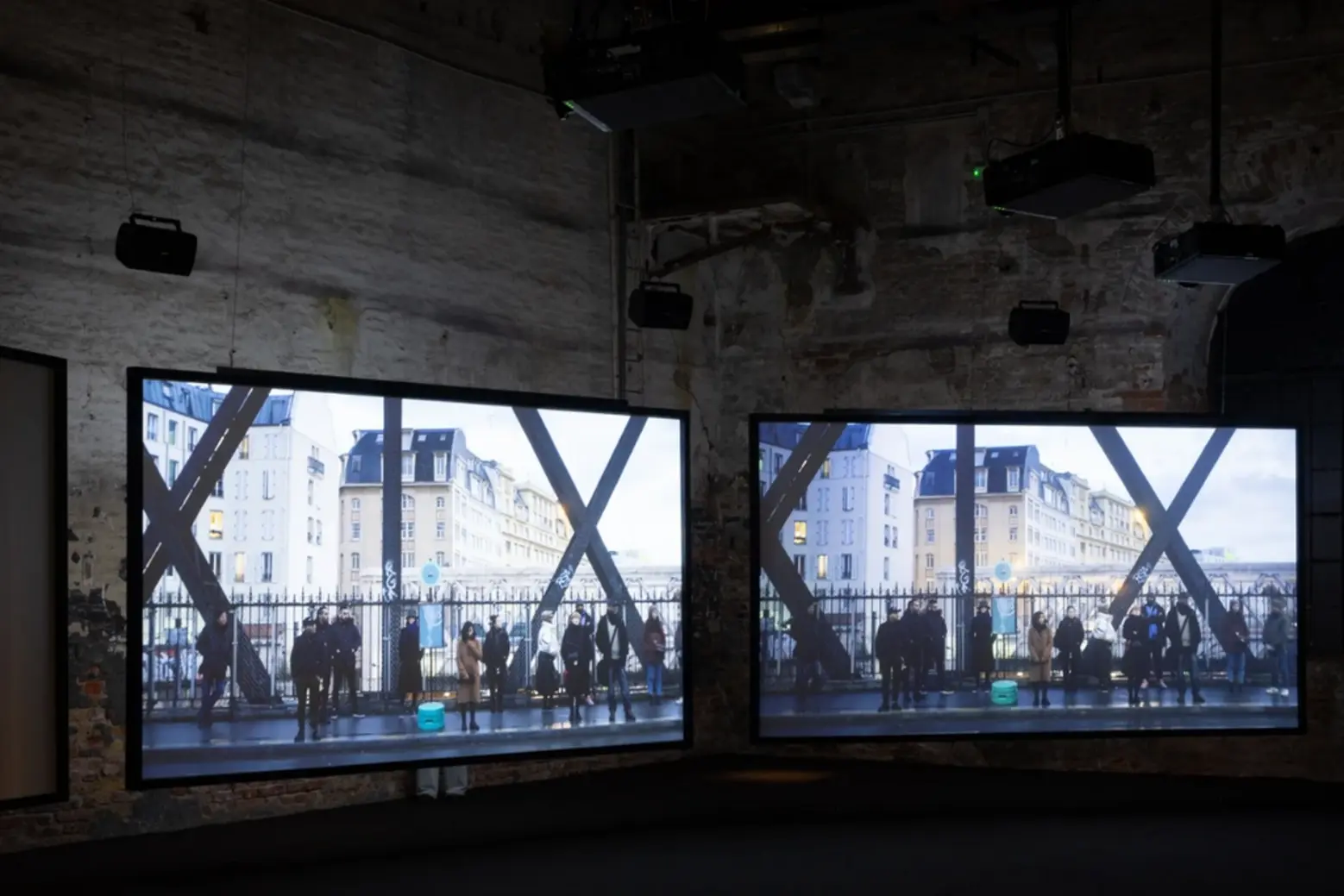
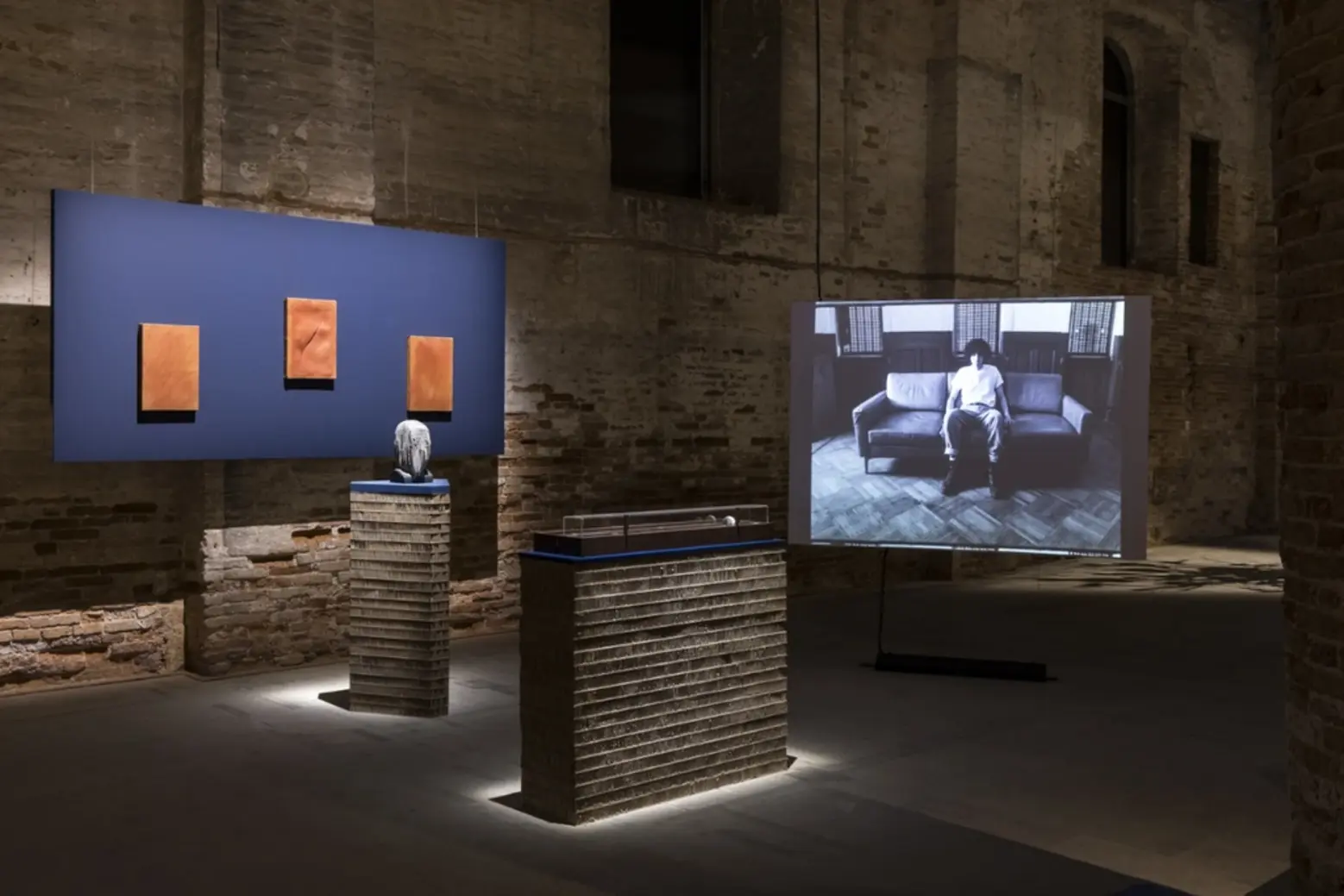
Around the Biennale, Venice has become its own layered exhibition. Marina Abramović’s Transforming Energy at the Gallerie dell’Accademia makes her the first living female artist to receive a major exhibition at the museum, placing contemporary performance in dialogue with Venetian art history. At Palazzo Grassi, Michael Armitage’s The Promise of Change deepens the city’s material conversation through paintings on bark cloth sourced from Uganda and Indonesia, challenging the Western canvas tradition.

That is why Venice Biennale 2026 belongs on any list of art exhibitions 2026 worth travelling for. It is beautiful, bruised, intellectual and unstable. It turns Venice into a city of minor keys, where the quietest works may carry the loudest aftershock.