Visual art decorates space, music decorates time. Performance art decorates both. Marina Abramović, the self-proclaimed "grandmother of performance art" remains contemporary art’s most relentless apostle of presence.
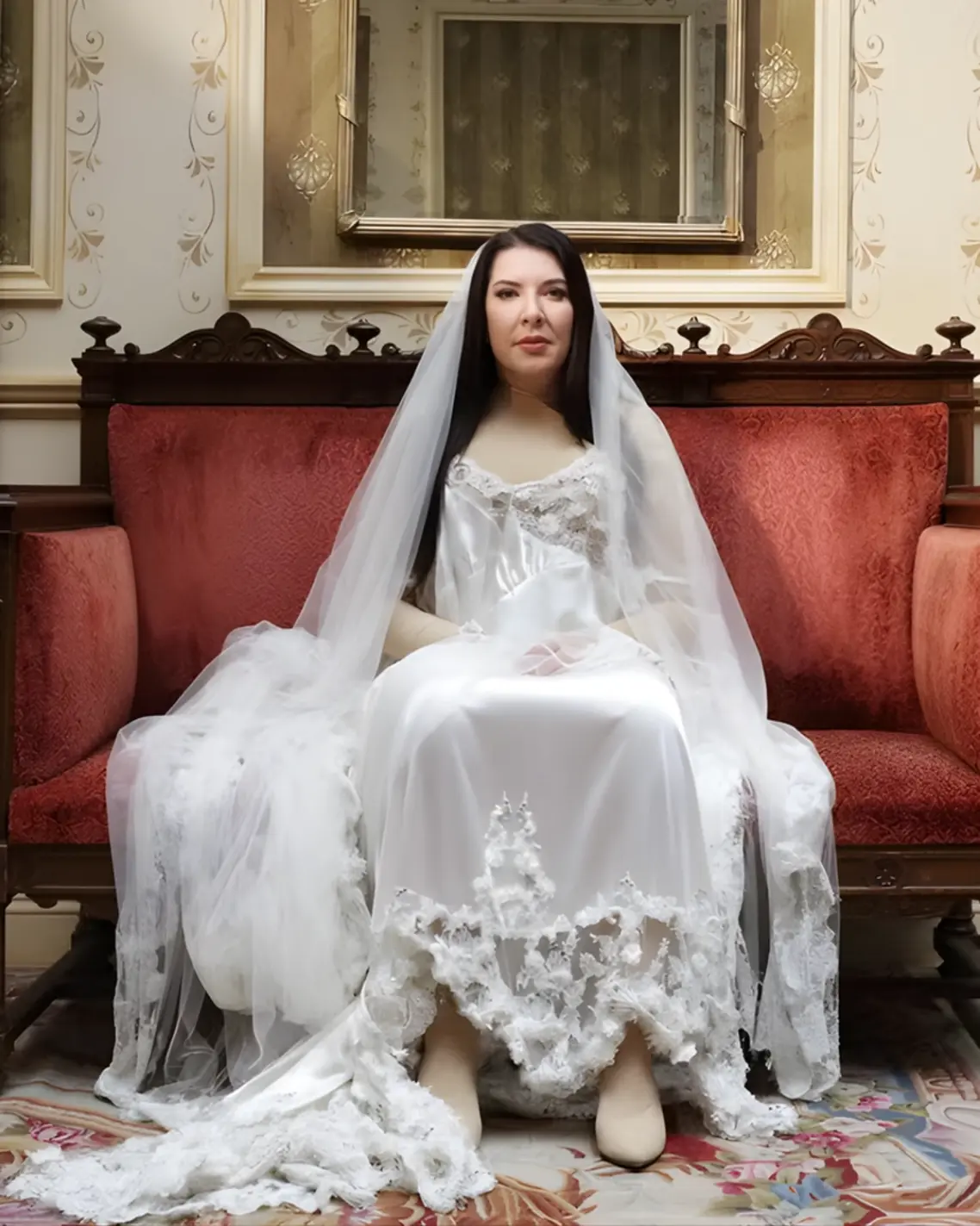
Visual art decorates space, music decorates time. Performance art decorates both. Marina Abramović, the self-proclaimed "grandmother of performance art" remains contemporary art’s most relentless apostle of presence.
April 16, 2026


"To be a performance artist, you have to hate theatre. Theatre is fake... The knife is not real, the blood is not real, and the emotions are not real. Performance is just the opposite: the knife is real, the blood is real, and the emotions are real." — Marina Abramović
Marina Abramović has spent decades proving that performance can be as psychologically charged as painting, sculpture, or film. Born in Postwar Serbia in 1946, she became internationally known for works that turn the body into both medium and message, testing duration, concentration, and the emotional voltage between artist and viewer. MoMA’s landmark The Artist Is Present framed her career as more than four decades of time-based work, from early interventions to collaborations with Ulay, while more recent profiles still describe her as the artist who did the most to pull performance art from the fringe into the center of museum culture and mass recognition. In 2026, she remains both polarizing and foundational, the rare living artist whose influence feels institutional, mythic, and pop-cultural at once.
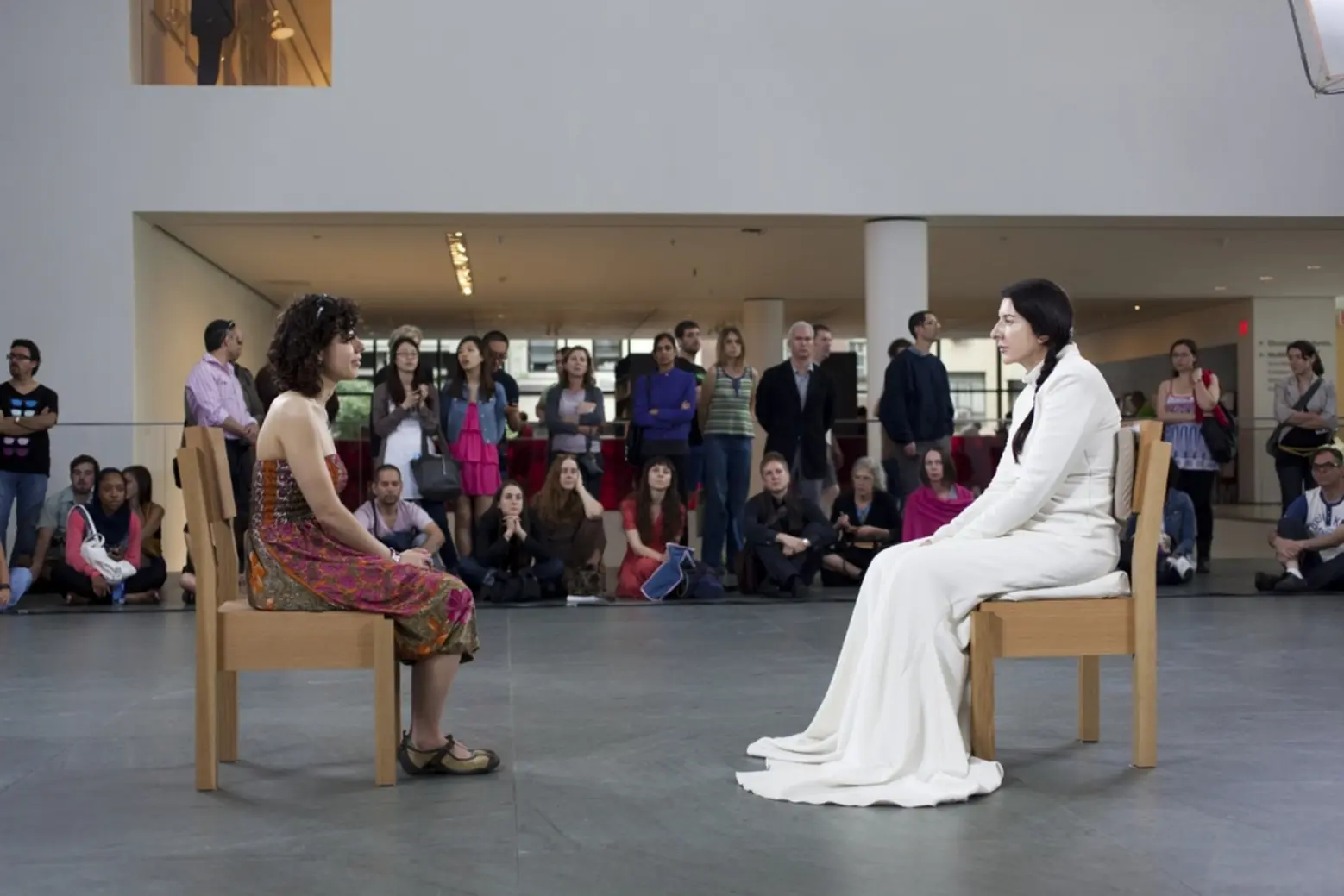
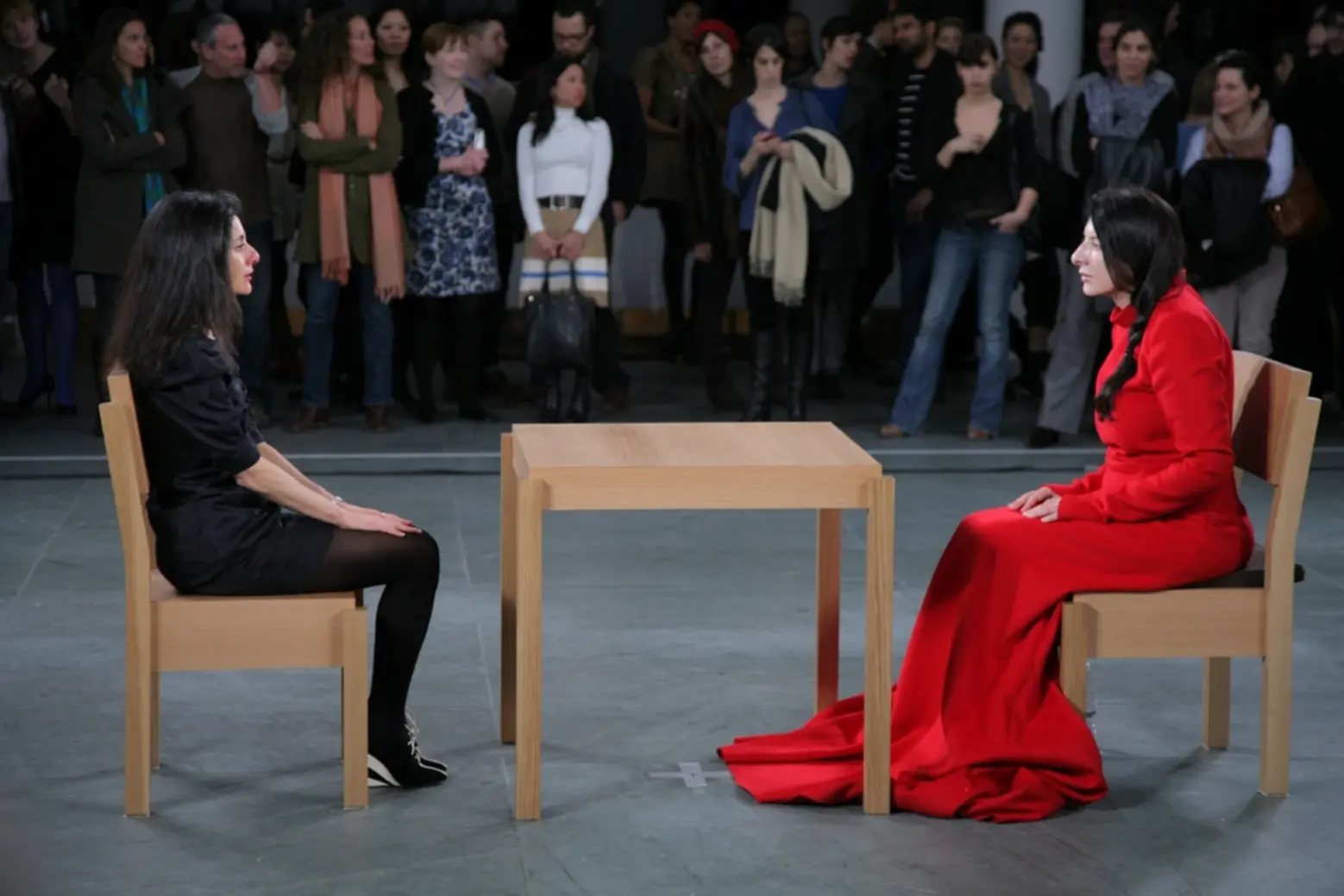
What makes Abramović so singular is that her style is less visual than atmospheric. She is associated with durational performance, though that term only partially explains her effect. Her real material is presence itself: the charged stillness of a room, the pressure of time, the strain of attention, and the strange intimacy that can emerge between strangers in silence. MoMA’s documentation of The Artist Is Present emphasized exactly that, noting that the work unfolded over months and that Abramović herself described it as being “in the here and now, 100 percent.” Her institute has since formalized that philosophy through the Abramović Method, which it describes as an opportunity to be in silence, connect to the present moment, and engage in repetitive, meditative exercises that sharpen awareness.
That discipline is inseparable from biography. Abramović has repeatedly linked her artistic rigor to the strictness of her upbringing in communist Yugoslavia. Her childhood home as closer to a boot camp than a family, while later interviews note that she herself has referred to that upbringing as “military.” Even when speaking with more tenderness about the past, she continues to frame discipline as one of the formative gifts of those difficult years. This is one reason her work often feels ritualized rather than merely provocative. It is driven by structure, repetition, and concentration, yet it also reaches toward transcendence, drawing from spiritual and meditative traditions that MAI explicitly connects to her experience in Australia, Tibet, and long-form exercises of labor, stillness, and altered consciousness.
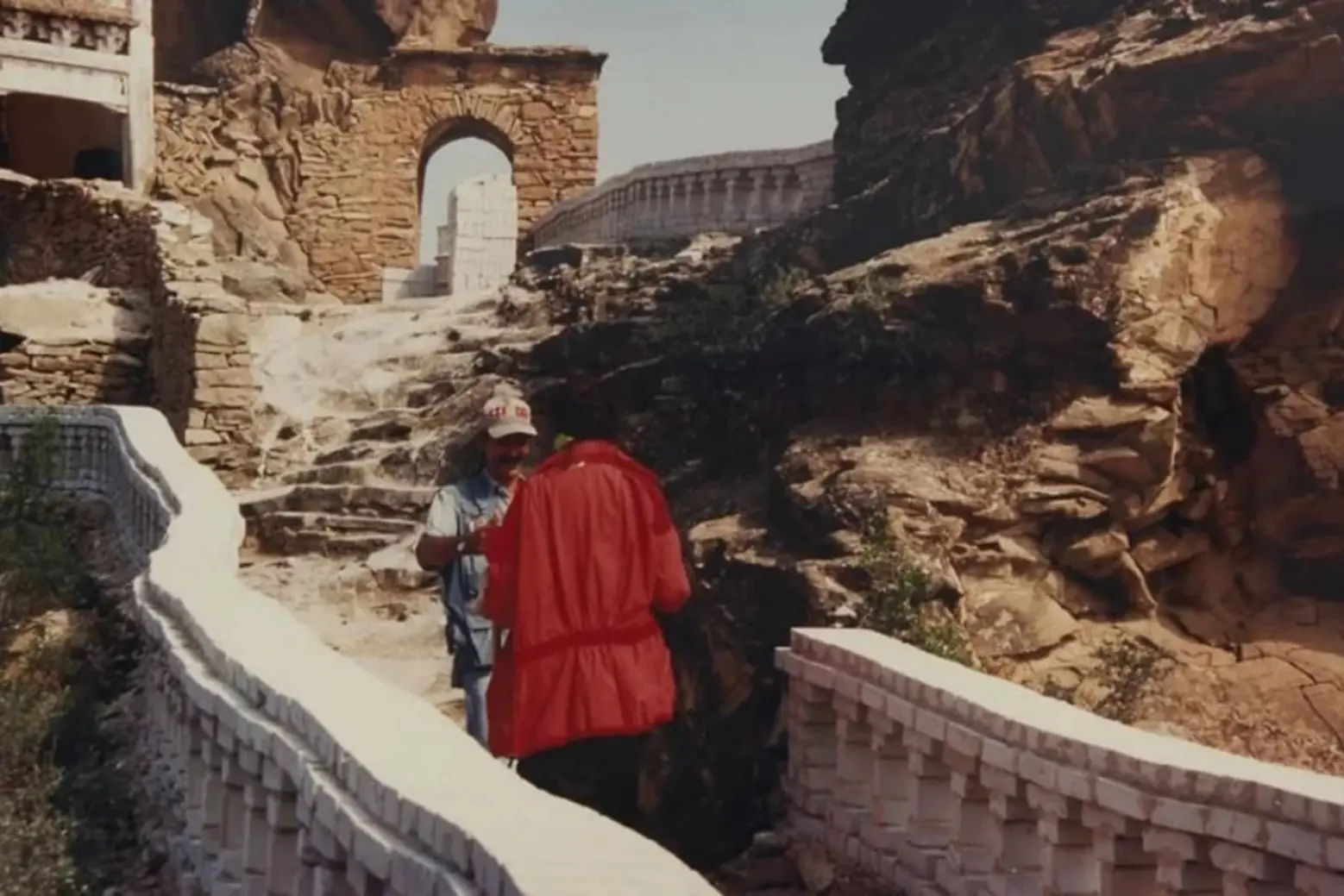
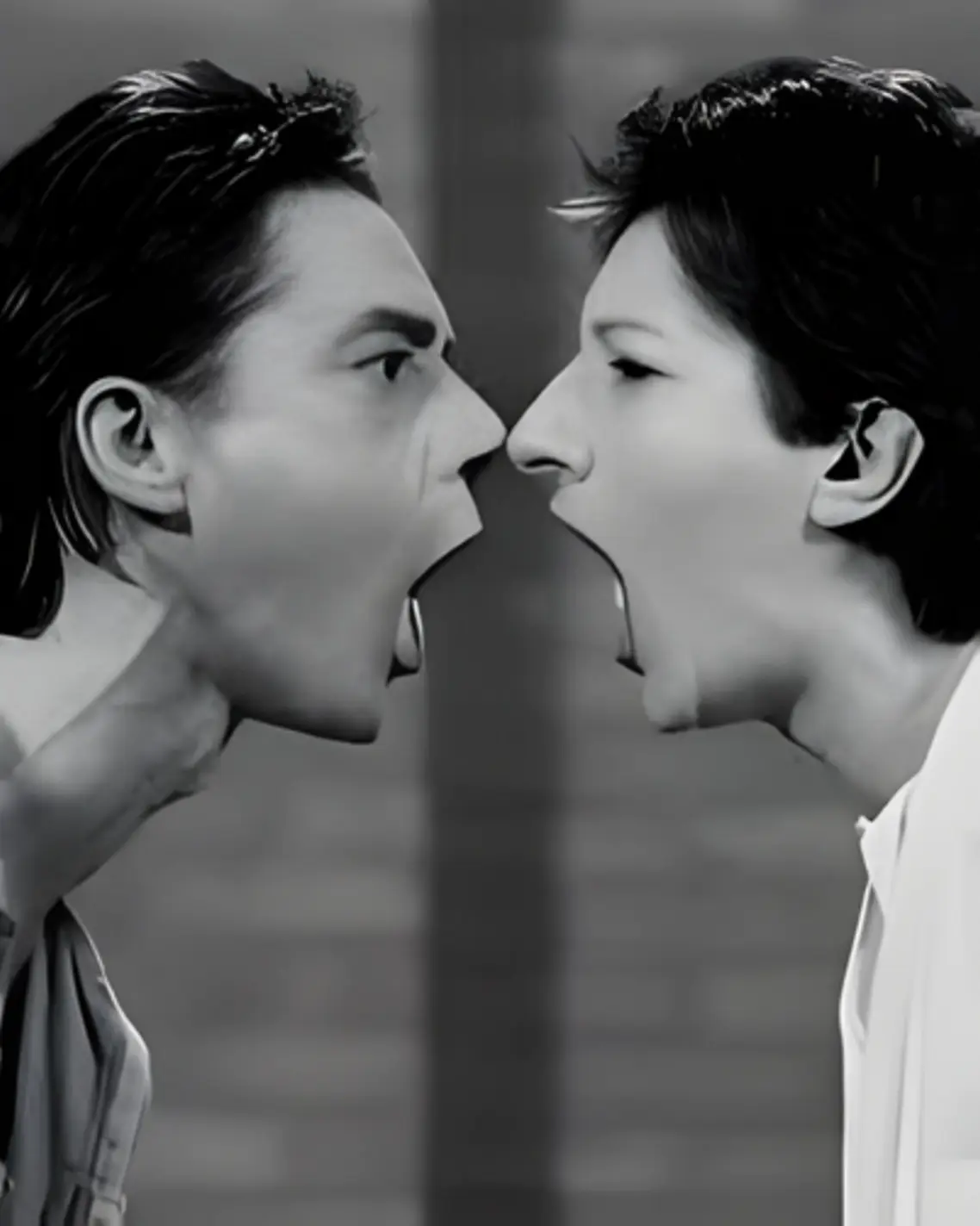
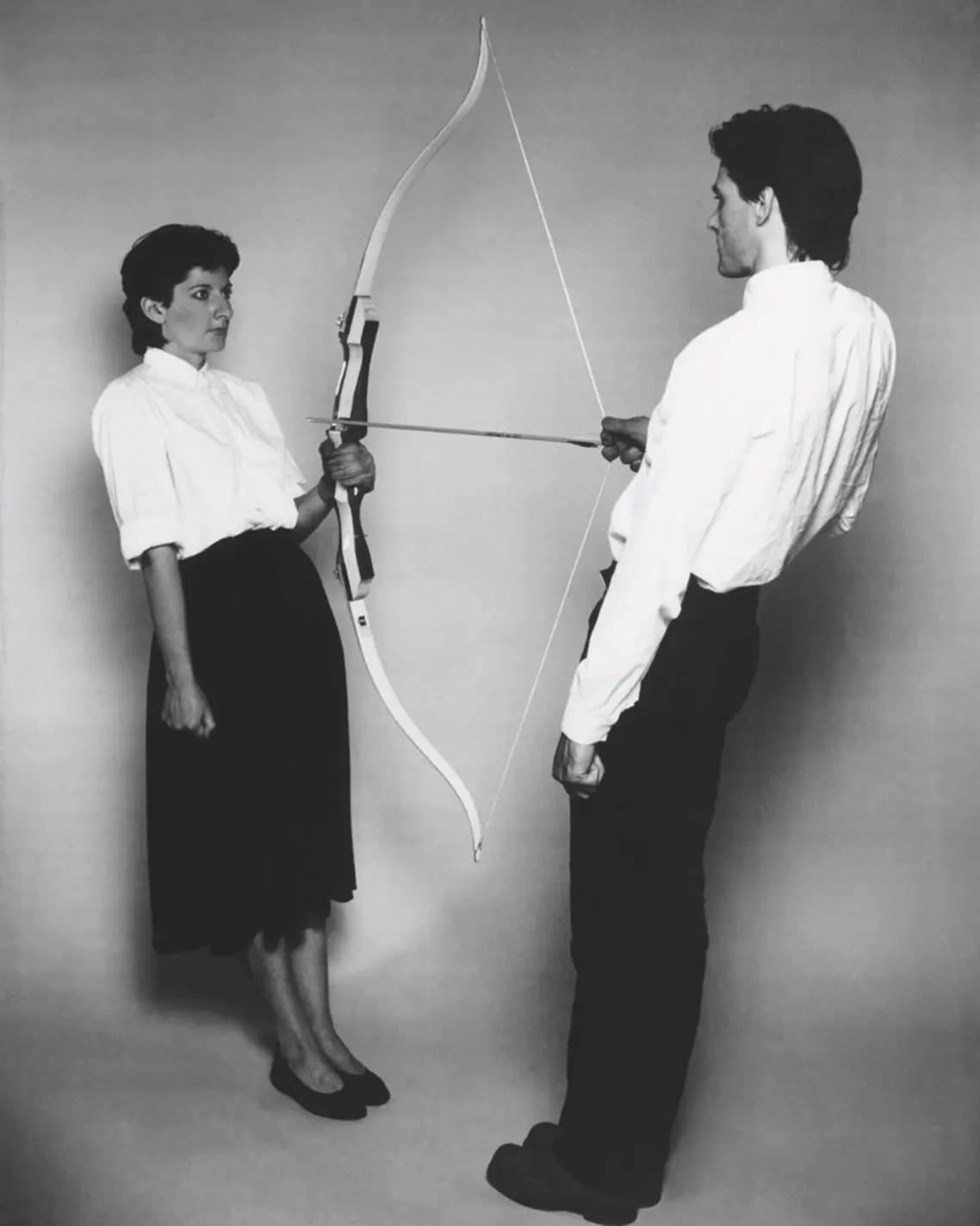
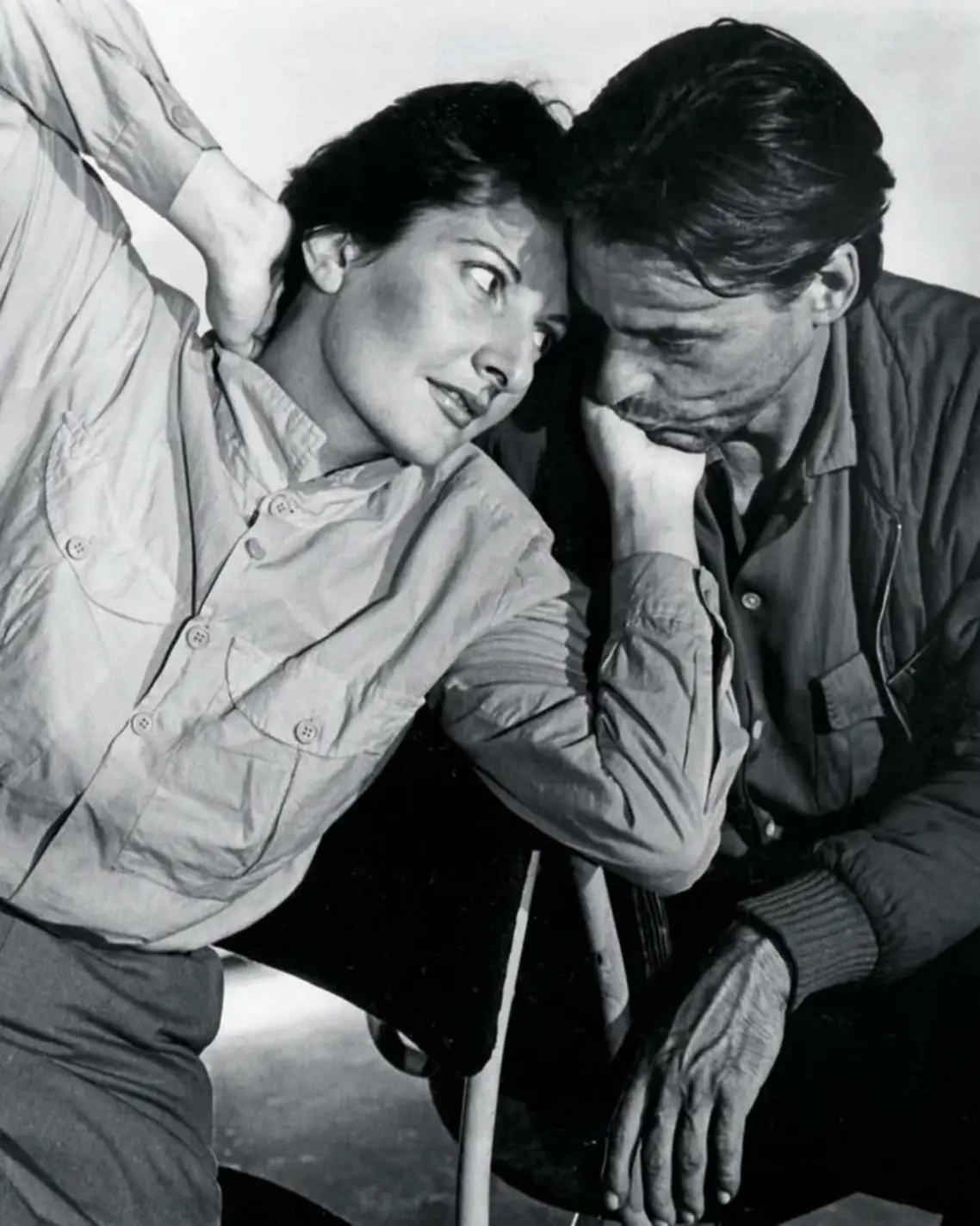
No account of Abramović is complete without Ulay, the artist Frank Uwe Laysiepen, her partner in life and work from 1976 to 1988. Together they produced the “Relation Works,” performances that explored duality, trust, ego, confrontation, and fusion, often treating the couple as a single artistic organism split into two bodies. MoMA’s retrospective positioned those collaborations as central to her history, and Abramović’s own archive still presents The Lovers as one of the defining myths of performance art: A ninety-day walk from opposite ends of the Great Wall of China, ending in a meeting at the center and the close of their relationship. It remains one of contemporary art’s most enduring images, not only because it is romantic, but because it transforms private separation into ceremonial form.
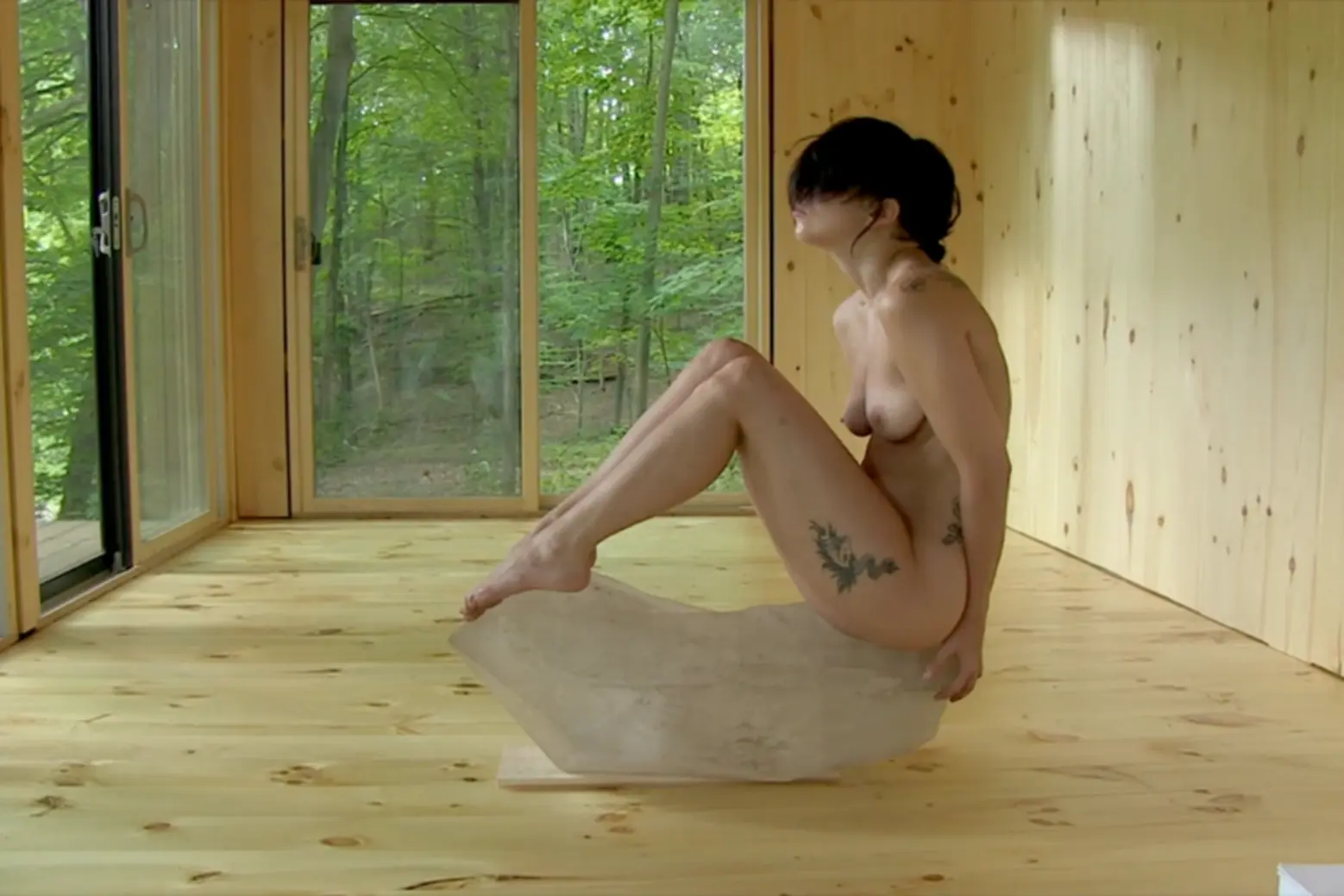
Abramović’s later collaborations helped translate that art-world prestige into broader celebrity culture. Lady Gaga publicly practiced the Abramović Method in 2013, bringing the artist’s meditative exercises to an enormous online audience and helping reposition performance art as something adjacent to wellness, discipline, and self-reinvention.
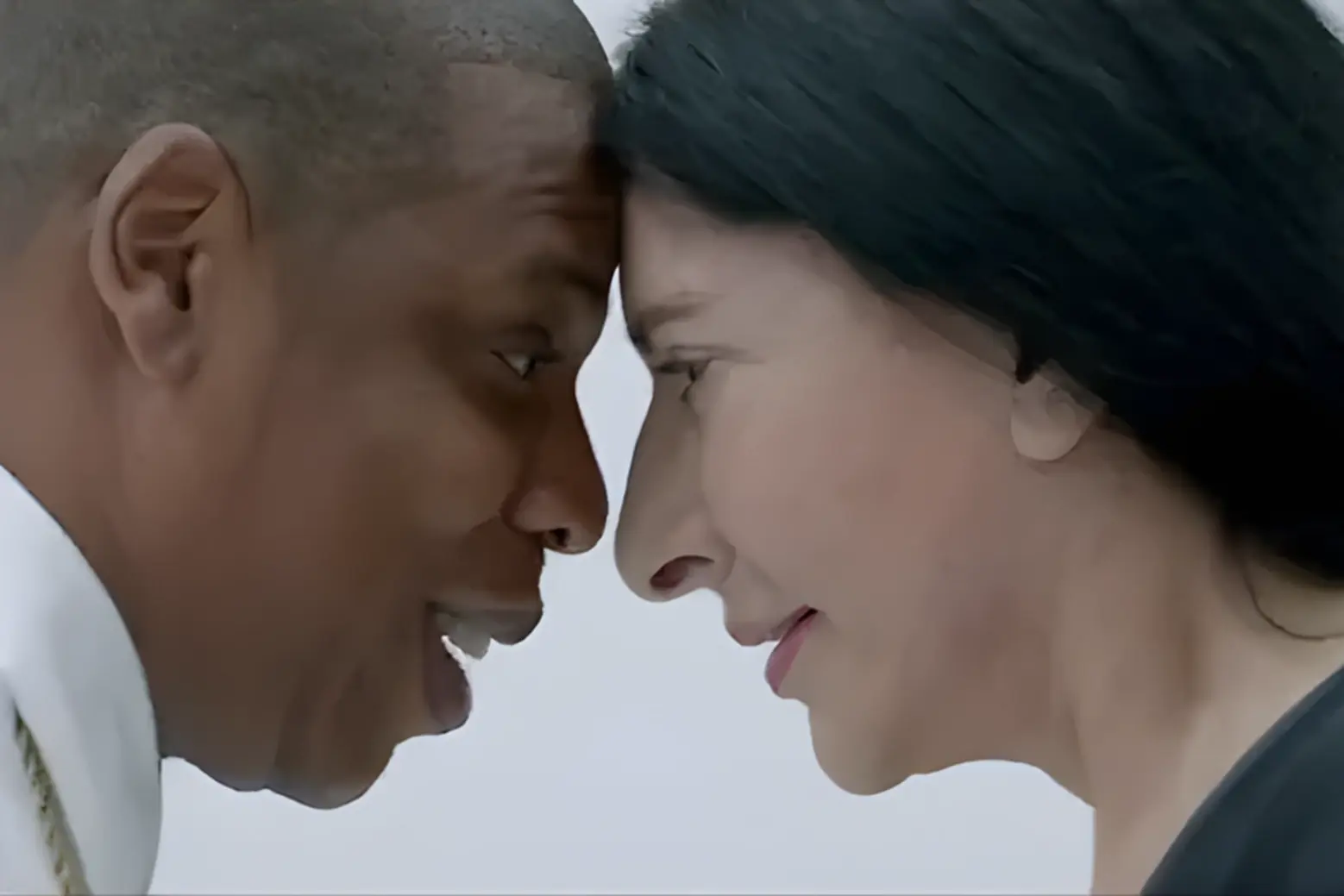
Jay-Z’s Picasso Baby placed Abramović in another pop register, borrowing from the conceptual setup of The Artist Is Present and staging rap as performance spectacle inside Pace Gallery. Her friendship with Riccardo Tisci pushed her further into fashion’s orbit: Tisci designed the robes she wore for The Artist Is Present, and the two later collaborated on Givenchy’s New York show in 2015, with Abramović serving as art director. These crossovers expanded her audience dramatically, though they also complicated her status, making her at once avant-garde priestess and highly legible cultural brand.
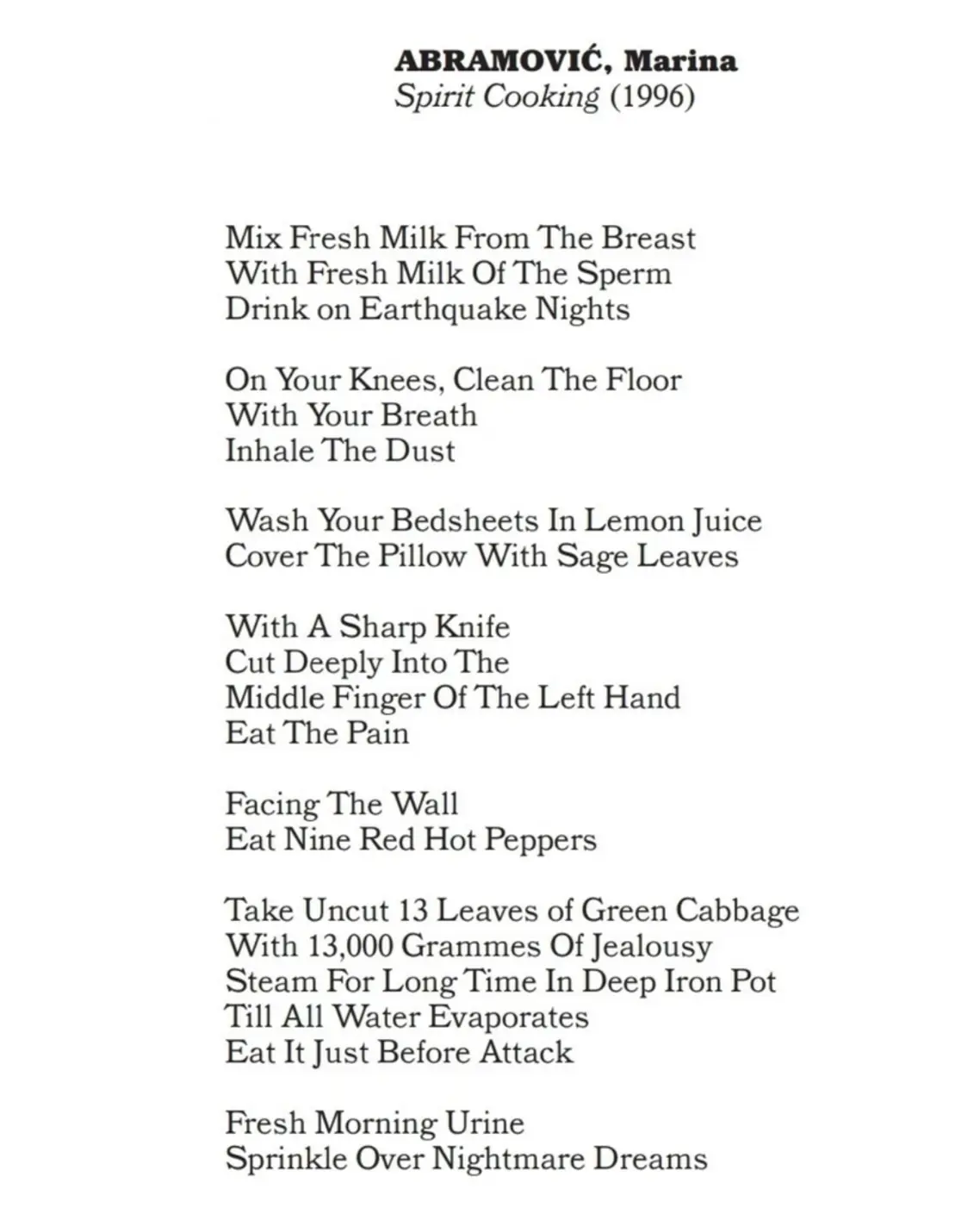
That tension between seriousness and spectacle partly explains why Abramović attracts so much argument. The “Spirit Cooking” episode remains the most notorious example. A leaked email in 2016 referring to a “Spirit Cooking” dinner triggered a flood of false claims that turned an artwork about ritual, symbolism, and language into evidence for absurd satanic conspiracy theories. Artsy’s reconstruction of the episode makes clear that the accusations were based on gross misreadings of both the email and the earlier 1996 work itself, while MIT Press has since treated the affair as a case study in how avant-garde symbolism can be weaponized by misinformation culture. Abramović has consistently rejected the satanic label, and the historical record supports her view: the scandal said far more about internet paranoia than about the actual content of the work.
Other controversies were more grounded, and more damaging. In 2015, Abramović publicly accused Jay-Z of failing to make a promised donation after Picasso Baby, only for his team to produce proof that the donation had in fact been made; the Marina Abramović Institute later apologized, explaining that Abramović had not been informed of the payment. In 2016, excerpts from an uncorrected proof of her memoir sparked anger over racist descriptions of Indigenous Australians. She responded by saying the passage came from a 1979 diary entry and did not reflect the understanding she later gained, and those sections were removed from the published book. That same year, Ulay won a legal case against her in Amsterdam over joint works, with the court ordering back royalties of more than €250,000 and stronger crediting obligations. Taken together, these episodes sharpened the public image of Abramović as an artist of huge authority whose mythic aura does not exempt her from error, accountability, or conflict.
And yet her influence keeps expanding. The Marina Abramović Institution (MAI) maintains a space in Karyes, Greece, opened in 2023, while continuing to stage long-durational projects internationally, including London in 2023, Adelaide in 2024, In Dialogue with Joseph Beuys in 2025 and Balkan Erotic Epic in 2026. The institute’s language is revealing: it frames performance not as fringe provocation but as a tool for shifting consciousness, fostering interdisciplinary collaboration, and training attention itself. That is perhaps Abramović’s most durable legacy. She has turned performance art from something many once dismissed as marginal or chaotic into a museum-sanctioned, teachable, exportable discipline. The fact that institutions now preserve, restage, and pedagogically package presence would have been almost unthinkable at the start of her career.
Her financial profile mirrors that strange transition from ephemerality to infrastructure. Unlike painters or sculptors, Abramović works in a medium whose core acts often cannot be owned in conventional ways, yet MoMA’s retrospective also emphasized the photographs, videos, installations, and documentation that surround her performances and help circulate them through the market. Her earnings are therefore dispersed across editions, filmed works, teaching, museum partnerships, stage projects, and institutional collaborations rather than a single commodity form. Her exact fortune is not publicly audited, though one widely circulated celebrity-finance estimate places her net worth around $10 million, a figure that should be treated cautiously given how opaque art-world income can be. What matters more is that Abramović helped prove performance could generate not only discourse, but also durable cultural capital.
Few artists provoke such intense reactions unless they have already altered the grammar of contemporary culture. Abramović’s legacy is therefore larger than any one work, feud, or headline.