MENU
Close





No longer framed as cheaper substitutes, lab-grown diamonds are becoming the selling point for major fine jewellery brands. Like your sparkle ethical?
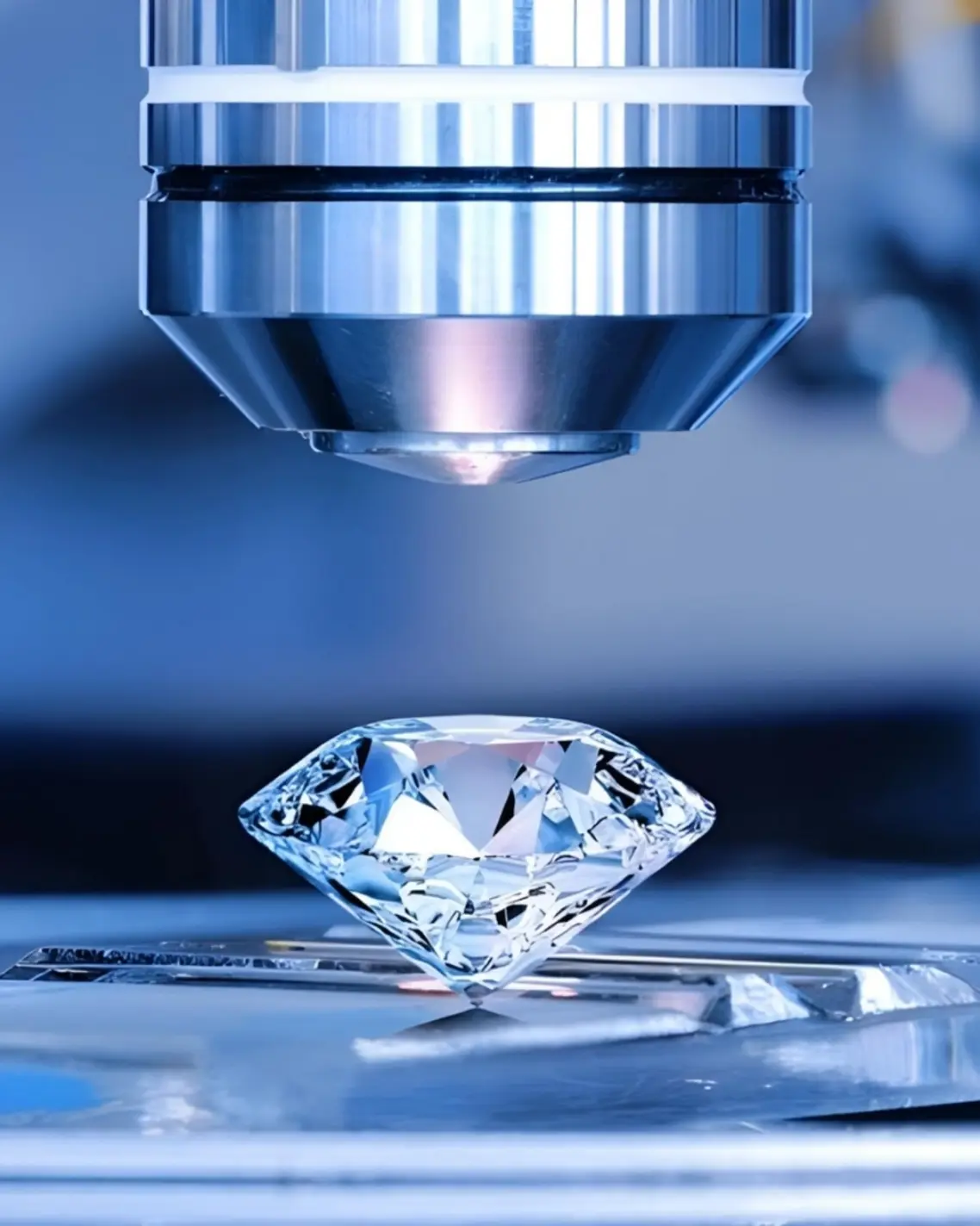
No longer framed as cheaper substitutes, lab-grown diamonds are becoming the selling point for major fine jewellery brands. Like your sparkle ethical?
May 21, 2026


For years, lab-grown diamonds were discussed as a value proposition, same sparkle, lower price, fewer mining concerns. That framing made sense for mass-market bridal jewelry, but it missed the more interesting shift happening at the top of the market. The new question is not whether lab-grown diamonds can imitate mined diamonds. The sharper question is whether fine jewellery brands can turn them into a new luxury language altogether.
The answer is increasingly yes. Among the most sophisticated fine jewelery brands, cultivated diamonds are being pulled away from the vocabulary of discount and pushed toward architecture, engineering, traceability and artistic authorship. The best examples are not trying to win by being cheaper. They are trying to win by being more intentional.
The first generation of lab-grown diamond marketing leaned heavily on ethics, accessibility and scientific equivalence. That was useful, but it also trapped the category inside comparison. A lab-grown diamond was constantly asked to prove that it was “real enough,” “sparkly enough,” or “worth enough.” For fine jewelery brands, that defensive posture was always too small.
Luxury needs aura. It needs control, scarcity, ritual and a persuasive story of why an object should cost more than its materials. This is why the most compelling fine jewelery brands working with lab-grown diamonds no longer sell the stone alone. They sell the system around it: the origin, the setting, the cut, the atelier, the design concept, the appointment, the inheritance myth.
A mined diamond carries geological time. A lab-grown diamond carries technological control. Fine jewelery brands that understand this difference do not pretend the two are identical in symbolism. They build a new symbolism instead.
Among sustainable fine jewelry brands, Brilliant Earth has built its authority around responsible sourcing, digital transparency, and a highly developed lab-grown diamond experience. Founded in 2005, the brand helped push ethical jewelry from a niche concern into mainstream luxury expectations. Its model combines an expansive online inventory with physical showroom access, giving customers the flexibility to research, compare, customize, and purchase with a stronger sense of control.
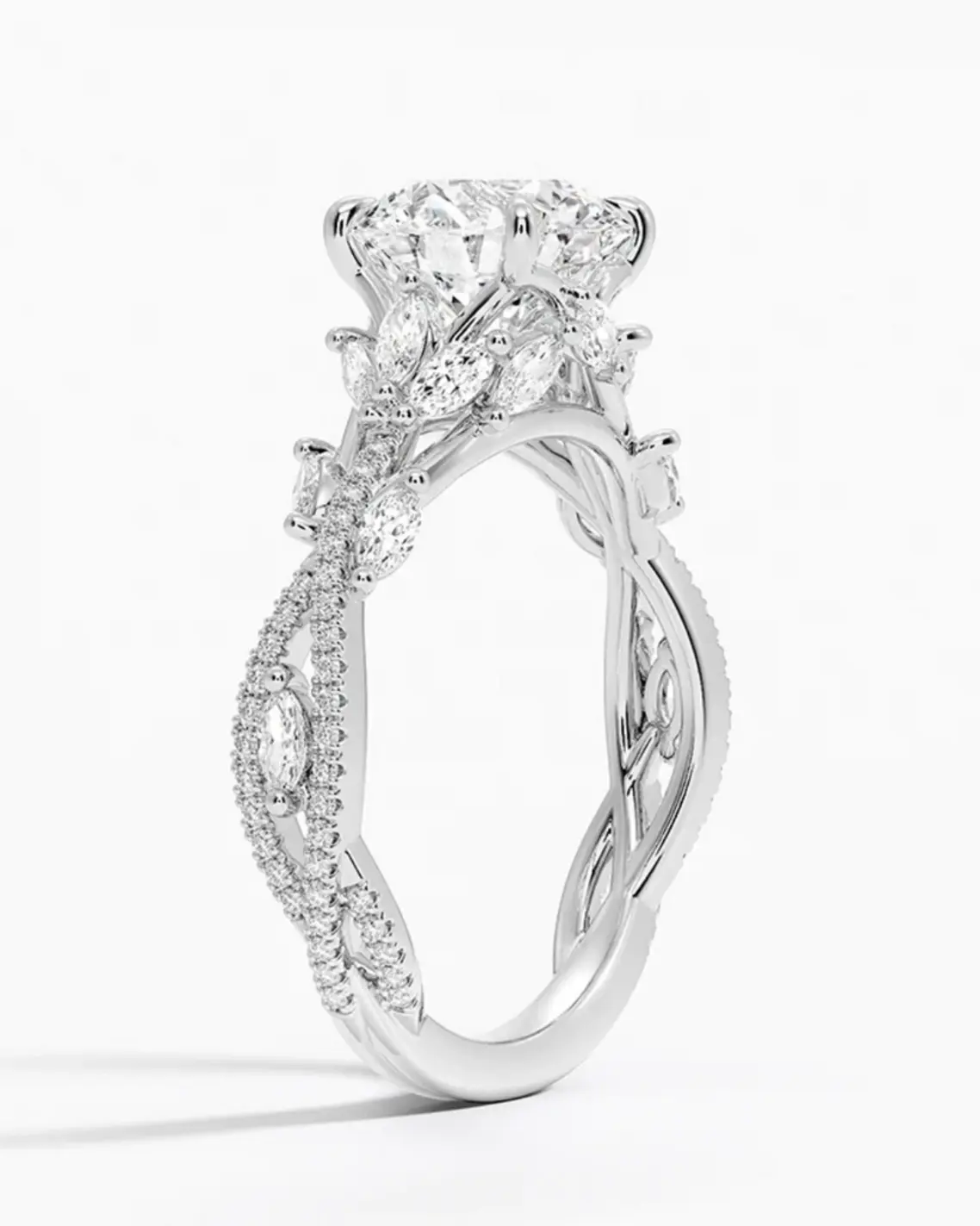
Brilliant Earth is especially competitive in the lab-grown diamond space. The brand offers thousands of independently graded lab diamonds across different cuts, carat weights, colors, clarities, and price points, supported by high-resolution 360-degree imagery that allows customers to inspect sparkle, structure, and inclusions online. Its digital tools, including “Design Your Own” features, virtual try-on options, and detailed diamond filters, make the remote buying process feel unusually precise for a high-value purchase.
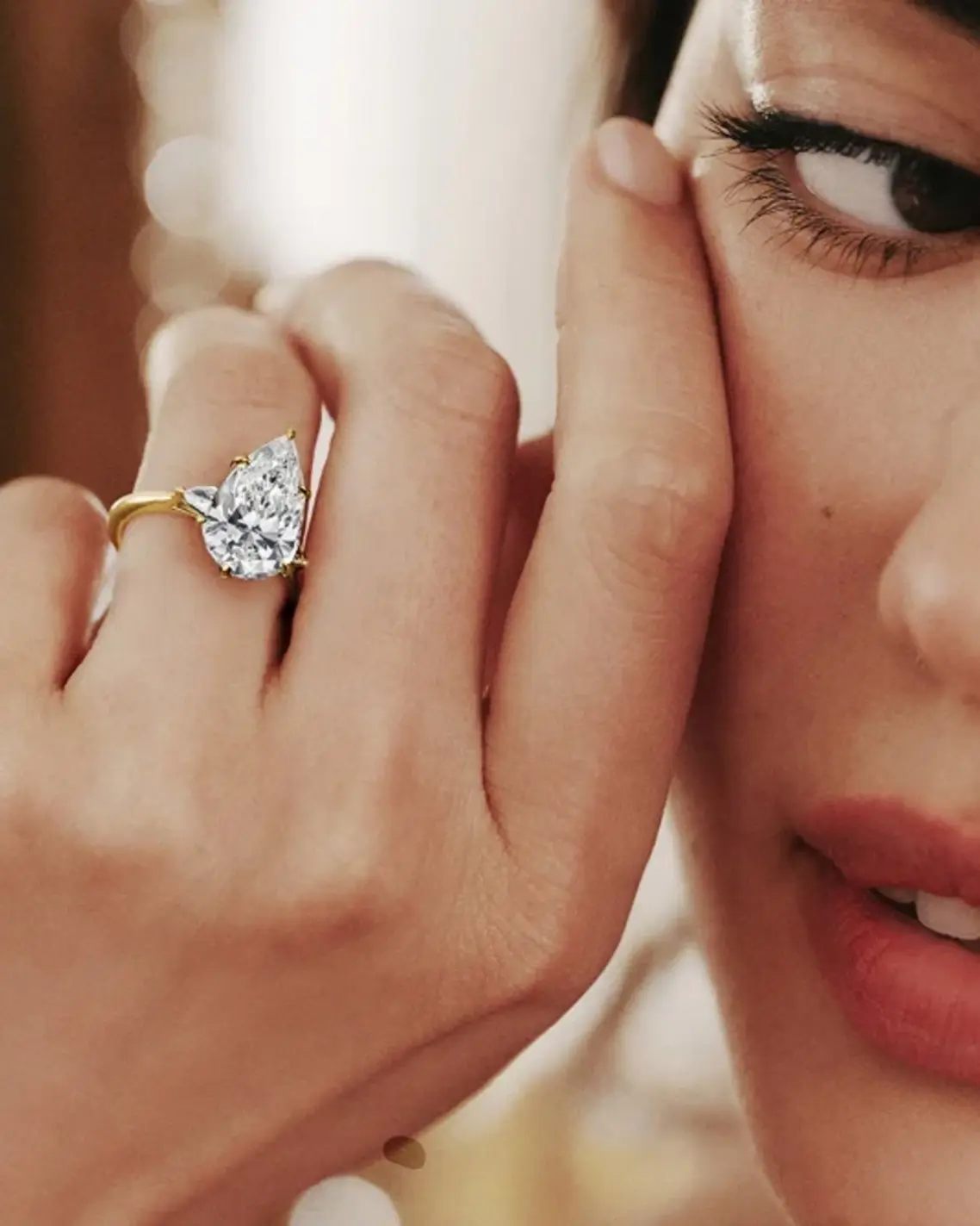
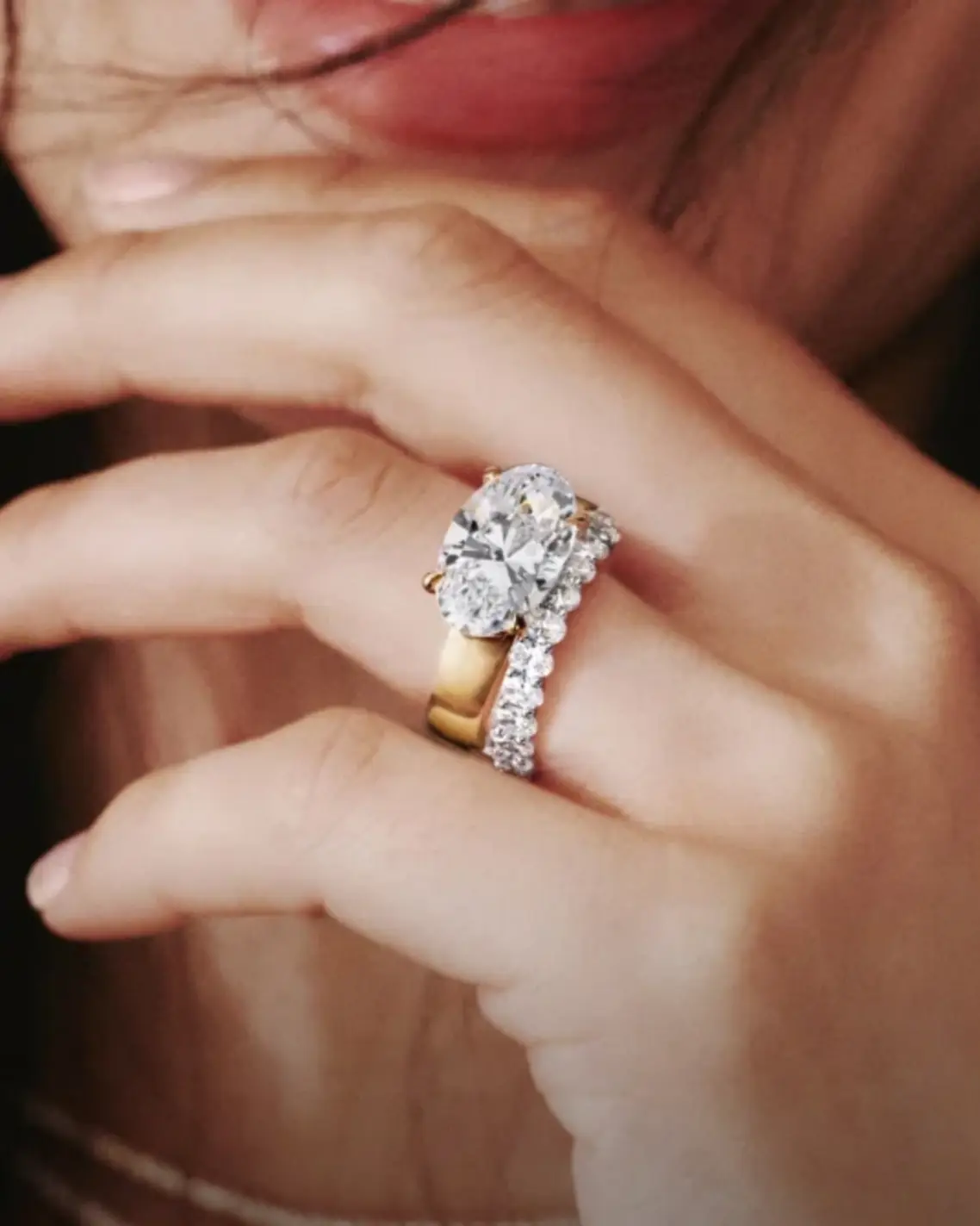
The brand’s sustainability positioning is also central to its identity. Brilliant Earth pairs many of its lab-grown diamonds with repurposed precious metals, eco-conscious packaging, and carbon-offset shipping. Select diamonds also include blockchain-enabled traceability records, adding another layer of transparency for customers who want deeper visibility into origin and sourcing history. With more than 40 showrooms across the U.S., the brand bridges digital convenience with in-person reassurance, allowing buyers to view diamonds and receive expert guidance before committing.
2
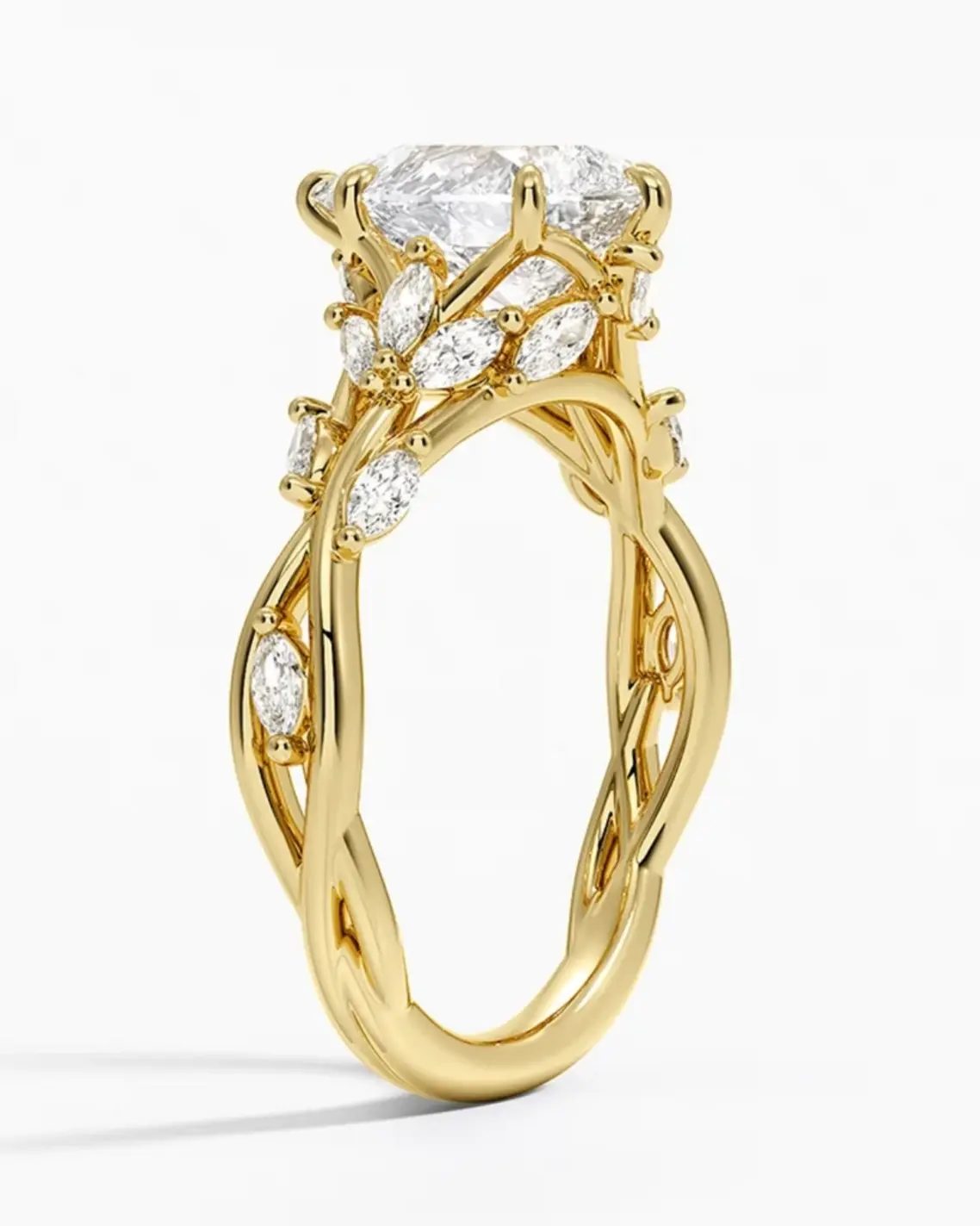
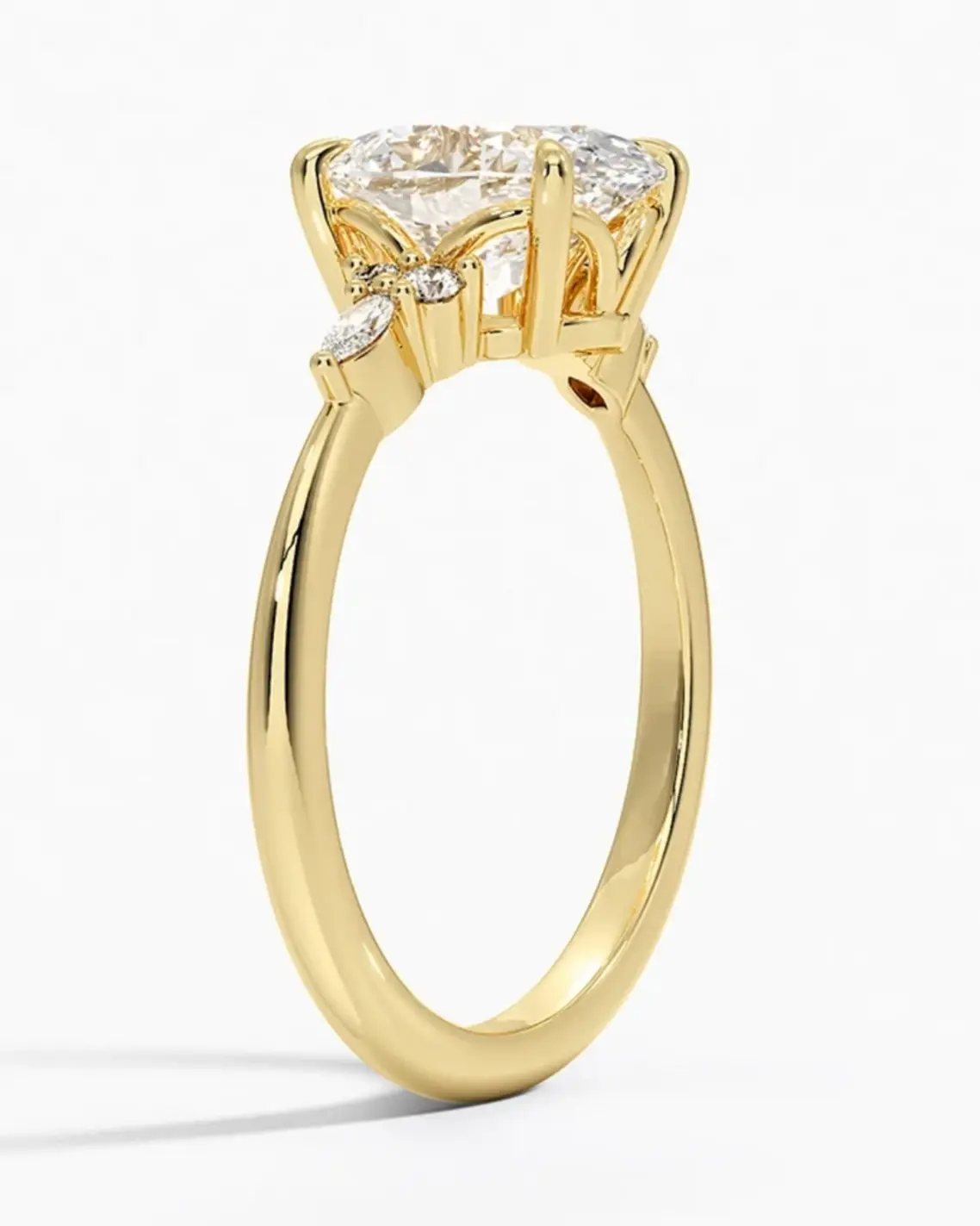
Its main strength lies in the way it packages ethics, technology, and choice into one polished consumer journey. Compared with many fine jewelry brands, Brilliant Earth feels less like a traditional jeweler adapting to lab-grown diamonds and more like a modern platform built around them. The trade-off is pricing. Its premium positioning reflects the brand’s sustainability infrastructure, showroom network, and customer-service model. Availability can also shift quickly for high-demand styles, while blockchain certification applies only to select inventory. Still, for buyers seeking lab-grown diamonds with strong transparency cues and a refined online-to-offline experience, Brilliant Earth remains one of the most recognizable names in responsible fine jewelry.
If Courbet gave lab-grown diamonds a Place Vendôme argument, TAG Heuer gave them a mechanical one. The Carrera Plasma Diamant d’Avant-Garde turned cultivated diamonds into a watchmaking experiment, using the stone not simply as decoration but as a technical design material. TAG Heuer’s official description highlights a crown crafted from a single lab-grown diamond, a polycrystalline lab-grown diamond dial and the Calibre H02 Tourbillon Nanograph.
This is where fine jewelery brands and luxury watchmakers begin to overlap. TAG Heuer’s Plasma project did not treat lab-grown diamonds as a cheaper way to add sparkle. It treated them as a way to create shapes, textures and components that would be extremely difficult, rare or inefficient to source from natural stones. One official TAG Heuer product page describes a Plasma timepiece with 14.7 carats of fancy-cut lab-grown diamonds across the dial, bezel, case, crown and bracelet.
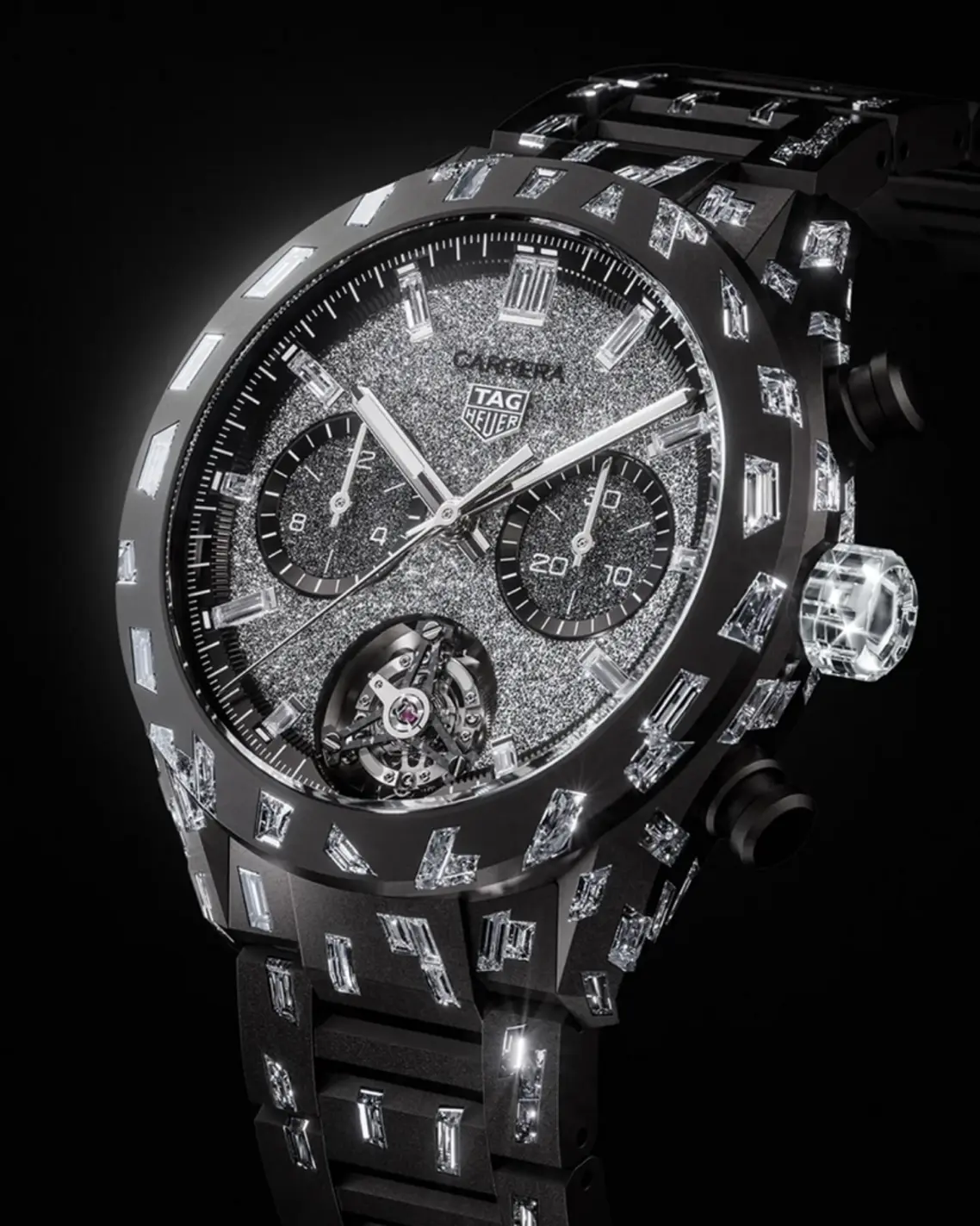
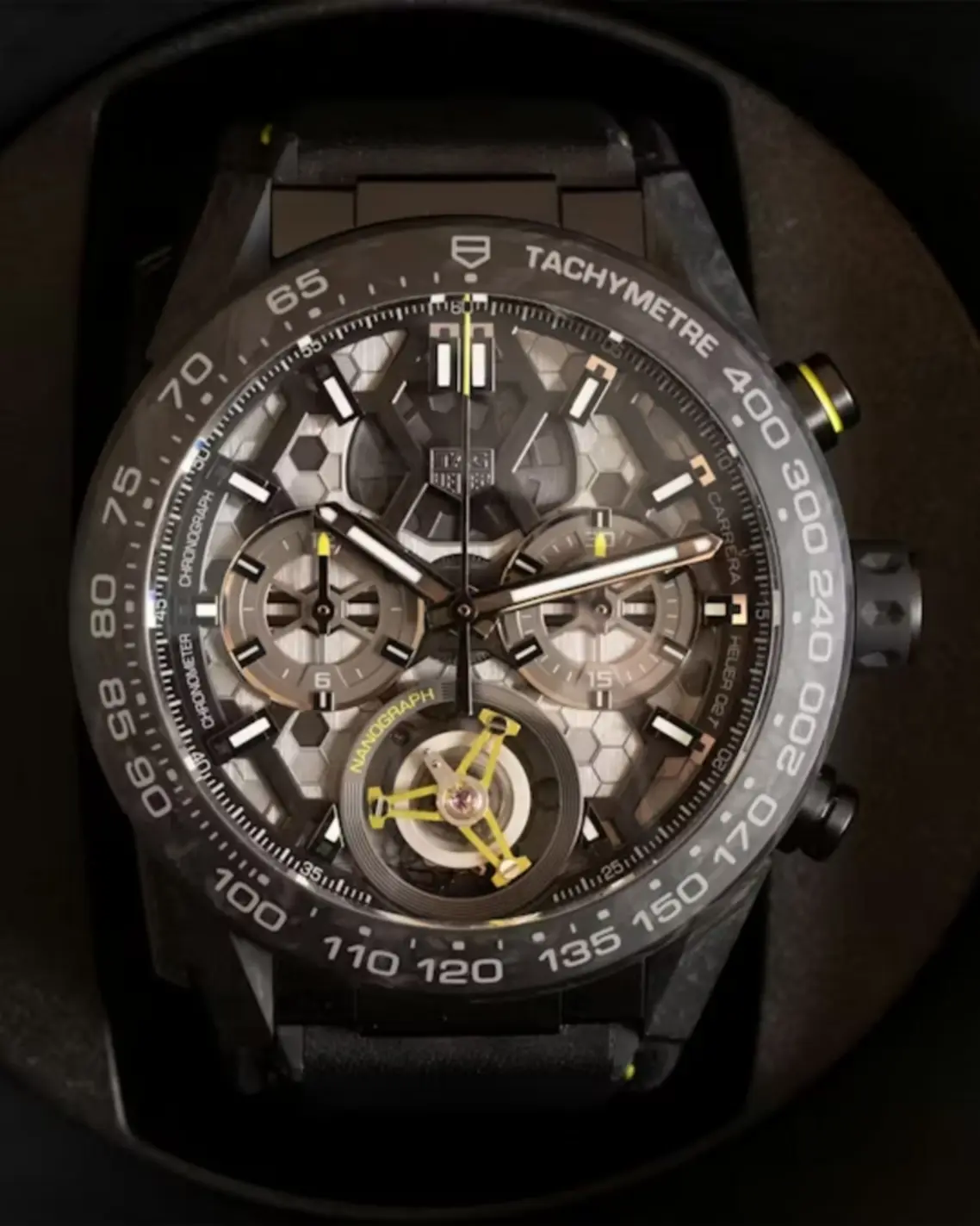
That distinction is crucial. In ultra-luxury, value does not come from material cost alone. It comes from the impossibility effect. The client pays for audacity, research, difficulty and the feeling that the object could not have existed without a specific creative machine behind it. TAG Heuer’s lab-grown diamonds are not a compromise. They are the point.
Among fine jewellery brands, this may be the most powerful future-facing argument for cultivated stones: Not affordability, but freedom. When a diamond can be grown, shaped and integrated with greater control, the designer is no longer only a selector of rarity. They become engineers of rarity.
Vrai sits in a different part of the luxury map. It is not Place Vendôme theater and it is not haute horology spectacle. Its strength is modern precision: direct-to-consumer polish, architectural minimalism, clean customization and a strong sustainability message. Backed by Diamond Foundry, Vrai has built one of the clearest digital luxury identities among fine jewelery brands using lab-grown diamonds.
The brand’s official site states that Vrai-created diamonds are produced in a zero-emission foundry hydropowered by the Columbia River in America’s Pacific Northwest. Vrai also presents Diamond Foundry as an American foundry powered by zero-emission hydro power and certified carbon neutral since 2018.
2
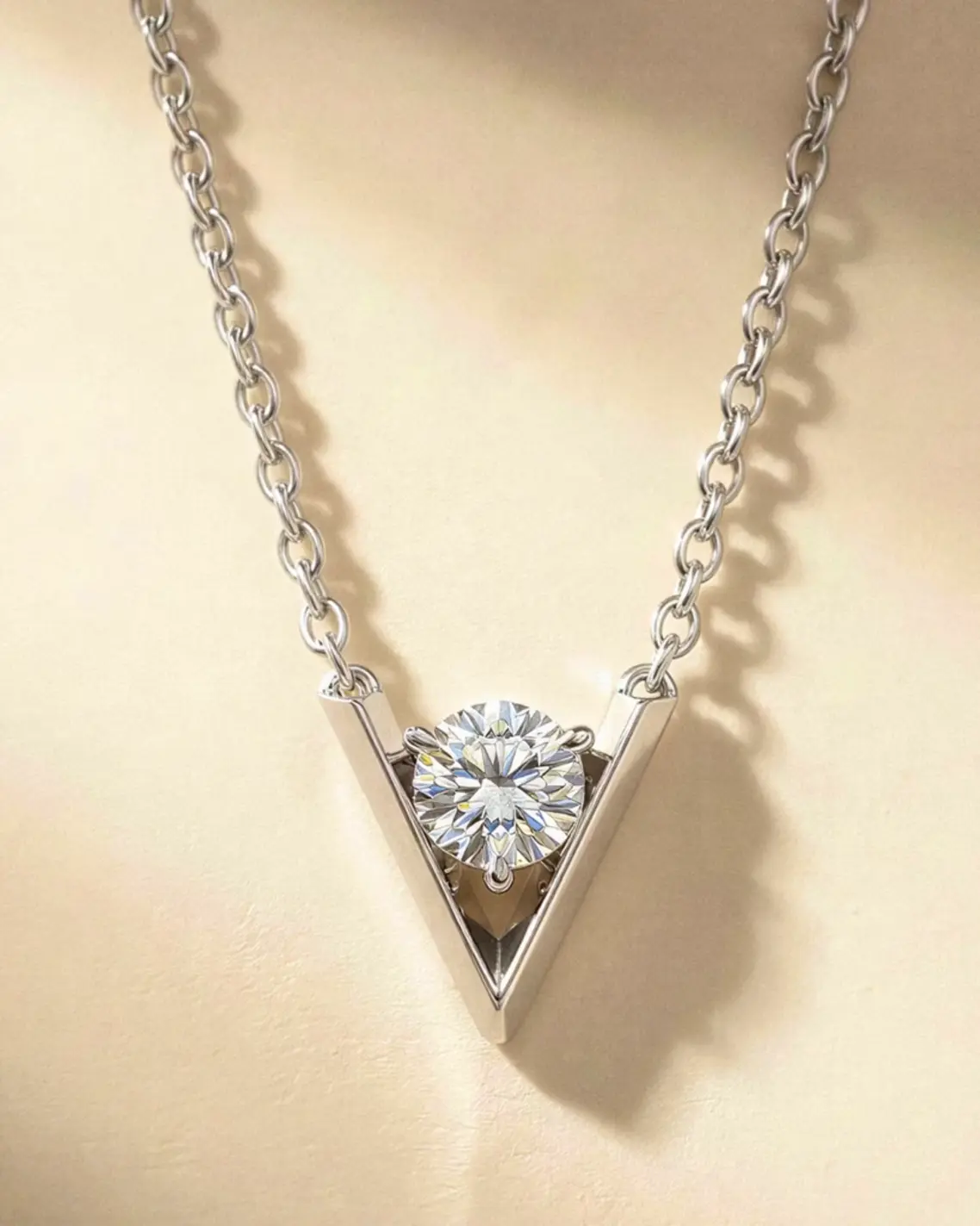
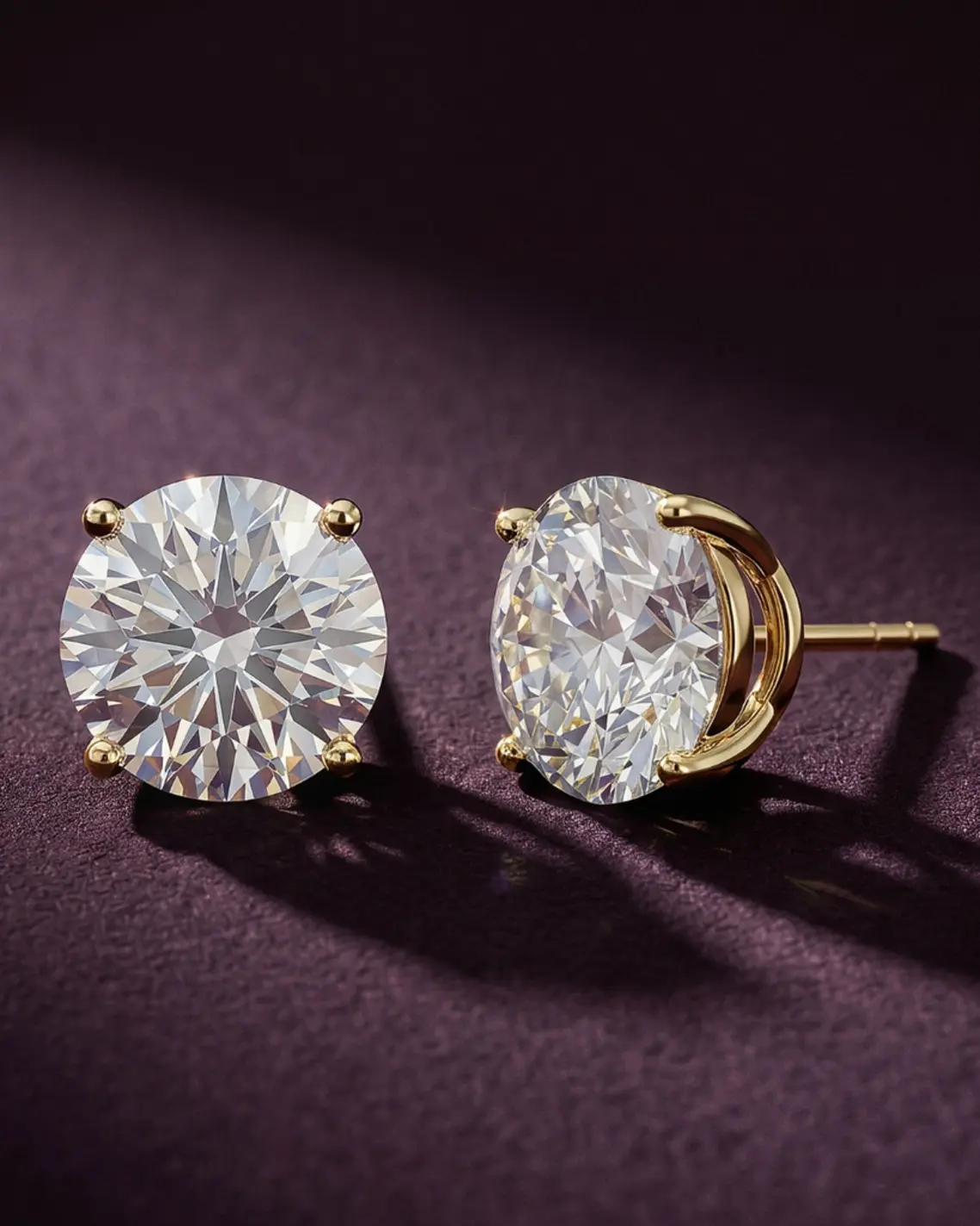
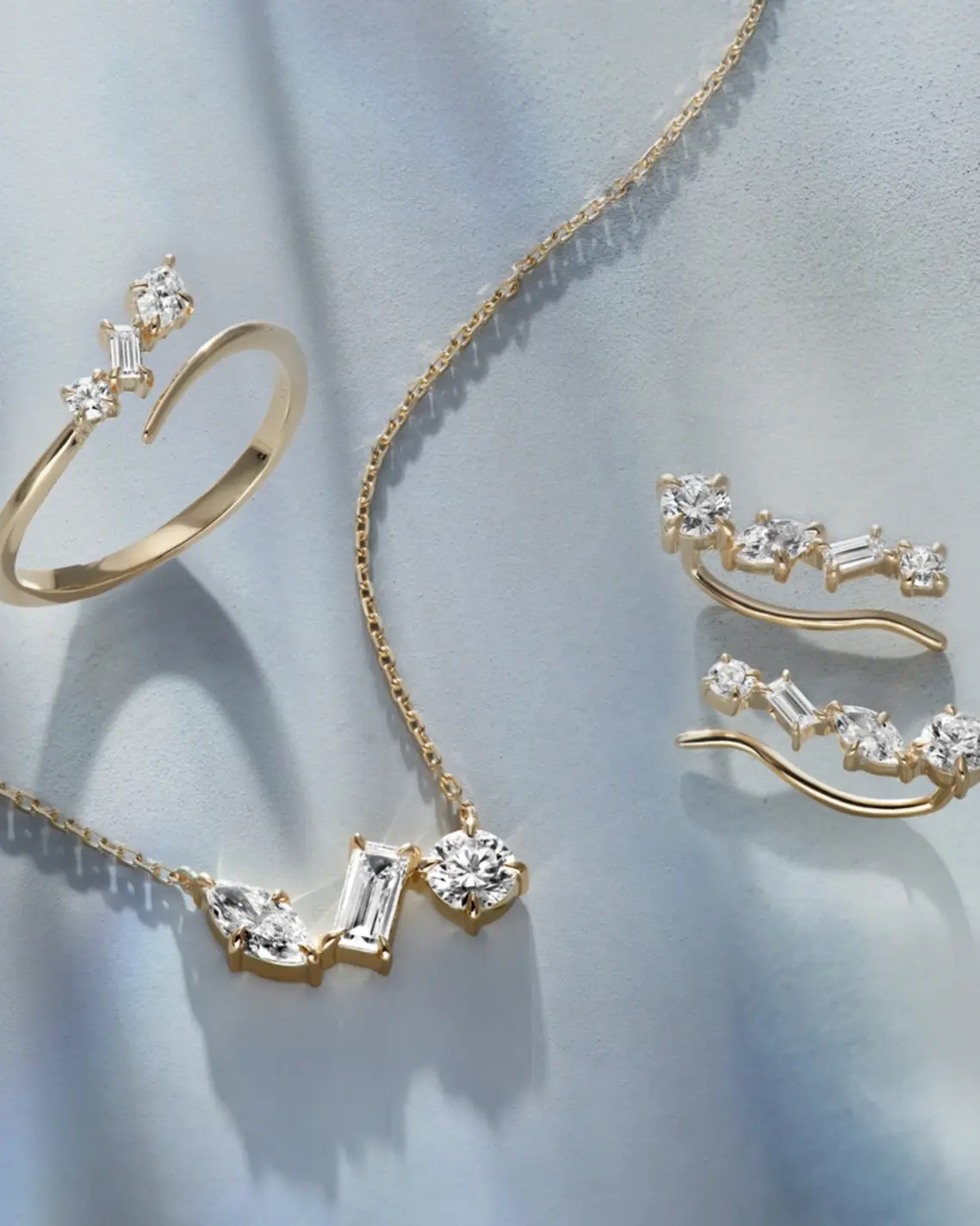
This gives Vrai a strong position for clients who want transparency without abandoning taste. Its engagement rings often feel pared back, almost architectural: floating settings, low-profile solitaires, split prongs, sharp emerald cuts, elongated ovals and clean bands designed for digital close-ups. The visual language is not “eco handmade.” It is controlled, urban and polished.
For fine jewelery brands in the accessible-luxury tier, Vrai’s lesson is simple: the lab-grown diamond customer does not always want sentimentality. Sometimes they want clarity. They want to know where the diamond came from, how the setting looks from every angle, what the certification says, and why the design feels modern enough to outlast a trend cycle.
Jean Dousset brings another kind of legitimacy: lineage. The brand foregrounds its founder as the great-great-grandson of Louis Cartier, and its official site states that fine diamond jewelry is part of its design DNA. That history matters because lab-grown diamonds are often accused of lacking romance. Jean Dousset answers by attaching them to craft heritage, bench standards and high-jewelry codes.
The maison’s pivot to lab-grown diamonds is interesting because it does not reject tradition visually. Many of its rings still speak in the language of classic luxury: halos, hidden pavé, refined baskets, careful proportions, personalized details and bridal drama. The disruption sits under the surface. The stone is cultivated, but the gesture remains deeply maison-coded.
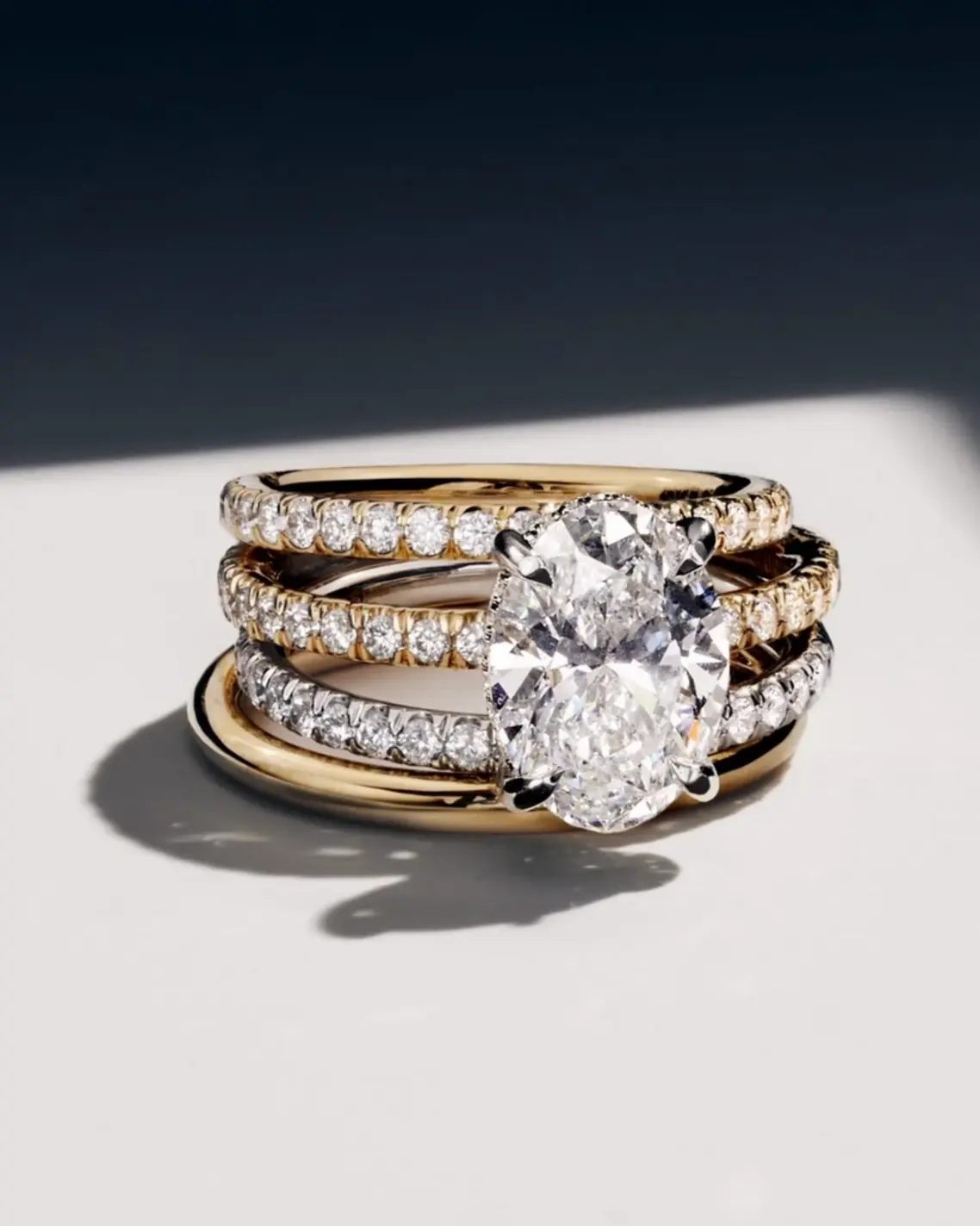
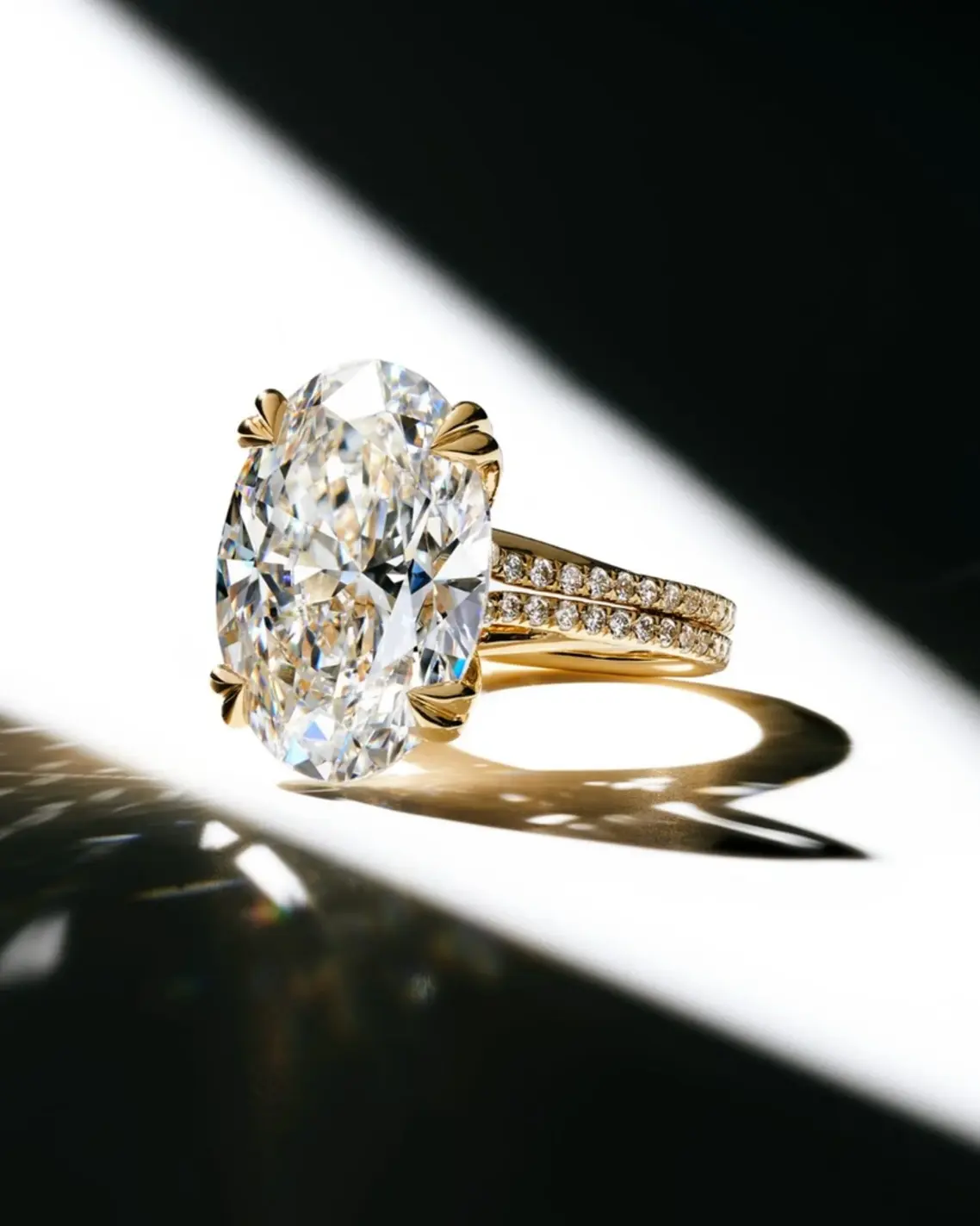
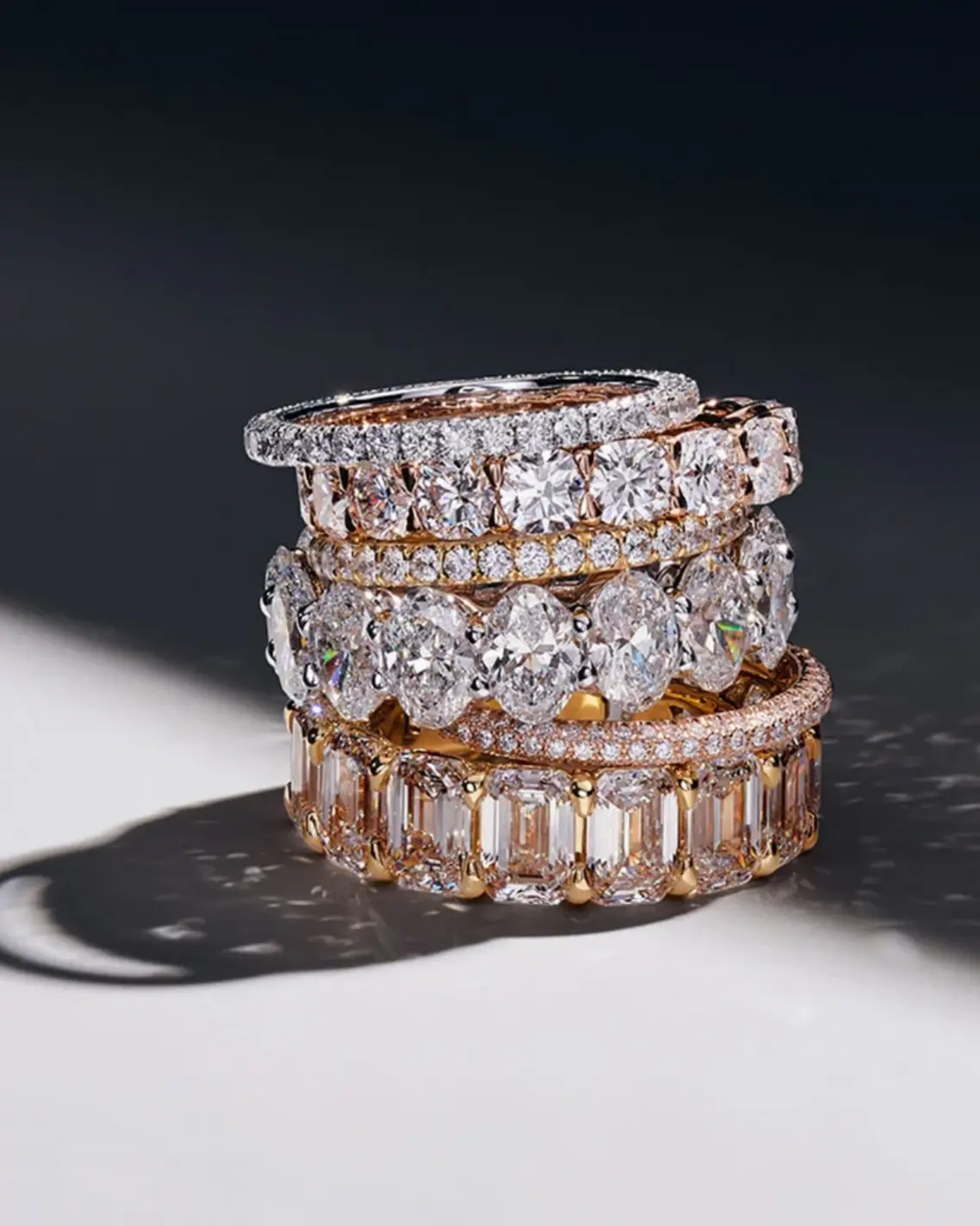
This is an important move for fine jewelery brands because it separates origin from elegance. A lab-grown diamond does not have to look futuristic. It can also look grand, sentimental, heirloom-adjacent and ceremonious. Jean Dousset’s value proposition is not simply “more carat for less money.” It is curation, pedigree and the promise that the ring has been filtered through a designer’s eye.
The brand also claims to hand-select only the top 0.1 percent of lab diamonds for beauty and “make,” reinforcing the idea that fine jewelery brands create value through editing, not just access.
The strongest fine jewelery brands are not treating lab-grown diamonds as a universal replacement for mined stones. They are treating them as a separate luxury material with its own logic. Courbet gives the category symbolic rebellion. TAG Heuer gives it technical extremity. Vrai gives it digital transparency. Jean Dousset gives it lineage and romance.
Together, they show that the future of fine jewelery brands will not be decided by the old natural-versus-lab binary. That debate is already too blunt. The real divide will be between brands that sell lab-grown diamonds as cheaper stones and brands that know how to turn them into cultural objects.
A diamond does not become luxury because it sparkles. It becomes luxury when a house teaches the eye how to desire it. For fine jewelery brands, lab-grown diamonds are no longer just an answer to mining. They are a test of imagination.