MENU
Close





A chic Parisian woman is wearing a simple cord bracelet with a gold clasp. Guess the brand?

A chic Parisian woman is wearing a simple cord bracelet with a gold clasp. Guess the brand?
May 19, 2026


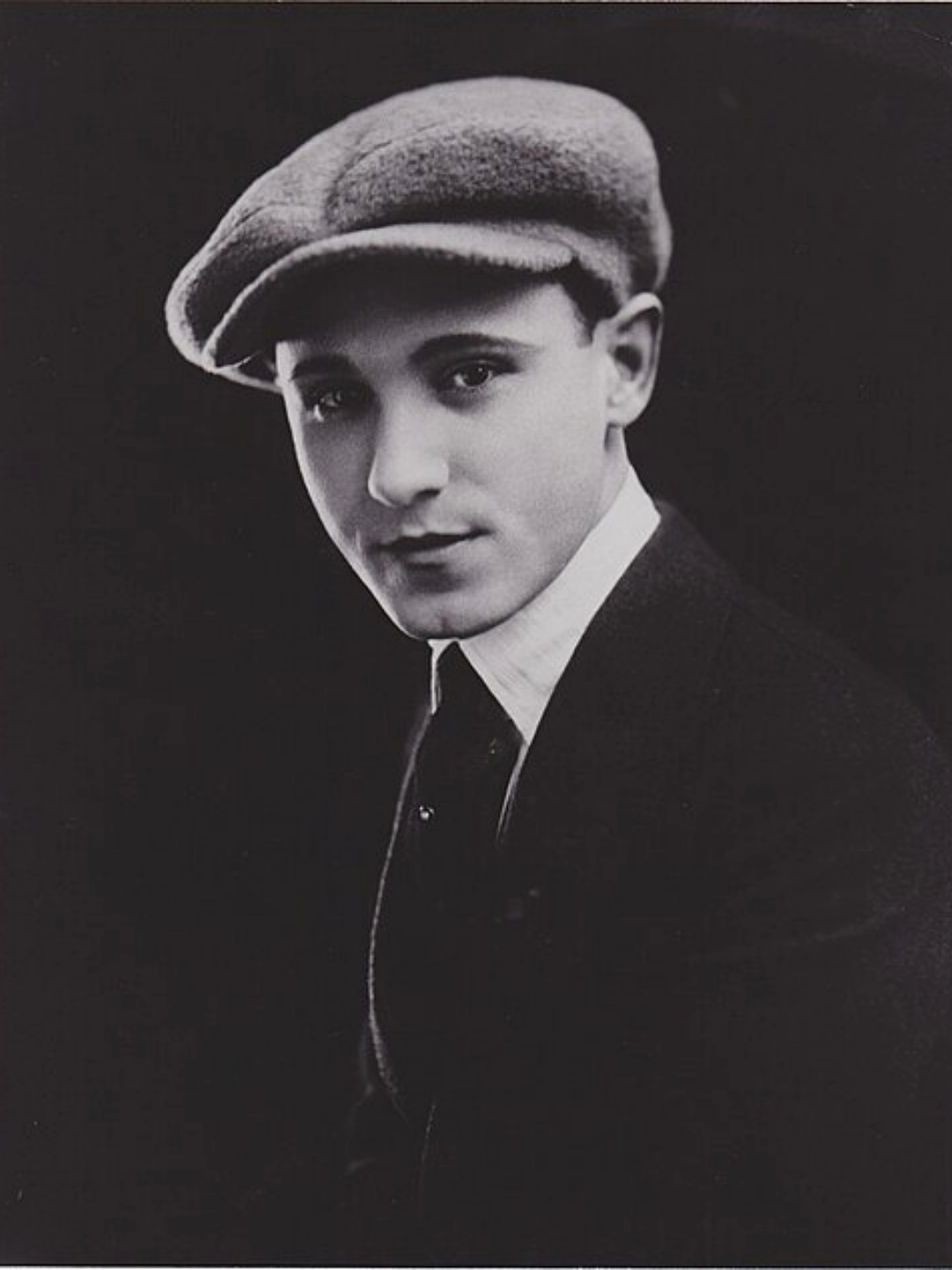
In the canon of luxury brand history, few stories feel as quietly radical as Jean Dinh Van’s. He was not the kind of jeweler who worshipped the locked safe, the velvet tray, or the chandelier-lit evening. Long before the hype of minimalism, unisex and androgyny, there was Jean Dinh Van, a Vietnamese-French jeweler who got tired of the elitist and classist approach to jewelry.
In the canon of luxury brand history, few figures feel as quietly radical as Jean Dinh Van. He was not the jeweler of locked safes, velvet trays, and chandelier-lit evenings. He was the jeweler who looked at Place Vendôme’s rituals and decided they had become too stiff, too ceremonial, too far removed from real life.
Long before minimalism became a lifestyle keyword, long before unisex design became a marketing language, Jean Dinh Van was already stripping jewelry back to its most essential question: what does a jewel do when it is worn every day?
Born to a Breton mother and a Vietnamese father, Dinh Van entered the world of jewelry with both discipline and distance. He trained first in drawing at Arts Décoratifs, then in metalwork at the Paris jewelry school, before joining Cartier in 1950. There, under the immense shadow of traditional French high jewelry, he learned the codes of precision, polish, proportion, and preciousness.
But mastery did not make him obedient. If anything, it made his rebellion more dangerous.
Dinh Van did not reject technique because he lacked it. He rejected ceremony because he had seen too much of it. Traditional jewelry was often designed to be admired from a distance, saved for gala nights, and understood as proof of status. He wanted something closer to the body, closer to the hand, closer to the mood of a woman who was no longer waiting to be decorated by someone else.
In 1965, he left Cartier and opened his own workshop at Place Gaillon. His mission was simple, but culturally explosive: create jewelry women could buy for themselves, wear without permission, and keep on with jeans, white shirts, cigarettes, books, cars, and city life. Jewelry, in his mind, did not need to behave like inheritance. It could behave like instinct.
In classic jewelry, the clasp is a servant. In Dinh Van’s world, the clasp steps forward and becomes the star.
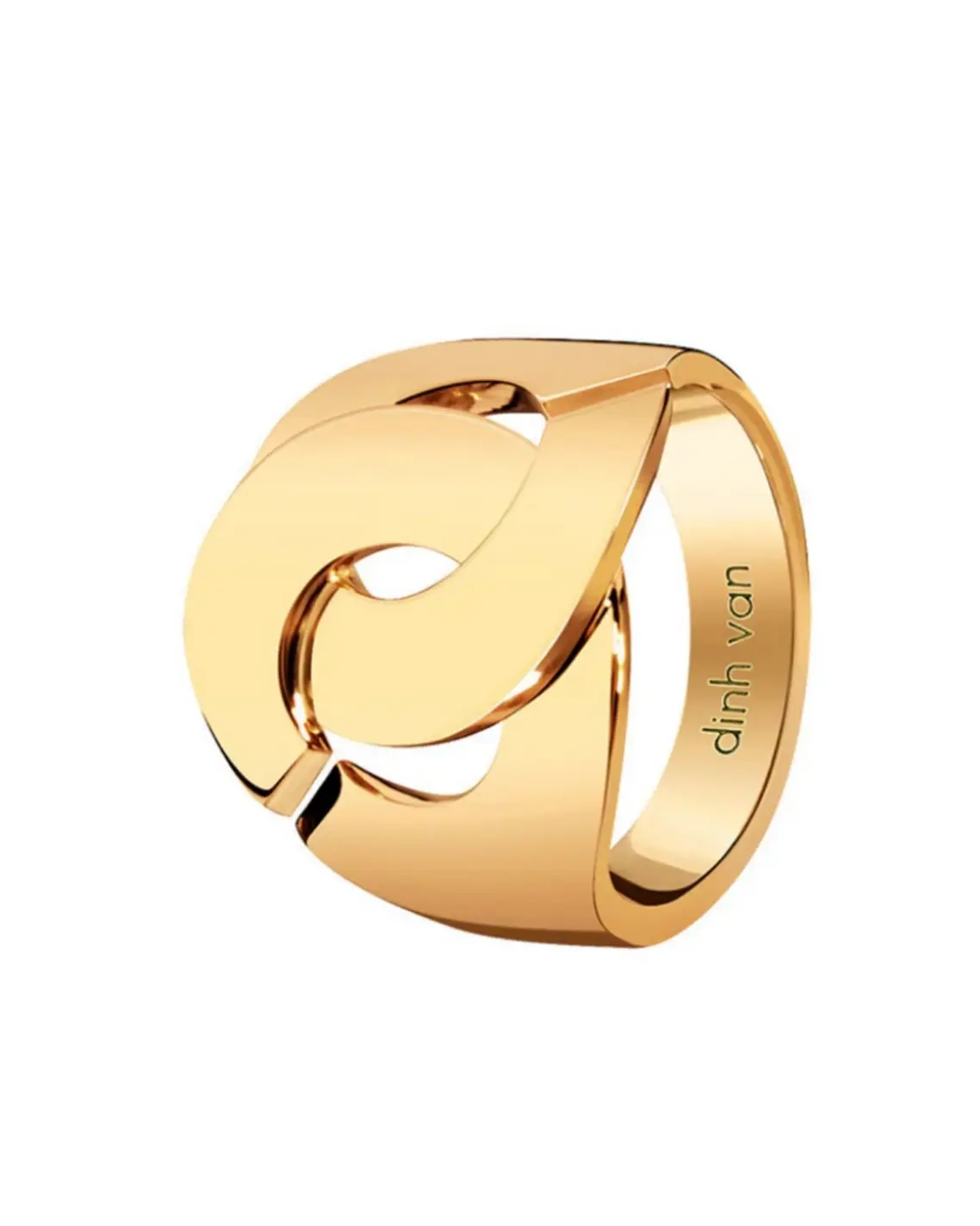
The Menottes collection, created in 1976, turned two intertwined "C" into a symbol of attachment, freedom, and union. Retailers and the brand itself still describe it as the maison’s signature icon, with the clasp as the central motif rather than a hidden mechanism. It belongs perfectly to the world of quiet luxury accessories because it signals taste through recognition, not volume.
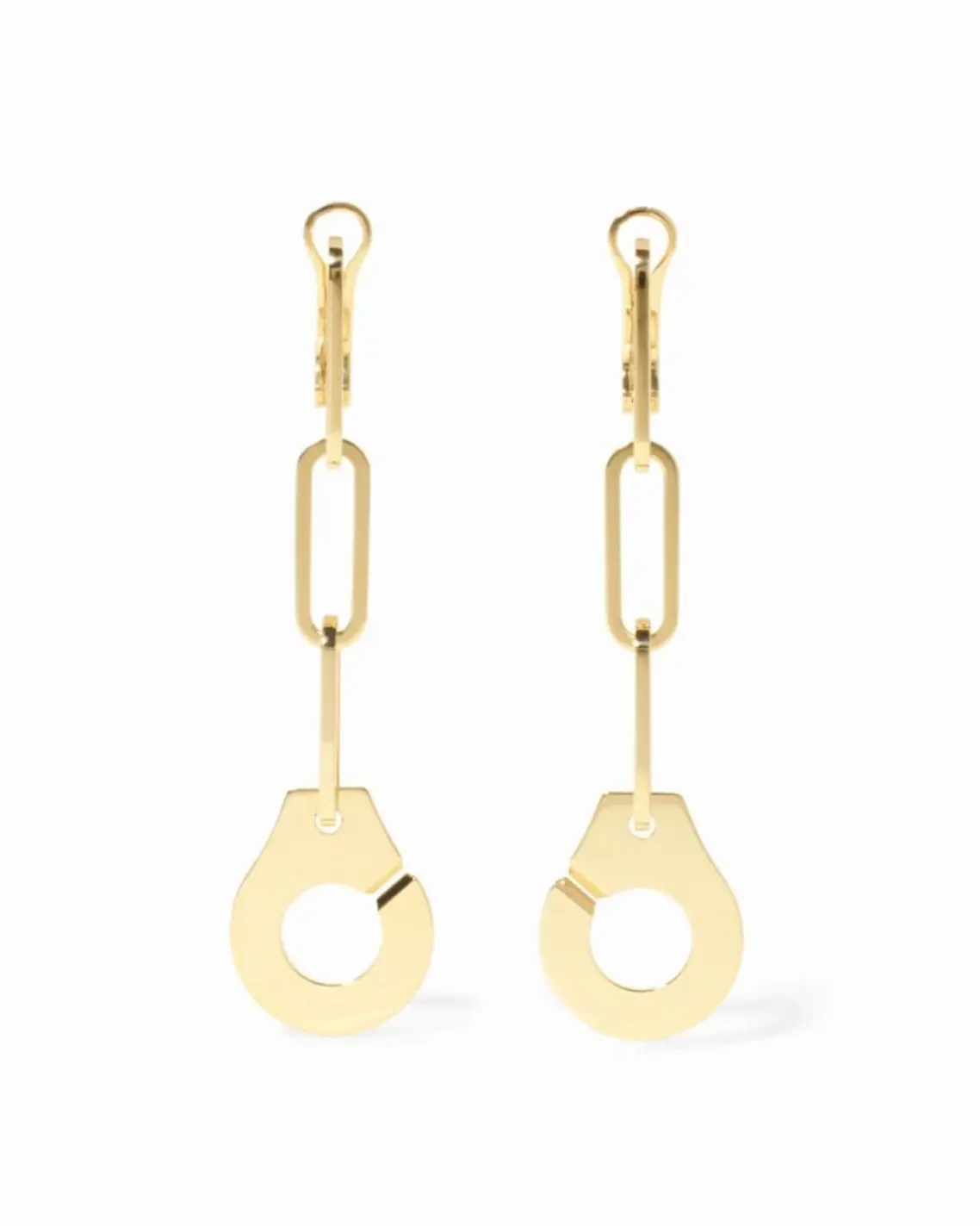

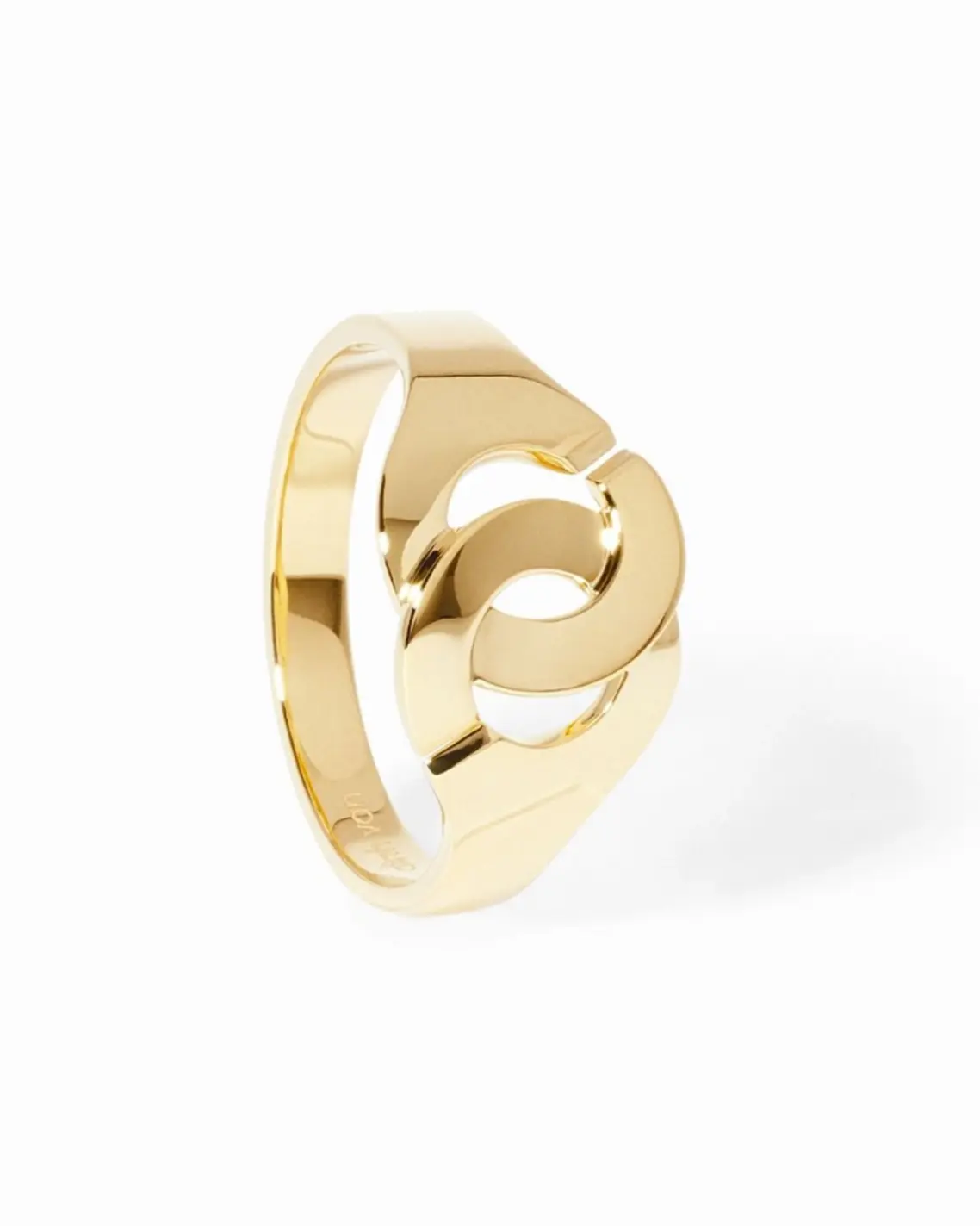
The same thinking runs through Serrure, where the lock becomes a bracelet, and through his square rings, which challenged the automatic assumption that rings had to be round.
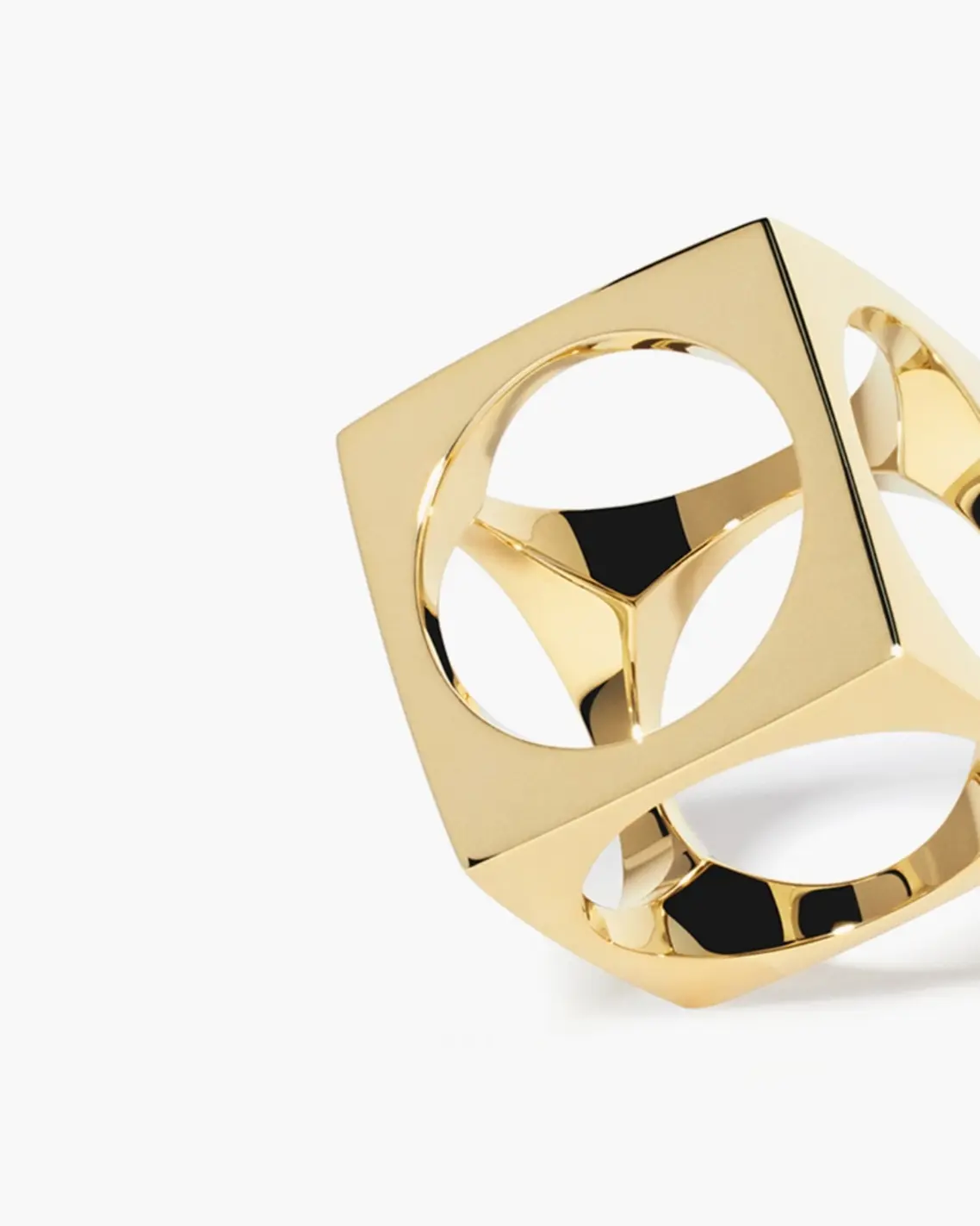
The true Dinh Van signature is not minimalism alone. It is the ability to find elegance in the object everyone else overlooked.
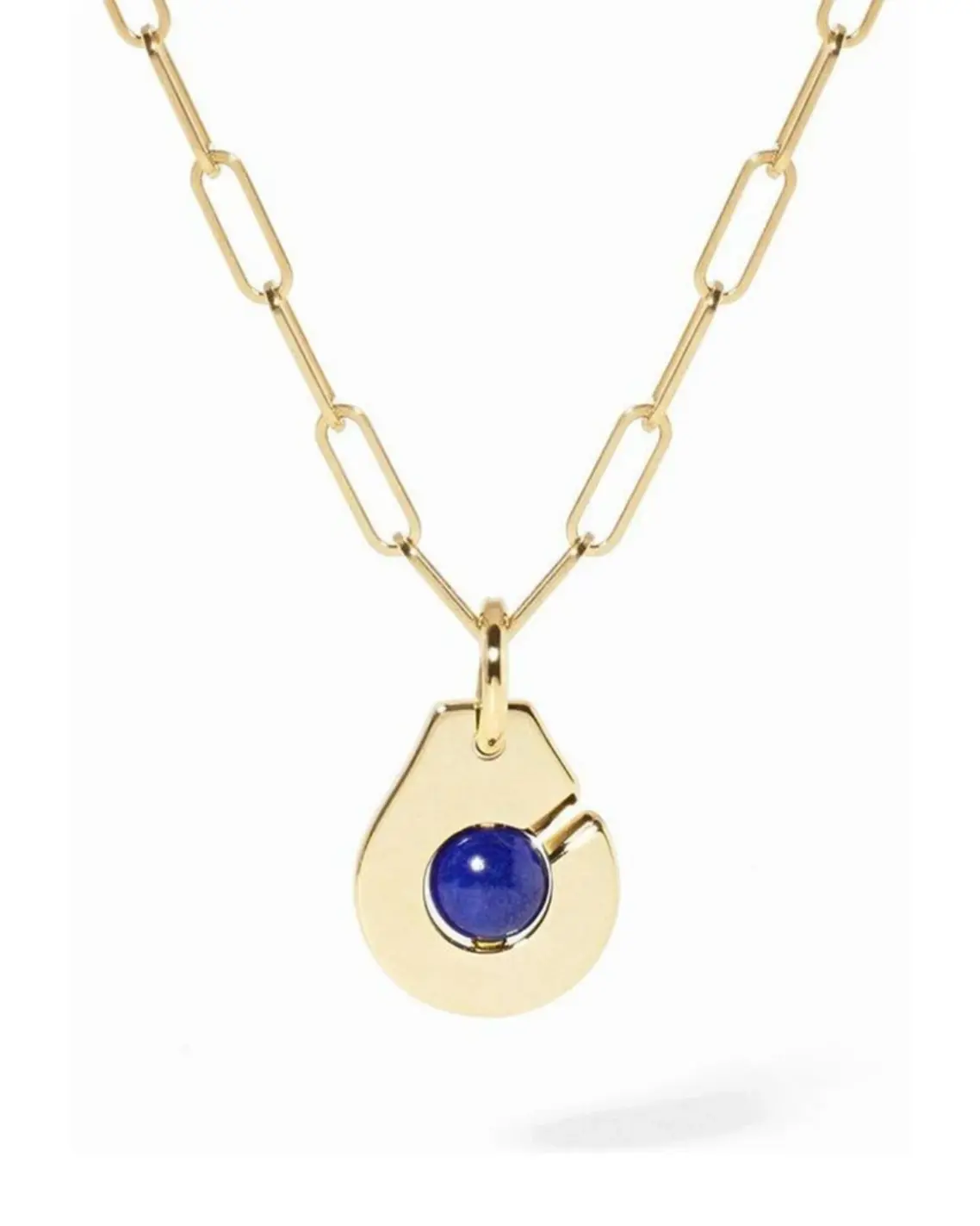
The Lame de Rasoir, or razor blade, is the clearest example. A razor blade is ordinary, sharp, slightly dangerous, and visually unforgettable. By translating it into gold or silver, Dinh Van changed its social temperature. What belonged to the bathroom, the toolbox, or the punk imagination suddenly became a luxury pendant.


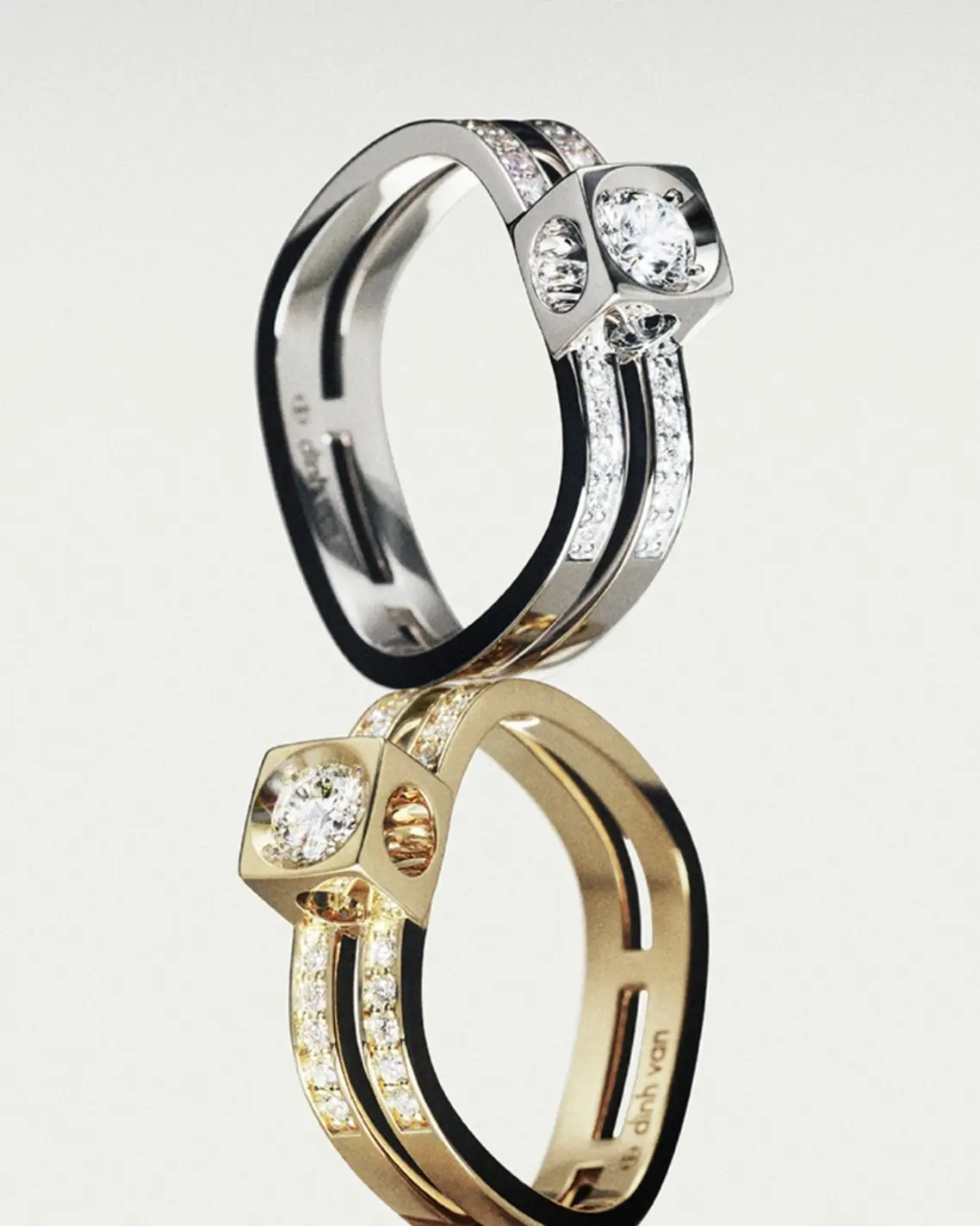
Then there is Le Cube Diamant, a design built around geometry and light. Rather than smothering the diamond in a heavy decorative setting, the cube opens space around it. Light passes through the structure and makes the stone feel suspended, almost architectural. The result is not the old drama of jewelry as display. It is jewelry as construction.
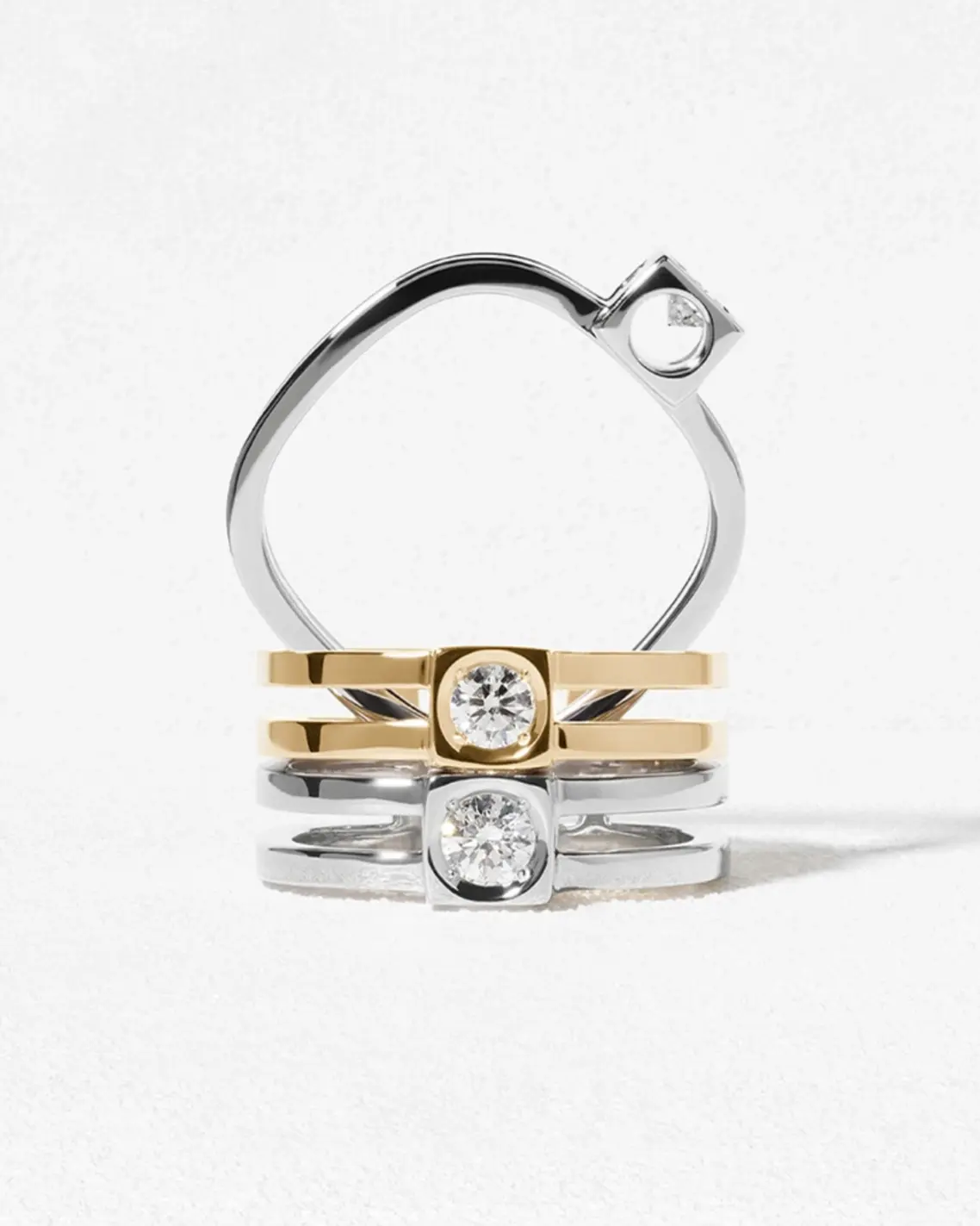

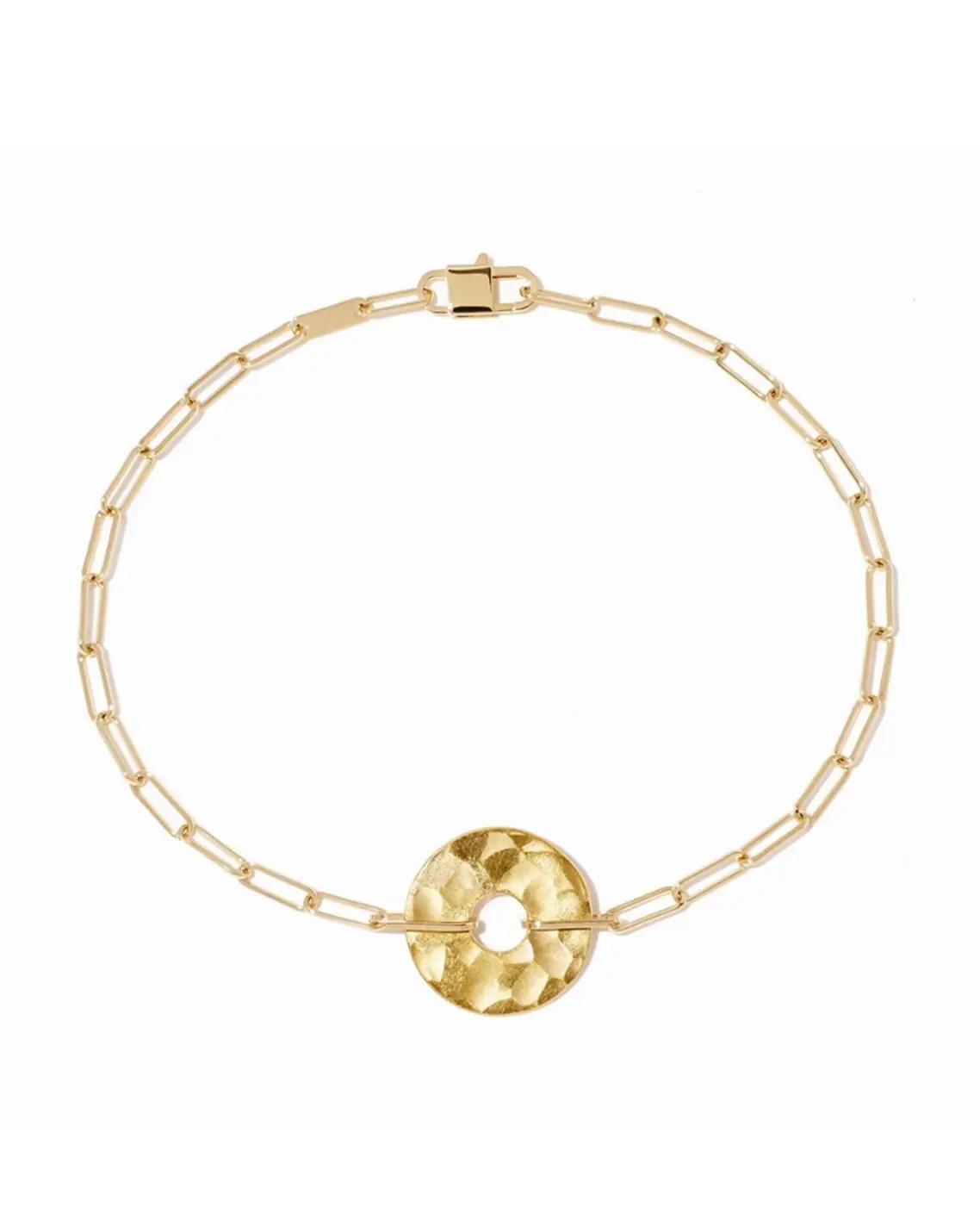
His Pi disc, inspired by ancient circular forms, moved in another direction. Less sparkle, more surface, texture, and tactility. Hammered gold gave warmth where polished gold might have felt too formal.

Dinh Van was one of the first jewelers to use silk and cotton cords for luxury pendants, a move that was considered scandalous by traditional jewelers at the time but is now a global industry standard.
The most radical part of Jean Dinh Van’s work may be social rather than visual. He helped move jewelry away from the old ritual of male gifting and female receiving. His jewelry was for the woman who chose herself. It was easier to wear, easier to understand, easier to fold into ordinary life.
This was also why his work felt quietly genderless before “gender-neutral” became a marketing phrase. A Menottes cord bracelet, a square ring, a gold disc, or a razor pendant did not rely on lace, flowers, bows, or romantic softness. These pieces were graphic, direct, ergonomic, and industrial. They looked natural on different bodies because they began with form, not gender fantasy.
Dinh Van’s idea of “essential jewelry” was therefore never about making luxury cheap. It was about making luxury less obedient. He did not empty jewelry of value. He emptied it of stiffness. The jewel could still be precious, still finely made, still rooted in gold, diamonds, and expert hands. It simply no longer needed a ballroom to justify its existence.
His collaborations sharpened that modernist reputation. In the late 1960s, he worked within the world of designers such as Pierre Cardin and Paco Rabanne, both associated with futuristic silhouettes and radical geometry. Le Monde notes a 1967 ring for Paco Rabanne and a Pierre Cardin collaboration involving pearls set within metal, placing Dinh Van in conversation with fashion’s space-age imagination.
There was also an unusual Cartier connection after he became independent. Dinh Van’s work was distributed through Cartier New York in the 1970s, with pieces bearing both Cartier and Dinh Van signatures, an unusual arrangement that underlines how respected his work had become even after he left the maison’s traditional orbit.
Today, Dinh Van occupies a fascinating place in French jewelry. It is famous, but not noisy. Cult, but not obscure.
On screen, Dinh Van pieces often appear as the ultimate “if you know, you know” object. In the hit series Emily in Paris, particularly since Season 3, Jean Dinh Van’s creations have become the ultimate emblem of "Parisian girl" authenticity, often seen adorning Emily Cooper as she transitions into her more permanent life in the city. Unlike the obvious logos of larger luxury houses, Dinh Van represents a secret sartorial language among the French elite. This surging popularity is rooted in the brand’s status as a pioneer of quiet luxury accessories.

In 2026, the brand’s relevance rests on how current its founding ideas still feel. Fashion has moved toward modular wardrobes, quiet luxury, gender fluidity, archive reissues, and objects that can pass between occasions. Dinh Van anticipated all of this decades ago. His jewelry already knew how to live with a T-shirt, a blazer, a white shirt, or bare skin.