MENU
Close





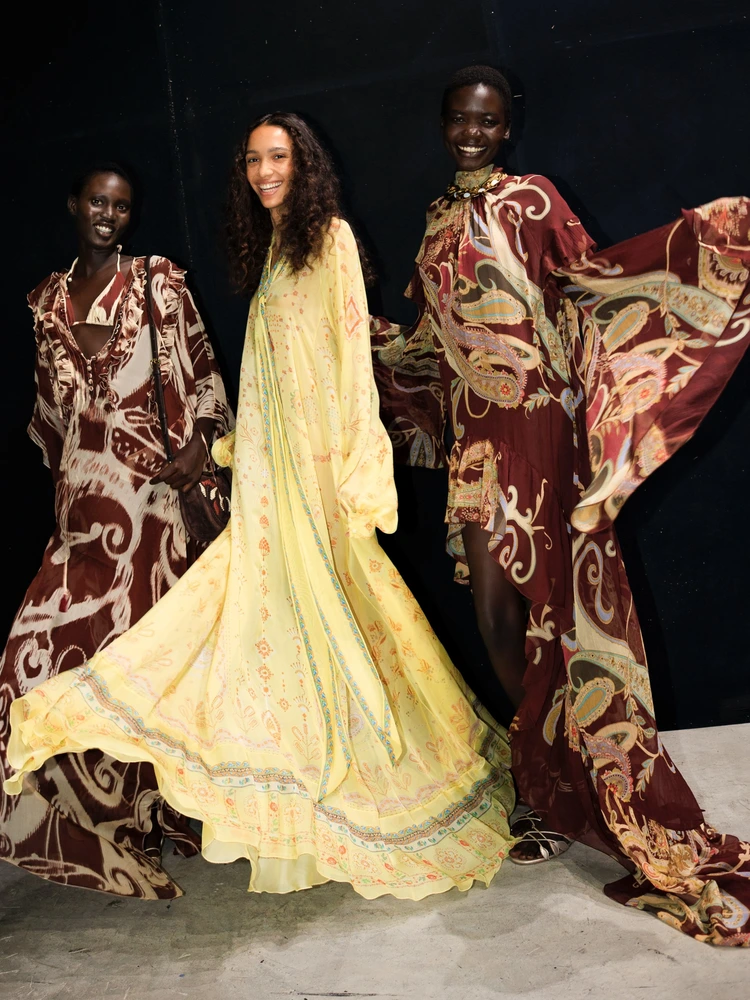
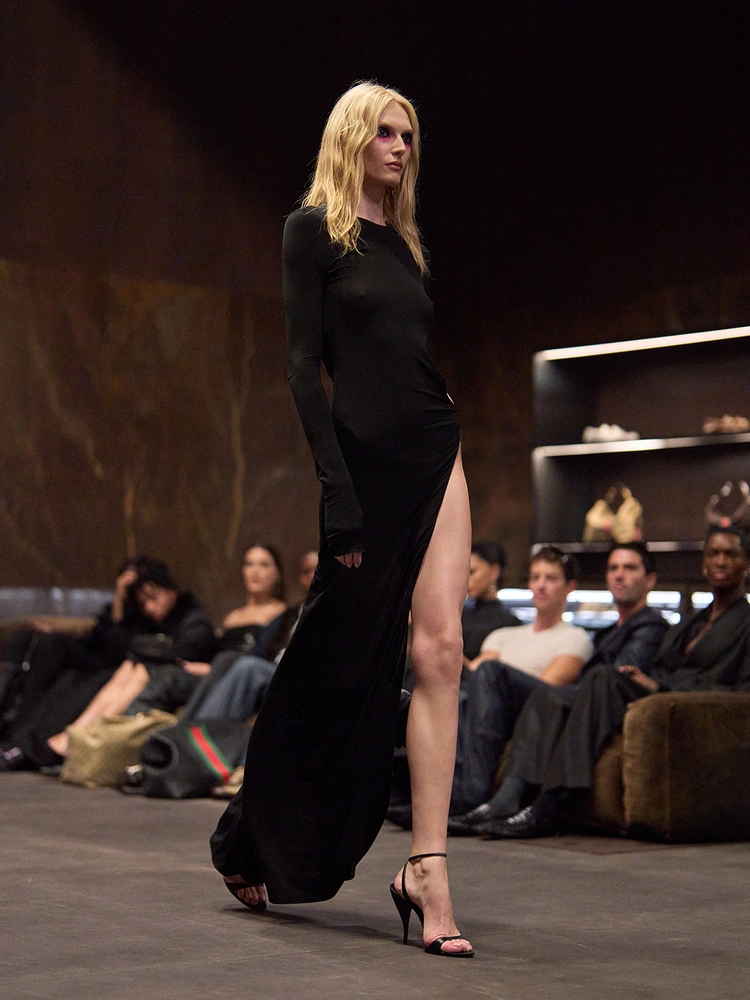
Before it flares, it waits. The fit and flare silhouette turns the body into a slow-burning line, then breaks open at the hem with the force of a secret becoming public.

Before it flares, it waits. The fit and flare silhouette turns the body into a slow-burning line, then breaks open at the hem with the force of a secret becoming public.
May 18, 2026
Advertisement

Advertisement
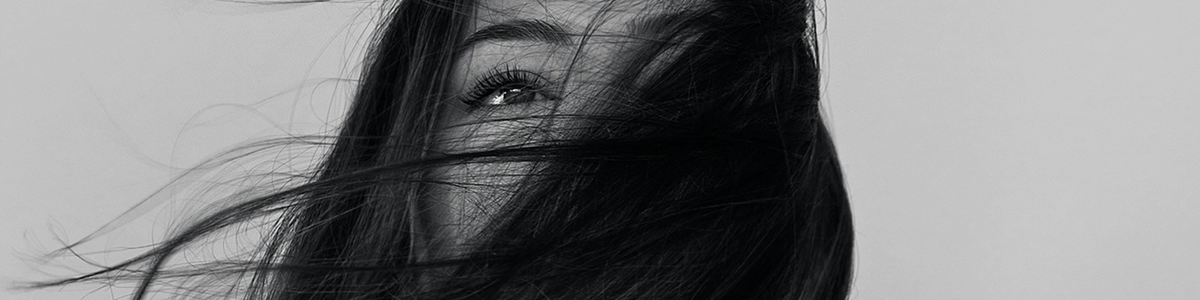


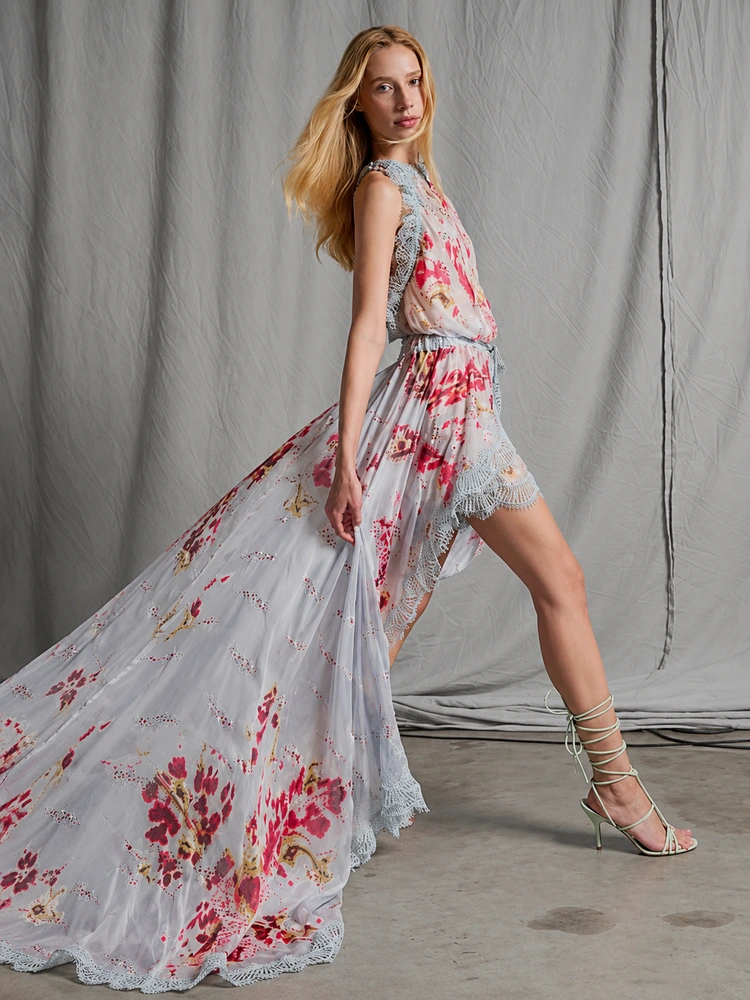
The fit and flare silhouette is a dress shape built on the pleasure of delay. Its character lives in the pause between control and release. The dress fits close through the bodice, waist, hip, and upper thigh, sometimes even reaching the mid-thigh before it begins to widen. Only after that long, body-skimming stretch does the flare appear, opening gradually toward the hem with movement, rhythm, and a little theatrical confidence. This is why the fit and flare silhouette feels so alive: it makes the eye travel downward, first reading the body as a sleek line, then watching the fabric loosen into motion.
At its truest, the fit and flare silhouette is about a lower release point. The flare begins below the hip, often around the upper thigh or mid-thigh, creating a longer fitted section before the skirt expands. This is the detail that separates it from the classic waist-flare dress. A waist-flare dress creates instant volume from the narrowest part of the body, while a true fit and flare silhouette holds the body for longer. It traces the torso, shapes the waist, follows the curve of the hip, then keeps its discipline through the thigh before allowing the lower skirt to bloom. The result is a silhouette with tension. It feels sculpted before it feels romantic. It gives drama because the expansion has been earned.

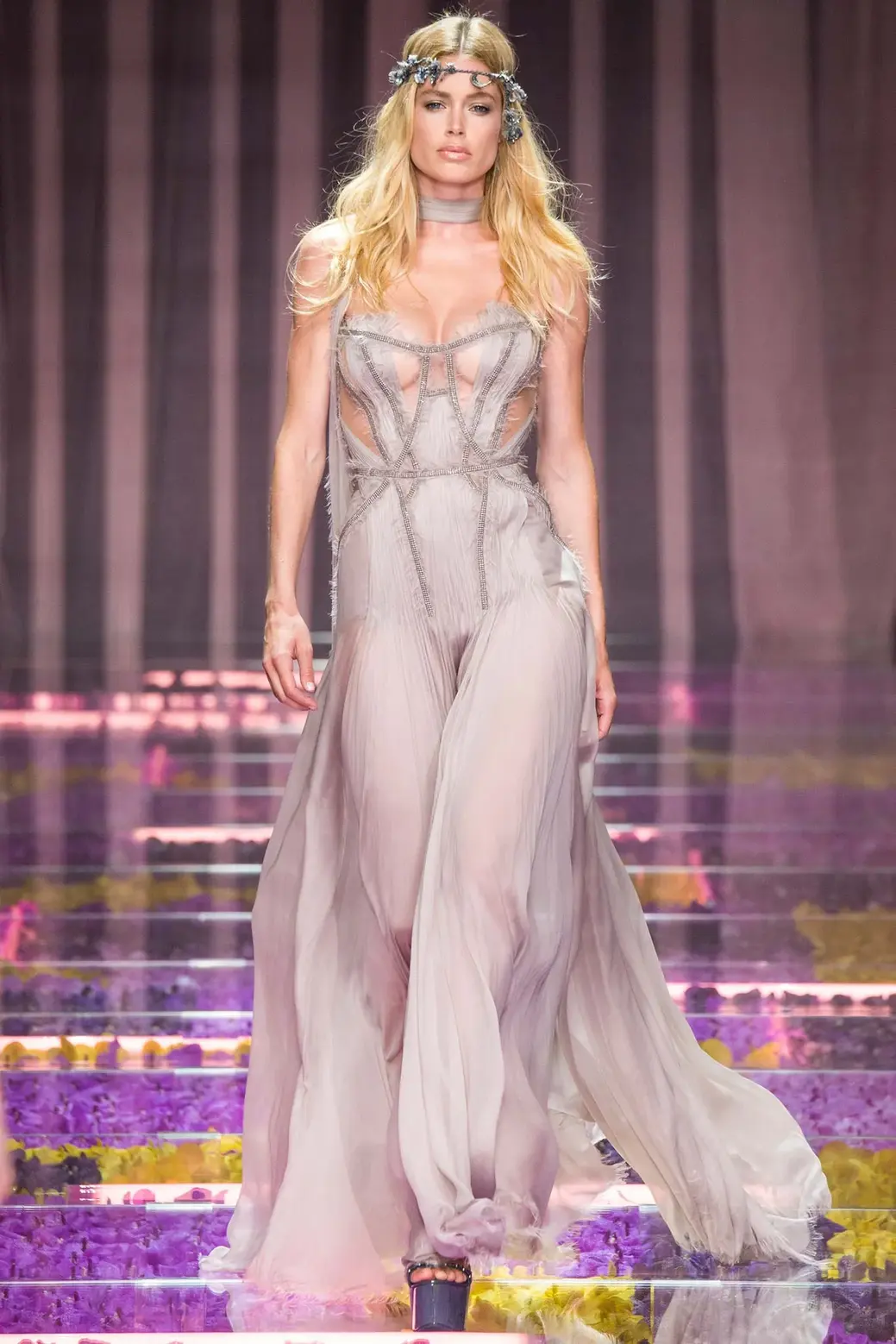
The structure of the fit and flare silhouette depends on precision. The upper part of the dress usually needs seams that understand the body almost like a map. Princess seams, curved side seams, waist darts, bust darts, corset panels, and hip shaping all help the garment sit close without looking stiff or accidental. The pattern has to control where the fabric hugs, where it skims, and where it prepares to release. A successful cut creates a clean line from the bodice down to the thigh, with enough shaping to define the figure and enough ease to allow the wearer to move. The making process often begins with the fitted base. A designer or patternmaker first builds the upper shell of the dress, shaping the bust, waist, hip, and thigh as one continuous line. This section can be created through a close-fitting block, a corseted foundation, or a paneled dress pattern that curves around the body. From there, the flare is engineered into the lower skirt. The flare can come from godets inserted into the seams, from flared panels that widen below the thigh, from a circular or partial-circle extension, from bias-cut fabric that naturally opens as it falls, or from shaped seams that curve outward toward the hem. In the fit and flare silhouette, the skirt does not simply get wider by chance. The flare is placed, measured, and controlled.
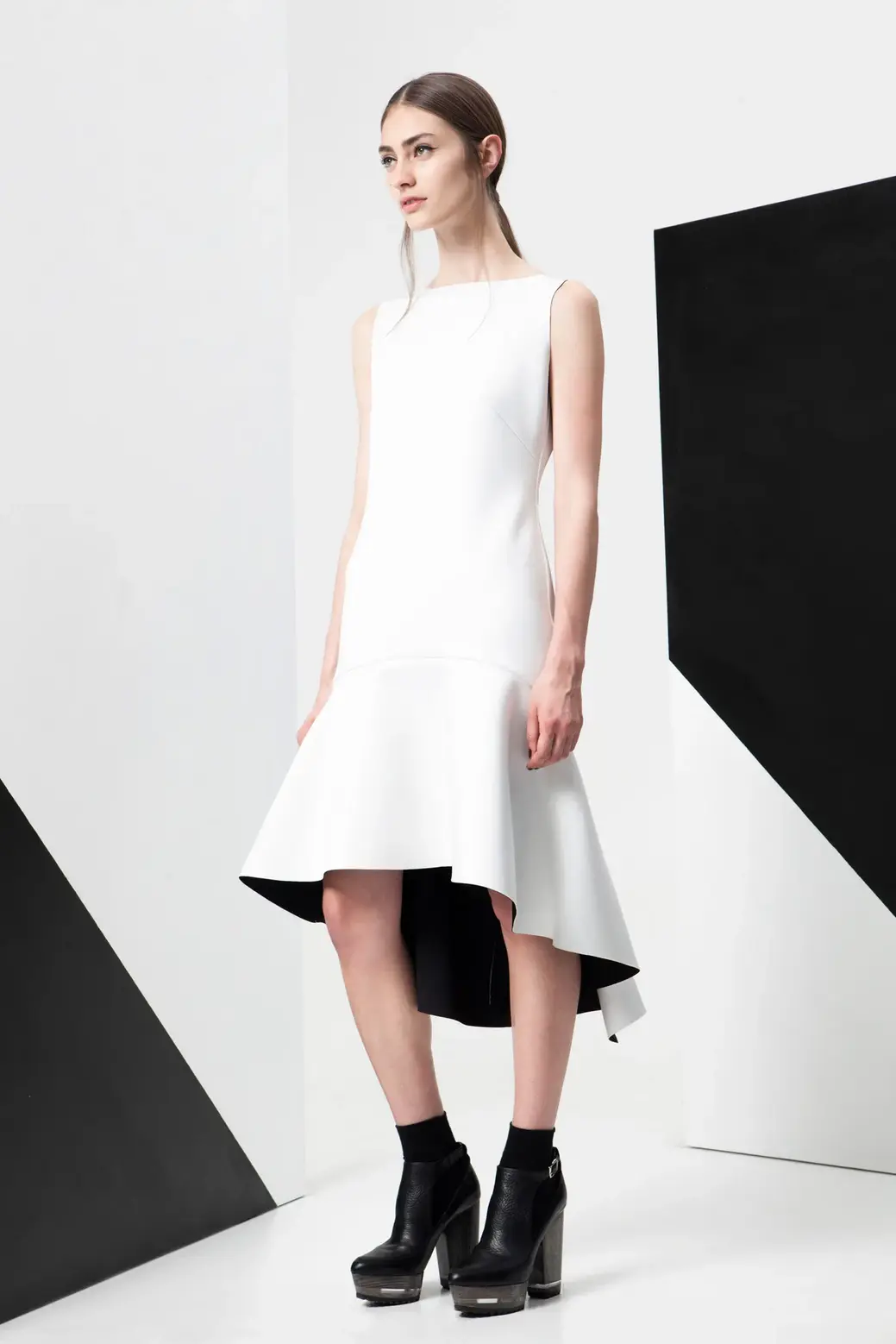
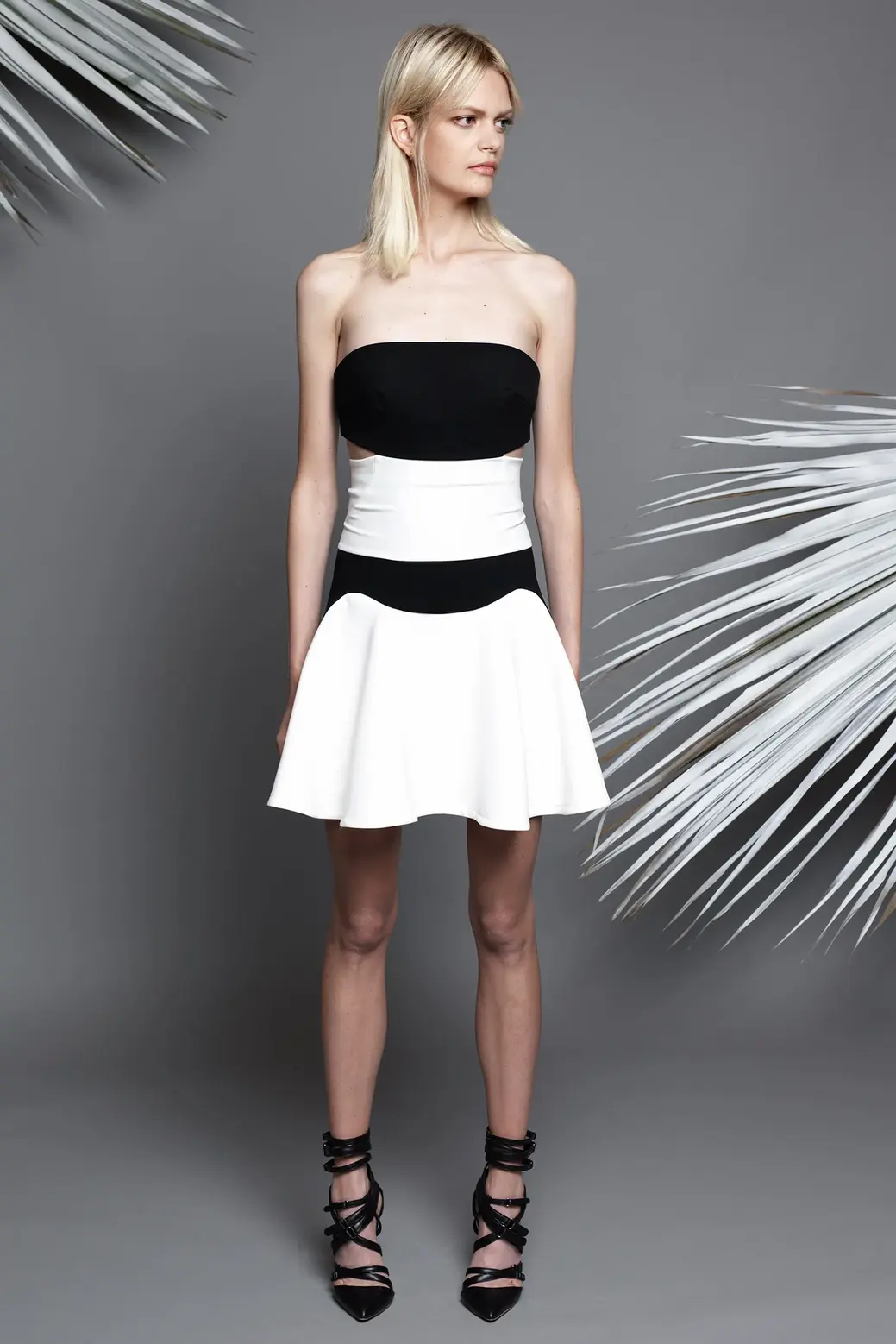
The cut is especially important because the fit and flare silhouette relies on transition. The dress must move from fitted to flared without looking broken in two. The eye should sense a gradual release, like a line being softened rather than interrupted. This can be achieved through long vertical panels that begin narrow at the hip and widen near the knee, creating a trumpet-like expansion. It can also come through godets, which are triangular fabric inserts added into seams to create sudden yet elegant movement at the lower skirt. When done well, these inserts allow the dress to remain slim through the thigh while giving the hem a sweeping, animated shape. The wearer stands still, and the dress already suggests motion.
Inside the garment, the fit and flare silhouette often needs support that the eye never sees. A structured version may use boning, interfacing, lining, horsehair braid, petticoat layers, or reinforced seams to keep the body fit clean and the lower flare active. Horsehair braid at the hem can help the skirt ripple outward instead of collapsing. Interfacing can give the lower panels more body. A lining can smooth the fitted section so the dress glides rather than catches. In couture or eveningwear, the construction may hide an entire inner architecture: a fitted foundation that holds the body while the outer fabric performs the fantasy. The outside looks effortless; the inside does the labor.
The fit and flare silhouette is a modern descendant of the mermaid, trumpet, fishtail, and sheath gown, rather than a direct child of the A-line dress. Its origin sits closest to the mermaid silhouette, which French couturier Marcel Rochas helped bring into modern couture in the 1930s. The construction idea is simple but powerful: the dress follows the body first, holding the bodice, waist, hip, and thigh in a long sculpted line, then releases into flare near the lower thigh, knee, or calf. This makes the fit and flare silhouette a softer, more wearable evolution of the mermaid or trumpet gown. It keeps their elongated fitted body and lower-skirt drama, but the flare can begin slightly higher, move more gently, and feel less theatrical. Charles James later pushed this body-conscious-and-sculptural logic into couture engineering; his 1955 “Butterfly” gown was built from a body-conscious sheath with a large constructed skirt, proving how closely fit, structure, and lower-volume release could work together.
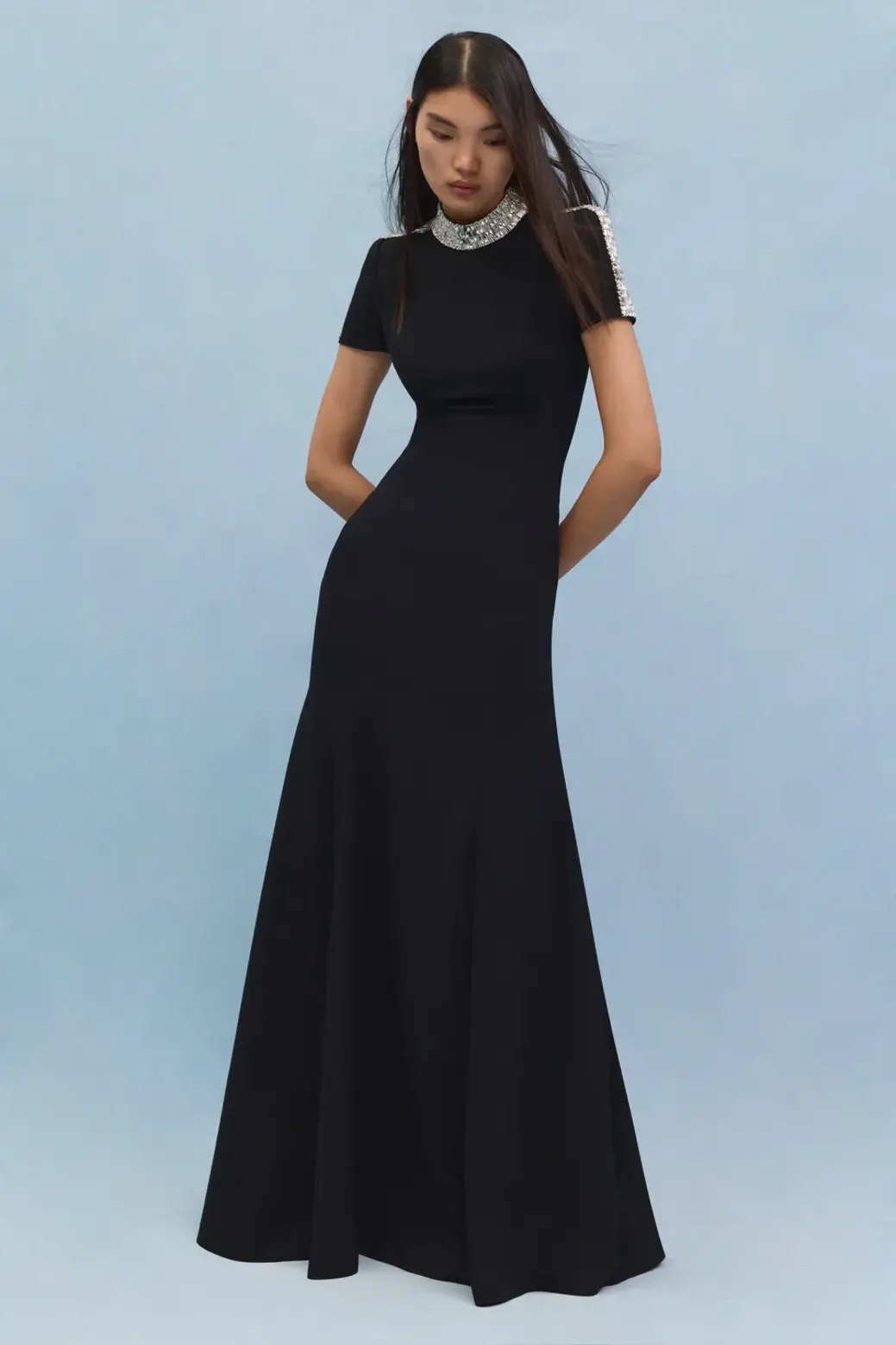

The fit and flare silhouette travels with those curves for longer than expected, almost like it is studying the body before deciding what kind of drama it deserves. Then, at the lower thigh, the fabric loosens its grip and begins to widen. That release feels intentional, almost ritualistic. The body is first drawn as a line, then the line becomes movement.
Its spirit is sensual because it understands timing. The fit and flare silhouette does not spend all its energy at the waist. It delays the spectacle. It lets the upper body and hip become a long, continuous statement before the skirt starts to open, which gives the shape a slow-burning power. There is something almost cinematic in that delay: the eye follows the dress downward, expecting control, then suddenly meets expansion. The body becomes less like an object being displayed and more like a force creating consequences in fabric.
There is also a beautiful refusal inside the fit and flare silhouette. It refuses the instant sweetness of a waist-flare dress and refuses the total severity of a column. It lives between possession and escape. The body is held, then released. The dress knows that glamour can come from pressure, but also from the moment pressure breaks into motion. This is why the silhouette can feel seductive without becoming obvious, formal without becoming frozen, dramatic without screaming. Its power sits in the transformation: the body enters as structure, and leaves as momentum.
At its deepest level, the fit and flare silhouette is about a body becoming eventful. It turns walking into a small performance because the lower skirt reacts after the body moves. The flare arrives almost like an echo, a delayed wave, a shadow with its own choreography. It gives the wearer a double presence: one part sculpted and contained, one part loose and unpredictable. That duality is the real spirit of the silhouette. It does not simply decorate the body. It stages the moment when control becomes freedom.
On the runway, the fit and flare silhouette becomes a house signature because every designer chooses a different moment for the body to stop being held and start becoming motion.
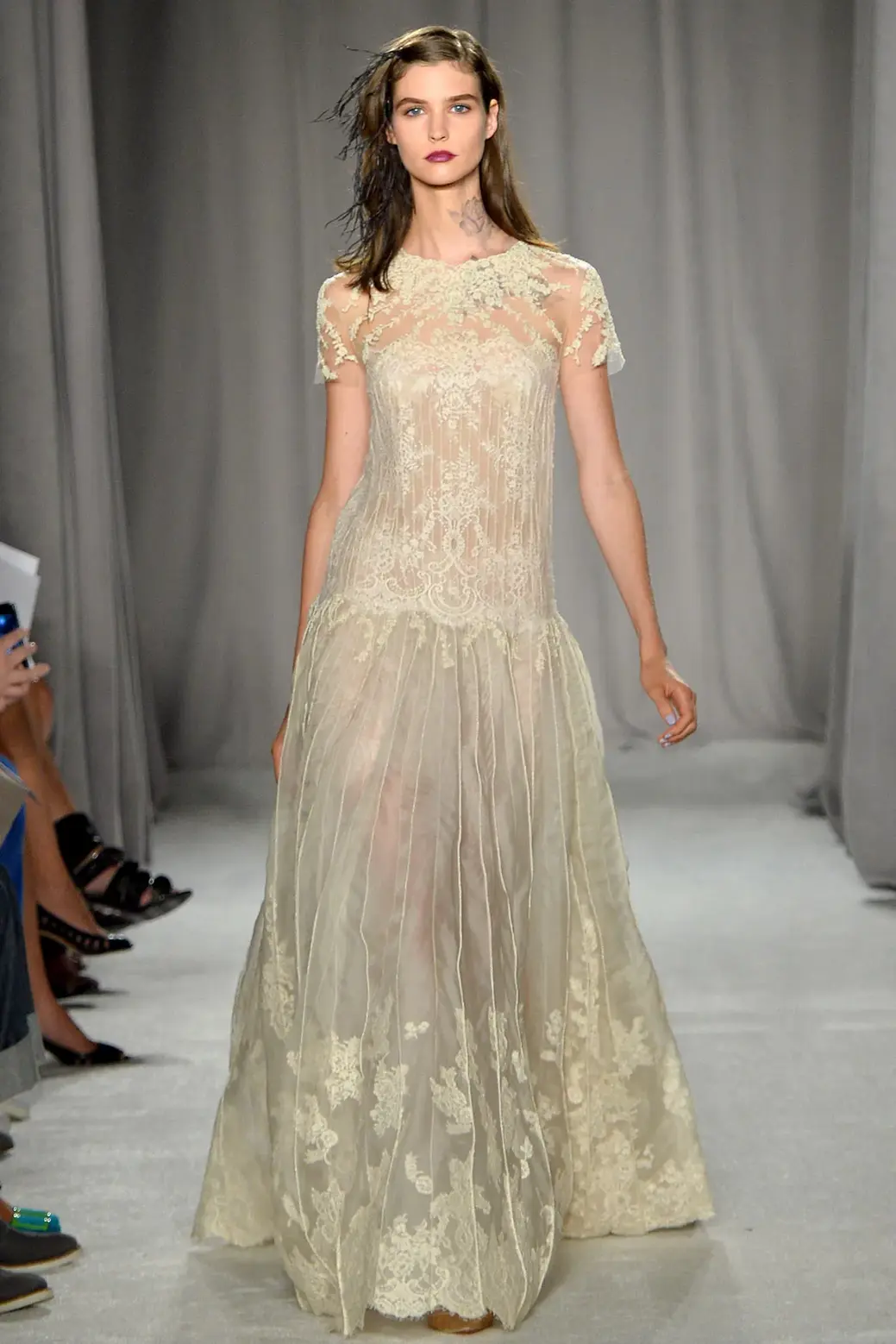

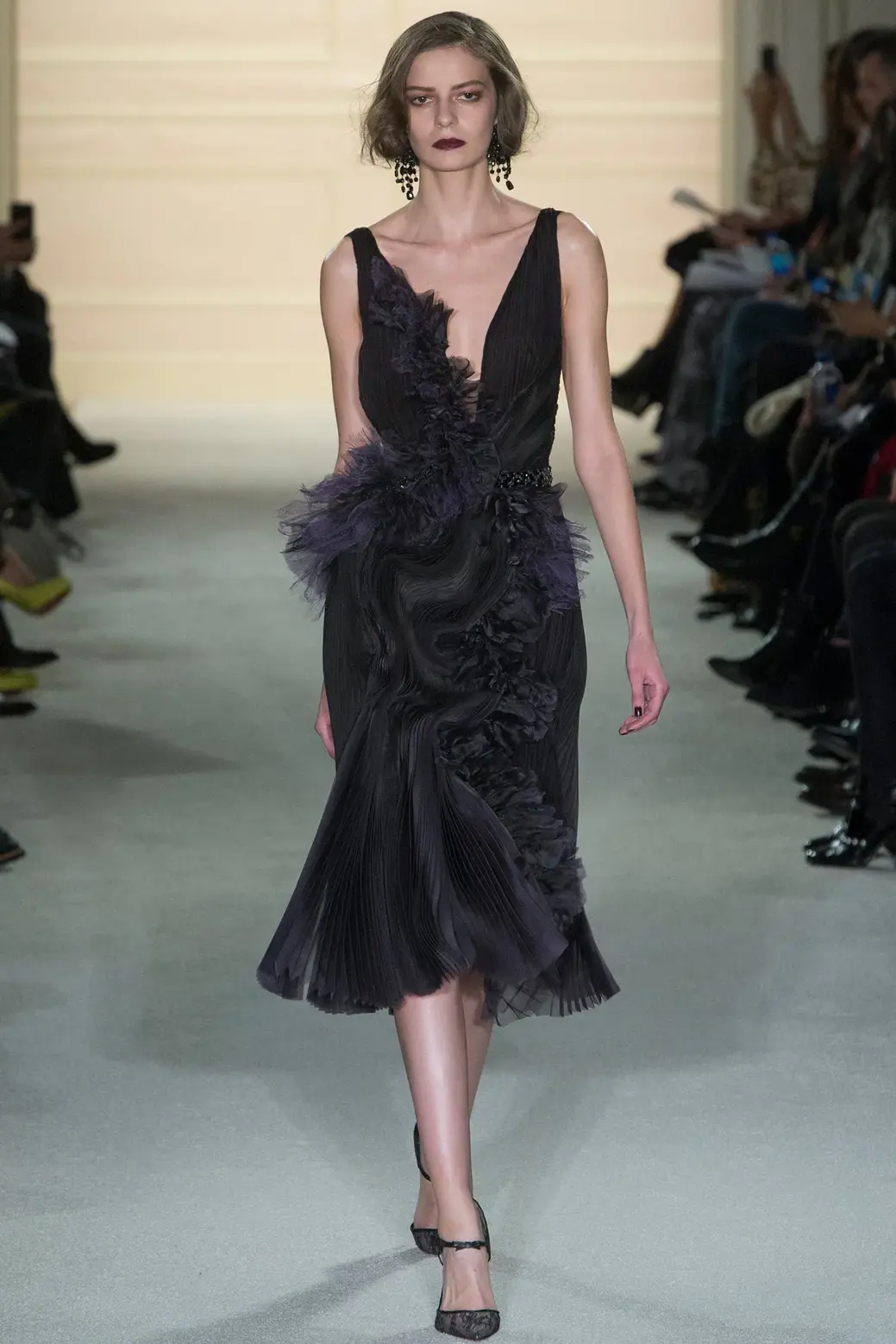

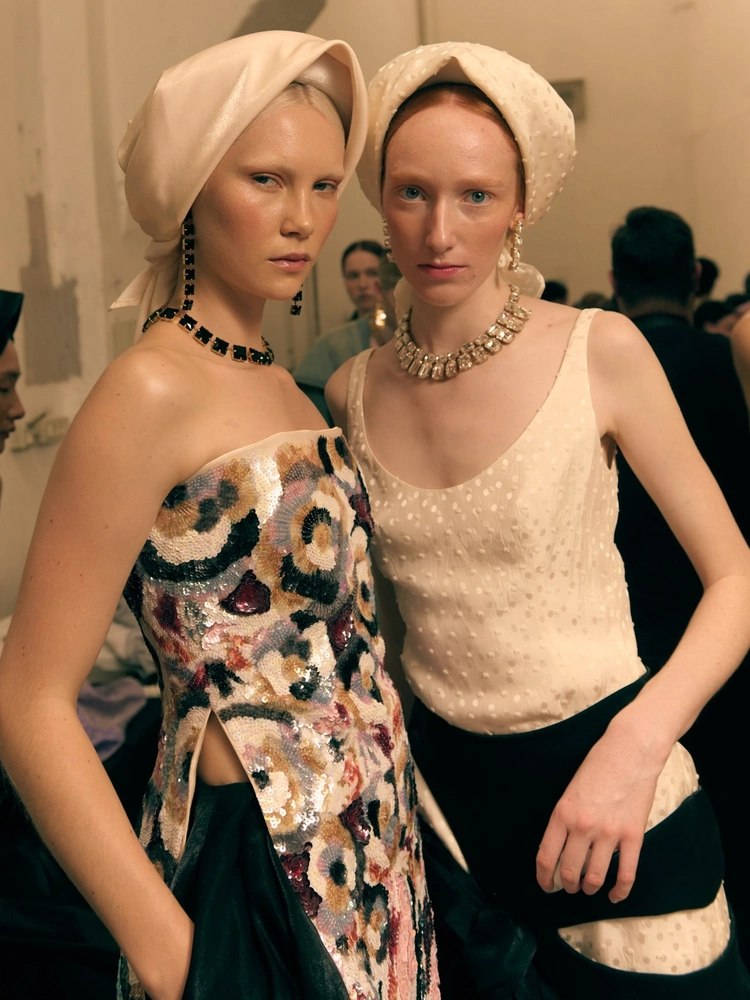
At Marchesa, it turns romantic and red-carpet fluent, with embroidered bodices, lace, tulle, and mermaid-like skirts that make the flare feel like a soft theatrical exit.
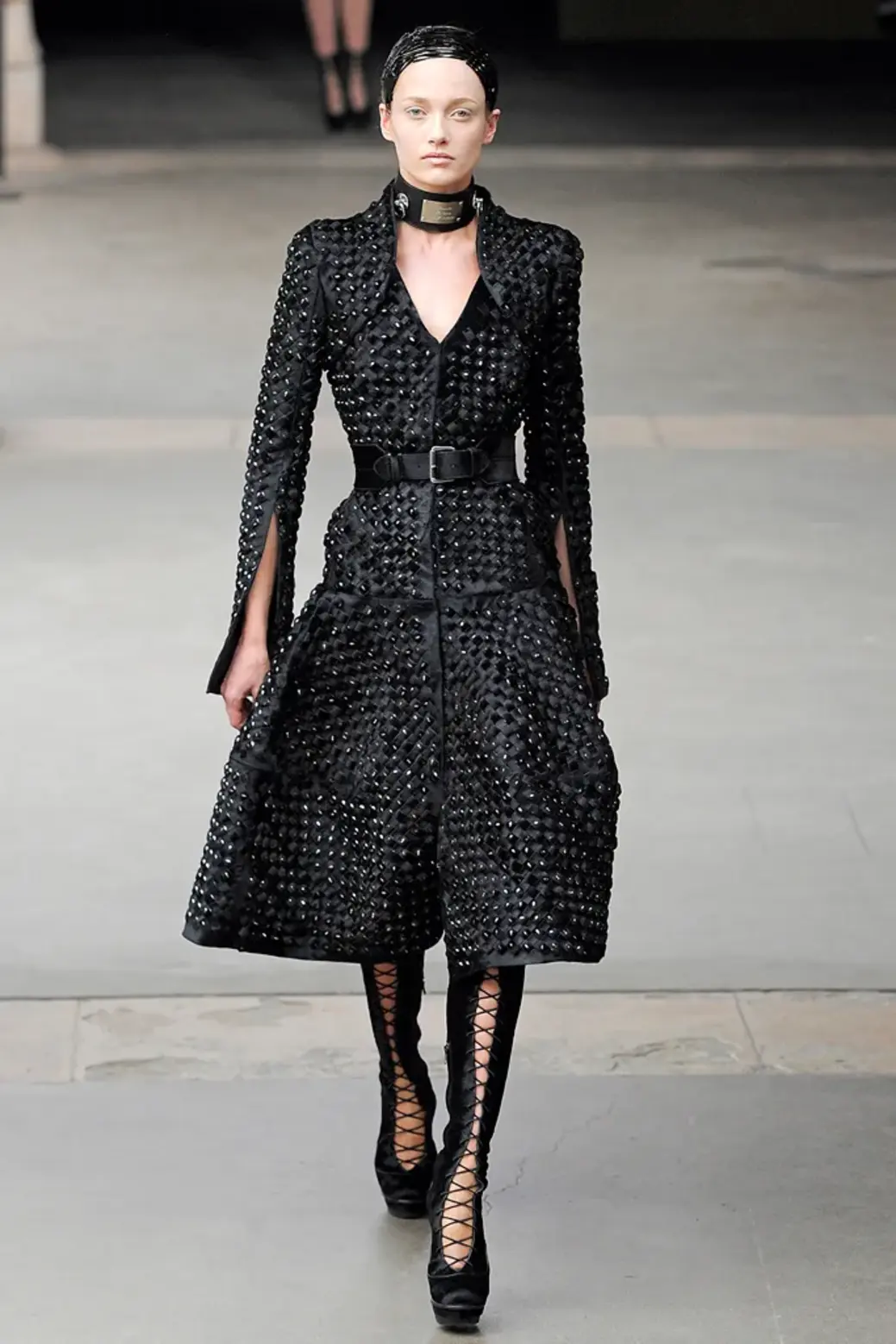
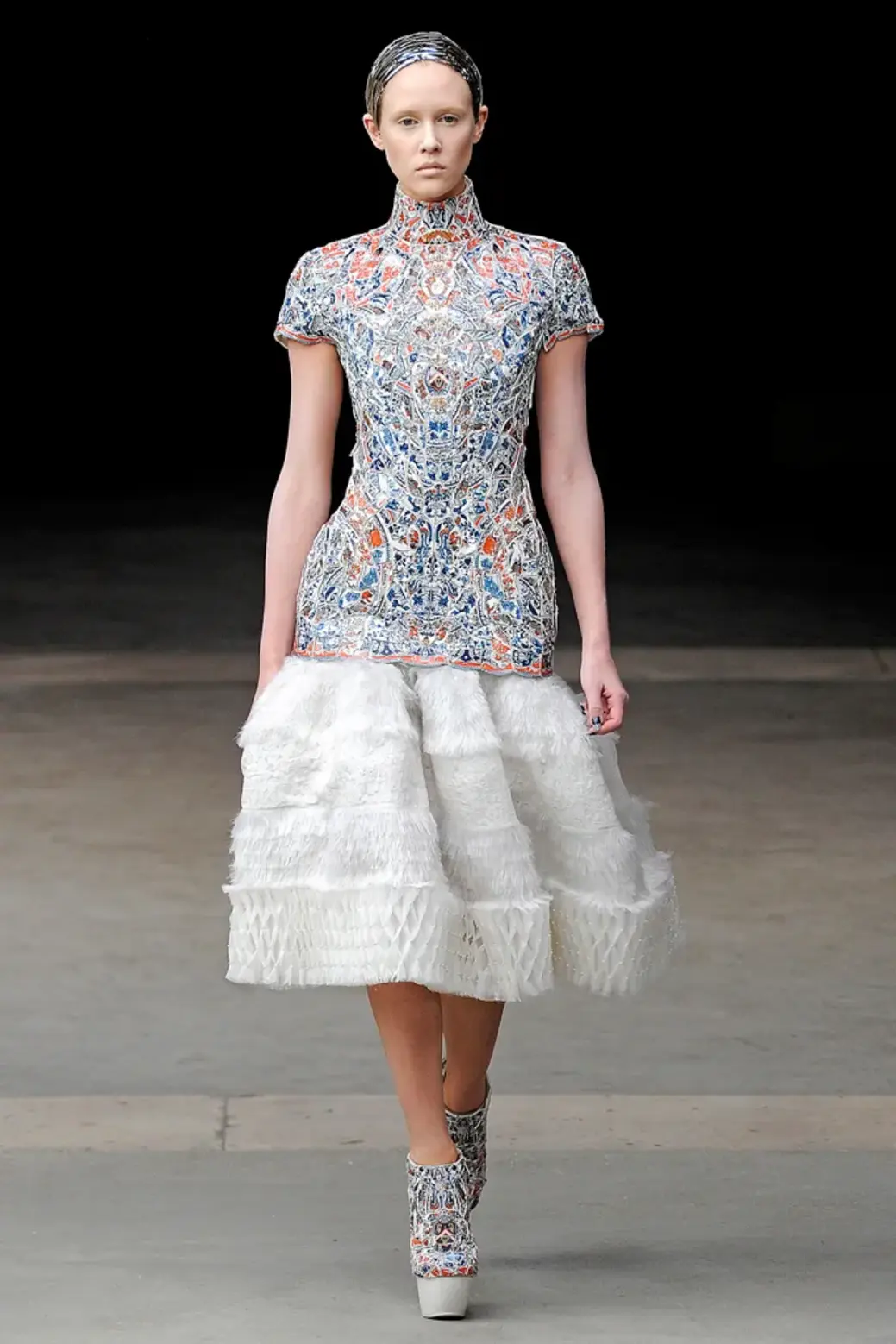
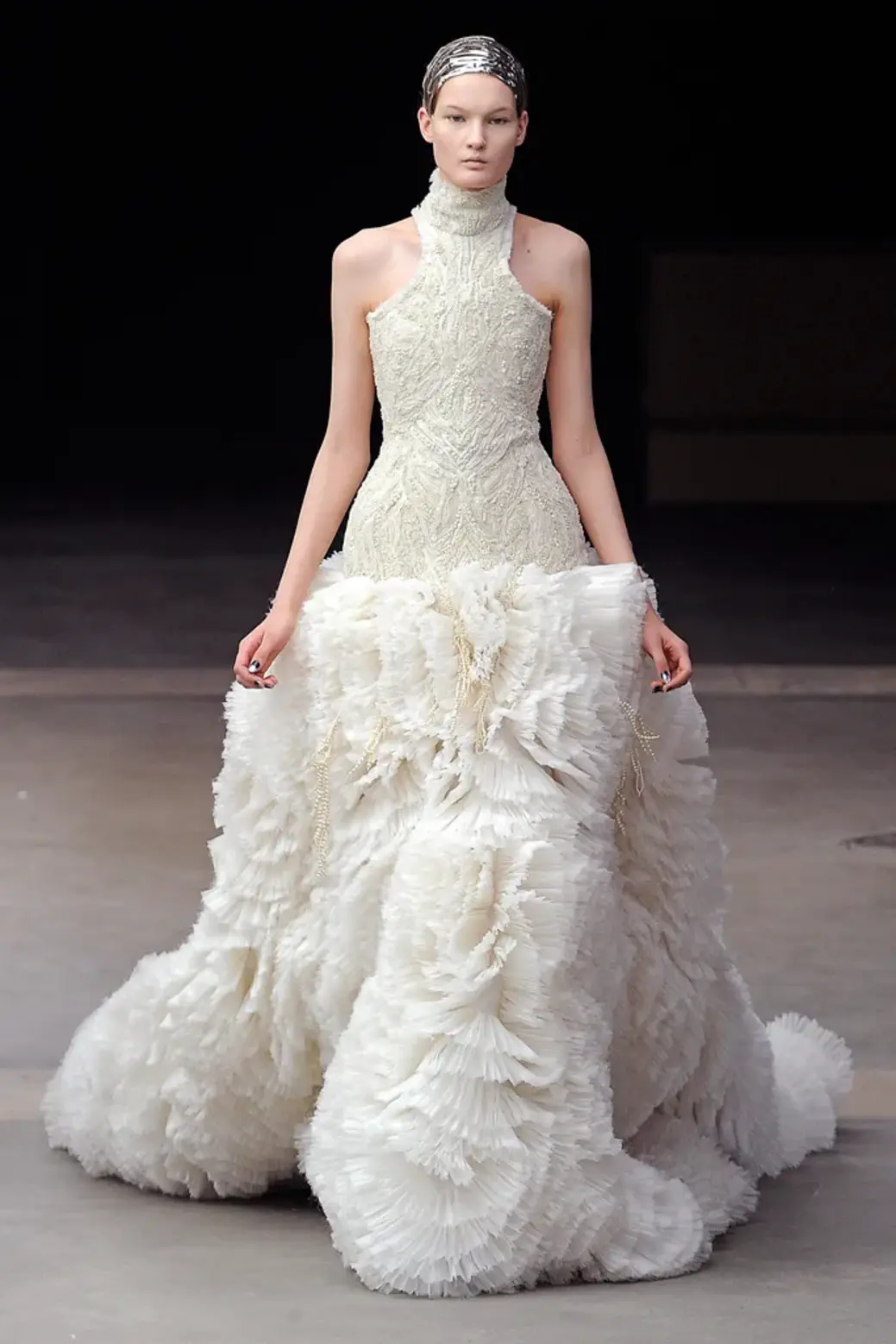
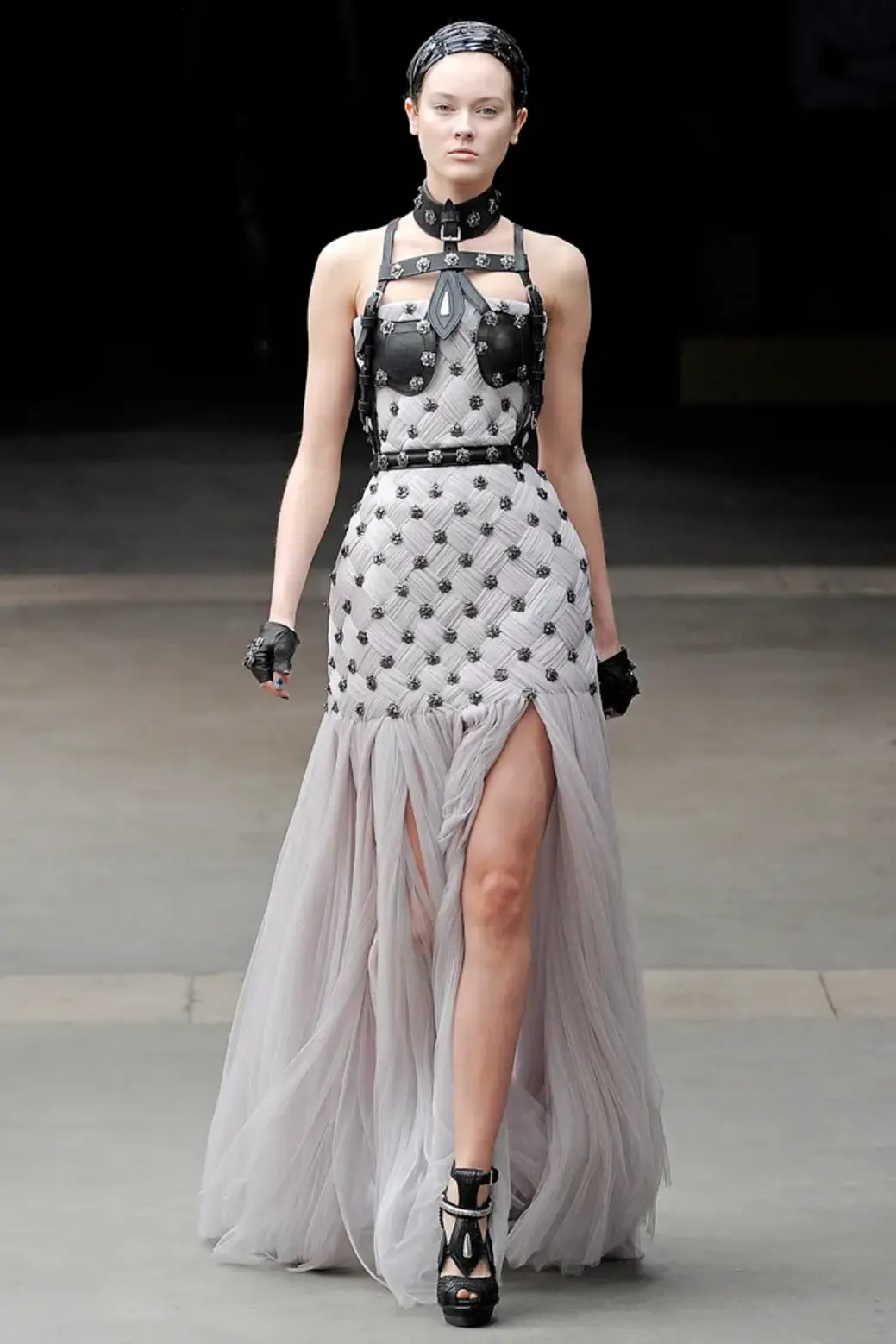
At Alexander McQueen, the silhouette becomes sharper and more mythic; corseted waists and flared skirts are a recurring McQueen language, turning the body into something armored, floral, or almost creature-like.
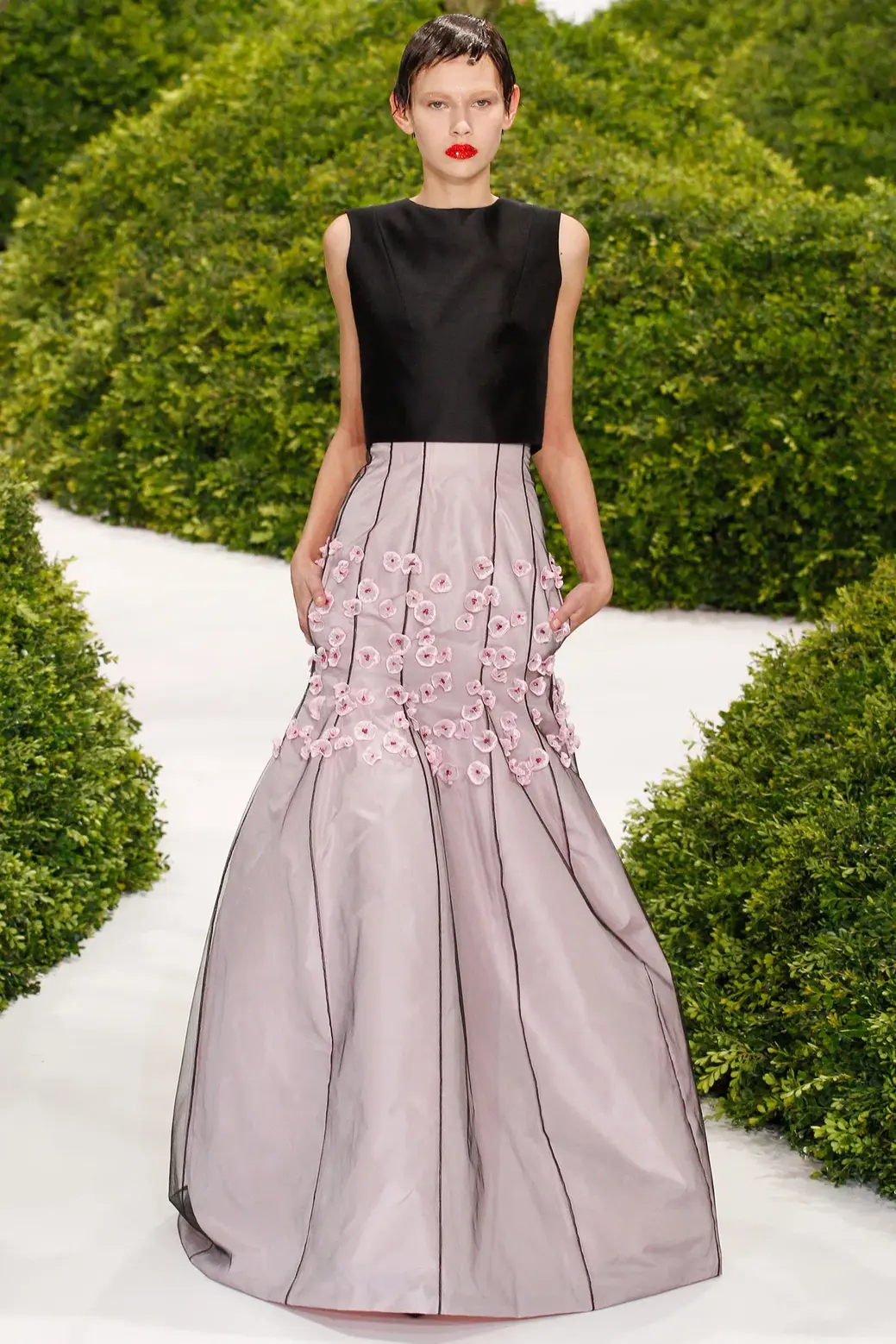


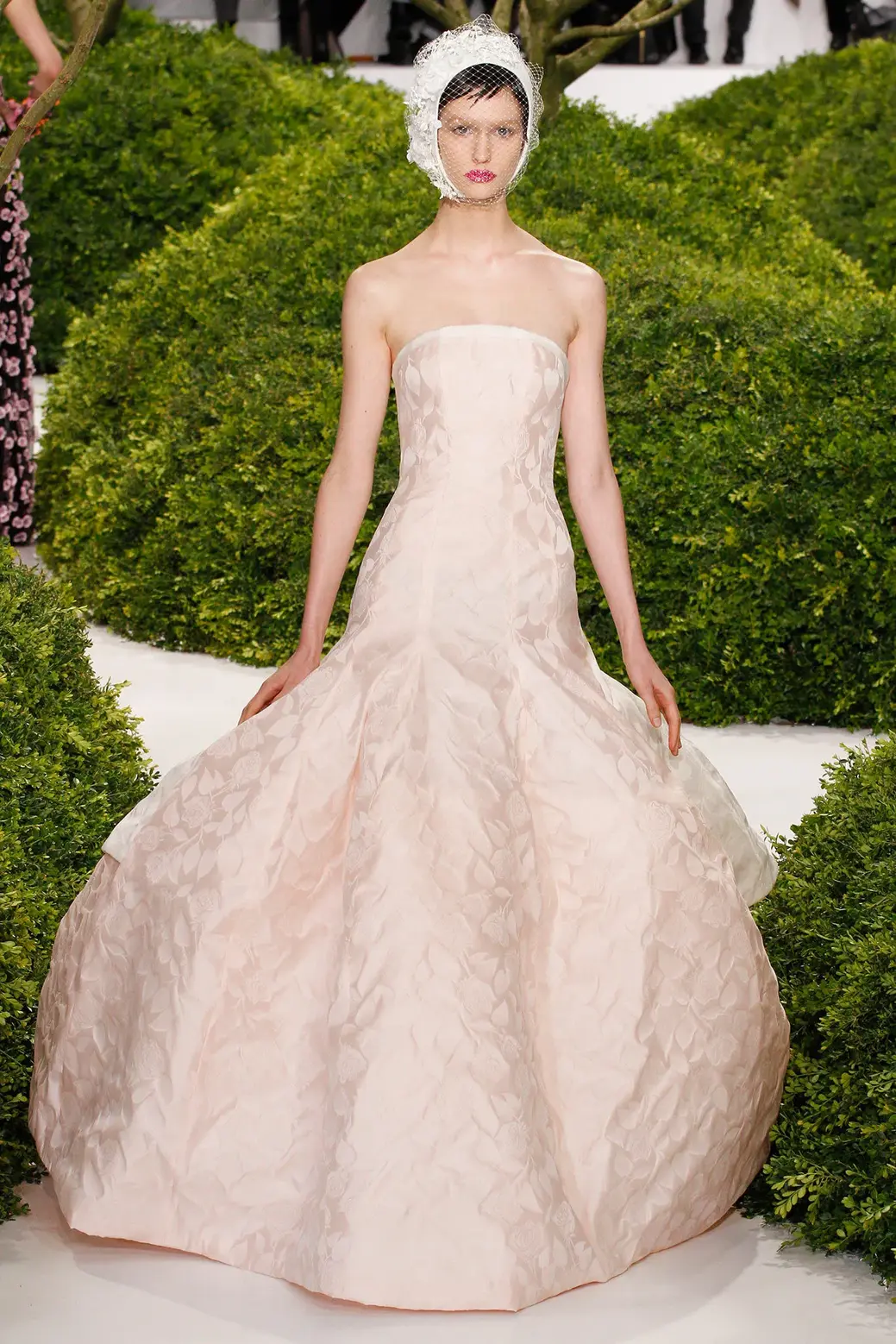
At Dior, the fit-and-flare idea often sits between couture discipline and feminine ceremony, especially through shaped waists, sculpted hips, and skirts that expand with controlled grandeur.
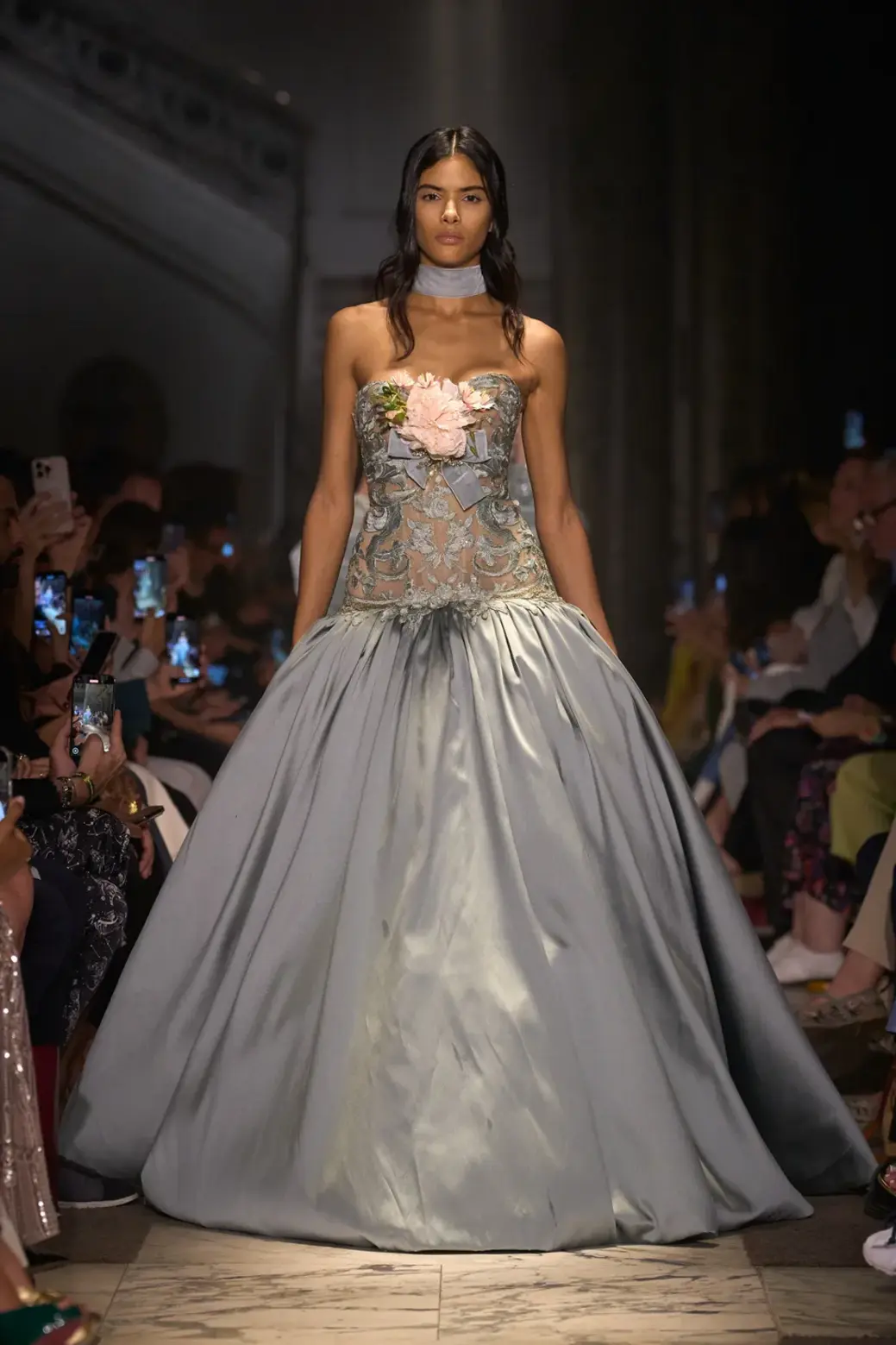
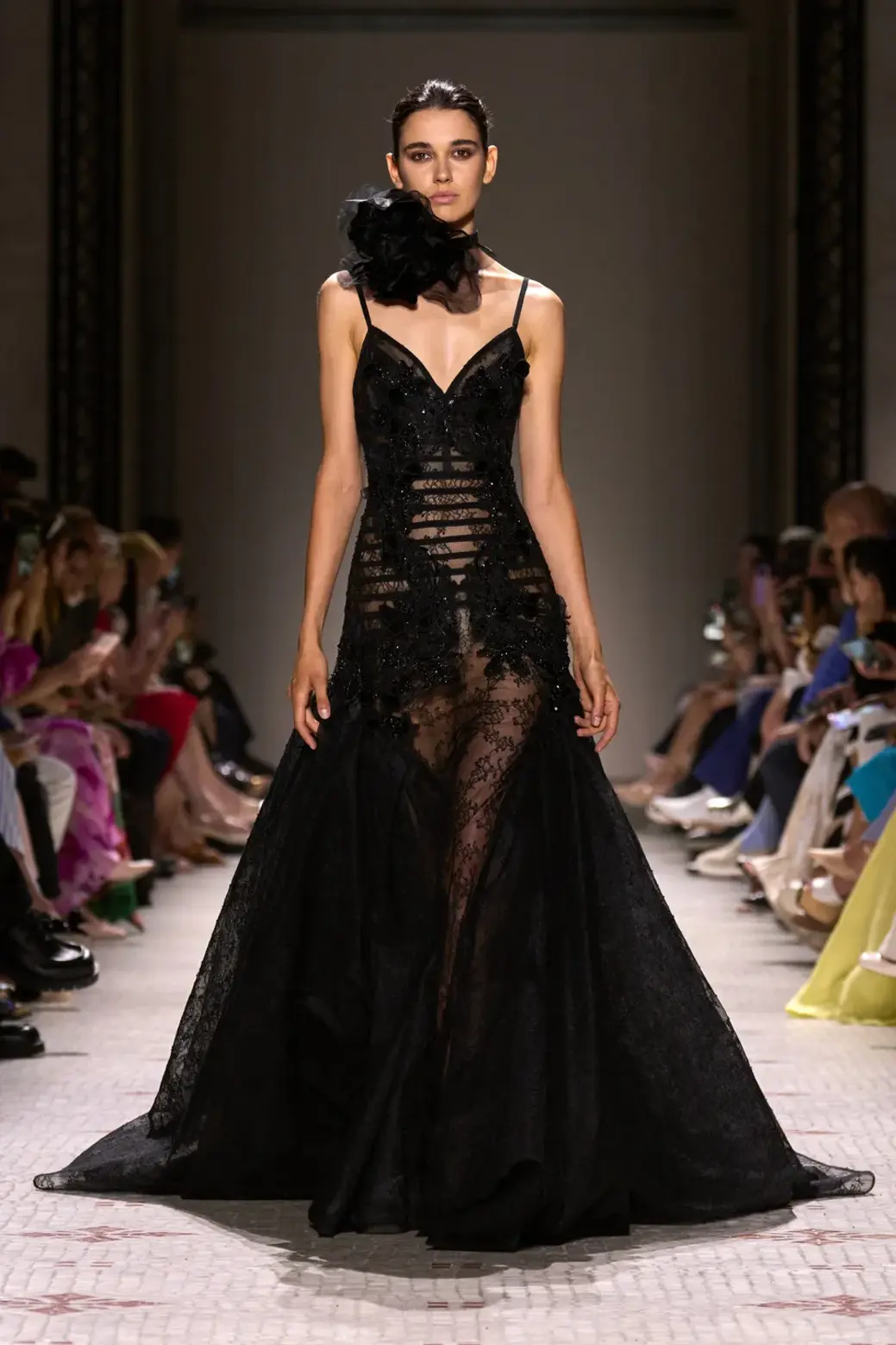
At Elie Saab, the fit and flare silhouette becomes pure eveningwear seduction, usually drawn through crystal embroidery, lace, long trains, and gowns that cling before they sweep.


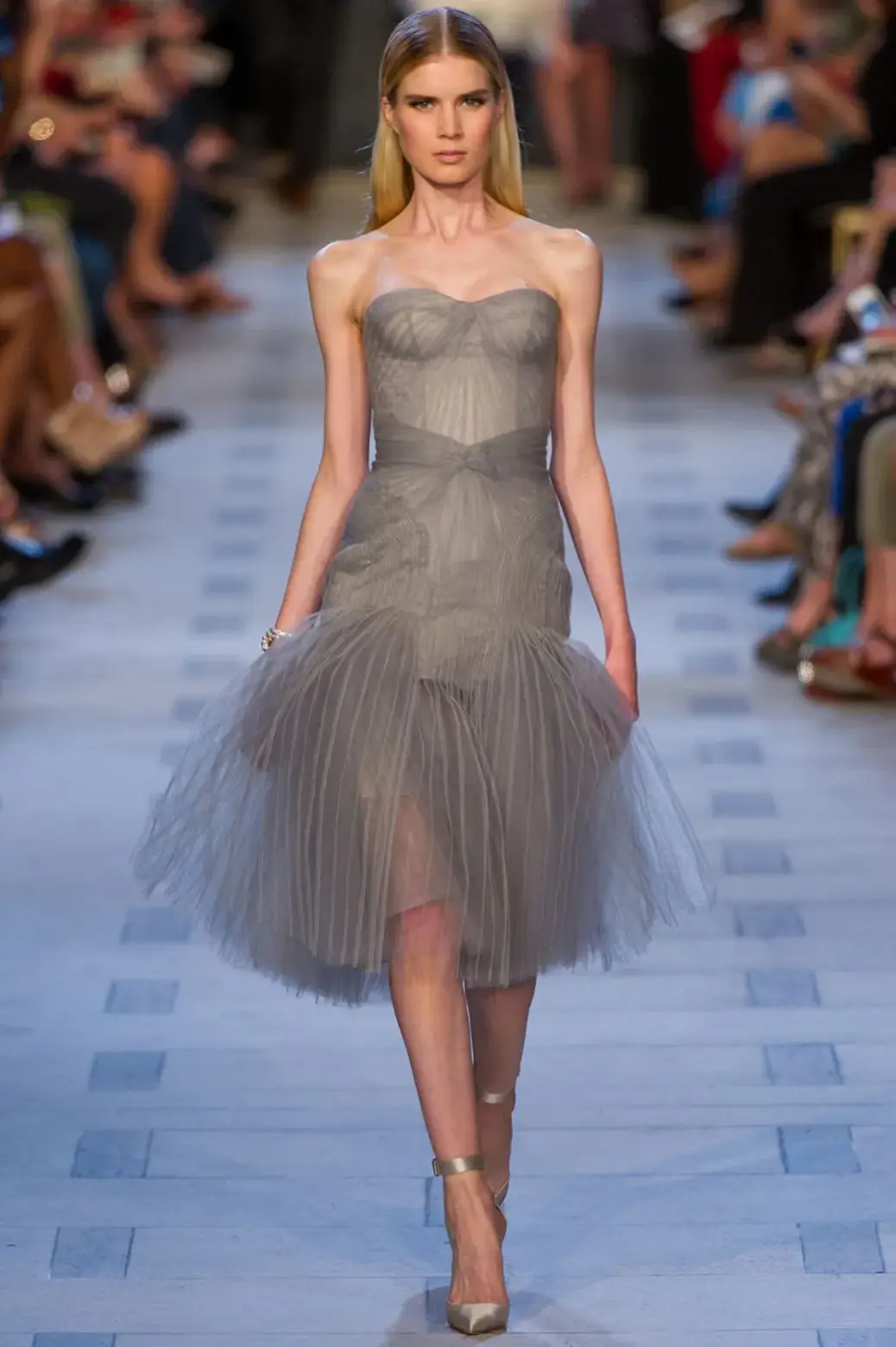

At Zac Posen, the cut feels almost architectural, built with dramatic seams, corseted bodies, and trumpet-like lower volume that makes the gown look poured, carved, then released.
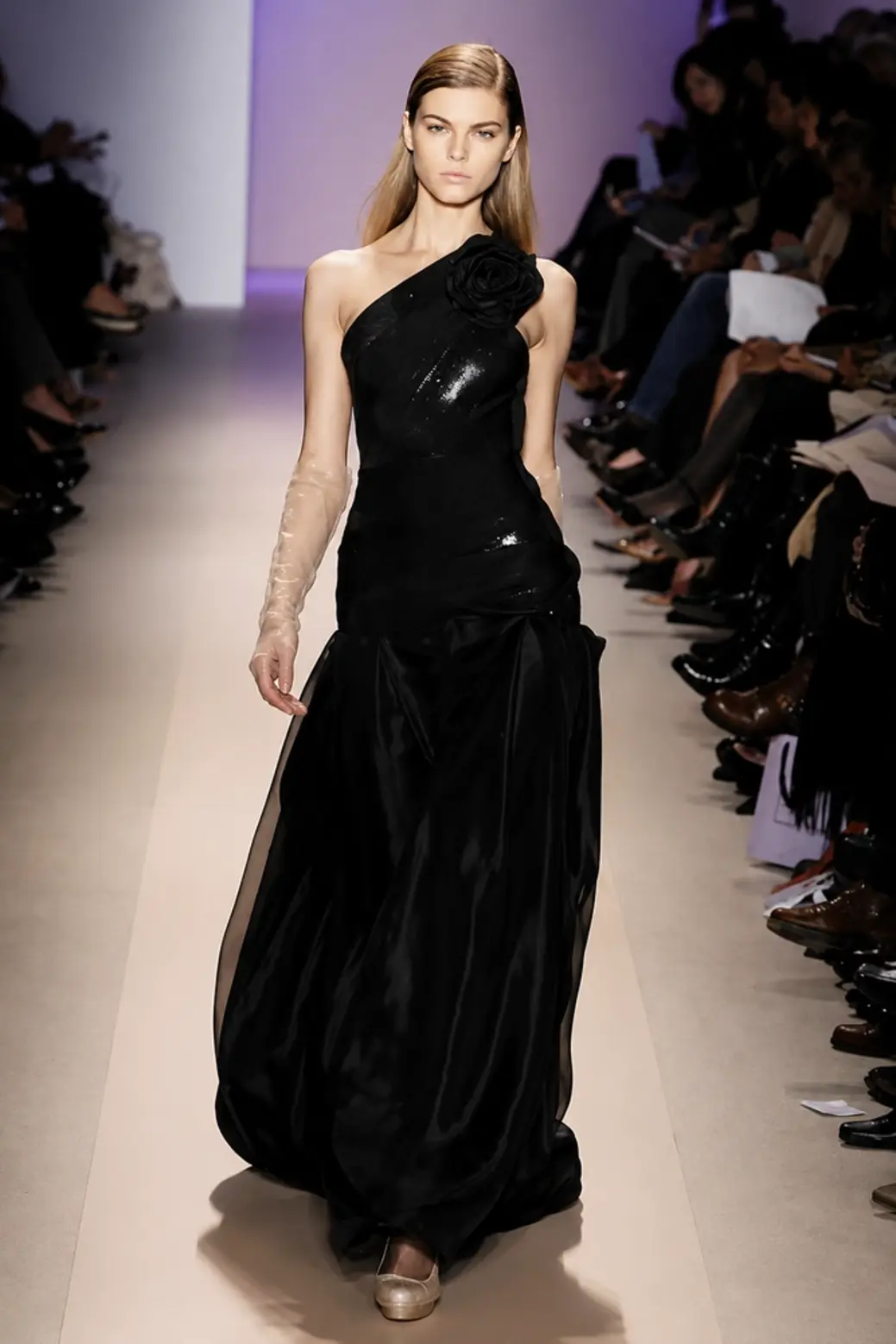
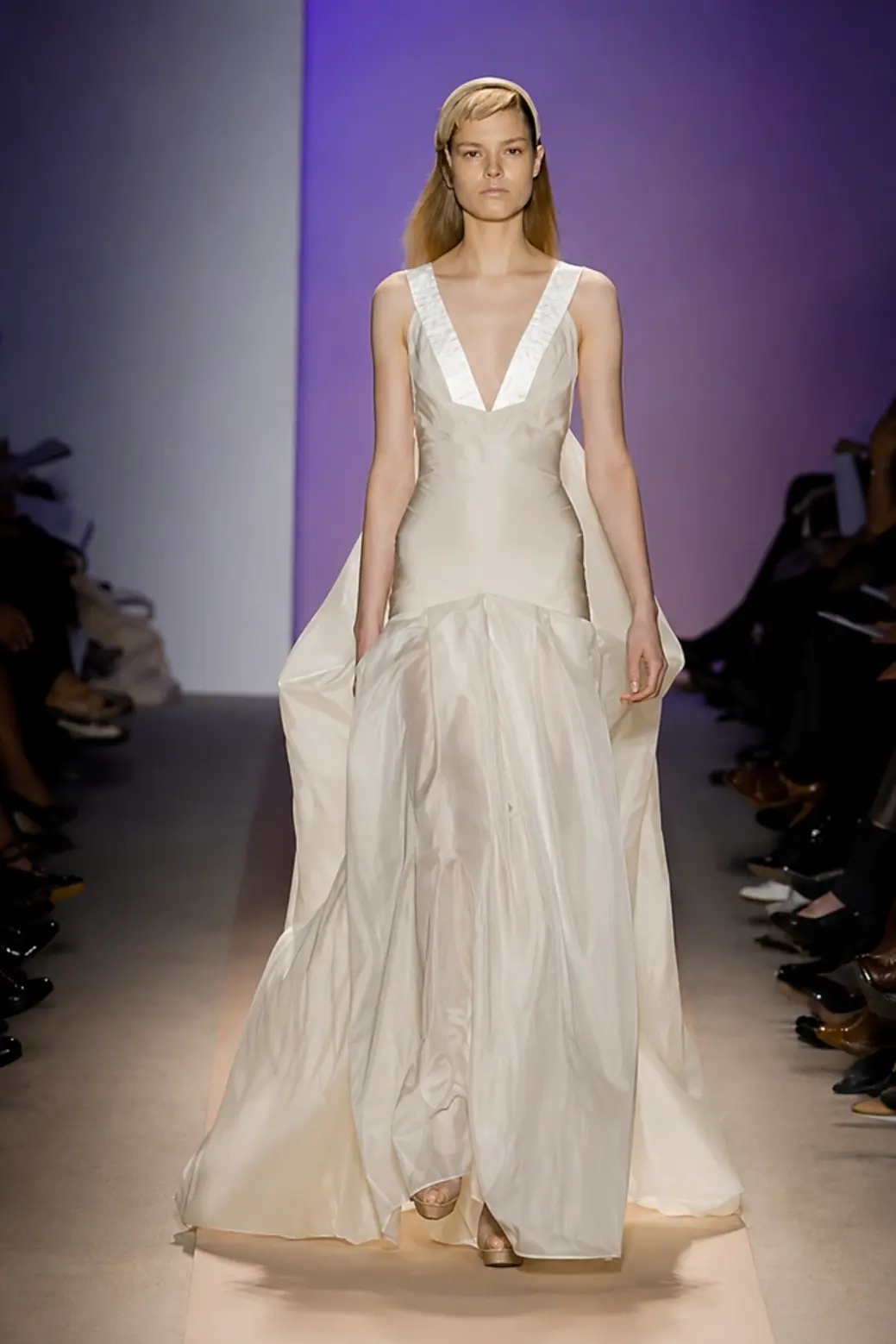
At Hervé Léger By Max Azria, the fit and flare silhouette becomes a second-skin experiment, using bandage construction to sculpt the body tightly through the torso, hip, and thigh before letting the hem kick outward with controlled, high-gloss tension.
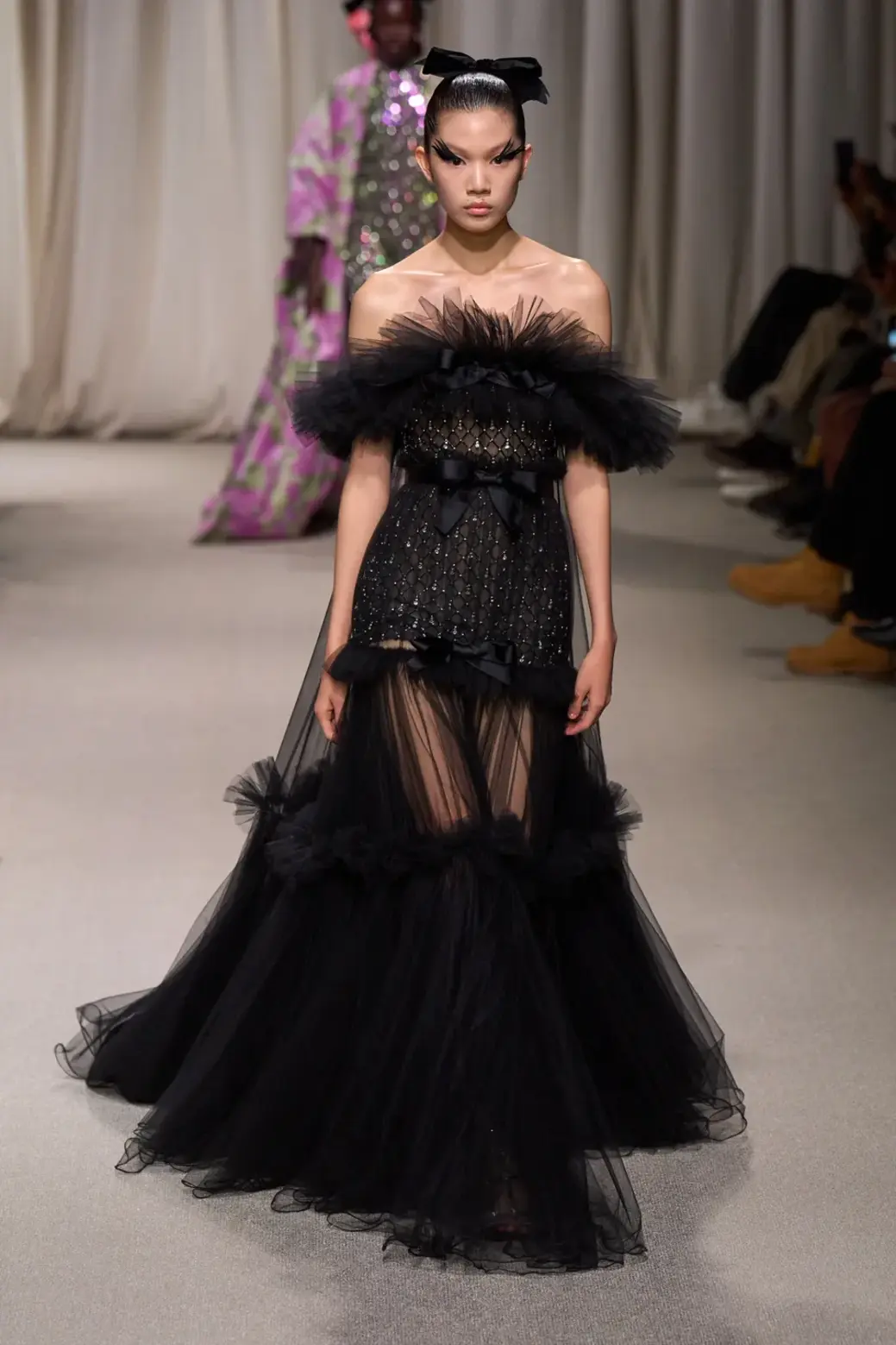

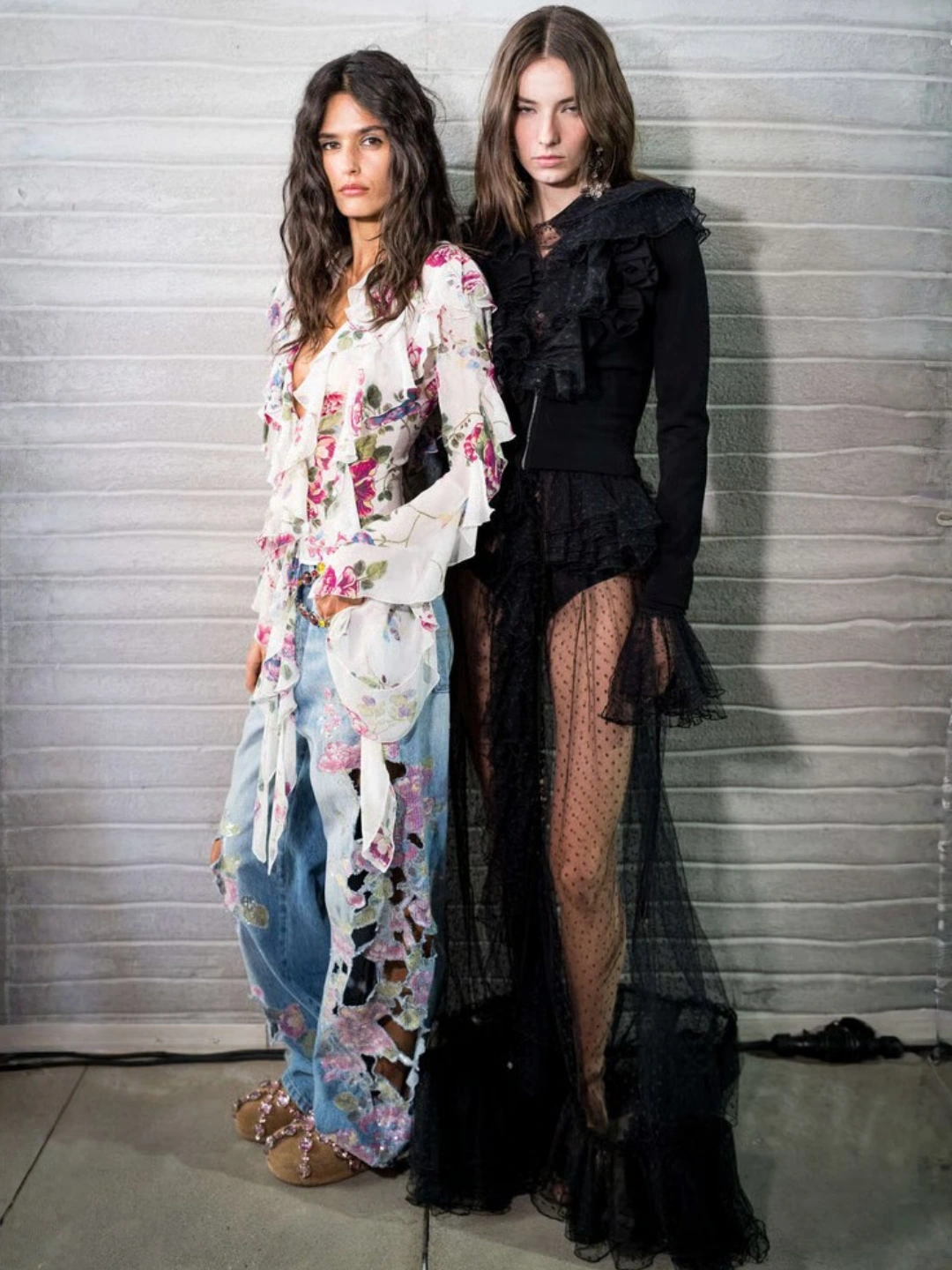
At Giambattista Valli, the silhouette becomes lighter and more ornamental, touched by ruffles, floral surfaces, and couture sweetness, so the flare feels less like a command and more like a bloom escaping the body.
The fit and flare silhouette is powerful because it treats the body as a sequence, almost like a sentence with breath built into its grammar. The fitted line is the comma, the held silence, the charged interval before the dress decides to change its mind. By delaying the flare, the silhouette gives form to anticipation itself: the body is drawn downward in one continuous thought, then the skirt opens as consequence, as aftershock, as proof that stillness can generate force. Its drama comes from discipline, yet its beauty lives in the moment discipline turns fluid. The fit and flare silhouette makes restraint feel physical. It shows that volume has greater impact when it arrives late, and that the most memorable shape is sometimes the one that waits before it floods the room.
Advertisement