MENU
Close





Does the Byzantine style serve to adorn the man, or to bury the mortal so deeply beneath gold and stone that only the face of God remains visible?
Does the Byzantine style serve to adorn the man, or to bury the mortal so deeply beneath gold and stone that only the face of God remains visible?
April 15, 2026
Advertisement

Advertisement



Beneath the weeping gold of the Bosphorus mist, where the ghosts of the Caesars traded their iron swords for the shimmering armor of the icon, the world began to breathe in the scent of eternity. From its foundation in 330 AD until the final, tragic splintering of its gates in 1453, the Byzantine Empire stood as a glittering hinge of history, anchoring its soul in the "New Rome" of Constantinople, the heart of Istanbul. Though the empire’s physical borders once stretched like a silk ribbon from the sun-scorched sands of Egypt to the rugged hills of Italy and the Balkans, its spirit remains etched today across the sacred maps of Greece, Russia, and the Levant. This baptism into the Byzantine style demands a total surrender of the modern mind to a landscape of porphyry and incense, where every architectural curve and every rhythmic chant was a desperate, beautiful attempt to anchor the uncreated light of the heavens into the cold, hard stone of the earth.
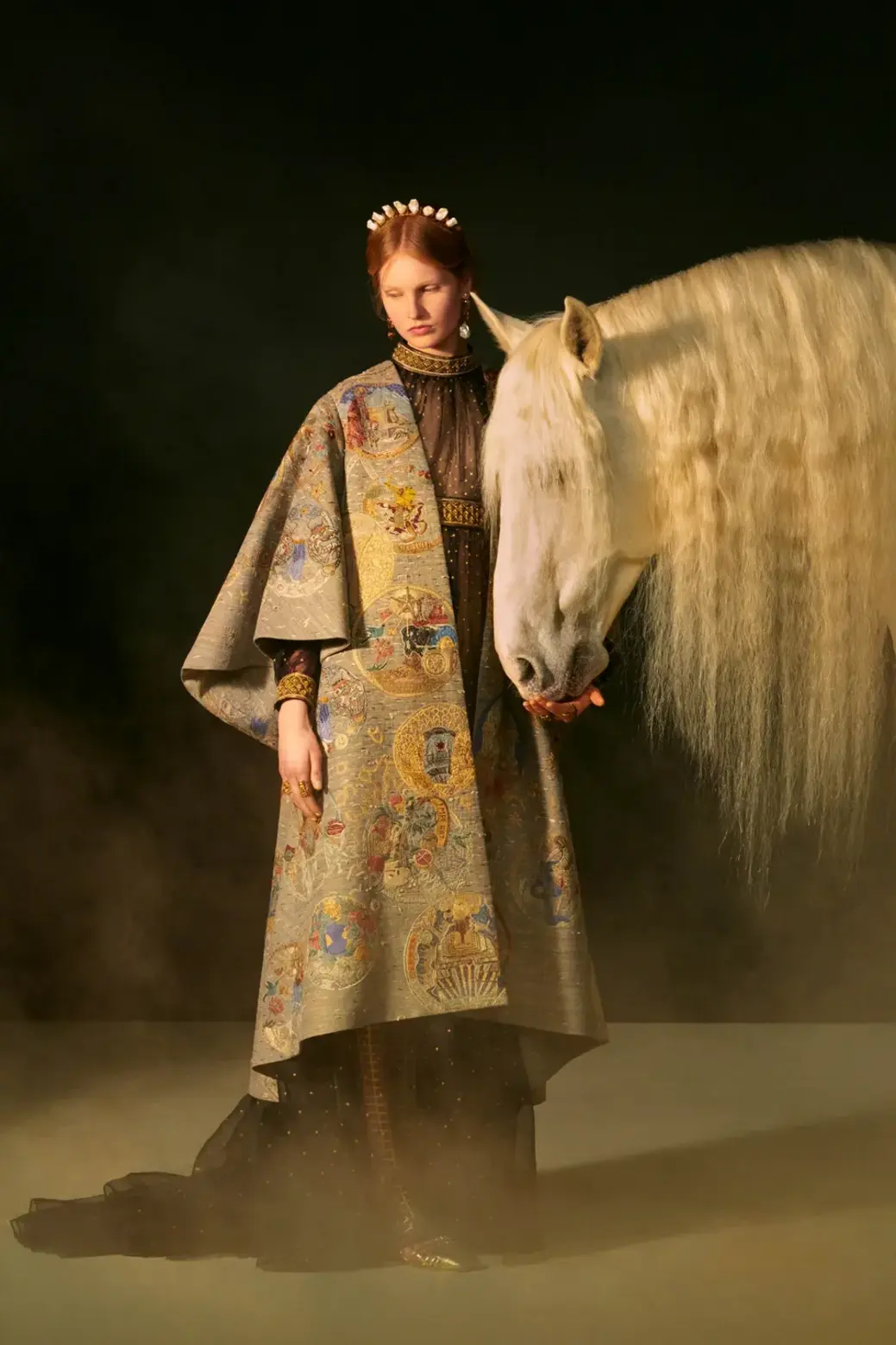
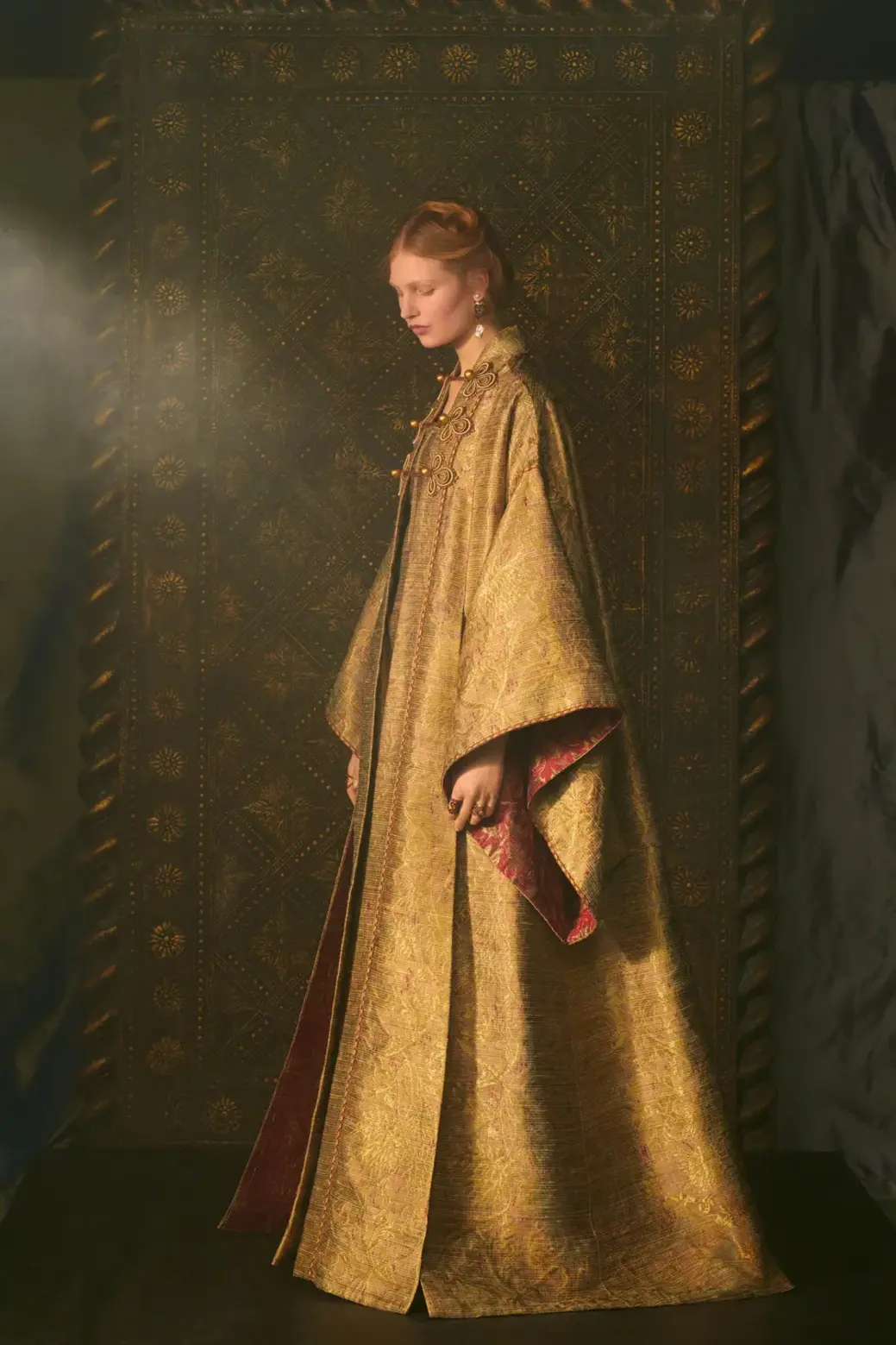
The Byzantine style is a liturgical armor designed to withstand the weight of eternity, a visual manifesto where the human form is systematically dismantled to make room for the divine. This style is the definition of sacred staticity; it rejects the muscular grace of the pagan Roman past in favor of stiff, crystalline permanence. It is a world of horror vacui, where every square inch of fabric or stone must be colonized by a symbol, a gem, or a thread of gold, for an empty space was seen as a void where the light of the Creator had failed to reach. To wear the Byzantine style was to cease being a person and to become an icon, a living, breathing bridge between the dirt of the earth and the uncreated light of the celestial court.
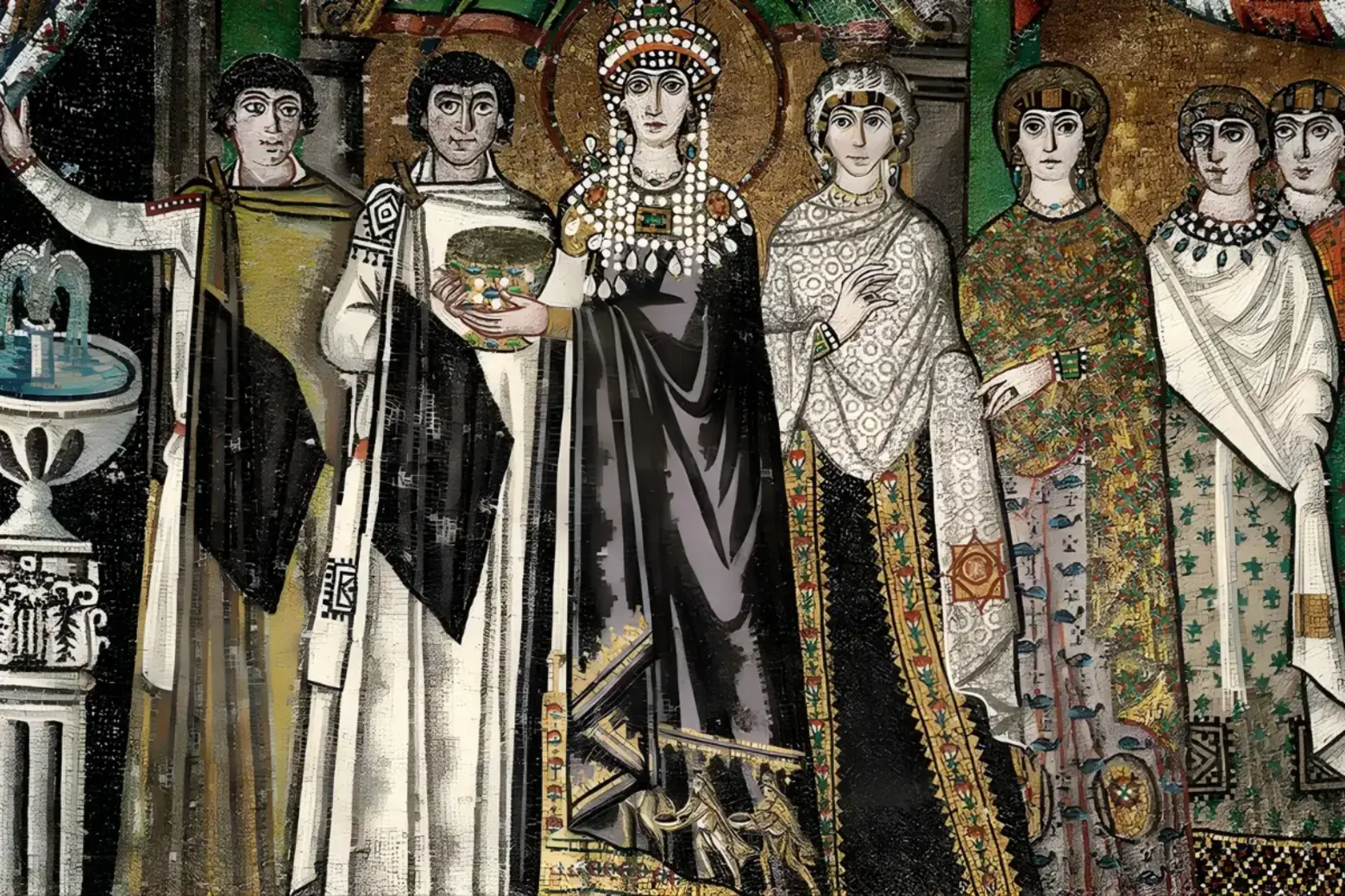
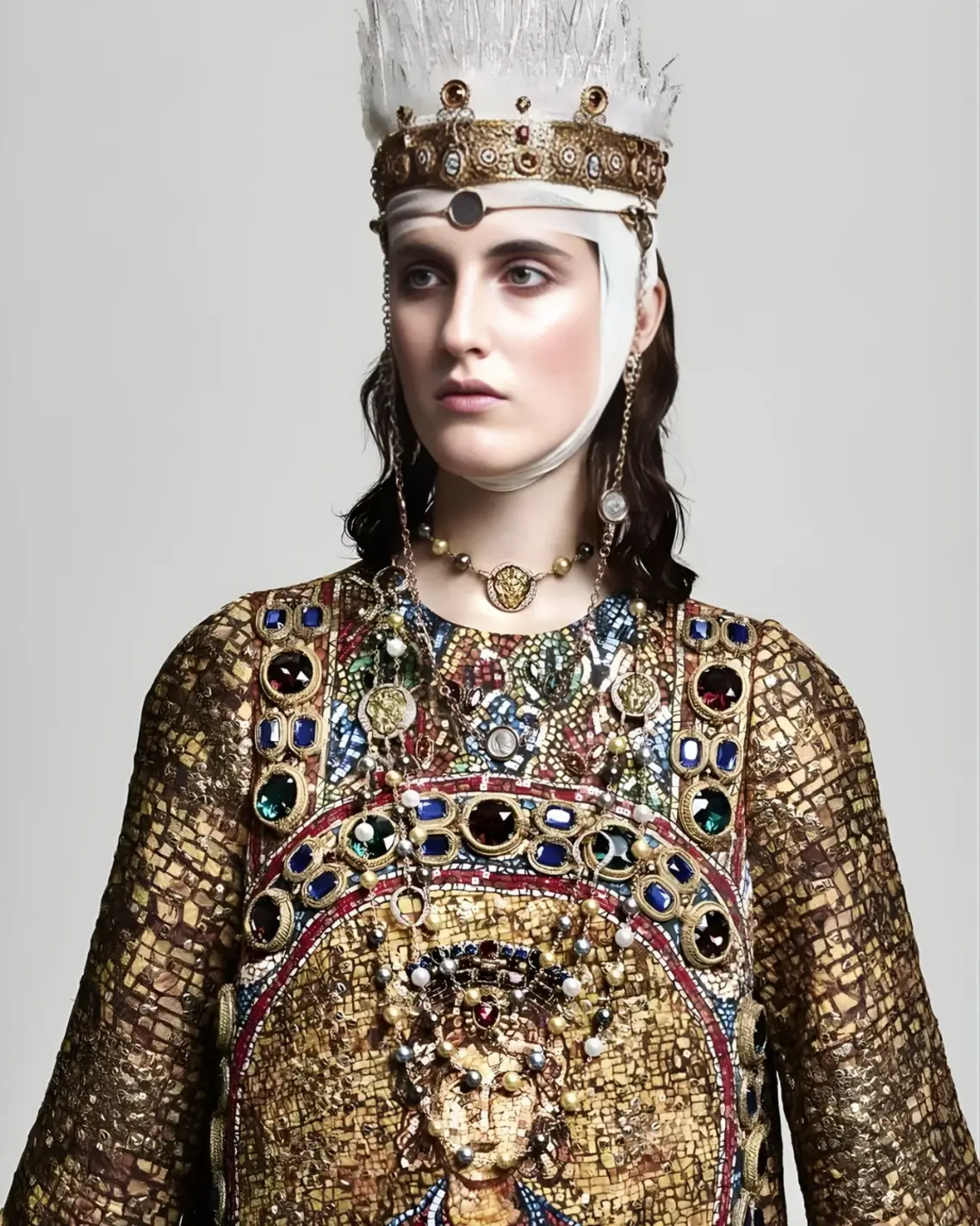
At the foundation of this sacred silhouette lies a violent rejection of the flesh, a transition from the draped, athletic movement of the Roman toga to the rigid, tubular geometry of the East. The body is encased in the Tunica, a basic T-shaped garment that served as the canvas for a complex hierarchy of layers, followed by the Dalmatic, a heavier, wide-sleeved over-tunic that favored the stiff drape of imported Persian silks over the soft fall of wool. This layering was an act of theological concealment, turning the human frame into a flat, two-dimensional surface upon which the glory of the Empire could be mapped. Over this, the elite draped the Chlamys, a massive semi-circular cloak that functioned as a portable sanctuary, fastened at the right shoulder with a heavy, cruciform Fibula brooch. This brooch was often a masterpiece of cloisonné enamel, pinning the wearer’s identity to their rank with the weight of gold. The ultimate signature of this cloak was the Tablion, a rectangular patch of silk brocade sewn onto the front edge, acting as a heraldic scar that signaled one’s proximity to the Emperor. These patches were badges of office, embroidered with lozenges, griffins, and Christian monograms, ensuring that even a man’s silhouette announced his place in the cosmic order. But perhaps the most mystical garment is the Lorum (or the Pallium). This was a long, narrow strip of gold-heavy silk, draped in complex, ritualized wraps around the torso and over the arm. It was meant to symbolize the winding sheet of Christ’s burial, a chilling reminder to the Emperor that even in his gold, he was a servant of the Resurrection. For the Empress, the Thorakion served a similar purpose, a shield-shaped panel of fabric suspended from the belt, encrusted with gems, representing the protection of the Virgin Mary.
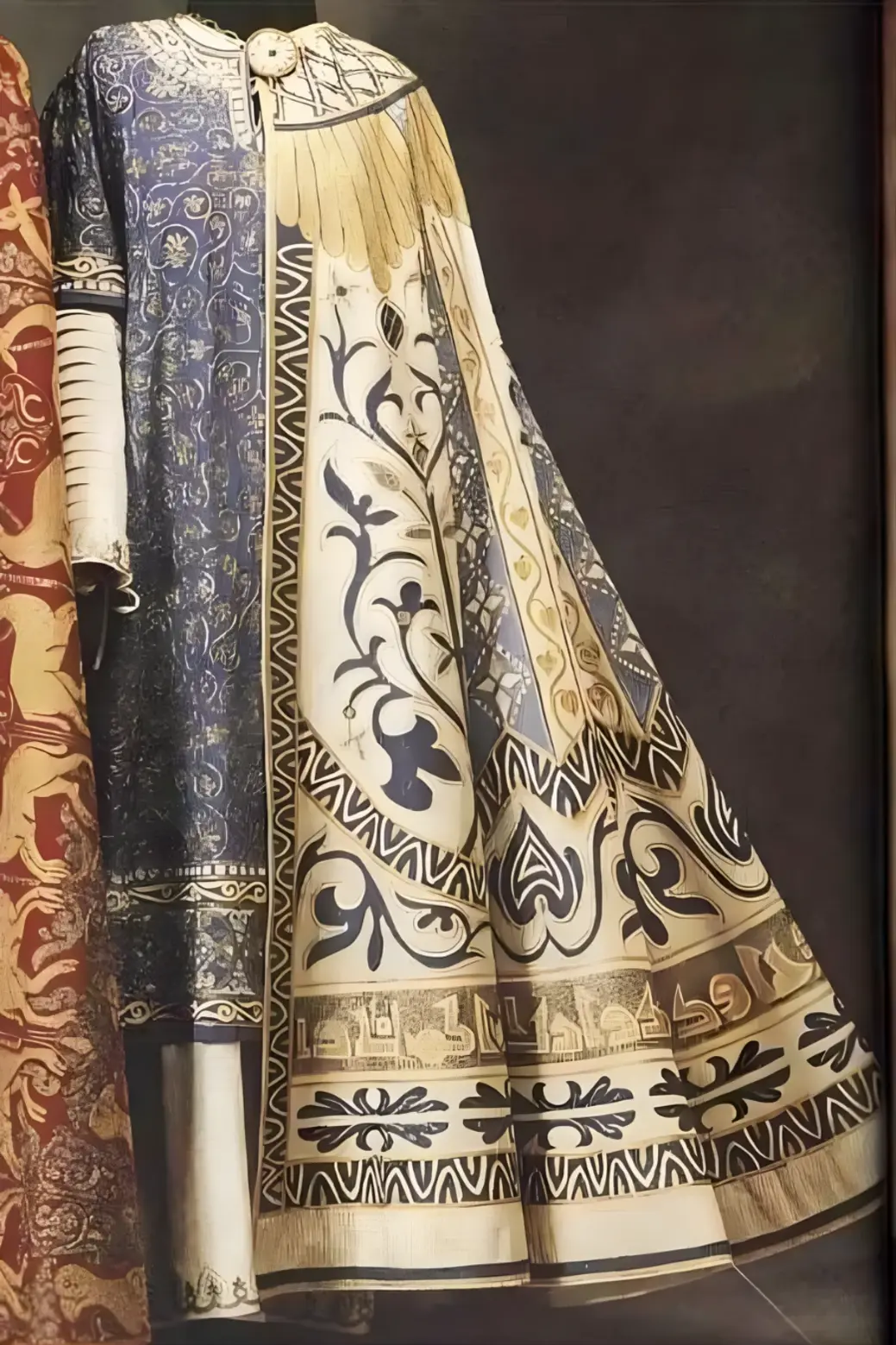
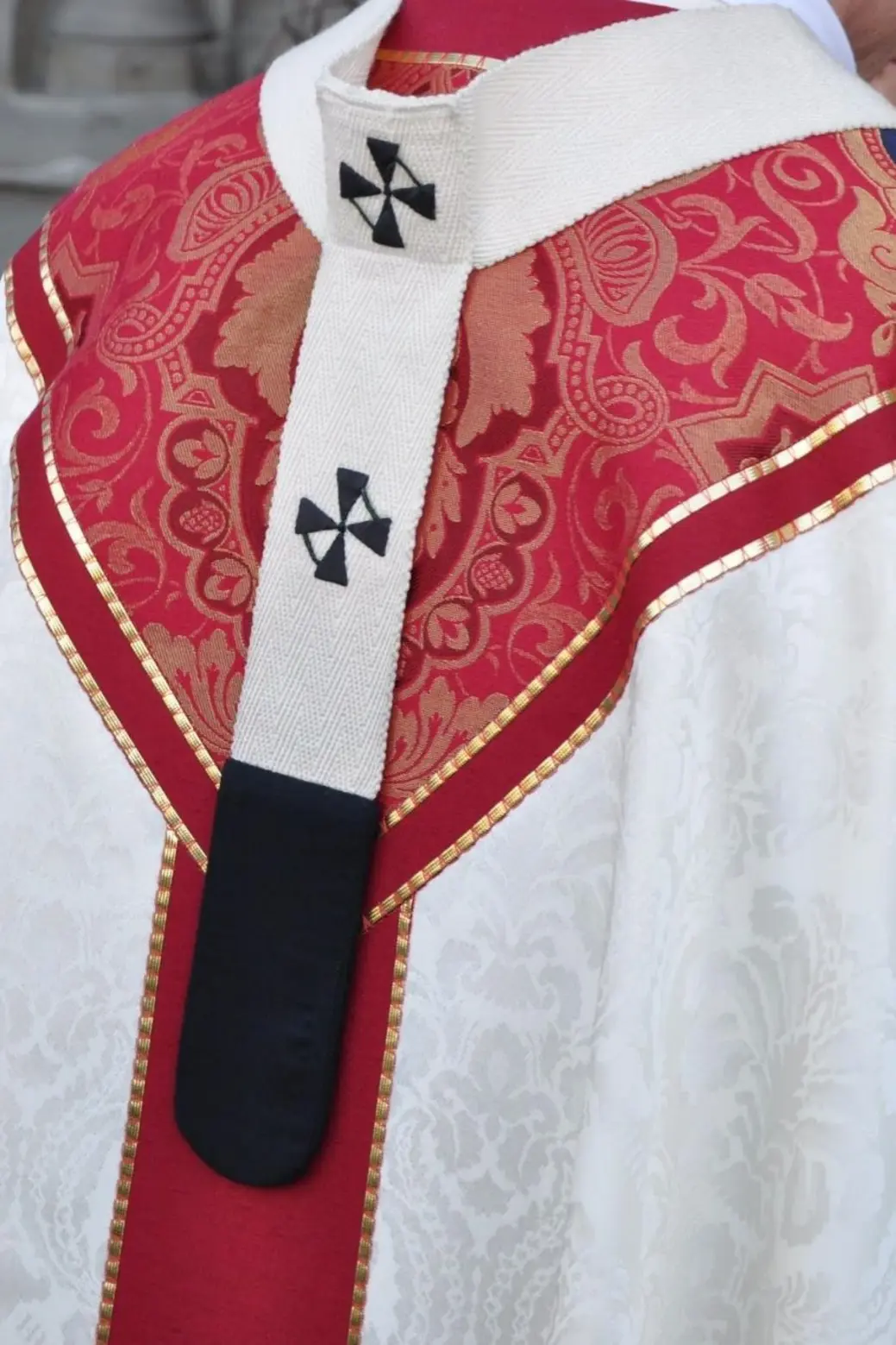
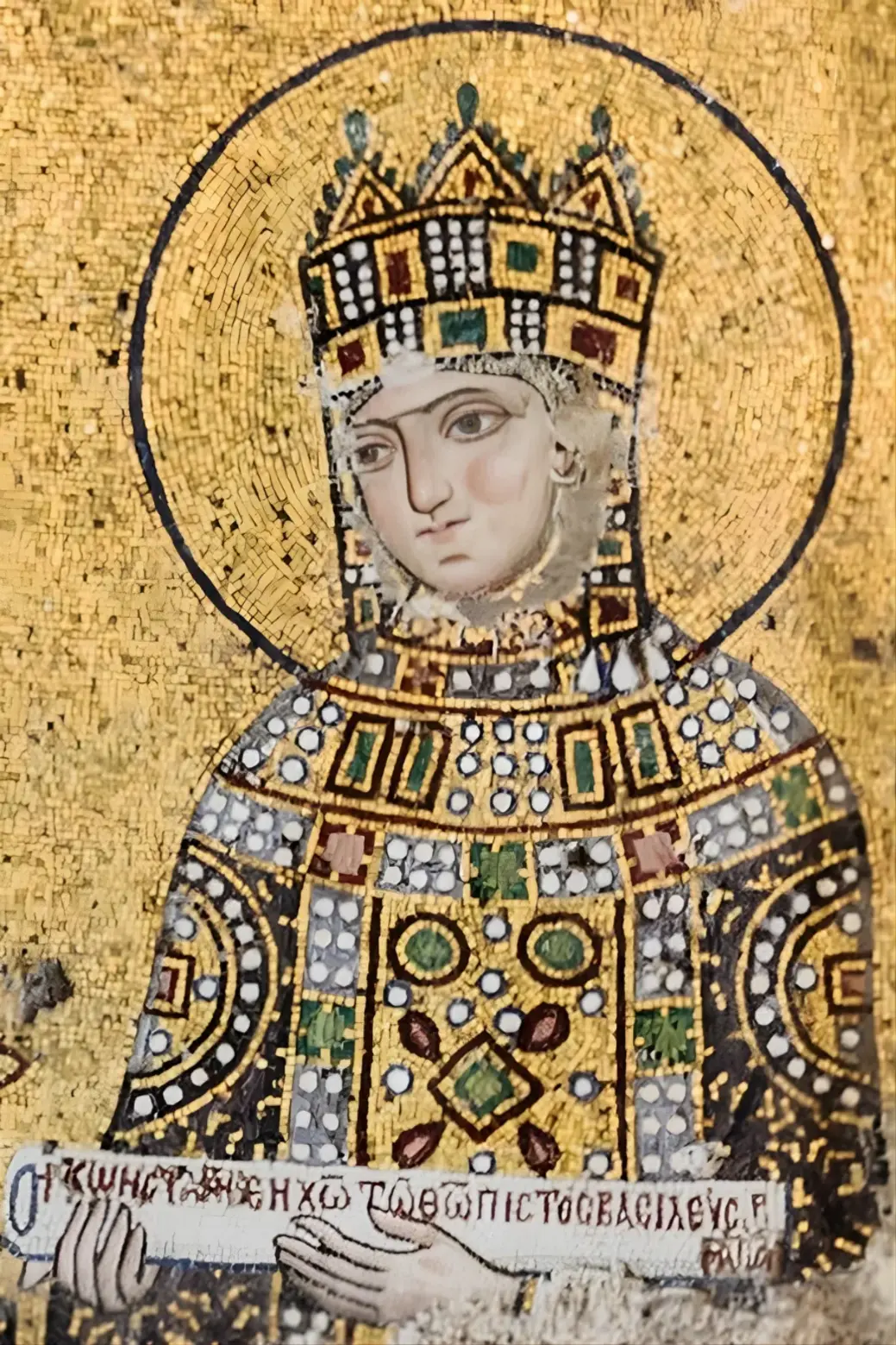
The fabrics themselves were the lifeblood of a civilization that held the monopoly on the Silk Road, turning Constantinople into a glittering loom of the world. Byzantine textiles were architected using gold threads with the lamé technique, and heavy damasks that felt more like flexible metal than cloth. These silks were saturated in Tyrian Purple, a dye so prohibitively expensive that it was extracted from the murex sea snail drop by drop, creating a hue that vibrated between the color of dried blood and the deep midnight of the heavens. Upon these purple fields, artists applied Segmentae, circular or square medallions of embroidery placed at the knees and shoulders, which acted as focal points for the eye, breaking the human form into a series of geometric symbols. The patterns were repetitive and hypnotic: the Peacocks of Immortality drinking from the chalice, the Tree of Life flanked by guardian lions, and the Homatian, or the repeated orb pattern, all working to create a visual chant that mirrored the repetitive nature of the Orthodox liturgy.
The zenith of the Byzantine style is found in its jewelry, which functioned as a physical manifestation of the New Jerusalem, a city described in scripture as being built of gold and precious stones. The most hauntingly beautiful of these is the Maniakis, a heavy, wide collar of gold that rested upon the shoulders like a divine yoke, encrusted with unfaceted, cabochon gems, emeralds, rubies, and sapphiresthat retained their raw, primordial shape to better reflect the light of God. From the crown, or the Propeloma, hung the Pendilia, long chains of pearls that framed the face of the Empress, swaying with a rhythmic, percussive click that signaled her approach long before she spoke. These pearls were the "tears of the sea," symbolizing purity and the "pearl of great price" mentioned in the parables.
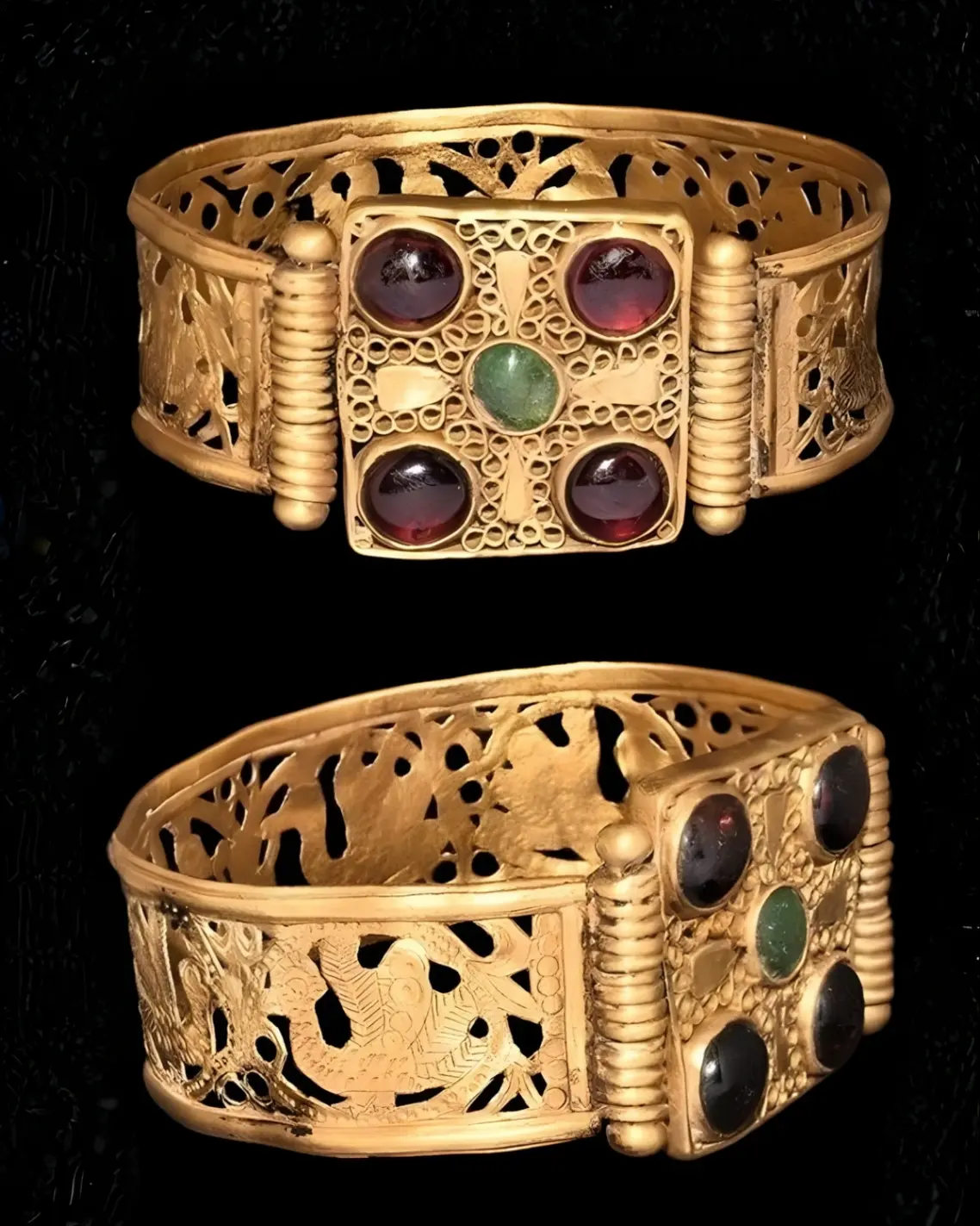
The skin of the wearer was often highlighted with Chrysography, where fine lines of gold were applied to the fabric to simulate the folds of light, a technique mirrored in the mosaic walls of the Hagia Sophia. In this environment, the distinction between the person, the palace, and the church dissolved. It is a style that weighs upon the soul, demanding a shivering reverence for a history that saw its capital as the New Rome and its art as the literal shadow of Heaven.
The genesis of this sacred attire was a divine eruption, a moment where the dying embers of the Roman sun were extinguished to make way for the blinding radiance of the Orient. In the year 330 AD, Constantine the Great relocated the soul of humanity, dragging it from the crumbling, pagan stones of the Tiber to the consecrated waters of the Bosphorus. Here, the pragmatic Roman spirit, once satisfied with the fluid movement of the toga, succumbed to a fever-dream of spiritual longing. This shift birthed a silhouette that was a perpetual act of penance and praise, a transformation of the body into a sacred palace, where every thread of silk was woven to guard the true light of the wearer’s soul against the encroaching darkness of the world.
History in Byzantium was measured by the moment the flesh became a living icon. The first great milestone was the rise of the Justinianic Age in the 6th century, the era where fashion became architecture. It was here that the Silk Road was violently seized, turning Constantinople into a glittering loom that birthed the unyielding drape. The body was no longer allowed to move with human grace; it was stiffened with enough gold to make a man a monument. This was the moment the elements were codified, not as ornaments, but as sigils of a divine hierarchy that rendered the Emperor the literal shadow of God on earth.
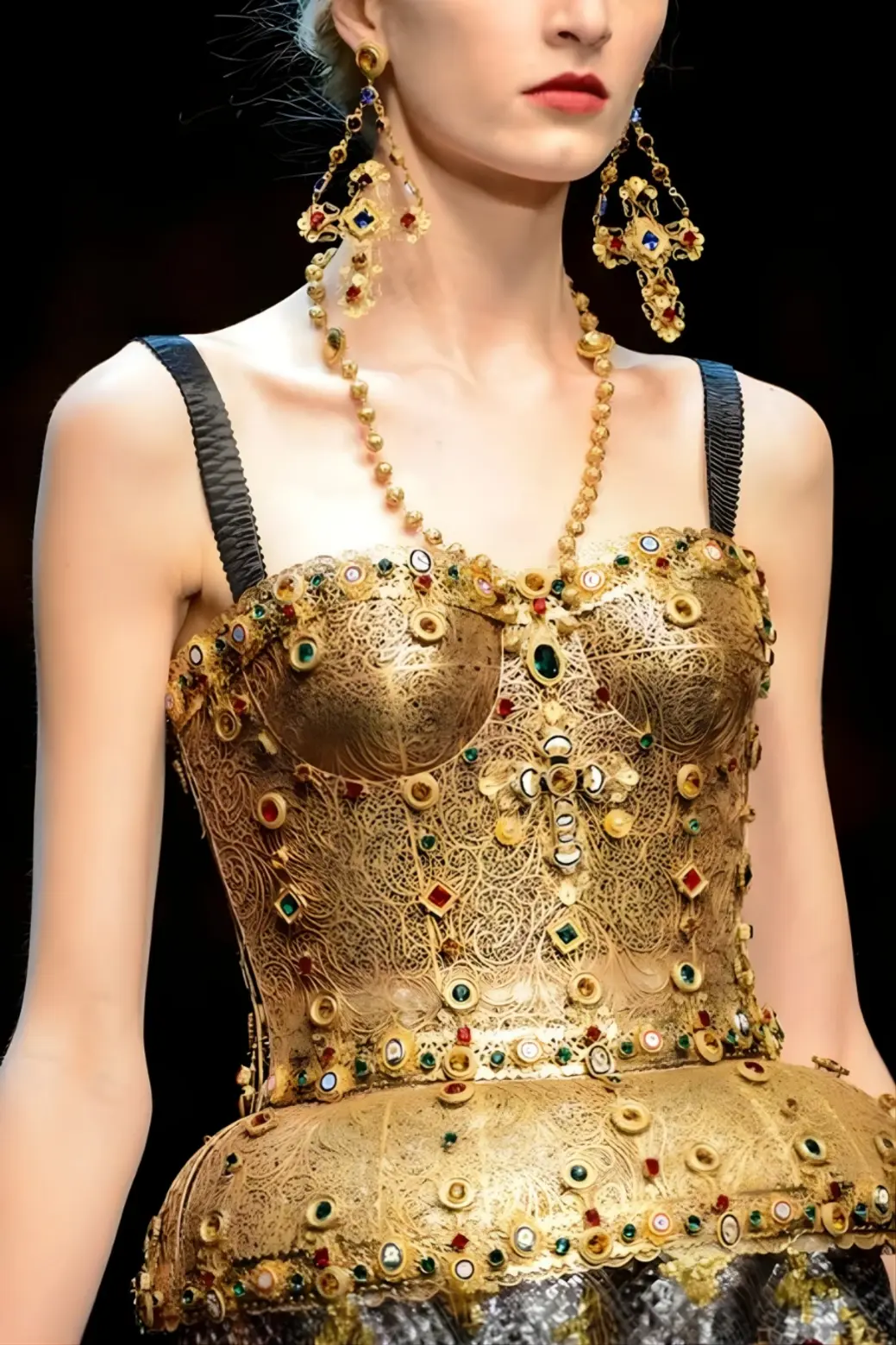
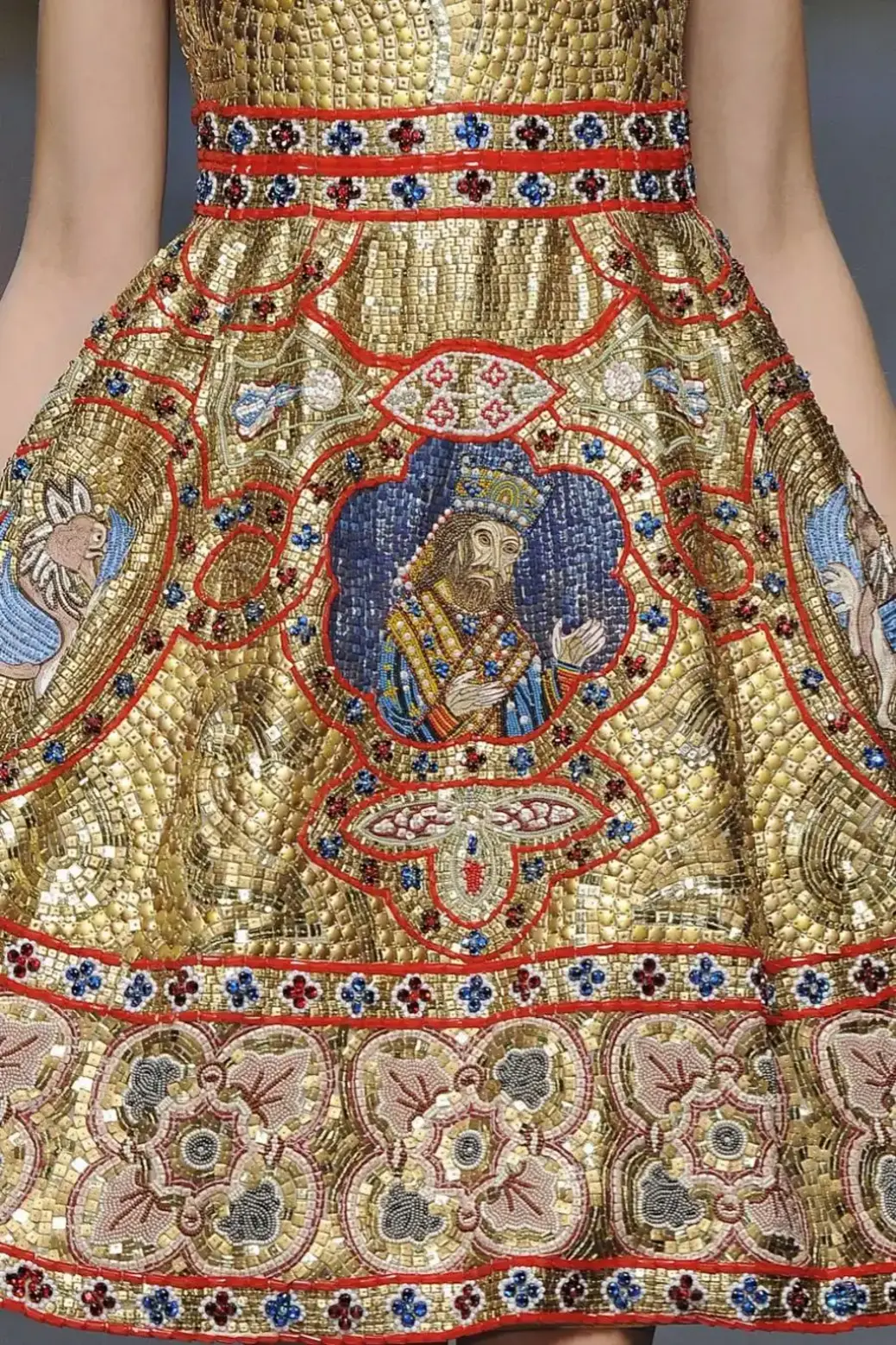
The second harrowing milestone arrived with the Triumph of Orthodoxy in 843 AD, a spiritual rebirth that reclaimed the sanctity of the image. This victory saturated the Byzantine wardrobe with a new, aggressive maximalism. If God could be depicted in gold, then his servants on earth must be smothered in it. This period introduced the obsession with Chrysography on fabric, the writing in gold, where every fold of a garment was etched with metallic highlights to simulate a body transfigured by holy fire. It was the era of the Lorum, that agonizingly long, gold-wrapped sash that transformed the Emperor into a walking cross, a reminder that to rule in such splendor was to be a prisoner of the Resurrection.
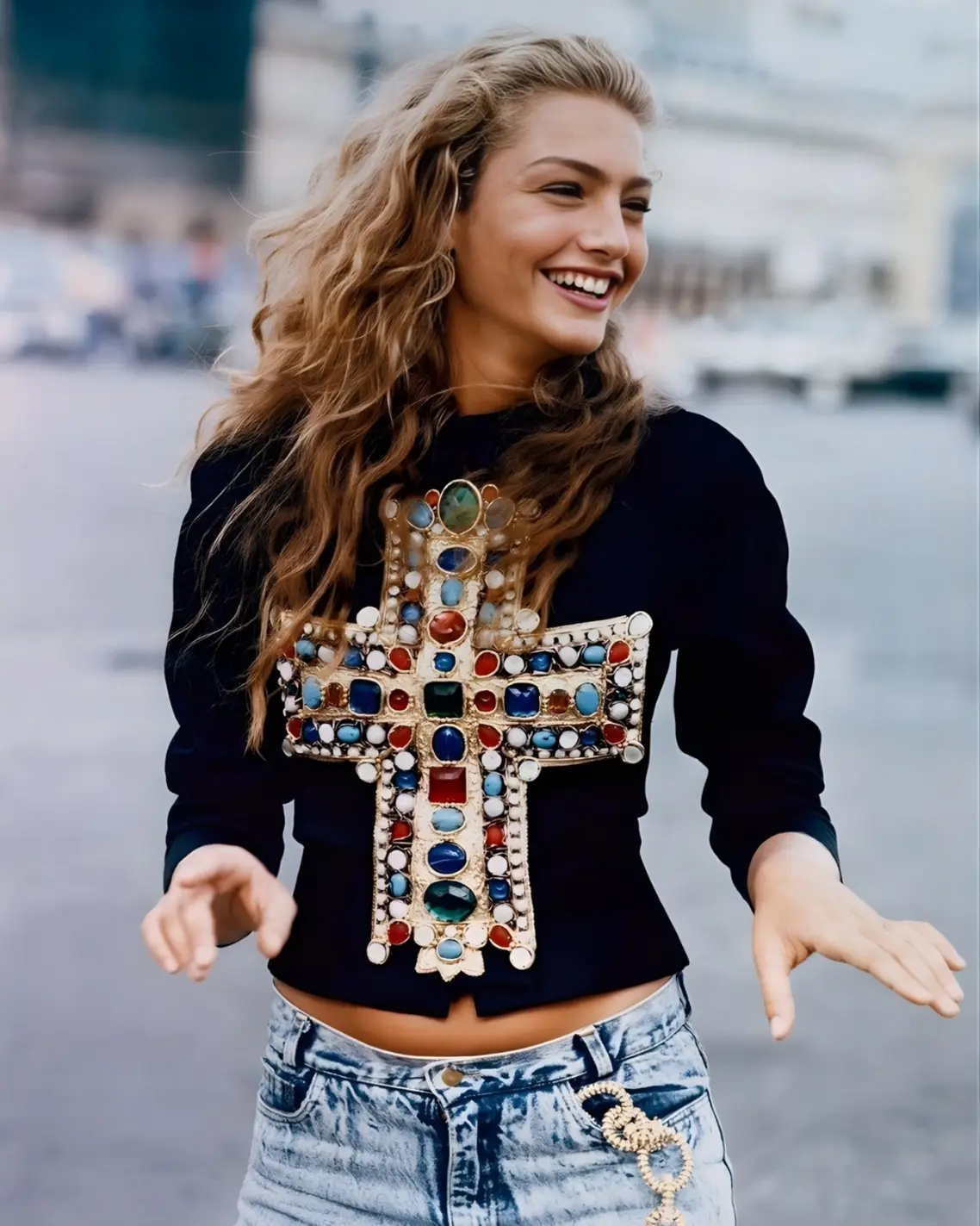
Even as the empire’s borders began to bleed and retreat, the fashion only grew more desperate, ecstatic, and heavy. The final milestone, the Palaeologan Renaissance of the 13th to 15th centuries, was a sunset of unparalleled beauty, a final, defiant gasp against the inevitable dark. During these twilight years, the clothing achieved a mystical complexity, layering patterns of peacocks and griffins until the wearer disappeared entirely beneath a landscape of symbols. When the walls finally fell in 1453, the style did not die; it was transfigured, fleeing into the snowy courts of the North and the altars of the East.
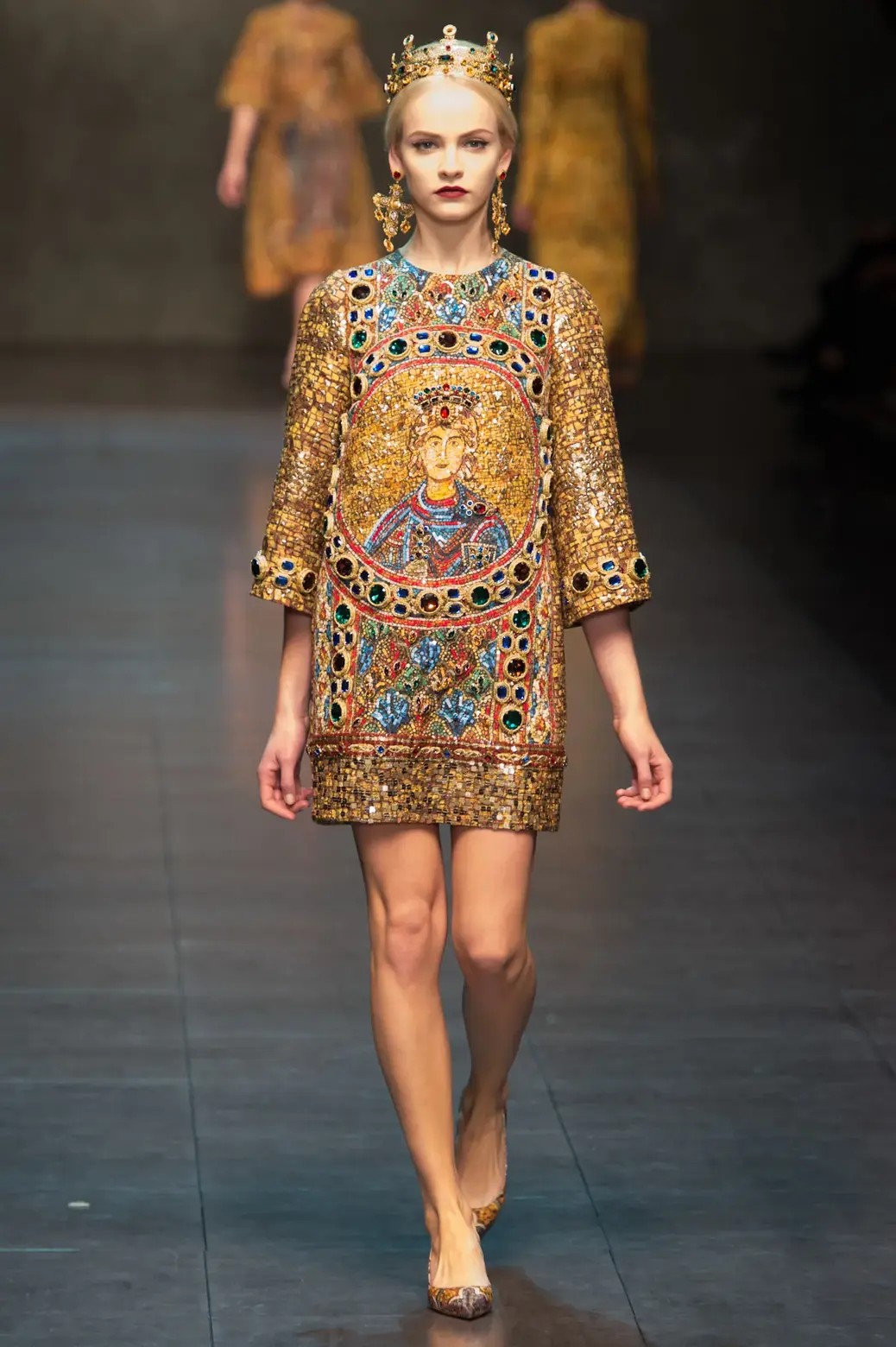
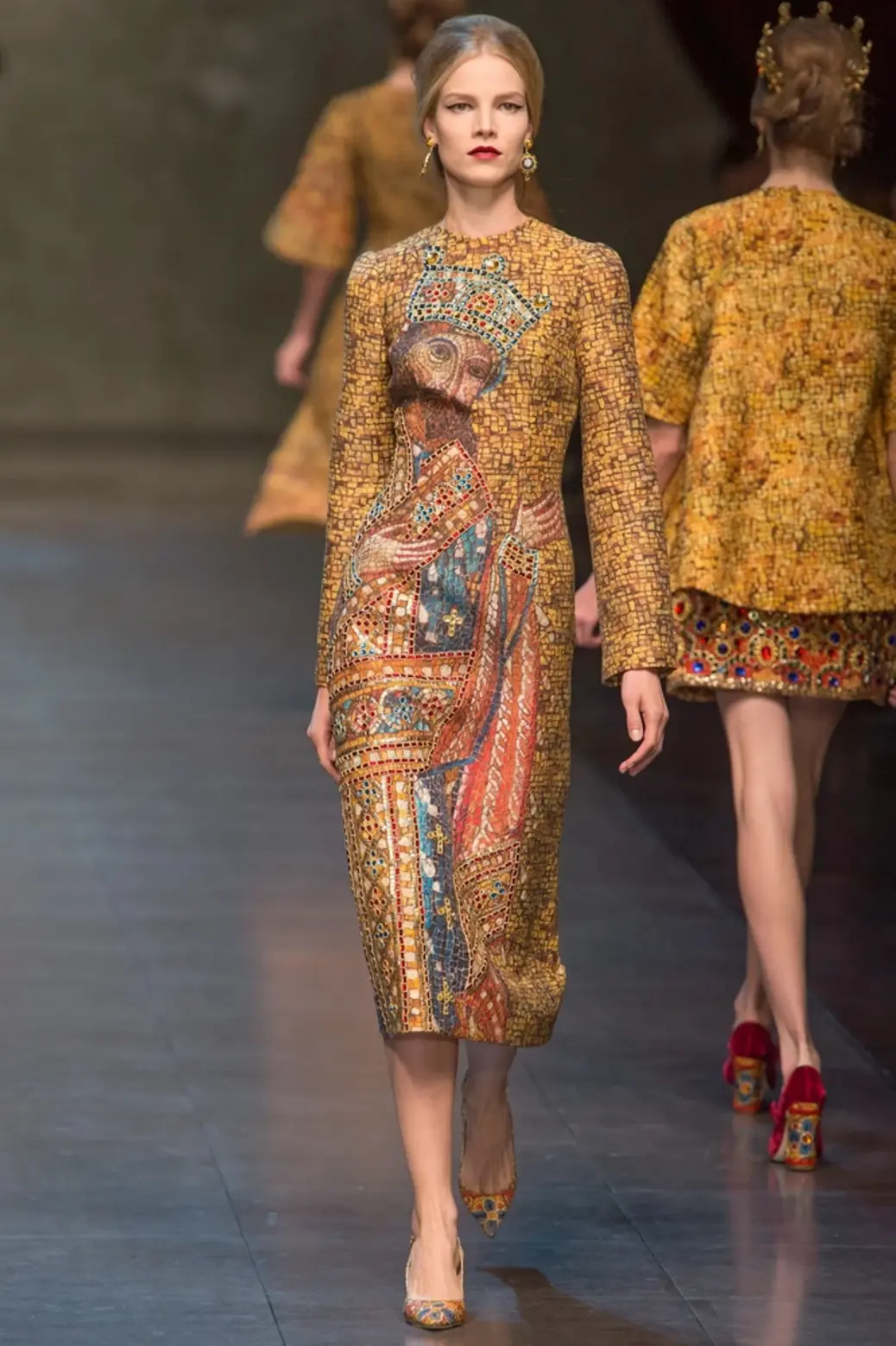
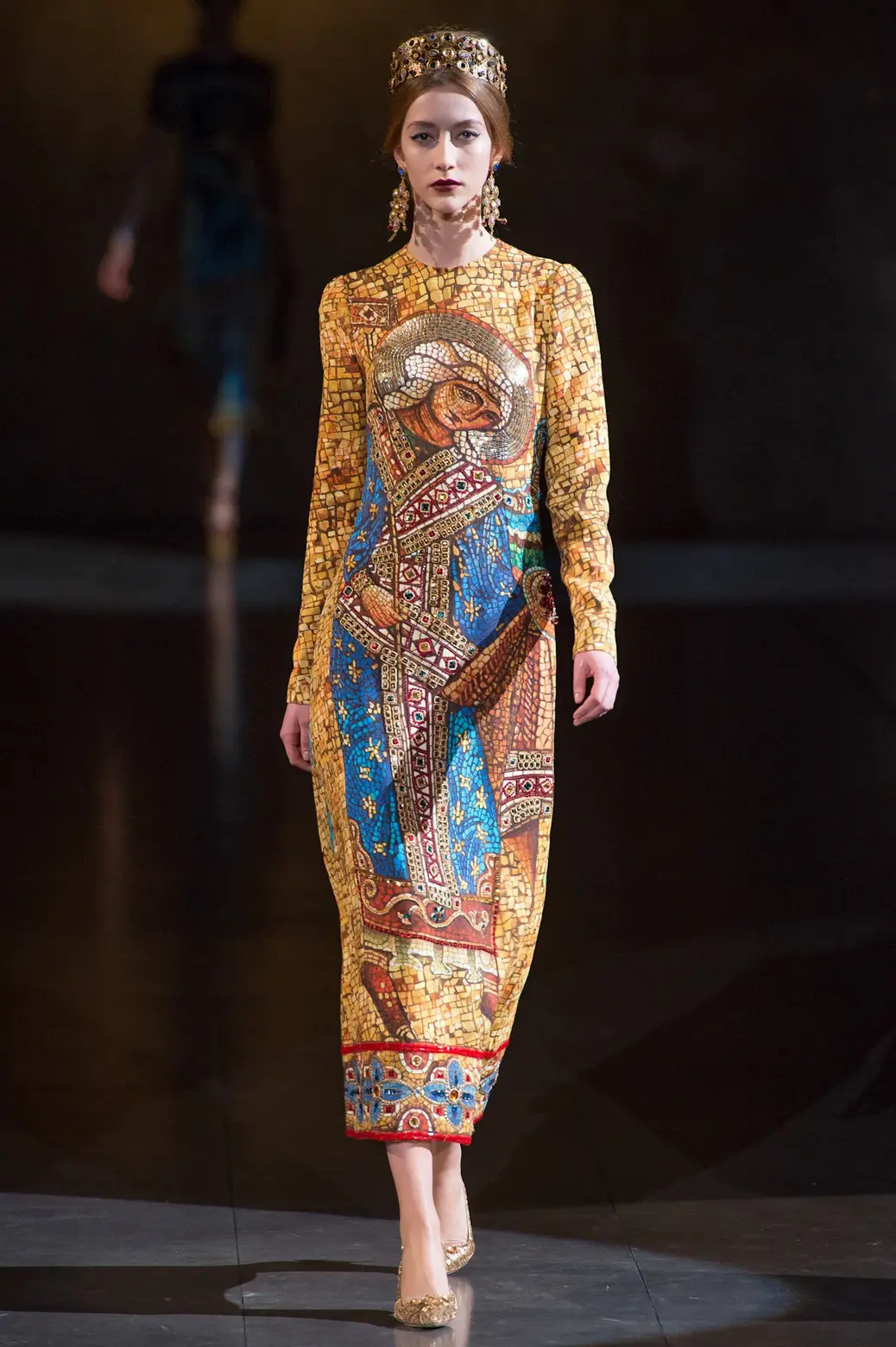
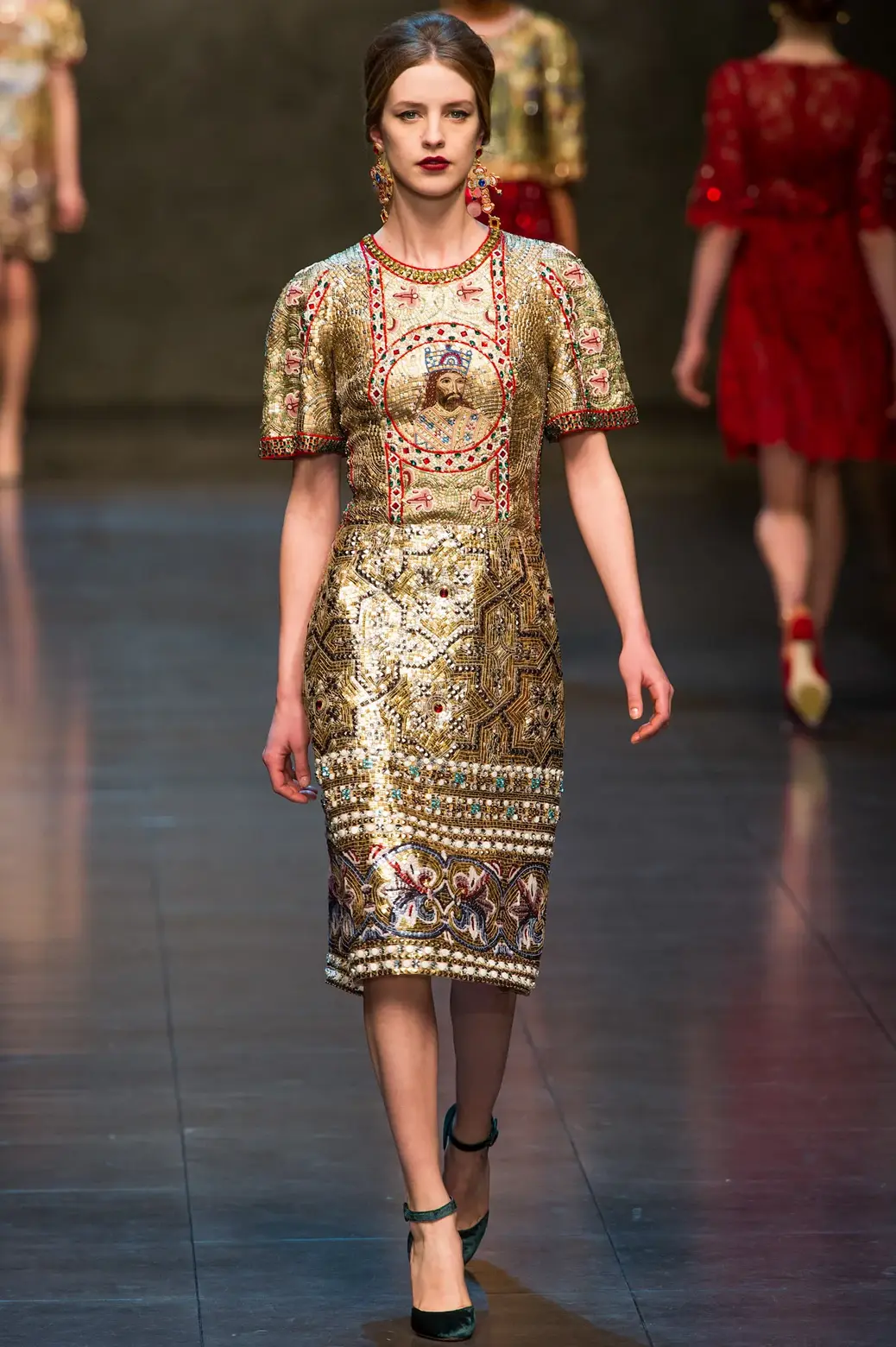
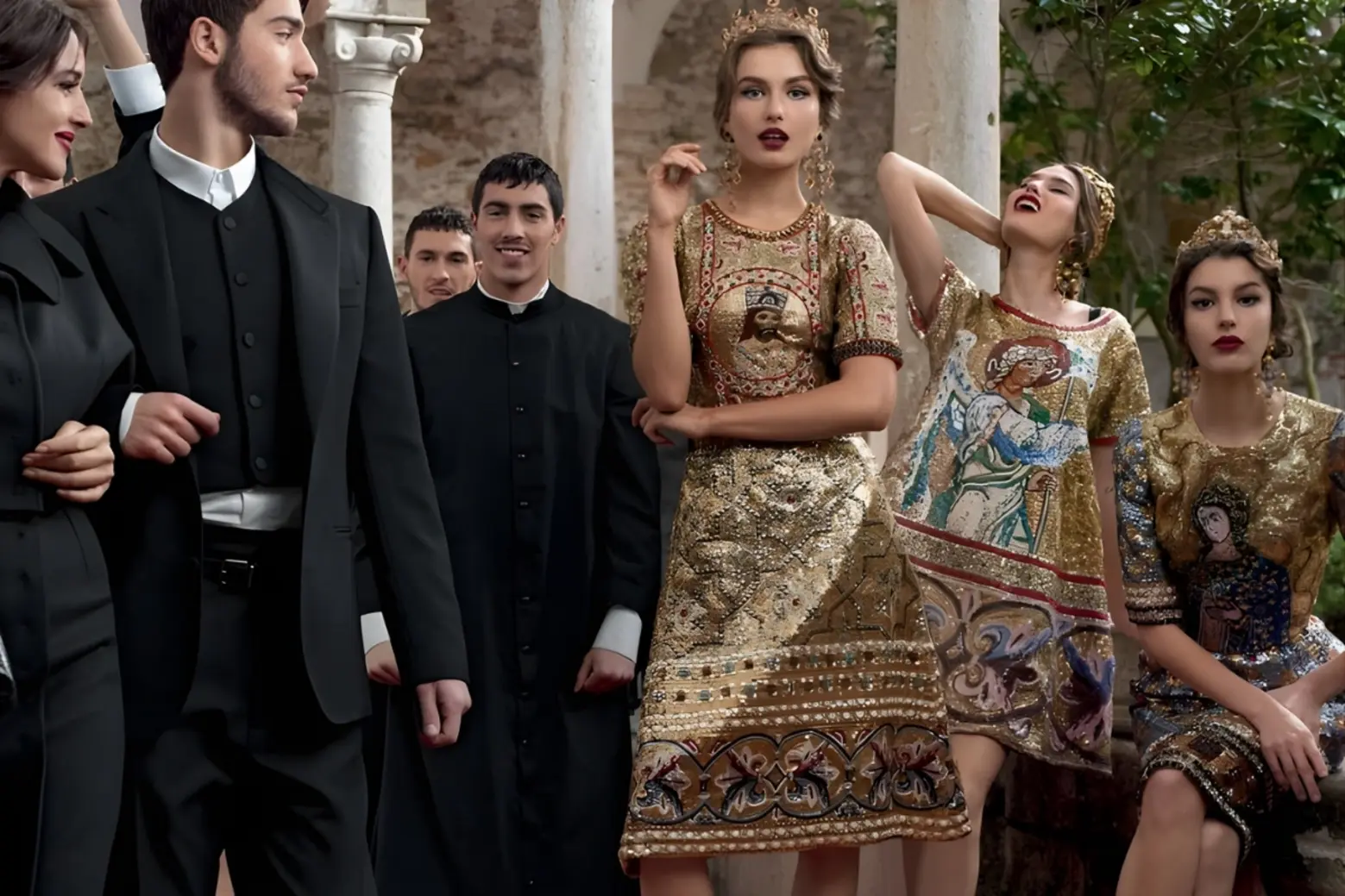
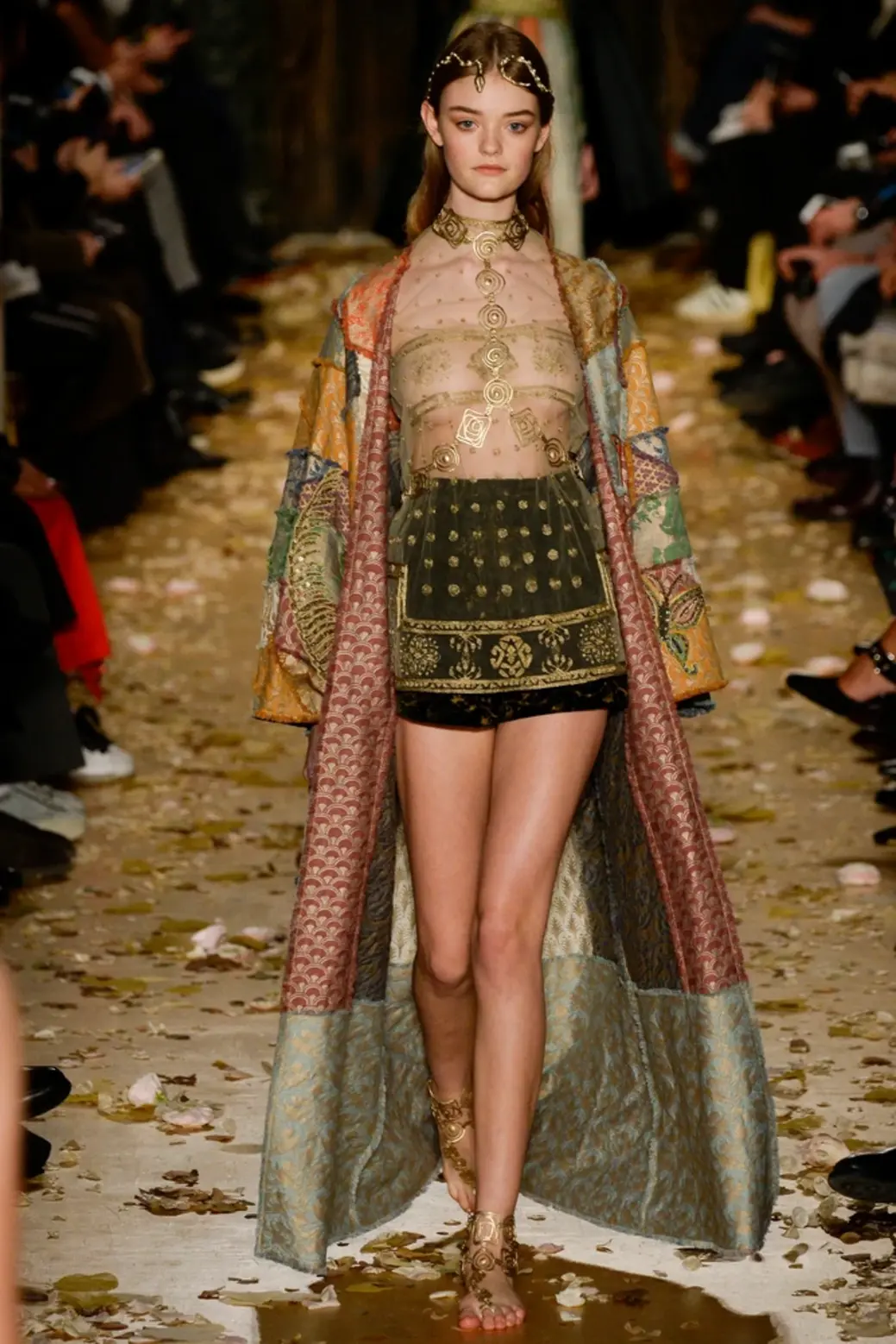
Dolce & Gabbana transformed the cold mosaics of Monreale into a visceral explosion of Mediterranean devotion, draping the body in heavy gold tapestries that made the modern woman look like a living, breathing cathedral. Valentino moved with a more hushed and spectral reverence, utilizing the delicate precision of the late empire to create silhouettes that felt like a quiet, velvet prayer whispered in the dark. The legendary Guo Pei took this sacred obsession to its most extreme conclusion, engineering gowns of such architectural weight and golden embroidery that they functioned more as mobile shrines than mere garments. These ateliers did not simply reference history; they raided the treasury of the heavens to bring the sacred artificiality of the New Rome onto the runway with a terrifying, shimmering elegance. Through their needles, the ancient apophatic philosophy was reborn, proving that the desire to hide the mortal beneath a layer of divine ornamentation remains the ultimate pursuit of high fashion.
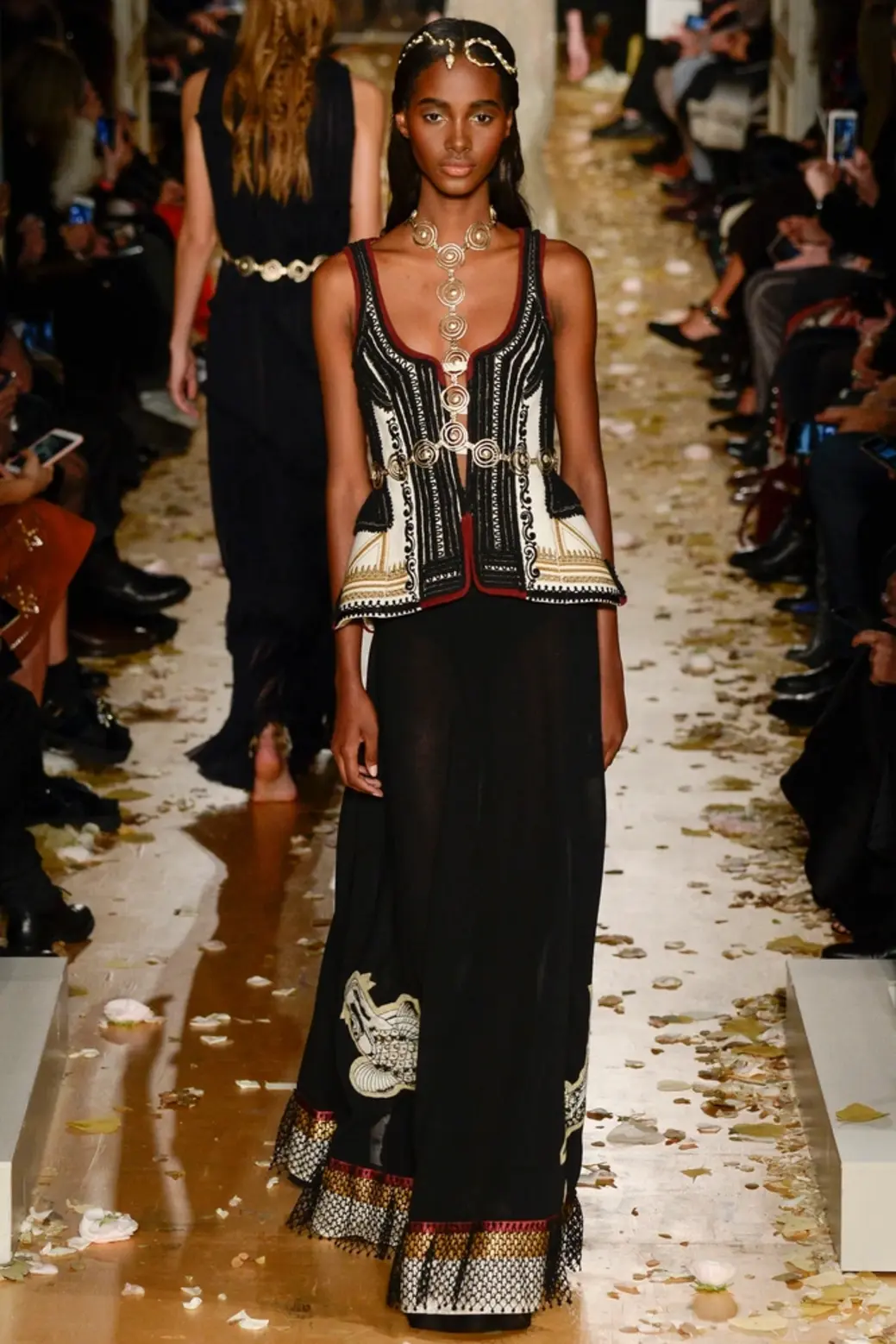
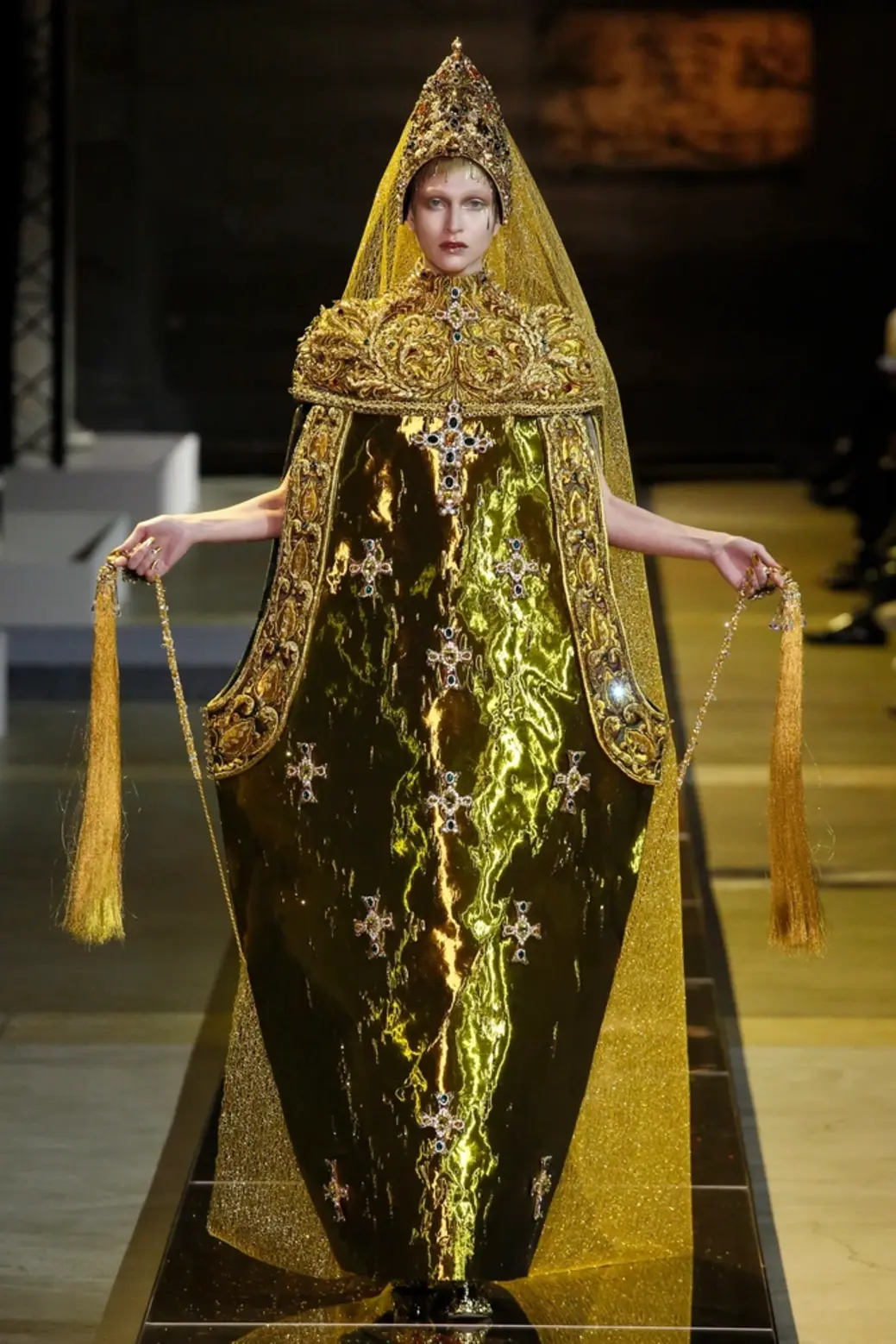
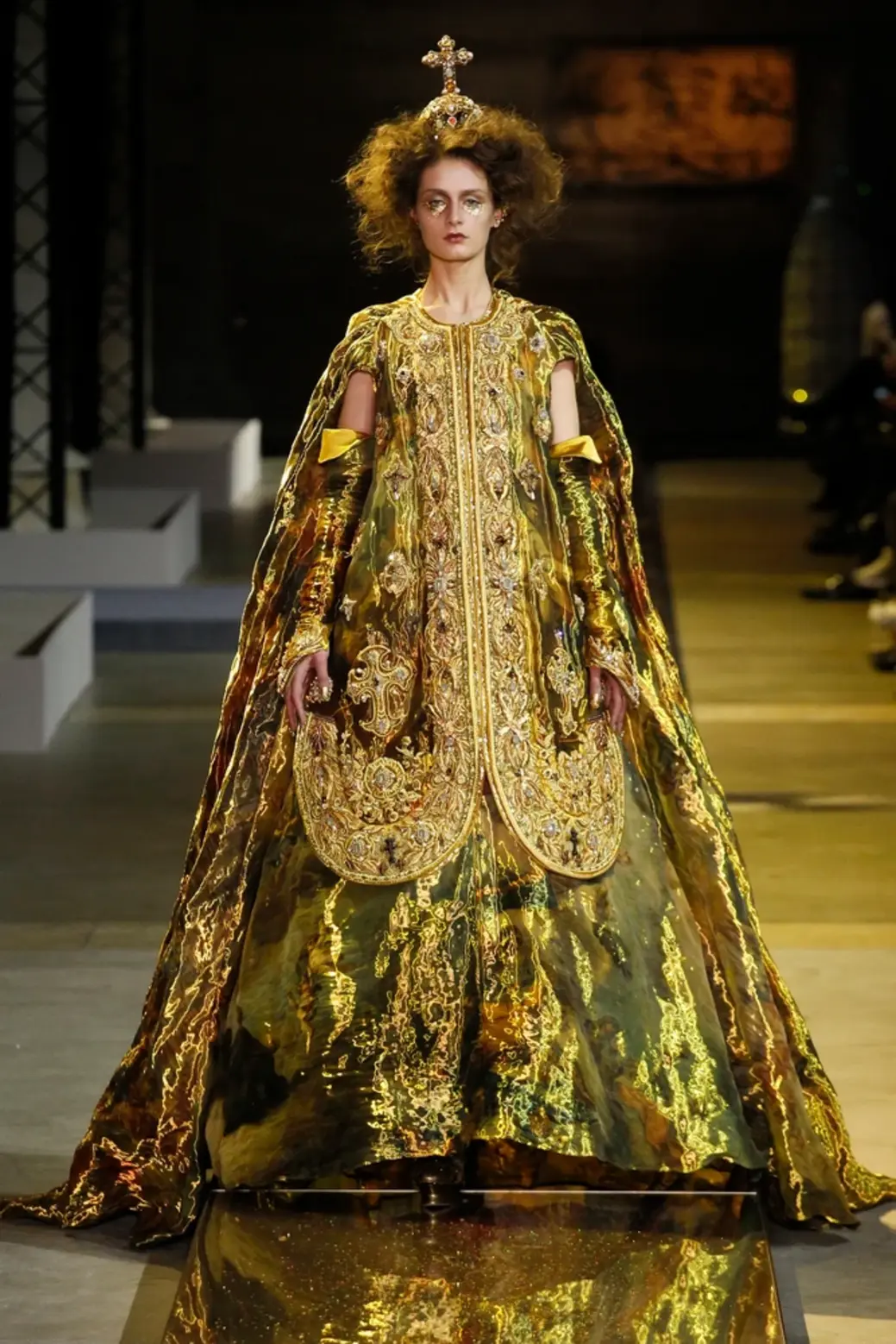
Beneath the gold-leafed skin of the Byzantine world lay a humanity that had set itself on fire in a desperate, ecstatic attempt to be seen by God. This was no gentle piety of a quiet prayer; instead, it was a sacred madness, a brutal and superstitious hunger for the divine that demanded the total annihilation of the individual. Every soul in the "New Rome" lived in a state of holy terror, fueled by a shivering conviction that at any moment, the veil of reality might tear open to reveal the blinding, uncreated light of the Creator. Existence in this realm meant living on the edge of a golden abyss, where every thought functioned as a ritual and every breath served as a petition. High-stakes spiritualism governed the era, ensuring that a single misplaced stitch or a wrong shade of purple was never a fashion error, but a heresy capable of damning a soul for eternity.
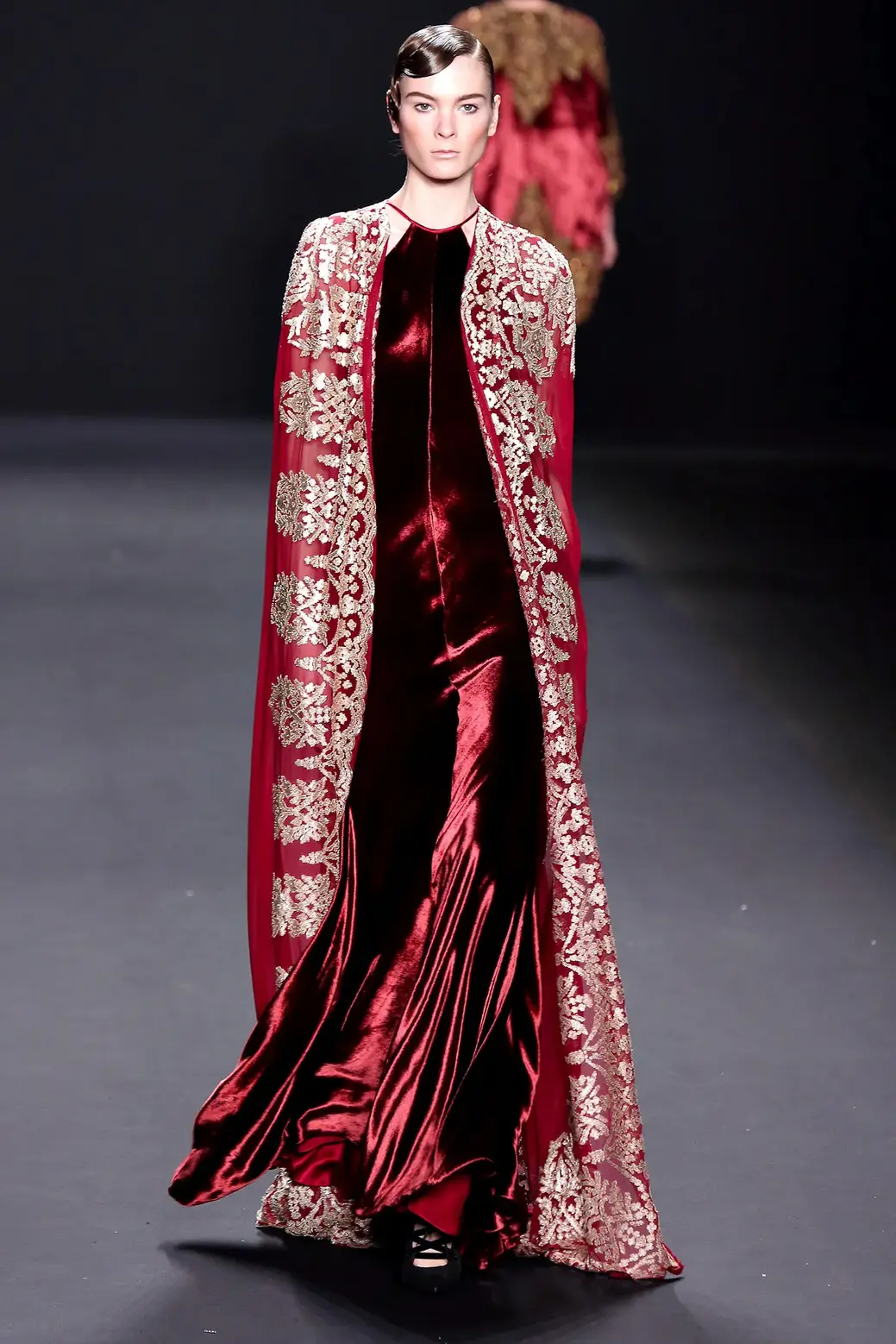
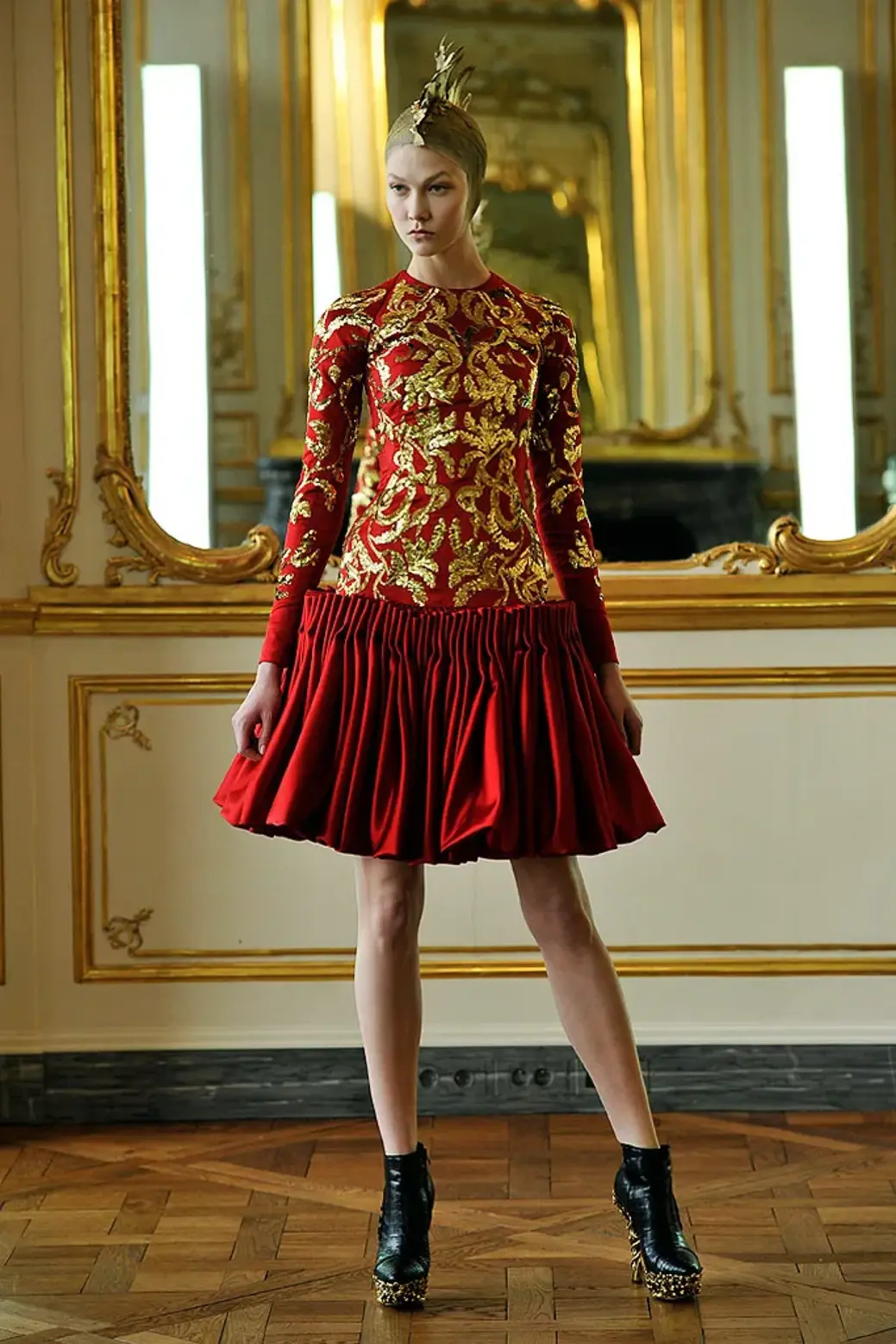
This vision of humanity evolved into a state of liturgical stasis. Byzantine style rejected the natural, viewing the physical world as a fallen, rotting thing that required conquest by the supernatural. Their desire pushed them toward a crystalline state, achieving a rigidity that mirrored the unchanging nature of the heavens. Fanatical obsession with the static defined their beauty. They believed that by freezing the body into a pillar of gold and silk, they could force time itself to stop, creating a pocket of eternity on earth where the decay of the flesh could not reach. This spirit thrived on joyful sorrow, the charmolypi is a paradox where one wept for their sins while simultaneously being blinded by the radiance of a God who was both a loving father and a terrifying, cosmic judge. Primitive, superstitious brutality throbbed at the heart of this devotion. The Byzantine style viewed the world as a battlefield of invisible forces, where the glitter of a mosaic or the shimmer of a jewel acted as a holy shield against the demons lurking in the shadows. This birthed an aesthetic of shadowed brilliance, where churches were kept in near-total darkness, pierced only by a single, needle-thin beam of light that struck a single diamond or a silver thread.
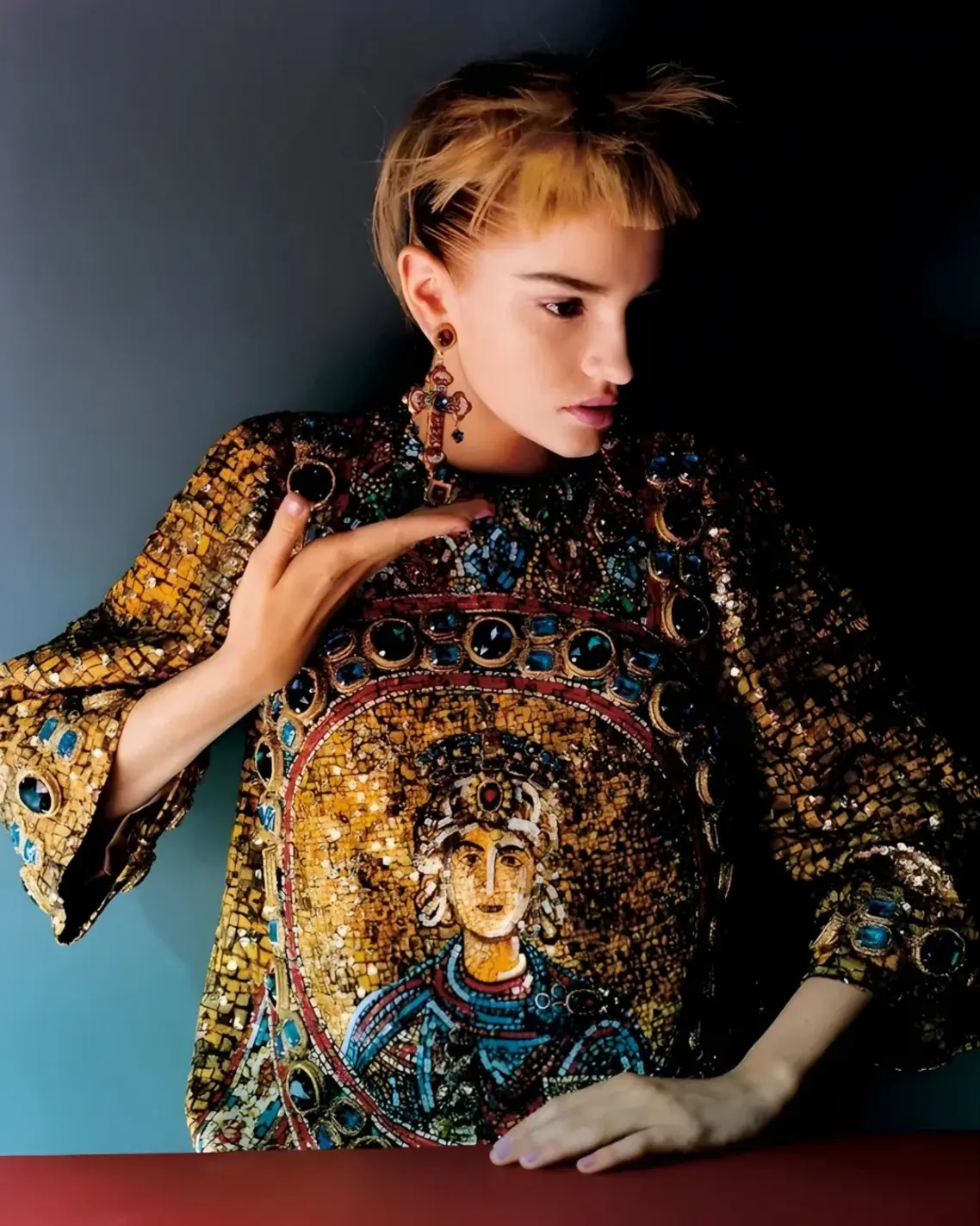
Ultimately, the Byzantine style spirit remains the most extreme expression of human longing ever etched into history. It was a terrifyingly modern desire to upload the human consciousness into a golden, indestructible shell. They were the first to believe that the body could be optimized through ritualistic rigidness, turning a man into a living, breathing algorithm of prayer.
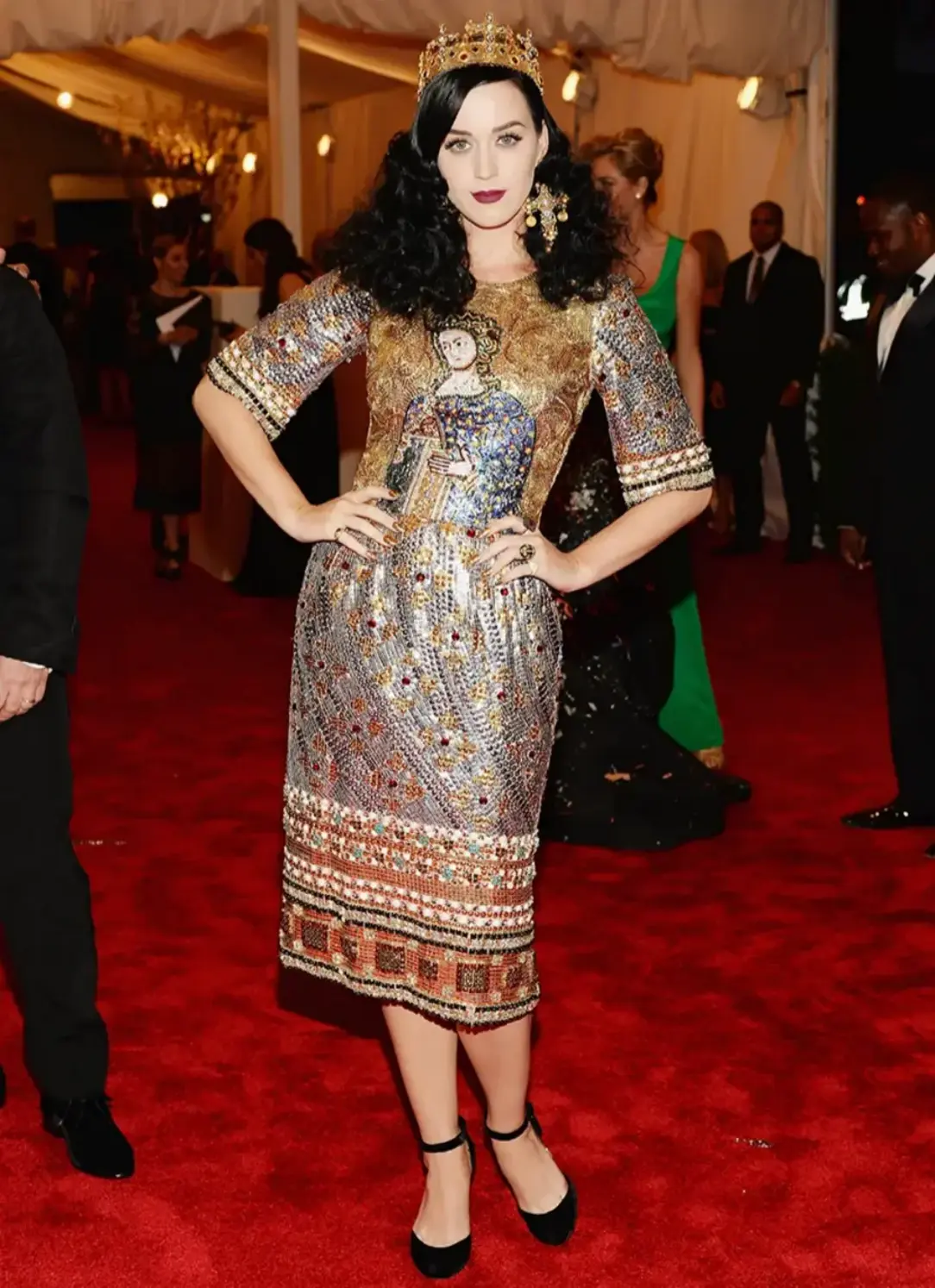
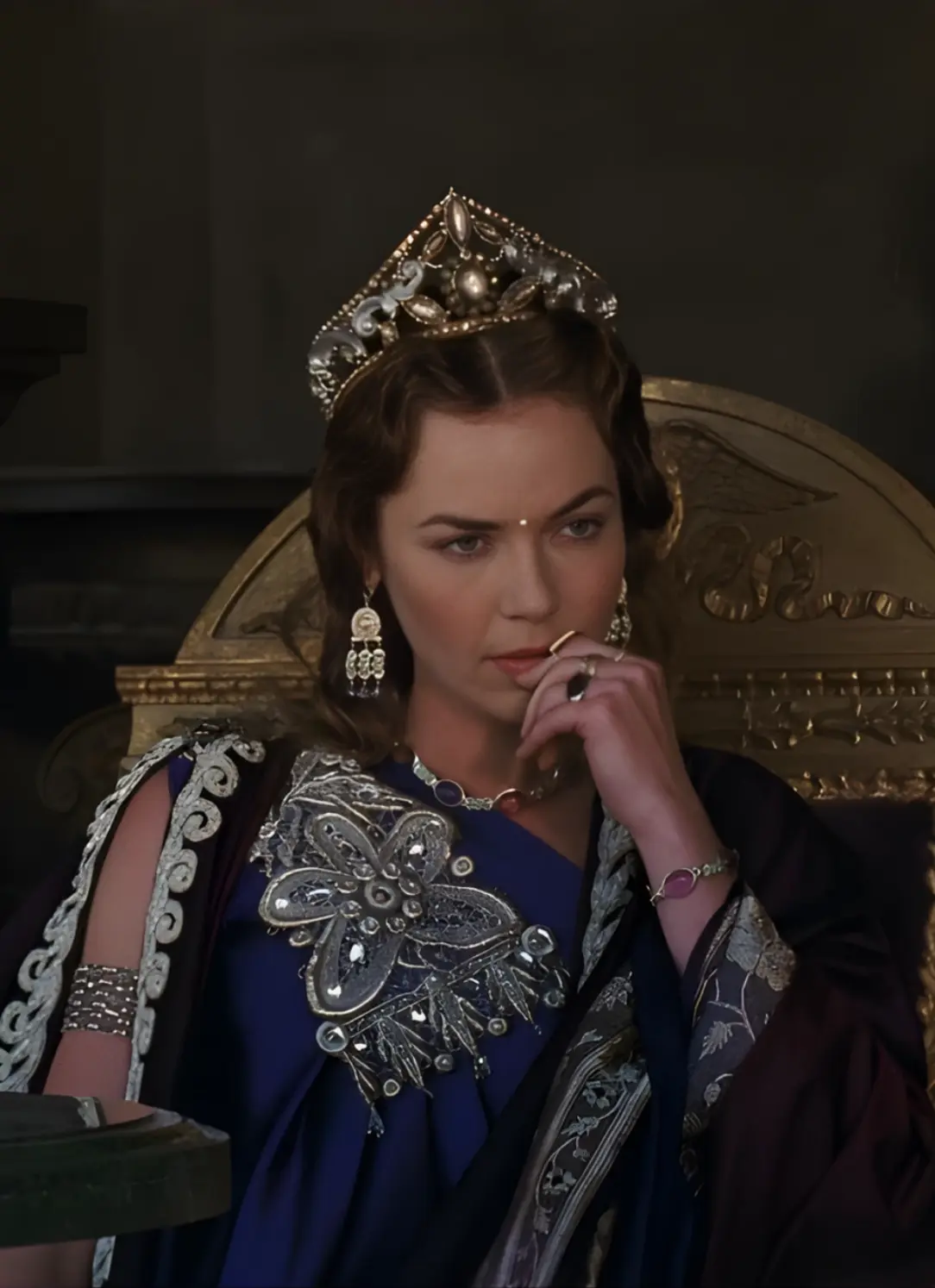
Byzantine style thrives on the belief that the divine essence is so utterly transcendent that it can only be described by what it is not; it drapes the body in maximalist glory only to better conceal the mortal beneath, creating a magnetic mystery that modern designers constantly seek to replicate through structured silhouettes and heavy, symbolic ornamentation. This philosophy suggests that the more one layers the exterior with gold and jewels, the more the nothingness of the human ego is protected, allowing the wearer to disappear into a higher office or a divine state. We admire these traditions today because they represent a rebellion against the superficial, offering instead a vision of the iconic self that stands outside of time, anchored by the shivering weight of the eternal.
The depth of this admiration is found in the way the style rejects the human form to honor the human spirit. While modern fashion often celebrates the body, the Byzantine style sought to transfigure it, turning the wearer into a vessel for a tradition that has survived for over a thousand years. This creates a feeling that the clothing is not just fabric, but a fragment of a lost liturgy that still has the power to silence a room. Designers return to this source because it provides a bridge to a world where beauty was a serious, even dangerous, pursuit of the divine. By embracing this apophatic spirit, contemporary art finds a way to speak of the soul without using words, utilizing the heavy drape of velvet and the sharp flash of gold to evoke a presence that is felt rather than seen.
Advertisement