MENU
Close





The flare and tube silhouette builds its power from contrast: a fitted column body, two softly flared sleeves, and the feeling that the dress is behaving while the arms are already planning their exit.

The flare and tube silhouette builds its power from contrast: a fitted column body, two softly flared sleeves, and the feeling that the dress is behaving while the arms are already planning their exit.
May 18, 2026
Advertisement

Advertisement


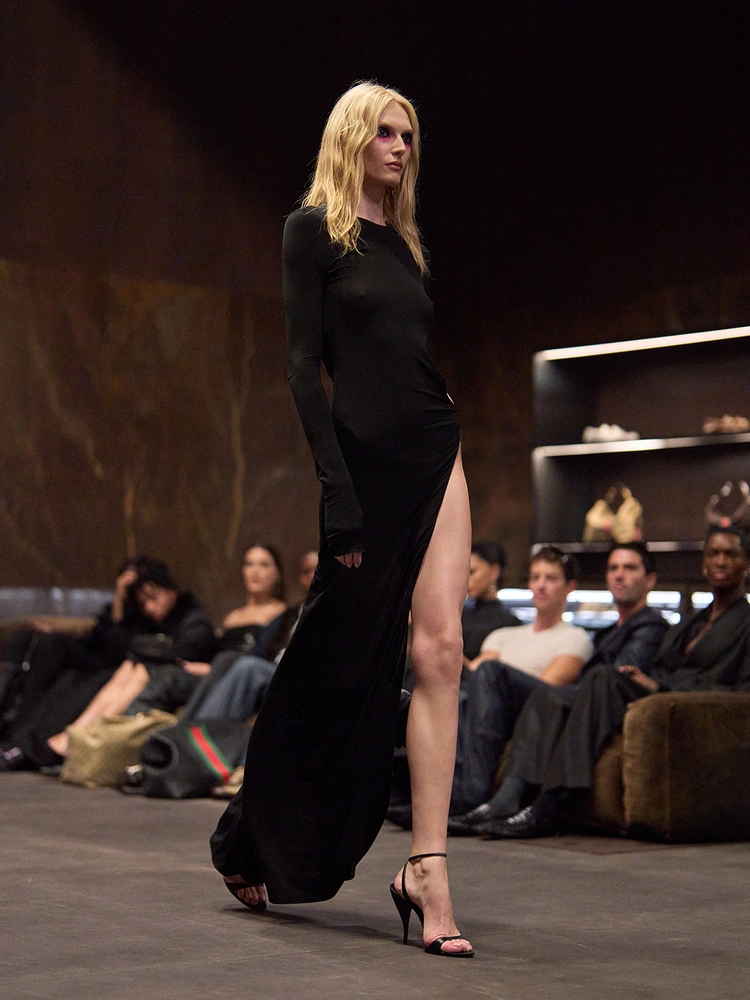
The flare and tube silhouette is a one-piece dress shape built from a delicious little contradiction: the sleeve opens, the body narrows. Its drama begins at the arm, where the fabric loosens into a soft flare, then travels downward into a fitted tube-like dress that holds the torso, waist, hip, and skirt in a clean vertical line. The upper movement comes from the sleeve itself, through a bell sleeve, trumpet sleeve, flutter sleeve, flared cuff, kimono-like sleeve, or gently widened drape. The lower body stays close, smooth, and controlled, creating that signature contrast between airy sleeve movement and a narrow dress column. It feels like a dress that breathes through the arms while keeping the rest of the body sealed inside a sleek, elongated shape.
Structurally, the flare and tube silhouette depends on balance. The sleeve carries the expansion, while the dress body carries the restraint. The bodice usually stays close to the torso, sometimes softly shaped through darts, princess seams, stretch fabric, or internal support, then continues into a skirt that falls straight down like a tube. The skirt can be pencil-tight, column-straight, or gently body-skimming, but its job remains the same: to keep the lower half visually narrow. This is what gives the silhouette its strange charm. The flare does not explode from the waist like a fit-and-flare dress. It does not build a hard upper frame like a Y-line. Instead, the shape flickers at the sleeve, almost like fabric catching air, while the rest of the garment behaves with sleek discipline.
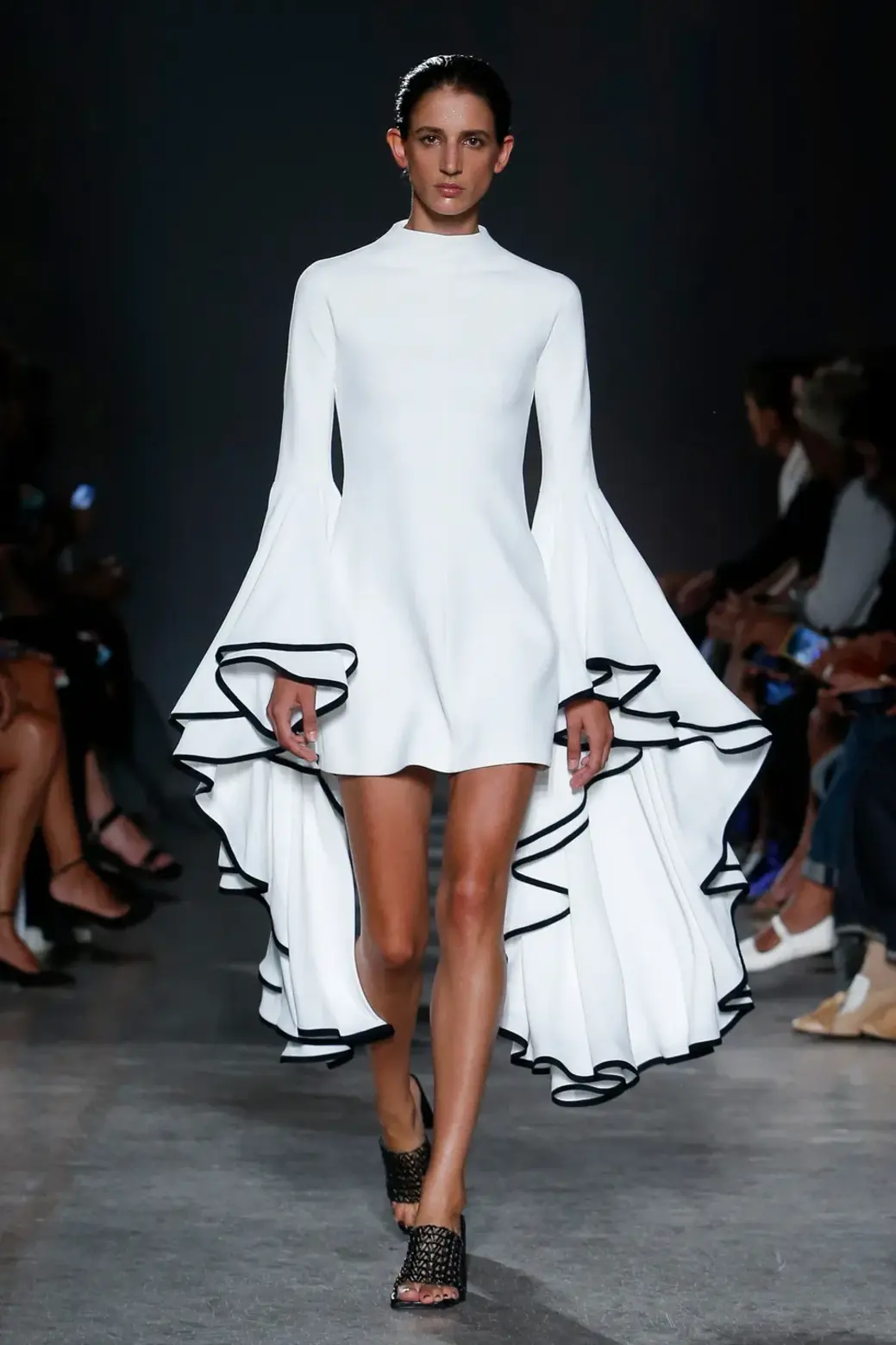

The making of a flare and tube silhouette often starts with the sleeve pattern. A designer can cut the sleeve with extra sweep at the hem, slash and spread the pattern to create a bell shape, add godets into the sleeve seam, widen the cuff into a trumpet opening, or draft a kimono-style sleeve that melts directly from the bodice. The armhole and sleeve head stay soft enough to avoid a sharp shoulder effect, while the lower sleeve opens with more volume. This creates a flare that moves when the wearer lifts her arm, turns her wrist, or walks. The flare is alive, but controlled. It hangs from the sleeve, swings from the cuff, and frames the body with a small theatrical gesture.
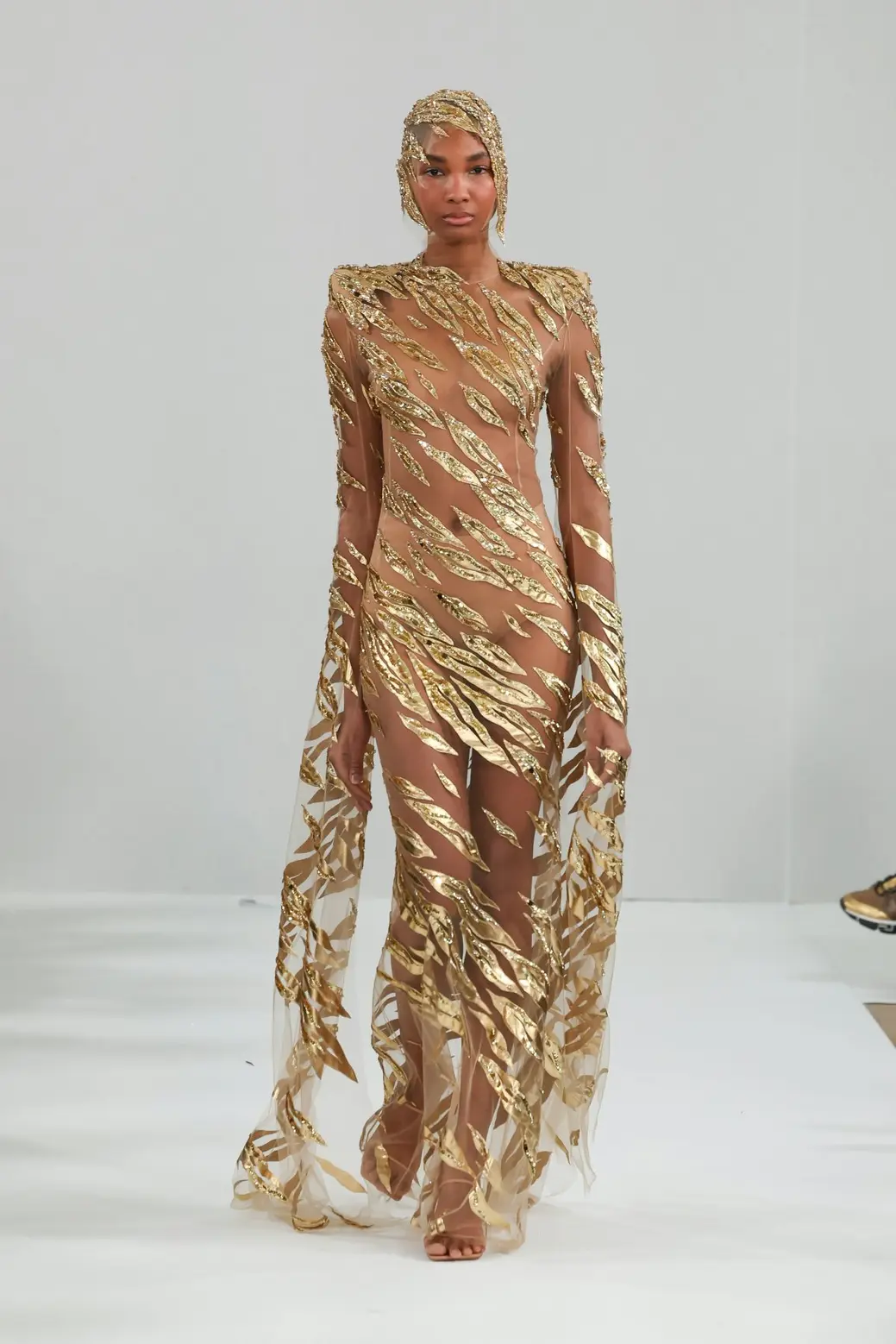
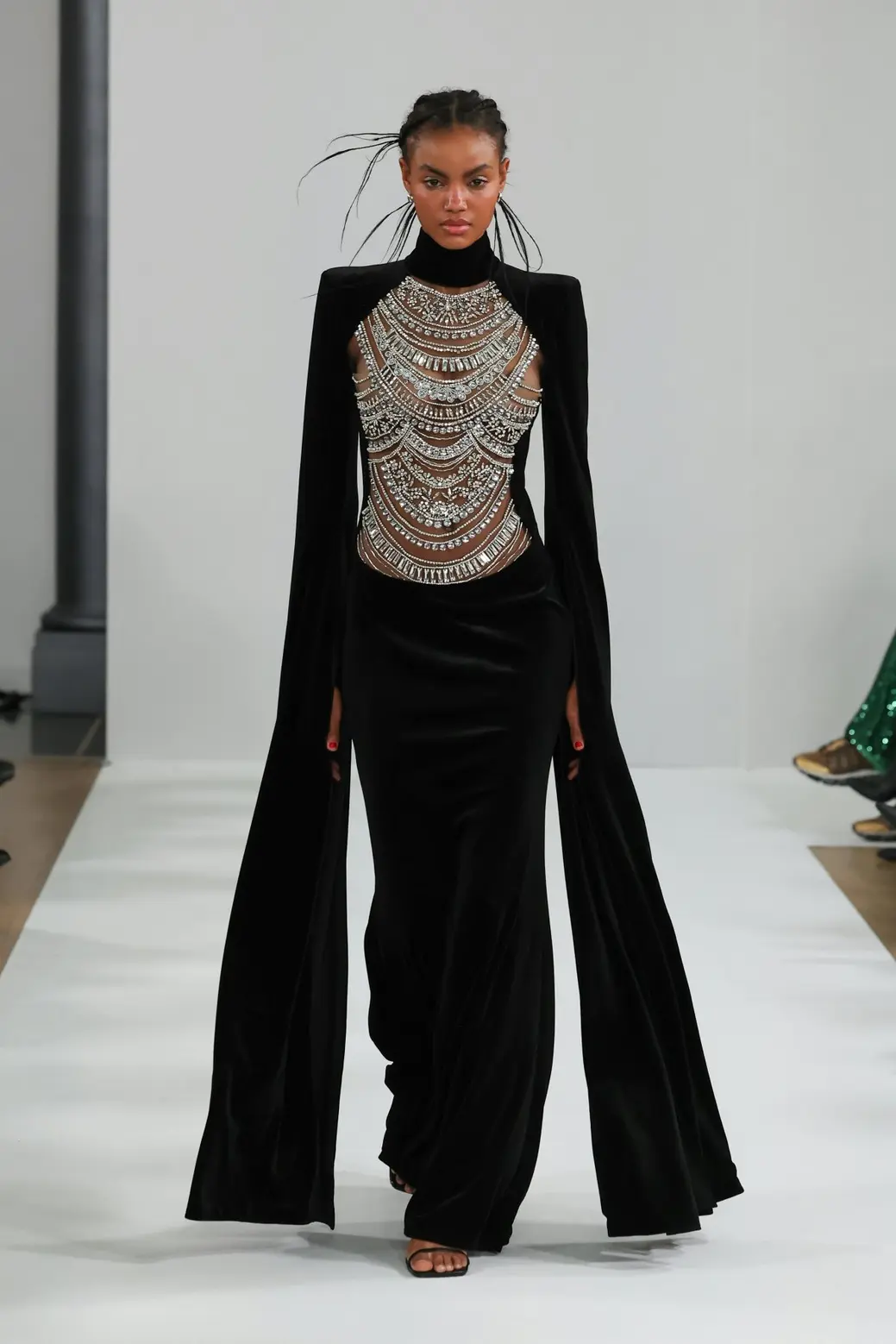
The tube part requires another kind of precision. The dress body has to sit close without looking stiff, so the cut often relies on vertical seams, hidden zippers, stretch crepe, jersey, bonded fabric, satin-backed crepe, or finely controlled lining. The waist and hip may be shaped with darts or curved seams, then the skirt is cut straight enough to preserve the tube effect. In eveningwear, the lower section may include a back slit, a narrow train, or a tiny flare at the hem for movement, but the main line stays long and contained. This tight vertical base is important because it makes the sleeve flare look intentional. The result is a dress that looks romantic from the arm, sleek through the body, and slightly wicked in proportion. It has the feeling of a candle flame attached to a black column, a small burst of fabric at the edges of a controlled form. The cut is simple in theory, yet very sensitive in practice: too much sleeve and the dress becomes costume; too loose through the body and the tube disappears; too sharp at the shoulder and the silhouette shifts into another category.
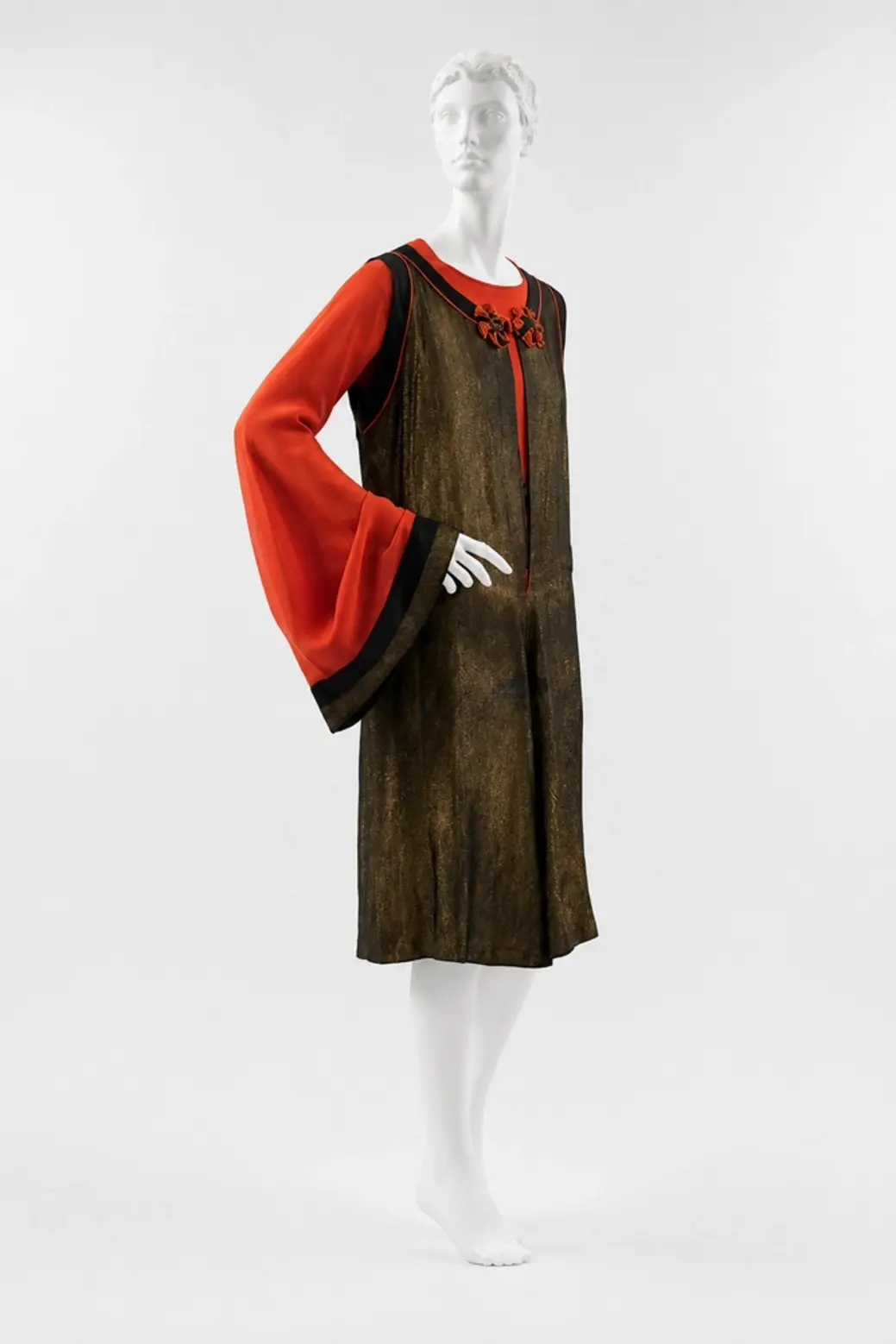
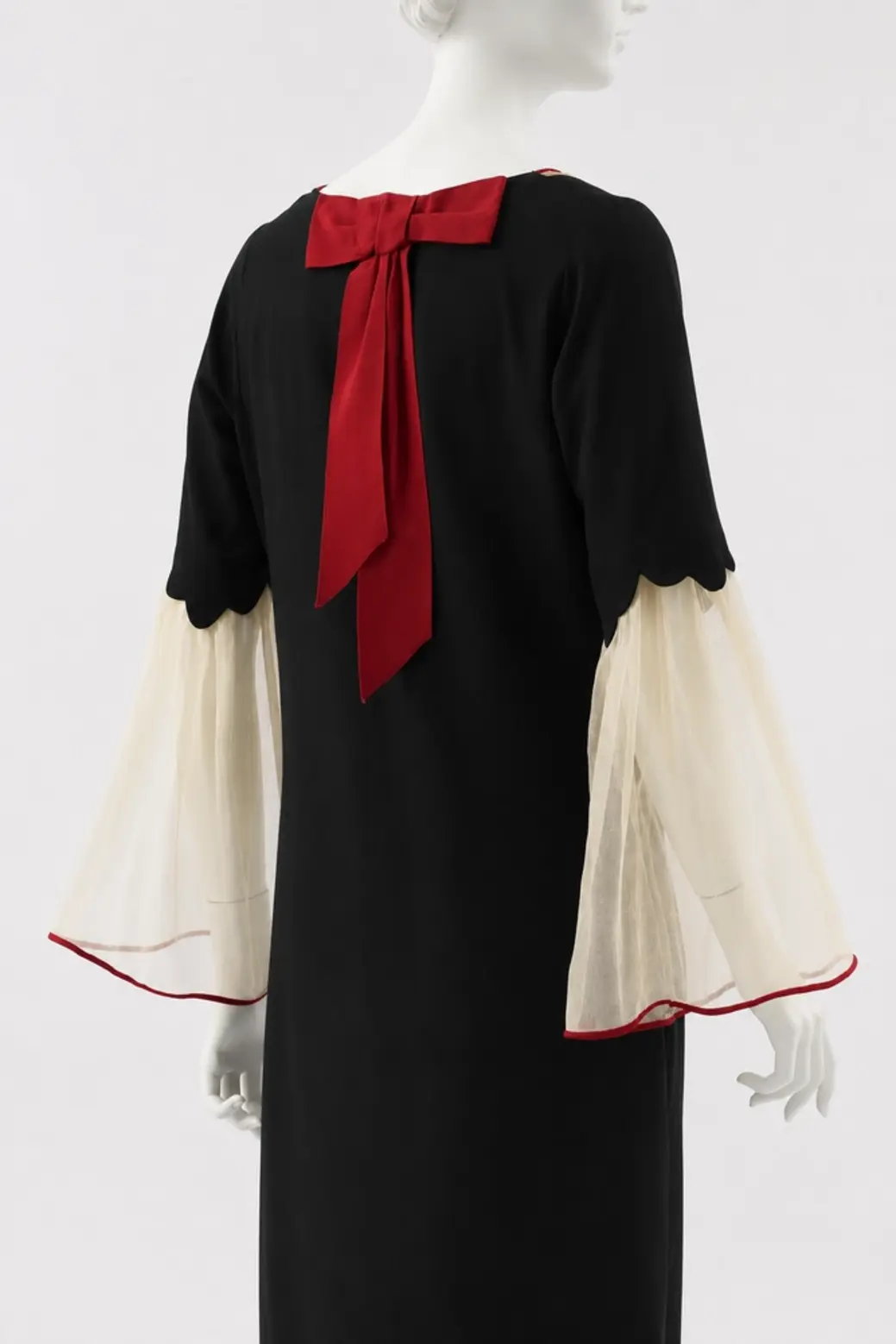
The flare and tube silhouette is best understood as a hybrid descendant, born from the meeting of two older fashion ideas: the sleeve-led looseness of the kimono/bell sleeve and the narrow vertical discipline of the sheath, column, and tube dress. Its earliest DNA sits in the 1910s, when Paul Poiret helped move Western dress away from corseted shaping toward draped, column-like forms, using Orientalist and kimono-inspired language with wide sleeves and robe-like cuts; the era also produced the hobble skirt, a narrow-hem skirt associated with Poiret that made the lower body read as one tight vertical line.

But the modern softness of the silhouette sharpened in the 1930s through Madeleine Vionnet, who turned the body-skimming column into something liquid through the bias cut, letting fabric cling and fall with natural movement instead of hard construction. So if Poiret gave the silhouette its exotic sleeve-and-column fantasy, Vionnet gave it its sensual engineering. Later, the 1960s and 1970s pushed the formula into a more romantic, bohemian register through designers like Ossie Clark, whose slinky second-skin dresses and flowing sleeves made the body look long, soft, and a little dangerous. In that sense, the flare and tube silhouette is an evolved fusion of the kimono-sleeve dress, bell-sleeve dress, bias-cut column gown, sheath dress, and 1970s slinky maxi dress: the sleeve opens like a small spell, the body drops into a narrow tube, and the whole dress becomes one continuous negotiation between release and restraint.
The flare and tube silhouette treats the body as a vertical secret with two exits: the arms. Its philosophy lives in that strange distribution of freedom. The torso and skirt stay close, almost sealed, as if the dress is keeping the body in a private chamber; then the sleeves open outward, soft and winged, releasing all the movement the lower half refuses to spend. This creates a rare kind of tension: the wearer looks contained, yet never trapped; ceremonial, yet ready to gesture; disciplined, yet carrying a hidden animal softness at the wrists. The body becomes less about display and more about direction. Everything descends in a narrow line, then suddenly blooms sideways through the sleeve, like incense escaping from a locked room.


What makes the flare and tube silhouette feel so hypnotic is its refusal to treat volume as noise. The flare arrives in small doses, almost ritualistically, placed exactly where the body speaks, reaches, blesses, rejects, seduces, or disappears. The tube dress holds the figure like a dark sentence, while the sleeve adds punctuation with silk, crepe, chiffon, jersey, or lace. It is a silhouette of delayed drama: the dress gives the eye a long pause, then lets the hand break the silence. In that sense, its body philosophy feels wonderfully odd and ancient. The hips remain calm, the waist stays guarded, the legs become one narrow shadow, but the arms turn into weather.
On the runway, the flare and tube silhouette works best when designers resist heavy architecture and let the sleeve do the seduction.

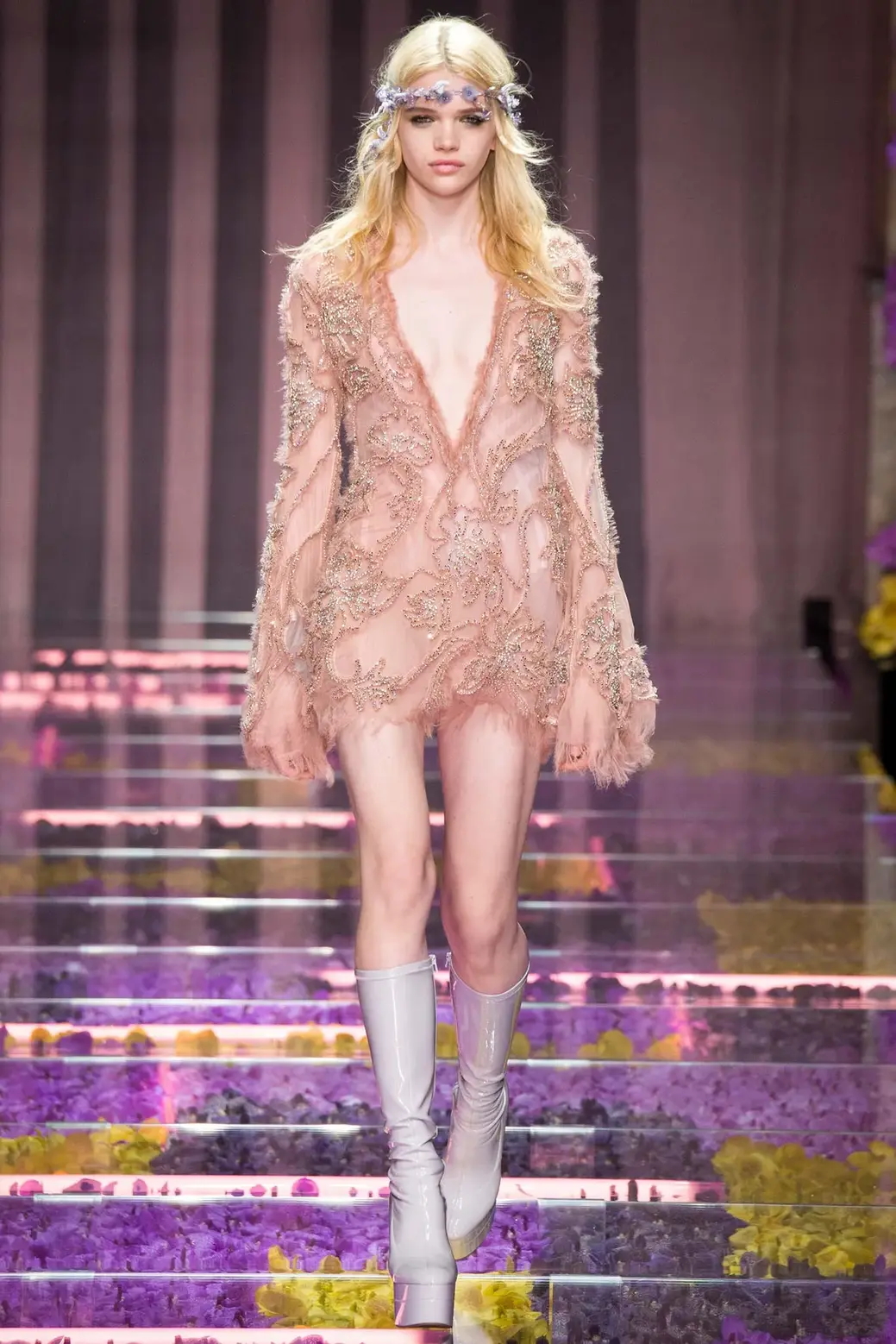
At Atelier Versace, the idea becomes the most body-conscious: a slim, almost molten dress line clings downward while the sleeve opens like a flash of drama at the edge, giving the body that classic Versace tension between control and heat.
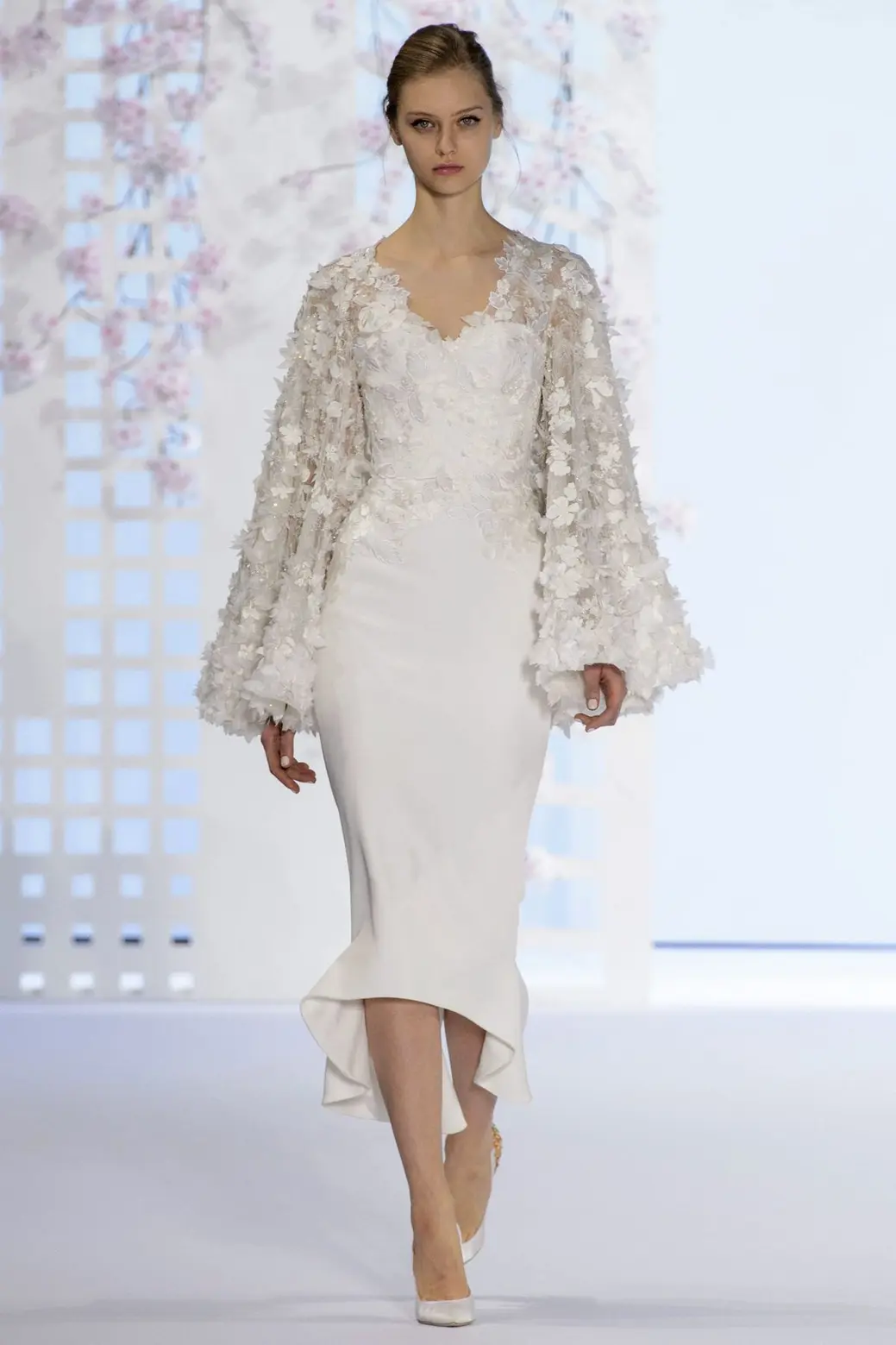
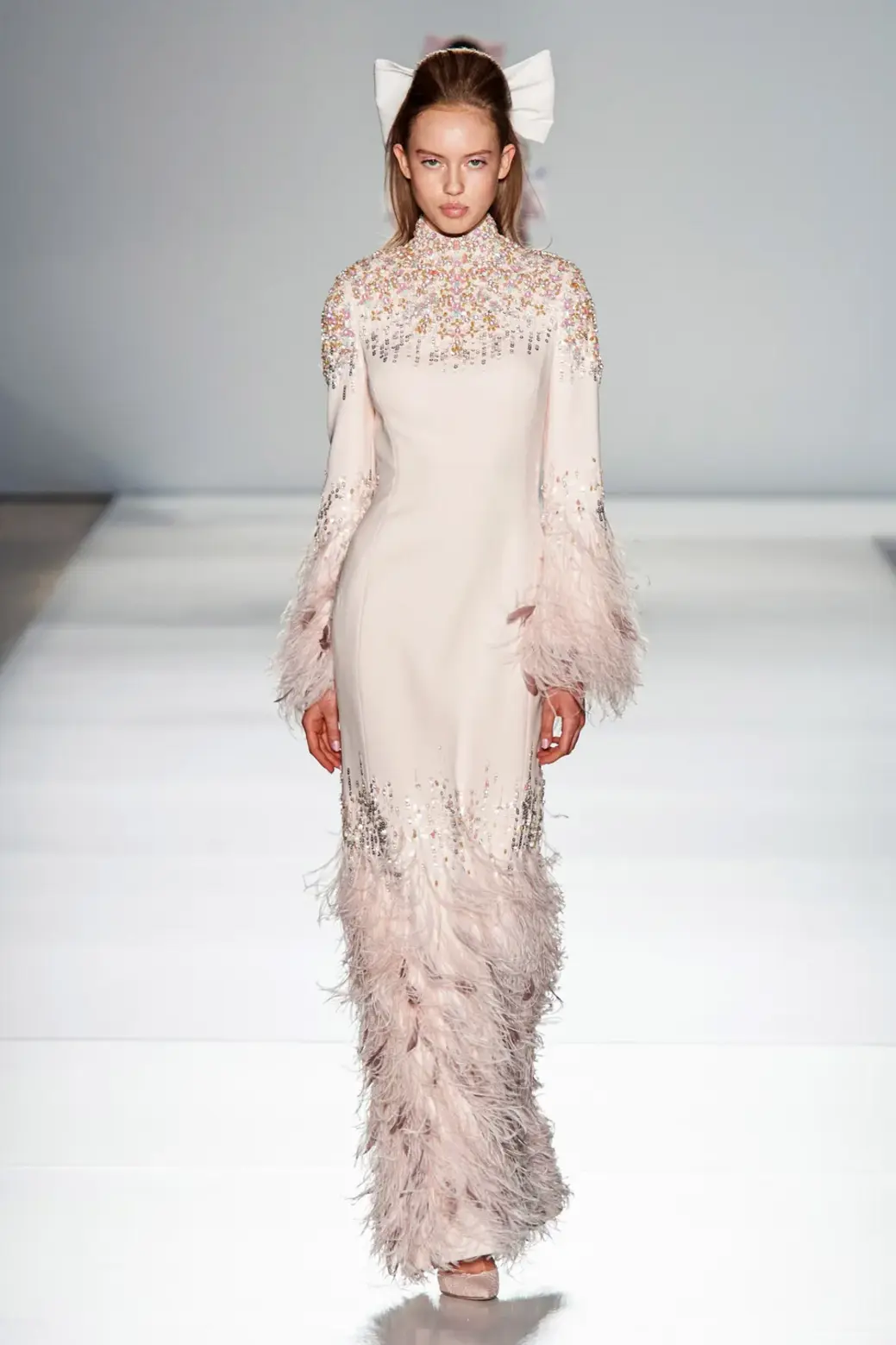
Ralph & Russo makes the silhouette more couture and ceremonial.


Proenza Schouler turns the shape into something more urban and rhythmic: piped bell sleeves extending dramatically past the knees, so the sleeve became almost a second skirt attached to the arm, while the body stayed sensual, compact, and close.

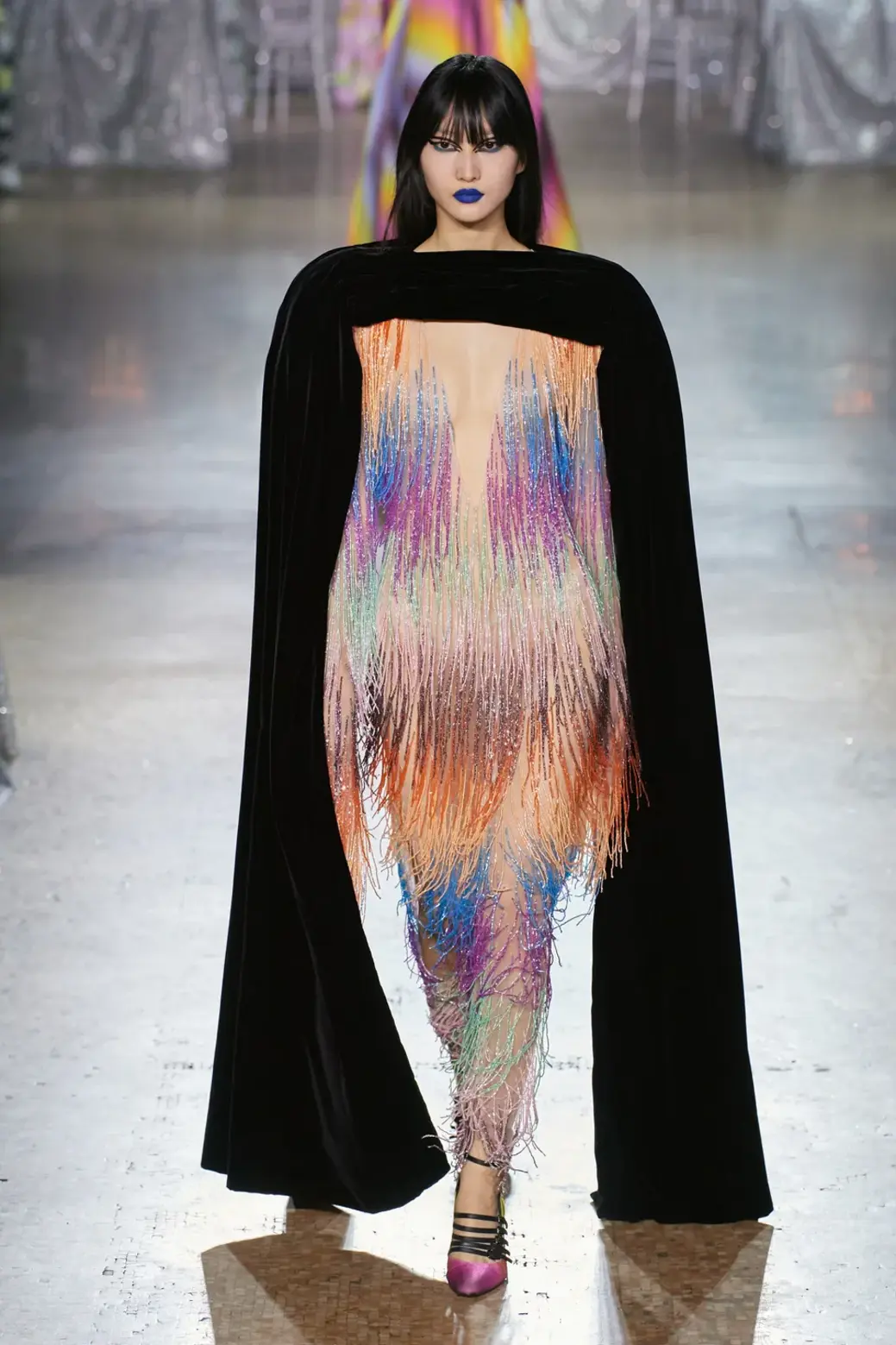
Rodarte is one of the cleanest modern references for the flare and tube silhouette because the Mulleavy sisters understand sleeve drama as mood, not decoration.


Elie Saab uses the silhouette in a more red-carpet language, turning the tube into a slender evening column and allowing cape sleeves or bell sleeves to stretch the dress outward with royal softness.
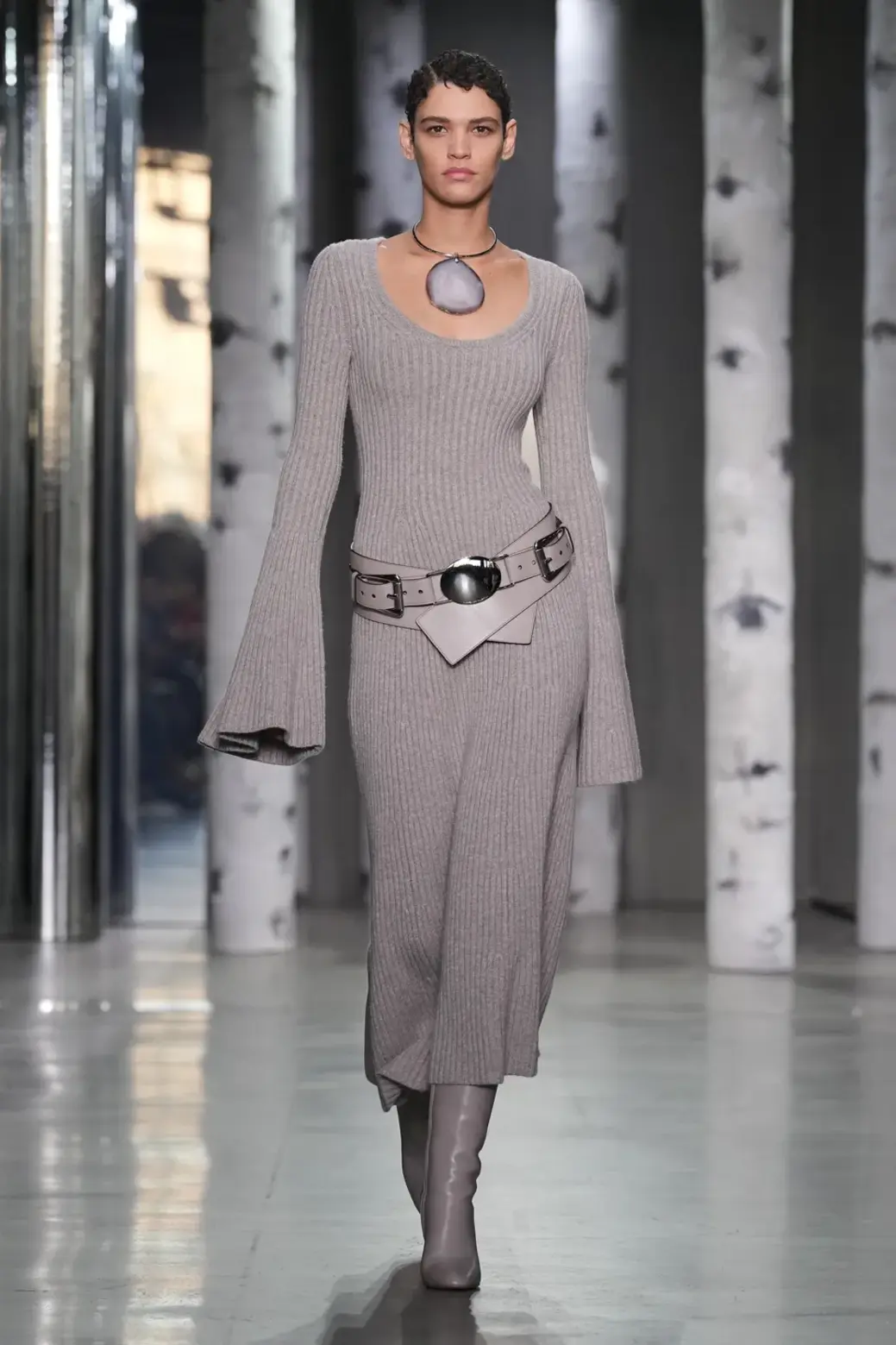

Michael Kors gives the same idea a cleaner American gloss, soft knit dresses were cut with fluid bell sleeves, turning the flare-and-tube formula into something polished, wearable, and quietly glamorous.
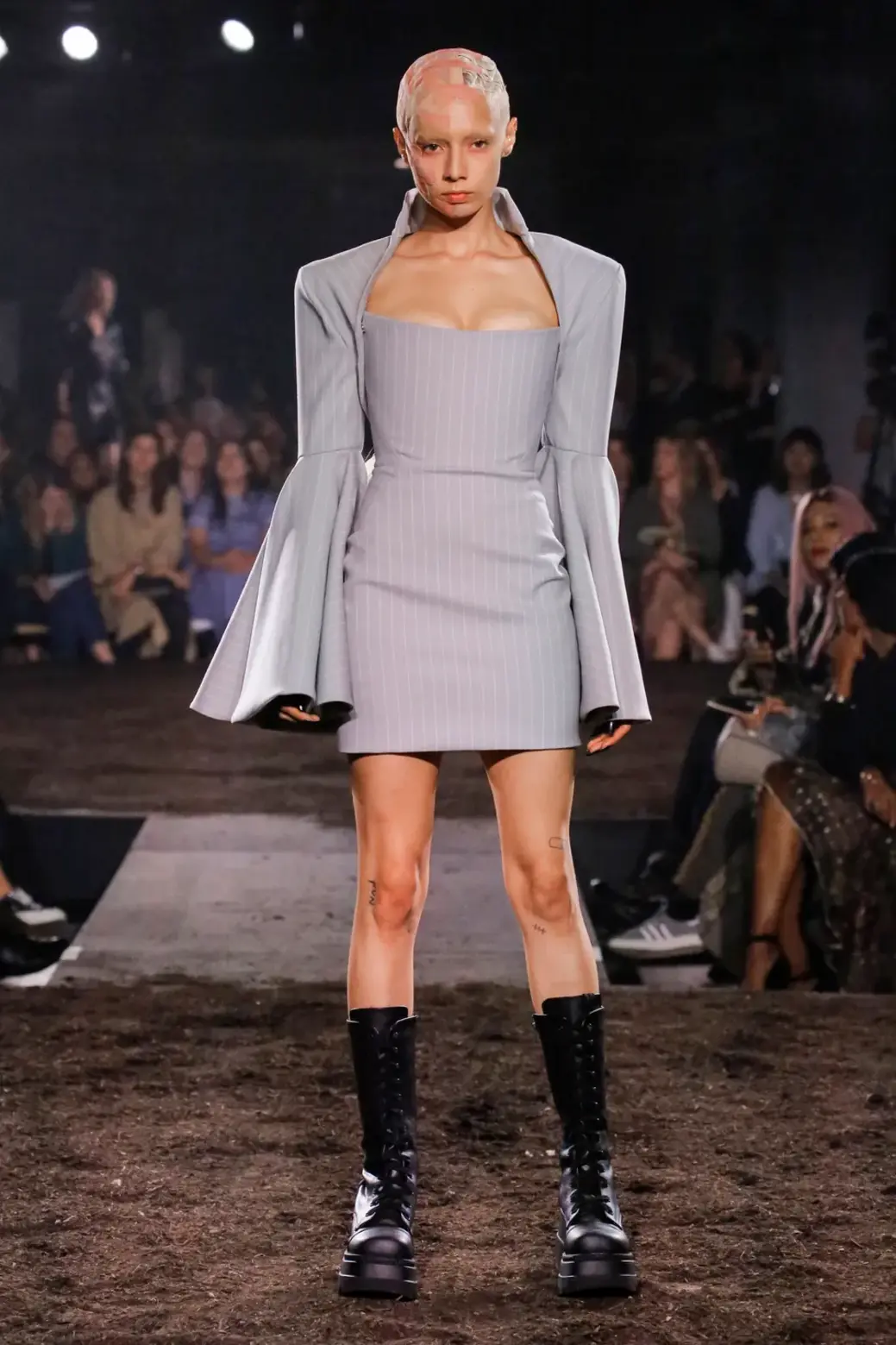

The more extreme houses make the silhouette stranger. Gareth Pugh pushes the flare sleeve toward ritual and shadow: the tube body becomes severe, almost monastic, while the sleeve flare feels like a dark gesture slicing through air.


Blumarine softens the formula through romance, using narrow dress shapes, drifting sleeve movement, lace, sheer fabrics, and a more sensual Y2K-fairy attitude. Together, these houses show how flexible the flare and tube silhouette can be. I
By dividing the body into a zone of absolute stillness (the tube) and a zone of absolute performance (the flare), the flare and tube silhouette achieves a timeless, ritualistic equilibrium. It reminds us that true sartorial drama does not require the exhausting volume of a ballgown or the aggressive brevity of a micro-mini. It requires only a long, breathless pause, a clean vertical line, and a sleeve that knows how to turn a simple gesture into a quiet spell.
Advertisement