MENU
Close





The straight fall of the I-line dress teaches a kind of humility. It acknowledges that the body is temporary, yet the form is eternal. In that paradox lies its beauty. When we look at an I-line dress, we are not seeing decoration; we are seeing the metaphor of being upright. To stand, to breathe, to exist-that is the essence the I-line makes visible.
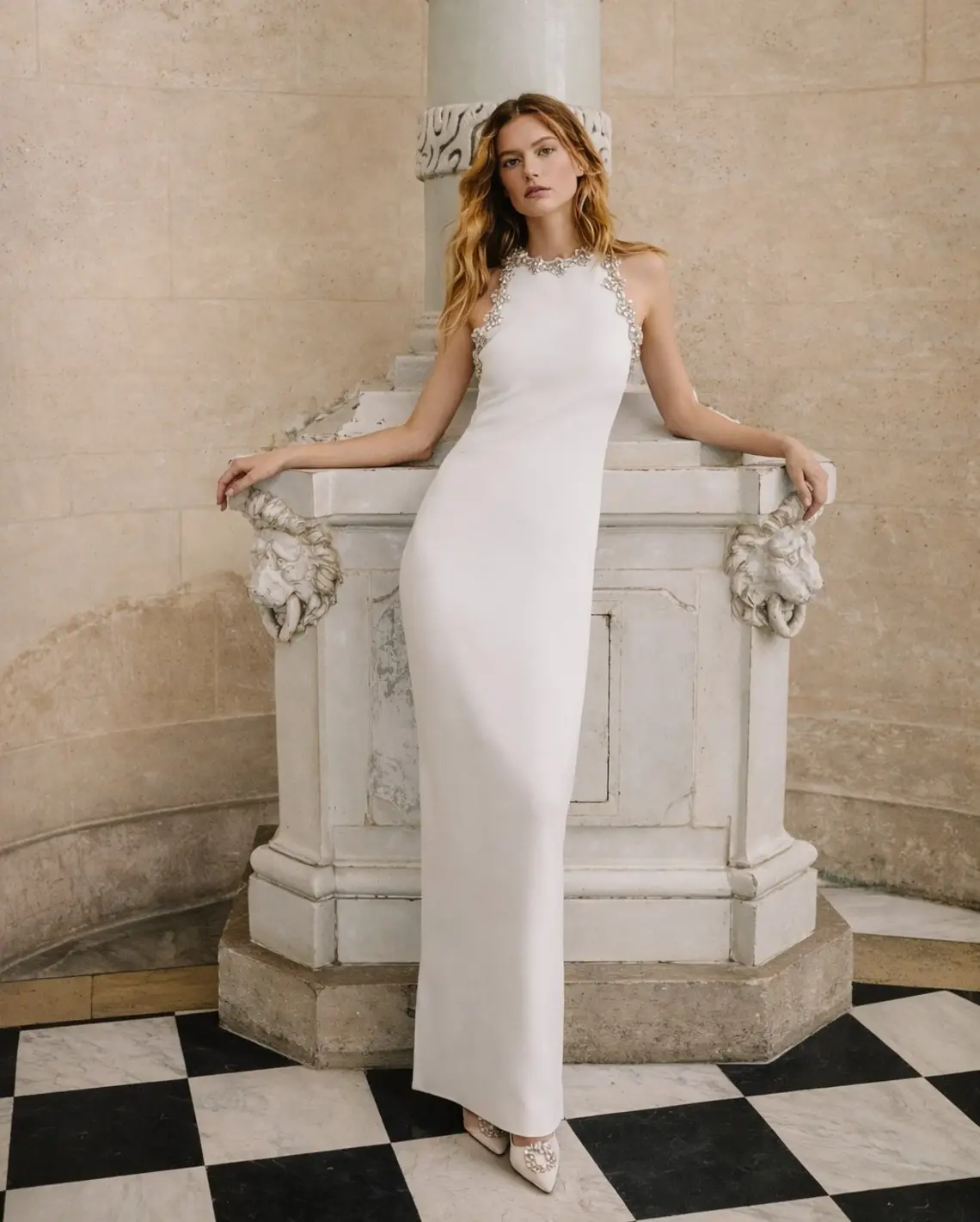
The straight fall of the I-line dress teaches a kind of humility. It acknowledges that the body is temporary, yet the form is eternal. In that paradox lies its beauty. When we look at an I-line dress, we are not seeing decoration; we are seeing the metaphor of being upright. To stand, to breathe, to exist-that is the essence the I-line makes visible.
October 28, 2025
Advertisement

Advertisement



The story of the I-line dress begins long before the term “silhouette” entered the vocabulary of fashion.
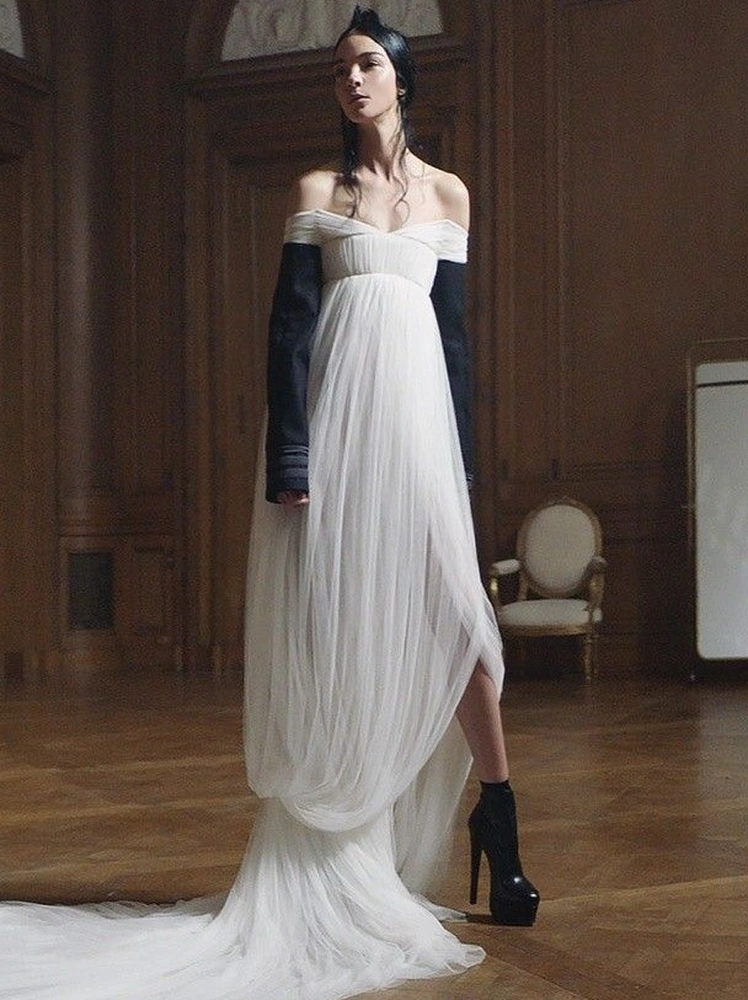
In ancient Greece, the chiton and peplos whispered against the marble torsos of goddesses, their folds falling straight and serene from shoulder to ankle. In Rome, the stola carried a similar purity: unbroken, vertical, and dignified. These early garments were draped, fluid yet architectural, translating the geometry of the column into wearable form. To wear such garments was to be aligned with ideals of proportion and poise. The body did not compete with the cloth; it was composed within it.
Centuries later, this idea of elongated simplicity resurfaced, reborn amid the rigid corsetry of late 19th-century Europe. The silhouette reemerged as an act of quiet rebellion. Paul Poiret, one of the first modern designers to abandon the corset, allowed fabric to fall freely once again. His columnar gowns, inspired by both Orientalist fantasy and ancient art, were radical in their time - unshackled, upright, and sensual in their linearity. Poiret’s vision laid the foundation for what would later become known as the I-line.
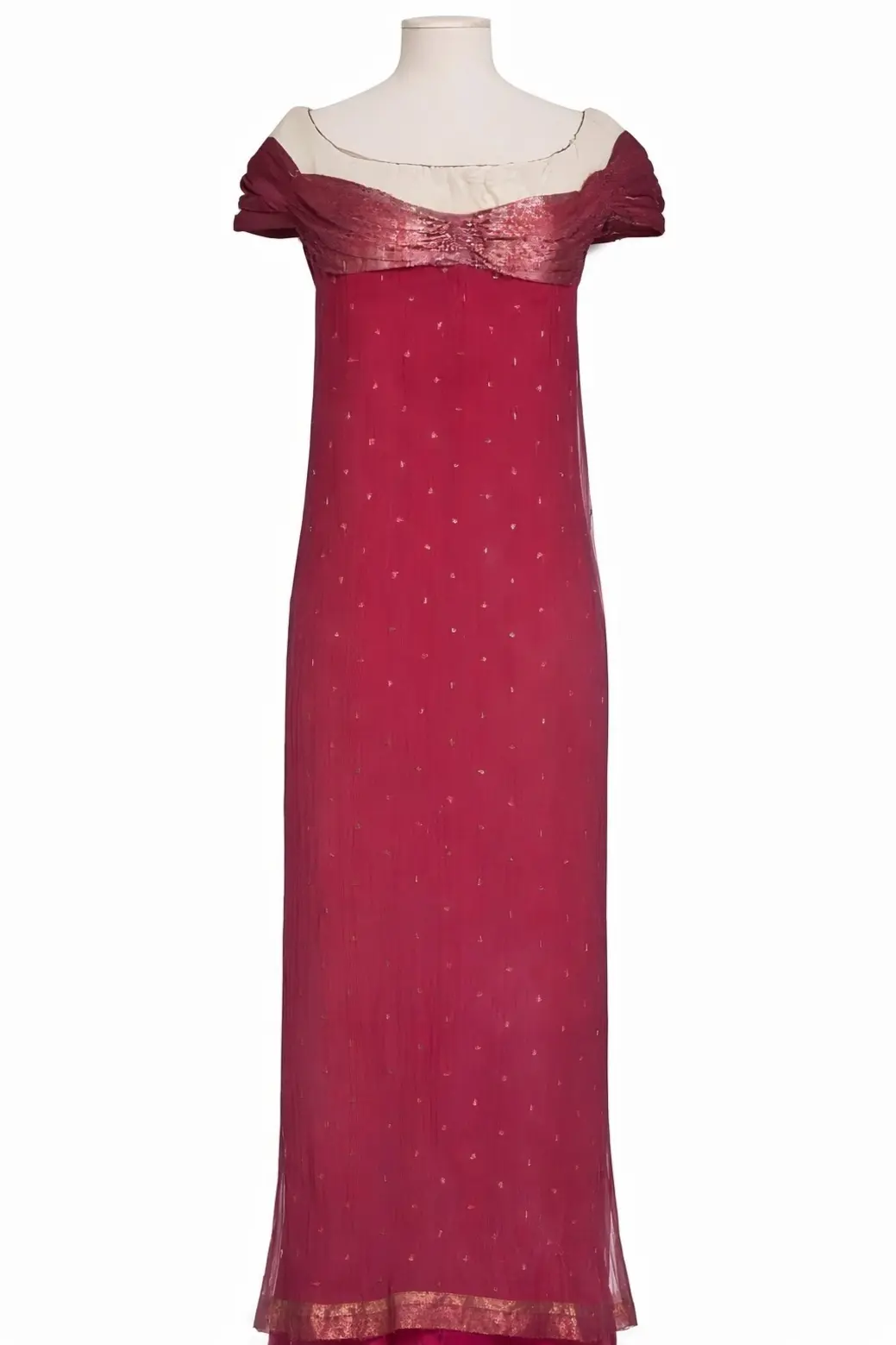
The I-line dress of Dior’s mid-50s couture collections hugged the body in a smooth column, the waist minimized but not emphasized, the skirt narrow, sometimes with a slight flare at the knee. It was austere but elegant, severe yet soft. It marked the moment fashion shifted from the feminine flourish of the 1950s toward the streamlined modernism of the 1960s.
This transition didn’t happen in Paris alone. In Japan, the I-line found spiritual resonance in the philosophy of form and void, ma, the space between things. As postwar Japan began engaging with Western fashion, designers such as Hanae Mori and Kenzo Takada translated the idea of the column into something both architectural and emotive. The silhouette aligned perfectly with Japanese minimalism, a culture where elegance lies not in ornamentation but in the balance of proportion. The column dress, upright, controlled, echoed the same logic found in a Japanese scroll or a tatami-lined room: beauty in what is withheld.
In the 1960s and 1970s, the I-line silhouette evolved again through the lens of liberation. When the world moved toward youth culture and street energy, the column dress transformed, it shortened, lightened, and sometimes became a sheath dress, its hem hovering above the knee.
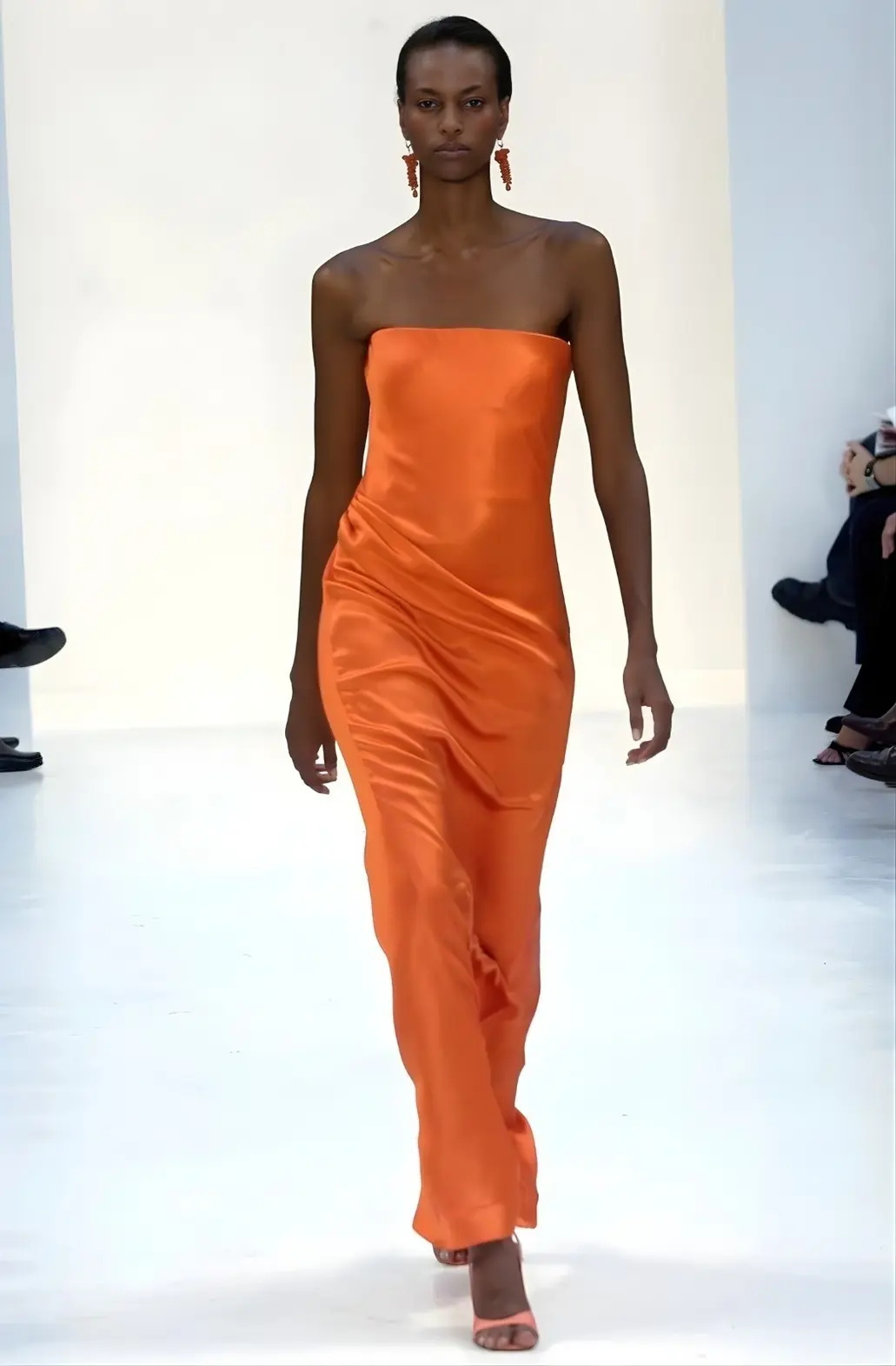
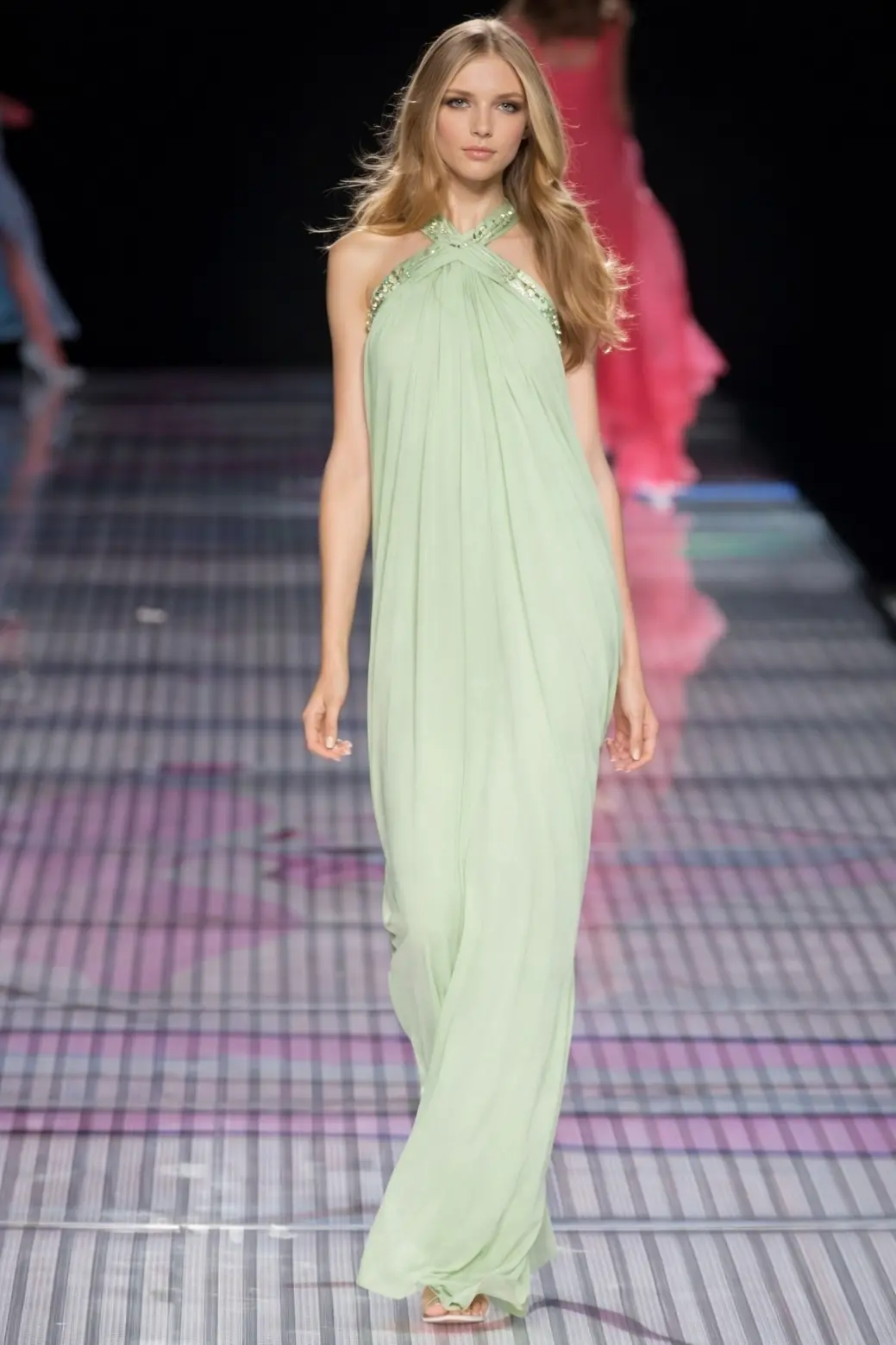
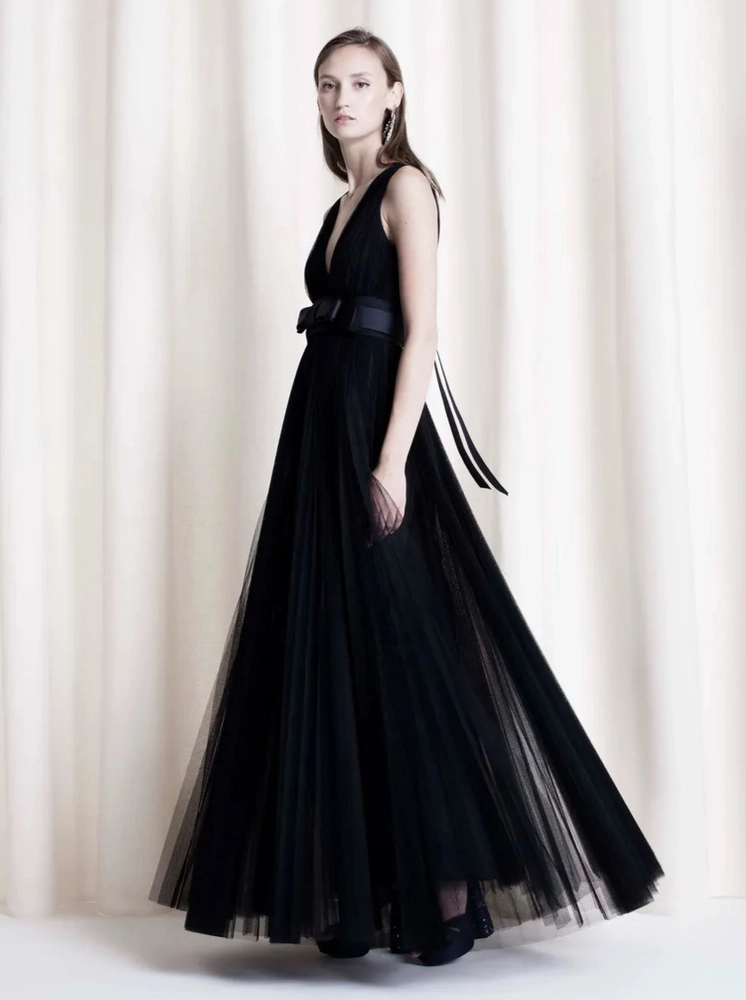
In the 2000s, the I-line emerged as the shape of a new era, a silhouette that captured the essence of the modern woman. She embodied a beauty that flowed without effort, a harmony between motion and stillness, the true spirit of a woman who understood both her power and her peace.
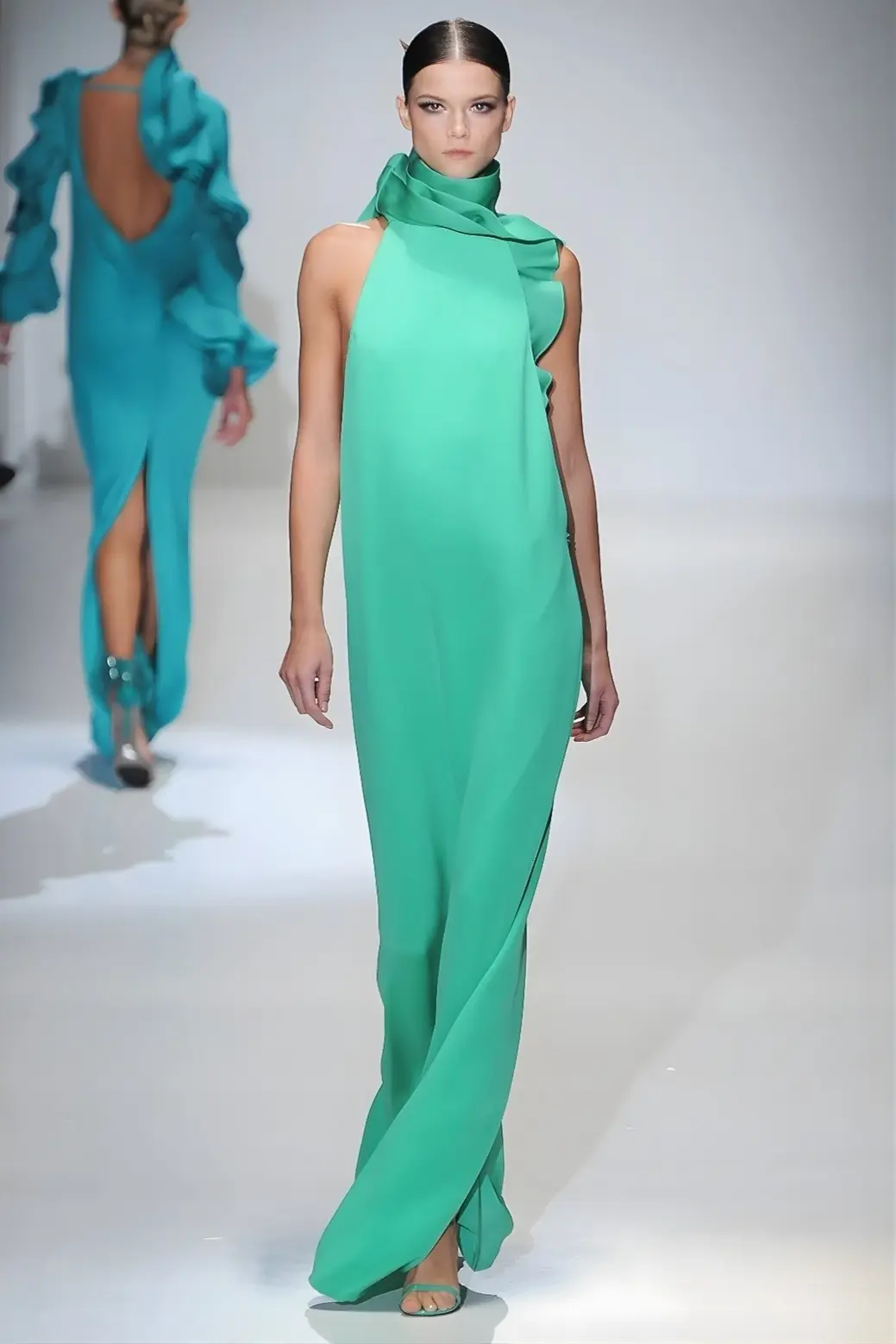
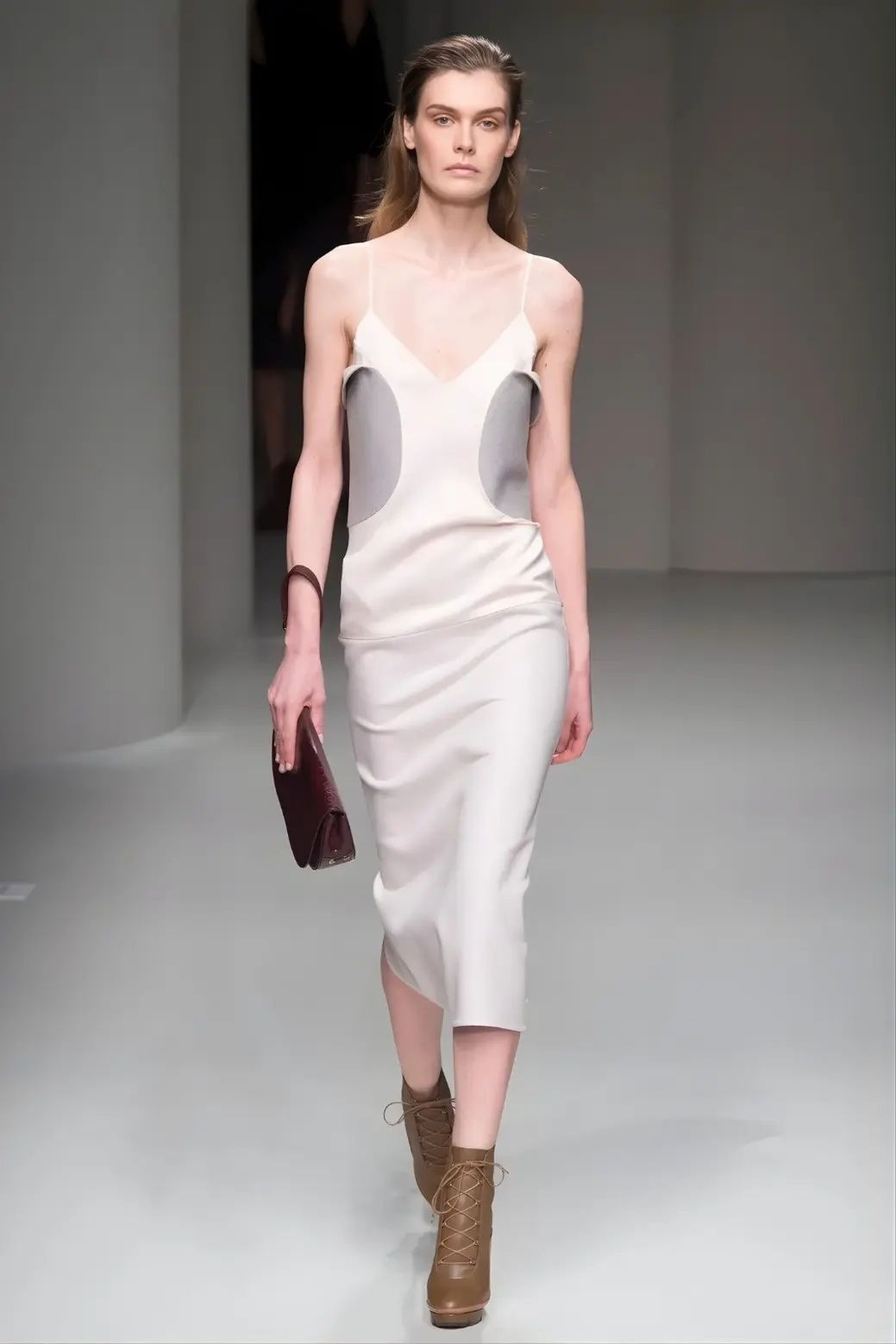
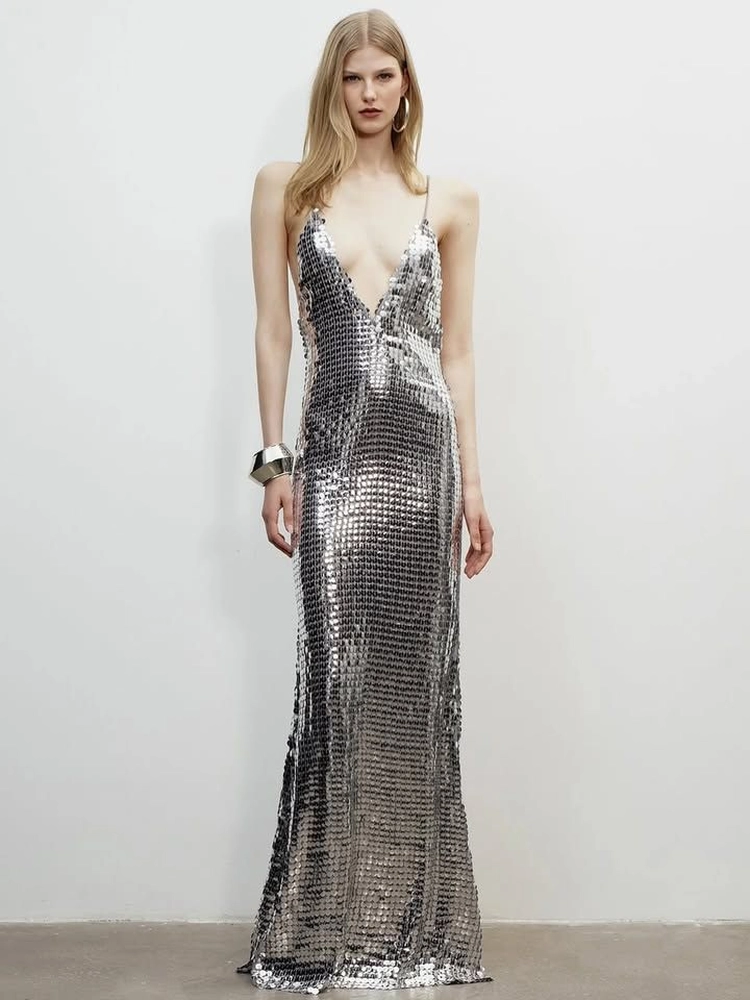
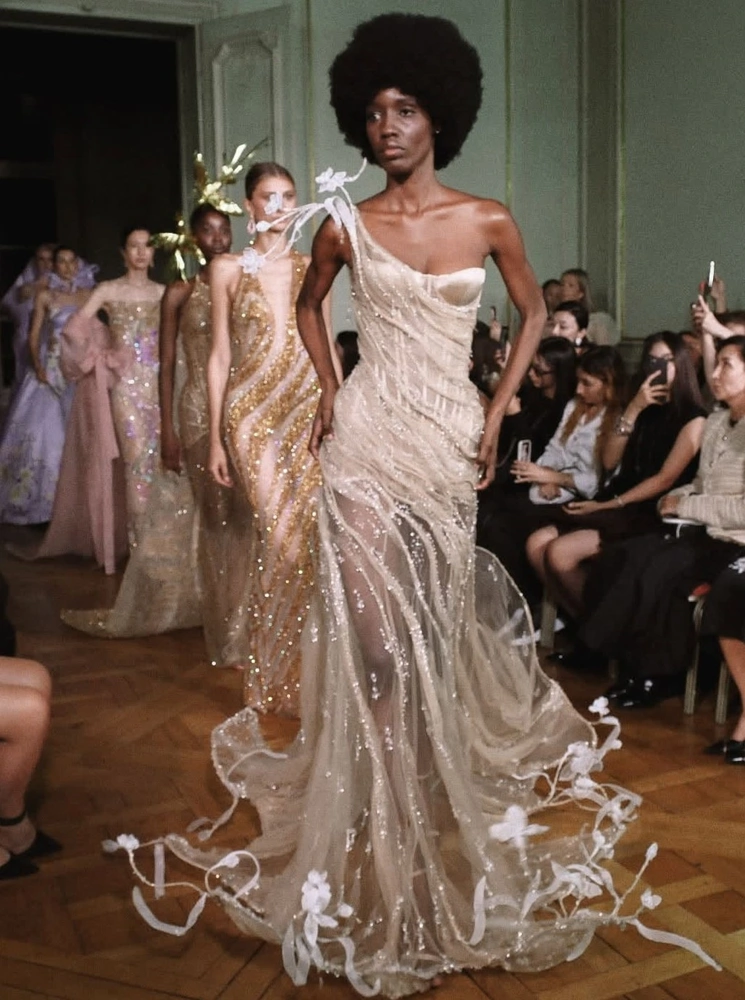
In the 2010s, the I-line unfolded into a new creative horizon. Its once-silent form gleamed with texture and invention, straight silhouettes adorned with dense beadwork, graphic prints, cut-outs, and raw textures. The line remained vertical, yet its energy shifted: decorative, tactile, and alive with detail. The I-line of this era stood radiant and daring - the modern canvas where purity met imagination, and simplicity found its most expressive voice.
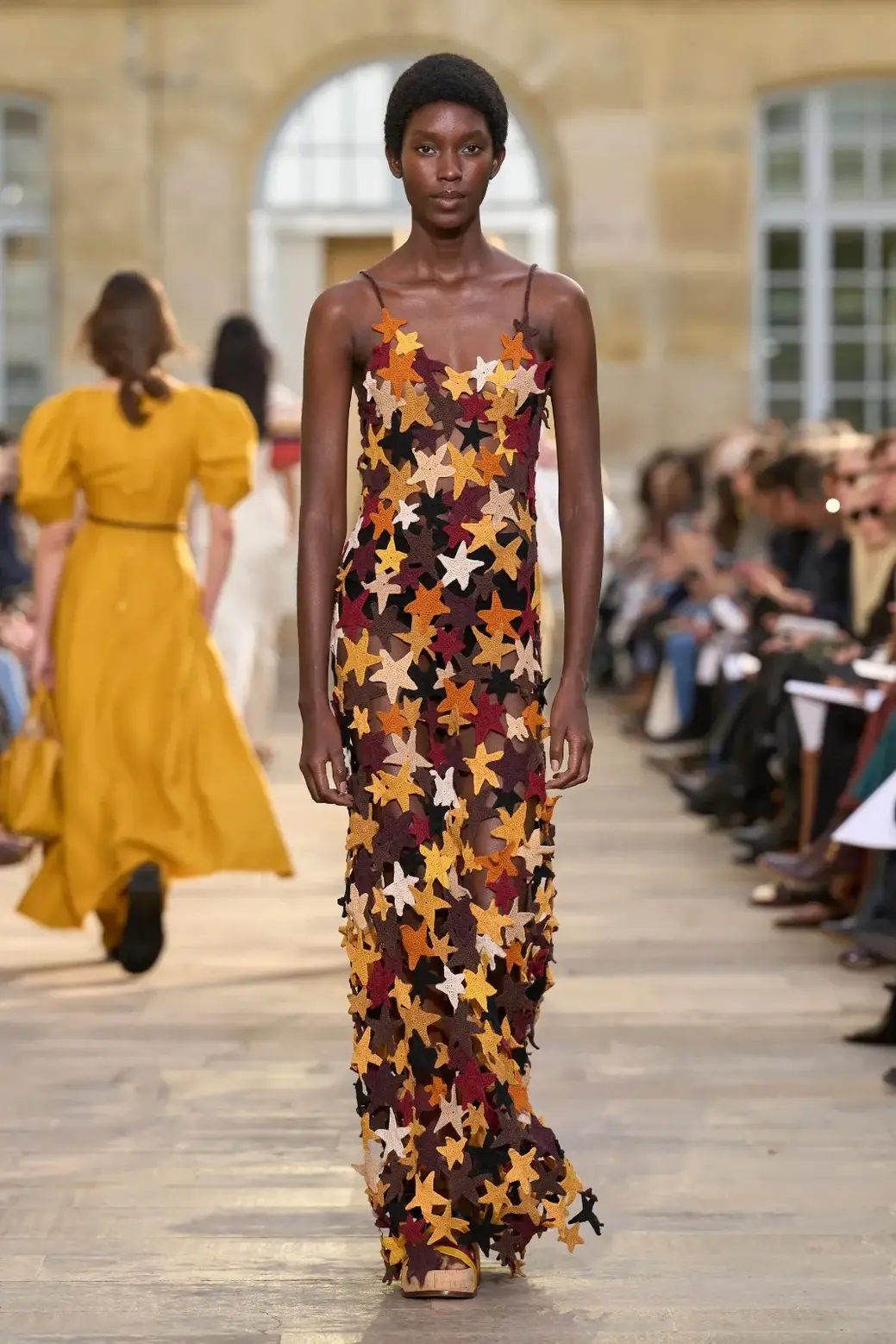
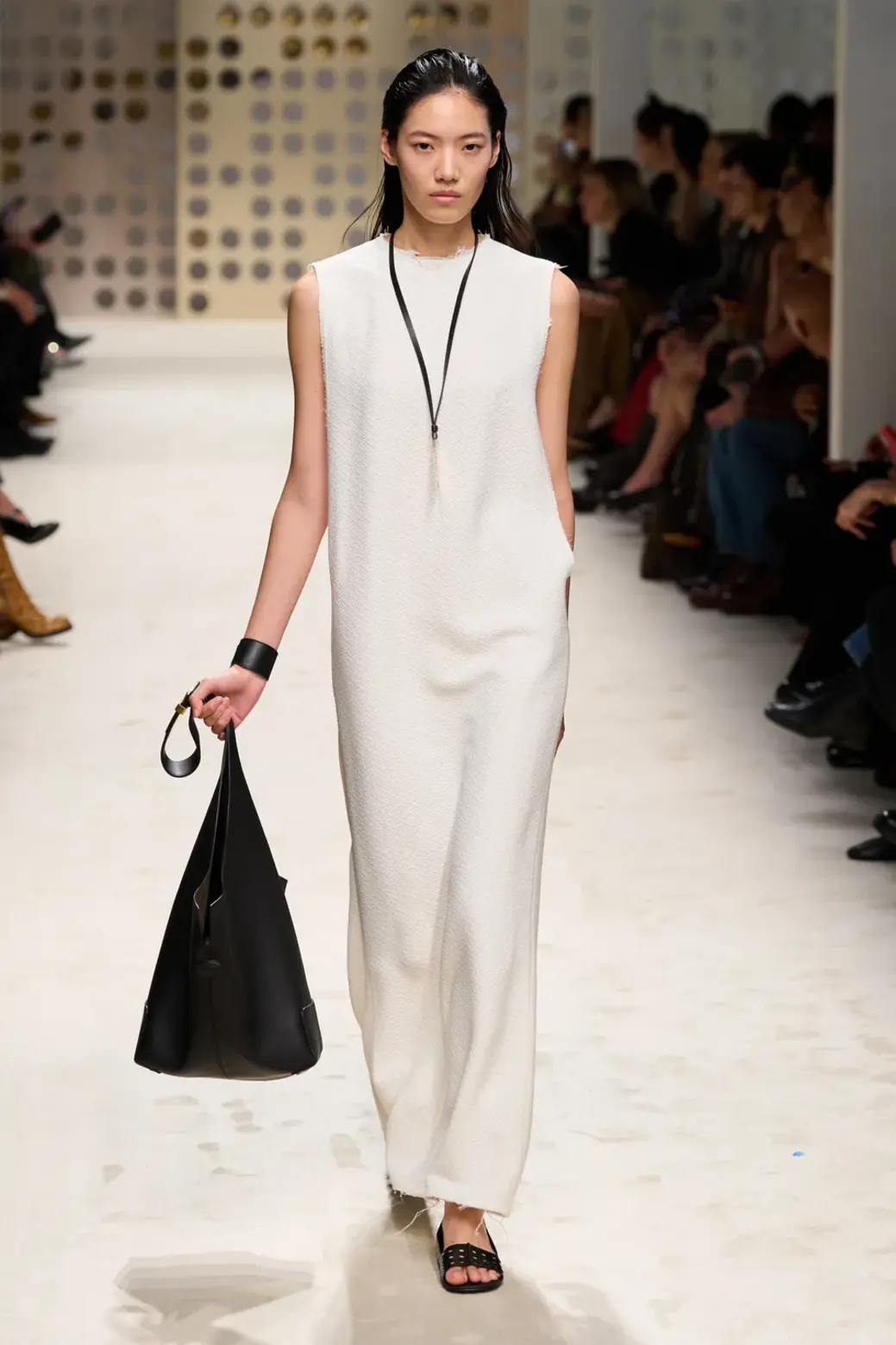
In the early 2020s, the I-line became a study in material mastery. Designers treated its simplicity as a field for experimentation: sculpted wools, crisp cotton, or floral appliqués precisely arranged along its vertical form. The silhouette remained serene, yet every fabric choice carried intention.
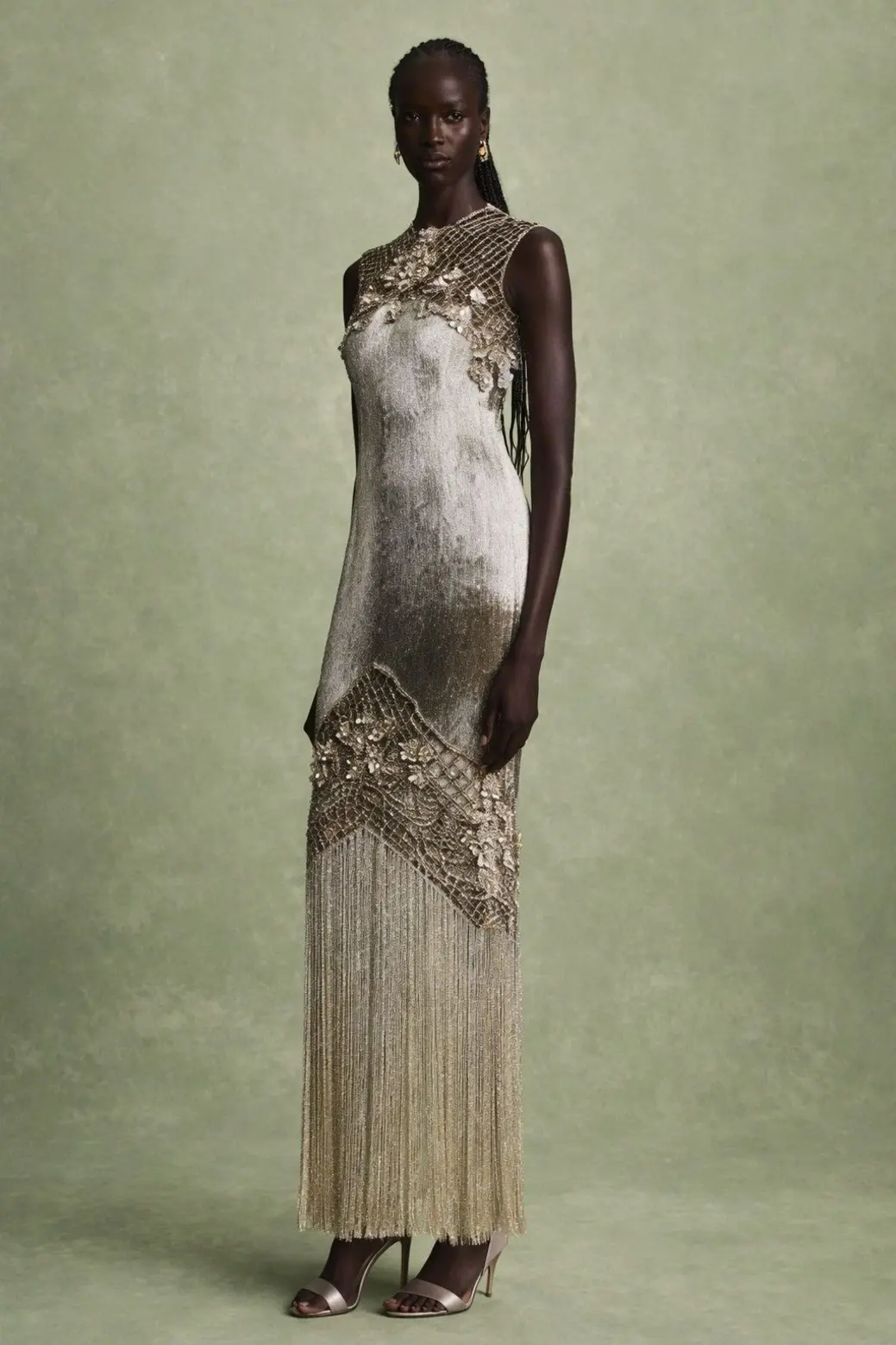
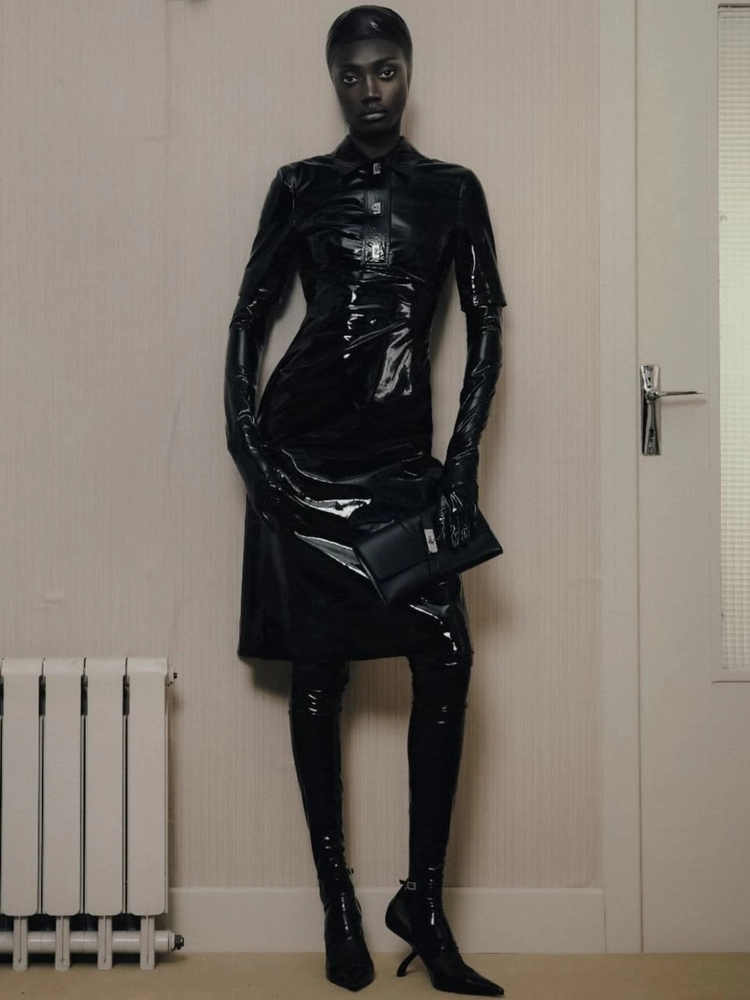
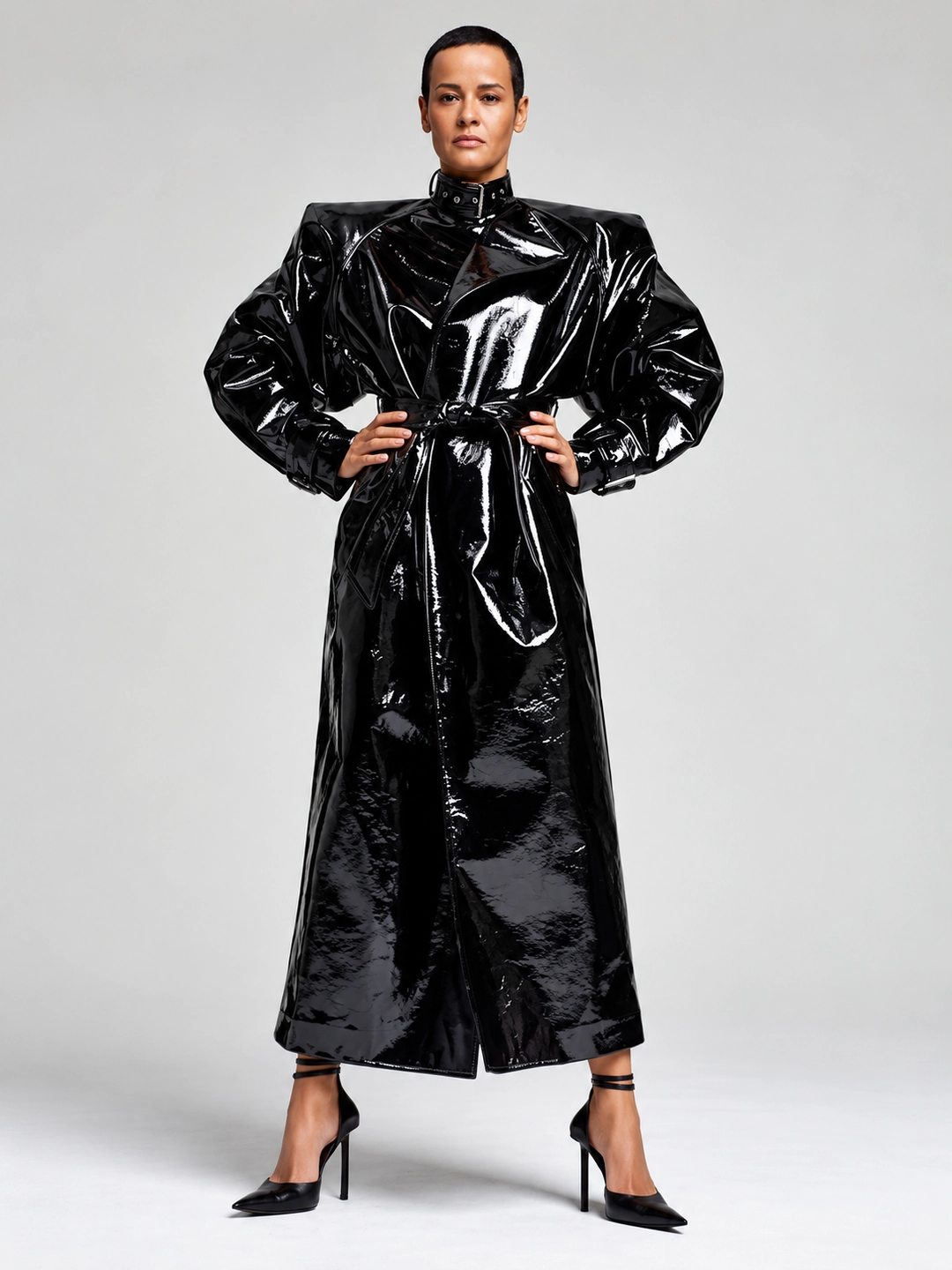
The I-line doesn’t shout. It doesn’t conquer space the way a bustle or a crinoline once did. Instead, it rises quietly, unbendingly, and in that rise, it changes how the world sees the woman within it. The straight fall of cloth draws the gaze upward, stretching time and figure alike. A woman in an I-line dress seems taller than she is, not because the dress disguises her body, but because it aligns her with something elemental. She becomes a column - a living axis - at once still and immense.
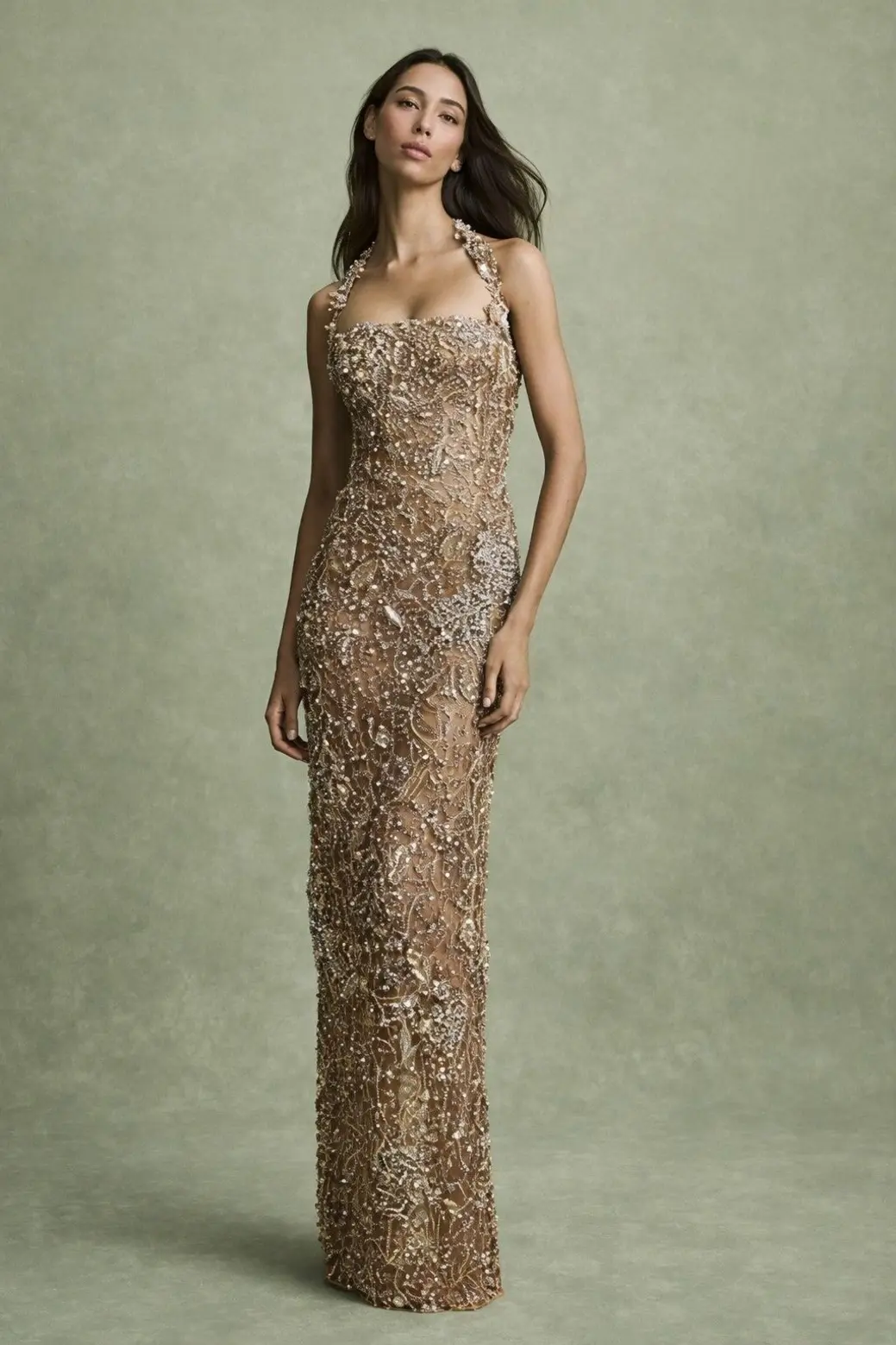
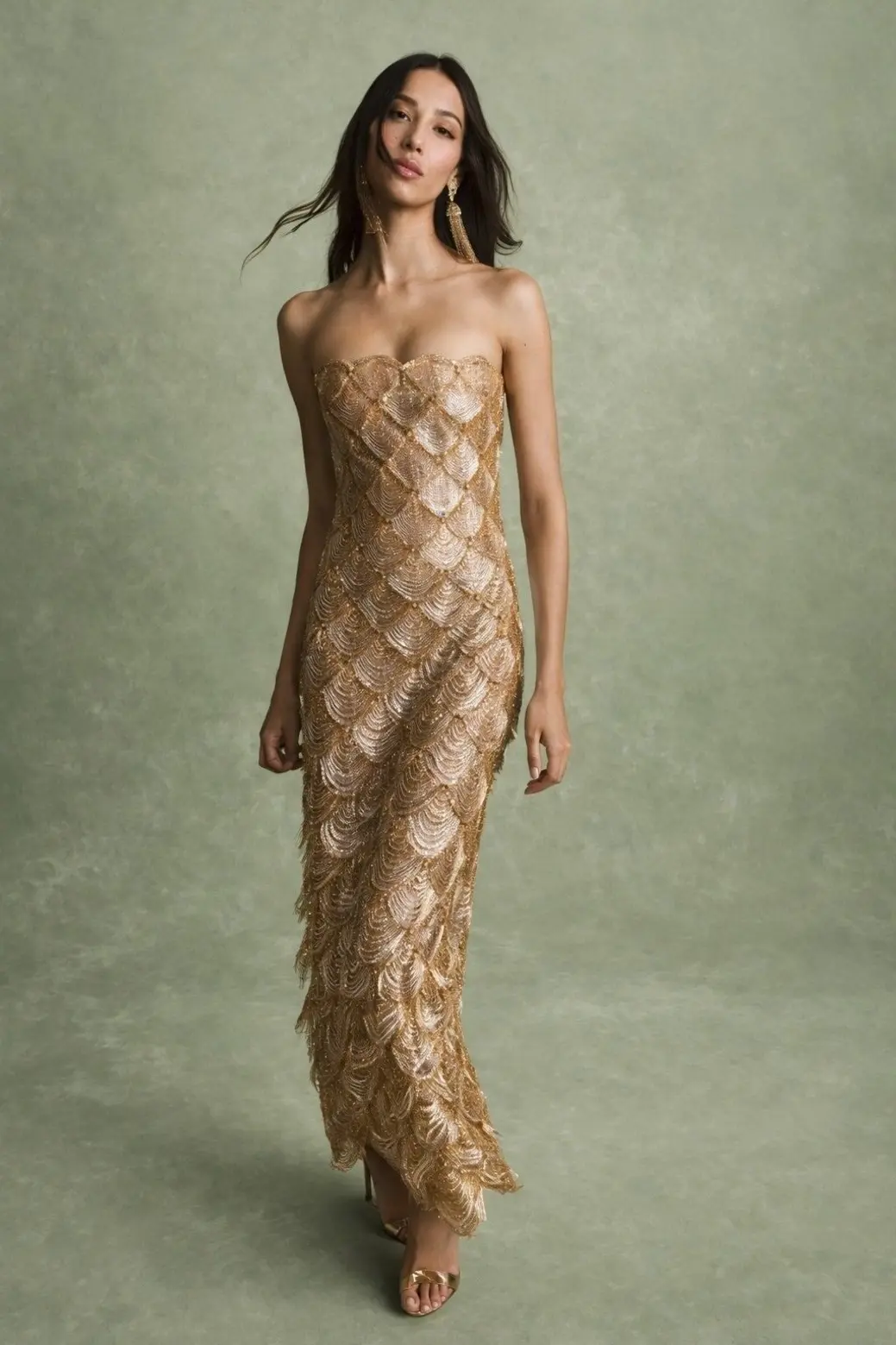
There is power here, but not the kind that demands obedience. The I-line does not dominate; it dignifies. Every seam, every hem speaks of equilibrium. The wearer doesn’t occupy space through force, but through inevitability. The straight silhouette carries a trace of divinity, a composure that feels almost mythic. There is a goddess element stitched into its every line: the calm geometry of Athena, the serenity of Kannon, the unshaken grace of figures carved in stone. The body is no longer the spectacle; it becomes the vessel of something vertical, timeless, and almost sacred.
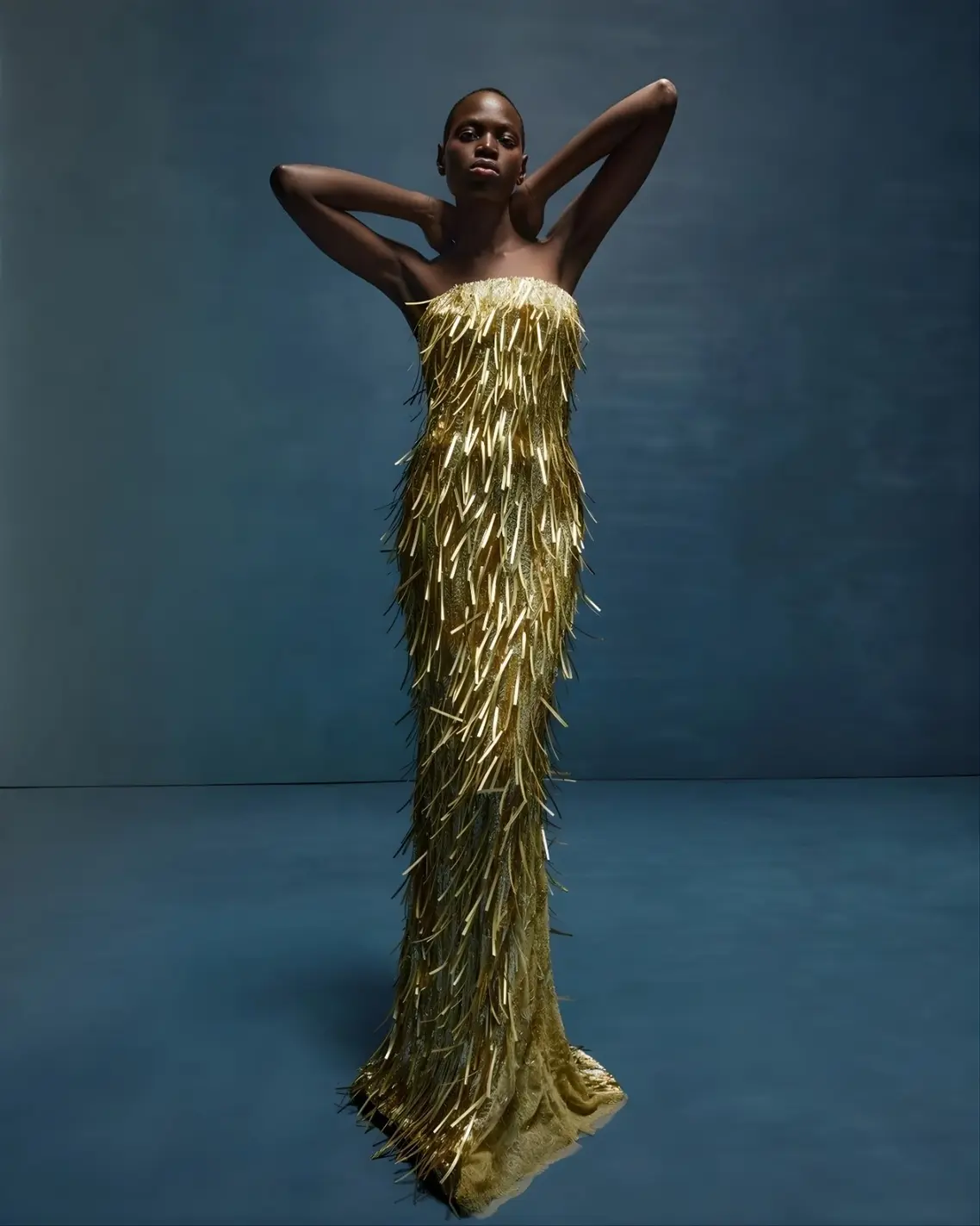
The I-line survives not because it resurfaces on a moodboard or because minimalism periodically returns to the runway. It survives because it speaks to something more ancient and indivisible: the human need for balance, silence, and continuation.
In the geometry of existence, the line is the most elemental form. Before there was pattern, there was direction, the movement from earth to sky, from beginning to becoming. The I-line embodies that movement. It is fashion’s reminder of the vertical path that everything living follows. When a woman stands within that pure vertical, she mirrors the rhythm of the world.
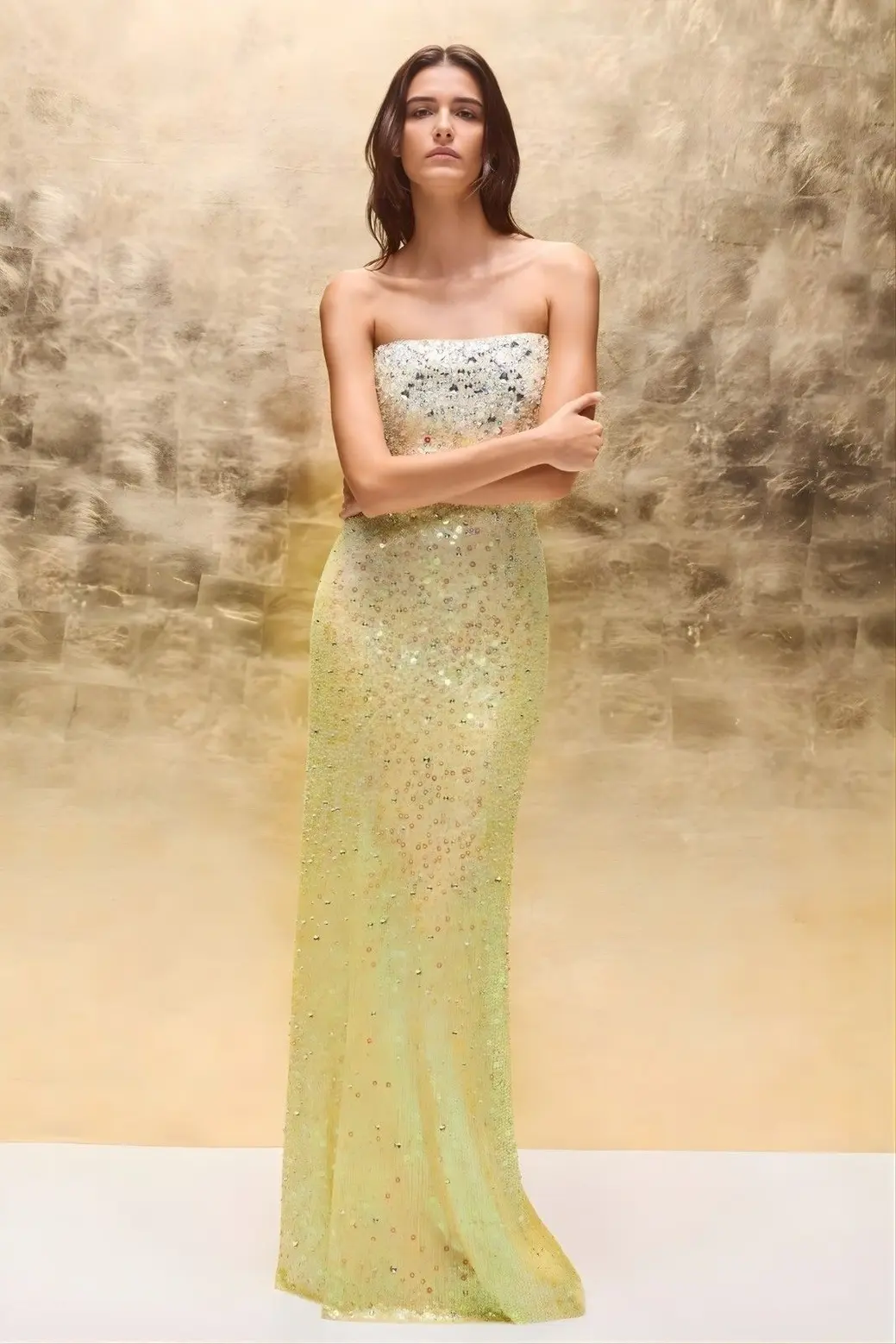
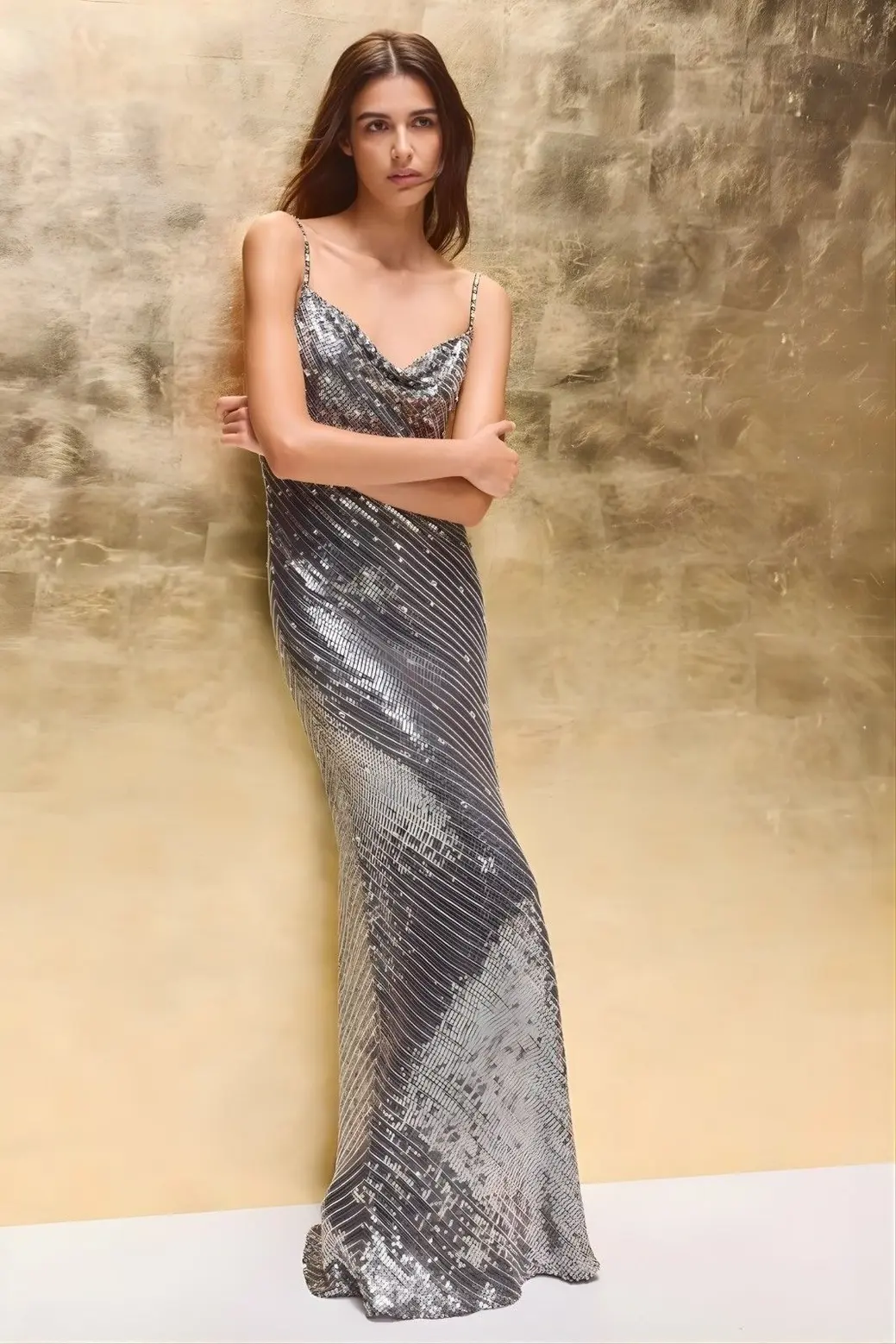
The I-line endures because it resembles the breath itself: drawn in, released, drawn in again. There is no ornament, no interruption, only continuity. It carries the same serenity you find in a single exhalation in a temple garden, or the still air between two waves. Fashion rarely allows such quiet, but the I-line insists on it. It turns the act of dressing into an act of alignment - body, mind, and gravity in one clean descent of fabric.
The silhouette also carries within it a meditation on impermanence. Fashion, like life, thrives on motion, yet the I-line freezes motion into stillness without denying life’s pulse. It invites pause. The wearer appears neither hurried nor halted, she simply exists between inhale and exhale, in that perfect equilibrium. This is why the I-line feels spiritual. It is the sartorial equivalent of a horizon seen through fog - unwavering, infinite, slightly out of reach.
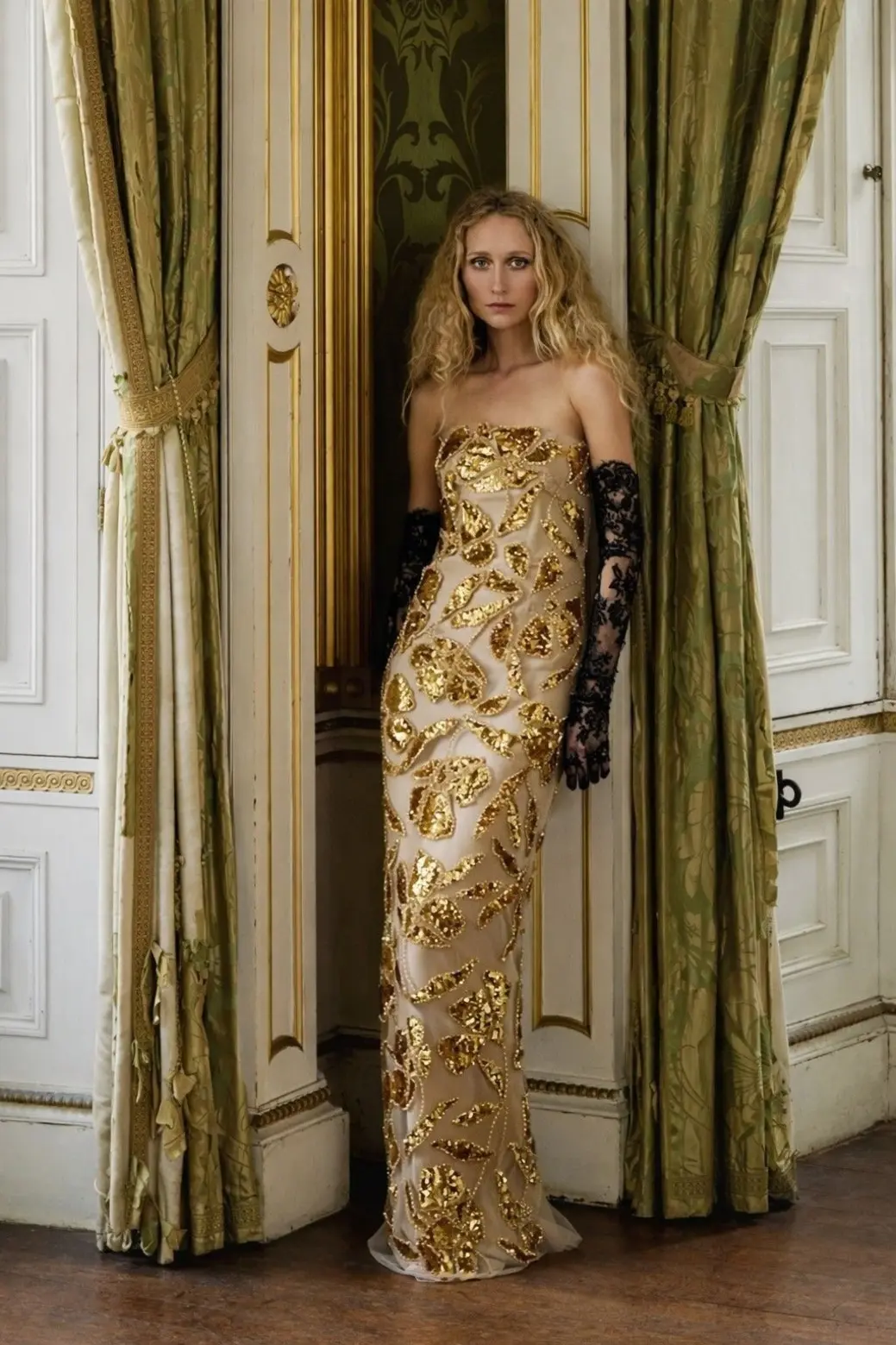
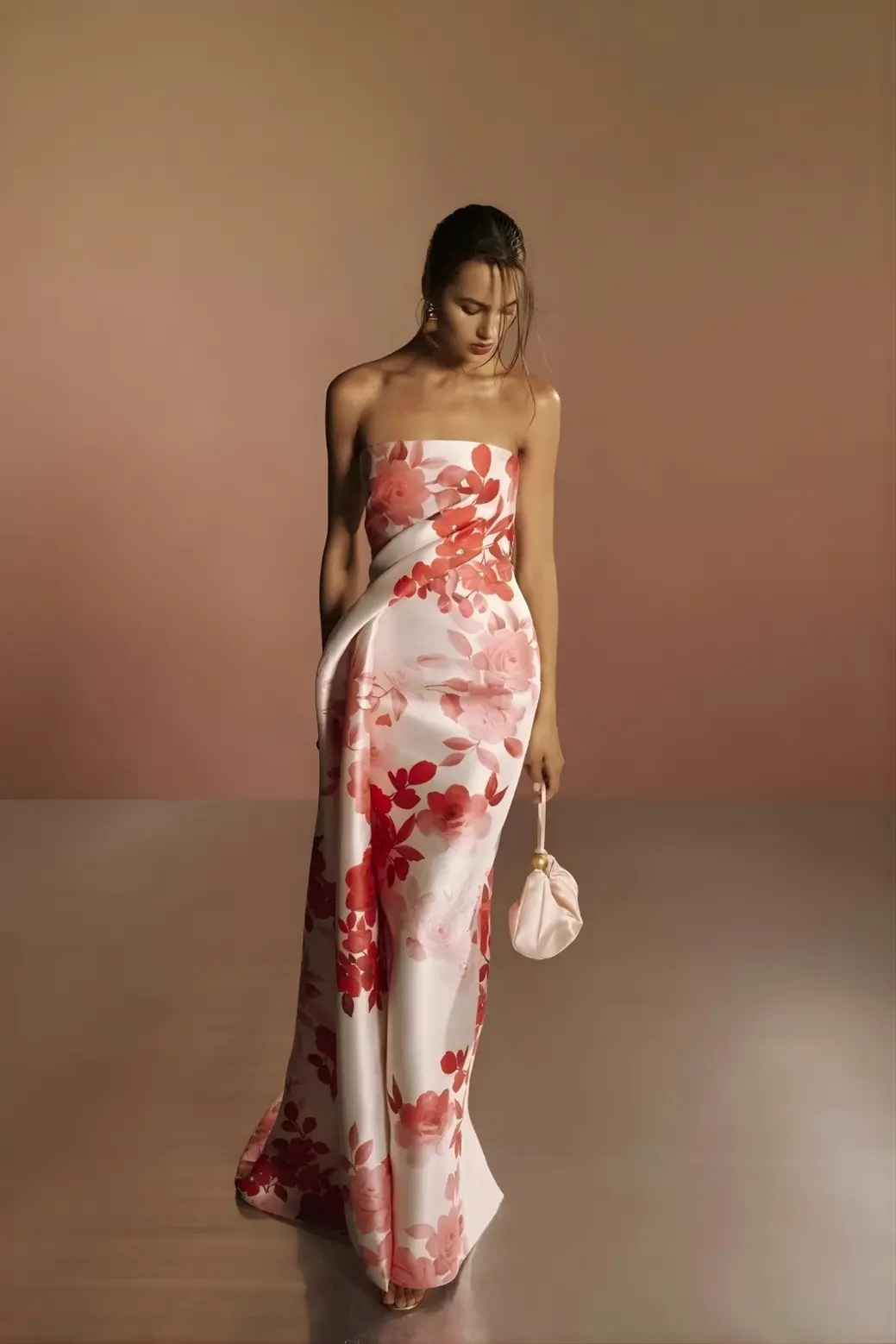
To understand the I-line is to understand the philosophy of lessness - not deprivation, but distillation. Beauty, here, is not in accumulation but in reduction, the way a poet pares language until only truth remains. Each thread is deliberate; each seam a breath. The dress doesn’t try to say something; it simply listens to light, to motion, to the body’s own rhythm beneath. In that listening, the I-line connects the self to the world. It reflects a cosmic symmetry.
Because the line existed before us, and it will exist after us. Every life, every creation, every ending, every new start, all of it follows that same invisible trajectory: from point to point, from silence to sound, from form to dissolution.
The I-line dress is not fashion pretending to be philosophy-it is philosophy.
Advertisement