MENU
Close





What happens when Cyril Kongo brings street-born energy into the most private chamber of Rolls-Royce? Black Badge Cullinan by Cyril Kongo answers in colour, craft and pure audacity.
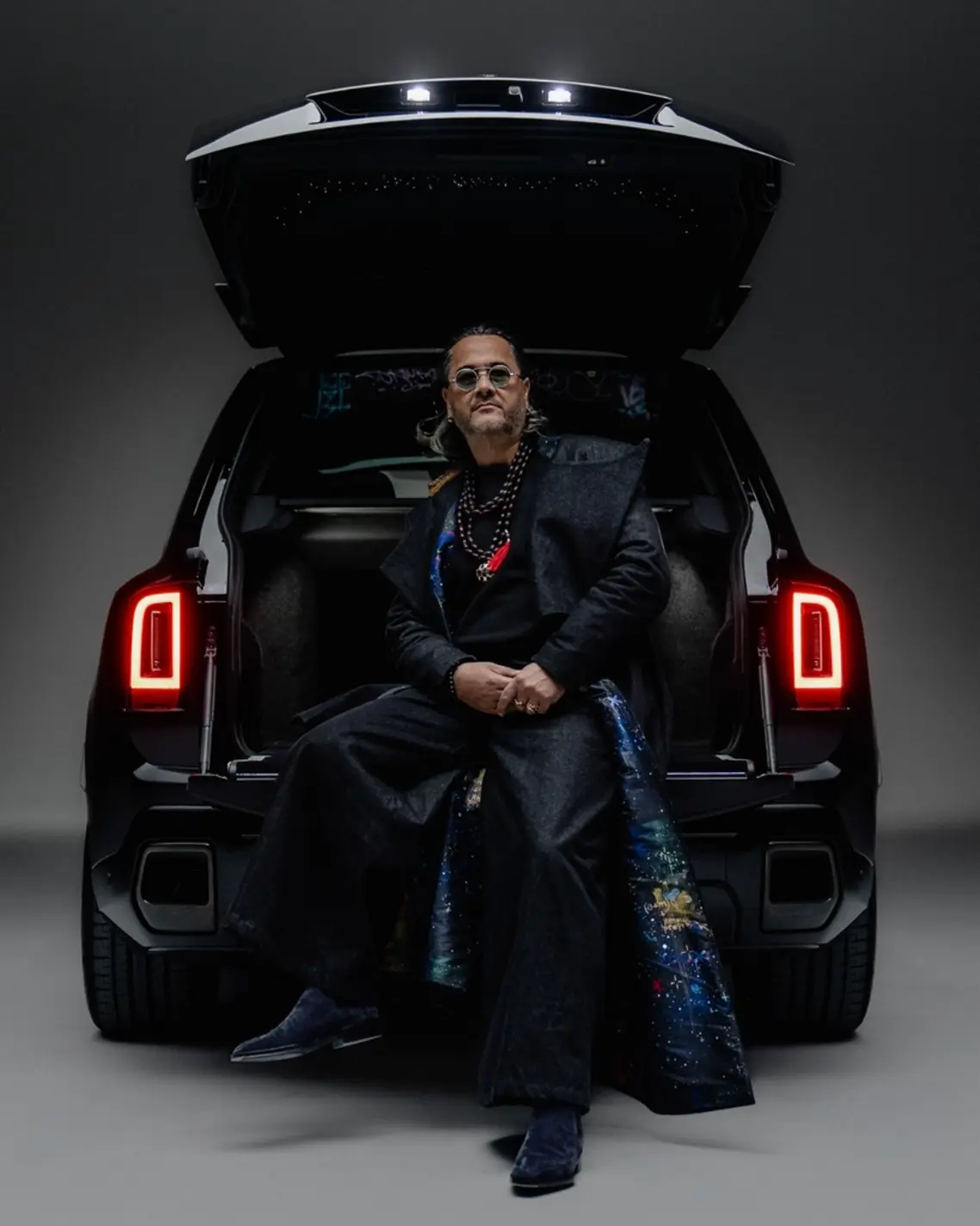
What happens when Cyril Kongo brings street-born energy into the most private chamber of Rolls-Royce? Black Badge Cullinan by Cyril Kongo answers in colour, craft and pure audacity.
June 2, 2026


In the world of Rolls-Royce, luxury has always been measured through silence: the near-ritual quietness of a closing door, the deep gloss of lacquered wood, the ceremonial glide of a motor car built less for arrival than for myth-making. Yet with Black Badge Cullinan by Cyril Kongo, silence suddenly learns to speak in colour.
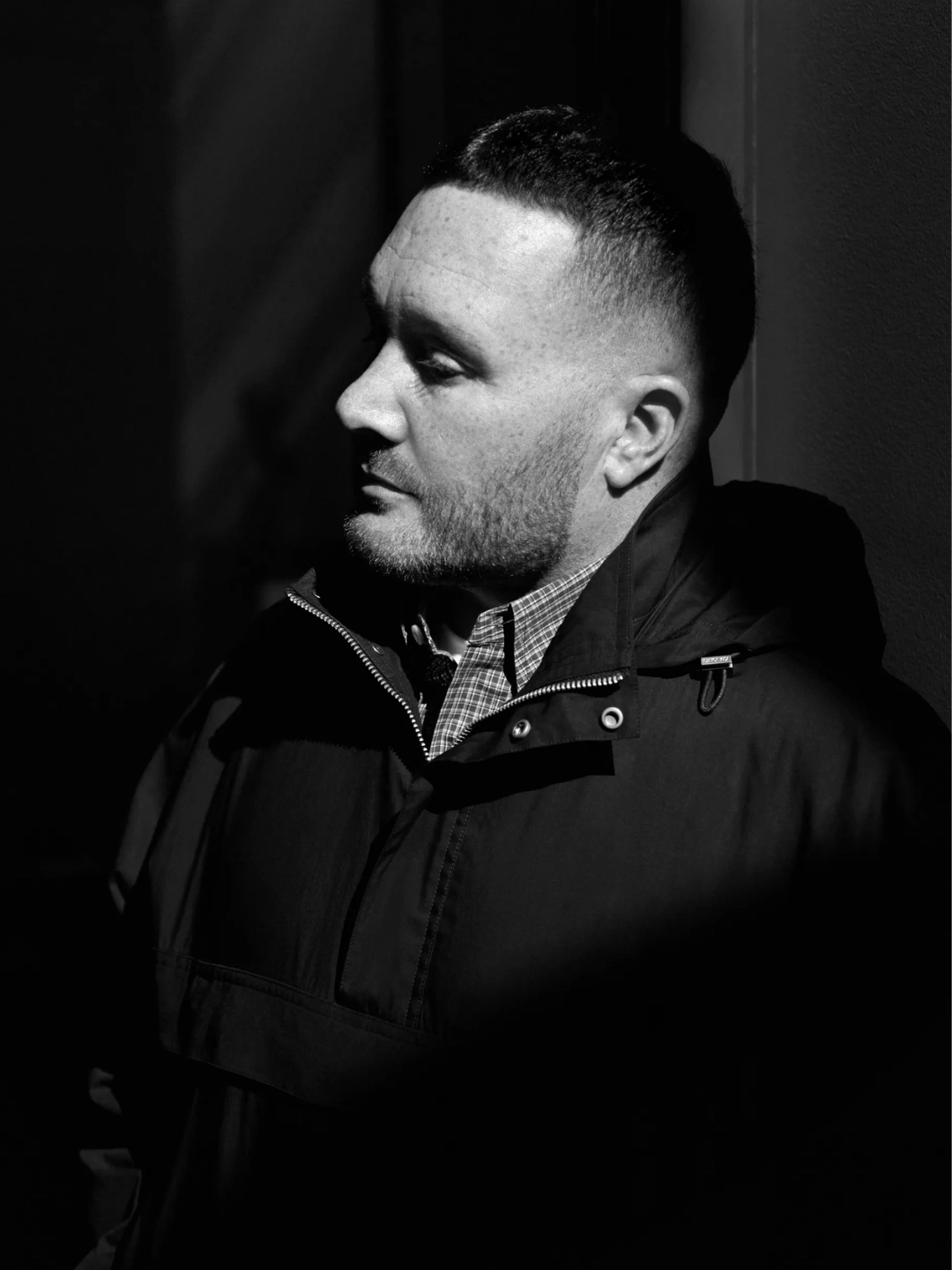
Born Cyril Phan in 1969, Cyril Kongo carries a biography shaped by displacement, cultural hybridity and visual reinvention. With a Vietnamese father and French mother, his story moves from Saigon to Brazzaville, then into the graffiti culture that shaped his artistic identity. The name “Kongo” itself holds memory: a tribute to the Congo, where an early chapter of his life helped form the sensibility that would later become his signature.
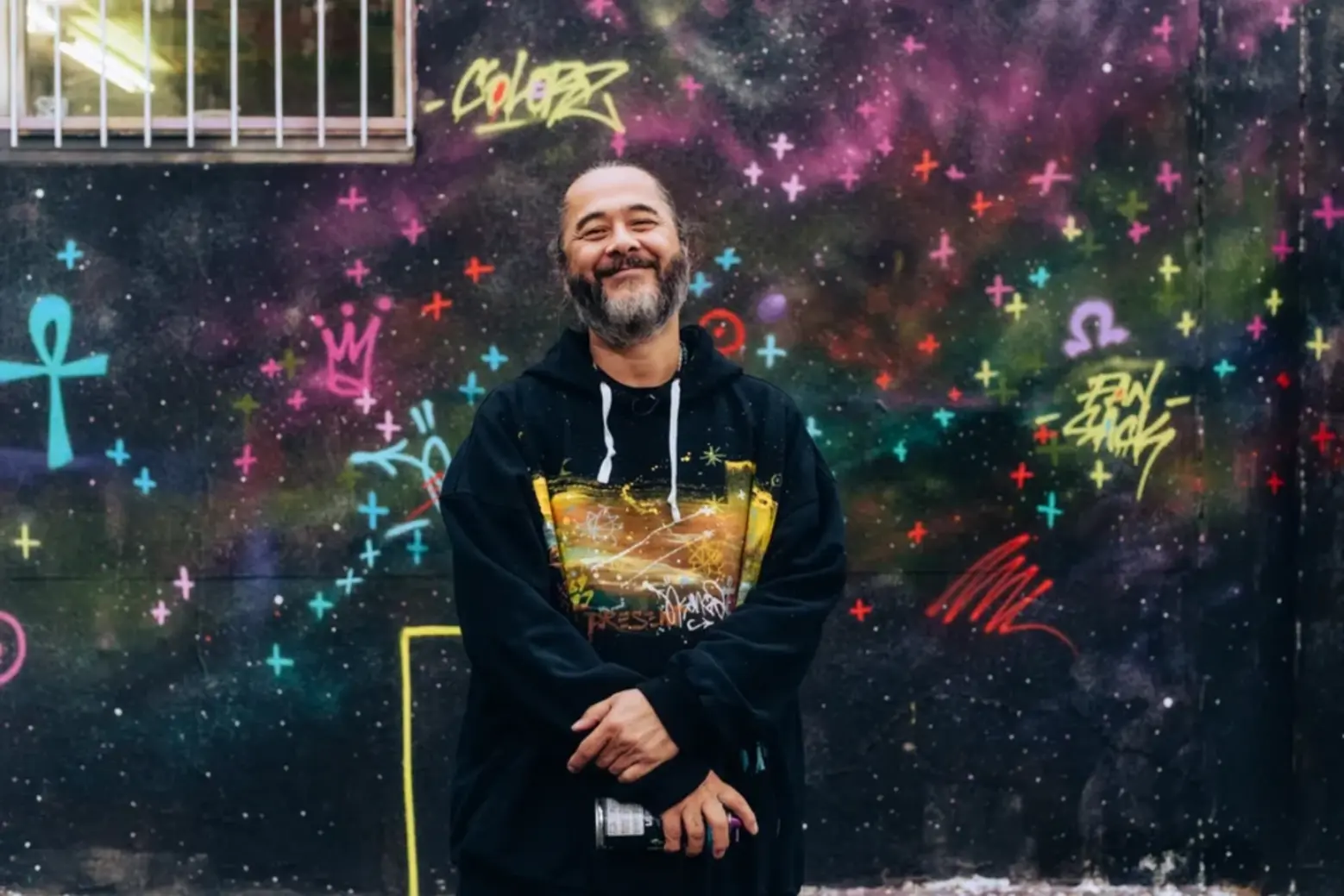
Kongo’s work has long been defined by its refusal to remain on one surface. Graffiti, in his hands, moves beyond the wall and into fashion, crystal, watches, sculpture, painting and luxury craft. His collaborations with houses such as Hermès, Chanel, Daum and Richard Mille built a bridge between street-born mark-making and the coded world of high objects. Yet his collaboration with Rolls-Royce feels especially charged because the car is both object and environment. It is a body, a room, a status symbol, a private gallery and a machine of movement. For an artist obsessed with rhythm, this canvas carries rare narrative force.
At the heart of the project is the Kongoverse, Kongo’s imagined world of colour, symbols, mathematical signs, atoms, pyramids, planets and invented constellations. It feels part cosmic map, part graffiti score, part philosophical proposition. In this universe, imagination becomes a form of architecture. The work suggests that unseen worlds can still be designed, inhabited and made tactile, especially when an artist is given access to the highest level of craft.
The choice of Black Badge Cullinan is crucial. Within the Rolls-Royce family, Black Badge has always represented the brand’s darker, more assertive alter ego. It is still opulent, still ceremonial, still anchored in the house’s uncompromising standards, yet it carries a sharper attitude. It speaks to clients drawn to individuality rather than quiet conformity, to drama rather than pure discretion.
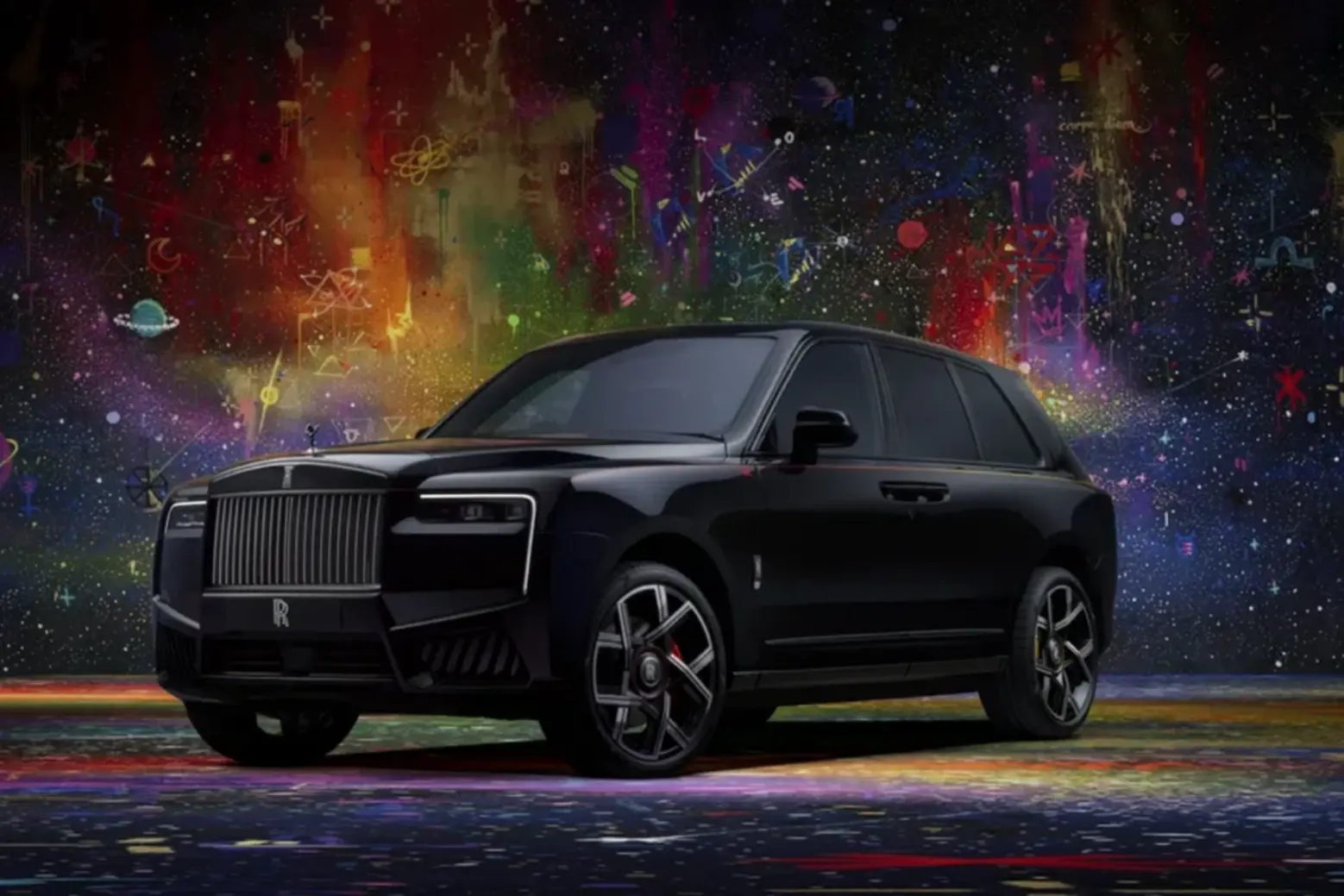
That spirit makes the Cullinan a natural host for Kongo’s energy. The vehicle becomes a monumental canvas, but one that reveals itself gradually. From the exterior, the cars are finished in Blue Crystal Over Black, a deep dark surface lifted by blue particles in the lacquer, allowing the body to shimmer between black and blue as light moves across it. This restraint is strategic. Kongo’s universe does not explode on the outside immediately. It waits. It gives a clue, a glint, a line, a signal.
The first-ever Rolls-Royce Gradient Coachline becomes that signal. On one side, Phoenix Red melts into Forge Yellow; on the other, Mandarin fades into Turchese. Kongo’s tag appears as a Bespoke motif within the coachline, on the umbrellas concealed in the doors, on the Illuminated Treadplates, and throughout the interior. Even the brake callipers become part of the visual language, each finished in a different vivid shade to echo the coachline and cabin accents. These details allow the exterior to behave almost like a prologue. The true spectacle begins when the door opens.
The interior of Black Badge Cullinan by Cyril Kongo turns the cabin into a private contemporary art chamber. Across the five cars, the same creative theme runs through the project, yet each vehicle becomes its own one-of-one composition. The shared foundation is black: a dark, theatrical ground that allows colour to appear with electric precision. Against this darkness, Kongo divides the cabin into four distinct colour zones: Phoenix Red for the driver’s seat, Turchese for the front passenger, Forge Yellow and Mandarin across the rear. These tones travel through stitching, piping, seat inserts, lambswool carpets and embroidered RR monograms, giving the cabin a chromatic structure that feels both playful and deliberate.
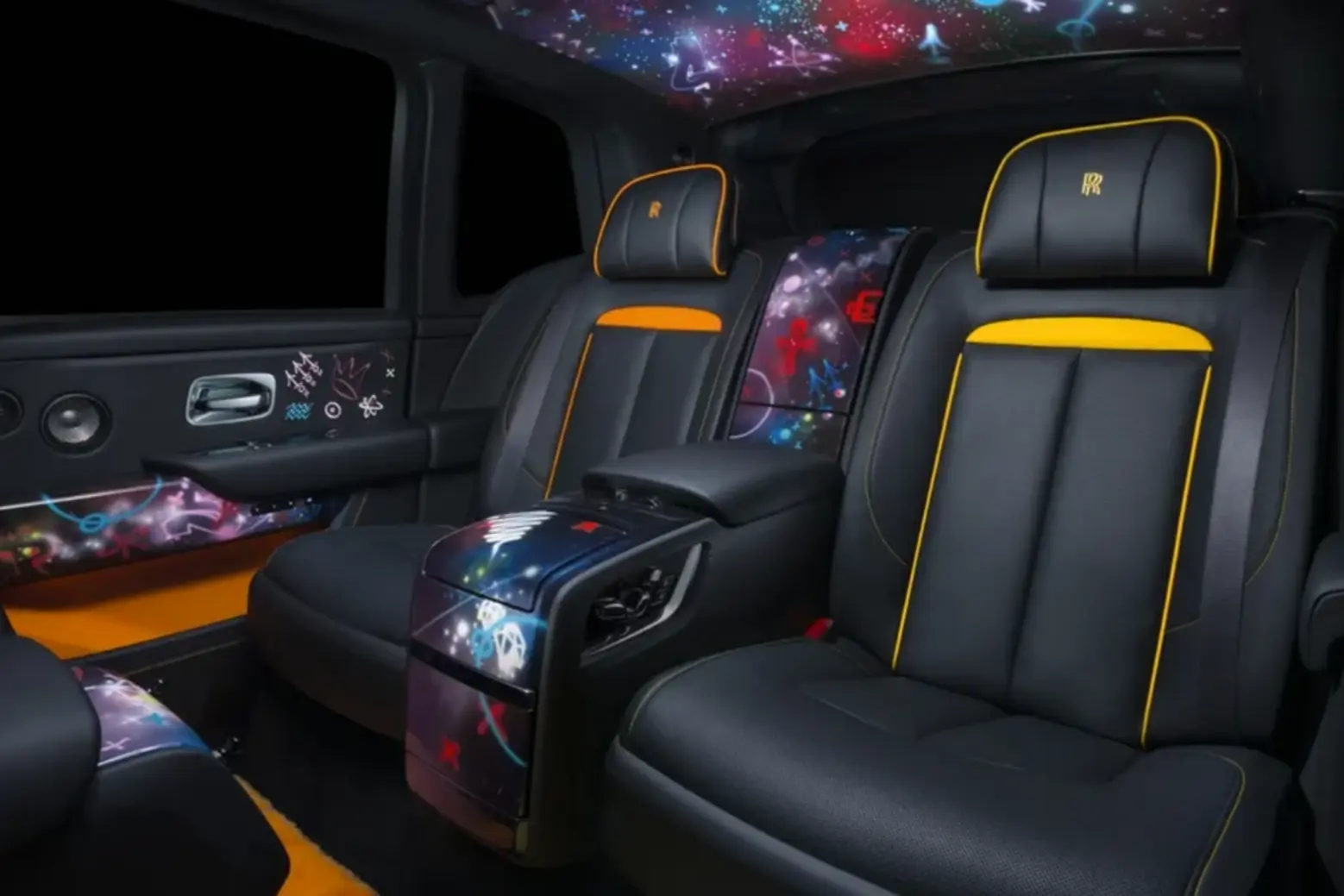
The most extraordinary aspect of the collaboration is the hand-painted woodset. Across the fascia, centre console, rear console, picnic tables and the Waterfall between the rear seats, Kongo’s painting flows as one continuous composition. The surfaces are not treated as isolated panels but as a connected visual rhythm. Rolls-Royce prepared 19 veneer pieces for each car, allowing the artist to work directly onto the material before artisans sealed each piece beneath ten layers of lacquer, then sanded and polished them to the depth expected of the marque.
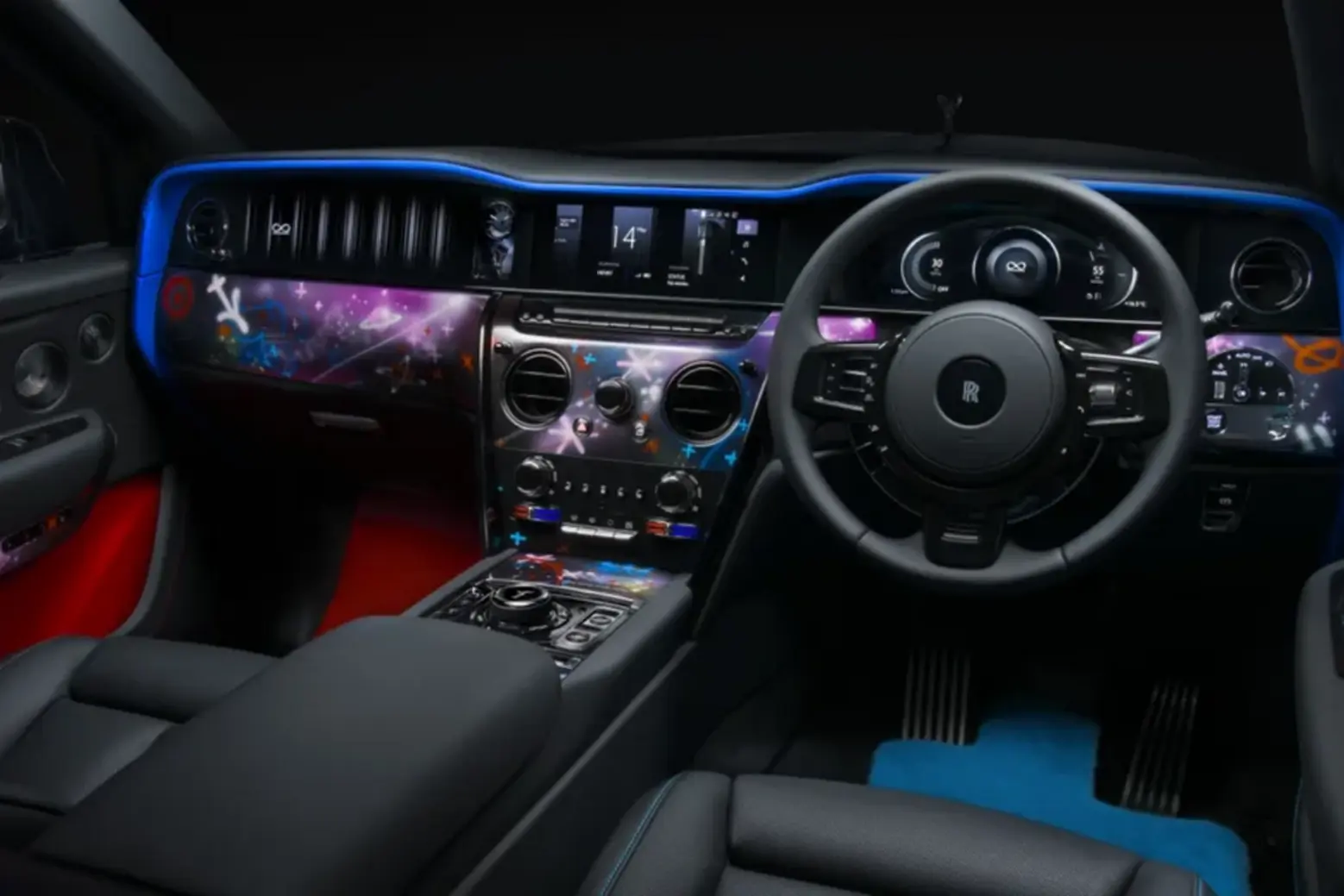
This technical process matters because it transforms graffiti’s immediacy into permanence. The spontaneity of Kongo’s line survives, yet it gains the protection, luminosity and tactile richness of Rolls-Royce craftsmanship. What might have lived for a moment on an urban wall becomes preserved inside an object built to outlast fashion cycles and market moods.
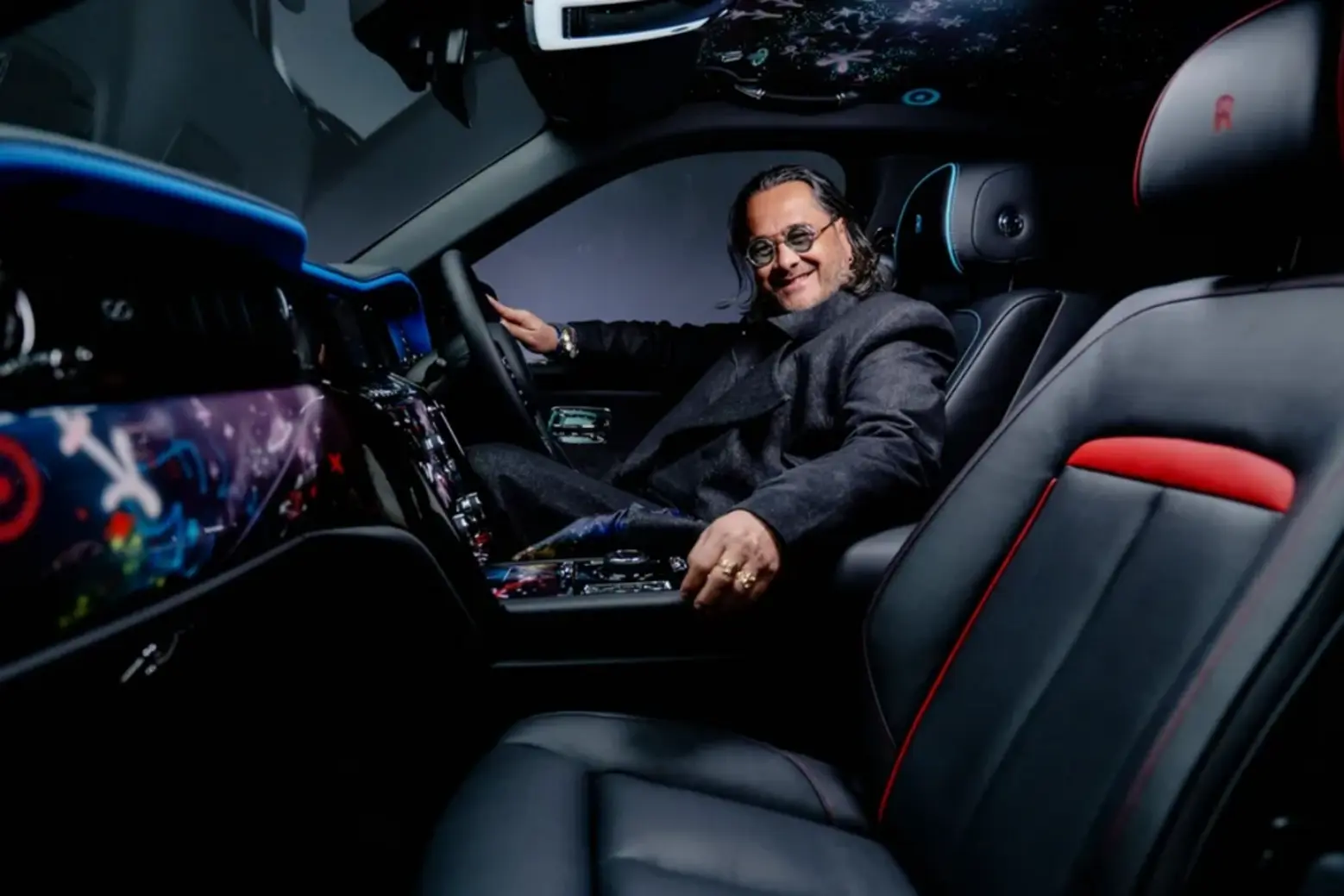
The emotional centre of the collaboration is the Starlight Headliner. In Rolls-Royce language, this feature already carries a dreamlike status: a roof lining filled with fibre-optic stars that creates the feeling of a night sky inside the cabin. For Kongo, it becomes a celestial canvas. Each hand-painted Headliner contains 1,344 fibre-optic stars, imagined planets, constellations and references to quantum physics. The artist’s fascination with science, partly shaped by time spent sharing a studio with his physicist brother, gives the work an intellectual charge beneath its colour.
Here, the Kongoverse becomes immersive. Passengers sit beneath a universe that feels invented rather than observed. Equations, symbols and cosmic shapes appear as fragments of possible knowledge, reminding us that luxury at its most compelling is also speculative. It imagines alternate realities. It asks what else can exist when craft, money, patience and fantasy converge.
The Headliner also pushes Rolls-Royce’s technical language forward. More than 70 paint colours were prepared for the project, giving Kongo the freedom to work with sponge, airbrush and hand brush. Each ceiling contains different light combinations, including shooting star effects and, in a first for Rolls-Royce, a final star that runs the full length of the ceiling. It is a breathtaking metaphor: a line of light travelling across a private universe, as if the car itself were moving through Kongo’s imagination.
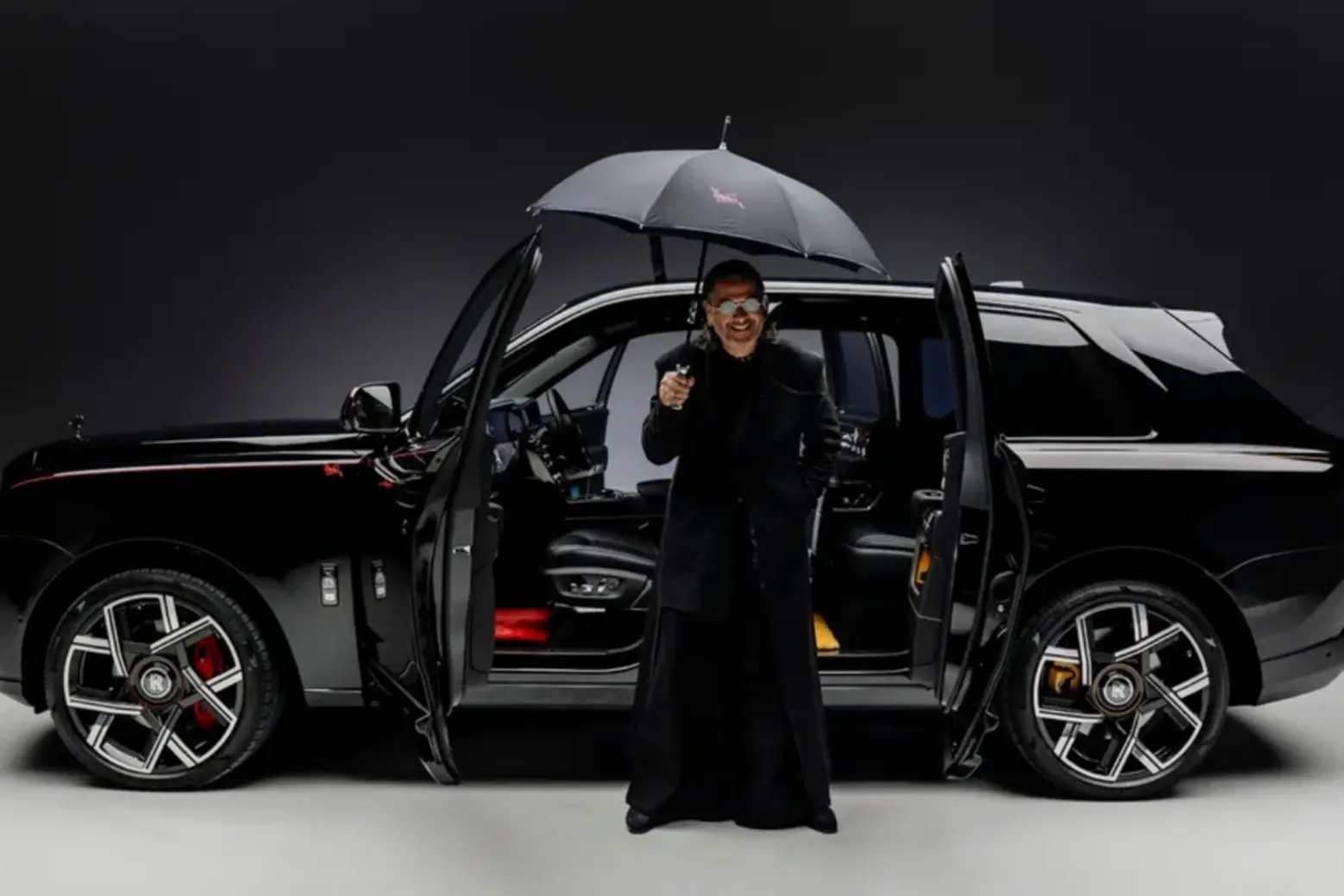
For Vietnamese audiences, the collaboration carries another layer of meaning. Cyril Kongo’s Vietnamese heritage gives the project emotional proximity, while S&S Group’s role adds a significant local cultural bridge. Through S&S Art and Rolls-Royce Motor Cars Ho Chi Minh City, operated by S&S Automotive, Kongo’s artistic presence has been connected back to Vietnam in a way that feels larger than representation. It speaks to how luxury today is increasingly shaped by transnational identities, cultural return, and the ability of artists to move between worlds without asking permission from any single category.
The project began through a connection fostered years earlier, when conversations between Rolls-Royce Motor Cars Ho Chi Minh City and Cyril Kongo opened the path toward a deeper creative exchange. That origin story is important because it reframes collaboration as more than a global luxury announcement. It becomes a cultural loop: an artist with Vietnamese roots, shaped by French and Congolese experiences, working with a British marque through an international Bespoke network, while his work returns to Vietnam through art, collecting and automotive culture.
Black Badge Cullinan by Cyril Kongo reveals where ultra-luxury is moving. The rarest object today is not simply expensive, technically perfect or materially precious. It must also feel unrepeatable. It must carry authorship. It must contain a story that cannot be mass-produced, even by the most sophisticated machine.
In that sense, these five cars belong to a new category of luxury: the commissioned universe. Each Cullinan is a vehicle, certainly, but also a painting, a chamber, a personal mythology and a record of collaboration between artist and artisan. Kongo’s graffiti language brings instinct and motion; Rolls-Royce brings discipline and permanence. Together, they create an object that understands a modern truth: the future of luxury belongs to those who can turn private desire into cultural artifacts.
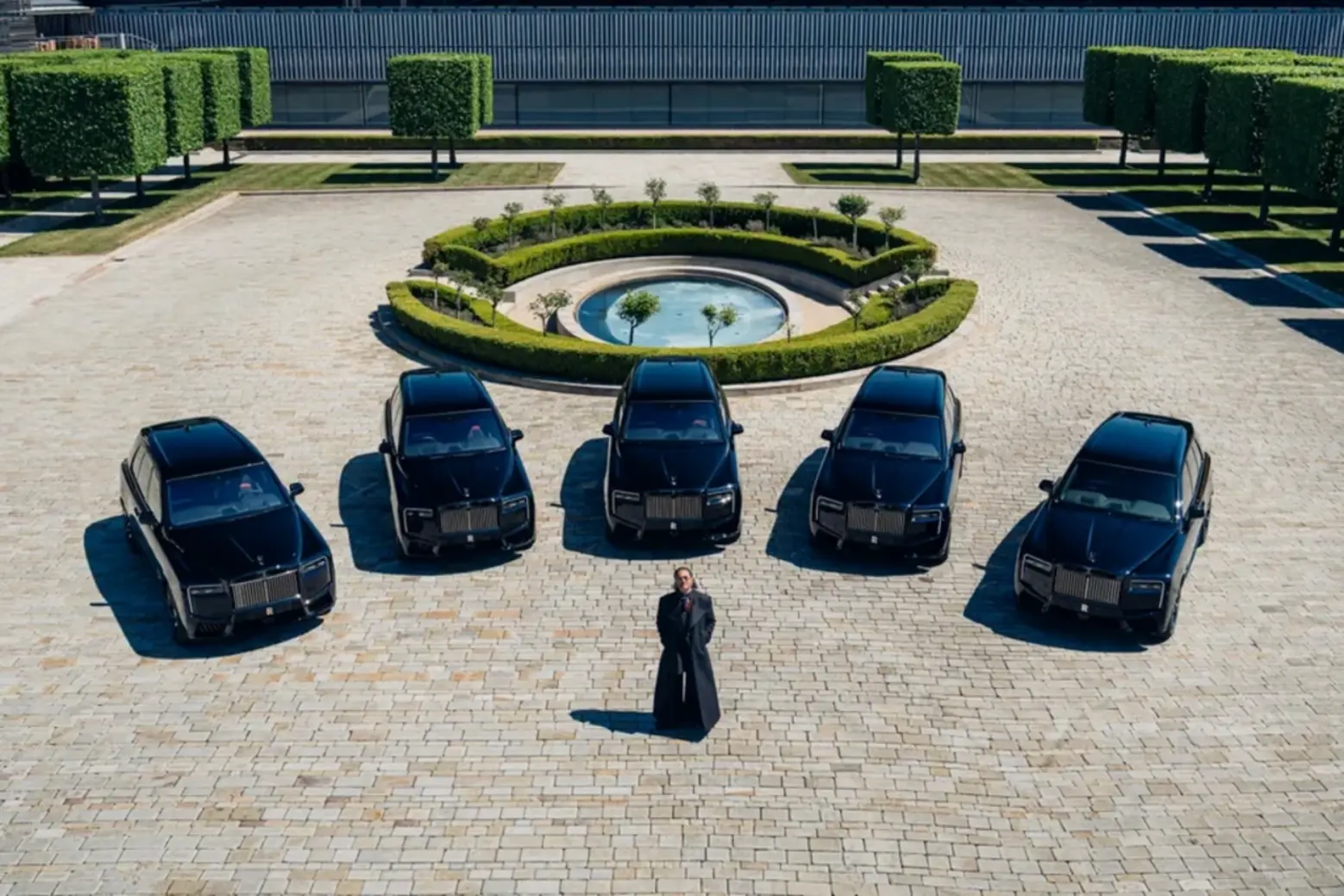
Black Badge Cullinan by Cyril Kongo is not street art entering Rolls-Royce as a guest. It is street art arriving as an equal creative force, carrying colour into the most polished rooms of automotive craft. The result is bold, strange, cinematic and deeply human: five motor cars that look less like possessions than portals, each one carrying the restless beauty of a universe painted by hand.