MENU
Close





Some homes are purchased to be lived in. Some are acquired to preserve capital. Yet, for Christie’s International Real Estate, there are homes pursued with the discernment usually reserved for a rare painting: for their location, proportion, history, light, memory, and their ability to stir something private in the person who will one day call them their own.
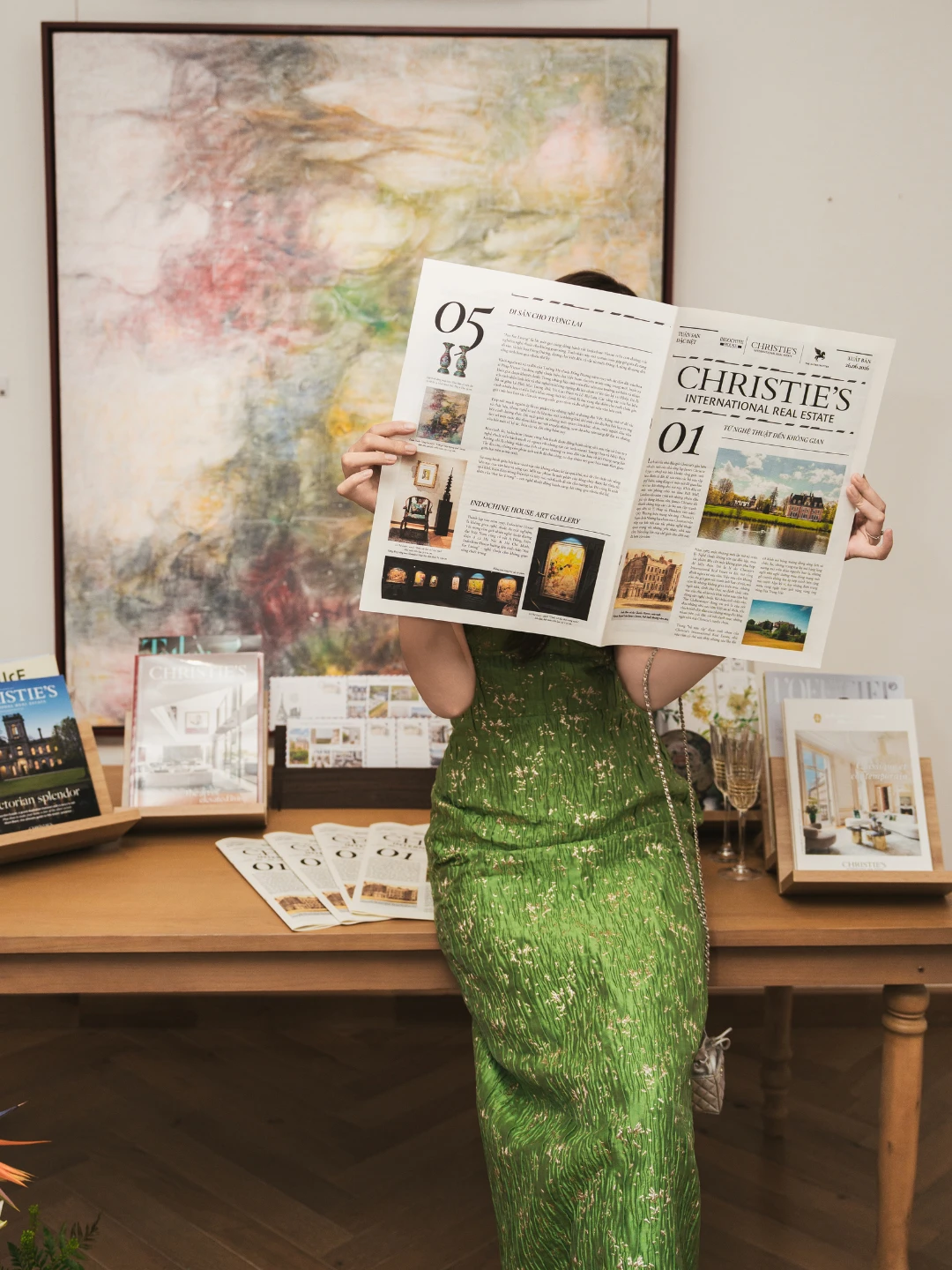
Some homes are purchased to be lived in. Some are acquired to preserve capital. Yet, for Christie’s International Real Estate, there are homes pursued with the discernment usually reserved for a rare painting: for their location, proportion, history, light, memory, and their ability to stir something private in the person who will one day call them their own.
July 16, 2026


In the world of Christie’s International Real Estate, property is not merely an asset fixed to a map. It is selected, interpreted and presented through the language of art, heritage and lived experience. An apartment in Paris overlooking the Seine, a private mansion near Parc Monceau, a townhouse in New York or a villa along the Mediterranean can become part of a personal collection, where the owner acquires not only space, but a way of living.
The philosophy begins with an idea familiar to the art world: no work exists entirely on its own. A painting needs the right wall. An antique object needs the right light. A sculpture needs space for its form to breathe. And sometimes, the space itself becomes the work.
The story of Christie’s begins with James Christie, who founded the auction house in London in 1766. Over more than 250 years, the Christie’s name has been built on an ability to recognise value through provenance, rarity, craftsmanship and the cultural narratives behind objects. From paintings and jewellery to antiques and collectibles, Christie’s has long operated at the intersection of material value and symbolic meaning.
When that sensibility enters real estate, a home is placed within a different frame. It is no longer defined only by square metres, address or number of bedrooms. It becomes architecture, light, materials, memory, location and atmosphere. Christie’s International Real Estate, whose origins date back to 1987, extends the idea of collecting beyond paintings, objects and jewels, towards architectural spaces capable of standing as complete works in their own right.
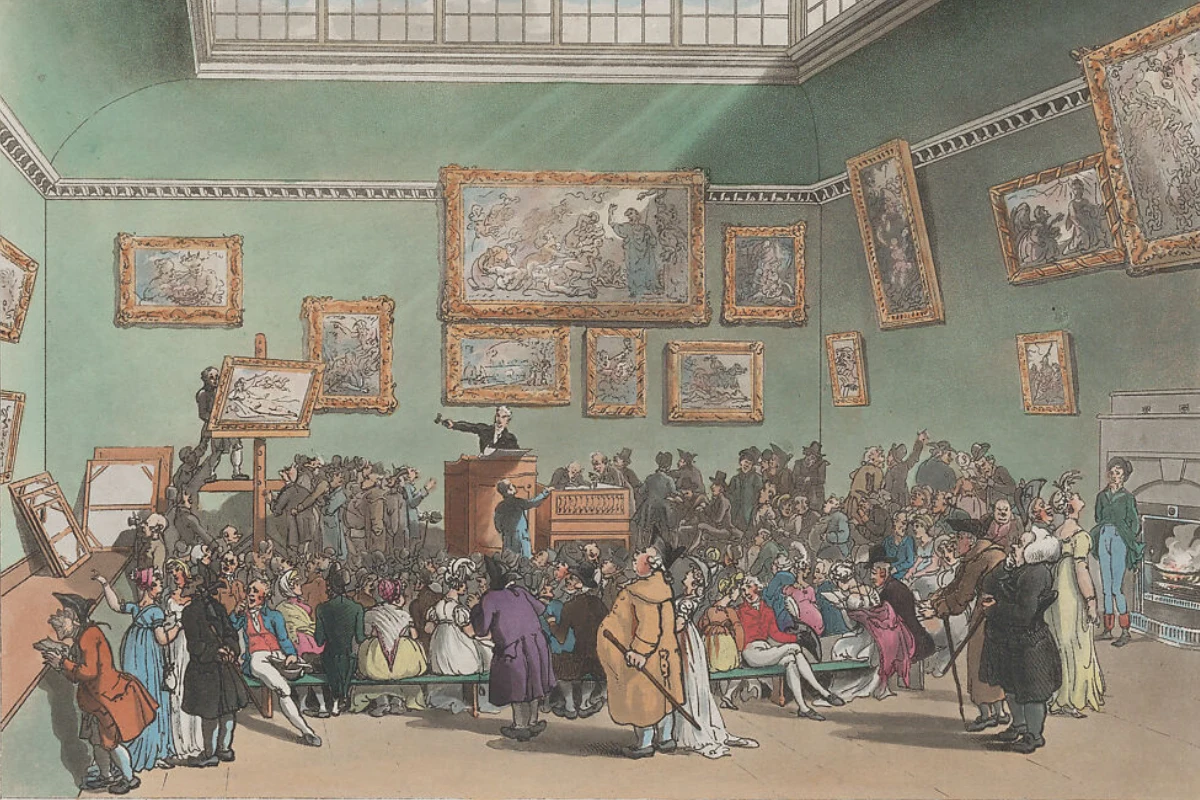
This movement “from art to place” also shaped L’Echo du Temps, a recent event hosted by The Globetrotter, a partner of Christie’s International Real Estate in Vietnam. The event did not simply introduce a selection of Parisian properties. It placed them in conversation with painting, antiques and living heritage. Real estate, in this context, was not treated as a sales catalogue, but as a natural extension of the collecting instinct.
Collecting, then, is no longer confined to galleries, safes or private viewing rooms. It may take the form of an apartment in Paris, a château in Burgundy, a residence with views of the Eiffel Tower, a singular New York address, or an estate embedded in a landscape of historic significance. Each property opens a different state of life, a way for its owner to situate themselves within the cultural current of the world.
No luxury market can be properly understood from afar through a few handsome images. A Paris apartment requires someone who understands Paris. A chalet in Japan requires knowledge of resort culture, snow, terrain and local ownership patterns. A property in the Netherlands, Spain or the United States calls for specialists able to interpret legal context, neighbourhood character, liquidity and the particular rhythm of each city.
That is why Christie’s International Real Estate operates through the strength of a global network. Affiliates in each market serve as local gatekeepers, bringing regional expertise into dialogue with an international perspective.
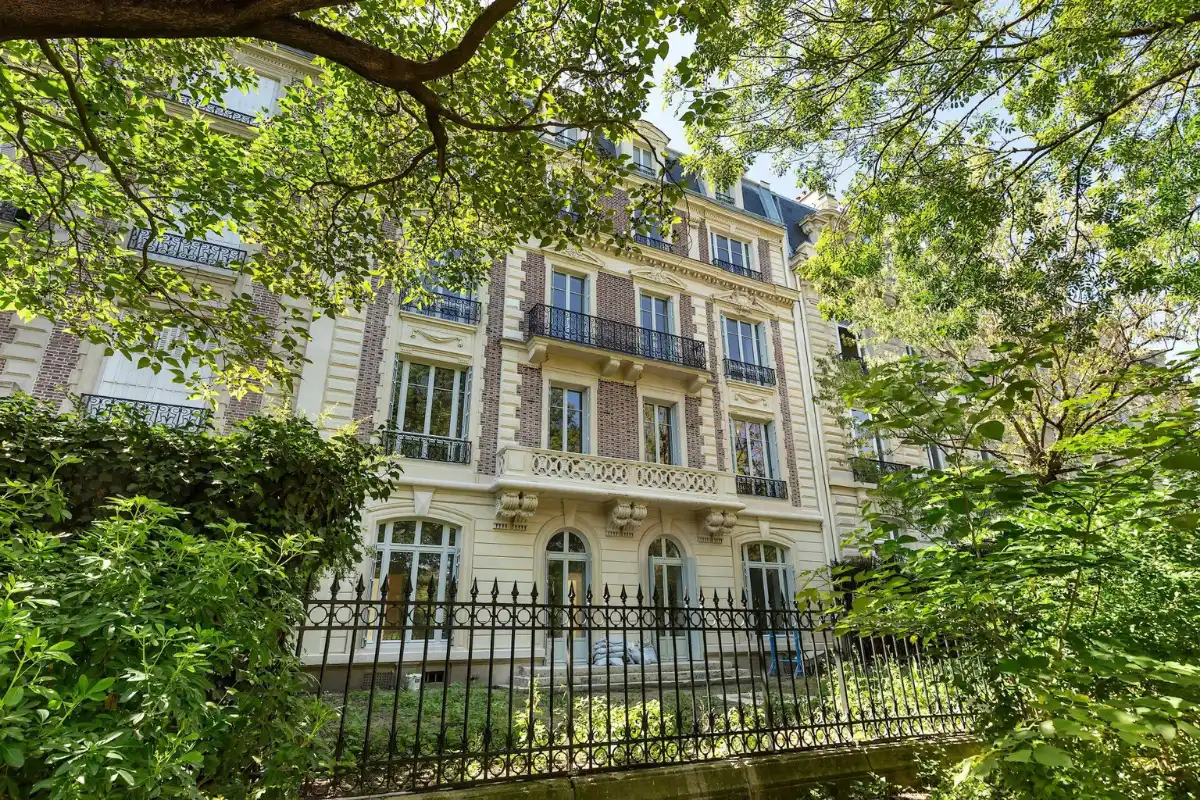
In Paris, Daniel Féau is among the important names in this ecosystem. Long associated with the upper end of the French property market, the firm is especially attuned to heritage-rich Parisian assets: Haussmann apartments, hôtels particuliers, private mansions, garden residences and homes with views towards historic landmarks.
In Japan, H2 Christie’s International Real Estate positions itself as a luxury property specialist with roots in Hokkaido and a network extending across notable destinations in the country. In the Netherlands, R365 | Christie’s International Real Estate plays a similar role in connecting carefully selected properties with buyers through the international system. Christie’s International Real Estate Madrid, meanwhile, emphasises the advantage of a network spanning more than 50 countries and roughly 400 offices, where local knowledge meets global reach.
Within this structure, The Globetrotter is the Vietnamese link in a much wider chain. It is not simply an agency presenting overseas homes. It serves as a bridge between Vietnamese collectors and specialists in key international markets. Every city has its own language. Every exceptional property needs to be read in context. And every future owner needs to be guided towards a place aligned with their worldview, lifestyle and personal rhythm.
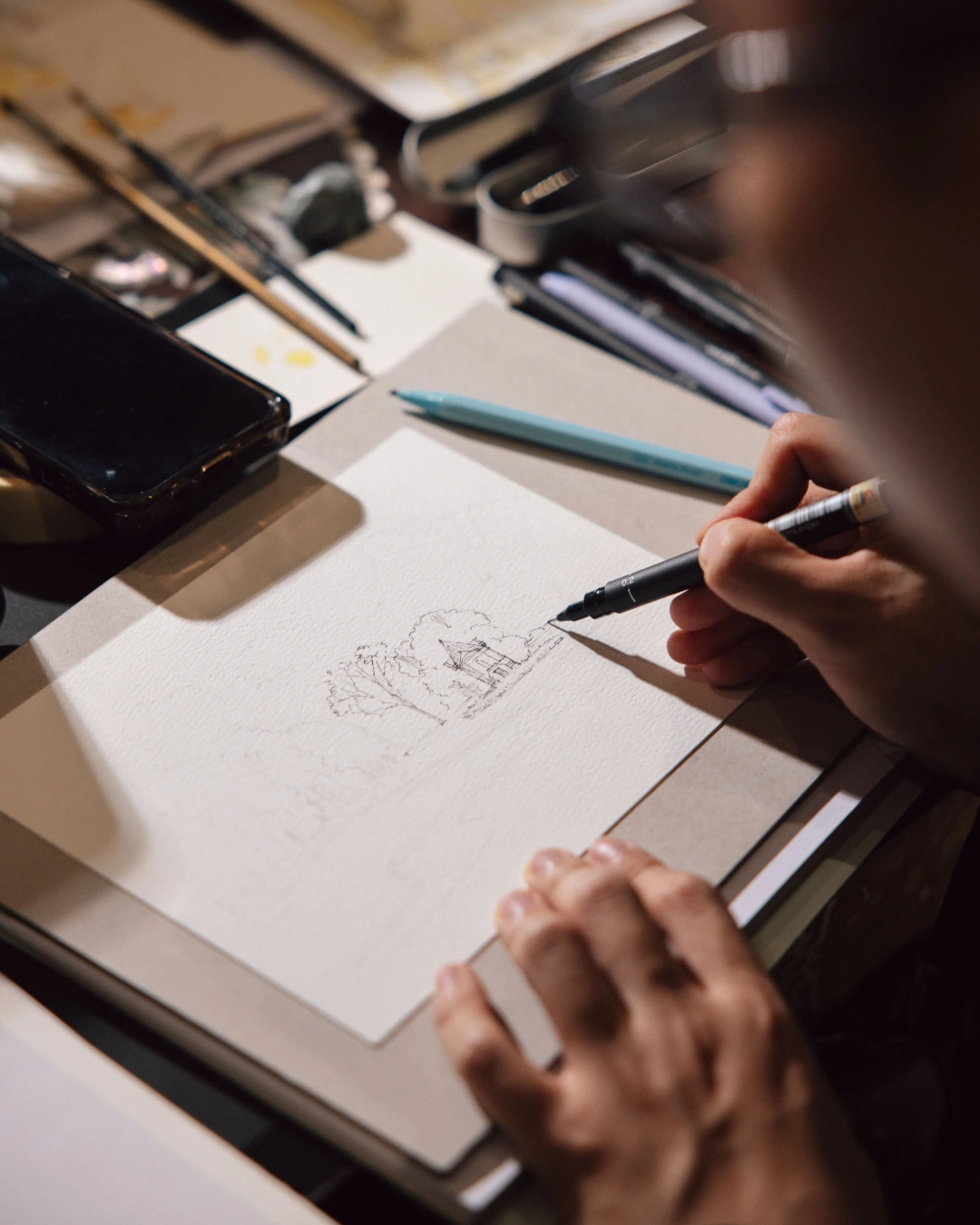
Collecting artful real estate is not merely a question of where to buy. The deeper question is: which place corresponds to the owner’s inner map of the world?
A person seeking a home in Paris may, in truth, be seeking proximity to museums, schools, gardens and an old cultural cadence. Someone drawn to New York may be looking for an address charged with finance, contemporary art and urban symbolism. A buyer considering Burgundy may be searching for something slower, more historic, closer to landscape and legacy.
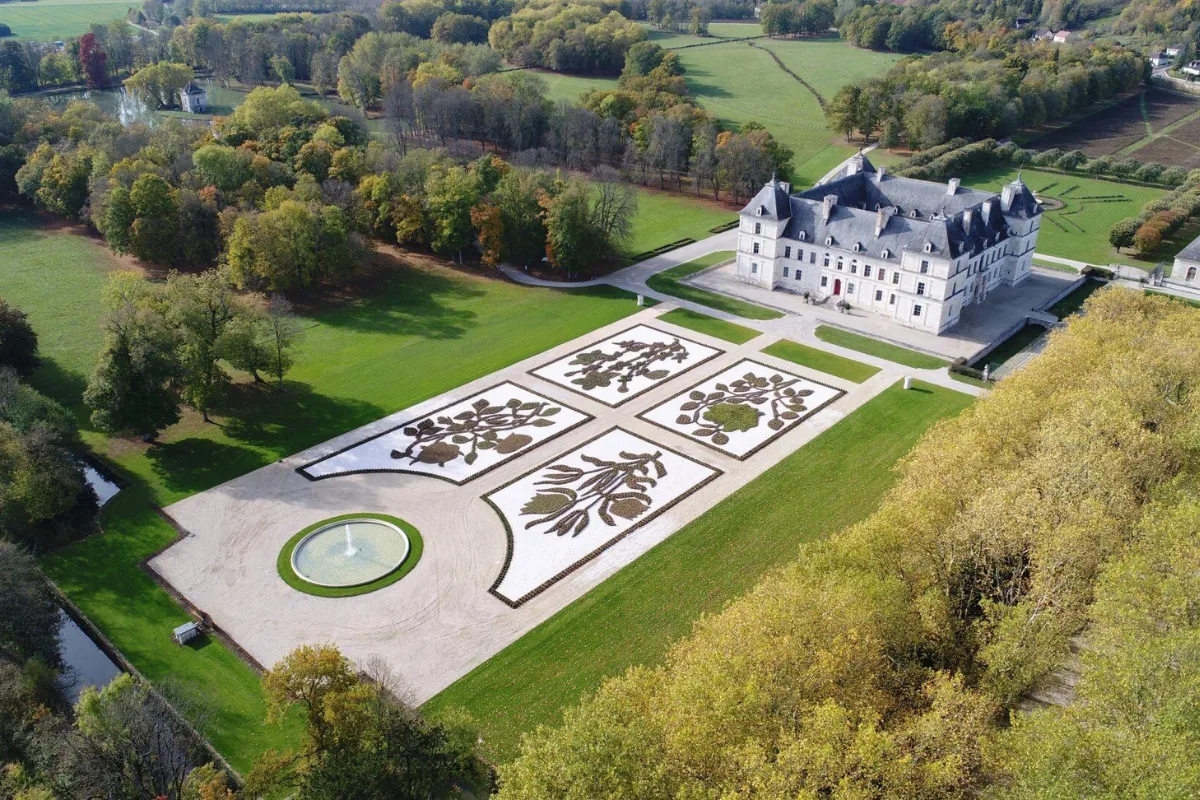
This is why artful real estate requires a different kind of brokerage. The advisor in this segment does not only connect a buyer with a listing. They must read the context of the property, understand the distinctions between districts, recognise the value of an architectural detail, protect the client’s privacy and translate deeply personal desires into a structured search.
In Vietnam, that role is carried by The Globetrotter within the Christie’s International Real Estate network. A part of S&S Real Estate, The Globetrotter acts as Christie’s International Real Estate’s partner in Vietnam, with S&S Real Estate’s Ho Chi Minh City office appearing within the official Christie’s International Real Estate office system.
The foundation of S&S Group makes this approach feel natural. Since 2013, S&S Group has developed as an independent luxury house in Vietnam, representing and distributing names across watches, jewellery, automobiles, real estate, art and fashion. Within that ecosystem, The Globetrotter inherits an important expertise: serving high-net-worth clients not only through product access, but through precision, discretion and the aesthetics of the entire experience.
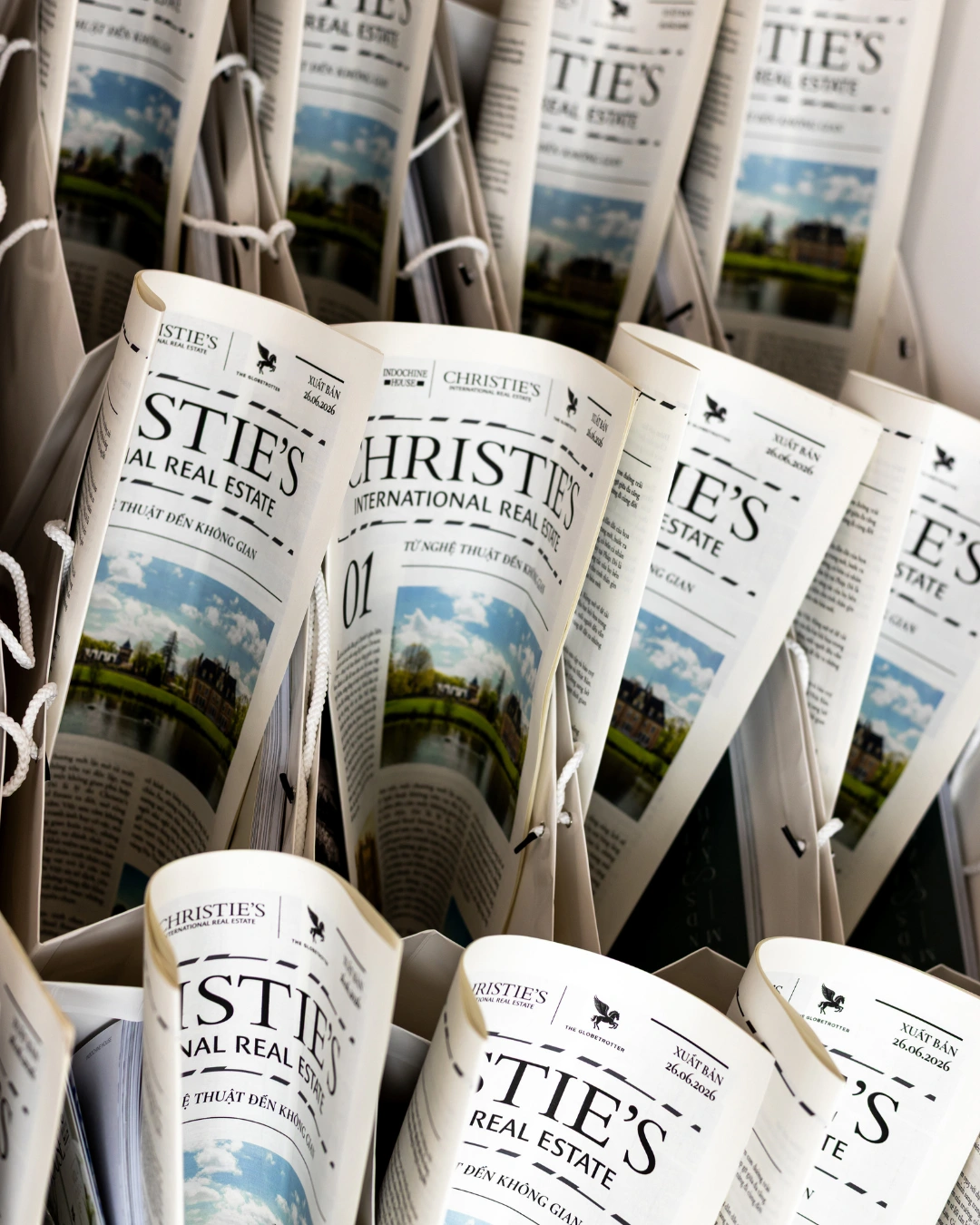
What makes The Globetrotter notable is that it does not appear merely as a conventional property broker. At L’Echo du Temps, the brand acted as an opening door for Vietnamese collectors entering the global language of artful real estate. Rather than beginning with price or technical specifications, The Globetrotter framed the conversation around heritage, city, place and way of life. In doing so, the journey of viewing a home becomes less a cold inspection and more a process of self-recognition: what kind of space, city and rhythm does the owner wish to belong to?
An artful real estate asset cannot be introduced through a few dry lines of description. It must be read as a whole. What does the façade reveal about urban history? Do the staircase, windows, ceilings, balconies or garden preserve their original spirit? Does the location create a rare lived experience? How does the light change throughout the day? Who once moved through the neighbourhood, what forms of creativity did it nurture, and what feeling might it give to its next owner?
This is where the highest tier of real estate approaches art. A painting may ask the viewer to pause before the surface of the canvas. A remarkable home allows its owner to live with beauty every day. It does not merely contain art; it determines how art is seen, how family memory is formed, and how private life is elevated.
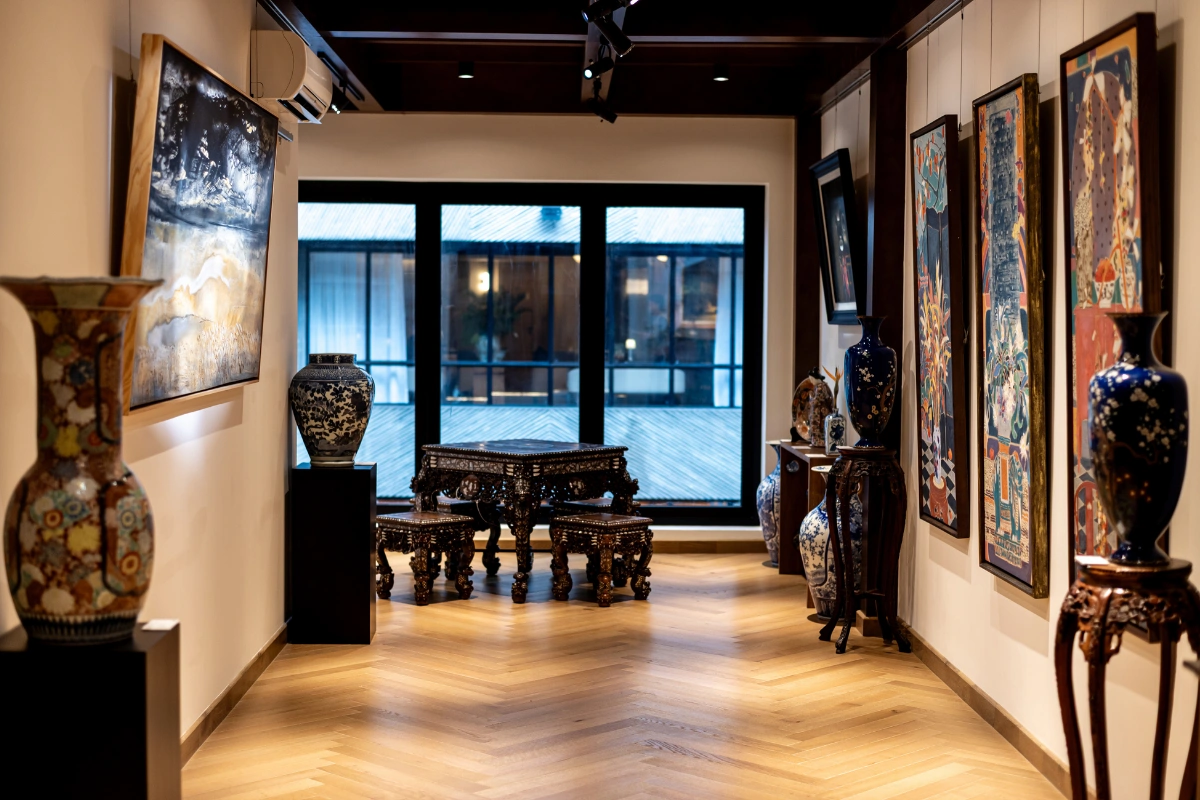
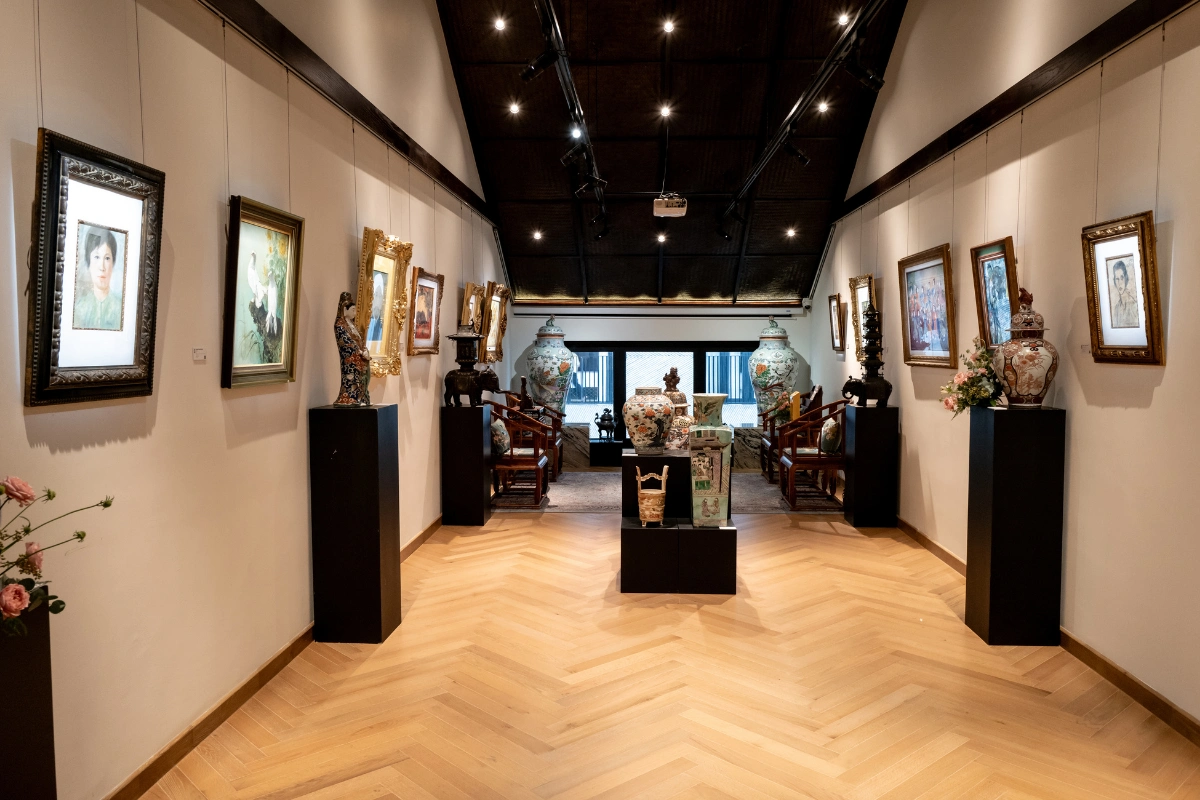
The setting of L’Echo du Temps at Indochine House therefore carried a particular resonance. Parisian real estate was placed among Vietnamese painting, Asian antiques and the spirit of “Art for Living”. Founded in 1997, Indochine House is known as a multi-experience art space in Hanoi and Ho Chi Minh City, dedicated to Vietnamese contemporary art and original Asian objects. Within that setting, Paris apartments, mansions and châteaux did not appear as distant luxury products. They entered a broader conversation about heritage: what do people choose to preserve, live with and pass on?
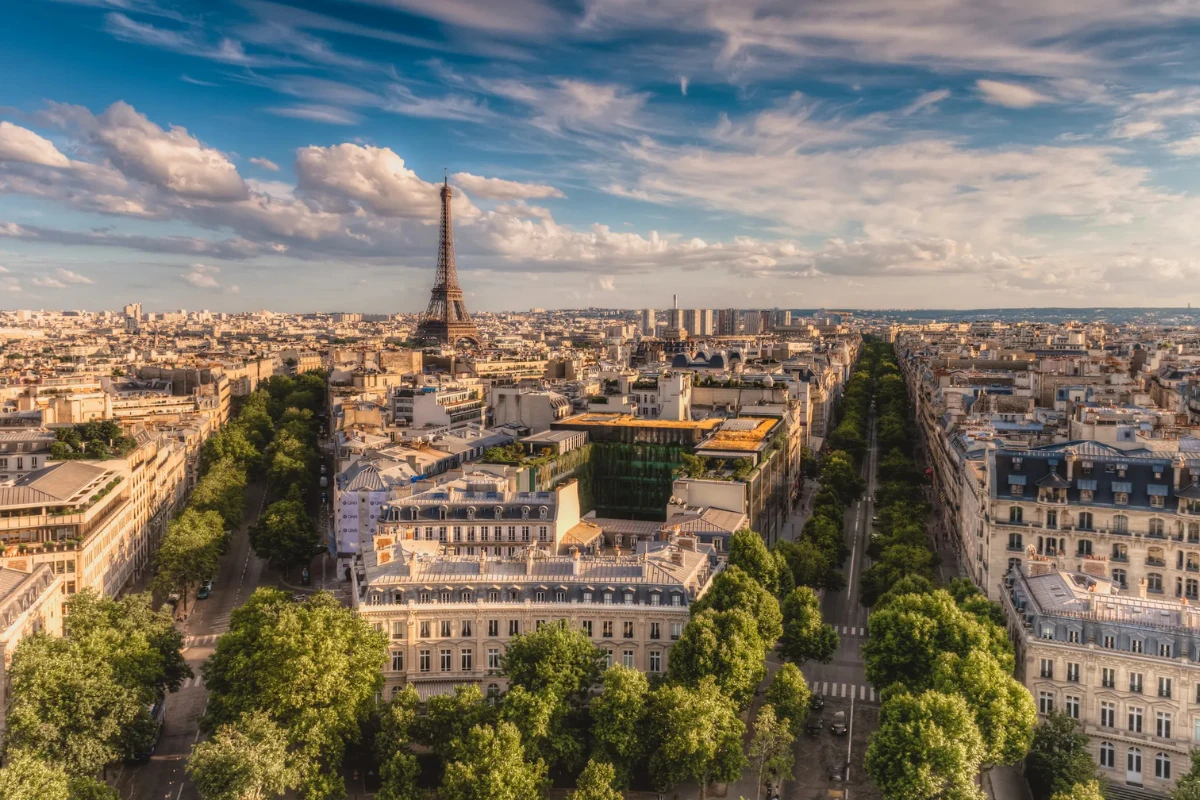
Paris remains one of the most evocative examples within this map of artful real estate. The city is not merely a destination or a premium housing market. It is a place where every avenue, wrought-iron balcony, arched doorway, stone façade and high ceiling carries a layer of architectural memory.
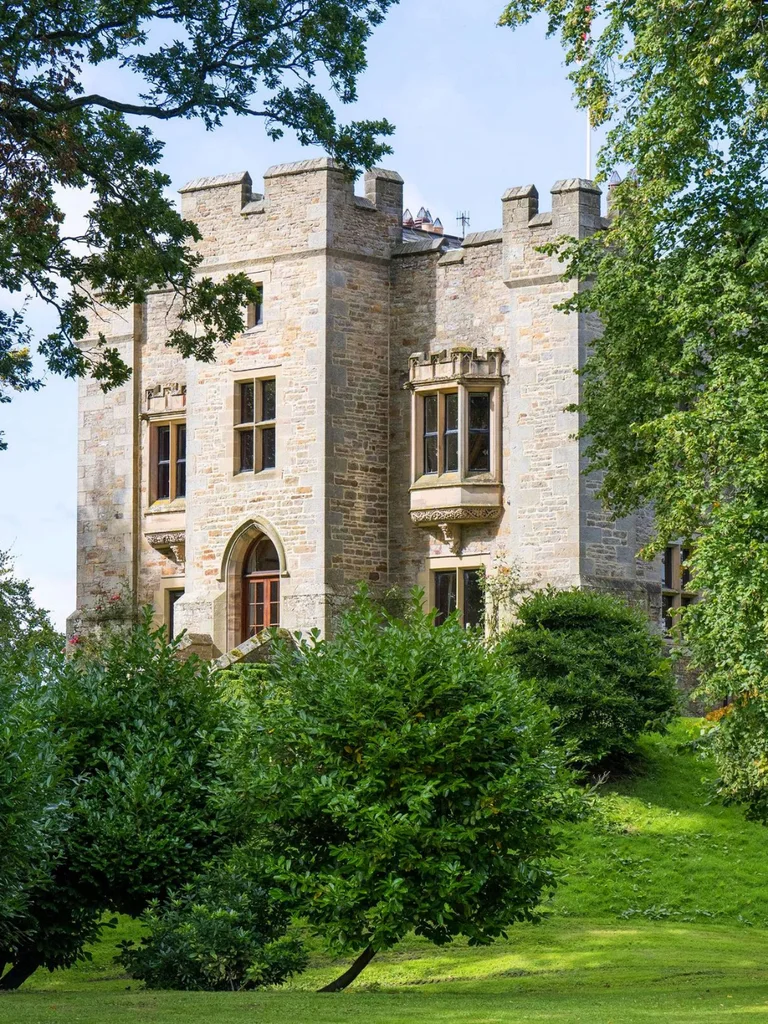
Perhaps for that reason, L’Echo du Temps introduced a Paris portfolio including a private mansion at Parc Monceau, an apartment on Île Saint-Louis, a garden residence in the 16th arrondissement, an apartment near the Luxembourg Gardens and a château in Burgundy tied to French architectural heritage. These properties do not only represent luxury in the material sense. They represent the privilege of living inside a space selected by time.
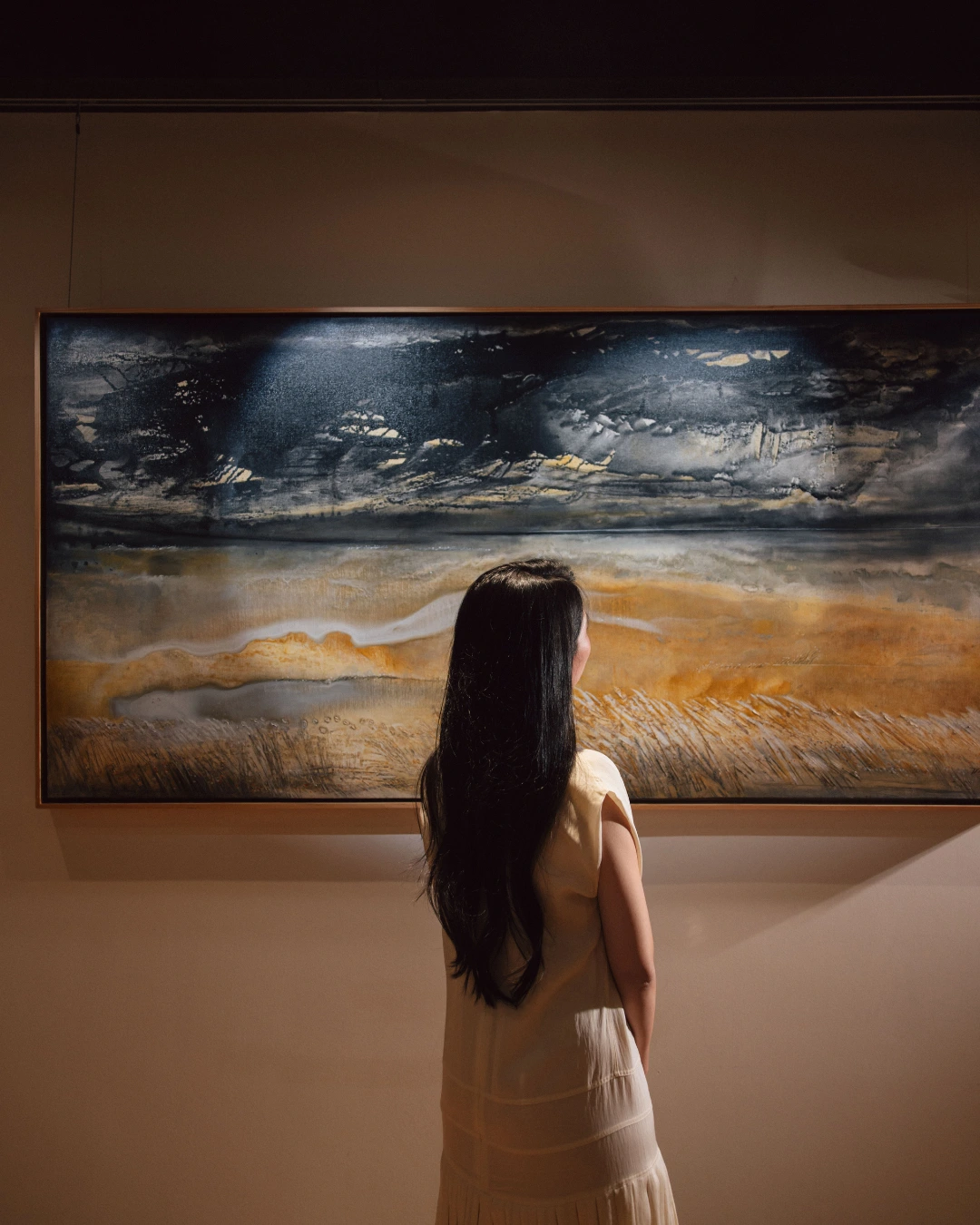
When a Paris mansion is presented alongside silk paintings, oil works or Asian antiques, the boundary between “a place to live” and “a work to collect” becomes more fluid. Living space is no longer merely the background against which art is displayed. It becomes another form of art: larger, slower and more intimate.
A serious collection always reveals something about its owner. The paintings one chooses, the watches one keeps, the antiques one preserves, the cars one drives and, ultimately, the homes one inhabits all disclose a way of seeing the world. In that sense, artful real estate is among the most complex forms of collecting, because it gathers capital, life, memory and geography into a single decision.
A Paris apartment with a view of the Eiffel Tower is not simply a beautiful address. It is a daily frame onto a cultural icon. A New York residence is not only a home in an expensive city. It may offer the right to live within the pulse of a financial, artistic and media capital. A château in Burgundy is not simply an old building. It is a way of entering history, landscape and the layers of memory left behind by time.
Such properties demand to be introduced by advisors with the right professionalism and sensitivity. Sellers need precision in positioning. Buyers need trust in information. Both require a network refined enough to protect privacy, manage cross-border complexity and place each asset before people capable of understanding its value.
Christie’s International Real Estate, together with its international partners and The Globetrotter in Vietnam, points to a different way of approaching luxury property. Here, a home is not merely bought. It is selected. It is not merely owned. It is lived with. And in the most exceptional cases, it becomes a work of art one may enter every day.