Jackson Pollock and Lee Krasner are often remembered through the barn floor, the dripping paint, the tortured man, the wife left behind. Yet their story is sharper than that.
The Genius and Range of Jackson Pollock And Lee Krasner
Jackson Pollock and Lee Krasner are often remembered through the barn floor, the dripping paint, the tortured man, the wife left behind. Yet their story is sharper than that.
June 4, 2026


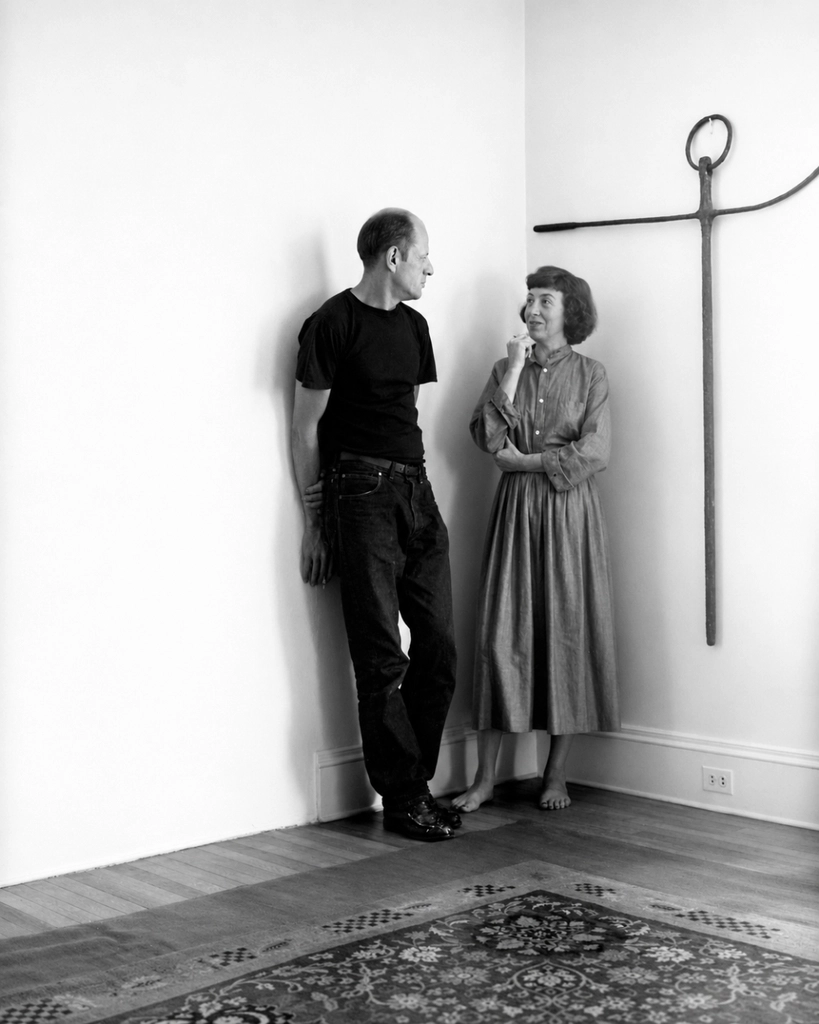
The story of Jackson Pollock and Lee Krasner has too often been told like a storm with one name. Pollock becomes thunder: Volatile, cinematic, American, impossible to ignore. Krasner becomes the weather after him: The widow, the witness, the manager of the estate, the woman who survived the myth. It is a familiar art-historical injustice, and an especially lazy one.
Because Krasner was never merely beside the explosion. She was part of the charge.
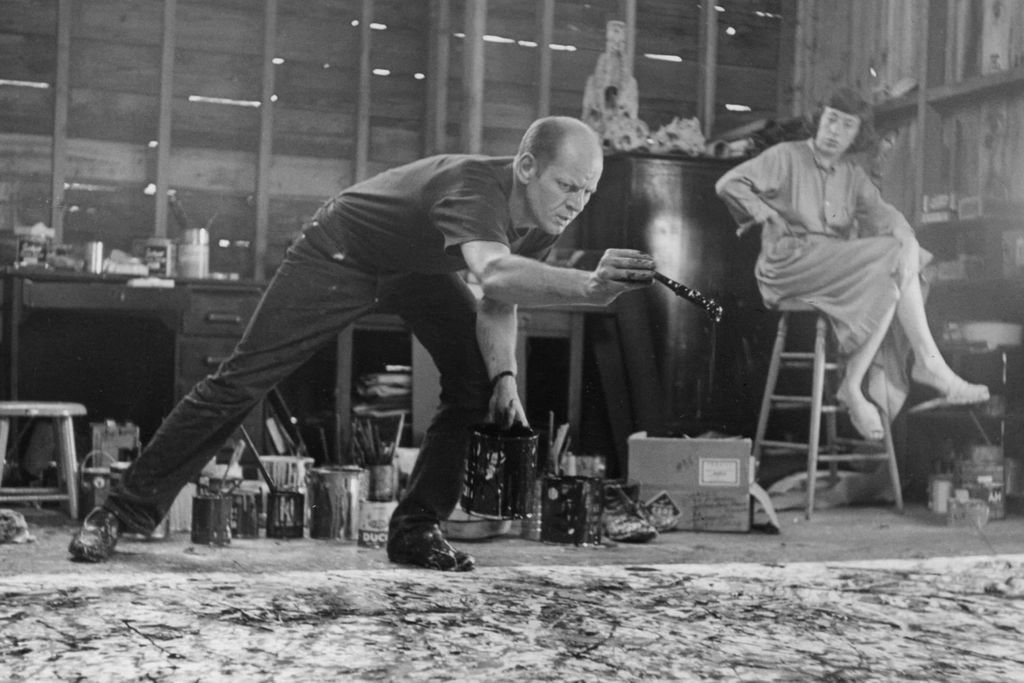
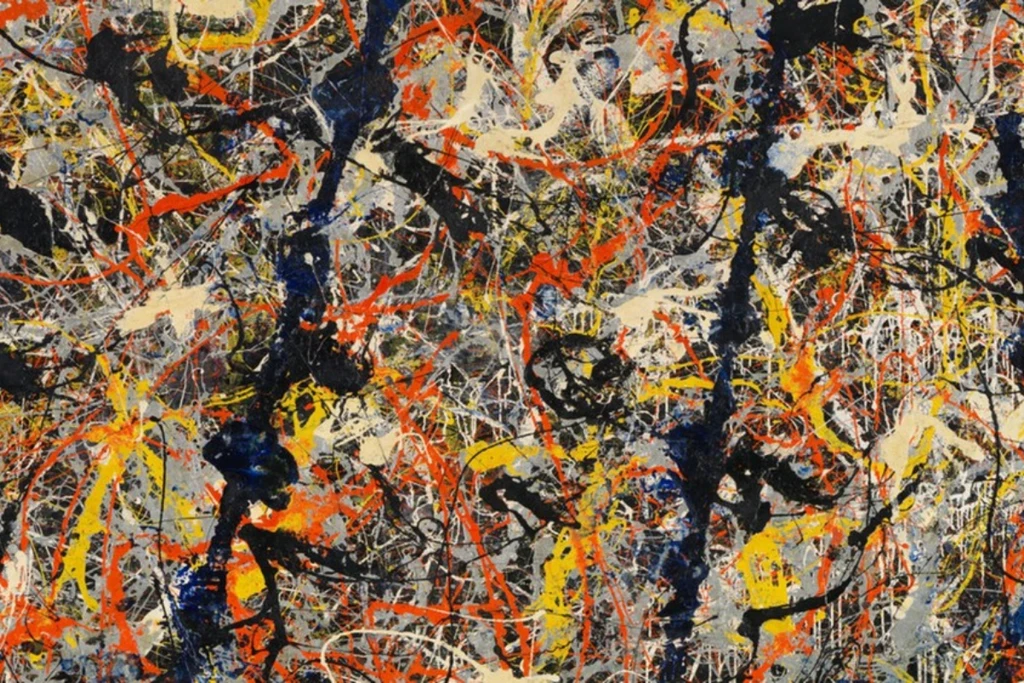
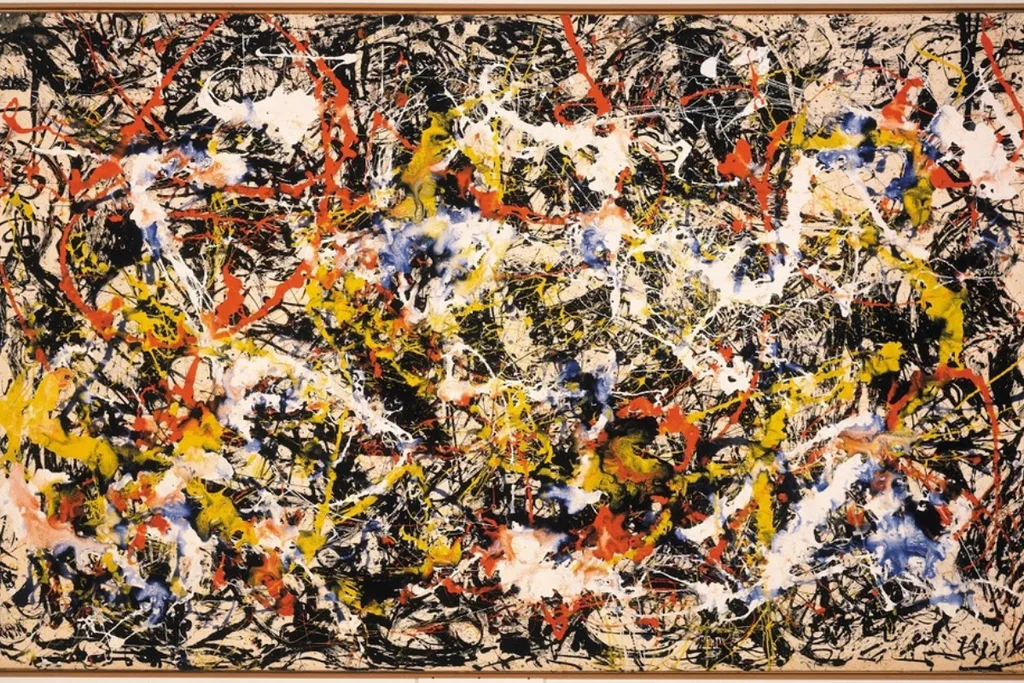
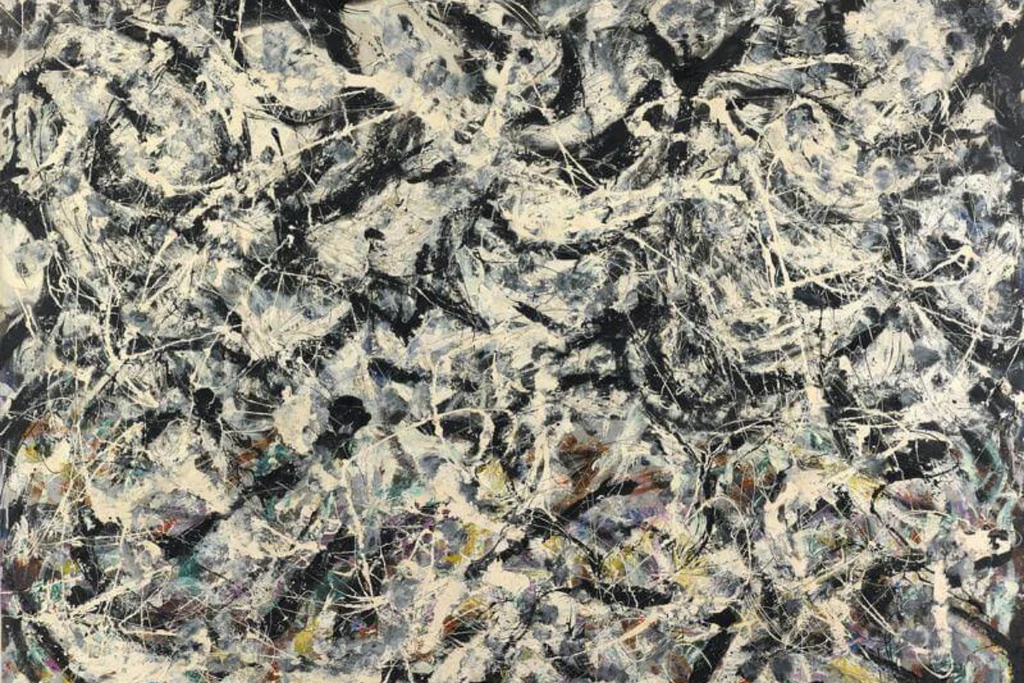
Pollock’s breakthrough changed the physical grammar of painting. In 1947, he abandoned the easel, laid raw canvas across the floor of his barn in Springs, New York, and turned the act of painting into a full-body event. The brush no longer behaved like a refined instrument. Paint was poured, flung, dripped and dragged with sticks, trowels, hardened brushes and syringes. The canvas became arena, trace, battlefield and record.
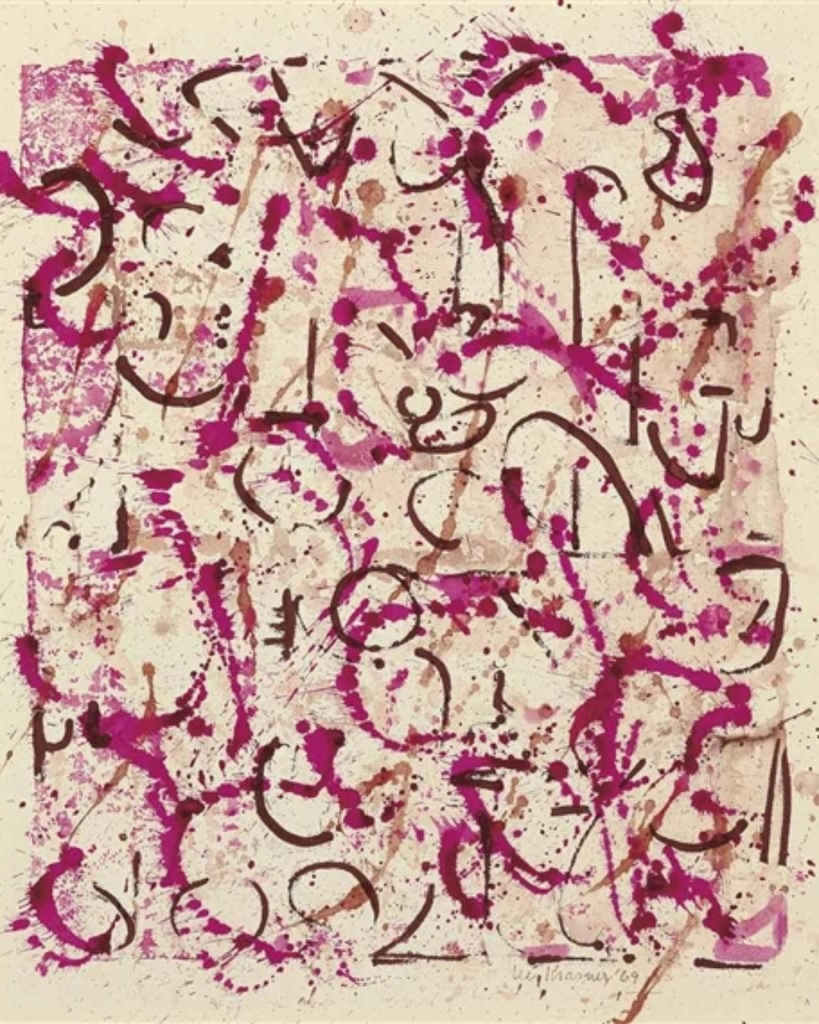
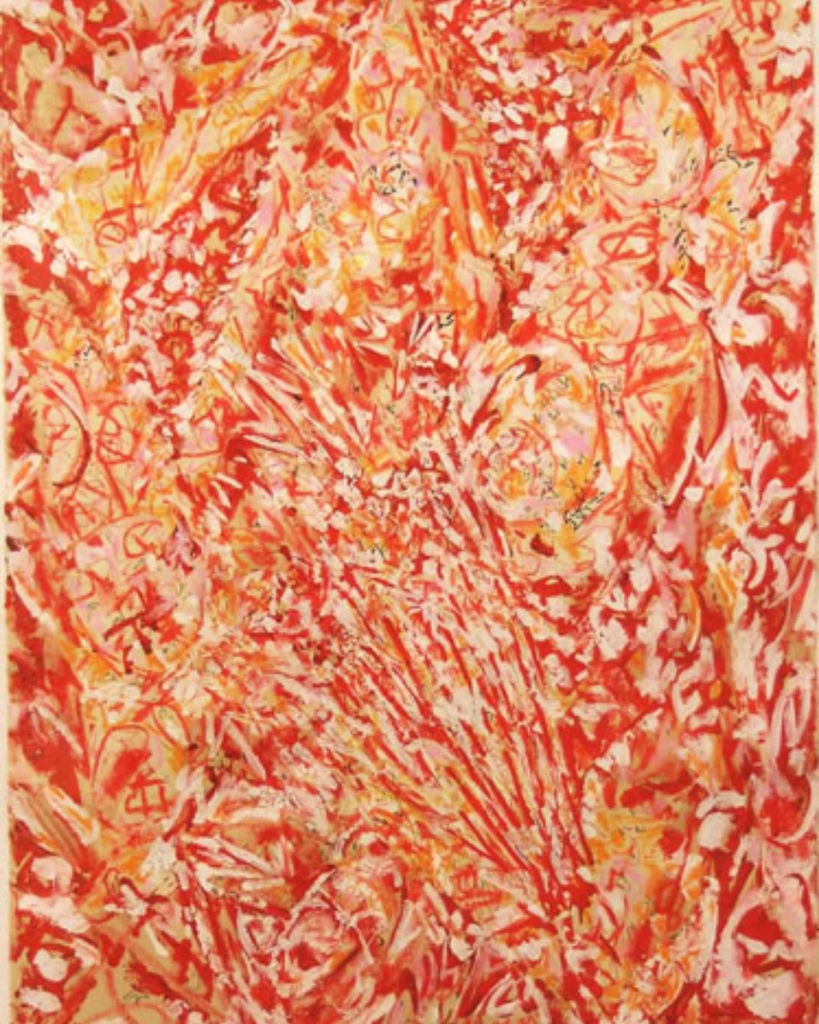
Krasner, meanwhile, brought another kind of force to Abstract Expressionism: structure under pressure. Her work did not perform chaos in the same mythic register. It cut, rebuilt, revised and insisted. If Pollock made energy visible through movement, Krasner made survival visible through composition.
Reconstruct and Deconstruct
Pollock’s great rupture was stylistic and spatial. By placing the canvas on the floor, he changed where the artist stood in relation to the work. He no longer faced the painting like a window. He entered it.
That change gave birth to the legend of Action Painting, where the finished image mattered less than the event of making it. Pollock walked around the canvas, moved from all sides, let gravity collaborate with gestures. The line ceased to be a border around shape. It became a registration of speed, weight, reach and bodily momentum.
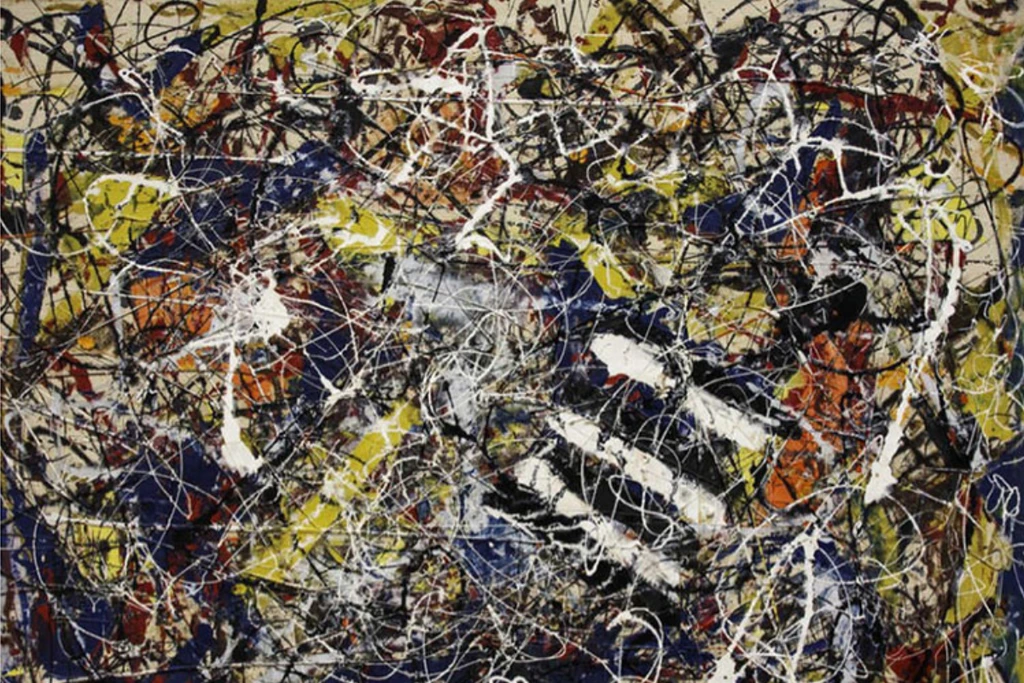
This is why his paintings still feel dangerous. They refuse the old hierarchy of center and edge. In the great drip works, every inch carries pressure. There is no privileged focal point, no gentle entrance for the eye. The surface is all-over, dense, nervous, alive. It appears spontaneous, yet it holds together with an eerie intelligence.
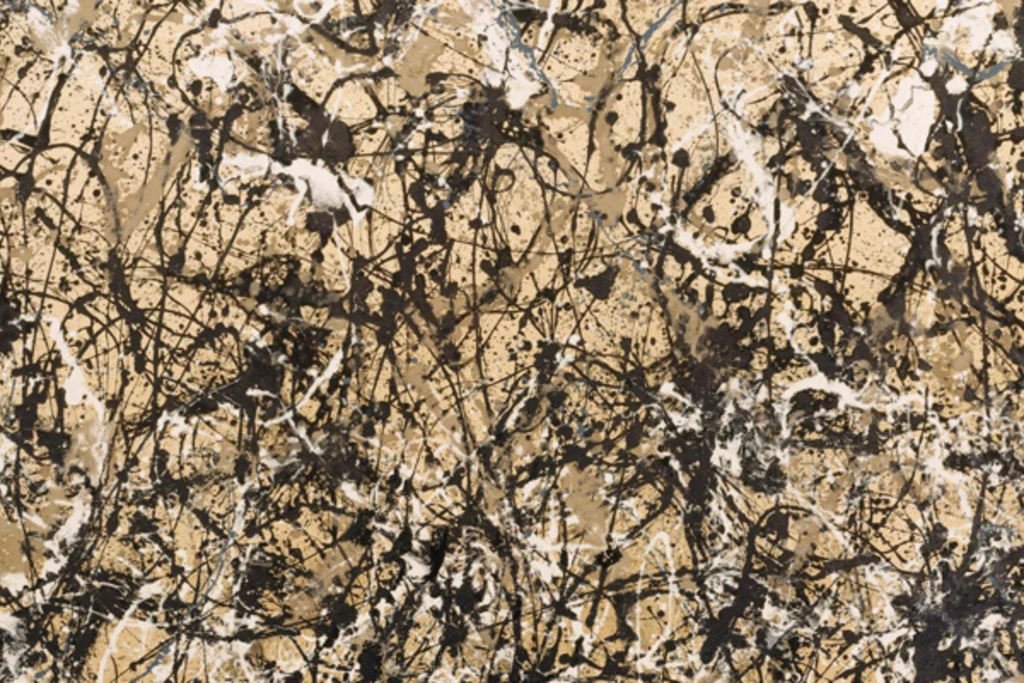
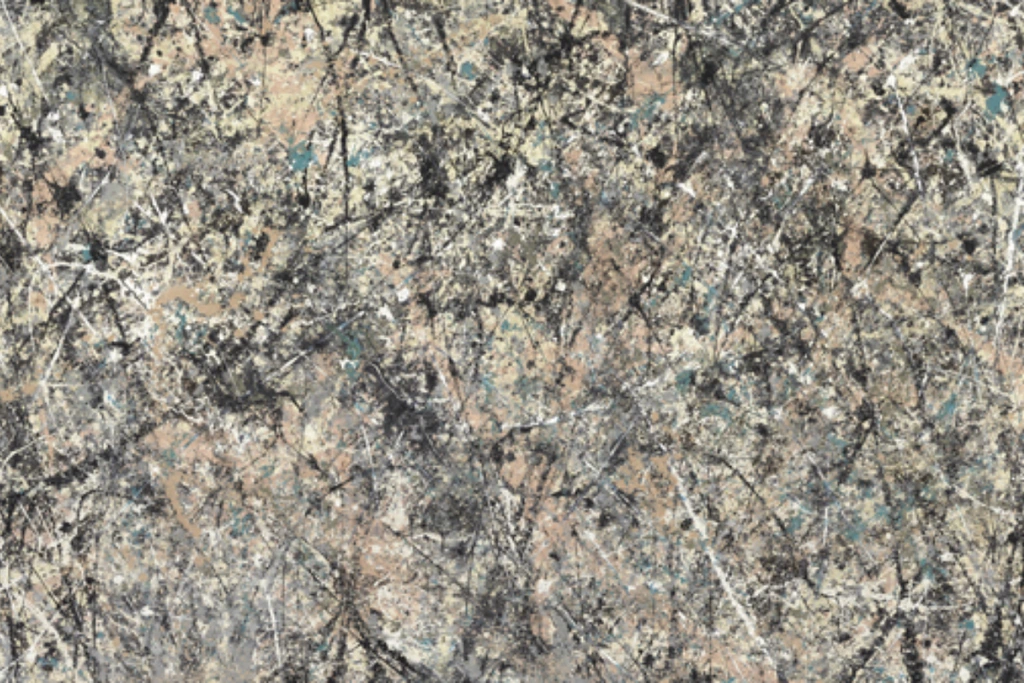
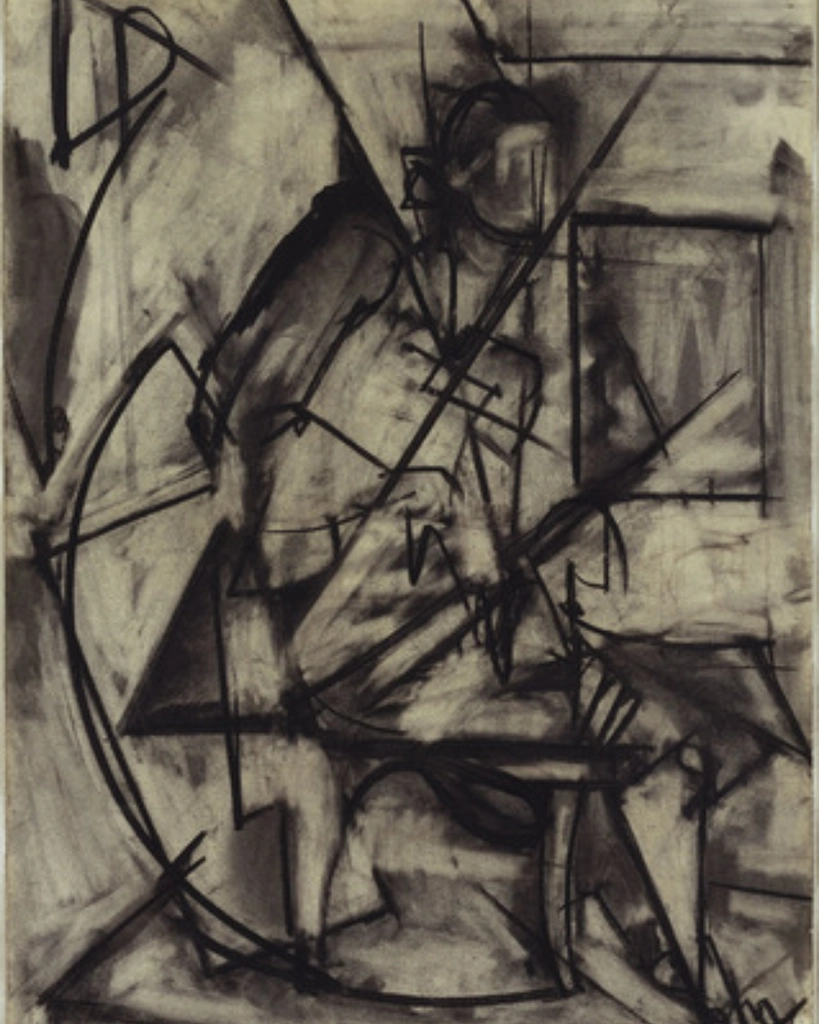
Lee Krasner understood the force of Pollock’s work because she understood painting from the inside. Trained seriously, rigorously, and with her own deep connection to modernist abstraction, she had already built a language of fractured forms, rhythmic surfaces and muscular composition before Pollock became the headline.
Her artistic power lies in refusal: Refusal to remain fixed, refusal to protect a single style, refusal to become decorative proof of another man’s genius. Krasner’s career moved through dense Little Image paintings, torn-paper collages, large abstract canvases and later works of sweeping colour and bodily force. She destroyed and reassembled her own work, sometimes cutting old canvases into new compositions.
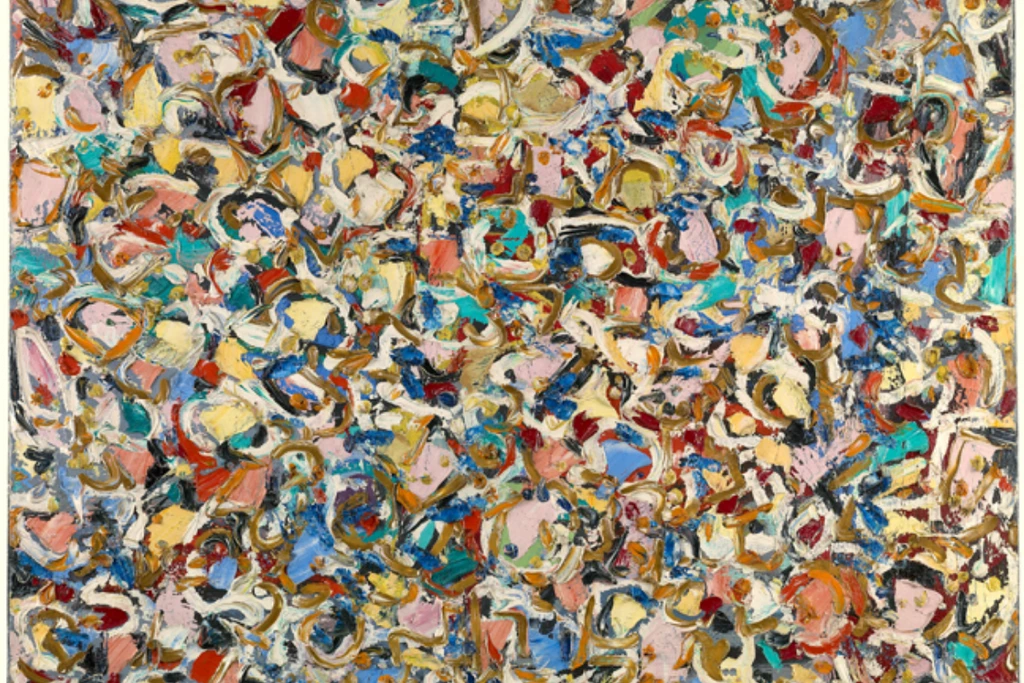
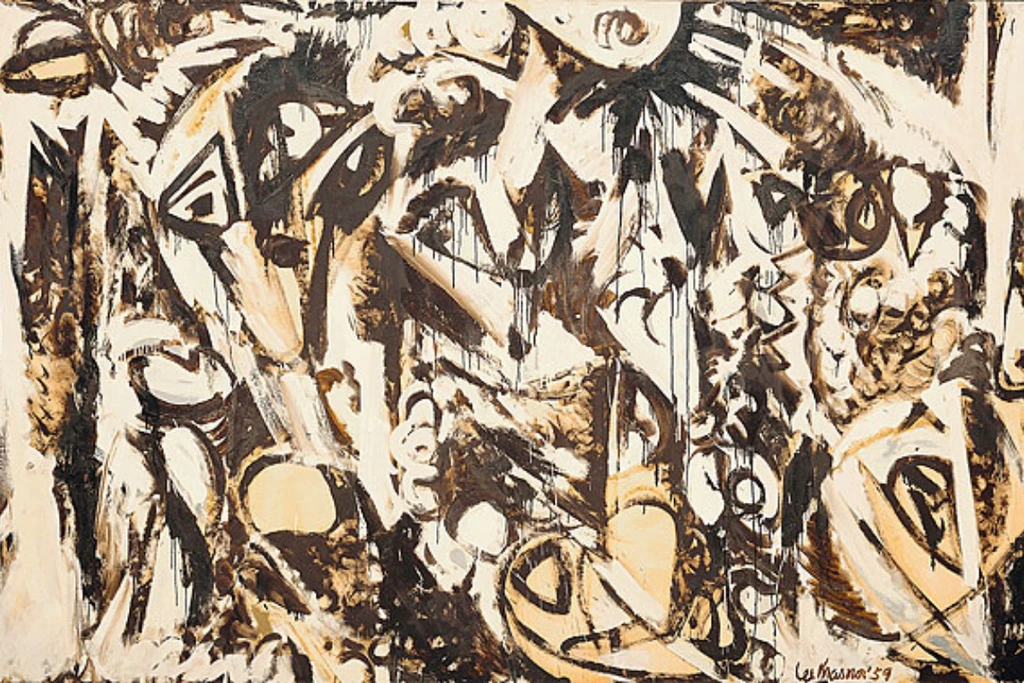
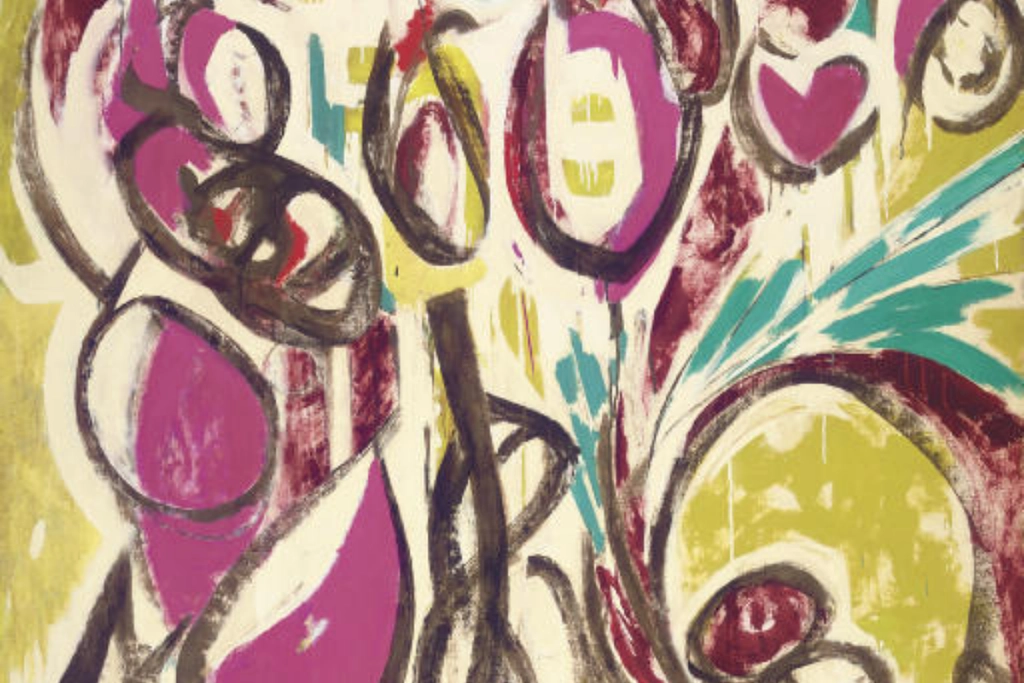
Where Pollock’s gesture often reads as eruption, Krasner’s gesture reads as reconstruction.
The American Rebel And The Manufactured Persona
Pollock became not only an artist, but an image. His denim, work boots, cigarettes, silence, anger and rural studio entered the public imagination as part of the work. The 1949 Life magazine profile that asked whether he was the greatest living painter in the United States helped turn him into America’s first art celebrity, a brooding anti-hero packaged with almost cinematic force.
The persona was irresistible because it solved a cultural problem. America wanted a modern art hero who did not look like a European intellectual. Pollock looked raw, masculine, difficult, frontier-coded. His paintings seemed to prove that New York had replaced Paris as the capital of the avant-garde. The myth made him useful.
Yet mythology always edits. It enlarged Pollock and narrowed everyone around him. Krasner’s intelligence, discipline and artistic ambition became easier to overlook when the camera preferred the man in motion. Her role was made domestic by narrative, even when her art was anything but domestic.
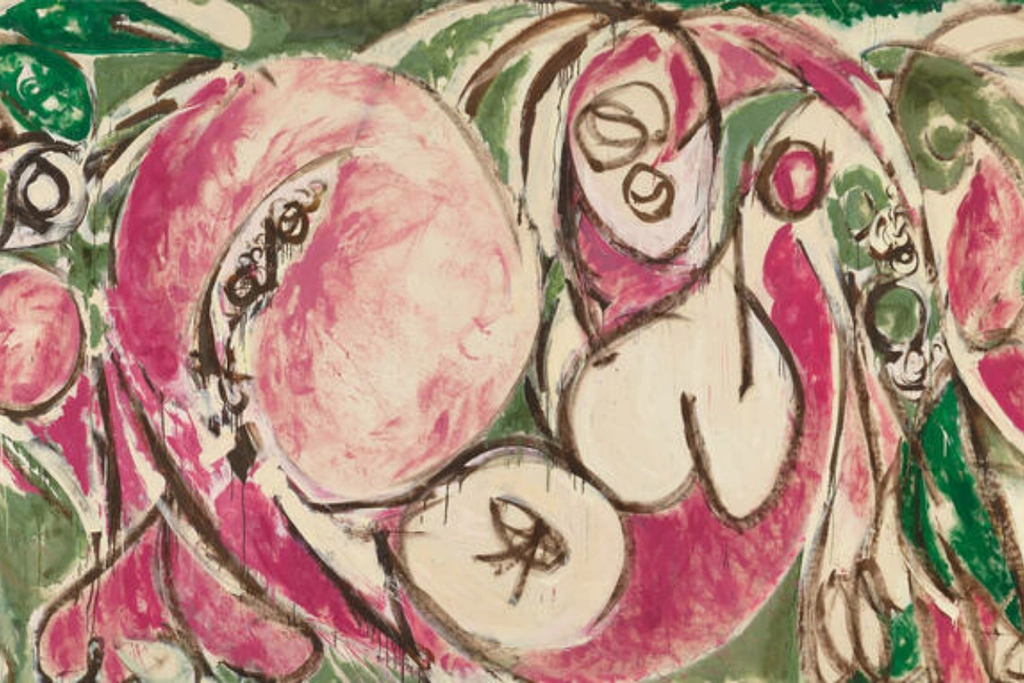
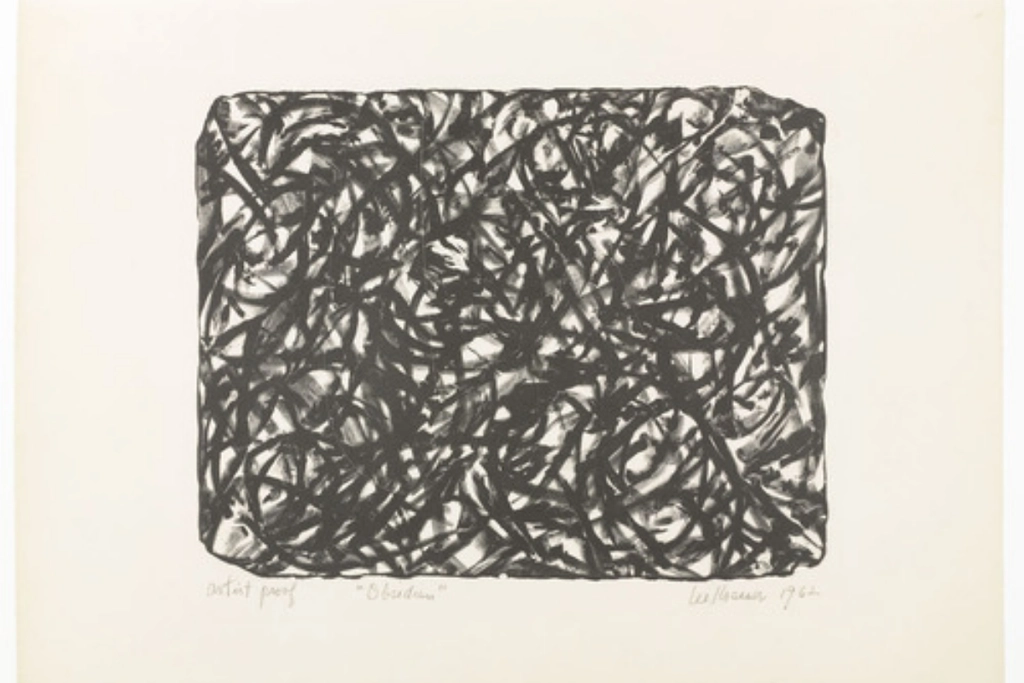
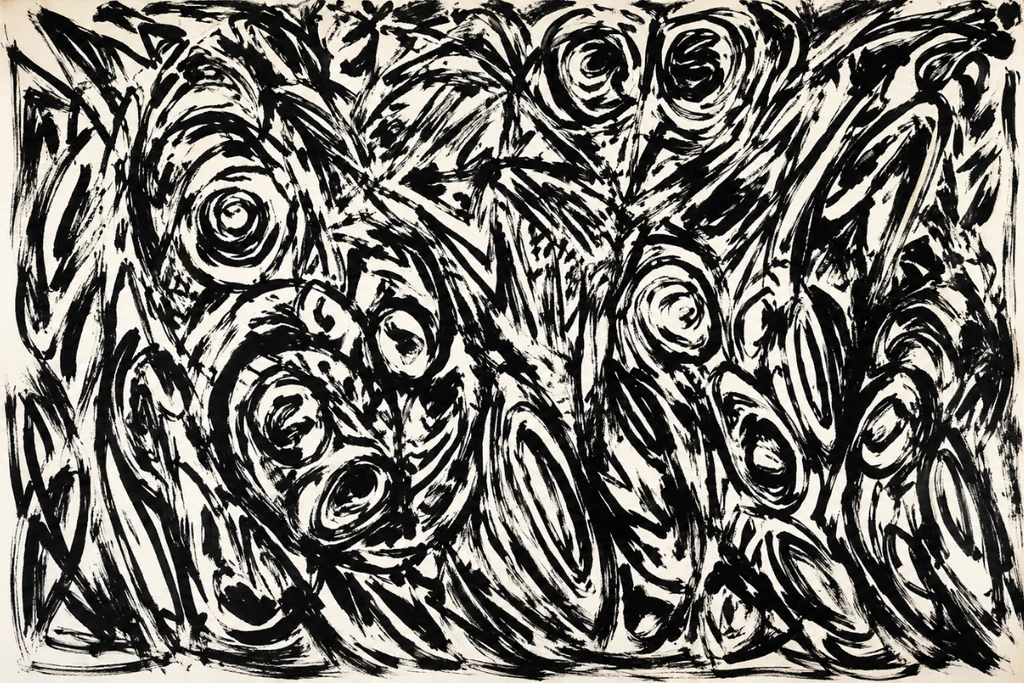
The tragedy is not only that Pollock was mythologized. It is that Krasner had to keep painting against the shadow of a myth she helped make possible.
Jackson Pollock and Lee Krasner's Marriage As Studio Weather
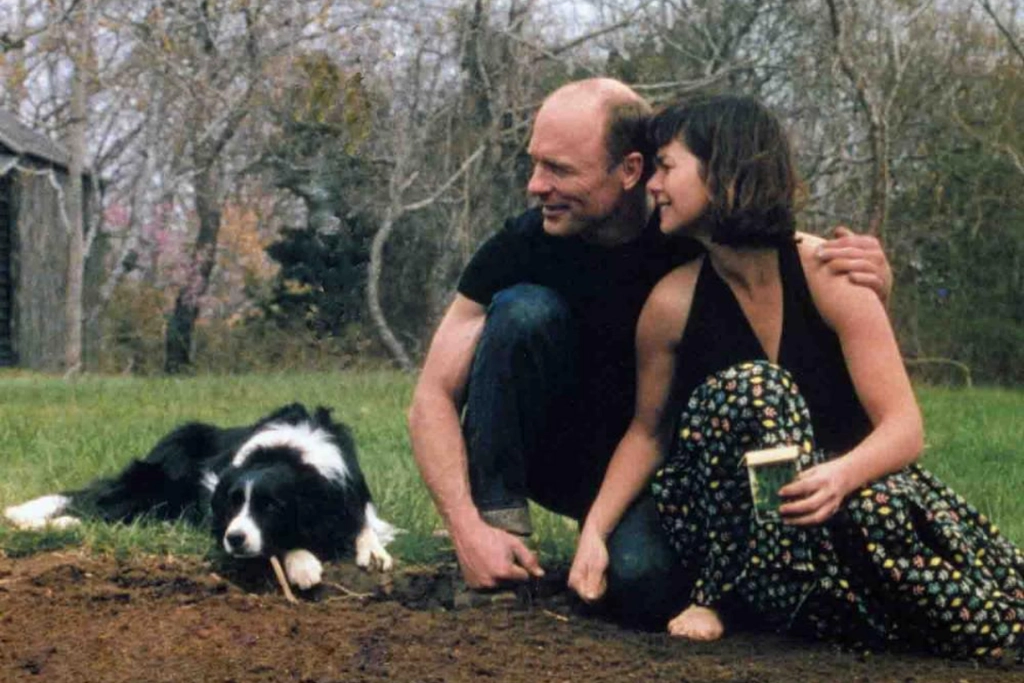
The relationship between Pollock and Krasner was not a soft duet, but drama-worthy (literally, there is a whole Ed Harris movie about them). It was pressure, proximity, influence, rivalry, protection, damage and shared ambition. Krasner recognized Pollock’s talent early and advocated for him with rare conviction. She introduced him to networks, pushed his visibility and protected the conditions that allowed the work to happen.
But she also paid for that proximity. The art world often prefers women artists as muses, caretakers, editors or survivors. Krasner was forced into all of those roles, then had to fight her way back to the one that mattered most: painter.
Her late work carries that fight with ferocious clarity. After Pollock’s death, she did not freeze into the role of guardian. She took over the barn studio and began making larger, more forceful works. The room that had been mythologized as Pollock’s arena became hers too.
Krasner did not inherit silence. She occupied space.
The Canvas As Time Capsule
Part of Pollock’s strange power comes from the physical reality of the works themselves. Because he painted on the floor of a working barn, the canvases sometimes absorbed traces of the studio environment: dust, debris, cigarette ash, small objects, even insects trapped in paint. The paintings become more than images. They are records of a place, a body, a moment and its accidents.
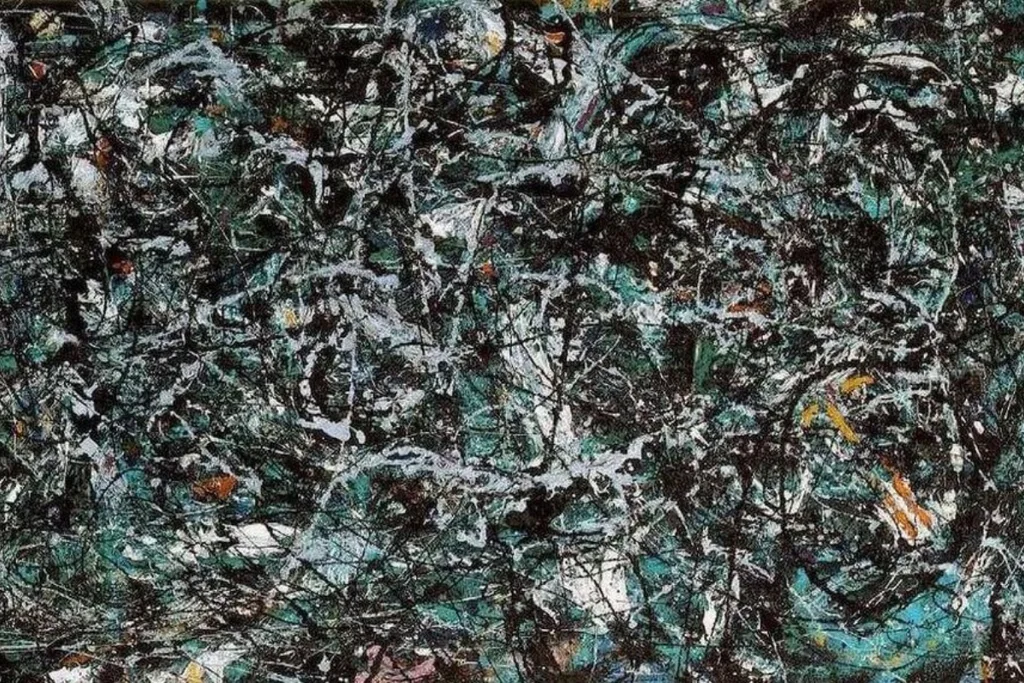
That detail makes the myth tactile. Pollock’s canvases are often discussed as pure abstraction, but they are also brutally material. Industrial enamel, raw canvas, gravity, dirt, studio residue. The work is spiritual only because it is so physical.
Krasner’s materiality works differently. Her collages often turn destruction into architecture. The cut becomes a compositional line. The fragment becomes evidence of endurance. She did not need the heroic drip to make painting bodily. Her surfaces carry another kind of body: one that has been torn, rearranged, and still refuses collapse.
Cold War Freedom And The Politics Of The Gesture
Pollock’s rise also belonged to a larger political theatre. During the Cold War, Abstract Expressionism was promoted as proof of American freedom, individuality and creative liberty, in contrast to the rigid cultural controls of Socialist Realism. Pollock’s unconstrained canvases became useful symbols of a nation selling itself as open, experimental and modern.
This does not make the paintings propaganda in any simple sense. It makes their reception more complicated. Pollock’s gesture was personal, but it was also absorbed into national myth. His freedom became a cultural weapon.
Krasner’s position inside that story was more difficult. The heroic language of Abstract Expressionism often had a male body at its center: action, scale, aggression, conquest, risk. Krasner worked inside the same movement while being pushed to its margins by the very rhetoric that claimed freedom as its highest value.
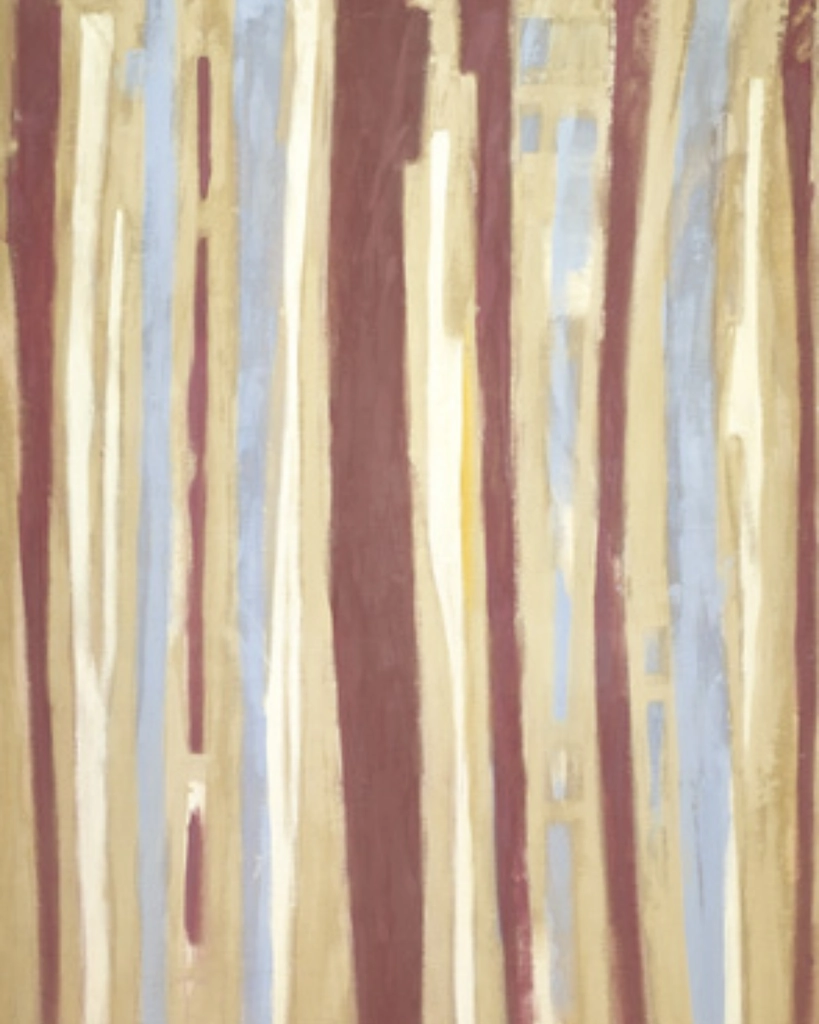
That contradiction remains one of the movement’s great exposures. Abstract Expressionism preached liberation while often reproducing old hierarchies of gender, authorship and fame.
After The Crash, The Estate And The Afterlife
Pollock’s life ended in 1956, when he died in a car crash near his home at the age of forty-four. The event fixed his legend in tragedy and left Krasner with a brutal double burden: grief and stewardship. She managed his estate with extraordinary seriousness, helping secure the legacy that would make Pollock one of the most valuable and studied artists of the twentieth century.
But the estate work also complicated her own visibility. For years, her name remained too close to his in the wrong way. She was praised for preserving Pollock before being fully recognized for the work she made herself.
The correction has been slow, but decisive. Krasner now stands not as an accessory to Pollock’s genius, but as one of the major painters of Abstract Expressionism. Her best works do not ask for sympathy. They demand space. Jackson Pollock and Lee Krasner show an artist who understood that abstraction could be attack, repair, rhythm, memory and refusal.
Two Kinds Of Fire
The difference between Pollock and Krasner is not the difference between genius and support. It is the difference between two forms of intensity.
Pollock’s fire stay alive to this day, whether because of their gravity, or because of their myth. Recently, his Number 7A, 1948 broke the scale at Christie's, becoming the fourth most expensive artwork ever sold at auction.
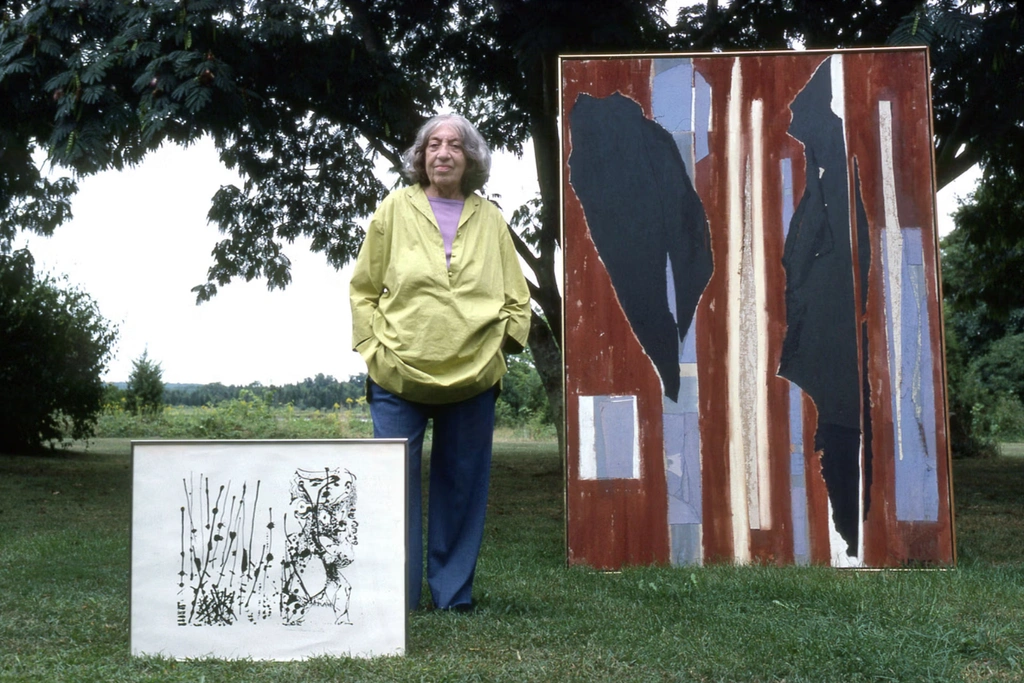
Krasner’s fire burned through structure. She edited, cut, rebuilt and expanded. Her paintings understand that destruction can become composition, that fragmentation can create rhythm, that survival is not passive when it has form.
Together, Jackson Pollock and Lee Krasner reveal the true drama of Abstract Expressionism. Not only the liberation of paint from the easel, but the struggle over who gets to be remembered as the liberator.