Can compounded peptides make anti-aging feel more legitimate before the science catches up?

Can Compounded Peptides Make Youth Prescribed?
Can compounded peptides make anti-aging feel more legitimate before the science catches up?
July 28, 2026


Peptides maintain a long, celebrated history within modern beauty culture. The pursuit of youth constantly evolves, shifting from topical creams to ingestible supplements, and now to highly clinical, customizable formulations.
We are currently witnessing a fascinating regulatory evolution surrounding six specific compounded peptides transitioning from gray-market anti-aging circles into mainstream prescription compounding. For beauty consumers, this shift promises safer access and vastly clearer oversight. For brands, telehealth companies, and beauty clinics, this creates the ultimate premium anti-aging business lane far ahead of the actual clinical science catching up.
Compounded Peptides Always Needed Clarity
Start by separating the landscape into three distinct categories: cosmetic peptides found in standard skincare, fully FDA-approved peptide medicines, and compounded peptides currently undergoing regulatory review. The current industry news belongs exclusively to the third group. The FDA’s recent meeting notice named seven peptide-related bulk substances for review: BPC-157, KPV, TB-500, MOTs-C, Emideltide/DSIP, Semax, and Epitalon, each existing in free base or acetate forms.
For casual readers, we explain the distinction this way: a topical peptide serum differs entirely from a compounded injectable peptide. Furthermore, a highly regulated peptide-based prescription drug operates differently than a custom compound mixed at a regional pharmacy. The FDA classifies compounded drugs as entirely distinct from formally approved medications, meaning the agency skips verifying their safety, effectiveness, or quality prior to their marketing release.
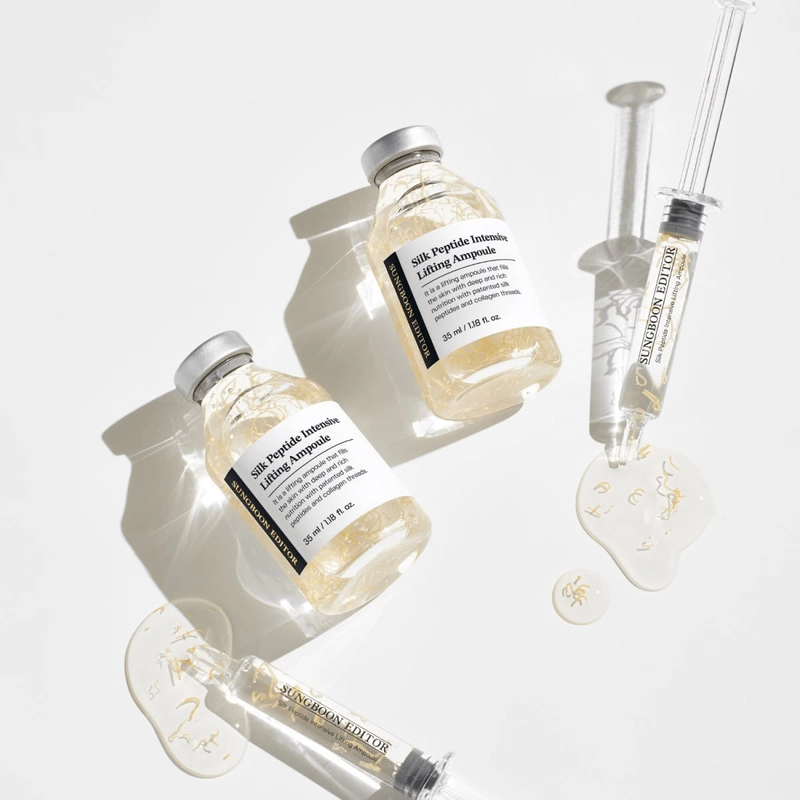
From a beauty perspective, this systemic ambiguity highly benefits marketing departments. The word “peptide” sounds medical, and futuristic all at once. Consumers already trust traditional copper peptides or signaling peptides in their nightly face creams. When they hear the exact same terminology applied to clinical injectables, they automatically transfer that established trust to these unfamiliar compounds.
This creates a powerful psychological bridge allowing highly experimental compounds to feel as familiar as a daily moisturizer. The beauty industry understands this deep association, leveraging the scientific aura of compounded peptides to elevate their entire product catalog.
The New Six Compounded Peptides
The FDA advisory committee formally recommended six compounded peptides for possible compounding access: BPC-157, KPV, TB-500, MOTs-C, Epitalon, and Semax. Reuters reported that advisers supported Epitalon and Semax on July 24, 2026 after enthusiastically endorsing four other compounds the previous day; the panel deliberately withheld support for Emideltide/DSIP, a sleep-related peptide.
For precise beauty framing, the industry discusses BPC-157 primarily around tissue repair and inflammatory conditions. KPV enters aesthetic conversations regarding wound healing and inflammatory responses. TB-500 focuses heavily on accelerated wound healing. MOTs-C connects deeply to obesity, osteoporosis, metabolism, and aging-coded health claims. Epitalon anchors elite longevity and cellular aging conversations. Semax aligns loosely with direct beauty applications, yet it fits perfectly into the broader anti-aging and performance-adjacent peptide culture dominating wellness spaces today.

The Federal Register and FDA meeting materials list evaluated uses including ulcerative colitis for BPC-157, wound healing and inflammatory conditions for KPV, wound healing for TB-500, obesity and osteoporosis for MOTs-C, plus the Day 2 substances Emideltide, Semax, and Epitalon.
These substances sit far removed from standard lipstick ingredients. Their beauty relevance stems directly from modern anti-aging culture borrowing medical words like repair, inflammation, regeneration, metabolism, longevity, and recovery. When a beauty consumer seeks solutions for a compromised skin barrier, the medical promise of "tissue repair" sounds like the ultimate cosmetic holy grail. Consumers willingly embrace the clinical terminology, associating complex biological mechanisms with superior aesthetic results.
Users Demand Proof While Brands Seek A Fresh Lane
Users benefit immensely when regulatory agencies replace vague gray-market access with much clearer prescription pathways, strict pharmacy oversight, and distinct boundaries separating skincare peptides from compounded peptides. That outcome remains the absolute best-case consumer story. The modern skincare enthusiast craves verifiable data, and a formalized prescription process offers exactly that level of clinical reassurance.

Brands benefit equally because the anti-aging category feels enormously lucrative. Grand View Research estimated the global anti-aging products market at $55.6 billion in 2025 and projected it reaching a staggering $107.6 billion by 2033. That massive economic scale explains why peptide language remains highly attractive: it makes anti-aging sound highly clinical, hyper-personalized, and deeply advanced. Brands dream of capturing the wellness-obsessed consumer seeking the next level of youth preservation. They observe the massive success of personalized medicine and realize the immense profit potential of combining medical authority with cosmetic desire.
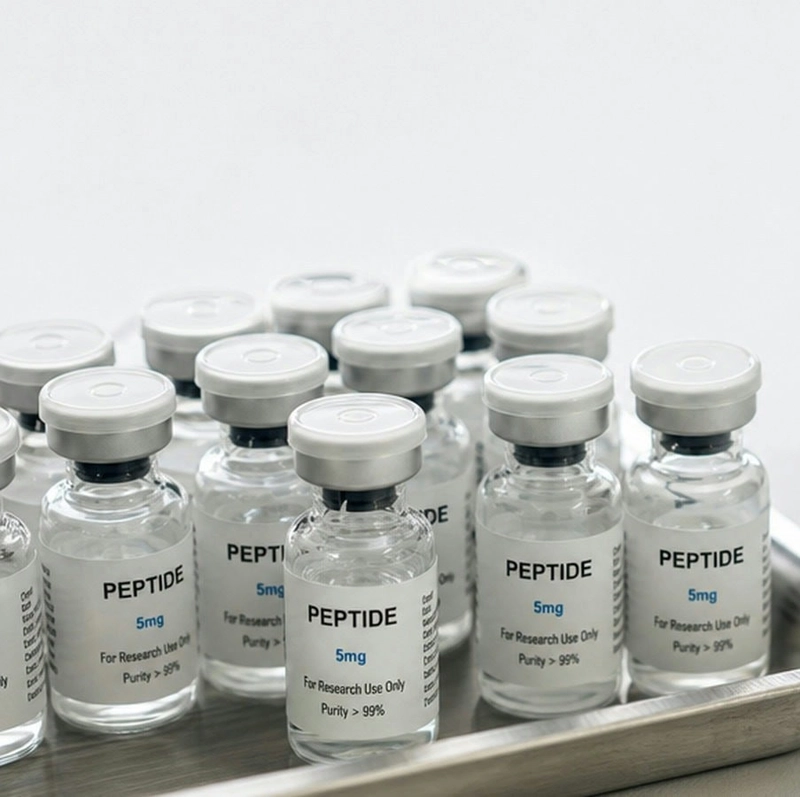
Forbes reported that compounding pharmacies, telehealth companies, and major players such as Empower Pharmacy and Hims & Hers are actively preparing for a potential multi-billion-dollar peptide market. The publication also noted Hims & Hers reached a $7.6 billion market cap and acquired a dedicated compounding pharmacy in September 2024. Evaluating this phenomenon critically reveals a stark difference in perception: the eager consumer hears the promise of “cellular repair,” while the corporate brand hears the promise of “recurring subscription revenue.”
The Beauty Industry Wins When Compounded Peptides Sound Like Skincare
Even if these newly compounded peptides remain completely separate from mainstream topical skincare ingredients, the surrounding cultural conversation fundamentally upgrades the modern beauty vocabulary. Once consumers repeatedly see FDA panels, compounding pharmacies, specialized prescriptions, and complex peptide names positioned beside anti-aging claims, ordinary peptide skincare feels deeply serious by mere association.
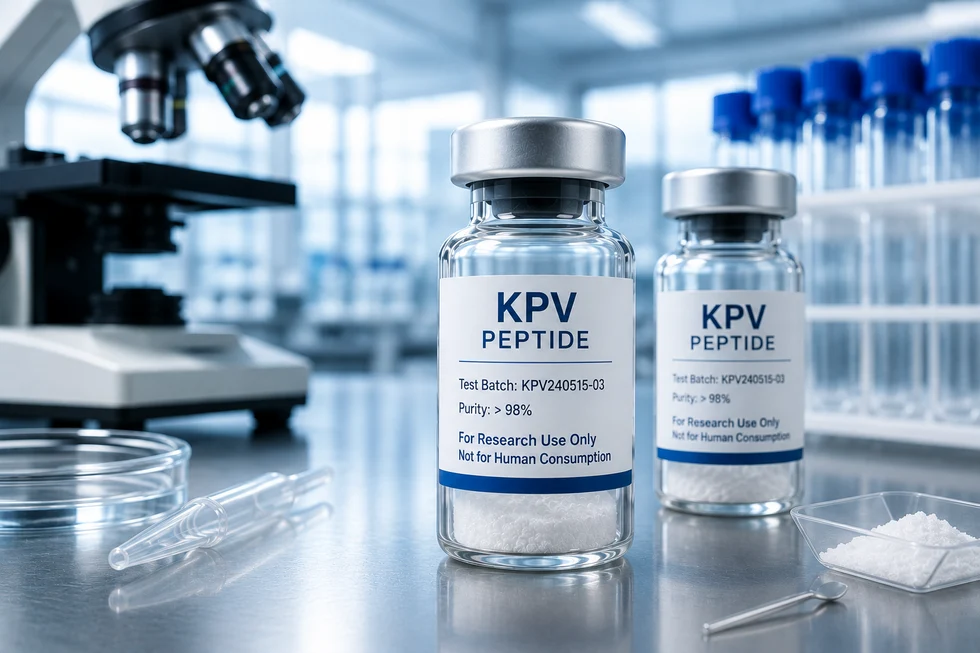
Reuters reported that Hims & Hers stands to benefit enormously assuming the FDA loosens current restrictions, with financial analysts estimating a multi-billion-dollar market for peptides assuming manufacturing regulations ease. Forbes also reported that Hims & Hers acquired a peptide manufacturing facility in 2025 and strategically positioned itself to produce peptide therapies at scale once regulators green-light the category entirely.
This illustrates exactly how the concept of anti-aging moves gracefully from the glass cream jar directly to the clinical menu. The core product promise shifts dramatically from “soft skin” to “cellular repair,” “inflammation control,” “metabolic support,” and “longevity optimization.” Are beauty brands genuinely educating consumers, or merely using medical adjacency to make traditional anti-aging desires sound newly scientific? They mostly lean toward the latter, leveraging clinical aesthetics to justify premium pricing structures.
The Drawback Remains A Costly Gray Zone
The impending compounded peptides boom helps users only if clearer regulation truly reduces gray-market danger and vastly improves product quality. The surrounding risks remain quite serious: weak human evidence supporting certain claims, widespread consumer confusion, rampant overpricing, medicalized beauty anxiety, and the dangerous assumption that “legal to compound” equals “FDA-approved.”

FDA advisers maintained major scientific concerns throughout the hearings. Reuters reported that FDA staff questioned the concrete evidence supporting peptide compounding, while Health noted how independent experts still harbor major reservations regarding limited human data and severe quality variation among suppliers. Consumers face the heavy financial burden of chasing youth through expensive, highly experimental subscriptions.
A peptide stays completely legal to discuss, legal to compound under certain strict conditions, and yet exists completely outside the realm of proven anti-aging treatments. The industry requires time for the clinical science to catch up to the marketing enthusiasm.
Clean Reader Explainer Box
What is actually changing involves six compounded peptides awaiting clearance, BPC-157, KPV, TB-500, MOTs-C, Epitalon, and Semax, receiving vital advisory support for possible pharmacy compounding access. Emideltide/DSIP missed this specific endorsement during the proceedings.
What remains constant is their current status as compounds awaiting formal FDA clearance as anti-aging drugs. The advisory vote operates simply as a preliminary recommendation, leaving the final binding FDA decision for the future.
Beauty readers should care deeply because the global anti-aging market is actively learning how to borrow the compelling language of compounding, prescription access, tissue repair, inflammation reduction, metabolism, and longevity. By adopting this highly clinical approach, beauty companies successfully convince consumers to invest significantly higher amounts of money into their personal wellness routines. They elevate the standard of beauty from a superficial pursuit into a perceived medical necessity.
Brands care immensely because compounded peptides possess the unique potential to become the next premium bridge connecting daily skincare, aesthetic clinics, telehealth platforms, and lucrative anti-aging subscriptions.
Compounded peptides already existed as a core part of the beauty ecosystem. We are currently witnessing the massive business race to make anti-aging feel prescribed, uniquely personalized, and highly medical before consumers fully understand where basic skincare ends and complex regulation begins.