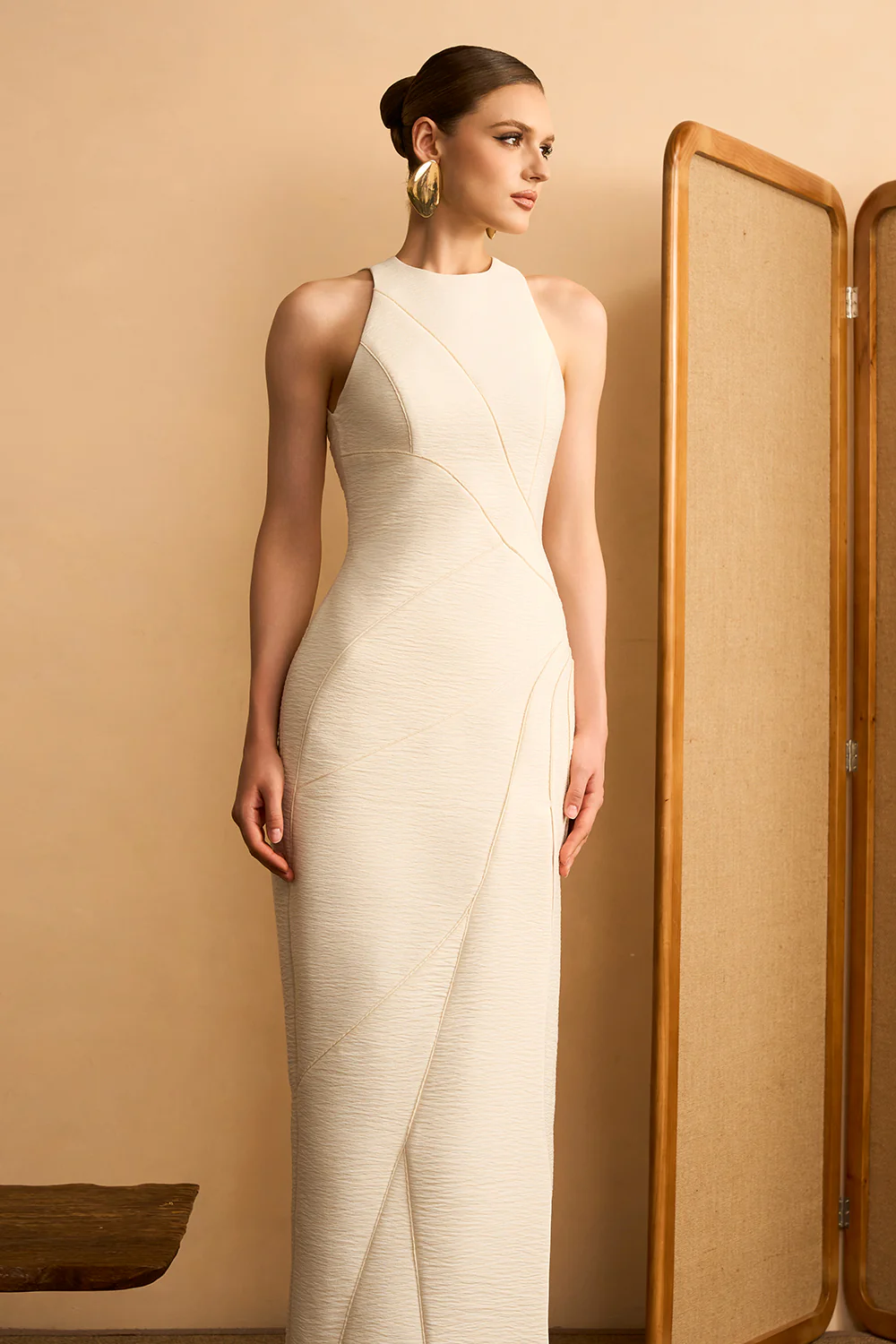
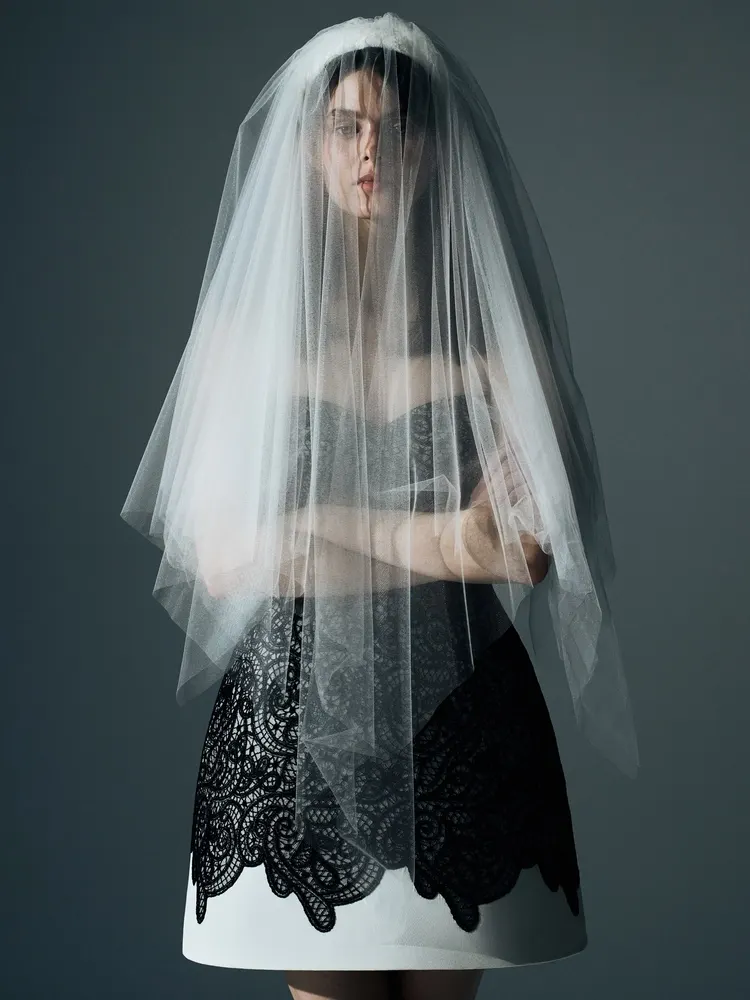
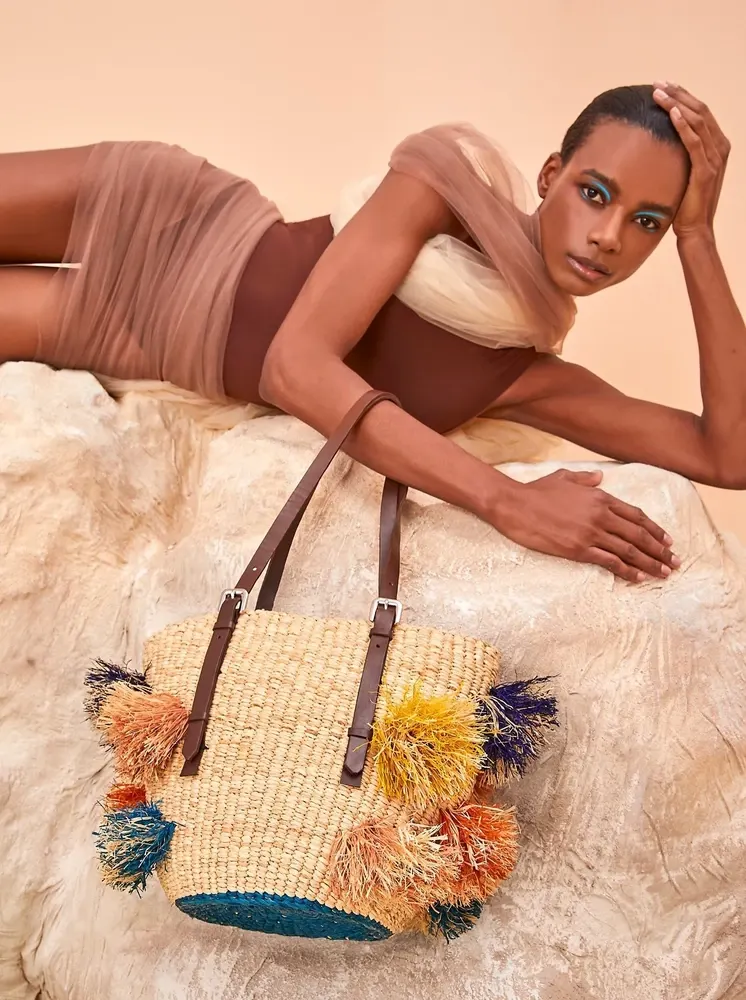
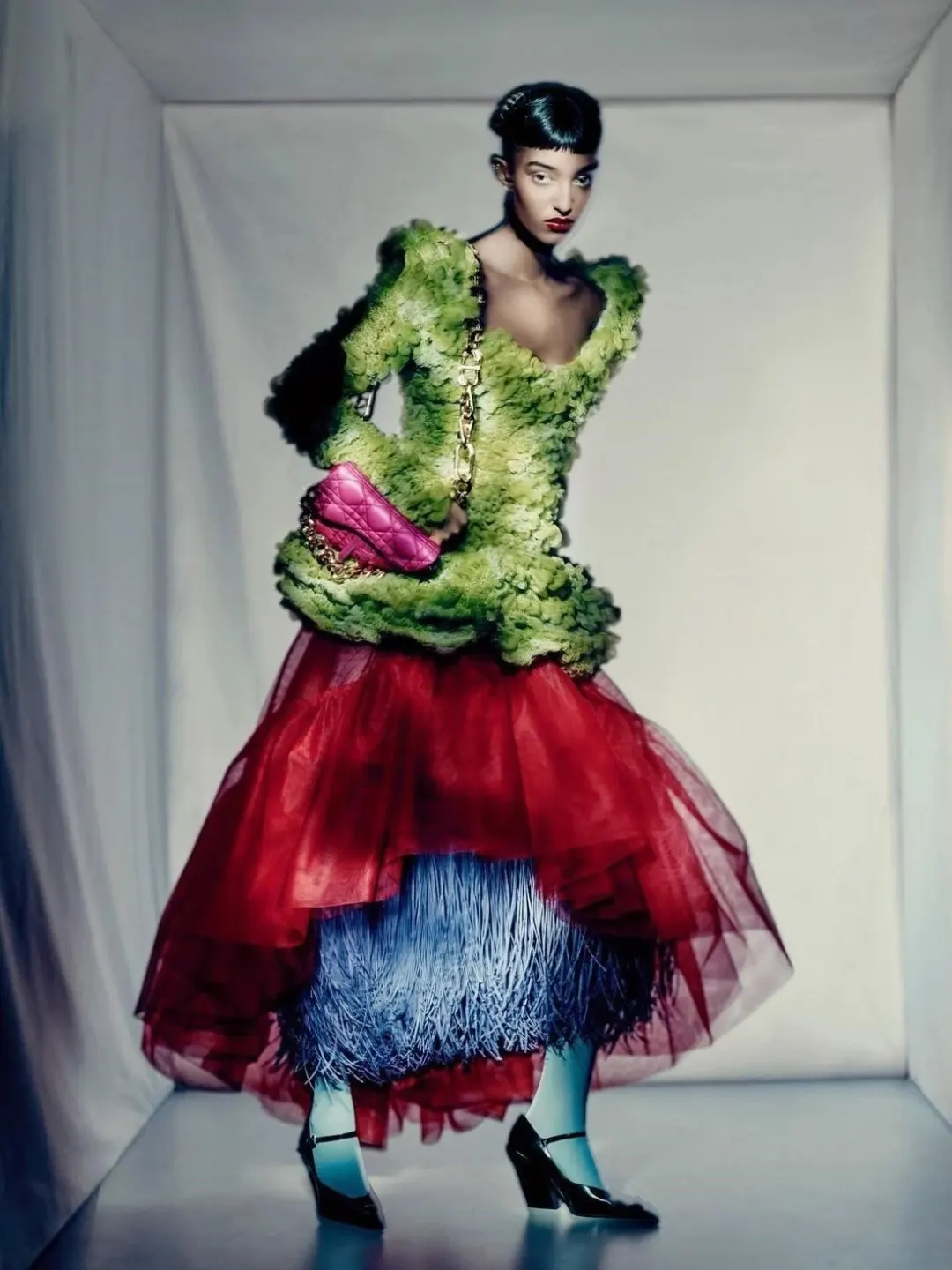
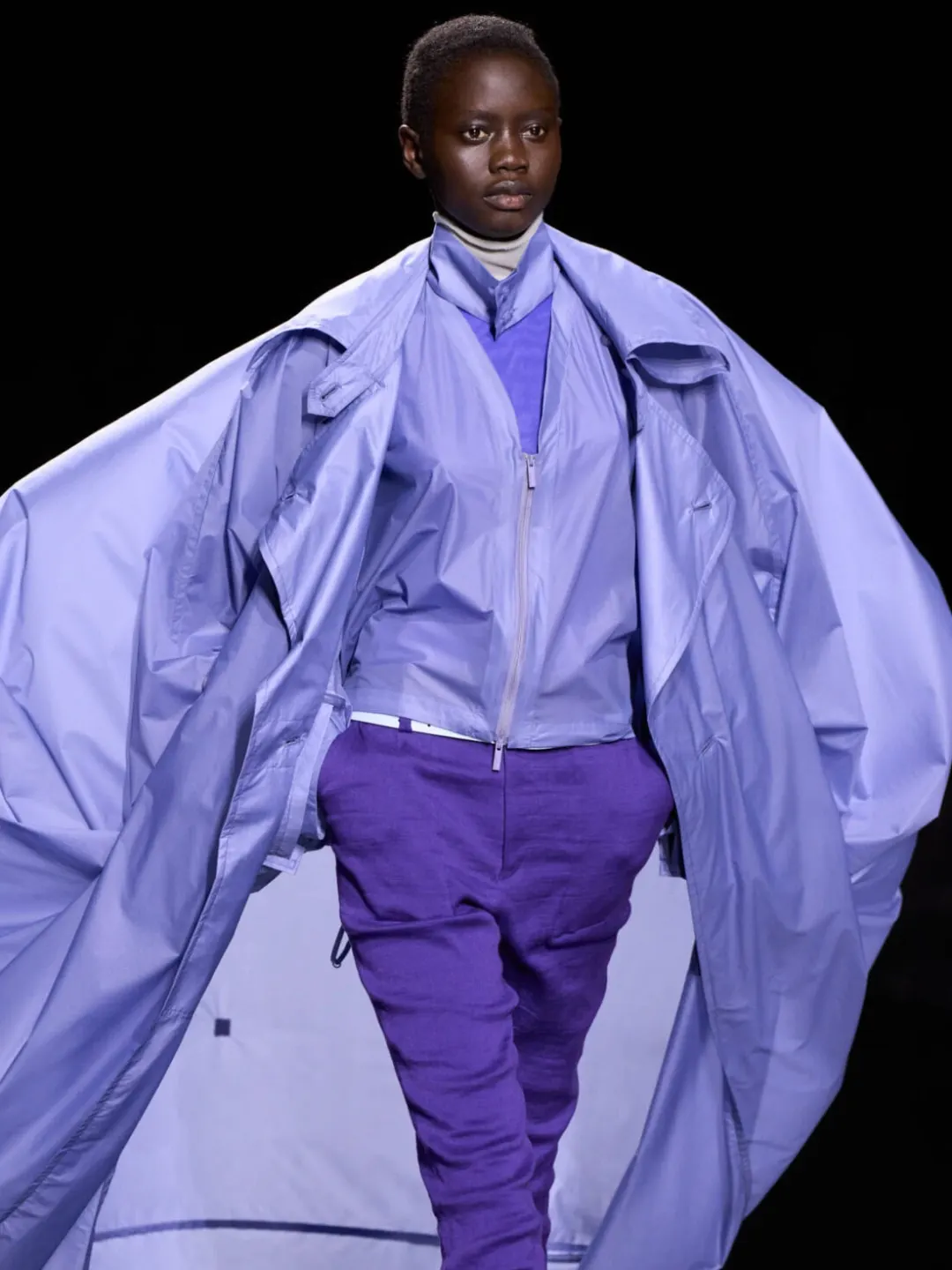
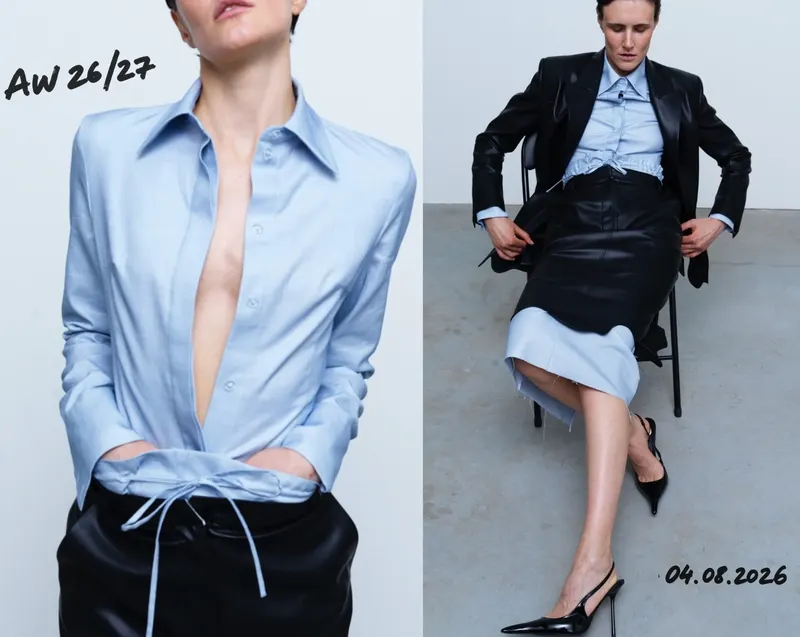
The calendar says nine to five, but the wardrobe has other plans. Office wear takes a creative turn through twisted tailoring, vivid colour and daring silhouettes.
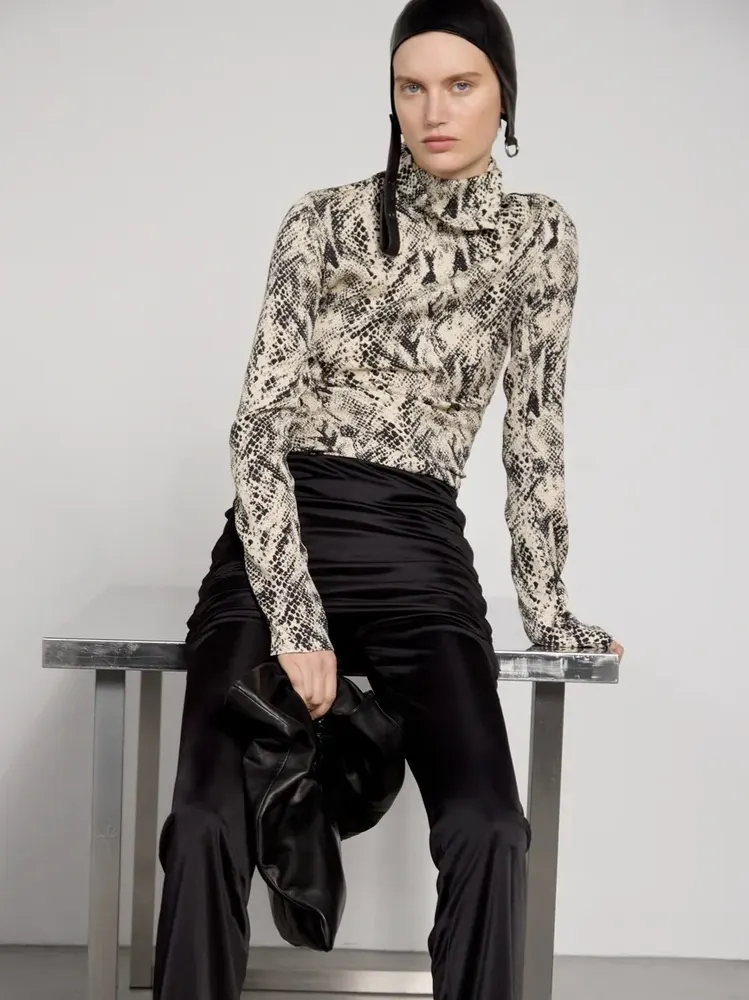
Office Wear Is Breaking the Dress Code
The calendar says nine to five, but the wardrobe has other plans. Office wear takes a creative turn through twisted tailoring, vivid colour and daring silhouettes.
October 20, 2026
Advertisement
Advertisement


Who decided that a serious career requires a serious-looking wardrobe too? Somewhere between the morning commute and the first meeting, professional dressing has become an interesting opportunity for personal expression. A sculptural jacket can command attention in the boardroom, an asymmetric skirt can transform familiar tailoring, and a beautifully unusual shirt can give an ordinary working day a surprising fashion moment.
Contemporary office wear is embracing that creative freedom through the imagination of independent designers. Across Kyiv, Vienna, Tokyo, London and Copenhagen, established wardrobe conventions provide the starting point for experiments in construction, volume and fabric. The blazer remains a symbol of authority, while its silhouette becomes a fascinating subject of reinvention.
GUDU: Power Dressing With a Dark Side
Founded in 2015 and led by Georgian designer Lasha Mdinaradze, Kyiv-based GUDU approaches clothing through the dramatic precision of theatrical costume and sculptural tailoring. Its Fall/Winter 2026–27 collection, Inside the Silhouette, turns the traditional language of power dressing into an investigation of the body's architectural form.
Presented at Moldovan Brands Runway, the collection emphasizes power shoulders, sculpted waists and exaggerated proportions around the hips. Tailored jackets establish powerful geometric outlines, while transformable coats introduce volume through intricate construction. Exposed seams and structural elements reveal the engineering beneath the garments, turning techniques associated with tailoring into visible design features.
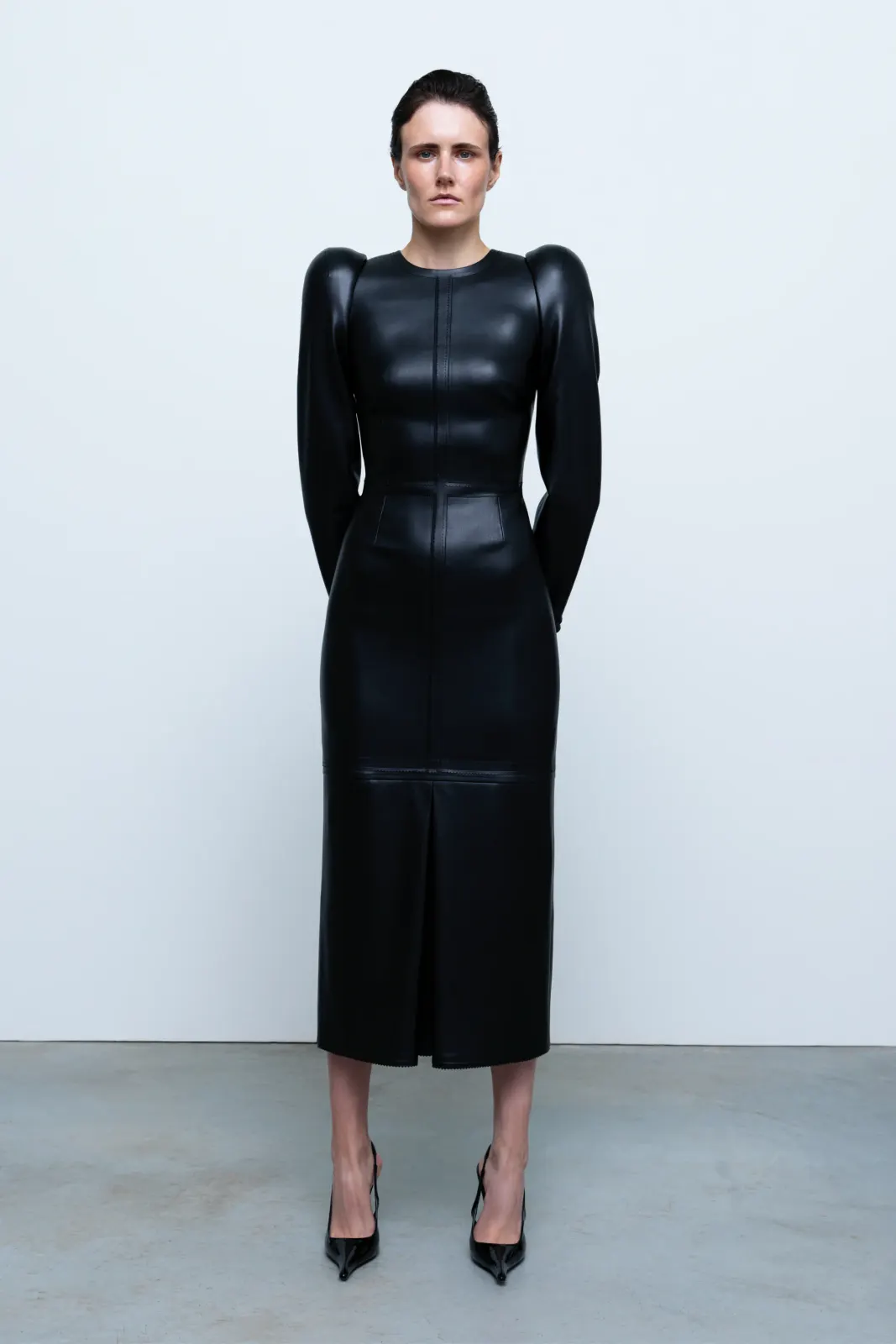
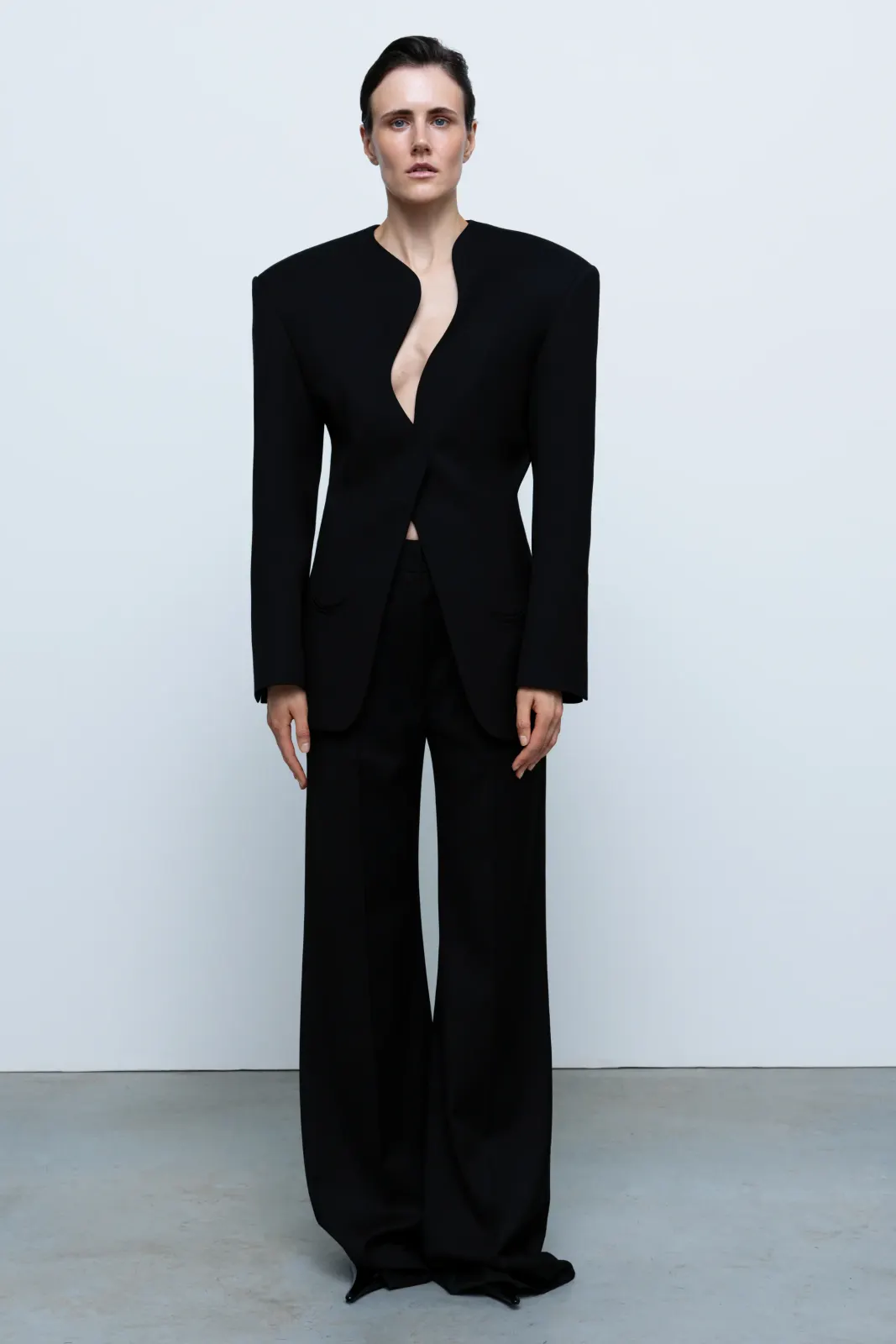
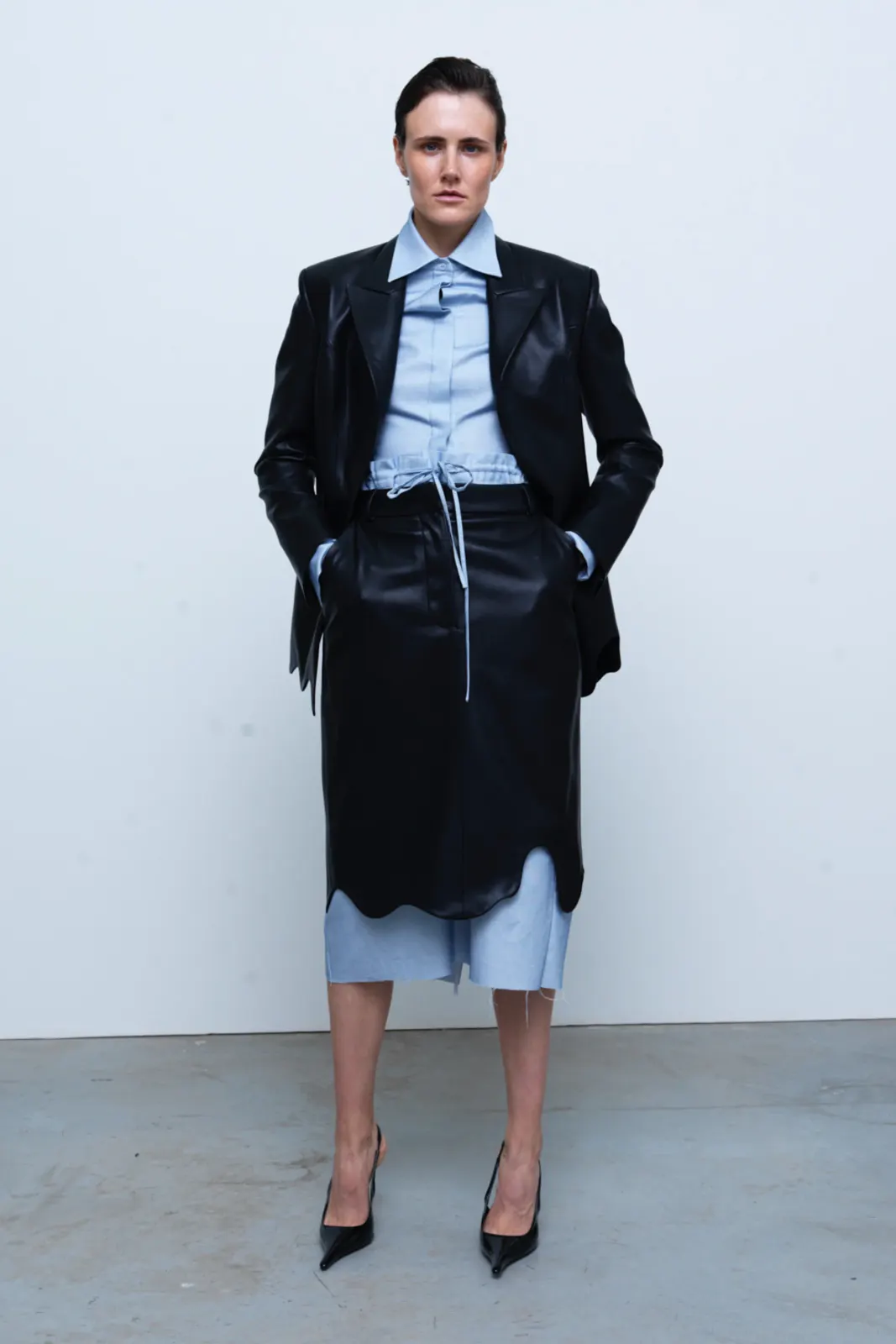
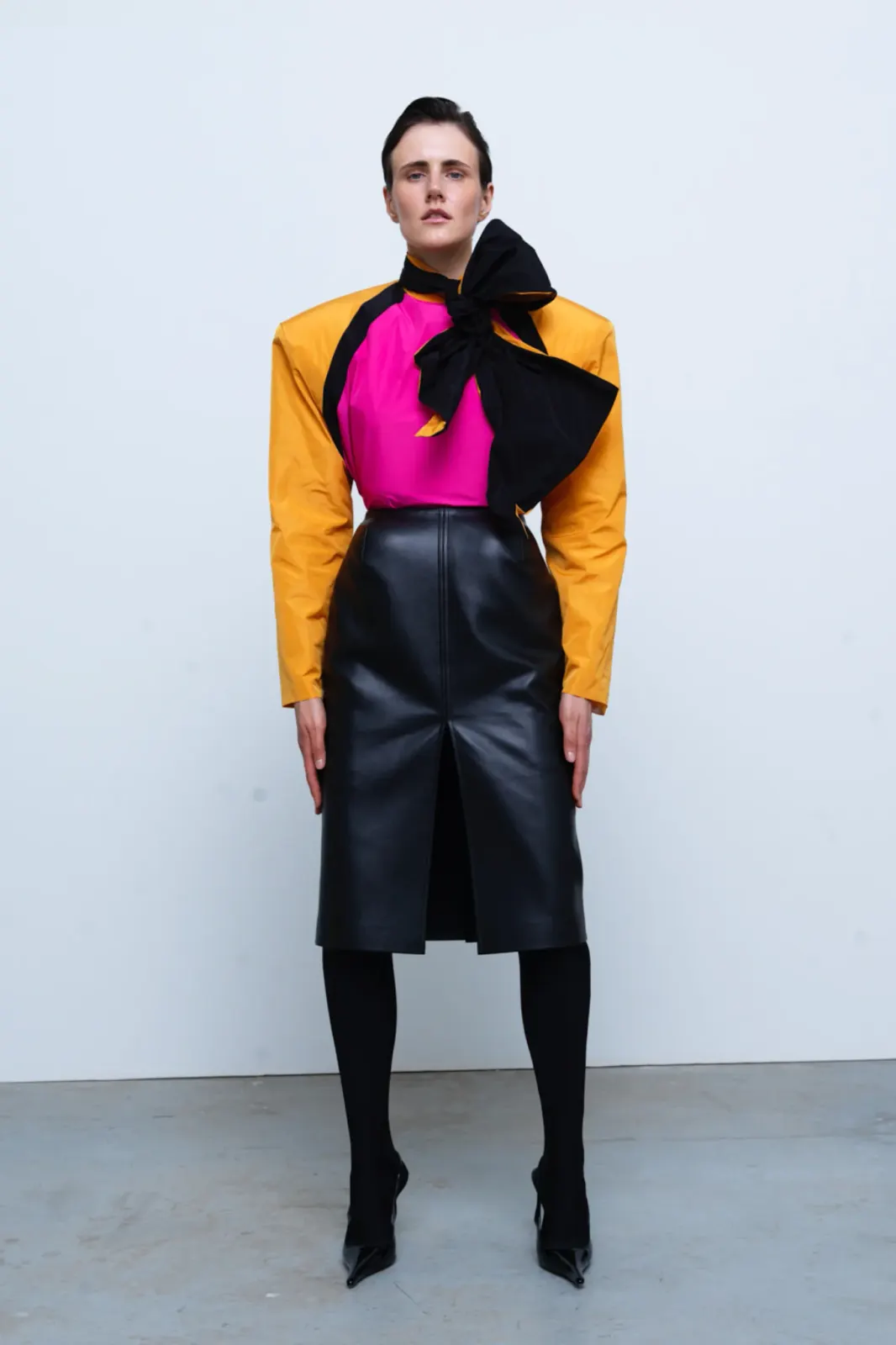
Leather plays a prominent role, appearing alongside oversized silk chiffon blouses that soften the collection's commanding silhouettes. Metallic fabrics, dramatic colour blocking and deep tones of black, blue and red reinforce its neo-Gothic character.
GUDU proposes an interpretation of office wear rooted in the theatrical possibilities of authority. A striking leather ensemble or angular jacket communicates confidence through the deliberate manipulation of shape, bringing an unconventional presence to the professional wardrobe.
LITKOVSKA: The Beauty of an Unfinished Suit
Ukrainian designer Lilia Litkovska has cultivated an aesthetic where traditional tailoring meets the visual language of deconstruction. Since founding LITKOVSKA in 2009, she has developed a recognizable approach to garment construction through architectural cutting, asymmetric forms and deliberately unfinished details.
Her Fall/Winter 2026–27 collection, FIREFLY, marked the house's first appearance on the official Paris Fashion Week runway calendar. Inspired by winter in Kyiv during power outages, the collection explores the endurance of human creativity through clothing.
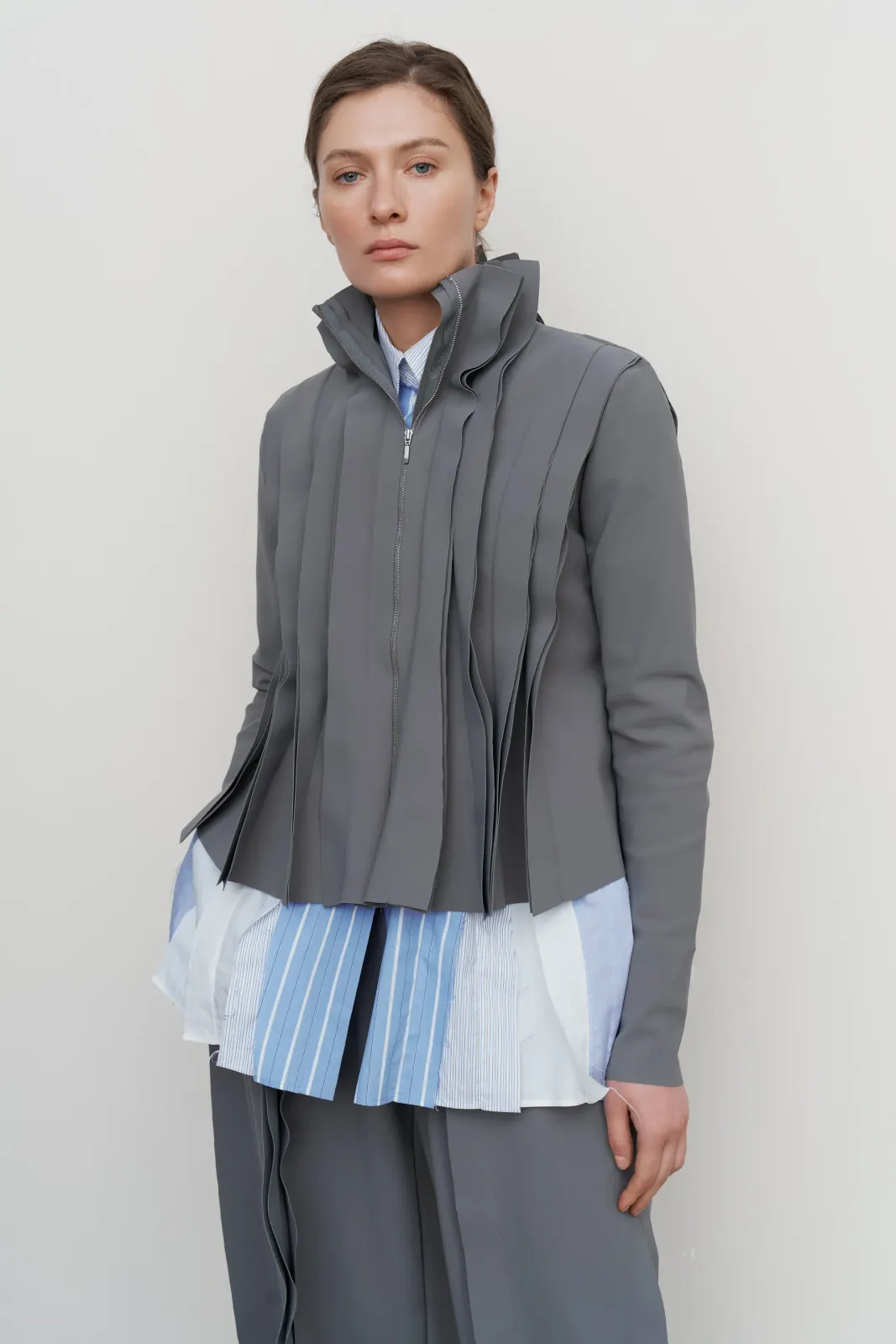
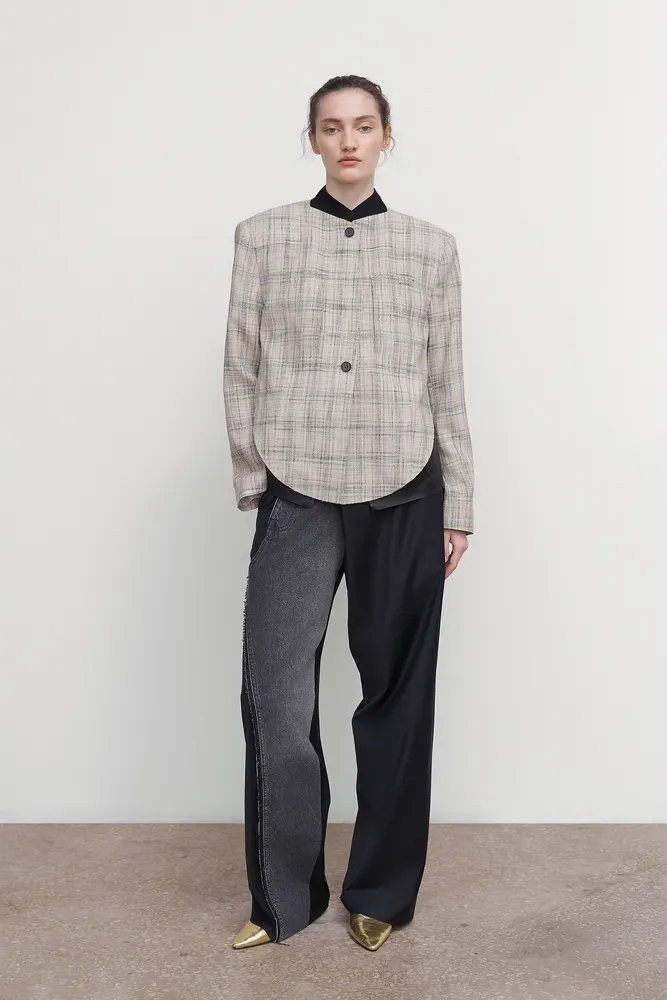
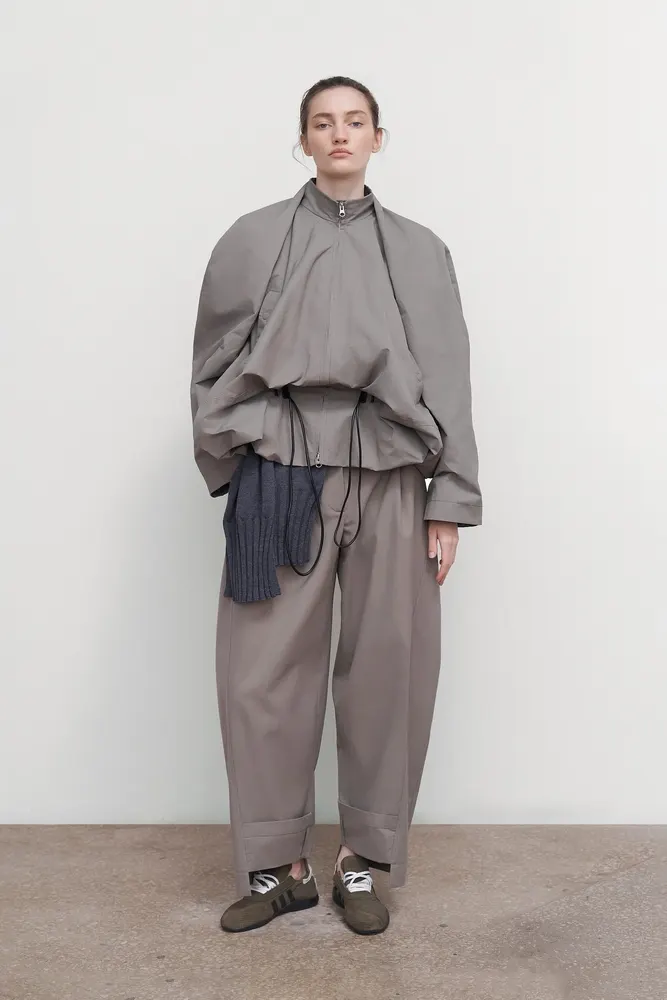
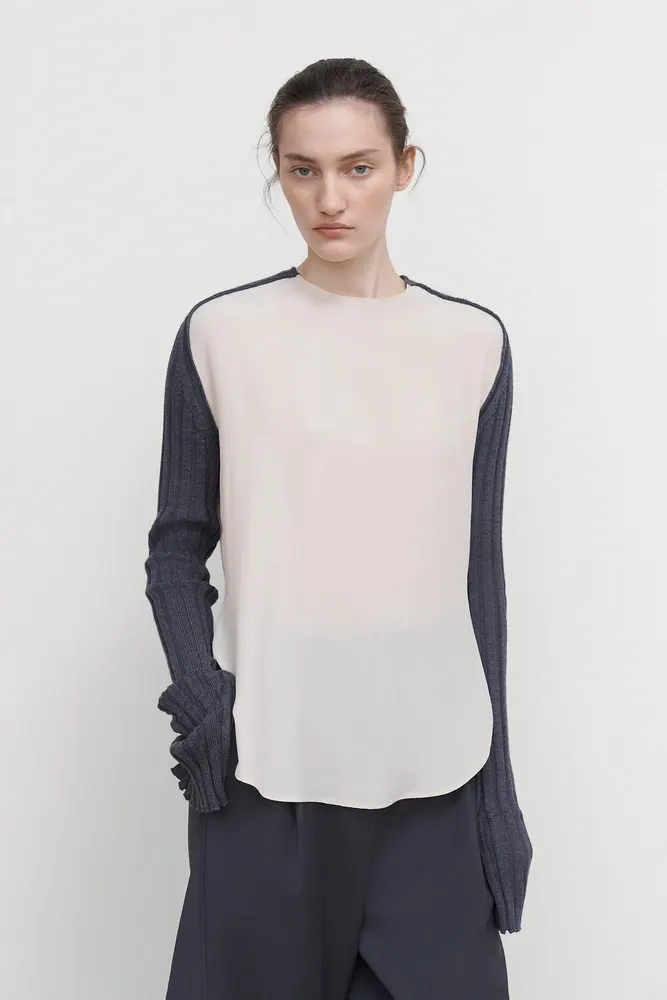
Architectural jackets feature irregular proportions, while layered constructions allow garments to shift around the body. Flowing lines interrupt structured outlines, and unfinished edges draw attention to the process of making clothes. References to Ukrainian Baroque introduce historical complexity into the silhouettes, connecting contemporary experimentation with cultural craftsmanship.
The collection's shifting volumes create an impression of garments evolving with the wearer. A tailored jacket becomes an artistic composition of panels, folds and exposed construction, giving familiar professional pieces an expressive identity.
Within contemporary office wear, LITKOVSKA introduces an appreciation for the garment's internal architecture. The technical vocabulary of tailoring becomes a form of visual storytelling, carrying the designer's cultural perspective into everyday dressing.
Petar Petrov: The Executive Has a Wild Streak
Vienna-based designer Petar Petrov approaches womenswear with a rigorous understanding of menswear construction. His Fall/Winter 2026 collection explores the relationship between practical dressing and sensuality, drawing inspiration from aviation and the pioneering spirit associated with Amelia Earhart.
The collection's narrow silhouettes reflect an interest in streamlined proportions. Dresses wrap and twist around the body through carefully developed patternmaking, creating movement across the fabric. Generously cut trousers feature crisp pleats and subtly asymmetric closures, introducing complexity into familiar sartorial shapes.
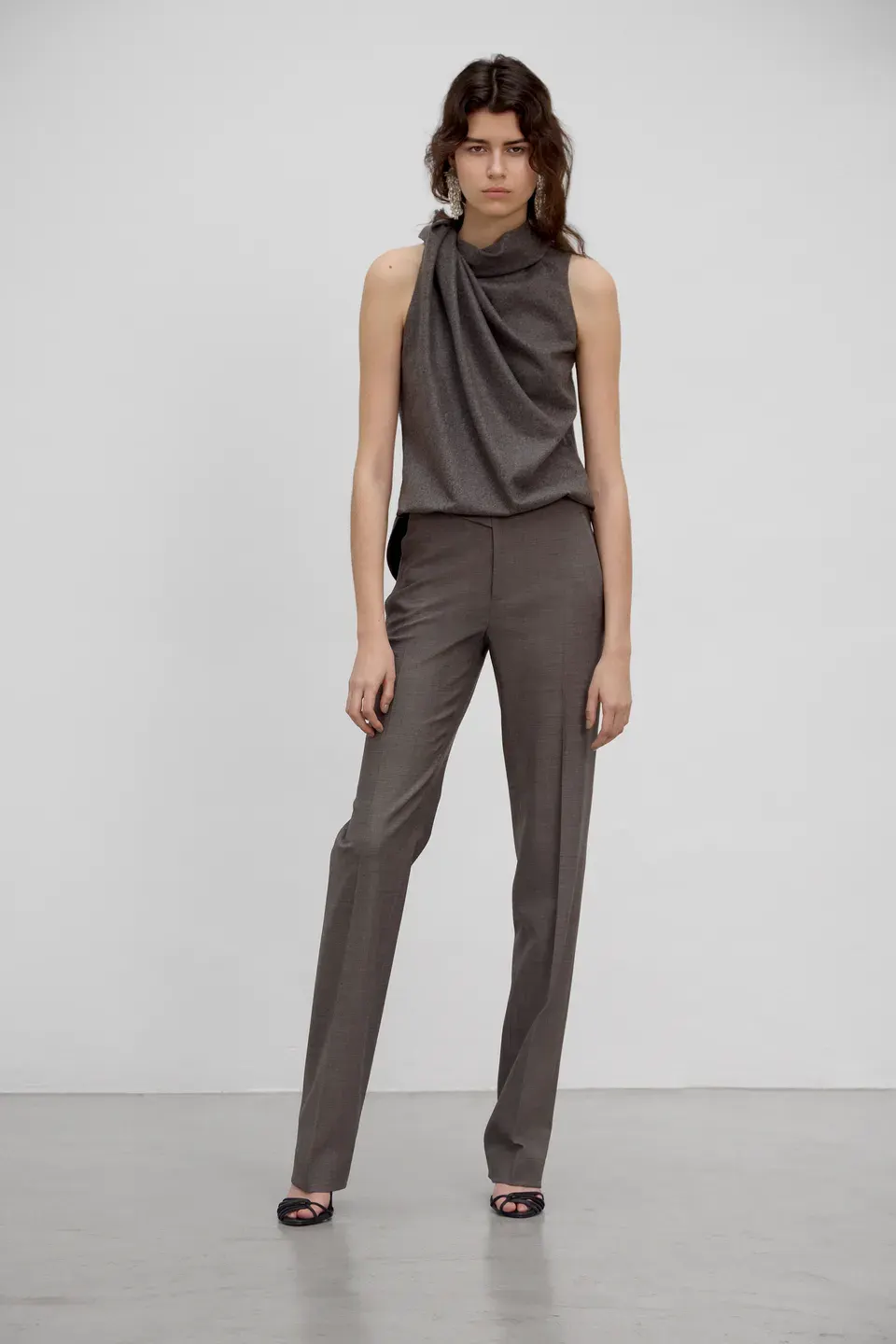
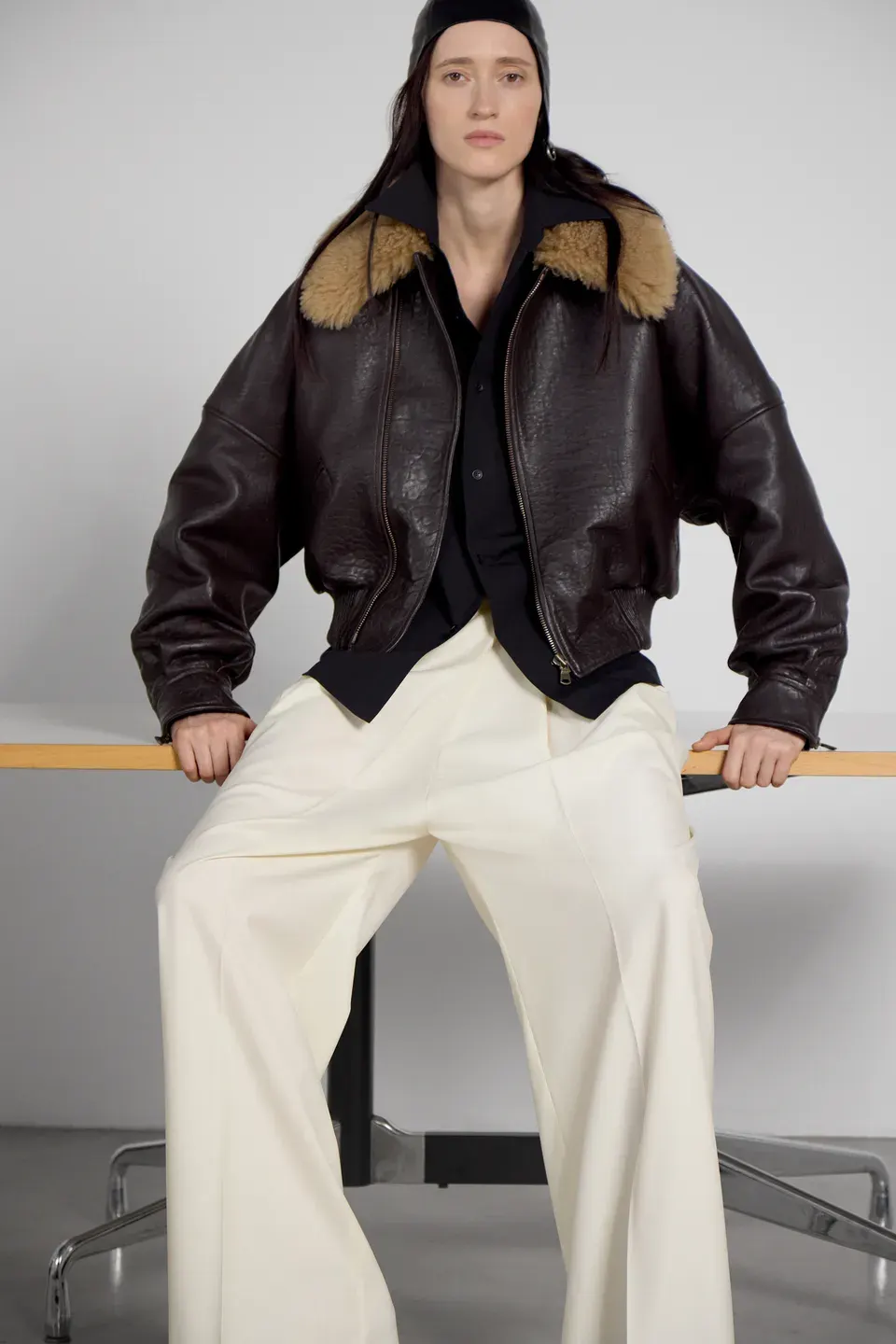
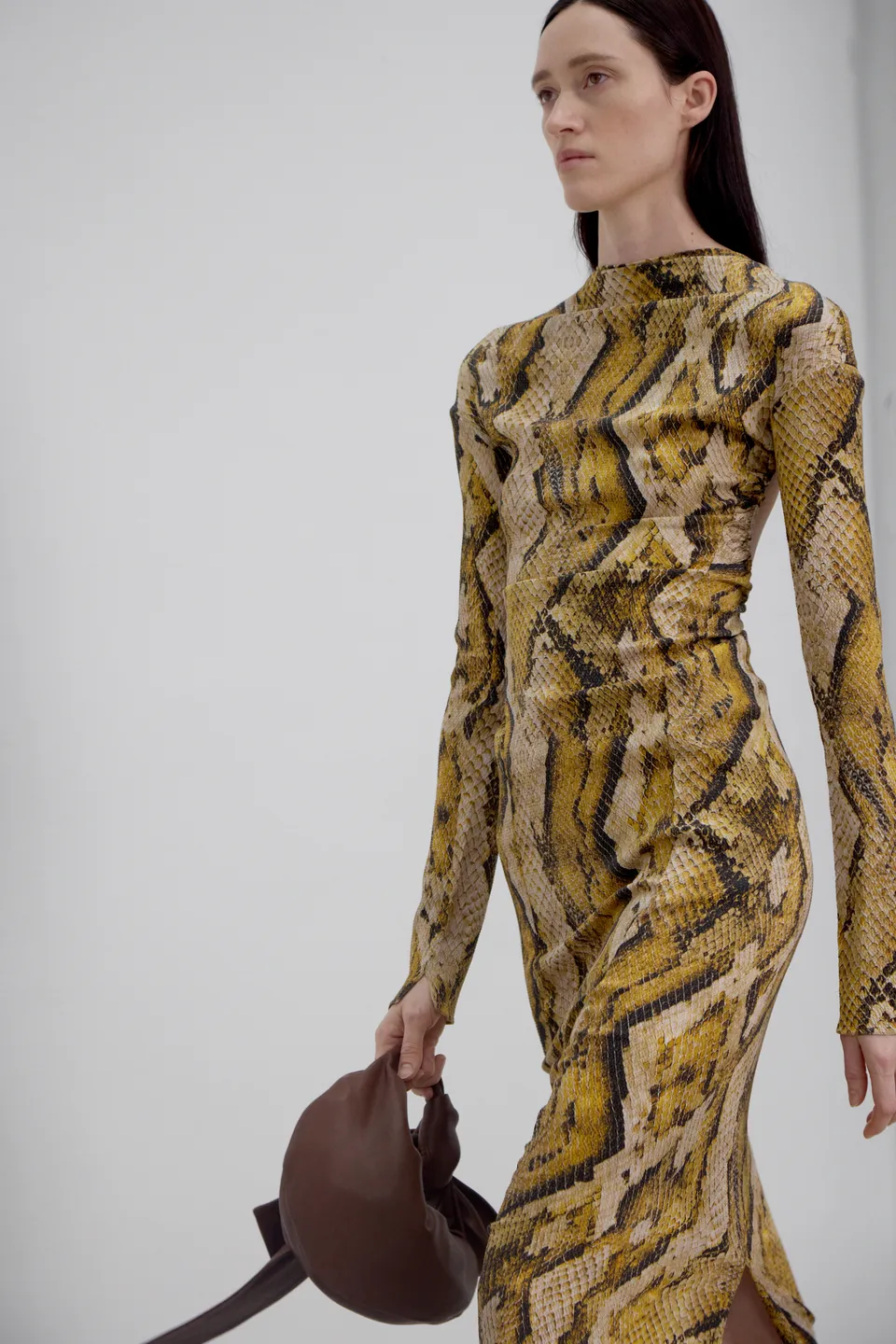
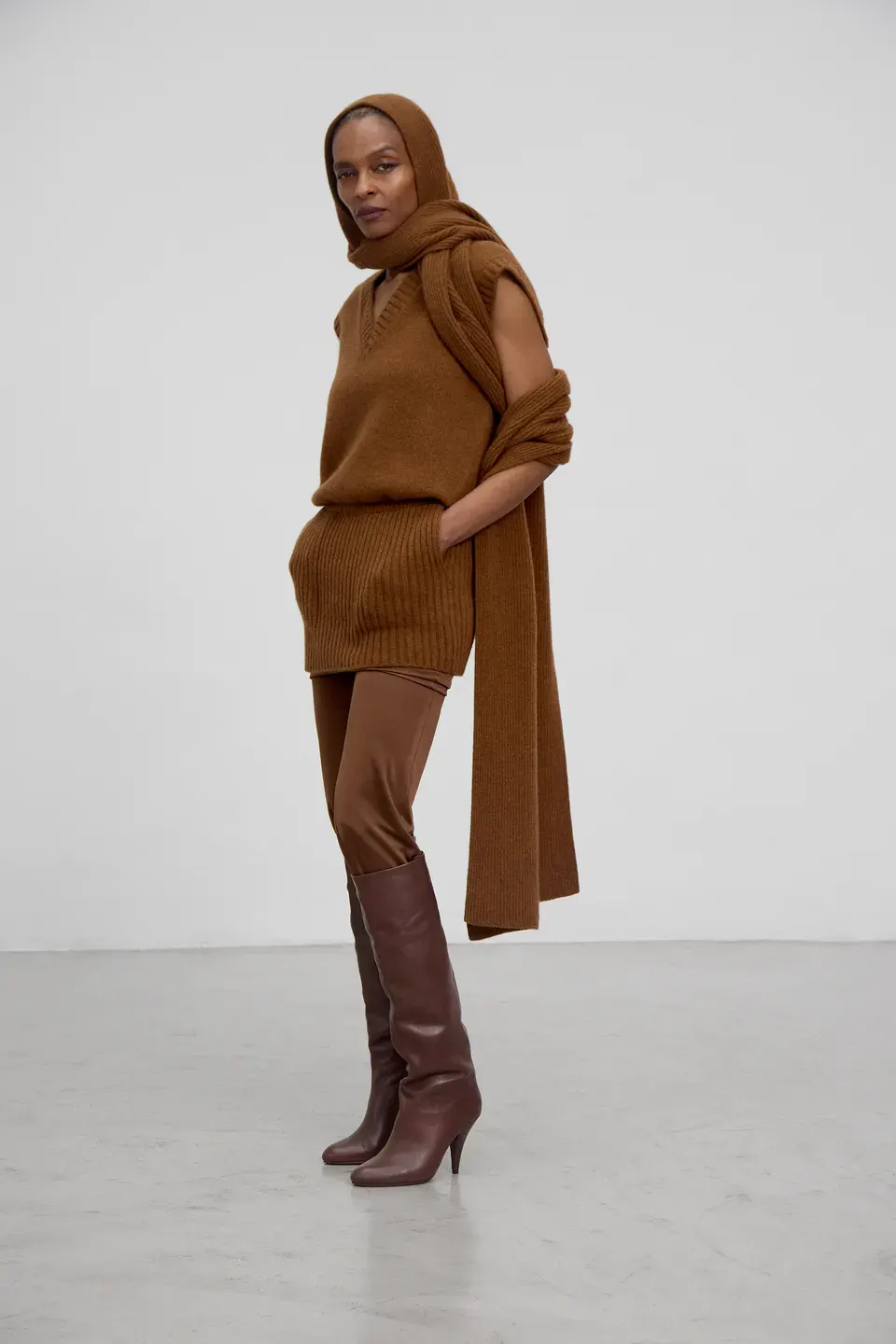
Leather provides an important material foundation. Lightweight aviator jackets incorporate smocking around the waist, allowing the supple material to gather into controlled volume. Unwashed Japanese denim also appears in the collection, including cocoa-brown jeans that establish a distinctive connection between utility and luxury.
AKIKOAOKI: The Office Wear Uniform Gets Strange
Uniforms have long fascinated Japanese designer Akiko Aoki, whose Tokyo-based label transforms familiar dress codes through conceptual construction and unexpected proportions. Her fascination with clothing's relationship to social expectations gives professional dressing an especially interesting dimension.
For Fall/Winter 2026, AKIKOAOKI develops its distinctive vocabulary of unusual silhouettes, layered garments and reconstructed forms. Tailored outerwear, elongated shapes and carefully arranged layers create visual tension around the body, while elements associated with formal dressing appear in unconventional compositions.
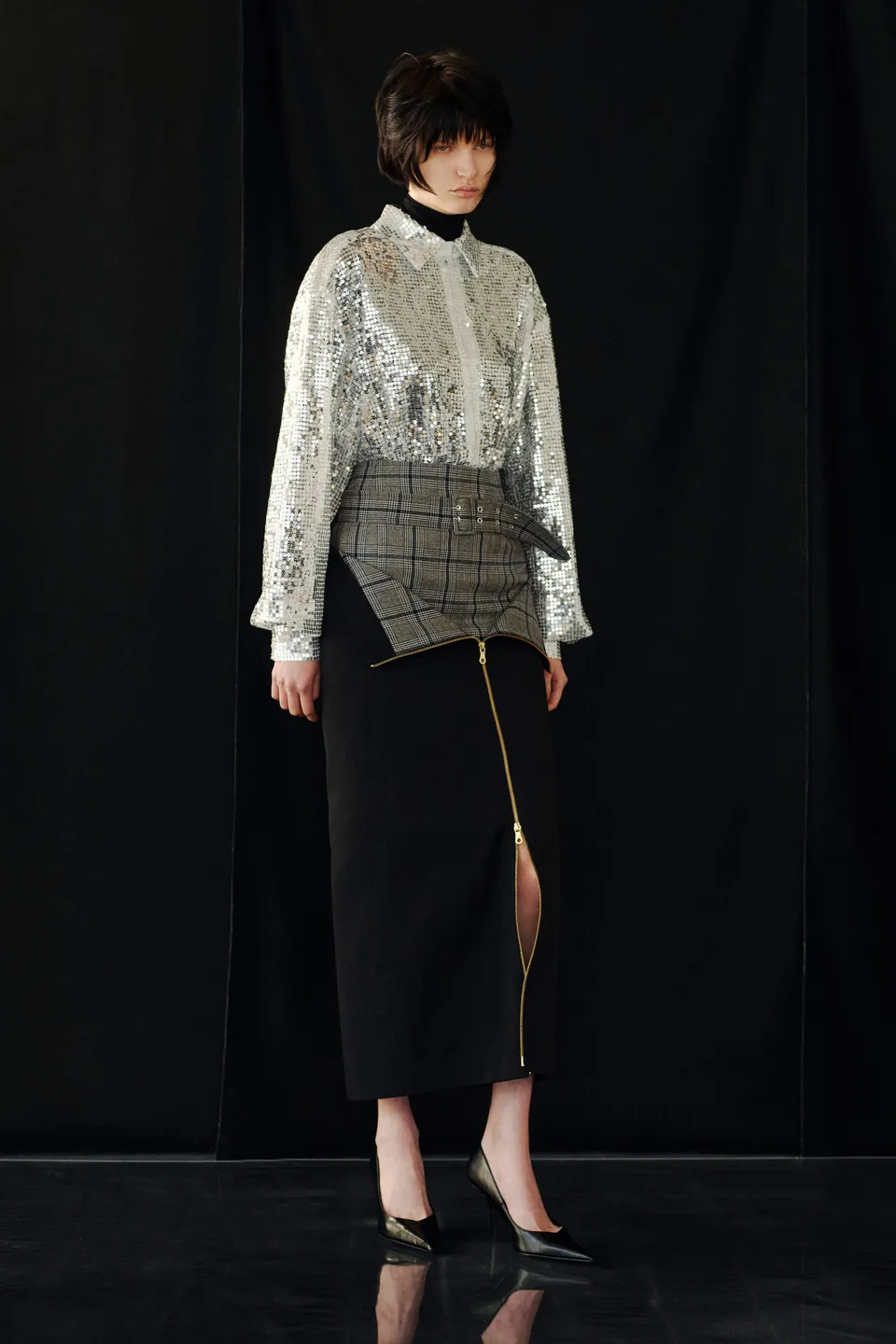
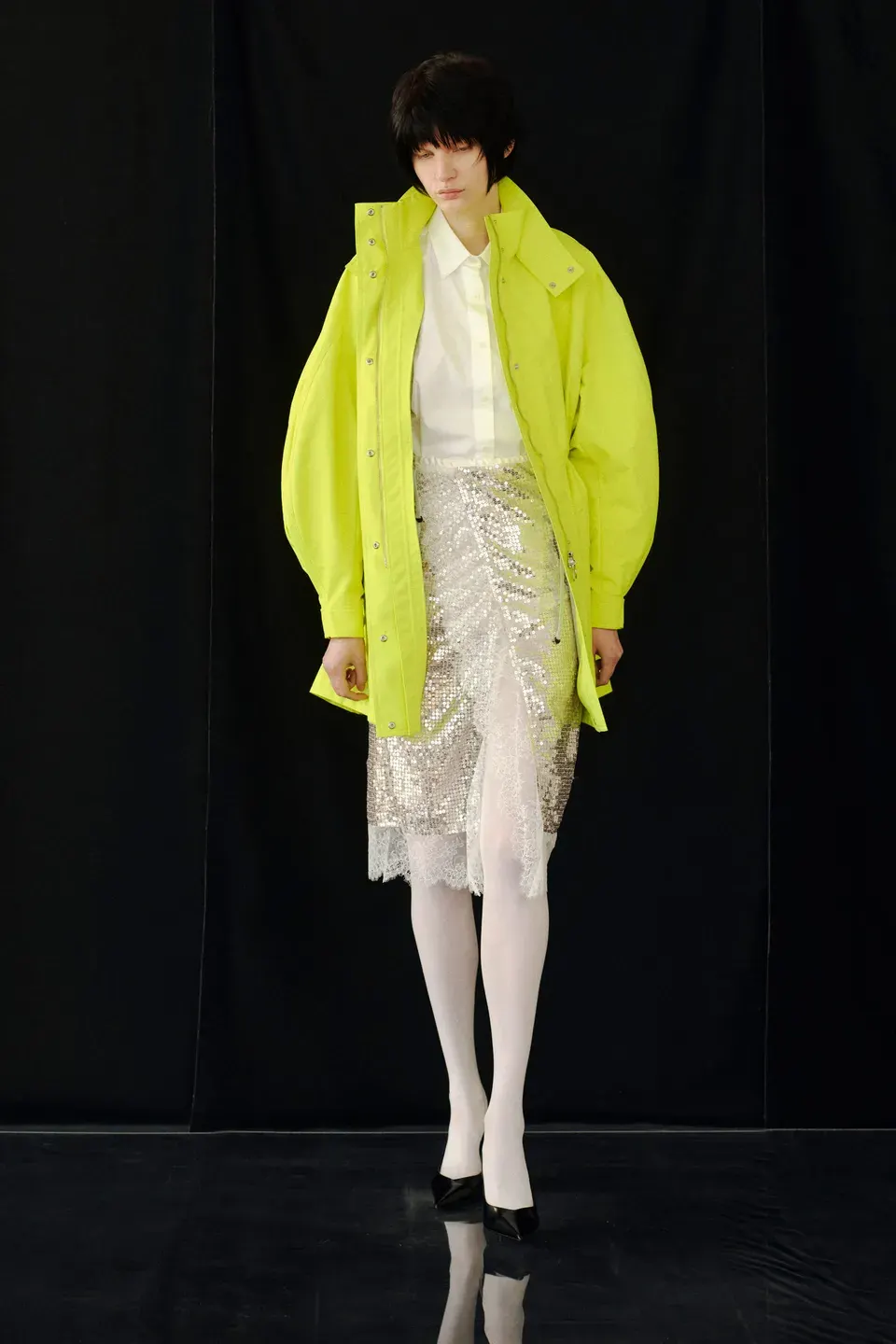
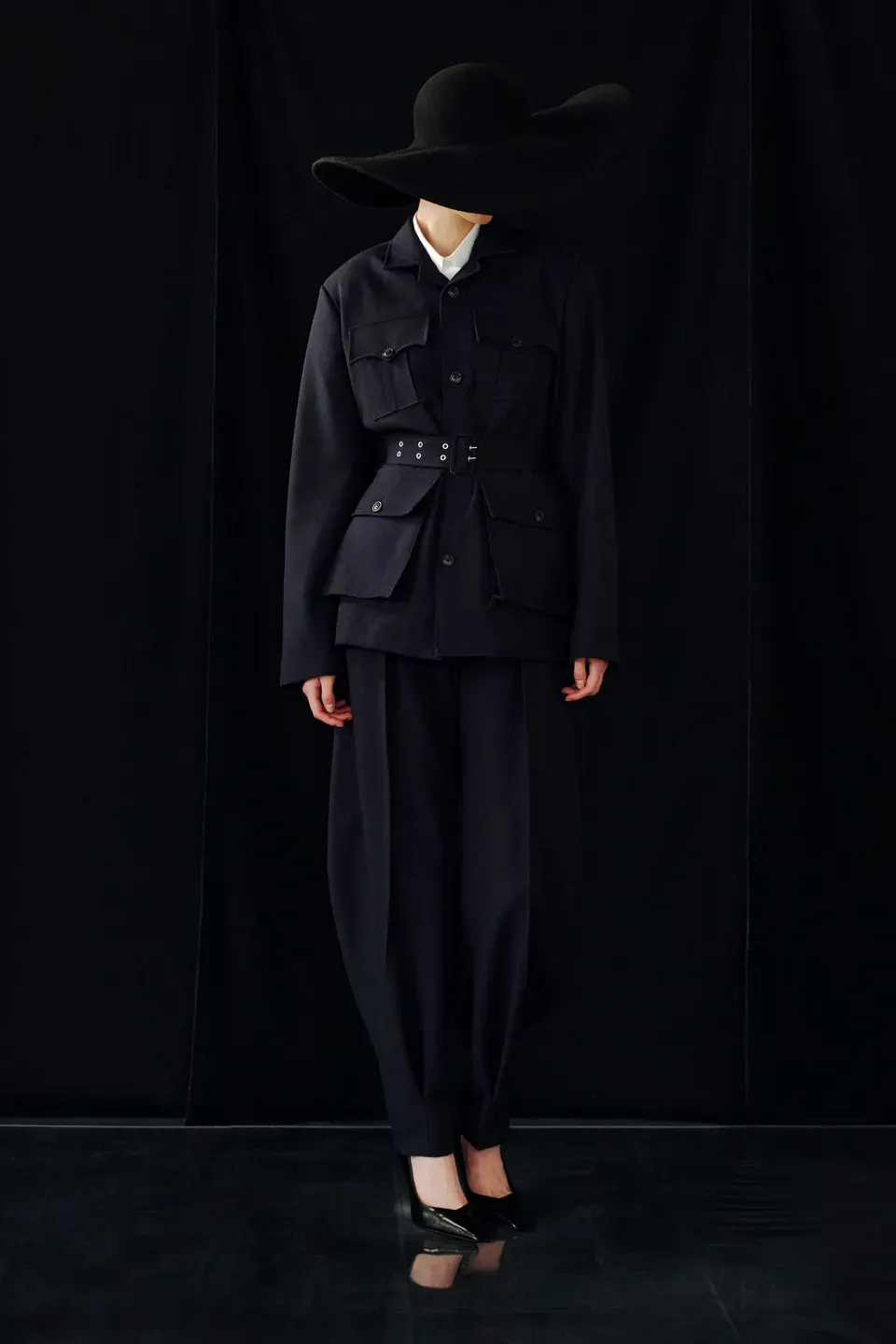
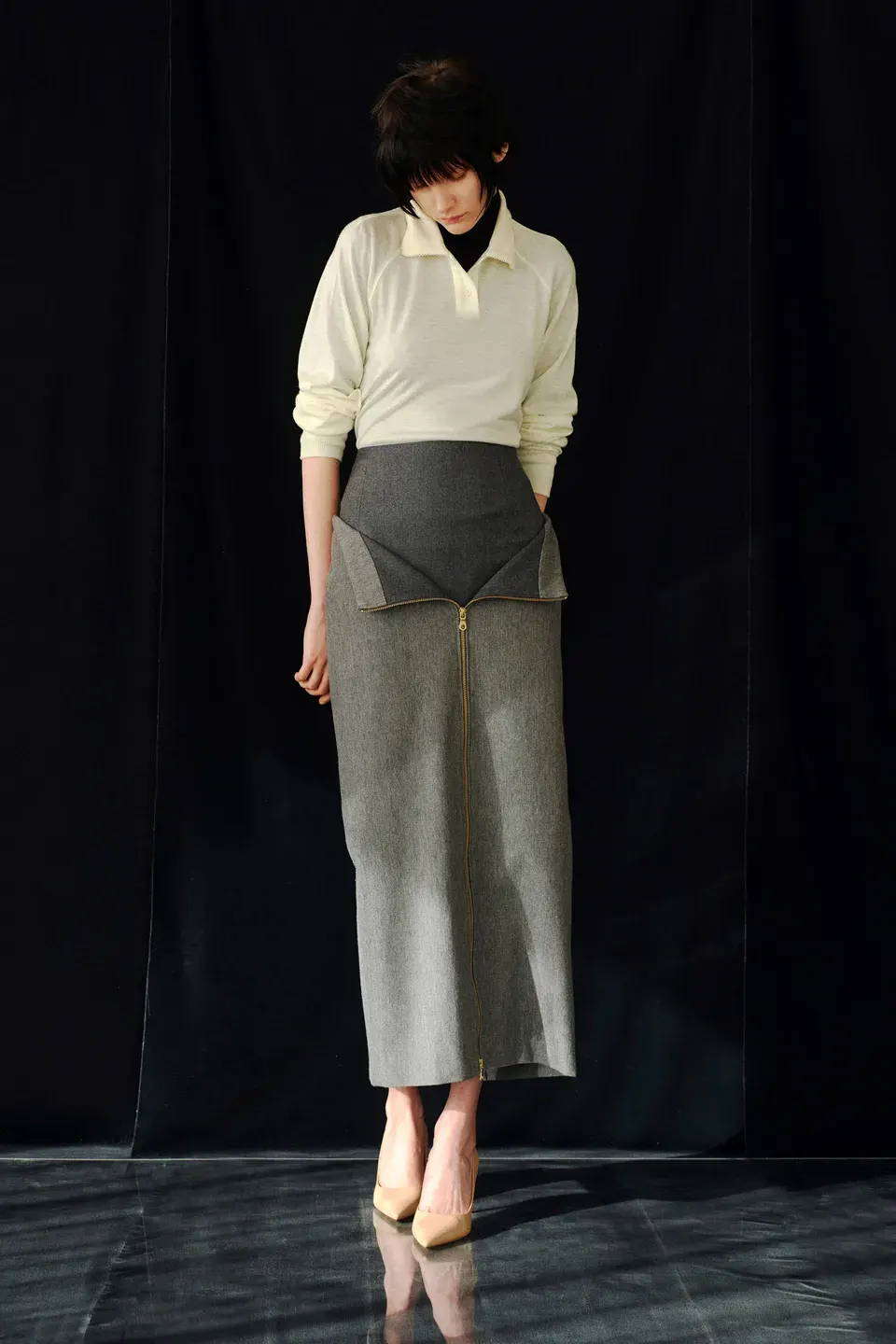
The designer's approach encourages attention to the structure of everyday clothing. A collar can alter the appearance of an entire ensemble, while an unexpected overlap or displaced volume changes the relationship between the garment and the wearer. The collection's outerwear and dress constructions demonstrate the expressive possibilities of proportion and layering.
A.W.A.K.E. Mode: The Boardroom Has Gone Surreal
At A.W.A.K.E. Mode, designer Natalia Alaverdian has developed a distinctive fascination with familiar garments appearing in unexpected configurations. Her Fall/Winter 2026 collection draws upon late-1990s power dressing and equestrian clothing, combining sartorial references through ingenious patternmaking.
Traditional riding jackets acquire sculptural proportions, while skirts incorporate unexpected structural details. An upside-down polo skirt and jacket demonstrate the designer's interest in garment inversion, transforming familiar elements into unusual compositions. Collar shapes and asymmetric cutting introduce playful architectural details into the collection.
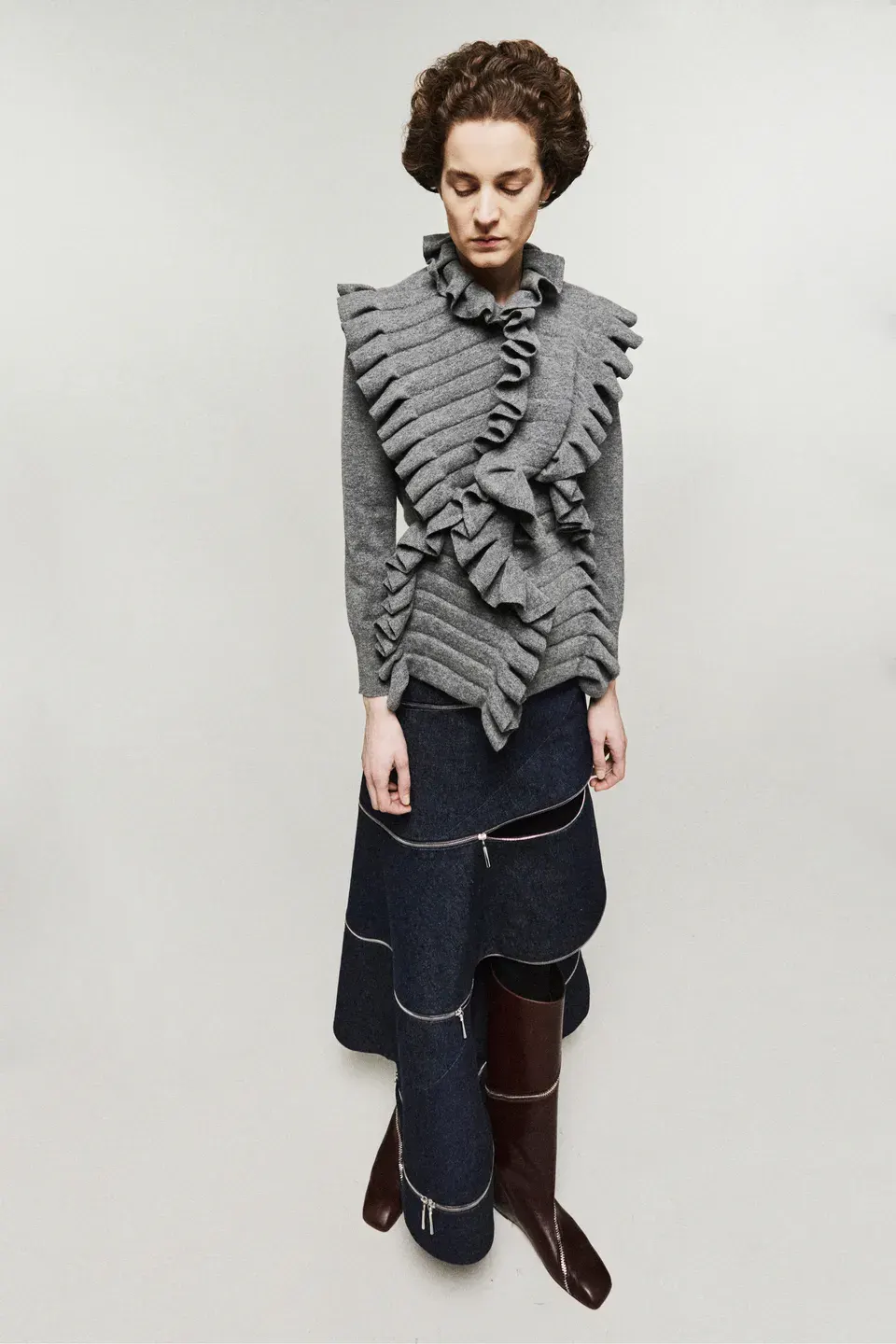
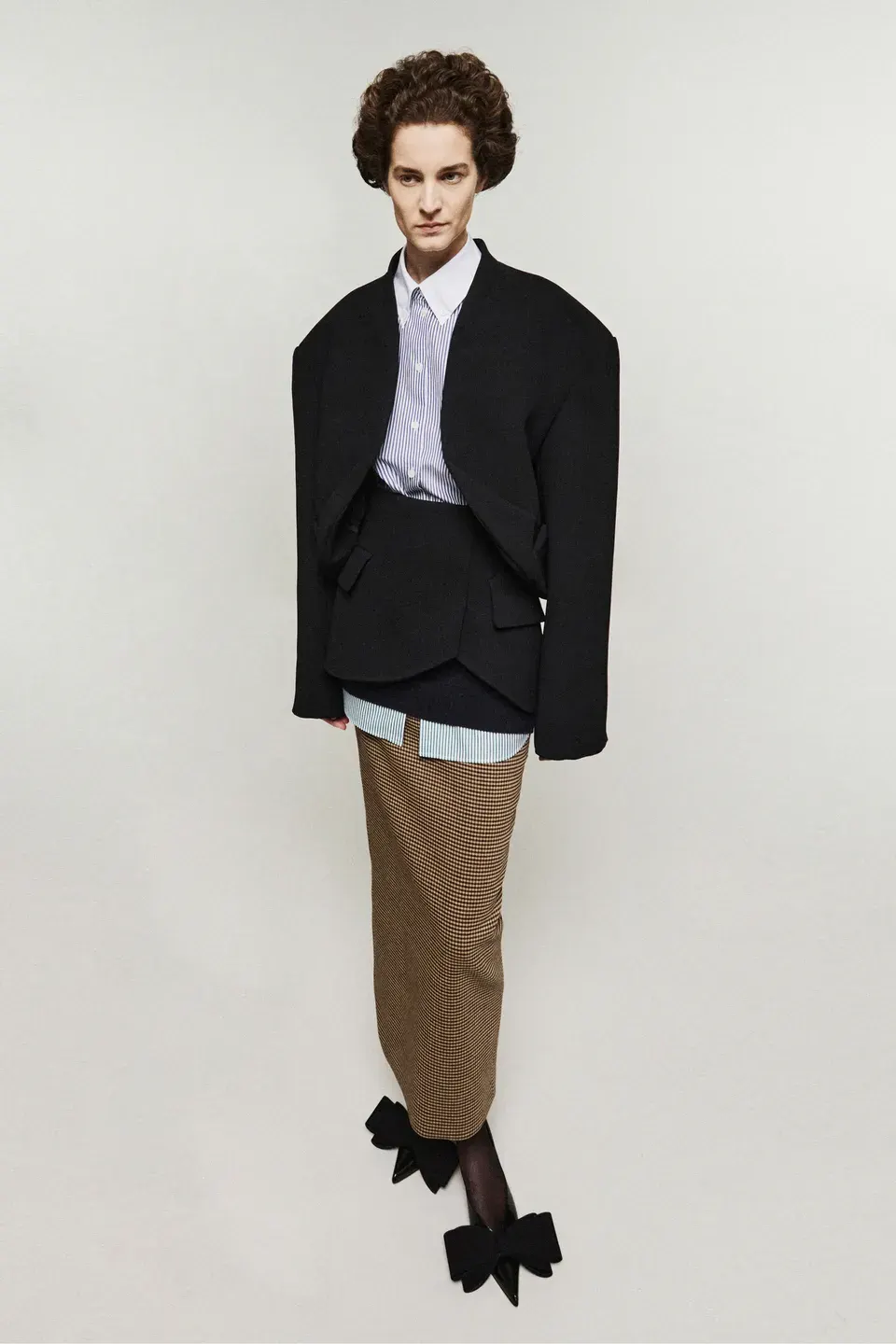
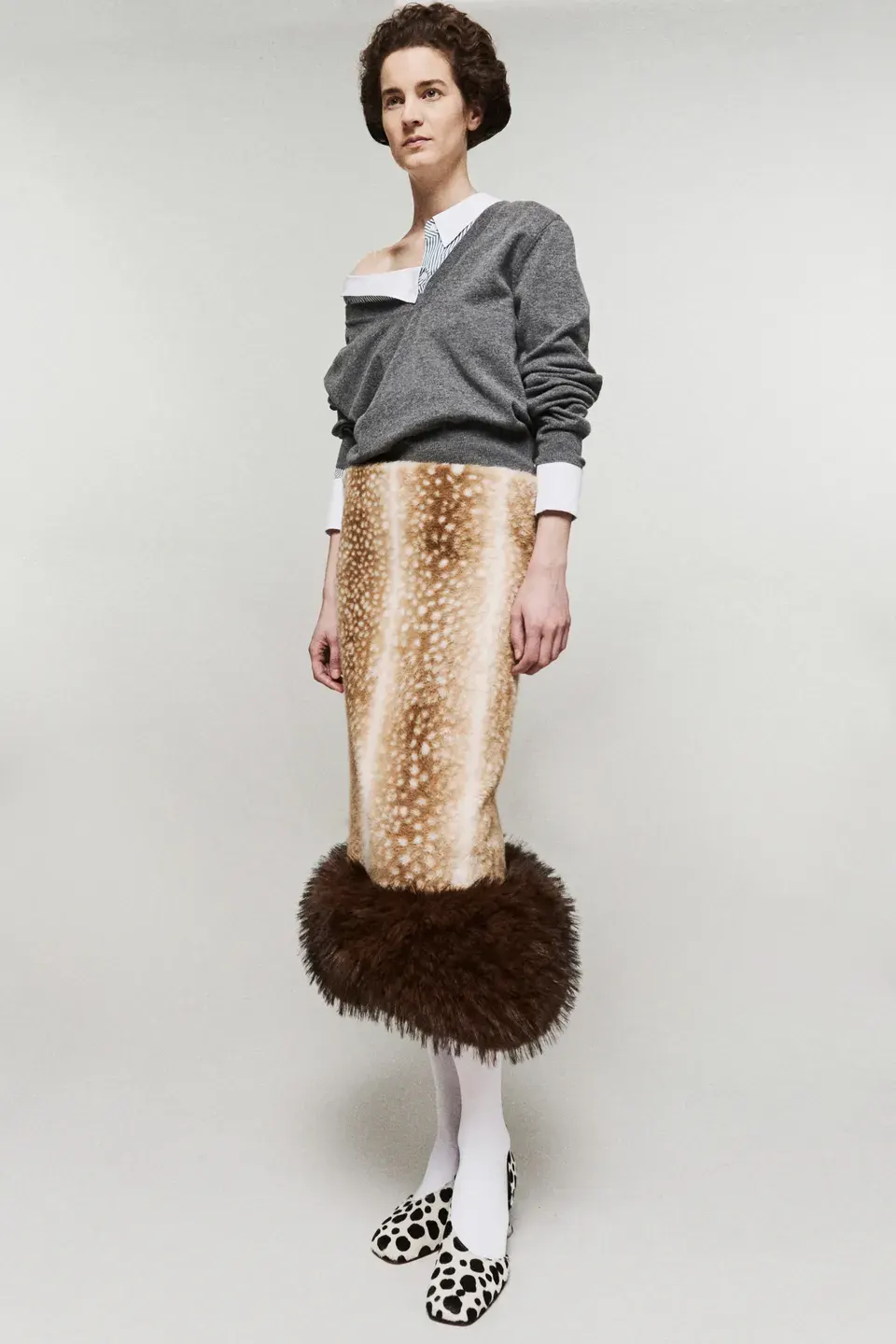
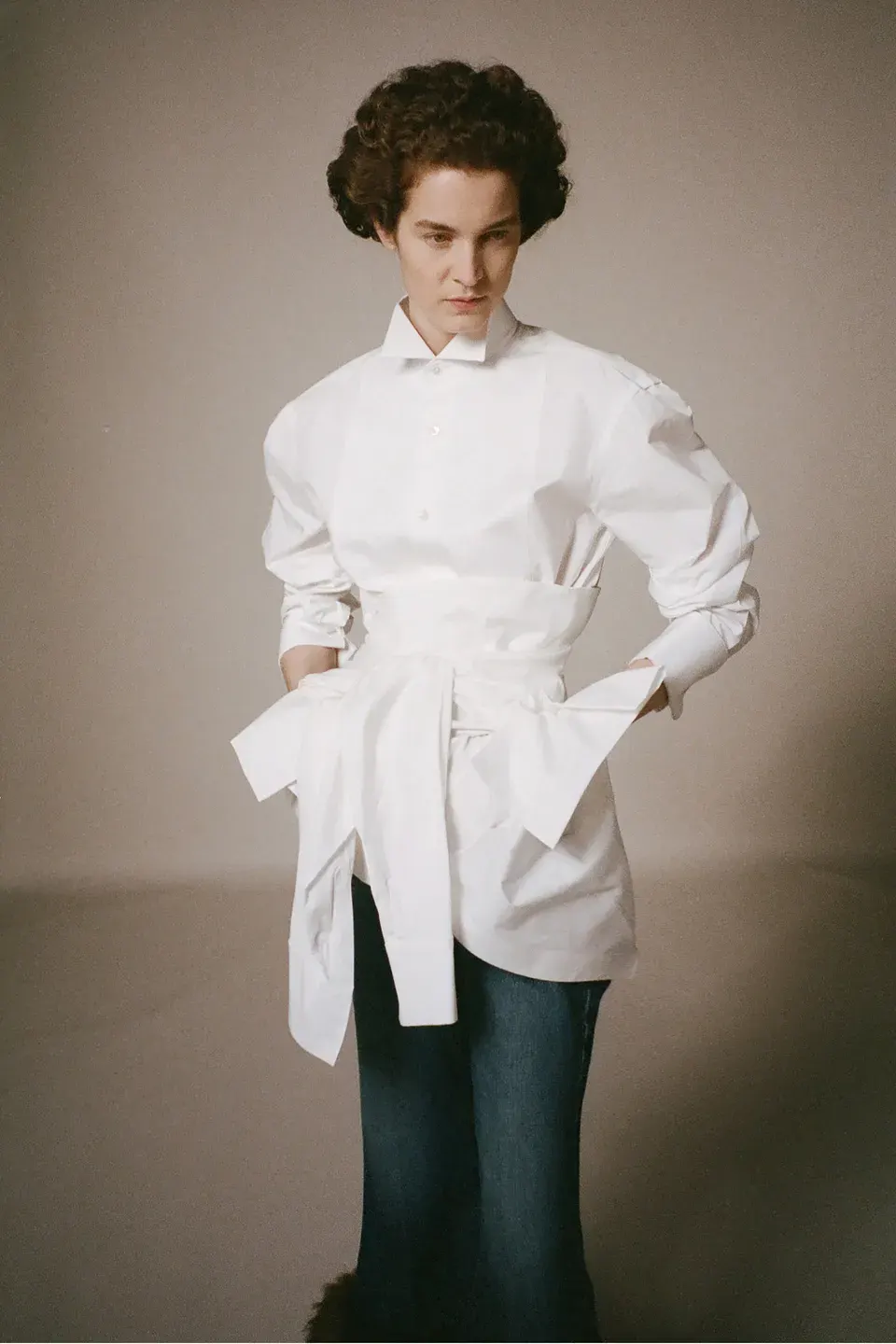
A tailored tan riding jacket appears with a bright red sweater and back-to-front denim, creating a striking interplay of formal construction and experimental styling. Elsewhere, cotton poplin, denim and faux-fur accents contribute distinct textures to the collection's altered silhouettes.
Nicklas Skovgaard: Corporate Dressing in Technicolor
Copenhagen-based designer Nicklas Skovgaard brings an exuberant imagination to tailoring, drawing inspiration from historical fashion, theatrical performance and experimental textile construction. His Fall/Winter 2026 collection takes inspiration from Danish actress Marguerite Viby, particularly her ability to inhabit different personalities in the 1930s film Mille, Marie og mig.
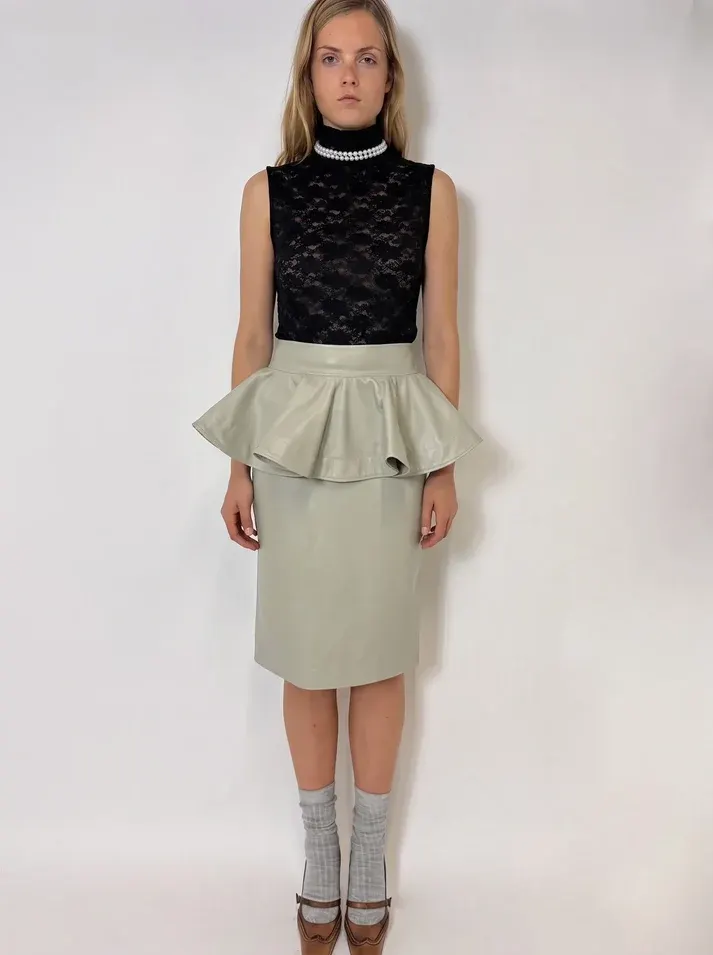
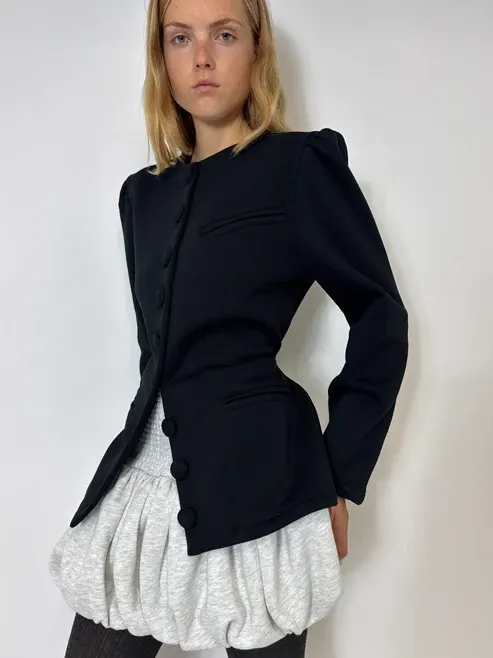
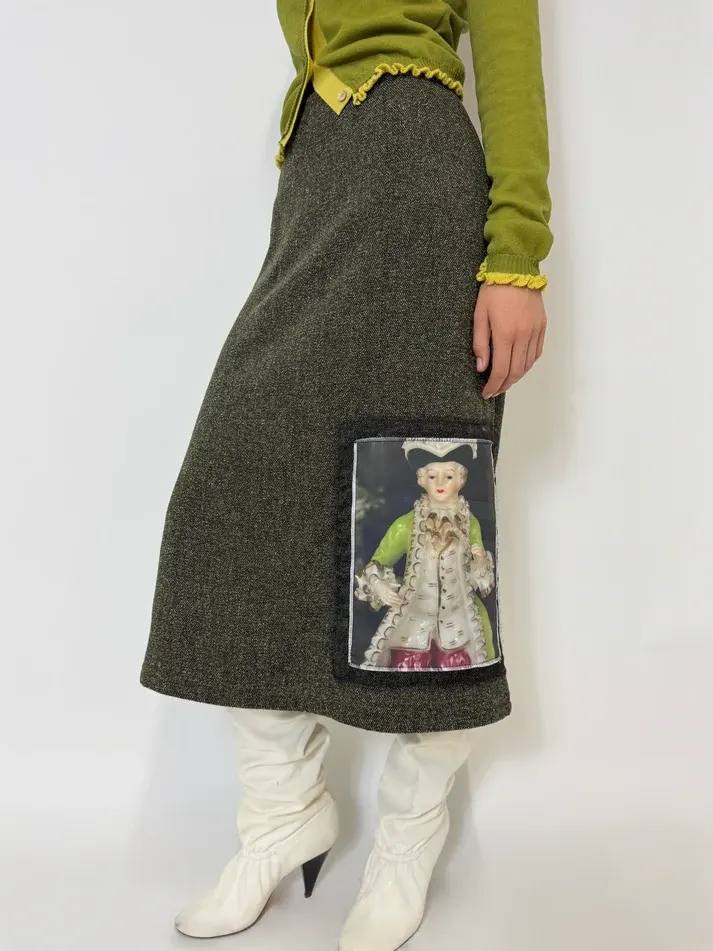
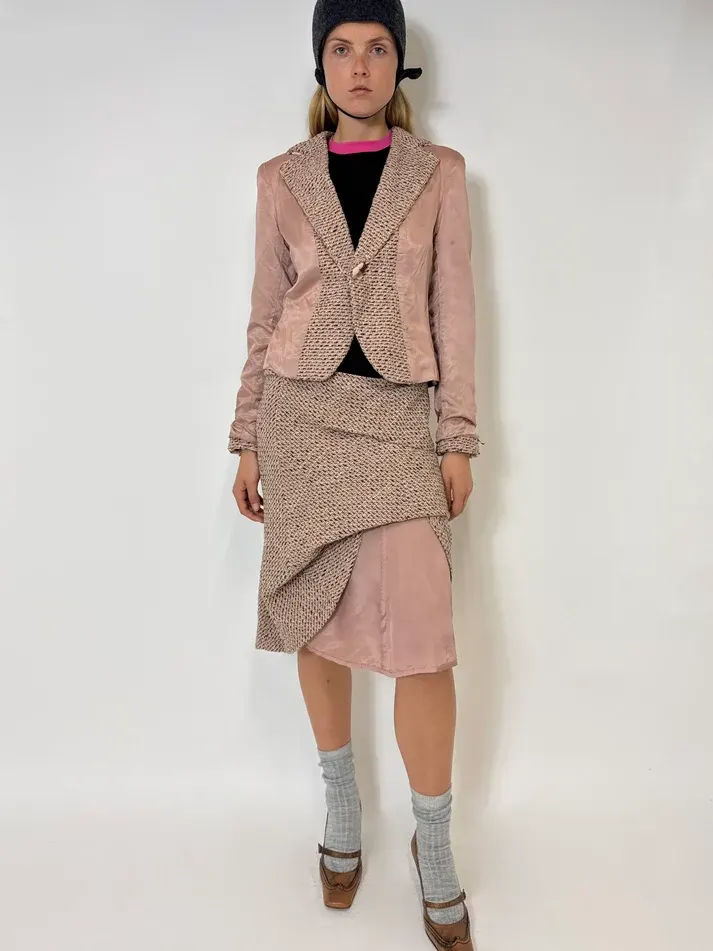
Heavy boiled wool lends architectural structure to delicate dress shapes, while gauzy fabrics and satin introduce fluidity. Leather peplums accentuate the waist, and pleated textiles contribute movement and dimension. Skovgaard also introduces fine double-layered cardigans and knitted T-shirts, extending his experimental vocabulary into practical wardrobe essentials.
Skovgaard's interpretation of office wear celebrates professional women with an appreciation for vintage glamour and creative dressing, where sculptural tailoring, expressive colour and carefully manipulated fabrics become part of their everyday identity.
The workplace has always been a setting where clothing communicates identity, ambition and authority. As contemporary designers continue to experiment with professional silhouettes, office wear acquires an increasingly personal vocabulary. A woman's career may follow a carefully considered path, while her wardrobe remains a wonderful place for imagination, curiosity and the occasional unexpected decision.
Advertisement